
Shipping a vehicle across Canada—whether you are relocating from British Columbia to Ontario, purchasing an out-of-province car from a dealership, or managing fleet transfers—requires proper advance planning. Knowing how to prepare a car for shipping protects your vehicle from preventable transit issues, prevents pickup delays, and ensures your inspection paperwork is completely accurate from start to finish.
At Optixtrace Car Shipping, we coordinate reliable vehicle transportation across every Canadian province. Because Canada spans vast highway corridors, mountain passes, and rapidly shifting seasonal weather, following a structured car shipping preparation checklist makes the entire handover smooth for both you and the transport driver.
Why Preparing Your Vehicle for Transport Matters in Canada
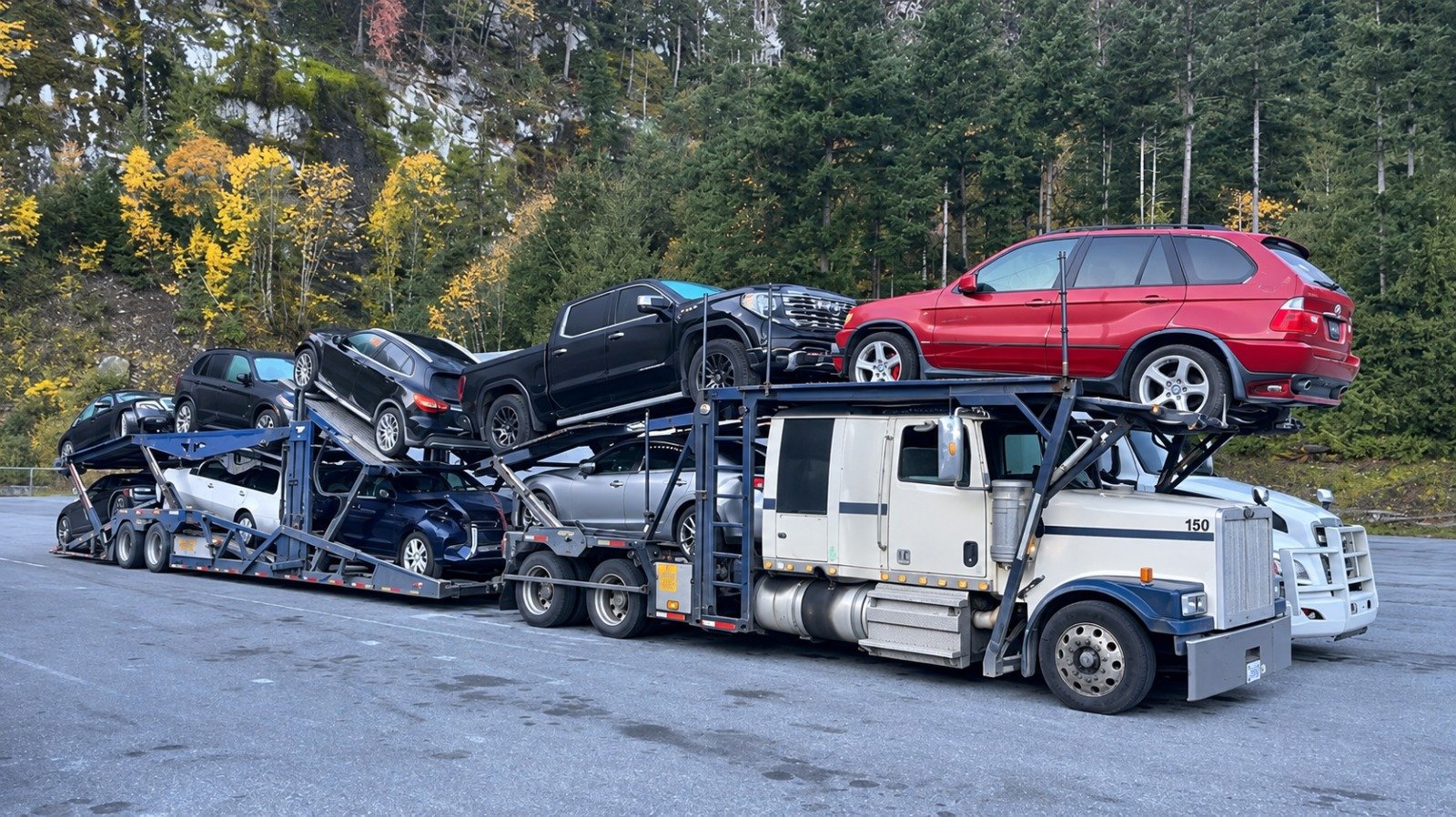
Understanding what to do before shipping your car across Canada goes far beyond tidying up the cabin. Commercial auto transport carriers operate under strict federal and provincial weight limits, axle load regulations, and safety standards overseen by agencies such as Transport Canada. Every vehicle loaded onto a trailer must be mechanically operable, properly balanced, and free of loose hazards.
When a vehicle arrives at the pickup location unwashed, packed with household boxes, or running on an empty battery, loading slows down and inspection accuracy suffers. Taking an hour or two to complete your vehicle transport preparation accomplishes four critical goals:
- Accurate Condition Verification: A clean exterior allows you and the driver to spot and record every existing stone chip, scratch, or dent on the Bill of Lading before the car is loaded.
- Regulatory Weight Compliance: Removing excess personal cargo keeps the carrier within legal commercial gross vehicle weight limits across provincial weigh stations.
- Safe Loading and Unloading: Properly inflated tires, functional brakes, and a charged battery ensure the driver can manoeuvre your vehicle safely onto upper or lower trailer ramps.
- Protection Against Vibration and Weather: Securing retractable antennas, folding mirrors, and removing exterior racks prevents wind drag and road vibration damage during long-haul transit.
Complete Car Shipping Preparation Checklist
Whether you are organizing a cross-country relocation on our Vancouver to Toronto car shipping route or moving a vehicle between neighbouring provinces, use this structured vehicle shipping checklist in the days leading up to your scheduled pickup window.
Exterior & Cleaning
- Wash and dry the vehicle exterior thoroughly
- Remove roof racks, bike carriers, and cargo boxes
- Retract or remove non-permanent antennas
- Fold in side-view mirrors securely
- Check that convertible tops and sunroofs seal tightly
Interior & Belongings
- Remove all loose personal items and valuables
- Take out dashcams, GPS units, and toll transponders
- Empty the glove box, centre console, and trunk
- Secure or remove custom floor mats if loose
- Disable aftermarket anti-theft alarm systems
Mechanical & Fluids
- Keep fuel tank level around one-quarter (1/4) full
- Verify battery holds a strong, reliable charge
- Inflate all four tires to manufacturer PSI specs
- Inspect undercarriage for active oil or coolant leaks
- Top up winter-grade windshield washer fluid & antifreeze
Keys & Paperwork
- Prepare a complete set of working keys for the driver
- Keep a spare set of keys in your own possession
- Take timestamped photos from all angles in daylight
- Have ownership/registration documents accessible
- Review and sign the Bill of Lading at pickup
Fuel, Battery, and Mechanical Checks Before Transport
A common question among first-time shippers is how to get your car ready for shipping mechanically without overcomplicating the process. Your vehicle does not need a full pre-trip tune-up, but core systems must operate reliably so the carrier can drive it on and off ramps at pickup, transfer hubs, and delivery.
1. Keep the Fuel Tank Level at One-Quarter Full
If you are wondering how much gas should I leave in my car when shipping, the industry standard is approximately one-quarter (1/4) of a tank. Gasoline weighs roughly 0.75 kilograms per litre; a full 65-litre tank adds nearly 50 kilograms of unnecessary weight to the transport trailer. Leaving a quarter tank provides plenty of fuel for loading, unloading, and short terminal movements without adding excess weight.
For electric vehicles (EVs) and plug-in hybrids, aim for a battery state of charge between 30% and 50%. This range supports short loading manoeuvres while aligning with standard high-voltage battery transport safety practices.
2. Verify Tire Pressure and Battery Condition
Proper tire pressure and battery condition directly affect loading safety. Under-inflated tires can shift on wheel straps or risk sidewall pinching when driven up metal trailer ramps. Check all four tires—and ensure your spare tire is securely mounted—using the PSI specification printed on your driver-side door jamb.
Cold Canadian temperatures can quickly drain an aging 12-volt battery. If your battery struggles to crank in cool weather, have it tested or replaced before pickup. If you are shipping a non-running project car or auction vehicle, notify your coordinator in advance so a winch-equipped carrier can be assigned.
3. Check for Fluid Leaks and Seasonal Antifreeze
Inspect your driveway or garage floor beneath the engine and transmission for fresh drips. Carriers may refuse to load a vehicle with active oil, transmission fluid, coolant, or brake fluid leaks because fluids can drip onto vehicles positioned on lower decks. Additionally, if you are shipping a vehicle from a milder coastal region like Vancouver into Alberta, Saskatchewan, or Manitoba during autumn or winter, confirm your engine coolant and windshield washer fluid are rated for sub-zero temperatures.
Canadian Winter Readiness: Even if your vehicle is enclosed or transported on a highway hauler, ambient temperatures across the Prairies and Northern Ontario regularly drop well below −20°C. Ensure your radiator antifreeze mix is rated to at least −35°C or −40°C before handing over the keys in winter months. You can check seasonal highway conditions through Environment and Climate Change Canada prior to dispatch.
Personal Belongings Removal and Exterior Accessories
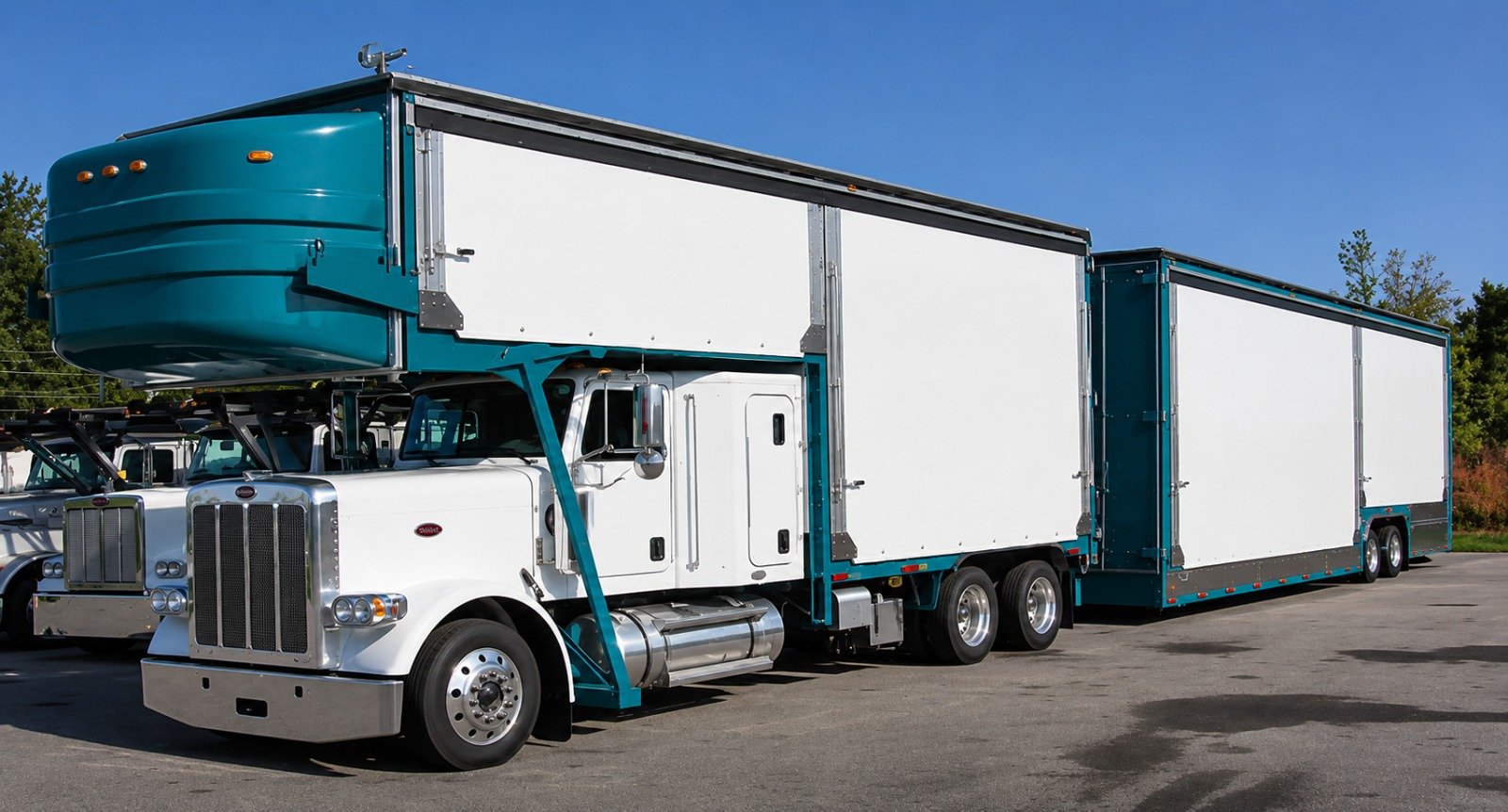
When customers ask what should I remove from my car before shipping, the simplest rule is to return the vehicle as close as possible to its factory exterior profile and empty out loose interior items.
Why Personal Items Should Be Removed
Auto transport carriers are licensed to haul motor vehicles rather than household goods. Standard cargo insurance policies cover the vehicle itself against transit-related carrier liability, not personal electronics, luggage, or sporting gear left inside the cabin. Furthermore, loose items can shift during braking or highway turns, potentially scratching interior trim or breaking glass from the inside.
- Electronics and Valuables: Remove dashcams, radar detectors, portable GPS screens, charging cables, sunglasses, and garage door openers.
- Loose Cabin Gear: Take out child car seats (unless properly latched and pre-approved), toolboxes, winter emergency kits, and loose change.
- Toll Transponders & Parking Passes: Remove electronic toll transponders (such as Ontario's 407 ETR transponder) or place them in a shielded bag so you are not billed as the carrier passes highway gantries.
Securing or Removing Exterior Modifications
Car transport preparation tips always emphasize checking items mounted outside the bodywork. Multi-level trailers have tight vertical clearance between decks. Roof-mounted cargo boxes, kayak racks, ski carriers, and tall whip antennas must be removed prior to pickup. If your vehicle features an adjustable air suspension or removable front splitter, set the ride height to its highest standard setting and store low-hanging lip spoilers inside the trunk if feasible.
Vehicle Condition Documentation and Pre-Shipment Inspection
Thorough vehicle condition documentation is your strongest safeguard during any vehicle relocation. Before the carrier arrives, take time to wash and inspect your car in bright, natural light.
Should I Wash My Car Before Auto Transport?
If you are wondering, “should I wash my car before auto transport?”—the answer is yes. Road grime, salt spray, and dust easily mask minor door dings, swirl marks, and bumper scuffs. A clean exterior ensures both you and the driver can perform an objective visual walkthrough without overlooking pre-existing blemishes.
Completing the Vehicle Inspection Report (Bill of Lading)
At pickup, the driver will complete a formal vehicle inspection report, commonly integrated into the Bill of Lading (BOL). This document serves as both your shipping receipt and the official baseline record of your vehicle's cosmetic condition. Follow these steps when documenting your car:
Capture High-Resolution Daylight Photos
Before the truck arrives, photograph all four corners, both sides, the front bumper, rear bumper, roof, windshield, and wheels. Include a close-up photo of the odometer reading.
Walk Around the Vehicle With the Driver
Review the diagram on the Bill of Lading alongside the driver. Confirm that existing scratches, stone chips, or dents are accurately marked using standard condition codes.
Verify Odometer and VIN Details
Double-check that the Vehicle Identification Number (VIN), licence plate, and starting odometer reading match your records before signing the pickup portion of the report.
Retain Your Copy Until Delivery
Keep your signed paper or digital copy of the Bill of Lading safe. You will use this exact document to compare the vehicle's condition when it arrives at your destination.
How Preparation Varies by Transport Method
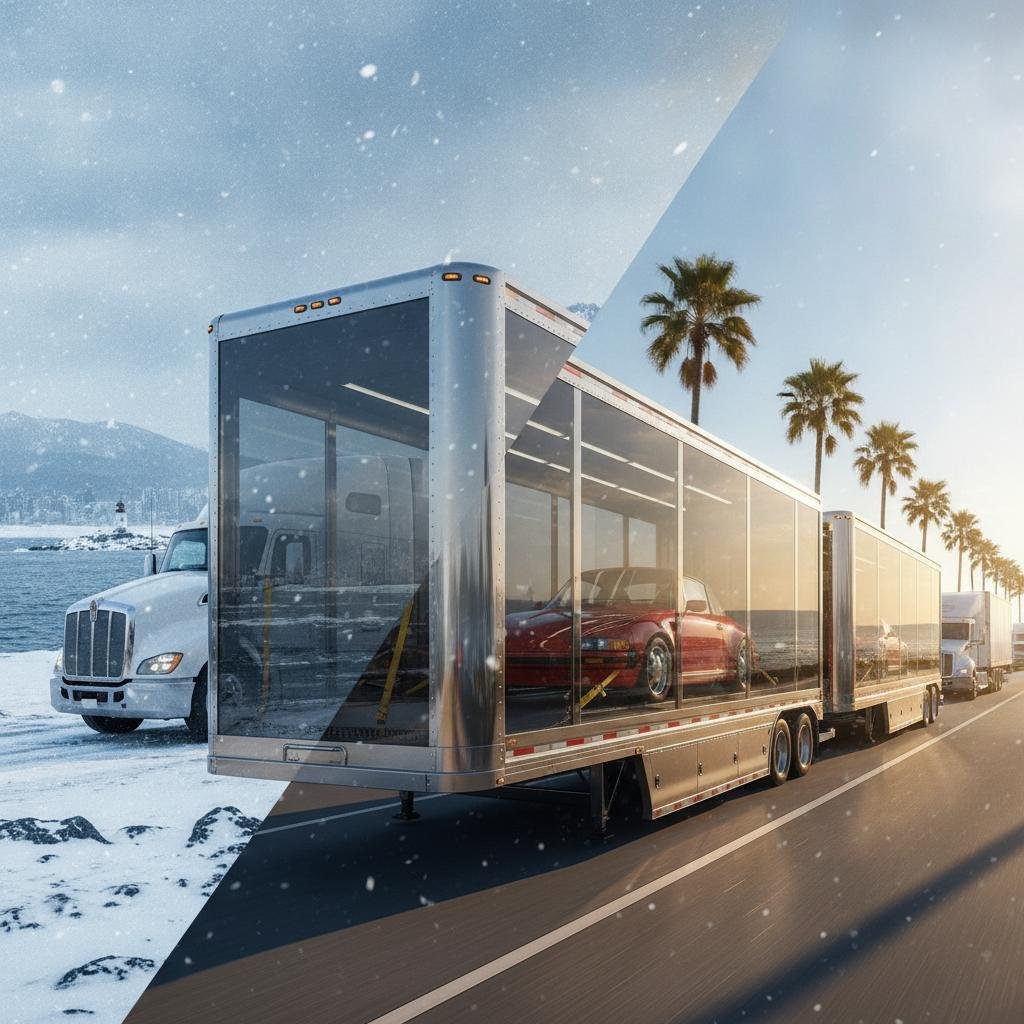
While the core steps for preparing a vehicle for transport apply across the board, certain details depend on the shipping method you select. Optixtrace coordinates multiple vehicle transportation services across Canada, each suited to different vehicle types and budgets.
| Transport Method | Best Suited For | Key Preparation Focus |
|---|---|---|
| Open Car Transport | Daily drivers, sedans, SUVs, pickup trucks, and dealership inventory | Wash exterior, fold mirrors, remove roof racks, and ensure tight window/convertible seals against highway weather. |
| Enclosed Vehicle Transport | Luxury sports cars, classic restorations, exotics, and low-clearance vehicles | Confirm battery charge, set air suspension to transport/high mode, and note custom wheel or splitter clearances. |
| Rail Car Transport | Long-distance coast-to-coast shipments between major Canadian rail hubs | Strict adherence to 1/4 fuel tank limit, zero loose items in cabin, and terminal drop-off/pickup scheduling. |
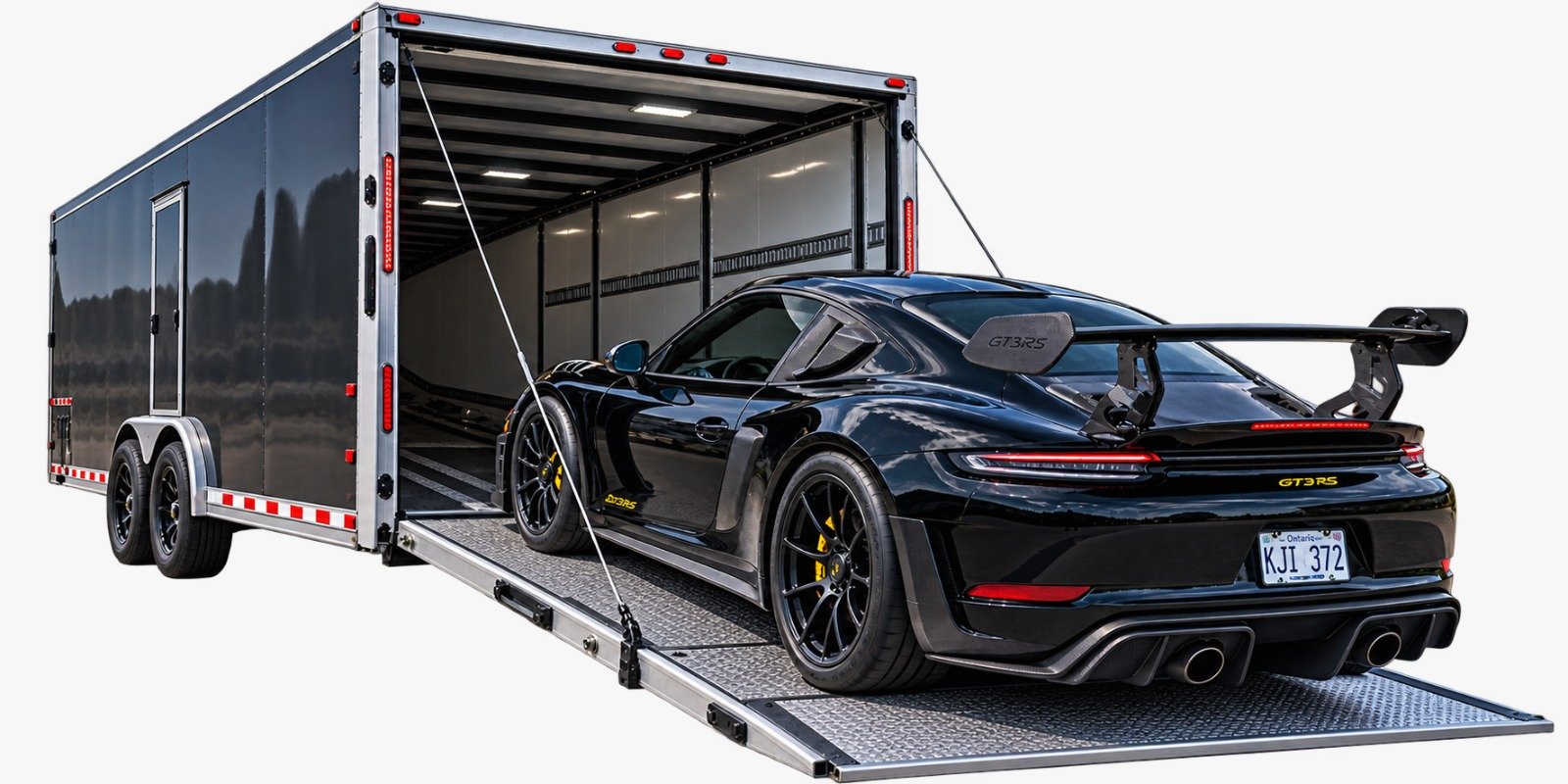
If you are shipping a high-value collector car or low-slung sports coupe, choosing enclosed door-to-door vehicle transport shields your paintwork from gravel, road salt, and prairie wind while using hydraulic liftgates for gentle loading angles. Conversely, for standard family vehicles or Calgary to Toronto car shipping relocations, open multi-car carriers provide an economical, widely available solution.
What to Check Before and After Carrier Pickup
Knowing what to check before a car shipping company picks up your vehicle—and what to inspect once it arrives—eliminates last-minute stress on moving day.
Preparing the Pickup Location
Commercial car haulers can measure over 22 metres (75 feet) in length and require wide turning radii and overhead clearance free of low tree branches or power lines. If you booked door-to-door car shipping and live on a narrow residential cul-de-sac, downtown condo street, or rural road with weight restrictions, coordinate with your driver to meet at a nearby wide commercial parking lot or plaza.
What to Do at Delivery
When your vehicle arrives at its destination, resist the urge to sign the delivery receipt immediately. Walk around the car in good lighting with your original pickup Bill of Lading and pre-shipment photos in hand:
- Compare Panels and Glass: Check the roof, hood, doors, bumpers, windshield, and wheels against your pickup notes.
- Check Odometer and Keys: Verify the mileage has only increased by the minimal distance required for loading and unloading, and confirm all keys are returned.
- Note Any Discrepancies Immediately: In the rare event you notice new transit damage, note it clearly on the delivery Bill of Lading before signing, take clear photos, and contact your Optixtrace coordinator right away.
Additionally, if you are moving permanently to a new province, remember to check provincial motor vehicle registration and safety inspection timelines through the Canadian Council of Motor Transport Administrators (CCMTA) or your destination province's licensing ministry, and review your auto coverage with guidance from the Insurance Bureau of Canada.

Frequently Asked Questions About Car Shipping Preparation
Below are answers to the most common questions Canadian drivers, dealerships, and relocating families ask when preparing a vehicle for transport.
As a general rule, vehicles should be completely empty of personal belongings during transport. Personal items are not covered under standard carrier cargo insurance, can shift and damage interior surfaces during transit, and add extra weight to the trailer. If you have specific situational questions, discuss them with your Optixtrace transport coordinator prior to booking.
Aim to leave your fuel tank roughly one-quarter (1/4) full. This gives the transport driver enough fuel to drive the vehicle onto and off the carrier at pickup, transfer terminals, and delivery without adding unnecessary weight or violating rail/carrier safety guidelines.
Either you or an authorized representative (aged 18 or older) must be present at both pickup and delivery. Your designated representative will hand over or receive the keys, walk through the vehicle inspection report with the driver, and sign the Bill of Lading on your behalf.
Inoperable vehicles can still be transported across Canada, provided you disclose the vehicle's condition when booking. Non-running cars require specialized winch equipment and extra loading time, and the vehicle must still roll, steer, and brake safely so it can be winched onto the trailer.
Yes. Highway vibrations and trailer movement frequently trigger sensitive tilt or shock sensors on aftermarket alarms. Disabling the alarm—or providing clear instructions on how to deactivate it—prevents noise disturbances and keeps your battery from draining mid-transit.
Final Thoughts on Getting Your Vehicle Ready for Transport
Knowing how to prepare a car for shipping removes guesswork from long-distance vehicle relocation. By washing your vehicle for a clear visual check, lowering the fuel tank to a quarter full, verifying tire pressure and battery health, removing personal belongings, and thoroughly documenting your vehicle's condition on the Bill of Lading, you set the stage for a seamless transport experience anywhere in Canada.
Whether you are shipping a single family SUV or coordinating multi-vehicle dealership transfers, Optixtrace Car Shipping is ready to help you plan the right route and carrier option for your timeline.
Looking to Ship Your Vehicle Across Canada?
Get transparent, tailored vehicle transportation options from Optixtrace Car Shipping. Share your pickup and destination cities to receive a customized quote for open, enclosed, or rail transport.
Get a Free Car Shipping Quote