Seasonal demand swings, regional inventory imbalances, and OEM allocation cycles require rental agencies, dealerships, and commercial operators to shift dozens—or hundreds—of vehicles across North America on tight timelines. Coordinating USA to Canada fleet vehicle transport involves far more than booking highway haulers; it requires synchronizing cross-border customs filings, import admissibility checks, carrier capacity, and provincial distribution schedules.
Whether you are a rental operator balancing summer tourism inventory between American hubs and Canadian airports, a dealership group sourcing pre-owned stock south of the border, or a corporate fleet manager expanding operations, understanding the mechanics of cross-border vehicle movement protects both your margins and your delivery windows. Through Optixtrace Car Shipping, businesses and individual vehicle owners gain structured coordination for moving vehicles reliably into and across Canada.
Why Rental and Commercial Fleets Relocate Between the USA and Canada
North American automotive supply chains are deeply integrated, yet seasonal utilization patterns differ sharply between the southern United States and Canadian provinces. Rental car companies regularly experience winter surges in Sunbelt states followed by sharp spring and summer spikes in Vancouver, Calgary, Toronto, and Montreal.
Rather than letting inventory sit idle or over-purchasing locally, operators rely on cross-border fleet transportation to match supply with regional demand. Beyond major rental brands, several other commercial and private segments use US to Canada vehicle shipping strategies:
Seasonal Fleet Repositioning
Shifting compact cars, SUVs, and minivans from southern US hubs to high-traffic Canadian airport branches ahead of peak summer travel and winter ski seasons.
Auction & Inventory Sourcing
Acquiring late-model off-lease or auction vehicles in US markets and coordinating bulk movement into Canadian dealership lots to fill trim and model gaps.
Project & Regional Expansion
Deploying light-duty pickup trucks, cargo vans, and executive sedans across borders for energy, construction, and telecom contracts in Western and Central Canada.
Snowbird & Cross-Border Moves
Individuals importing purchased vehicles or relocating households across provinces benefit from the same carrier networks built for commercial volume.
Driving dozens of vehicles individually across thousands of kilometres adds unnecessary odometer mileage, exposes units to road wear, and demands significant driver labour. Professional rental fleet transportation consolidates units onto commercial carriers, preserving residual vehicle value while keeping delivery schedules predictable.
Comparing Cross-Border Auto Transport Methods for Multi-Vehicle Moves
Selecting the right equipment mix is one of the most important decisions in transportation logistics planning. A mixed batch of economy hatchbacks, full-size SUVs, commercial vans, and executive luxury trims rarely belongs on a single trailer configuration. Exploring available vehicle transportation services in Canada helps logistics managers align trailer specifications with vehicle dimensions and protection requirements.
Open Car Carrier Transport for Standard Rental Inventory
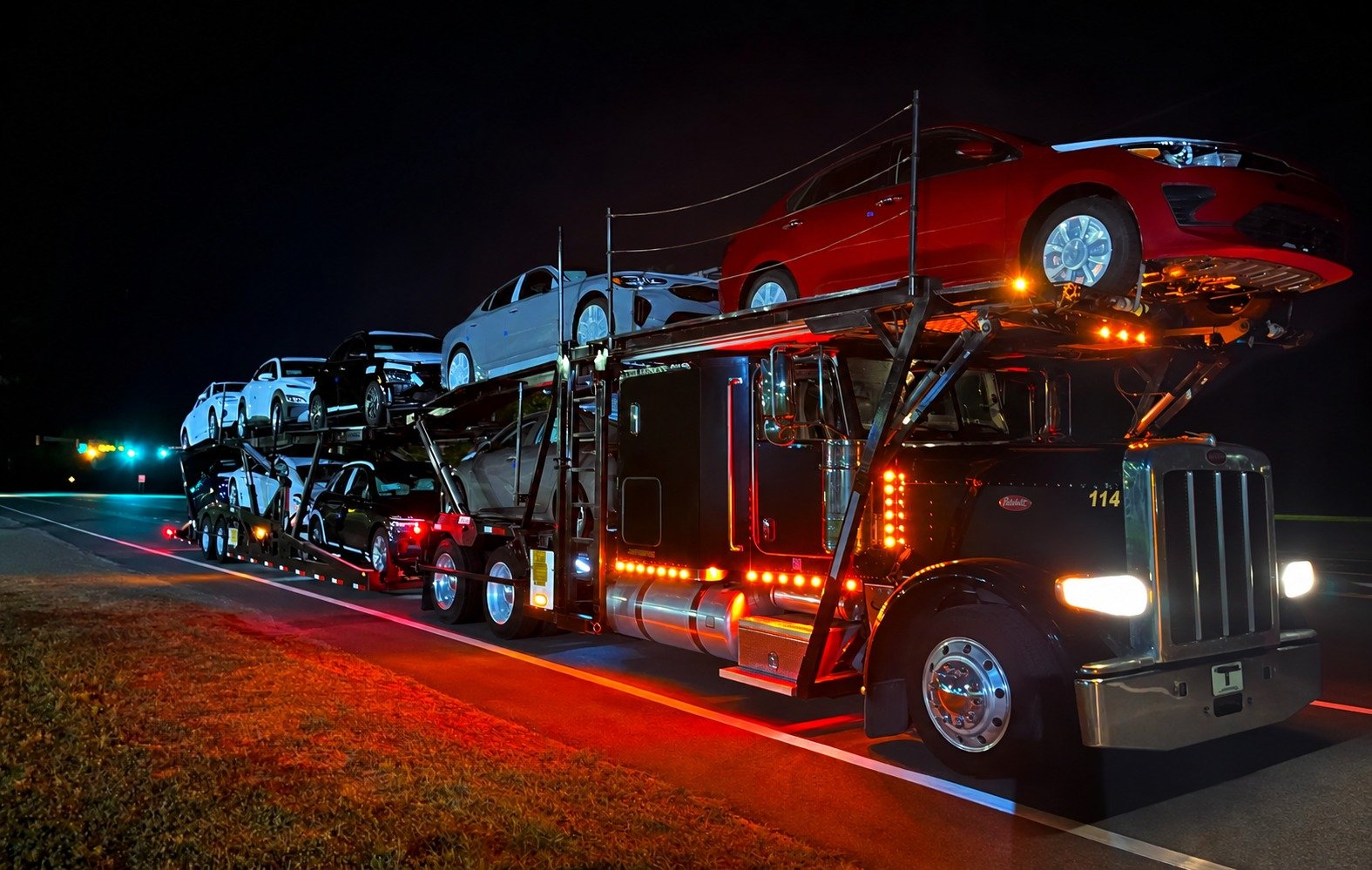
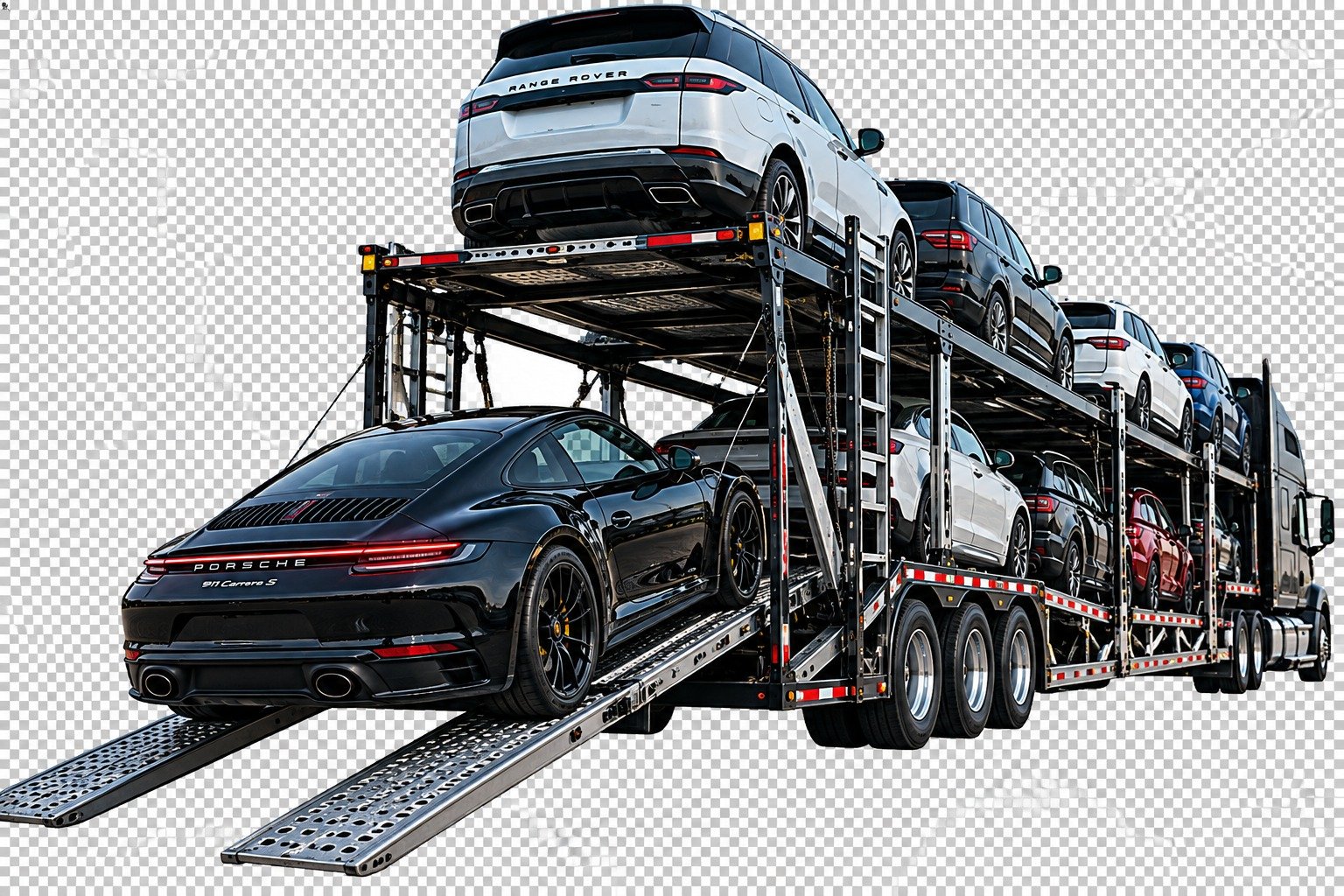
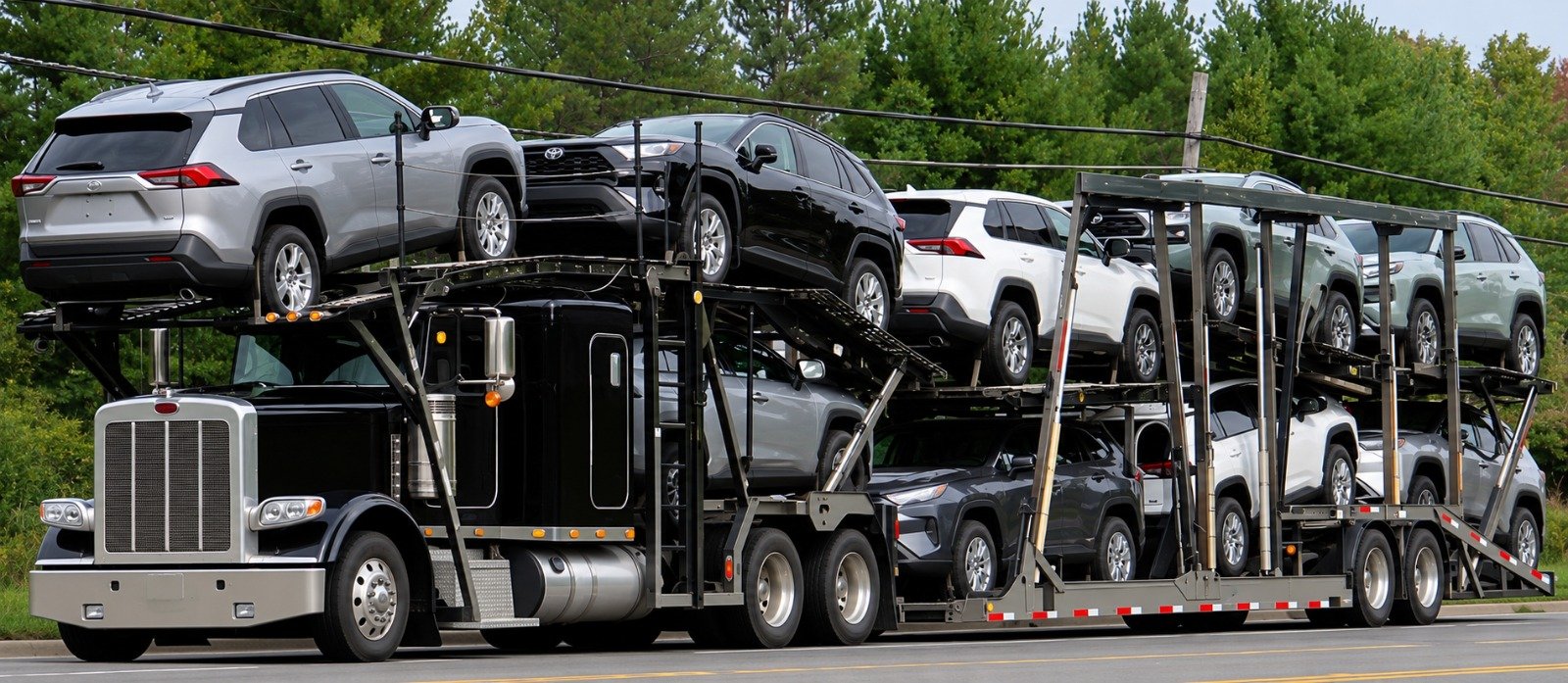
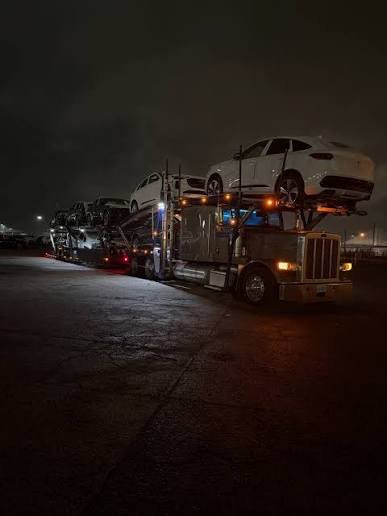
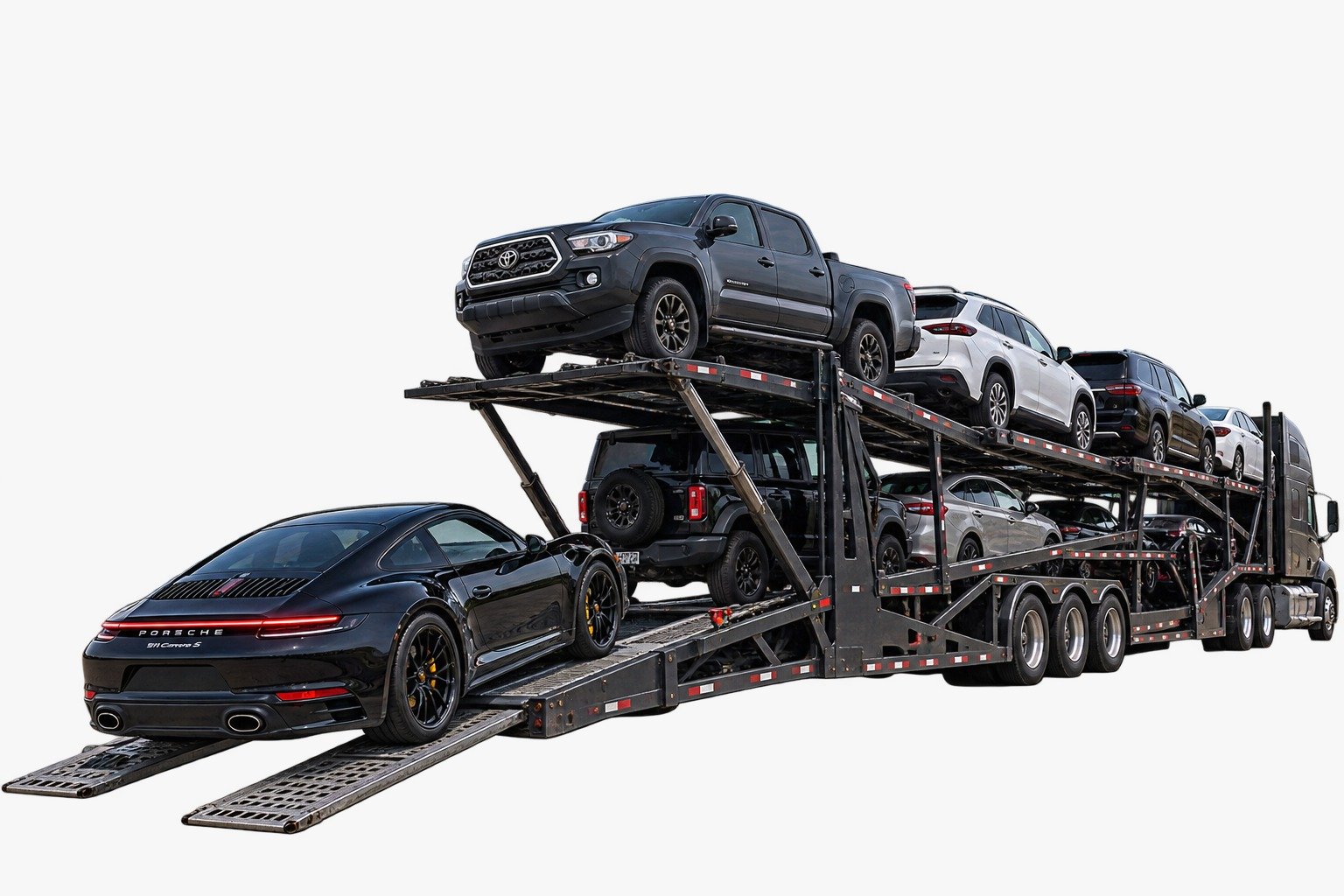
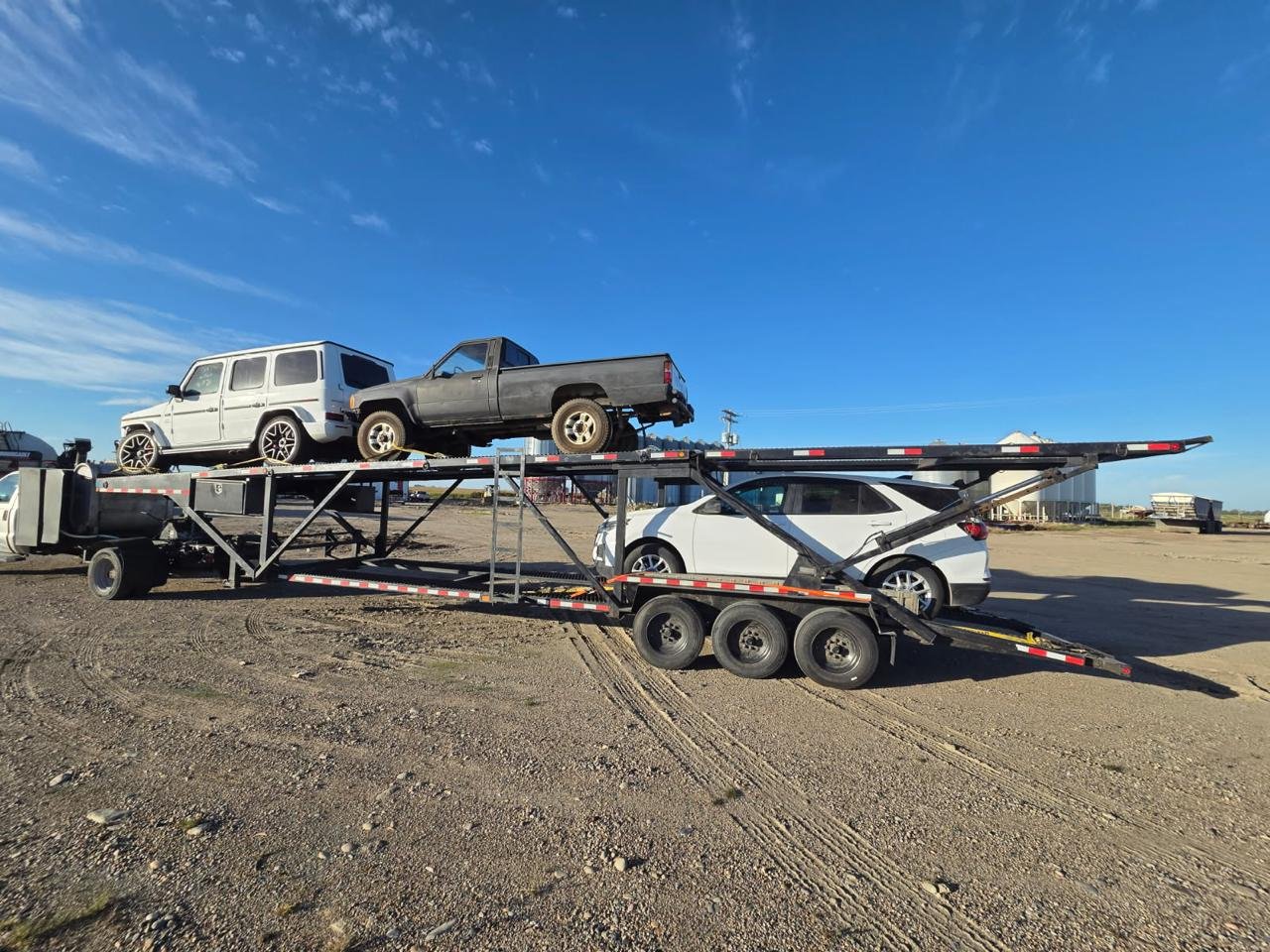
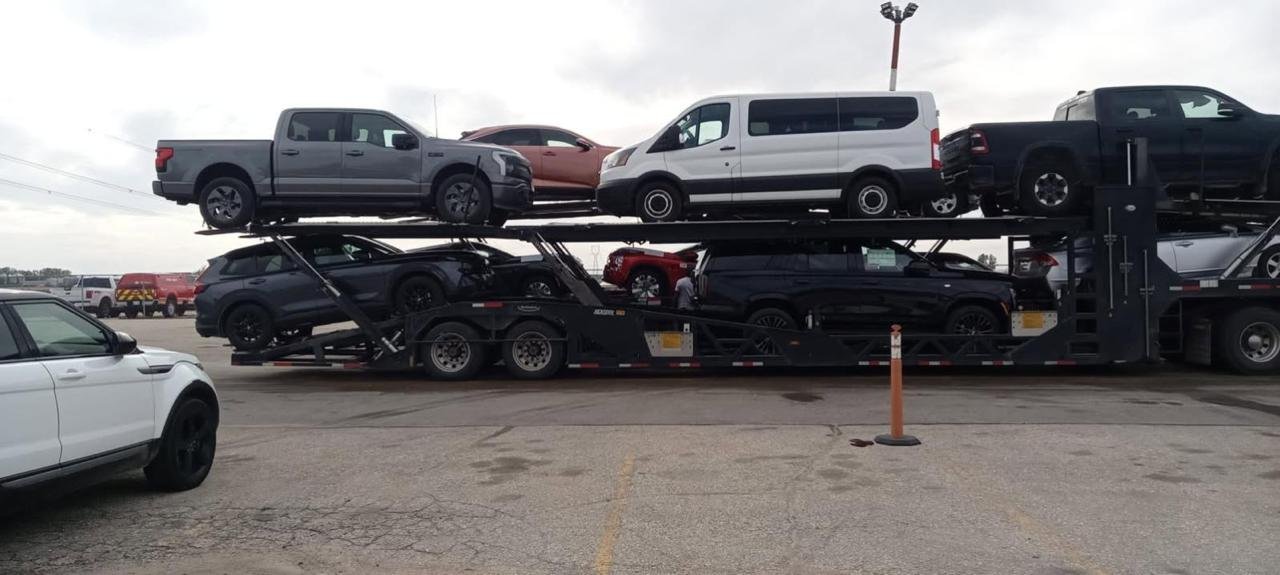
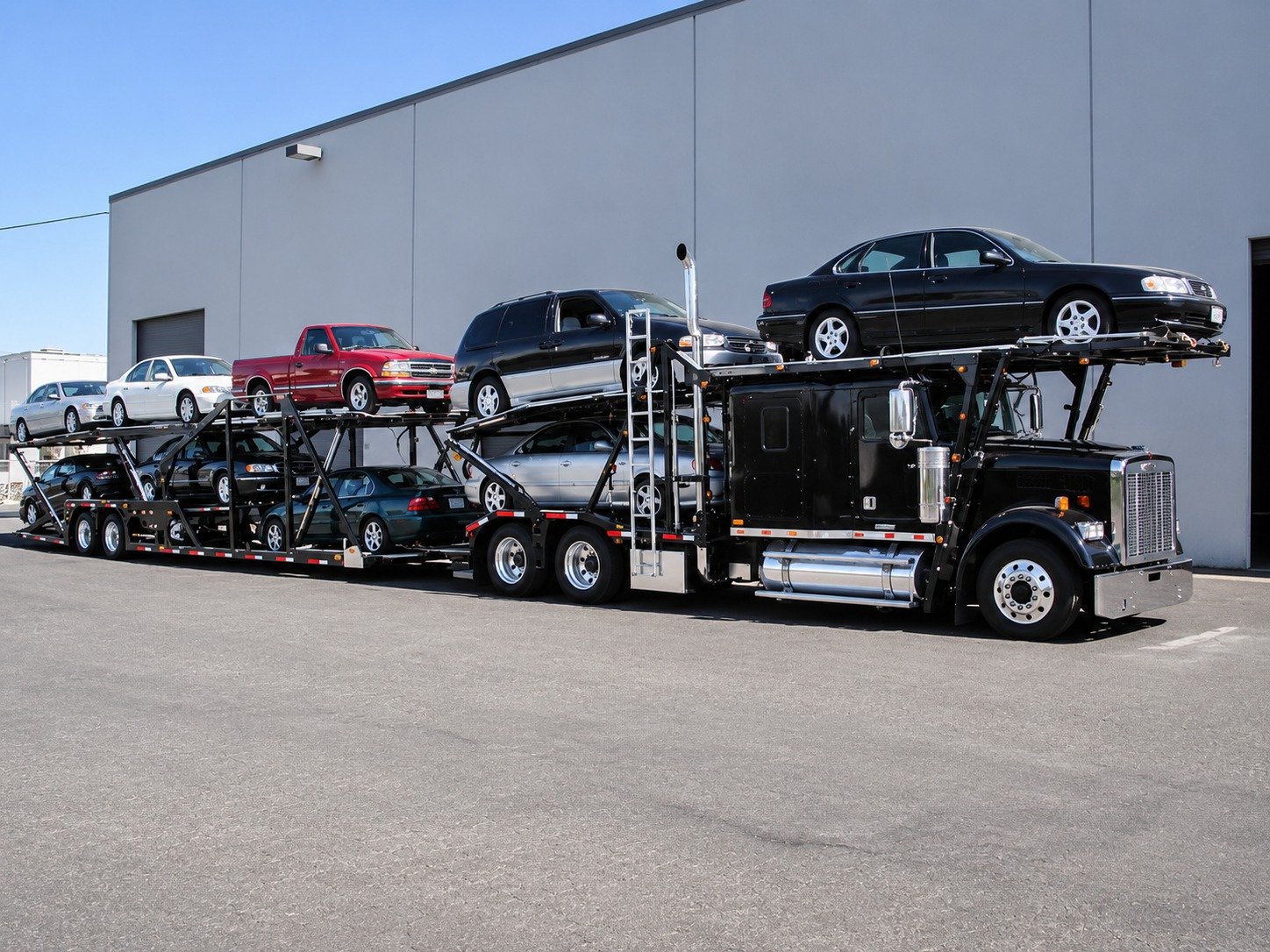
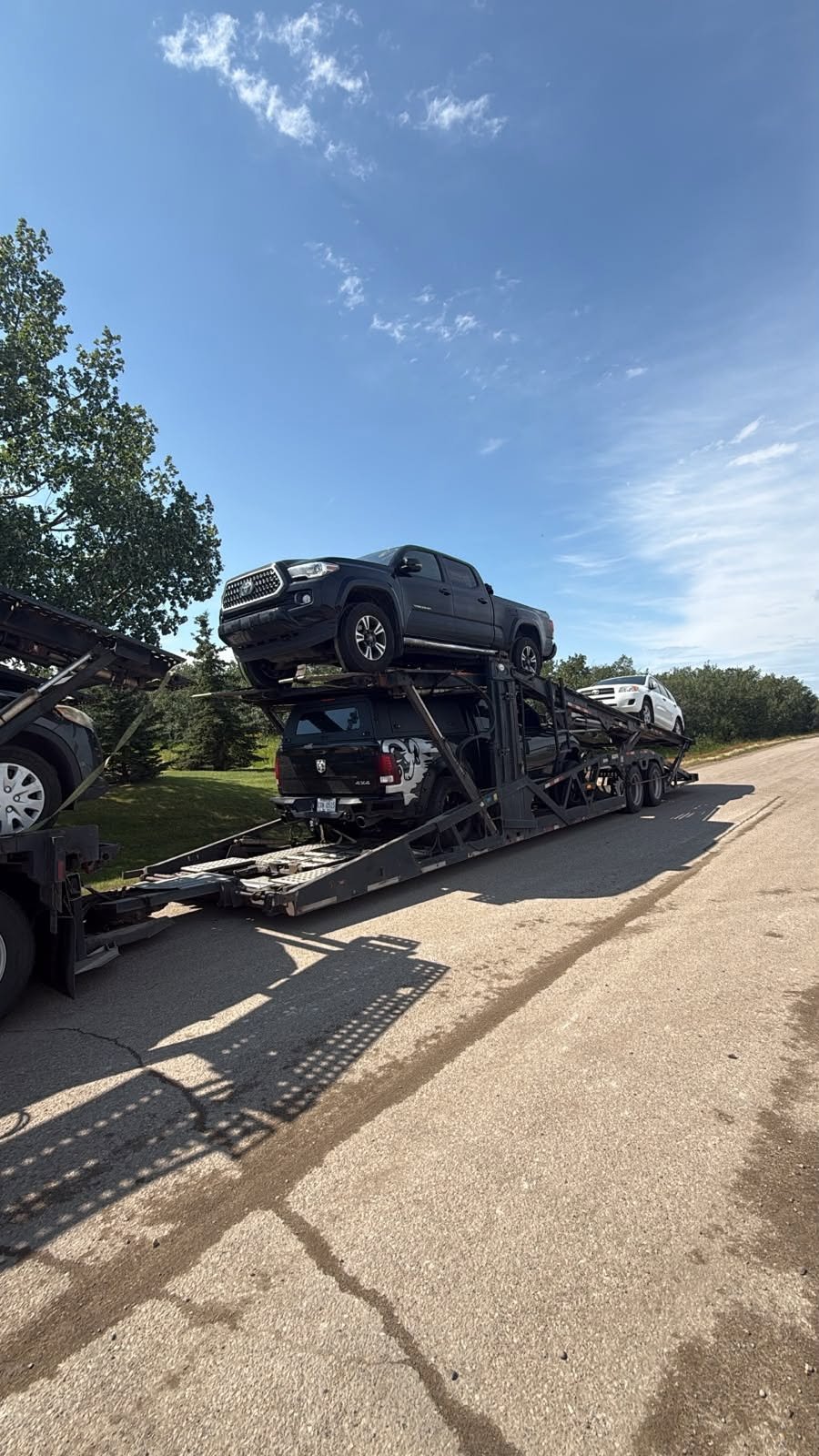
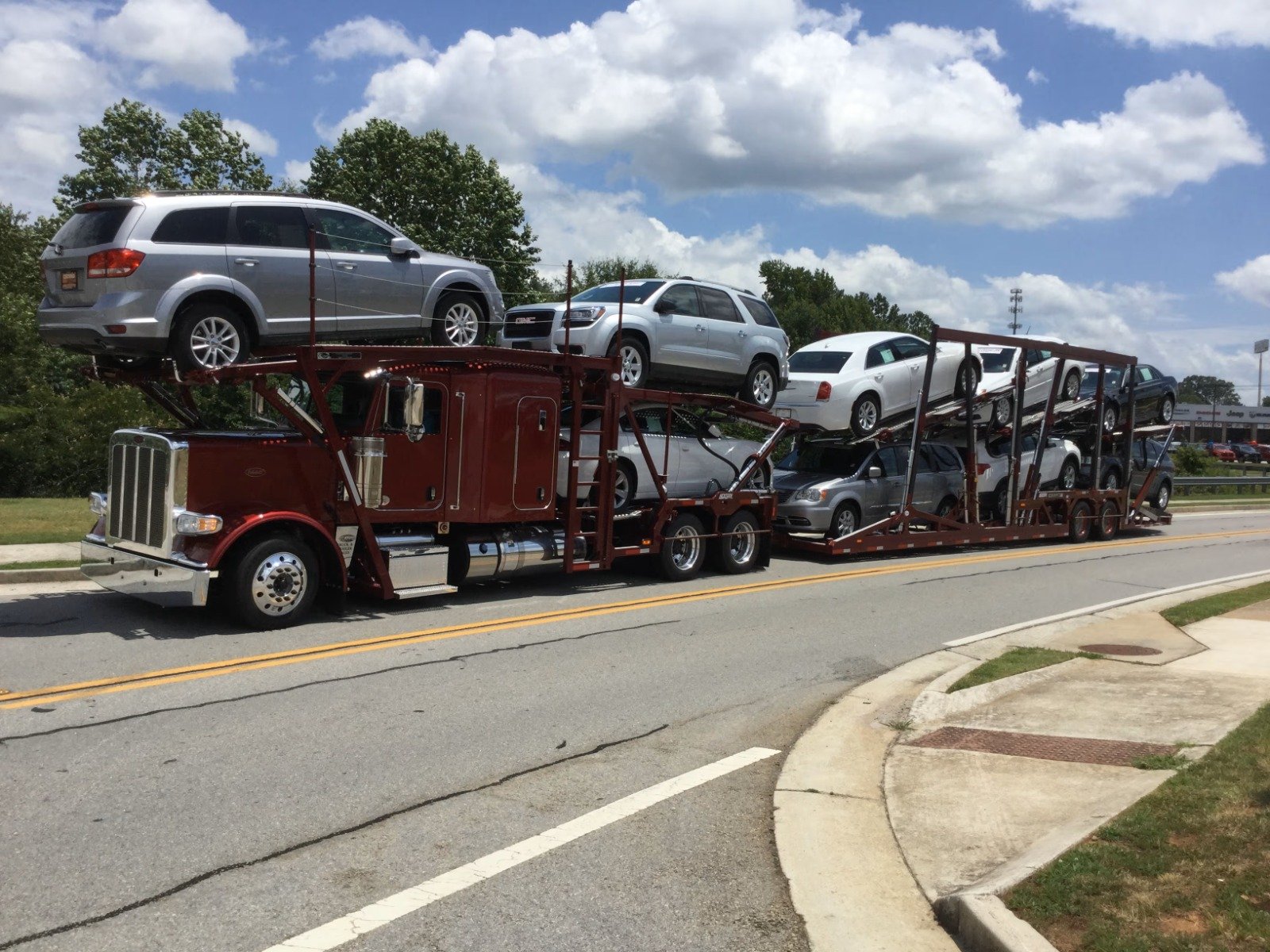
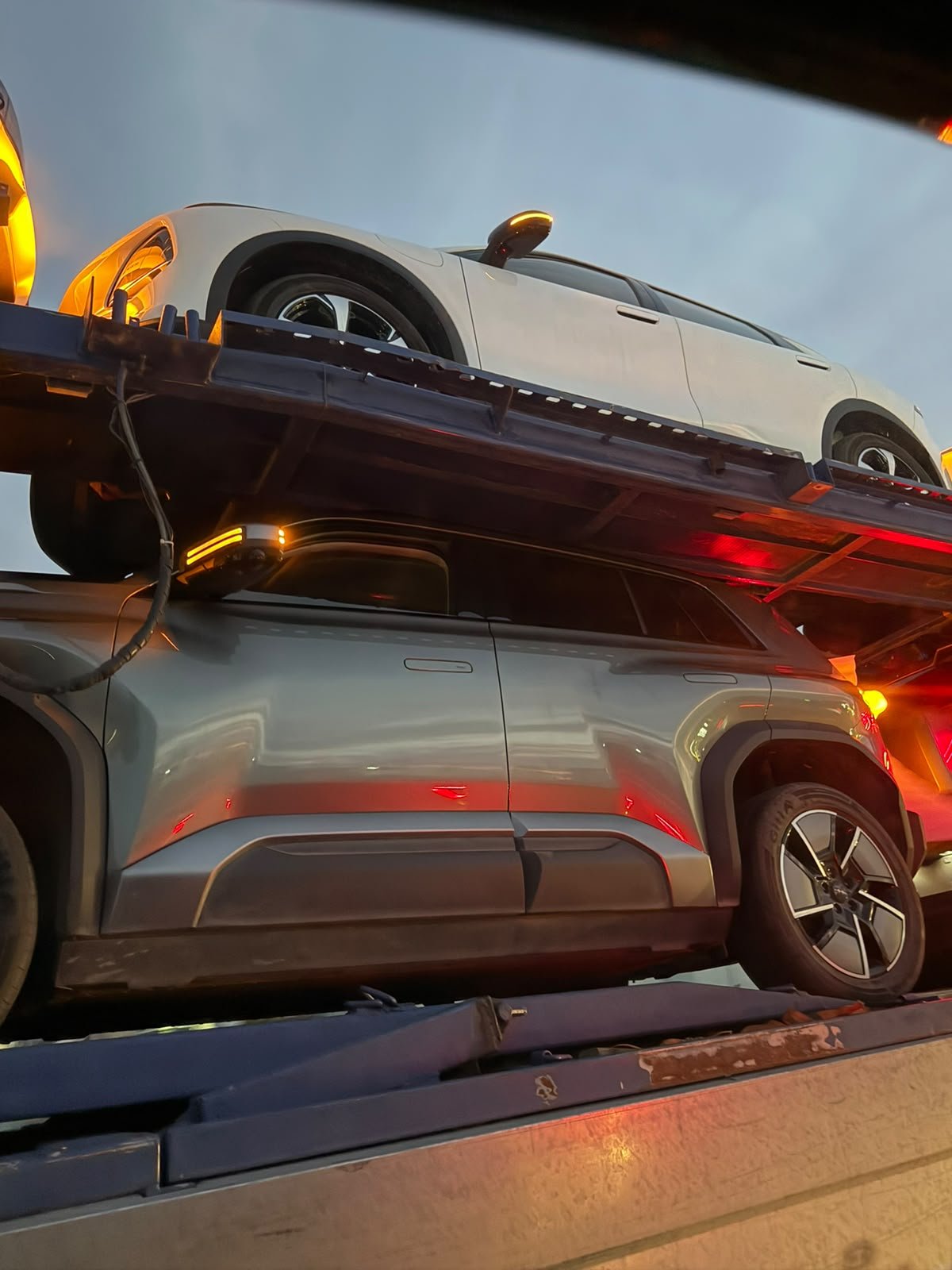
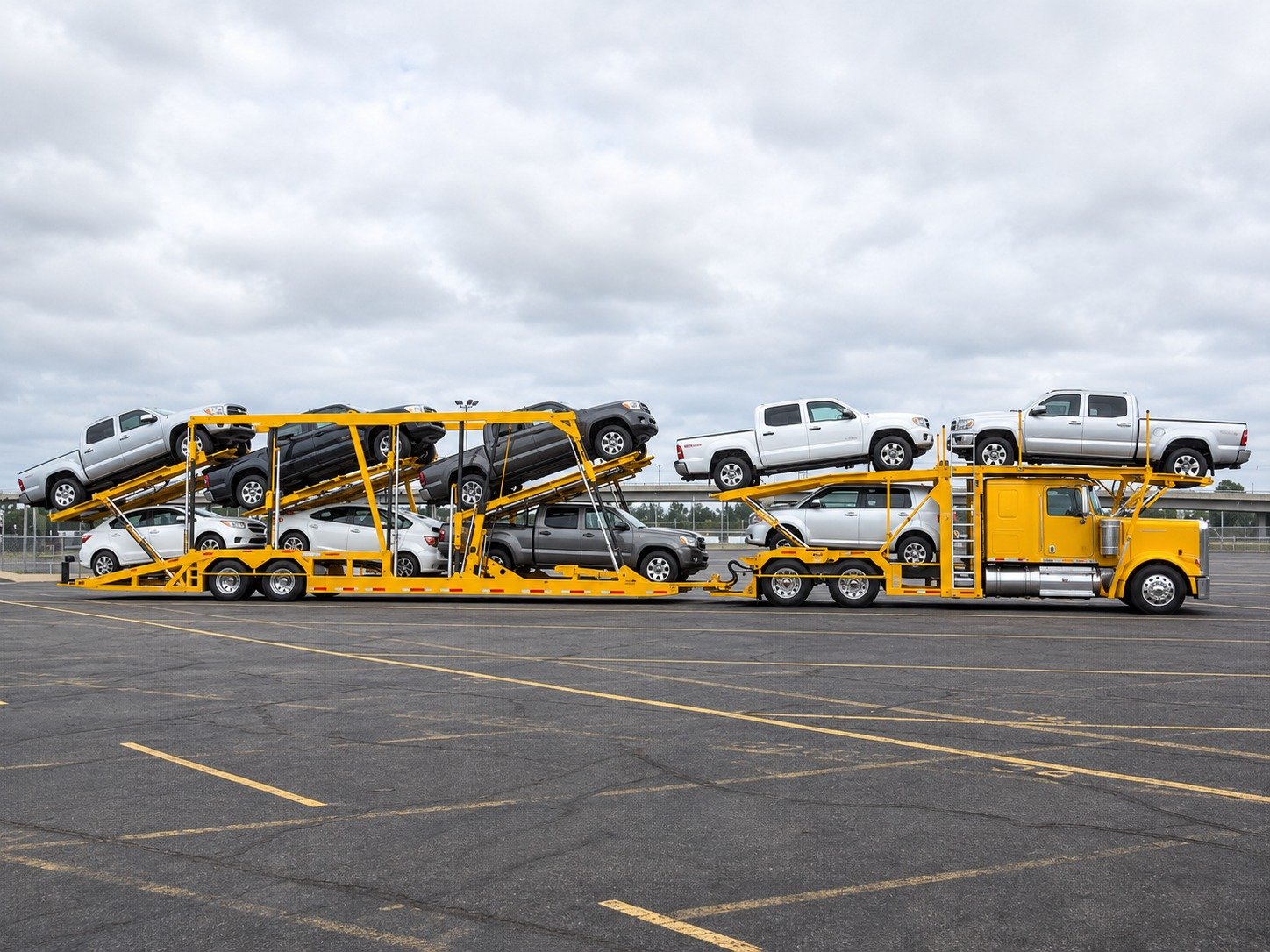
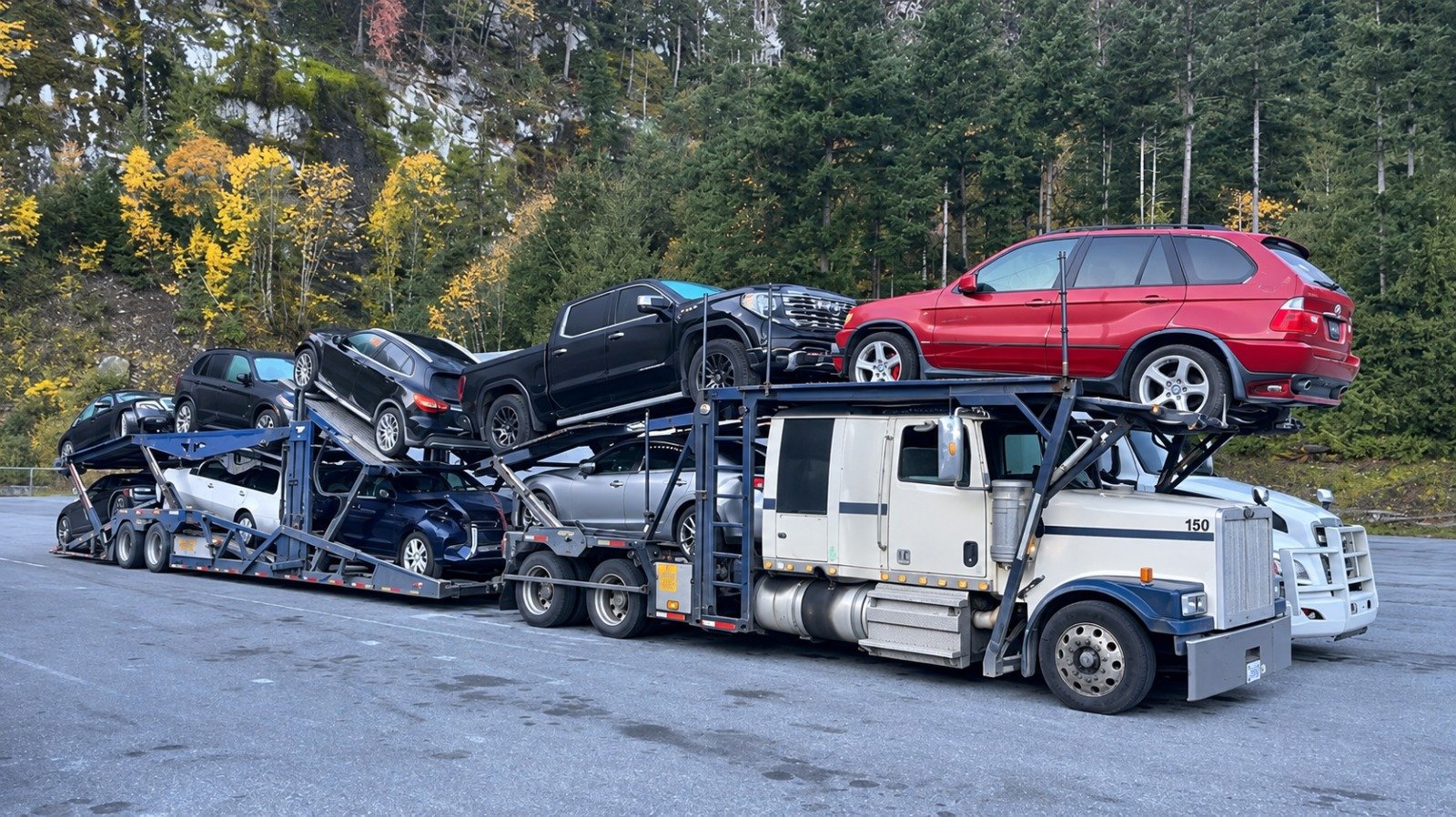
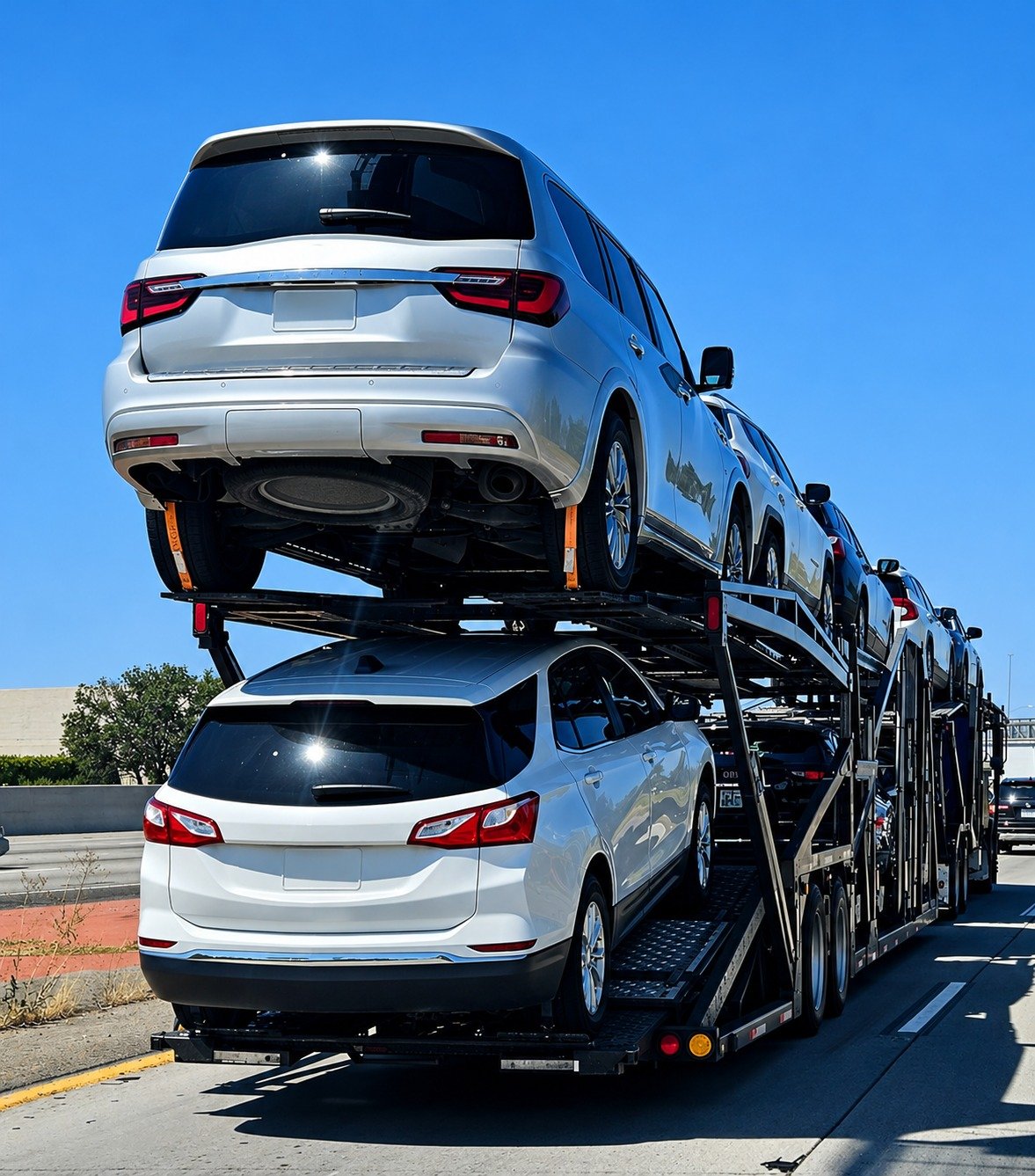
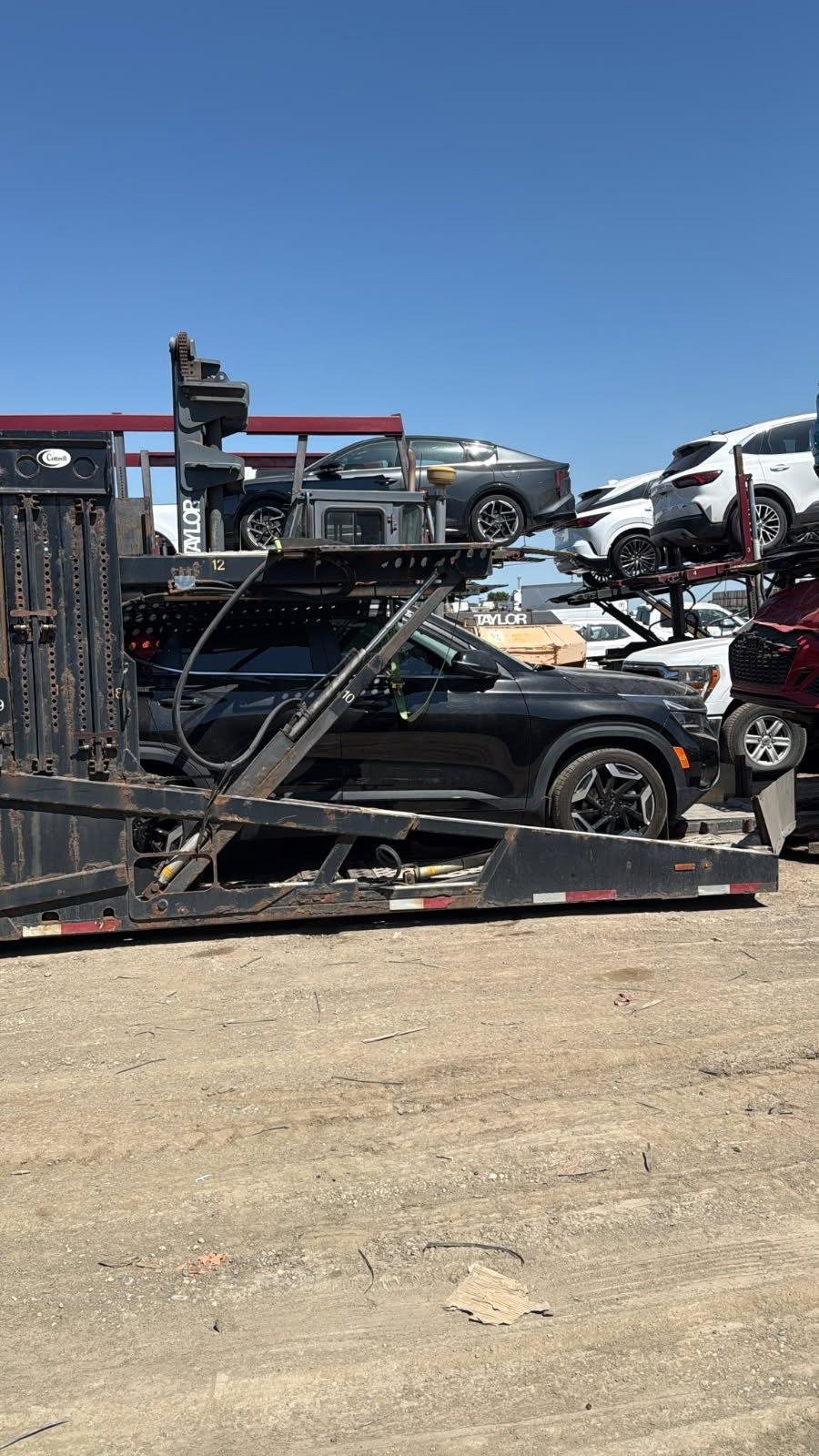
For standard sedans, crossovers, and mid-size SUVs, open car carrier transport remains the backbone of multi-vehicle transportation. Multi-level hydraulic trailers maximize deck efficiency per trip, making them ideal for moving uniform rental classes from US staging yards to Canadian metropolitan terminals.
Enclosed Transport for Premium, Executive, and Specialty Trims
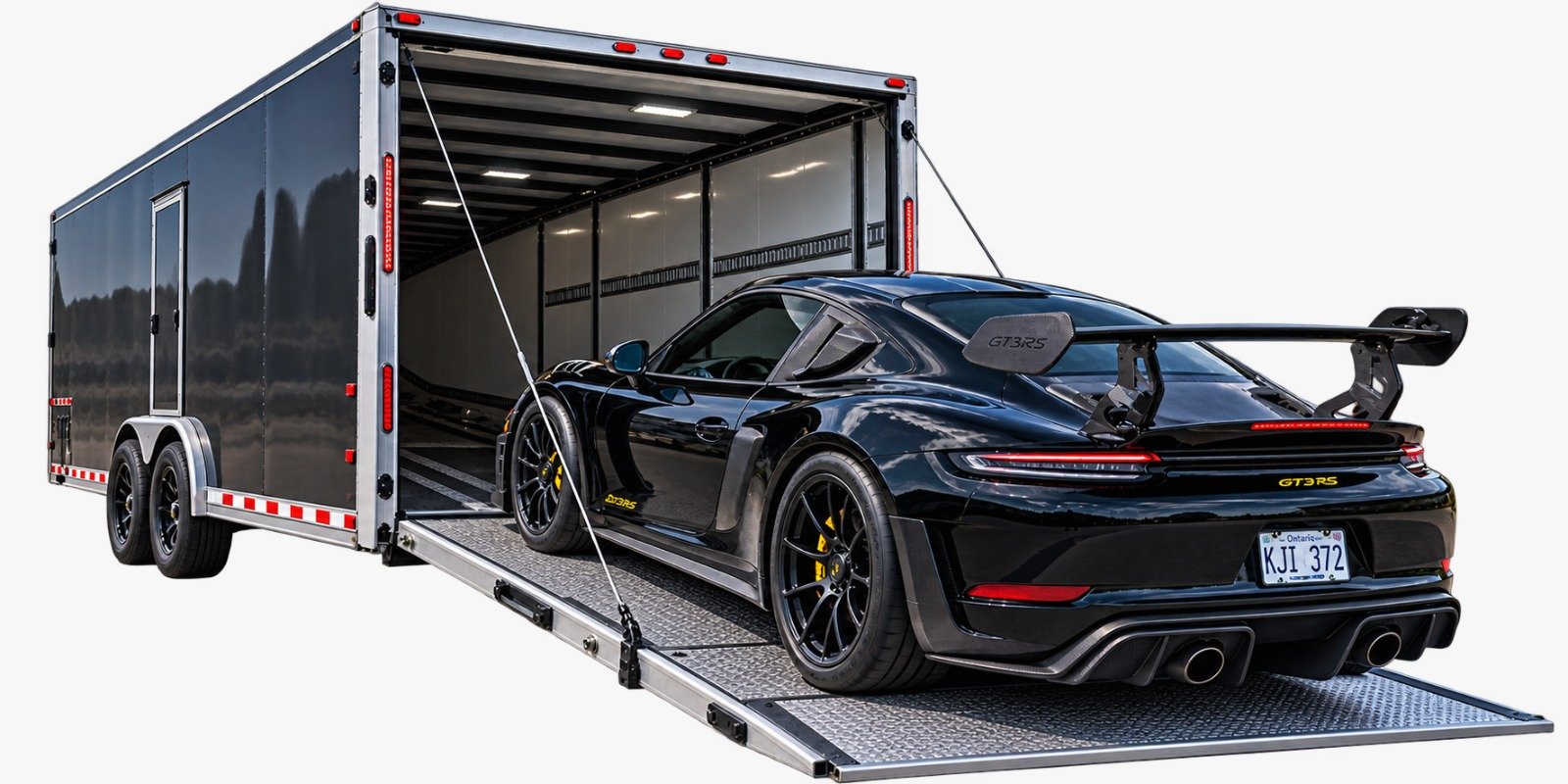
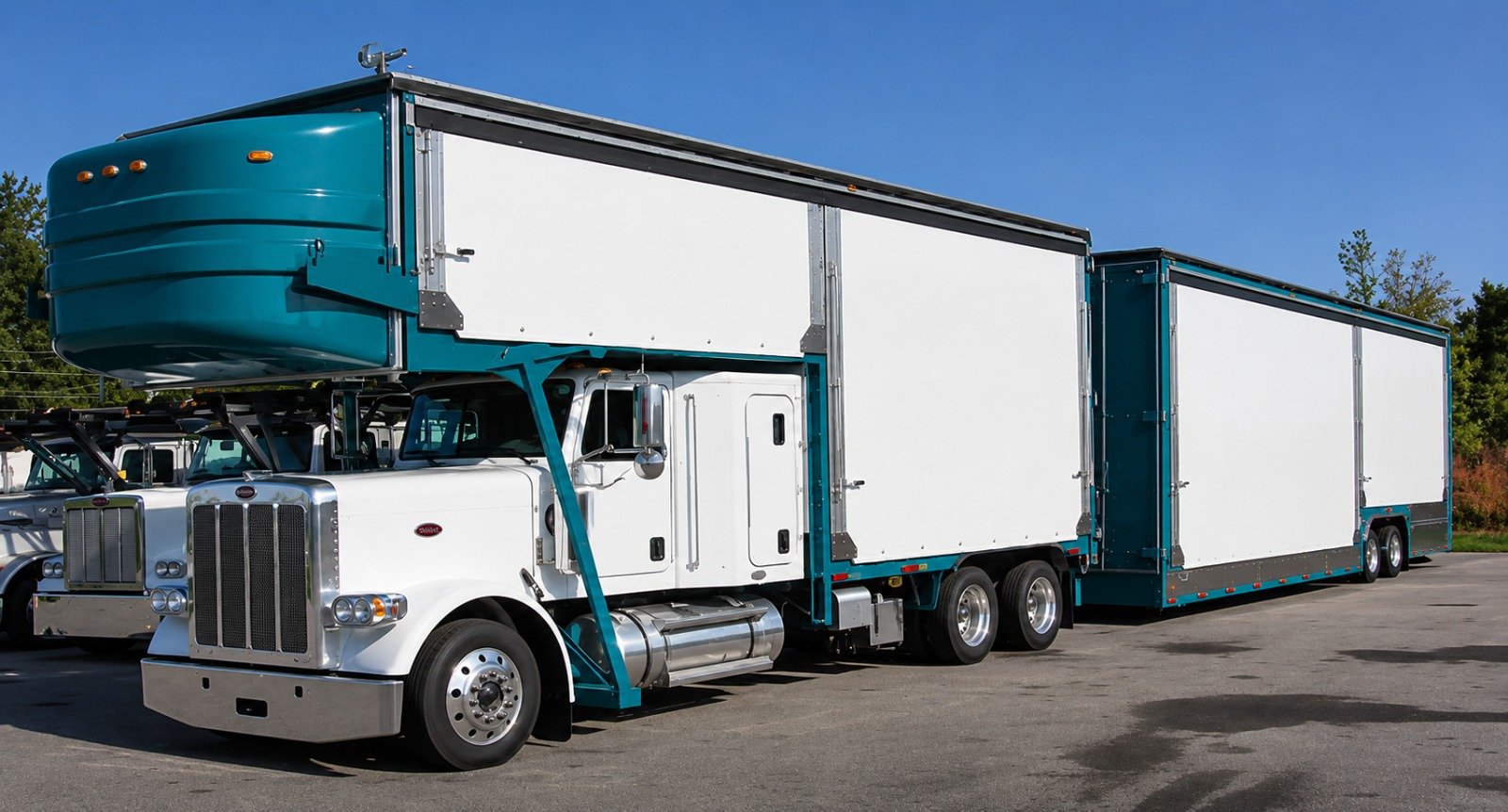
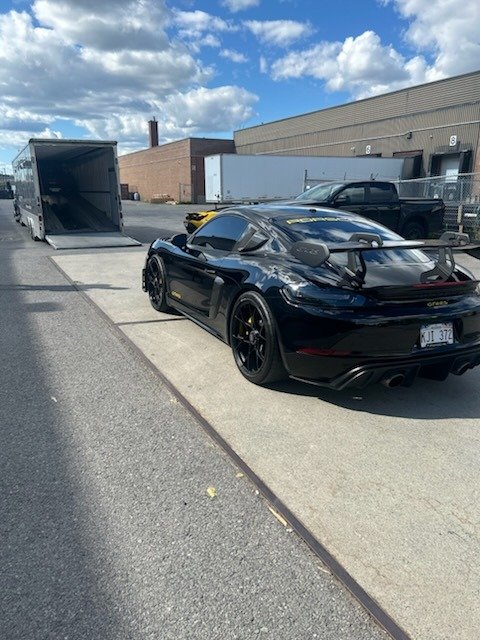
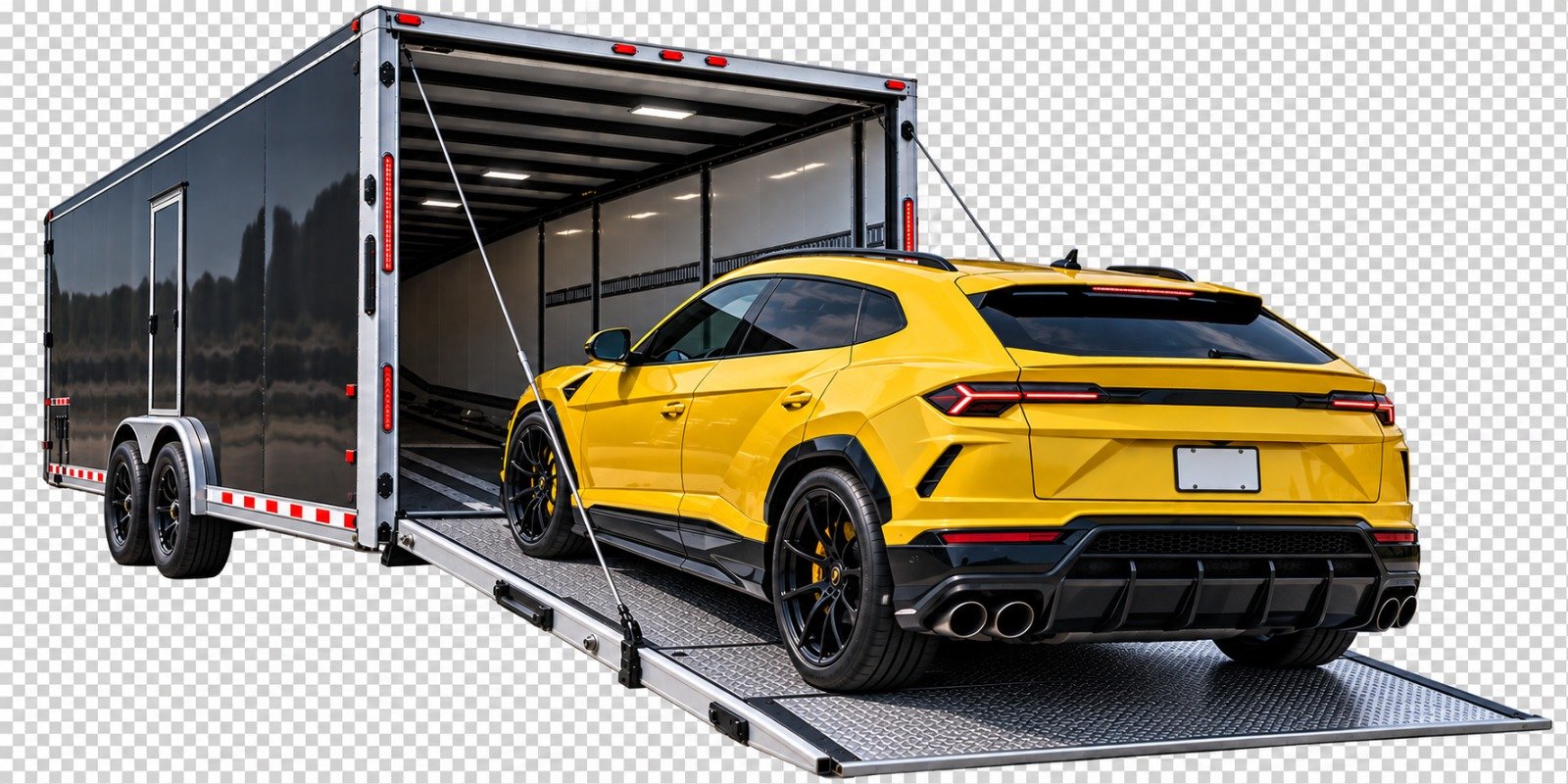
When a shipment includes luxury rental tiers, high-value EVs, sports models, or brand-new executive fleet units, enclosed vehicle transport shields vehicles from highway gravel, road salt, and severe weather during long-haul northern transits.
Rail and Flatbed Solutions for Long-Haul and Oversized Units
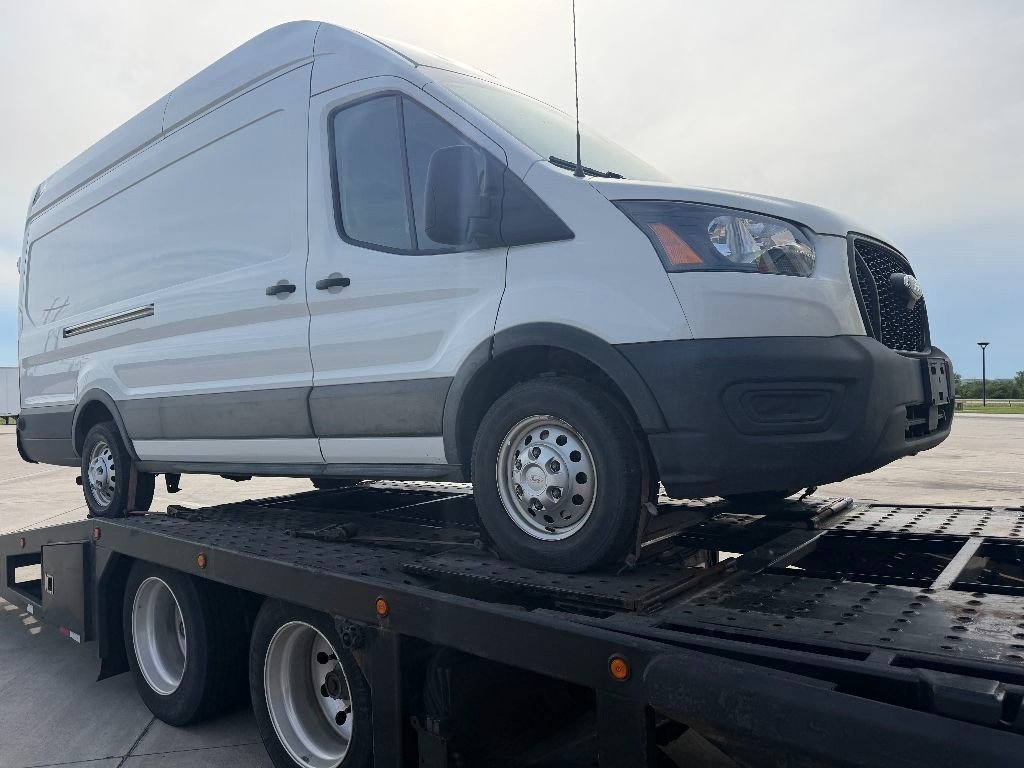
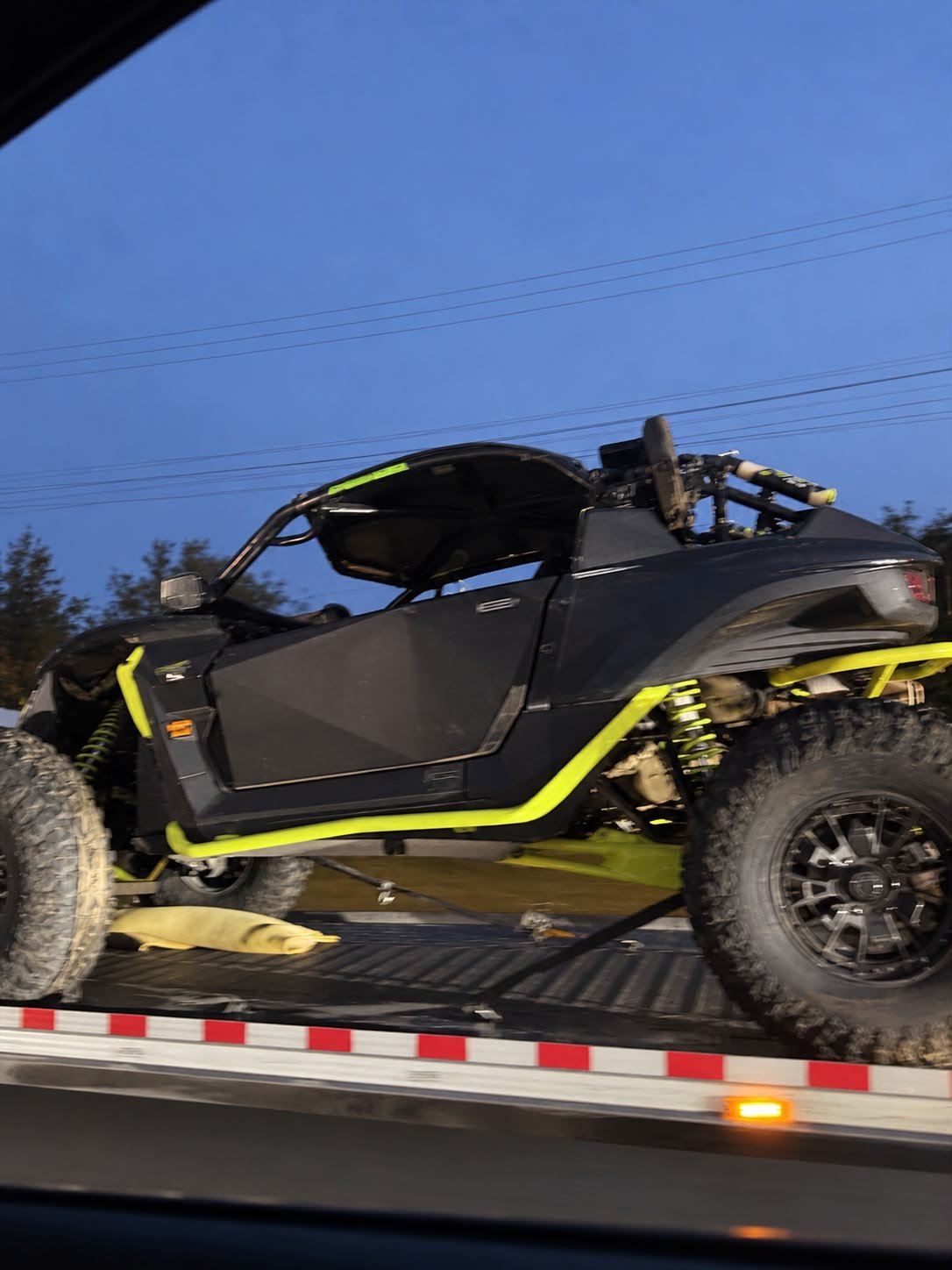
For high-volume coast-to-coast distribution once vehicles enter Canada, railway vehicle transportation offers stable long-distance linehaul between major intermodal yards. Meanwhile, upfitted commercial cargo vans, high-roof sprinters, or heavy utility trucks that exceed standard multi-car deck clearances are typically assigned to specialized flatbed or step-deck equipment.
| Transport Method | Best Suited Fleet Vehicles | Primary Operational Advantage | Typical Delivery Model |
|---|---|---|---|
| Open Multi-Car Carrier | Standard sedans, compact cars, crossovers, and mid-size SUVs | Highest load consolidation and cost efficiency for bulk moves | Terminal-to-terminal or commercial lot-to-lot |
| Enclosed Trailer | Luxury fleet tiers, sports cars, classic models, high-value EVs | Full weather, gravel, and debris protection across long distances | Direct door-to-door or secure facility delivery |
| Intermodal Rail | Large-batch standard passenger inventory moving cross-country | Consistent long-haul linehaul between major Canadian rail hubs | Terminal-to-terminal with local drayage |
| Flatbed / Step-Deck | High-roof cargo vans, upfitted service trucks, oversized units | Accommodates non-standard heights, wheelbases, and axle weights | Direct commercial yard delivery |
US-Canada Customs Documentation and Border Clearance Procedures
The defining difference between domestic shipping and commercial vehicle transport between USA and Canada lies at the port of entry. Unlike household goods, motor vehicles are strictly regulated on both sides of the border for export verification, safety standards, and tax accounting.
Before a carrier approaches a land border crossing—such as the Ambassador Bridge, Peace Bridge, Lansdowne, Emerson, or Pacific Highway—every Vehicle Identification Number (VIN) in the load must be cleared in advance. A single missing document on one vehicle can delay the entire multi-car hauler at the border.
- US Export Filing (AES / ITN): Vehicles permanently exported from the United States require electronic export information filed through the Automated Export System (AES) to generate an Internal Transaction Number (ITN), along with original titles presented to US Customs and Border Protection (CBP) at least 72 hours prior to export.
- Canadian Border Entry & CBSA Reporting: Commercial carriers transmit electronic cargo and conveyance manifests via Advance Commercial Information (ACI) eManifest before arriving at the border. Importers and customs brokers submit accounting packages through the Canada Border Services Agency (CBSA) CARM portal.
- Vehicle Admissibility & RIV Compliance: Vehicles manufactured for the US market entering Canada permanently must meet Canadian Motor Vehicle Safety Standards and are typically processed through the Registrar of Imported Vehicles (RIV) program, overseen in alignment with Transport Canada regulations.
- Temporary vs. Permanent Entry Status: Rental fleets operating under specific cross-border temporary admission provisions follow distinct tariff classifications compared to vehicles permanently imported for Canadian registration or resale. Confirming status with a licensed customs broker before dispatch prevents costly re-manifesting.
Audit Every VIN 72 Hours Before Dispatch: Create a master manifest spreadsheet listing each vehicle's 17-digit VIN, year, make, model, title status, lien release (if applicable), and customs broker entry number. Sharing this verified packet with your transport coordinator before pickup eliminates the most common cause of border holds.
How Rental Companies Move Vehicles Across the Canadian Border: Step-by-Step Workflow
Executing bulk vehicle transportation from USA to Canada works best when broken into disciplined operational phases. Below is the structured logistics workflow used to coordinate multi-unit relocations from initial staging to final check-in.
- Inventory Segmentation and Route Mapping: Group vehicles by origin hub, Canadian destination region, vehicle dimensions, and operational status (operable vs. non-operable). Consolidating pickups at central US marshalling yards reduces multi-stop detention delays.
- Customs Broker & Export Clearance Setup: Assign a licensed Canadian customs broker familiar with automotive commercial entries. Verify that US export title checks, recall clearance letters, and CBSA electronic filings are queued ahead of carrier arrival.
- Vehicle Carrier Coordination & Dispatch Scheduling: Match load quantities to appropriate trailer capacities and assign drivers authorized for cross-border commercial freight. Stagger dispatch waves so receiving lots in Canada are never overwhelmed by simultaneous arrivals.
- Origin Walk-Around & Digital Bill of Lading Inspection: At pickup, every vehicle undergoes a documented condition inspection recording exterior panels, glass, odometer readings, and accessory keys before being secured on the carrier.
- Border Crossing & Linehaul Transit: The carrier clears US export verification and presents electronic manifests at the Canadian port of entry before continuing along major Trans-Canada or provincial highway corridors.
- Destination Delivery & Fleet Check-In: Upon arrival at the Canadian terminal or rental facility, receiving staff complete a final condition sign-off against the origin Bill of Lading so units can move immediately into local inspection, plating, and rental readiness.
Canadian Entry Gateways and Provincial Fleet Distribution Management
Once vehicles clear the border, effective fleet distribution management depends on how quickly inventory can be dispersed across Canada's vast geography. Most international fleet logistics plans funnel vehicles through primary entry gateways in Southern Ontario, Quebec, Manitoba, Alberta, or British Columbia before branching out to regional markets.
For operators managing nationwide coverage, understanding car shipping across Canada helps bridge the gap between cross-border arrival points and secondary cities. For example, fleets entering through Southern Ontario frequently distribute units along the Toronto to Montreal vehicle transport route or westward toward the Prairies, while Western Canadian arrivals often require coordinated movement along the Vancouver to Calgary auto shipping corridor.
Operational Factors That Shape Canadian Transit Planning
- Seasonal Mountain and Prairie Weather: Cross-country highway routes through the Rocky Mountains and Northern Ontario experience rapid winter weather shifts. Monitoring official highway advisories such as DriveBC road conditions helps dispatchers plan realistic transit buffers between October and April.
- Terminal vs. Direct Commercial Lot Access: Many urban airport rental facilities and downtown dealerships have strict municipal restrictions on 75-foot multi-car transporters. Using regional staging terminals or wide-access commercial lots prevents unloading delays.
- Provincial Safety & Registration Readiness: Imported fleet vehicles require provincial safety inspections and licensing before entering active rental circulation. Coordinating staggered deliveries gives local maintenance bays steady throughput.

Frequently Asked Questions About USA to Canada Fleet Vehicle Transport
For standard rental sedans, crossovers, and SUVs, consolidating inventory onto open multi-level car carriers is typically the most efficient method. It eliminates unnecessary odometer mileage, reduces per-unit transport costs, and keeps delivery windows synchronized. High-value luxury trims or specialty vehicles can be separated onto enclosed carriers for added protection.
Rental operators and dealerships work with a licensed Canadian customs broker prior to dispatch. Every vehicle's VIN must complete US export verification (including the 72-hour title presentation rule where applicable) and have electronic CBSA import manifests submitted before the carrier reaches the port of entry.
Yes. Experienced logistics coordinators group vehicles by height, wheelbase, and curb weight to optimize trailer deck configurations. Standard sedans and mid-size SUVs often share multi-level carriers, while oversized commercial vans or heavy-duty trucks are routed on flatbed or step-deck trailers.
To build an accurate logistics plan, provide the origin city/state, Canadian destination city/province, total vehicle count, year/make/model breakdown, operable status, preferred pickup window, and whether customs broker clearance is already arranged.
Yes. Optixtrace coordinates single-vehicle moves for individuals relocating or purchasing vehicles across provinces as well as multi-vehicle logistics for dealerships, rental agencies, and corporate fleets across Canada.
Building a Repeatable Cross-Border Fleet Strategy
Successful USA to Canada fleet vehicle transport depends on disciplined preparation well before a truck arrives at the loading yard. By matching vehicle classes to the right open, enclosed, rail, or flatbed equipment, verifying VIN-level export and CBSA customs documentation in advance, and planning around Canadian regional gateways, rental agencies and automotive businesses can reposition inventory without costly border bottlenecks.
Whether you are coordinating a seasonal multi-car fleet relocation or moving a single vehicle across Canadian provinces, working with an experienced transportation coordinator keeps your schedule, documentation, and delivery handoffs aligned from start to finish.