Whether you are moving across the country for a new career, purchasing a vehicle from a dealership in another province, or relocating your business fleet, navigating the logistics of vehicle transportation can feel overwhelming. In 2027, the demand for reliable cross-country auto transport has never been higher. With the vast distances between provinces and unpredictable seasonal weather, shipping a car across Canada requires careful planning, the right transportation partner, and a clear understanding of the process.
As a leading vehicle transportation service provider, Optixtrace Car Shipping coordinates professional logistics solutions tailored to your unique requirements. This comprehensive guide covers everything you need to know about long-distance car transport, from choosing the right carrier type to understanding costs, transit times, and preparation protocols.
How to Ship a Car Across Canada in 2027
Understanding how to ship a car across Canada starts with recognizing the step-by-step workflow that professional auto transport carriers use. Transporting a vehicle safely over thousands of kilometres is a highly coordinated logistical effort.
- Request a Comprehensive Quote: Provide your vehicle’s make, model, year, and operational status, along with your pickup and delivery postal codes.
- Choose Your Transport Method: Select between open transport, enclosed transport, or rail transport based on your vehicle's value and your budget constraints.
- Schedule the Pickup: Coordinate a date and timeframe for the vehicle pickup and delivery. Keep in mind that long-distance car transport often operates within estimated delivery windows rather than exact hours.
- Perform the Vehicle Inspection: Before loading, both you and the driver will complete a detailed vehicle inspection report (often called a Bill of Lading). This documents existing scratches, dents, or mileage.
- Transit and Tracking: While your vehicle is in transit, Canadian car shipping services monitor its progress, ensuring compliance with commercial driving regulations and weather conditions.
- Final Delivery and Sign-off: Upon arrival, a final inspection is completed to ensure the vehicle has been delivered in the exact condition it was picked up in.
Choosing the Best Way to Transport a Car Across Canada
Selecting the best way to transport a car across Canada depends heavily on the type of vehicle you own, your budget, and how much protection you desire from the elements.
Open Car Transport
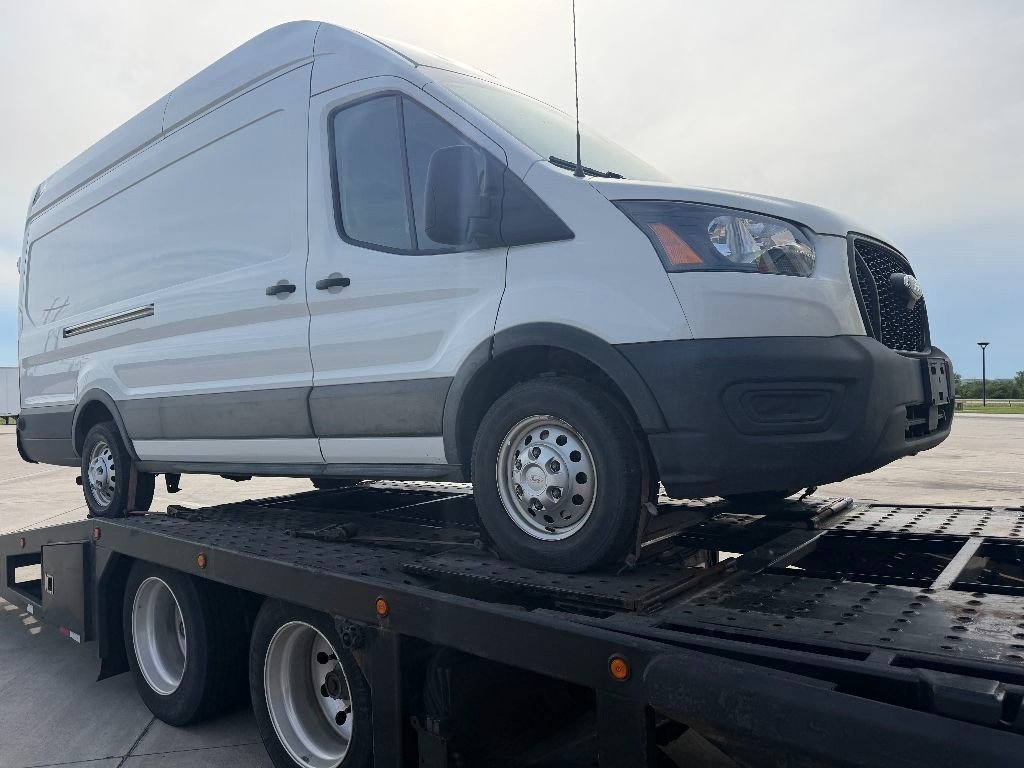
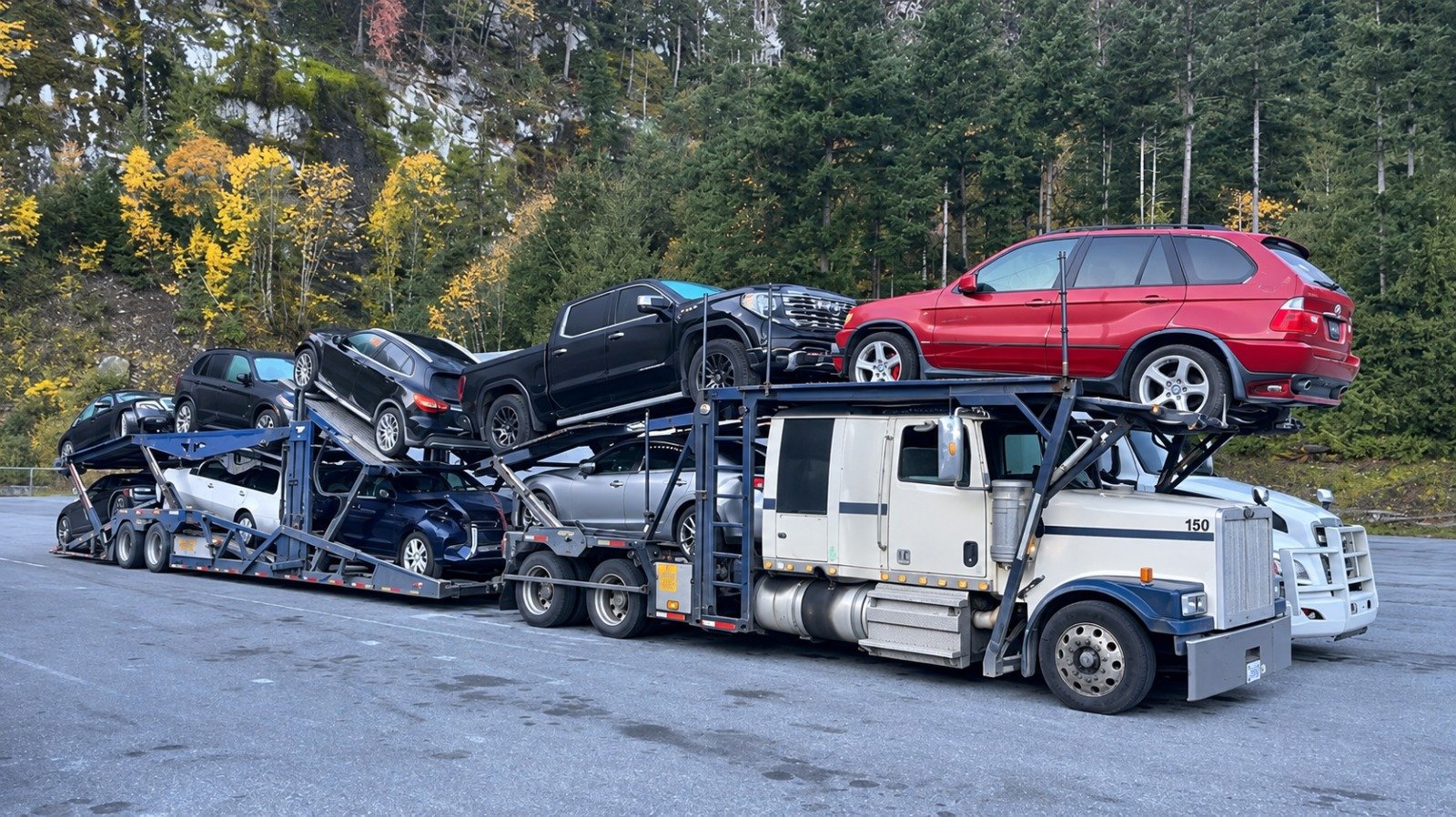
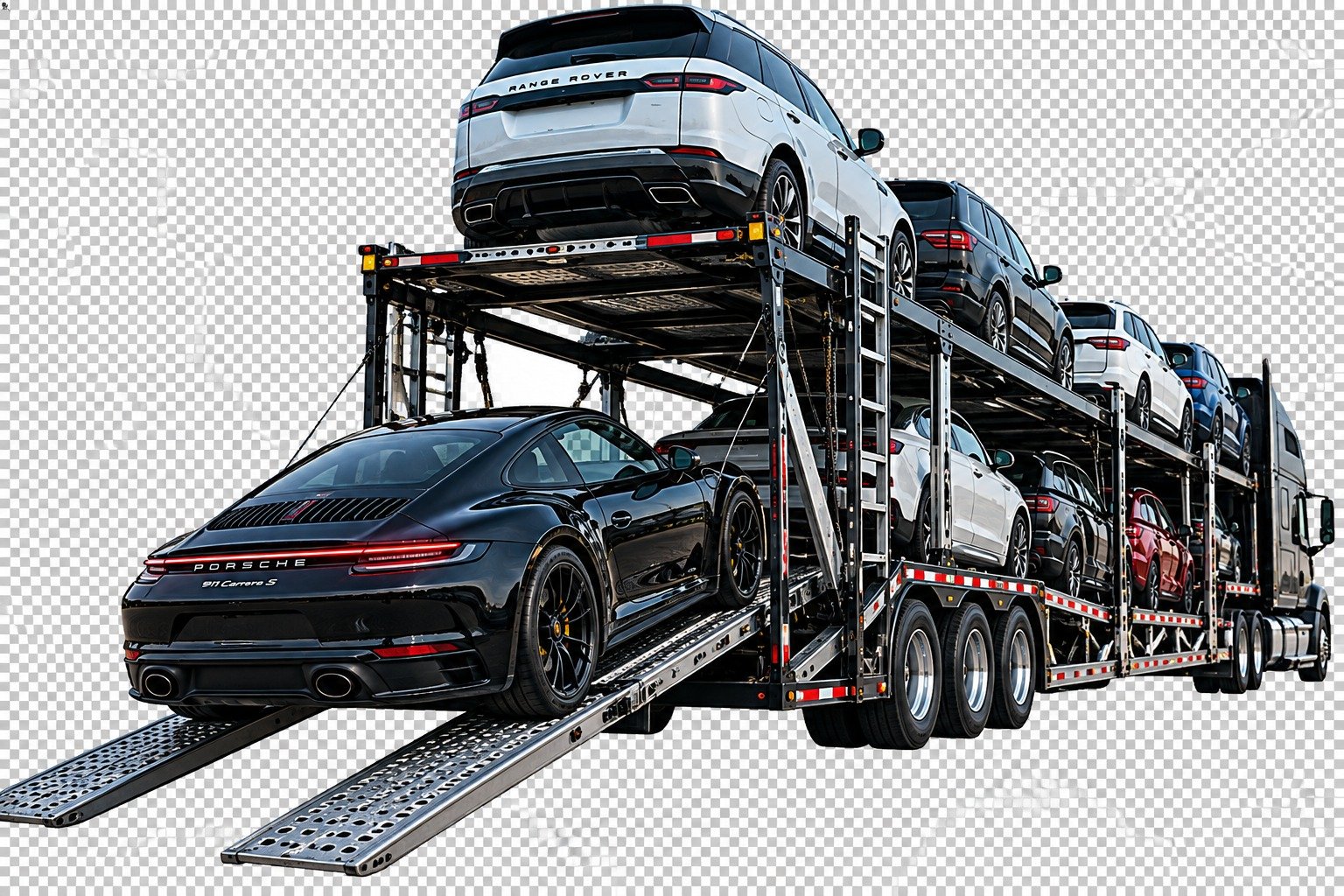
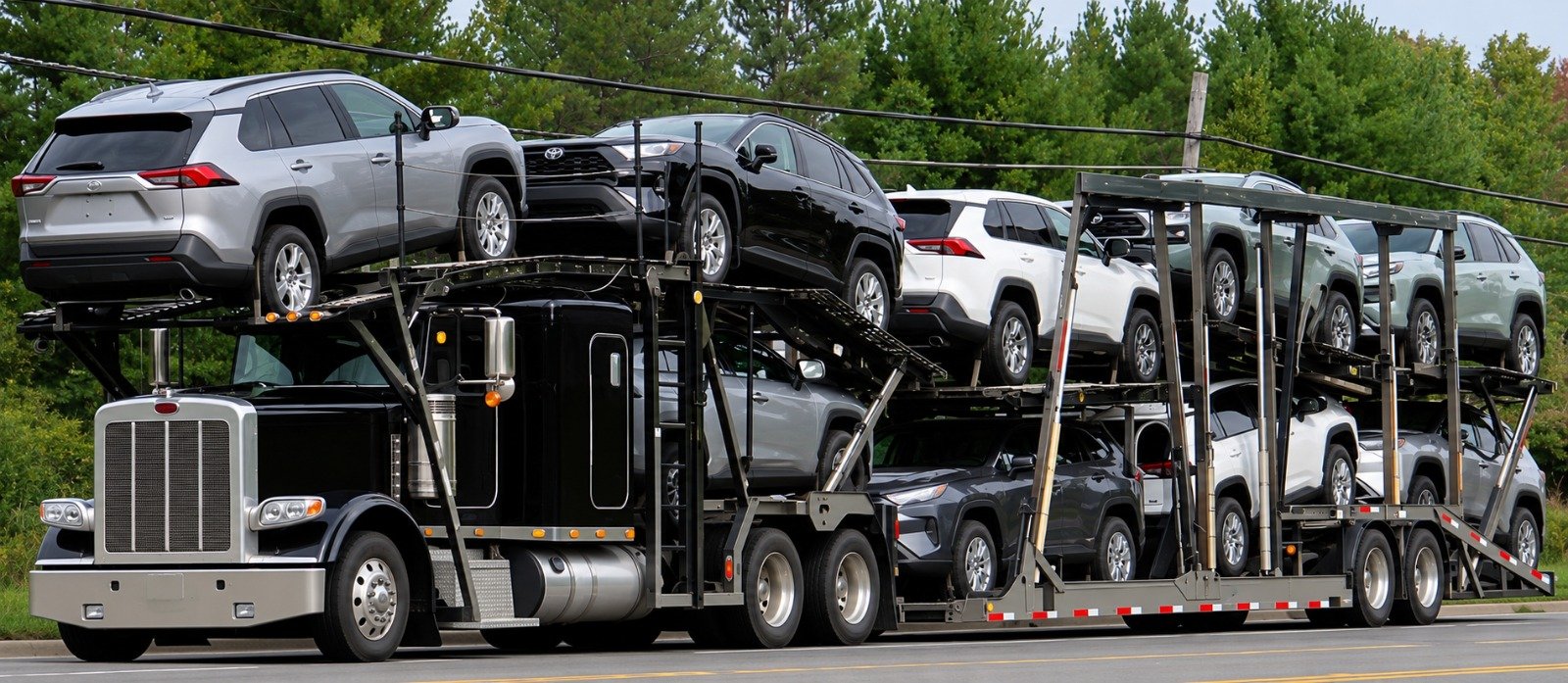
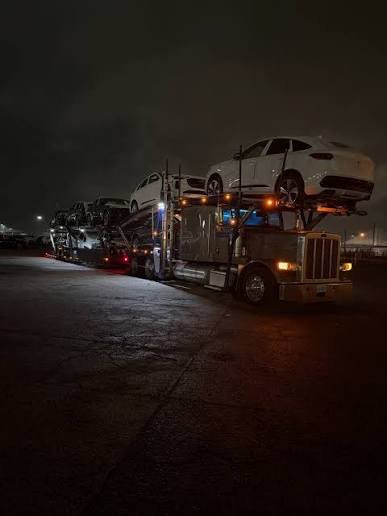
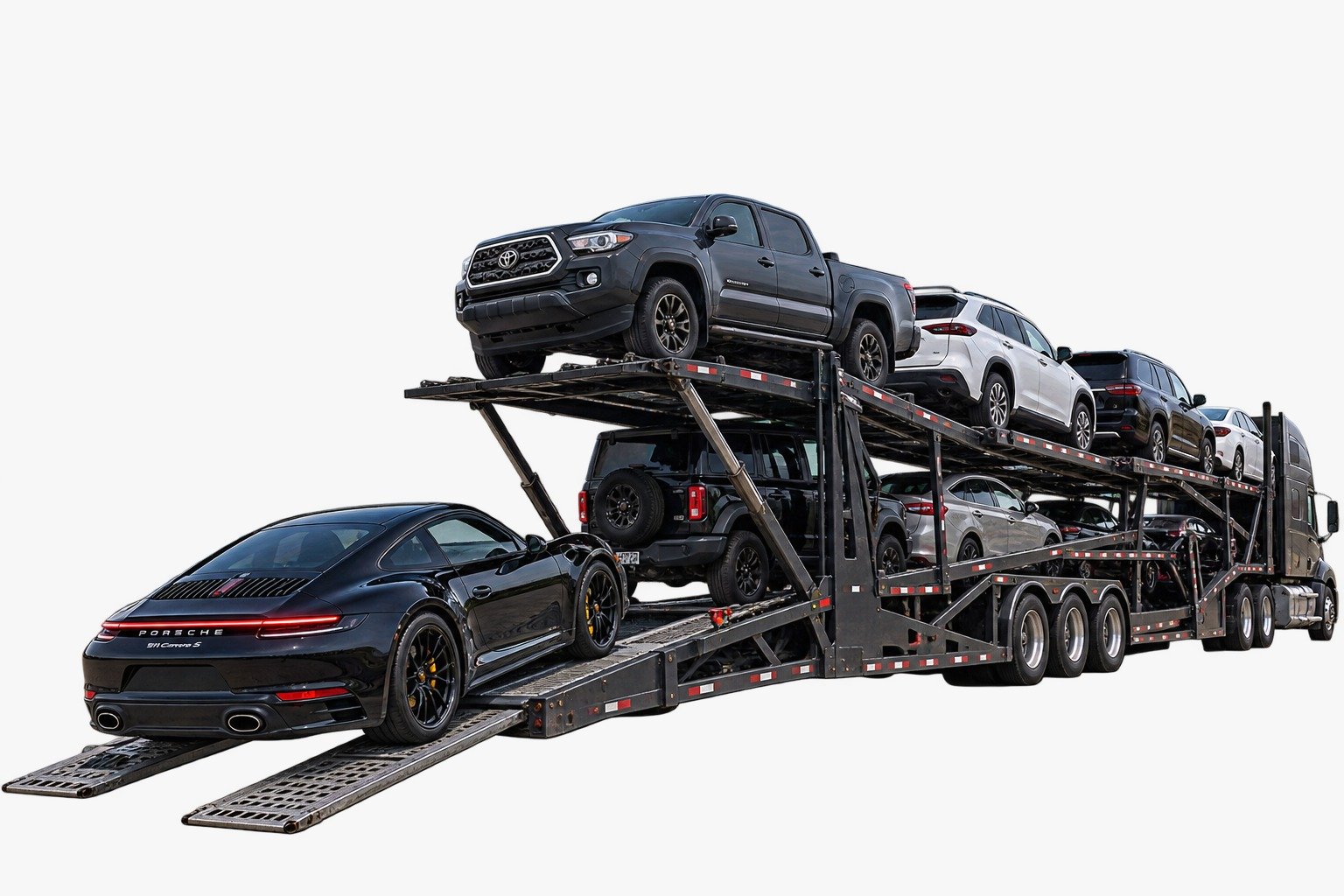
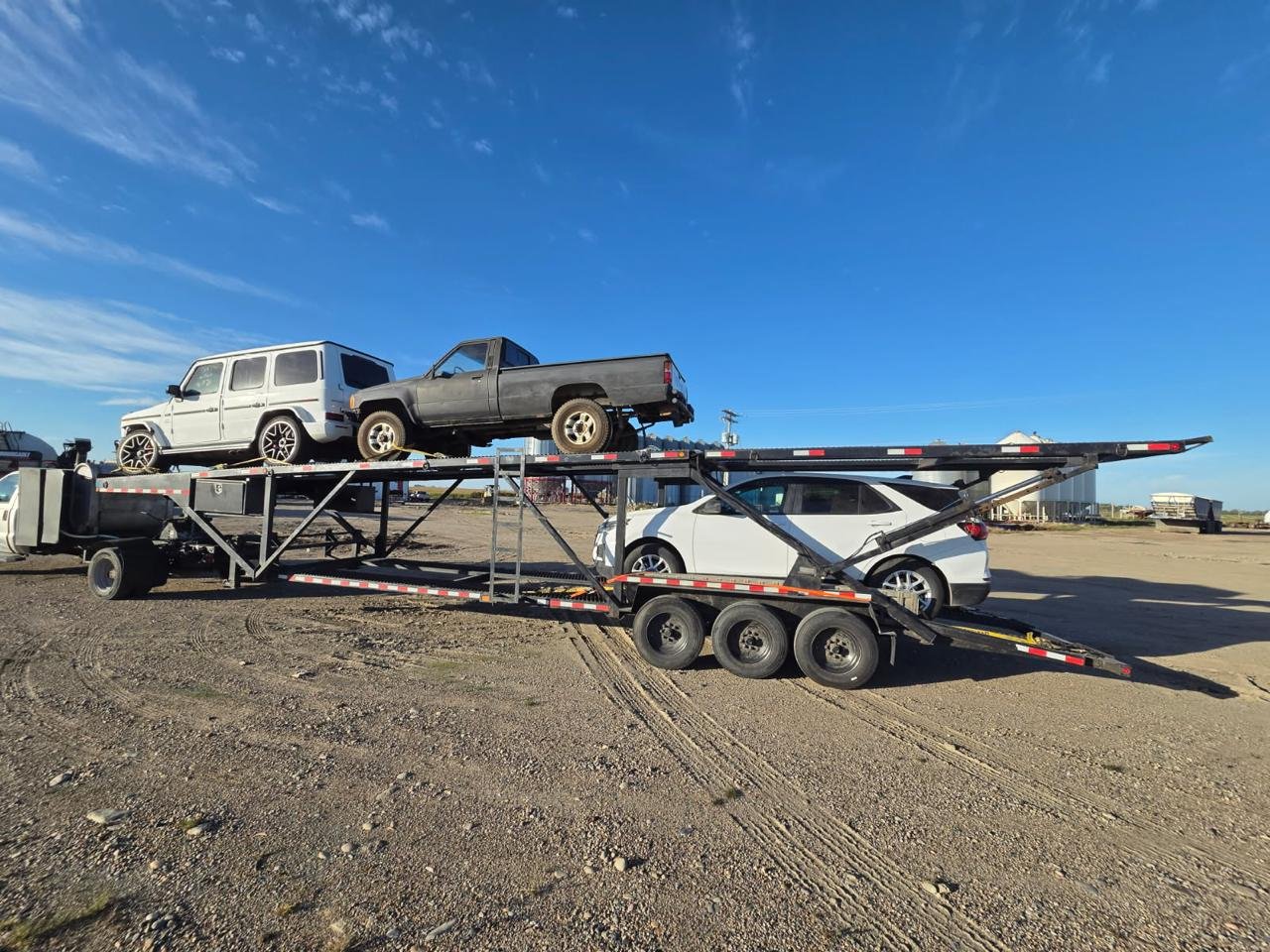
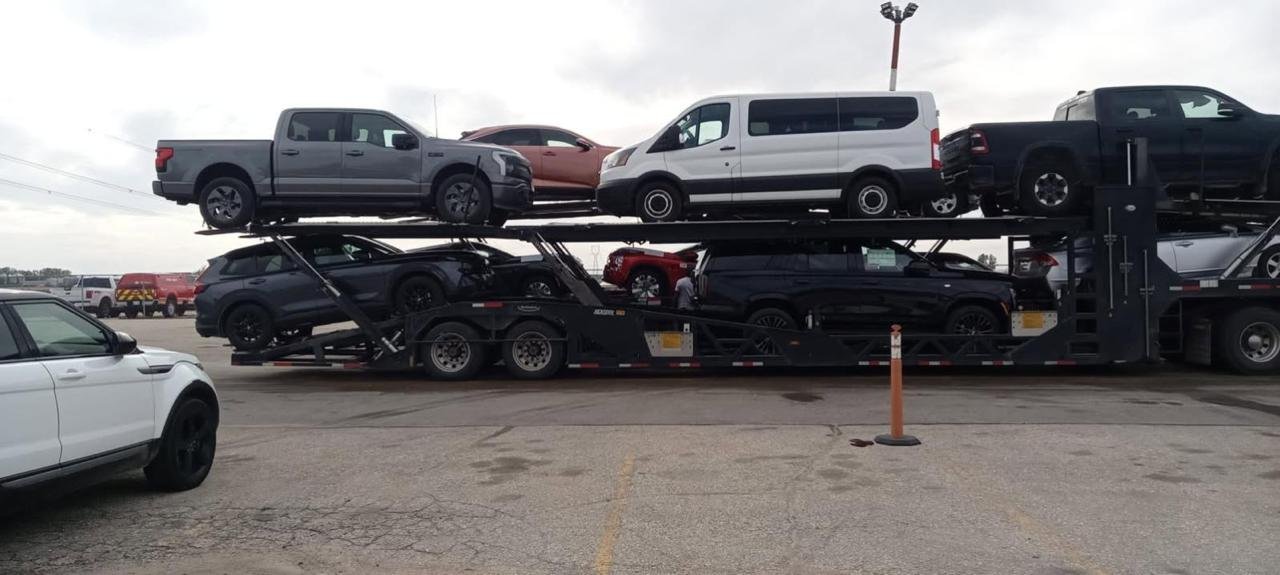
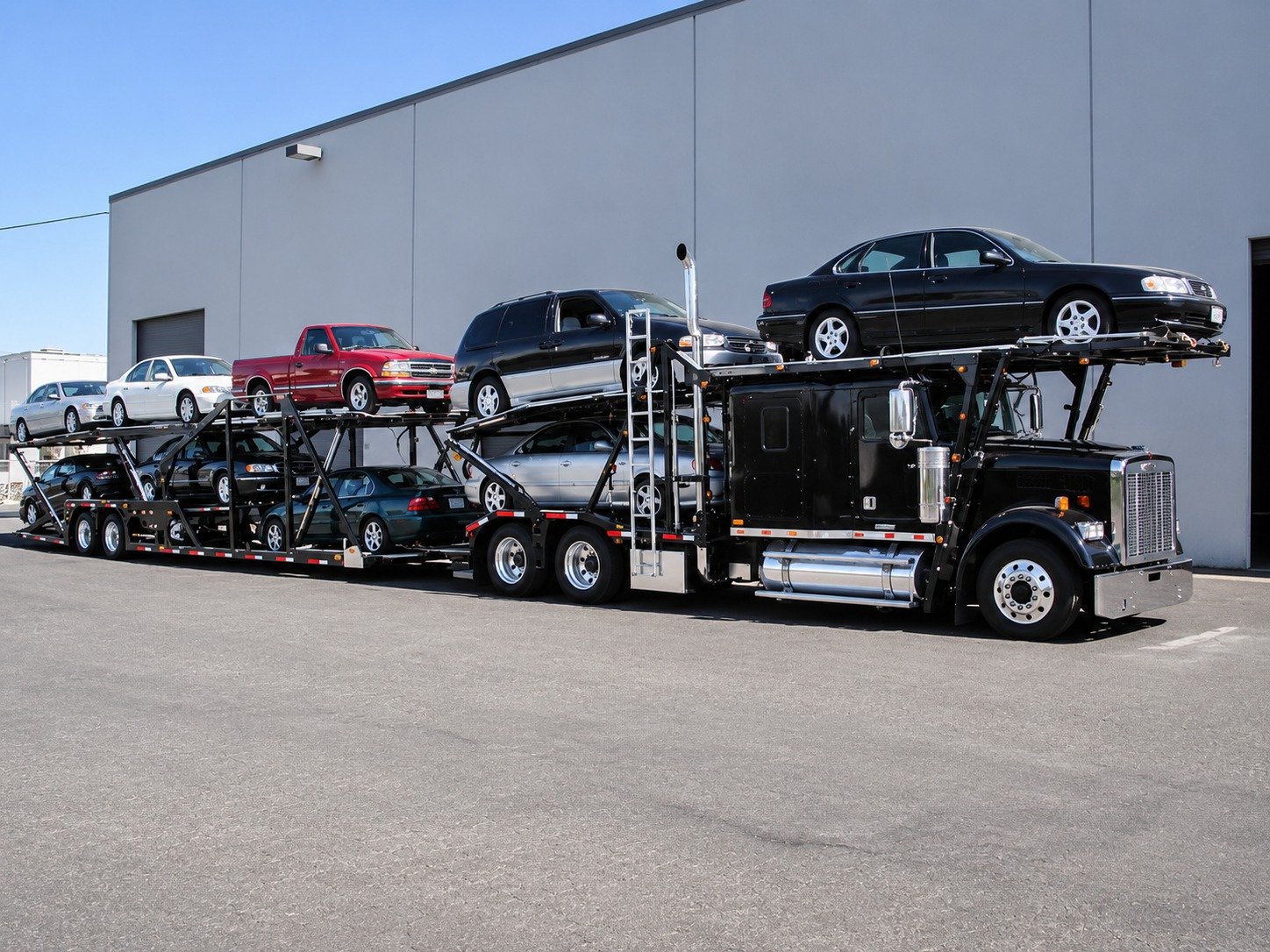
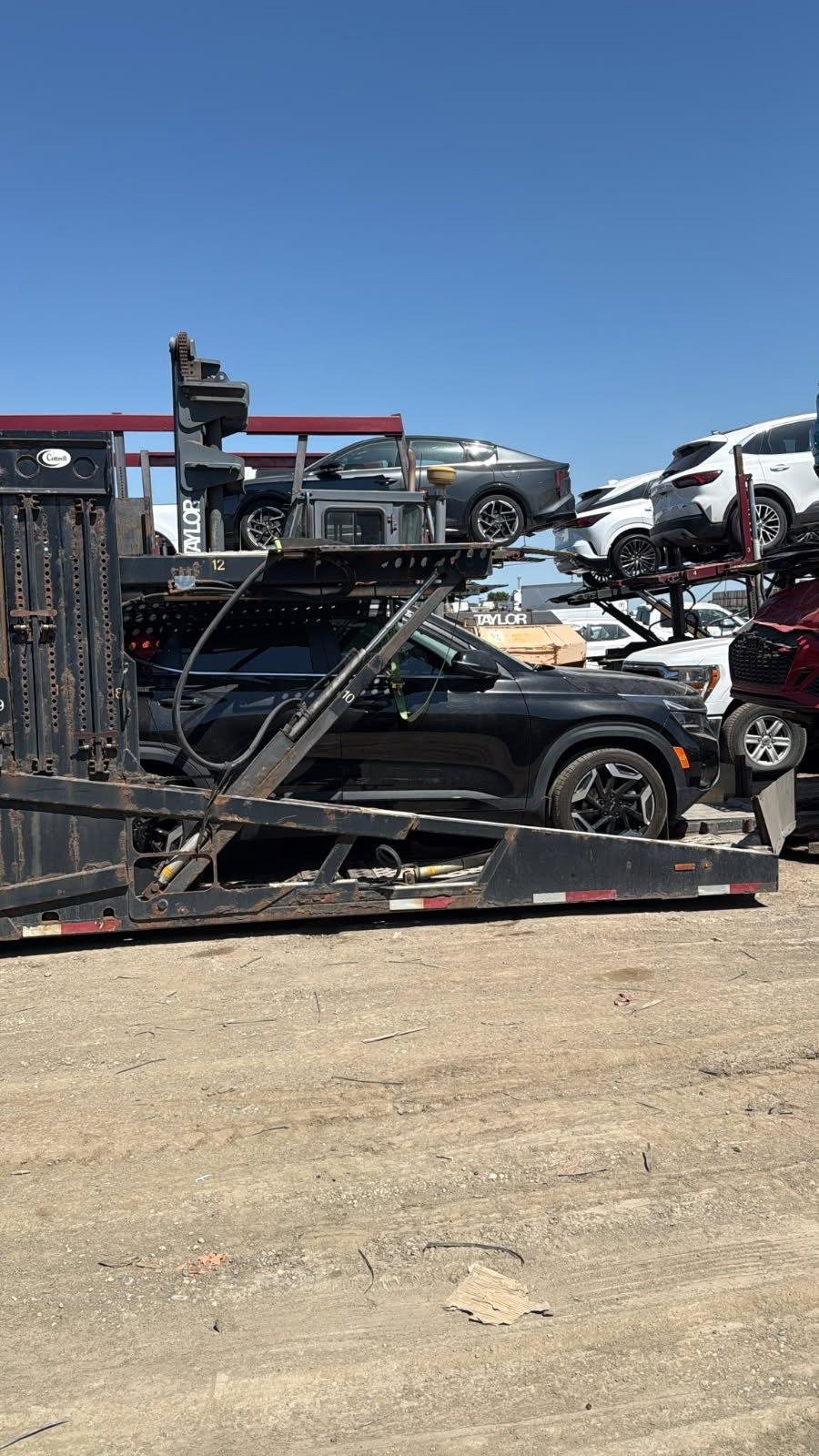
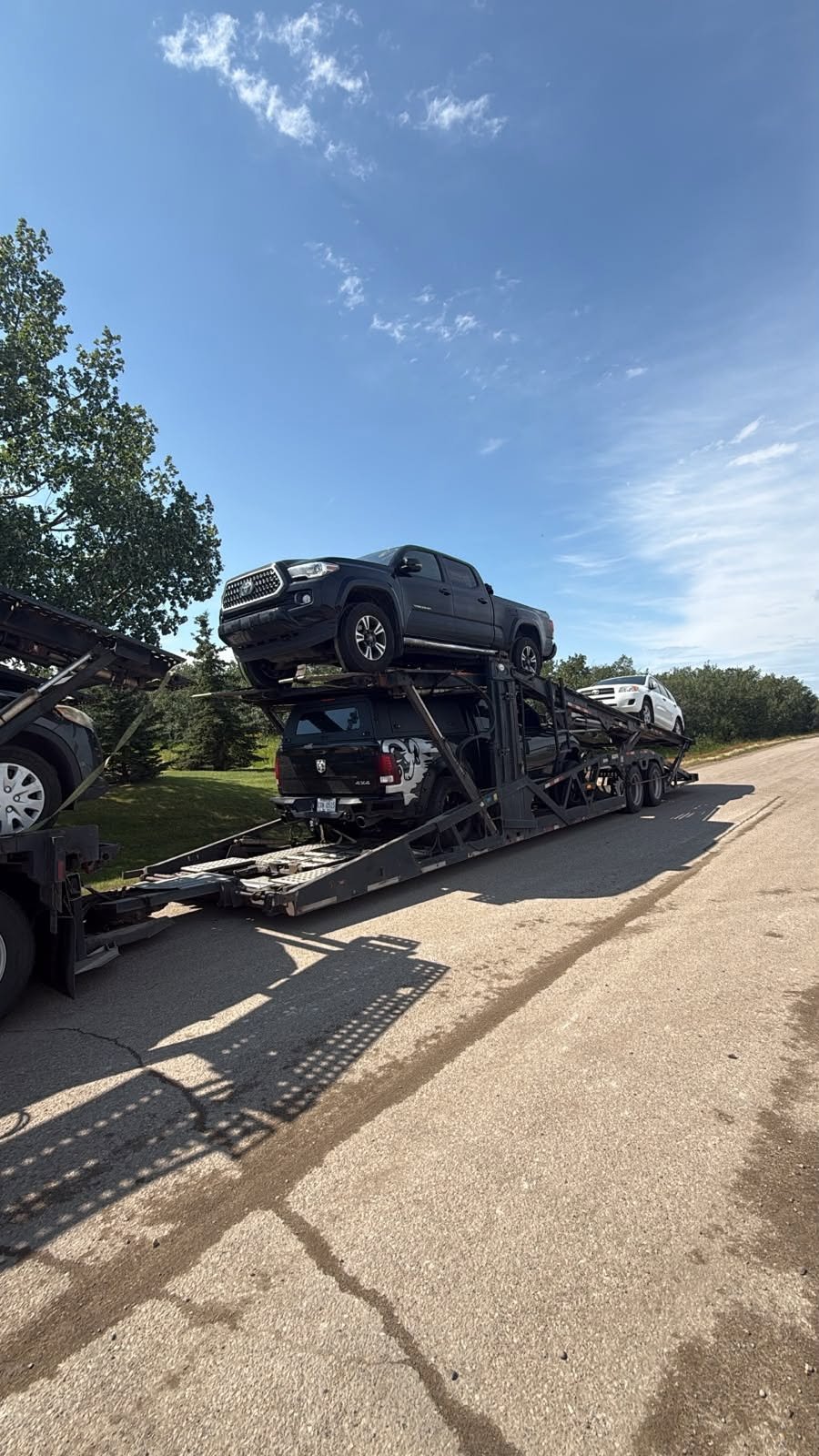
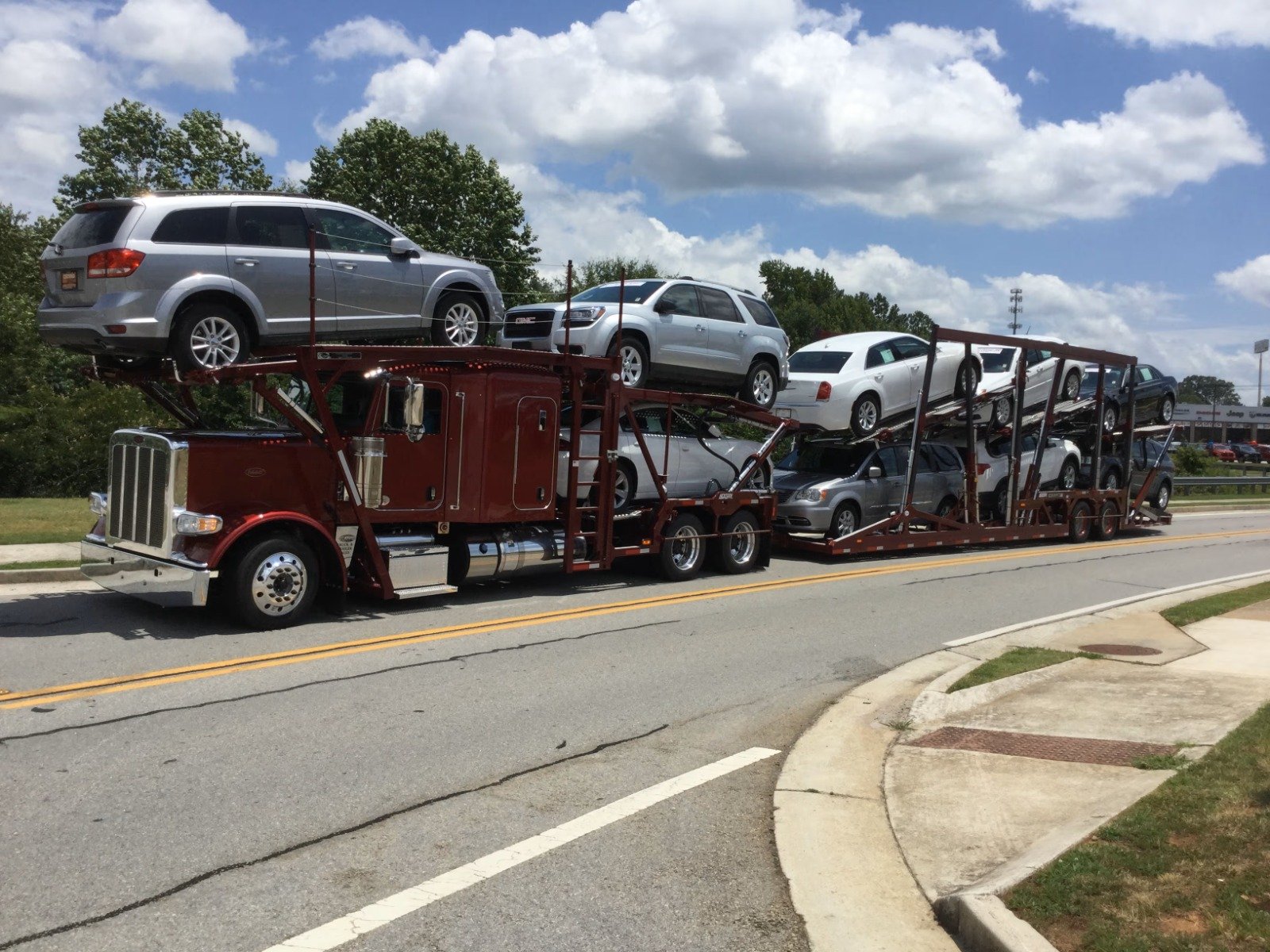
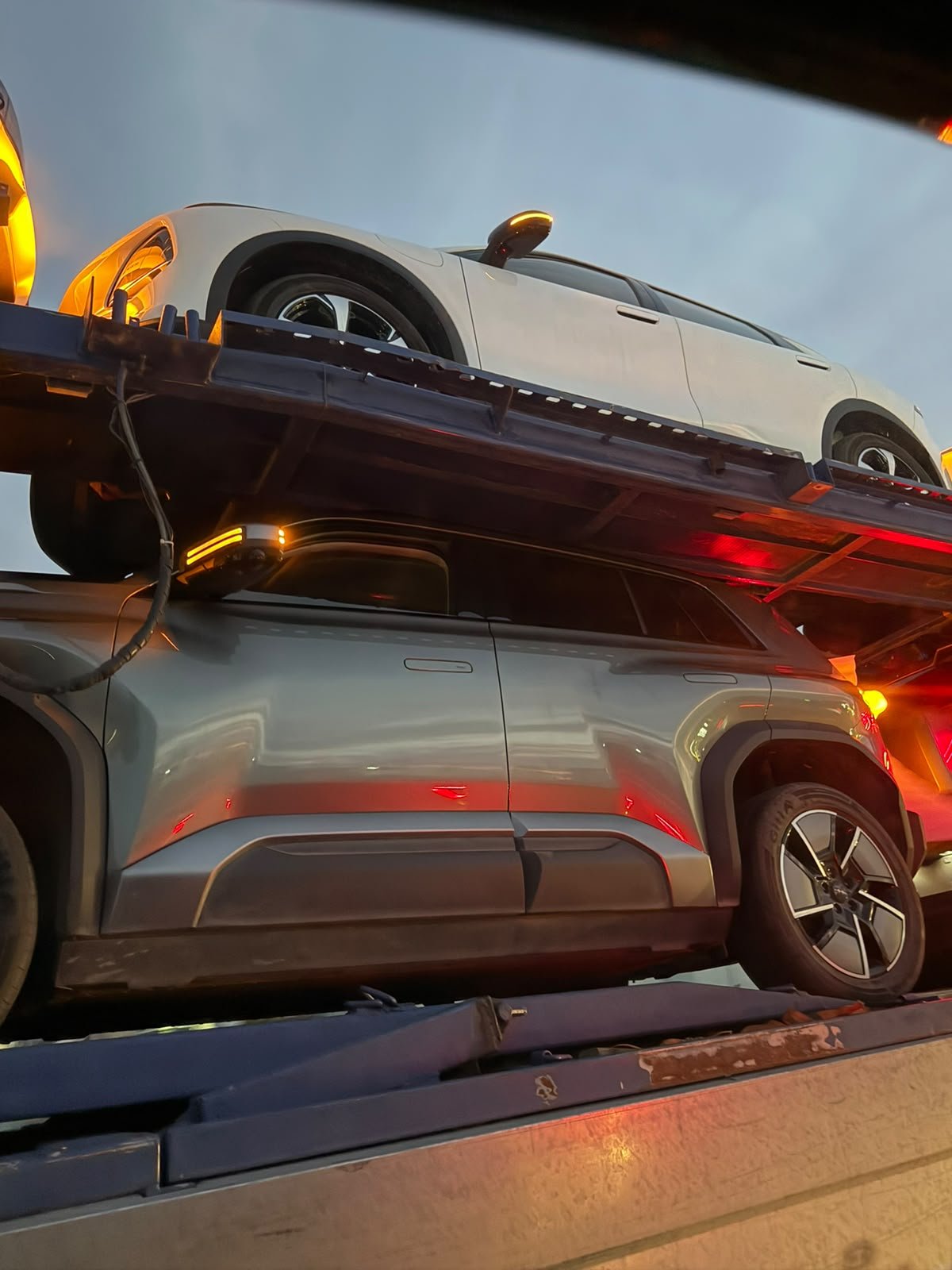
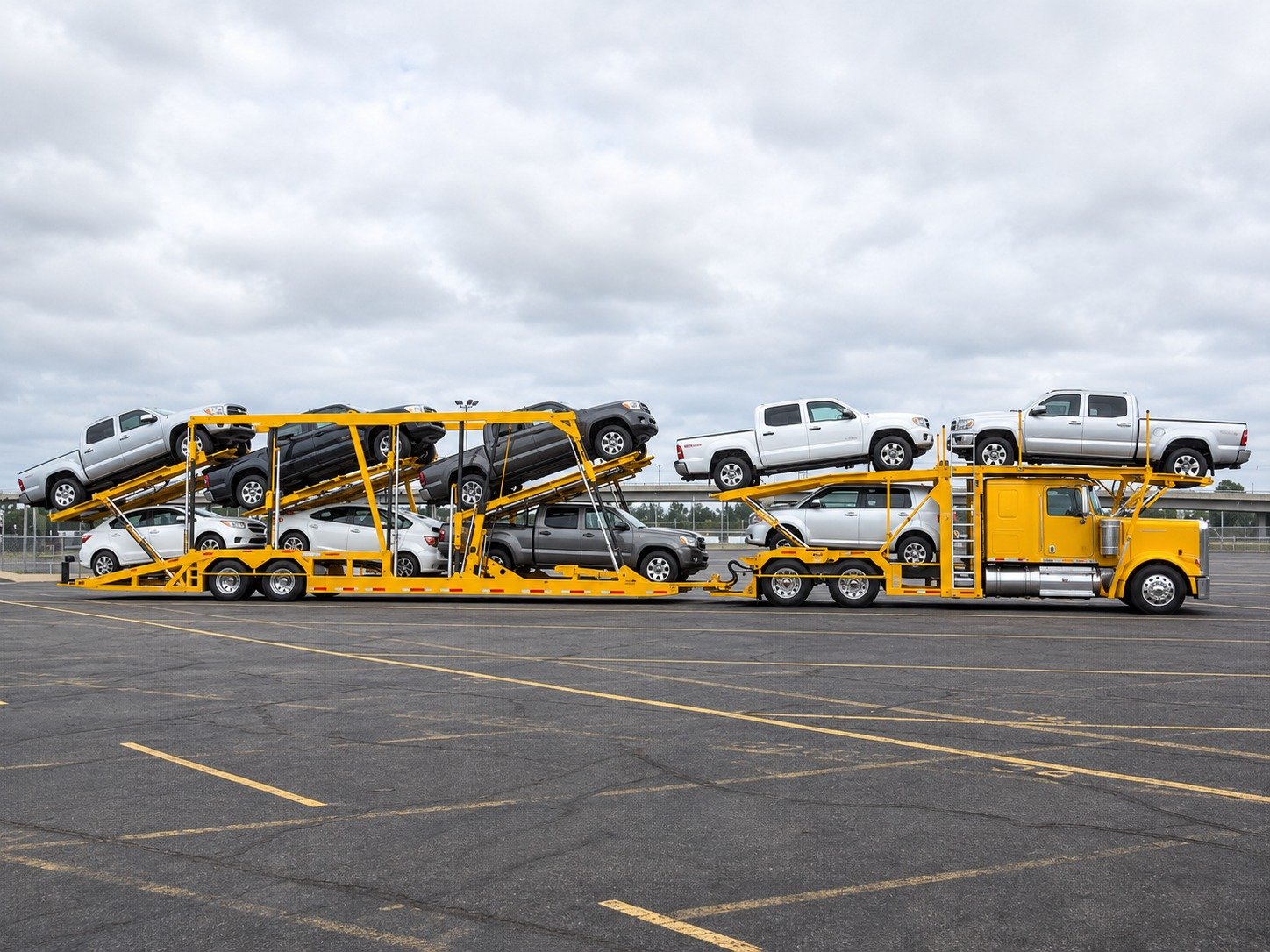
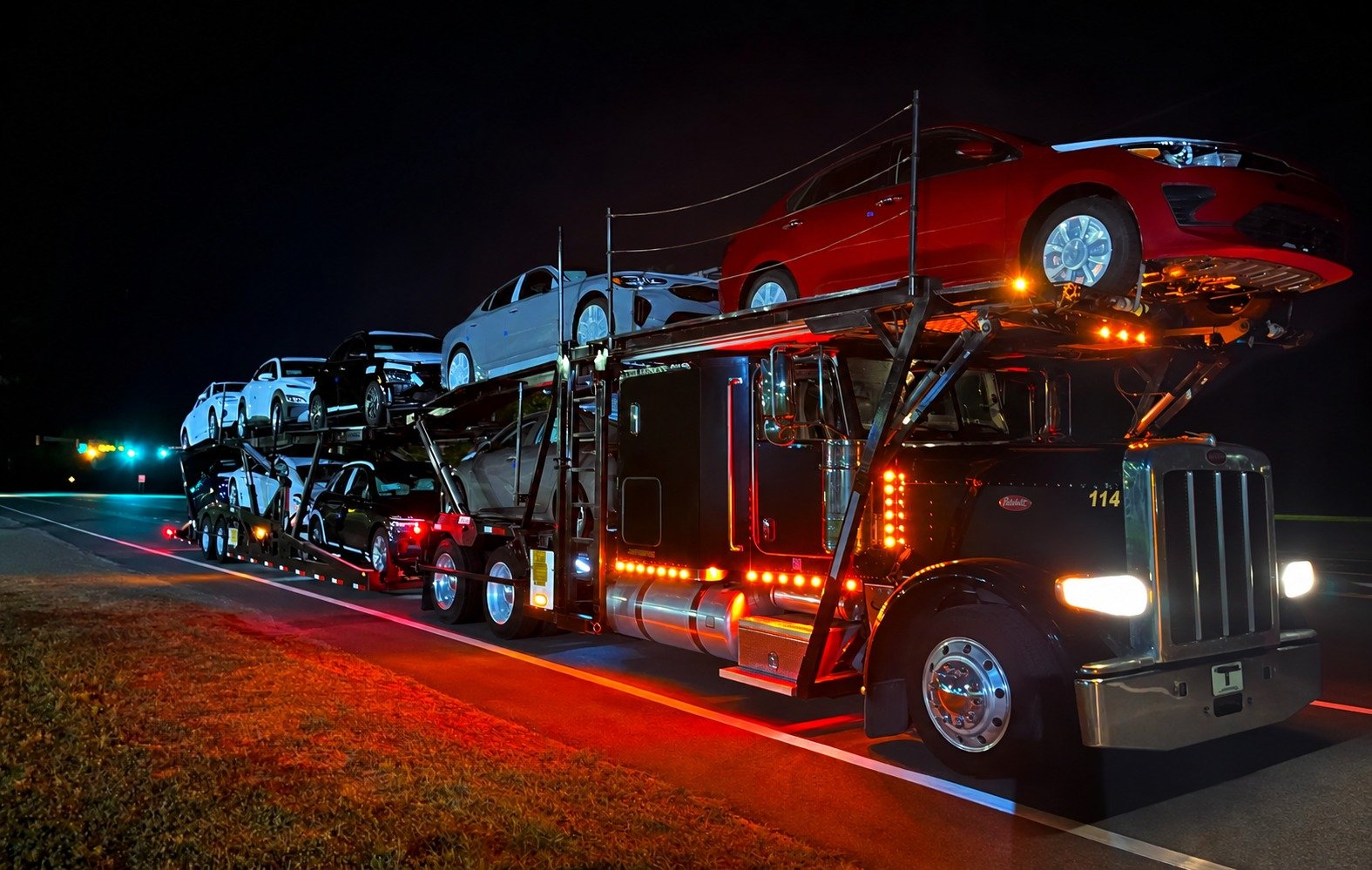
This is the most common and cost-effective method for vehicle shipping in Canada. Your vehicle is loaded onto a multi-level car carrier alongside several other vehicles. Because these trailers have open sides, your car will be exposed to the elements—similar to driving it yourself, but without adding mileage or wear-and-tear to the engine and tires. Open transport is ideal for daily drivers, standard SUVs, and standard dealership inventory.
Enclosed Vehicle Transport
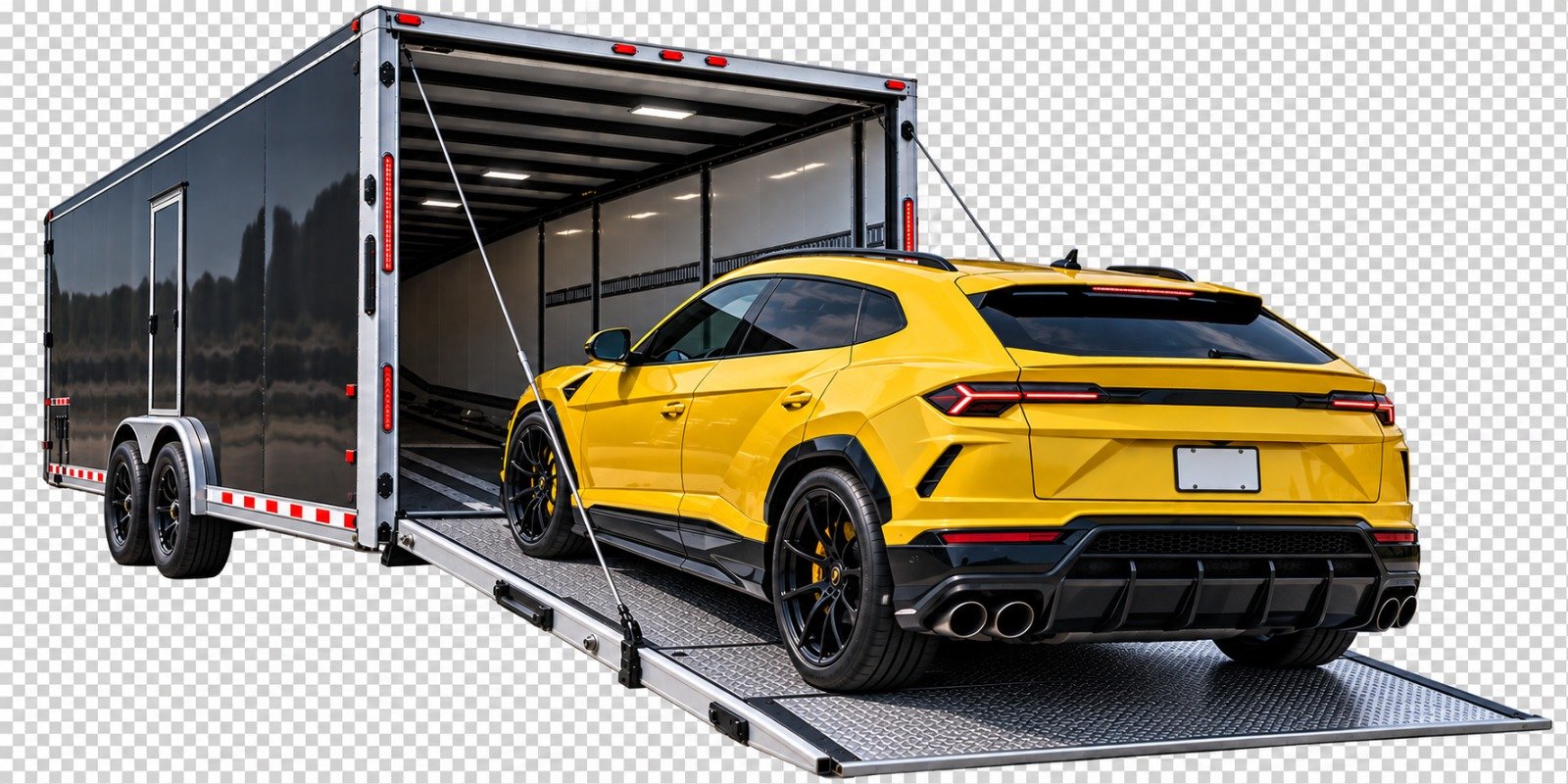
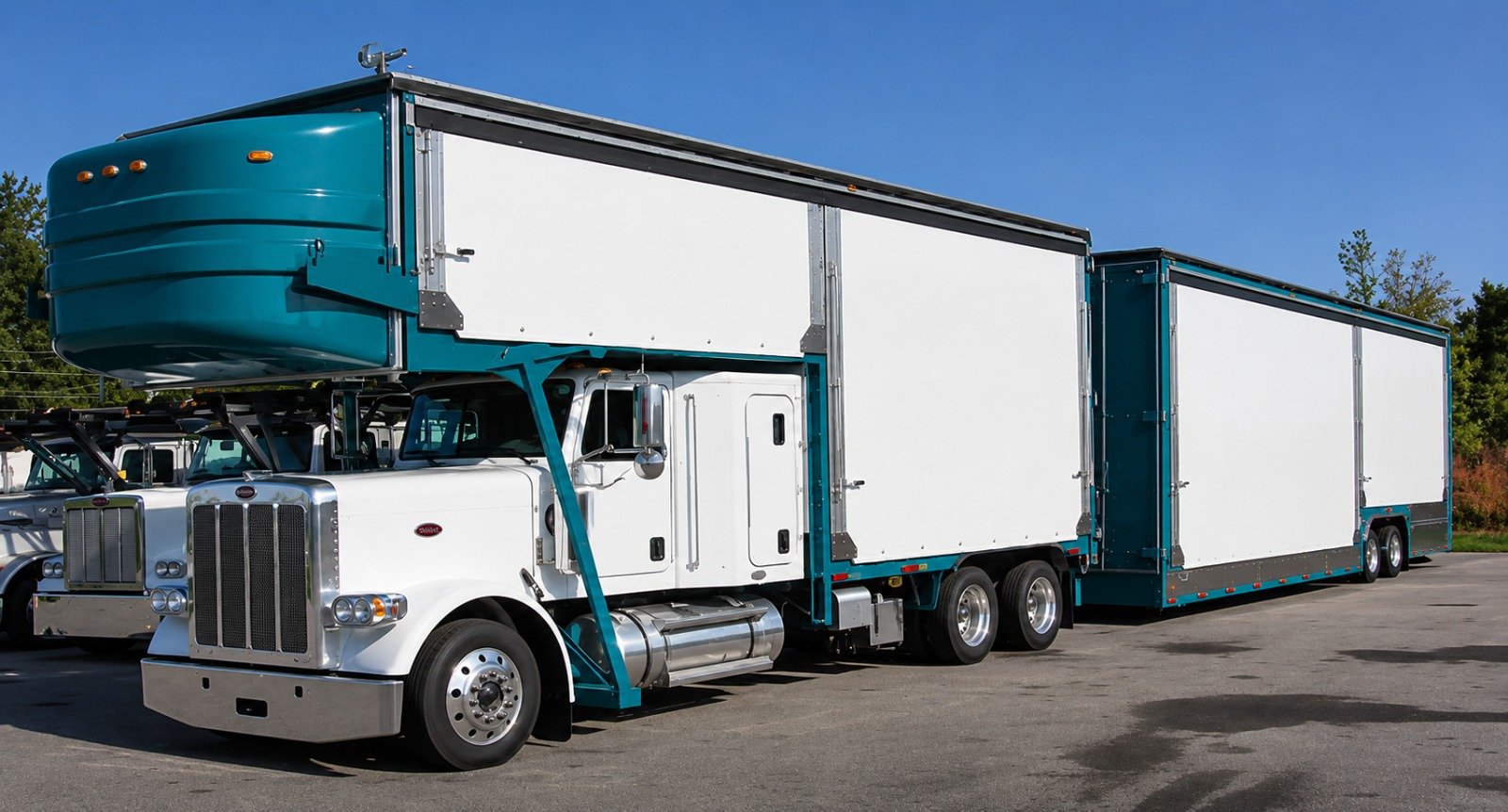
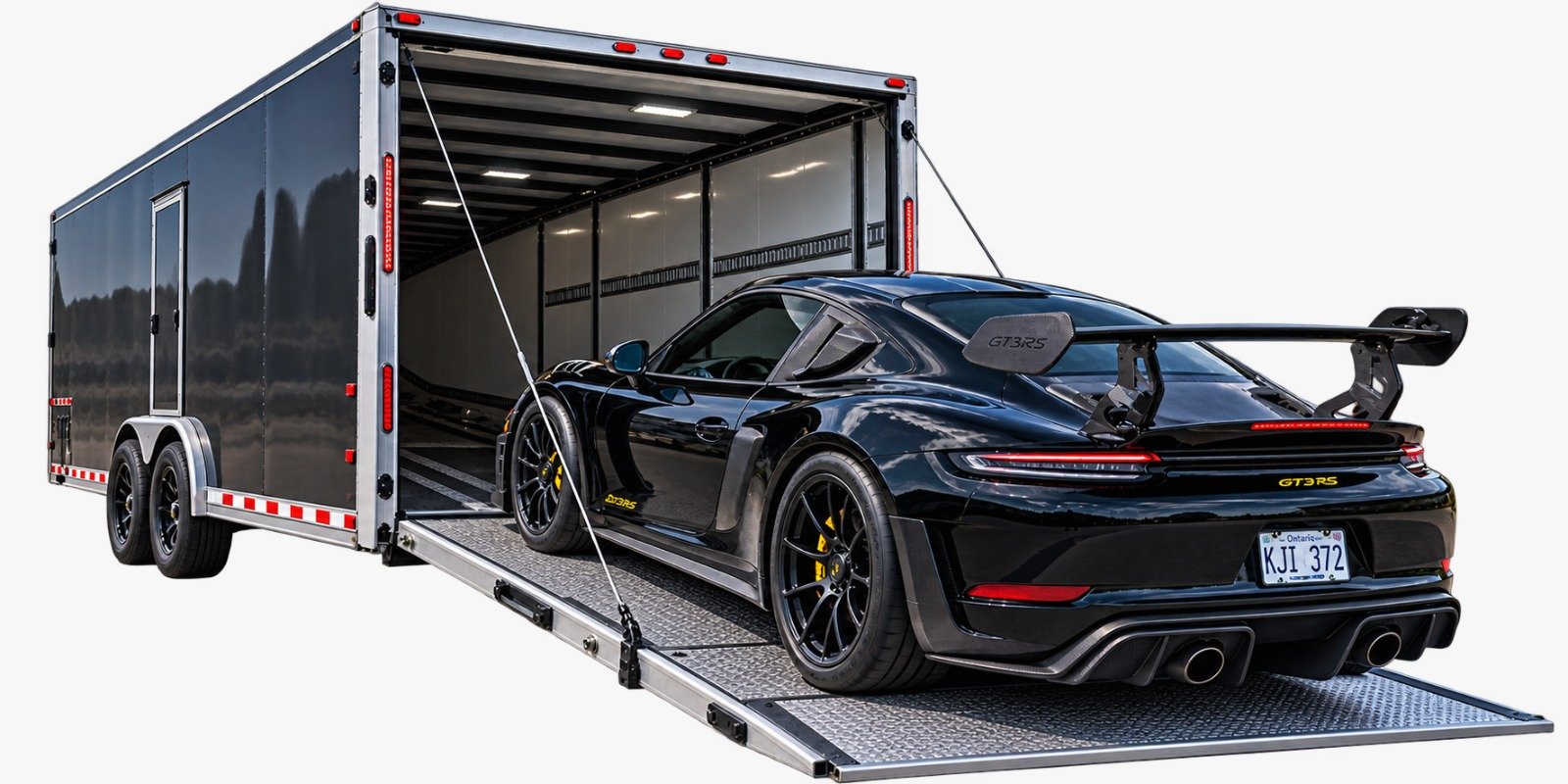
If you are shipping a luxury vehicle, a classic restoration, a sports car, or a high-value exotic vehicle, standard open trailers may not provide the level of protection you need. Enclosed transport utilizes fully covered trailers with hard or soft sides, shielding your vehicle from dust, rocks, snow, and rain. These specialized carriers often feature hydraulic lift gates to safely load low-clearance vehicles.
Railway Vehicle Shipping
For cross-province transportation stretching from the East Coast to the West Coast (e.g., Halifax to Vancouver), rail transport is an environmentally friendly and highly efficient option. Vehicles are loaded into specialized train cars. While train transport is highly secure and generally insulated from traffic delays, it often requires coordinating a truck to transport the vehicle from the destination rail yard to your final address.
When shipping in the harsh Canadian winter, inquire about the specific route your vehicle will take. Enclosed transport is highly recommended between November and March to protect against corrosive road salts and extreme weather conditions.
How Much Does It Cost to Ship a Car Across Canada?
One of the most frequently asked questions is regarding the cost to ship a vehicle from one province to another in Canada. Pricing is not one-size-fits-all; several variables determine your final quote:
- Distance and Route: The total mileage is the largest factor. Shipping along major corridors (like Toronto to Montreal, or Calgary to Vancouver) is generally more affordable per kilometre than shipping to remote or rural locations.
- Vehicle Size and Weight: A compact sedan takes up less space and weight on a carrier than a heavy-duty pickup truck or a large SUV.
- Transport Type: Enclosed vehicle transport typically costs 30% to 50% more than standard open car transport due to the limited capacity and premium service.
- Seasonality: Demand for Canadian car shipping services peaks during the summer months and during "snowbird" seasons (when Canadians ship cars south for the winter).
- Fuel Surcharges: Fluctuations in national diesel prices directly impact the operational costs of auto transport carriers.
Because these factors shift regularly, the most accurate way to budget for your move is to request a personalized quote based on current logistics data.
How Long Does It Take to Ship a Car Across Canada?
Patience is key when booking long-distance car transport. Transport trucks are governed by strict commercial driving hours and speed limits to ensure safety. Furthermore, weather conditions in regions like the Rocky Mountains or Northern Ontario can cause unpredictable delays.
| Origin — Destination | Estimated Transit Time | Recommended Transport |
|---|---|---|
| Toronto, ON → Vancouver, BC | 7 to 14 Days | Rail or Open Transport |
| Calgary, AB → Toronto, ON | 5 to 10 Days | Open Transport |
| Montreal, QC → Halifax, NS | 3 to 7 Days | Open Transport |
| Vancouver, BC → Calgary, AB | 3 to 6 Days | Open or Enclosed Transport |
*Note: Transit times are estimates and do not include the time required to secure a carrier for your pickup.
Door-to-Door vs. Terminal-to-Terminal Shipping
When organizing your logistics, you will need to choose between two main delivery styles.
Door-to-door delivery is the most convenient option. The carrier will pick up the vehicle as close to your origin address as legally and safely possible, and deliver it directly to your destination. Because large multi-level carriers cannot navigate narrow residential streets or tight cul-de-sacs, you may need to meet the driver in a nearby large parking lot (like a grocery store or shopping mall).
Terminal-to-terminal shipping requires you to drop off your vehicle at a designated logistics yard in your origin city, and pick it up from a similar yard in your destination city. While this can sometimes be more affordable and offers flexible drop-off times, it requires you to arrange your own transportation to and from the terminals.

What to Know Before Shipping a Car Across Canada
Proper vehicle shipping preparation ensures a smooth handover, protects your vehicle, and complies with carrier insurance coverage policies. Before handing over your keys, complete this checklist:
- Wash the Exterior: A clean car makes the initial vehicle inspection report accurate. Dirt and mud can hide existing scratches or dents, complicating insurance claims if damage occurs during transit.
- Remove Personal Belongings: Auto transport carriers are licensed to transport vehicles, not household goods. Furthermore, carrier insurance coverage does not protect items left inside the cabin or trunk. Remove all personal items, custom electronics, and toll transponders.
- Check Fluid Levels and Battery: Ensure your battery is fully charged and securely mounted. Check for any severe fluid leaks; carriers will refuse vehicles that leak dangerous fluids onto other cars below them.
- Quarter Tank of Gas: Keep your fuel tank at roughly 1/4 full. A full tank adds unnecessary weight to the transport truck and poses a minor safety hazard.
- Disable the Alarm: Ensure all factory and aftermarket alarms are disabled so they do not trigger during the bumpy ride across the country.

Frequently Asked Questions
Generally, no. For safety, weight, and liability reasons, auto transport carriers strictly prohibit packing household goods, boxes, or personal items inside the vehicle. Carrier insurance coverage only applies to the vehicle itself, not its contents.
Yes, reputable Canadian car shipping services maintain comprehensive carrier insurance coverage. This protects your vehicle against damage sustained directly from the loading, transport, and unloading processes. However, it is always recommended to maintain your own personal auto insurance policy as well.
Open car transport paired with terminal-to-terminal shipping is typically the most economical option. Shipping during the off-peak seasons (spring and fall) can also result in lower rates compared to the busy summer months.
It is highly recommended to book your transportation at least 2 to 4 weeks prior to your desired pickup date. This allows logistics coordinators enough time to secure a spot on a carrier traveling your specific route.
Safe and Reliable Vehicle Shipping Anywhere in Canada
Shipping a car across Canada does not have to be a stressful endeavor. By understanding the differences between open and enclosed transport, properly preparing your vehicle, and managing your timeline expectations, you can ensure a seamless transition from origin to destination. Whether you are navigating the vast geography of Canada for a permanent relocation, corporate move, or a seasonal journey, partnering with an experienced logistics coordinator makes all the difference.