Navigating the logistics of crossing international borders with a vehicle is complex, but when that vehicle is powered by a high-voltage lithium-ion battery, the stakes are considerably higher. Shipping an electric vehicle to BC involves more than just loading a car onto a trailer; it requires a deep understanding of weight distribution regulations, specialized thermal safety protocols, and strict international customs documentation.
Whether you are relocating to the Pacific Northwest, importing a recently purchased EV from an American dealership, or managing corporate fleet logistics, ensuring a safe, legally compliant, and fully insured journey is paramount. This comprehensive guide breaks down everything you need to know about vehicle transportation across Canada, specifically focusing on the nuances of bringing your electric vehicle securely into British Columbia.
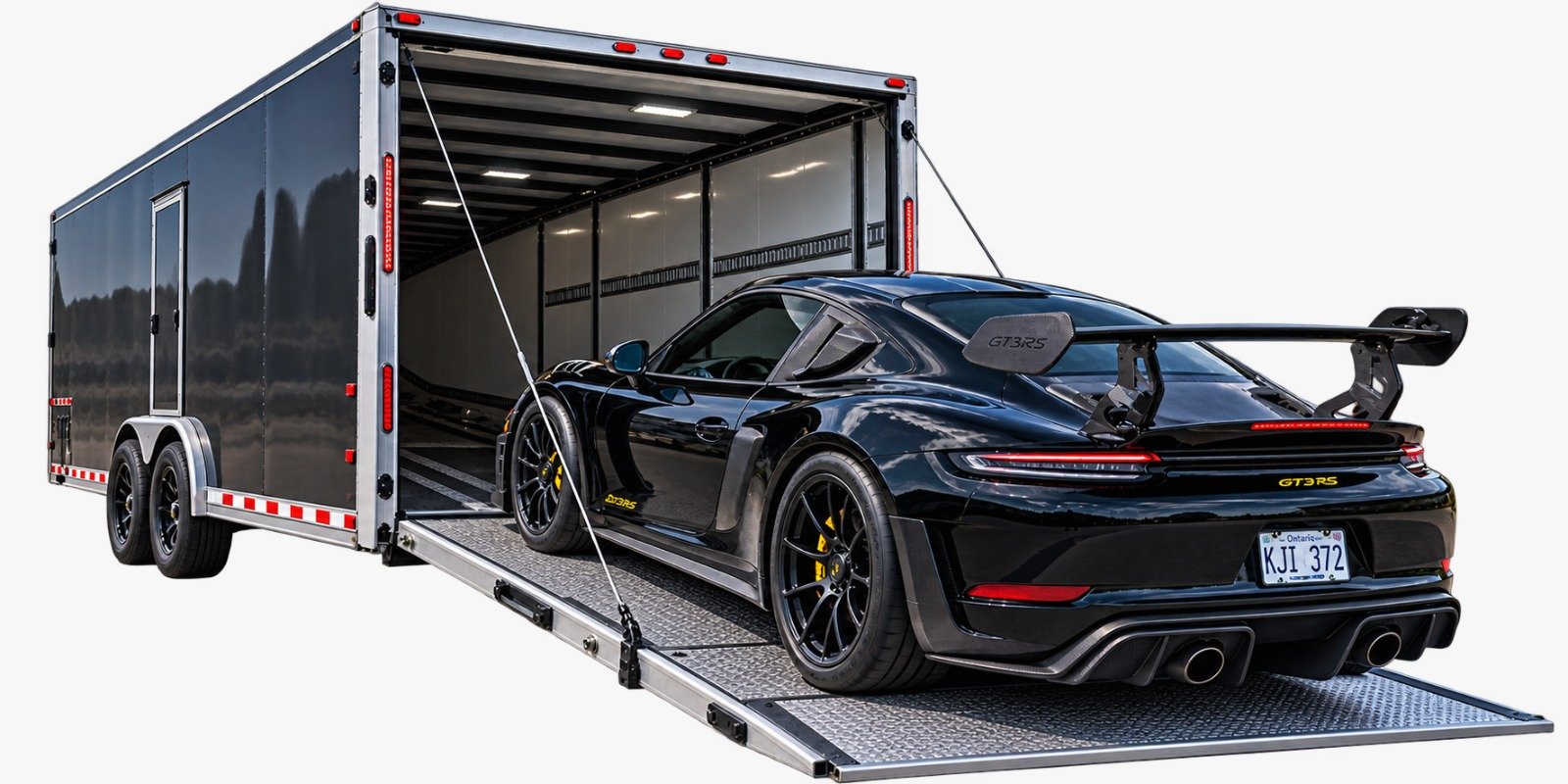
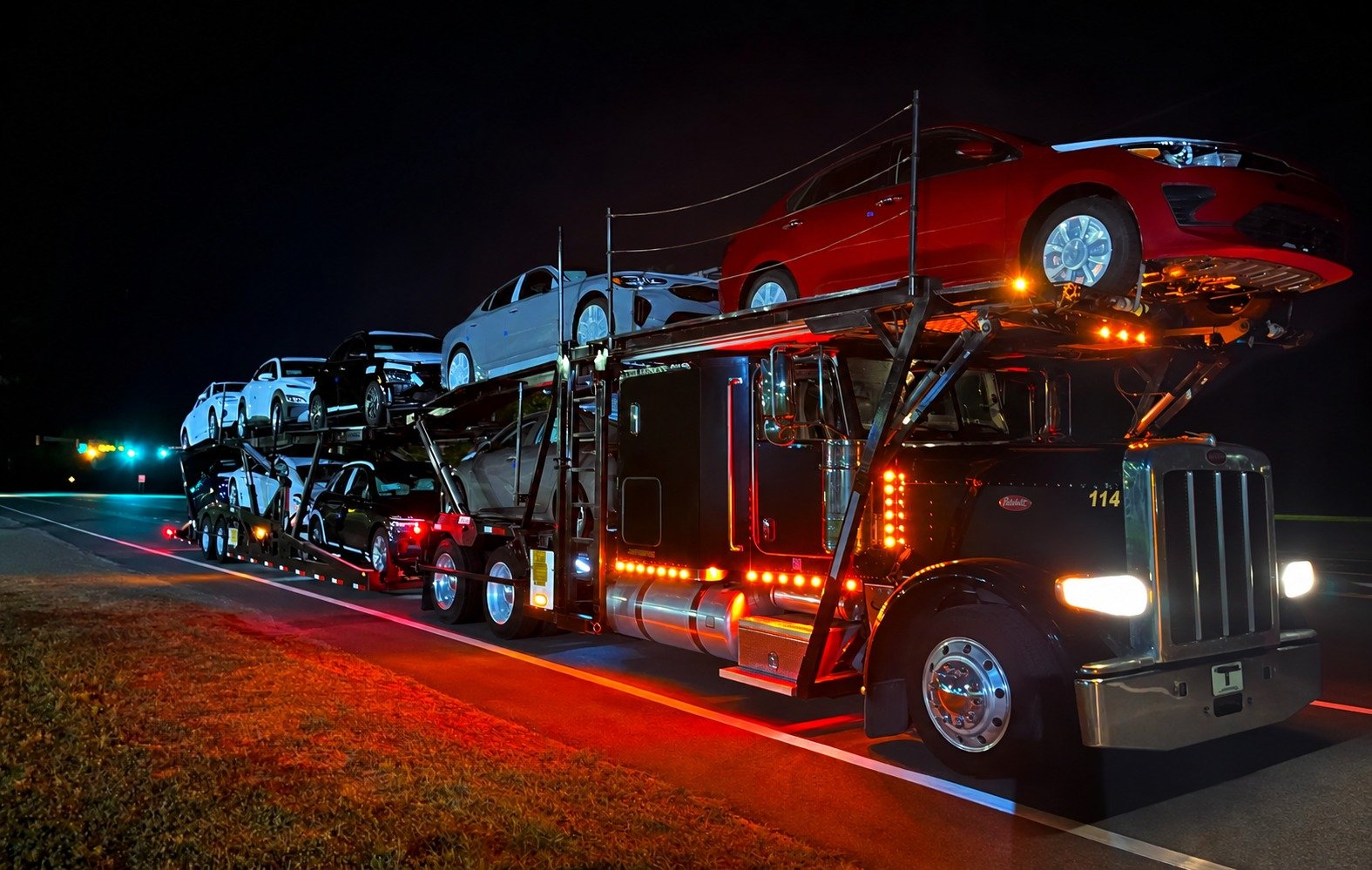
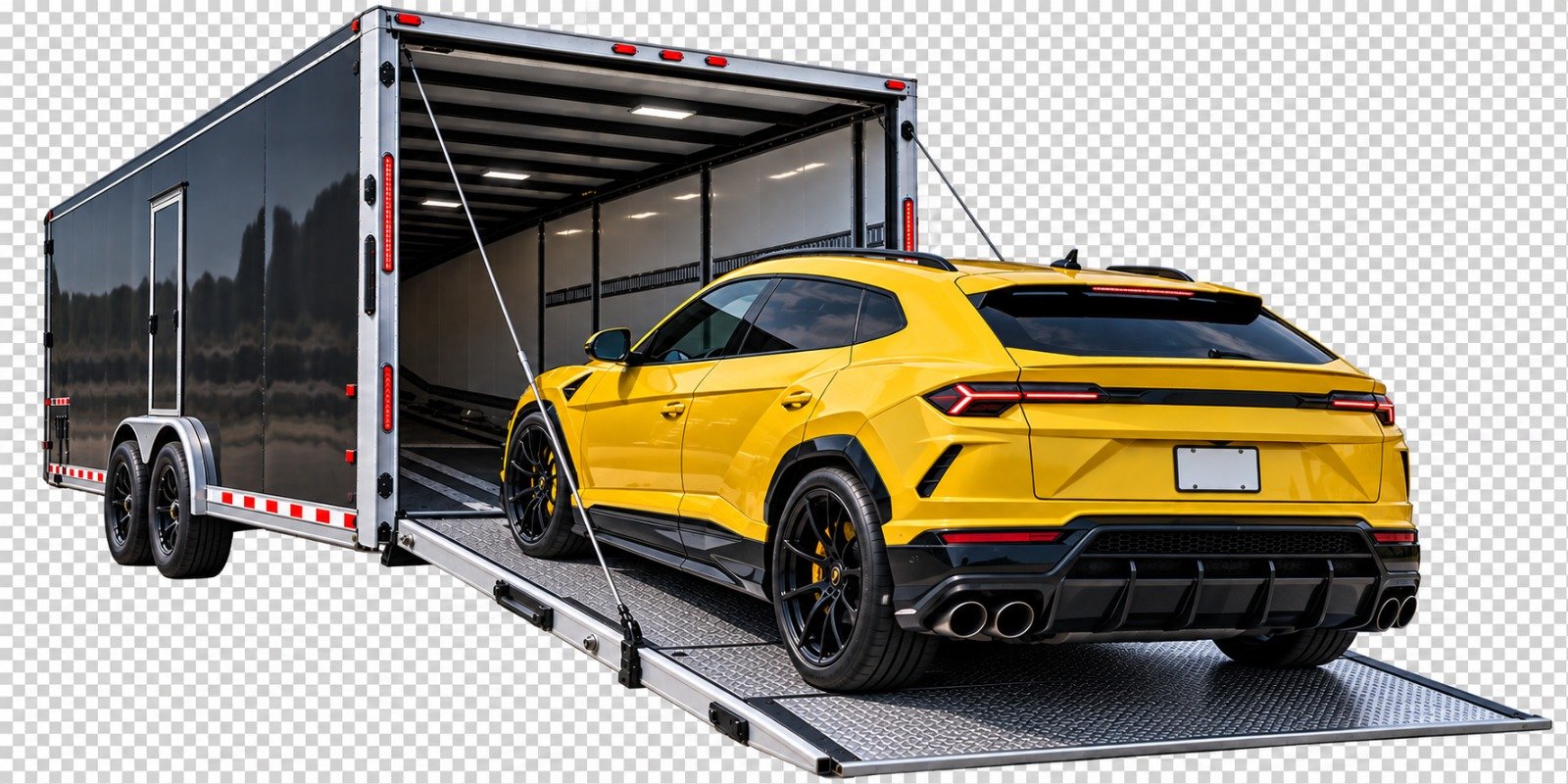
Premium EVs benefit significantly from the climate-controlled security of enclosed transportation during cross-border transit.
Why Cross-Border EV Transportation Requires Specialized Care
Electric vehicle transport to Canada differs fundamentally from shipping standard internal combustion engine (ICE) vehicles. The primary differences lie in the vehicle's architecture, specifically its lithium-ion battery pack, which dictates how the vehicle must be handled by carriers.
The Weight Factor in EV Shipping
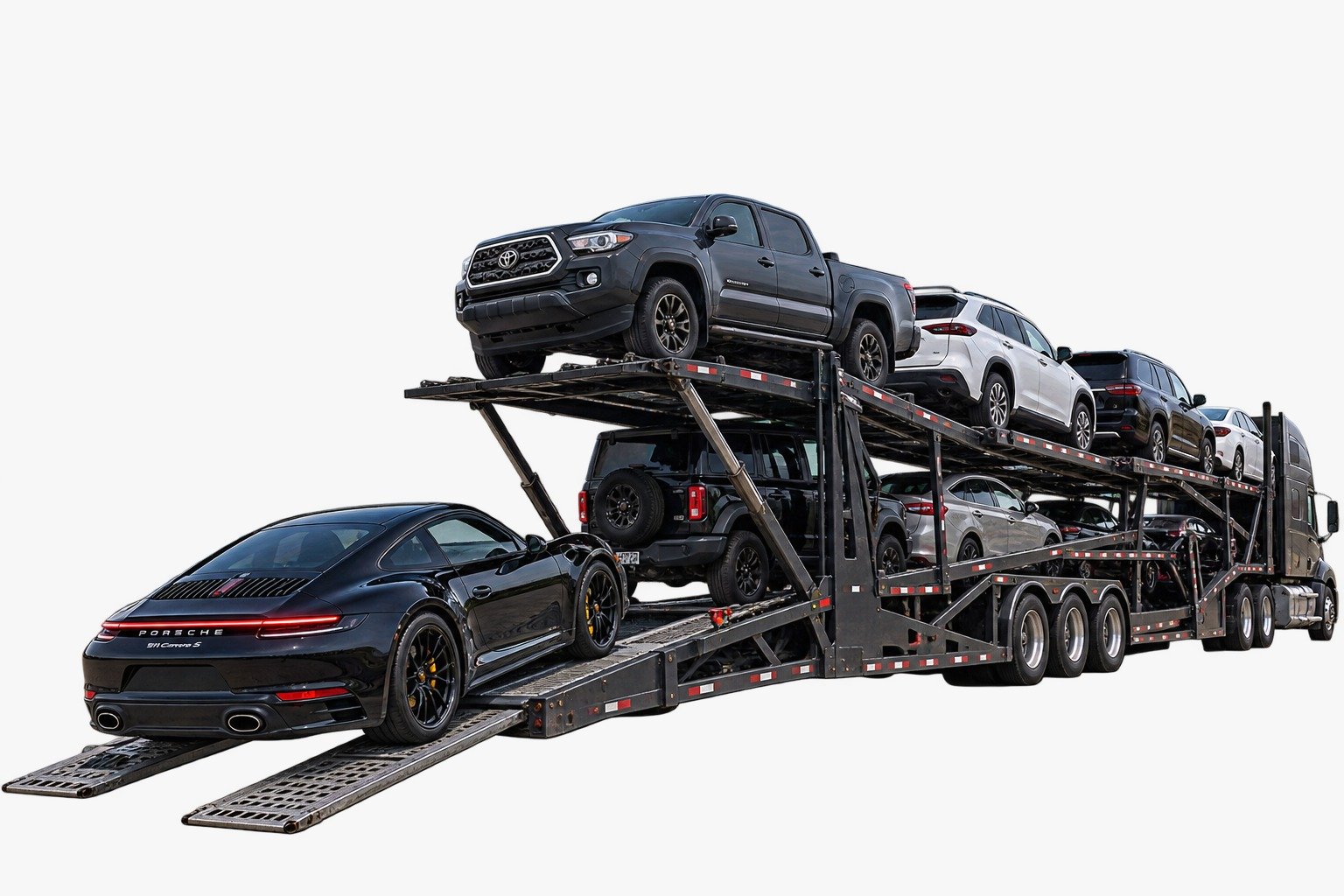
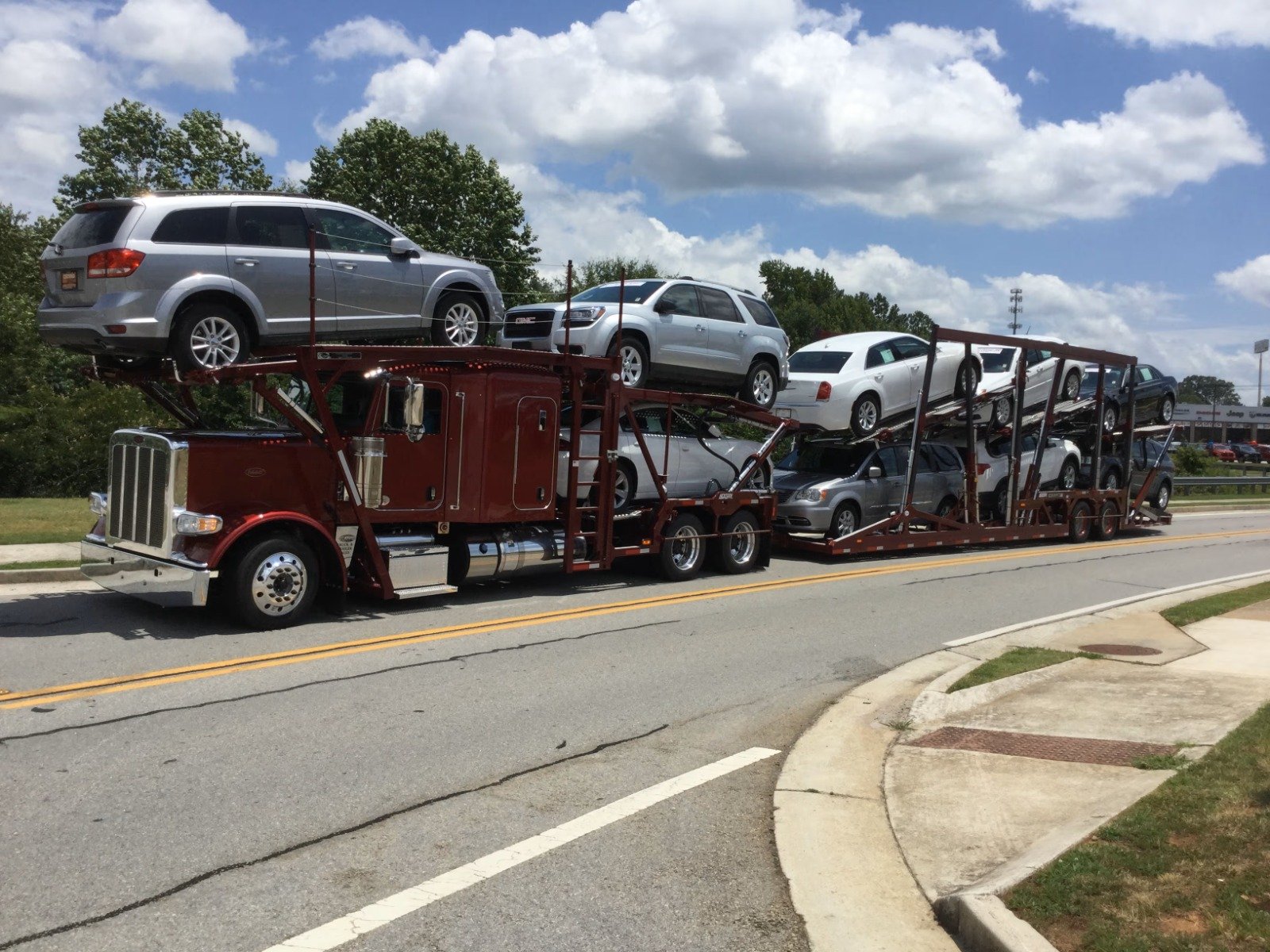
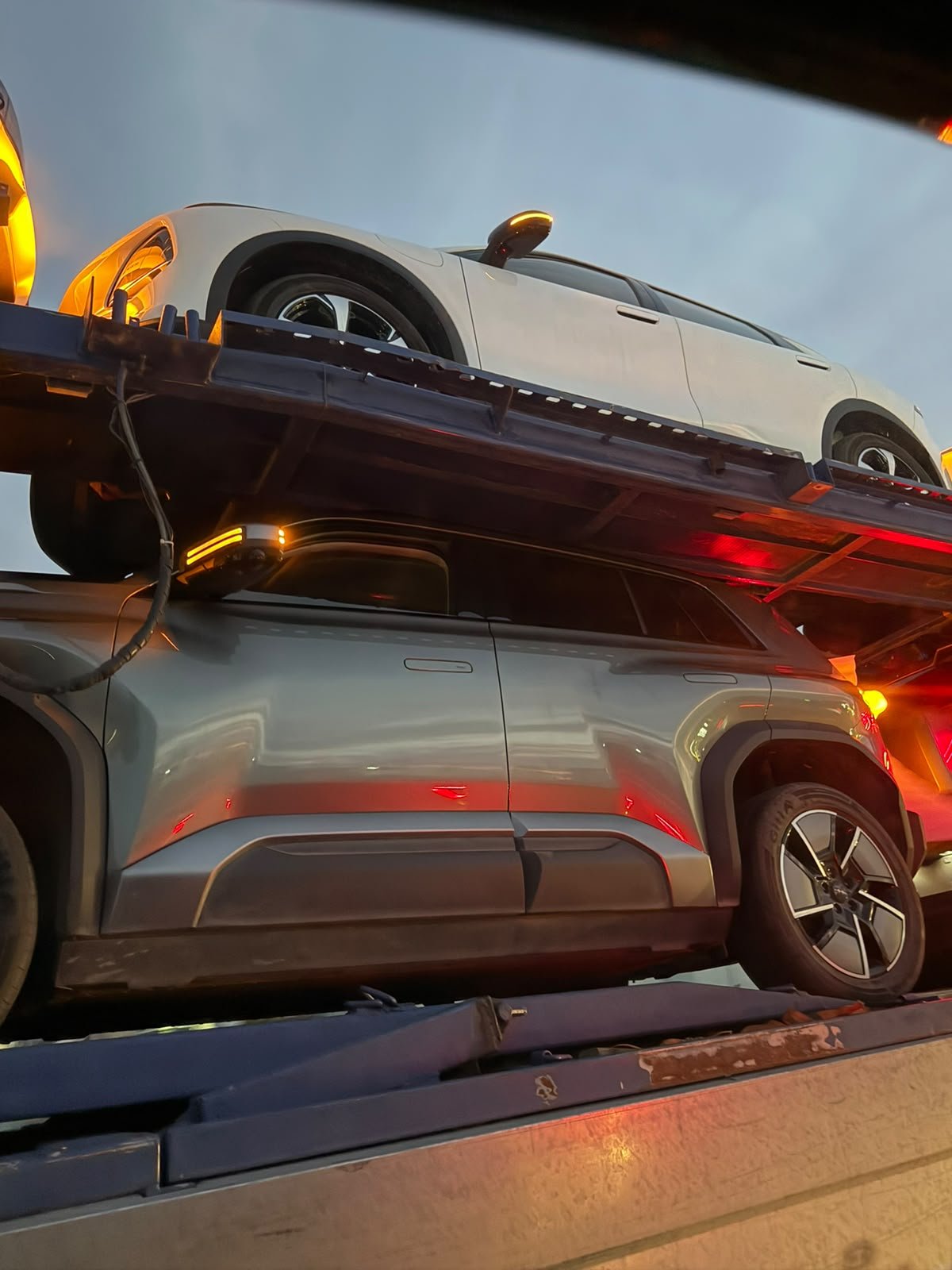
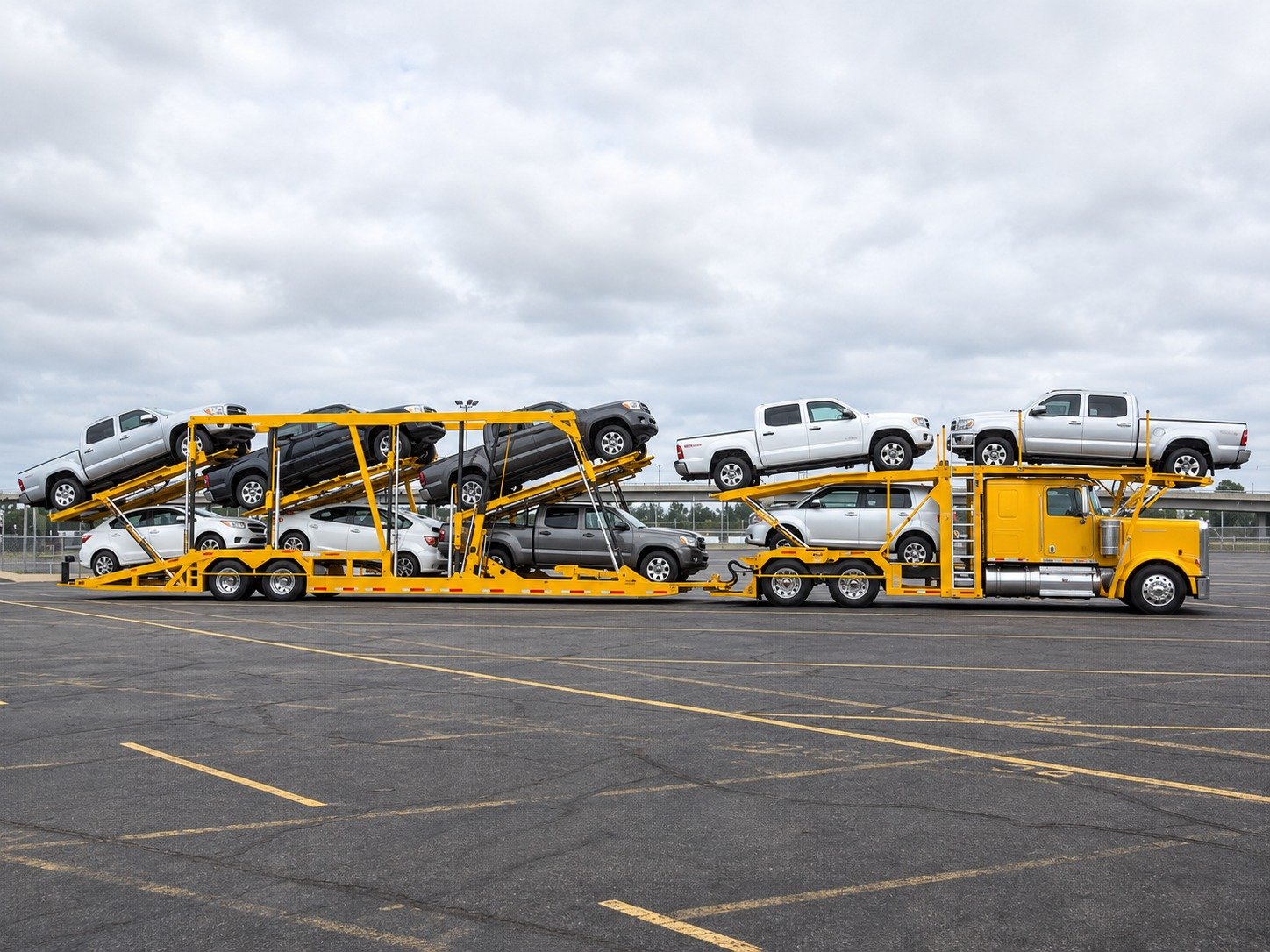
EVs are significantly heavier than their gas-powered counterparts. For example, a standard compact SUV might weigh around 3,500 lbs, whereas an electric SUV of similar dimensions can exceed 5,000 lbs due to the dense battery cells located in the floorboard. This additional weight impacts how auto carriers configure their loads. Transport trucks must adhere to strict federal and provincial weight limitations per axle. Consequently, a carrier that normally hauls nine standard sedans may only be legally permitted to haul six or seven EVs.
Safety and Battery State of Charge (SoC)
When executing US to Canada car shipping for EVs, battery safety is critical. Major shipping lines, cross-border authorities, and professional transport companies strictly regulate the vehicle's State of Charge (SoC). Most professional logistics providers require EVs to be transported with a battery charge between 30% and 50%. This specific threshold provides enough power to drive the vehicle safely on and off the transport trailer while mitigating the rare but severe risk of thermal runaway during transit.

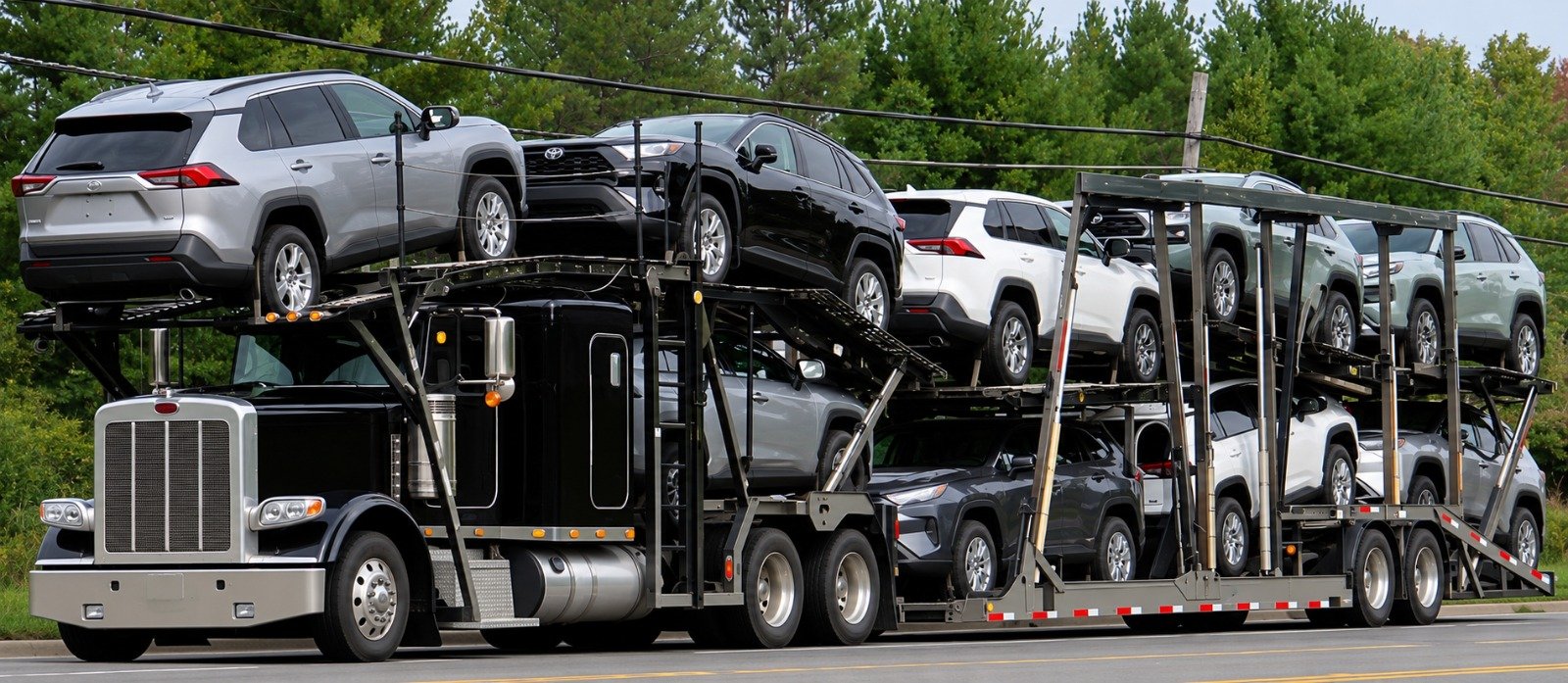
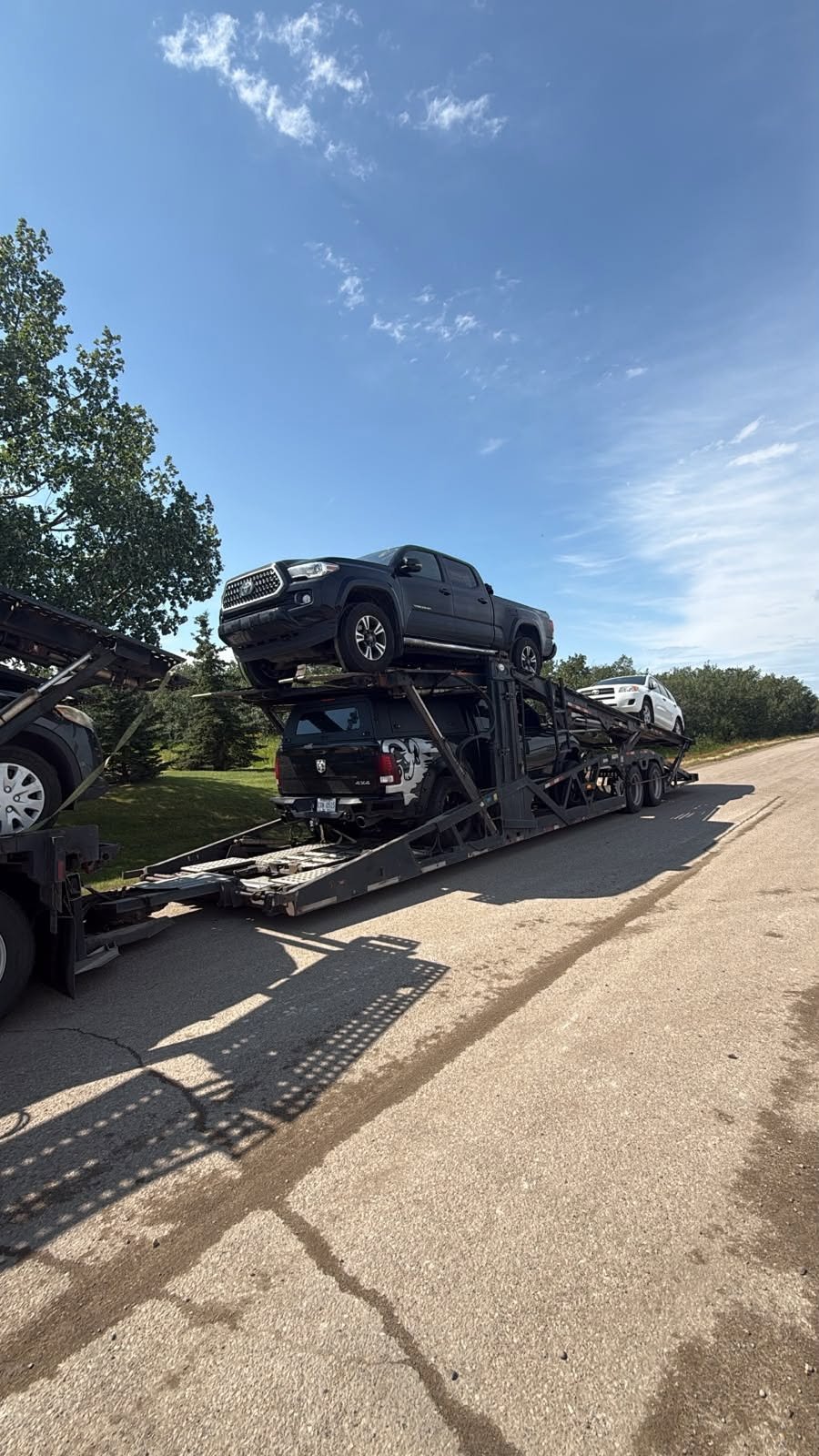
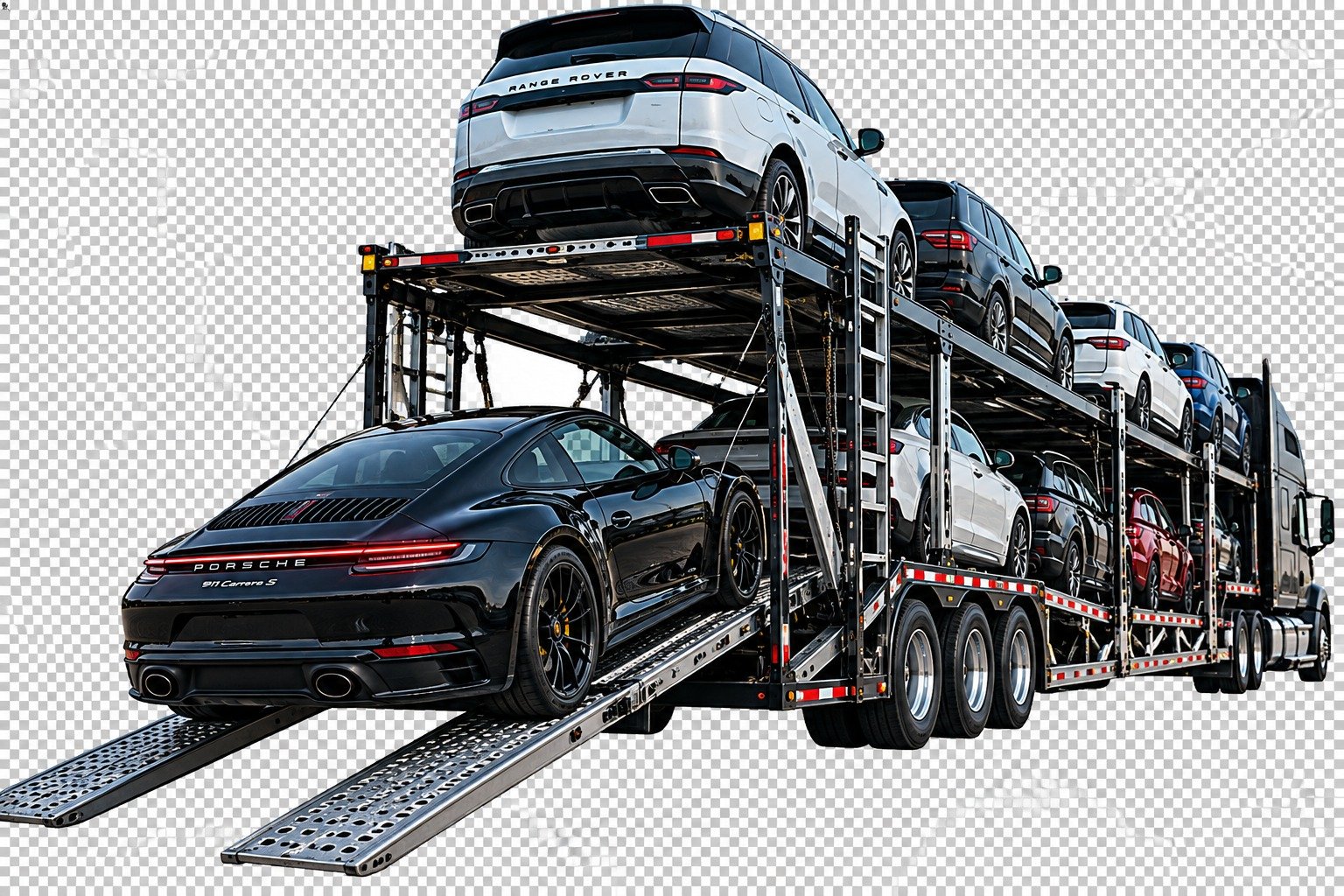
Carriers must carefully balance the heavy curb weight of electric vehicles to meet strict highway axle regulations.
What Documents Are Needed to Import an EV into BC?
Successfully importing an EV into British Columbia requires meticulous preparation of border documentation. The Canada Border Services Agency (CBSA) enforces strict compliance for all vehicle imports to ensure they meet Canadian safety and environmental standards.
To avoid delays at the border, you must prepare the following essential documents:
- Original Vehicle Title: You must provide the original Certificate of Title. If there is a lien on the vehicle, you need an original letter from the lienholder granting explicit permission to export the vehicle from the US and import it into Canada.
- Bill of Sale: A legitimate invoice or bill of sale proving the purchase price, which customs will use to calculate applicable taxes and duties.
- ITN (Internal Transaction Number): US Customs and Border Protection requires an AES (Automated Export System) filing at least 72 hours before the vehicle approaches the border. The resulting ITN is mandatory for export.
- Transport Canada Clearance: You must verify that your EV model is admissible into Canada by checking the Transport Canada regulations and the Registrar of Imported Vehicles (RIV) admissibility list.
- Recall Clearance Letter: A document from the manufacturer stating there are no outstanding safety recalls on the EV.
Avoid the 72-Hour Export Delay
Do not assume you can simply drive your EV to the border with a title in hand. US Customs strictly enforces the 72-hour AES filing rule. Working with a professional car shipping company ensures this paperwork is filed electronically well in advance, preventing your vehicle from being turned away or impounded at the border.
Is an Electric Vehicle Insured During Cross-Border Transport?
One of the most common questions from customers is: Does car shipping insurance cover electric vehicles? The short answer is yes, but the nuances of cargo insurance versus personal auto insurance are critical to understand.
When you book insured electric vehicle transport through a reputable logistics company, the carrier's commercial cargo insurance covers your EV from the moment the driver takes possession of the keys until it is delivered in BC. This coverage protects against damages sustained due to carrier negligence, collisions involving the transport truck, or equipment failure.
However, personal items left inside the EV are generally not insured. Furthermore, once the vehicle crosses the border and is delivered to you, you will need valid provincial coverage. In British Columbia, this means securing insurance through ICBC (Insurance Corporation of British Columbia) before you can legally drive your freshly imported EV on public roads.
How to Ship an Electric Vehicle from the USA to BC: Step-by-Step
Whether you are moving a Tesla, a Ford F-150 Lightning, or a Hyundai Ioniq, following a structured process guarantees a smooth transition across the border.
- Verify Admissibility: Before spending any money, confirm your specific EV model year is allowed into Canada via the RIV program. Some US-market EVs lack the mandatory Canadian immobilizer systems or daytime running lights required for federal compliance.
- Select the Right Transport Method:
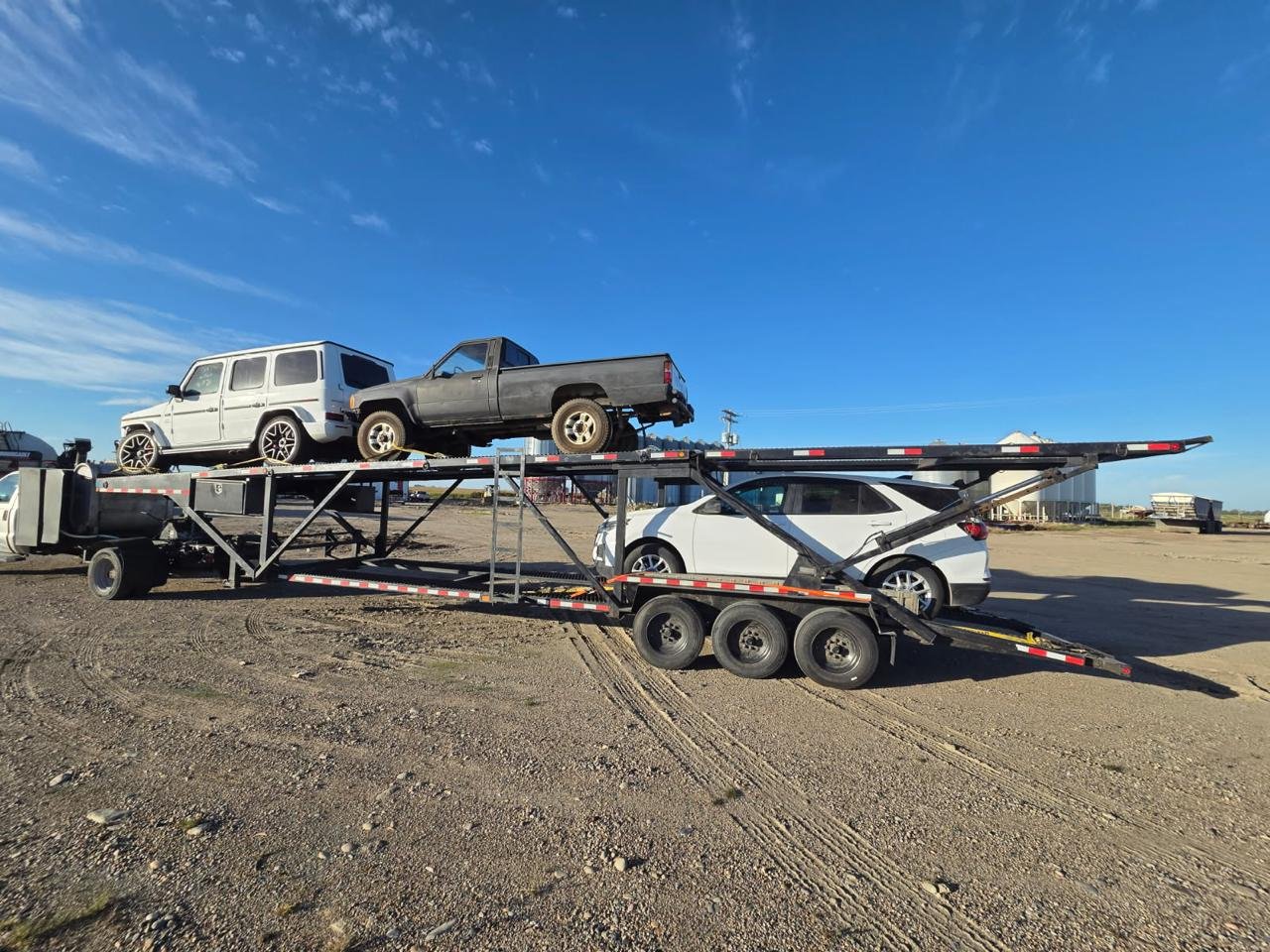
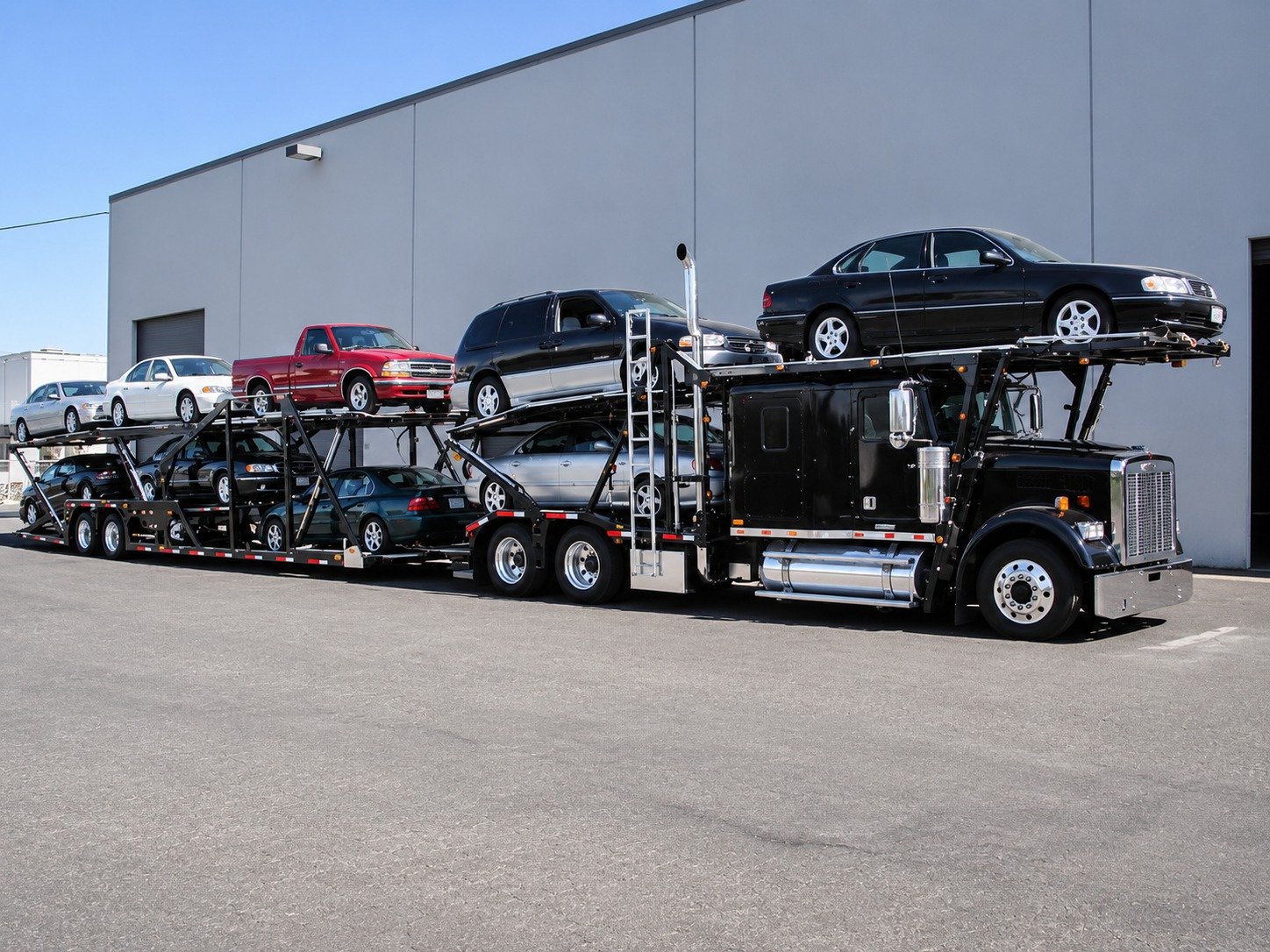
- For standard, daily-driver EVs, standard open automobile transportation is the most cost-effective and common method.
- For high-value, luxury, or classic EV conversions, opt for enclosed vehicle transportation. Enclosed trailers shield the vehicle from harsh weather, road debris, and extreme temperature fluctuations—which is particularly beneficial for battery health during winter shipments.
- Prepare the Battery and Software: Charge your EV to roughly 40%. Disable any "Sentry Modes," alarms, or automated suspension leveling features. These systems drain the 12-volt auxiliary battery over long trips and can cause the alarm to trigger endlessly on a vibrating transport trailer.
- Conduct a Thorough Inspection: During pickup, you and the driver will conduct a comprehensive Bill of Lading (BOL) inspection. Take clear, well-lit photos of the vehicle's exterior from all angles to document its pre-shipping condition.
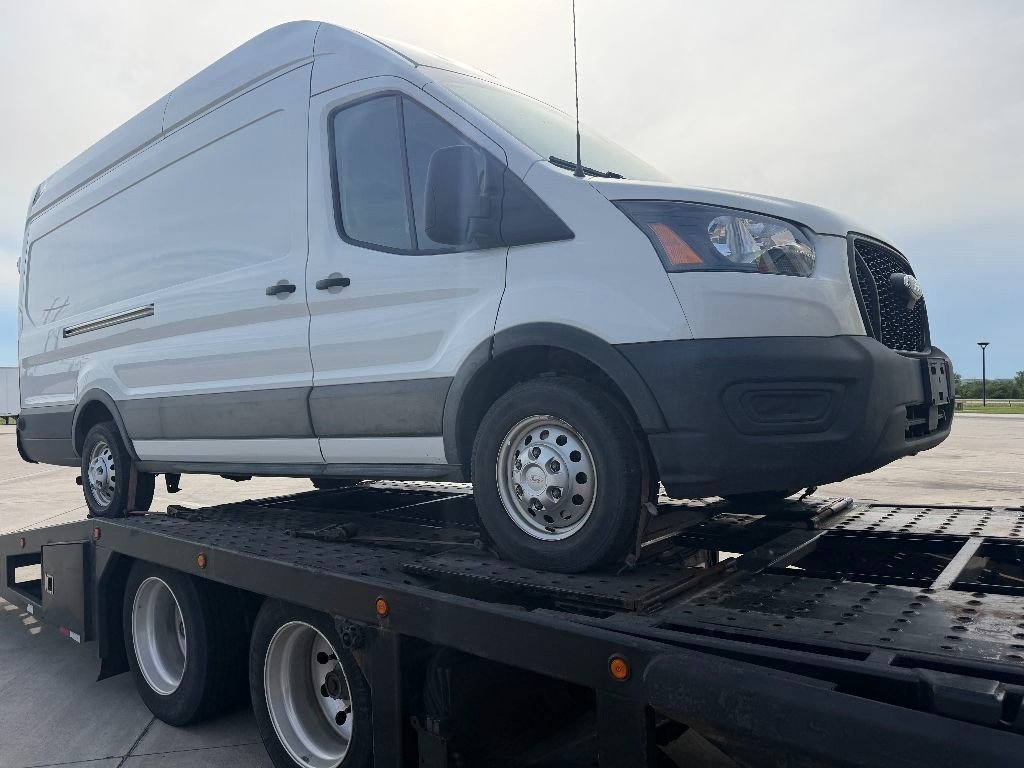
A detailed visual inspection is performed on all vehicles prior to loading, ensuring total transparency regarding the car's condition.
How Much Does it Cost to Ship an EV to British Columbia?
The cost of EV shipping to British Columbia varies widely based on several dynamic factors. Unlike flat-rate parcel shipping, automotive logistics is influenced by real-world variables:
| Pricing Factor | How it Impacts EV Shipping Cost |
|---|---|
| Total Distance | Shipping an electric car from Washington State to Vancouver BC is highly localized and affordable, whereas shipping from Florida to BC requires cross-continental logistics and higher freight costs. |
| Vehicle Weight | Because EVs are significantly heavier, they occupy more weight capacity on the trailer, occasionally resulting in a slight premium compared to lightweight ICE sedans. |
| Transport Type | Open transport remains the industry standard. Enclosed transport generally commands a 30% to 50% premium due to limited trailer availability and specialized equipment. |
| Seasonality | Winter shipping through mountain passes (like the Coquihalla) requires carriers to have specialized winter tires, chains, and experience, which can influence seasonal pricing. |
To get a precise, no-obligation figure for your specific make and model, it is highly recommended to request a quote directly from a specialized logistics provider.
Shipping an Electric Car from Washington State to Vancouver BC
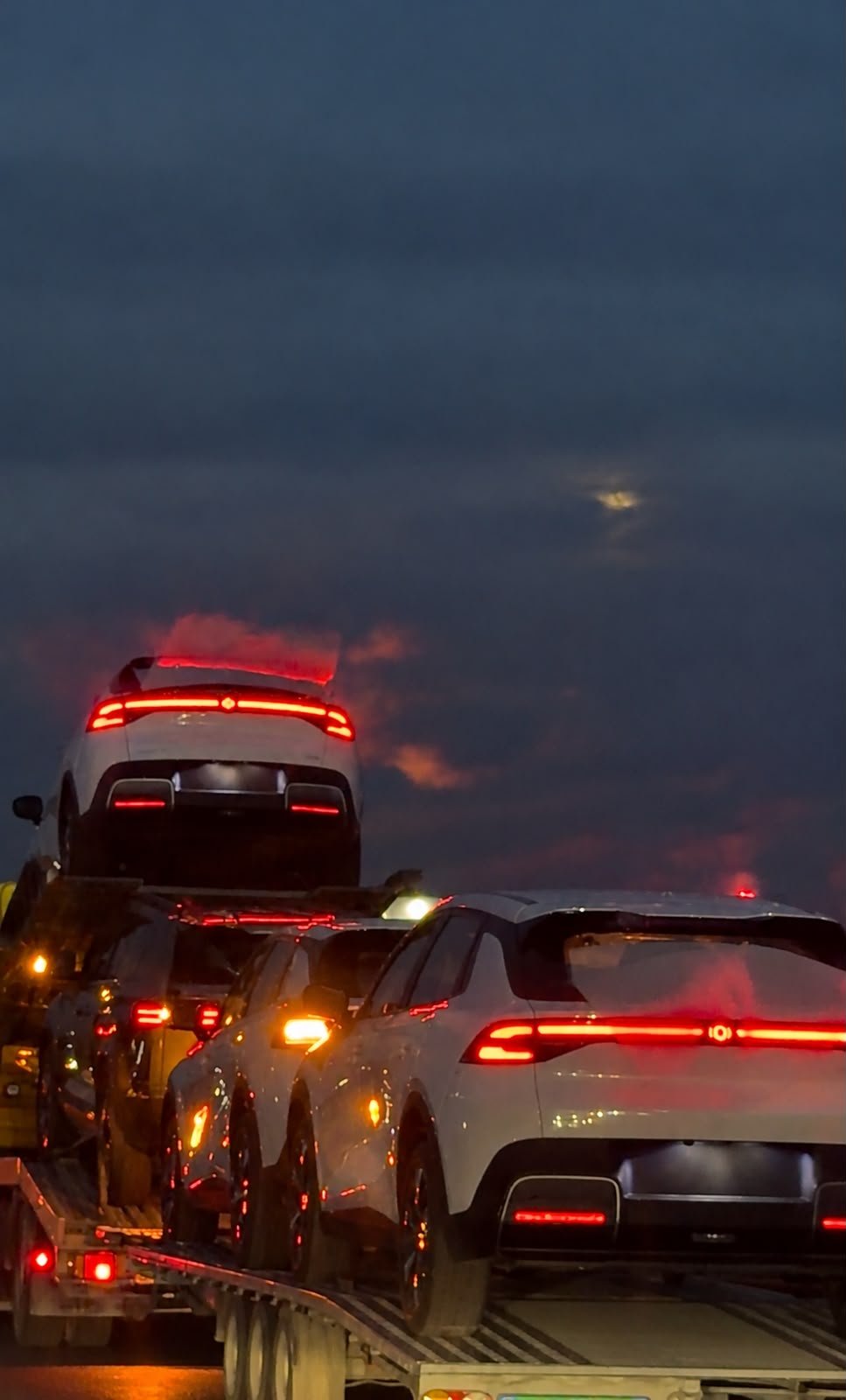
One of the most frequent routes for specific transportation routes is the corridor between Washington State (usually Seattle or Bellingham) and Vancouver, BC. Because of the close geographic proximity, transit times are incredibly fast—often completed within 1 to 3 days, depending on border traffic and customs processing times.
However, the short distance does not exempt you from the paperwork. The 72-hour AES export filing rule still applies, and the vehicle must still pass through the designated commercial lanes at border crossings like the Pacific Highway border crossing. Working with an experienced carrier ensures your EV moves seamlessly through these commercial checkpoints without administrative delays.

Upon arrival in British Columbia, the final step is the key handover and the post-transport vehicle inspection.
Frequently Asked Questions
What is the best way to transport an electric car from the USA to Canada?
How to safely transport a Tesla across the US-Canada border?
What happens regarding British Columbia vehicle registration after importing?
Can I pack personal items inside my EV during shipping?
Conclusion
Shipping an electric vehicle to BC involves a complex interplay of automotive weight logistics, battery safety protocols, and strict international border regulations. From ensuring your AES paperwork is filed 72 hours in advance to selecting a transport method that safely accommodates the unique curb weight of an EV, proper preparation is the key to a stress-free experience. By understanding the regulations enforced by the Canada Border Services Agency and trusting experienced logistics professionals, you can ensure your electric vehicle arrives in British Columbia securely, legally, and ready for the road.