Whether you are relocating across the country, purchasing a vehicle from another province, or moving inventory for an automotive dealership, one of the first things you will look for is accurate car shipping quotes. However, as you begin gathering estimates, you will quickly notice something: the prices can vary significantly between different transportation companies.
Finding a reliable provider for vehicle transportation in Canada involves more than just picking the lowest number on a screen. The total cost of your shipment is influenced by an intricate web of logistics, distances, vehicle dimensions, and specialized service types. In this comprehensive guide, we will break down exactly how car shipping companies calculate prices, why auto transport quotes differ, and how you can ensure you are getting an accurate, professional, and transparent estimate.
Why Are Car Shipping Prices Different Between Companies?
When you request car shipping quotes from multiple logistics providers, you might wonder why are car shipping prices different between companies when the origin and destination are identical. The answer lies in the business models, carrier networks, and service standards of each organization.
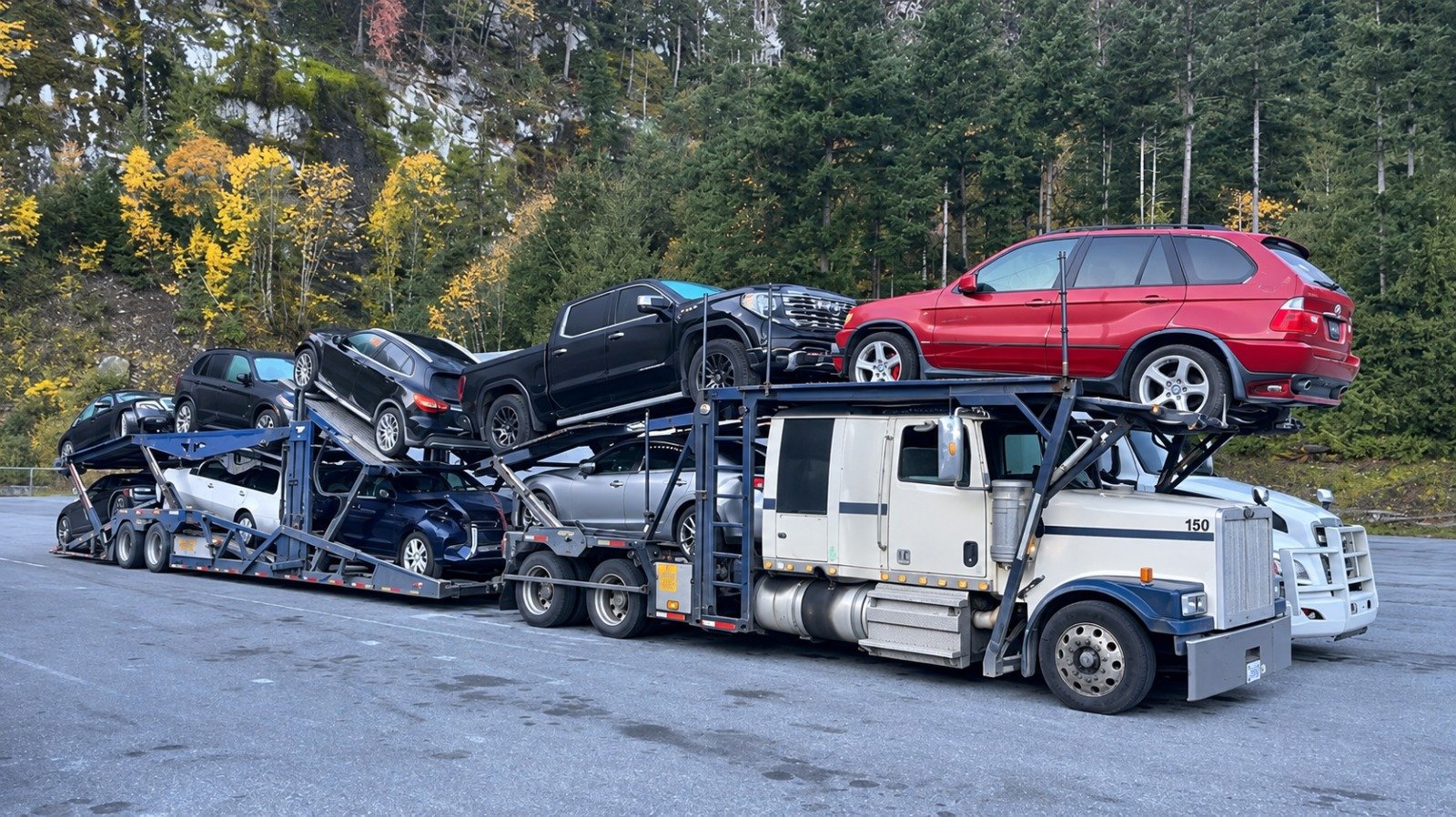
Some companies act strictly as brokers without direct control over the network, resulting in volatile estimates that can change once a driver is actually assigned. Professional logistics coordinators and asset-based networks base their car transport quotes on reliable, real-time market data, ensuring a high level of predictability. Additionally, established organizations adhere strictly to the compliance frameworks set by Transport Canada, which mandates rigorous safety and maintenance standards that influence overall operational costs.
Low-ball estimates often omit crucial factors such as adequate cargo insurance, guaranteed space on a trailer, or realistic delivery timelines. A trustworthy quote reflects the true cost of safely, legally, and efficiently moving your asset from point A to point B.
Core Factors That Affect Car Shipping Quotes
To understand why car shipping quotes vary, it is essential to look at the primary components that logistics professionals use to calculate your final price. Vehicle shipping costs are never generated randomly; they are the result of highly specific logistical variables.
1. Shipping Distance and Transport Route Availability
Naturally, shipping distance is one of the most critical elements in determining your rate. However, distance is not just about the total mileage. Transport route availability plays an equally massive role. Shipping a car along major national arteries—such as the Trans-Canada Highway from a major hub like Vancouver to Toronto—is often more cost-effective per kilometer than shipping to a remote northern community.
High-volume routes mean trucks are consistently full in both directions, allowing carriers to offer better vehicle transport prices. Conversely, remote locations require detours from main trucking lanes, which increases the time and resources needed for your delivery.
2. Carrier Availability and Seasonal Demand
The logistics industry operates on supply and demand. Seasonal demand significantly affects auto transport quotes. For example, during the fall, thousands of "snowbirds" relocate their vehicles southward or toward the coasts, reducing carrier availability and temporarily driving up rates. In the winter, severe Canadian weather conditions monitored by Environment Canada can slow down transit times through the Rocky Mountains or the Prairies, meaning carriers complete fewer trips per month.
3. Fuel Costs and Carrier Operating Expenses
Heavy-duty transport trucks consume significant amounts of diesel. Therefore, fluctuating fuel costs inherently affect car transportation rates. When national fuel averages rise, transportation companies must adjust their prices to remain operational. Furthermore, carrier operating expenses—such as specialized insurance policies, routine truck maintenance, highway tolls, and driver wages—all factor into the baseline rates provided by car shipping companies.
Vehicle Specifications and Transport Types
Not all vehicles take up the same amount of space, nor do they require the same level of environmental protection. What affects the cost of shipping a car heavily depends on the physical characteristics of your vehicle and the method you choose to transport it.
Vehicle Dimensions and Weight
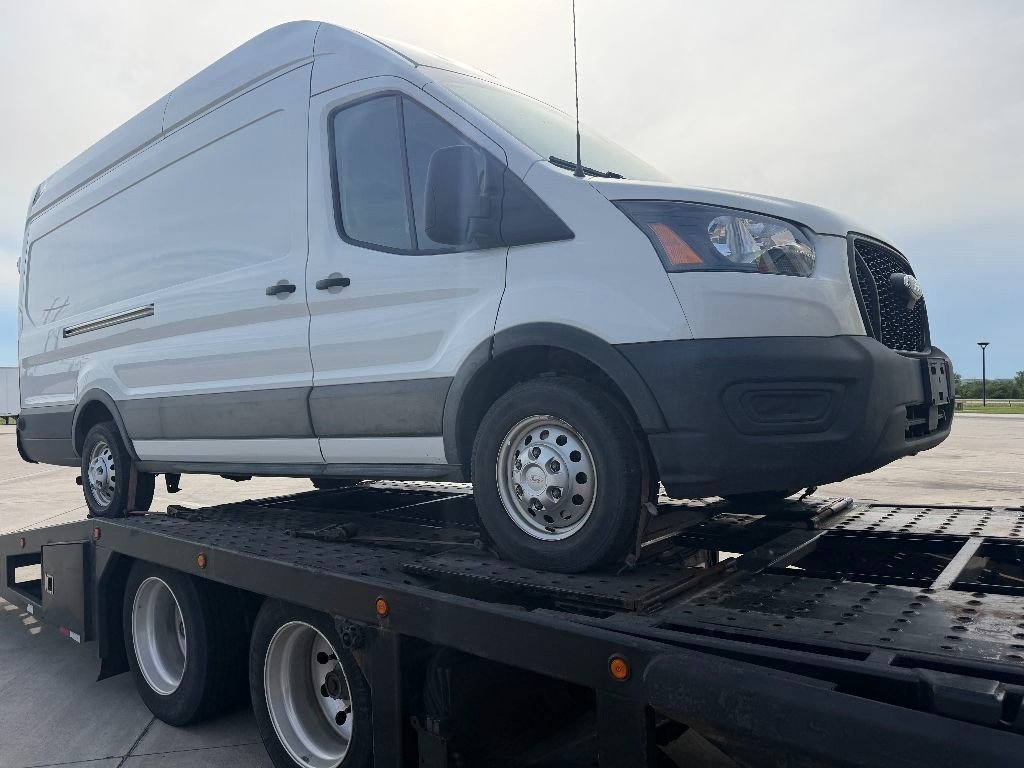
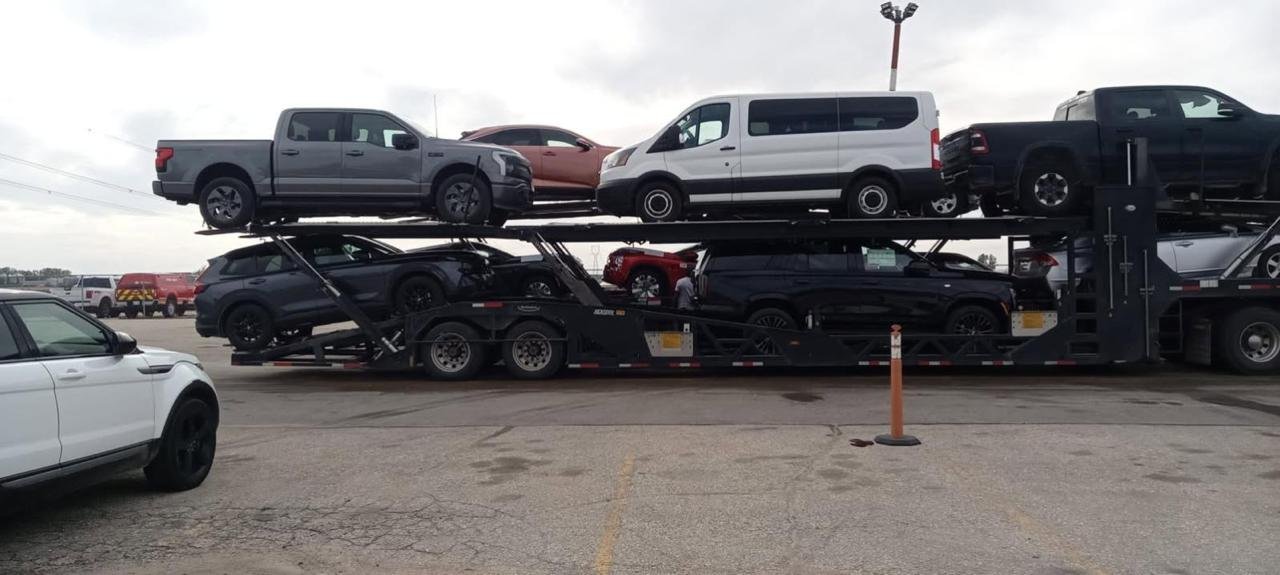
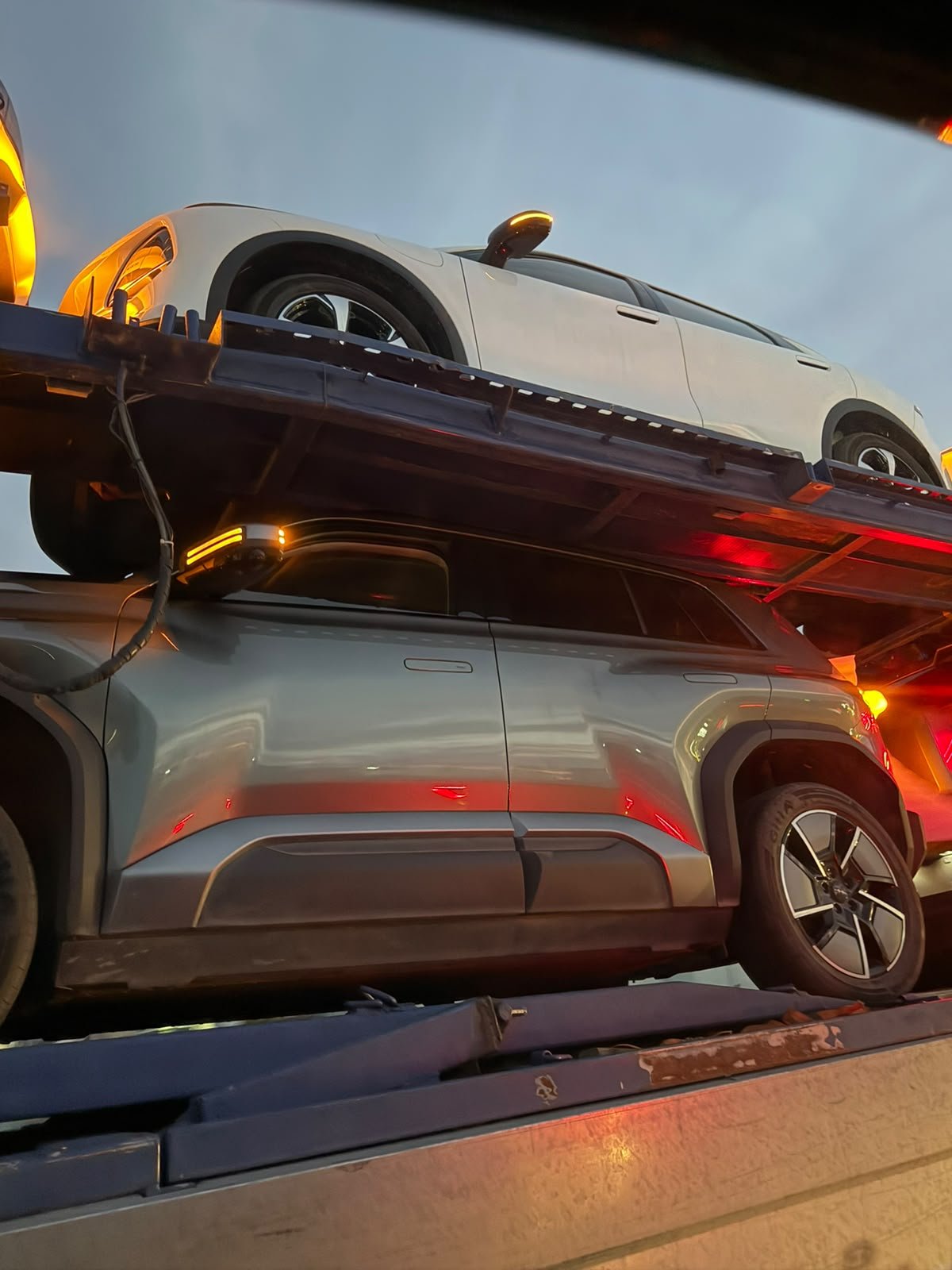
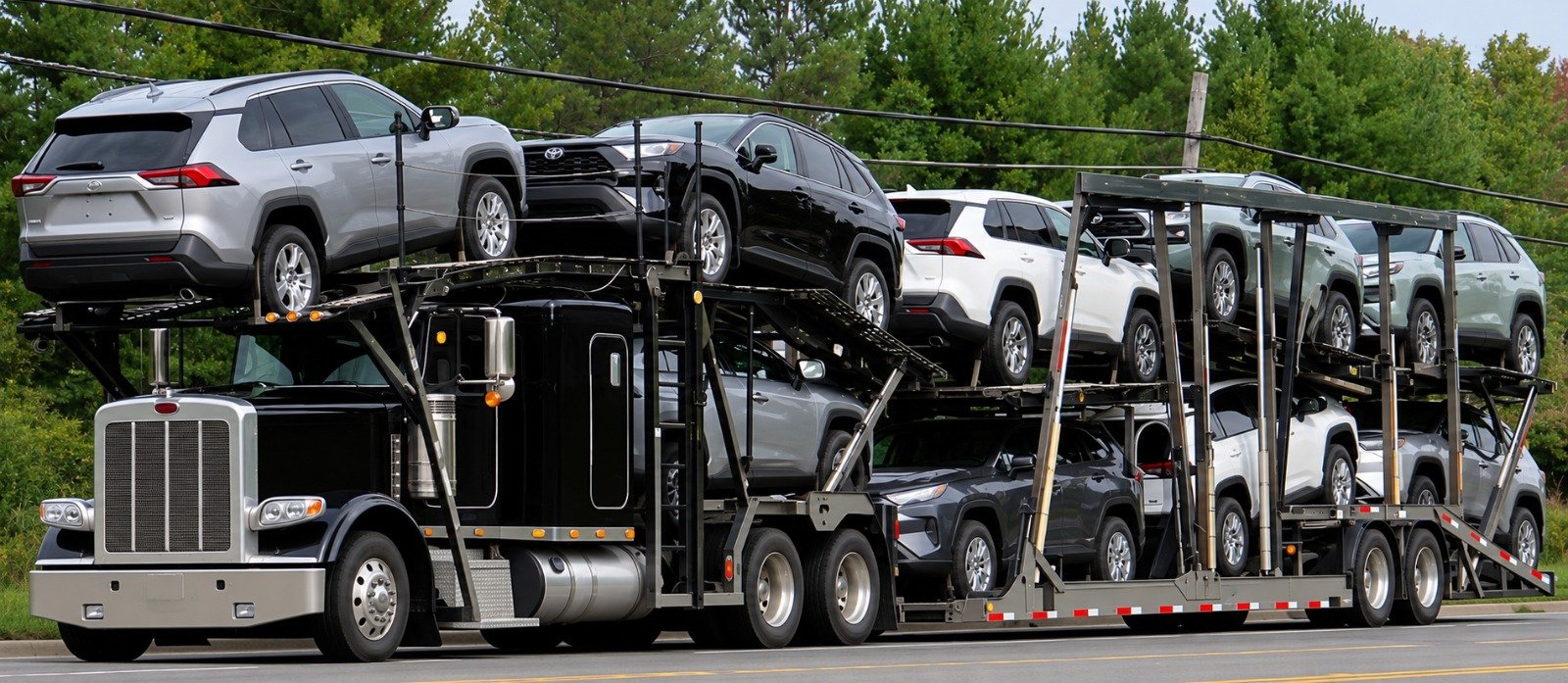
Auto haulers have strict legal weight limits and dimensional capacities. A standard four-door sedan takes up less space and weight than a lifted pickup truck, a long-wheelbase cargo van, or a heavy electric vehicle (EV). Because a truck hauling heavy SUVs can fit fewer vehicles legally on the trailer than one hauling compact cars, the cost to ship larger vehicles will be proportionately higher.
Open Transport vs. Enclosed Transport vs. Rail
The equipment utilized for your shipment will dramatically influence your final quote. When requesting an estimate, you will typically choose from these primary methods:
| Transport Method | Description | Price Impact |
|---|---|---|
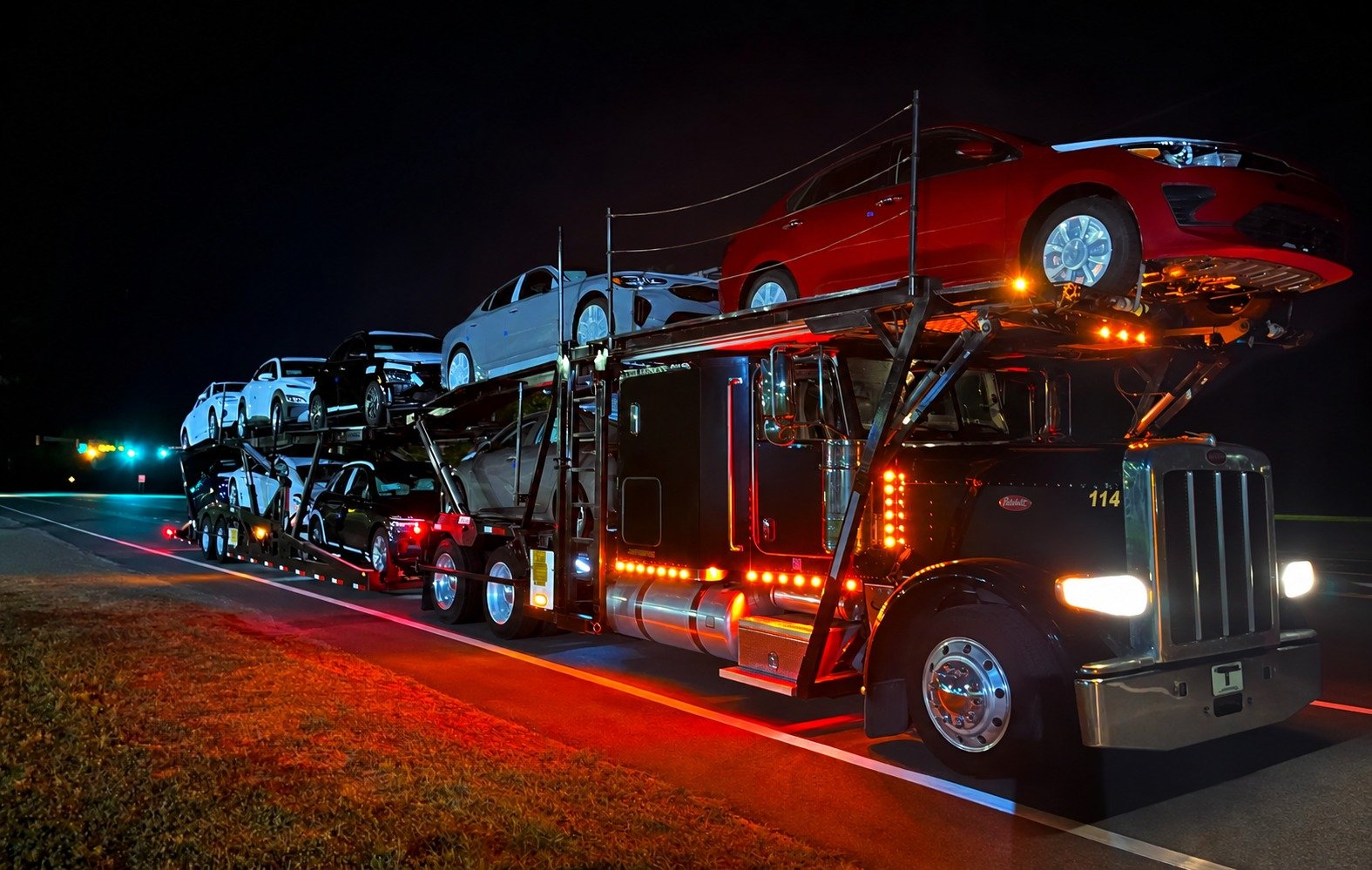
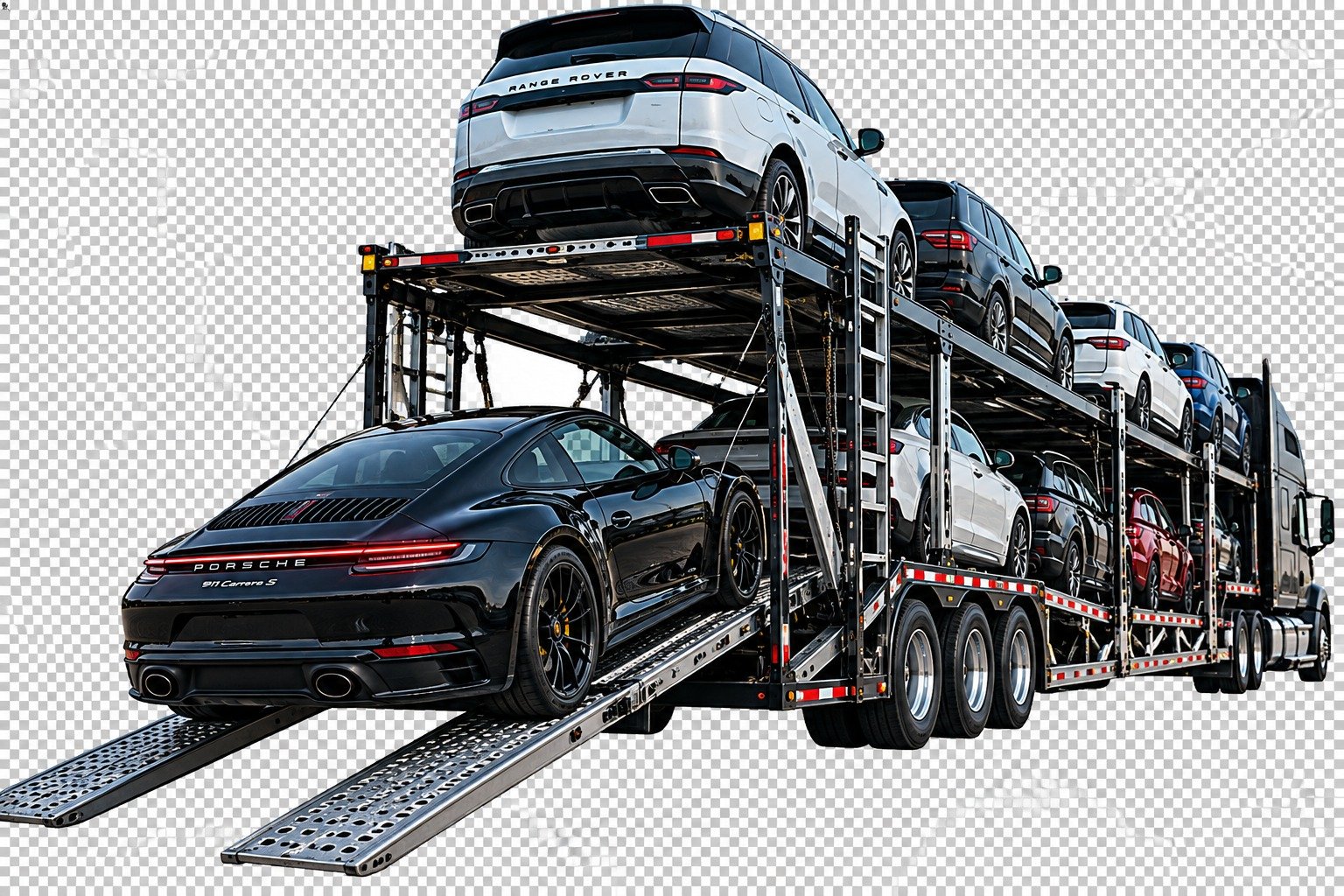
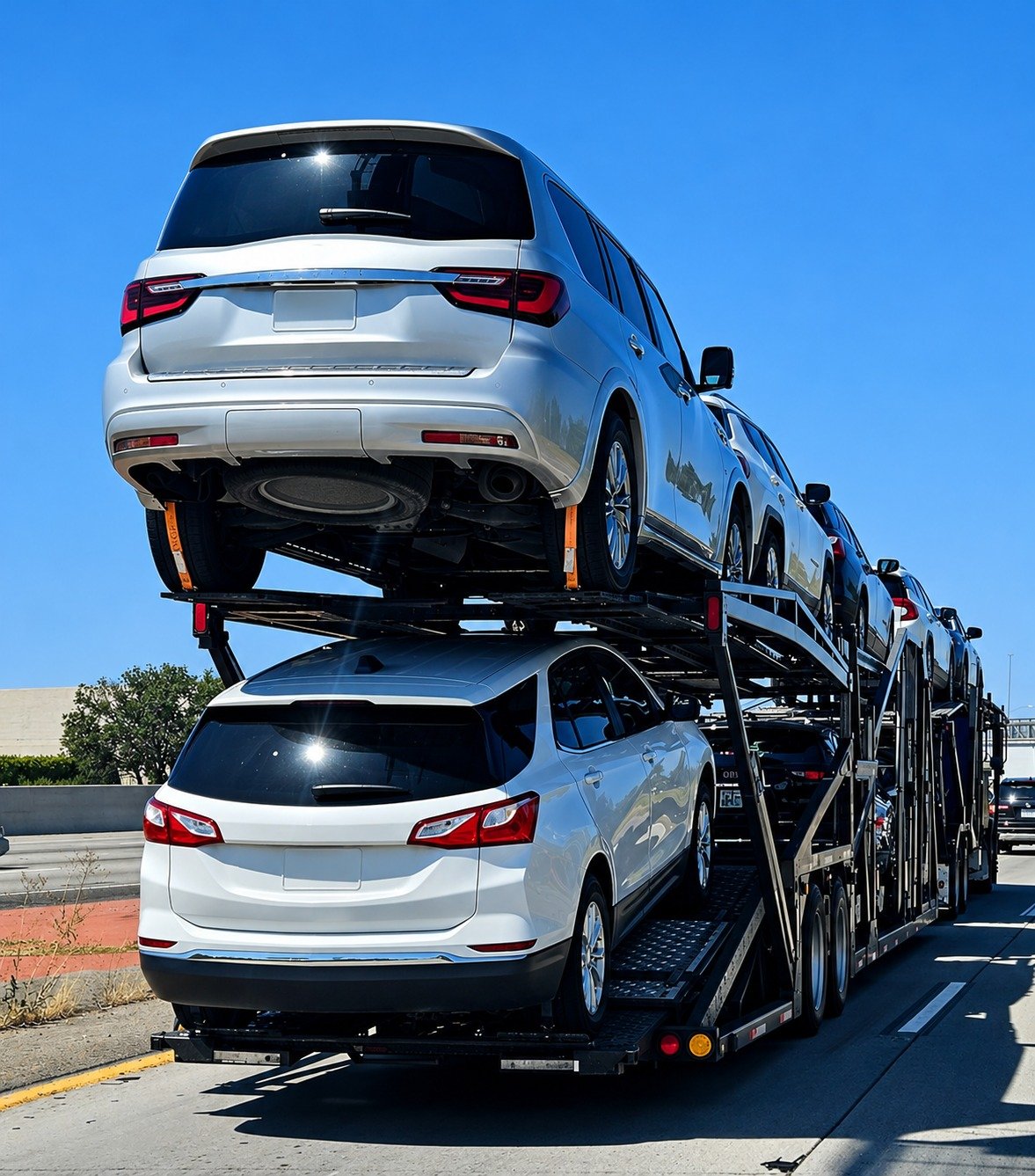
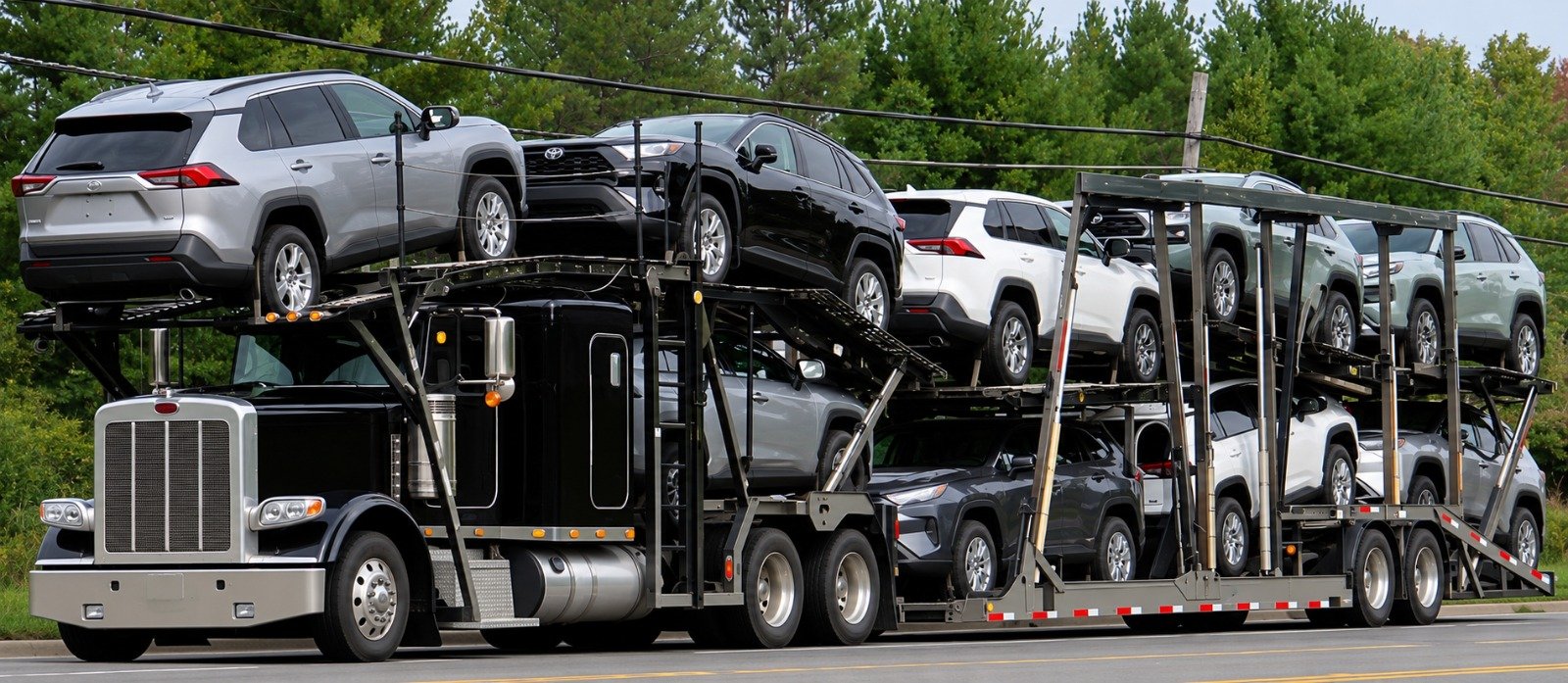
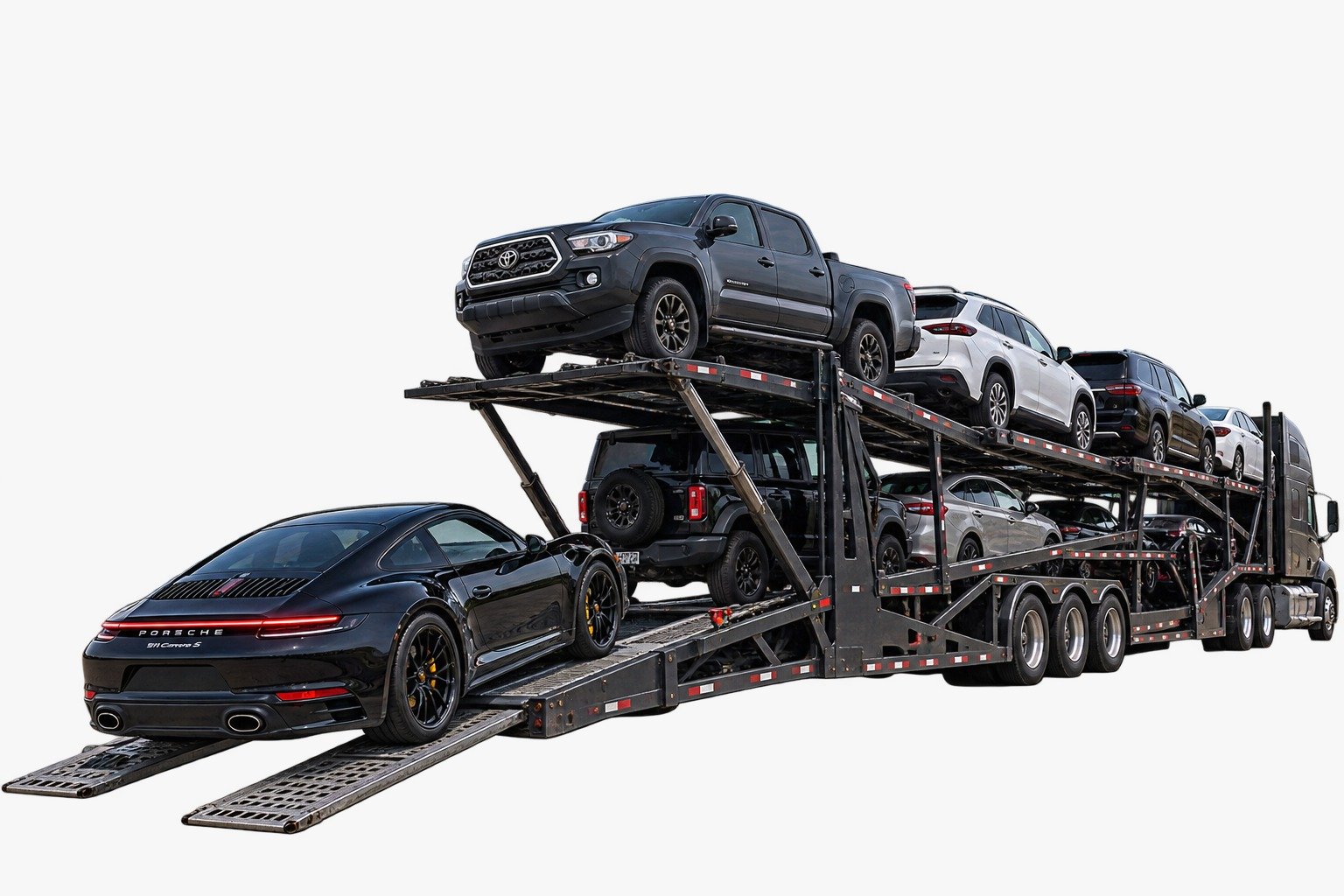
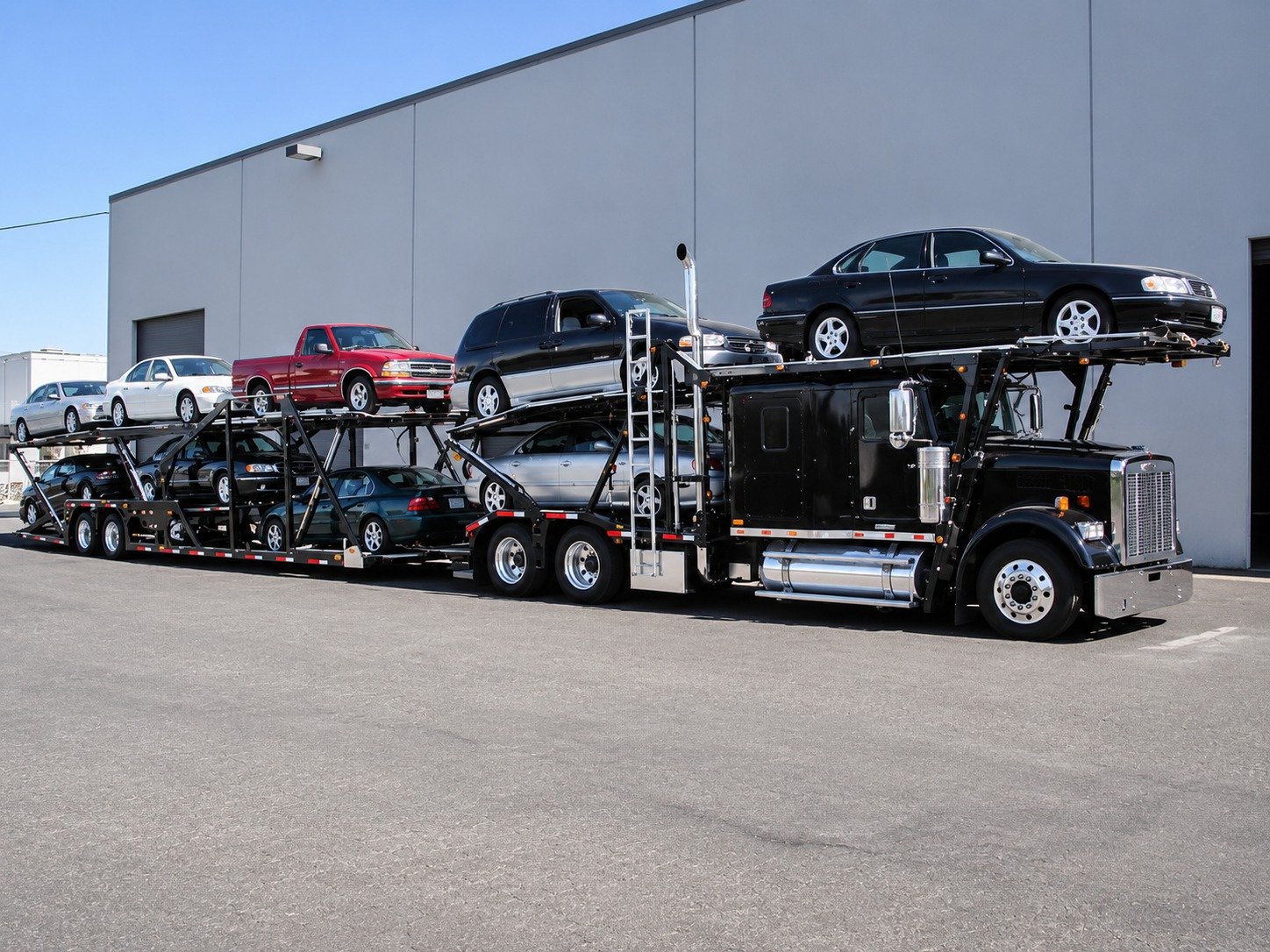
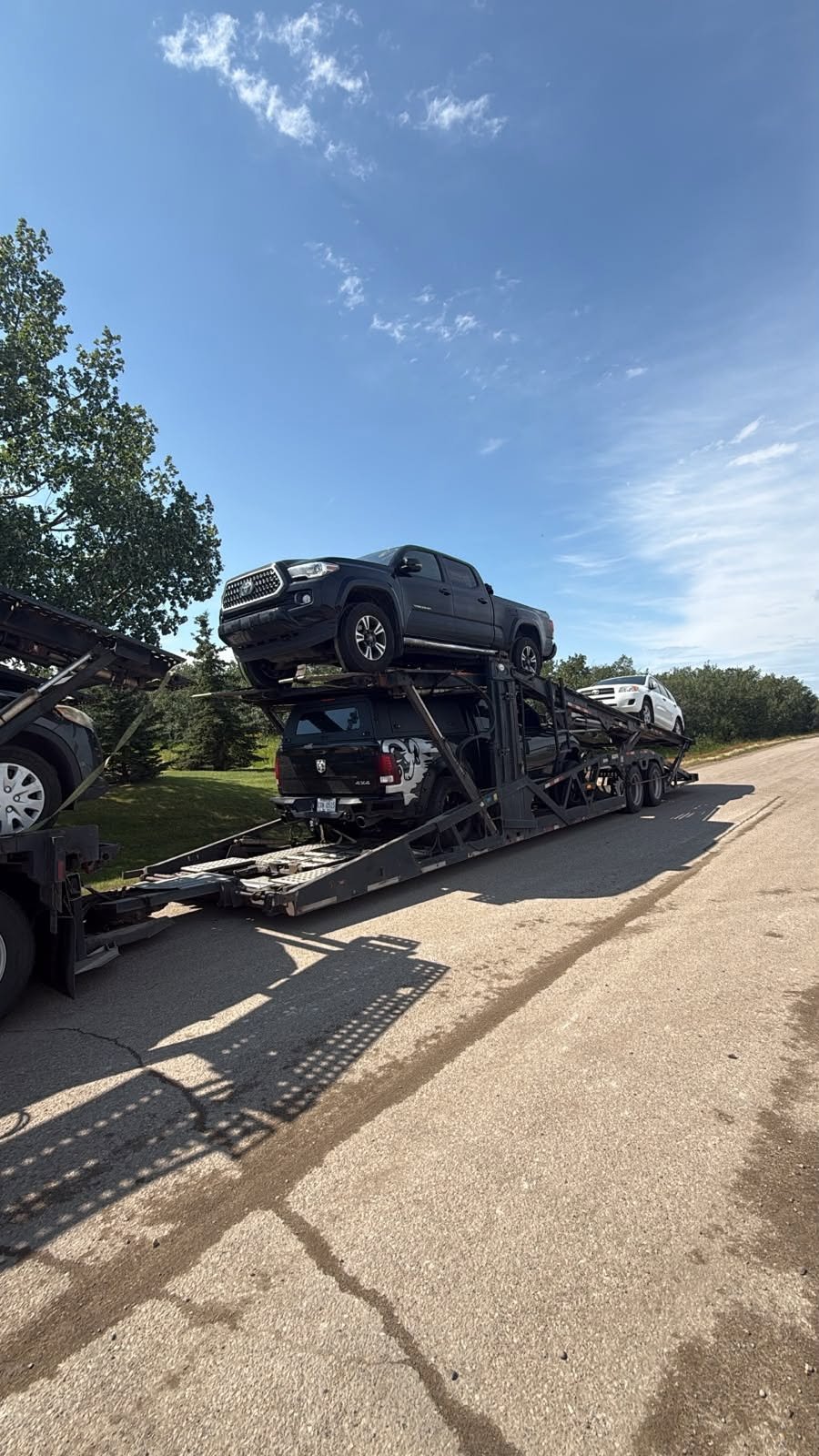
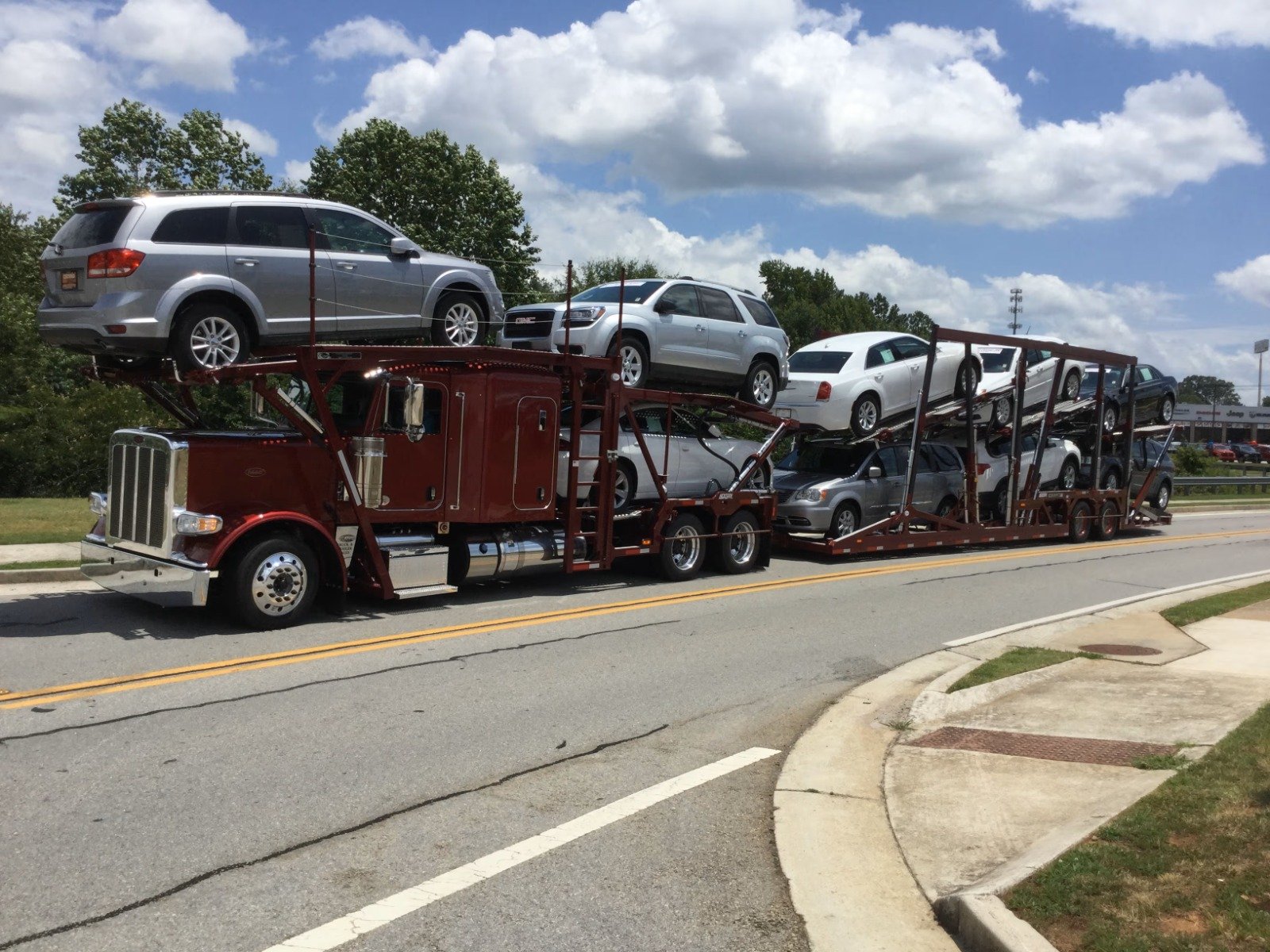
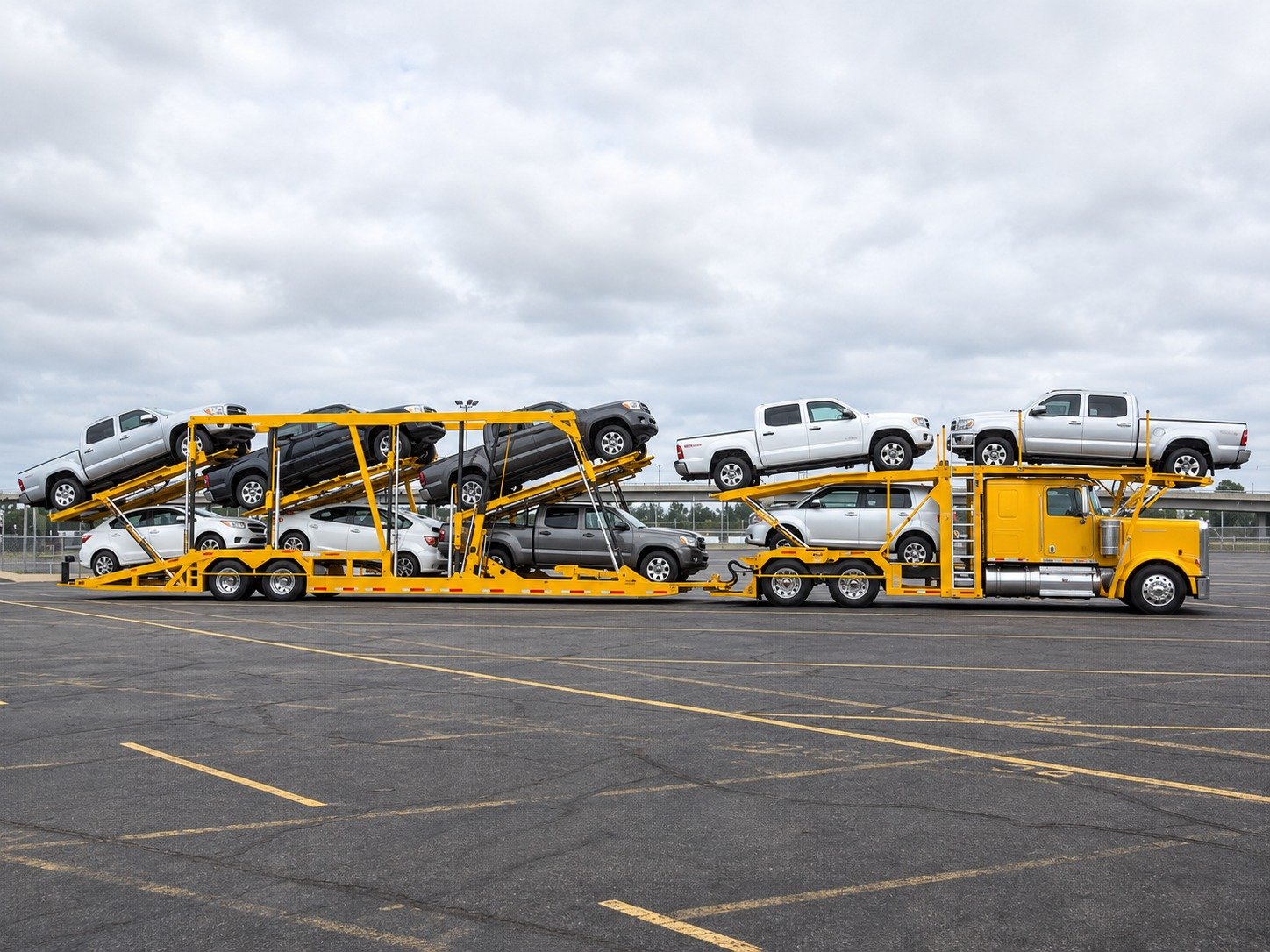
| Open Transport | The standard method used by dealerships and individuals. Vehicles are exposed to the weather, similar to driving on the highway. Learn more about open transport. | Most cost-effective and standard rate. |
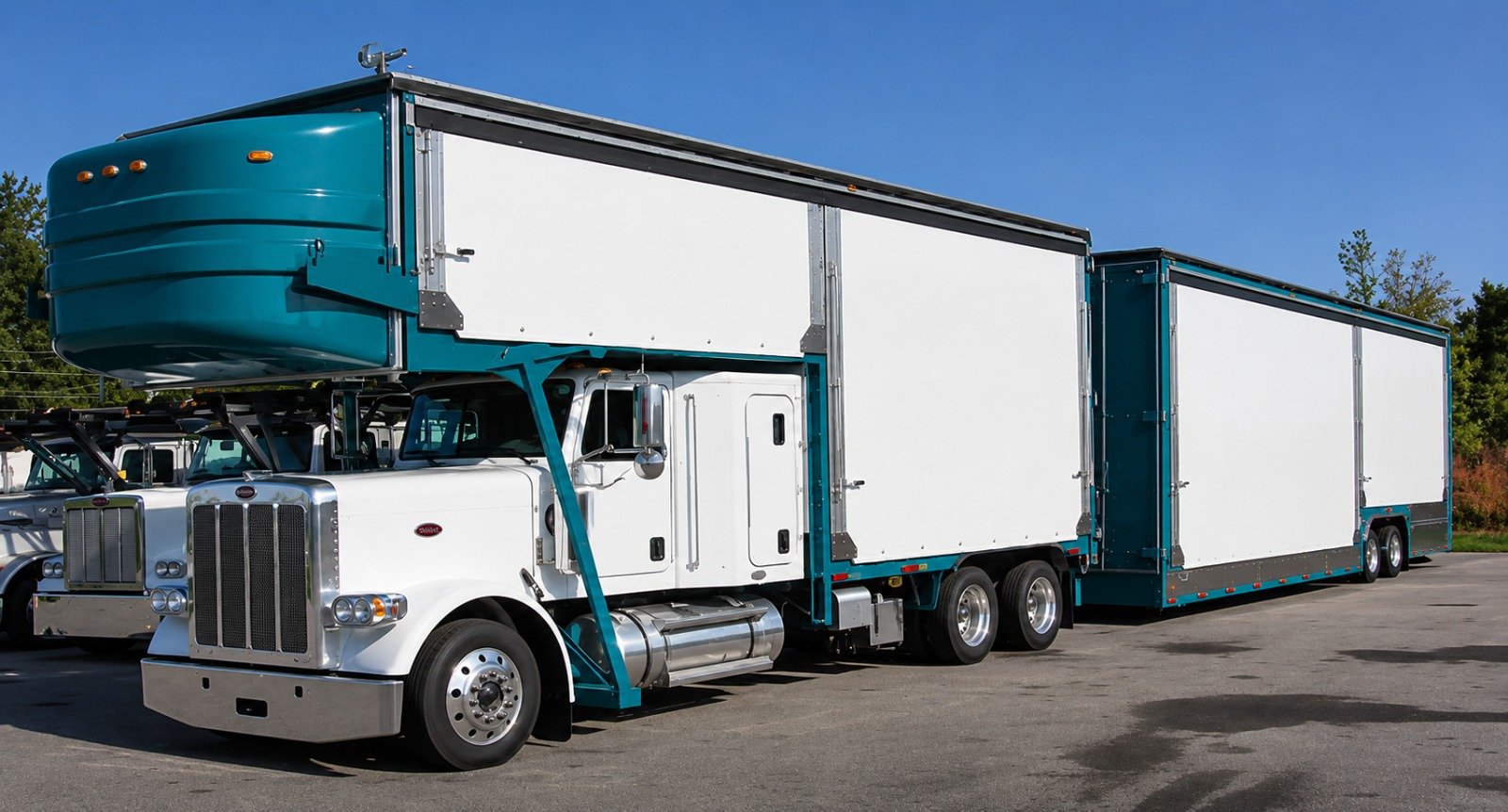
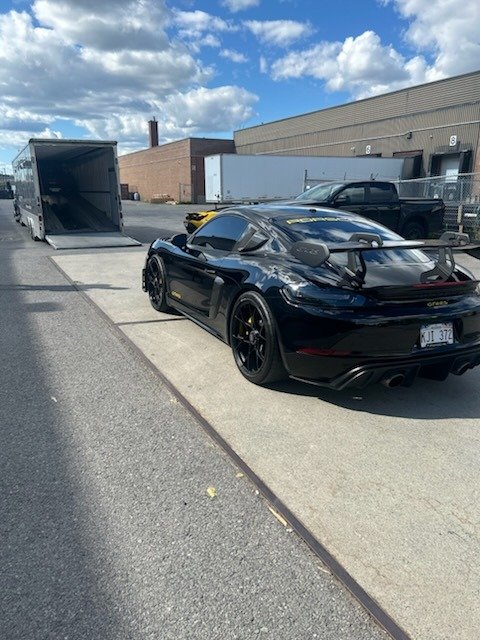
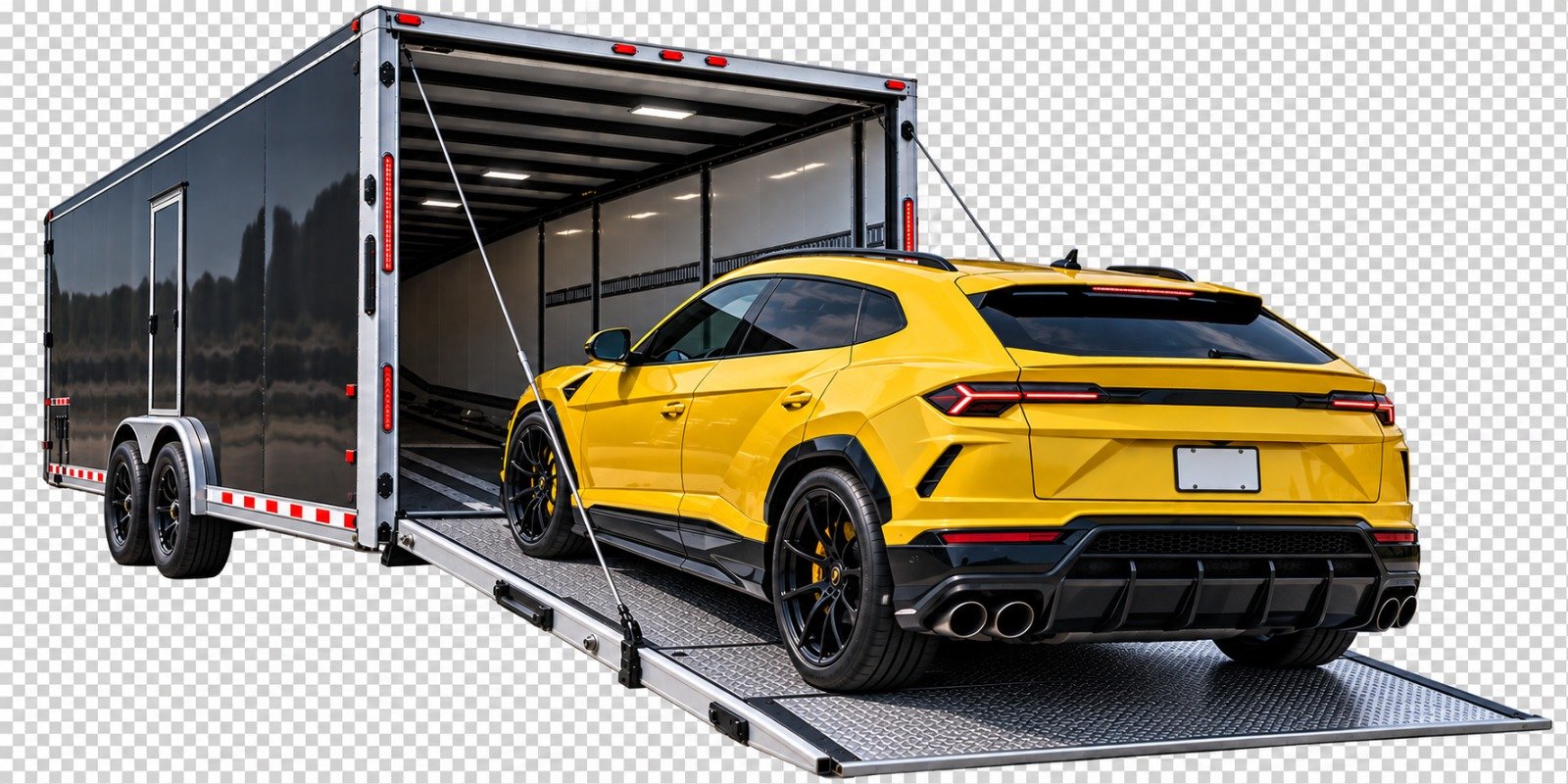
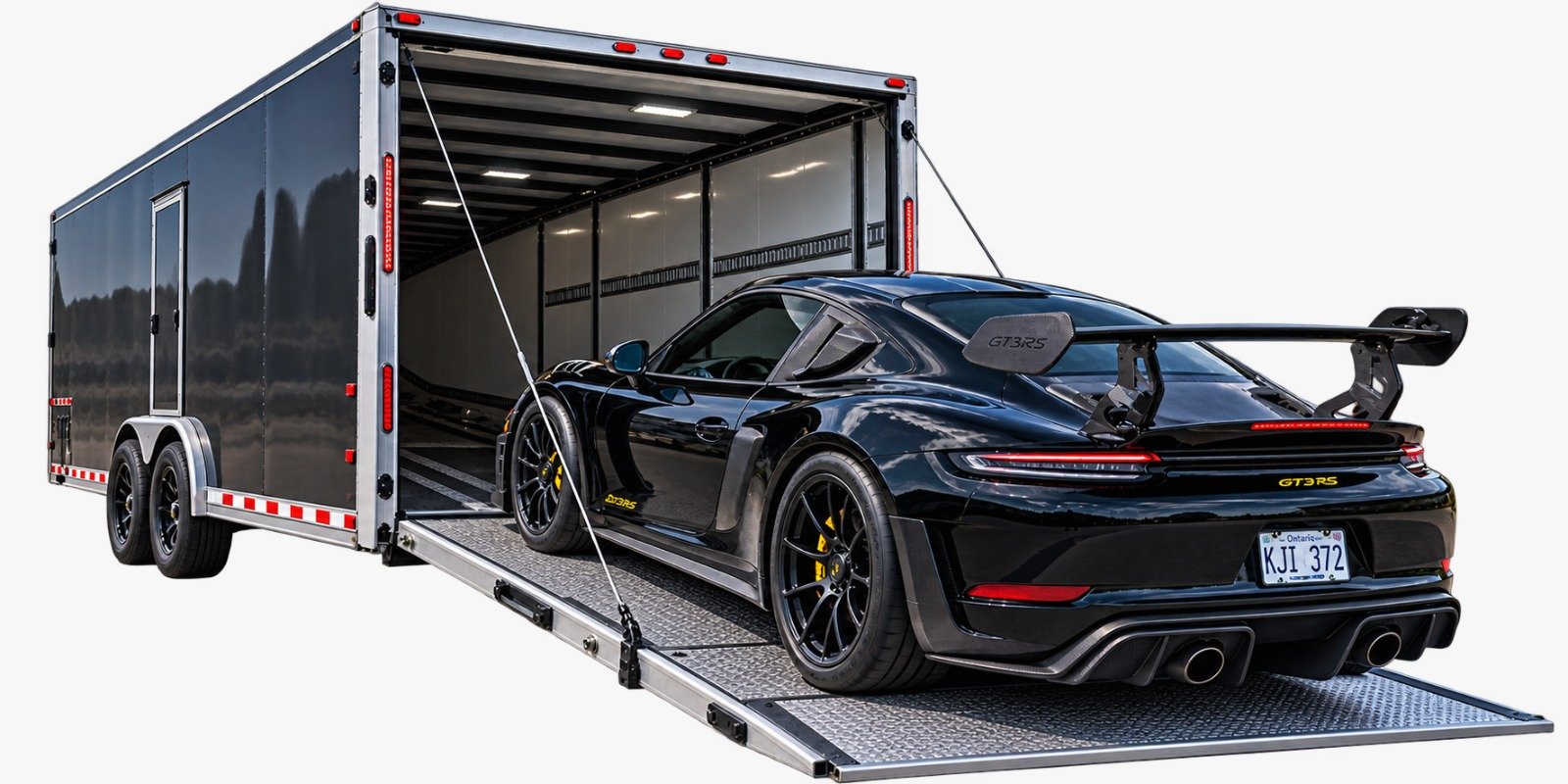
| Enclosed Transport | Vehicles are shipped inside a fully covered trailer, protected from dust, debris, and weather. Ideal for luxury or classic cars. Read about enclosed transport. | Premium pricing (typically 30-50% higher). |
| Rail Transport | Vehicles are loaded onto specialized railway train cars for cross-country movement. Learn about rail transport logistics. | Highly competitive for very long cross-country distances. |
If you are shipping a high-value sports car, antique vehicle, or a vehicle with very low ground clearance during the harsh Canadian winter, investing the extra money into enclosed transportation is highly recommended to protect your asset from road salt and flying gravel.
Pickup and Delivery Locations and Timelines
Where your car is picked up and dropped off matters just as much as the distance. The level of convenience you select will be reflected in your quote.
Door-to-Door Vehicle Shipping: If you request door-to-door open transport, the truck will come as close to your residential or commercial address as legally and safely possible. This offers maximum convenience but requires the driver to navigate local streets, which increases the service cost.
Terminal-to-Terminal Shipping: Dropping off and picking up your vehicle at designated logistics terminals is often more affordable. This allows the transport trucks to stay on major highway routes without spending hours navigating inner-city traffic. Furthermore, expedited or guaranteed delivery timelines will cost more than standard flexible transport windows, as they require dedicated logistical planning.
How to Compare Car Shipping Quotes in Canada
Knowing how to get an accurate car shipping quote—and how to compare them—is your best defense against unexpected fees. When you receive estimates from multiple providers, use this checklist to ensure you are comparing apples to apples:
- Verify the Service Type: Ensure both quotes are for the same service (e.g., both are for door-to-door open transport, rather than one being terminal-to-terminal).
- Check for Hidden Fees: Look for clauses about fuel surcharges, residential delivery fees, or overweight vehicle penalties.
- Review Insurance Coverage: A professional quote includes adequate cargo insurance. Always ask for proof of coverage.
- Analyze the Transit Time: A quote that is dramatically cheaper might also mean your vehicle will sit in a holding lot for weeks waiting for a truck to fill up.
Ultimately, a reliable quote should be fully transparent. If a rate seems too good to be true, it likely omits key services or relies on an unreliable carrier network.

Frequently Asked Questions
Why do auto transport quotes differ so much between companies?
Quotes differ based on the company's business model (broker vs. carrier network), the level of insurance provided, seasonal demand, route availability, and the specific type of equipment utilized. Premium logistics providers prioritize guaranteed space and reliable timelines over rock-bottom pricing.
How do car shipping companies calculate prices?
Companies calculate prices by analyzing the total mileage, the make and model of the vehicle (which dictates size and weight), the transport method (open, enclosed, or rail), current fuel costs, and the specific pickup and delivery logistics (door-to-door vs. terminal).
Are car shipping quotes guaranteed?
Professional estimates provided by reputable companies like Optixtrace are highly accurate and based on real-time market data. Provided all vehicle specifications and locations are accurately reported during the quoting process, your rate should remain stable.
Is enclosed car transport worth the extra cost?
If you are shipping a luxury, classic, highly modified, or high-value vehicle, enclosed transport is absolutely worth the additional cost. It protects the vehicle from weather elements, road debris, and provides a higher insurance cap for valuable assets.
Conclusion
Understanding the factors that affect your final invoice is the key to a stress-free vehicle relocation experience. From the physical dimensions of your vehicle and the distance traveled, to seasonal demand and specialized service requests, the logistics behind vehicle shipping costs are complex. By knowing why car shipping quotes vary, you are empowered to make an informed decision and select a professional transportation partner that values safety, transparency, and reliability above all else.
Looking to Ship Your Vehicle Across Canada?
Don't leave your vehicle's safety to chance with unverified estimates. Experience transparent pricing, professional logistics, and reliable delivery with Optixtrace Car Shipping.
Get a Free Car Shipping Quote