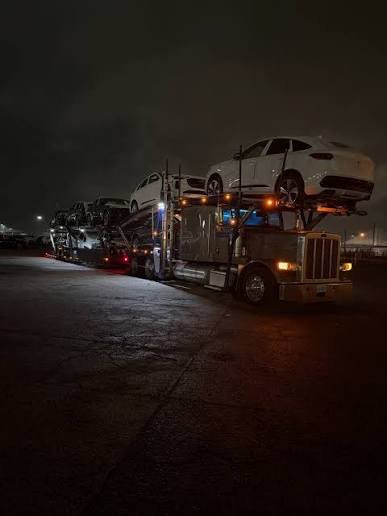
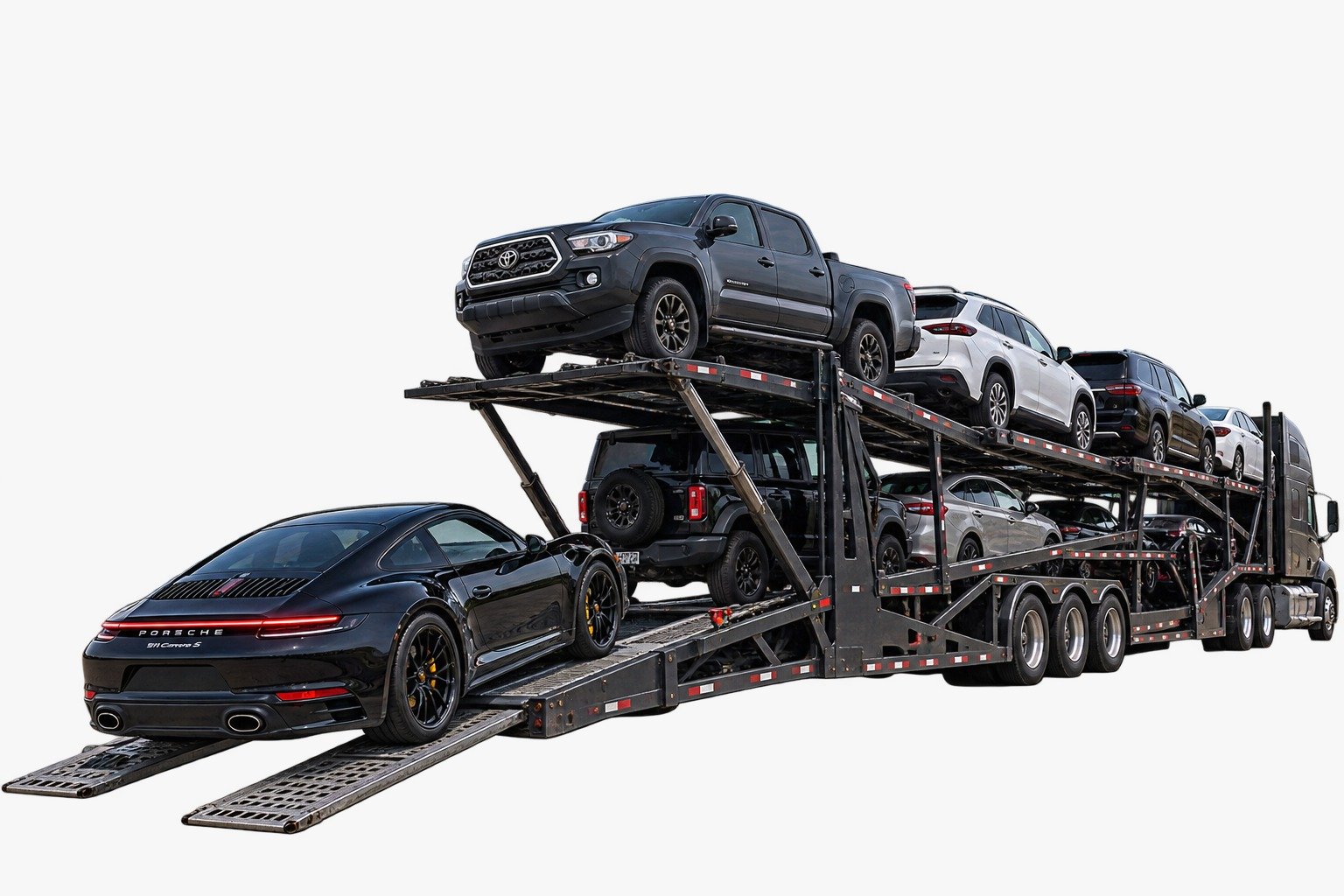
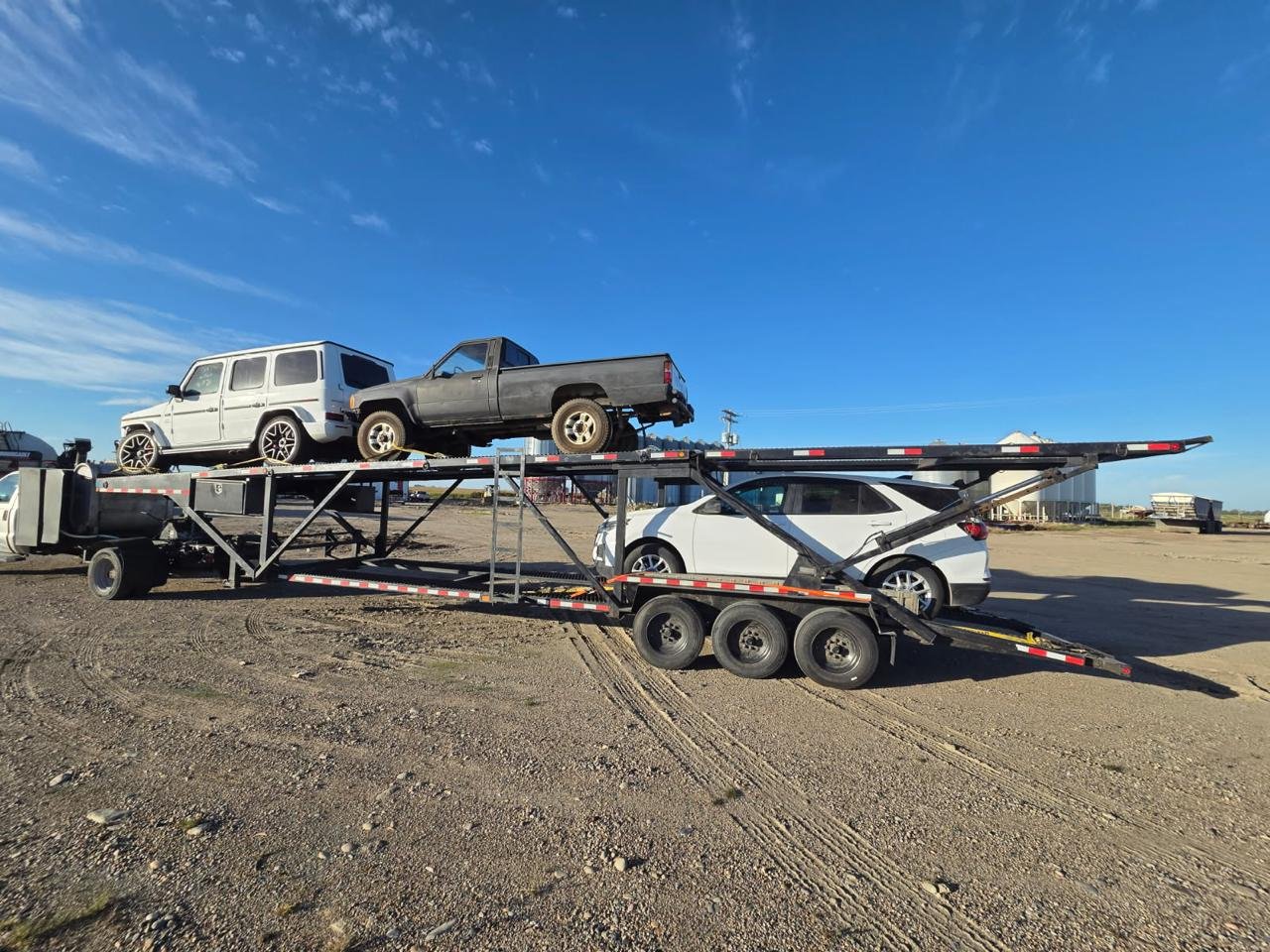
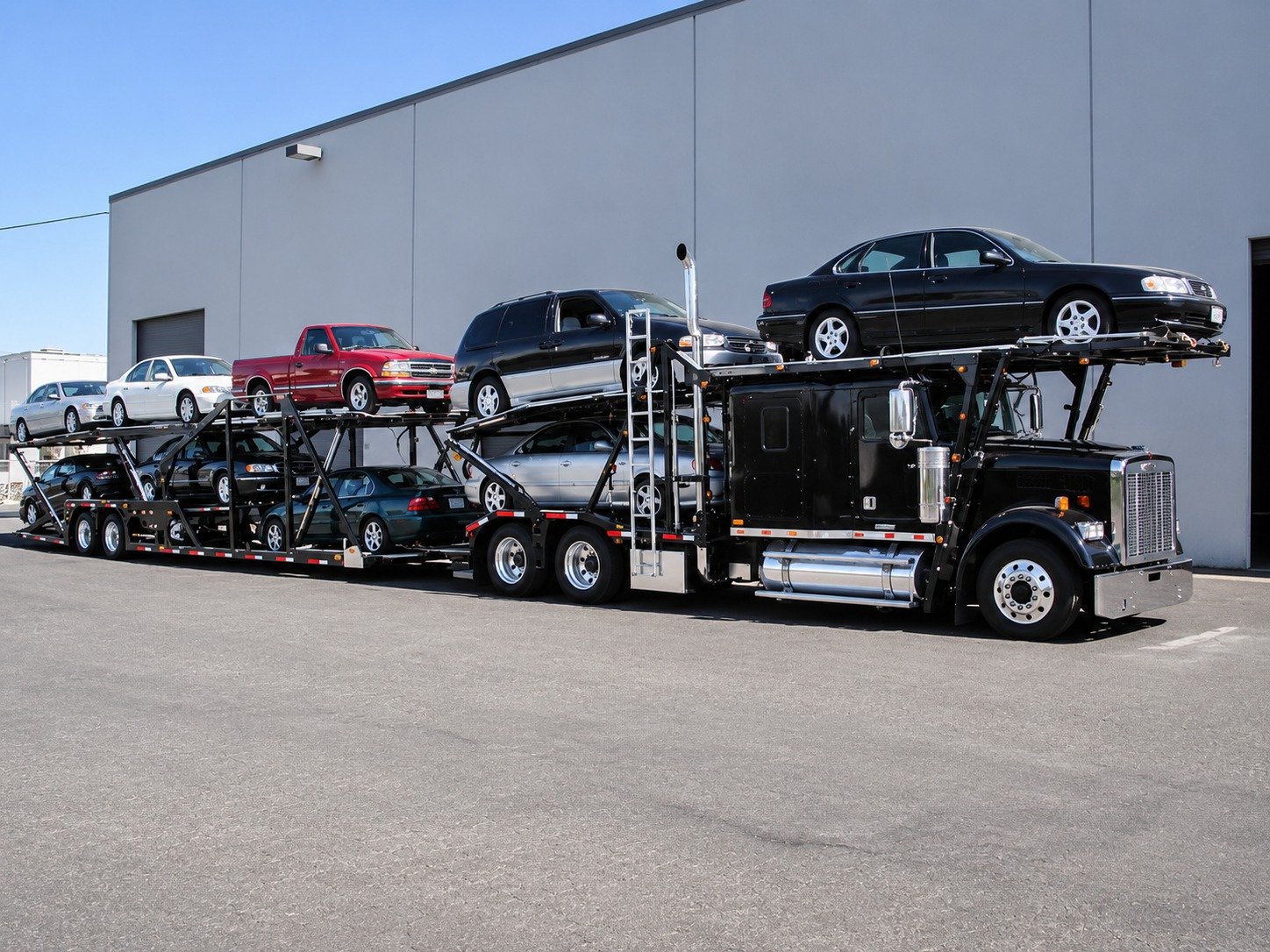
Whether you are relocating for a new job, purchasing a vehicle from a dealership across the country, or sending a car to a family member, moving a vehicle over 4,000 kilometres requires careful planning. For many Canadians, understanding the car shipping cost from Toronto to Vancouver is the first step in coordinating a smooth, stress-free cross-country move.
The journey from Ontario to British Columbia spans diverse terrains, multiple provinces, and varying weather conditions. While driving the vehicle yourself might seem like an option, the hidden costs of fuel, accommodations, and vehicle wear-and-tear often make professional Toronto to Vancouver auto transport the smarter, safer, and more economical choice.
In this comprehensive guide, we will break down exactly how much it costs to transport a car from Toronto to Vancouver, explore the critical factors that influence auto transport pricing, and help you determine the best transportation method for your specific vehicle logistics needs.

How Much Does It Cost to Ship a Car From Toronto to Vancouver?
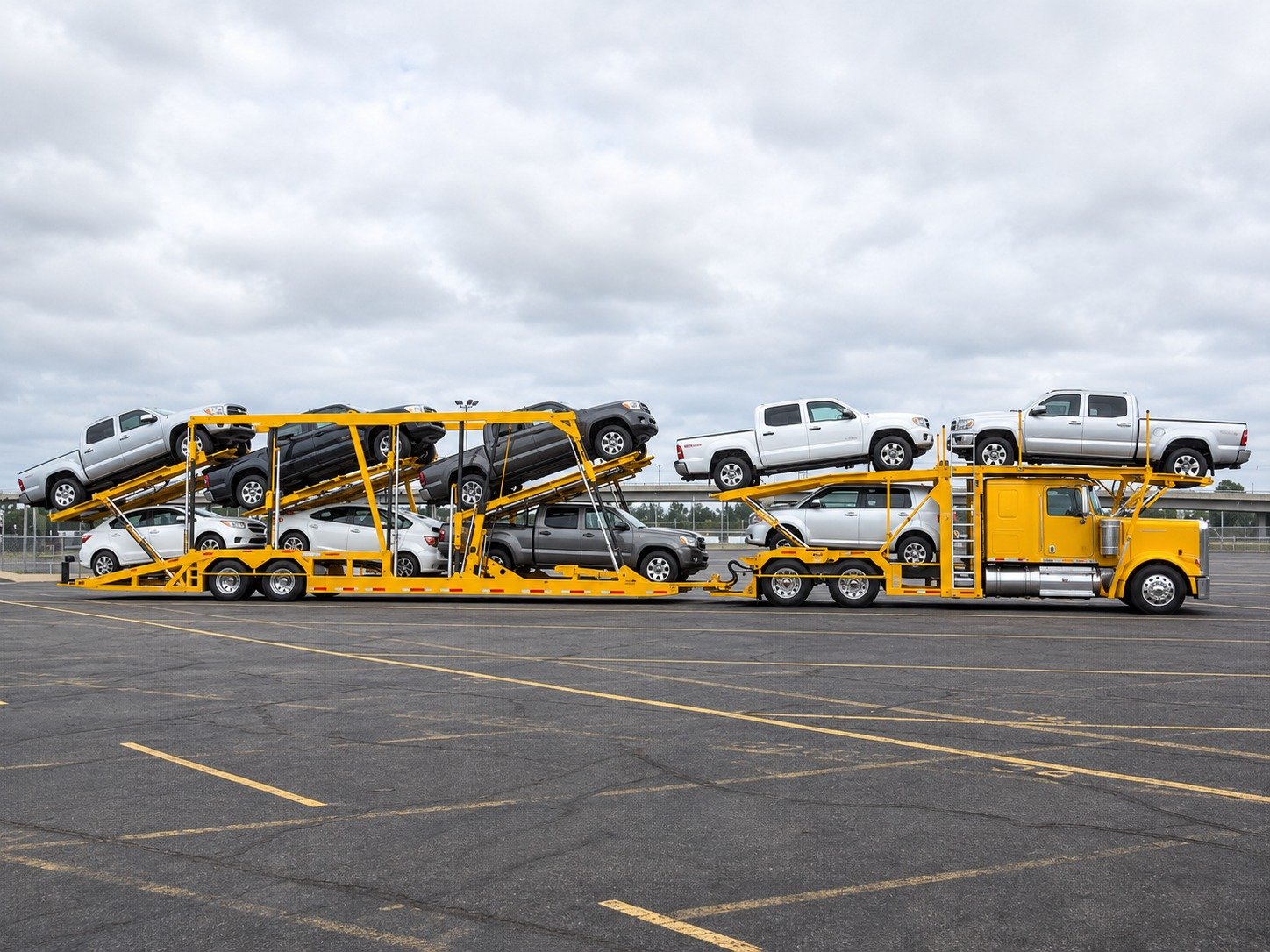
When calculating the Toronto to Vancouver car shipping cost, the exact price depends heavily on the specifics of your request. On average, the cost to transport a standard sedan from Toronto to Vancouver ranges between $1,300 and $1,900 CAD via standard open transport. For larger vehicles like SUVs, pickup trucks, or minivans, the auto transport pricing typically ranges from $1,500 to $2,300 CAD due to the additional weight and space they occupy on the transport carrier.
These estimates generally reflect terminal-to-terminal services during standard shipping seasons. If you require door-to-door car shipping, specialized enclosed trailers, or expedited service, the Toronto to Vancouver car transport prices will naturally increase. It is always recommended to request a customized auto transport quote to get the most accurate pricing based on current fuel rates and carrier availability.
What Affects the Cost of Shipping a Car Across Canada?
Cross-country vehicle transportation is a complex logistical operation. Understanding what variables impact your quote can help you find the cheapest way to ship a car from Toronto to Vancouver without sacrificing reliability or safety. Here are the primary factors influencing your final rate.
1. Transport Distance and Locations
The total transport distance between Toronto and Vancouver is approximately 4,400 kilometres. The longer the route, the higher the base cost. Furthermore, exactly where you drop off and pick up the vehicle matters. Terminal-to-terminal shipping—where you drop your car off at a designated hub in Toronto and pick it up at a hub in Vancouver—is generally more cost-effective. Conversely, door-to-door vehicle pickup and delivery offers maximum convenience but requires navigating residential streets, which incurs a premium.
2. Vehicle Dimensions, Weight, and Condition
Transport trucks have strict legal weight limits and spatial constraints enforced by Transport Canada. A compact Honda Civic takes up significantly less space and weight than a Ford F-150. If you are wondering how much to transport an SUV from Toronto to Vancouver, expect to pay approximately 15% to 25% more than a standard passenger car. Additionally, if your vehicle is inoperable (cannot be driven onto the trailer), specialized winching equipment is required, adding to the total fee.
Removing aftermarket accessories like roof racks, cargo boxes, or oversized tires before shipping can sometimes reduce your vehicle's overall dimensions, potentially qualifying you for a standard shipping rate rather than an oversized vehicle surcharge.
3. Seasonal Shipping Rates and Weather
The Canadian climate plays a massive role in auto transport logistics. Shipping a vehicle during the peak summer moving season (June through August) often means higher prices due to surging demand and lower carrier availability. Conversely, shipping in the dead of winter introduces unique challenges. Transporting a vehicle through the Rocky Mountains in January requires experienced drivers, specialized winter equipment, and more time, which can trigger winter surcharges. Monitoring Environment Canada weather reports can give you an idea of the conditions your carrier will face.

Open vs. Enclosed Transport: Which is Right for You?
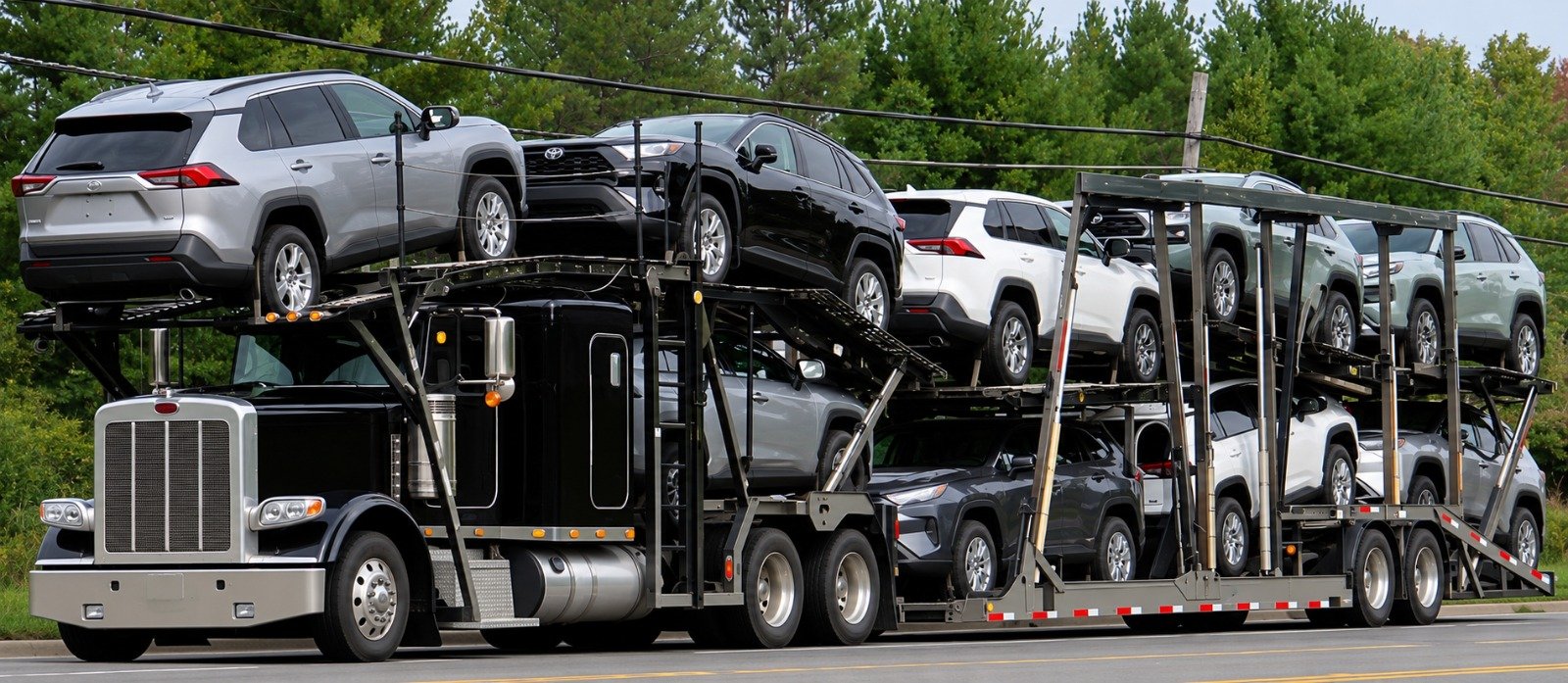
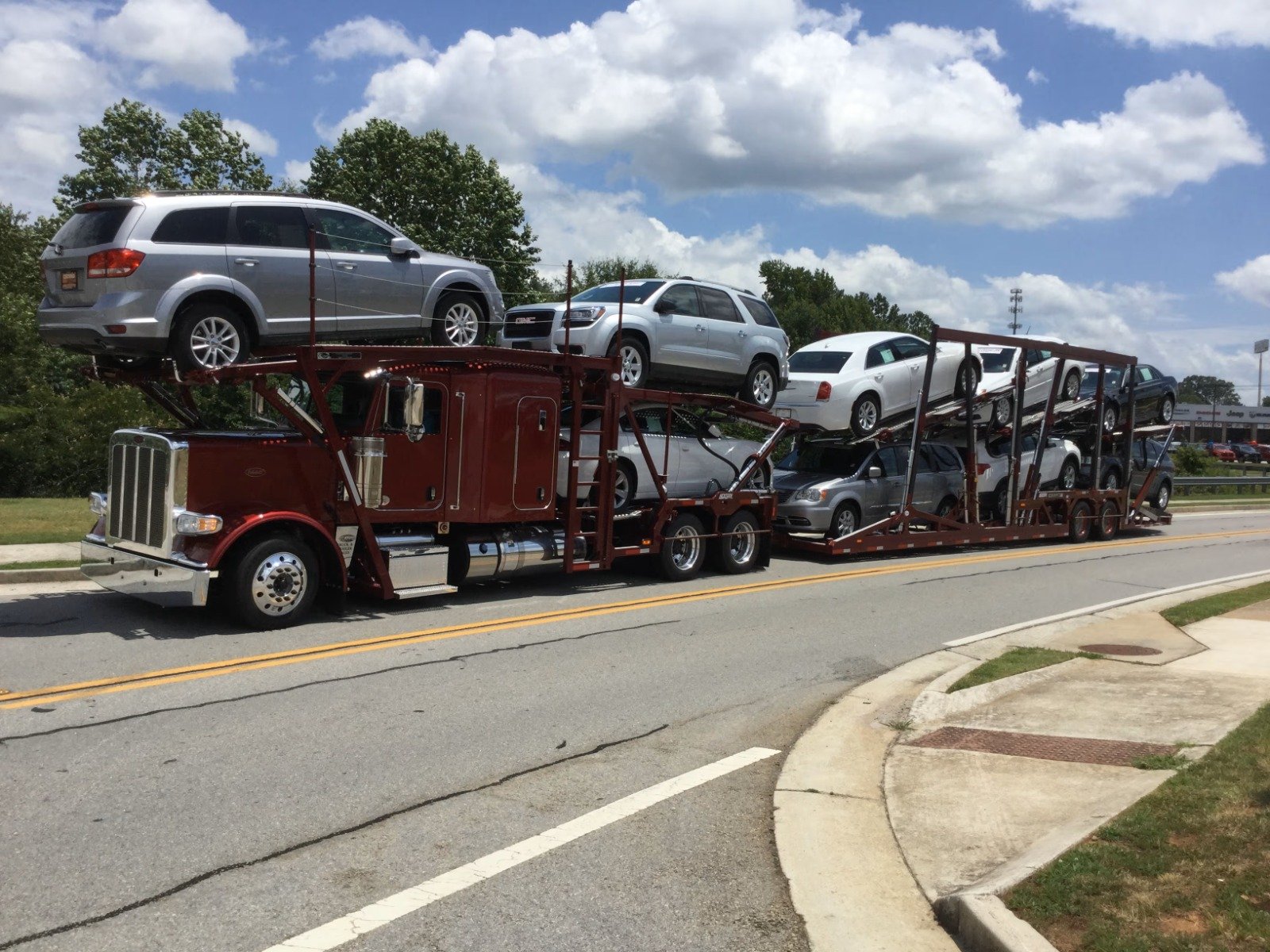
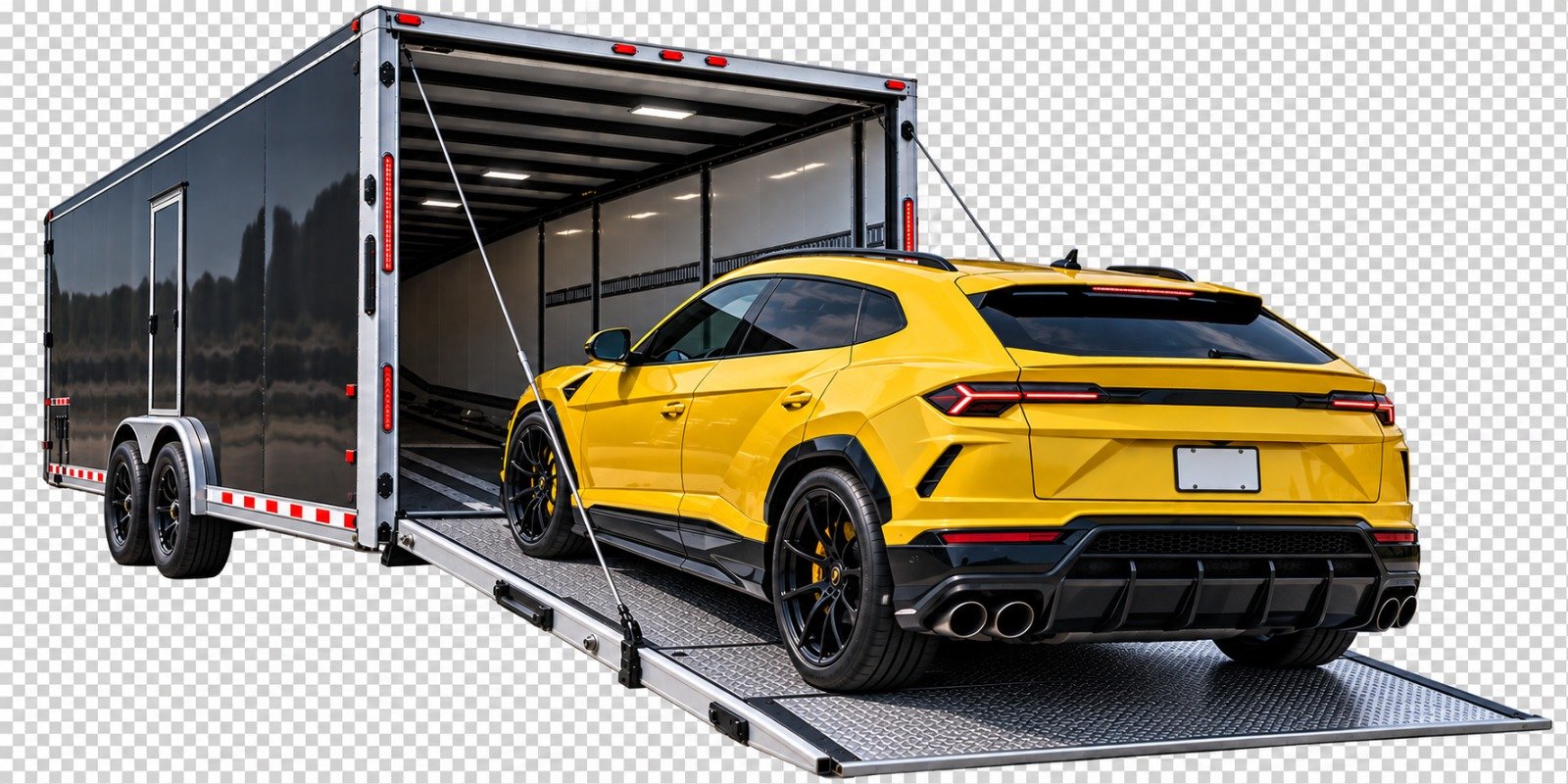
When booking your cross-country car shipping, you will typically choose between two primary road transportation methods: Open car carrier and Enclosed vehicle transport. You might also consider rail transport, which is highly efficient for long-haul routes like Ontario to British Columbia.
| Feature | Open Transport | Enclosed Transport |
|---|---|---|
| Cost | Most economical; standard industry choice. | Premium pricing (approx. 40-60% higher). |
| Protection | Exposed to weather, dust, and road debris. | Fully protected from all elements. |
| Best For | Daily drivers, standard sedans, family SUVs. | Luxury cars, classic vehicles, exotics. |
| Availability | High availability; faster dispatch times. | Limited availability; requires advanced booking. |
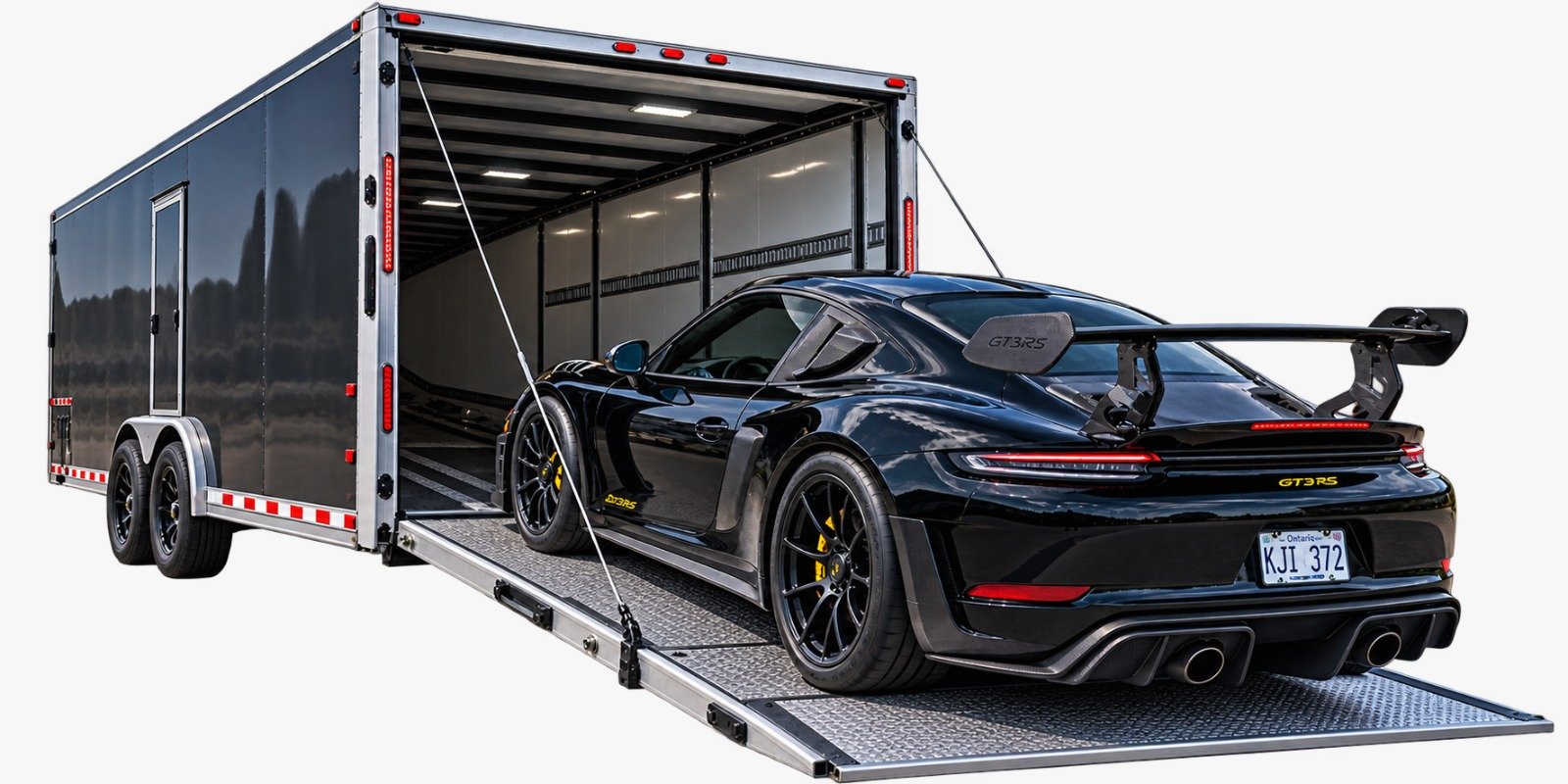
If you are shipping a standard commuter vehicle, open transport is highly recommended as it provides an excellent balance of safety and affordability. However, if you are relocating a high-value sports car or a classic vintage vehicle, the Toronto to Vancouver enclosed car shipping cost is a worthwhile investment to ensure pristine condition upon arrival. You can learn more about securing premium protection through our enclosed vehicle transport services.
How Long Does It Take to Ship a Car From Toronto to Vancouver?
For a route spanning over 4,400 kilometres, patience is key. Generally, it takes between 7 to 14 days for a vehicle to be transported from Toronto to Vancouver. This timeframe accounts for mandatory driver rest periods, safe driving speeds for heavily loaded trucks, loading/unloading other vehicles along the route, and potential weather delays.
It is important to remember that transit times are estimates, not guarantees. Road closures in the mountains or severe weather can safely pause a journey. Quality transport providers prioritize the safety of your vehicle and their drivers above arbitrary deadlines.
Is It Cheaper to Drive or Ship a Car From Toronto to Vancouver?
A common question is: "Is it cheaper to drive or ship a car from Toronto to Vancouver?" While paying for gas might seem cheaper at a glance, a comprehensive look at the numbers often reveals otherwise.
Driving 4,400+ kilometres involves:
- Fuel Costs: Based on Statistics Canada fuel averages, a standard vehicle will consume hundreds of dollars in fuel.
- Accommodations and Food: The drive takes roughly 40-45 hours of pure driving time. At 8-10 hours a day, that requires 4 to 6 nights in hotels, plus meals.
- Vehicle Depreciation and Wear: Adding 4,400 km to your odometer immediately depreciates the vehicle and pushes you closer to your next oil change, tire replacement, and general maintenance interval.
- Time Off Work: Taking a week off work to drive across the country has a significant opportunity cost.
When you factor in fuel, hotels, food, depreciation, and your valuable time, professional vehicle shipping from Toronto to Vancouver is usually the more economical and significantly less stressful option.
How to Prepare Your Vehicle for Transport
To ensure a seamless pickup and delivery process, you should properly prepare your vehicle before handing over the keys to the carrier:
- Wash the Exterior: A clean car allows you and the driver to accurately document the vehicle's condition and note any existing scratches or dents on the Bill of Lading.
- Remove Personal Items: Auto transport carriers are not licensed to transport household goods. Remove all personal belongings, GPS units, and toll passes.
- Check the Fuel Level: Keep the gas tank at approximately one-quarter (1/4) full. This saves weight while ensuring there is enough fuel to load and unload the vehicle.
- Perform Basic Maintenance: Check tire pressure, ensure the battery is charged, and verify there are no active fluid leaks.

Frequently Asked Questions
Generally, no. Transport carriers are strictly regulated and insured only to haul vehicles, not household goods. Additional weight in the vehicle can lead to fines at weigh stations and may damage your vehicle's interior during transit. It is best to ship the car completely empty of personal items.
Yes. Reputable professional auto transporters carry comprehensive cargo insurance that covers damage caused by carrier negligence or accidents during transit. Always review the carrier's insurance policy and conduct a thorough inspection before and after transport.
Because SUVs are larger and heavier, they take up more space on the transport trailer. You can expect to pay approximately $200 to $400 CAD more to ship an SUV from Toronto to Vancouver compared to a standard compact sedan.
It is highly recommended to request a quote and book your shipment at least 2 to 4 weeks in advance of your desired departure date. This ensures carrier availability and helps lock in the best possible auto transport pricing.
Conclusion
Understanding the car shipping cost from Toronto to Vancouver empowers you to make informed decisions for your cross-country move. While variables such as vehicle size, transport method, and seasonality will influence your final rate, choosing a professional logistics partner ensures your vehicle arrives safely and efficiently. By opting for professional vehicle shipping Toronto to Vancouver, you save yourself the stress, hidden costs, and time commitment of driving thousands of kilometres across Canada.