1. What to Look for in Reliable Car Shipping Companies
The logistics of moving thousands of pounds of rolling machinery across provincial lines require highly specialized expertise. When researching Canadian auto transport services, distinguishing between industry professionals and fly-by-night operations is critical for the safety of your vehicle.
First and foremost, experience in the Canadian climate is non-negotiable. Canada-wide vehicle shipping involves traversing everything from the steep gradients of the Rocky Mountains in British Columbia to the heavy winter snows of the Prairies and the unpredictable maritime weather in the East. Reliable car shipping companies employ experienced drivers who understand how to safely load, secure, and transport vehicles under these demanding conditions.
Furthermore, transparency in operations is a primary indicator of a professional auto transport service. Leading companies provide clear communication regarding their fleet, realistic transit times, and transparent pricing structures. They do not hide behind complex industry jargon. Instead, they act as professional coordinators or dedicated carriers who guide you through every step of the vehicle pickup and delivery process.
2. Comparing Types of Car Shipping Services in Canada
Not all vehicle transport solutions are created equal. The right choice for your vehicle depends entirely on your budget, timeline, and the specific value of the car being transported. Professional vehicle transport companies in Canada typically offer three primary modes of transportation.
Open Car Transport
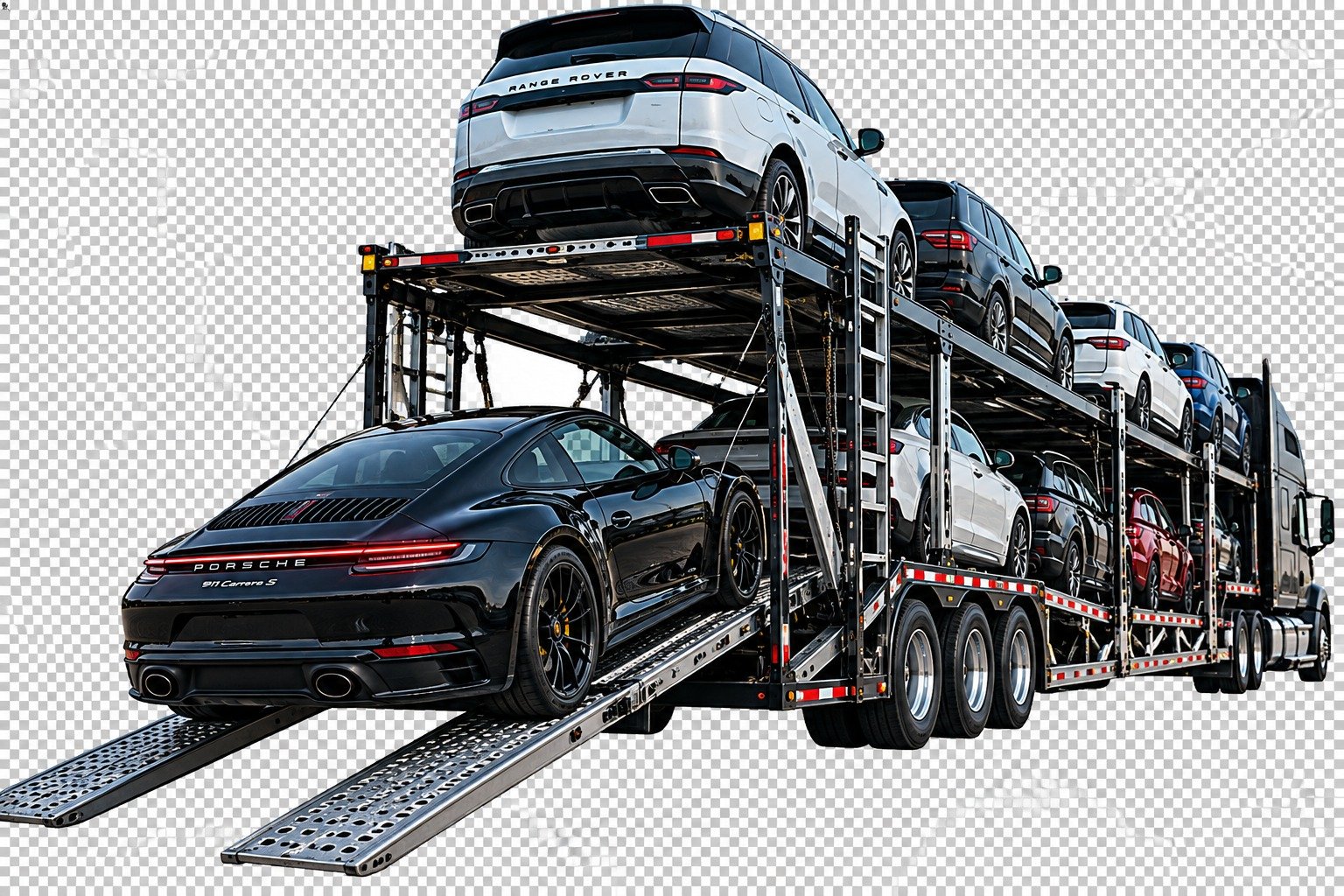
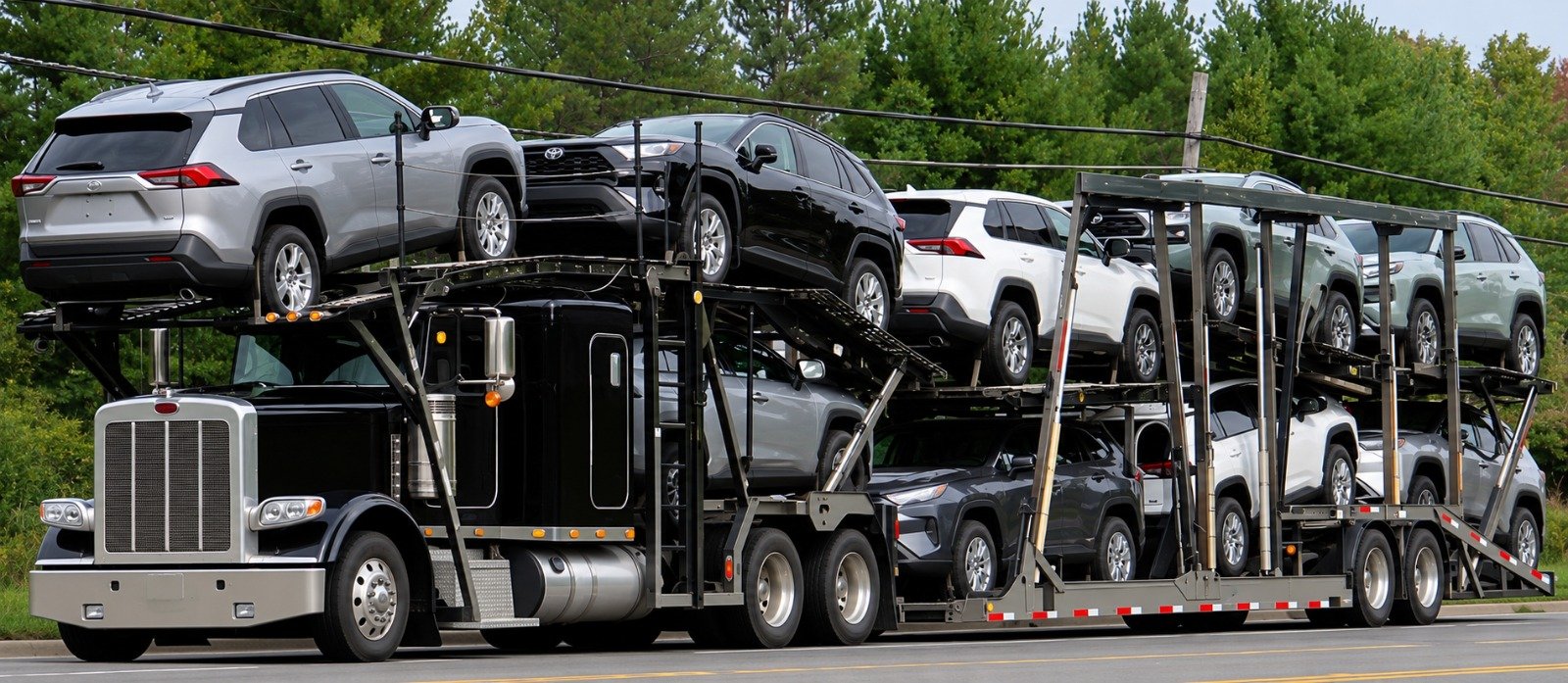
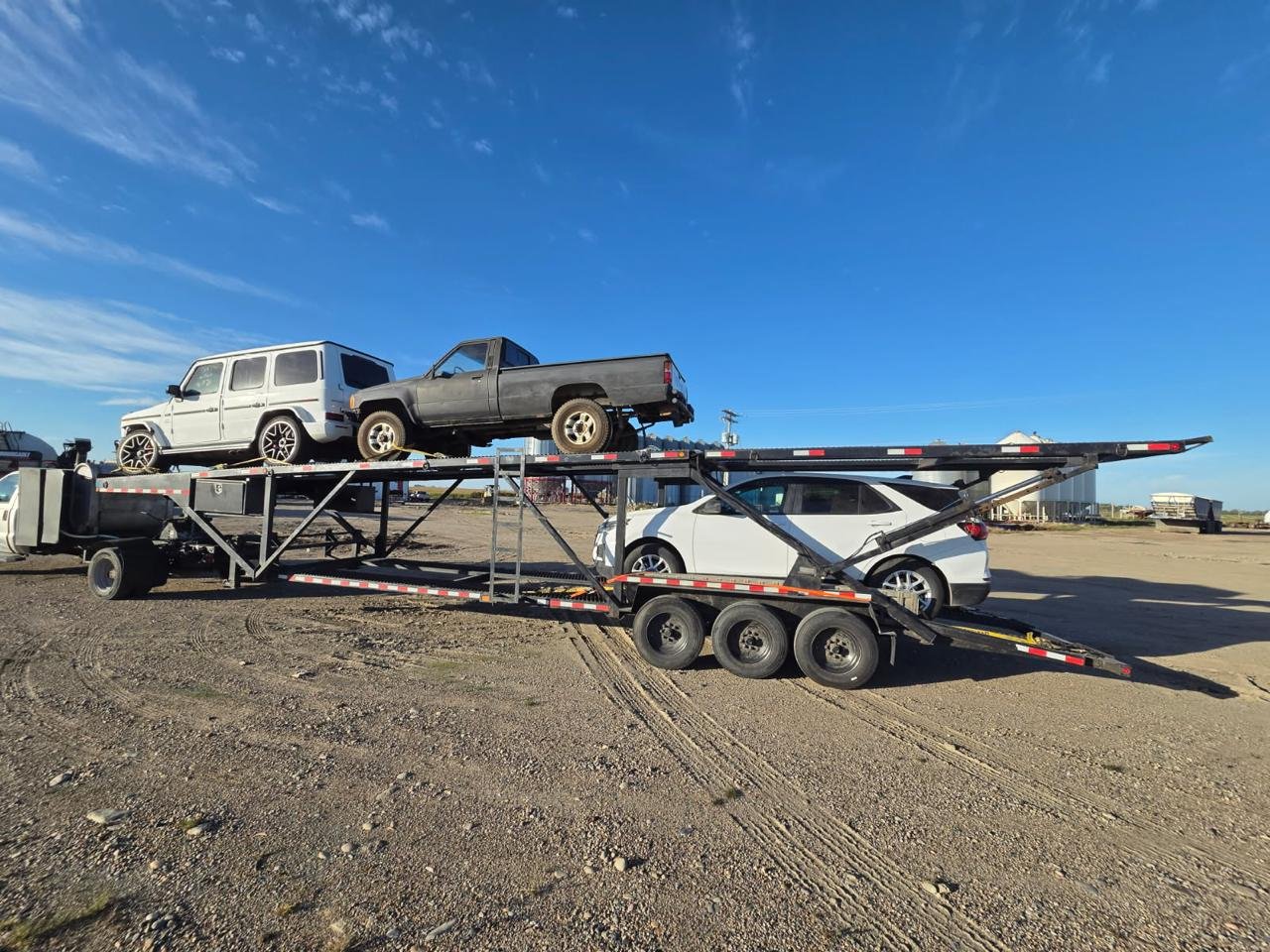
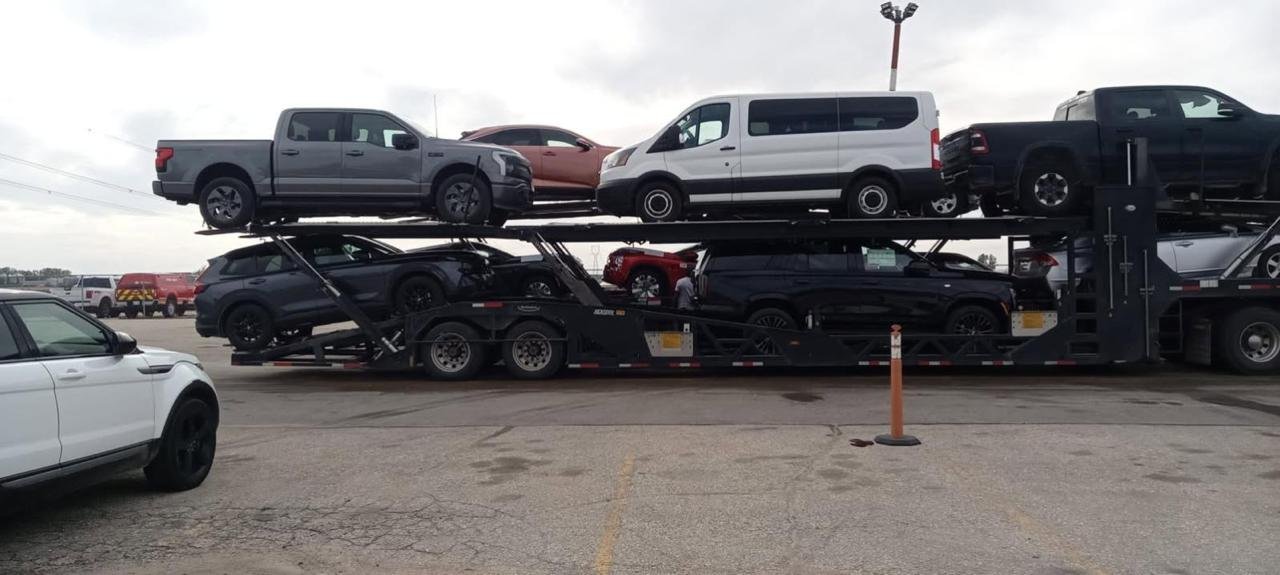
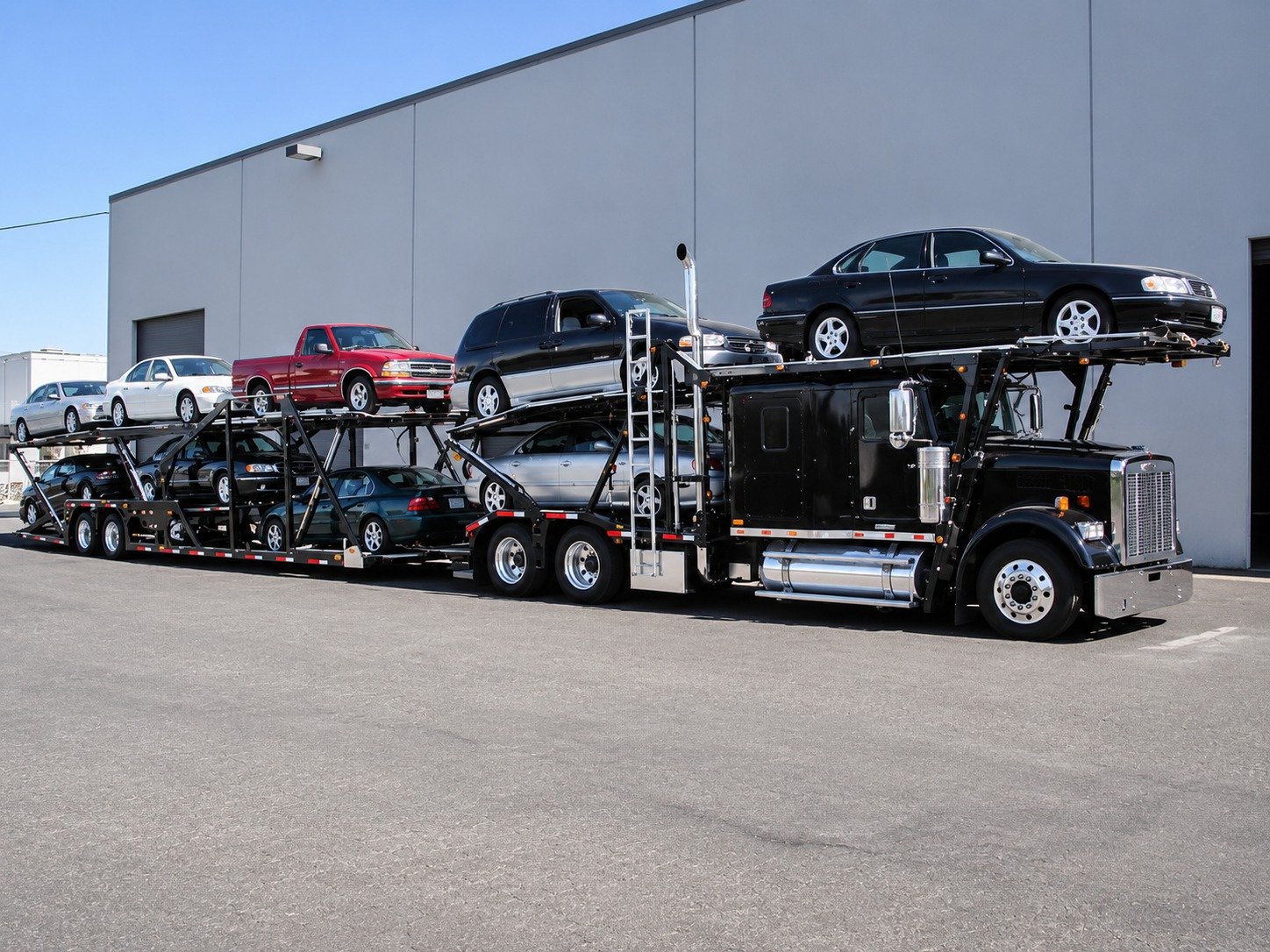
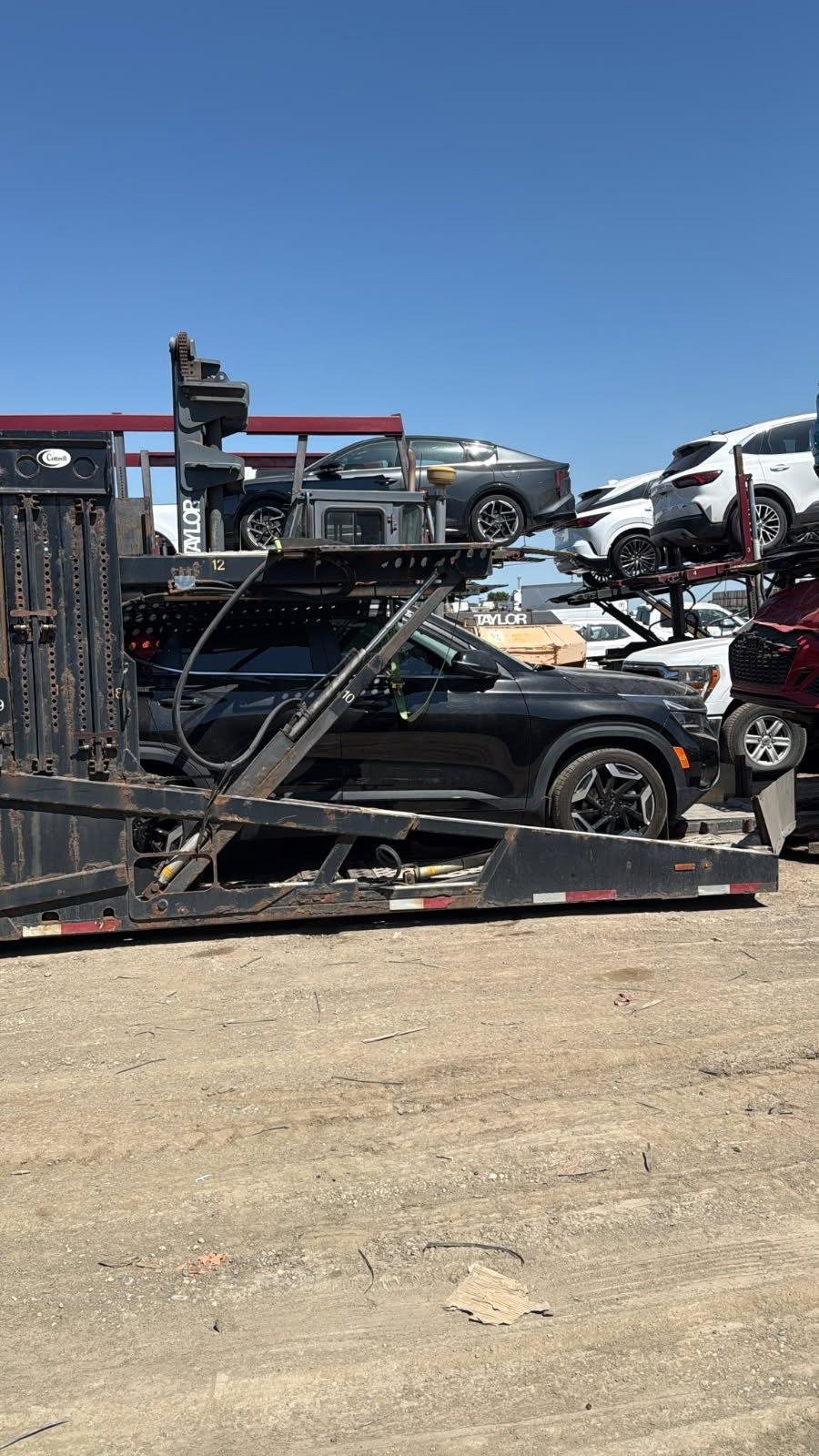
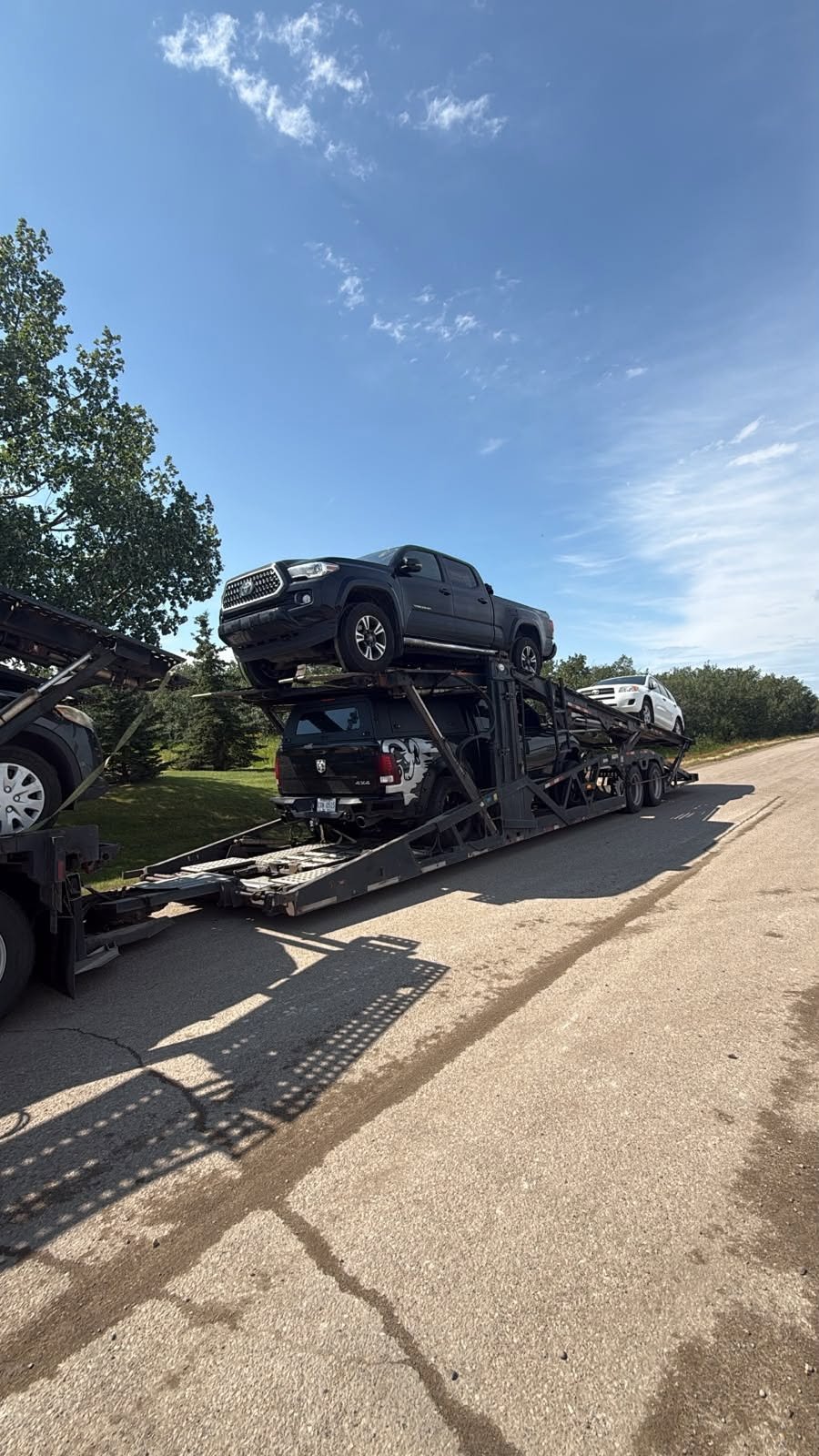
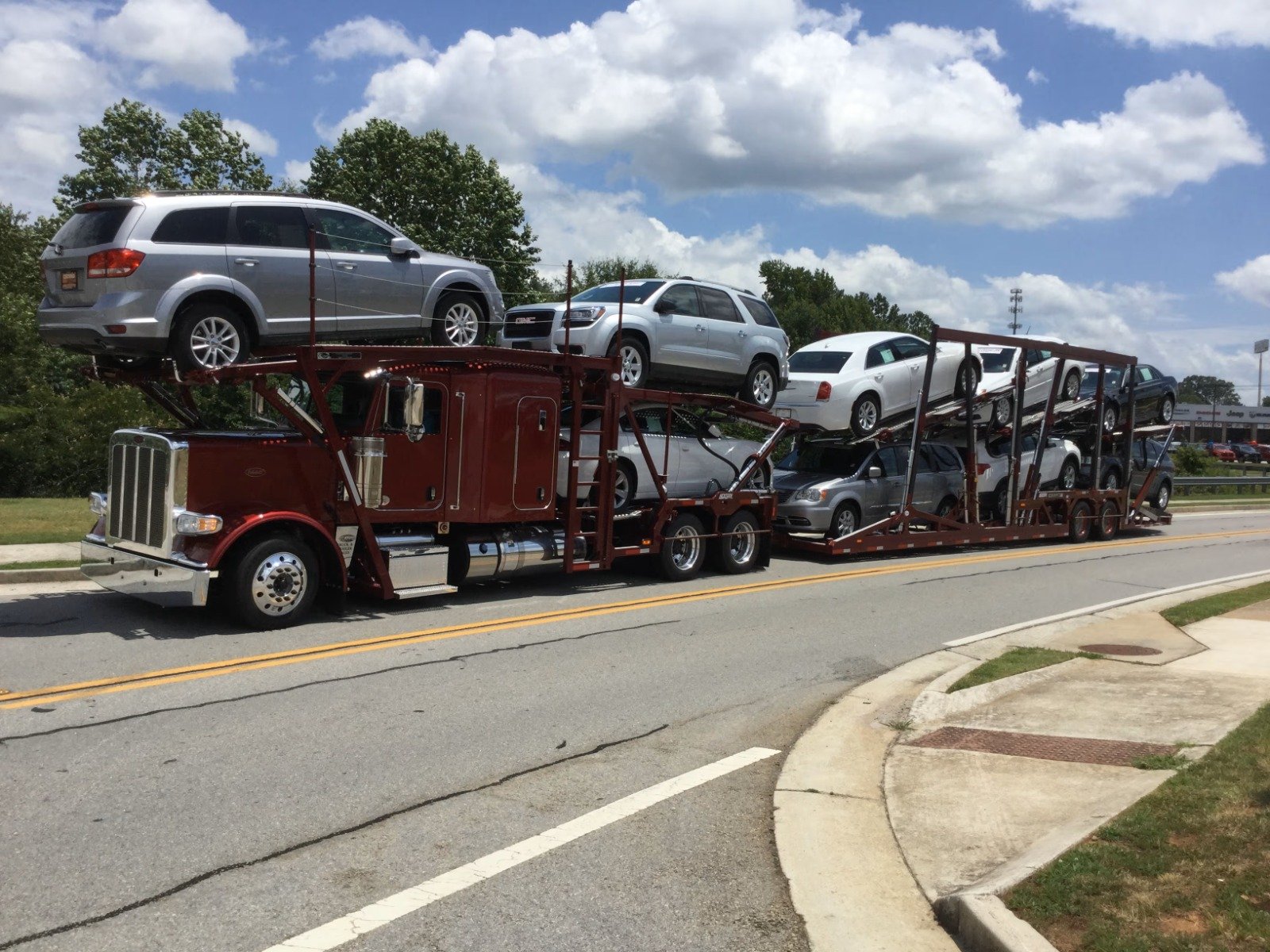
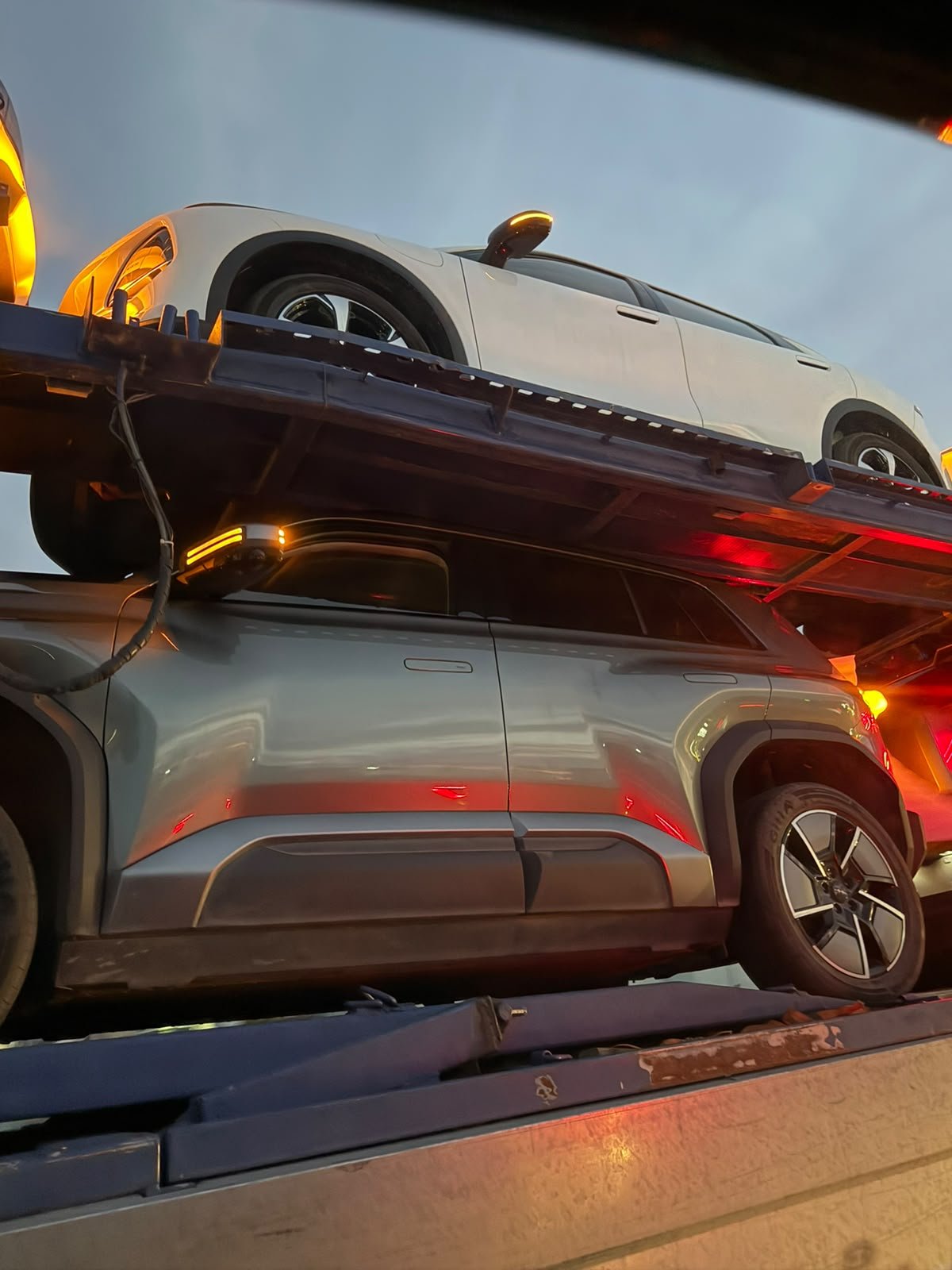
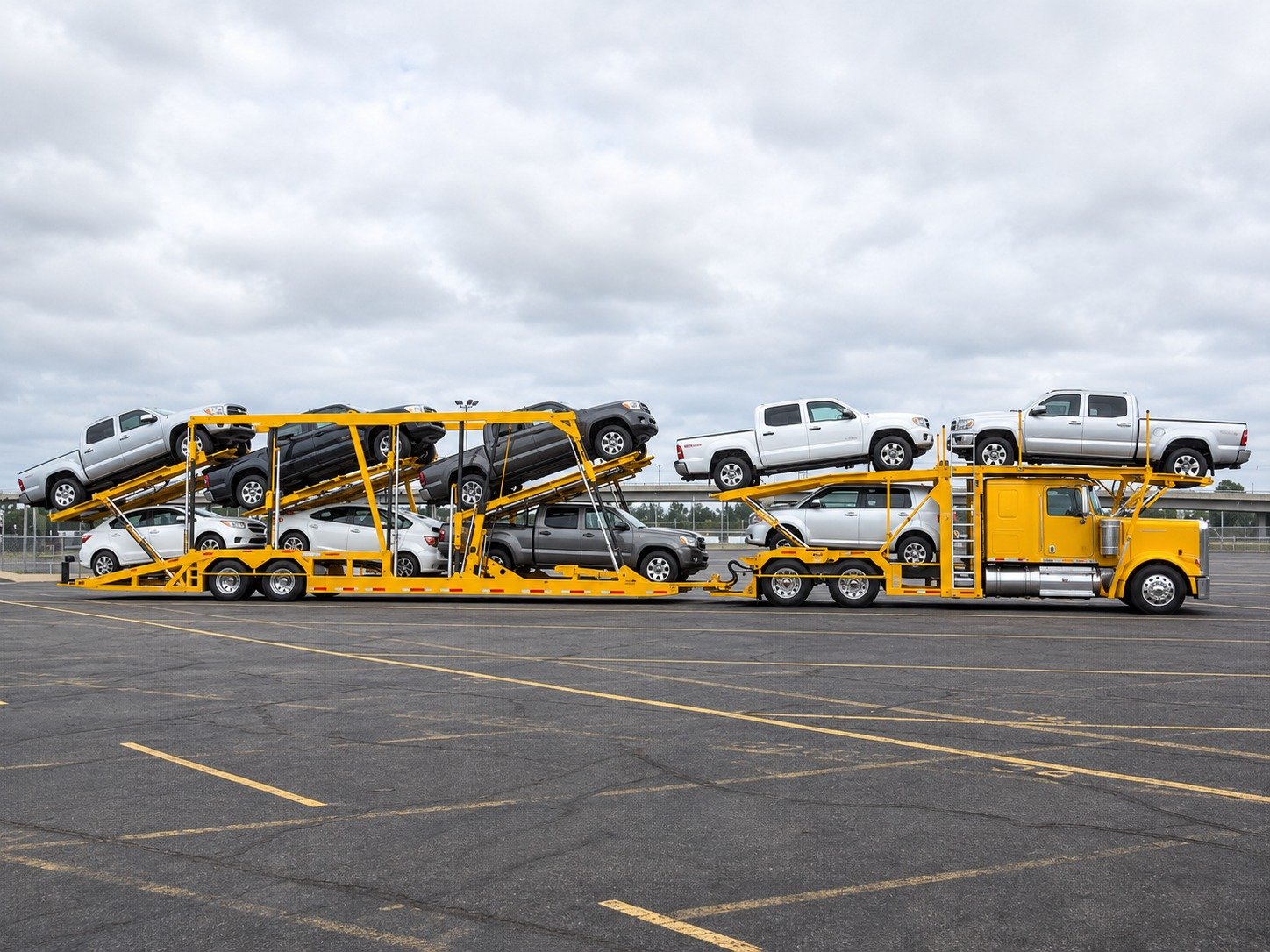
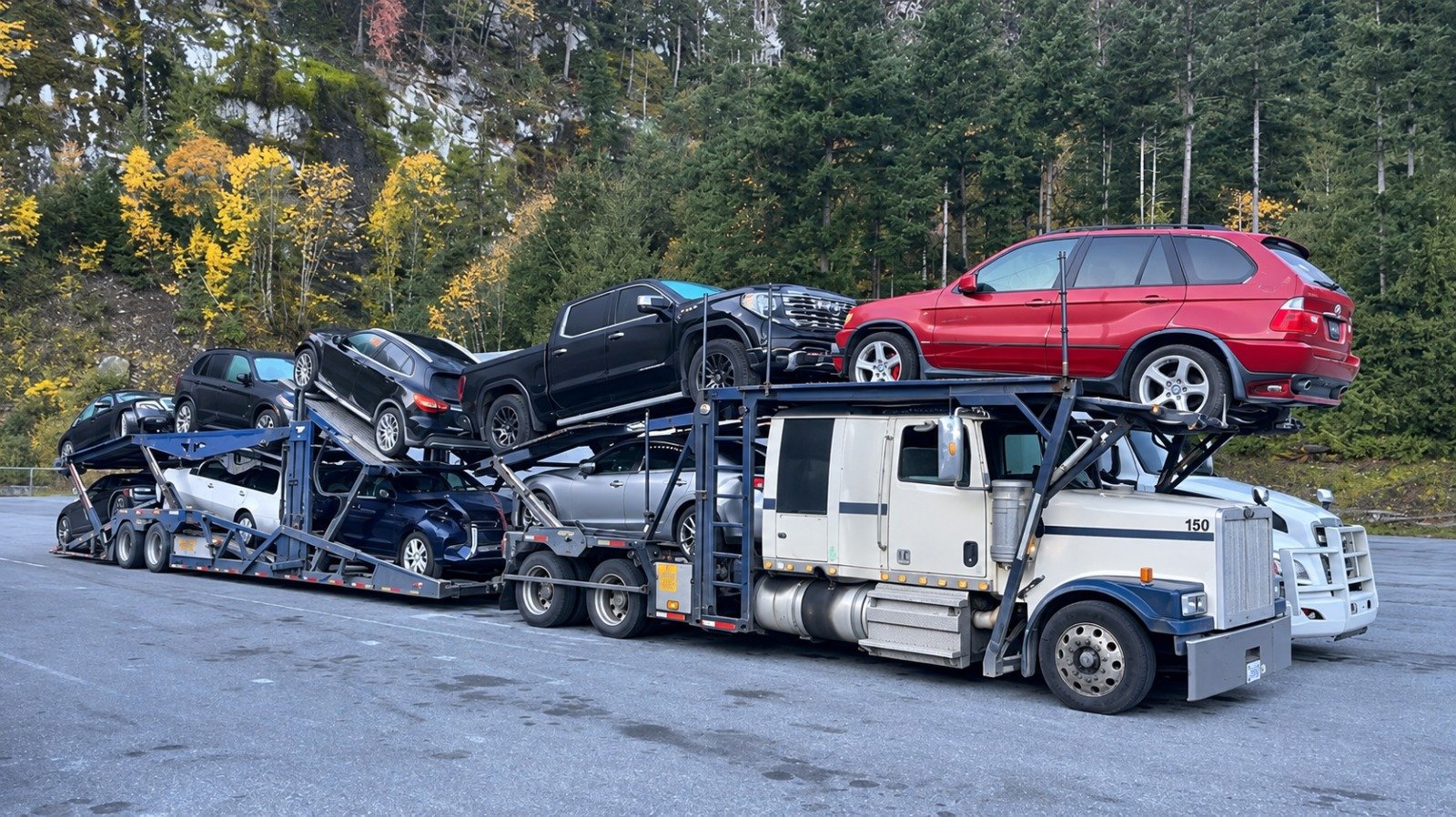
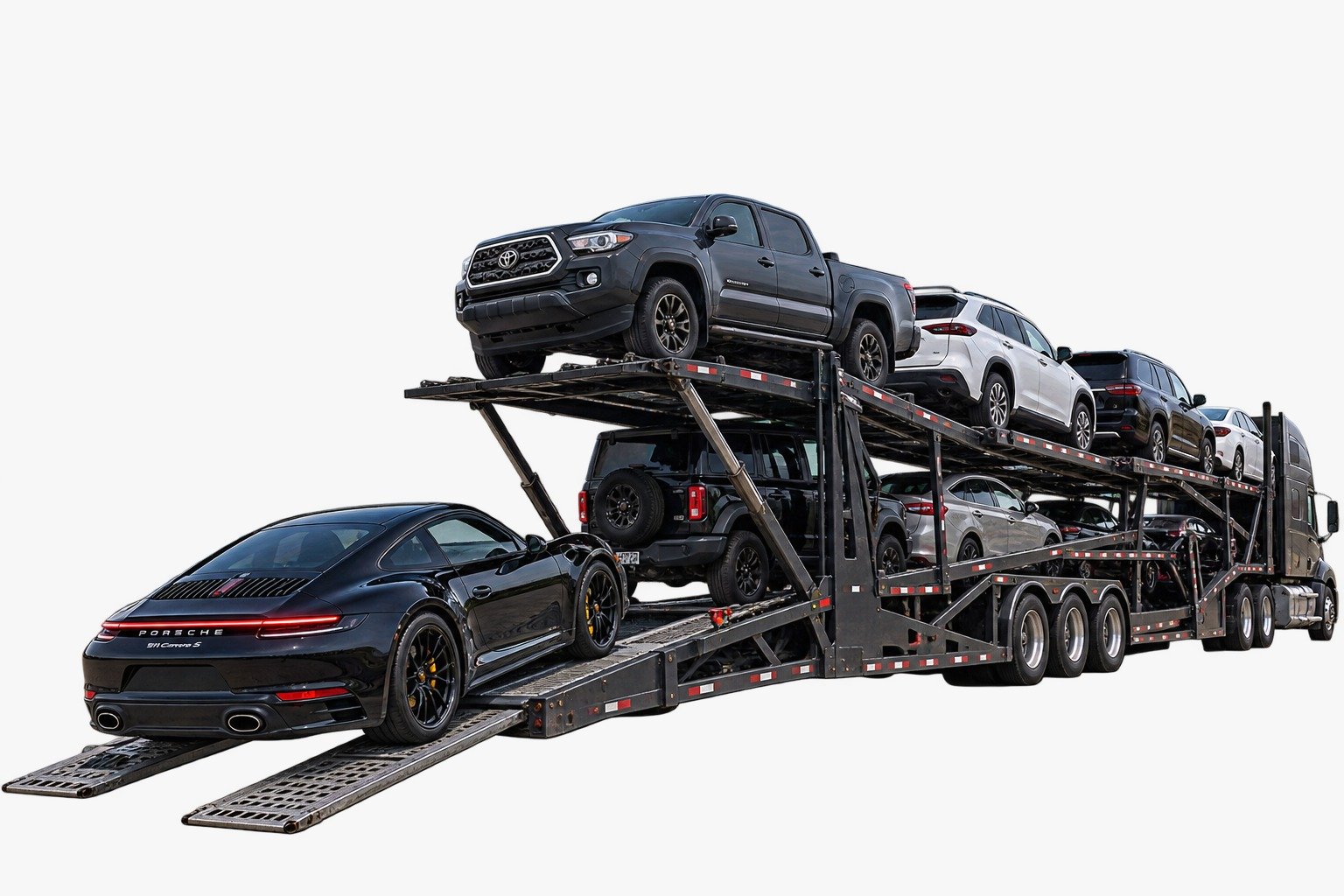
This is the industry standard and the most common method used by car transport companies. Open transport involves loading your vehicle onto a multi-level car carrier alongside several other cars. It is highly cost-effective and perfectly suited for daily drivers, standard SUVs, and commuter vehicles. While the vehicle is exposed to the weather and regular road conditions during transit, it remains securely strapped and entirely safe.
Enclosed Vehicle Transport
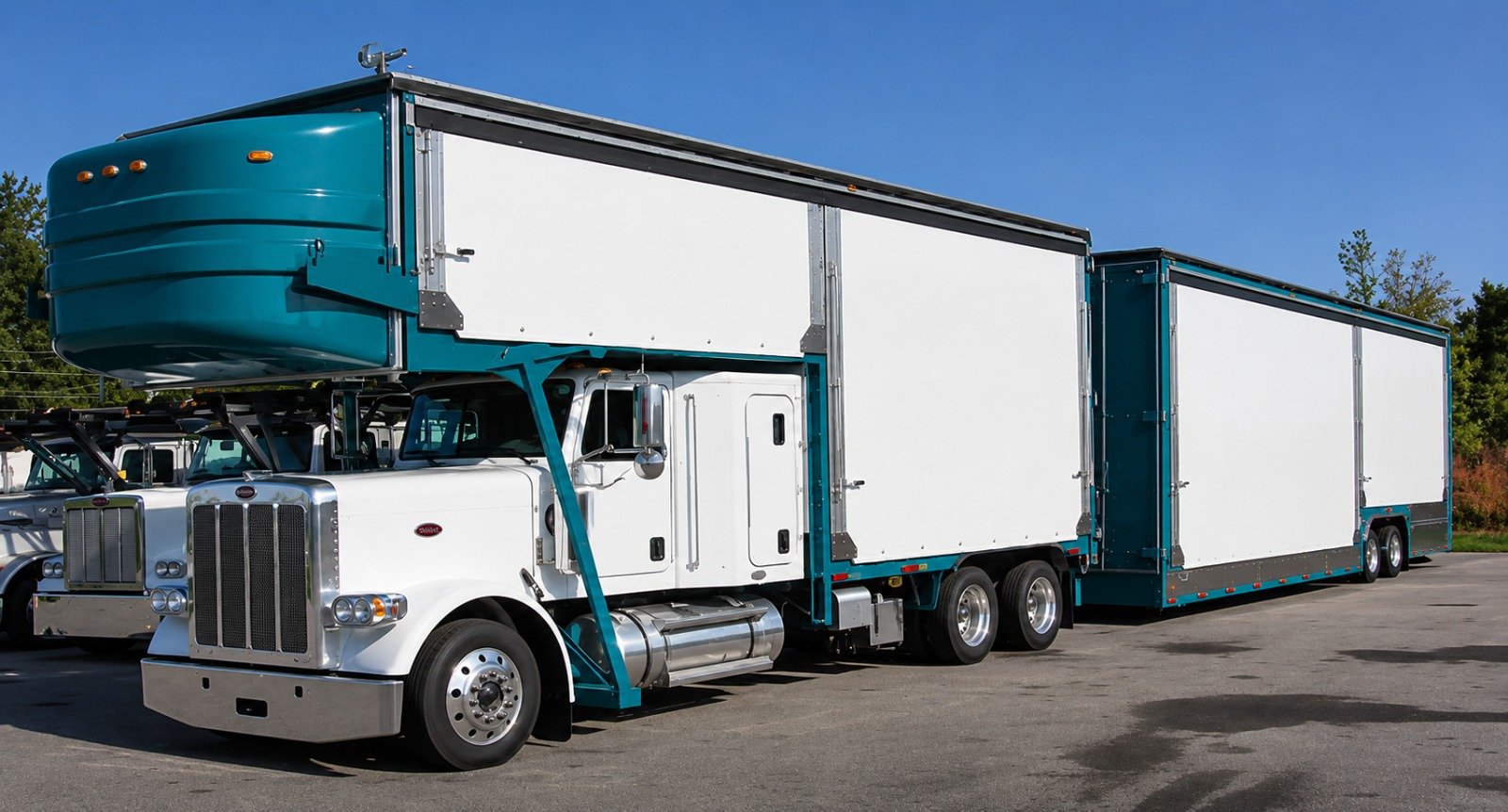
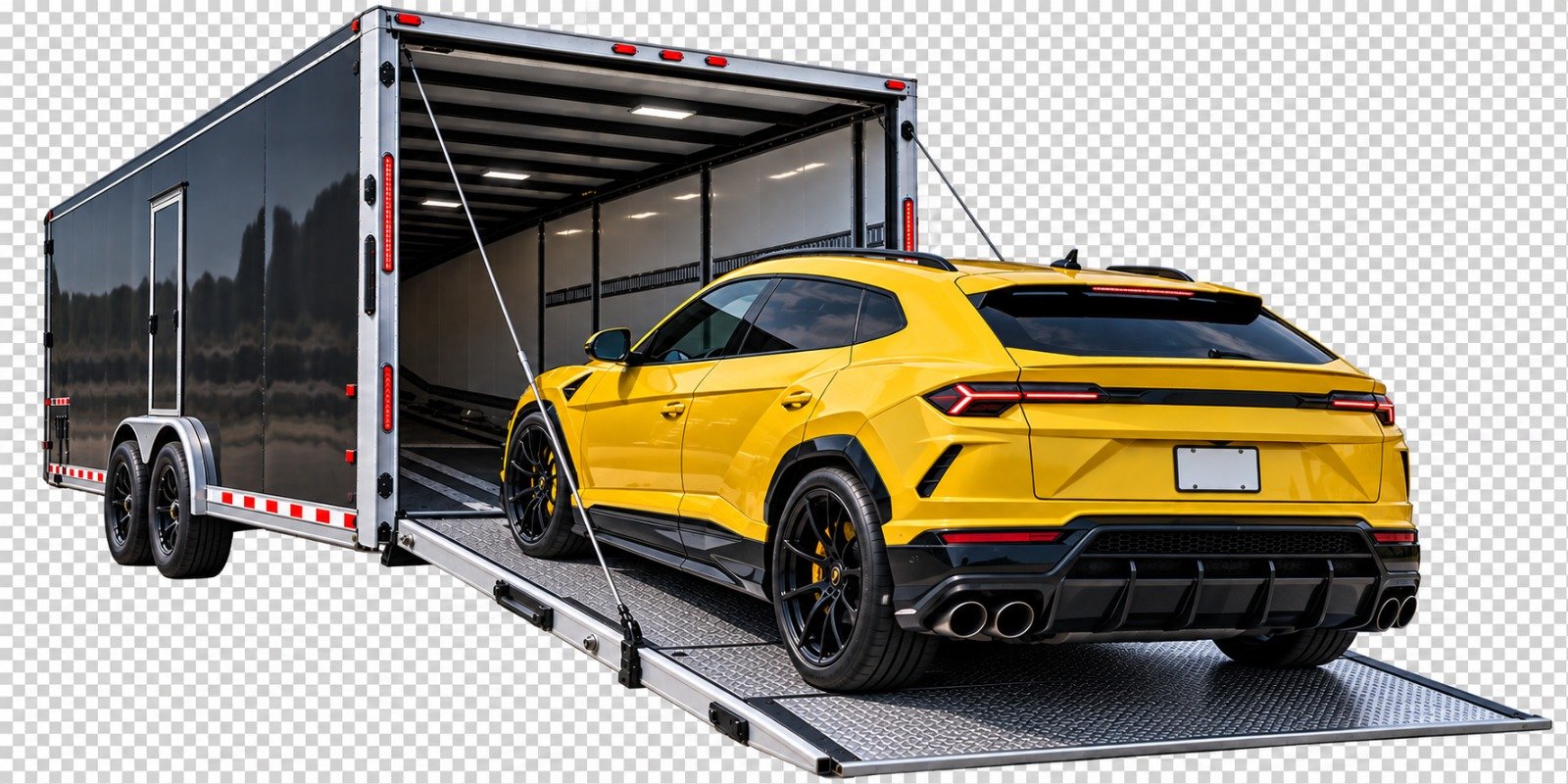
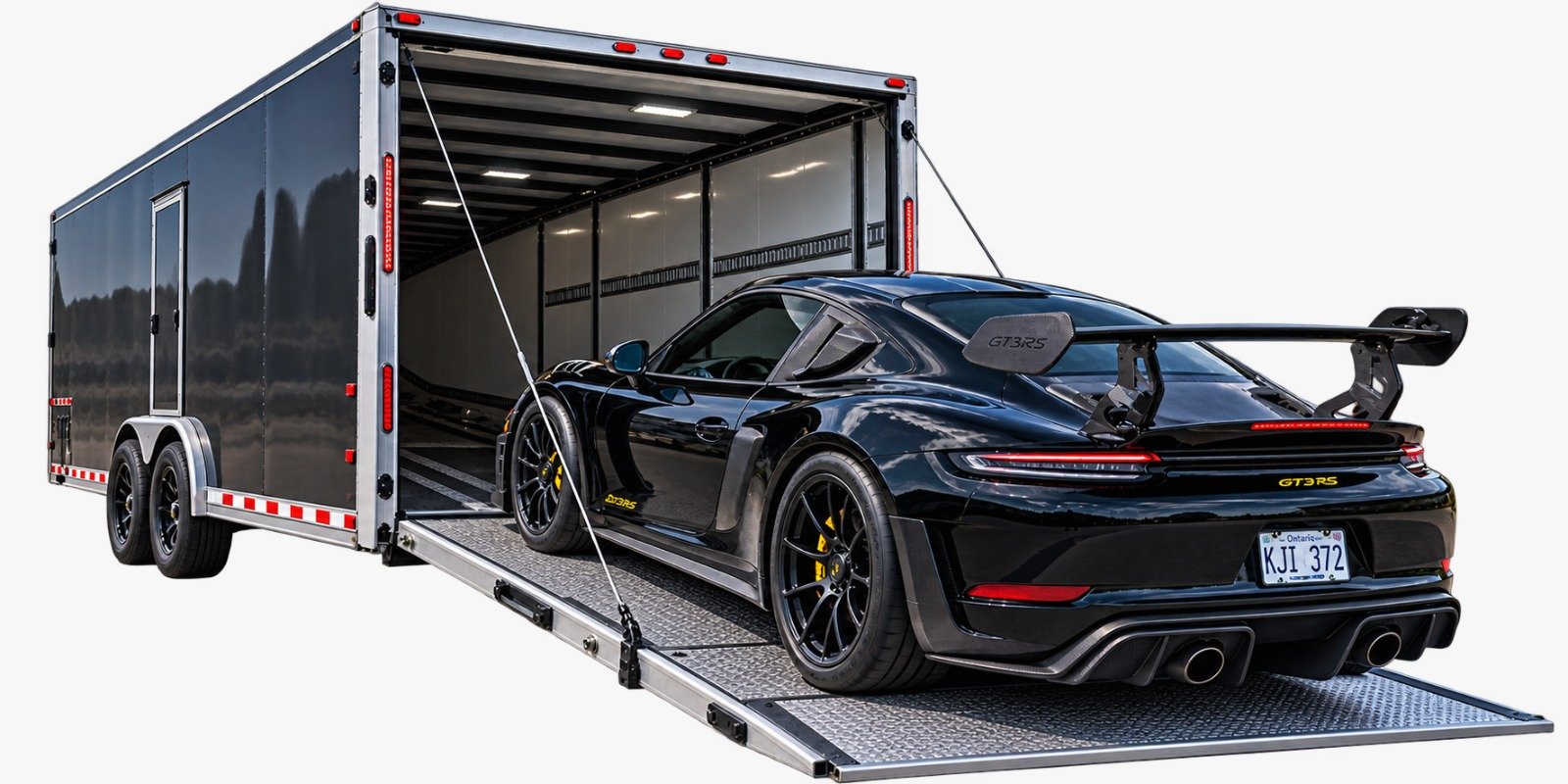
If you are shipping a classic automobile, a luxury sports car, or a high-value exotic vehicle, enclosed vehicle transport is the premier choice. The vehicle is transported inside a specialized trailer with rigid walls and a roof, completely shielding it from weather, road debris, and dust. This service commands a premium price but guarantees white-glove handling and maximum protection.
Rail Transport
For cross-country transportation, utilizing rail transport is an incredibly efficient and environmentally friendly alternative. Shipping a car by train often serves as a cost-effective middle ground for long distances, though it generally requires terminal-to-terminal drop-offs and may have longer transit times than dedicated trucking routes.
| Transport Method | Best Suited For | Cost Profile | Protection Level |
|---|---|---|---|
| Open Transport | Standard cars, SUVs, daily drivers | Most economical | Standard (exposed to weather) |
| Enclosed Transport | Luxury, classic, modified, high-value cars | Premium pricing | Maximum (shielded from elements) |
| Rail Transport | Long-distance, cross-country moves | Highly cost-effective | High (secured inside rail cars) |
3. How to Verify an Auto Transport Company's Insurance and Credentials
Never hand over your vehicle keys without first verifying the legal and financial protections in place. A licensed car carrier operating in Canada must adhere to strict federal and provincial regulations governing commercial transportation, overseen by entities like Transport Canada.
When reviewing potential candidates, ask for explicit details regarding their carrier cargo insurance. While your personal auto insurance policy (often guided by standards from the Insurance Bureau of Canada) might offer some auxiliary coverage, the primary responsibility for the vehicle during transit rests on the transport company's cargo insurance. You should know exactly what the policy covers, what the deductible is, and whether there are limitations based on the vehicle's age or condition.
The Importance of the Bill of Lading (BOL)
The Bill of Lading is the most critical document in automotive logistics. It acts as your receipt, your contract, and your vehicle condition inspection report. Always insist on a thorough pre-transport inspection documented on the BOL, and personally verify the condition of the vehicle against this document upon delivery.
4. The Best Way to Ship a Car Safely Across Canada
Safety in vehicle shipping extends beyond the type of trailer used; it relies heavily on the logistics strategy you select. For maximum convenience and reduced handling, door-to-door car shipping is often considered the most secure logistical route. In this scenario, the truck driver picks up the vehicle as close to your home as legally and safely possible, and delivers it directly to your final destination. This minimizes the number of times your vehicle is loaded, unloaded, or parked in intermediary holding lots.
Alternatively, terminal-to-terminal shipping requires you to drop your vehicle off at a designated lot where it waits to be loaded, and then you must pick it up from a similar lot at the destination. While sometimes more affordable, it introduces additional handling steps.
Consider a common long-haul route, such as shipping a car from Vancouver to Toronto. The safest approach involves hiring a professional auto transport service that performs a meticulous vehicle condition inspection before departure, secures the vehicle using modern over-the-tire soft straps (rather than outdated chain methods that can damage the chassis), and provides regular updates as the transport crosses multiple provincial borders.
5. Essential Questions to Ask Before Hiring a Car Transport Company
Before you sign a contract or pay a deposit, you must conduct a brief interview with the logistics coordinator. Treat this as a job interview where the applicant is tasked with protecting your valuable asset. Here are the critical questions to ask before hiring a car transport company:
- Are you a direct carrier or an auto transport broker? (Both are completely valid options, but you need to know who is actually taking responsibility for dispatching the truck).
- Is the quote all-inclusive? Ensure the transport quotes include fuel surcharges, taxes, and insurance so you aren't hit with hidden fees upon delivery.
- What is your cancellation and refund policy? Logistics can be delayed by severe Canadian weather; understand your rights if timelines shift drastically.
- Do you guarantee pickup and delivery dates? Reputable companies will give you a closely estimated window, but rarely a guaranteed specific hour, due to the realities of commercial trucking and highway traffic.
- How much carrier cargo insurance coverage is provided? Verify the maximum liability limit per vehicle.
6. How to Avoid Unreliable Car Shipping Companies
The auto logistics industry unfortunately has its share of unreliable operators. Knowing how to compare car shipping companies in Canada requires spotting red flags early in the process.
The most common trap is the "lowball quote." If you receive transport quotes that are substantially lower—often 20% to 30% cheaper—than the industry average, proceed with extreme caution. Unreliable companies use unrealistically low prices to secure your deposit, only to delay your shipment indefinitely because no actual truck driver will accept the freight at that cut-rate price. Eventually, they will demand more money to finally move your vehicle.
Additionally, always check authentic customer reviews and ratings on independent third-party platforms. Look closely at how the company handles negative feedback. A professional auto transport company will respond to complaints constructively and offer transparent resolutions, whereas unreliable operators often ignore complaints or blame the customer. Finally, avoid companies that lack a clear physical address or demand payment via untraceable wire transfers.

7. Frequently Asked Questions (FAQs)
The cost to ship a vehicle depends on the distance, the size and weight of the vehicle, the transport method (open vs. enclosed), and the time of year. Cross-country routes typically range from $1,200 to $2,500 CAD, but it is always best to request a personalized quote for exact pricing.
Generally, car transport companies strictly prohibit packing personal belongings inside the vehicle. Transport trucks are subject to strict weight limits at weigh stations, and carrier cargo insurance strictly covers the vehicle itself, not the contents inside it. Leaving items in the car risks theft, interior damage, and transport delays.
Transit times vary based on distance and weather. A transport from Vancouver to Calgary might take 3 to 5 days, whereas a cross-country move from British Columbia to Ontario or the Maritimes can take anywhere from 10 to 21 days. Professional dispatchers will provide an estimated window upon booking.
Wash your vehicle thoroughly so the driver can perform an accurate pre-transport inspection. Remove all custom aftermarket accessories, toll tags, and parking passes. Ensure your gas tank is only a quarter (1/4) full to reduce weight and safety hazards, and check that your tires are properly inflated and the battery is fully charged.
Conclusion
Trusting a company to move your vehicle thousands of kilometres requires confidence in their logistics processes, transparency, and experience. By understanding the different shipping methods available, rigorously verifying a carrier's insurance, and knowing the critical questions to ask, you can confidently navigate the market. Finding reliable auto transport companies in Canada doesn't have to be stressful when you know exactly what to look for and which red flags to avoid.