Coordinating cross-border vehicle transport requires precise timing, exact customs documentation, and rigorous safety compliance. For Canadian Armed Forces members, allied personnel, commercial fleets, and private owners, managing a military vehicle transport Texas to Alberta move presents unique logistical challenges. From navigating United States Department of Defense (DoD) departure points across the Lone Star State to executing seamless Alberta vehicle delivery, moving modified, heavy-duty, or military-spec equipment demands specialized care.
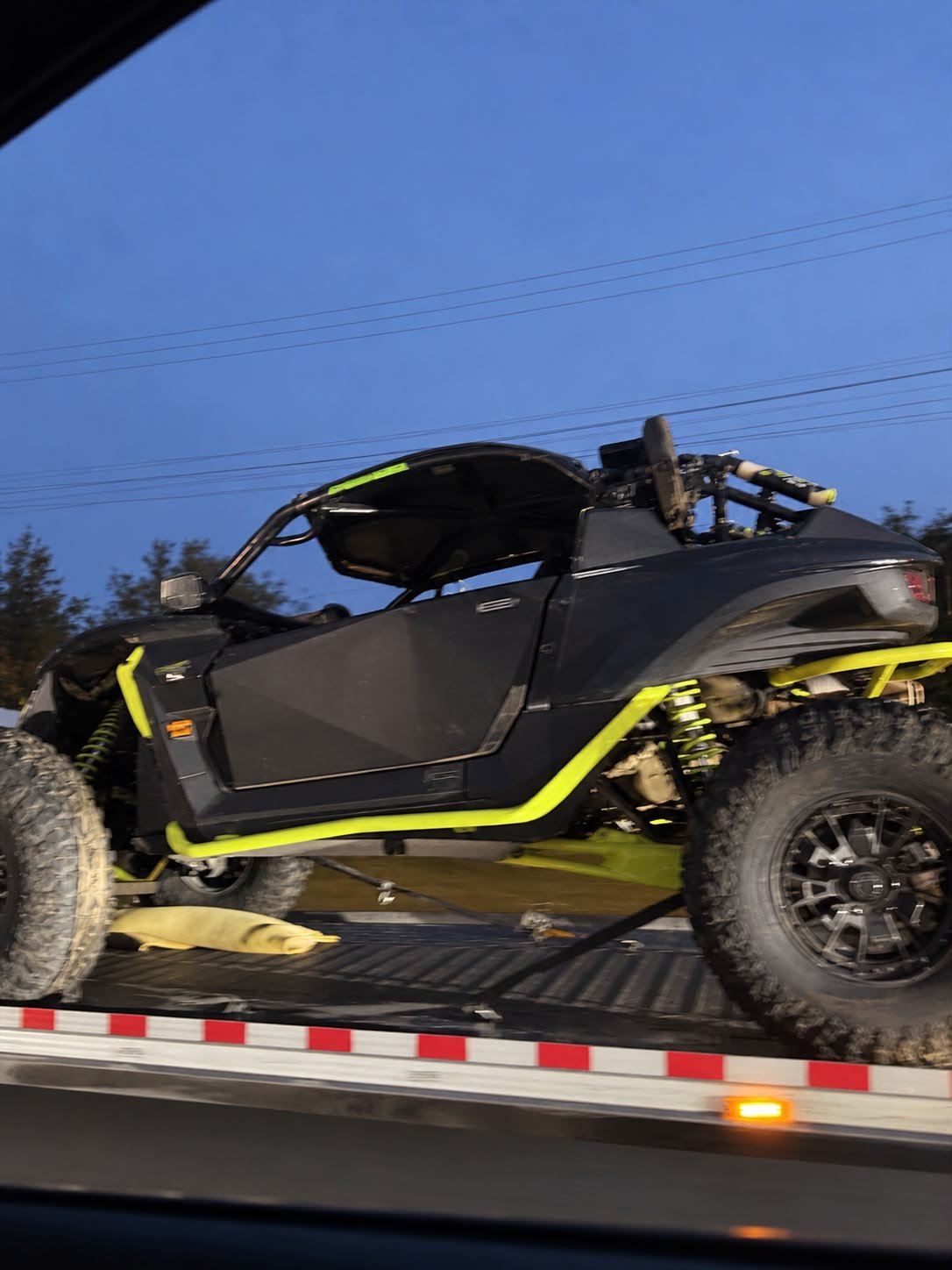
Whether you are shipping a modified utility vehicle, arranging an overseas exchange return, or facilitating a complex vehicle transportation corridor across thousands of kilometres, standard haulers frequently encounter structural restrictions. Heightened vehicle dimensions, heavy gross vehicle weights, and stringent border inspections mean that specialized heavy-duty transport planning is not optional—it is critical. This comprehensive guide details the essential requirements, permits, trailer configurations, and customs protocols needed to execute cross-border oversized shipping efficiently and safely.
The Texas to Alberta Transport Corridor: Strategic Cross-Border Routes
The freight transit corridor stretching from operational hubs in central or southern Texas (including San Antonio, Killeen, and El Paso) to commercial and industrial drop points in Alberta (such as Edmonton, Calgary, and Suffield) covers upwards of 2,800 to 3,500 kilometres. When managing Texas to Canada vehicle transport, professional logistics coordinators must account for varying regional road regulations, seasonal weather conditions across the American Great Plains, and transit checkpoints along major interstate highways like I-35 and I-25 heading north toward the Canadian border.
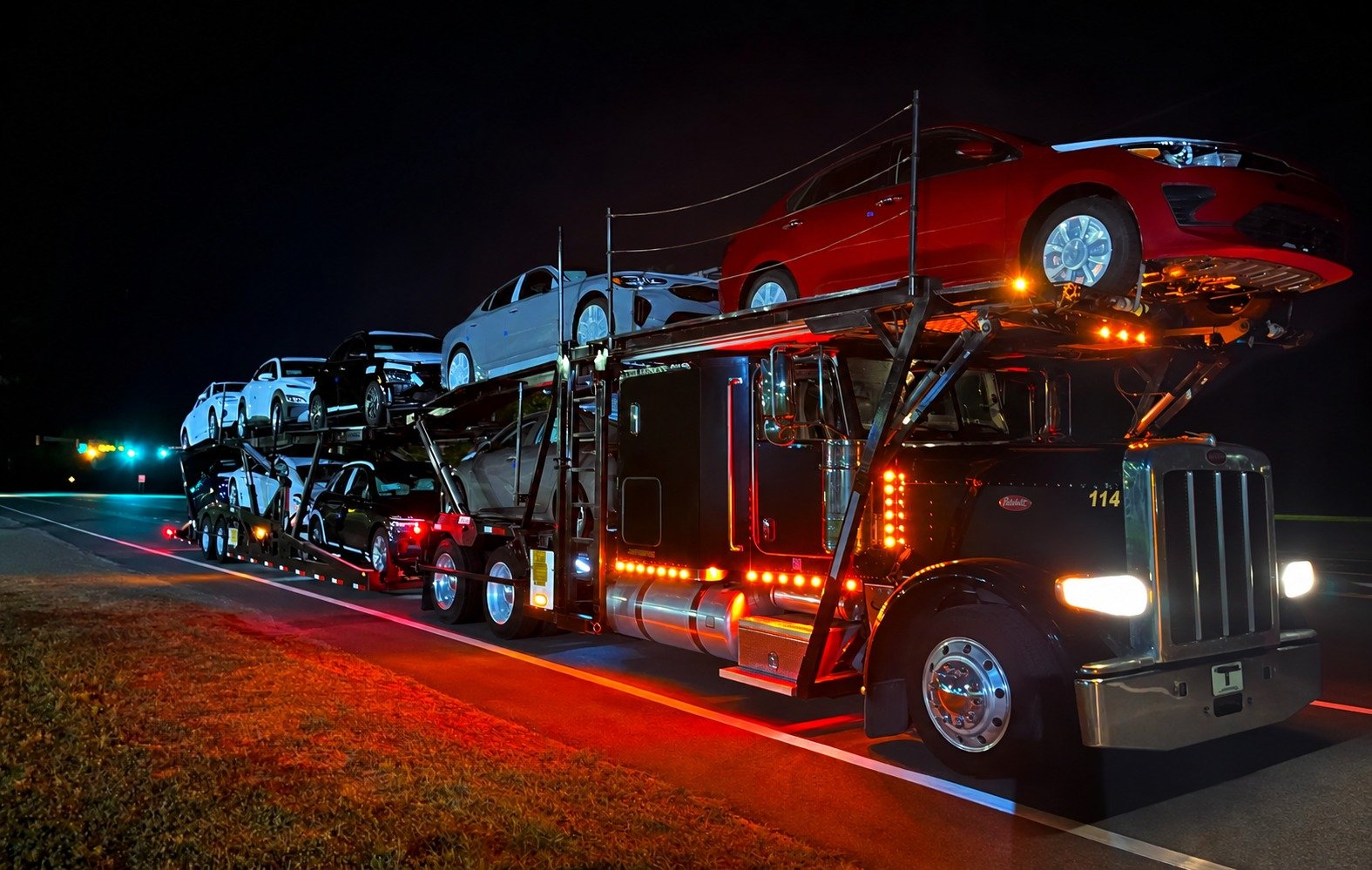
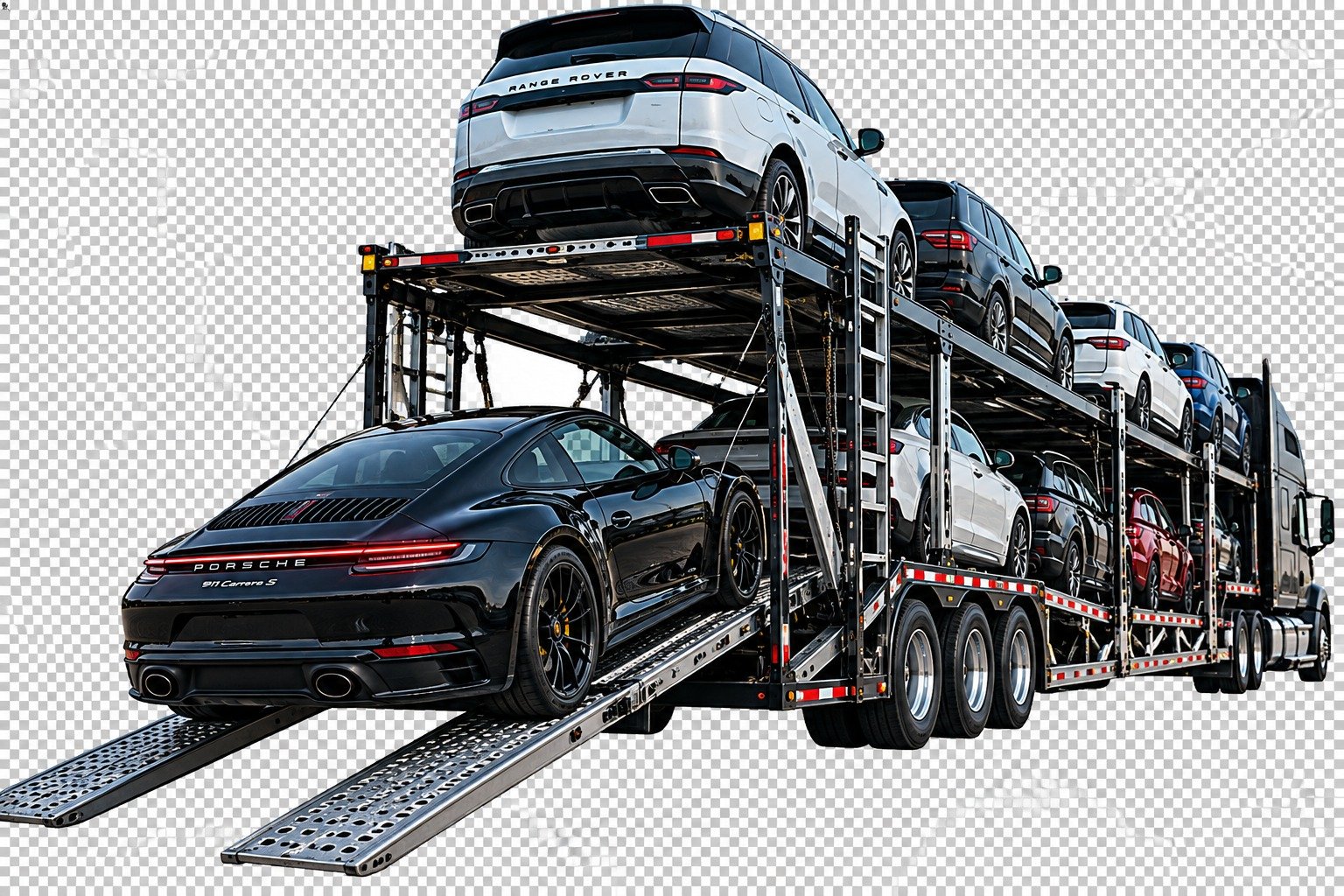
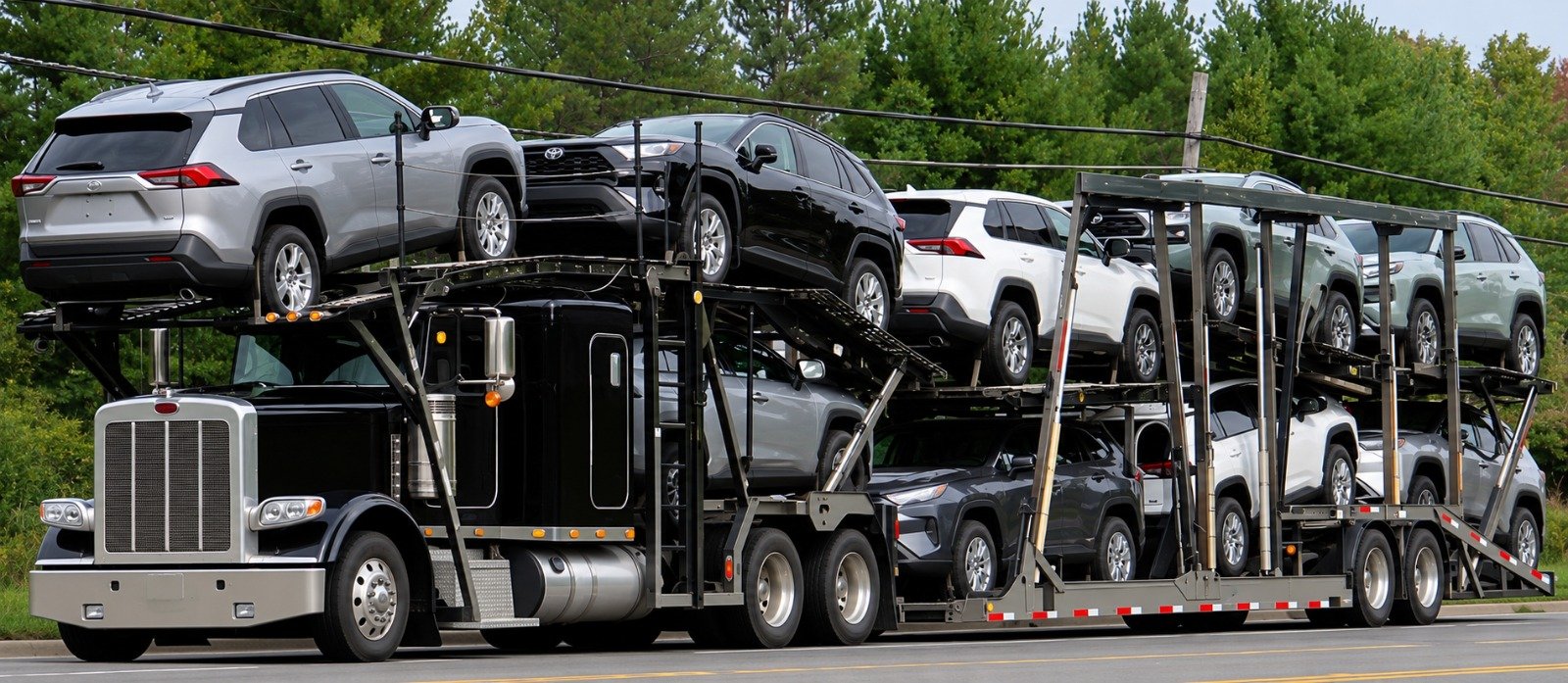
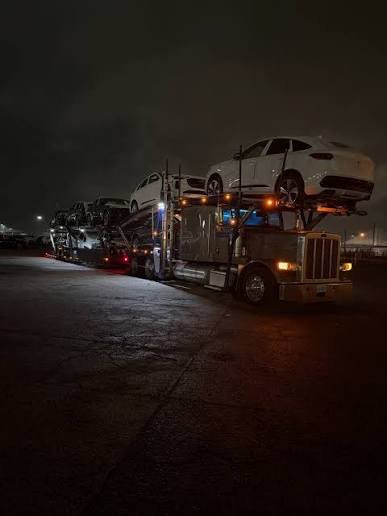
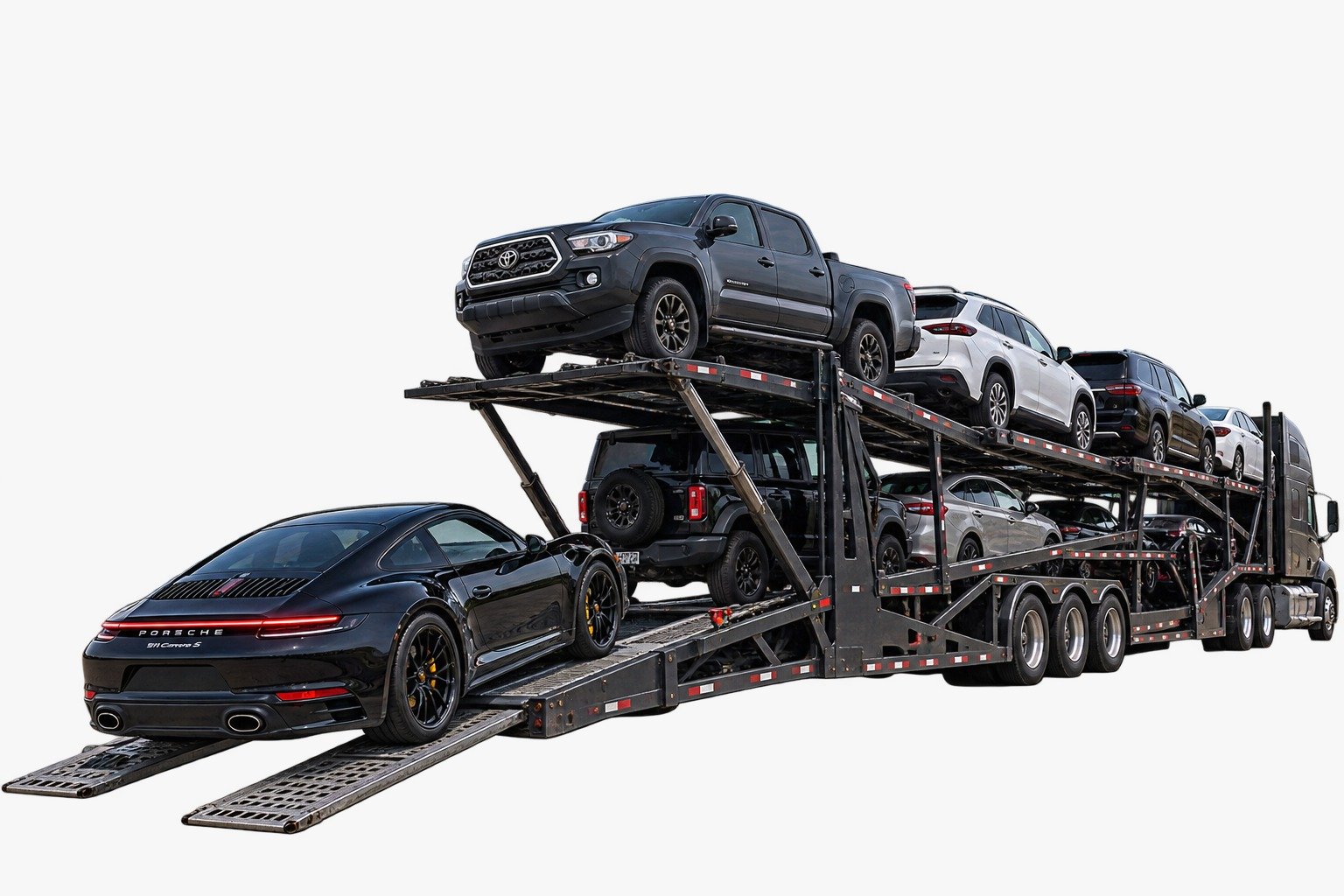
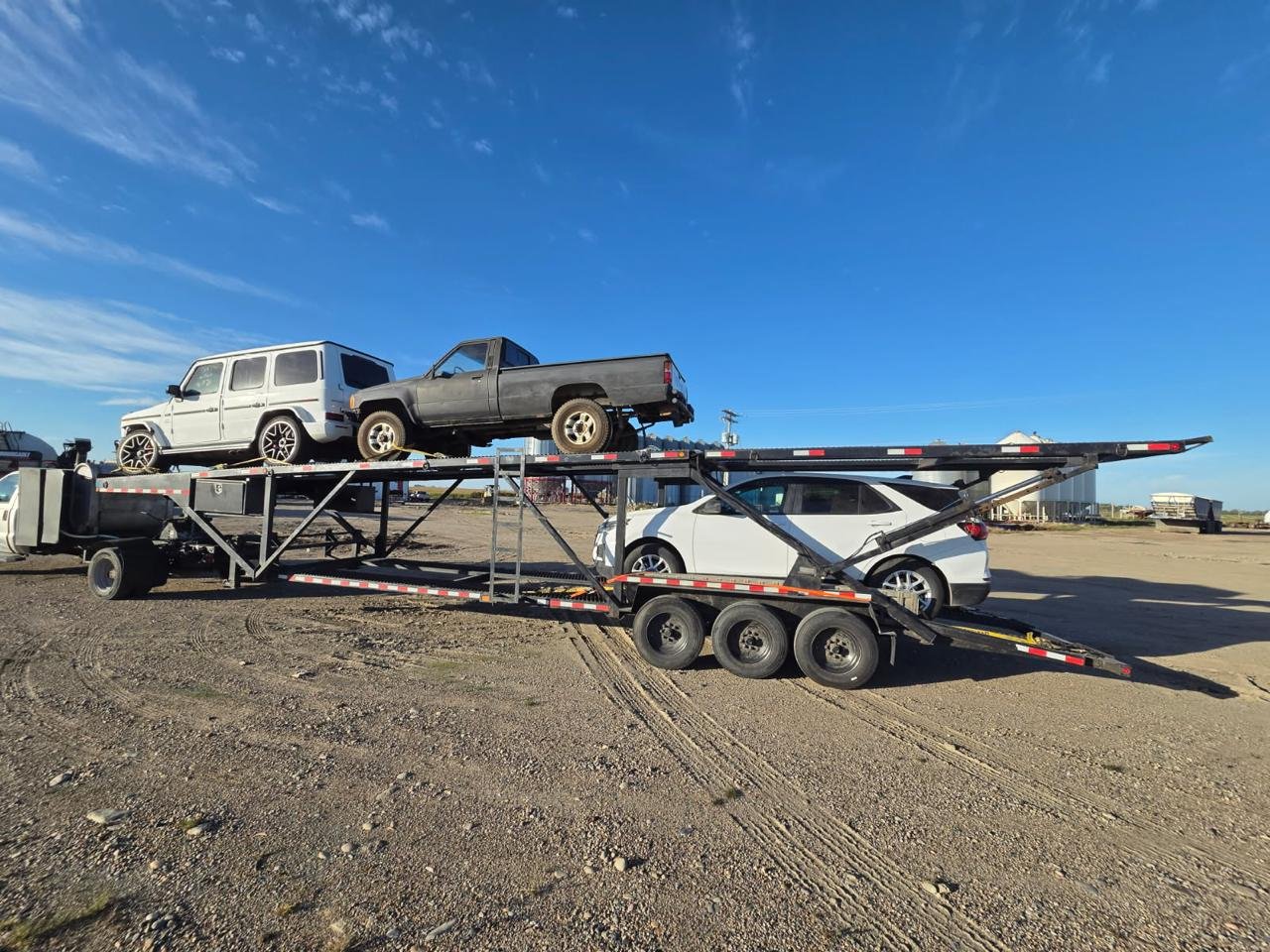
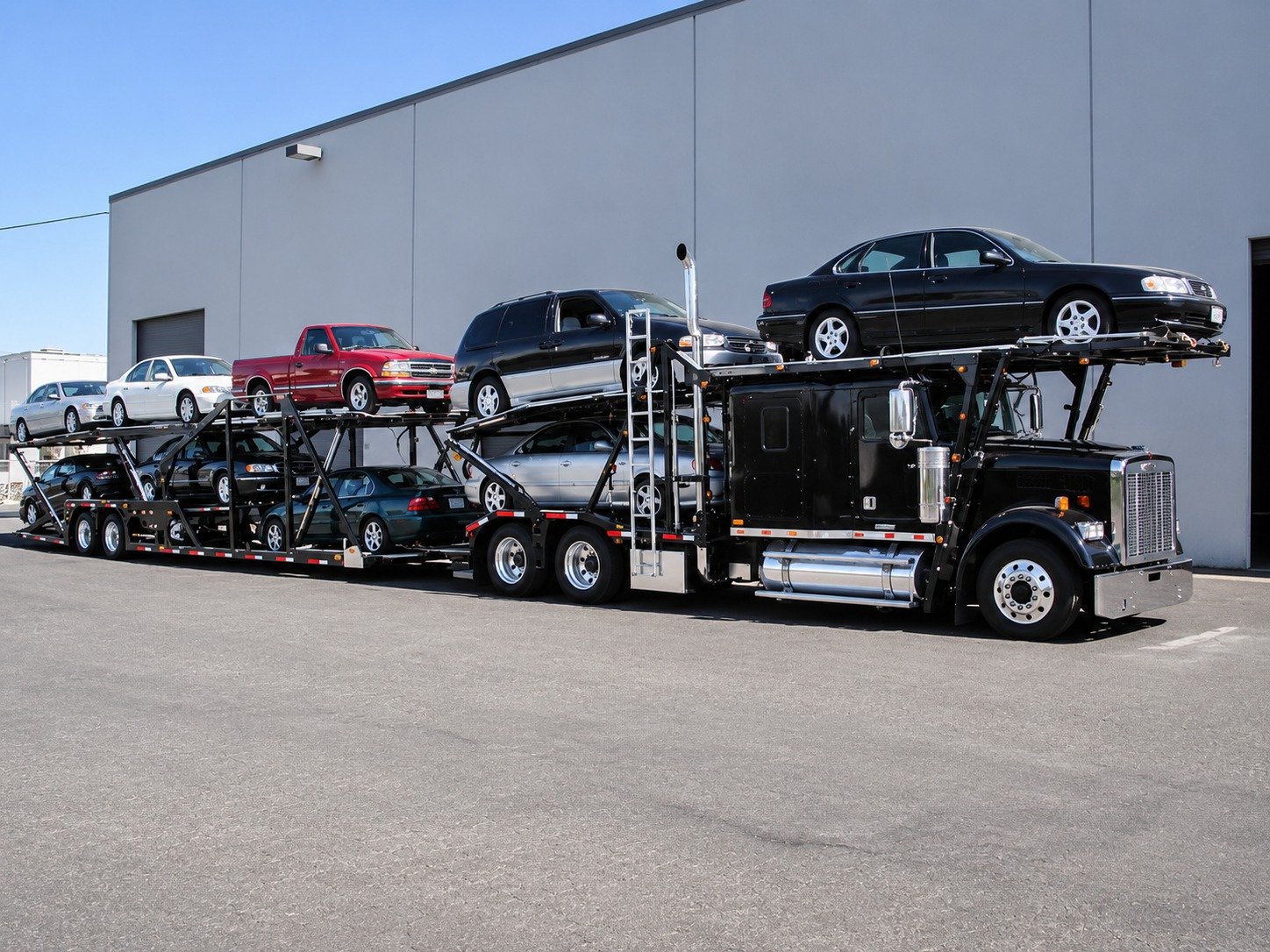
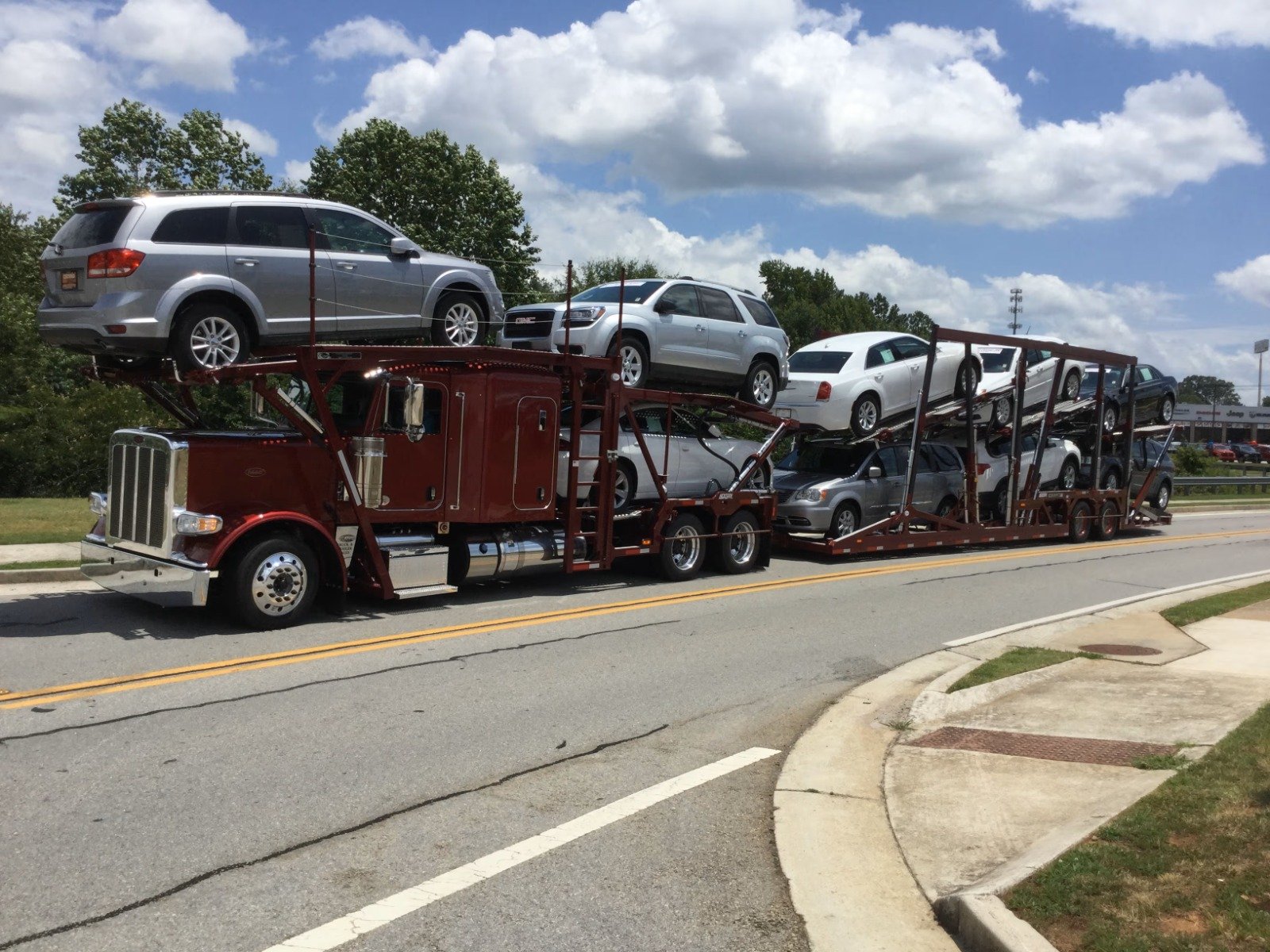
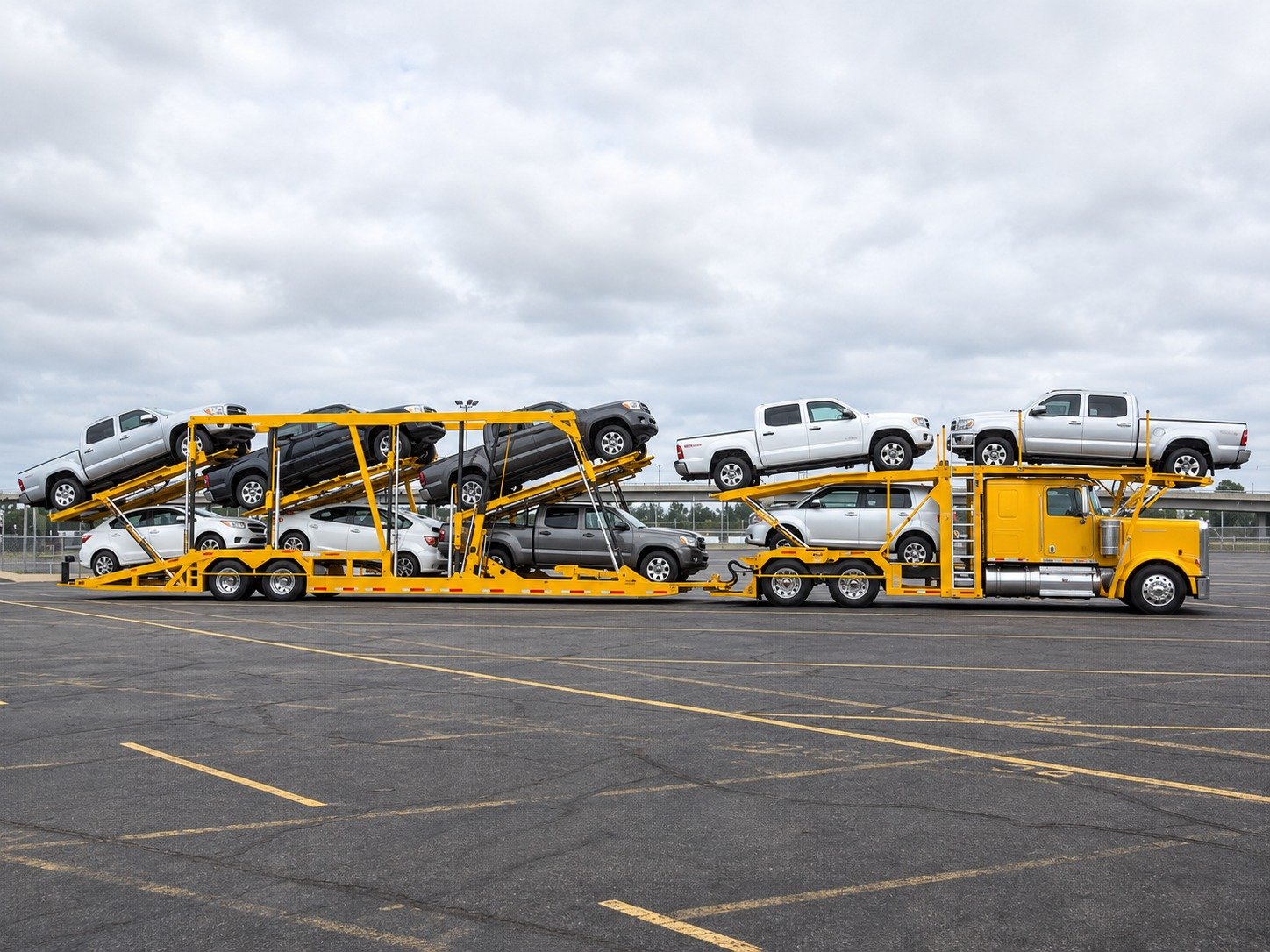
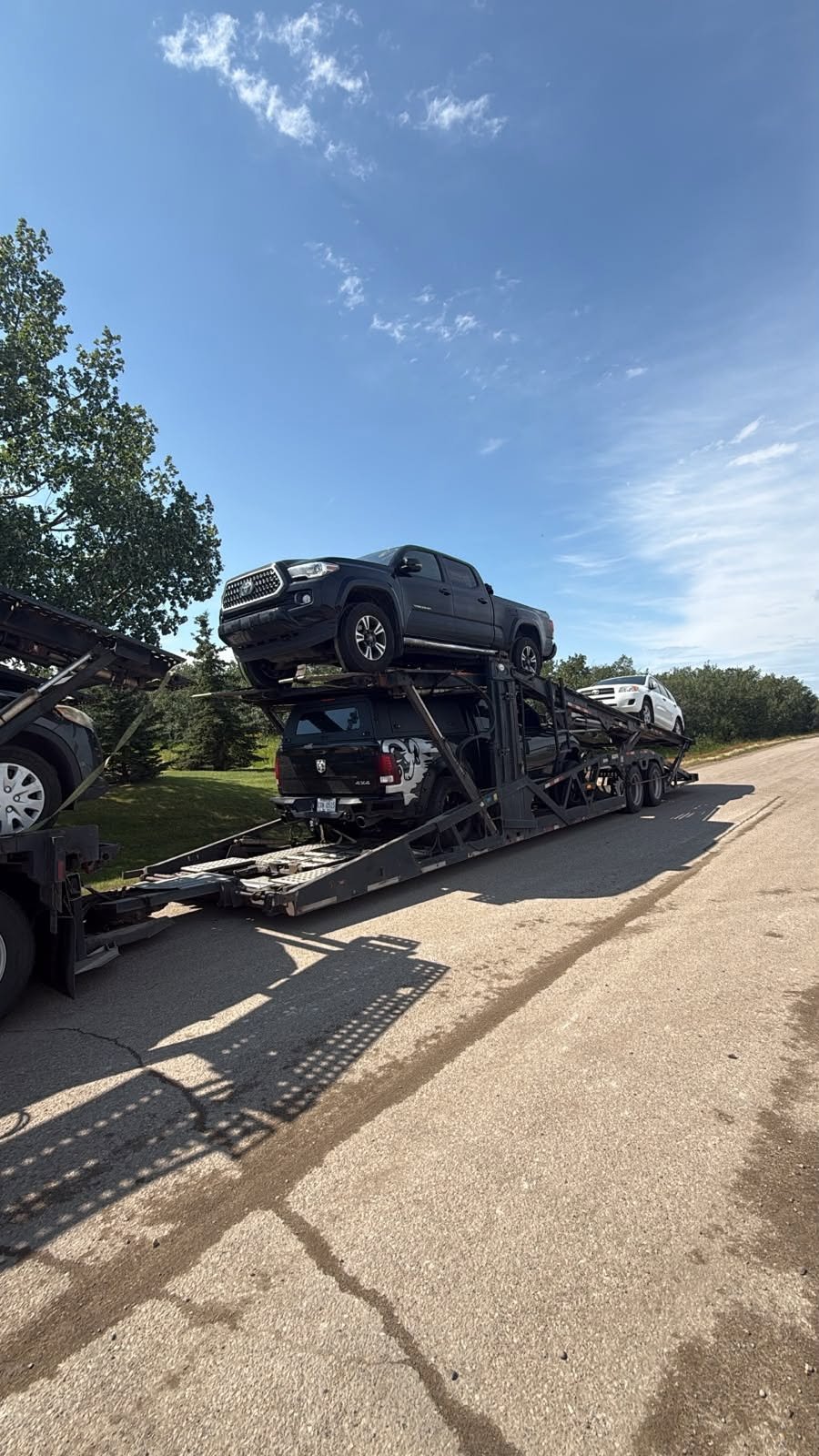
Transporting vehicles of unconventional scale introduces logistical layers that standard automotive carriers cannot accommodate. For standard civilian cars, sedans, and light crossovers, carriers rely on conventional multi-tier auto carriers via open transport networks. However, military-spec utility rigs, tactical chassis, lifted multi-axle service trucks, and up-armoured personal transports exceed standard carrier deck clearances.
Managing this route demands specialized coordination across provincial and state transportation ministries, ensuring carriers follow designated heavy-haul freight corridors to reach primary Alberta delivery hubs without highway delay or bridge clearance issues.
Vehicle Dimensions and Weight Restrictions: When Does a Vehicle Become Oversized?
In cross-border shipping, a vehicle is classified as oversized when its exterior physical dimensions or curb weight surpass standard legal limits for highway transport trailers without specialized permits. Standard legal transport parameters throughout North American interstate corridors generally conform to:
- Total Width: Exceeding 2.59 metres (8 feet, 6 inches / 102 inches).
- Overall Height: Exceeding 4.11 to 4.15 metres (13 feet, 6 inches to 13 feet, 8 inches) once loaded onto a hauler trailer bed.
- Total Length: Single chassis surpassing standard cab-to-bumper parameters, or combinations exceeding state and provincial motor transport standards.
- Axle & Gross Weight: Exceeding standard single or tandem highway weight thresholds (typically over 36,287 kg / 80,000 lbs gross combined vehicle weight).
Whether you are shipping a lifted truck from Texas to Alberta, moving heavy diesel chassis, or transporting wide-track utility transports, even a minor aftermarket suspension lift, bull-bar addition, or specialty tire fitment can elevate a vehicle into the oversized bracket.
Measure Exact Operational Dimensions Before Booking: Always measure the overall width from the widest outer tire edges (or extended side-view mirrors) and overall height from ground level to the highest antenna, roof rack, or emergency light mount. Inaccurate dimensions on a cross-border Bill of Lading can result in provincial permit violations, roadside impoundment, or border entry refusal.
Required Oversize and Overweight Permits
When an asset is legally designated as oversize, carriers must secure individual transport permits for every jurisdiction traversed along the journey. A transport originating in Texas moving through Oklahoma, Kansas, Nebraska, South Dakota, North Dakota, or Montana, and finally entering the Province of Alberta via Sweet Grass/Coutts requires:
- State-Specific Wide-Load Permits: Authorizing wide or over-height loads along designated state highway corridors.
- Alberta Infrastructure & Transportation Permits: Securing Single Trip Over-Dimensional / Overweight operating authority prior to crossing into the province.
- Route Surveys & Escort Vehicle Logistics: If width or height exceeds regional safety thresholds, certified pilot/escort cars must accompany the transport.
Specialized Equipment: Selecting the Right Transport Platform
Standard double-decker car carriers are engineered solely for factory-spec consumer automobiles. For heavy-duty truck transport to Canada and military-style utility platforms, logistics teams deploy dedicated heavy-haul platforms through established carrier fleet equipment:
| Trailer Type | Ideal Vehicle Application | Loading Clearance & Benefits |
|---|---|---|
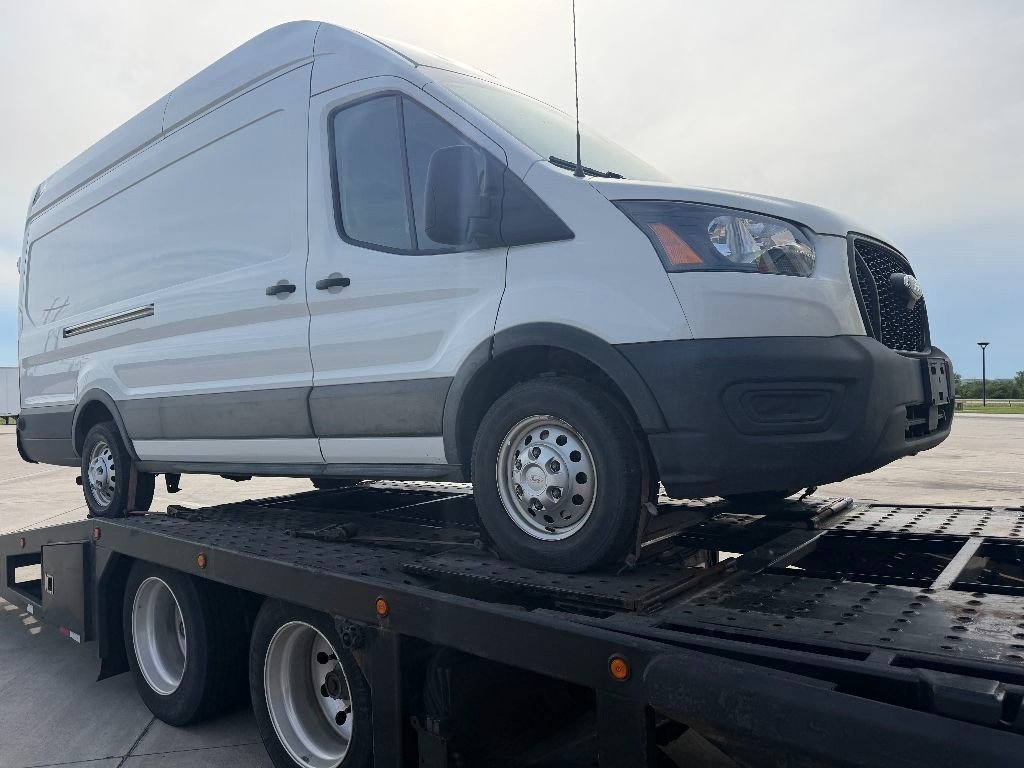
| Flatbed Trailer | Standard heavy-duty pickups, military cargo trucks, wide-body utility vans. | Level loading platform; convenient side-loading for non-standard wheelbases. |
| Step-Deck (Single Drop) | Lifted 4x4 trucks, medium-duty military wreckers, tall field utility transports. | Lowers cargo floor by 15–24 inches to maintain legal total road height. |
| Lowboy / RGN (Removable Gooseneck) | Armoured personnel carriers, extra-heavy machinery, tracked or non-running chassis. | Ground-level roll-on/drive-on capability; lowest ground clearance for extreme height loads. |
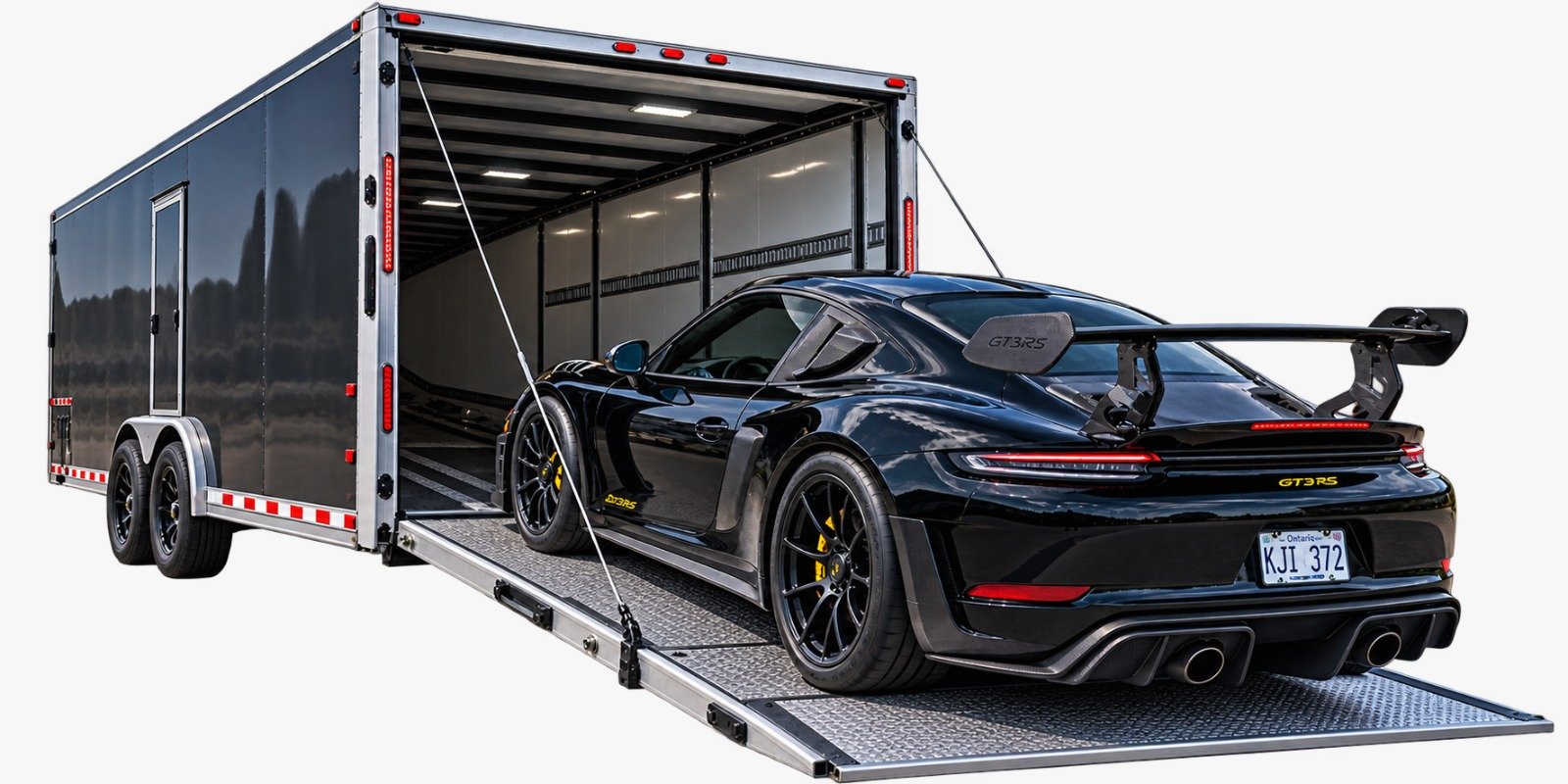
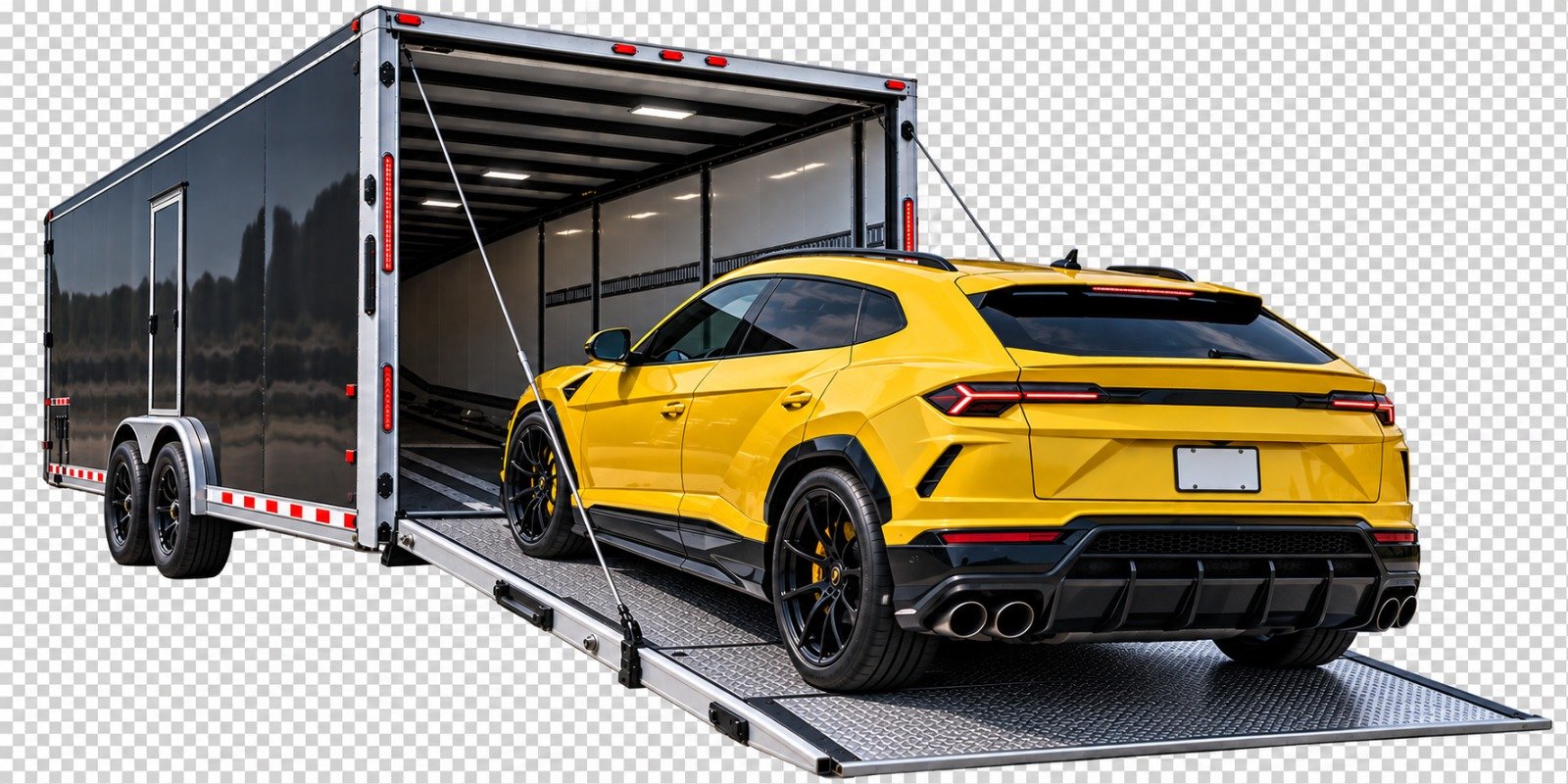
| Specialized Enclosed | Rare, restored, or highly sensitive prototype military vehicles. | 100% weather, debris, and exposure protection via dedicated enclosed transport units. |
In situations where heavy equipment or non-sensitive personal military trucks are relocated in volume across substantial rail-serviced arteries, intermodal configurations like rail transport can sometimes be coordinated to designated intermodal freight terminals across Canada.
U.S.–Canada Customs Clearance and Regulatory Protocols
Executing cross-border oversized vehicle shipping involves dual-agency oversight: United States Customs and Border Protection (U.S. CBP) on export, and the Canada Border Services Agency (CBSA) along with Transport Canada on import.
1. U.S. Export Control (AES/ITN)
Under 19 CFR 192, self-propelled motor vehicles must be presented to U.S. CBP at the designated port of export (e.g., Sweet Grass, Montana) at least 72 hours before border crossing, accompanied by an approved Internal Transaction Number (ITN).
2. Transport Canada & RIV Compliance
Vehicles imported into Canada must comply with the Registrar of Imported Vehicles (RIV) program. Modified, lifted, or military-spec vehicles must undergo admissibility evaluations to ensure compliance with the Canadian Motor Vehicle Safety Act.
3. CBSA Vehicle Import Requirements
At border arrival, CBSA inspectors review Form B15 or Form BSF186 (for personal relocations), original vehicle title, proof of valuation, and ensure thorough undercarriage cleaning to prevent soil contamination.
Vehicle Inspection and Bill of Lading Integrity
Before a transport carrier departs Texas, an exhaustive, high-resolution condition report and Bill of Lading (BOL) must be completed. This document acts as a binding contract and condition snapshot. It details every existing imperfection, tire condition, accessory attachment, and mechanical operational status. Upon arrival for Alberta vehicle delivery, a final joint inspection ensures that the equipment has reached its destination in the exact condition documented at origin.
Military PCS Vehicle Shipping: Relocation Support for Families and Personnel
Active-duty personnel executing a Permanent Change of Station (PCS) between American and Canadian installations face strict deployment timelines. Military relocation orders dictate precisely when members must report to their new assignments, such as CFB Suffield, CFB Edmonton, or allied command postings across the province.
Standard military relocation vehicle transport allowances frequently impose tight limitations on secondary personal vehicles, heavily modified pickup trucks, or family trail rigs. Here is what personnel must keep in mind:
- Official Military Orders: Ensure physical copies of your relocation orders (or civilian contractor reassignment notices) are kept on file and shared with your customs clearing agent.
- Ownership Documentation: If the vehicle is subject to an active lien, financing institution, or lease, an official letter of permission authorizing cross-border transit from the lienholder is mandatory.
- Personal Belongings Regulations: While standard auto carriers strictly prohibit personal cargo inside shipped cars, heavy-haul flatbed shipments may permit secure tools or accessories if explicitly declared on customs manifests.
To streamline delivery around demanding base schedules, coordinators often deploy comprehensive door-to-door open transport or specialized flatbed direct-delivery models, picking up vehicles straight from residential quarters or staging locations in Texas and delivering them directly to base housing or private residences in Alberta.
Cost Factors and Transit Timelines: Texas to Alberta
A common question asked by service members and automotive managers is: How much does oversized vehicle transport to Alberta cost?
Because specialized freight does not follow standard fixed rates, pricing is determined by several core variables:
- Chassis Dimensions & Curb Weight: Vehicles requiring wide-load banners, over-height routing, or specialized step-deck trailers require higher resource investments than standard vehicles.
- Permitting and Escort Logistics: State-by-state permit fees and certified escort pilot vehicles add to total line-haul costs.
- Distance and Fuel Surcharges: The travel distance from Texas origin cities to Alberta hubs ranges from 2,800 to 3,600 km, subject to prevailing fuel market rates.
- Customs Brokerage and Import Duties: Brokerage fees, RIV registration assessments, and federal/provincial tax structures (5% GST applies upon CBSA clearance into Alberta) factor into total expenditure.
Average transit windows for dedicated heavy-haul or oversized equipment between Texas and Alberta typically range between 7 to 14 business days, factoring in the mandatory 72-hour U.S. CBP export hold and required multi-state oversized route travel permits.
To obtain an accurate, customized quote based on your specific vehicle dimensions, weight, and delivery timeline, visit the Optixtrace get a quote page to consult directly with an experienced cross-border logistics specialist.
Frequently Asked Questions
A vehicle is generally classified as oversized if its width exceeds 102 inches (2.59 metres) or if its loaded height on a transport trailer exceeds 13 feet, 6 inches (4.11 metres). If your truck features extensive aftermarket suspension lifts, wide off-road tire offsets, custom bumpers, or roof racks, our team will evaluate your exact dimensions to determine if specialized permits or step-deck trailers are required.
U.S. Customs and Border Protection requires the original vehicle Certificate of Title (or an official certified copy alongside a lienholder authorization letter if financed), an approved Automated Export System (AES) Internal Transaction Number (ITN) filed at least 72 hours in advance of border crossing, a commercial bill of sale or valuation appraisal, and photo identification matching vehicle documentation.
Decommissioned or surplus military vehicles must meet Transport Canada and CBSA import criteria. Vehicles 15 years old or older (calculated by month and year of manufacture) are generally exempt from the Registrar of Imported Vehicles (RIV) safety compliance program. However, they must still pass environmental soil inspections, clear U.S. export controls, and comply with Alberta road safety and registration requirements upon arrival.
Door-to-door transportation coordinates vehicle pickup and drop-off as close to your designated addresses as safely and legally accessible for a heavy-haul transporter. Terminal-to-terminal shipping requires the owner to drop off and retrieve the vehicle at dedicated commercial freight hubs. For oversized or modified military vehicles, direct door-to-door or regional base staging is typically preferred to avoid oversized movement permits to and from urban public terminals.
Alberta does not have a Provincial Sales Tax (PST). When clearing CBSA customs, importers are required to pay the 5% federal Goods and Services Tax (GST) based on the Canadian dollar valuation of the vehicle, alongside any applicable RIV processing fees, air conditioning excise levies, or green levy taxes if applicable.
Final Preparations for Your Texas to Alberta Move
Executing a successful military vehicle transport Texas to Alberta operation hinges on advance planning, rigorous regulatory adherence, and partnering with seasoned automotive logistics professionals. From securing multi-jurisdictional oversize road permits to filing timely U.S. CBP 72-hour export notifications and completing CBSA customs clearance, every stage requires diligence.
By measuring your vehicle accurately, selecting the proper flatbed, step-deck, or specialized platform, and preparing all ownership and PCS documentation early, you eliminate unexpected border delays and ensure your vehicle arrives safely and legally in Alberta. For more information regarding our network, transit solutions, and regional service routes, explore our about Optixtrace overview or browse our comprehensive vehicle transport FAQ directory.