Whether you are relocating for a new career, purchasing a vehicle from another province, or moving a corporate fleet, you will quickly discover that vehicle logistics across a country as vast as Canada is a complex undertaking. When comparing auto transport quotes, one question frequently arises: Why is shipping a car across Canada significantly more expensive than short-distance transport?
At Optixtrace Car Shipping, we coordinate thousands of transport requests annually. Moving a vehicle a few hundred kilometres is fundamentally different from organizing cross-country car transport from Vancouver to Halifax. The price discrepancy comes down to a combination of highway logistics, fuel economics, carrier regulations, and seasonal routing challenges.
In this comprehensive guide, we will break down the variables that impact Canada auto transport costs, explain how vehicle shipping rates are calculated, and help you understand exactly what you are paying for when booking long-distance vehicle transportation.
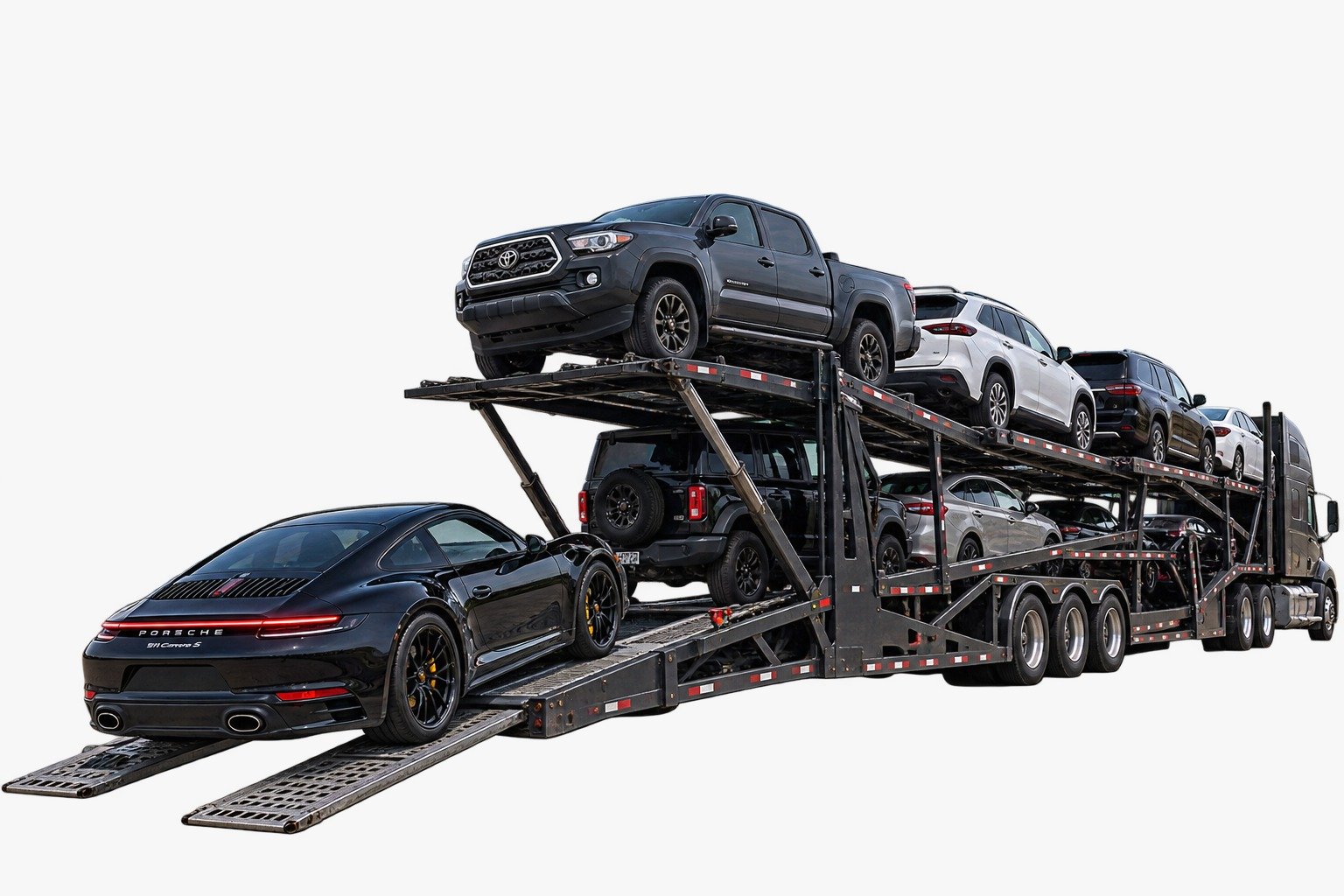
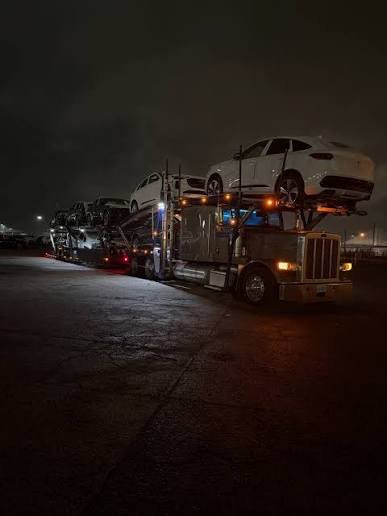
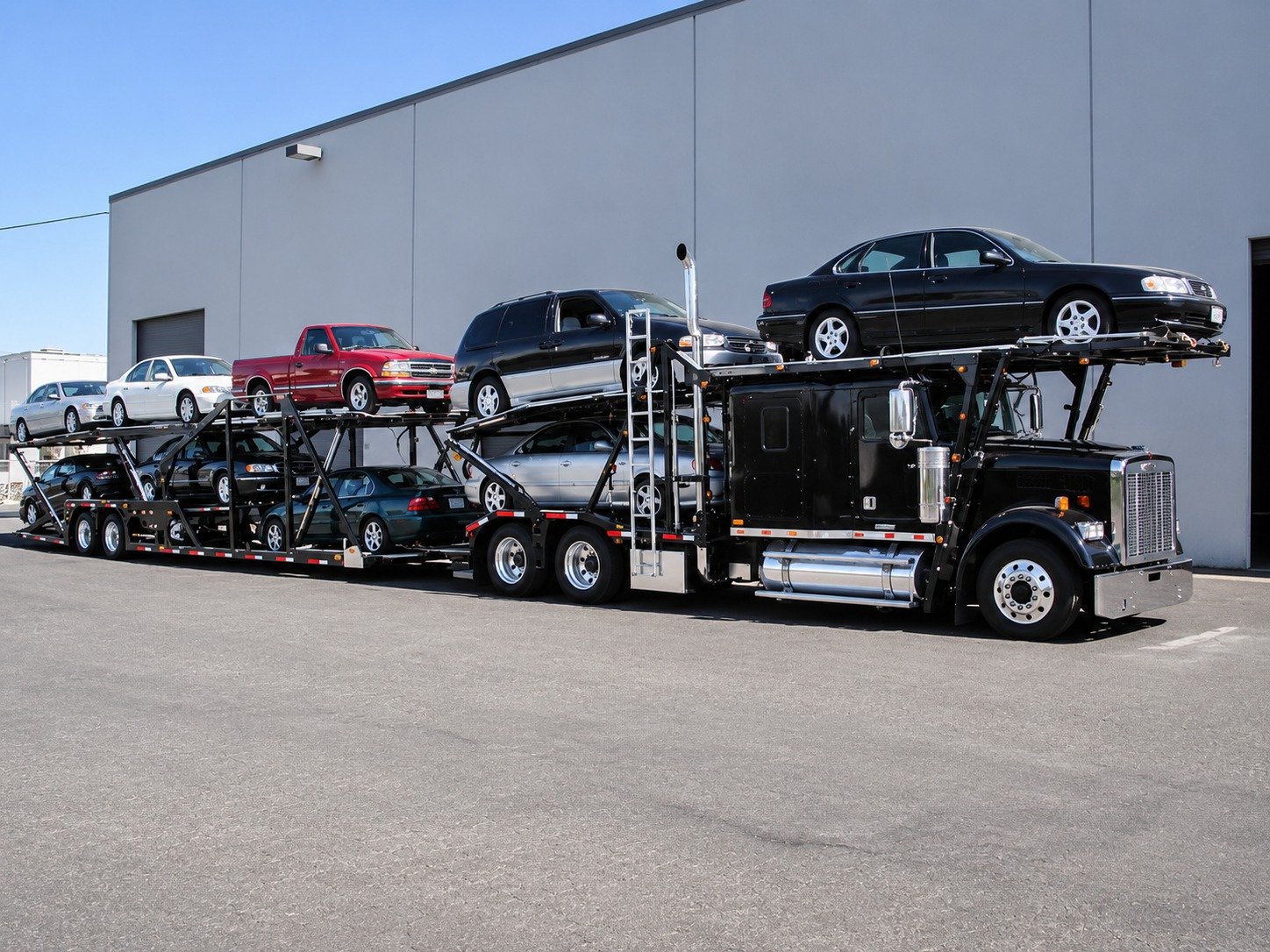
Professional multi-level car haulers are the backbone of long-distance vehicle transportation across Canada.
The Fundamental Difference Between Short-Distance and Long-Distance Car Shipping
To understand why shipping a car across Canada is expensive, it helps to first look at short-distance car transport. Moving a car from Calgary to Edmonton, for instance, is a straightforward route. A local driver can pick up the vehicle, travel a few hours on well-maintained highways, and deliver it the same day without needing overnight accommodations or complex route planning.
Long-distance vehicle transportation is an entirely different operational model. A route like shipping a car from Vancouver to Toronto spans over 4,300 kilometres, traverses multiple time zones, and cuts through the challenging terrain of the Rocky Mountains and the Canadian Shield. This requires specialized long-haul equipment, meticulous route planning, and days of driving.
Distance and Time Constraints
The core of the cost difference lies in sheer distance. Transportation distance dictates how many days a driver is on the road. According to regulations outlined by Transport Canada, commercial drivers are strictly limited in their daily driving hours to prevent fatigue and ensure highway safety. A trip across the country isn't driven straight through; it requires mandatory rest periods, increasing the transit time to anywhere from one to three weeks depending on the route.
Wear and Tear on Vehicle Transport Carriers
Heavy-duty transport trucks endure immense mechanical stress when covering thousands of kilometres. Cross-country car transport means the carrier will face diverse road conditions—from steep mountain gradients to flat prairie highways. The cost of shipping a car must account for the accelerated depreciation, maintenance, and regular servicing of the commercial trucks that make these long hauls possible.
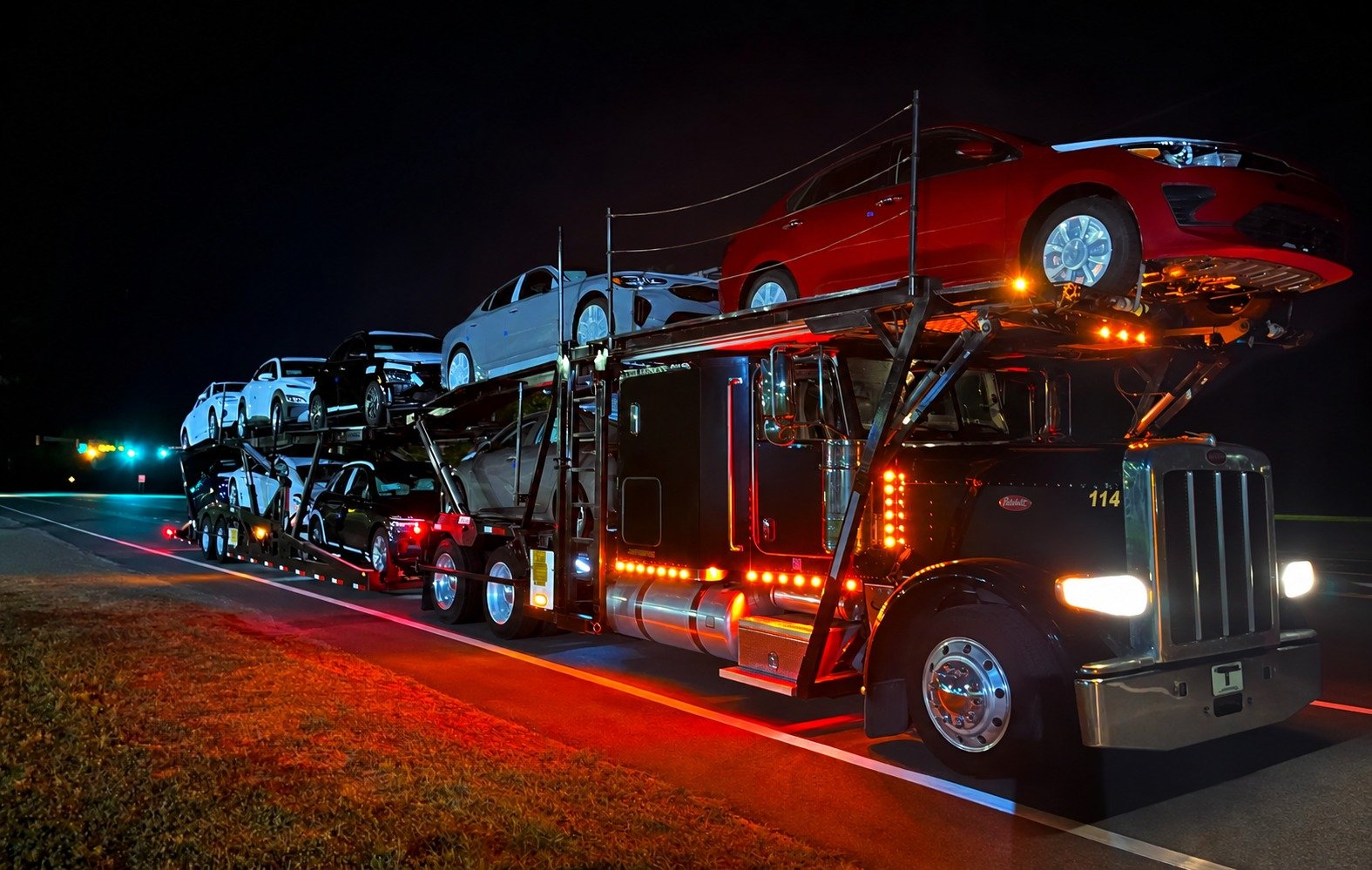
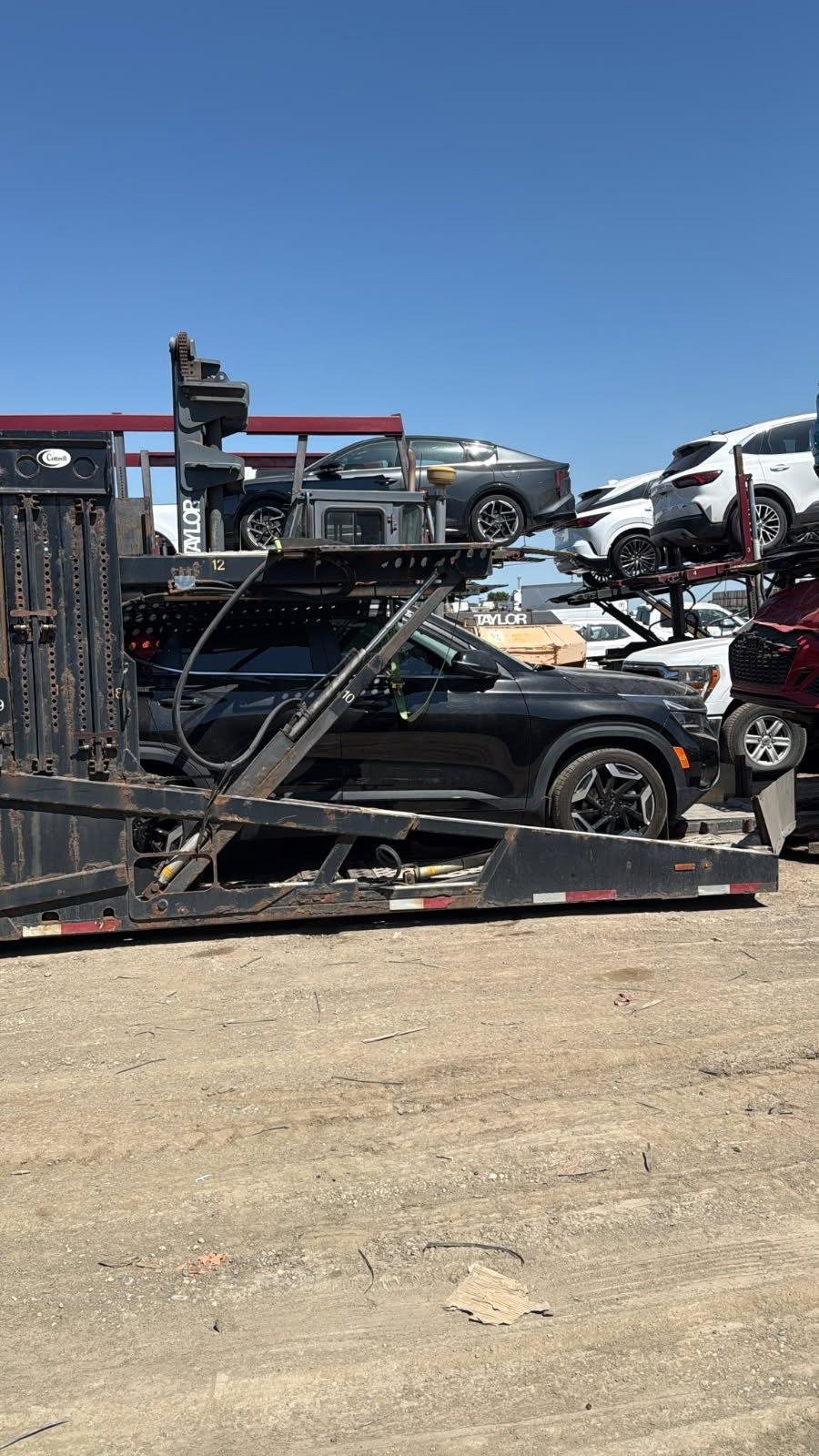
Long-distance drivers navigate strict hours-of-service regulations to ensure safe highway transportation.
Key Factors Affecting Car Shipping Costs in Canada
What makes cross-country car transport expensive? Several dynamic variables influence the final price you pay to transport a vehicle from one province to another.
Fuel Expenses and Route Planning
Fuel is one of the largest overhead costs in the logistics industry. Commercial vehicle transport carriers consume massive amounts of diesel. Furthermore, fuel prices fluctuate wildly across different provinces. Data from Natural Resources Canada consistently shows variations in diesel costs from the West Coast to the Maritimes. Long-distance car shipping quotes often include variable fuel surcharges to account for these geographical price differences.
Driver Operating Costs and Regulations
Professional drivers are highly skilled individuals who safely maneuver 80,000-pound trucks loaded with millions of dollars worth of inventory. Their compensation reflects this expertise. Additionally, long-distance routes incur higher driver operating costs, including meals, overnight accommodations, tolls, and inter-provincial licensing fees.
Carrier Availability and Seasonal Shipping Demand
Supply and demand play a crucial role in Canada auto transport costs. During the spring and early fall, seasonal shipping demand surges. Snowbirds relocate vehicles, students move to university, and people shift provinces for work. When carrier availability tightens, vehicle shipping rates naturally increase. Furthermore, the harsh Canadian winter introduces distinct challenges; ice, snowstorms, and extreme cold slow down transit times and increase operational risks, which can also impact the cost of shipping a car.
Plan Ahead for Better Rates
If you are flexible with your timeline, booking your vehicle transport 3 to 4 weeks in advance can help secure a better rate. Last-minute, expedited long-distance vehicle transportation requires logistical reshuffling and almost always commands a premium price.
Why Does Long-Distance Car Shipping Cost More Upfront?
When you request a quote for shipping a car across Canada, the sticker price can seem substantial. However, it helps to break down exactly what that upfront rate covers compared to driving the car yourself.
Understanding Vehicle Shipping Rates
Your vehicle shipping quote is an all-inclusive logistical package. It covers the driver's labour, fuel, tolls, insurance coverage while on the trailer, and the administrative coordination of the route. If you were to drive a vehicle 4,000 kilometres yourself, you would be paying for fuel, multiple nights in hotels, fast food or diner meals, potentially hundreds of dollars in hidden vehicle depreciation, and the opportunity cost of spending a week of your life behind the wheel.
The Impact of Pickup and Delivery Locations
Where your car starts and ends its journey drastically affects the price. Door-to-door car shipping offers incredible convenience, as the driver attempts to get as close to your residential address as legally and safely possible. However, maneuvering a massive multi-car hauler into residential suburbs is difficult. If you live in a remote area far from major highway arteries (like the Trans-Canada Highway), the carrier has to deviate from their primary route, which increases fuel consumption and time, driving up the rate.
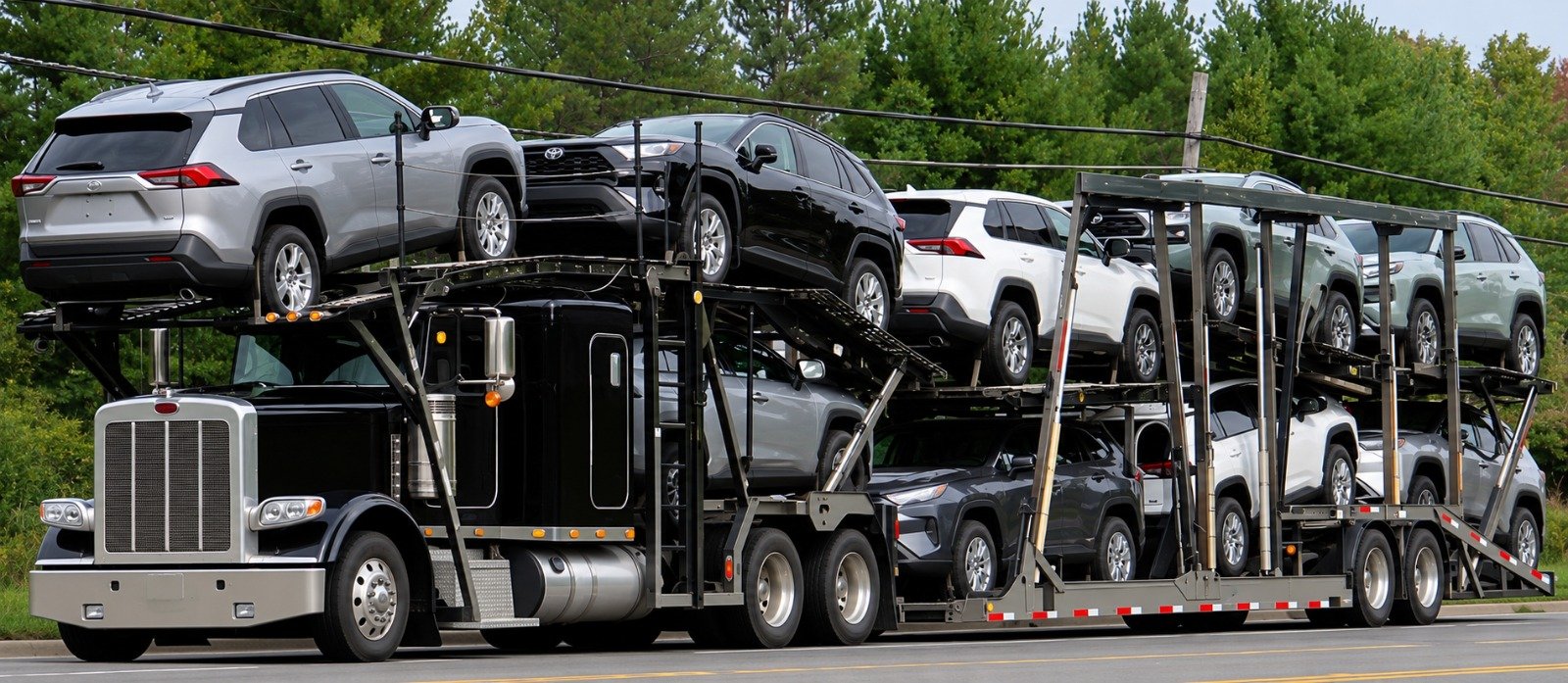
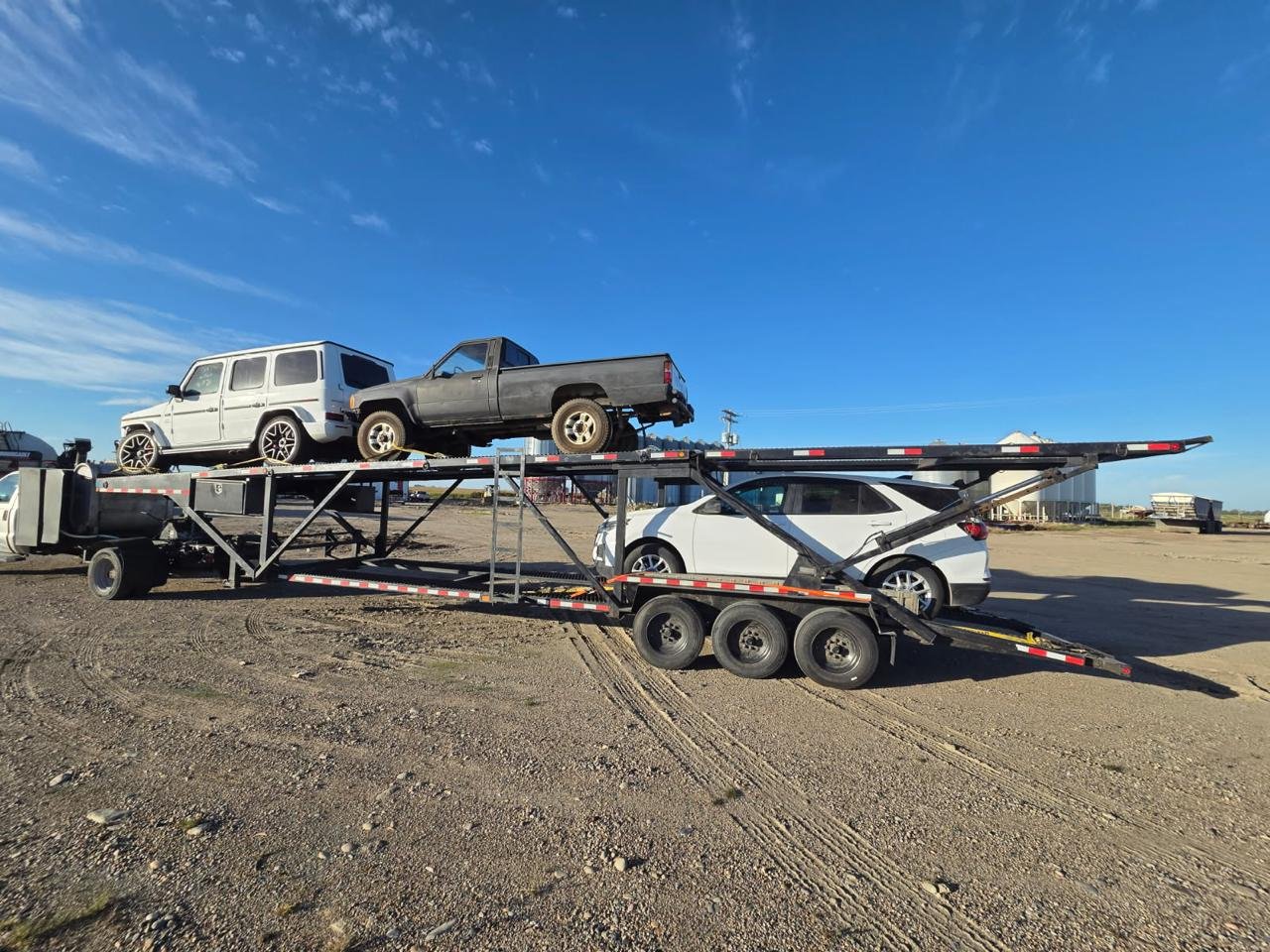
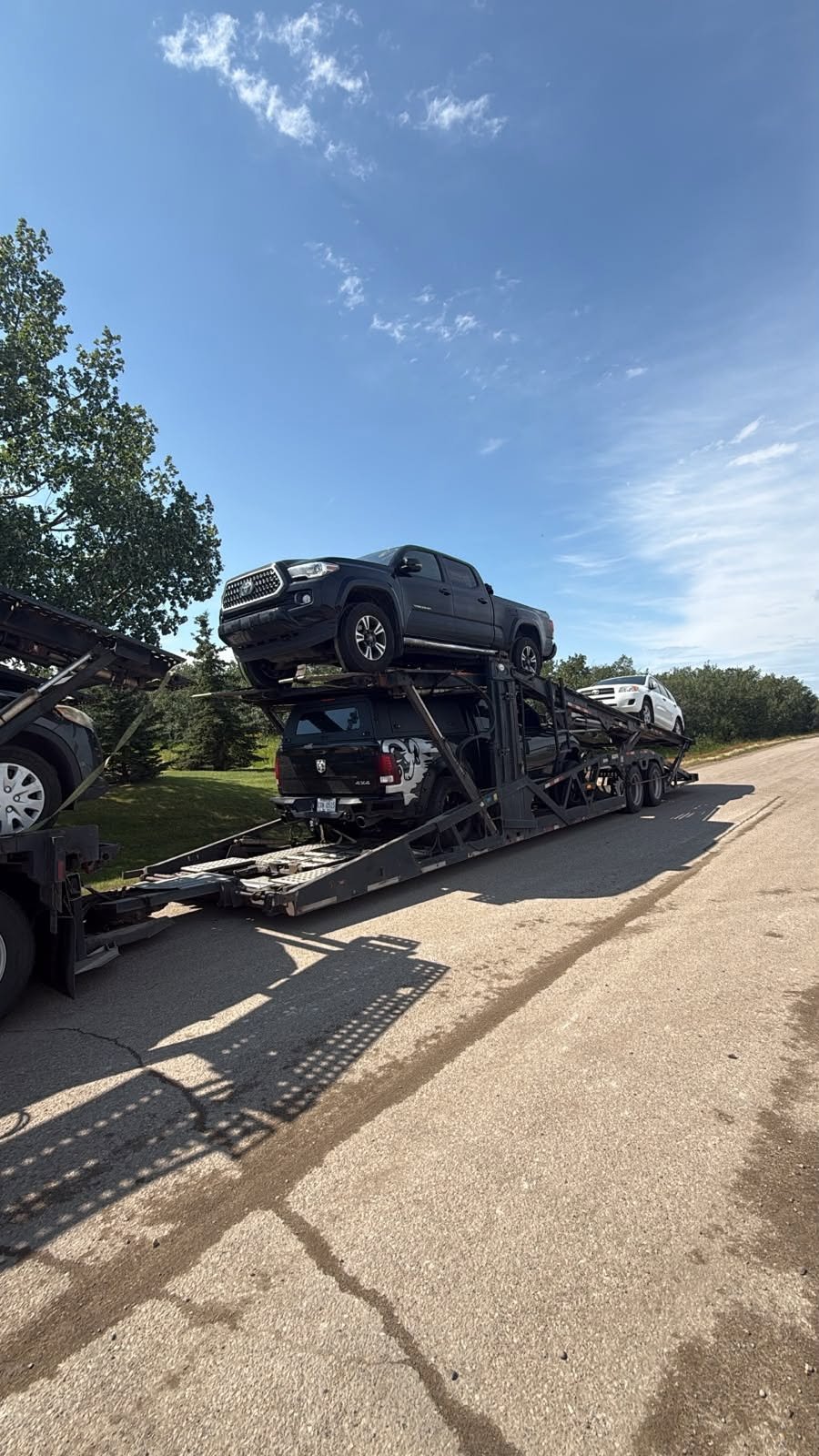
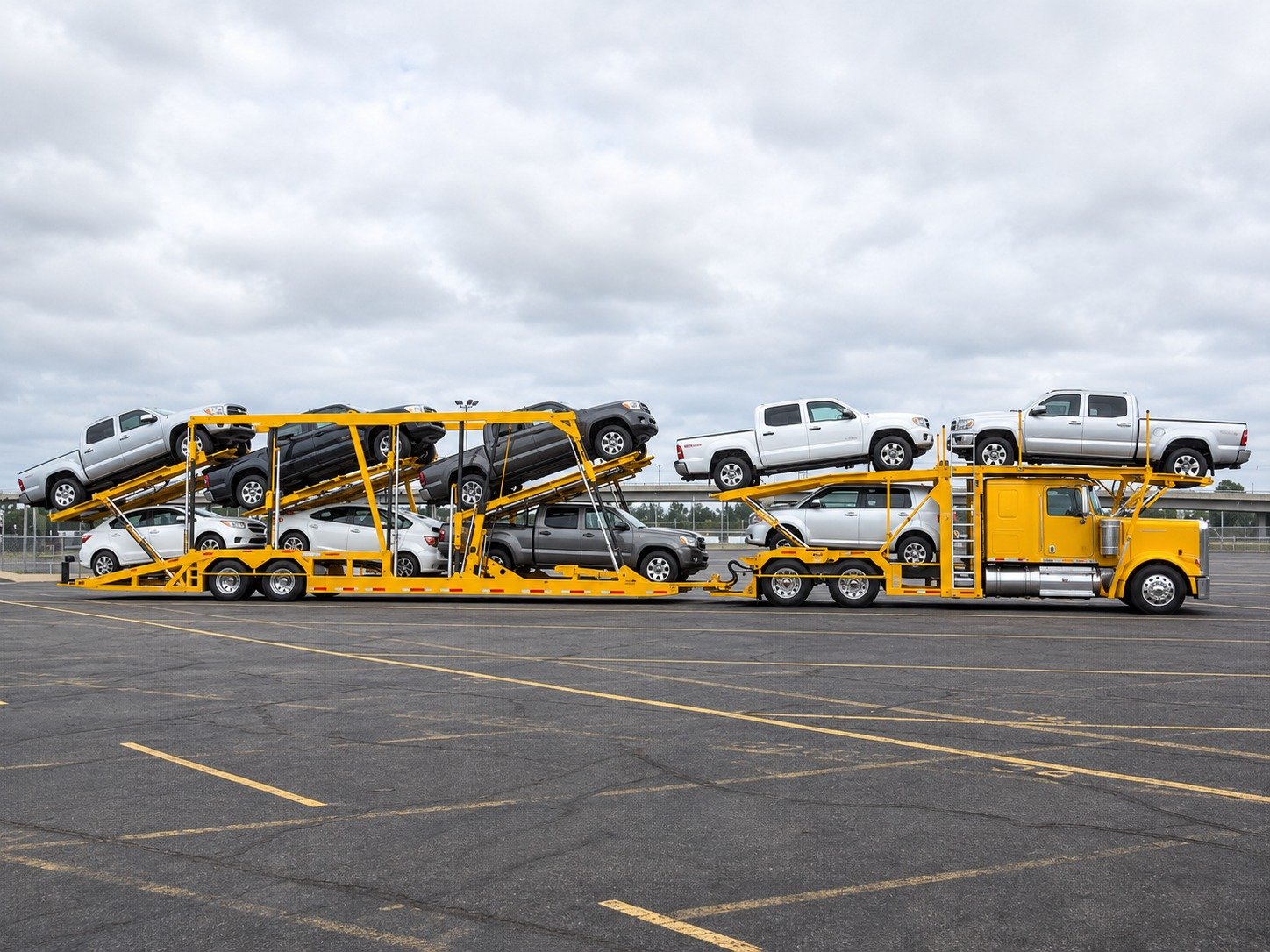
Open car transport is the most popular and cost-effective method for shipping everyday vehicles across Canada.
Open Car Transport vs. Enclosed Vehicle Transport
The type of equipment used to move your vehicle is a primary factor in the difference between short-distance and long-distance car shipping prices. You generally have two main highway transportation options: open transport and enclosed transport. (We also coordinate rail transport for specific long-distance terminal-to-terminal routes).
| Feature | Open Car Transport | Enclosed Vehicle Transport |
|---|---|---|
| Cost | Most economical and standard choice. | 30% to 50% more expensive than open transport. |
| Protection | Exposed to weather and standard road debris. | Fully shielded from elements and road hazards. |
| Carrier Capacity | Can haul 7 to 10 vehicles at once. | Usually limited to 2 to 6 vehicles. |
| Best Suited For | Daily drivers, standard SUVs, used vehicle relocations. | Luxury cars, classic vehicles, high-value sports cars. |
Open Transport
Opting for open transport is the industry standard. Because these carriers can hold up to 10 vehicles, the operational costs of the trip are distributed among multiple customers, lowering the individual vehicle shipping rates. It is highly efficient and perfectly safe for standard commuter vehicles.
Enclosed Transport
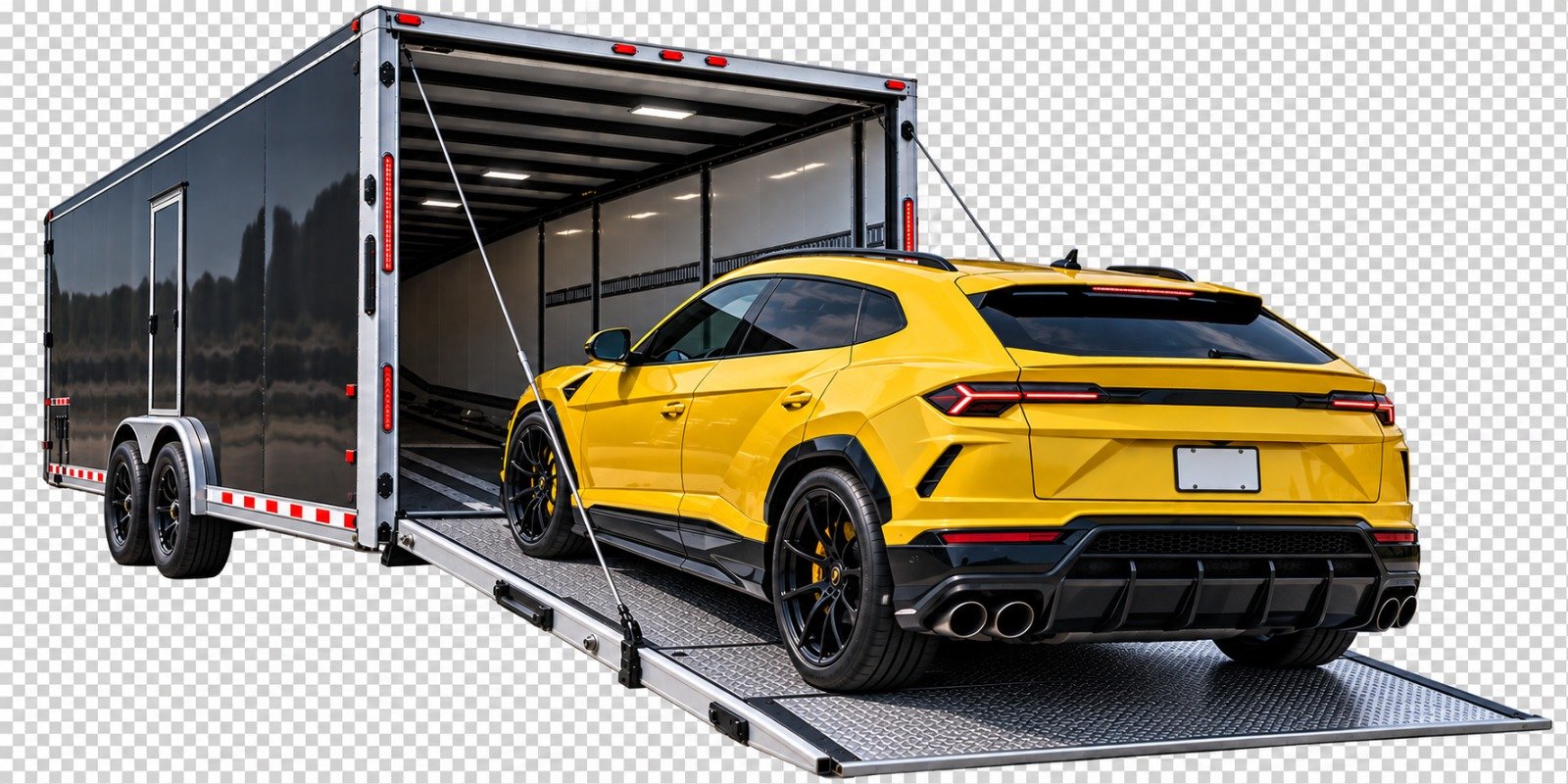
If you are shipping a high-value or classic car, enclosed vehicle transport is recommended. Enclosed trailers protect the vehicle from snow, rain, dust, and rock chips. However, because these trailers haul fewer cars and require specialized lift-gate loading equipment, the cost per vehicle is significantly higher. If you want maximum protection and convenience, you can explore options like our door-to-door enclosed transport service.
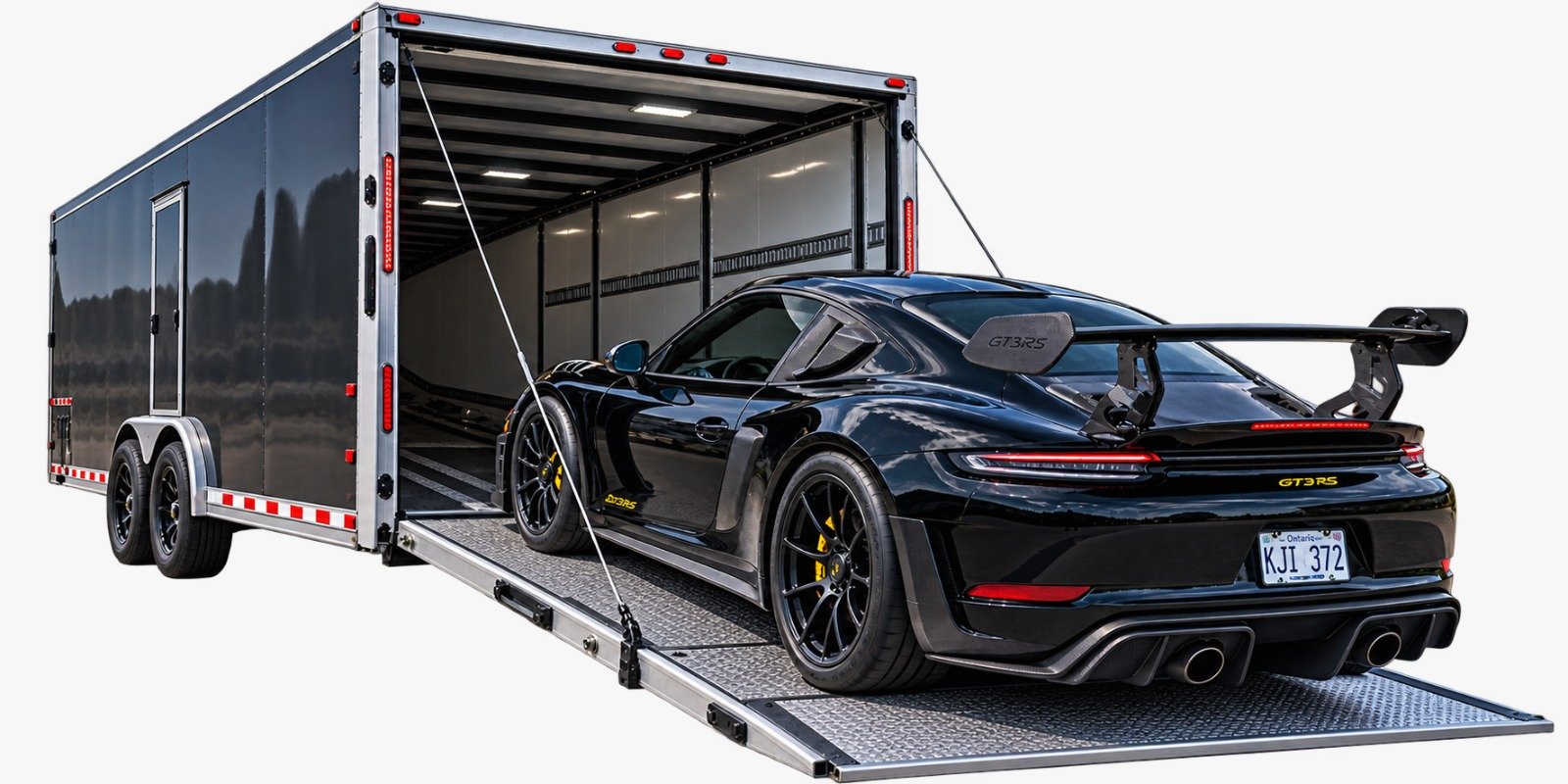
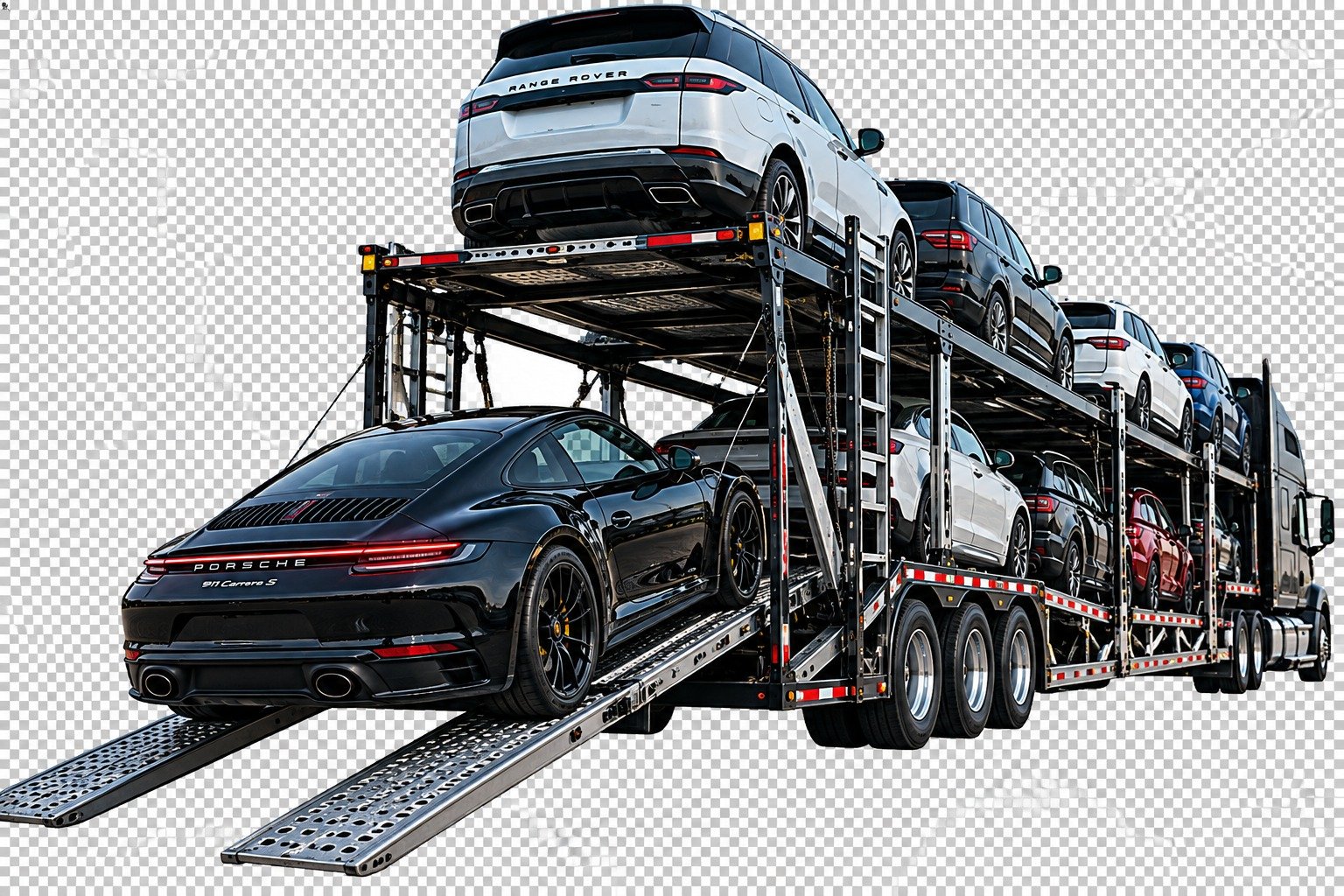
Enclosed transport provides ultimate protection for luxury vehicles but commands a premium rate.
How Are Vehicle Shipping Rates Calculated in Canada?
When you reach out to a logistics coordinator, they run your request through an intricate formula. Here is exactly how vehicle shipping rates are calculated in Canada:
- Base Mileage: The raw distance between the pickup postal code and the delivery postal code.
- Vehicle Size and Weight: A massive Ford F-350 takes up more space and weight on a trailer than a compact Honda Civic. Heavier vehicles burn more carrier fuel and limit what else can be loaded on the truck, increasing the price.
- Location Accessibility: Major metropolitan routes (e.g., Montreal to Calgary) are cheaper per kilometre than routes involving remote northern towns, due to higher carrier availability on main highway corridors.
- Vehicle Condition: If a car is inoperable (it cannot steer, brake, or roll), it requires winches and specialized loading equipment, which adds a surcharge to the transport cost.
- Time of Year: Winter conditions in Canada require slower, more cautious driving and specific routing, which can affect supply and demand pricing.
Data from Statistics Canada highlights steady interprovincial migration patterns, keeping auto transport carriers consistently busy. Consequently, rates are largely dictated by this constant flow of market demand across the provinces.
Is Long-Distance Car Shipping Worth the Cost?
When evaluating the cost of shipping a car, you have to weigh it against the alternatives. Driving a vehicle across Canada yourself takes roughly 5 to 7 days of non-stop, exhausting driving. You will incur fuel costs, hotel stays, food expenses, and potential emergency roadside repairs. More importantly, driving adds thousands of kilometres to your odometer, accelerating vehicle depreciation and wear on your tires and engine.
For most individuals and businesses, long-distance car shipping is absolutely worth the cost. It removes the physical stress of a cross-country drive, protects the vehicle's resale value, and allows you to focus on your personal relocation or business operations. Professional vehicle transport carriers handle the logistics safely and efficiently, delivering peace of mind.

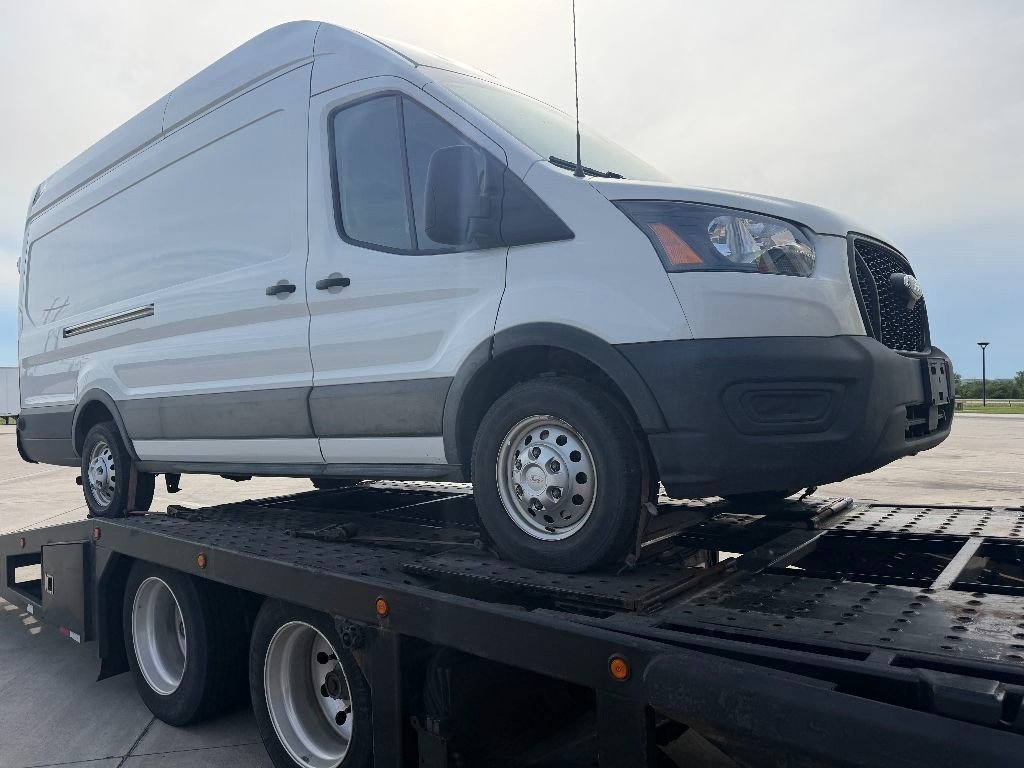
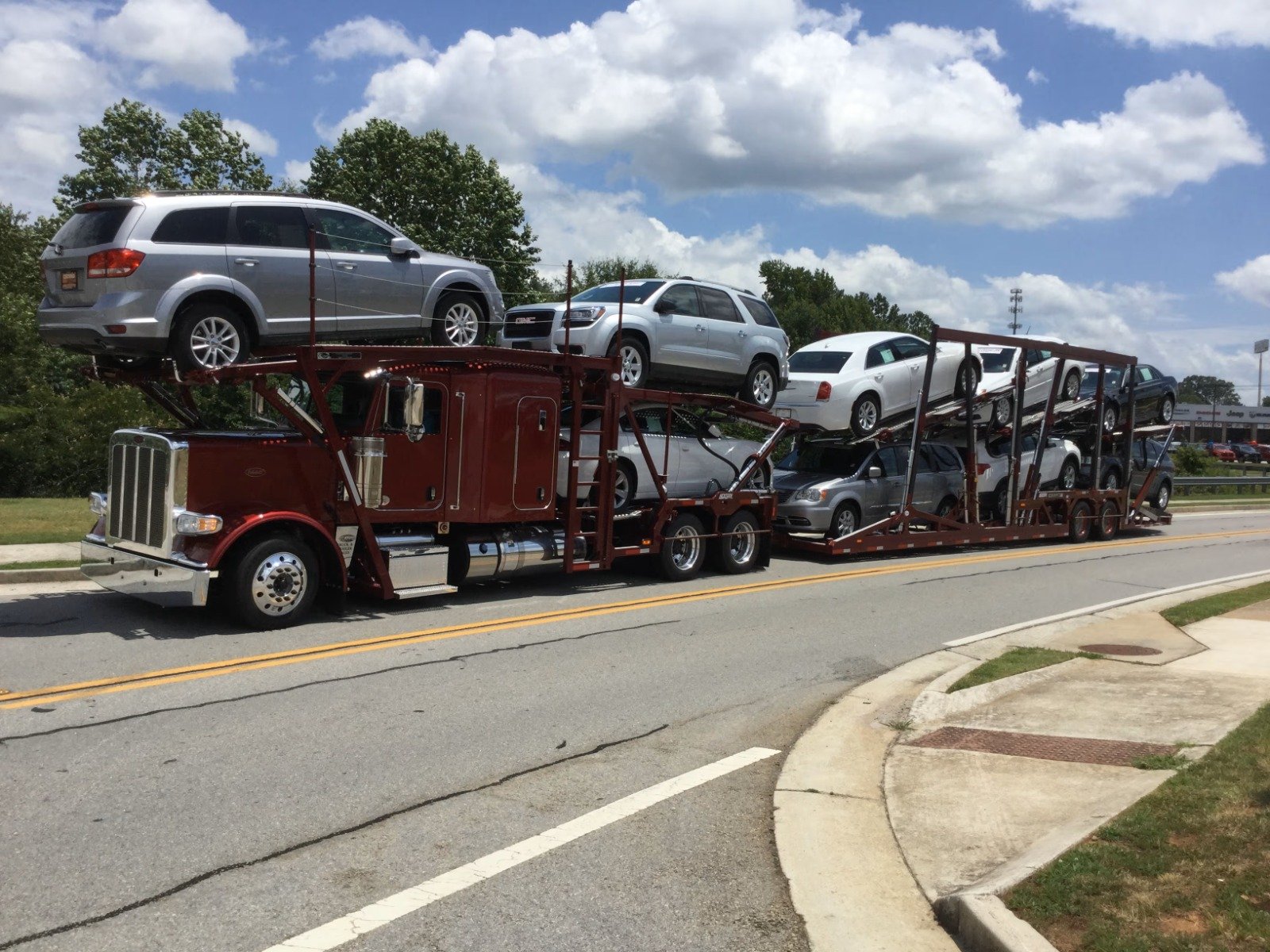
Opting for professional auto transport saves you from the stress and hidden costs of driving cross-country yourself.
Frequently Asked Questions
The cost varies significantly based on distance, vehicle size, transport method, and the season. A long-distance cross-country move (e.g., BC to Ontario) can range from $1,500 to $2,500+ for standard open transport. Shorter interprovincial routes will be less. The most accurate way to find out is to request a custom quote based on your specific vehicle and locations.
Winter weather introduces severe road conditions. Mountain passes frequently close due to avalanches or heavy snowfall, forcing carriers to take longer alternate routes. Furthermore, driving speeds are reduced for safety, which extends transit times and increases the operational costs for the carrier. Information from highway monitoring systems like 511ON frequently highlights these seasonal delays.
Local towing generally involves a single driver completing a job in a few hours without leaving the city limits. Cross-country transport requires multi-million dollar haulers, complex route planning, inter-provincial permits, days of fuel consumption, and strict compliance with national transportation regulations.
Generally, auto transport companies strictly limit or prohibit personal items inside the vehicle. Extra weight alters the trailer's strict weight limits and balance. Furthermore, carrier insurance policies strictly cover the vehicle itself, not household goods packed inside. It is always best to ship the car completely empty.
Conclusion
Ultimately, shipping a car across Canada is a large-scale logistical operation that requires expertise, robust equipment, and careful planning. The distance, fuel requirements, driver regulations, and seasonal challenges directly dictate why long-distance vehicle transportation is more of an investment than a simple short-distance tow. However, when you factor in the time saved, the safety of your vehicle, and the avoidance of massive highway wear and tear, utilizing professional vehicle transport carriers proves to be the most reliable and cost-effective method for cross-country moves.