Relocating across Canada, purchasing a dream car from another province, or managing fleet logistics for a dealership all share one critical requirement: transporting a vehicle safely from point A to point B. If you are preparing to ship a car, the very first question that comes to mind is almost always, "How much is this going to cost?"
The truth is that factors affecting car shipping costs are dynamic. Unlike buying a standard retail product, auto transport costs are calculated based on a variety of moving parts, including geography, economics, vehicle specifications, and supply chain logistics. Understanding exactly what determines car shipping prices allows you to make informed decisions, avoid unexpected fees, and choose a transportation solution that perfectly fits both your budget and timeline.
In this comprehensive guide, we will break down the fundamental elements that dictate your final vehicle transportation cost. Whether you are searching for the cheapest time to ship a car in Canada or evaluating the benefits of enclosed transport, this article provides the transparency you need to navigate the Canadian auto logistics market with confidence.
1. Total Distance and Transport Route
Unsurprisingly, the total distance your vehicle needs to travel is the most significant factor influencing your car shipping cost in Canada. As a general rule, the further the distance, the higher the overall price will be. For example, moving a car on a cross-country Vancouver to Toronto route will naturally cost more than a short regional jump from Calgary to Edmonton.
However, distance is not the only geographical metric that matters; the route itself plays a massive role in auto transport costs. Transport companies operate most efficiently along major highways (such as the Trans-Canada Highway) connecting high-population metropolitan hubs. Routes connecting major hubs like Montreal, Toronto, Calgary, and Vancouver benefit from high carrier volume, which keeps prices competitive.
If your origin or destination is in a remote, rural area far from main interstates, carriers must divert from their primary routes. This adds mileage, time, and fuel, subsequently increasing vehicle shipping prices. In some cases, meeting a driver near a major city center can help reduce your rate.
It's also worth noting that according to Statistics Canada, population density heavily dictates freight movement. Less populated regions naturally see fewer auto carriers passing through, reducing competition and increasing the cost to ship a car to those specific areas.
2. Type of Vehicle Transport Service
When you request an auto transport quote, one of the first selections you must make is the transportation method. The equipment used to move your vehicle heavily dictates the final car transport pricing.
Open Car Transport
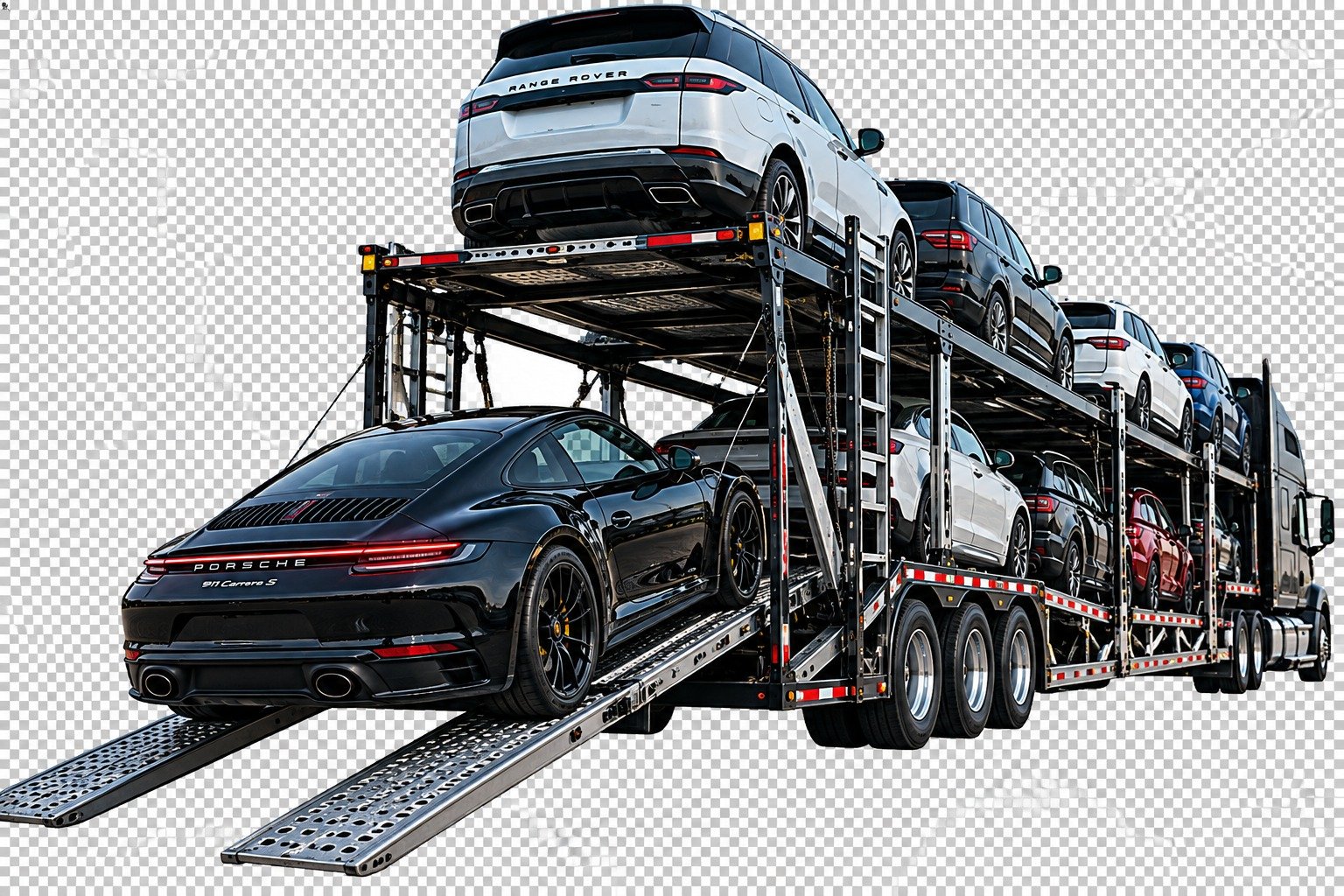
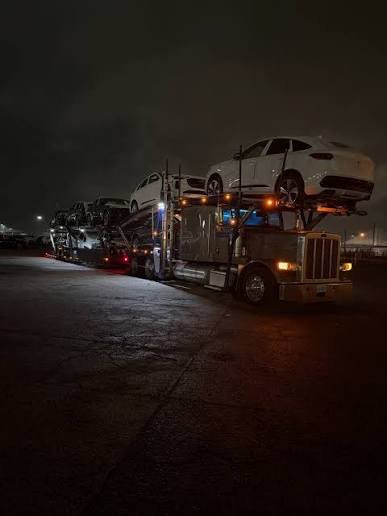
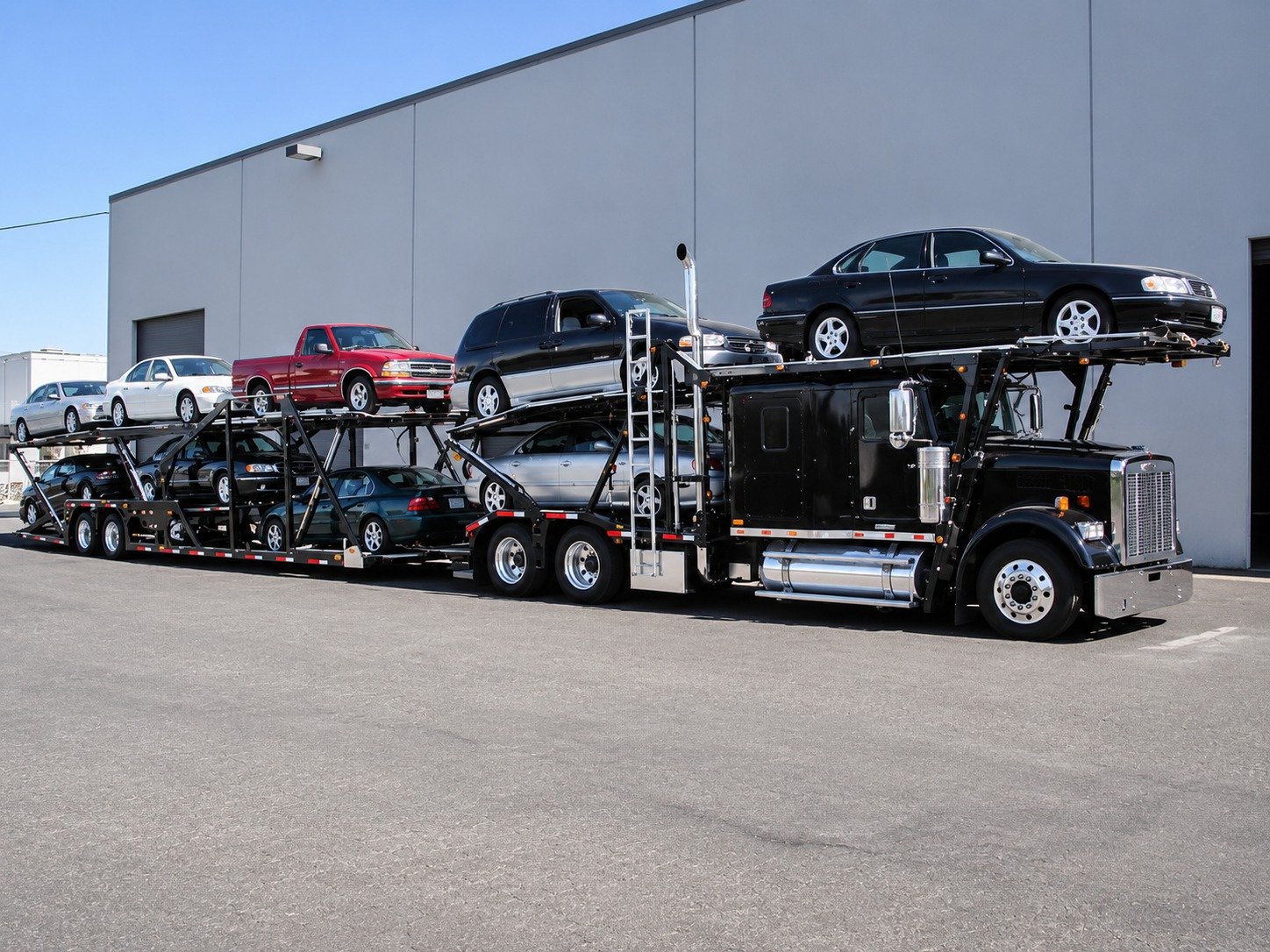
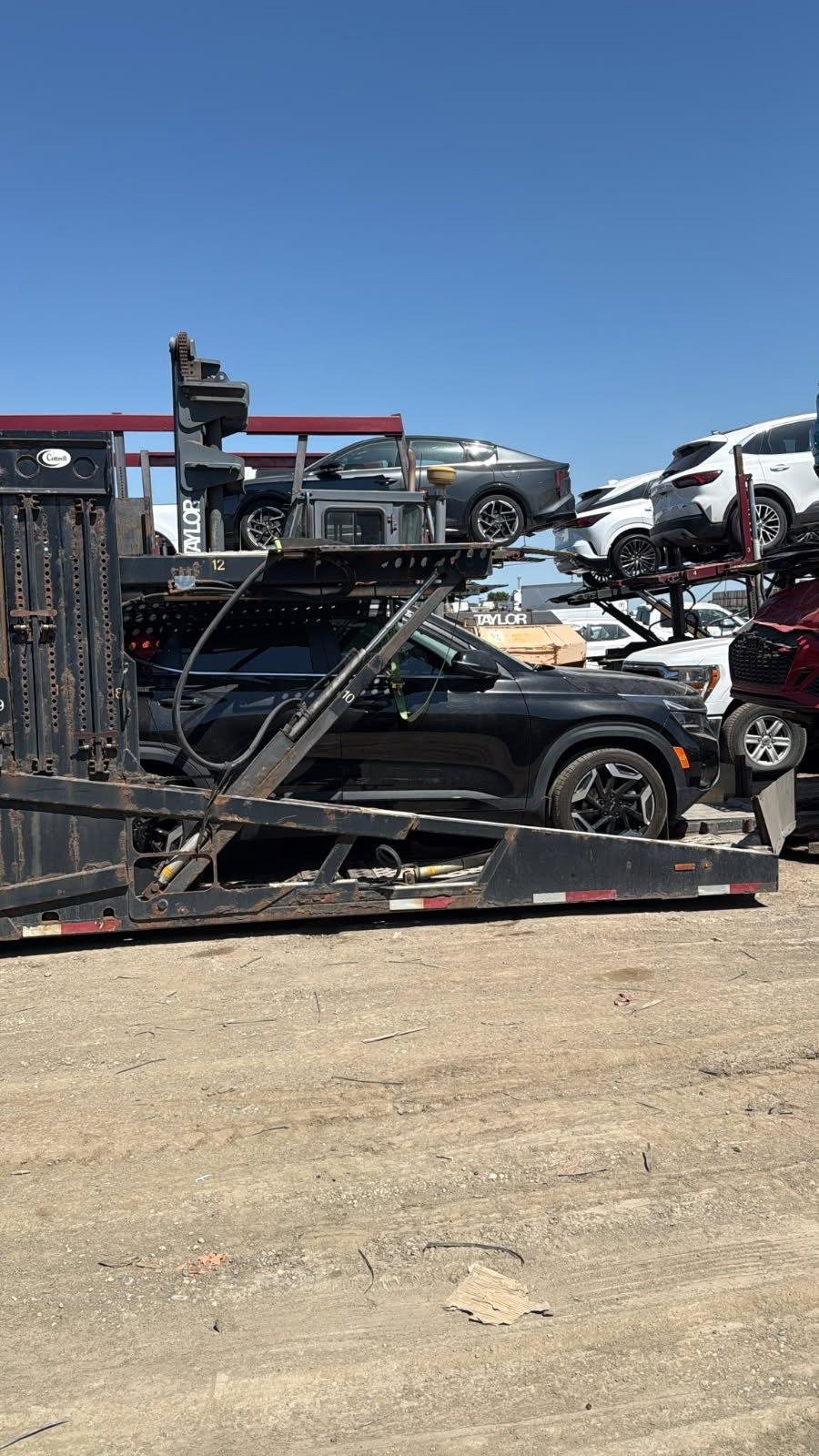
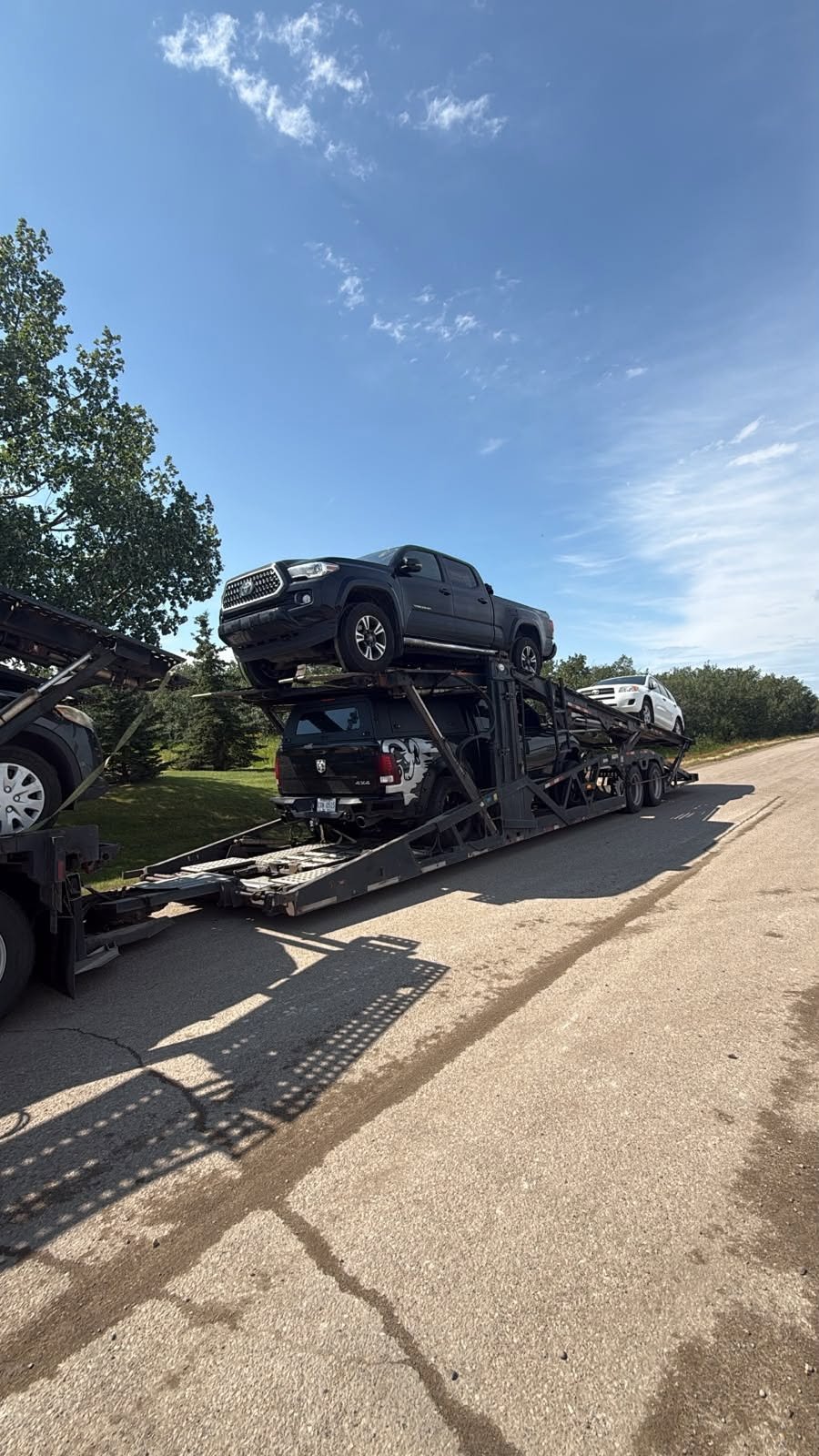
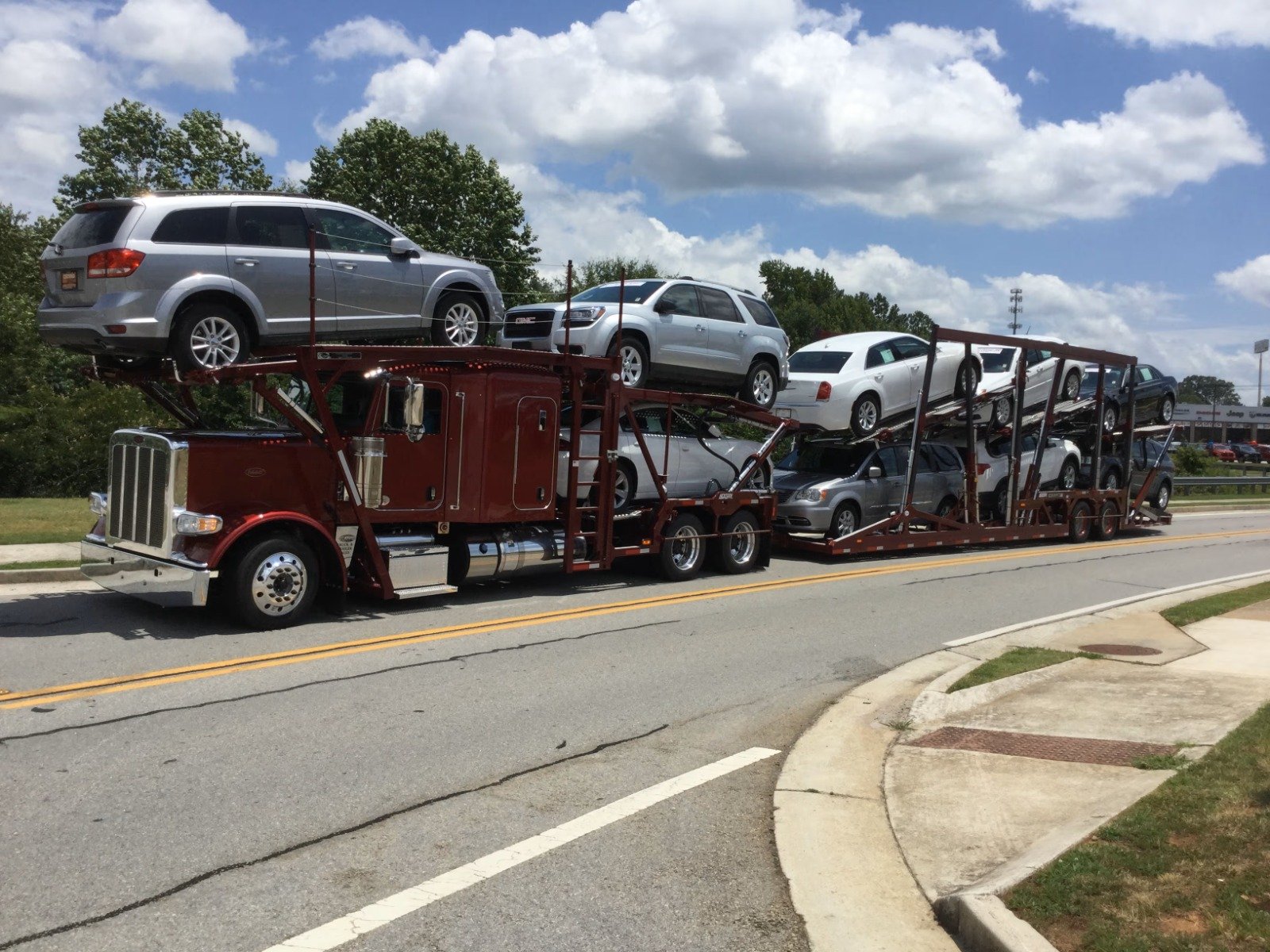
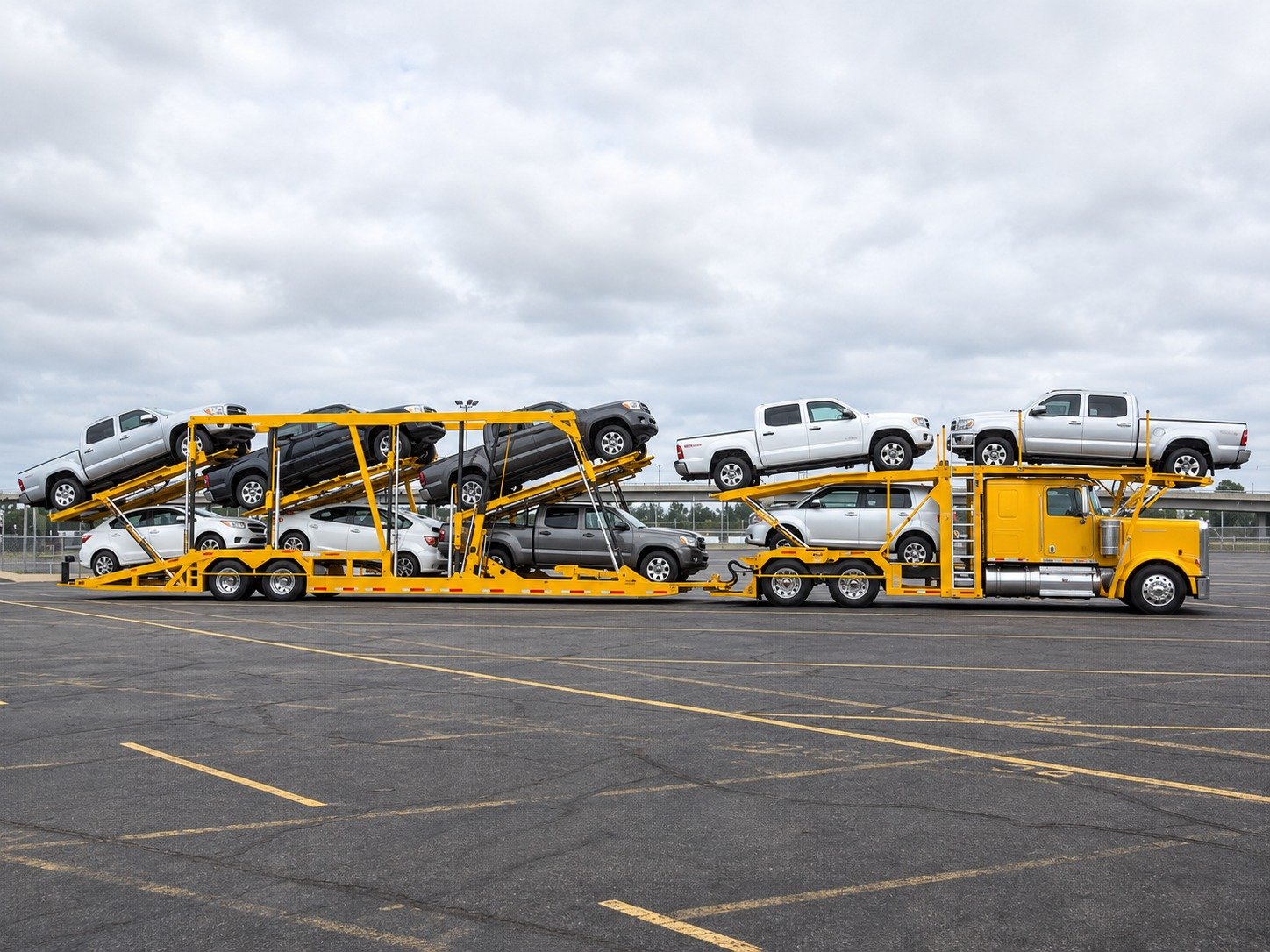
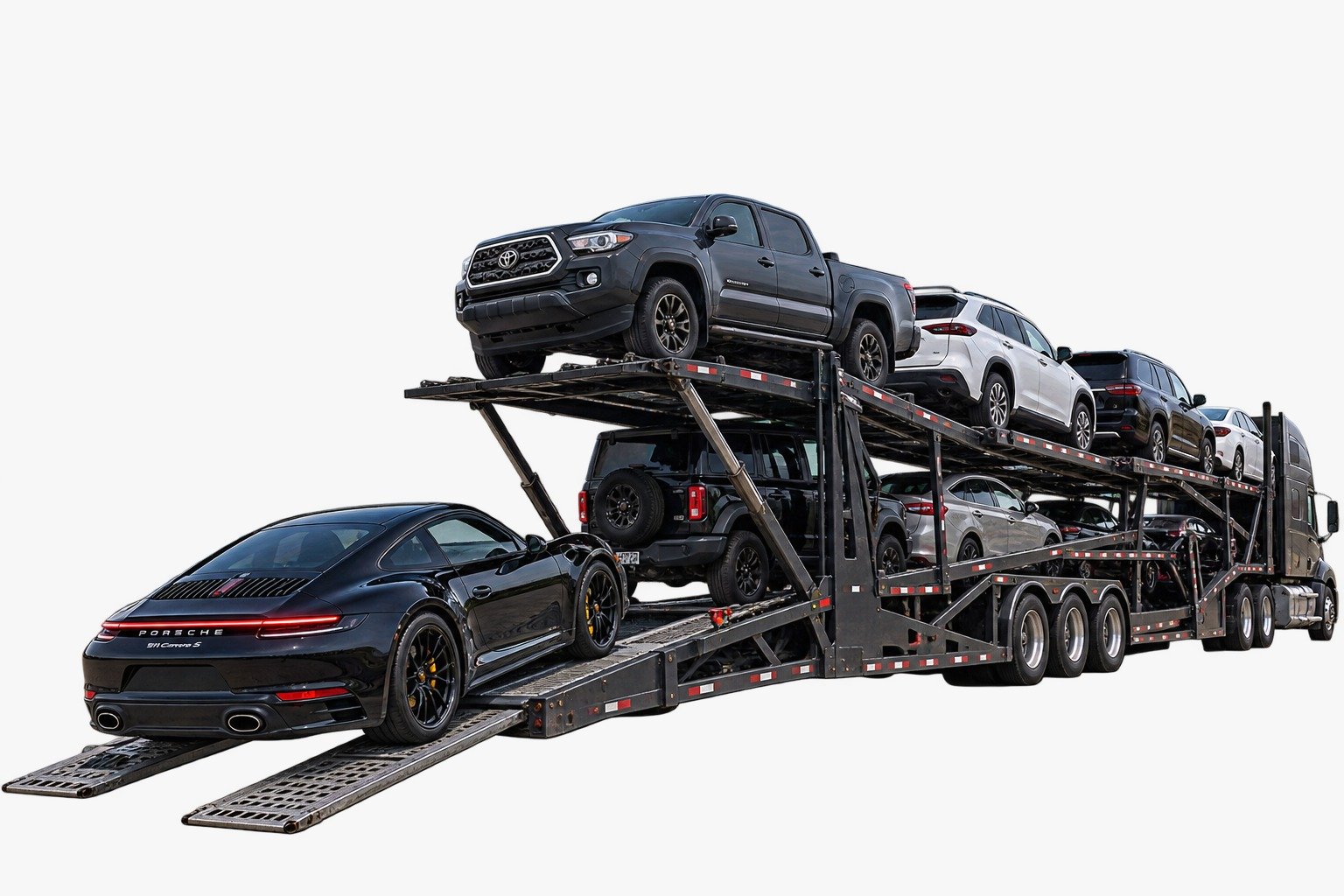
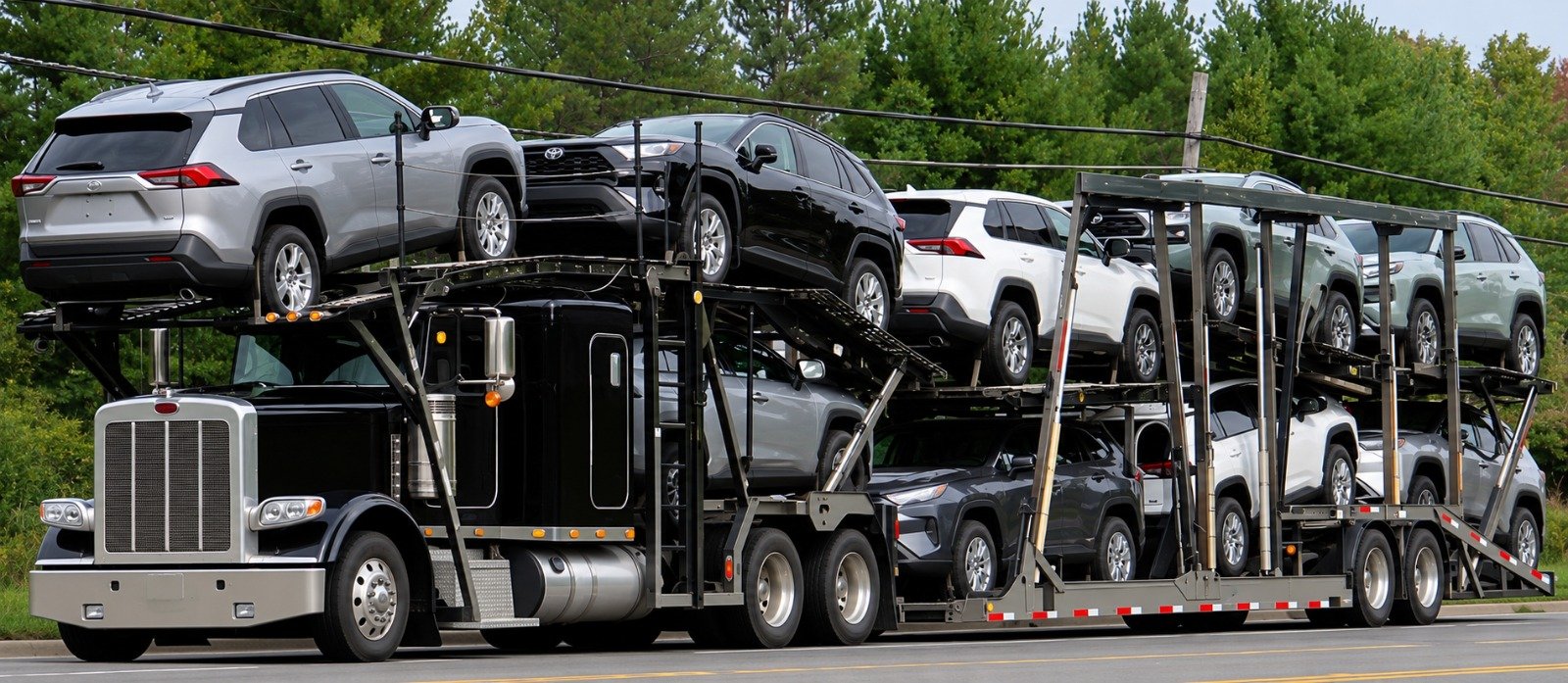
This is the industry standard and the most cost-effective option available. When you see a large, multi-level trailer hauling seven to ten vehicles down the highway, you are looking at open transport. Because carriers can move multiple vehicles simultaneously, the operational costs are shared among several customers, making this the cheapest way to ship a car in Canada. The trade-off is that your vehicle is exposed to the elements, dust, and road debris during transit.
Enclosed Vehicle Transport
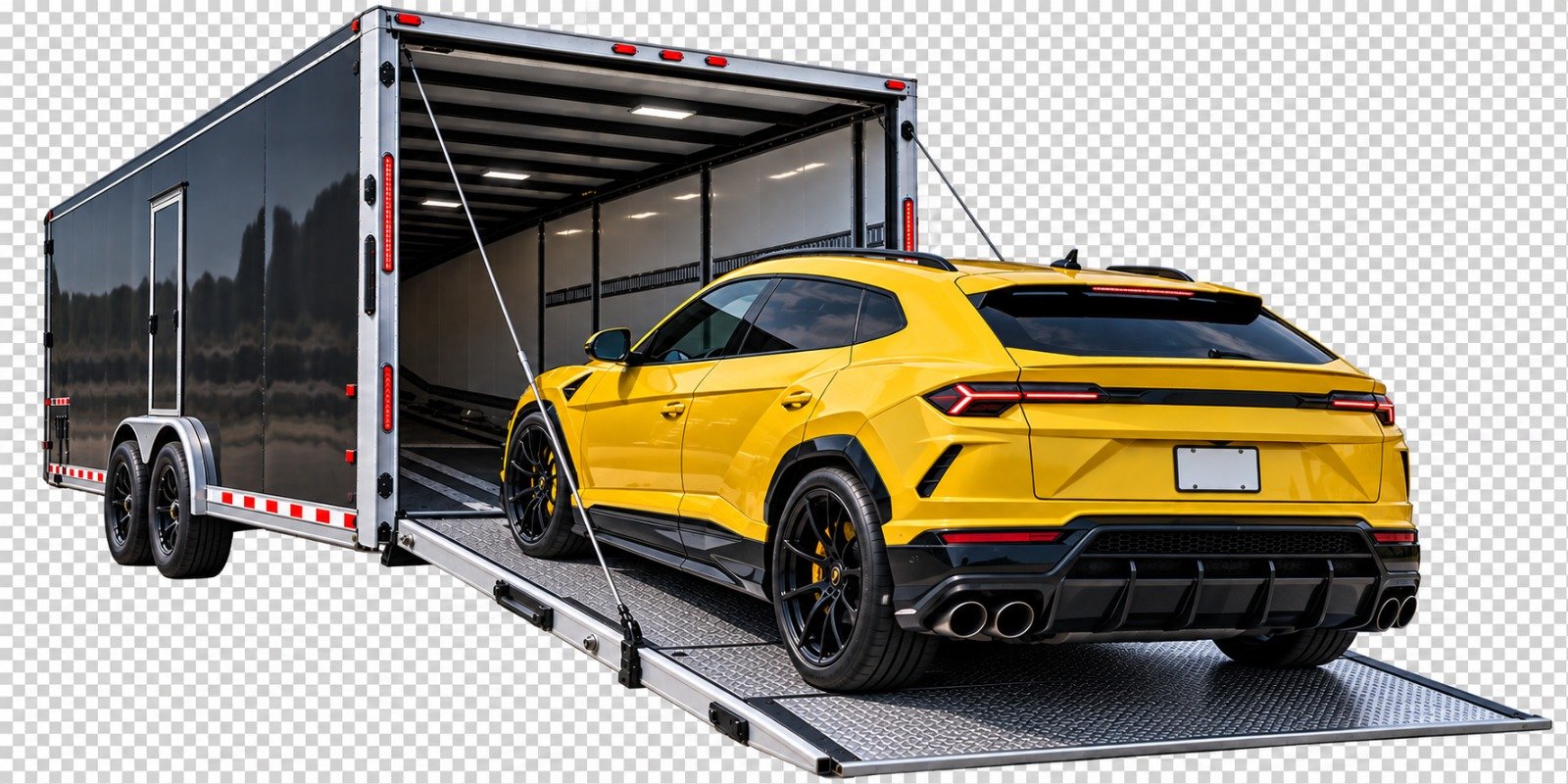
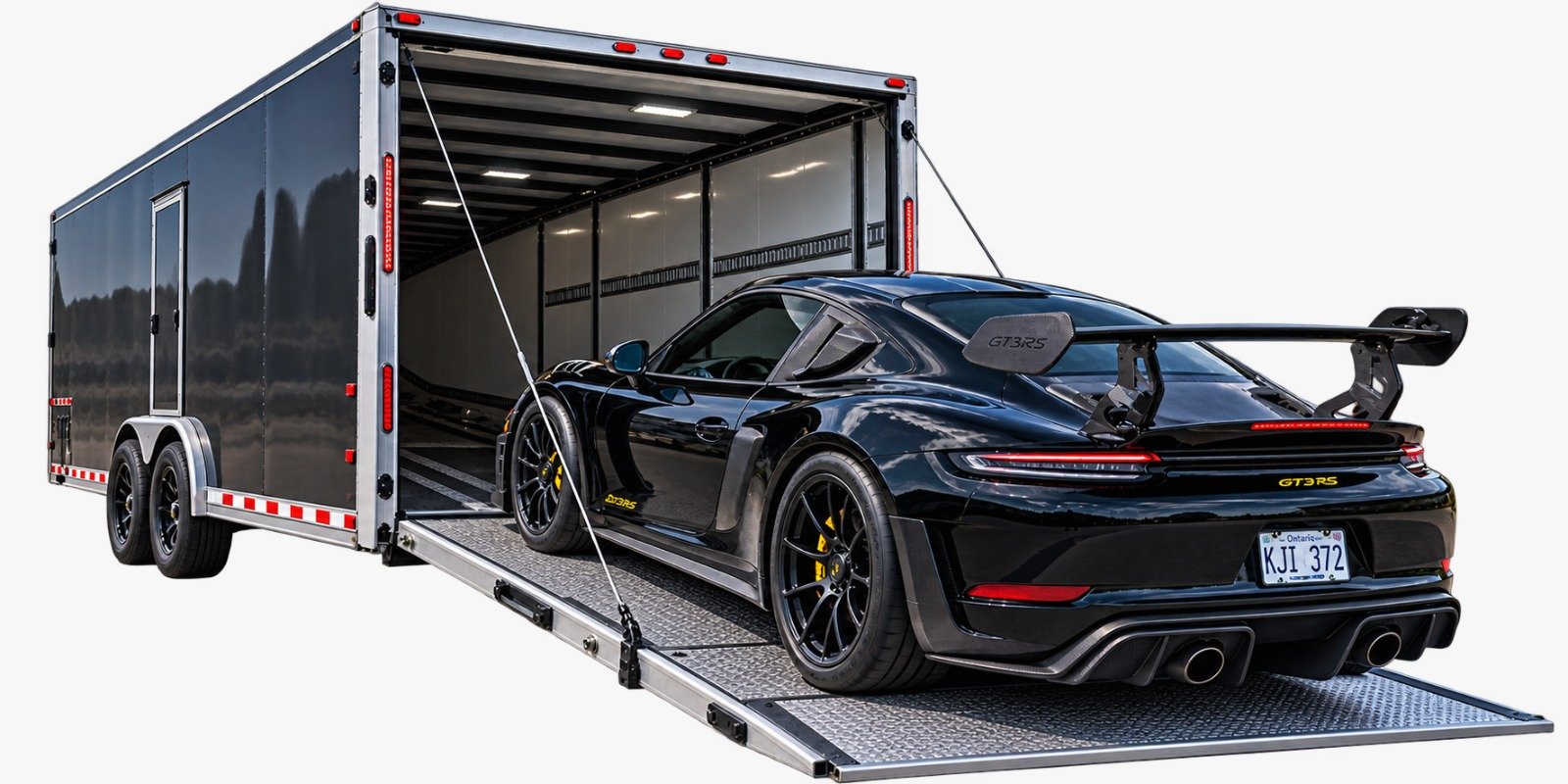
If you are asking, "Is enclosed car shipping more expensive than open transport?" the answer is yes. Enclosed transport utilizes specialized trailers with hard or soft walls that completely protect vehicles from weather, rock chips, and prying eyes. Because these trailers carry fewer cars (usually between two to six) and require specialized lift-gate equipment, this service commands a premium. It is highly recommended for classic cars, luxury vehicles, sports cars, and high-value exotics.
Rail Transport
For long cross-country hauls, rail transport is an excellent alternative. Shipping a vehicle via railway is incredibly efficient over vast distances. While transit times can sometimes be slightly longer due to train schedules and terminal loading times, rail shipping is a highly secure and often economical option for cross-Canada moves.
| Transport Type | Best Suited For | Price Level | Protection Level |
|---|---|---|---|
| Open Transport | Daily drivers, standard SUVs, used vehicles | Most Economical ($) | Standard (Exposed to weather) |
| Enclosed Transport | Luxury, classic, exotics, high-value vehicles | Premium ($$$) | Maximum (Fully shielded) |
| Rail Transport | Cross-country moves, flexible timelines | Moderate ($$) | High (Inside rail cars) |
3. Vehicle Dimensions, Weight, and Condition
Does vehicle size affect shipping costs? Absolutely. The dimensions and weight of your vehicle are foundational factors affecting vehicle shipping prices. Auto carrier trailers have strict legal weight limits and dimensional capacities enforced by Transport Canada.
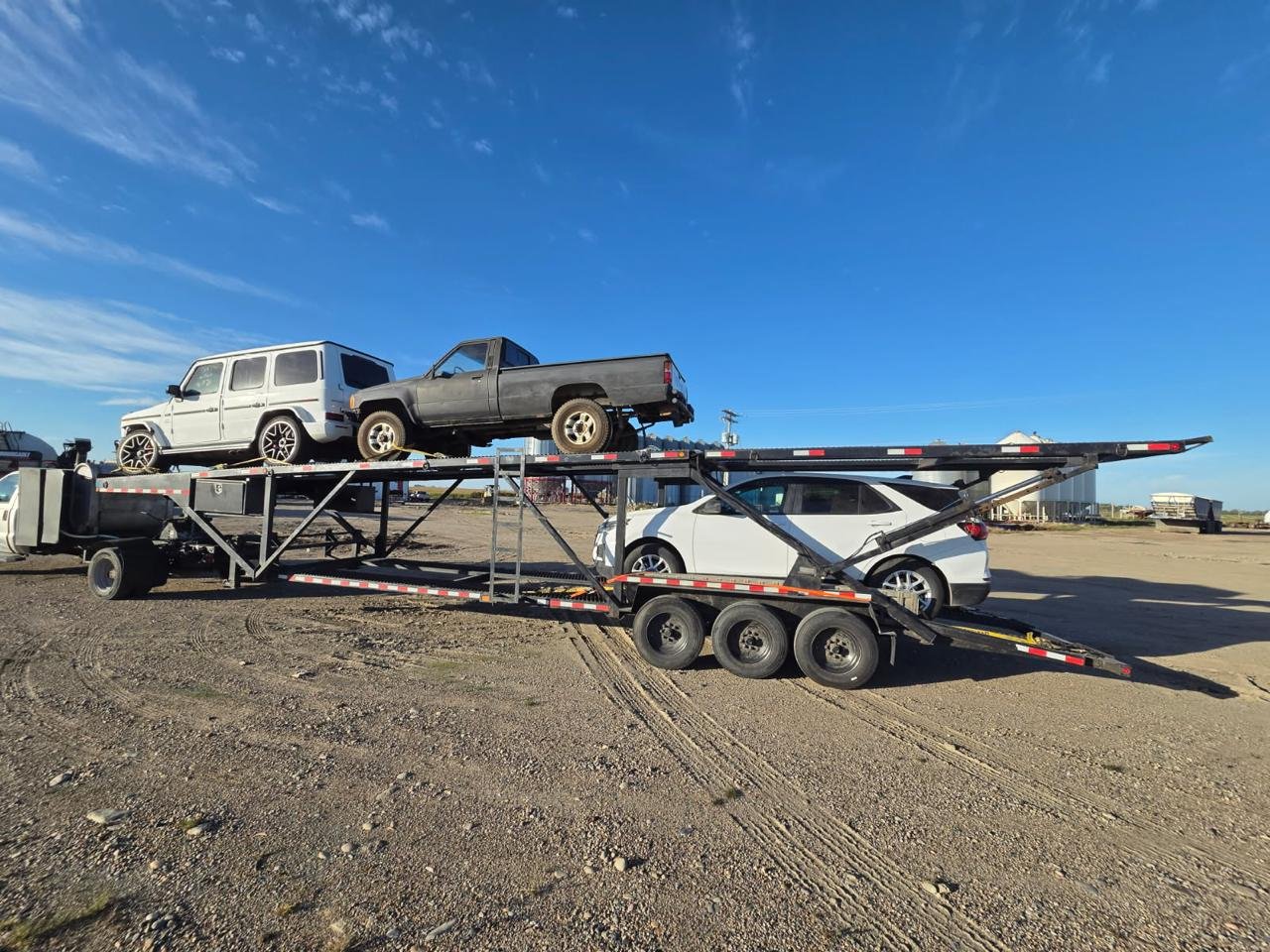
A compact sedan takes up less space and adds less weight to the trailer than a lifted heavy-duty pickup truck or a large SUV. If a carrier loads a massive vehicle, it may prevent them from loading a standard vehicle in the adjacent spot, limiting their earning potential for that trip. Consequently, larger and heavier vehicles incur higher shipping rates to compensate for the displaced space and weight.
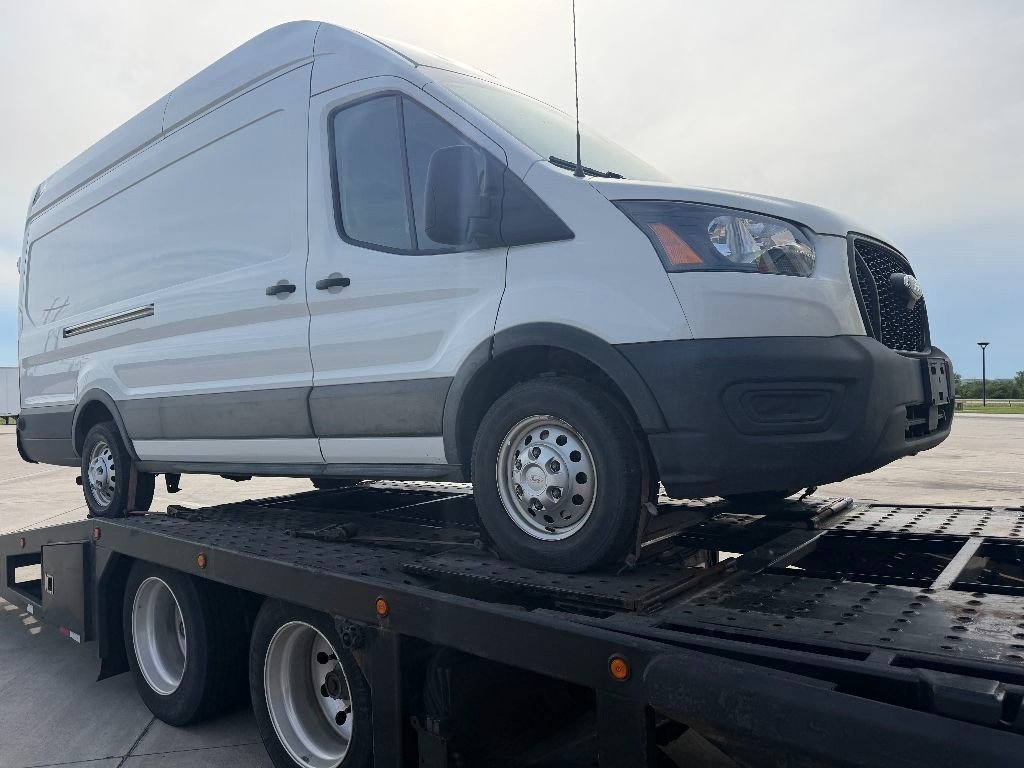
Furthermore, the operational condition of the car matters. If you are arranging non-running vehicle shipping, the carrier must use specialized winches and manual labor to carefully pull the vehicle onto the trailer. A non-running vehicle that still rolls, steers, and brakes will incur a standard inoperable fee. However, if the vehicle has severe collision damage, flat tires, or locked steering, it may require a flatbed tow truck or forklift to load, which significantly increases costs.
4. Seasonal Shipping Demand and Weather
The Canadian auto transport industry is highly seasonal. The simple laws of supply and demand dictate that when more people want to ship cars, prices go up.
If you are wondering when is the cheapest time to ship a car in Canada, it is generally during the late fall and mid-winter months (excluding the "snowbird" rush). In late autumn, thousands of retirees ship their vehicles south to escape the winter, causing a spike in southbound pricing. Conversely, in the spring, the demand reverses as vehicles are shipped back up north. Summer is typically peak moving season across Canada, leading to higher rates due to high demand from relocating families and corporate transfers.
Weather also directly impacts costs. Navigating the Canadian Rockies in January or dealing with heavy snowfall in the Prairies forces drivers to slow down, consume more fuel, and take alternate routes. Checking resources like Weather Canada can give you an idea of the conditions your carrier will face, which are often factored into winter auto transport quotes.
5. Pickup and Delivery Locations
How and where you choose to hand over your keys plays a notable role in your vehicle transportation cost.
Door-to-door vehicle shipping is the most convenient option. The carrier will arrive as close to your residential address as legally and safely possible to load your vehicle, and deliver it directly to your destination address. Because this requires precise logistical planning and navigating residential streets, it comes at a premium.

Alternatively, terminal-to-terminal transport requires you to drop off your vehicle at a designated logistics hub, where it waits to be loaded onto a departing truck. You then pick it up at a similar hub in the destination city. While this reduces the carrier's driving time and can sometimes lower the base shipping rate, you must consider the time, effort, and potential storage fees associated with getting your car to and from the terminals.
6. Fuel Costs and Carrier Availability
Auto transport trucks are massive, heavy pieces of machinery that consume vast amounts of diesel fuel. As a result, car shipping rates in Canada are inextricably linked to national fuel prices. If diesel prices surge—a metric closely monitored by Natural Resources Canada—transport companies must adjust their rates to maintain profitability. This is why a quote generated six months ago may differ from a quote generated today.
Similarly, carrier availability impacts pricing on a week-to-week basis. If ten people want to ship a car from Montreal to Halifax this week, but only one truck is making the trip, the limited supply of space will drive the price up. Conversely, if a truck needs one last car to fill an empty spot before departing, you might secure a discounted rate. A professional logistics provider managing auto shipping throughout Canada will leverage an extensive network to find the most efficient and cost-effective carrier availability for your specific timeline.
Booking your auto transport 2 to 4 weeks in advance allows logistics coordinators ample time to find a carrier that matches your route at the best possible price. Last-minute, expedited shipping requests almost always incur heavy premium fees.
7. Insurance and Specialized Handling
Reputable car shipping companies prioritize the safety of your asset above all else. By law, active motor carriers must maintain valid cargo insurance to protect vehicles in transit against damage resulting from carrier negligence, accidents, or catastrophic events.
While standard cargo insurance is included in professional car shipping rates, the cost to ship an extremely high-value vehicle (such as a vintage Ferrari or a heavily modified custom truck) may require specialized supplemental insurance coverage or customized handling procedures. If your vehicle requires a low-clearance liftgate, custom tie-downs, or excessive insurance limits, this will be reflected in the final cost of shipping a car.
Frequently Asked Questions
Because there are so many factors affecting car shipping costs, there is no single flat rate. Short regional trips can cost a few hundred dollars, while cross-country open transport typically ranges between $1,500 and $2,500 CAD depending on vehicle size, fuel prices, and seasonality. The best way to get an accurate number is to request a customized quote.
The most economical method is standard open transport combined with a flexible delivery window. If your vehicle is in running condition and you are not restricted to exact dates, carriers can easily fit your vehicle into an optimized route, passing the shared fuel and mileage savings on to you.
Yes. Vehicle dimensions and weight directly affect transport pricing. SUVs, vans, and pickup trucks take up more physical space on the trailer and push the truck closer to its legal weight capacity limits, which results in a higher rate compared to shipping a standard compact sedan.
Generally, it is highly discouraged and often prohibited by carriers. Auto haulers are licensed to transport vehicles, not household goods. Furthermore, added weight inside the vehicle alters the truck's weight distribution, and any personal items left inside are strictly not covered by the carrier's cargo insurance.
Conclusion
Understanding what determines car shipping prices ensures that you are fully prepared when it comes time to move your vehicle. The final cost to ship a car is a delicate balance of distance, transport type, vehicle size, seasonality, and market dynamics. By acknowledging these primary factors affecting car shipping costs, you can intelligently select between open or enclosed transport, optimize your pickup locations, and schedule your shipment during favorable market conditions to ensure you receive a fair, transparent, and competitive rate.