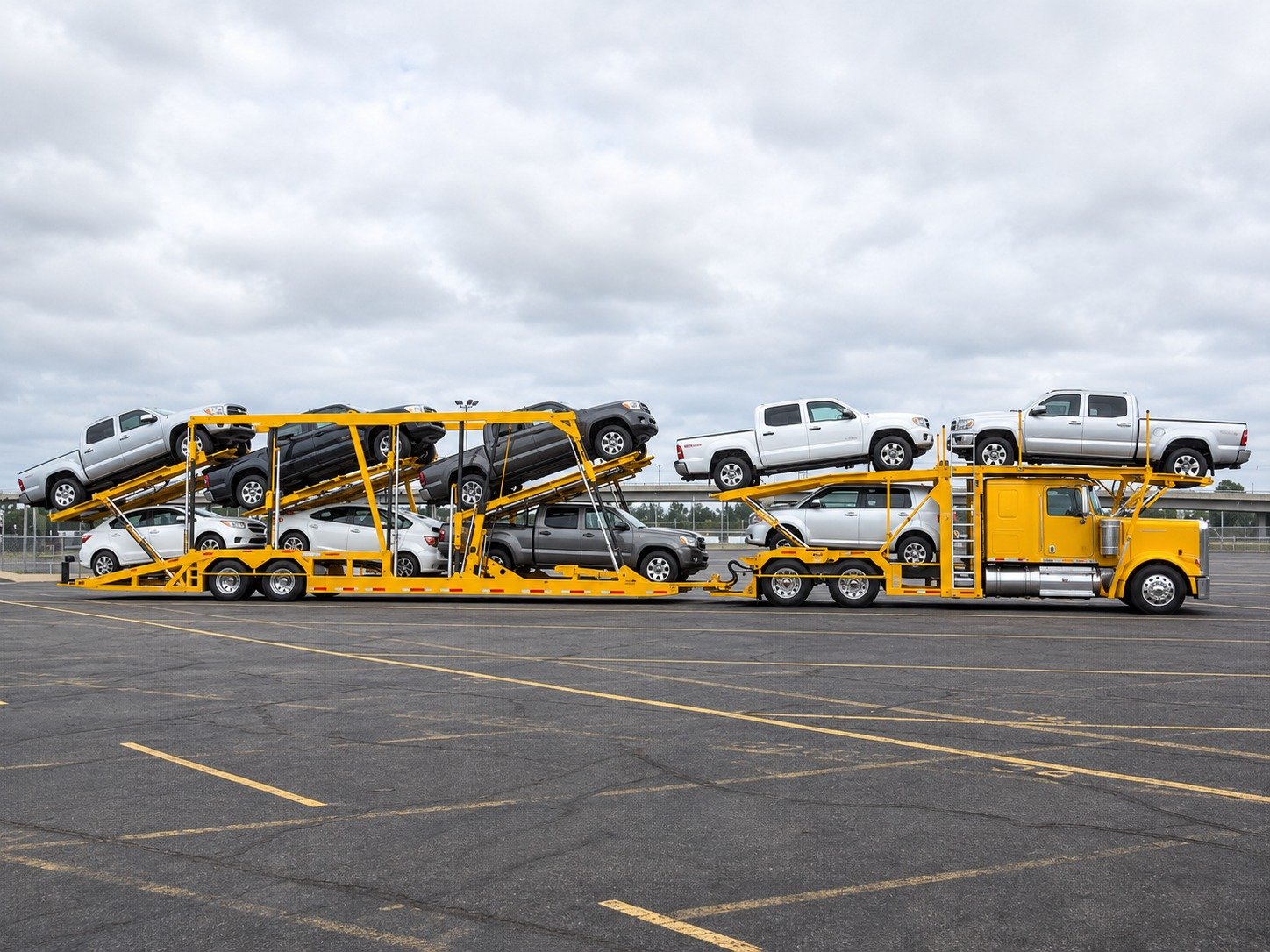
Relocating across Canada is a massive undertaking, and figuring out how to transport your vehicle safely shouldn't add to your stress. Whether you are moving from British Columbia to Ontario, purchasing a vehicle from another province, or organizing corporate relocations, finding reliable long-distance car shipping is one of the most critical steps in your logistics planning.
Canada’s vast geography, varying provincial regulations, and unpredictable weather require an experienced logistics partner. This comprehensive guide covers everything you need to know about long-distance vehicle transportation across the True North—from understanding the cost factors and shipping methods to preparing your vehicle for a smooth, cross-country journey.
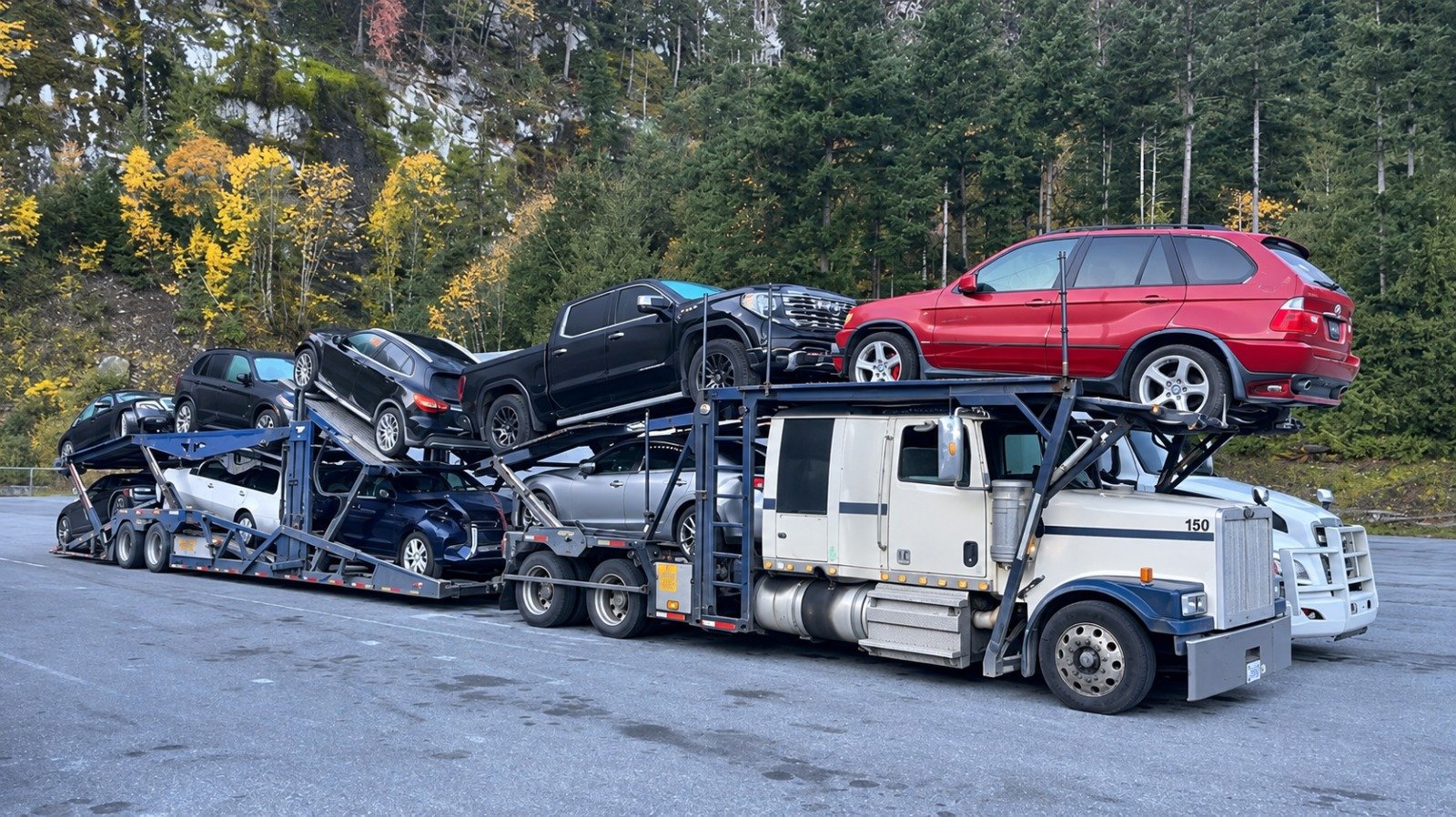
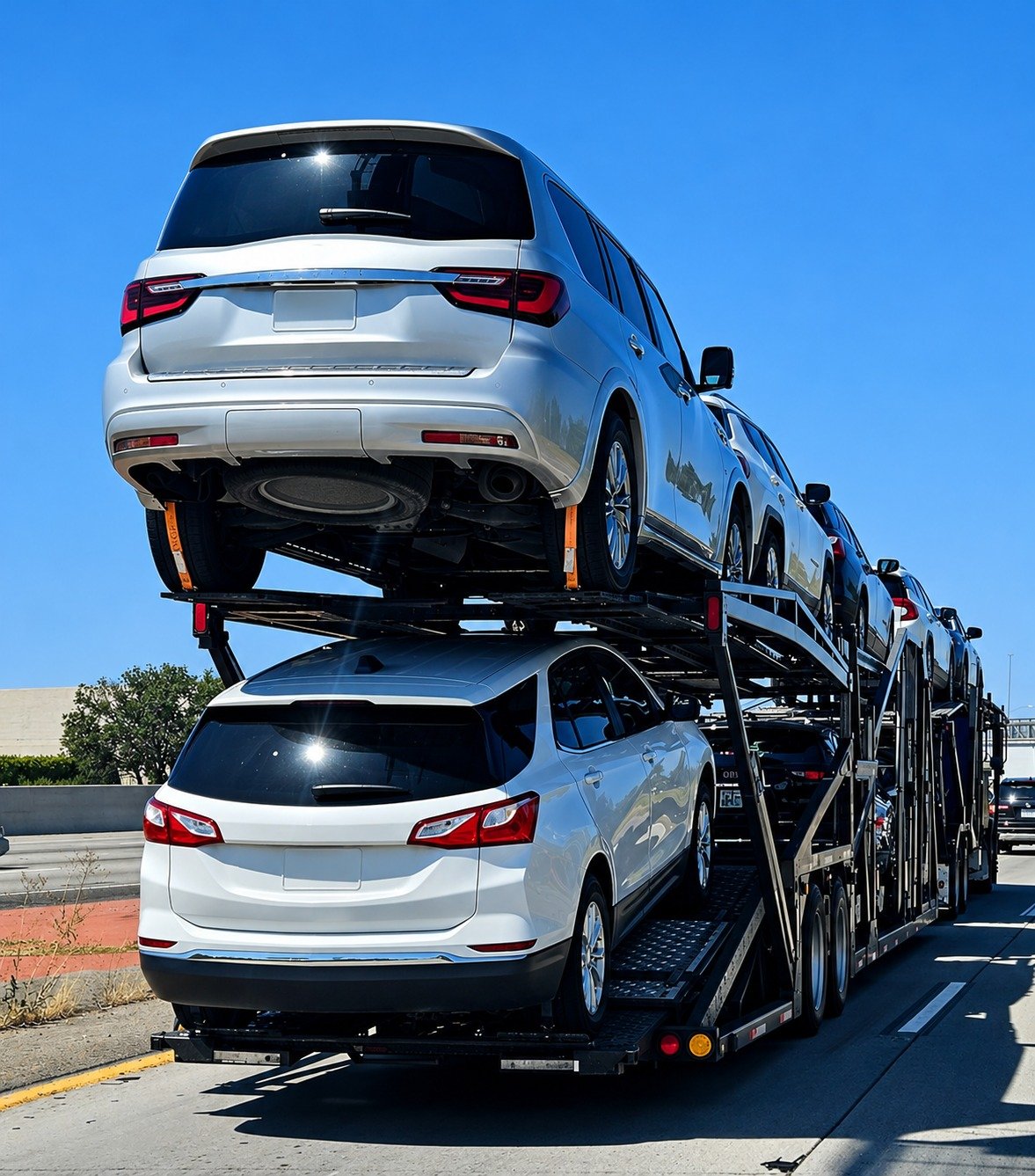
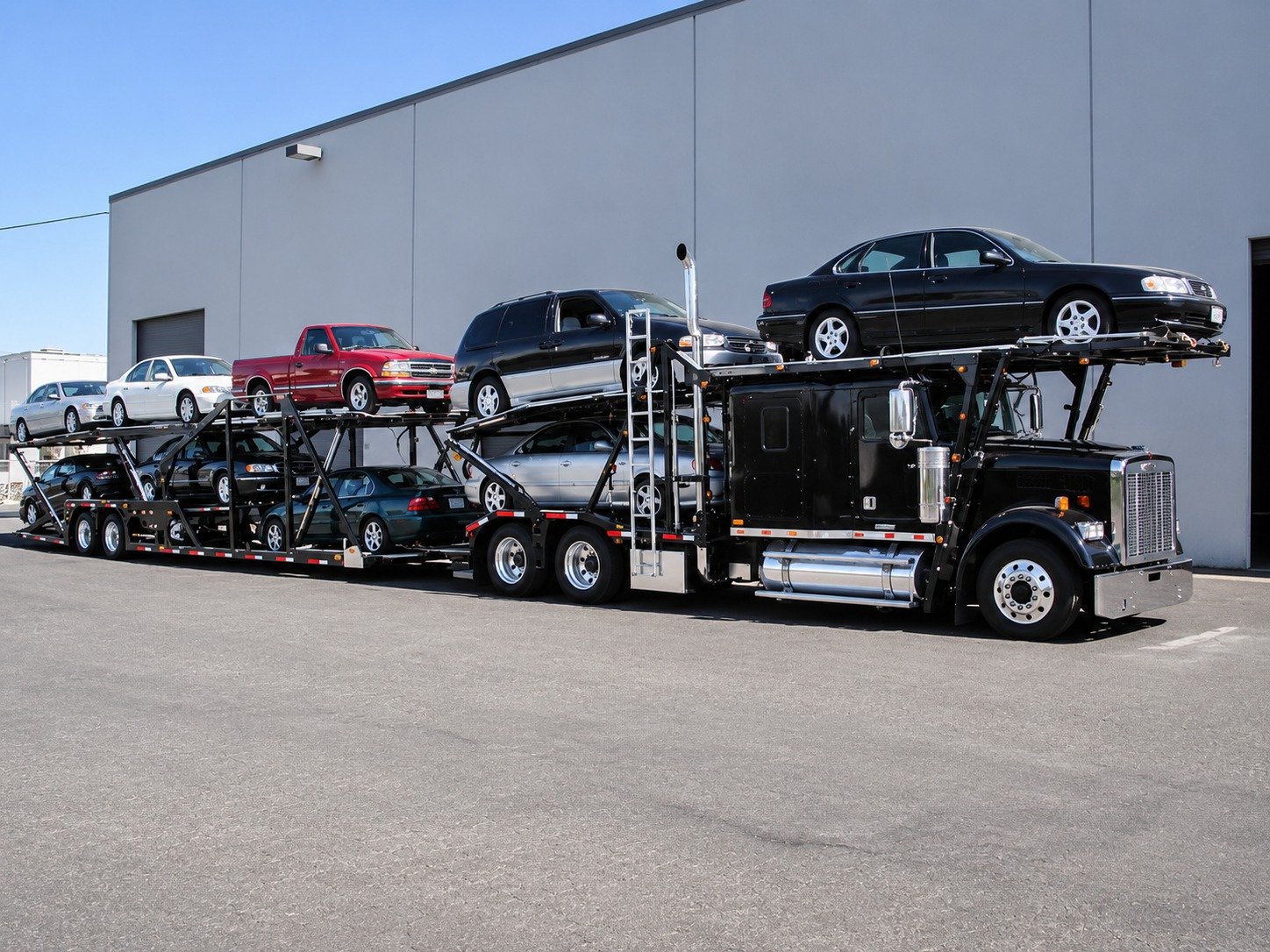
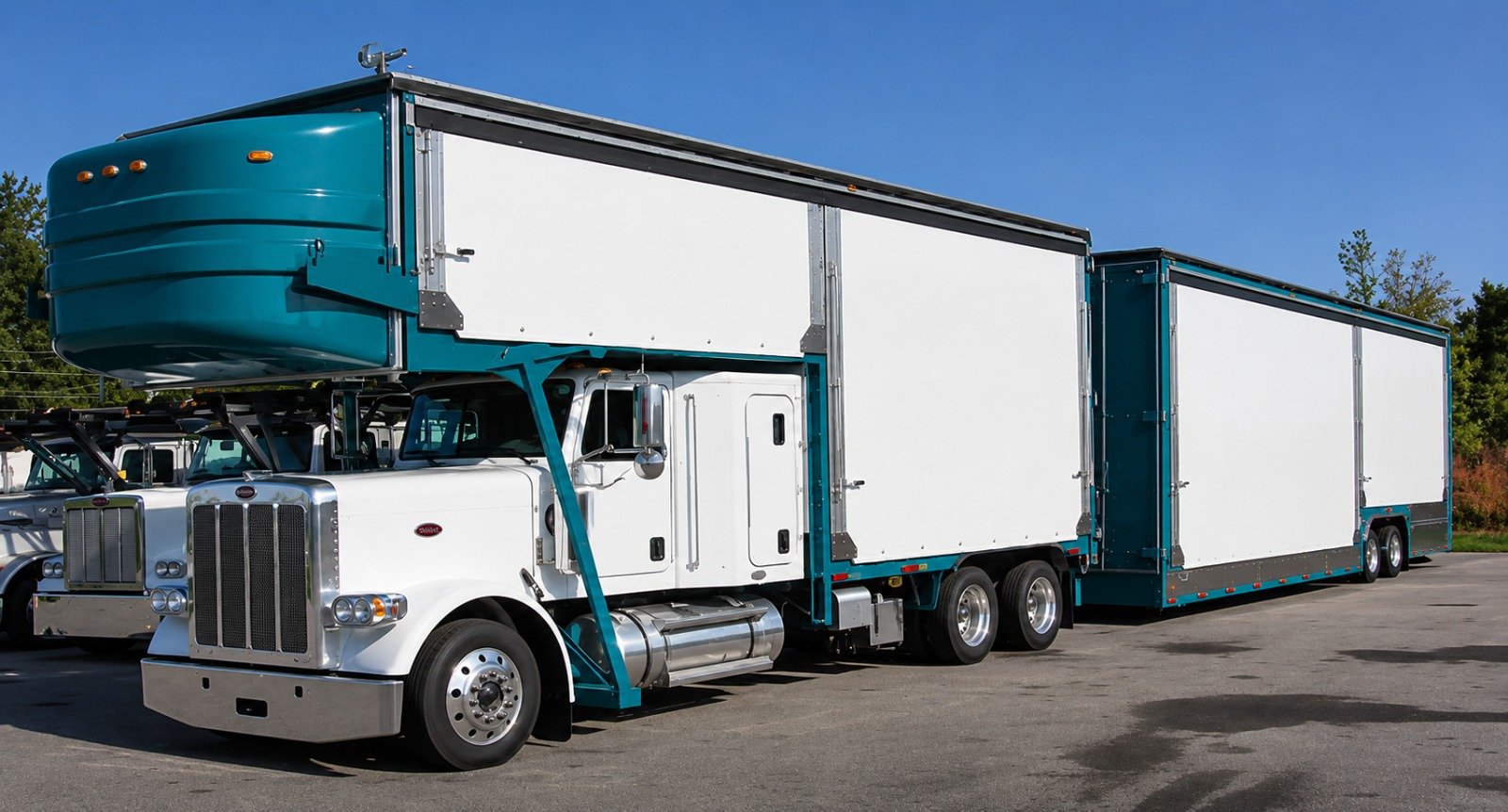
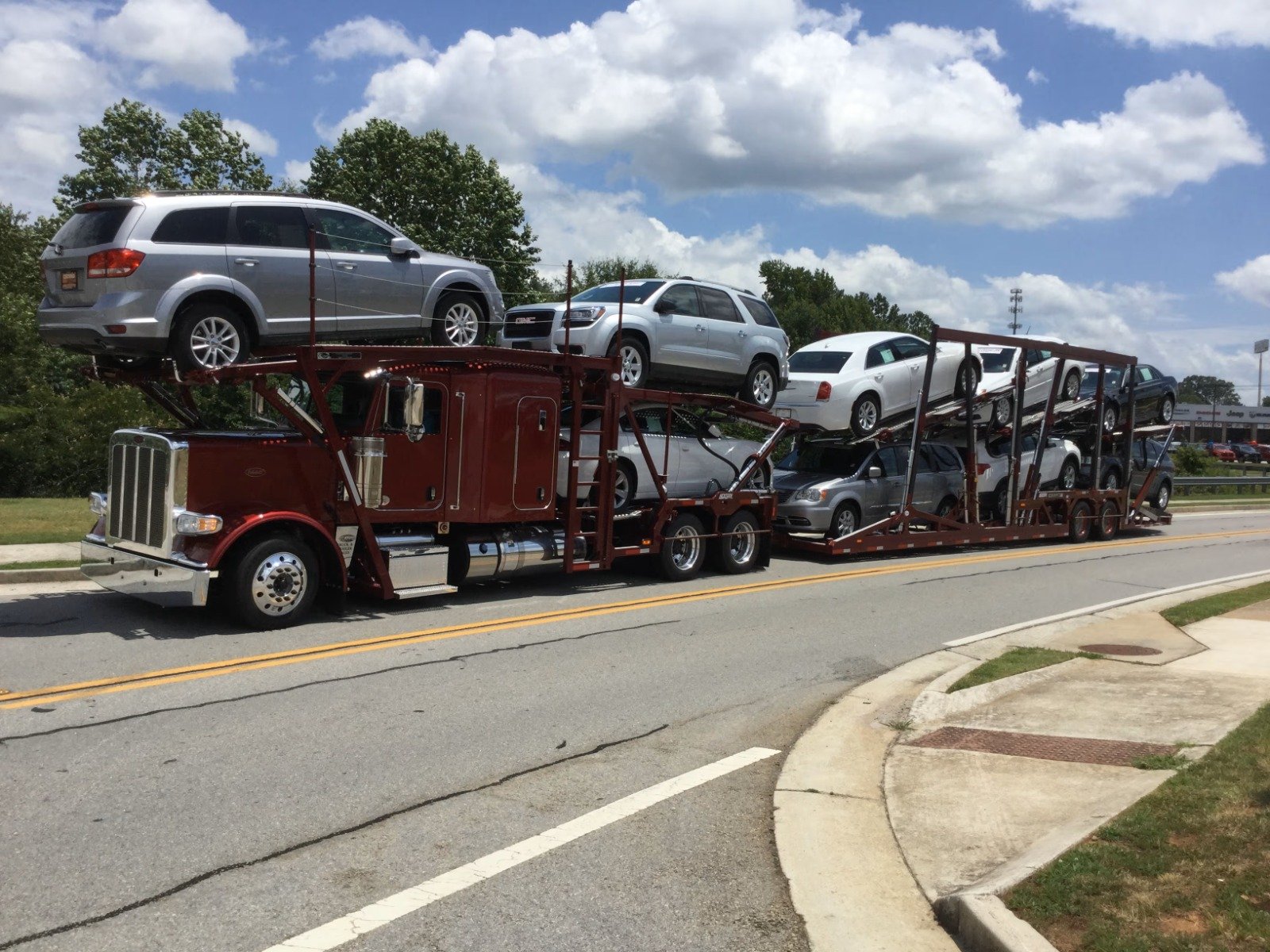
Professional multi-level car carriers are the backbone of nationwide auto transport.
What is Long-Distance Vehicle Transportation?
In the logistics industry, long-distance vehicle transportation typically refers to moving a car, truck, or SUV over distances exceeding 500 kilometres. In a country as expansive as Canada, this often involves interprovincial auto transport, such as shipping a car from Vancouver to Toronto or relocating a fleet of commercial vans across the prairies.
Rather than driving the vehicle yourself—which incurs hidden costs like fuel, hotel stays, mechanical wear-and-tear, and hours of personal time—individuals and businesses hire professional vehicle transportation companies to do the heavy lifting. Reputable Canada car transport services utilize specialized commercial trailers designed to safely secure and transport multiple vehicles simultaneously, complying with strict weight and safety regulations set forth by Transport Canada.
How to Ship a Car Long Distance in Canada
If this is your first time dealing with cross-country car shipping, the process might seem complex. However, experienced auto transport carriers have streamlined this into a simple, predictable workflow:
- Requesting a Quote: The process begins by providing your vehicle’s make, model, origin, destination, and preferred shipping dates. An accurate quote depends on precise information.
- Selecting Your Service: You will choose between open or enclosed transport, and decide whether you need door-to-door convenience or terminal-to-terminal shipping.
- Vehicle Preparation: You must clean your vehicle, remove personal belongings, and ensure it has about a quarter tank of gas.
- Pickup and Bill of Lading: At pickup, the driver will perform a detailed inspection of your vehicle alongside you. Existing scratches or dents are recorded on the Bill of Lading (BOL), which serves as your receipt and inspection report.
- Transit and Delivery: The vehicle is securely loaded and transported. Upon delivery, a final inspection is conducted to ensure the vehicle arrived in the exact condition it departed.

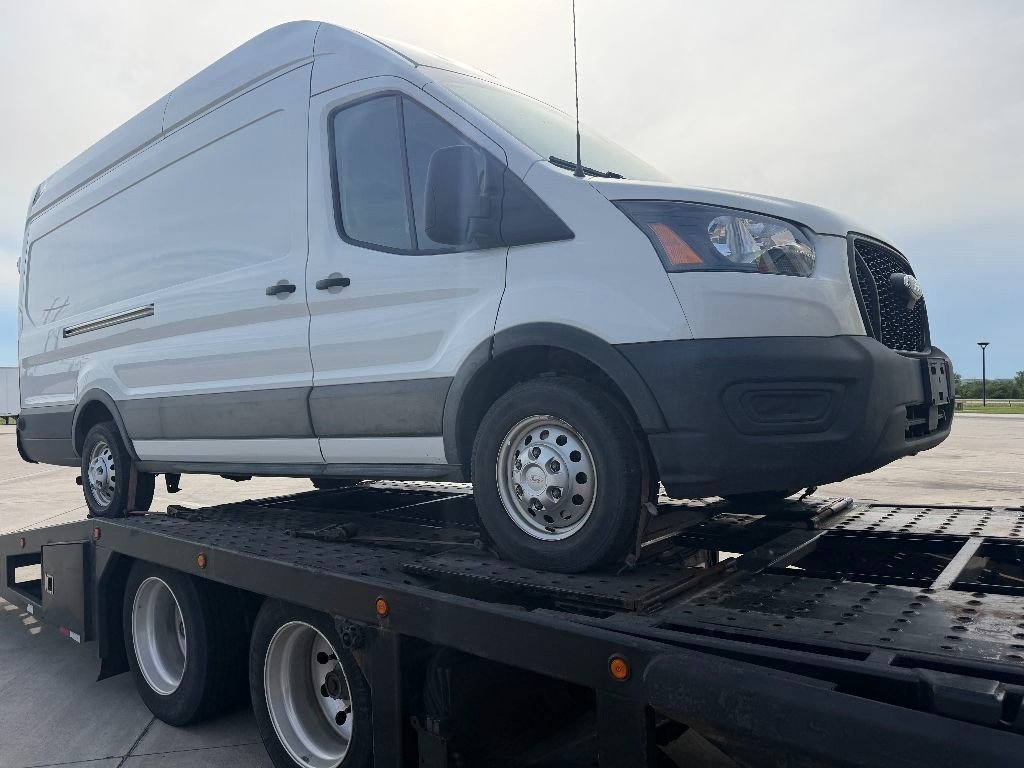
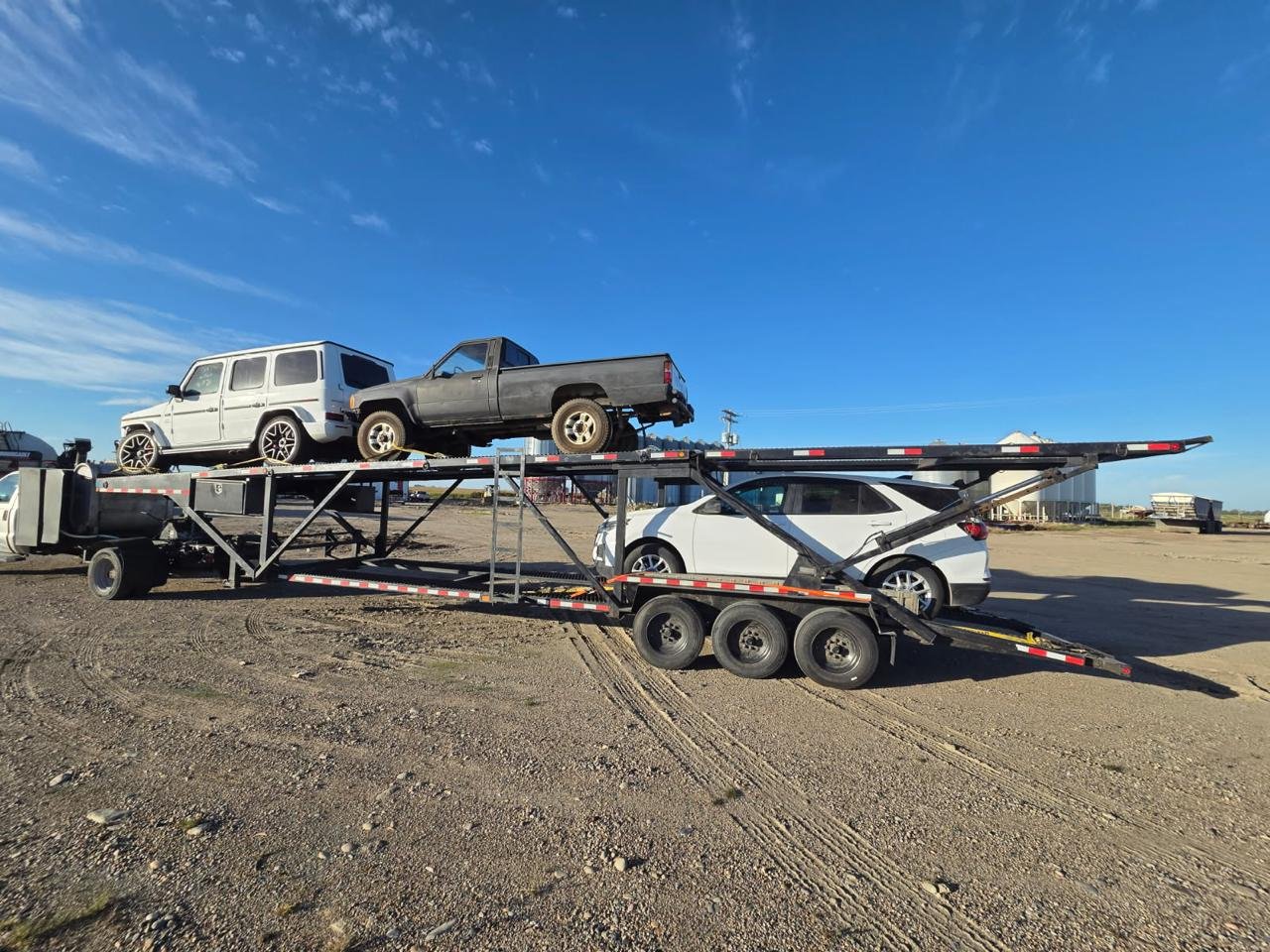
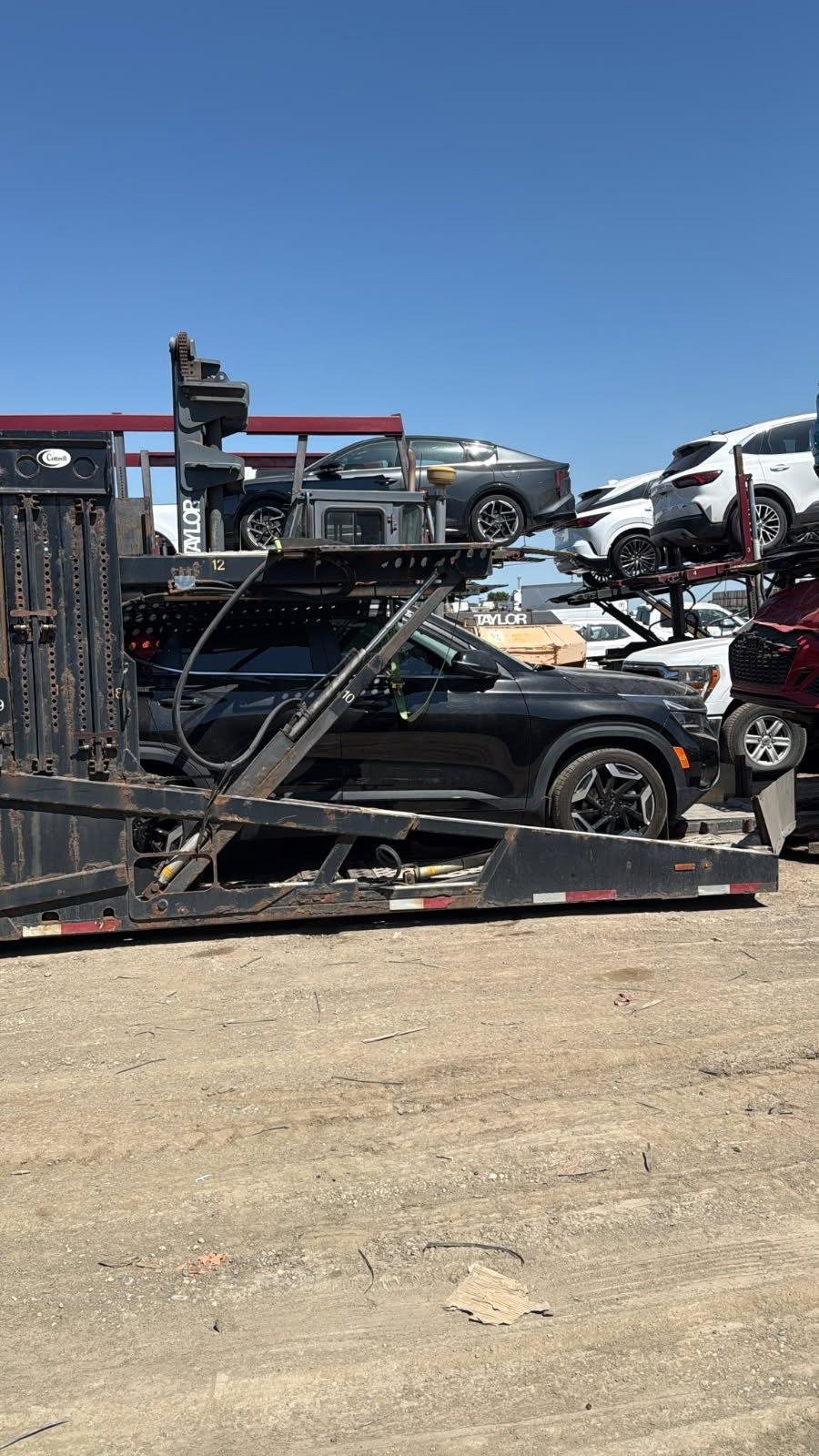
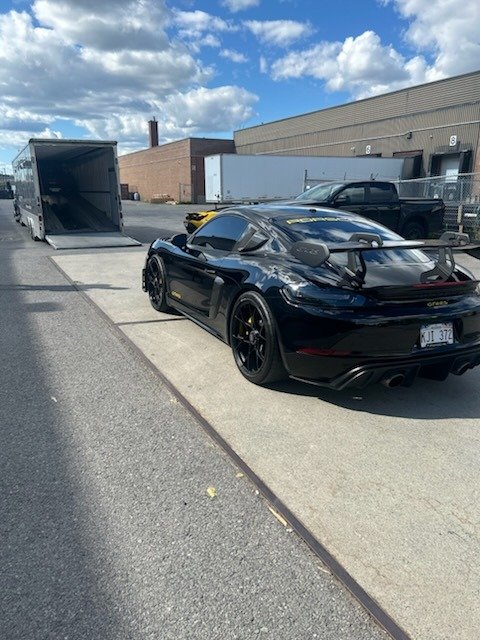
The handover process includes a thorough inspection before and after transit.
Types of Long-Distance Auto Transport Methods
When booking vehicle transport services, selecting the right equipment for your specific car is crucial. There are three primary methods for interprovincial vehicle transportation.
1. Open Car Transport
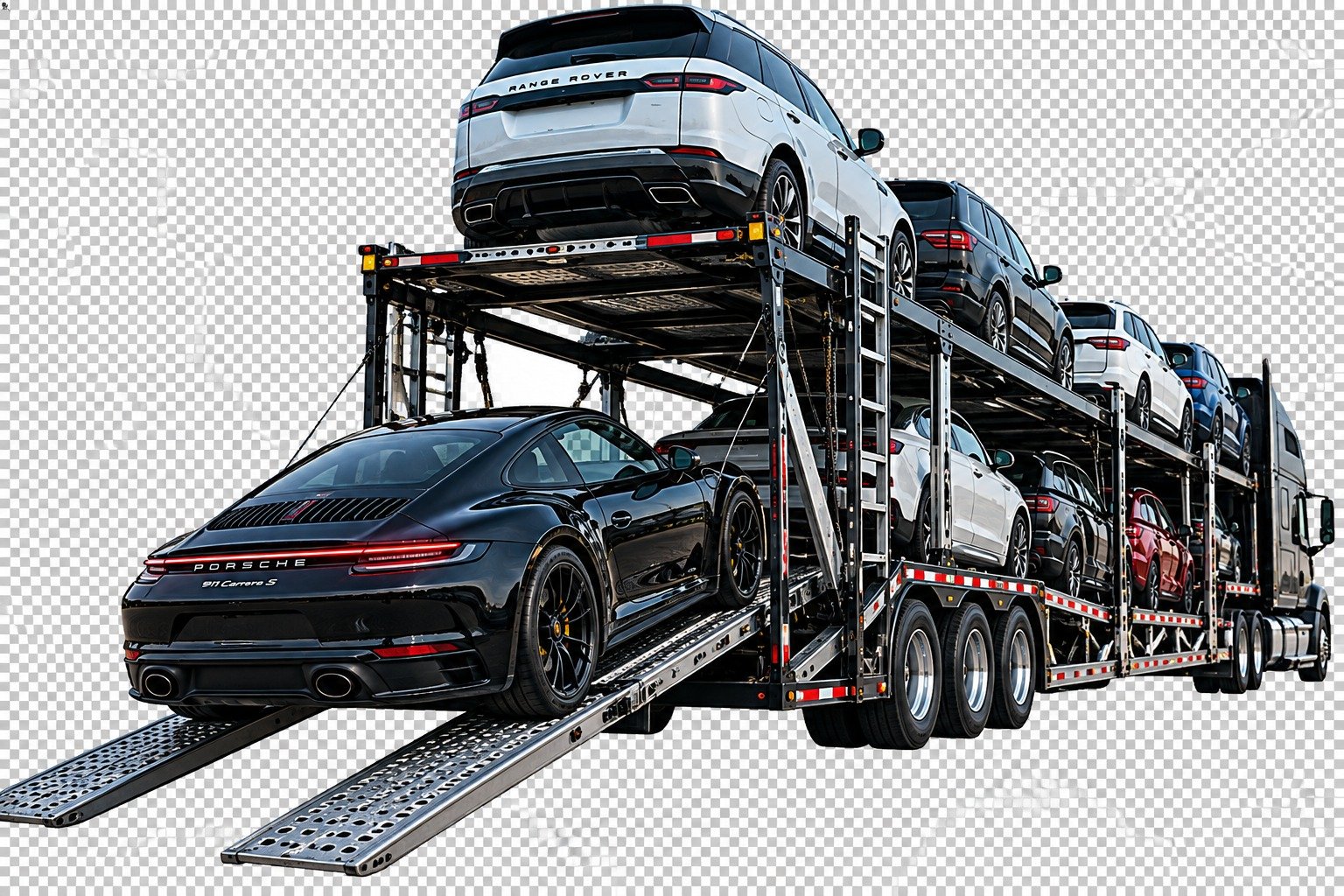
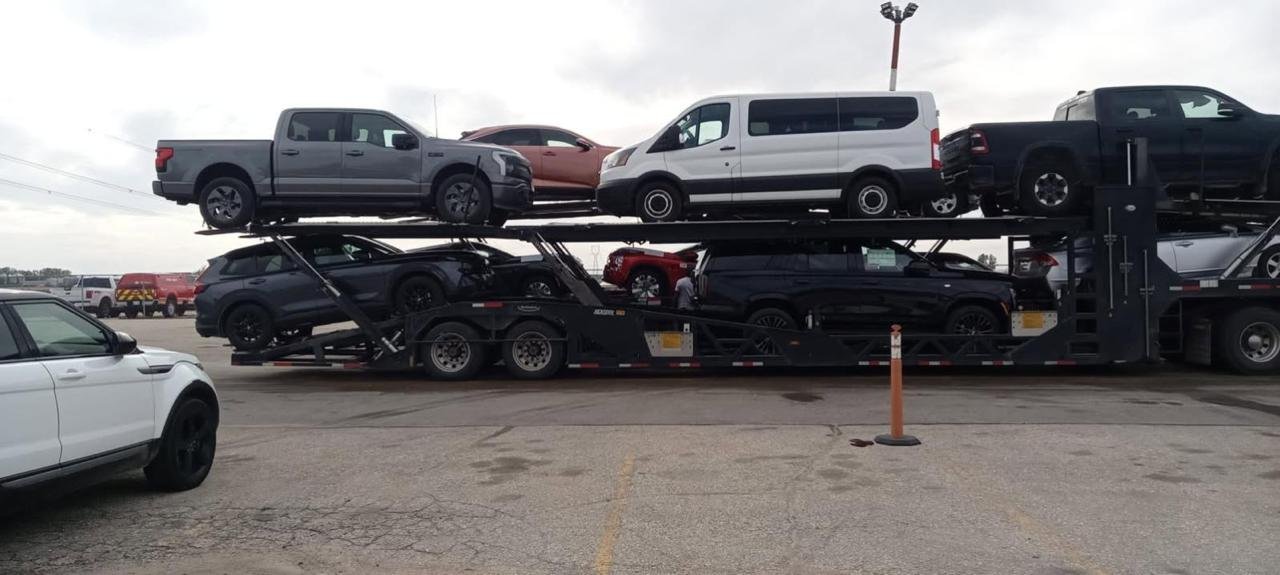
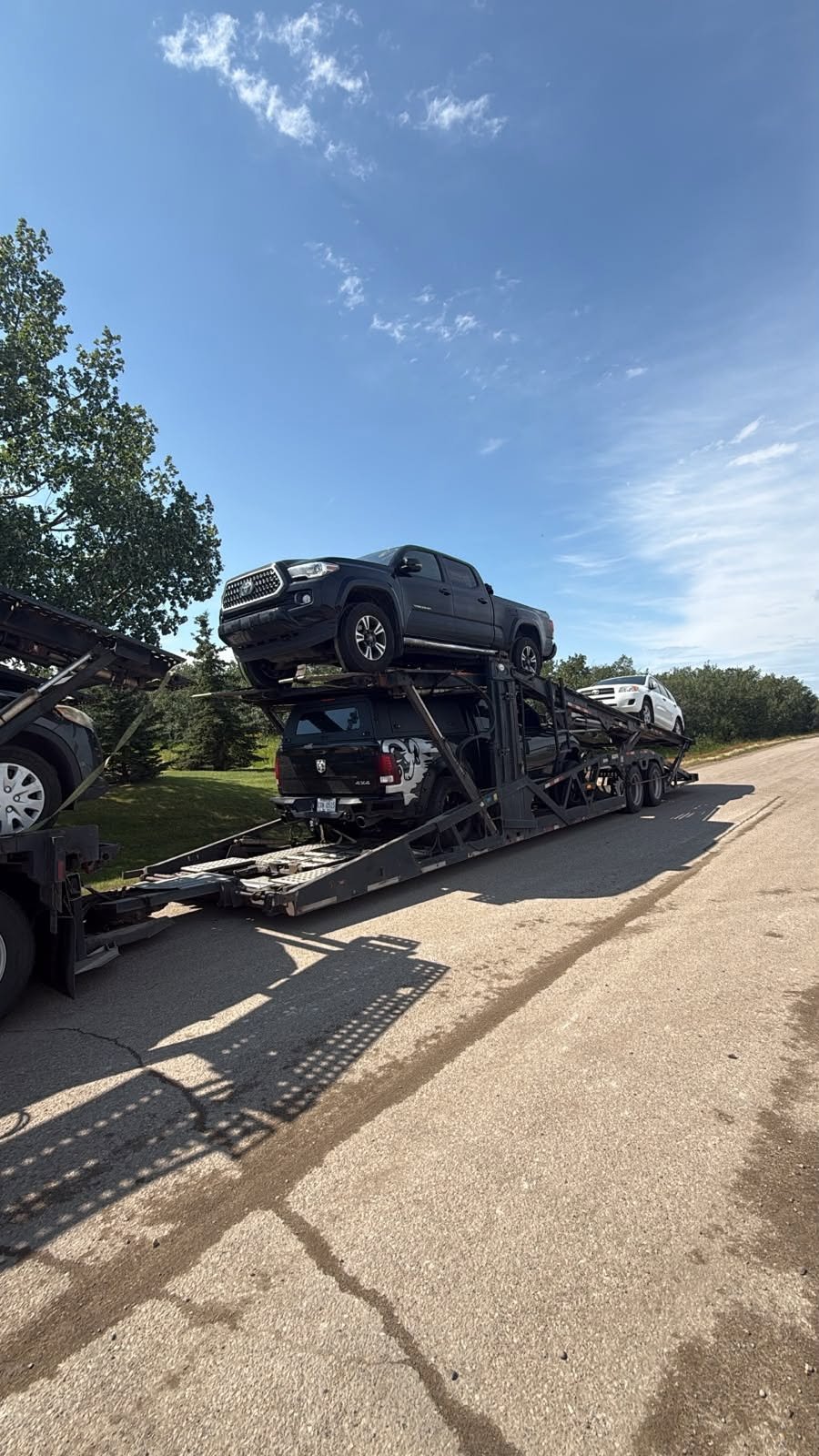
This is the industry standard and the most cost-effective way to ship a vehicle. Your car is loaded onto a multi-level car carrier, similar to the trucks that deliver brand-new vehicles to dealerships. While the vehicle is exposed to the elements (like rain or dust), open transport is incredibly safe, highly efficient, and remains the top choice for 90% of customers shipping personal vehicles.
2. Enclosed Vehicle Transport
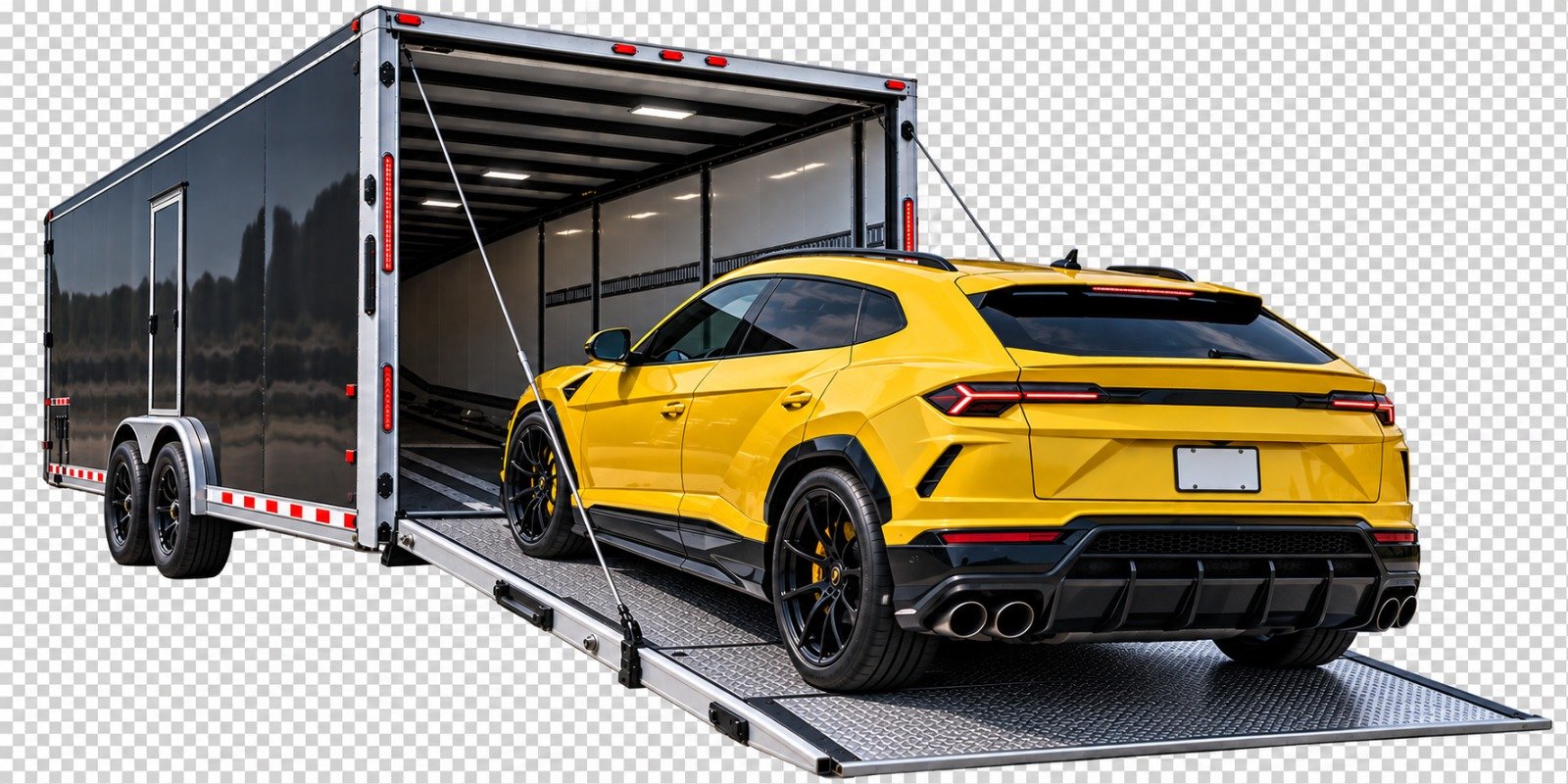
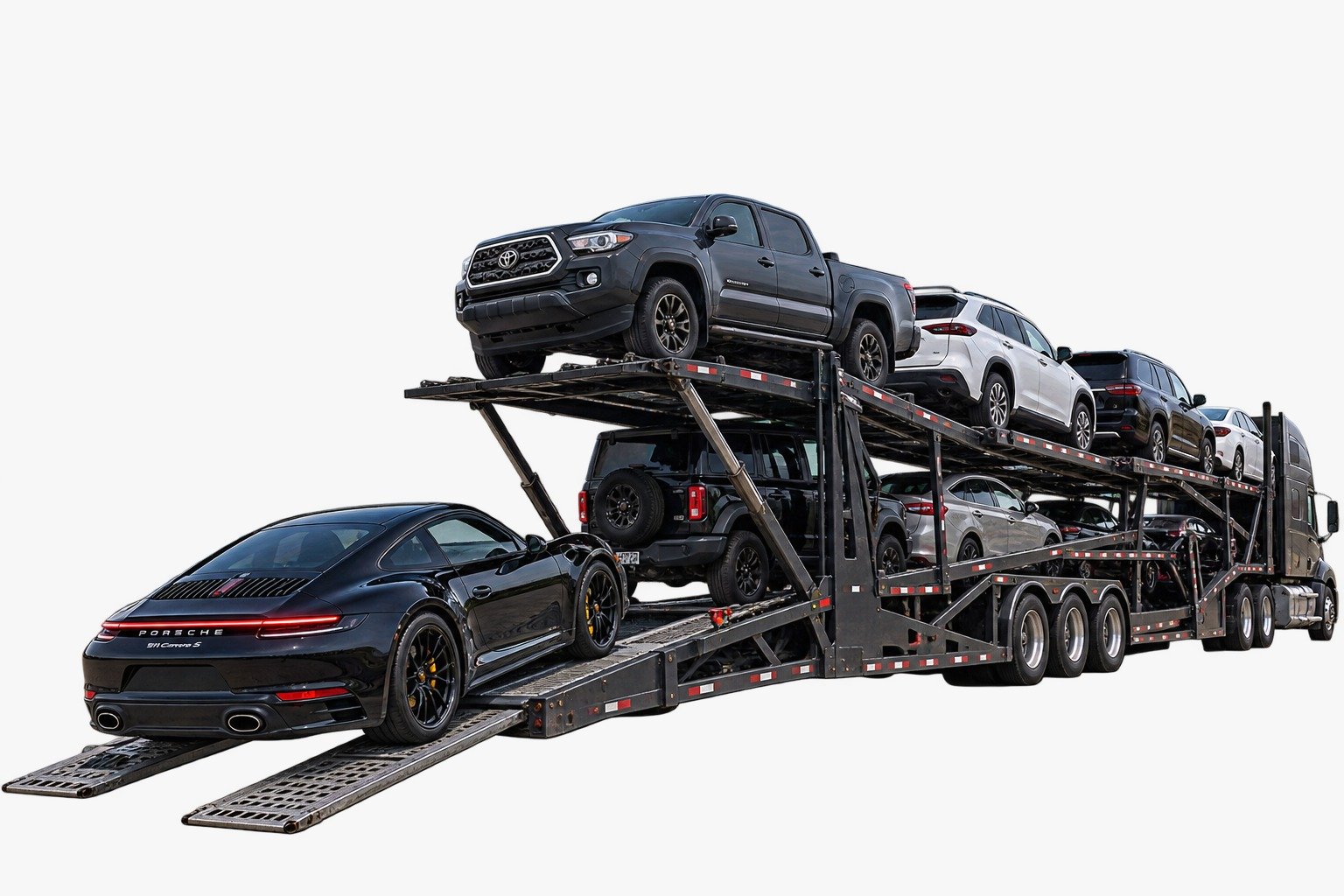
For high-value, classic, exotic, or modified vehicles with low ground clearance, enclosed transport provides the ultimate peace of mind. The vehicles are loaded into a fully covered trailer with hydraulic lift gates. This method shields the cars from weather, road debris, and prying eyes. Because these trailers hold fewer vehicles and require specialized equipment, enclosed shipping comes at a premium.
3. Rail Transport
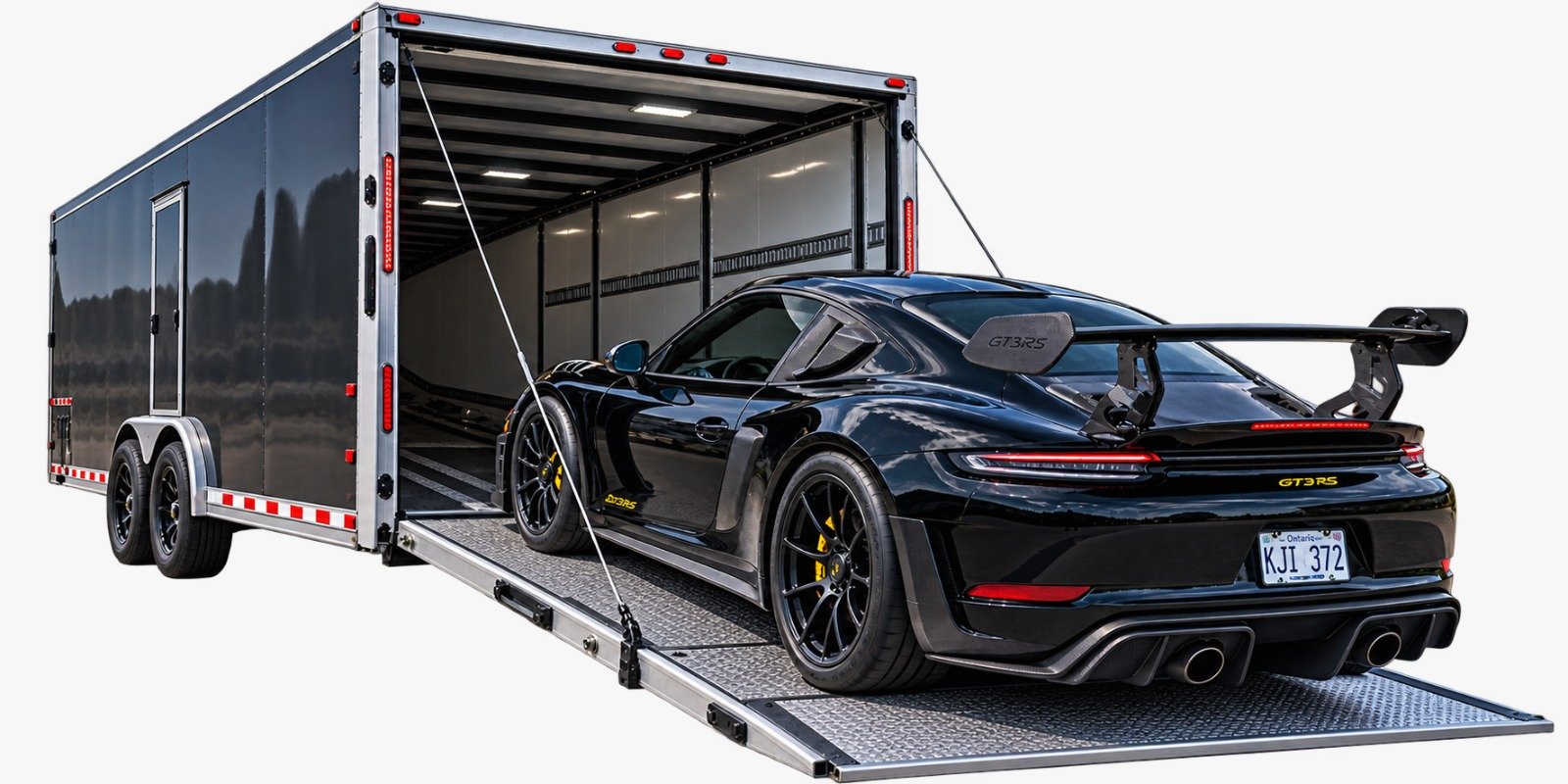
Shipping vehicles by train is a highly efficient option for long-distance routes, such as coast-to-coast relocation. Utilizing Canada's extensive railway network, rail transport offers a secure, environmentally friendly alternative, though transit times can sometimes be slightly longer compared to dedicated highway trucking due to train schedules.
How Much Does Long-Distance Car Shipping Cost in Canada?
Car shipping costs fluctuate based on several dynamic factors. It is impossible to give a one-size-fits-all price, but understanding the variables will help you budget accurately for your cross-country vehicle relocation.
- Distance and Route: Naturally, shipping a car from Vancouver to Toronto costs more than shipping from Calgary to Edmonton. Highly travelled routes are also generally more affordable than remote, off-highway destinations.
- Vehicle Size and Weight: A compact sedan takes up less space and weight capacity than a lifted pickup truck or a heavy electric vehicle (EV). Larger vehicles cost more to ship.
- Transport Type: Opting for enclosed transport typically costs 30% to 50% more than standard open carrier shipping.
- Seasonality: Winter in Canada presents immense logistical challenges. According to historical data from the Meteorological Service of Canada, heavy snow and icy conditions often reduce carrier availability and slow down transit times, leading to seasonal price adjustments.
To lock in the best rates, book your long-distance auto transport at least 2 to 4 weeks in advance. Last-minute or expedited shipping requests significantly increase the overall cost.
How Long Does it Take to Ship a Car Across Canada?
Transportation distance and delivery times correlate directly with the route, weather conditions, and Department of Transportation (DOT) regulations that limit how many hours a truck driver can legally drive per day. Below are estimated transit times for standard nationwide auto transport routes:
| Shipping Route | Approximate Distance | Estimated Transit Time |
|---|---|---|
| Vancouver, BC to Calgary, AB | ~1,000 km | 3 to 5 Days |
| Edmonton, AB to Toronto, ON | ~3,400 km | 7 to 10 Days |
| Vancouver, BC to Montreal, QC | ~4,500 km | 10 to 14 Days |
| Toronto, ON to Halifax, NS | ~1,800 km | 5 to 8 Days |
*Note: Transit times are estimates. Weather, road construction, and the type of transport (door-to-door vs. rail) will impact the final delivery window.
Door-to-Door vs. Terminal-to-Terminal Shipping
When coordinating vehicle pickup and delivery, you generally have two main logistical options:
Door-to-Door Vehicle Delivery: The carrier will pick up and deliver the car as close to your home or office as legally and safely possible. Because large multi-level carriers cannot navigate tight residential streets or areas with low-hanging trees, you may be asked to meet the driver in a nearby open area, like a large grocery store parking lot.
Terminal-to-Terminal Shipping: You drop your vehicle off at a designated shipping yard, and it is transported to another yard in your destination city. This is often slightly cheaper and offers flexibility if you cannot be present for a specific delivery time, but it requires you to arrange your own transportation to and from the terminals.
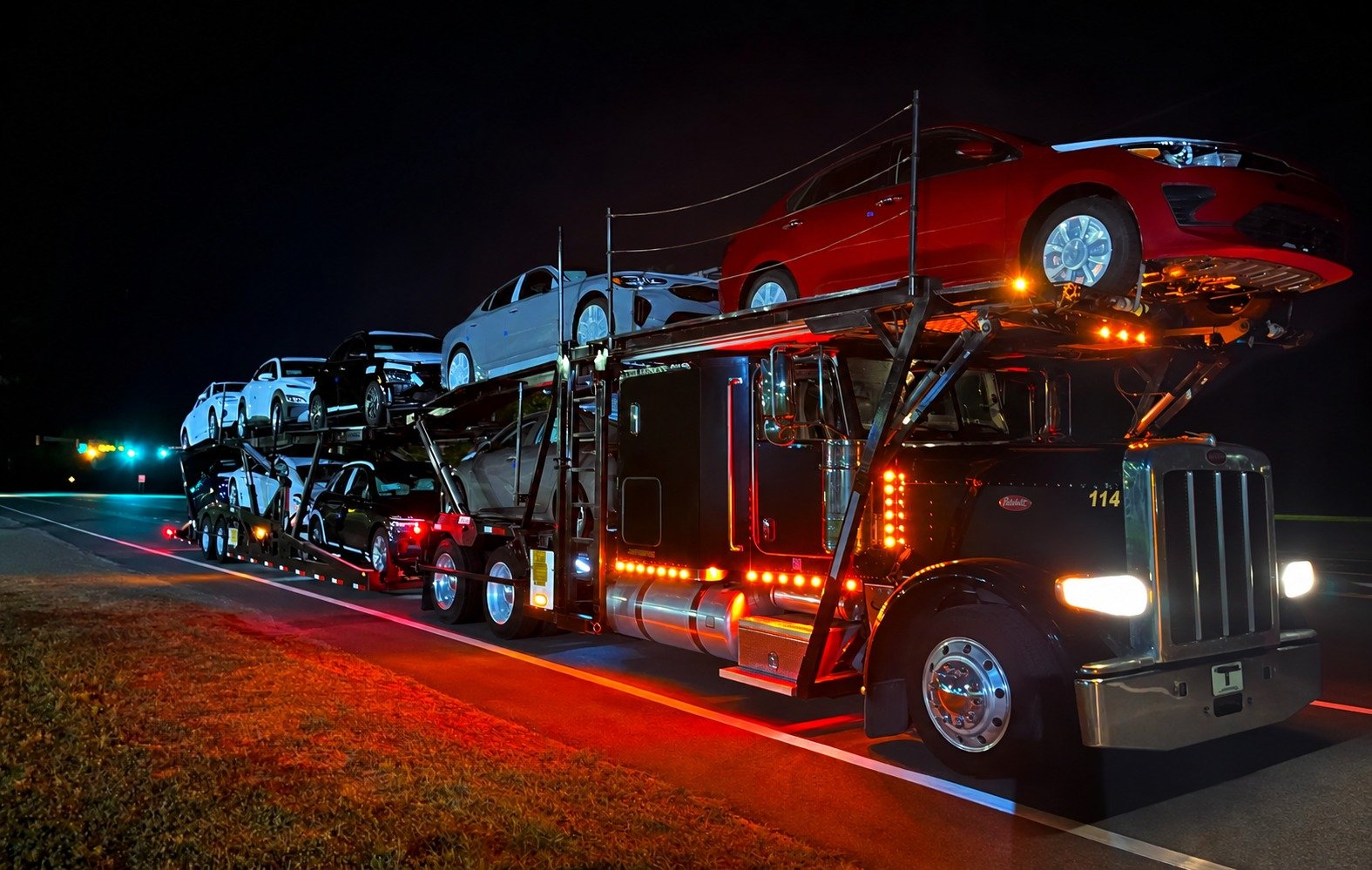
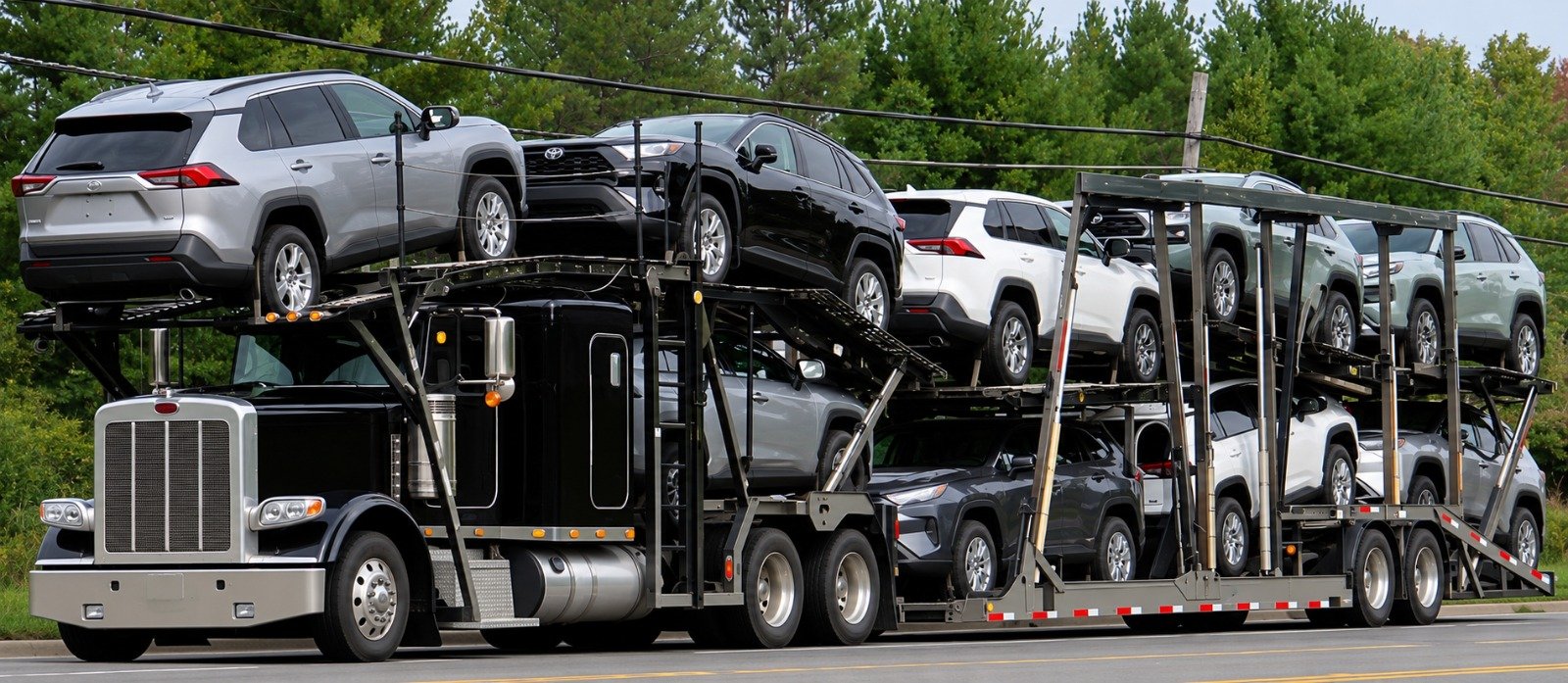
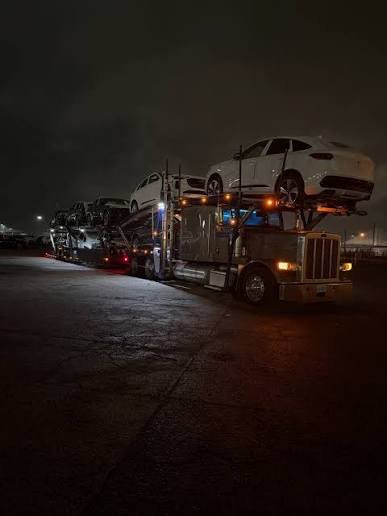
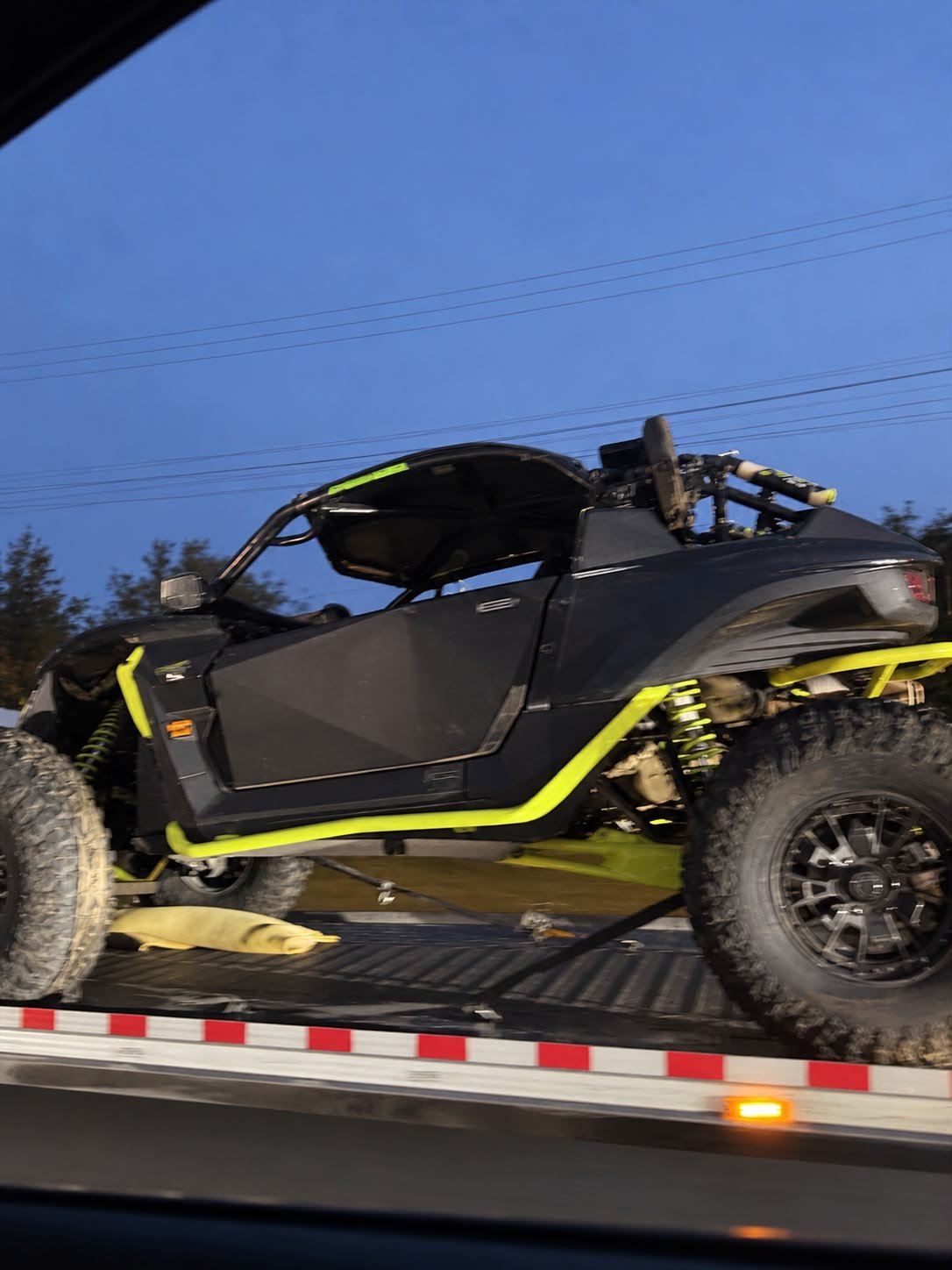
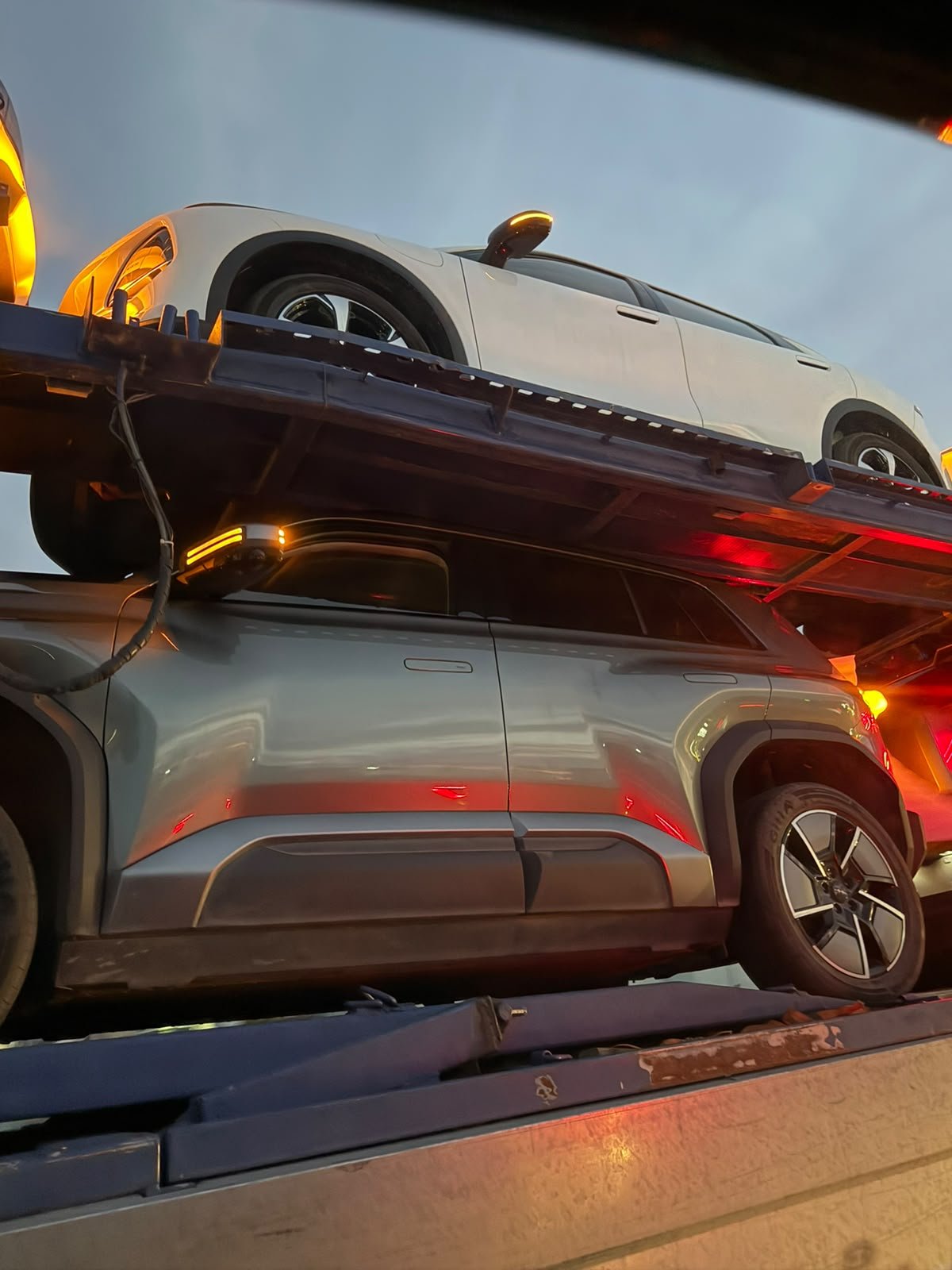
Logistics continue around the clock to ensure timely deliveries across the country.
What to Know Before Shipping a Car Long Distance
A successful cross-country vehicle relocation requires a bit of homework on your end. Before the transport truck arrives, make sure you complete this preparation checklist:
- Wash the Exterior: A clean car makes the pre-transport inspection accurate. Dirt and mud can hide scratches and dents that need to be documented.
- Remove Personal Items: Auto transport carriers are licensed to transport vehicles, not household goods. Furthermore, auto transport insurance—regulated by bodies similar to the Insurance Bureau of Canada—does not cover theft or damage to personal items left inside the cabin.
- Check Leaks and Tires: Ensure the battery is secure, the tires are properly inflated, and there are no fluid leaks. A leaking vehicle can damage the cars loaded below it on the trailer.
- Manage Fuel Levels: Leave exactly a quarter tank of gas in the vehicle. This is enough to load and unload the car, but reduces unnecessary weight on the carrier.
- Deactivate Toll Tags and Alarms: Remove automatic toll highway transponders so you don't get charged as the truck drives under scanners. Also, disable the vehicle's alarm system to prevent the driver's battery from draining mid-trip.
Frequently Asked Questions
Generally, no. Transport Canada regulations and carrier insurance policies prohibit using vehicles as shipping containers. Strict weight limits are enforced on Canadian highways. Loose items also pose a safety hazard and are not insured against damage or theft.
Yes. Reputable vehicle transportation companies carry comprehensive cargo liability insurance. Your vehicle is protected against transit damage from the moment it is loaded until it is signed off at delivery. Always review the Bill of Lading and ask about coverage limits before booking.
It is recommended to book your transportation at least 2 to 3 weeks prior to your desired pickup date. This allows the dispatch team to secure a spot on a carrier heading your direction. Expedited services are sometimes available but generally cost more.
Yes, either you or a designated, trusted representative (must be over 18) needs to be present. You must hand over the keys and, more importantly, sign the Bill of Lading after the driver completes the vehicle condition inspection.
Conclusion
Navigating long-distance car shipping doesn't have to be overwhelming. By understanding the differences between open and enclosed transport, properly preparing your vehicle, and partnering with a reputable, professional logistics company, you can ensure your car arrives safely and on schedule. Whether you are buying a vehicle out of province, relocating your family, or moving corporate assets, trusting the professionals saves you time, money, and unnecessary wear and tear on your vehicle.