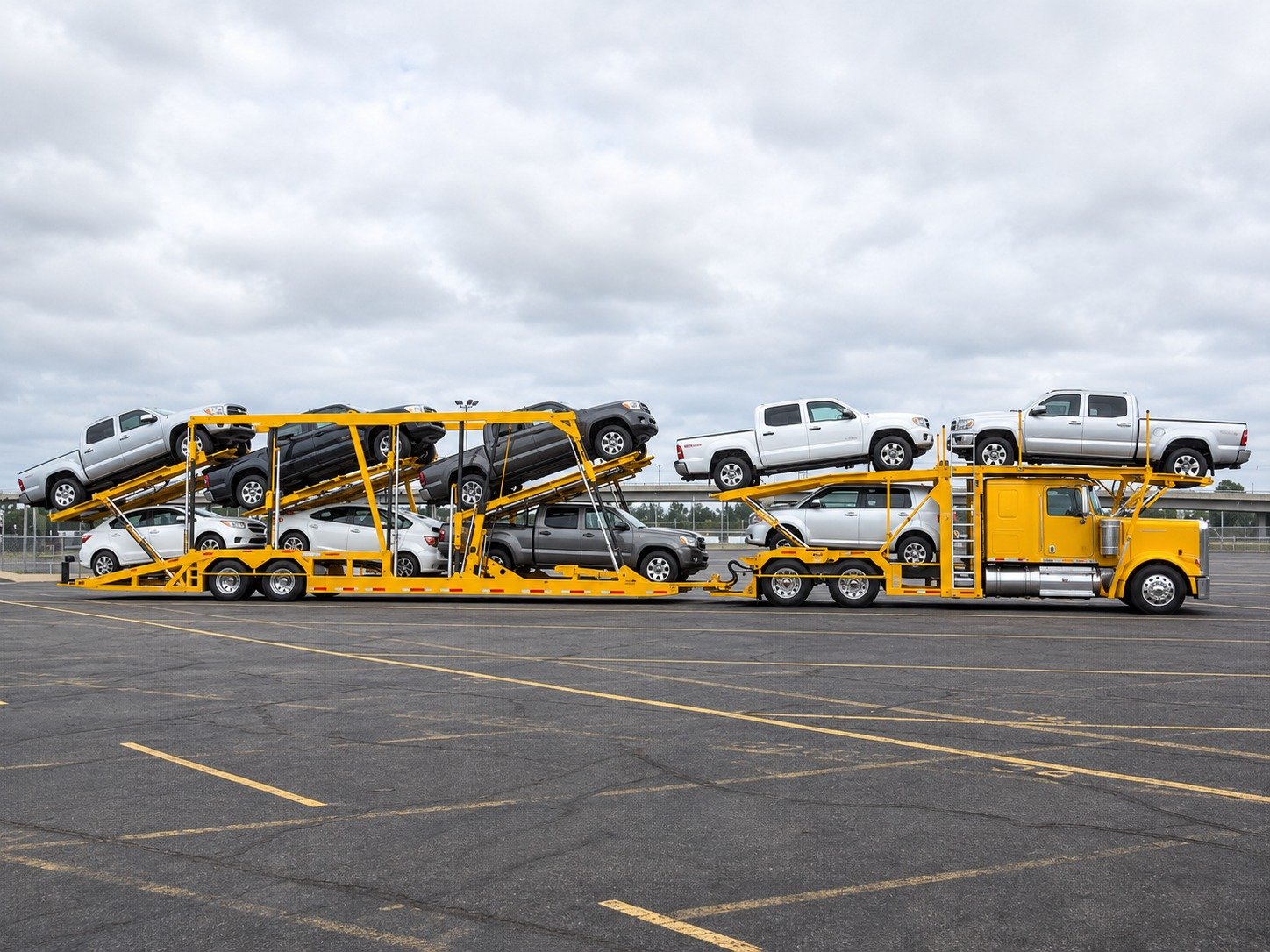
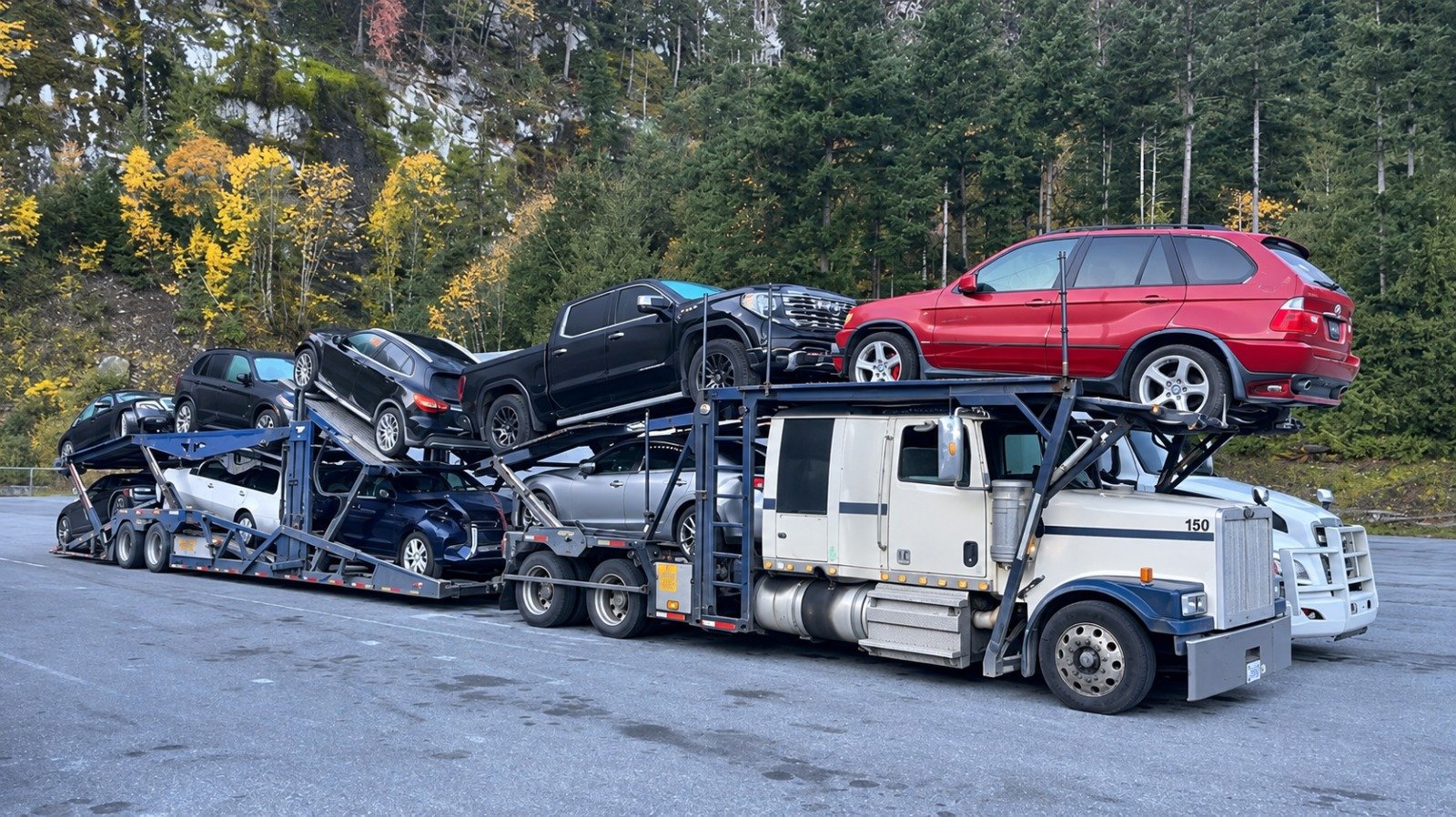
1. Understand the Difference Between Open and Enclosed Transport
When booking a car shipping company, the first major decision you will make is how your vehicle will be transported. The two primary methods are open transport and enclosed transport, each serving different needs.
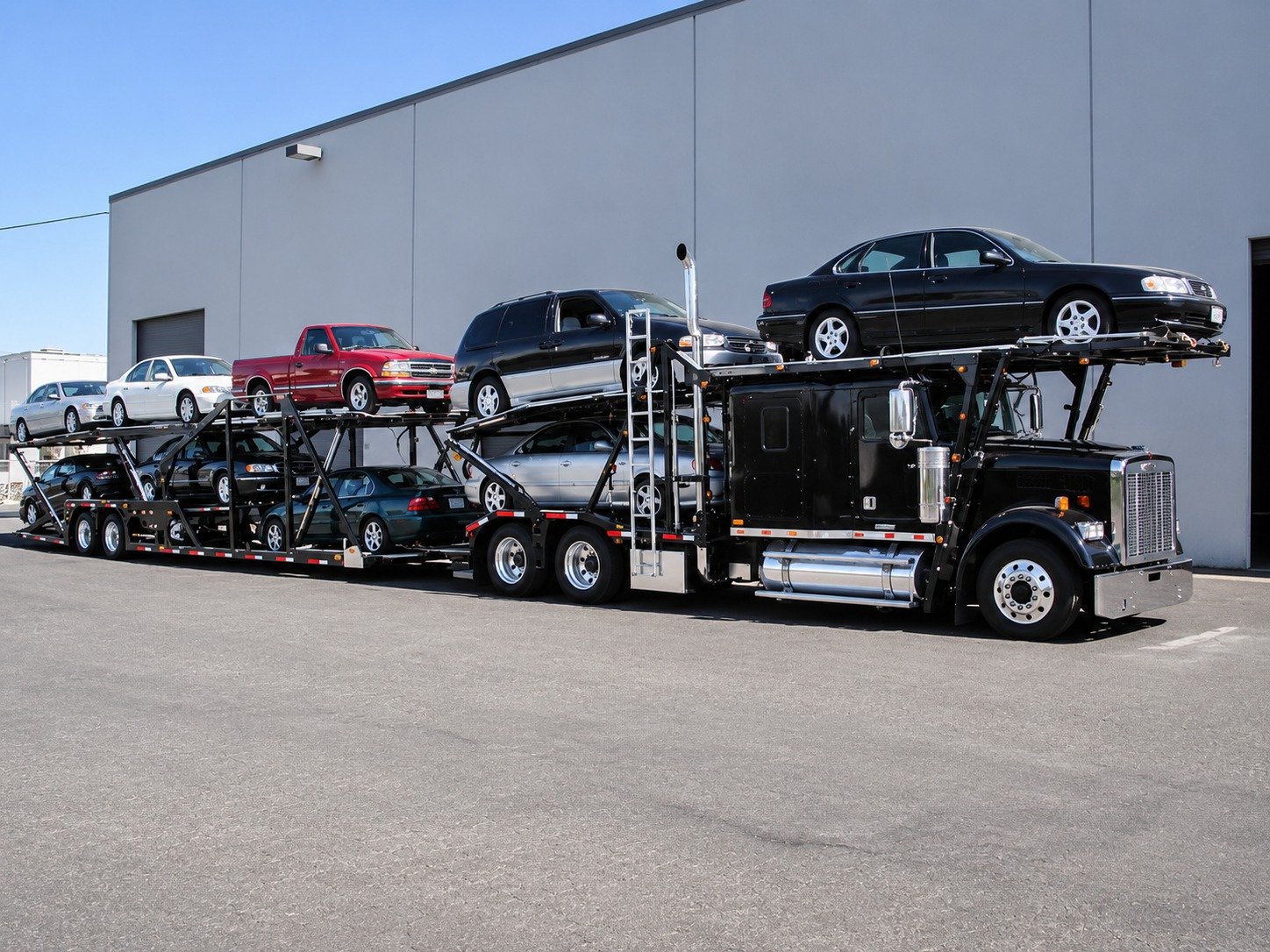
Open Car Transport
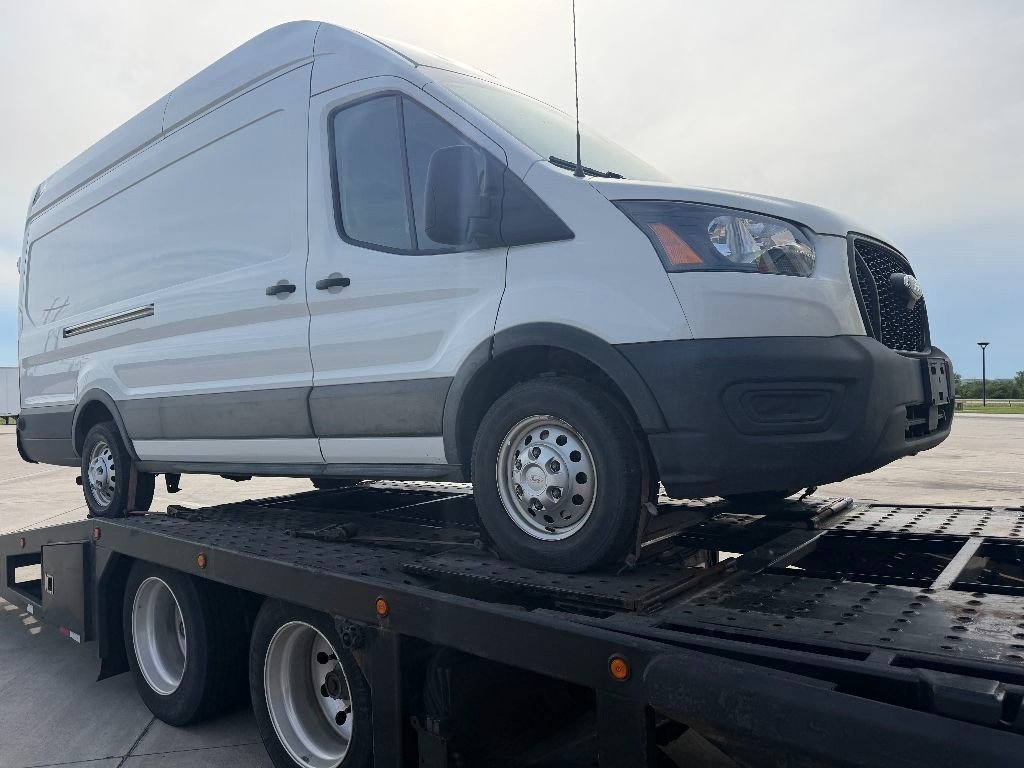
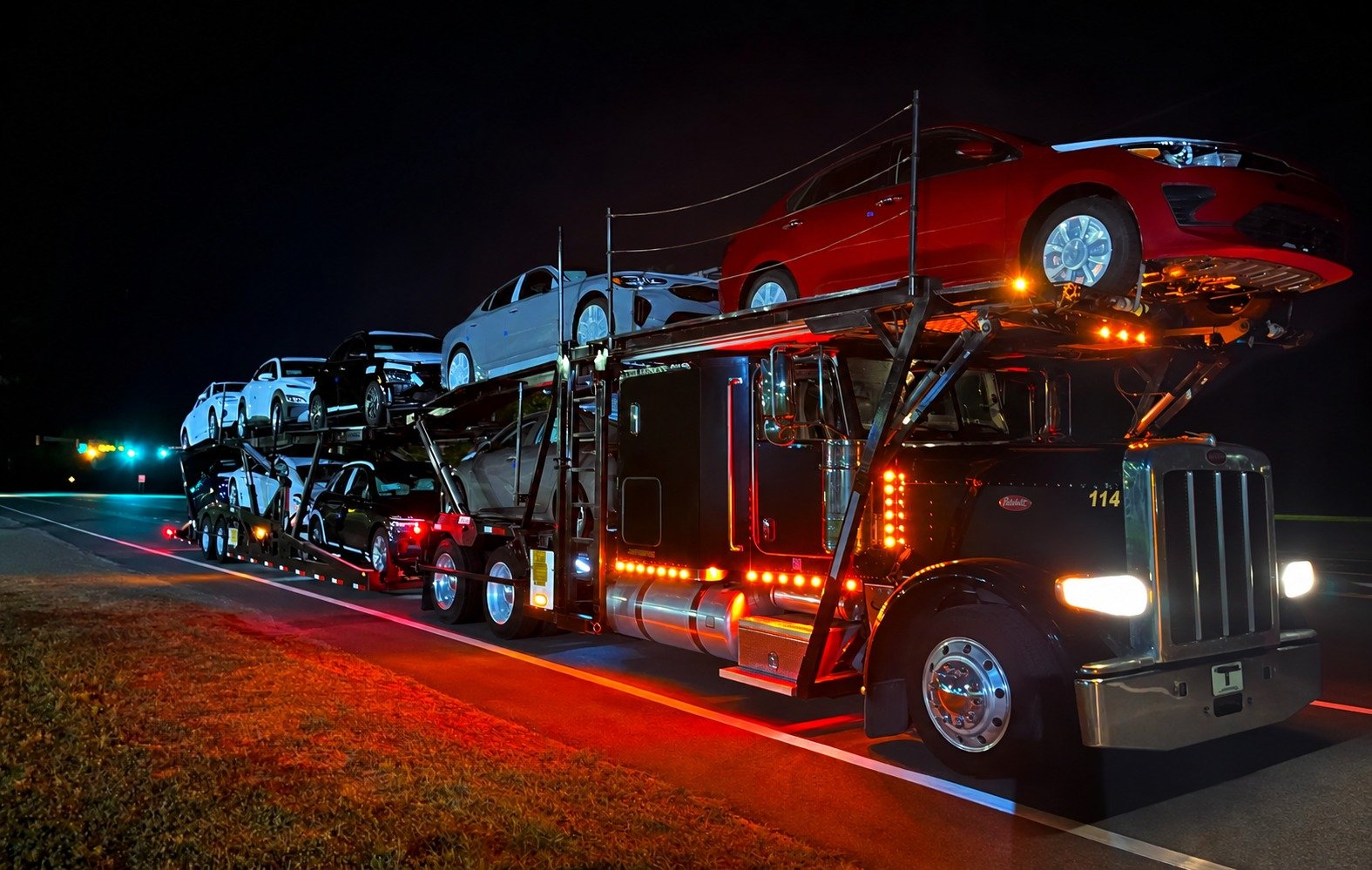
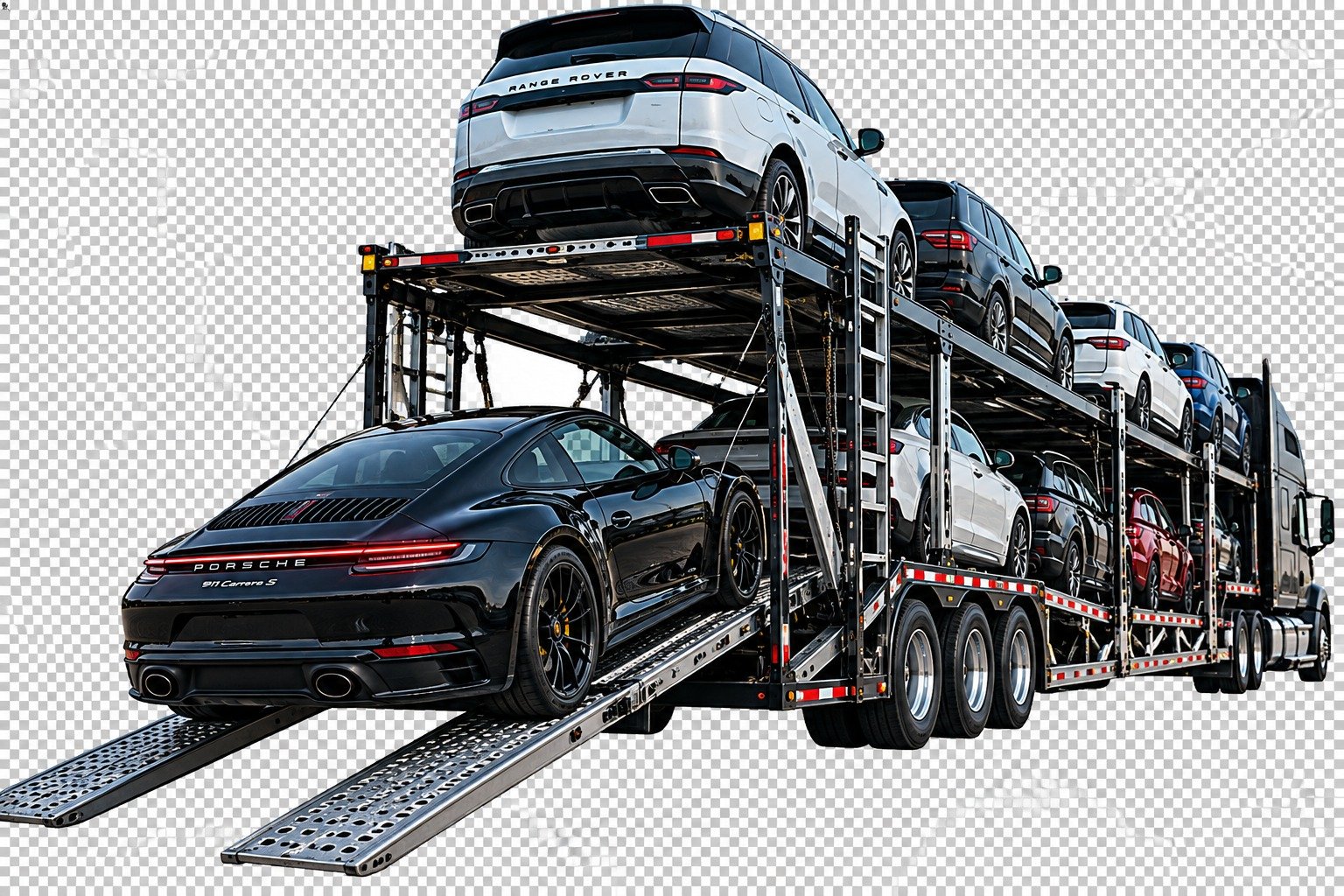
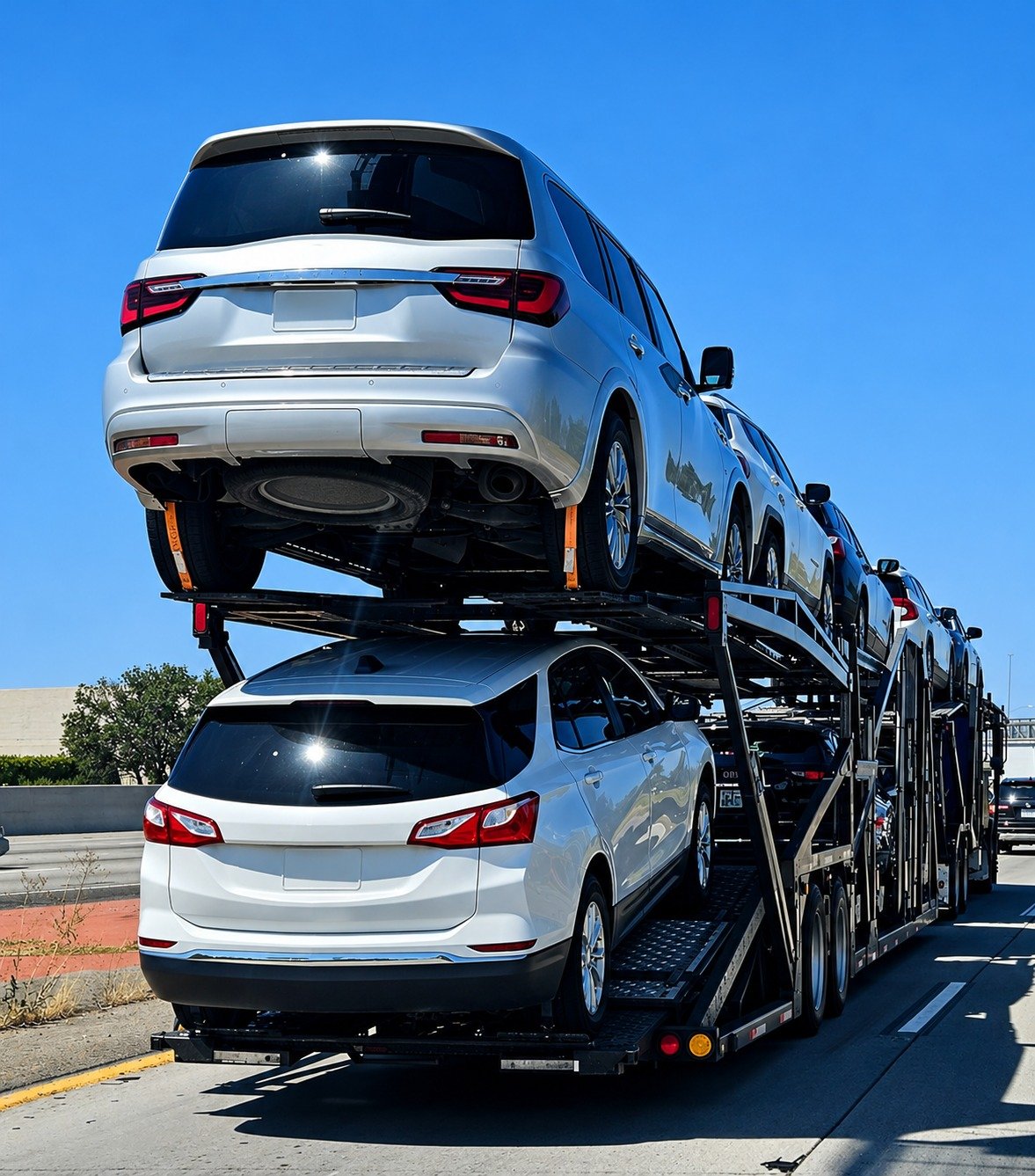
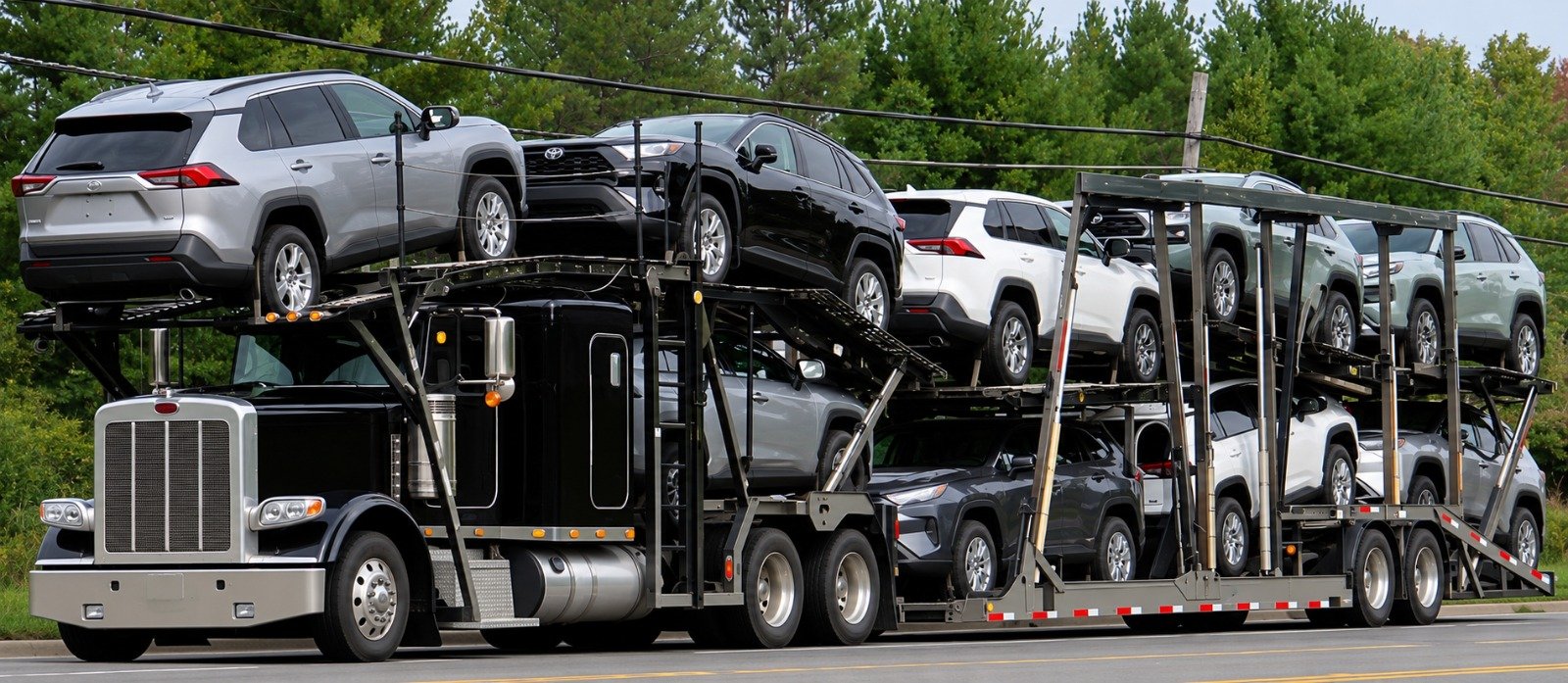
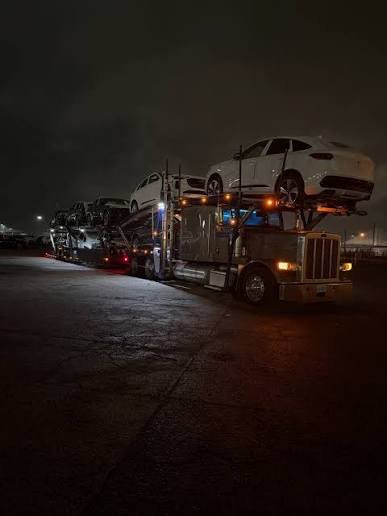
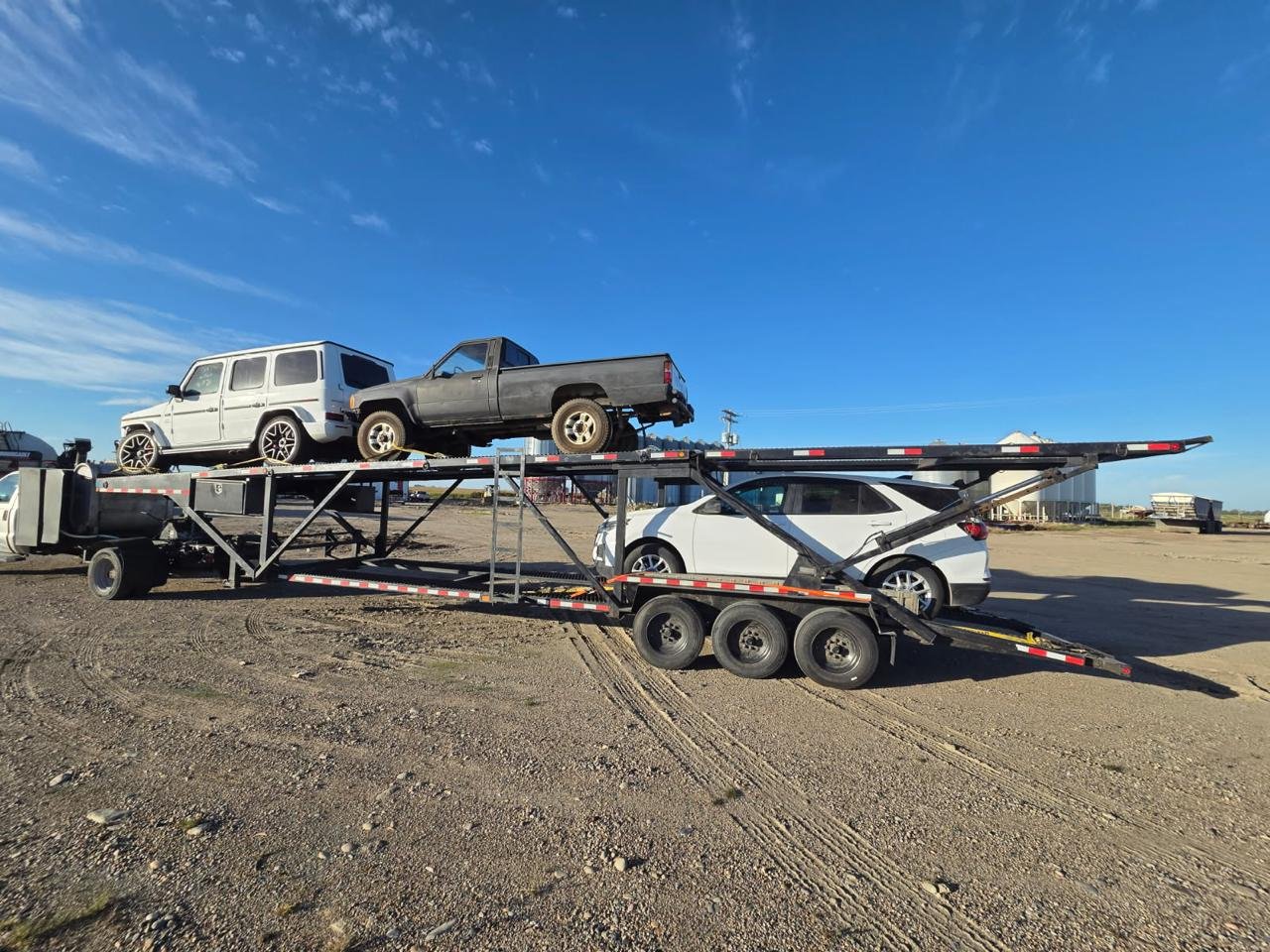
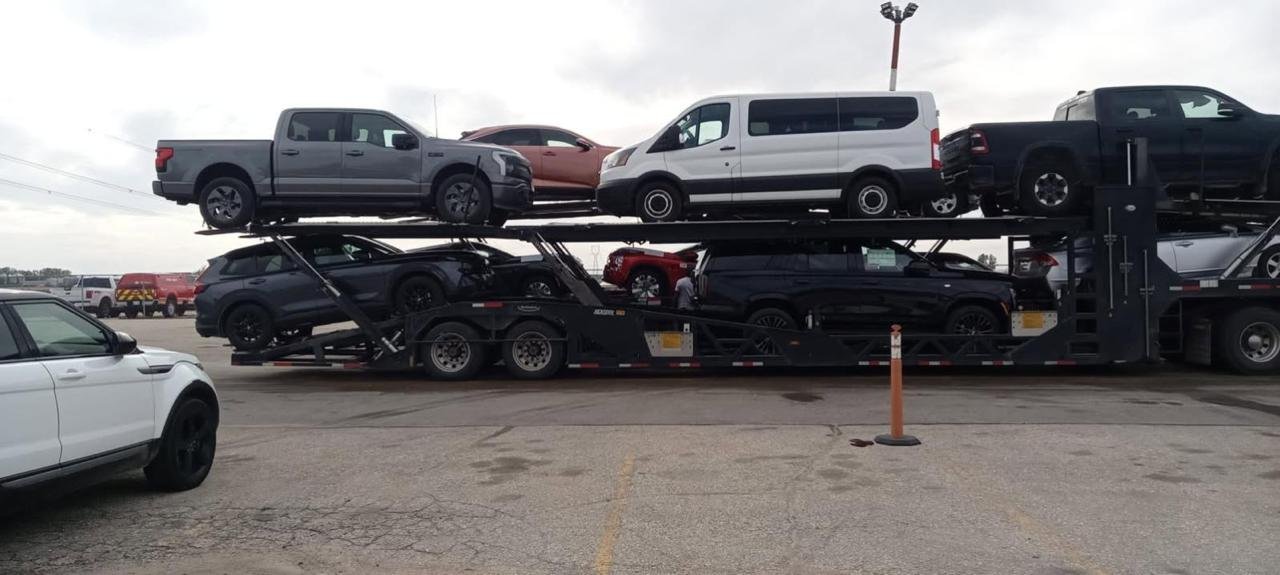
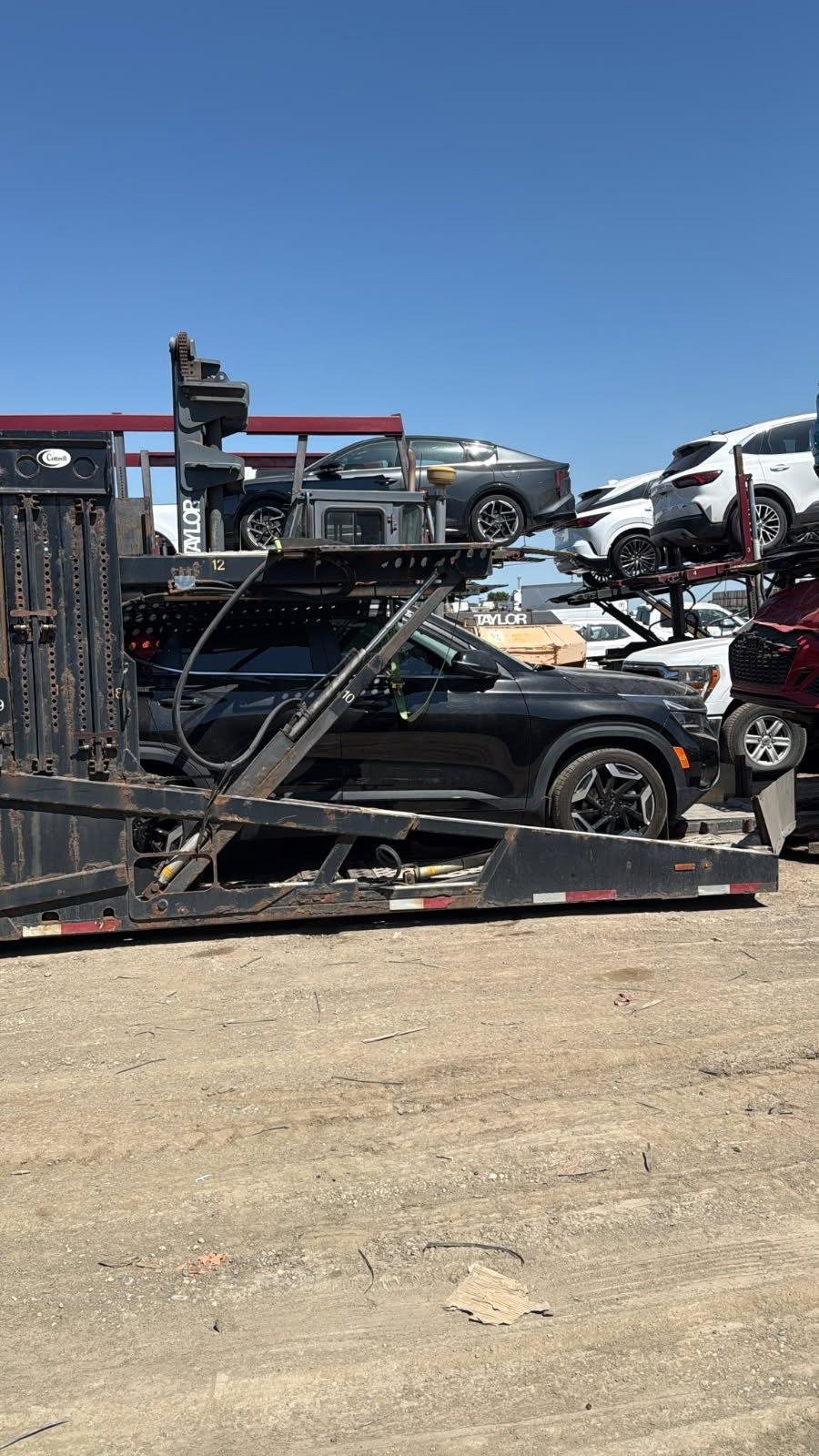
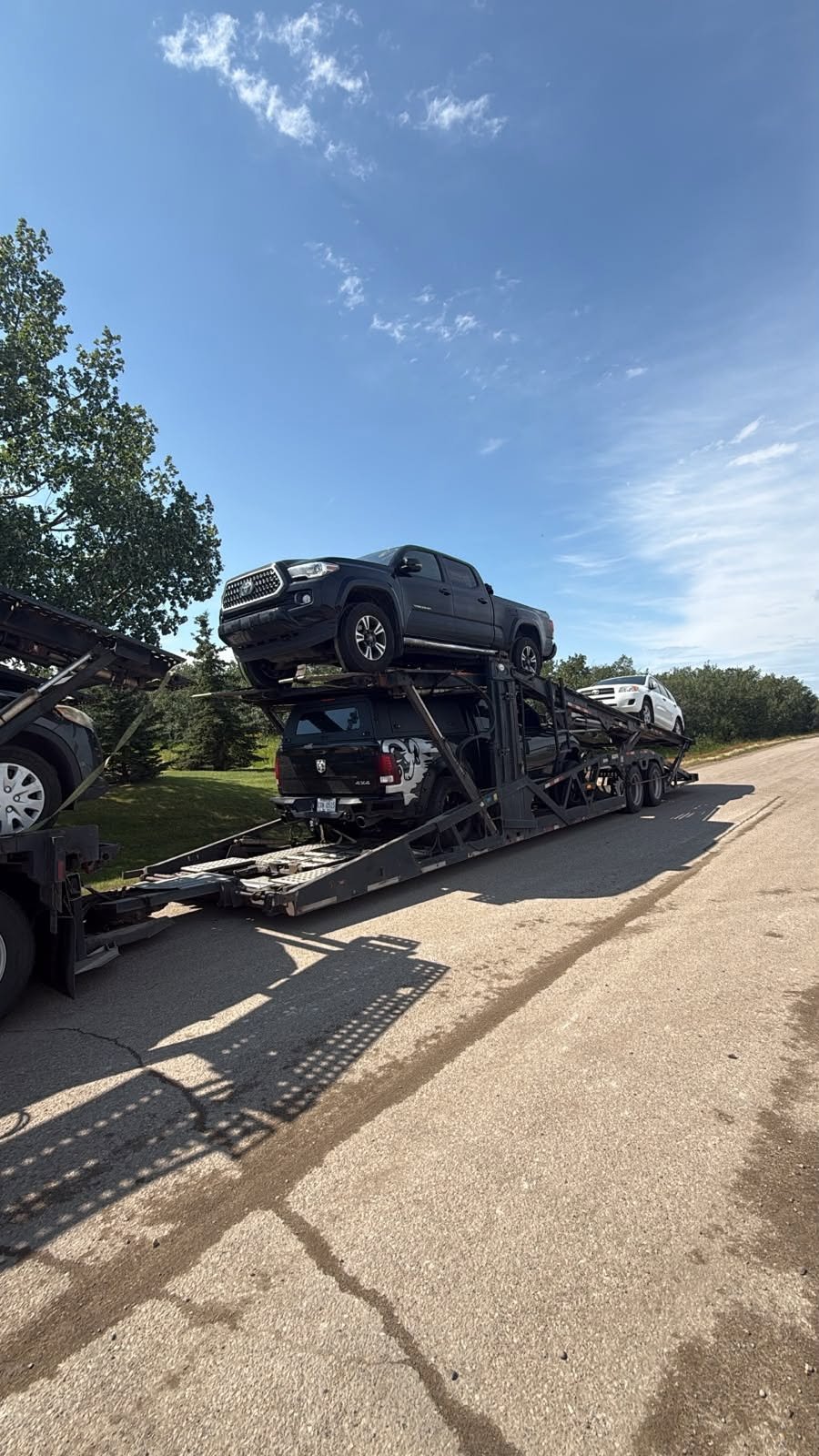
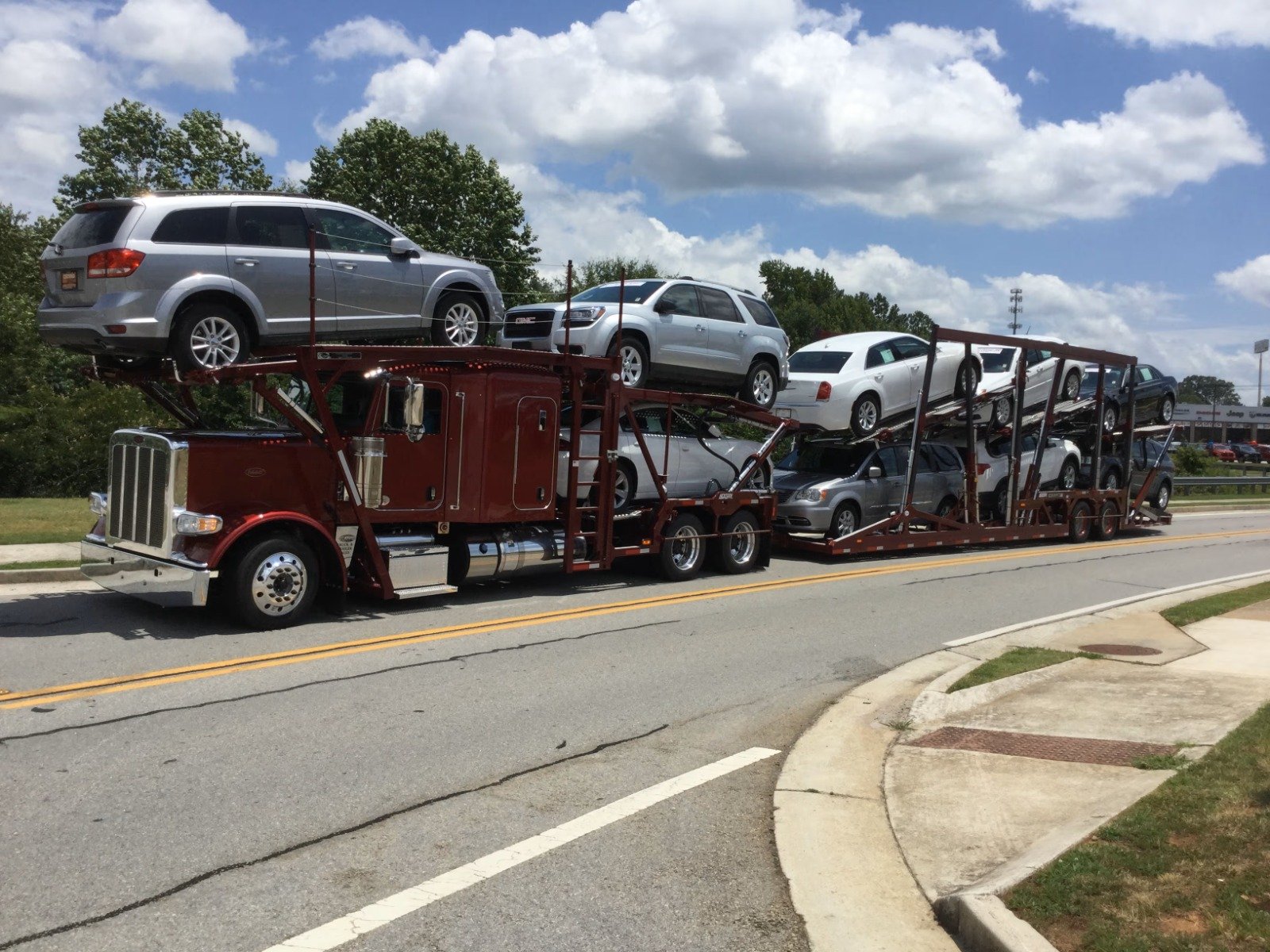
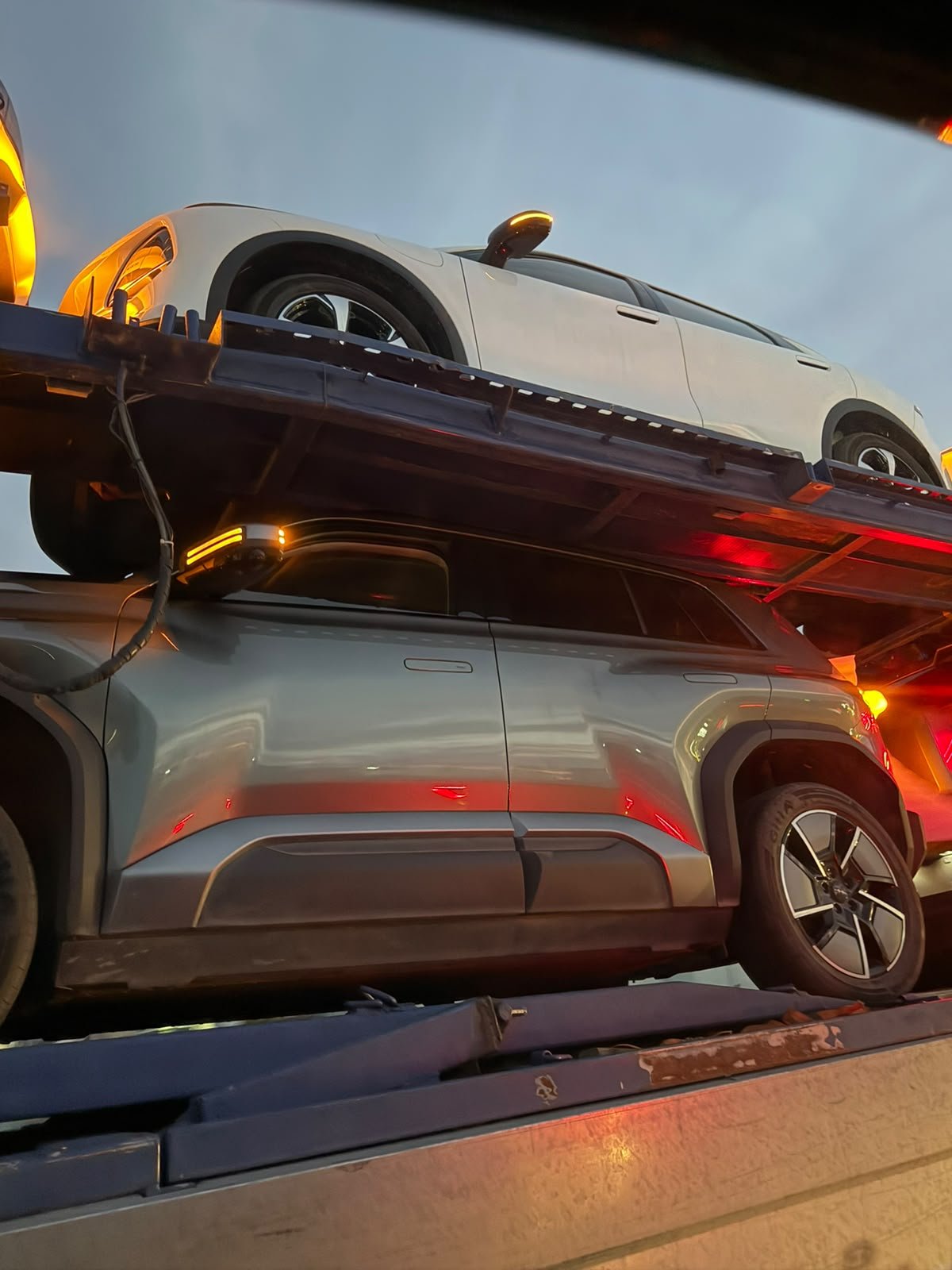
Open transport is the industry standard for vehicle transportation. Your car is loaded onto a multi-level car carrier alongside several other vehicles. This is the most cost-effective and readily available method for standard daily drivers, SUVs, and trucks. While the vehicle is exposed to weather and road debris (similar to driving it yourself), damage is incredibly rare when handled by professionals.
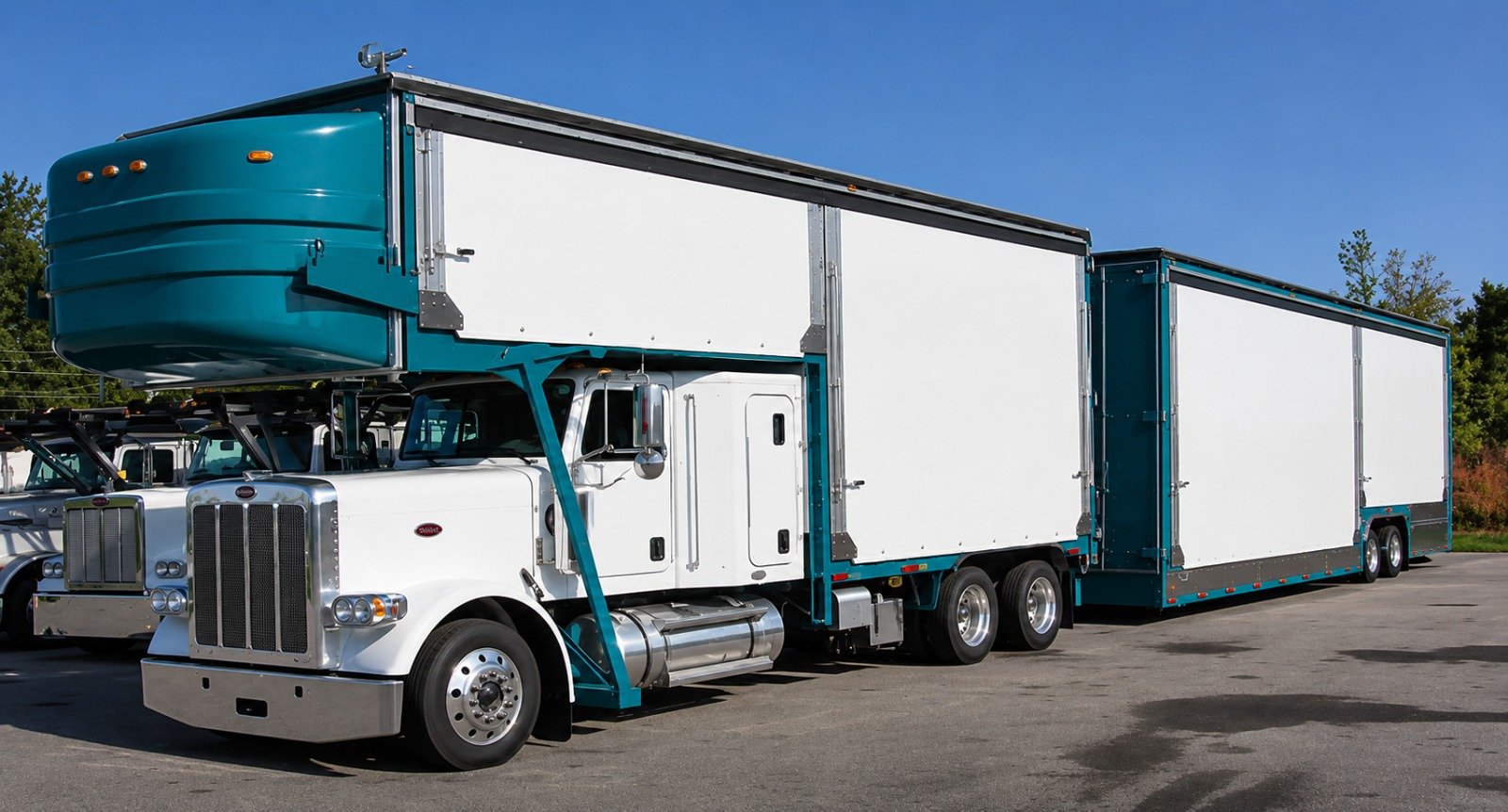
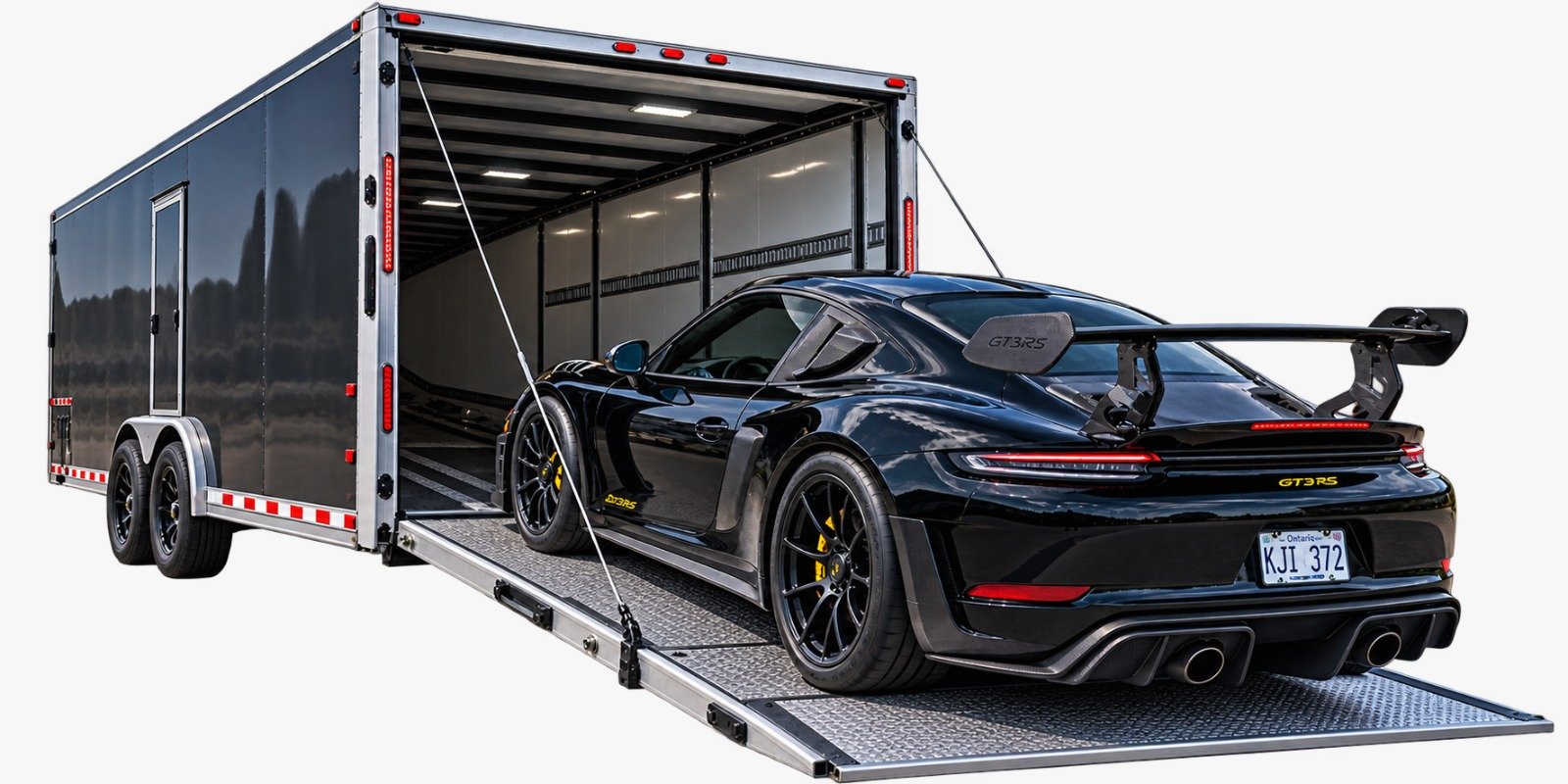
Enclosed Vehicle Transport
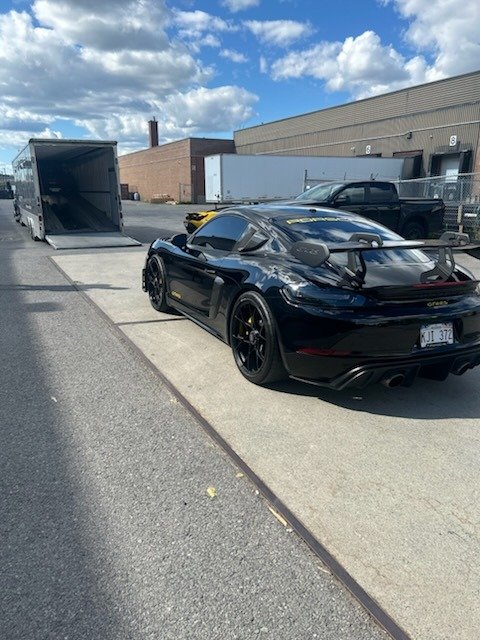
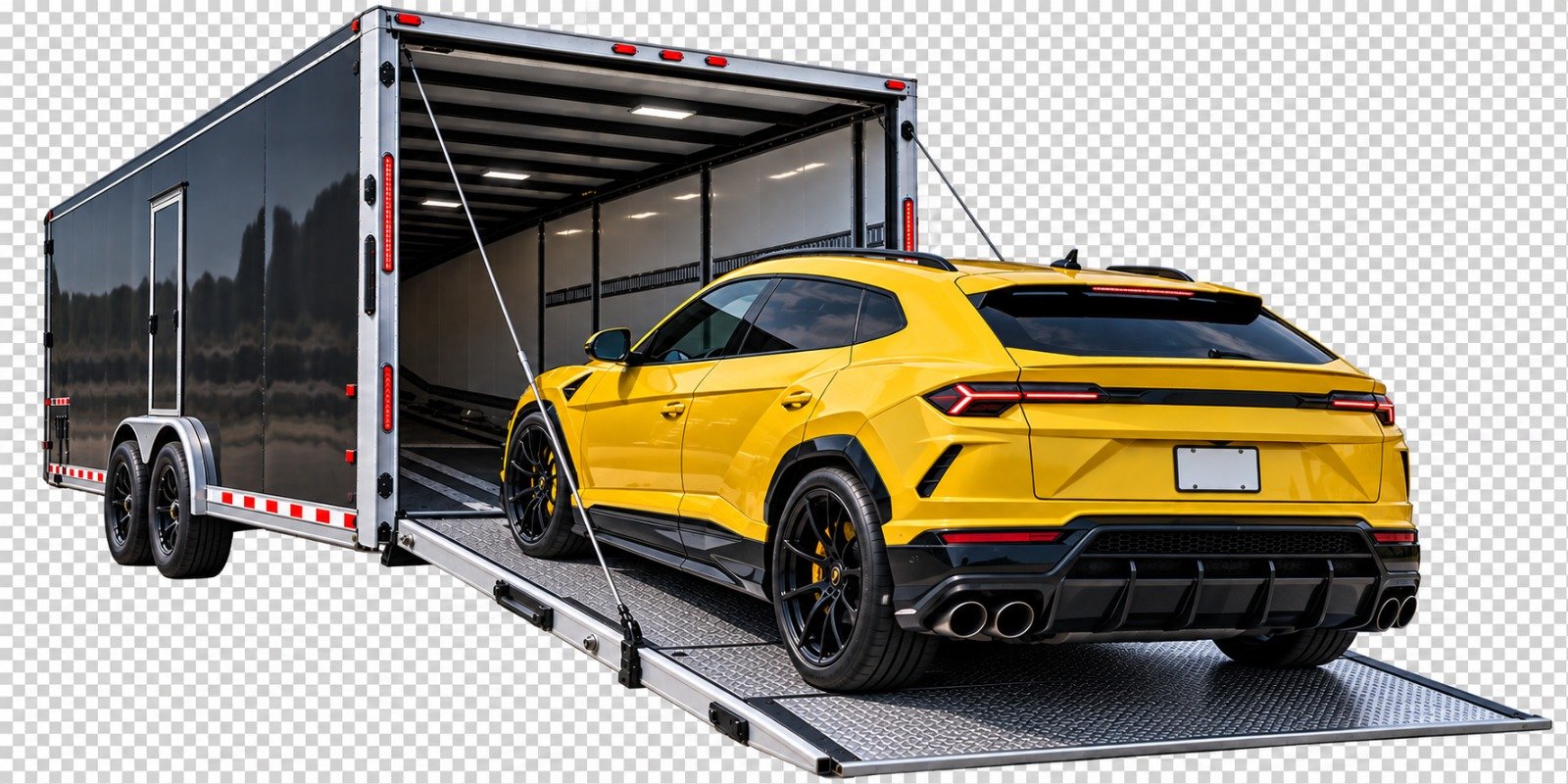
If you are shipping a luxury, classic, or high-value vehicle, enclosed transport is highly recommended. Enclosed trailers protect vehicles from snow, rain, rock chips, and dirt. It offers the highest level of security and protection, though it comes at a premium price point compared to open carriers.
2. Choose the Right Delivery Method for Your Needs
Auto transport companies typically offer different pickup and delivery logistics based on your budget and convenience preferences. Knowing what to expect when shipping a car across Canada depends heavily on the delivery method you choose.
- Door-to-Door Car Shipping: The carrier will pick up and deliver your vehicle as close to your specified addresses as legally and safely possible. This is the most convenient option, saving you a trip to a shipping terminal.
- Terminal-to-Terminal Shipping: You drop off your vehicle at a designated transport yard, and pick it up from another yard at the destination. This is often more economical and offers flexibility if you cannot be present for a specific delivery window.
- Railway Transportation: Rail transport is a popular and efficient method for cross-country car shipping (for example, from Vancouver to Toronto). It is cost-effective for long distances but operates strictly on terminal-to-terminal networks.
If you live in a dense urban area with narrow streets, a massive 80-foot car carrier may not be able to reach your front door safely. In these cases, your driver will arrange to meet you at a nearby large parking lot (like a shopping center) to complete the door-to-door handover.
3. Preparing a Car for Shipping Properly
Proper preparation is one of the most critical car shipping tips. A well-prepared vehicle ensures a smooth loading process and prevents delays. Before handing your keys to the carrier, complete the following checklist:
- Wash the exterior: A clean car makes the pre-shipping inspection much more accurate, allowing you to document existing scratches or dents clearly.
- Check for leaks: Carriers may refuse vehicles that have active fluid leaks, as they can drip onto and damage vehicles loaded on the lower decks.
- Monitor fuel levels: Keep the gas tank at a quarter (1/4) full. This is enough fuel for loading and unloading, but minimizes the vehicle's transport weight.
- Disable alarms: Turn off any aftermarket alarm systems to prevent them from triggering during transit, which can drain the battery.
- Remove toll tags: Take down any electronic toll passes to avoid unexpected charges as the transport truck passes through toll routes.
4. Factor in Canadian Weather and Transit Times
How long does it take to ship a car in Canada? The answer depends heavily on the time of year and the distance. Shipping a vehicle from British Columbia to Ontario or Quebec generally takes between 7 to 14 days, but the Canadian climate can impact these timelines.
During the winter months, severe snowstorms, icy mountain passes, and reduced daylight hours can slow down heavy-duty transport trucks. Safety is the top priority for professional drivers. If you are booking a cross-country car shipping service between November and March, allow for a flexible delivery window.
5. Review Carrier Insurance Coverage
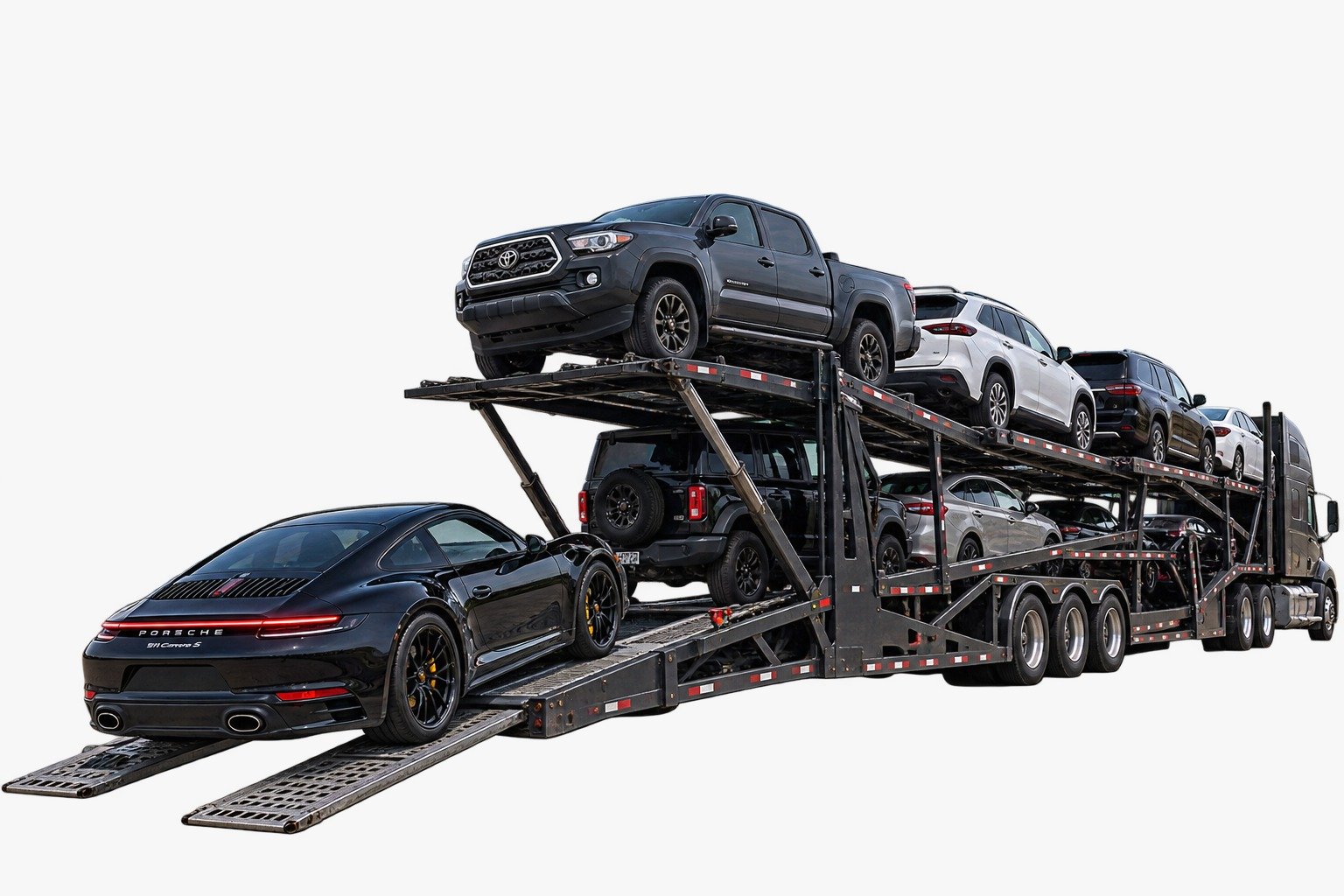
A common question is: "Is car shipping insured in Canada?" Yes, reputable auto transport companies carry specific cargo insurance that covers your vehicle while it is in transit. However, you should never assume total coverage without verifying the details.
Always ask your transportation provider for a copy of their insurance certificate. Understand what is covered (usually damage caused by carrier negligence or transit accidents) and what is not (such as Acts of God or damage caused by items left inside the vehicle). It is also highly recommended that you maintain your personal auto insurance policy while the vehicle is being shipped.
6. The Importance of the Vehicle Inspection Report
Before your car is loaded onto the truck, you and the driver will conduct a thorough walk-around inspection. The driver will document the vehicle condition, noting any existing scratches, dents, or paint chips. This is recorded on a document called the Condition Report.
You must review and sign this document at pickup. Upon delivery, you will perform the exact same inspection. If there is any new damage, it must be noted on the delivery inspection report before you sign off and the driver leaves. Failing to document damage at delivery can make filing an insurance claim extremely difficult.
Take high-quality photos and videos of your vehicle's exterior and interior in good lighting just before the driver arrives. This provides irrefutable time-stamped proof of your car’s condition prior to departure.
7. Do Not Pack Personal Belongings in the Car
One of the most important things to know before shipping a car in Canada is that auto transport companies are strictly licensed to move vehicles, not household goods. Transporting a car packed with personal items poses multiple risks:
- Weight limits: Transport trucks are subject to strict highway weight regulations. Extra items add uncalculated weight.
- Safety hazards: Loose items can shift during transit, potentially breaking windows or damaging the interior.
- Lack of insurance: Carrier cargo insurance covers the vehicle itself, not laptops, clothing, or valuables left inside the trunk.
Most carriers require the vehicle to be completely empty, save for the spare tire, jack, and standard vehicle manuals.

8. Inter-Provincial Inspections and Regulations
When you are permanently moving a vehicle from one Canadian province to another (e.g., from Vancouver to Toronto), you must comply with the destination province's local regulations.
Most provinces require an out-of-province vehicle safety inspection before you can register and insure the car locally. Furthermore, certain provinces have strict regulations regarding winter tires. If your vehicle is arriving in Quebec or British Columbia during the winter, ensure it is equipped with the legally mandated winter tires to drive it away from the drop-off location safely.
9. Don't Base Your Decision on Price Alone
When comparing car shipping quotes, it is tempting to go with the absolute lowest price. However, in the auto logistics industry, unusually low quotes are often a red flag.
Lowball quotes can result in hidden fees, extended delays, or your vehicle being handed off to unverified, sub-standard carriers. What to check before booking a car shipping company includes their industry reputation, transparency regarding transit times, customer service responsiveness, and their carrier vetting processes. Opting for a trusted, professional coordinator like Optixtrace ensures your vehicle is managed by experienced logistics professionals prioritizing safety over cut-rate shortcuts.
10. Keep the Bill of Lading (BOL) Safe
What documents are needed to ship a car in Canada? Aside from your vehicle registration and photo ID, the most critical piece of paperwork is the Bill of Lading (BOL).
The BOL acts as your receipt, the transport contract, and the official vehicle inspection report. It outlines the pickup and delivery addresses, the agreed-upon conditions, and the exact state of the vehicle at both ends of the journey. Never lose your copy of the BOL until the shipping process is entirely complete and you are satisfied with the delivery.

Quick Comparison: Open vs. Enclosed Auto Transport
| Feature | Open Car Transport | Enclosed Vehicle Transport |
|---|---|---|
| Cost | Most affordable and standard option. | Premium pricing (approx. 30-50% higher). |
| Weather Protection | Exposed to rain, snow, and road dust. | Fully protected from all external elements. |
| Best Suited For | Daily drivers, standard SUVs, used cars. | Luxury cars, classic cars, high-value vehicles. |
| Availability | High availability, faster booking times. | Requires advanced booking, fewer trucks available. |
Frequently Asked Questions
Generally, no. Auto transport companies strictly prohibit packing personal belongings or household goods inside the vehicle. Items left inside are not covered by carrier cargo insurance, they add excess weight to the truck, and they can become safety hazards during transit.
When you ship with a professional logistics coordinator, you will receive regular updates regarding your vehicle's status. If you have questions about the exact location of your car, our support team will connect with the carrier dispatcher to provide you with an accurate update.
Yes, either you or a designated representative (such as a friend or family member over the age of 18) must be present at both ends of the journey. You must sign the Bill of Lading and verify the vehicle's condition during the inspection.
Your car will only be driven for loading and unloading purposes. The driver will drive it onto the transport trailer at pickup and drive it off at the destination. It will not be driven across the country.
Summary
Shipping a car in Canada does not have to be a stressful experience. By understanding the differences in transport methods, properly preparing your car, thoroughly reviewing your documents, and maintaining realistic expectations regarding transit times, you can ensure a seamless vehicle relocation.
The most crucial step is partnering with a reliable logistics provider. At Optixtrace Car Shipping, we coordinate safe, professional, and efficient vehicle transportation solutions across Canada, ensuring your vehicle is handled with the utmost care from origin to destination.