Relocating across North America on a military posting brings rigorous timelines, specialized administrative clearances, and significant logistical coordination. For service personnel and military families executing an international posting, organizing reliable San Diego to Cold Lake car shipping is an integral component of a successful transition. Moving a Privately Owned Vehicle (POV) from coastal Southern California to the tactical aviation hub of northern Alberta requires navigating cross-border export mandates, Canadian customs clearance, and vast continental transit corridors.
Whether you are an active-duty member conducting a Permanent Change of Station (PCS), a dual-stationed family managing logistics, or a private vehicle owner requiring cross-border conveyance, coordinating your transport with experienced automotive logistics coordinators ensures that your car arrives safely, on schedule, and fully compliant with all provincial and federal requirements.
San Diego to Cold Lake Auto Transport: Corridor Logistics & Distances
The transit corridor linking San Diego, California, to the City of Cold Lake and Canadian Forces Base (CFB) Cold Lake in northeastern Alberta spans approximately 2,800 to 3,100 kilometres (1,750 to 1,920 miles), depending on the specified highway routing and commercial port of entry. Driving this journey independently during a military transfer consumes multiple days of strenuous driving across severe topological variations—ranging from the high-temperature valleys of the American West to high-altitude mountain passes, before reaching the unpredictable continental plains of central Canada.
For armed forces personnel adhering to strict report-in dates, scheduling dedicated California to Alberta car shipping alleviates the exhaustion, mechanical wear, fuel expenditures, and potential highway hazards associated with self-driving. Coordinated auto carriers operate along primary north-south arterial interstates—such as Interstate 15 through Nevada, Utah, Idaho, and Montana—before accessing major Canadian commercial entry points like Sweet Grass–Coutts and navigating Alberta's provincial highway network toward Cold Lake via Calgary and Edmonton.
Entrusting this long-distance corridor to a trusted provider like Optixtrace Car Shipping ensures your vehicle is managed across designated trade lanes, allowing your household to prioritize flights, housing allocations, and base check-in protocols. You can view our expansive network of cross-country and international options across our dedicated vehicle transportation routes.
US to Canada Car Shipping: Cross-Border Documentation & Import Rules
Executing successful cross-border vehicle transportation demands strict compliance with both United States export regulations and Canadian import mandates. A vehicle cannot simply cross the border on a transport carrier without prior clearance approvals from United States Customs and Border Protection (U.S. CBP) and the Canada Border Services Agency (CBSA).
When arranging military car shipping to Canada, keeping paperwork meticulous eliminates border delays. The core regulatory steps include:
- U.S. Export Electronic Filing: U.S. CBP requires that vehicle title records, ownership details, and export filings be submitted through the Automated Export System (AES) via an authorized customs broker at least 72 business hours before the commercial carrier arrives at the designated border crossing.
- Title and Lien Approvals: If the vehicle is financed or leased, you must secure an official, notarized letter of authorization from the lienholder permitting the vehicle to be transported into Canada, accompanied by a certified copy of the original title.
- Registrar of Imported Vehicles (RIV): Prior to shipping, confirm your vehicle's eligibility on the Transport Canada RIV list. Most modern passenger vehicles manufactured for the U.S. market are eligible, provided they comply with daytime running light specifications, metric instrumentation, and child tether anchor requirements.
- Military Orders & Documentation: Military members conducting a PCS or posting should carry copies of official posting instructions, NATO status agreements (if applicable), and personal identification.
Clean the Undercarriage: The Canadian Food Inspection Agency (CFIA) rigorously inspects imported motor vehicles at commercial border crossings. Vehicles displaying excessive mud, agricultural soil, or organic debris can be denied entry or subjected to mandatory commercial quarantine washes at your expense. Wash the vehicle, including the wheel wells and undercarriage, prior to pickup.
Carrier Selection: Open vs. Enclosed Transport Methods
Selecting the appropriate carrier configuration for your San Diego to Alberta vehicle transport depends on your vehicle type, overall budget, and personal preference regarding road exposure.
1. Open Vehicle Transport
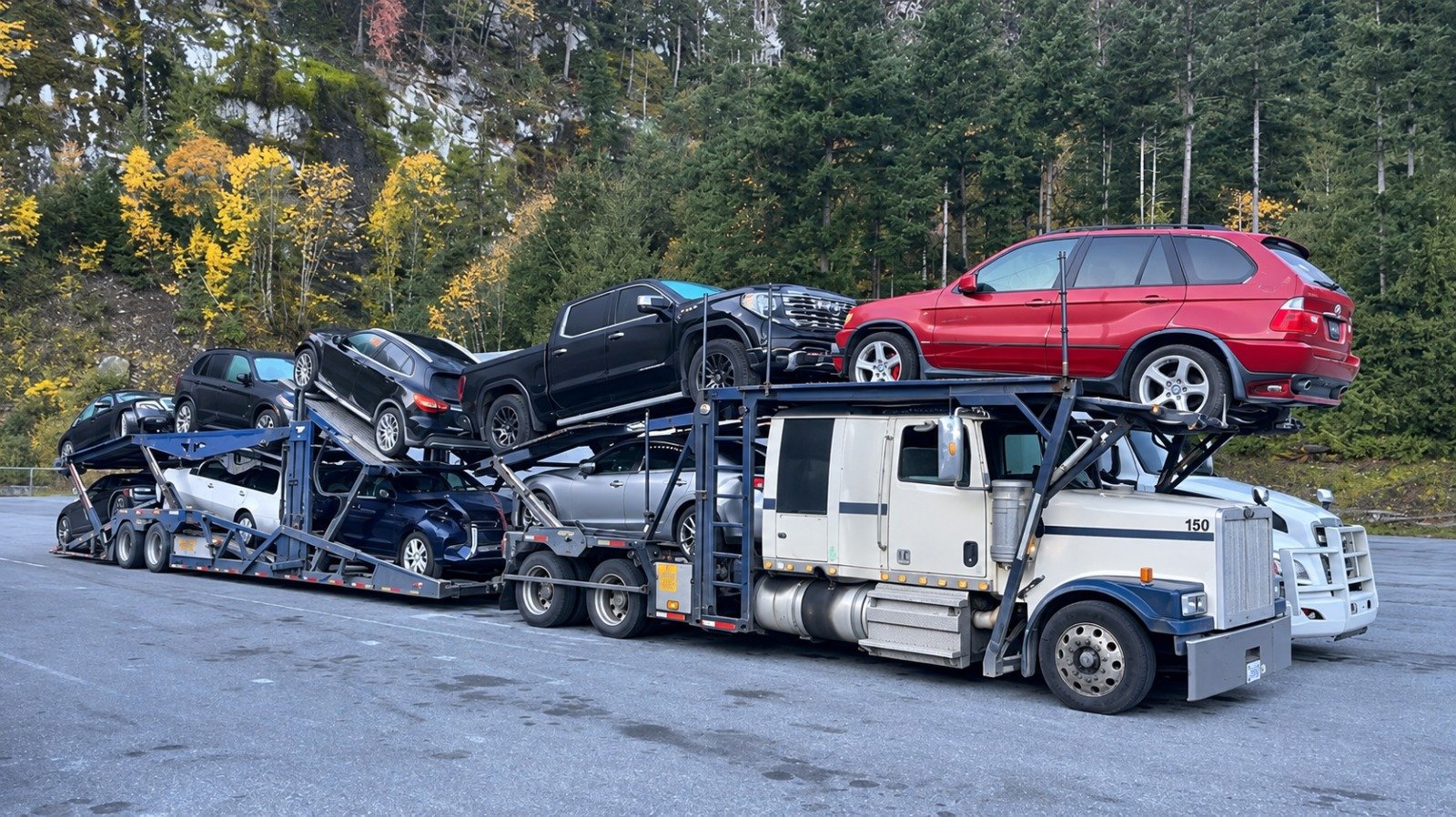
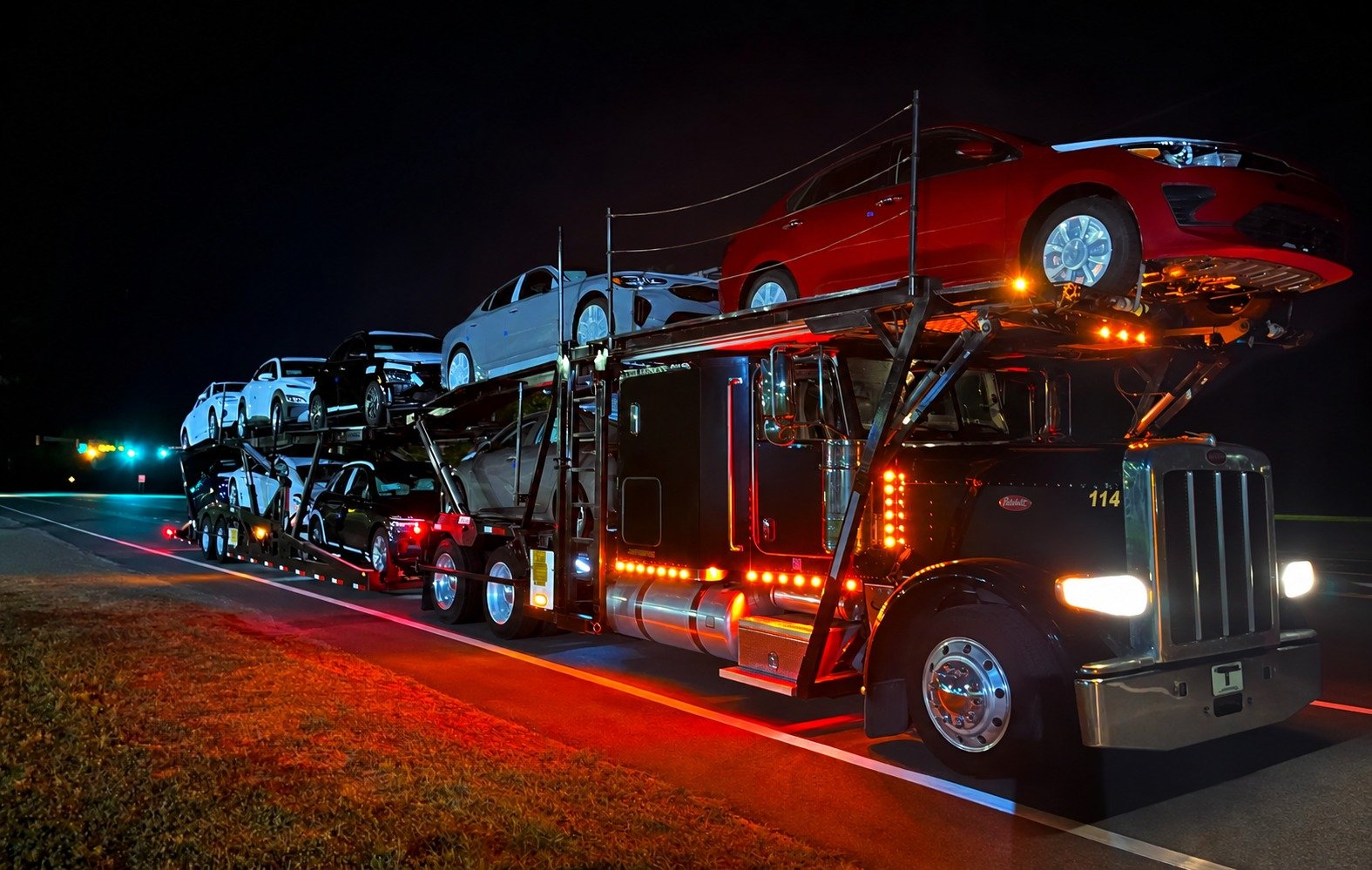
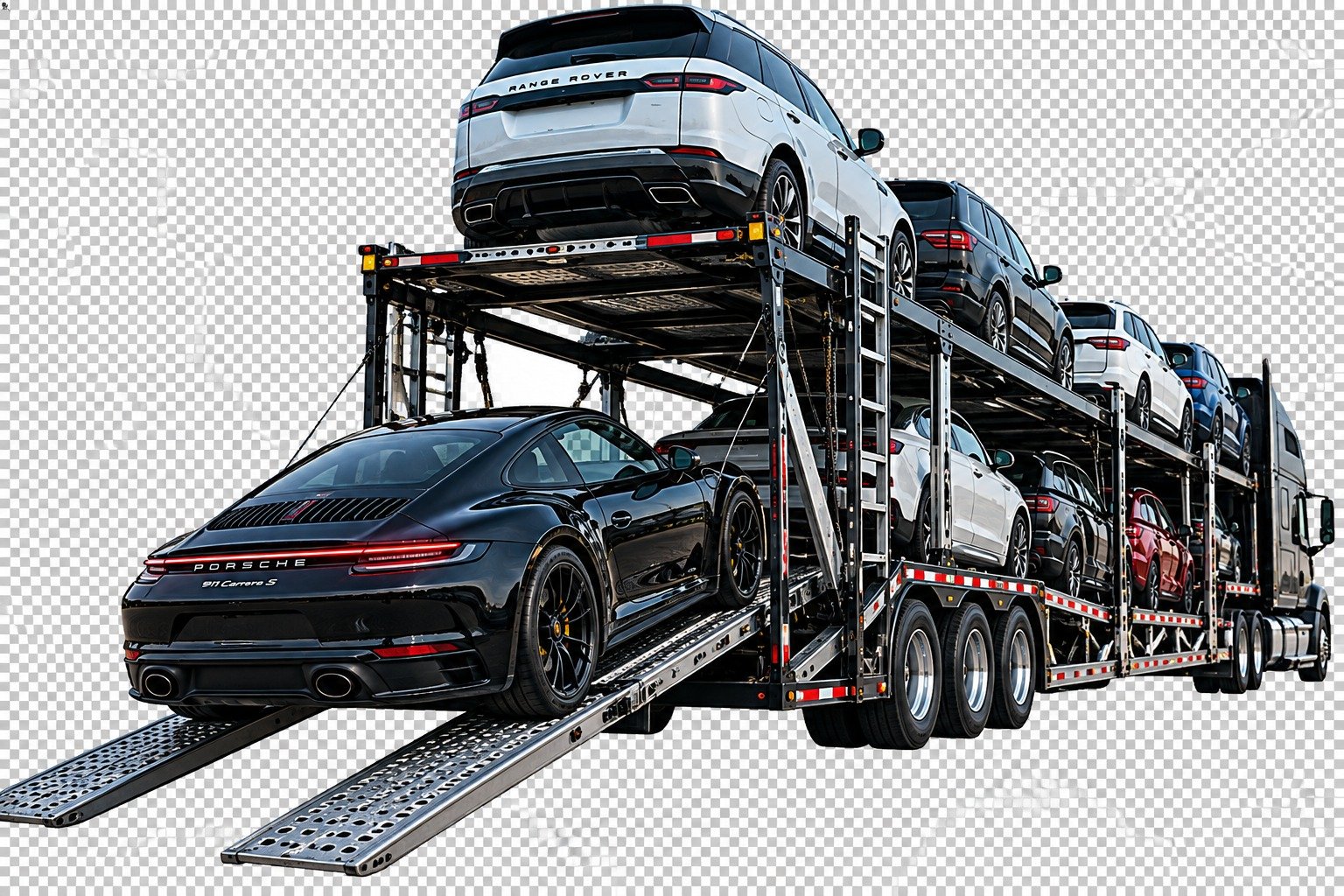
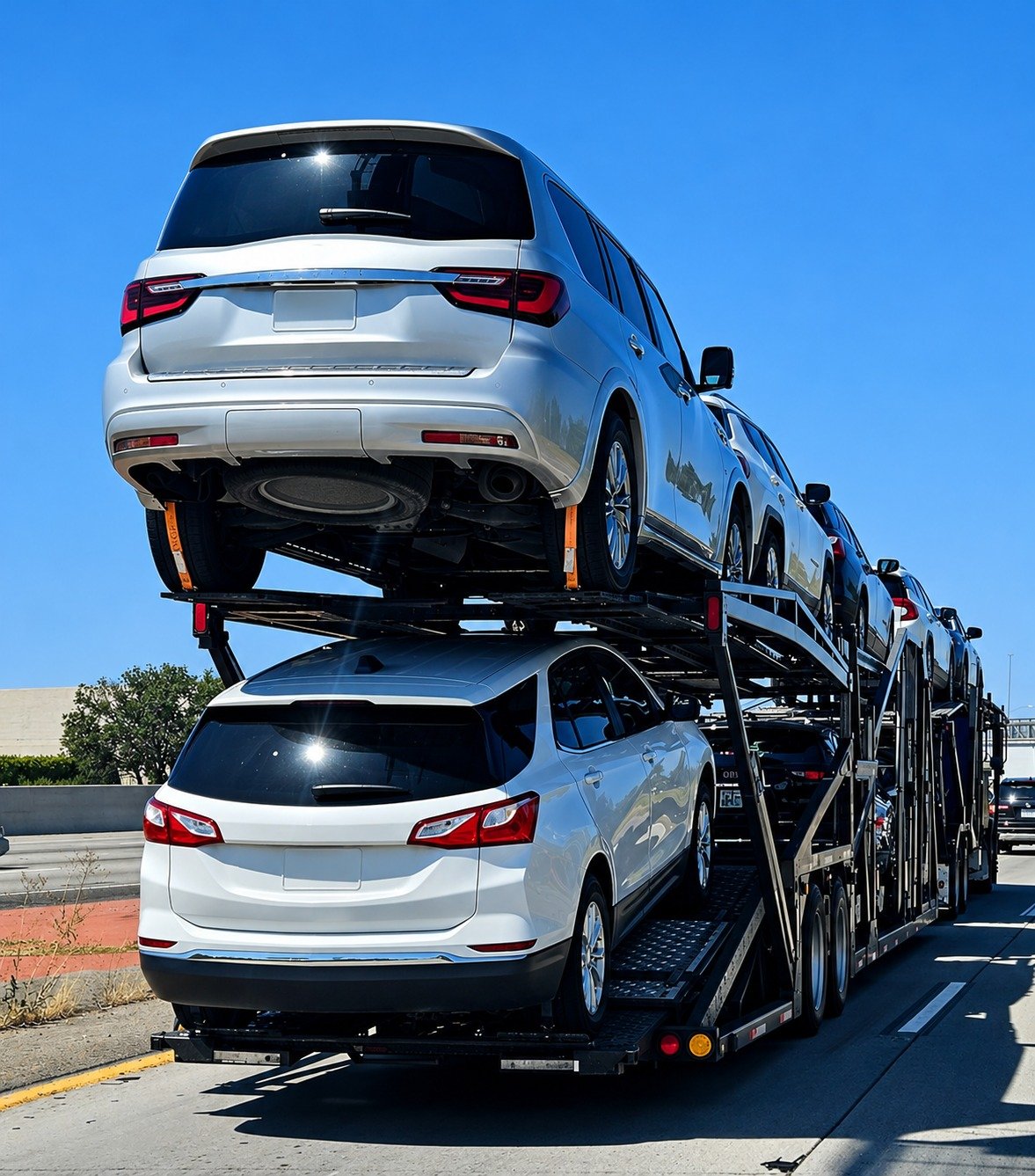
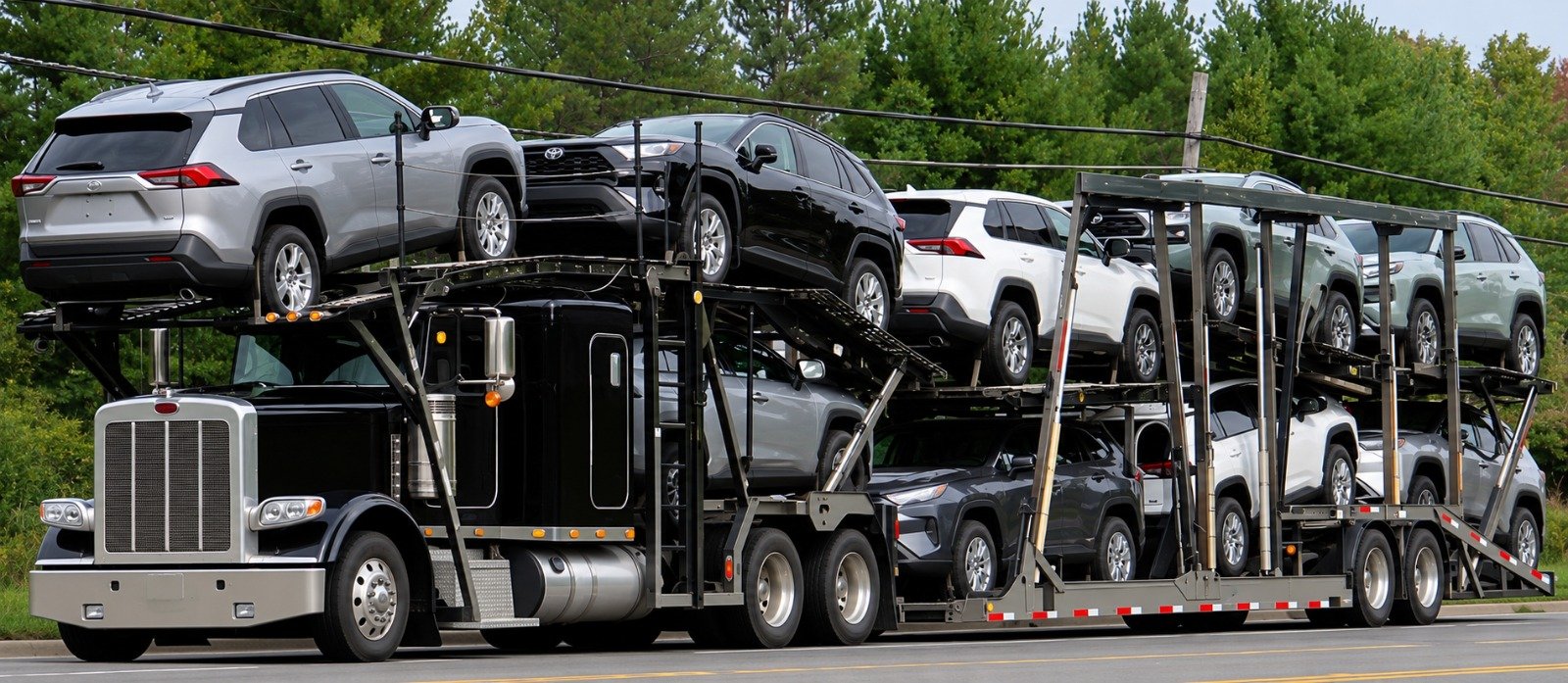
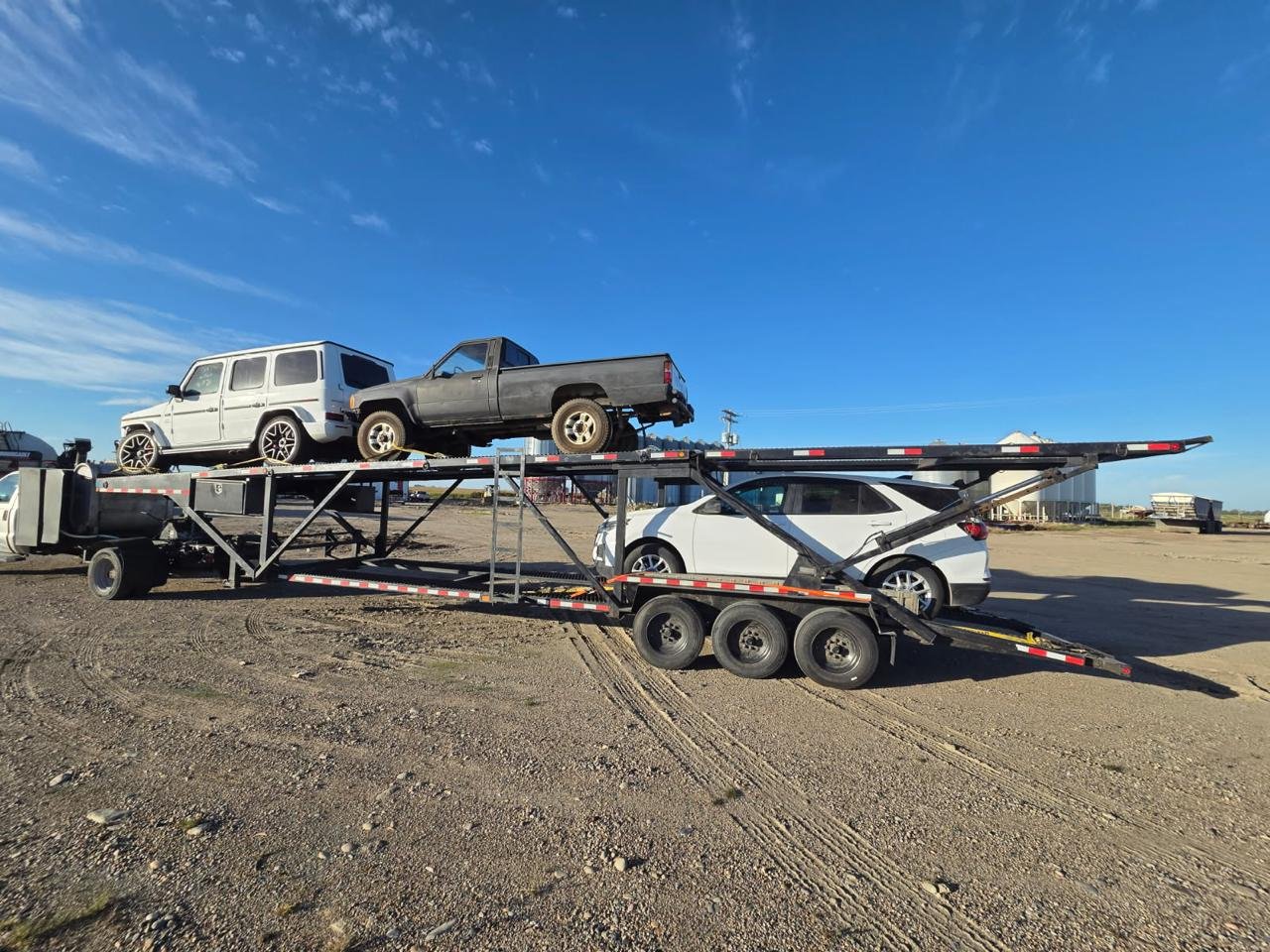
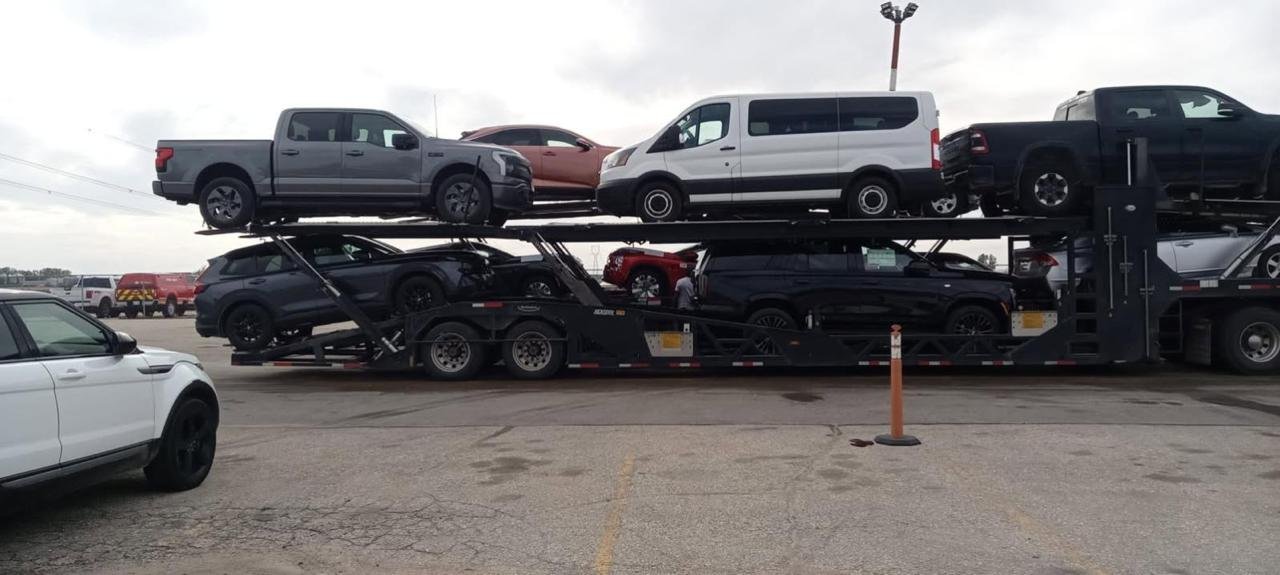
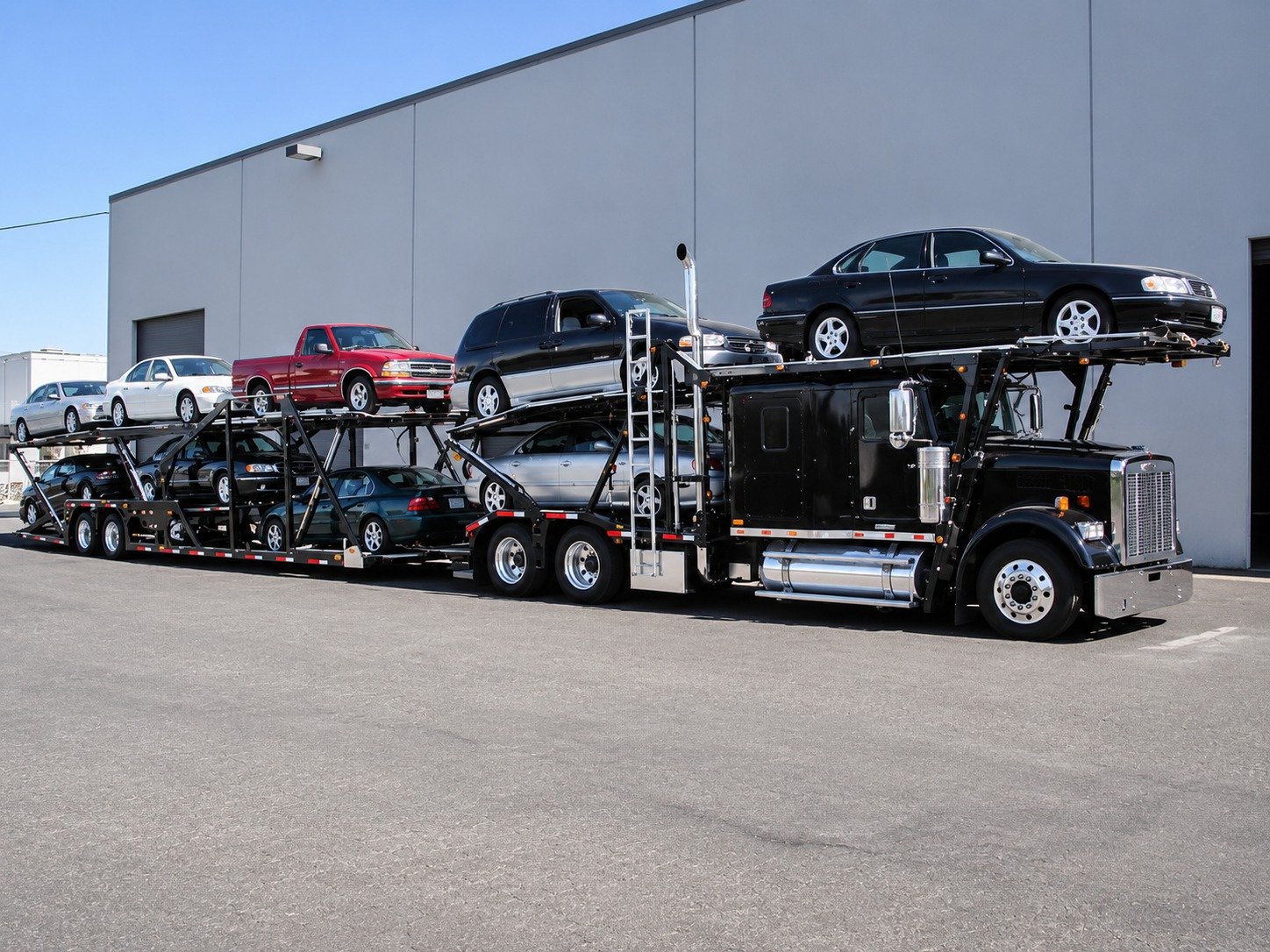
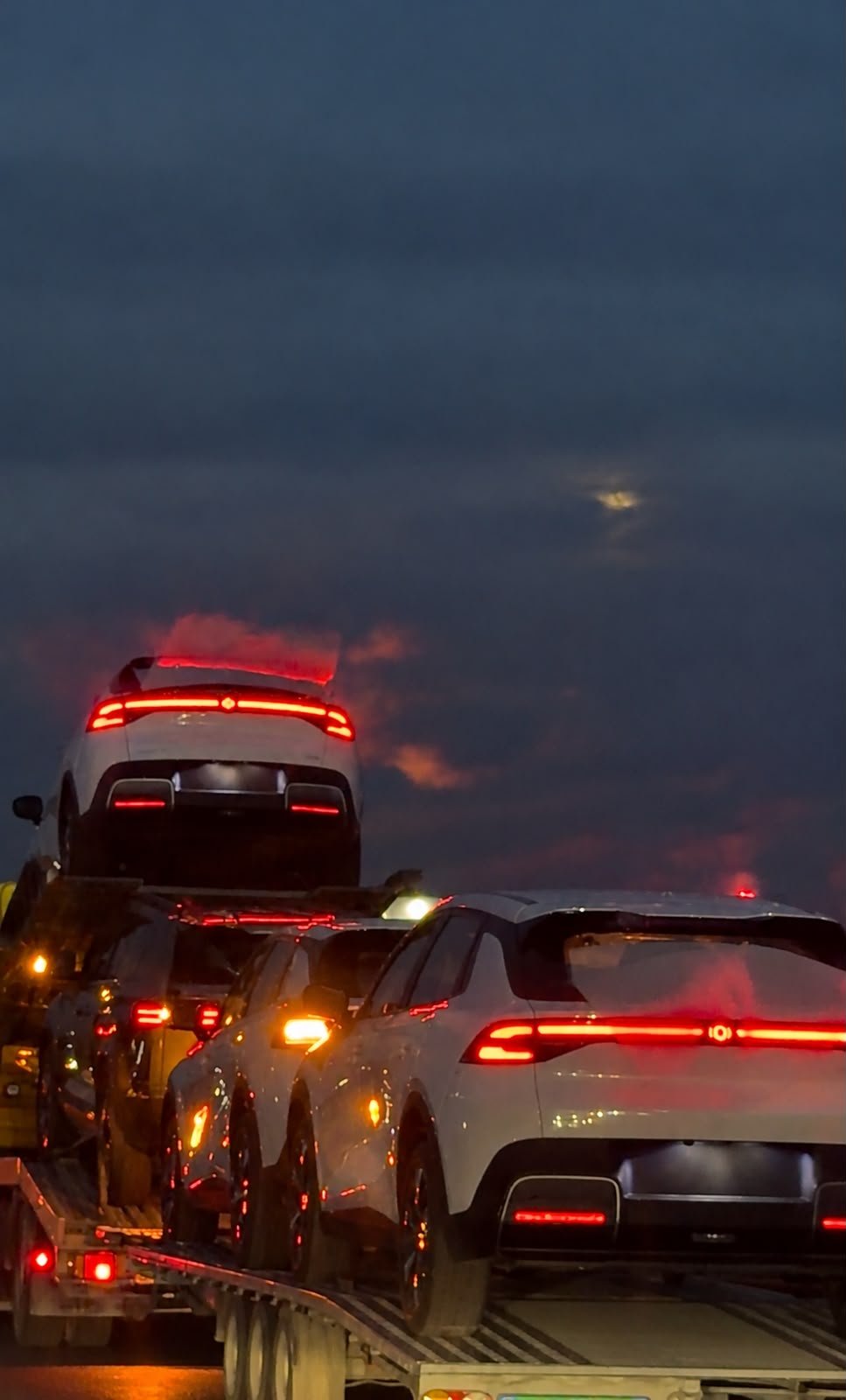
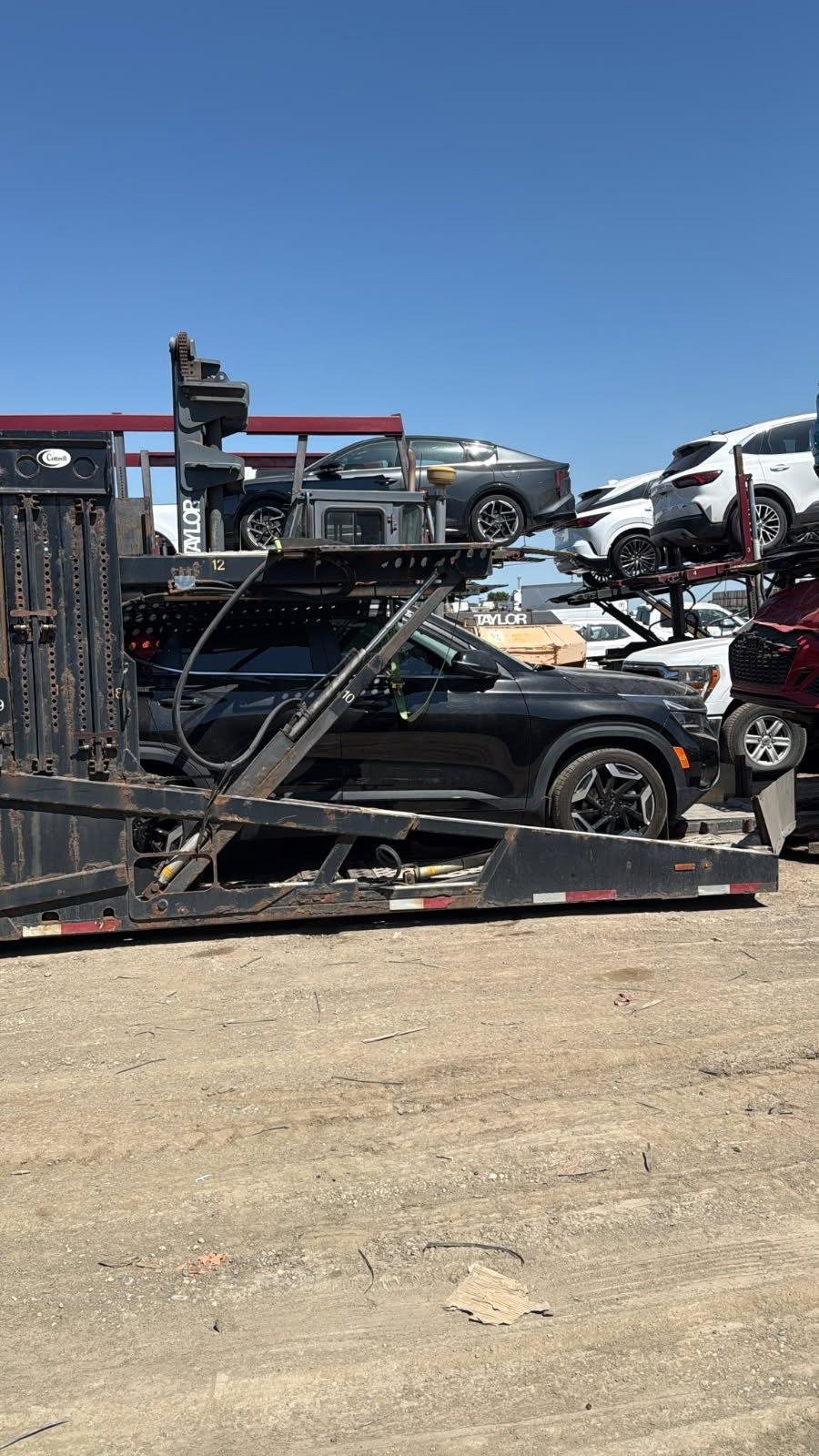
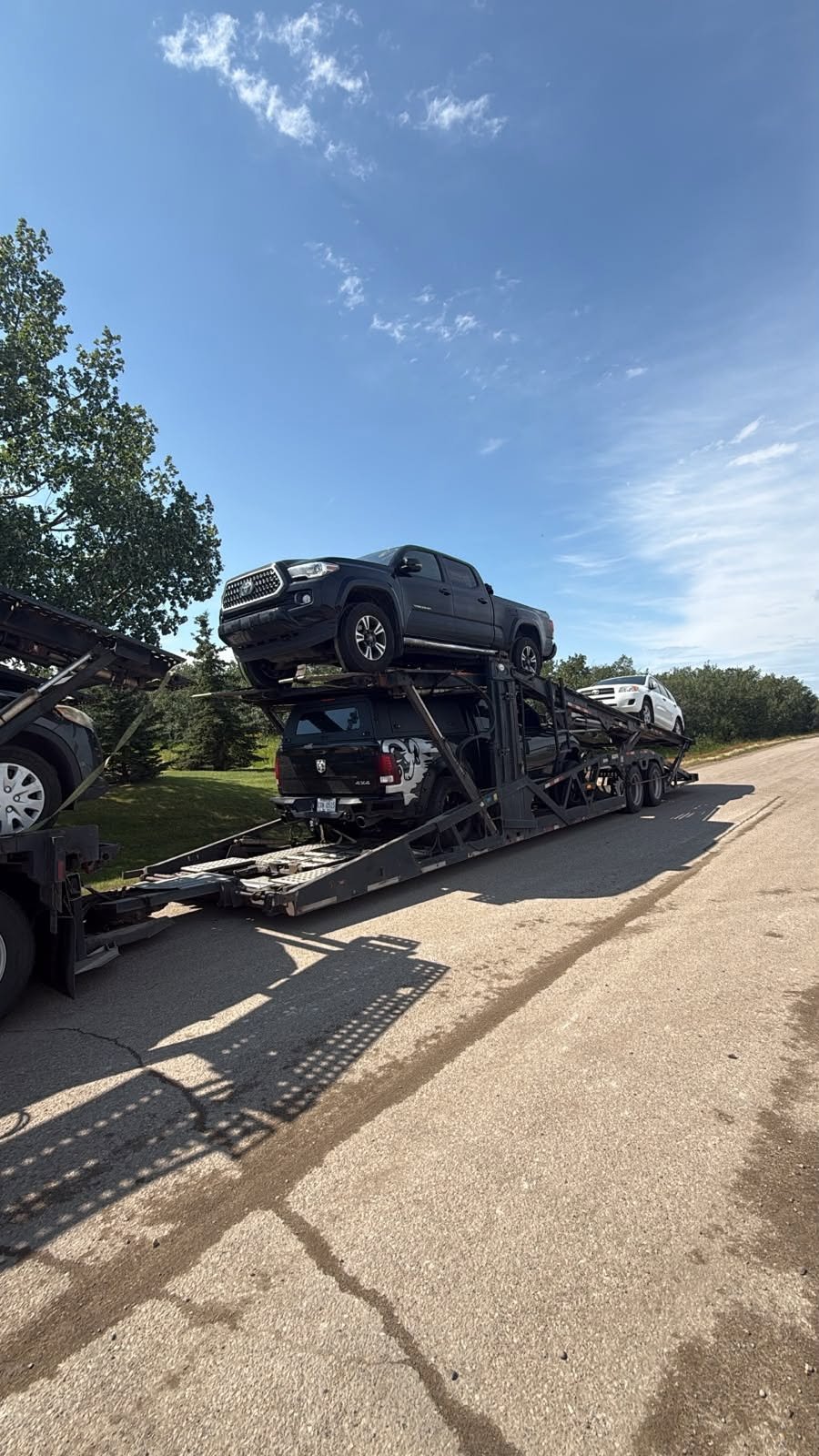
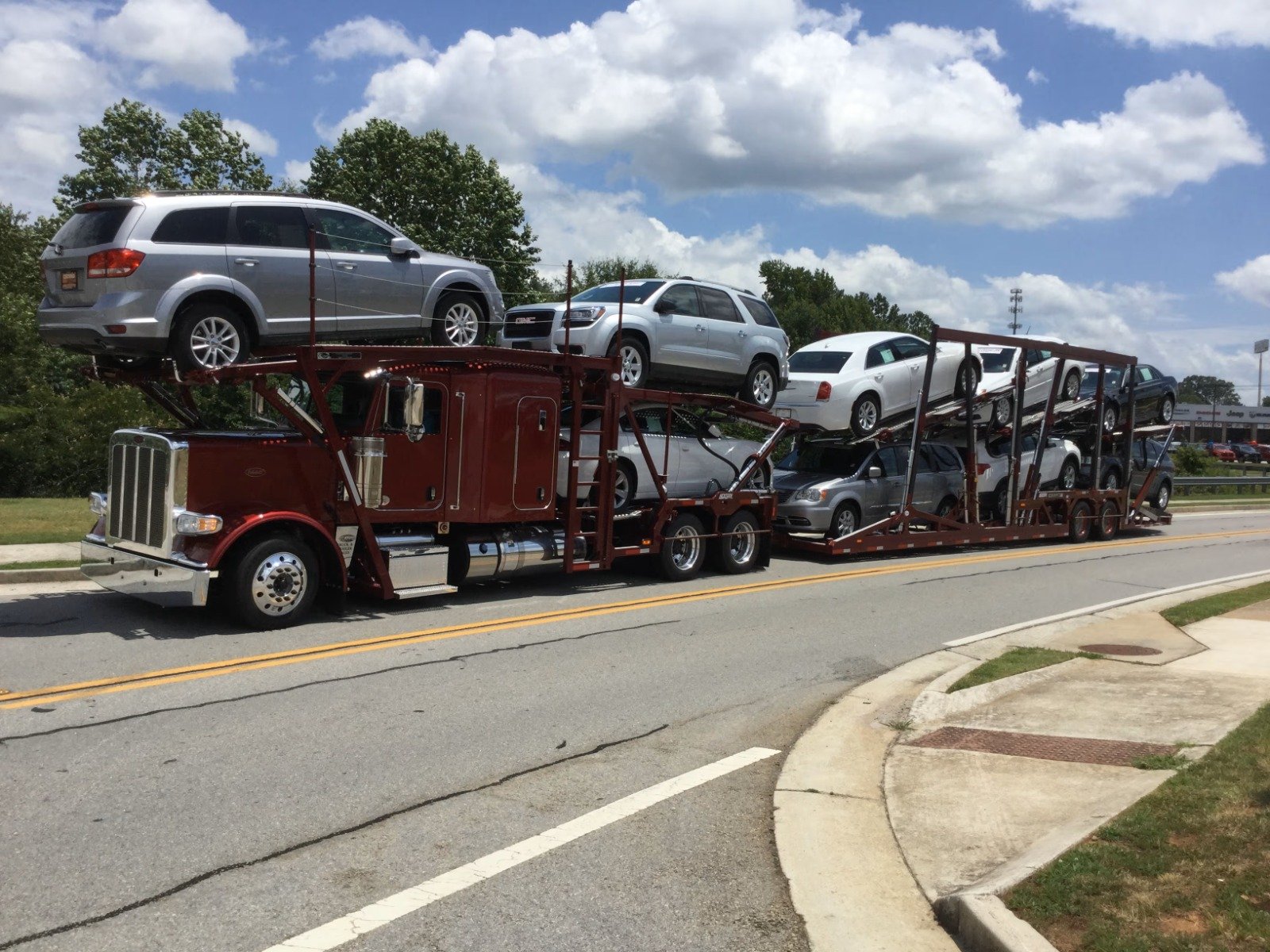
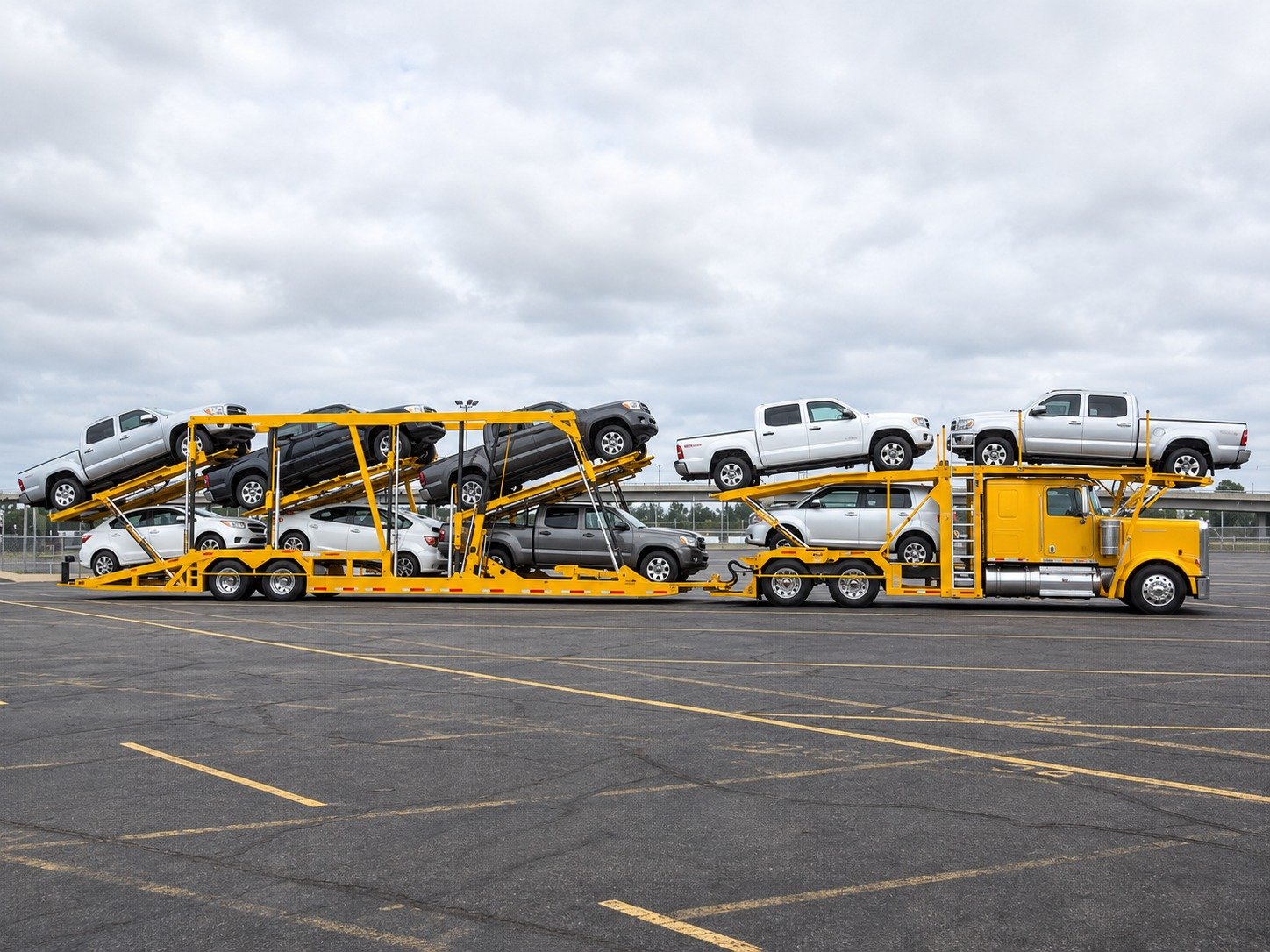
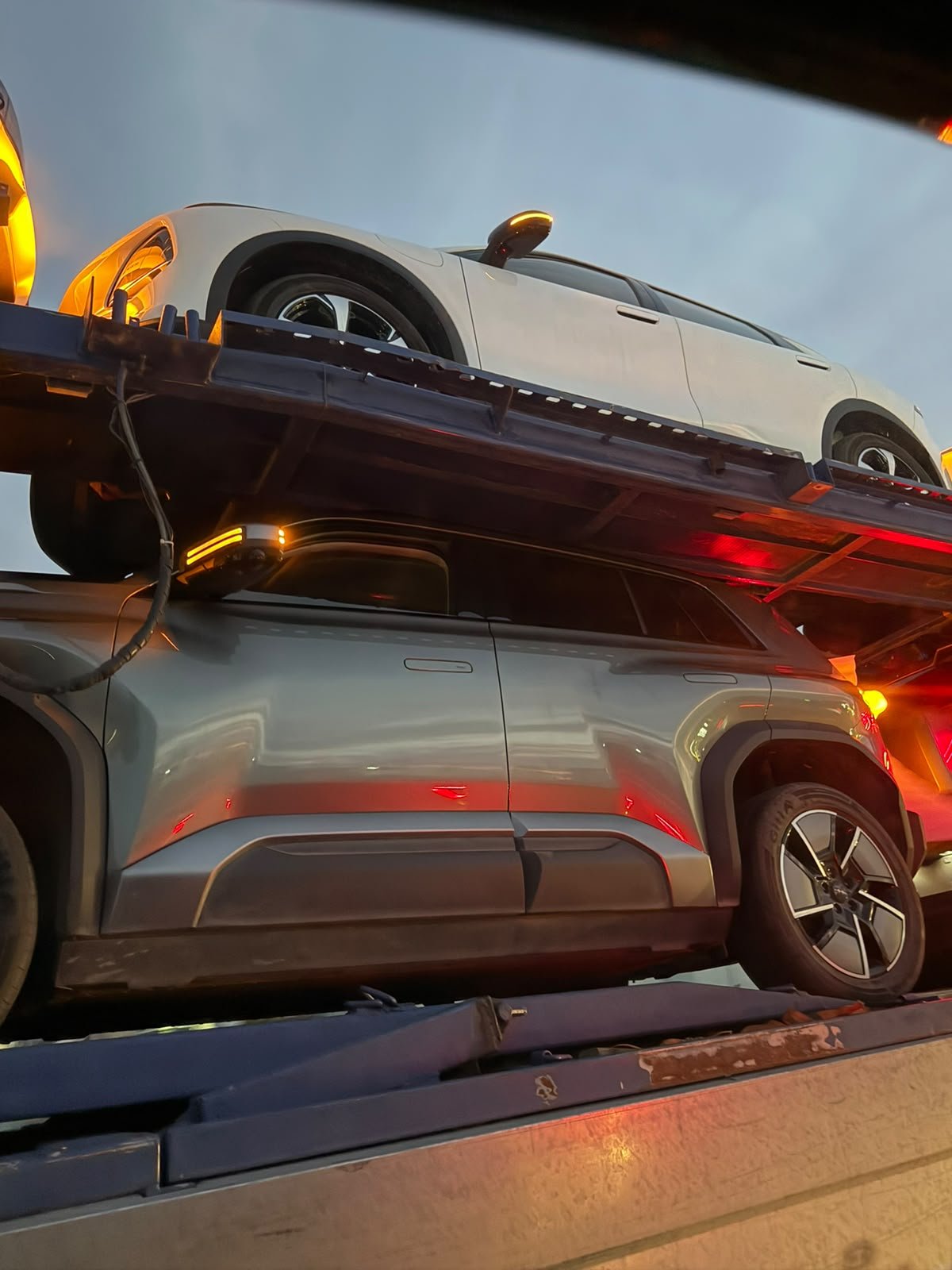
Open transport represents the standard, most economical, and most widely utilized method in long-haul auto logistics. Your vehicle is safely secured on an engineered multi-level car carrier alongside other passenger vehicles. This method delivers exceptional cost efficiency for daily drivers, family SUVs, and light trucks. If you want the most accessible cross-border pricing, explore our dedicated open vehicle transport solutions.
2. Enclosed Vehicle Transport
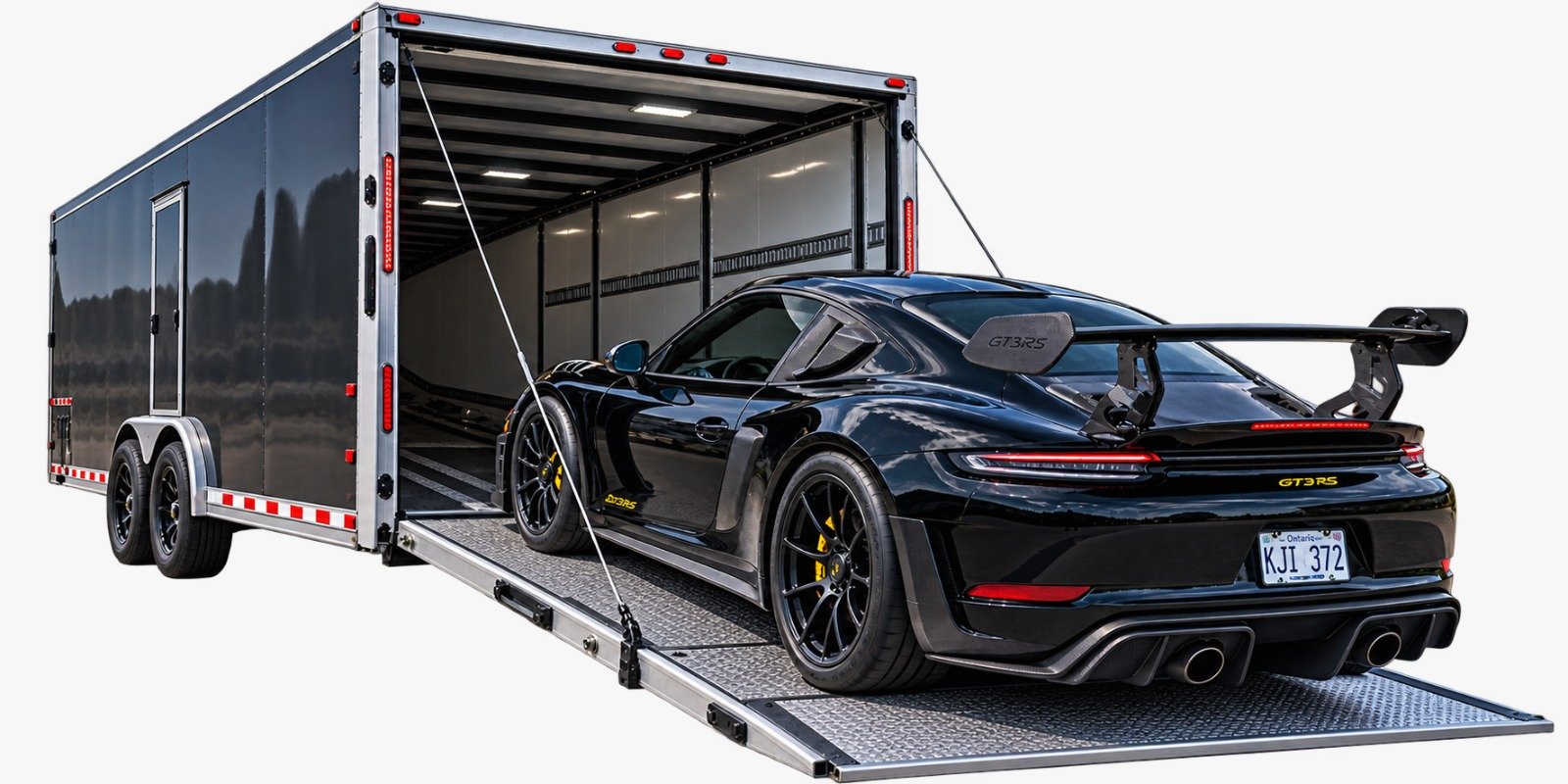
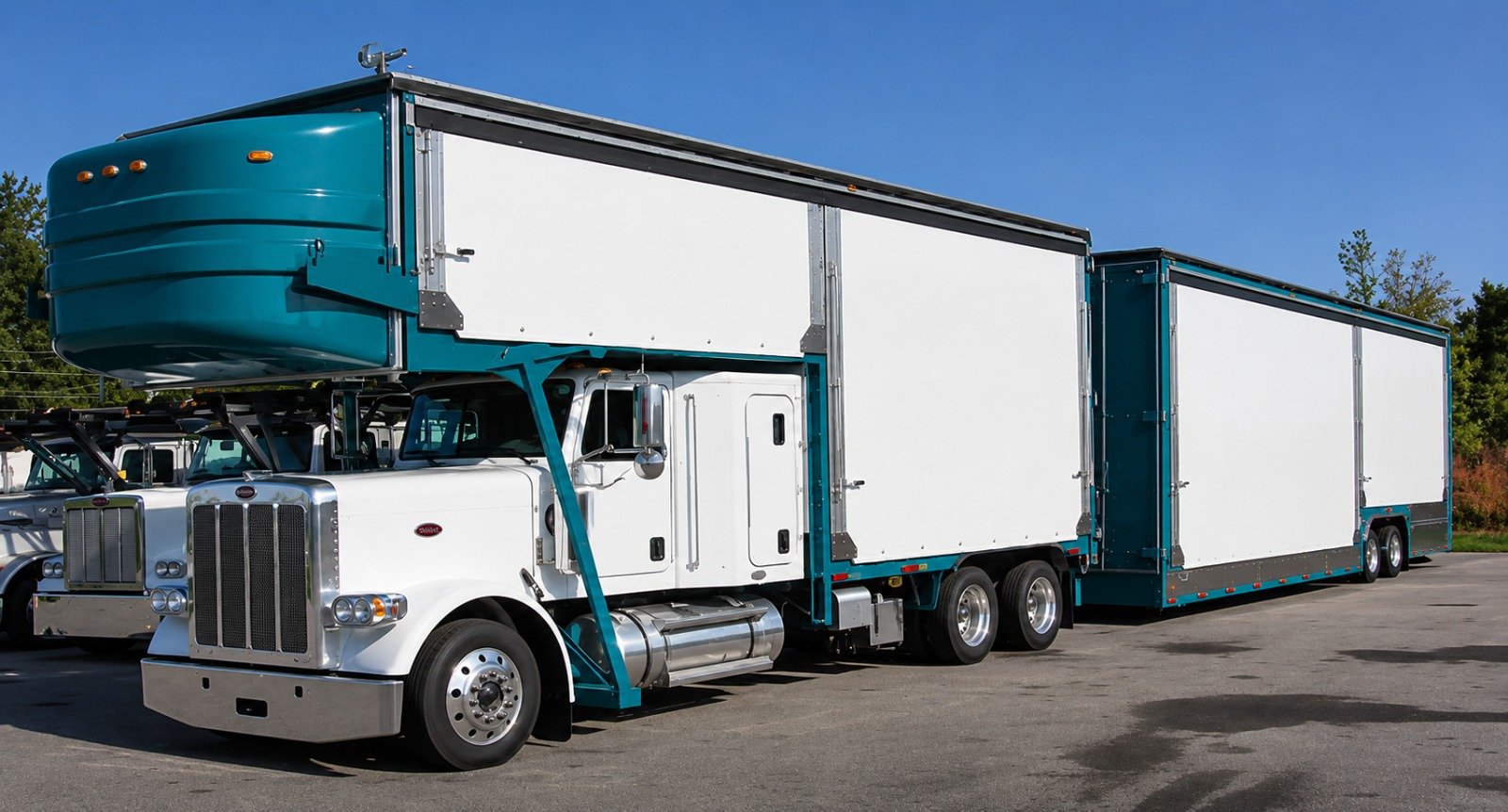
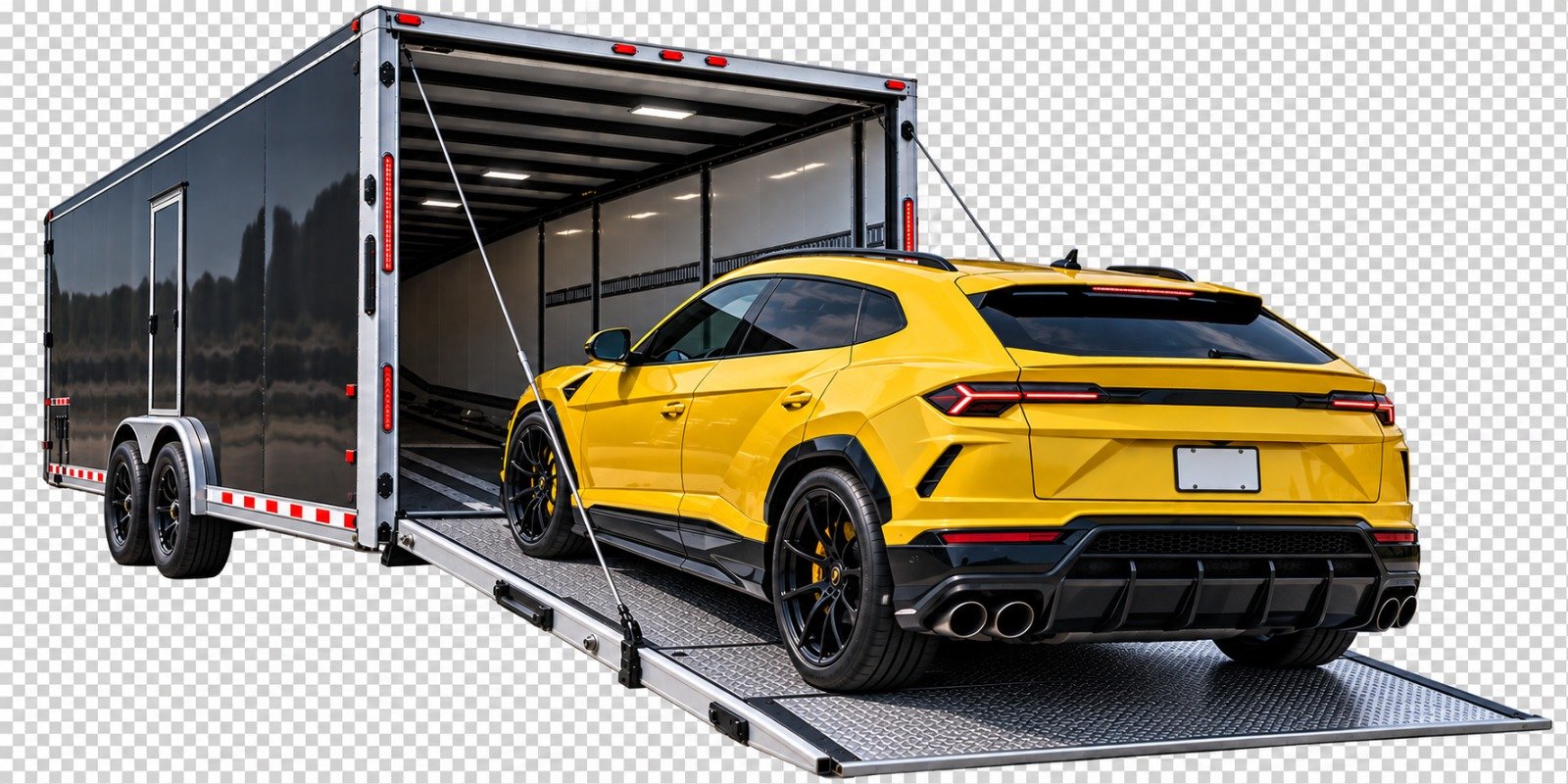
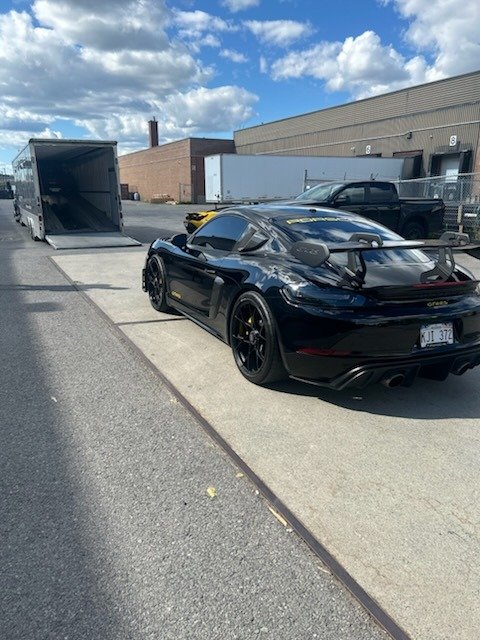
For classic cars, luxury sedans, sports performance vehicles, or restored vintage models, an enclosed carrier provides total protection from road debris, weather extremes, dust, and gravel along northern routes. The trailer is fully walled and covered, offering maximum security and specialized soft-tie strapping. Discover how our specialized enclosed vehicle transport services protect high-value assets throughout international transit.
| Transport Method | Protection Level | Ideal Vehicle Profile | Cost Efficiency |
|---|---|---|---|
| Open Transport | Standard road exposure; secured on heavy-duty steel carrier | Daily drivers, standard sedans, family SUVs, light trucks | Highest cost savings & scheduling flexibility |
| Enclosed Transport | Complete shelter against weather, stone chips, and debris | Exotics, sports vehicles, vintage restorations, high-value cars | Premium investment with absolute isolation from exterior elements |
| Rail Logistics | Enclosed railcars traversing primary transcontinental tracks | Long-distance interprovincial terminal relocations | High efficiency on select trans-Canadian routes |
Car Transport to Cold Lake Alberta: Door-to-Door Logistics at CFB Cold Lake
Cold Lake is situated approximately 300 kilometres northeast of Edmonton, near the Alberta–Saskatchewan provincial border. As the home of 4 Wing / CFB Cold Lake—Canada's busiest tactical fighter base—the location experiences severe sub-zero winters, heavy snowfall, and distinct remote freight conditions.
When organizing military relocation vehicle shipping, logistics must account for specific delivery parameters:
- Direct Door-to-Door Conveyance: Booking door-to-door open transport or an equivalent service provides maximum convenience. The carrier retrieves the car from your California residence and transports it directly to your off-base home address or a safe, accessible public unloading point in Cold Lake.
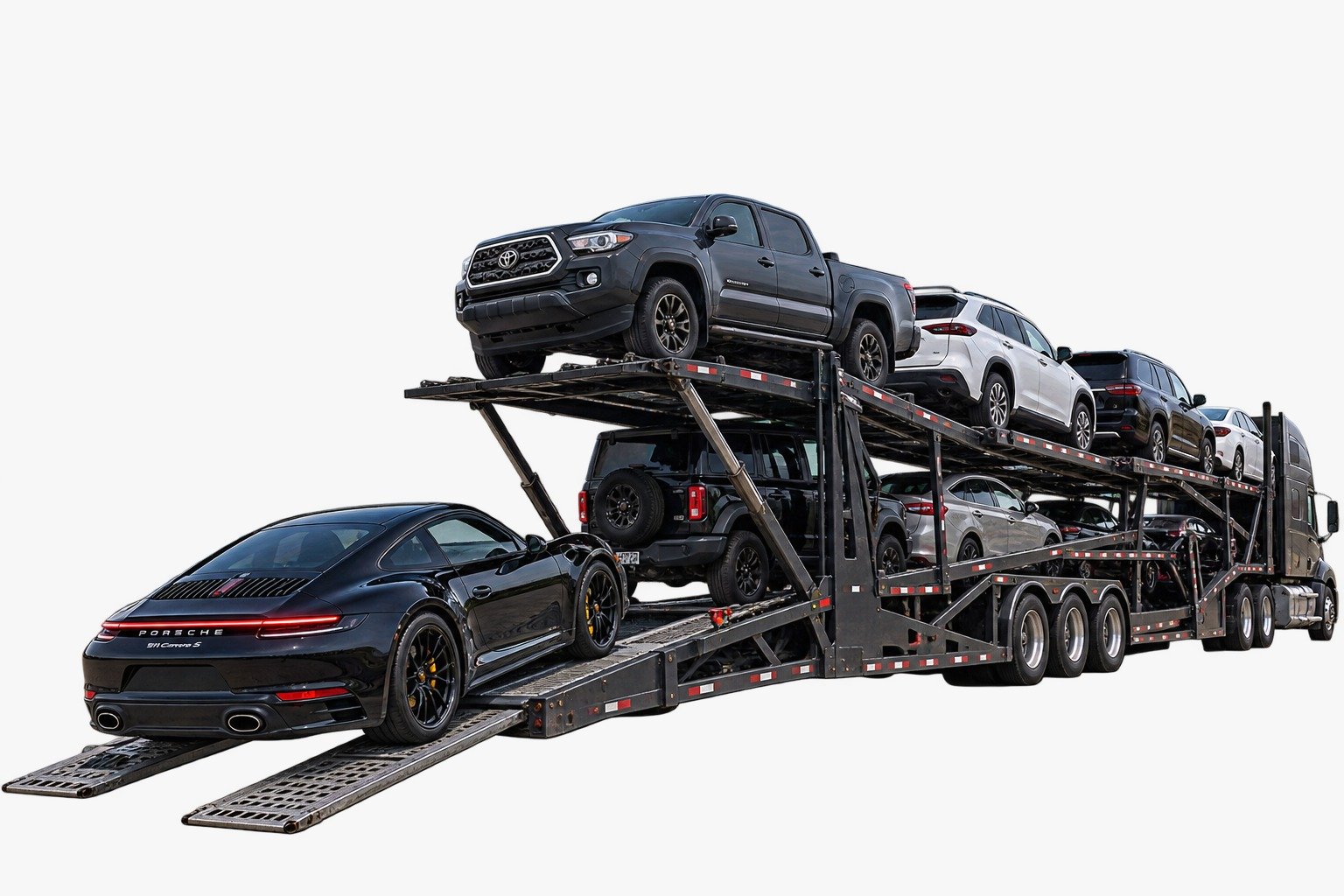
- Military Base Access Restrictions: Long-haul commercial multi-car haulers (which can measure up to 80 feet in length) frequently encounter clearance, gate, and security restrictions on military bases. When carriers deliver near CFB Cold Lake, drivers coordinate with the recipient to finalize handoffs at large commercial plazas, wide highway frontage access points, or designated civilian visitor staging lots right outside the primary base perimeter.
- Regional Terminals: If personal travel schedules require delayed collection, vehicles can be scheduled through regional logistics hubs in Edmonton or Calgary using dedicated terminal-to-terminal transport solutions before completing northern conveyance.
To understand how our logistics network manages specialized transit operations across every province and territory, review our focused overview on shipping vehicles within Canada.
Step-by-Step Vehicle Preparation for Cross-Border Transport
Proper vehicle preparation expedites pickup, prevents transit damage, and satisfies strict safety standards enforced by cross-border transport carriers.
- De-clutter and Remove Personal Property: Federal customs regulations and carrier insurance policies prohibit shipping household goods, loose electronics, luggage, or tools inside the cabin or trunk. Leave only factory fixtures, a spare tire, and emergency jack equipment.
- Maintain One-Quarter Fuel Tank: A quarter tank of gasoline provides sufficient fuel for driving on and off the carrier ramps while significantly reducing trailer weight and complying with safety protocols.
- Conduct a Thorough Pre-Trip Inspection: Wash the car thoroughly, check for fluid leaks, ensure the battery is charged, and adjust tire pressures. Ensure your vehicle has adequate antifreeze / engine coolant rated for sub-zero temperatures, as Alberta winters regularly register below -30°C.
- Document Vehicle Condition: At the time of carrier pickup in San Diego, walk around the car alongside the transport operator to compile the Vehicle Condition Report (Bill of Lading). Take high-resolution photographs of all exterior panels, bumpers, glass, and wheels from multiple angles in clear daylight.
- Deactivate Alarms and Toll Transponders: Disable factory or aftermarket security alarm systems to prevent battery drainage during travel. Remove or shield automated toll transponders (such as California FasTrak) to avoid accidental toll activations along highway toll gantries.

Arrival Protocols: Completing RIV & Alberta Provincial Registration
Once your carrier completes delivery in Cold Lake, final administrative steps transition your vehicle from a temporary import to a fully registered, road-legal motor vehicle in Alberta.
The standard post-arrival process entails:
- Form 1 stamped by CBSA: Ensure you or your customs clearance agent retain your CBSA Form 1 (Vehicle Import Form). Once imported, pay your RIV fee online to trigger your inspection paperwork.
- RIV Federal Inspection: Once the fee is processed, take your car to an authorized regional inspection centre (such as a local Canadian Tire automotive service department) to verify safety compliance, child seat tethers, and daytime running lights.
- Alberta Out-of-Province Safety Inspection (OOP): Alberta Transportation requires all imported and out-of-province vehicles to pass a comprehensive mechanical safety inspection conducted by a certified technician at a licensed vehicle inspection facility before registration.
- Local Registry Agent Visit: Present your Bill of Sale or Title, Form 1, passed Out-of-Province Inspection Certificate, proof of valid Alberta auto insurance, and identification at a local Alberta registry agency to acquire your Alberta license plates and registration certificate.
Our experienced team regularly advises clients on transition timelines, document checklists, and cross-border transport variables. Read more about our professional capabilities and company background on our about Optixtrace page.
Frequently Asked Questions
Typical transit times for this cross-border corridor range between 7 and 14 business days. Total transit duration depends on the specific pickup schedule, commercial border inspection clearance time, designated routing through the western United States, and seasonal weather conditions across the northern prairies.
No. Commercial auto carriers and cross-border customs regulations prohibit shipping personal household belongings, unbolted gear, or military duffel bags inside transported vehicles. Unsecured items add excess weight, violate carrier insurance stipulations, and can result in delays or extensive physical inspections at border control crossings.
Commercial transport multi-car haulers rarely enter military base gates due to turning radius constraints, overhead wires, and strict gate access security procedures. Carriers usually coordinate a convenient pickup and drop-off point at a wide, accessible staging parking lot directly outside the base entrance or at an off-base residential location.
U.S. Customs and Border Protection mandates an original Certificate of Title (or a certified copy with an official notarized lienholder permission letter if financed), government-issued photo identification, and an electronic export filing submitted through the Automated Export System (AES) at least 72 hours prior to reaching the border.
Vehicles entering Canada must comply with Canadian Motor Vehicle Safety Standards, which notably include functional automatic daytime running lights (DRLs) and child tether anchor points. In addition, your vehicle should be fitted with fluids and engine coolant capable of withstanding extreme northern cold conditions.
Navigating Your Cross-Border Vehicle Move with Confidence
Executing a long-distance transfer from the Pacific coast of Southern California to northeastern Alberta does not have to be an overwhelming undertaking. By understanding cross-border documentation, coordinating regulatory clearance with reputable customs brokers, and selecting an experienced auto transport provider, you safeguard your vehicle across thousands of kilometres of changing terrain.
Whether you choose the cost-efficiency of open transport or the supreme protection of an enclosed carrier, professional San Diego to Cold Lake car shipping ensures your vehicle arrives at your new posting ready for daily duty.