Table of Contents
How Seasonal Demand Affects Car Shipping Rates in Canada
At the core of vehicle logistics is a simple economic principle: supply and demand. Canada’s peak shipping season typically aligns with the times when people are most likely to relocate. When thousands of individuals, corporate employees, and automotive businesses require vehicle transportation simultaneously, the available transport capacity on national routes decreases.
During these peak periods, the competition for a spot on an open car transport trailer increases. Carriers, managing tight schedules and maximum loads, naturally command higher rates for their services. Conversely, during periods of off-season shipping, there are more empty slots on trailers, meaning logistics coordinators and carriers may offer more competitive car transport prices to keep trucks moving efficiently across the country.
In addition to relocations, the Canadian market is heavily influenced by the "snowbird" migration. Every autumn, thousands of Canadians ship their vehicles south to escape the winter, and every spring, those same vehicles are shipped back up north, creating massive, predictable surges in route demand.
Summer vs Winter Car Shipping Costs
When comparing summer vs winter car shipping costs, it's essential to look at what drives the logistics industry during these two extreme Canadian seasons.
The Peak Season: Summer Car Shipping
Summer is undeniably the busiest time for the automotive transport industry. Between June and August, the weather is cooperative, days are longer, and road conditions are generally optimal. This makes it the preferred time for families moving to new provinces before the school year begins, as well as for auto dealerships stocking up for summer sales events.
Because of this high seasonal demand, summer car shipping usually represents the highest base pricing of the year. If you are scheduling a cross-country vehicle transport during July, you are competing for trailer space with a vast market of consumers. The advantage, however, is speed. With optimal weather and a maximum number of carriers operating, transit times are often significantly faster.

The Challenging Season: Winter Car Shipping
Winter car shipping presents a completely different set of logistical variables. The demand drops as fewer people choose to relocate in January and February. However, the operational difficulty skyrockets. In Canada, winter road conditions—including black ice, heavy snowfall, and avalanches in the Rockies—make driving heavy-duty transport trailers inherently risky and slow.
Because of these hazards, some independent transport carriers choose to take time off during the harshest months, which effectively reduces the overall transport capacity in the market. Those who do operate must contend with slower travel speeds, weather delays, and increased vehicle maintenance. Furthermore, strict safety regulations governed by organizations like Transport Canada mean that drivers' hours of service are tightly monitored, and weather-related slowdowns can extend transit times considerably.
Is Car Shipping More Expensive in Winter?
Many customers ask us: is car shipping more expensive in winter? The answer is nuanced. While consumer demand is lower, the operational costs for carriers are significantly higher. Cold weather decreases fuel efficiency, and diesel fuel—which powers the vast majority of transport trucks—often sees price fluctuations during the winter months.
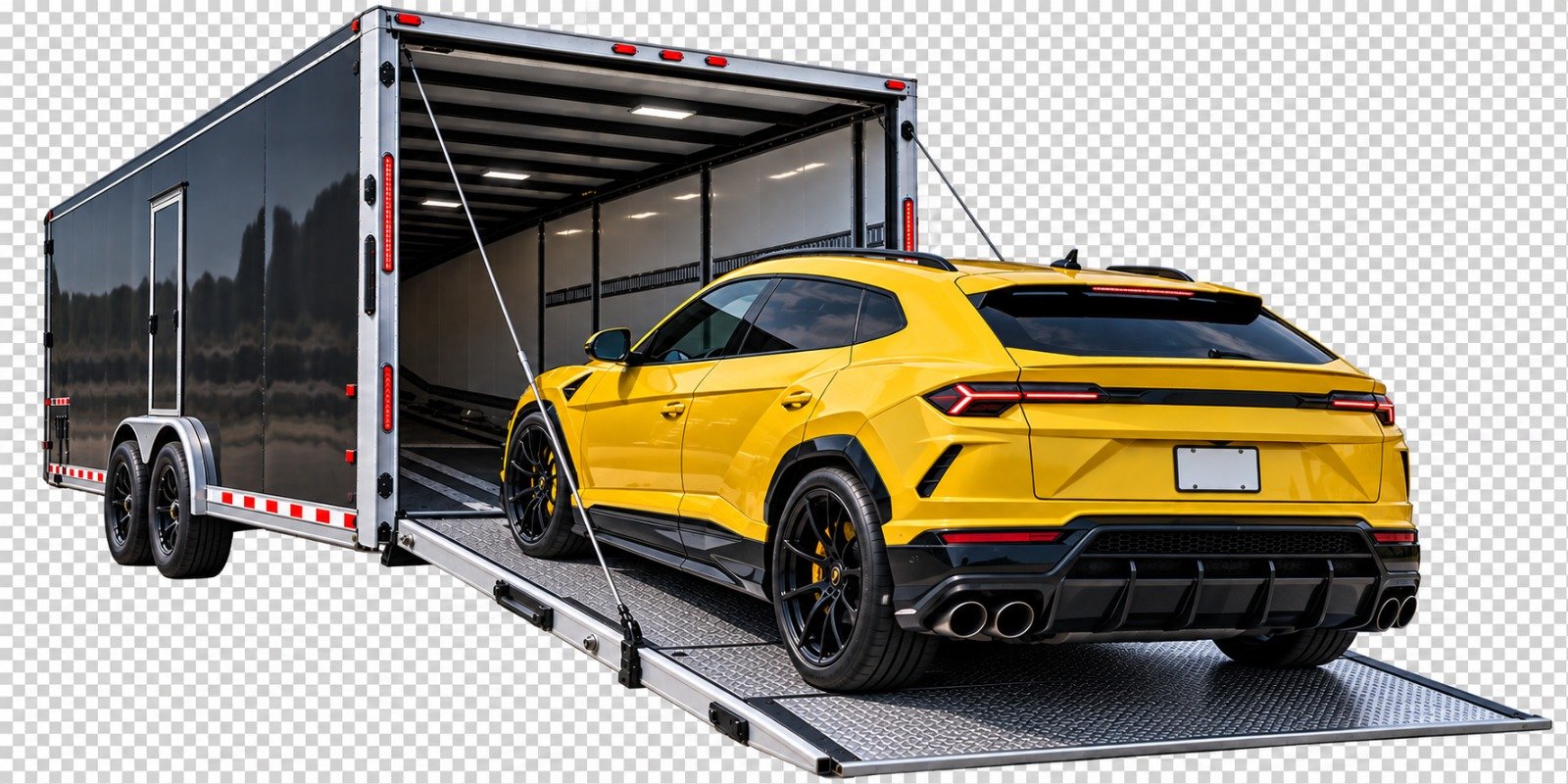
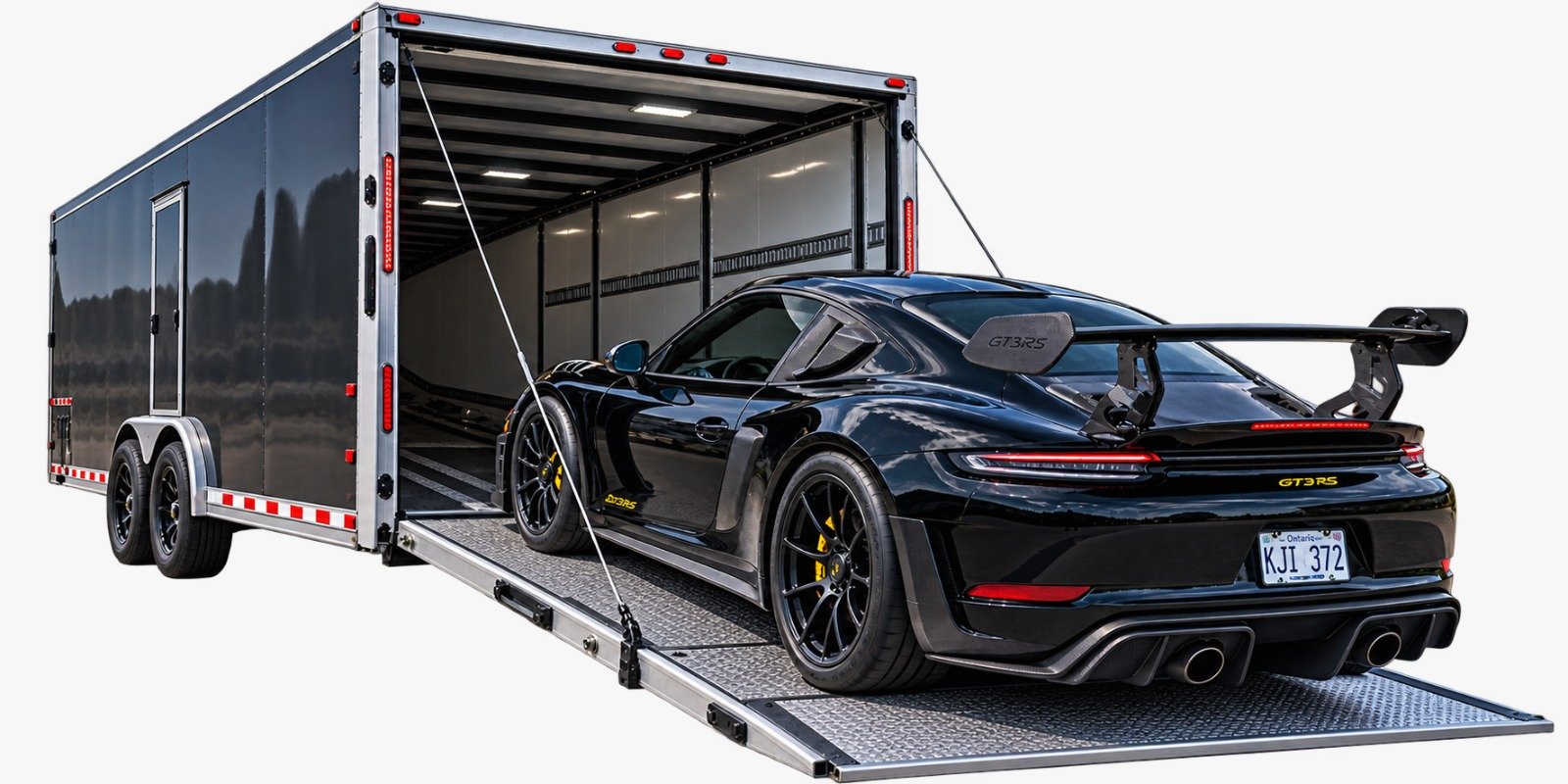
Furthermore, winter weather means your vehicle will be exposed to road salt, sleet, and snow if transported on an open trailer. For luxury, classic, or high-value vehicles, we strongly recommend utilizing enclosed auto transport. Enclosed trailers protect your investment from the harsh elements, though this premium service naturally comes with higher seasonal auto transport rates due to the specialized equipment required.
Plan for the Unexpected in Winter
When shipping a vehicle between November and March, always factor in potential weather delays. Booking your transport 3 to 4 weeks in advance ensures better carrier availability. Ensure your vehicle has winter-appropriate antifreeze levels and a healthy battery before handing over the keys, as extreme cold can drain weak batteries during transit.
The Cheapest Time to Transport a Car in Canada
If flexibility is on your side and you are wondering when are car shipping prices lowest in Canada, look to the "shoulder seasons." These are the transitional periods of the year: late fall (October and November) and early spring (March and April).
During the shoulder seasons, the frantic pace of the summer relocation rush has subsided, but the severe, schedule-halting blizzards of deep winter have not yet fully taken hold (or are beginning to thaw). Because carrier availability is robust and consumer demand is moderate, this is widely considered the cheapest time to transport a car in Canada.
Key Factors Beyond the Calendar
While the time of year profoundly affects car shipping rates in Canada, it is not the only variable in the equation. To accurately estimate vehicle shipping costs, logistics coordinators evaluate several intersecting factors:
- Route Demand: Shipping a car between major logistics hubs—such as Vancouver to Toronto car shipping—is generally more cost-effective due to the high volume of trucks running that corridor. Shipping to or from remote, rural locations requires carriers to detour from main highways, which increases fuel consumption and cost.
- Fuel Costs: As noted by Statistics Canada, fluctuating national diesel prices directly impact the overhead of every transport carrier. When fuel prices spike, logistics companies must adjust their baseline pricing.
- Vehicle Size and Weight: A heavy-duty truck or a large SUV takes up more space and adds more weight to a trailer than a compact sedan. Because transport trailers have strict legal weight limits, larger vehicles cost more to ship regardless of the season.
- Transport Method: Choosing between open transport, enclosed transport, or railway transportation will significantly alter your final quote. Rail transport, for example, can be highly efficient for terminal-to-terminal shipping across vast distances.

Best Time of Year to Ship a Car in Canada: A Quick Comparison
To summarize how seasonal demand affects car shipping rates, review the comparison table below. This will help you identify the best time of year to ship a car in Canada based on your specific priorities—whether you prioritize speed, budget, or safety.
| Season | Demand Level | Weather Impact | Pricing Trend | Ideal For |
|---|---|---|---|---|
| Spring (Mar - May) | Moderate to High | Thawing roads, mild delays | Competitive to Average | Budget-conscious shippers, flexible timelines. |
| Summer (Jun - Aug) | Very High | Optimal driving conditions | Premium / Highest | Fastest transit times, family relocations. |
| Fall (Sep - Nov) | Moderate | Predictable, early frosts | Highly Competitive | Finding the lowest rates before winter hits. |
| Winter (Dec - Feb) | Low to Moderate | Severe (ice, snow, road closures) | Variable (High operational costs) | Snowbirds, essential business transfers. |
Frequently Asked Questions
Yes. Seasonal demand, weather conditions, and carrier availability all play major roles. Summer sees the highest demand and premium pricing, while winter brings severe weather that increases carrier operational costs. The shoulder seasons (spring and fall) usually offer the most balanced and competitive pricing.
Car shipping rates are generally lowest during the late fall (October/November) and early spring (March/April). During these periods, the summer rush has ended, and carriers are eager to fill their trailers, leading to more competitive quotes.
Yes, weather delays are very common during the Canadian winter. Heavy snowfall, icy roads, and mandatory road closures (especially through mountain passes like the Rockies) require truck drivers to reduce speeds and sometimes pause their routes entirely to comply with trucking safety regulations.
If you are shipping a high-value, luxury, or classic vehicle, enclosed transport is highly recommended in the winter. It protects the vehicle from freezing temperatures, road salt, gravel, and snow accumulation. For standard commuter vehicles, open transport is still safe, but the vehicle will likely require a good wash upon delivery.
Regardless of the season, we recommend requesting your vehicle shipping quote and booking your transport 3 to 4 weeks in advance. This gives logistics coordinators ample time to secure a spot on a reliable carrier at the best possible price.
Planning Your Shipment: The Final Verdict
Ultimately, while seasonal car shipping prices do fluctuate, the right logistics partner can help you navigate the complexities of the Canadian transport market year-round. Whether you are aiming for the cheapest time to transport a car in Canada during the fall, or you need expedited service during the peak summer rush, understanding these industry dynamics ensures you won't be caught off guard by pricing or transit times.
By factoring in the season, route demand, and the specific requirements of your vehicle, you can make an informed decision that balances cost, speed, and safety for your cross-country transport needs.