Shipping a vehicle across the immense geographical expanse of Canada is a significant logistical undertaking. Whether you are relocating to a new province for work, purchasing your dream car from an out-of-province dealership, or managing automotive fleet logistics, vehicle transportation costs can quickly become a substantial part of your budget. Fortunately, understanding the logistics industry allows you to strategically navigate these expenses.
If you are looking for strategies to save money shipping a car, you are in the right place. From selecting the most efficient transport method to timing your shipment effectively, there are numerous ways to reduce car shipping costs without sacrificing safety, reliability, or peace of mind. Let’s dive into the professional insider tips that will help you secure affordable car shipping across Canada.

1. Choose the Most Cost-Effective Shipping Method
The single most influential factor affecting your vehicle transportation costs is the type of carrier you choose. When you start searching for the cheapest way to ship a car in Canada, you will typically encounter three primary options: open transport, enclosed transport, and rail transport.
Open Carrier Transport
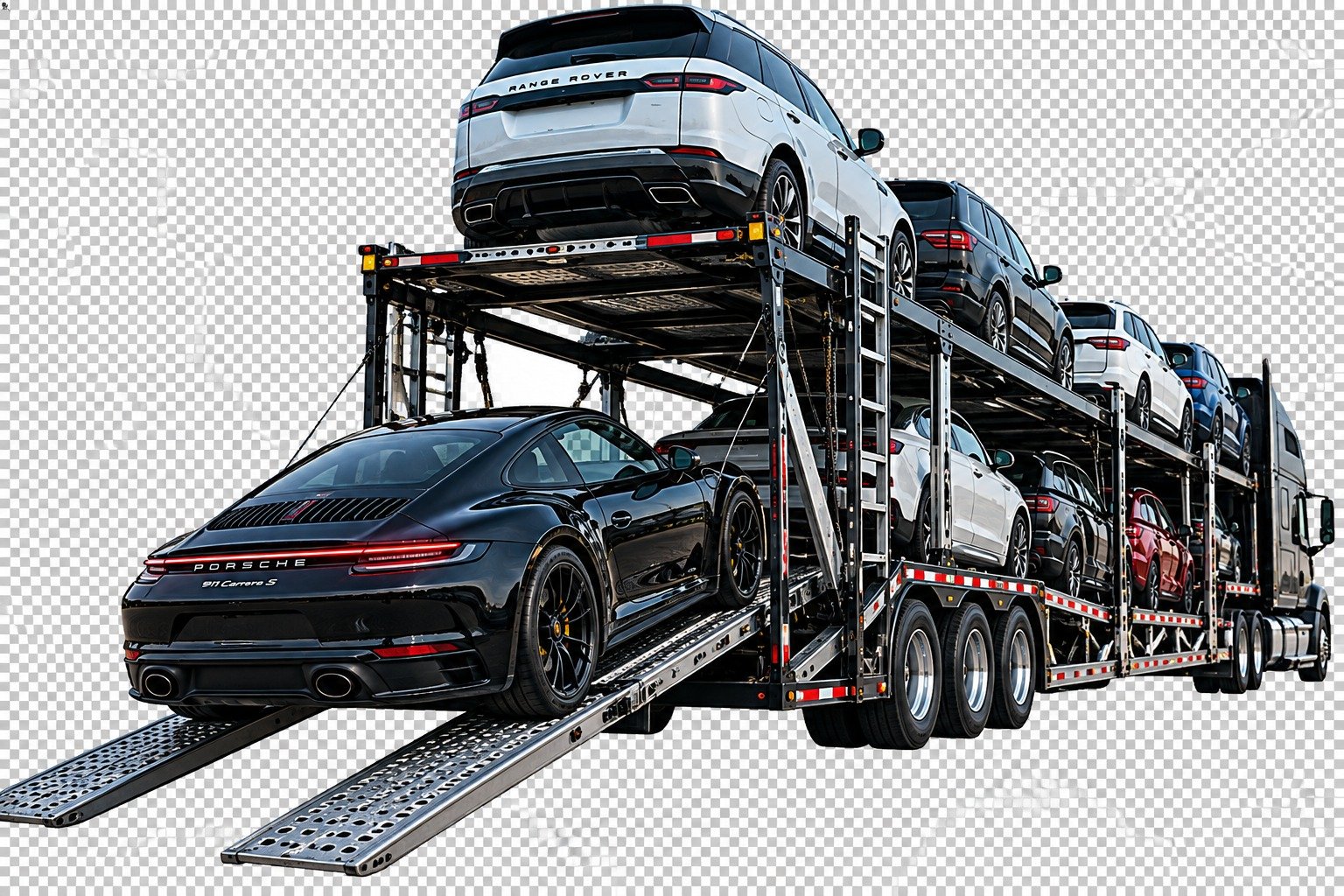
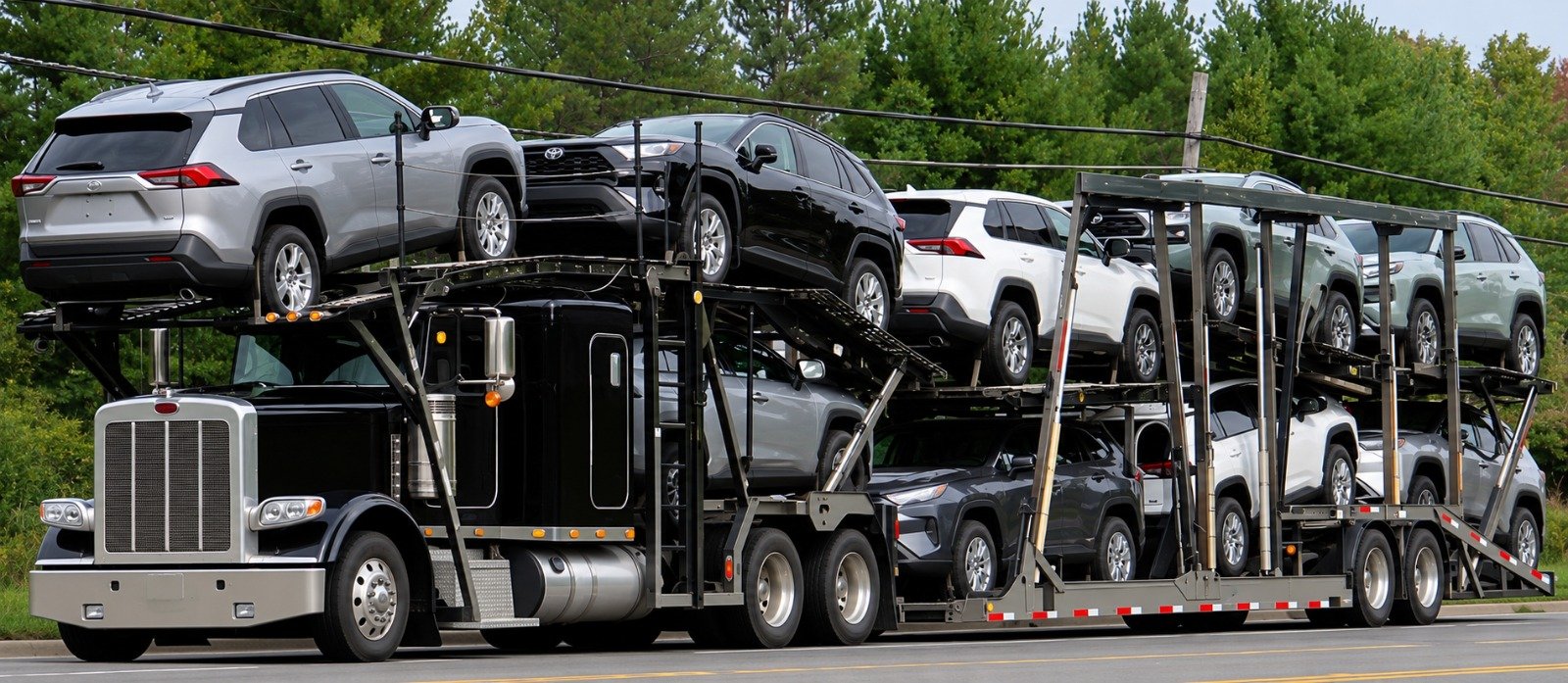
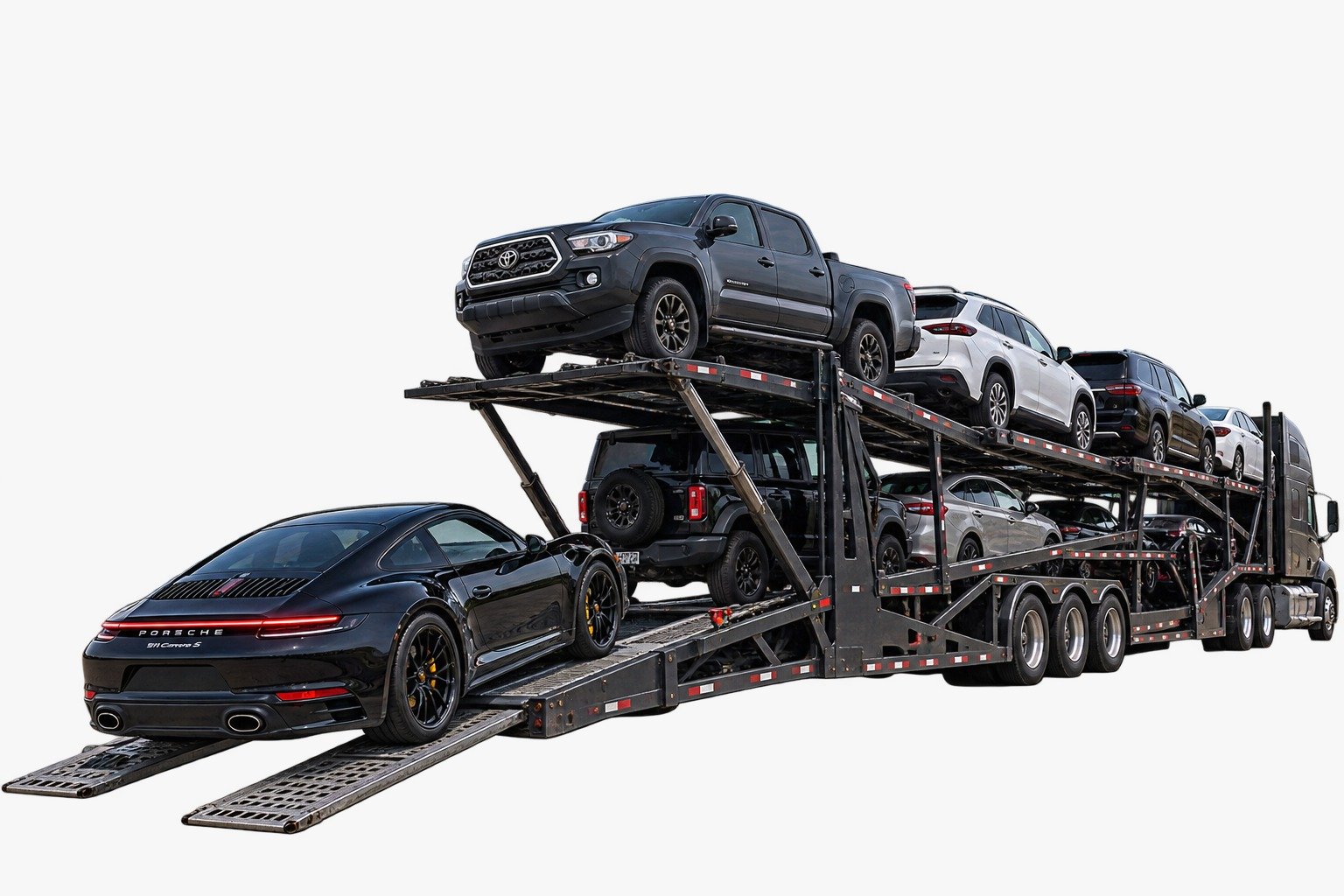
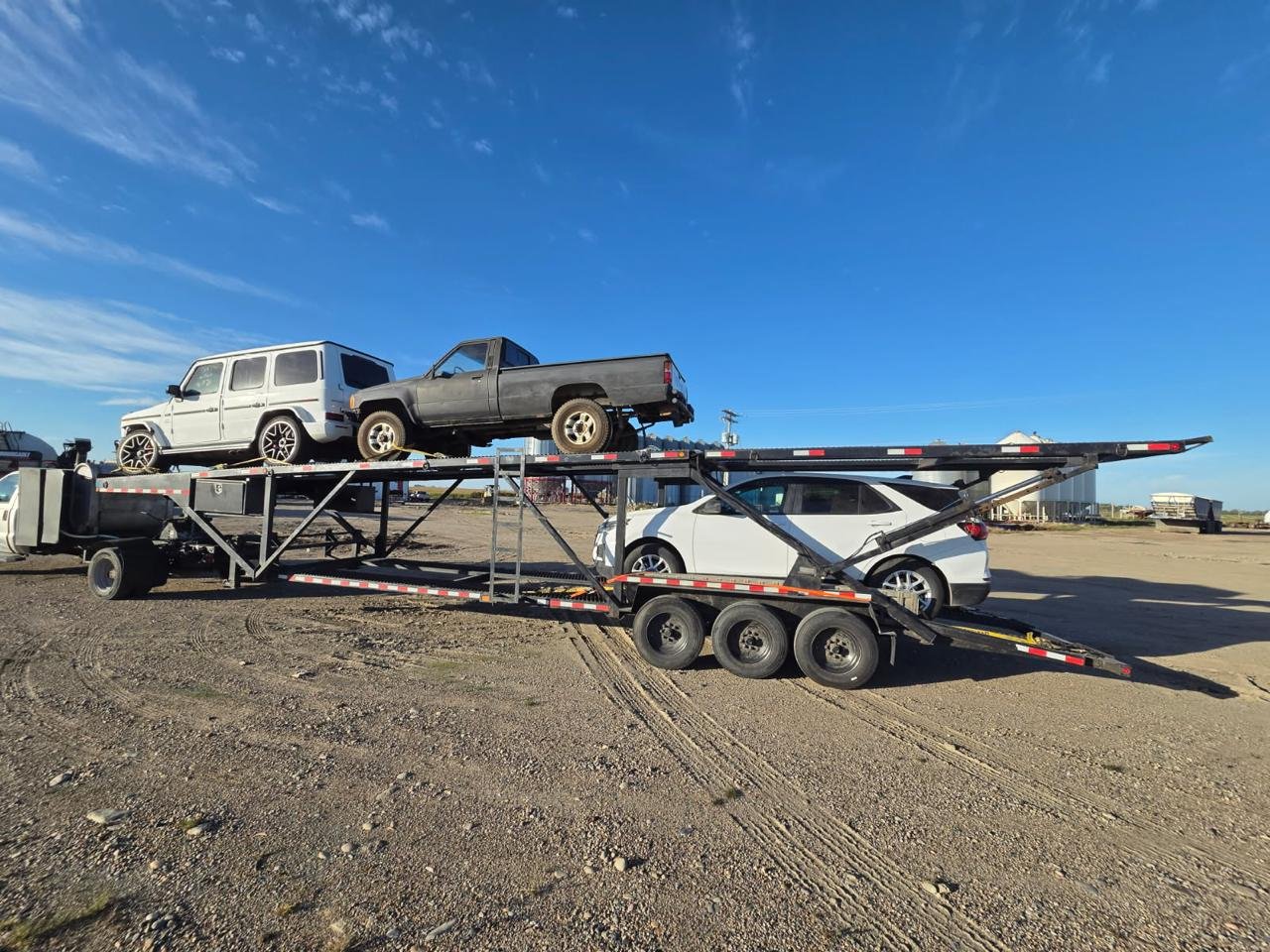
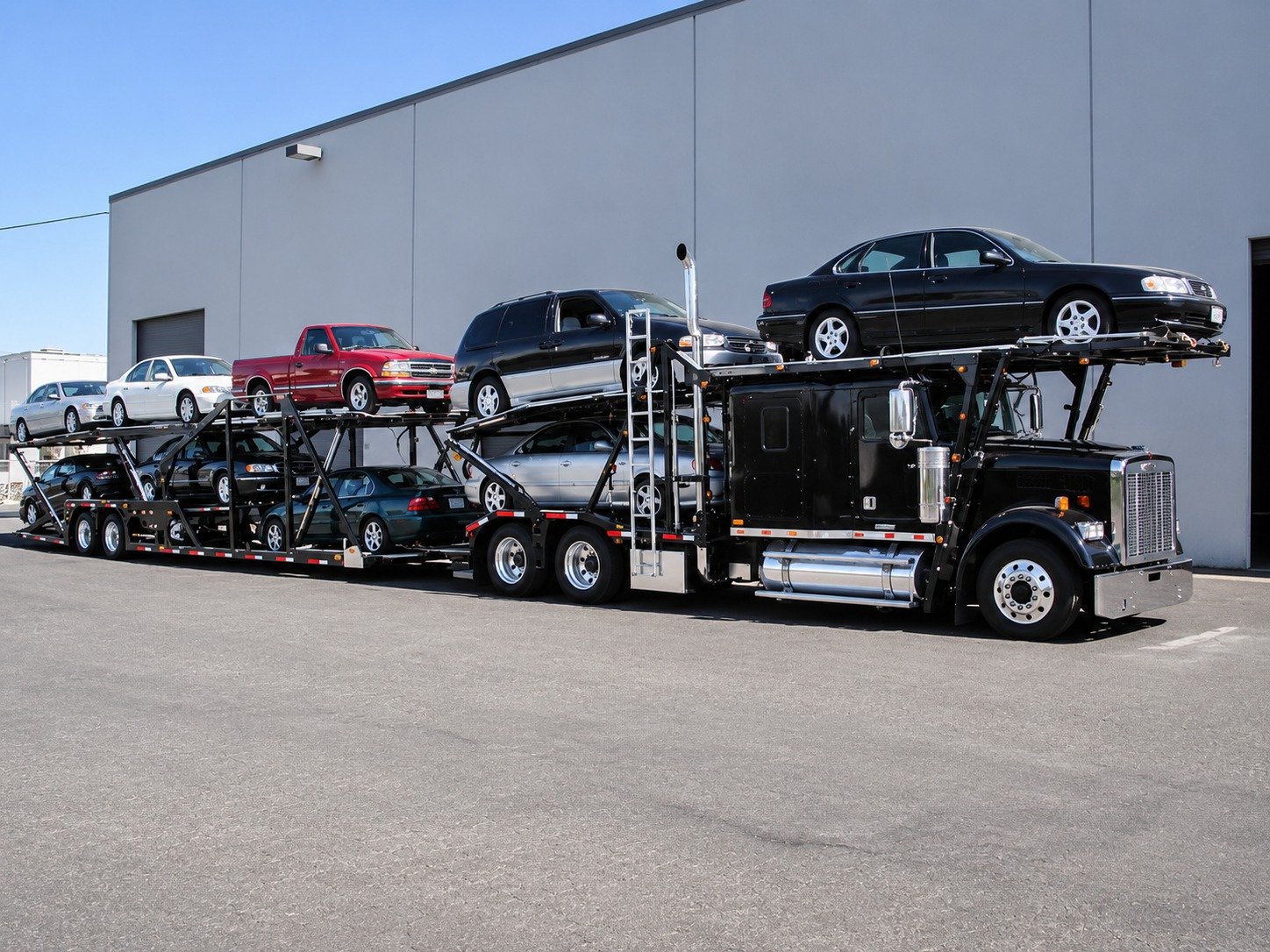
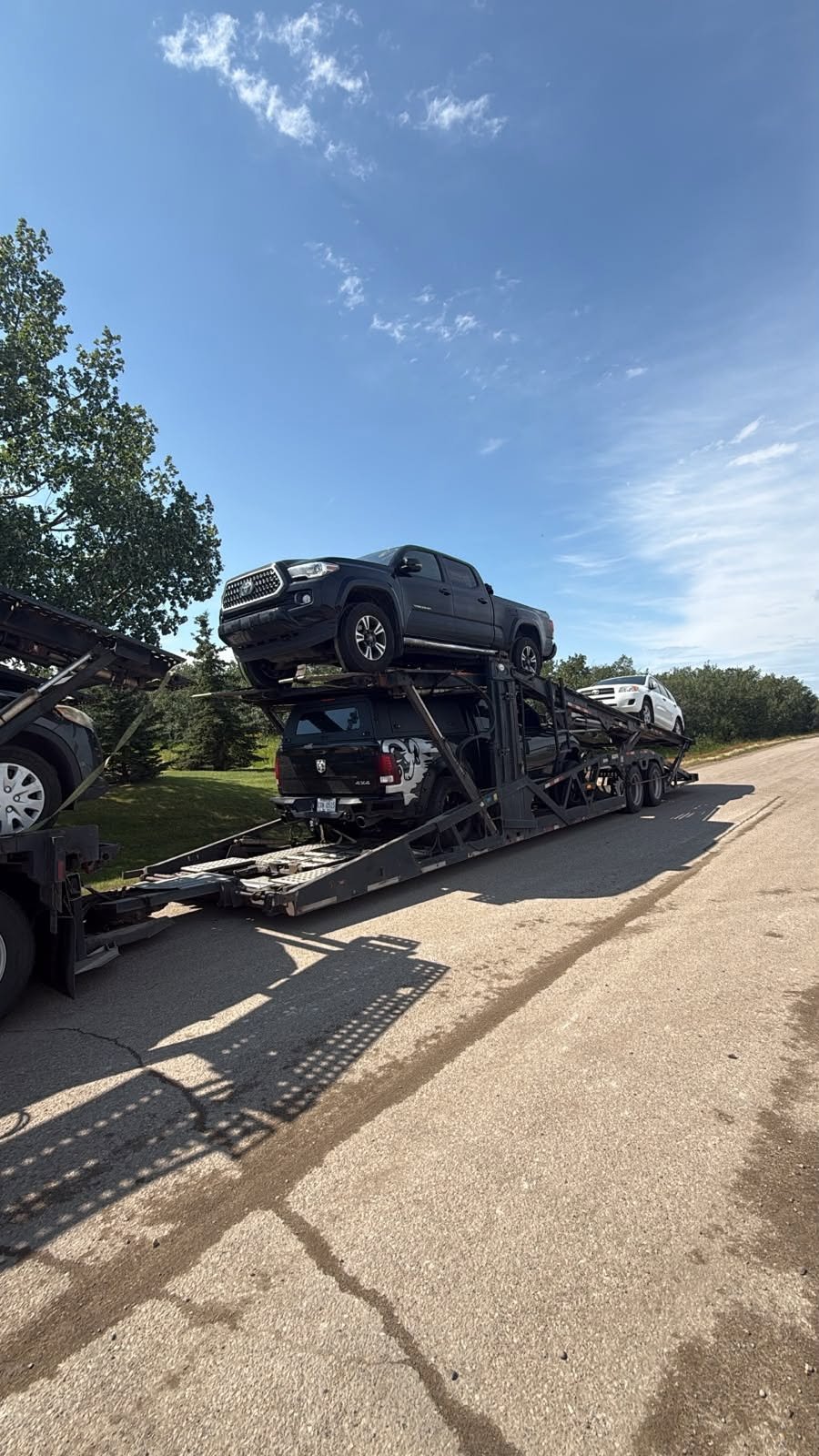
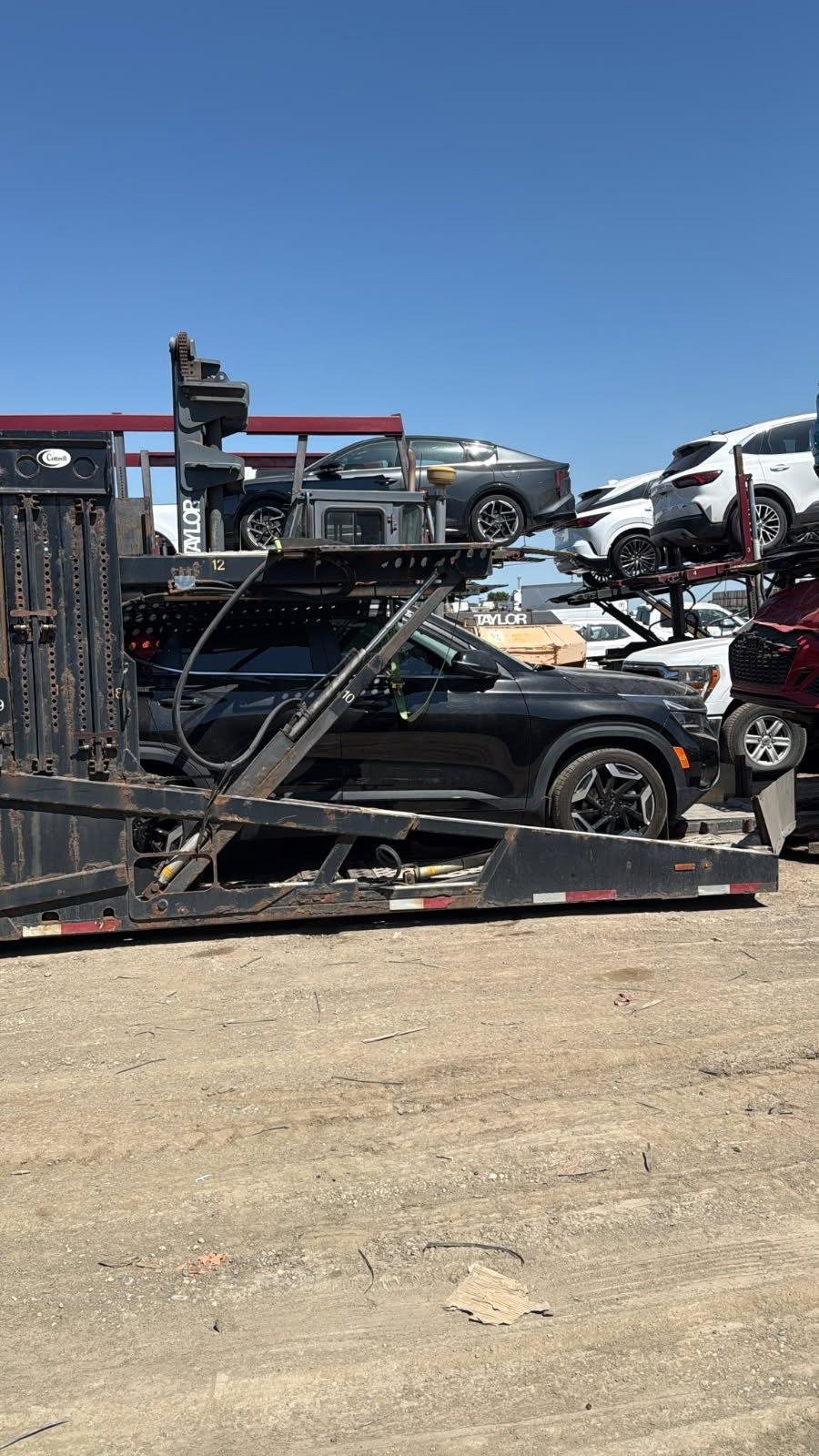
Open transport is the industry standard and by far the cheapest way to ship a car in Canada. Your vehicle is loaded onto a multi-level car hauler—the same type of trucks dealerships use to transport new inventory. Because these carriers can hold up to 10 vehicles at a time, the operating costs (fuel, driver wages, tolls) are distributed among multiple customers, driving the price down significantly.
Enclosed Vehicle Transport
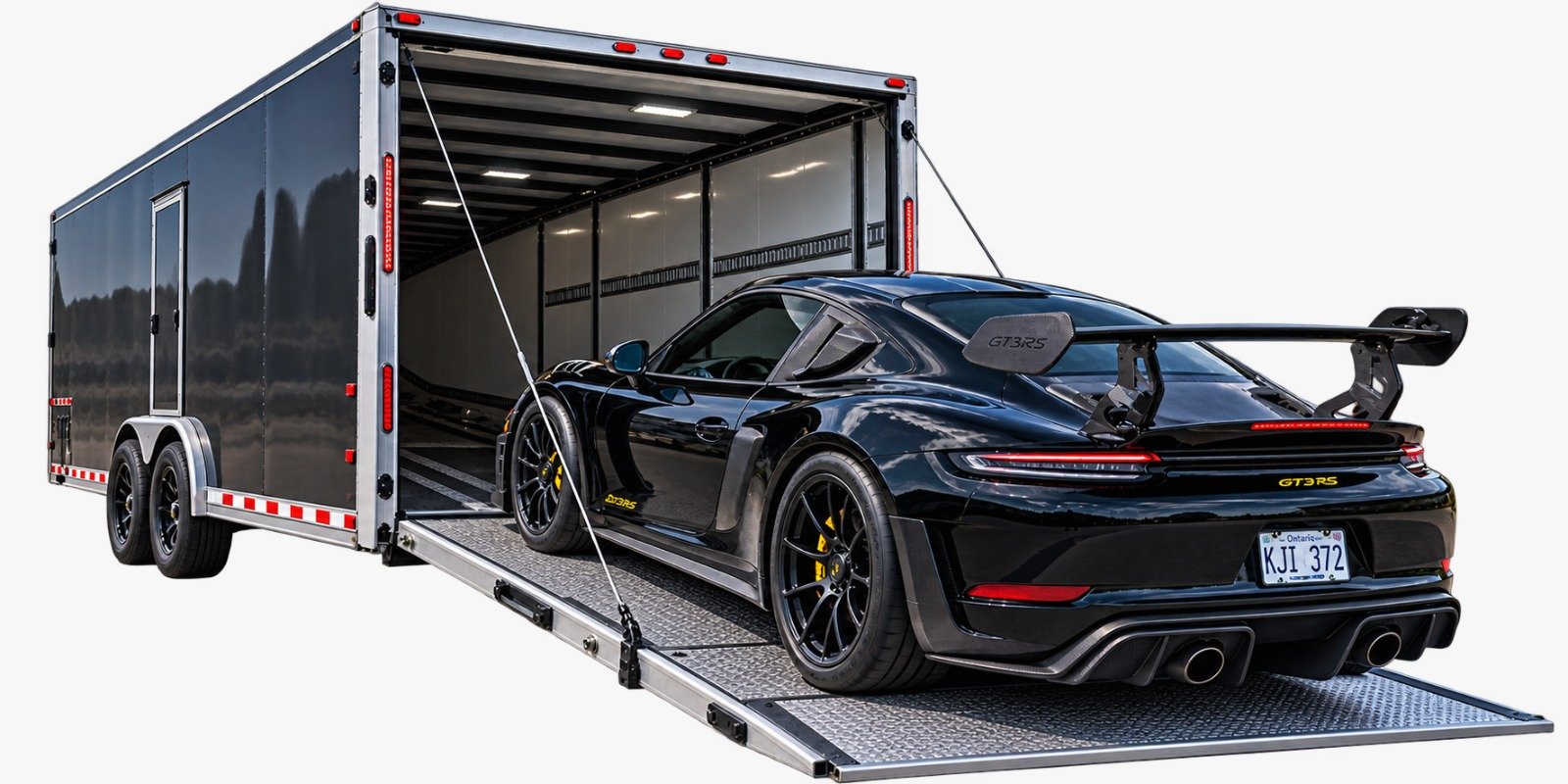
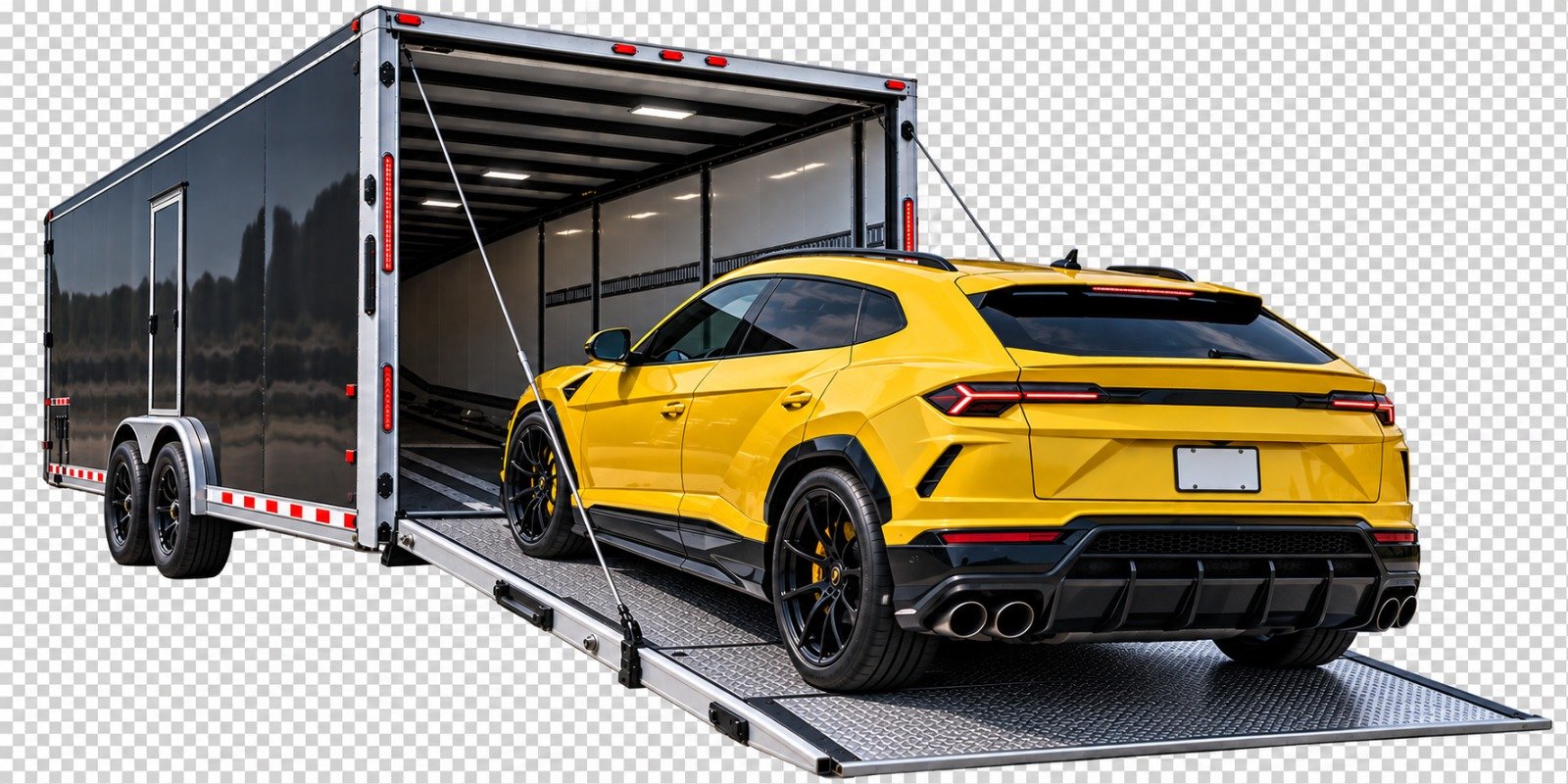
For high-value, classic, or luxury vehicles, enclosed transport is highly recommended. Enclosed trailers protect vehicles from weather elements and road debris. However, because these specialized trailers carry fewer vehicles and require specialized hydraulic lift gates, this premium service can cost 30% to 50% more than open transport. If you are shipping a standard daily driver and want to save money shipping a car, stick to open transport.
Railway Vehicle Shipping
For cross-country moves, such as shipping from Toronto to Vancouver, rail transport can sometimes be a highly affordable alternative. Trains are incredibly fuel-efficient over massive distances, which can translate into cheaper auto transport rates, though rail shipping generally requires more time and logistical coordination.
| Transport Method | Cost Profile | Best Suited For |
|---|---|---|
| Open Transport | Most Affordable ($) | Standard vehicles, daily drivers, budget-conscious shippers. |
| Enclosed Transport | Premium ($$$) | Luxury cars, classic models, sports cars with low clearance. |
| Rail Transport | Very Affordable ($) | Long-distance cross-country routes with flexible timelines. |
2. Utilize Terminal-to-Terminal Delivery
Delivery logistics play a massive role in final vehicle transport quotes. Car shipping services are generally divided into two logistical models: Door-to-Door and Terminal-to-Terminal.
Door-to-door delivery offers ultimate convenience; the truck driver comes directly to your residential address or workplace to load and unload the vehicle. While incredibly convenient, maneuvering an 80-foot commercial truck through residential Canadian neighborhoods requires extra time, fuel, and specialized route planning, which increases your bill.
If you want to reduce car shipping costs, opt for terminal-to-terminal car shipping. In this model, you drop your vehicle off at a designated logistics hub (a terminal), and you pick it up at a corresponding hub in your destination city. By saving the carrier time and mileage, they pass those savings directly to you. This is consistently ranked as one of the best strategies for affordable car shipping in Canada.
Before selecting terminal-to-terminal delivery, factor in the cost of a taxi or ride-share to get home from the drop-off terminal, and to reach the pick-up terminal in your new city. If the terminals are located far outside the city center, door-to-door delivery might actually balance out the total out-of-pocket costs.
3. Book in Advance and Maintain Flexible Pickup Dates
In the automotive logistics industry, urgency equals expense. If you demand that a carrier pick up your vehicle on a specific calendar date, dispatchers must often reroute trucks or dispatch a specialized expedited driver to accommodate you. This almost always triggers premium pricing.
To get cheaper car shipping rates in Canada, provide your logistics provider with a flexible "pickup window"—usually a range of 3 to 7 days. Flexibility allows the logistics coordinator to efficiently consolidate your vehicle with others heading in the same direction, maximizing truck capacity and minimizing your rate.
Additionally, season influences car shipping cost factors. The cheapest time to ship a car in Canada is typically during the late fall and mid-winter (excluding the holiday rush). In late spring and early summer, demand spikes as "snowbirds" return from the southern states and university students move across provinces, leading to peak-season pricing.

4. Prepare Your Vehicle Properly to Avoid Extra Fees
Many customers accidentally increase their car shipping quotes by failing to properly prepare their vehicles for transit. Transport trucks are strictly regulated by weight limits enforced by provincial transportation ministries. Consequently, shipping companies price their services based on the weight and dimensions of the vehicle.
Here are crucial preparation steps to reduce the cost of shipping a vehicle:
- Remove personal belongings: Do not use your car as a moving box. Carriers are fined for overweight trailers, and those fees are passed to you. Furthermore, standard auto transport insurance does not cover personal items inside the cabin.
- Leave only a quarter tank of gas: Gasoline is heavy (approximately 6 pounds per gallon). Leaving only 1/4 tank of gas reduces overall weight while leaving enough fuel to drive the car on and off the trailer.
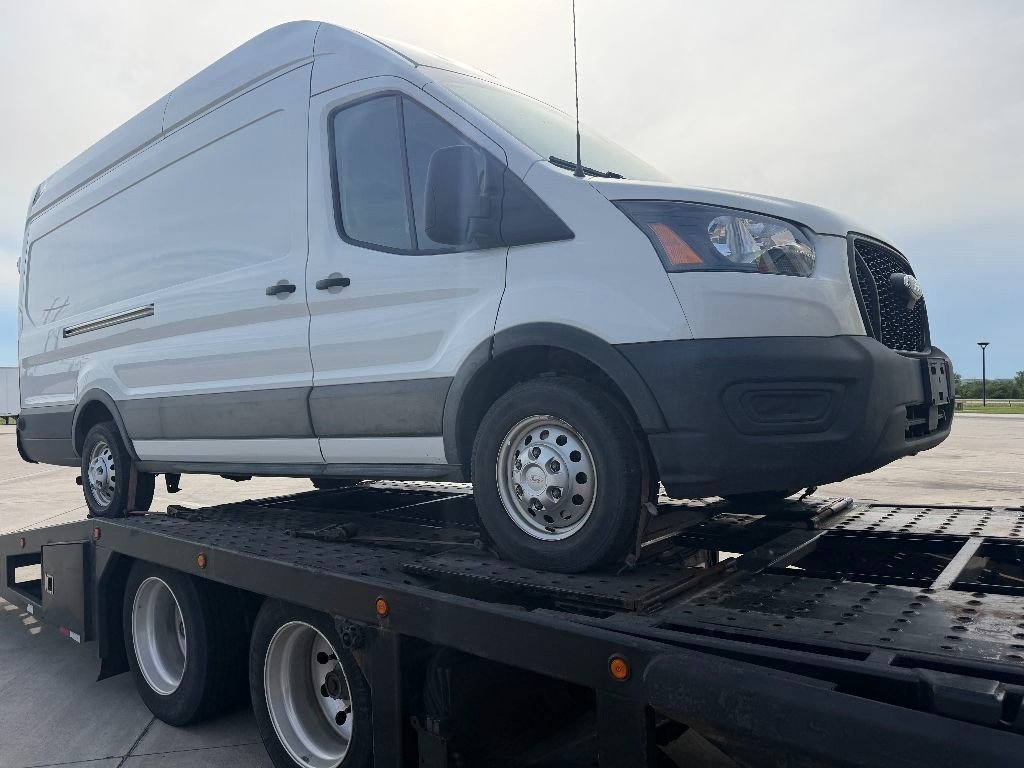
- Ensure the vehicle is operable: If your car cannot start, brake, or steer, the carrier must use specialized winches and forklifts to load it. This "inoperable vehicle fee" can add $150 to $300 to your bill.
For more information on vehicle safety standards during transit, you can consult Transport Canada to understand national compliance guidelines.

5. Compare Car Shipping Quotes Accurately
When searching for cheap car shipping across Canada, it is tempting to simply choose the company offering the lowest initial price. However, heavily discounted quotes are often a red flag for hidden fees, sub-par insurance coverage, or unreliable brokers who cannot actually secure a driver at that price point.
To safely compare car shipping quotes and save money, ensure every estimate you receive includes the following:
- Fuel surcharges: Diesel prices fluctuate wildly across Canada. Ensure the quote explicitly includes all fuel surcharges.
- Insurance coverage: Verify the cargo insurance deductibles. A cheap quote is worthless if the carrier carries inadequate insurance. For consumer advice on automotive insurance in Canada, you can reference the Insurance Bureau of Canada (IBC).
- Taxes and tolls: Ensure the quote includes GST/HST and any applicable provincial highway tolls.
At Optixtrace Car Shipping, we provide transparent, all-inclusive pricing. When you request a car shipping quote, the number you see is the number you pay—no hidden surprises.
6. Look for Carrier Discounts and Consolidate Shipments
Before signing a contract, always inquire about applicable discounts. Many established transportation providers offer rate reductions for specific customer groups, including:
- Military and First Responders: Discounts for active-duty military personnel relocating to a new Canadian Forces Base.
- Snowbirds: Seasonal discounts for seniors moving vehicles South for the winter and North for the summer.
- Multi-Vehicle Shipments: If your household is moving two or more vehicles, shipping them simultaneously on the same truck almost always yields a significant per-vehicle discount.
Finally, consider the actual cost of driving versus shipping. The Canadian Automobile Association (CAA) notes that driving involves unseen costs: hotel stays, restaurant meals, fuel, and depreciation due to added mileage. When you factor in the sheer size of Canada, shipping a car is often more economical than driving it yourself for distances over 1,500 kilometers.
Frequently Asked Questions About Saving on Car Shipping
The cheapest method is using an open transport carrier and utilizing terminal-to-terminal delivery during the off-peak season (winter). This combination reduces driver mileage, maximizes truck load capacity, and avoids seasonal demand surges.
Yes, open car transport is significantly cheaper than enclosed transport—often by 30% to 50%. Enclosed trailers hold fewer vehicles and require specialized equipment, making them a premium option reserved primarily for luxury and classic vehicles.
Yes. Because the commercial truck driver does not have to navigate residential streets, deal with local traffic, or burn extra fuel for home delivery, terminal-to-terminal shipping offers noticeable cost savings over door-to-door delivery.
The late fall and winter months (excluding the weeks immediately surrounding the winter holidays) generally offer the most affordable auto transport rates. Summer is the peak moving season, driving prices up due to high demand.
Yes. Most carriers restrict personal items to under 100 lbs stored out of sight in the trunk. Excessive weight can trigger overweight penalties at provincial weigh stations, resulting in extra fees applied to your invoice. Furthermore, items inside the vehicle are not insured against damage or theft.
Conclusion
Navigating the logistics of moving a vehicle doesn't have to break the bank. You can effectively save money shipping a car across Canada by choosing open transport, utilizing terminal-to-terminal delivery, remaining flexible with your scheduling, and adequately preparing your vehicle for transit. Always remember to look beyond the initial price tag; compare car shipping quotes thoroughly to ensure you are receiving comprehensive, fully insured service from a reputable company like Optixtrace Car Shipping.
Looking to Ship Your Vehicle Across Canada?
Whether you are relocating, buying a vehicle online, or shipping a corporate fleet, Optixtrace Car Shipping provides reliable, professional, and competitively priced transportation solutions nationwide. Experience seamless logistics with zero hidden fees.
Get a Free Car Shipping Quote