Relocating from the lush Pacific coast of British Columbia to the bustling economic hub of Ontario is a monumental life event. Whether you are moving for an exciting career opportunity, purchasing a car from out of province, or managing corporate logistics, transporting a personal or commercial vehicle across a 4,000-kilometer stretch of Canada requires careful planning. Naturally, one of the first and most critical questions you will ask is: what is the cost to ship a car from Vancouver to Toronto?
Understanding the intricacies of cross-country car shipping helps you budget accurately and choose the right carrier. In this comprehensive guide, Optixtrace Car Shipping breaks down everything you need to know about Vancouver to Toronto auto transport pricing, the factors that influence your final quote, and how to safely prepare your vehicle for long-distance vehicle transportation across the True North.
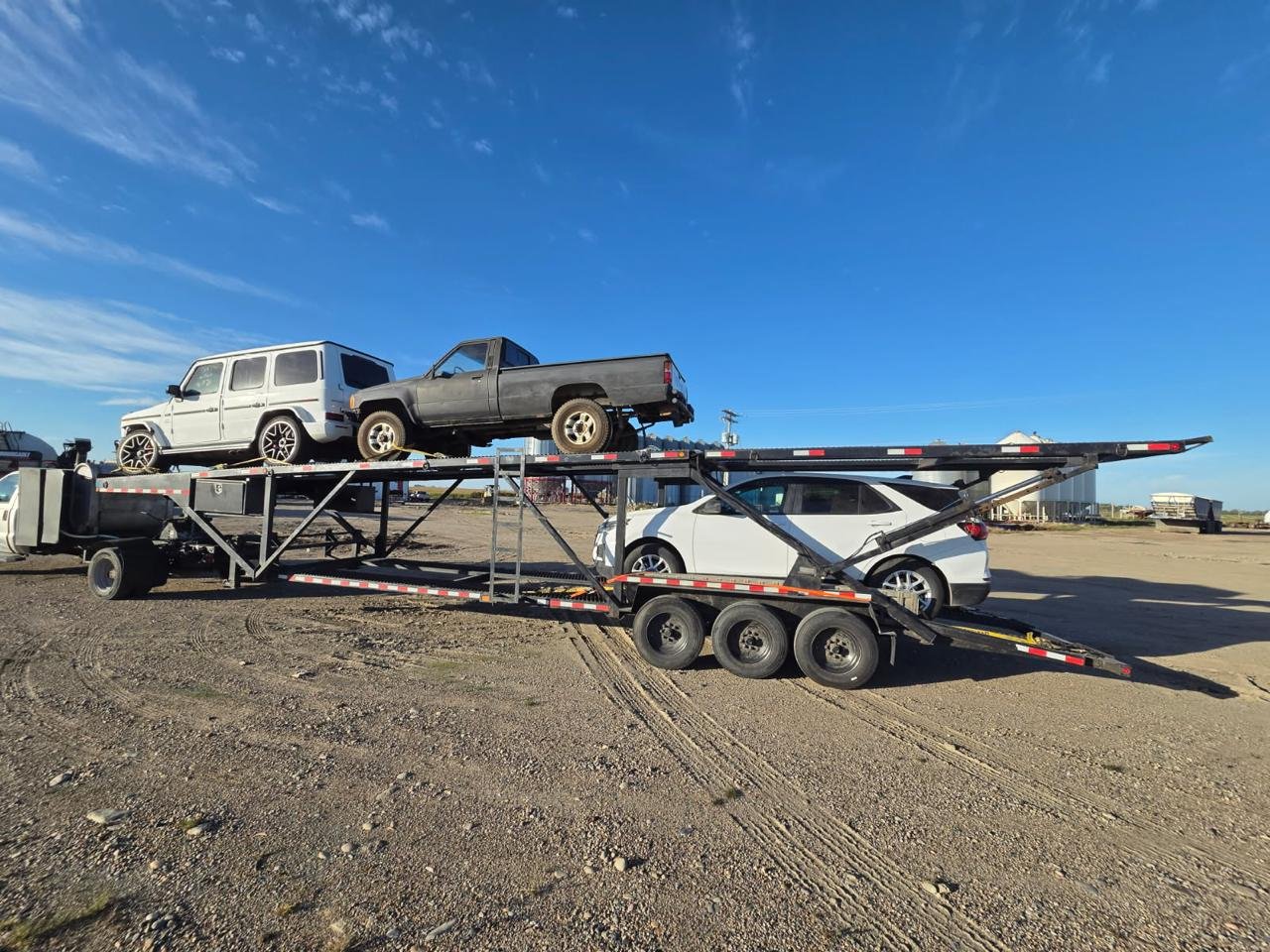
Average Cost to Ship a Car From Vancouver to Toronto
Because the logistics landscape changes frequently, identifying a single, static price for a Vancouver to Toronto car shipping job is nearly impossible. However, based on industry averages for this specific long-distance route, prices generally fall within a predictable spectrum.
For a standard-sized sedan moving via an open transport carrier, you can expect the Vancouver to Toronto car transport prices to range between $1,300 and $2,200 CAD. If you are shipping a larger vehicle, such as an SUV, pickup truck, or passenger van, the price typically ranges from $1,600 to $2,600 CAD due to the heavier weight and larger spatial footprint taken up on the trailer.
| Vehicle Category | Open Transport Estimate | Enclosed Transport Estimate |
|---|---|---|
| Compact Car / Standard Sedan | $1,300 - $1,800 CAD | $2,100 - $2,800 CAD |
| Mid-Size SUV / Minivan | $1,600 - $2,100 CAD | $2,500 - $3,200 CAD |
| Large Truck / Full-Size SUV | $1,800 - $2,600 CAD | $2,800 - $3,800 CAD |
| Classic / High-Value Exotic | Not Recommended | $3,000 - $4,500+ CAD |
Note: The prices outlined above are estimates. Factors such as fluctuating fuel surcharges, seasonal demand, and specialized requested services (like expedited door-to-door delivery) will affect your final tailored quote.
Key Factors That Influence Car Transport Prices
Understanding what goes into building an auto shipping quote helps demystify the logistics industry. When looking for the cheapest way to ship a car from Vancouver to Toronto without compromising on safety or reliability, it is vital to know the variables that carriers evaluate when pricing a route.
1. Distance and Location (Door-to-Door vs. Terminal-to-Terminal)
The sheer distance of shipping a car from BC to Ontario—over 4,300 kilometers across the Trans-Canada Highway—is the baseline for your cost. But how the car gets to and from the carrier matters. Terminal-to-terminal shipping, where you drop off and pick up the car at designated logistical hubs, is generally more affordable. In contrast, door-to-door vehicle delivery offers maximum convenience by bringing the carrier directly to your residential or business address, but it carries a higher premium.
2. Vehicle Dimensions and Weight
The physical size of your vehicle plays a massive role in auto transport carrier pricing. Car haulers are subject to strict legal weight limits imposed by provincial and federal transportation authorities. A heavy-duty Ford F-350 takes up significantly more space and weight than a Honda Civic, meaning the carrier can fit fewer vehicles on the trailer overall. Consequently, owners of larger vehicles pay a higher rate to offset the displaced cargo room.
3. Seasonal Variations and Weather
The auto transport industry is highly seasonal. The summer months (May through September) represent peak moving season across Canada, leading to high demand and slightly elevated prices. Conversely, winter shipping presents its own logistical hurdles. Navigating the treacherous mountain passes of the Rockies and the heavy snowfall in the Prairies requires specialized winter driving protocols. Road closures, monitored by provincial bodies like DriveBC and Ontario 511, can slow down transit times and drive up fuel and labor costs.
If your schedule is flexible, booking your vehicle transport during the shoulder seasons (early spring or late fall) can sometimes secure you a more affordable rate, as carrier demand tends to level out before the harsh winter weather arrives.
4. Fuel Surcharges
Like the airline and freight industries, car hauling is heavily dependent on diesel prices. Transport companies frequently adjust their rates to reflect current fuel surcharges. When diesel costs spike globally or domestically, these increases are passed on marginally to the consumer.
Open vs. Enclosed Vehicle Transport
Choosing the right type of auto transport carrier trailer is perhaps the most significant choice you will make regarding both the safety of your vehicle and the overall shipping cost.
Open Car Transport
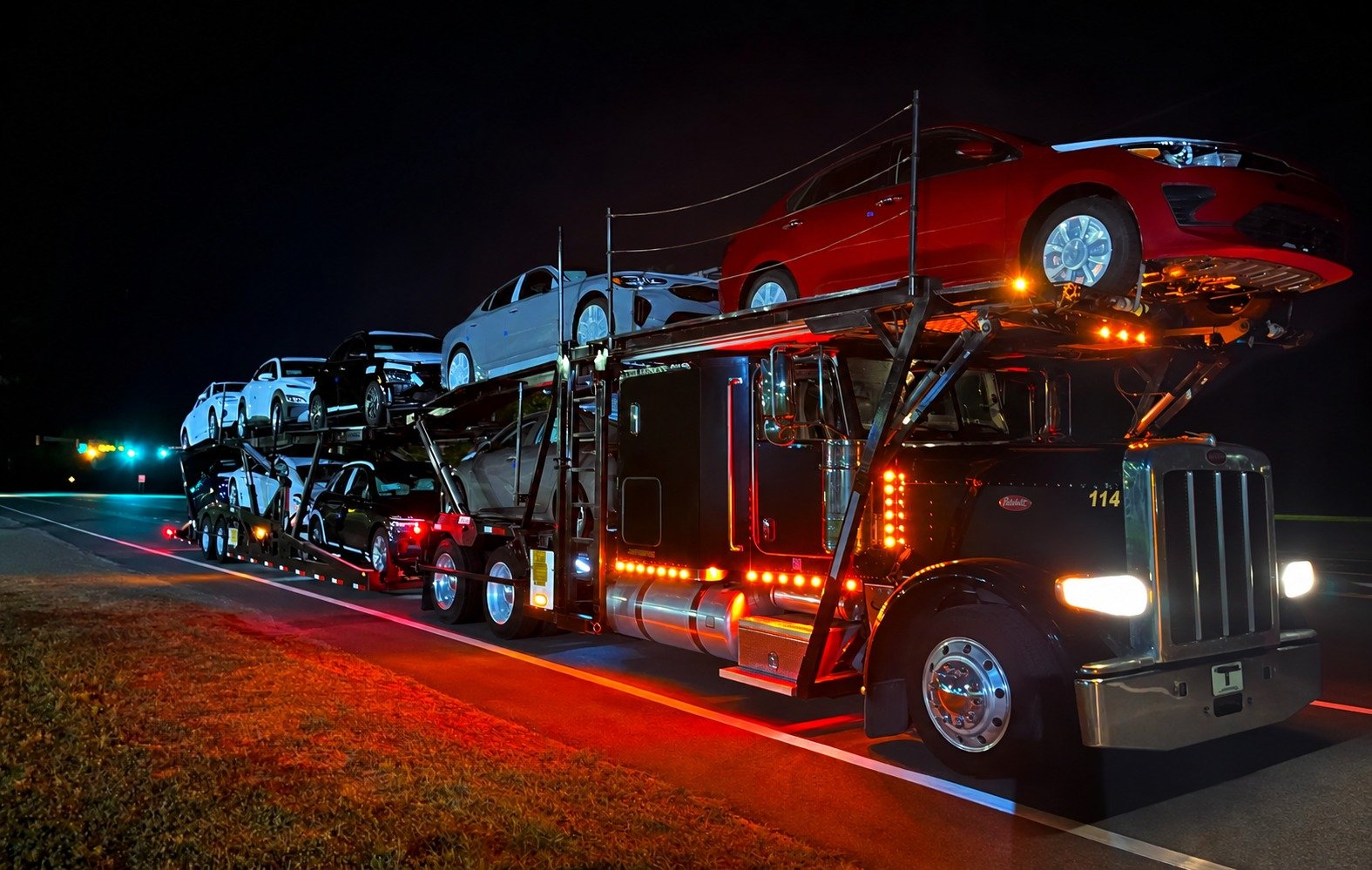
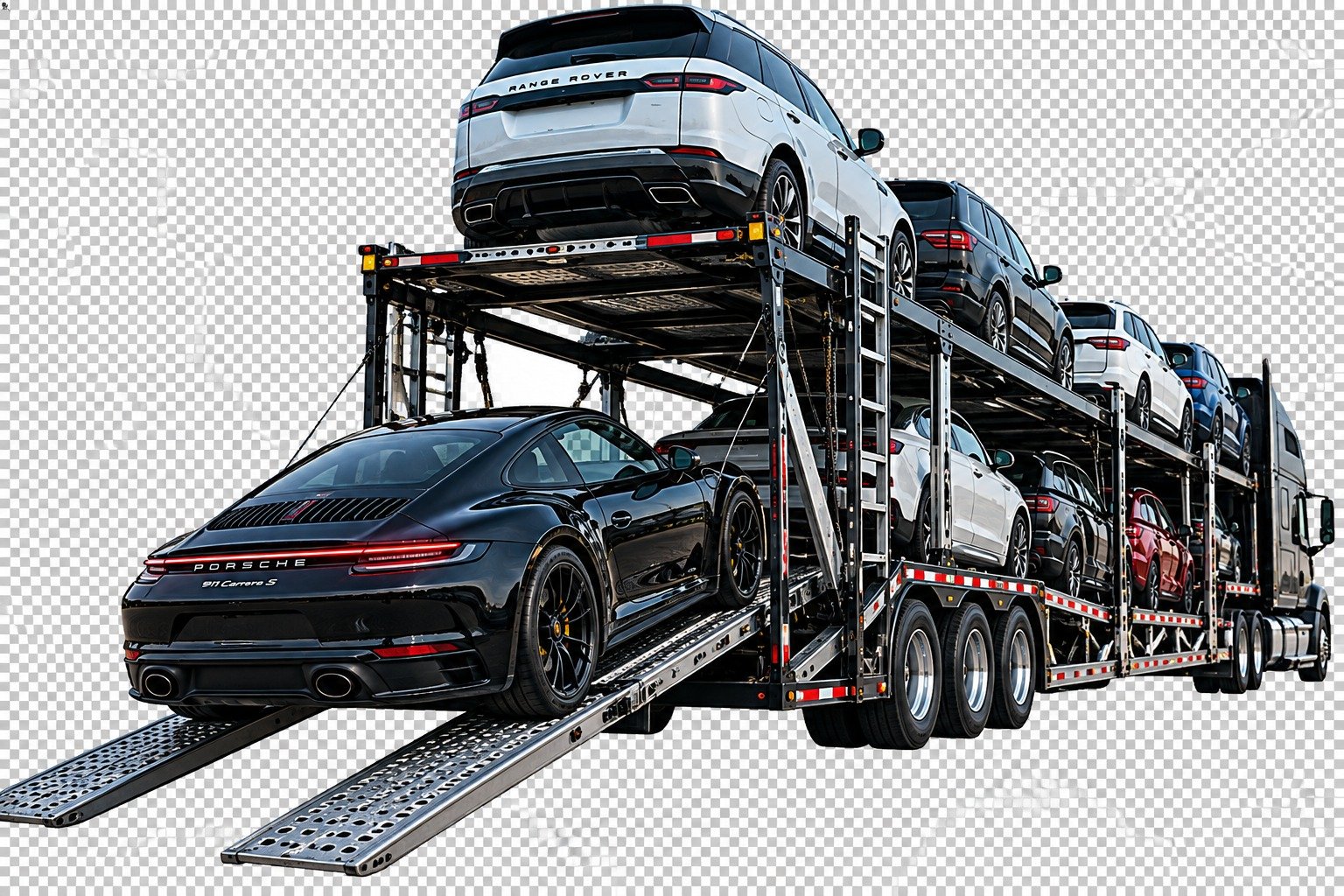
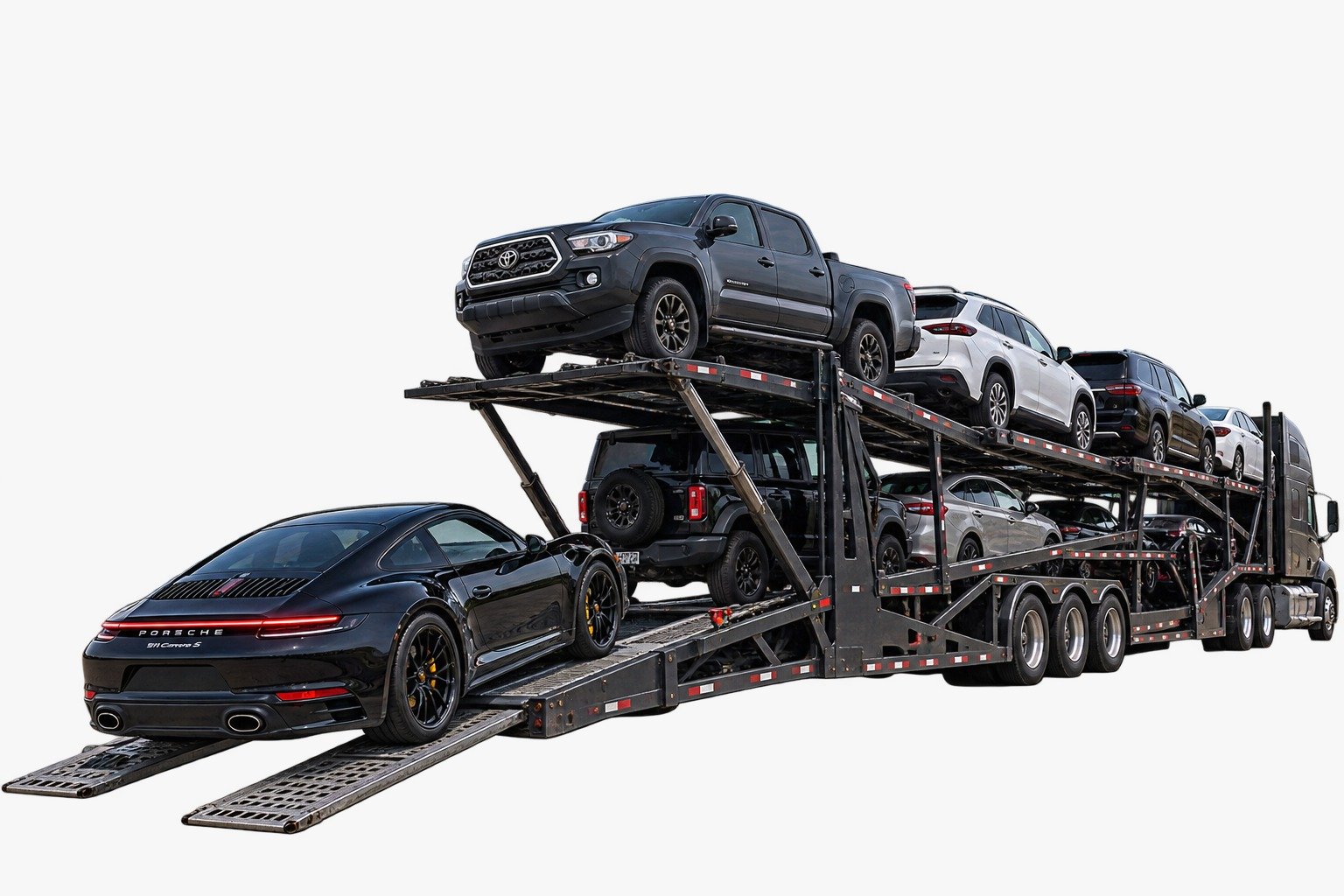
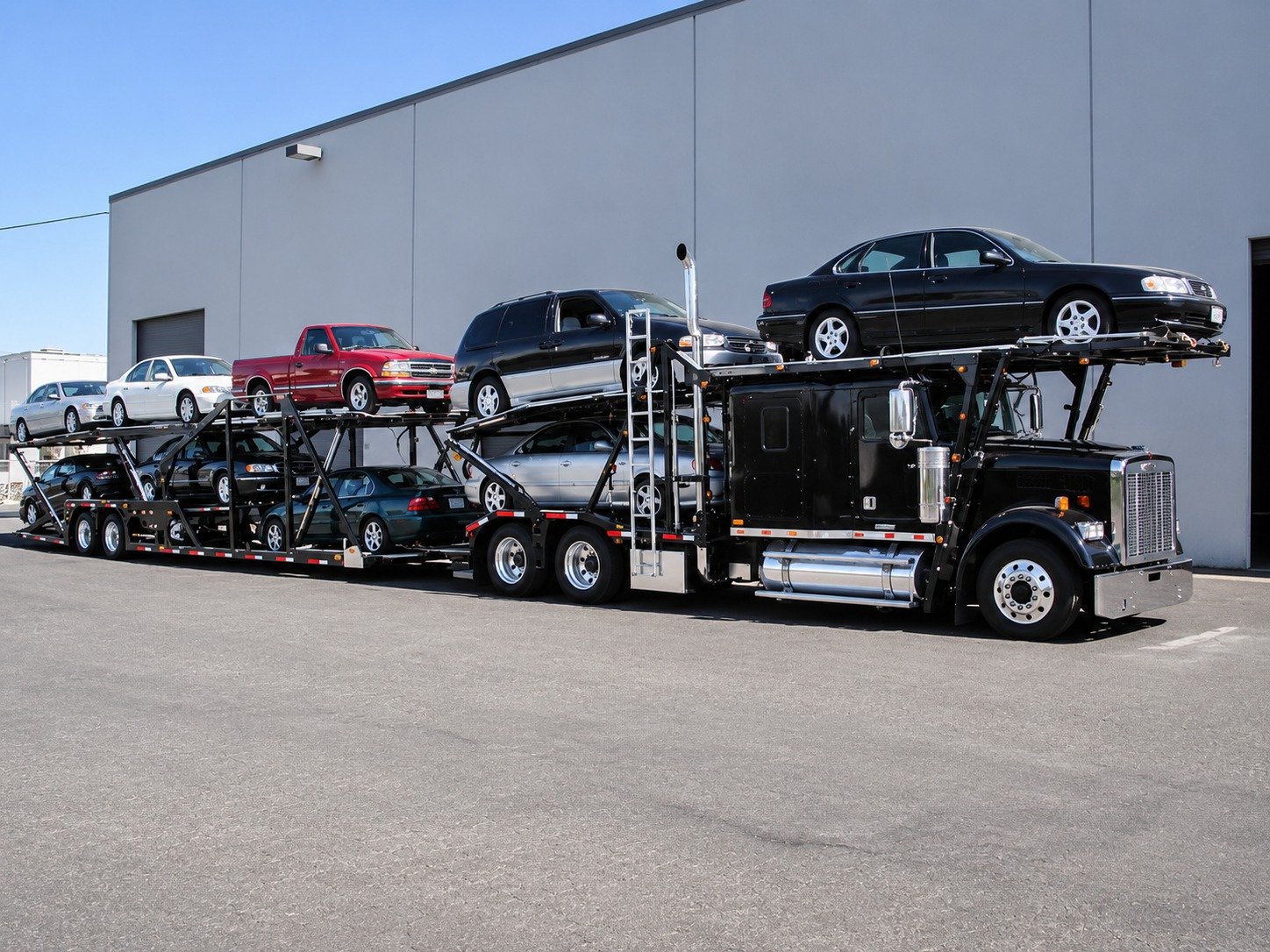
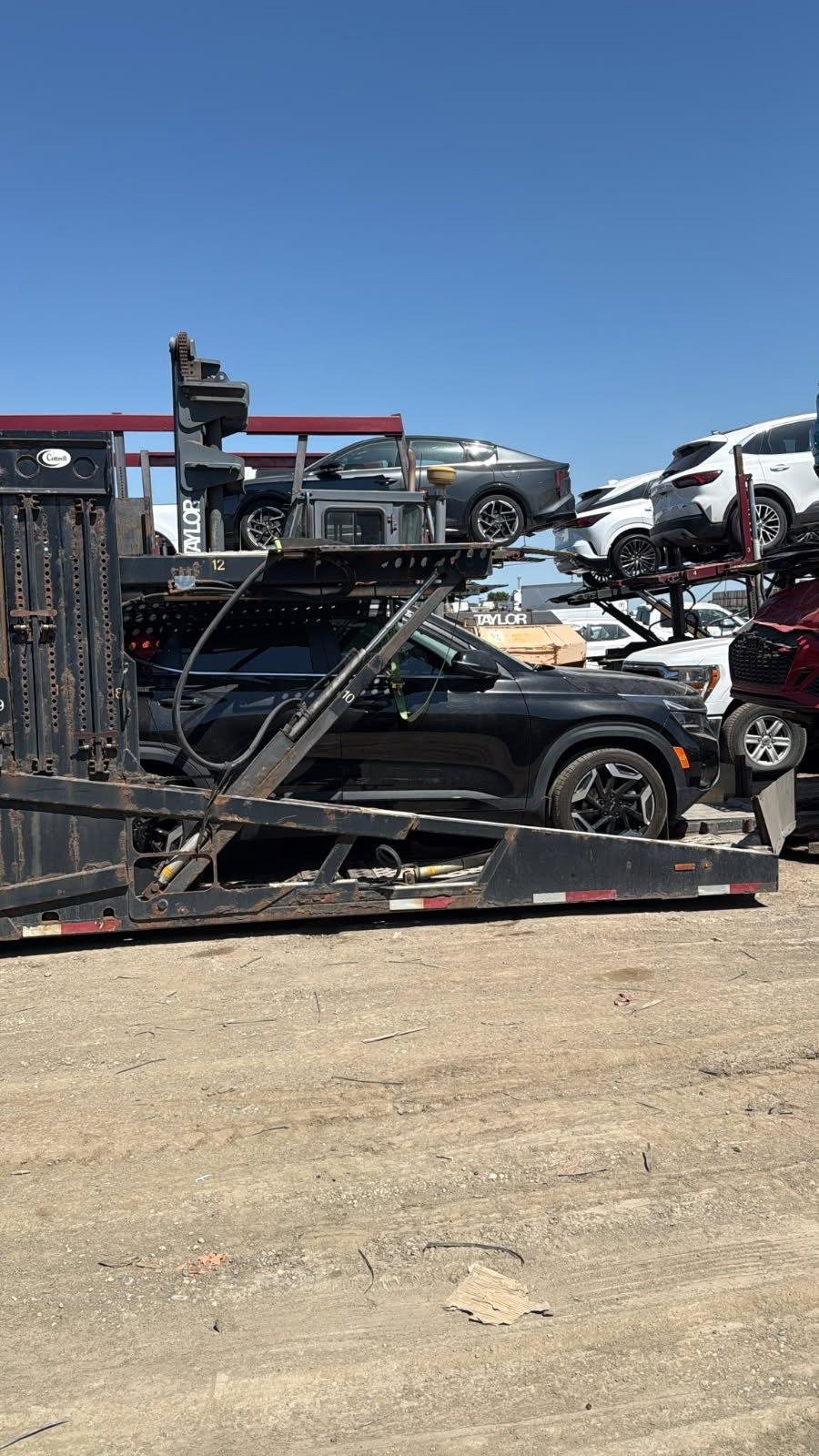
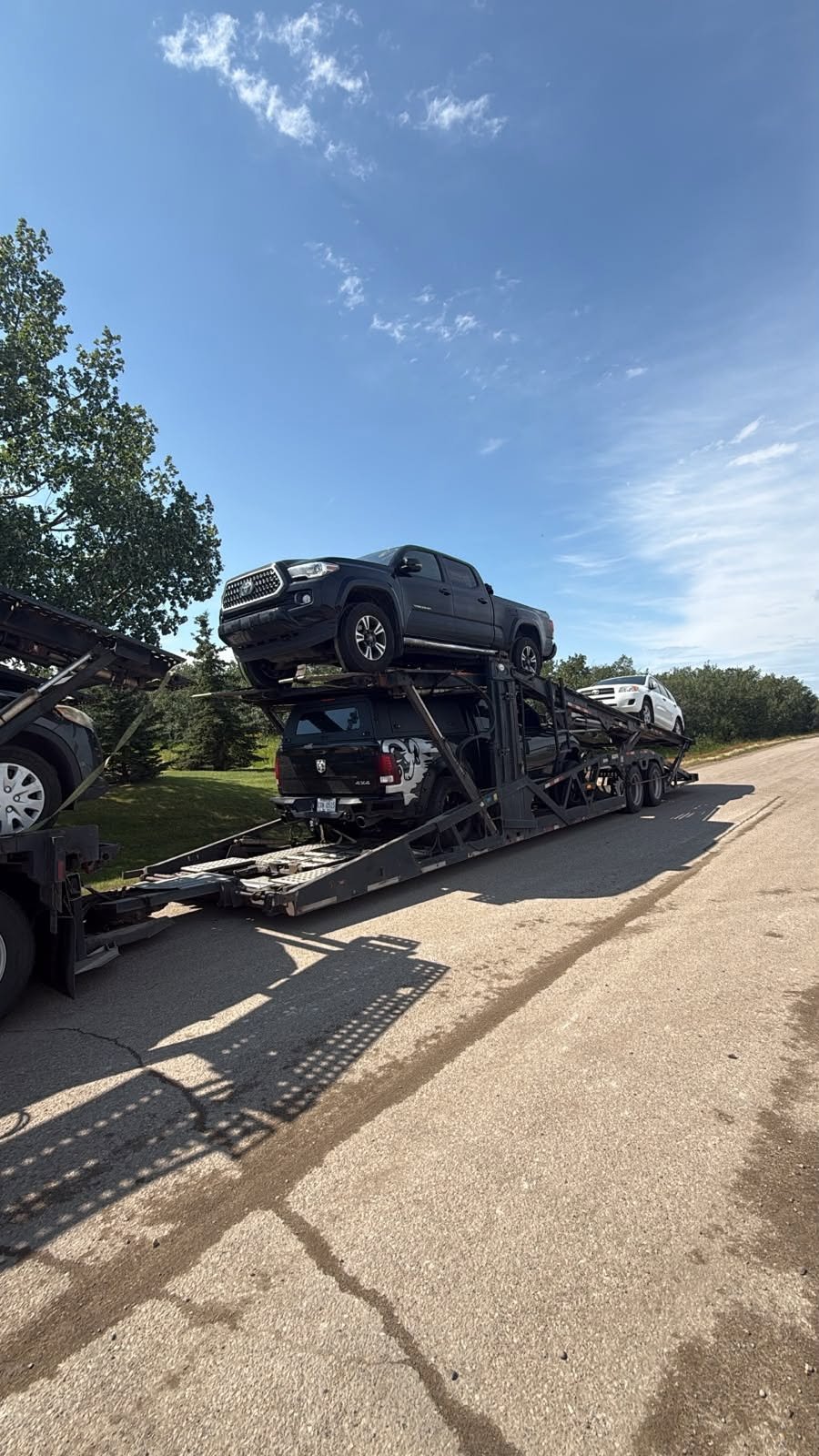
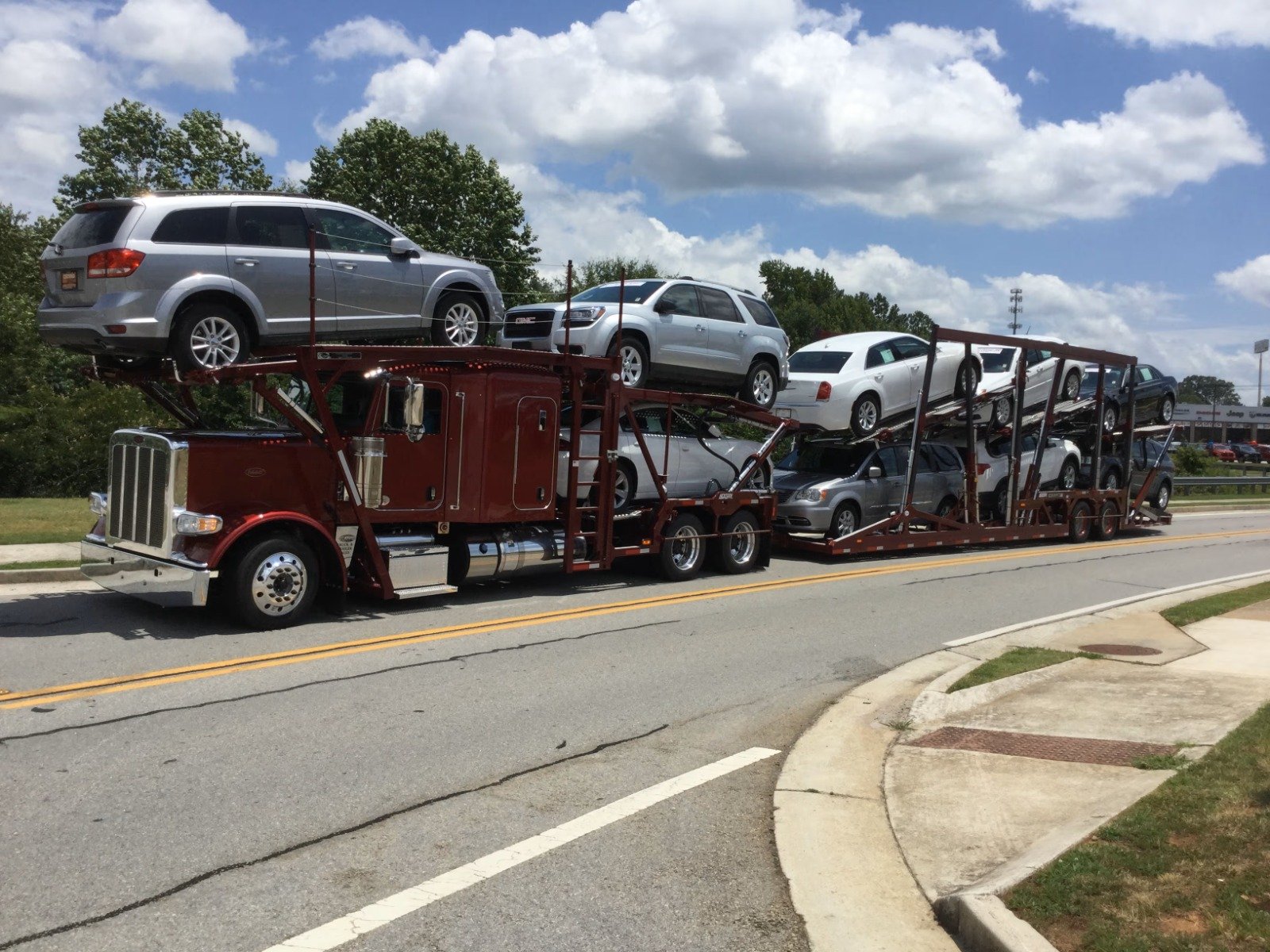
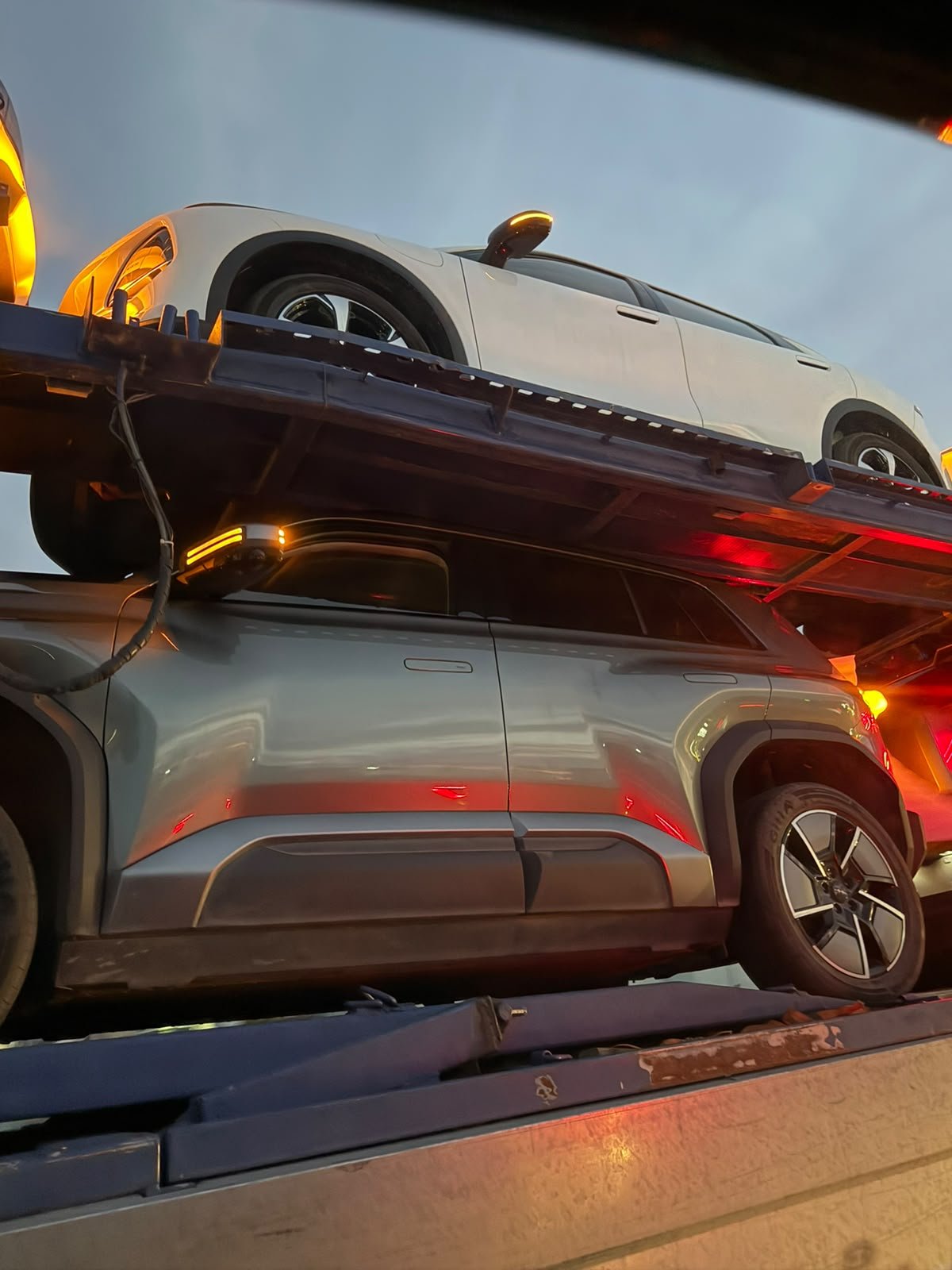
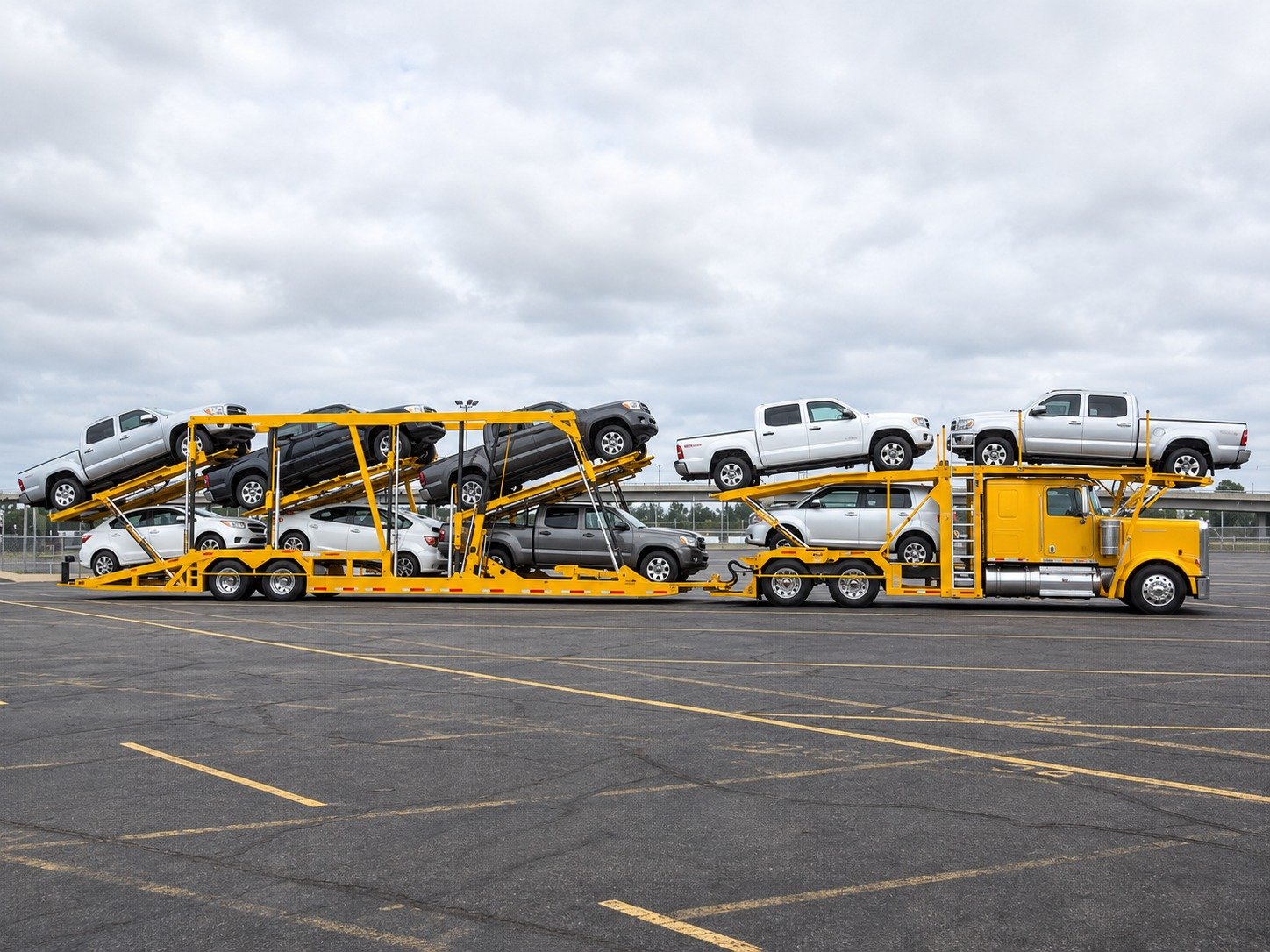
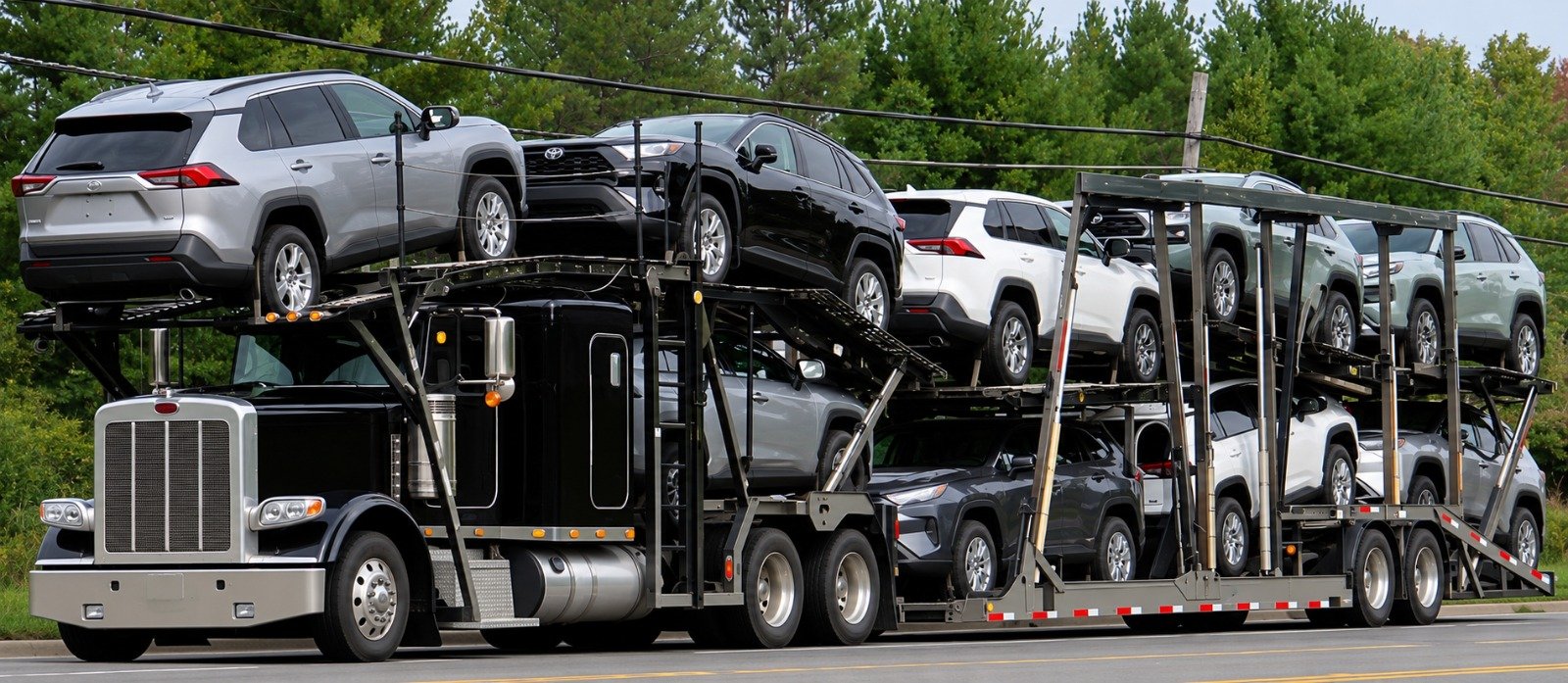
When you see a large, multi-level semi-truck carrying up to ten vehicles down the highway, you are looking at open transport. This is the industry standard and by far the most economical choice. It is highly efficient, widely available, and perfect for standard, everyday commuter vehicles. Because the carrier can haul many cars simultaneously, the cost per vehicle is drastically reduced. However, your car will be exposed to the elements, including rain, snow, and potential road debris during the cross-country journey.
Enclosed Vehicle Transport
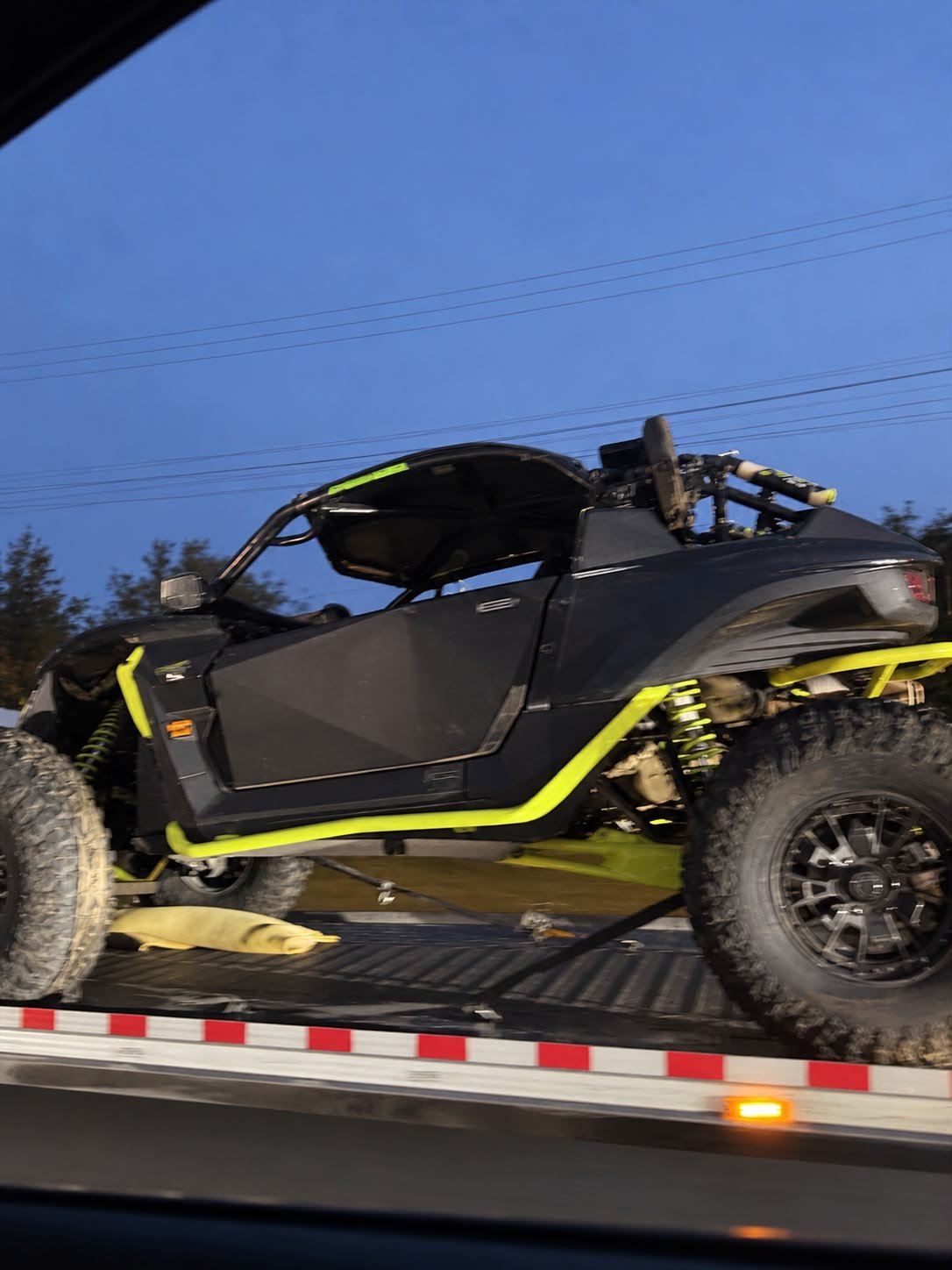
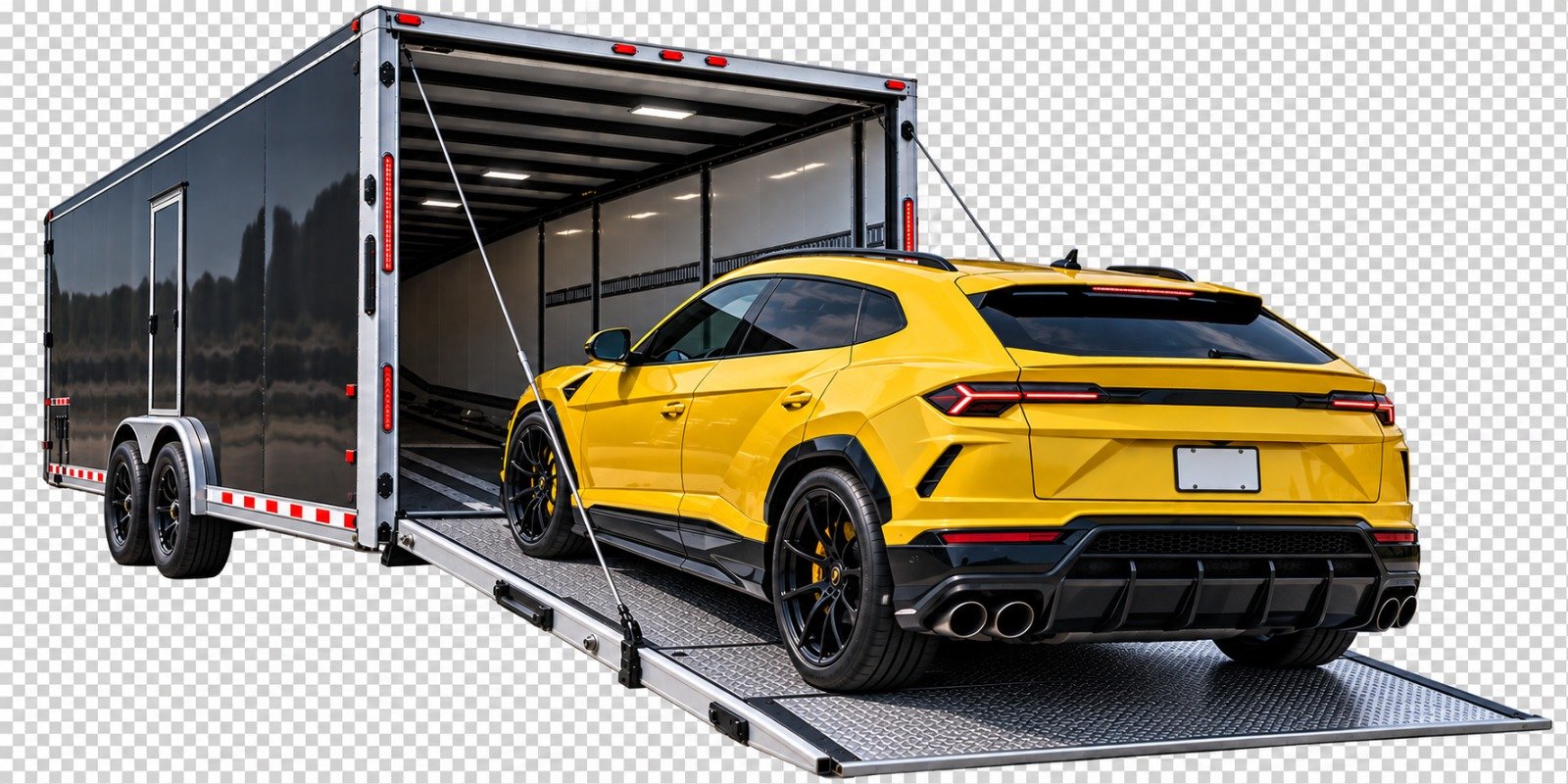
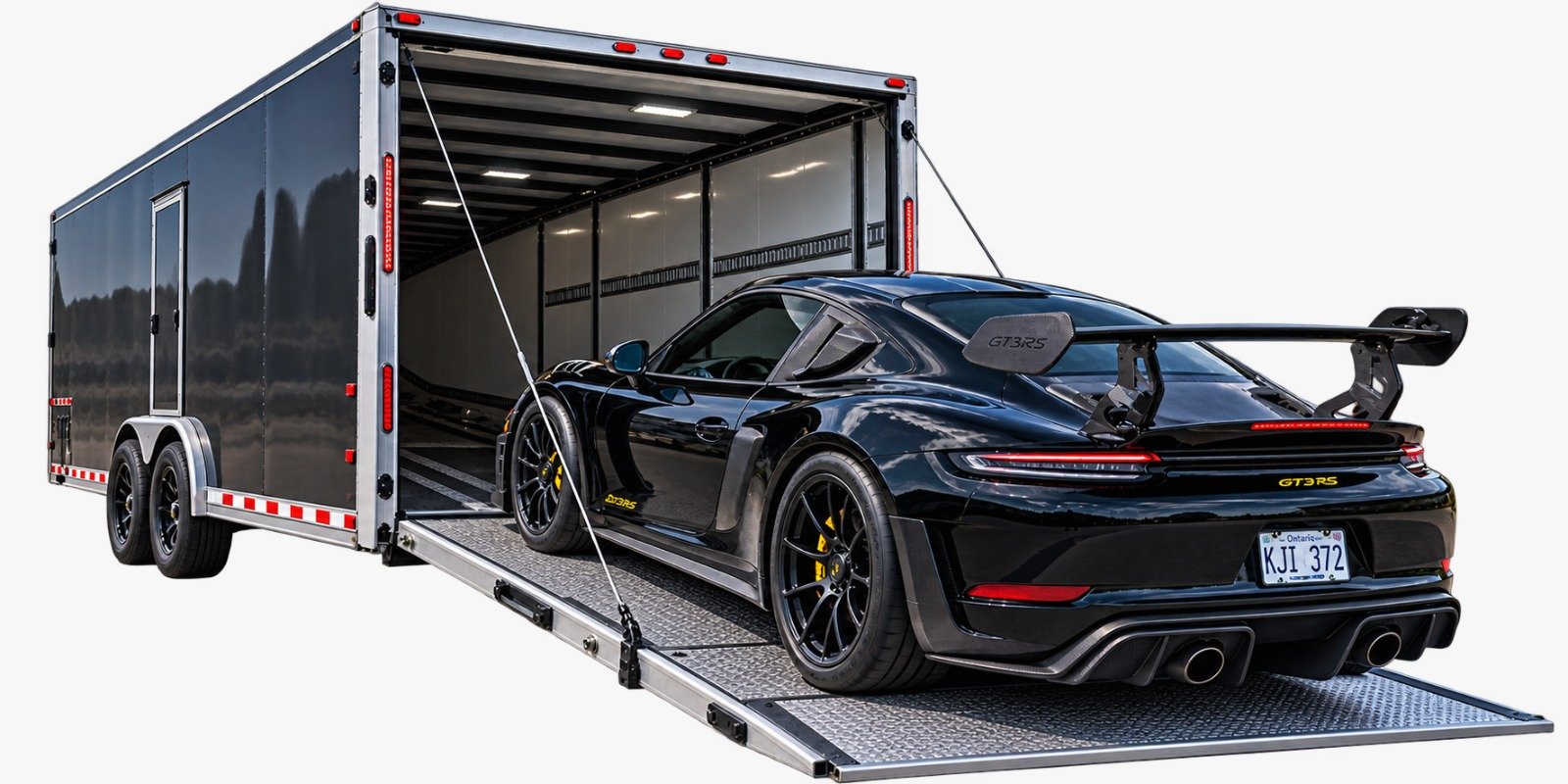
If you are shipping a high-value, classic, luxury, or customized vehicle, enclosed vehicle transport is the premier choice. Enclosed trailers feature solid walls and a roof, completely shielding your vehicle from weather, dust, rocks, and prying eyes. Because these specialized trailers hold fewer vehicles (usually two to six) and require specialized hydraulic lift gates to load low-clearance cars, the cost of enclosed car transport from Vancouver to Toronto is typically 40% to 60% higher than open transport.
Railway Transportation: An Alternative Solution
While truck haulers dominate the market for door-to-door delivery, rail car shipping remains a viable and sometimes highly economical option for traversing the immense expanse of Canada. Shipping by train is incredibly fuel-efficient and environmentally friendly.
Rail transport is generally operated on a strict terminal-to-terminal basis, meaning you will need to deliver your car to a designated railway yard in the Greater Vancouver area and pick it up from a specific rail hub in Toronto. While train shipments can occasionally take slightly longer than over-the-road trucking due to rail yard logistical queuing, it provides a very smooth ride, reducing the risk of highway-related wear and tear.
How Long Does It Take to Ship a Car from BC to Ontario?
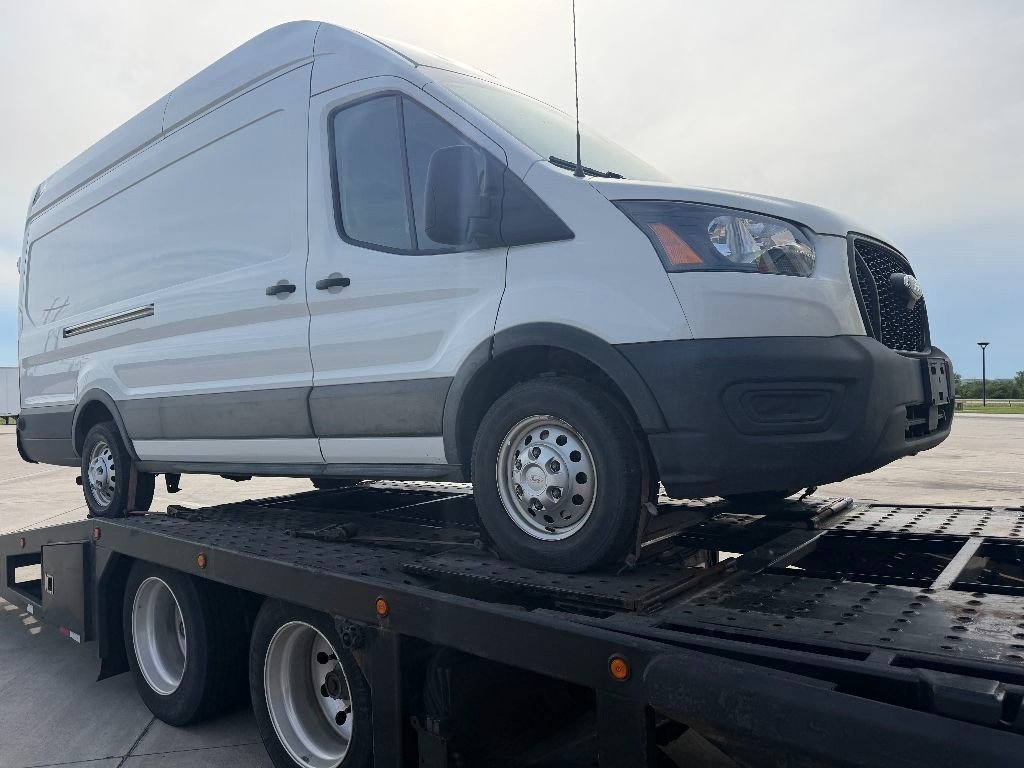
For a direct cross-country route spanning over 4,000 kilometers, standard auto shipping times from Vancouver to Toronto generally range from 7 to 14 days from the date of pickup.
Several factors can influence this timeline. A carrier must adhere to federal regulations enforced by Transport Canada, which strictly dictate the maximum number of consecutive hours a commercial truck driver can legally operate before requiring a mandatory rest period. Additionally, multi-car carriers often make strategic stops along the route—such as in Calgary, Regina, or Winnipeg—to load or offload other clients' vehicles. Inclement weather across the Rockies and Northern Ontario can also necessitate reduced speeds for the safety of the cargo.
Preparing Your Vehicle for Cross-Country Transportation
To ensure a seamless handover and comply with transportation insurance coverage regulations, you must properly prepare your vehicle before the driver arrives for pickup.
- Clean the exterior and interior: A clean car allows for a highly accurate and transparent pre-shipment inspection. Both you and the driver will document any existing dents, scratches, or paint chips on the Bill of Lading.
- Remove all personal items: Auto transport carriers are not legally licensed to transport household goods. Furthermore, personal items left inside the vehicle are not covered by the carrier’s cargo insurance, and excess weight from packed items can result in hefty fines at provincial weigh stations.
- Reduce the fuel level: Aim to have your gas tank at roughly one-quarter (1/4) full. This is plenty of fuel for the driver to load and unload the vehicle safely, while stripping away unnecessary weight from the trailer.
- Check for fluid leaks: Ensure your vehicle is not actively leaking oil, transmission fluid, or coolant. A severely leaking car can drip onto and damage other vehicles positioned below it on a multi-level trailer, and carriers maintain the right to refuse a leaking vehicle.

Frequently Asked Questions
We understand that handing over the keys to your vehicle requires absolute trust. Here are answers to some of the most common questions our clients ask regarding the Vancouver to Toronto car shipping process. For more information, visit Optixtrace's FAQs page.
Yes. Reputable vehicle transportation companies provide active cargo insurance that covers your vehicle from the moment it is loaded onto the trailer until it is safely delivered and signed off at the final destination. The coverage handles damages resulting from carrier negligence or transit accidents, giving you complete peace of mind.
Most modern logistics providers offer updates throughout the journey. While not every carrier has real-time, minute-by-minute GPS tracking accessible to the consumer, dispatchers and drivers routinely provide structured updates via phone or email, especially as the truck approaches the delivery destination.
If you select door-to-door vehicle delivery, the driver will attempt to get as close to your specified address as legally and safely possible. However, massive multi-level car haulers cannot physically navigate tight residential cul-de-sacs, roads with low-hanging power lines, or areas with municipal weight restrictions. In these instances, the driver will arrange to meet you at a nearby spacious location, such as a large shopping plaza parking lot.
Yes, either you or a trusted designated representative (such as a friend, family member, or colleague) must be present at both ends of the shipment. This individual is responsible for handing over the keys, participating in the mandatory vehicle inspection, and signing the final Bill of Lading.
Conclusion
Determining the exact cost to ship a car from Vancouver to Toronto depends heavily on your vehicle's make and model, your chosen transport method, and the specific time of year you choose to relocate. While average open transport prices hover between $1,300 and $2,200 CAD, investing in enclosed transport for high-value vehicles or opting for rail shipping provides tailored solutions that match your unique logistical requirements.
By understanding the factors that dictate automotive logistics pricing—from fuel surcharges and vehicle dimensions to seasonal weather challenges—you can make an informed decision and prepare your vehicle for a safe, efficient journey across Canada.