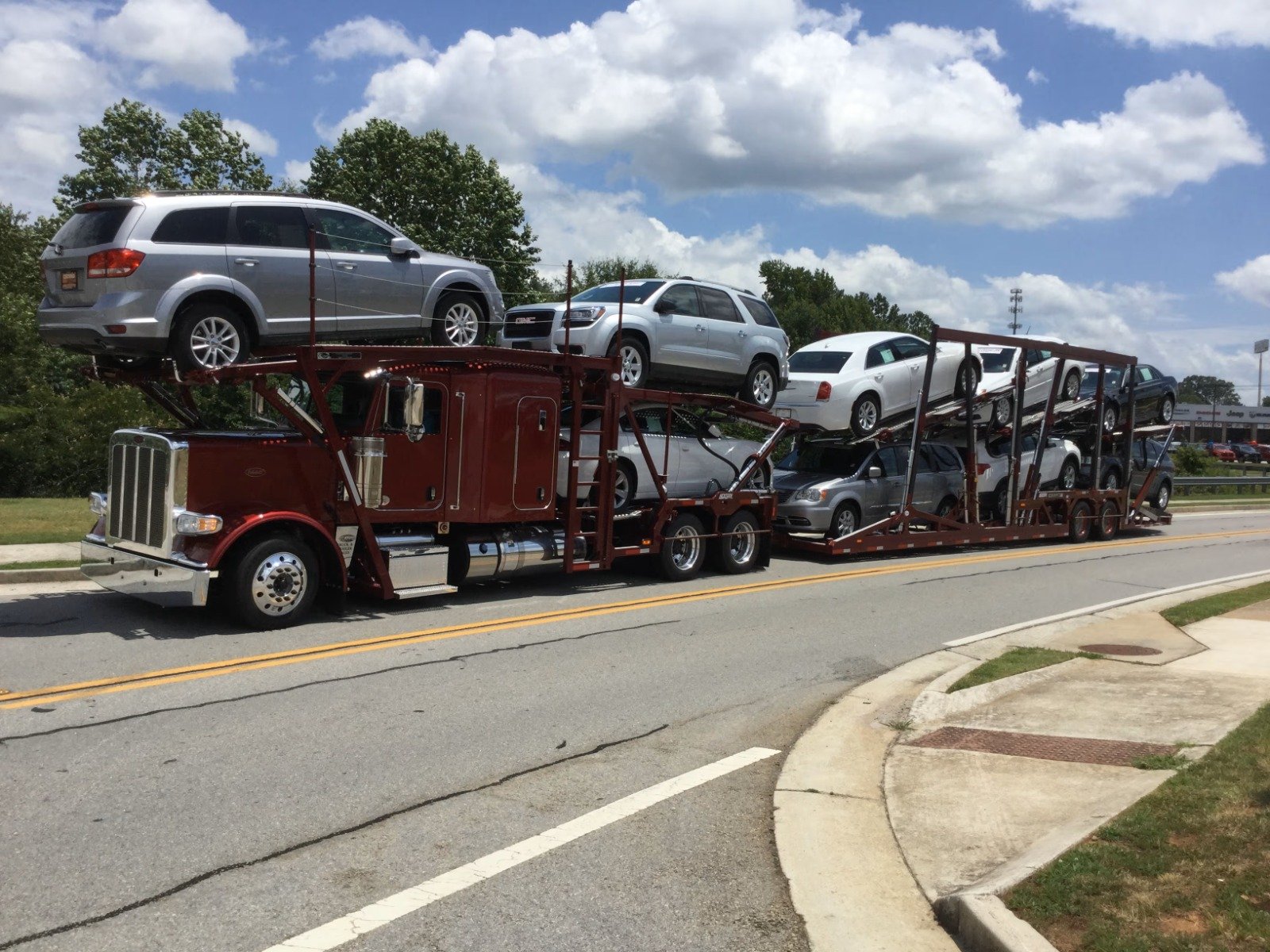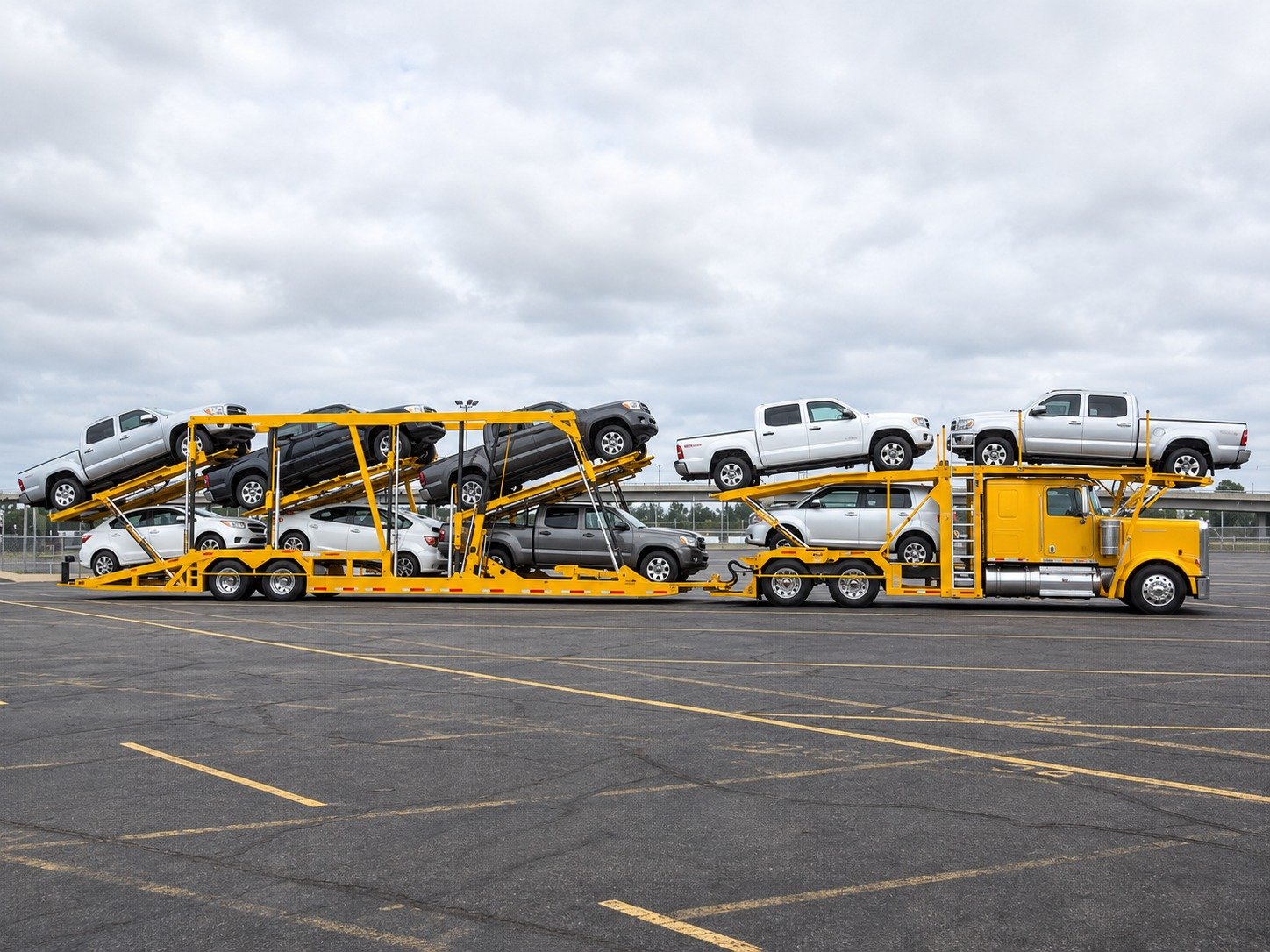
Whether you are relocating to a new province for work, purchasing a vehicle from a dealership across the country, or sending a beloved classic car to a family member, one of the first questions you will inevitably ask is: how long does it take to ship a car across Canada?
Navigating Canadian geography is no small task. With nearly 10 million square kilometres of terrain encompassing bustling urban centres, remote northern highways, and the imposing Rocky Mountains, vehicle shipping logistics require precise coordination. On average, cross-country car shipping time ranges from 7 to 14 days, but depending on your specific route and the time of year, deliveries can be as quick as a few days or take up to three weeks.
As a leading vehicle transportation provider, Optixtrace Car Shipping ensures that whether you require standard open transport or specialized enclosed shipping, you are equipped with the knowledge to plan your move confidently. In this comprehensive guide, we will break down Canada auto transport times, the factors that influence scheduling, and how you can ensure a seamless, on-time delivery.
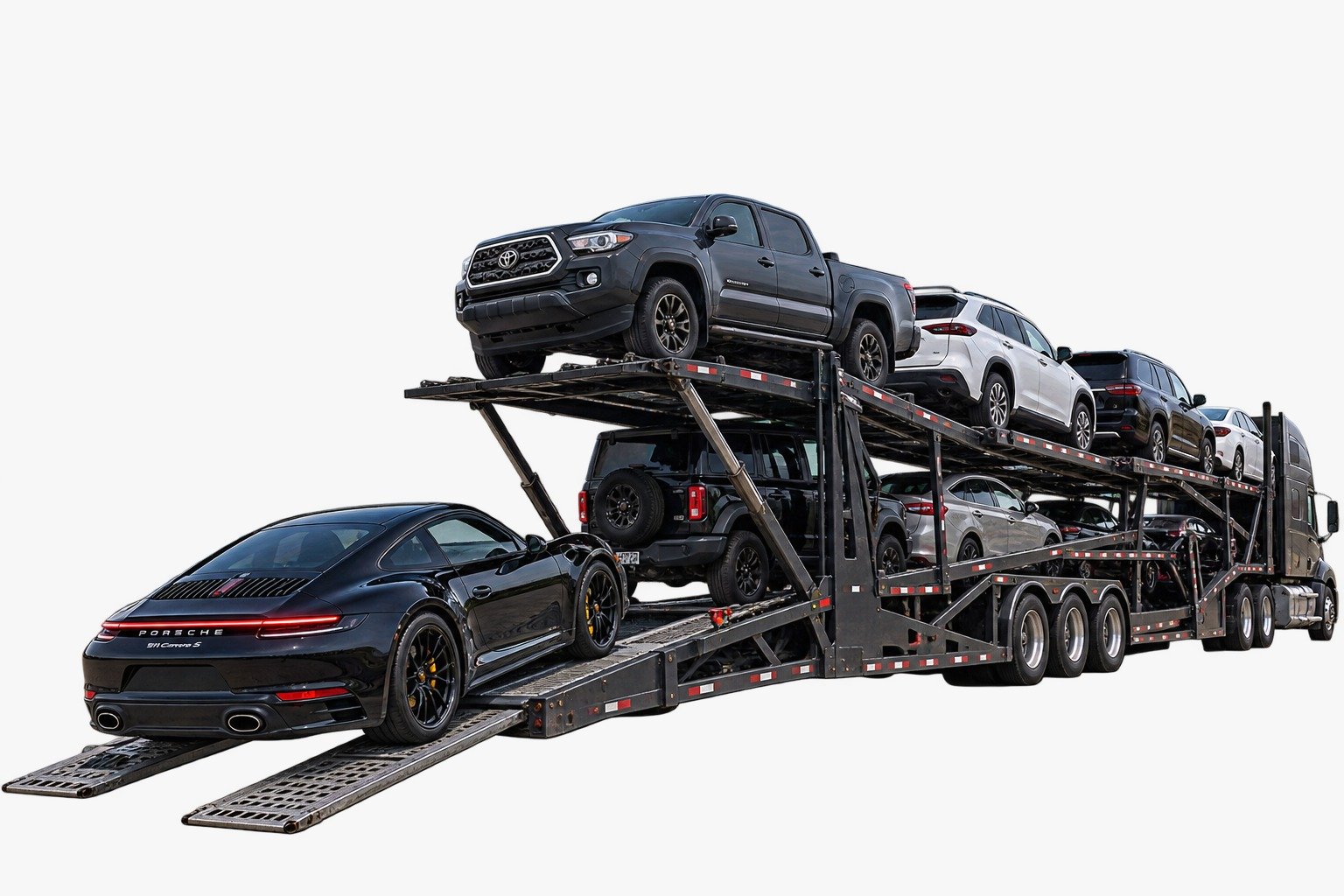
Table of Contents
What Affects Car Shipping Delivery Time in Canada?
To accurately answer how many days it takes to ship a car across Canada, it is essential to understand that transit times are not arbitrary. Auto transport carriers operate heavy-duty machinery under strict federal and provincial regulations. Several primary variables will dictate the speed at which your vehicle arrives at its destination.
1. Total Distance and Logistics Routing
Naturally, the physical distance between the pickup and drop-off locations is the most significant factor. However, it isn't just about total kilometres; it is about the accessibility of the route. Major transport corridors, such as the Trans-Canada Highway route from Toronto to Calgary, see high volumes of daily traffic. Because carriers frequently travel these routes, trucks fill up faster, reducing the time you spend waiting for a dispatch assignment.
Conversely, if you are shipping to or from a rural area outside of major metropolitan hubs, carriers may need to deviate from their primary routes, which can add extra days to your vehicle shipping time.
2. Driver Hours of Service (HoS) Regulations
Canadian transport authorities strictly regulate the commercial trucking industry to ensure public safety. In Canada, commercial drivers are legally permitted to drive a maximum of 13 hours within a 14-hour shift, followed by mandatory rest periods. Therefore, a transport truck cannot simply drive 24 hours a day straight through from Ontario to British Columbia. These federally mandated reset periods are factored into all professional car transport delivery time estimates.
3. Weather and Road Conditions
Does winter affect car shipping times in Canada? Absolutely. Between November and April, the Canadian landscape presents formidable challenges. Heavy snowfall in the Prairies, icy conditions in the Maritimes, and avalanche control measures in the British Columbia mountain passes (such as the Coquihalla Highway) can significantly reduce travel speeds.
Safety is always the primary concern for reputable auto transport carriers. During severe winter storms, drivers may be required to pull off the road until conditions improve, which can temporarily extend the estimated delivery window.
Differentiate Between Dispatch Time and Transit Time: When scheduling auto transport, remember that your total timeframe includes the dispatch window (the time it takes to assign a truck and pick up the vehicle, usually 1 to 5 days) plus the actual transit time (the time the truck spends on the road). Always ask for a breakdown of both when requesting your quote.
Estimated Transit Times Across Major Canadian Routes
While every shipment is unique, having a baseline expectation helps with personal planning, especially if you are coordinating a flight or a move-in date. Below is a breakdown of estimated transit times for some of the most popular Canadian vehicle shipping routes.
Please note: These estimates reflect time on the road after the vehicle has been picked up and loaded onto the carrier.
| Origin City | Destination City | Approximate Distance | Estimated Transit Time |
|---|---|---|---|
| Toronto, ON | Vancouver, BC | 4,300 km | 7 to 10 Days |
| Calgary, AB | Toronto, ON | 3,400 km | 5 to 8 Days |
| Vancouver, BC | Edmonton, AB | 1,100 km | 2 to 4 Days |
| Montreal, QC | Halifax, NS | 1,200 km | 2 to 4 Days |
| Halifax, NS | Vancouver, BC | 5,800 km | 10 to 14 Days |
For example, if you are looking to ship a car from Toronto to Vancouver, the actual drive time usually spans about a week to ten days, but you should factor in an additional few days for the initial pickup arrangement.
The Vehicle Shipping Process Step-by-Step
Understanding how the cross-country vehicle transport process works will help you realize why specific timelines exist. Professional vehicle shipping logistics are carefully orchestrated to maximize efficiency.
Step 1: Booking and Scheduling
Once you accept a quote, the logistics team gets to work. Your vehicle is placed on a load board or dispatched to an internal fleet route. Depending on carrier availability in your area, securing a spot on a truck can take anywhere from 1 to 5 business days.
Step 2: Vehicle Pickup and Inspection
When the truck arrives, the driver will perform a comprehensive Bill of Lading (BOL) inspection. This document notes the pre-existing condition of your vehicle. The loading process itself requires care, precision, and time, especially if multiple vehicles need to be shifted to accommodate yours safely.
Step 3: Transit and Updates
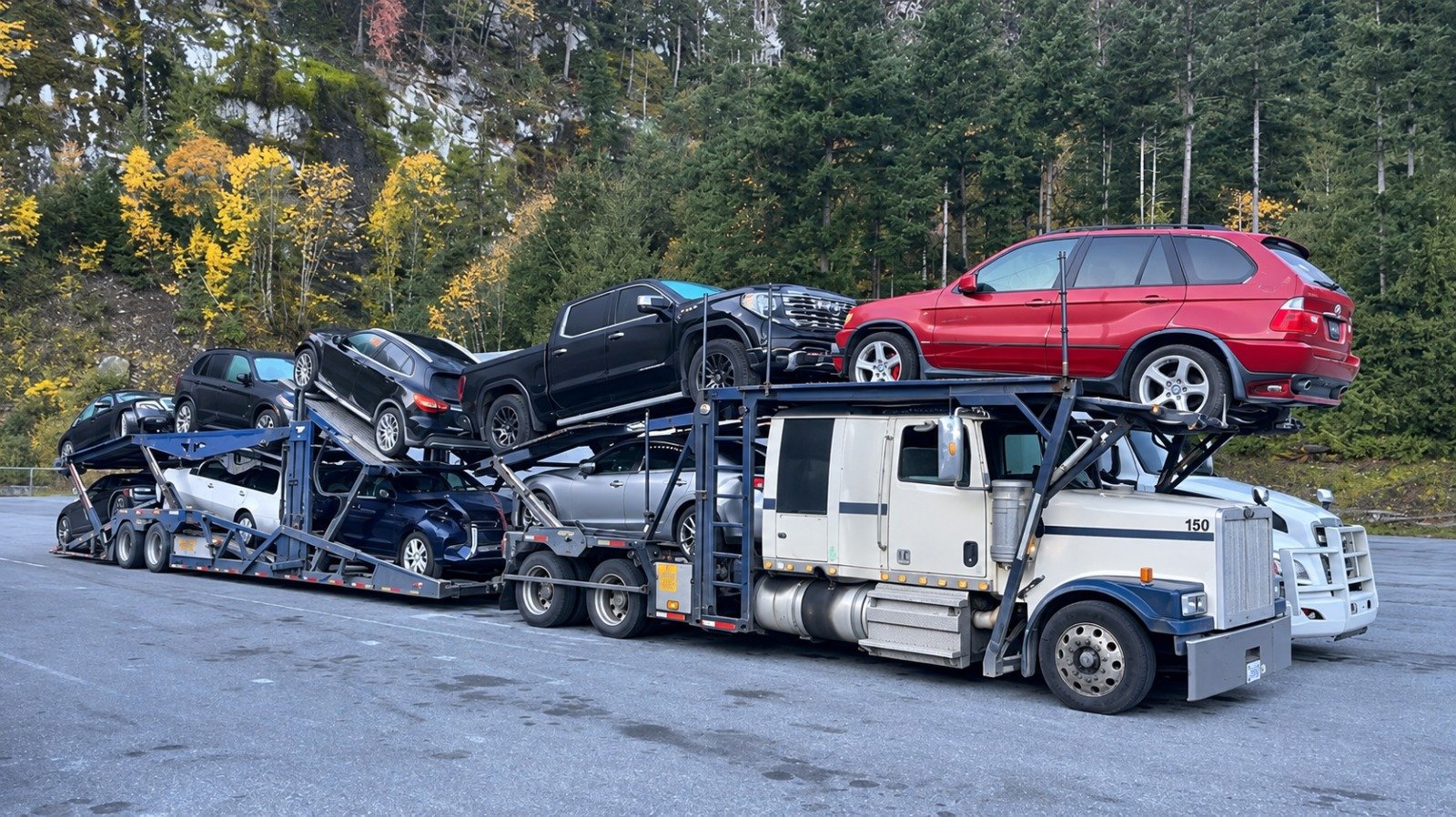
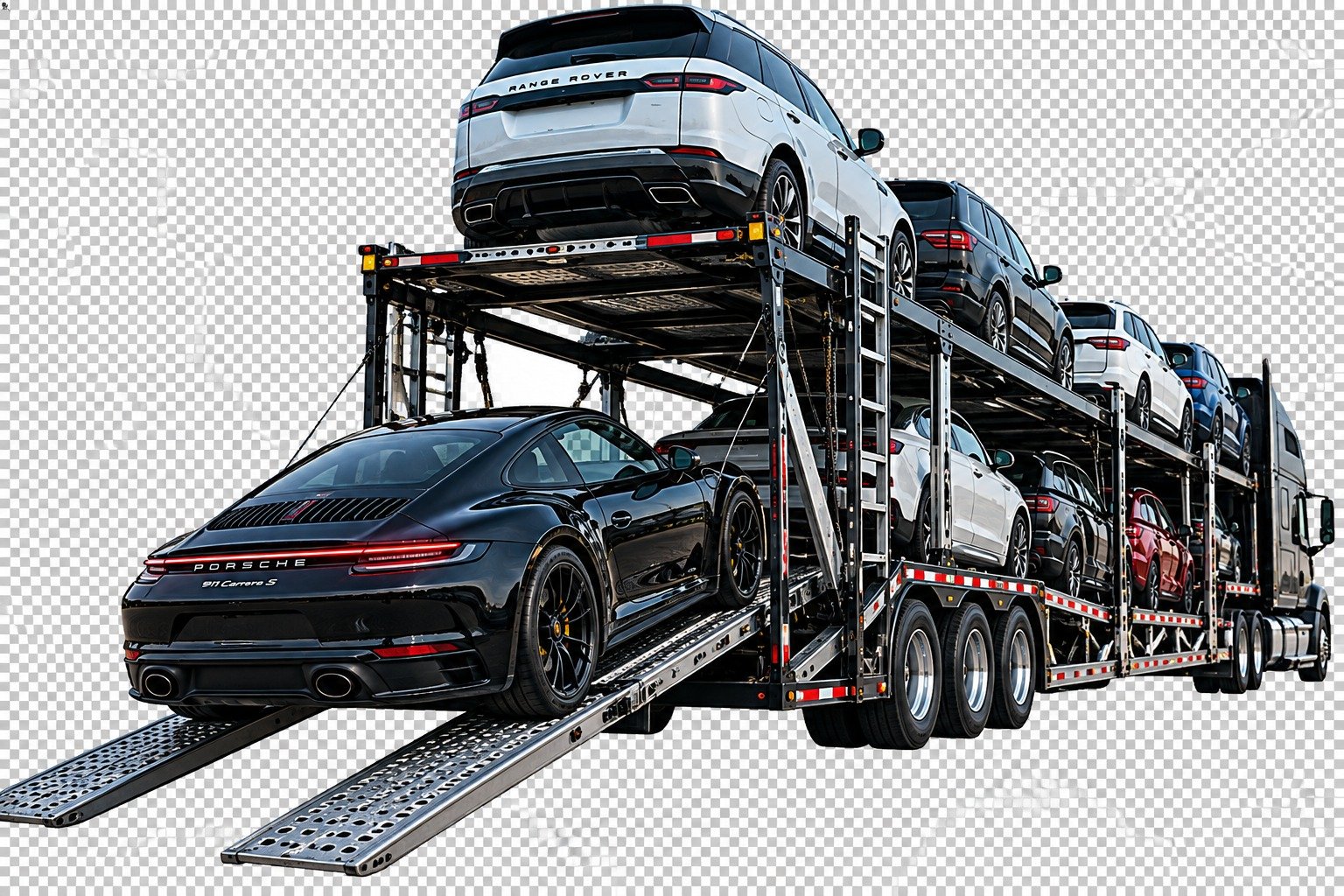
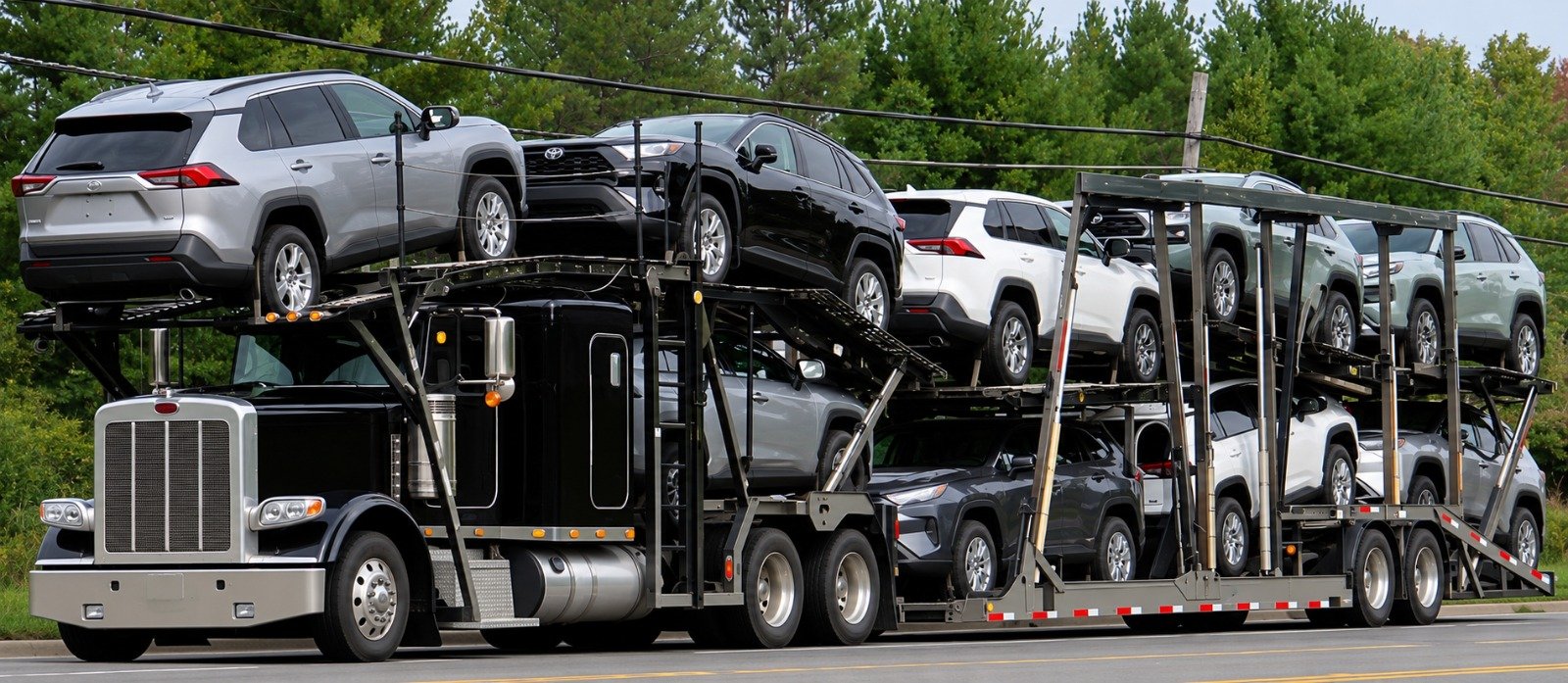
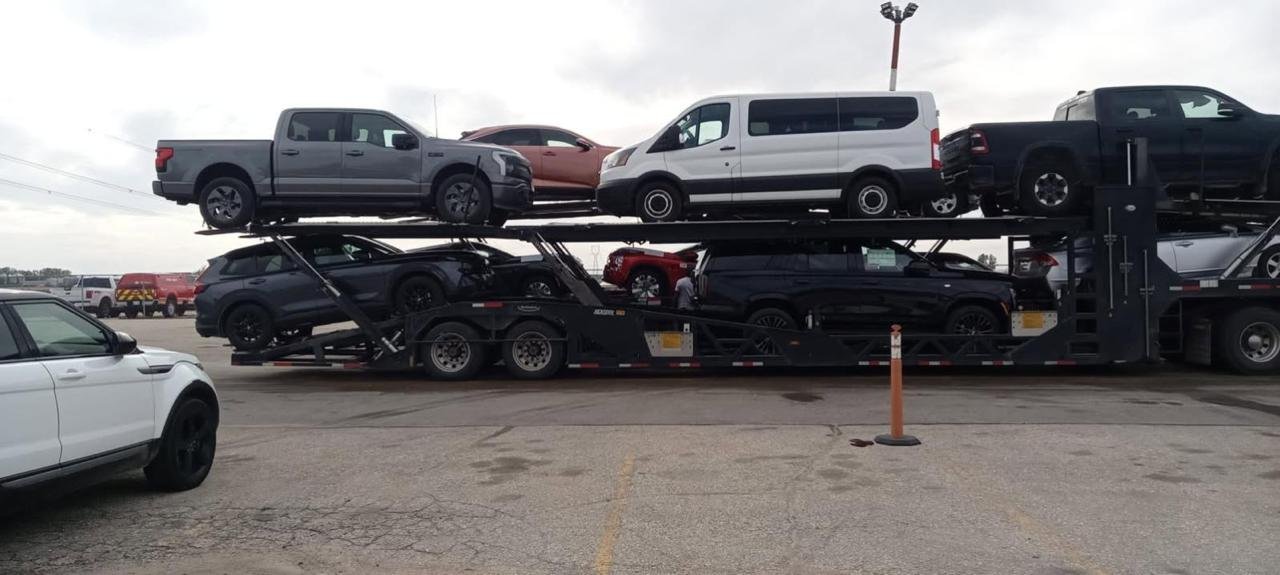
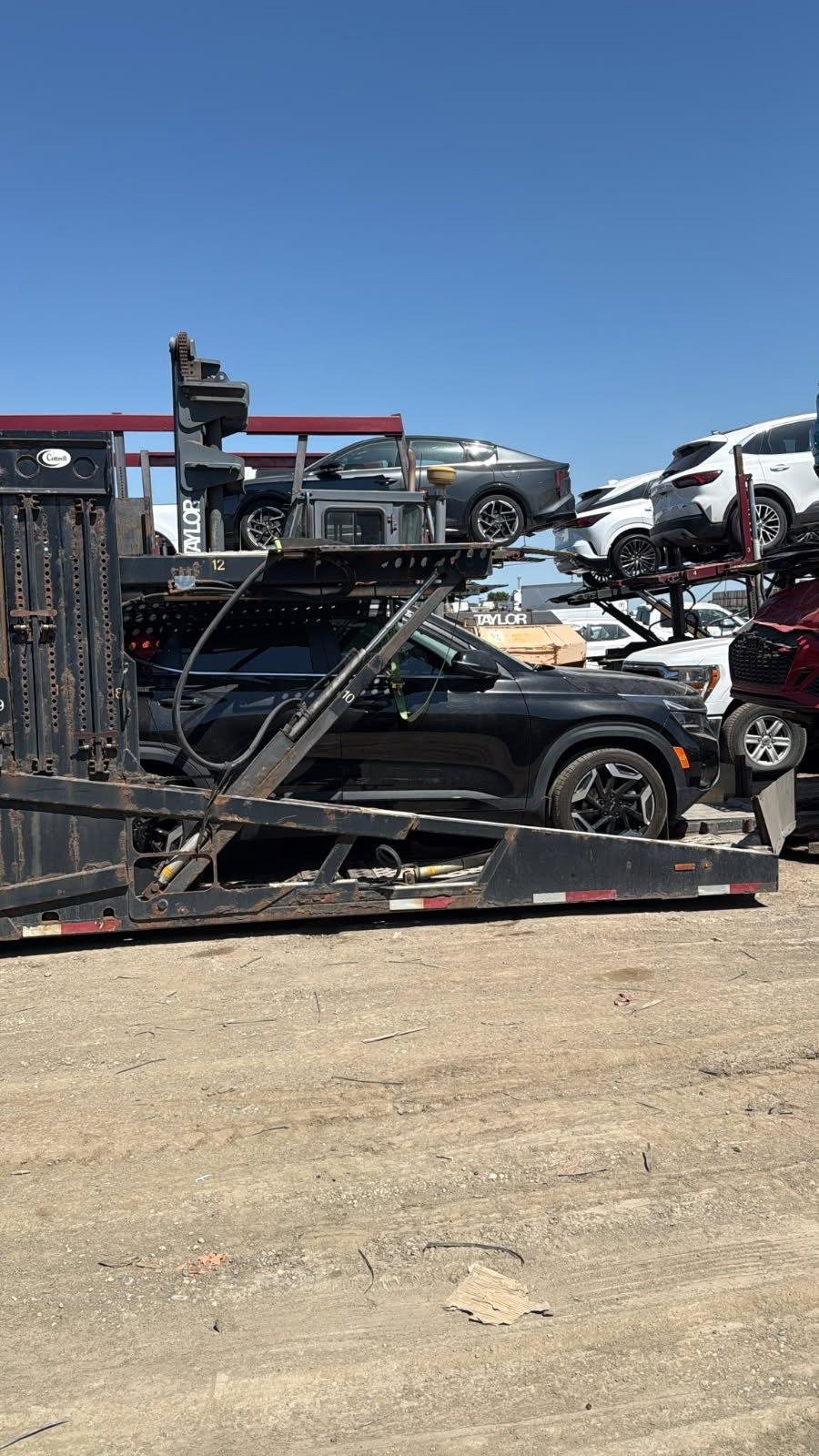
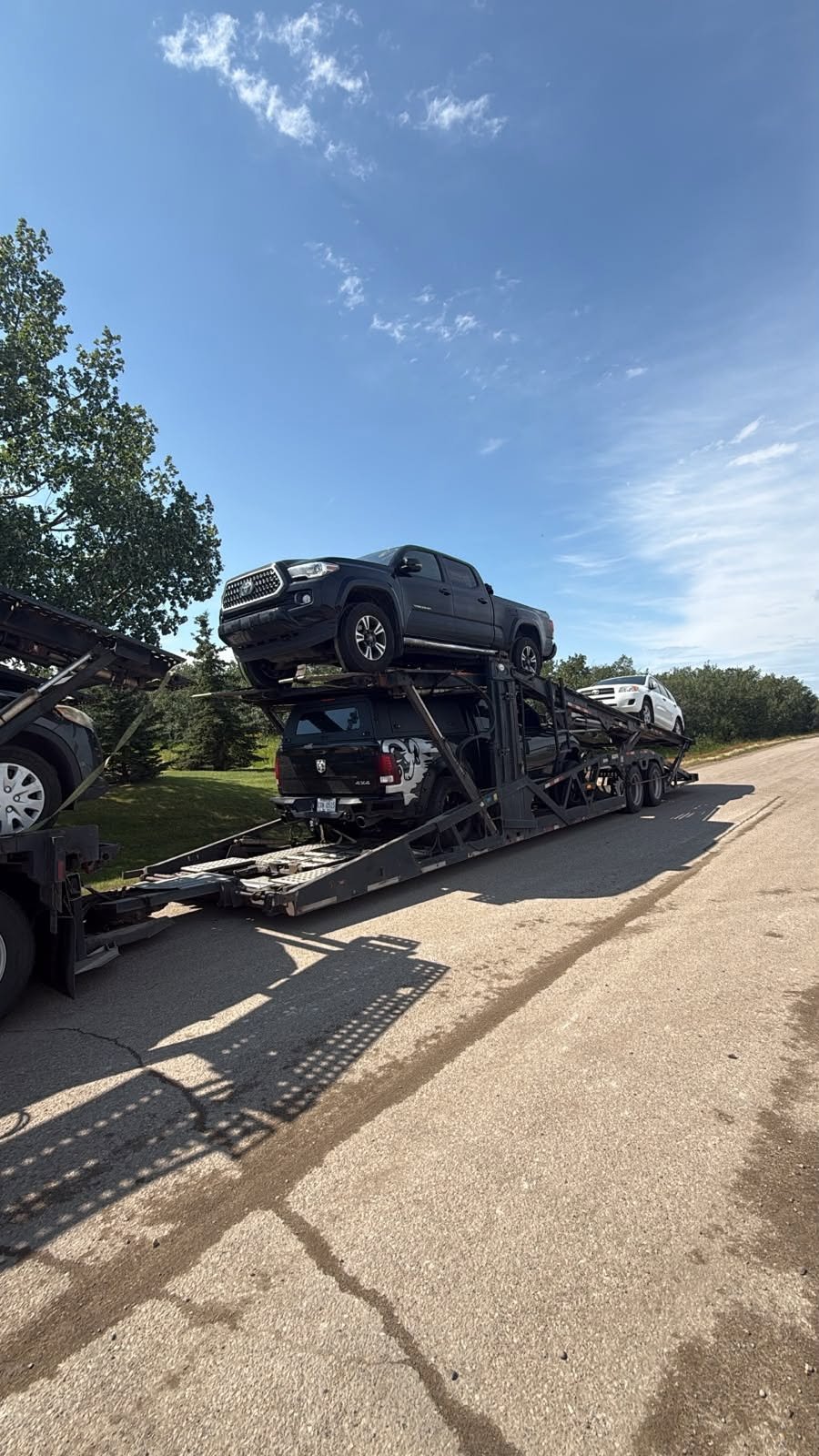
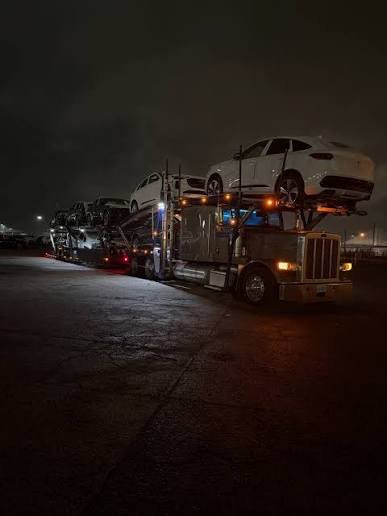
During transit, the carrier adheres to optimized routes. It is important to note that a multi-level car carrier will make several stops along the way to pick up and drop off other vehicles. This is standard industry practice and is already factored into your estimated delivery window.
Step 4: Final Delivery
Upon arrival, a final inspection is completed to ensure the vehicle is in the exact condition it was when it left. The keys are handed over, and the process is complete.

Transport Methods: Do They Affect Delivery Times?
The method you choose for your vehicle transportation can slightly influence how long car transport takes, primarily due to carrier availability and specialized routing.
Open vs. Enclosed Transport
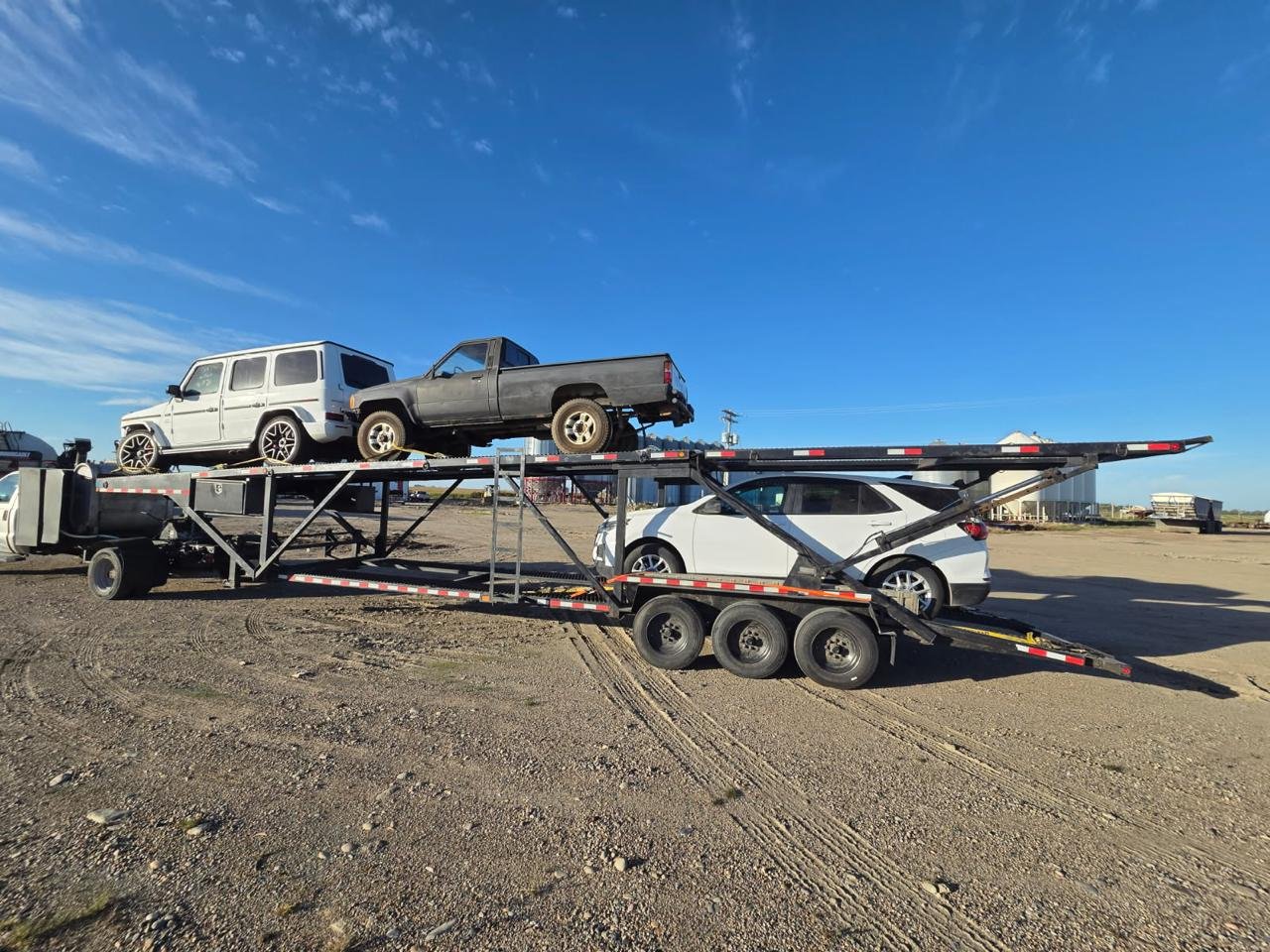
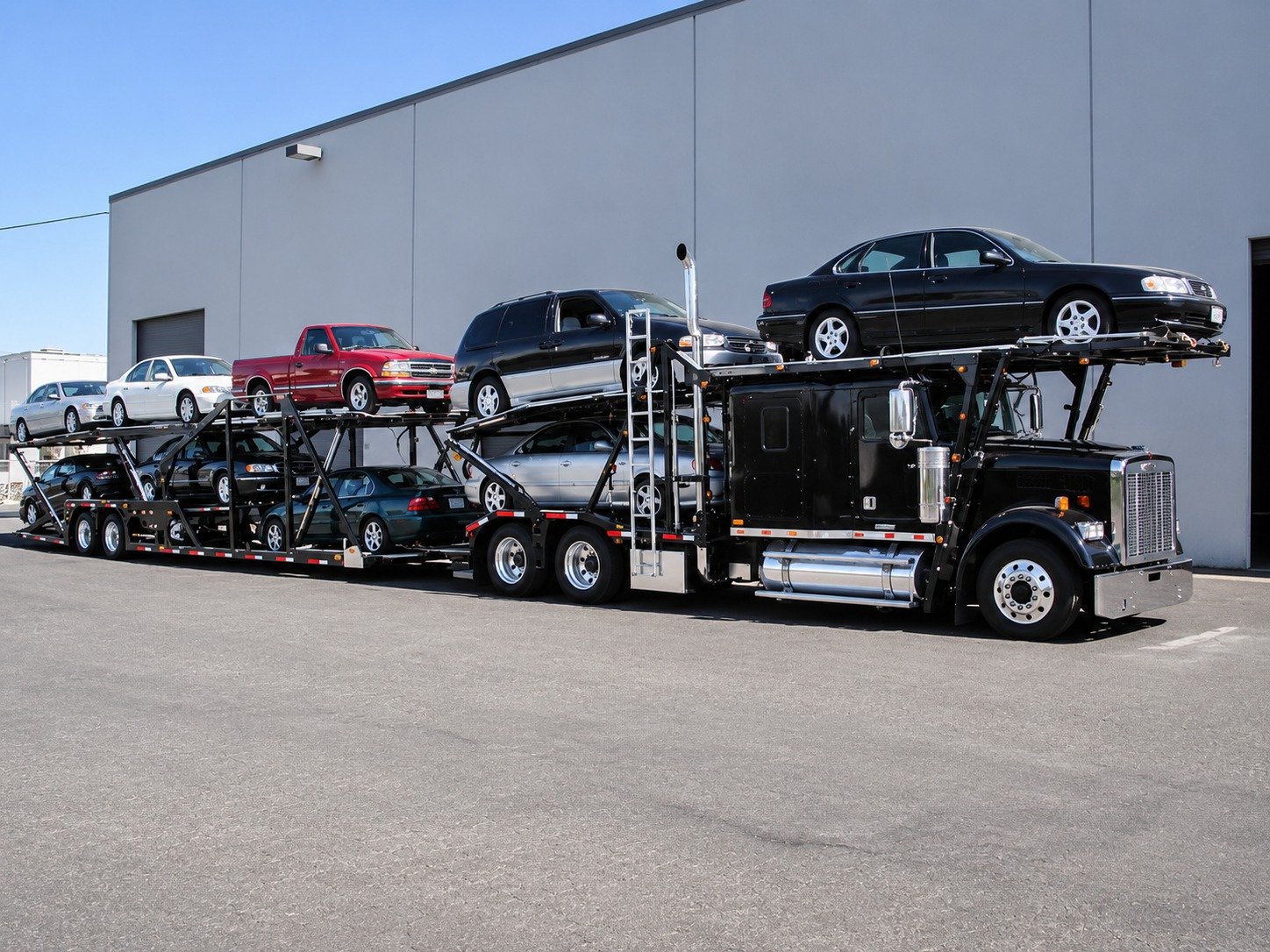
The vast majority of Canadians opt for open car transport. Because open carriers are the industry standard, there are significantly more of them on the road. This high volume of carrier availability means that open transport is often the fastest way to get your vehicle dispatched and moving.
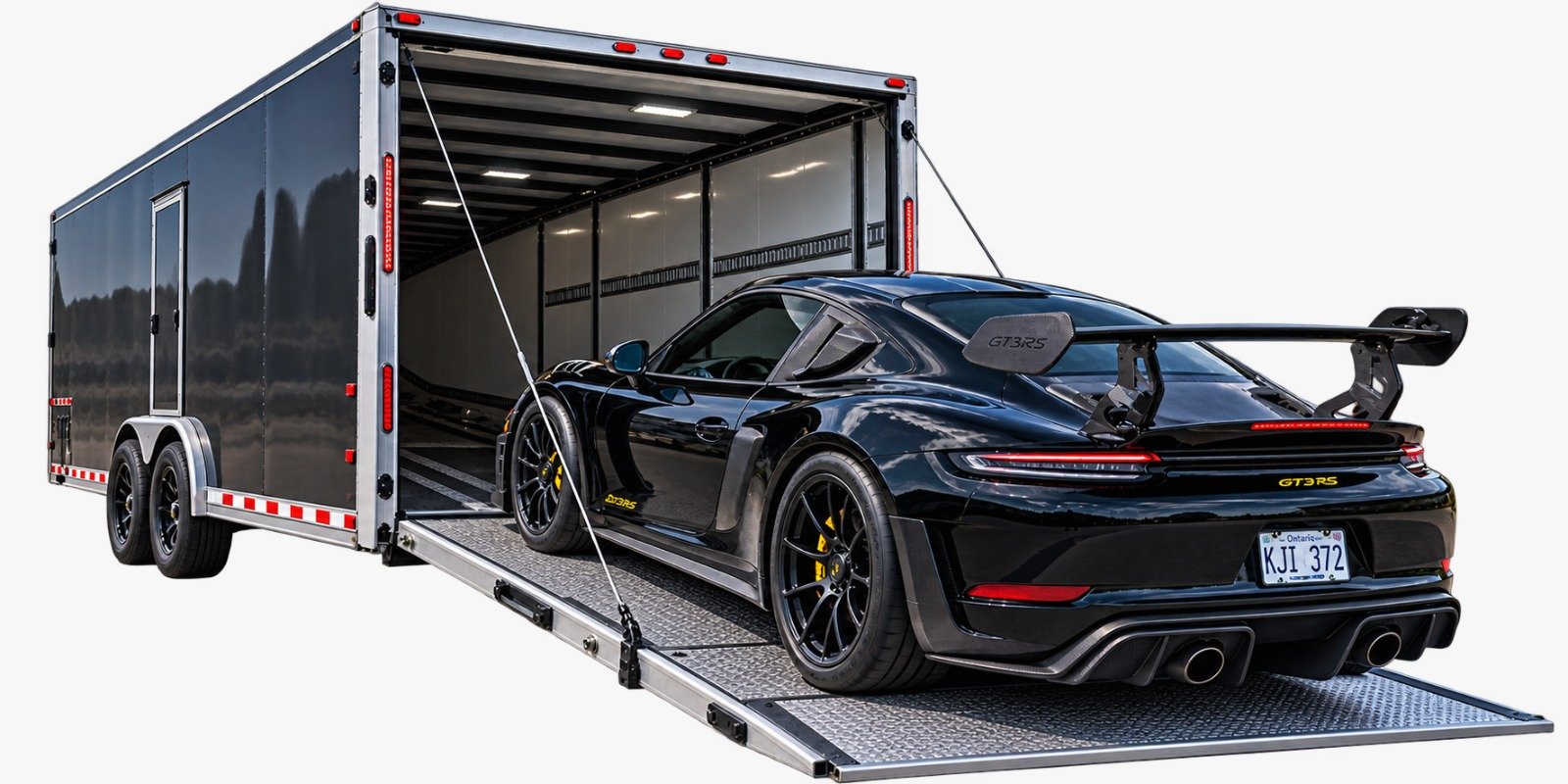
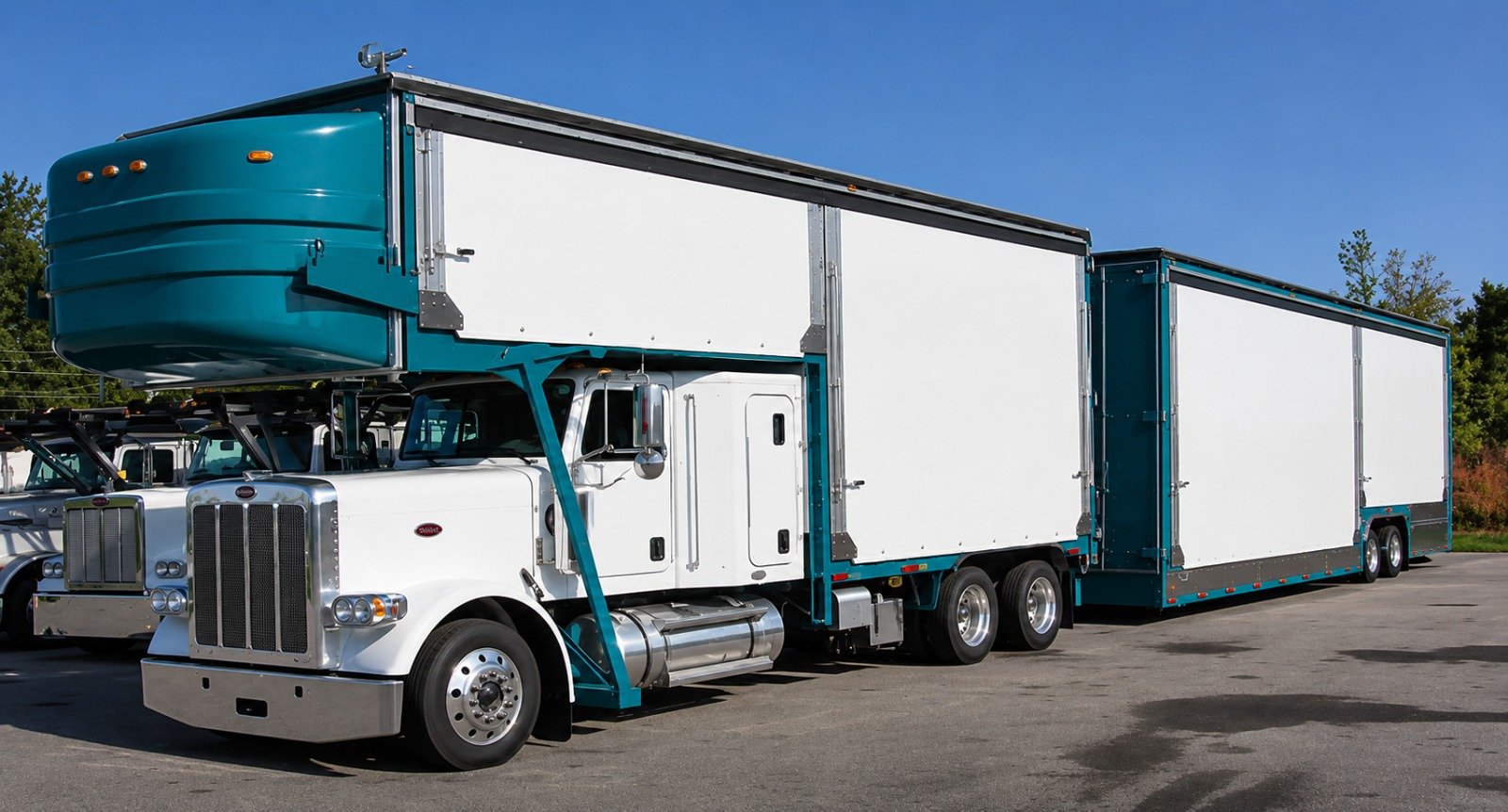
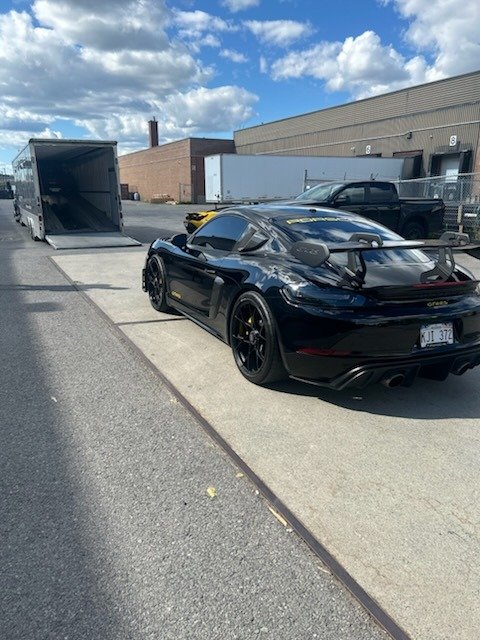
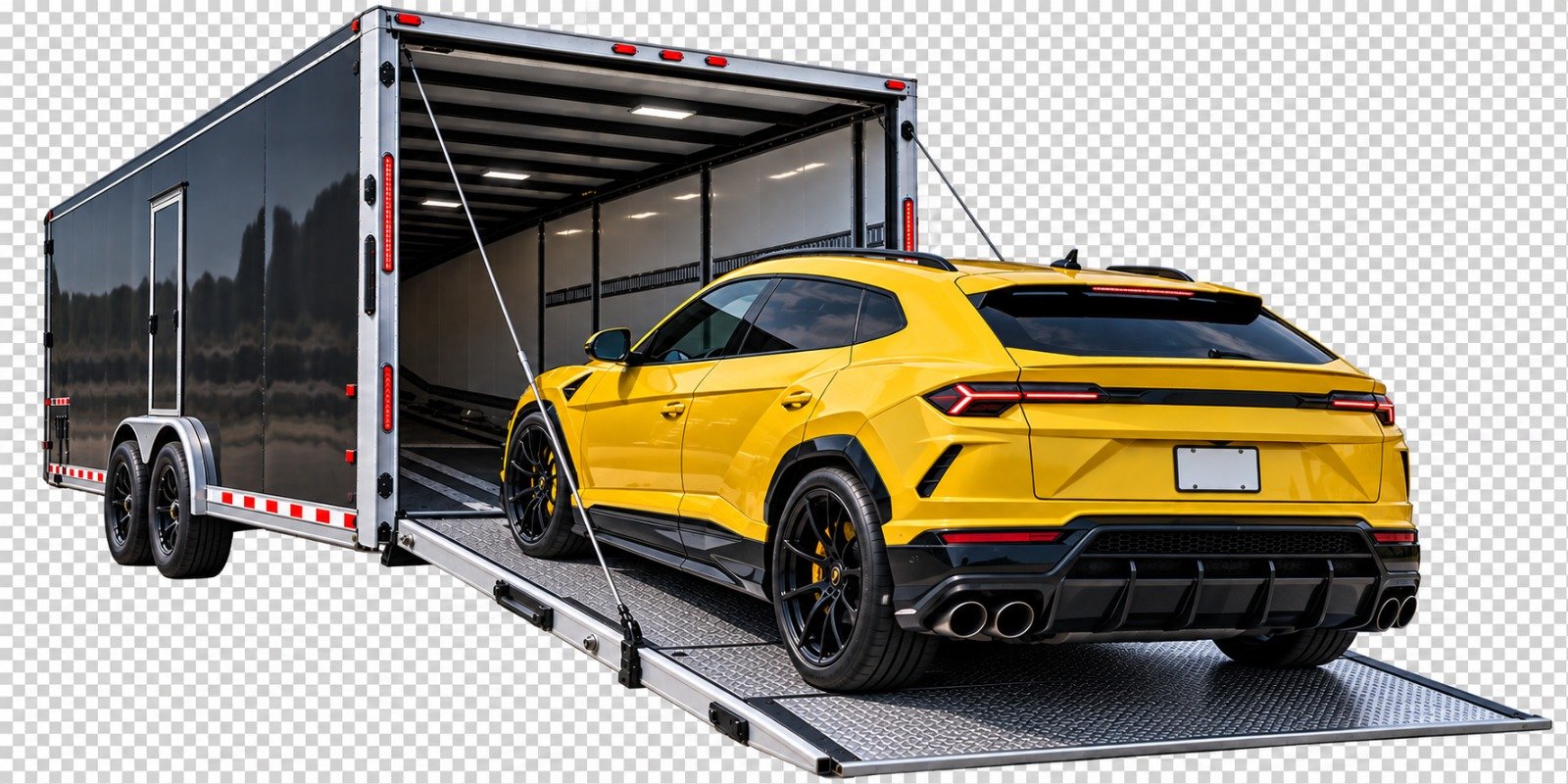
If you are shipping a high-end luxury vehicle, classic car, or low-clearance sports car, you will likely choose enclosed vehicle transportation. Enclosed trailers offer unparalleled protection against the elements and road debris. However, because there are fewer enclosed carriers operating nationwide, it may take an extra day or two to secure a booking on a dedicated route.
Rail Transport vs. Truck Transport
For cross-country shipping, railway transportation is an incredibly efficient and eco-friendly option. Trains bypass highway traffic and winter road closures. However, rail shipping operates strictly on a terminal-to-terminal basis. This means you must factor in the time it takes to get the vehicle to the origin rail yard, wait for the train to be fully loaded and scheduled, and then arrange for pickup at the destination terminal. In some cases, truck transport is faster for direct routes, while rail offers high consistency over massive distances.
How Early Should I Book Car Transport in Canada?
One of the easiest ways to ensure your car delivery time across Canada aligns with your personal schedule is to book proactively. We highly recommend booking your vehicle shipping two to three weeks in advance of your desired pickup date.
Booking early provides several advantages:
- Better Carrier Placement: Logistics coordinators have more time to find the most efficient and cost-effective route for your specific timeline.
- Predictability: If you are flying to your destination, giving the transport company ample notice ensures your vehicle is on the road before you even board your flight.
- Peak Season Management: During the spring (when snowbirds return from the south) and late summer (peak relocation season), carrier capacity tightens. Early booking guarantees your spot.
Frequently Asked Questions
Door-to-door car shipping is generally faster in terms of personal convenience because the vehicle is brought directly to your location (or as close as legally/safely possible). Terminal-to-terminal shipping requires you to drop off the vehicle at a logistics yard where it may sit for a few days waiting for a consolidated truck to fill up before departing.
In Canada, auto transport carriers are strictly licensed to carry vehicles, not household household goods. While some carriers permit up to 100 lbs of soft items (like blankets or clothing) securely stored in the trunk below the window line, packing heavy items is strictly prohibited. Overweight vehicles cause delays at weigh stations and pose severe safety risks.
Because of variables like traffic, weigh stations, and severe weather, transport companies provide an estimated delivery window (usually a 2 to 3-day range) rather than an exact hour. The driver will typically call you 24 hours prior to arrival, and again a few hours before delivery, so you are well prepared to receive the vehicle.
Yes. From the moment the bill of lading is signed at pickup to the moment the vehicle is signed for at delivery, your vehicle is covered under the carrier’s cargo insurance policy. Reliable transport providers prioritize safety and full compliance with Canadian insurance mandates.
Conclusion
Determining how long it takes to ship a car across Canada comes down to distance, weather, routing, and carrier regulations. While a standard cross-country transport—such as Ontario to British Columbia—typically takes between 7 and 14 days, the key to a stress-free experience lies in proactive planning. By booking early and understanding the logistics behind Canada auto transport times, you can ensure your vehicle arrives safely and reliably at its new home.