Every autumn, car rental agencies, automotive remarketers, and corporate operators in Eastern Canada face a high-stakes operational dilemma: hundreds of vehicles sit on frozen lots experiencing stagnant winter utilization, while Florida vacation hubs see skyrocketing seasonal rental demand. Mastering rental fleet transportation Quebec to Florida is no longer just an operational afterthought—it is the direct catalyst for protecting asset depreciation, capturing peak southern margins, and maintaining continuous operational liquidity.
Managing long-haul cross-border logistics requires specialized precision. Between coordinated customs clearance, multi-carrier asset scheduling, and route weather contingencies, corporate transport demands a rigorous standard. At Optixtrace Car Shipping, we coordinate professional, full-scale vehicle transport solutions, helping commercial operators seamlessly orchestrate complex cross-border relocations with minimal idle time.

The Strategic Imperative of Seasonal Fleet Repositioning
Car rental fleets are capital-intensive investments that depreciate regardless of whether their odometers are turning. In Quebec, commercial fleet demand shifts dramatically between October and April. While domestic tourism and regional business travel contract during sub-zero Canadian winters, vacation destinations across the Sun Belt—particularly Orlando, Tampa, Fort Lauderdale, and Miami—experience peak holiday and "snowbird" travel surges.
Allowing sedans, premium convertibles, and compact utility vehicles to sit idle on icy regional lots incurs holding costs, battery maintenance issues, and depreciation. Implementing seasonal fleet repositioning allows commercial rental directors to reassign active inventory directly to southern demand centers where day-rates and fleet utilization reach annual highs.
Maximizing Fleet Utilization: Repositioning vehicles from low-demand winter markets in Central Canada to high-demand U.S. sun corridors can significantly boost annual utilization rates. Relocating vehicles via specialized multi-car carriers preserves clean odometer readings, reduces mechanical wear, and protects vehicle residual value.
Rather than liquidating assets in depressed regional autumn auctions and repurchasing units in expensive spring markets, commercial operators rely on fleet relocation services Canada to USA. This strategy maintains steady operational cash flow and ensures fleets match local demand cycles across North American territories.
Cross-Border Fleet Transportation: Regulatory & Customs Clearance
Relocating commercial rental car fleets across the Canada-U.S. border is vastly different from transporting private passenger vehicles. Commercial vehicle transport Quebec to Florida involves multi-tier regulatory compliance governed by U.S. Customs and Border Protection (CBP), the U.S. Department of Transportation (DOT), and the Environmental Protection Agency (EPA).
Mandatory Documentation for Cross-Border Transport
Whether handling short-term seasonal reallocations or permanent cross-border inventory transfers, logistics directors must prepare comprehensive documentation packages to prevent costly border delays at ports of entry such as Lacolle/Champlain:
- Commercial Invoices & Bills of Lading: Documenting the legal corporate ownership, vehicle identification numbers (VINs), and commercial value of every asset on the carrier.
- EPA Form 3520-1 & DOT Form HS-7: Certifying that each vehicle adheres to Federal Motor Vehicle Safety Standards (FMVSS) and emissions standards.
- Temporary Import Bonds (TIB) or In-Transit Manifests: Critical for rental agencies that intend to operate units seasonally in the United States and return them to Canada before summer.
- e-Manifest Filing: Pre-registered digital carrier manifests submitted via the Automated Commercial Environment (ACE) system well before transport trucks arrive at the physical border crossing.
Experienced automotive logistics coordinators establish streamlined clearing procedures with certified customs brokers. Coordinating transport with companies that understand domestic and cross-border shipping eliminates clerical errors, ensuring carriers bypass holding yards and maintain strict transit schedules.
Selecting Carrier Configurations: Multi-Vehicle Transport Canada to USA
Choosing the right equipment profile is essential when planning rental agency vehicle relocation. Depending on fleet composition, budget constraints, and total unit volumes, logistics managers balance cost per unit against transit exposure.
| Transport Profile | Standard Capacity | Best Suited For | Primary Advantages |
|---|---|---|---|
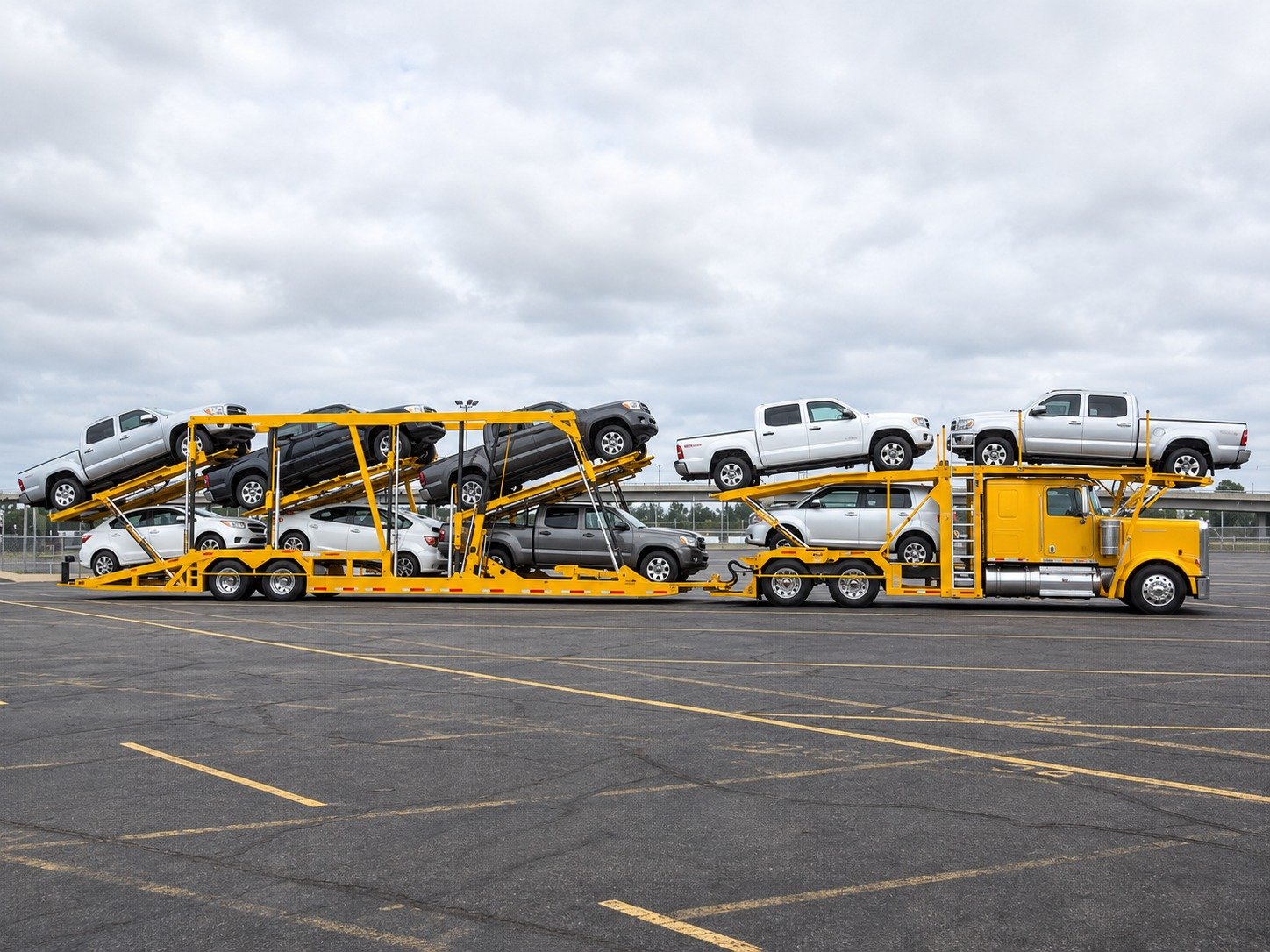
| Open Multi-Car Carrier | 8 – 10 Vehicles | Economy sedans, compact crossovers, standard rental fleets | Maximum cost-efficiency, broad equipment availability, rapid loading cycles. |
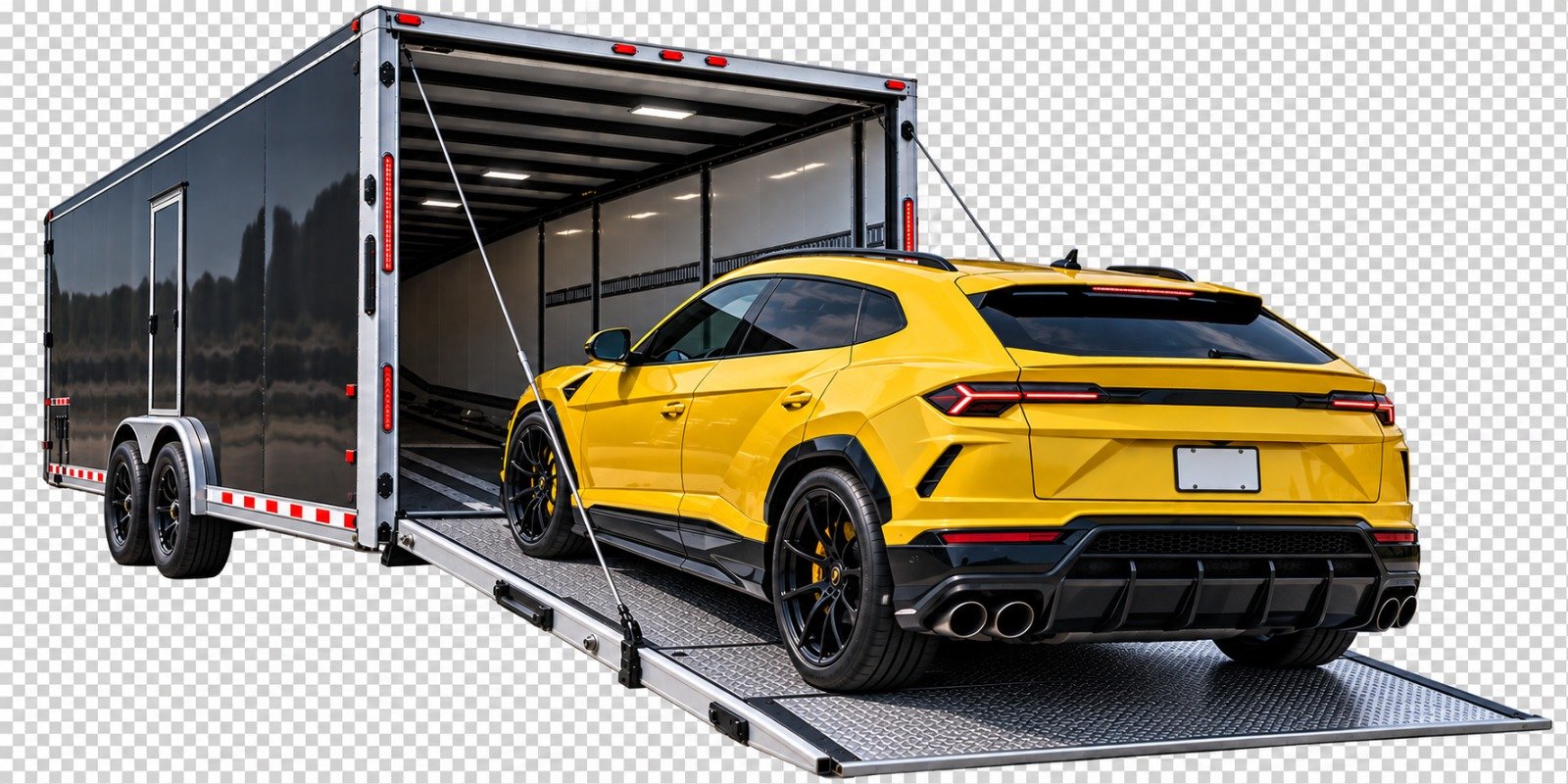
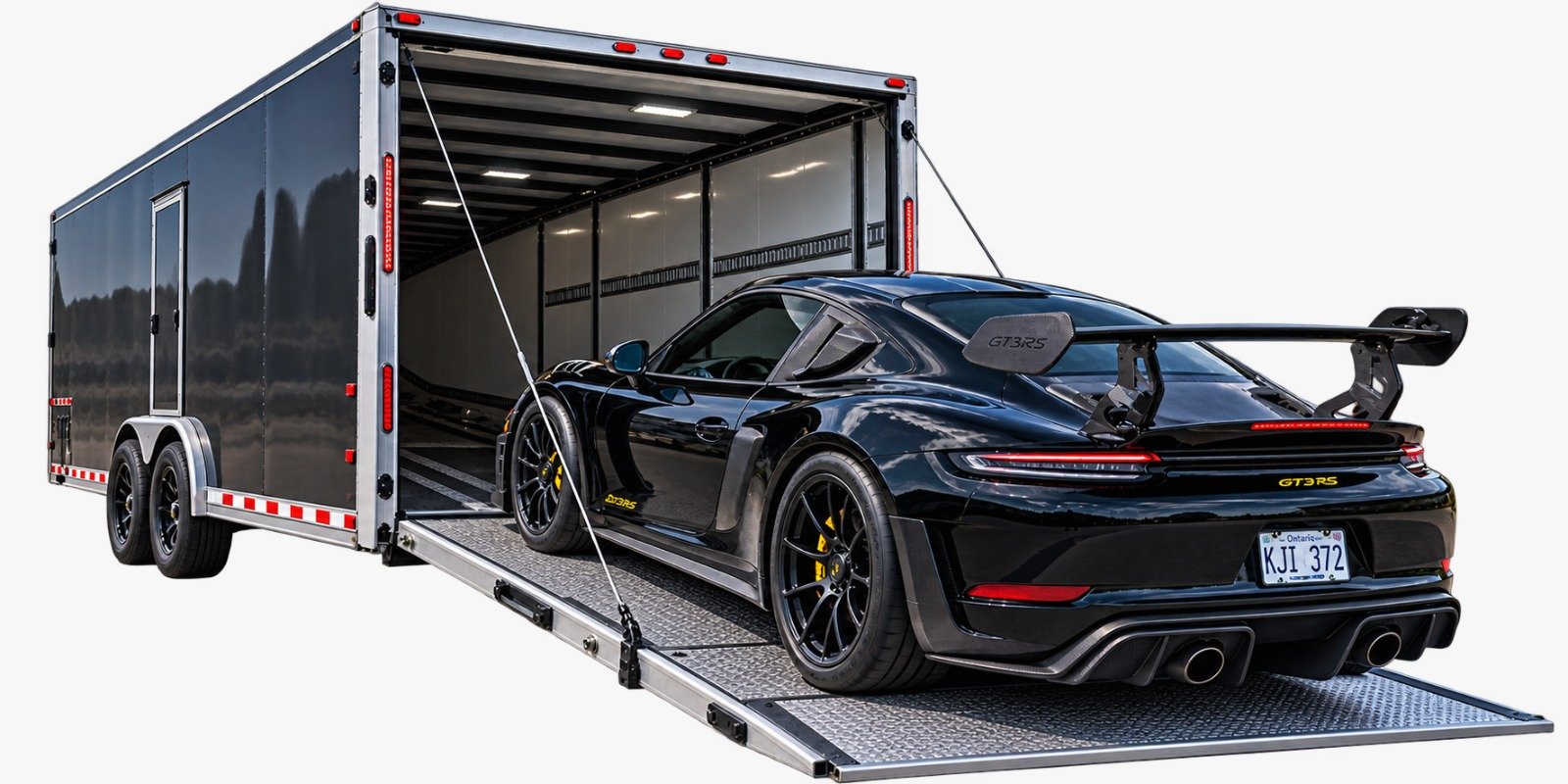
| Enclosed Carrier | 2 – 6 Vehicles | Luxury sport rentals, exotic VIP fleets, high-line SUVs | Zero road-debris exposure, climate shielding, maximum security. |
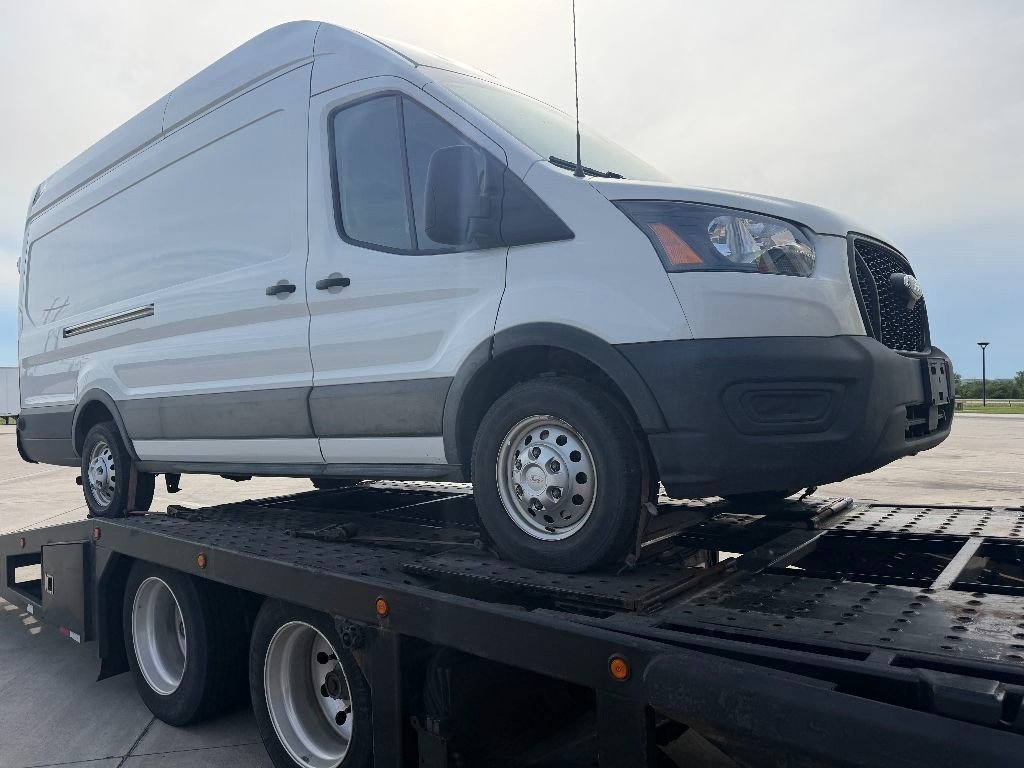
| Dedicated Flatbed | 1 – 3 Vehicles | Overheight vans, passenger shuttles, commercial cargo models | Custom tie-down clearance, specialized vehicle handling, point-to-point speed. |
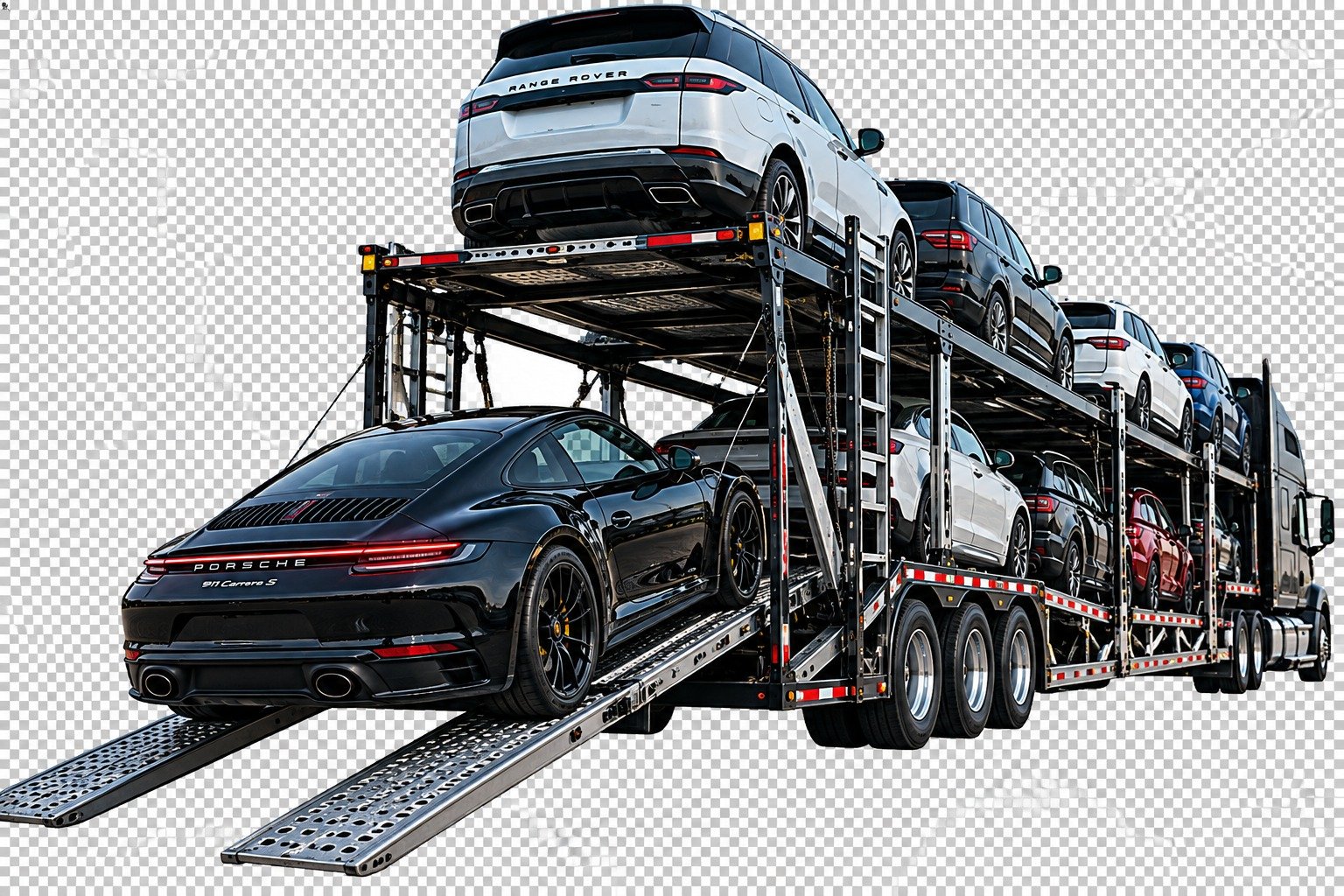
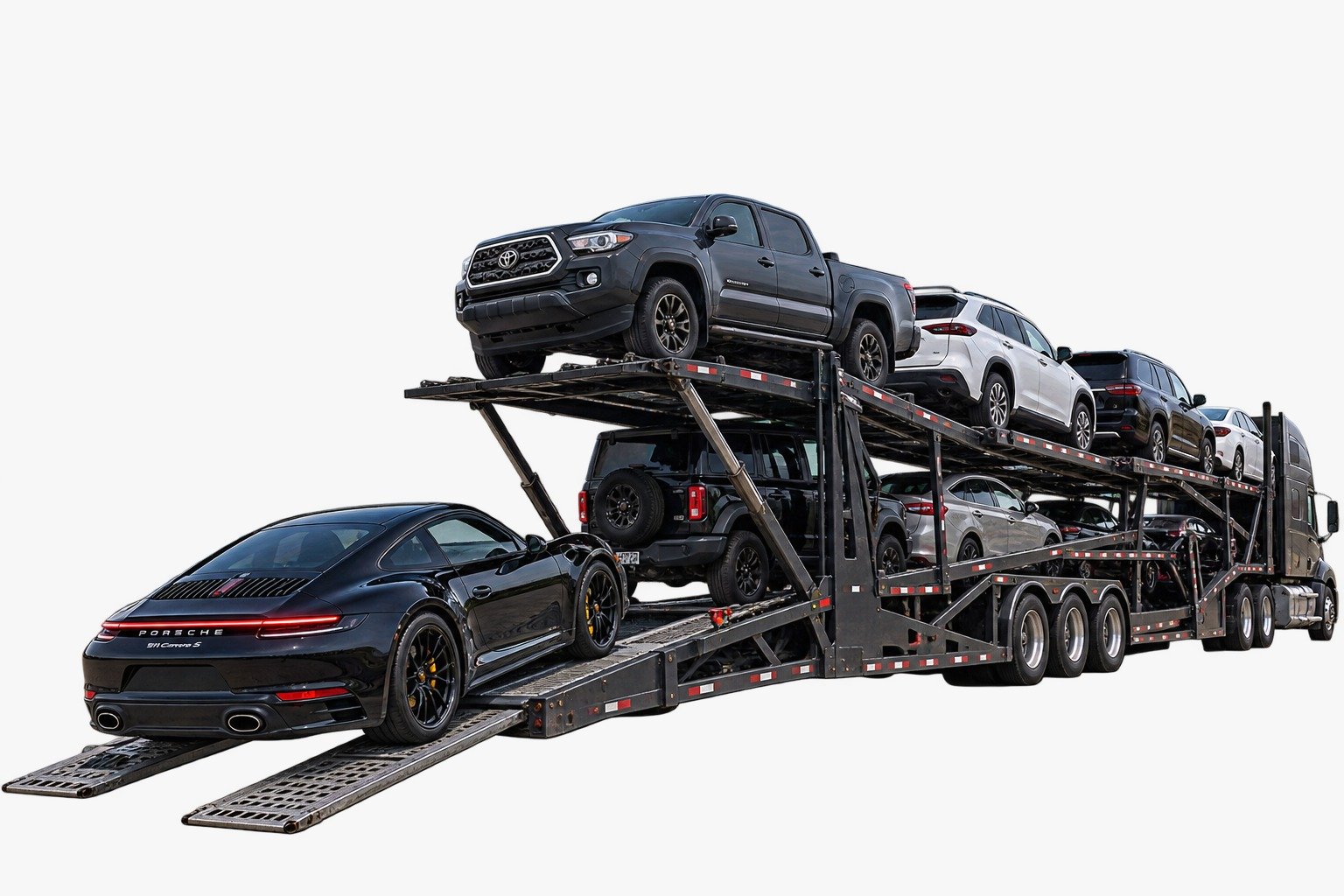
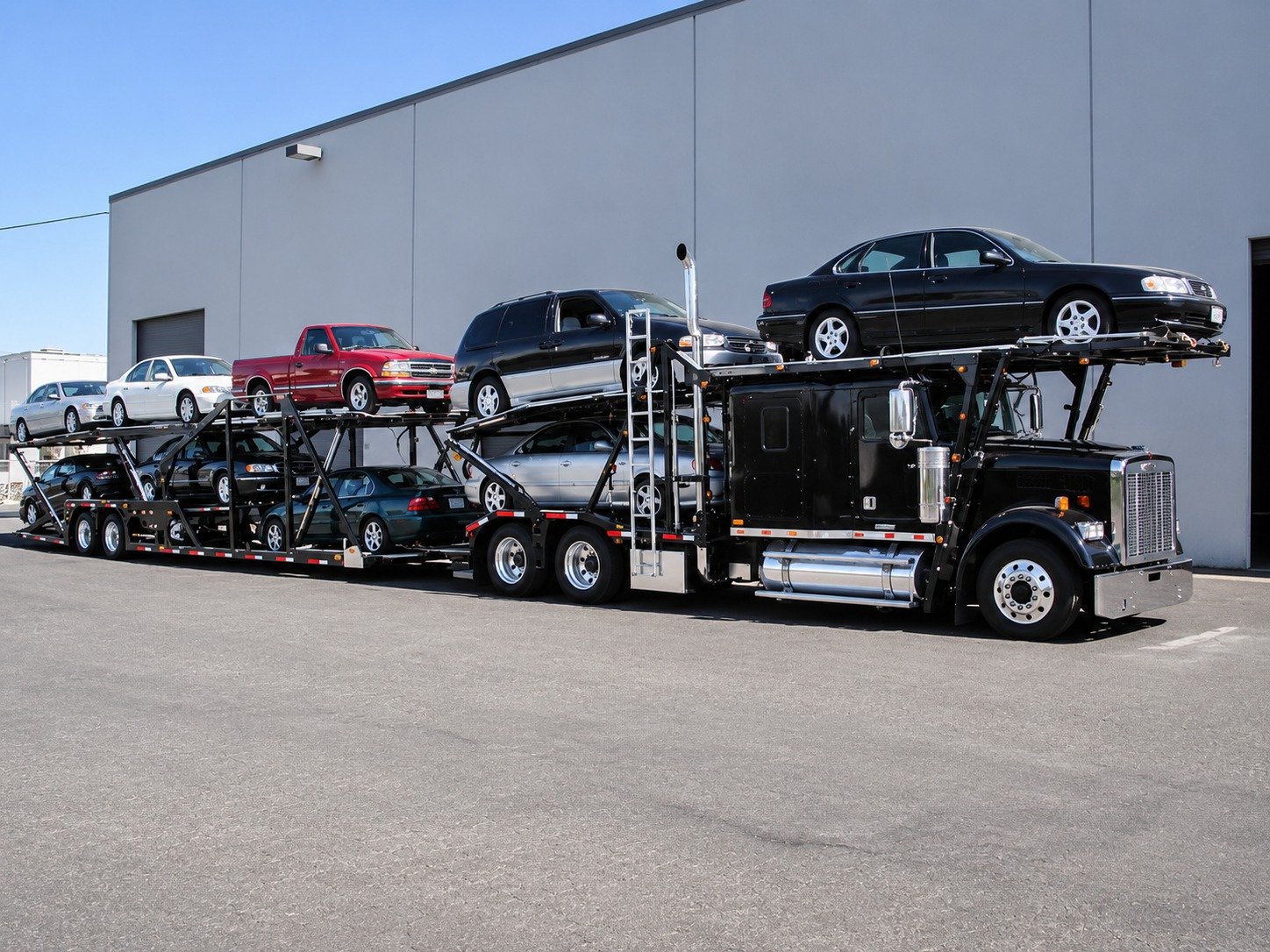
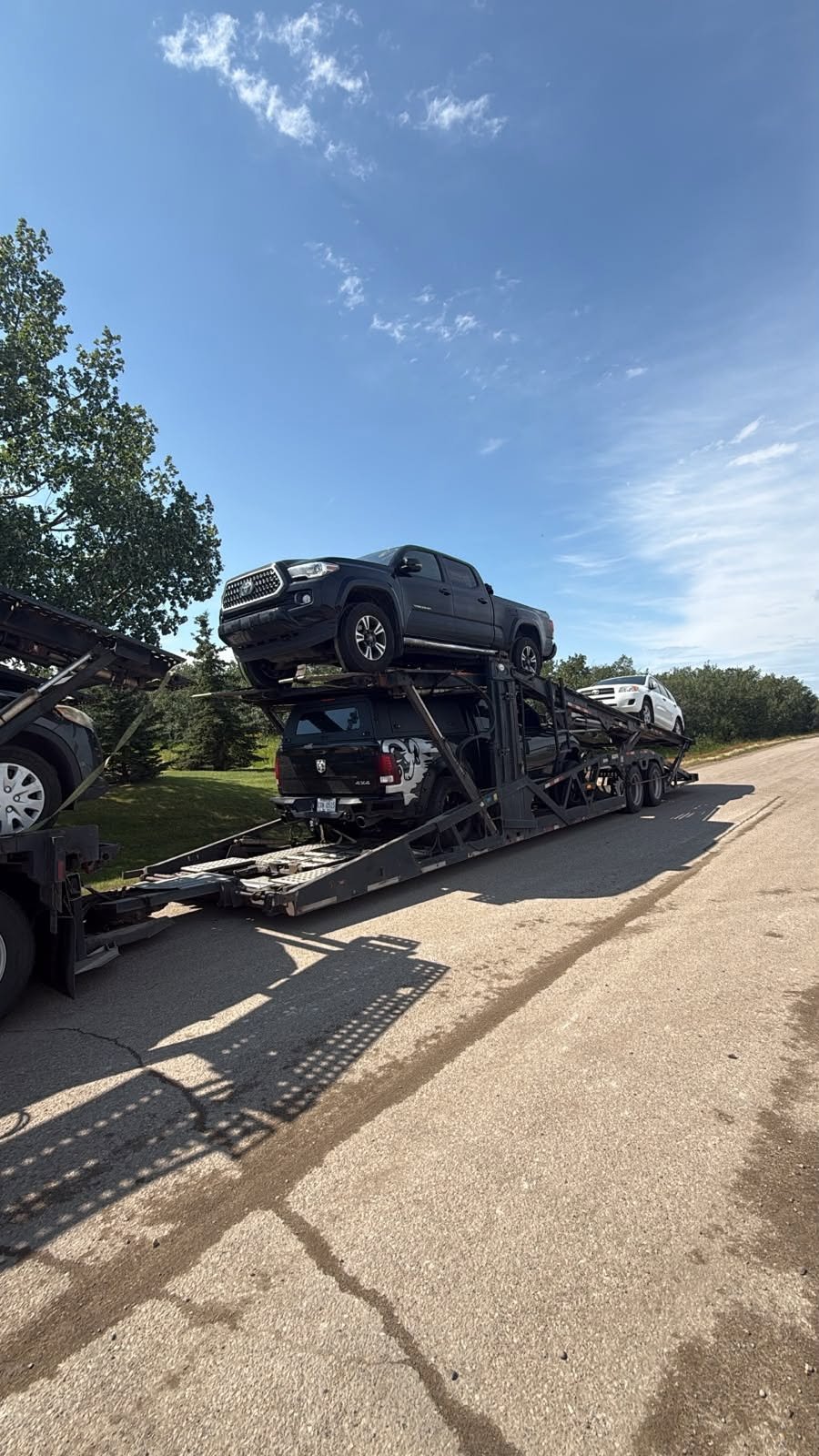
For high-volume fleet transfers, standard multi-car haulers remain the industry standard. Choosing dependable open vehicle transport delivers the lowest freight expense per unit, allowing businesses to relocate entire regional inventories efficiently.
Conversely, for high-tier rental segments featuring premium or exotic convertibles destined for Palm Beach or Miami Beach, agencies often choose enclosed vehicle transport. This shields sensitive bodywork, luxury trims, and high-performance electronics from highway gravel, winter salt, and harsh road chemicals encountered during early transit stages through the Northeast.
Strategic Route Logistics: Quebec Corridor to Florida Hubs
Executing Quebec to Florida auto transport involves covering approximately 2,400 to 2,700 kilometres per carrier, traversing several climatic zones and major highway networks. A structured staging plan ensures safe, on-time arrivals.
Staging and Consolidation in Montreal
Efficient fleet repositioning relies on organized local marshalling. Commercial units dispersed throughout Quebec City, Trois-Rivières, Laval, and surrounding municipalities are typically consolidated at primary transport yards in Greater Montreal. Reviewing regional logistics routes, such as our active Montreal commercial auto transport corridors, illustrates how systematic cross-docking streamlines high-volume transfers.
Transit Corridors: Interstate 87 to Interstate 95
Upon clearing the border crossing south of Montreal, carriers travel south along Interstate 87 through New York, integrating into the Interstate 95 corridor or utilizing bypass networks like I-81 and I-77 to avoid metropolitan bottlenecks. Staging deliveries across regional branch locations requires coordinated scheduling:
- Northern Florida Staging: Jacksonville delivery nodes serve as distribution points for northern vacation destinations.
- Central Florida Hubs: Orlando and Tampa delivery locations supply vehicle volume to theme parks, convention corridors, and regional airports.
- South Florida Metro: Miami, Fort Lauderdale, and West Palm Beach require structured drop-off schedules to accommodate urban lot constraints.
Companies operating both cross-border routes and domestic Canadian distribution can review detailed network capabilities through Optixtrace's comprehensive Canadian auto transportation routes and our dedicated Canadian vehicle transport operations page.
Fleet Quality Assurance: Inspection Protocols & Real-Time Tracking
For corporate fleet and inventory managers, maintaining chain-of-custody documentation is critical. Relocating multiple units simultaneously requires rigorous quality control processes at both pickup and destination terminals.
Detailed Condition Reports
Prior to loading, each vehicle undergoes a thorough, standardized condition assessment. Documenting pre-existing cosmetic chips, glass integrity, tire wear, and odometer readings creates an unambiguous baseline. At Optixtrace, we emphasize meticulous digital documentation, ensuring every carrier partner follows strict pickup and delivery inspection protocols.
Real-Time Telematics & Delivery Scheduling
Corporate fleet dispatchers need accurate visibility into shipment progress. Modern multi-vehicle logistics uses automated milestone tracking and GPS telematics to deliver real-time location updates. This visibility allows rental operations managers in Florida to schedule staff, prepare lot space, and input incoming VINs into reservations software before trucks arrive.
Whether your organization needs specialized door-to-door fleet transport directly to branch facilities or centralized yard-to-yard drop-offs, experienced logistics coordination keeps your fleet productive and fully accounted for.
Frequently Asked Questions About Cross-Border Fleet Relocation
Commercial agencies should begin scheduling autumn fleet repositioning 4 to 6 weeks ahead of peak travel surges. Carrier capacity along North American north-south corridors tightens significantly between October and December due to high commercial volume and private vehicle relocations.
Yes. When commercial fleets are repositioned for temporary seasonal use and scheduled to return to Canada, customs brokers utilize Temporary Importation under Bond (TIB) or in-transit manifests. This prevents standard permanent importation duties, provided the vehicles return to their home country within the authorized regulatory timeframe.
Direct line-haul transit for a dedicated multi-car carrier moving from Quebec to Florida typically takes between 4 and 7 business days, depending on weather conditions along the I-95/I-81 corridors, mandatory driver hours-of-service regulations, and cross-border customs processing times.
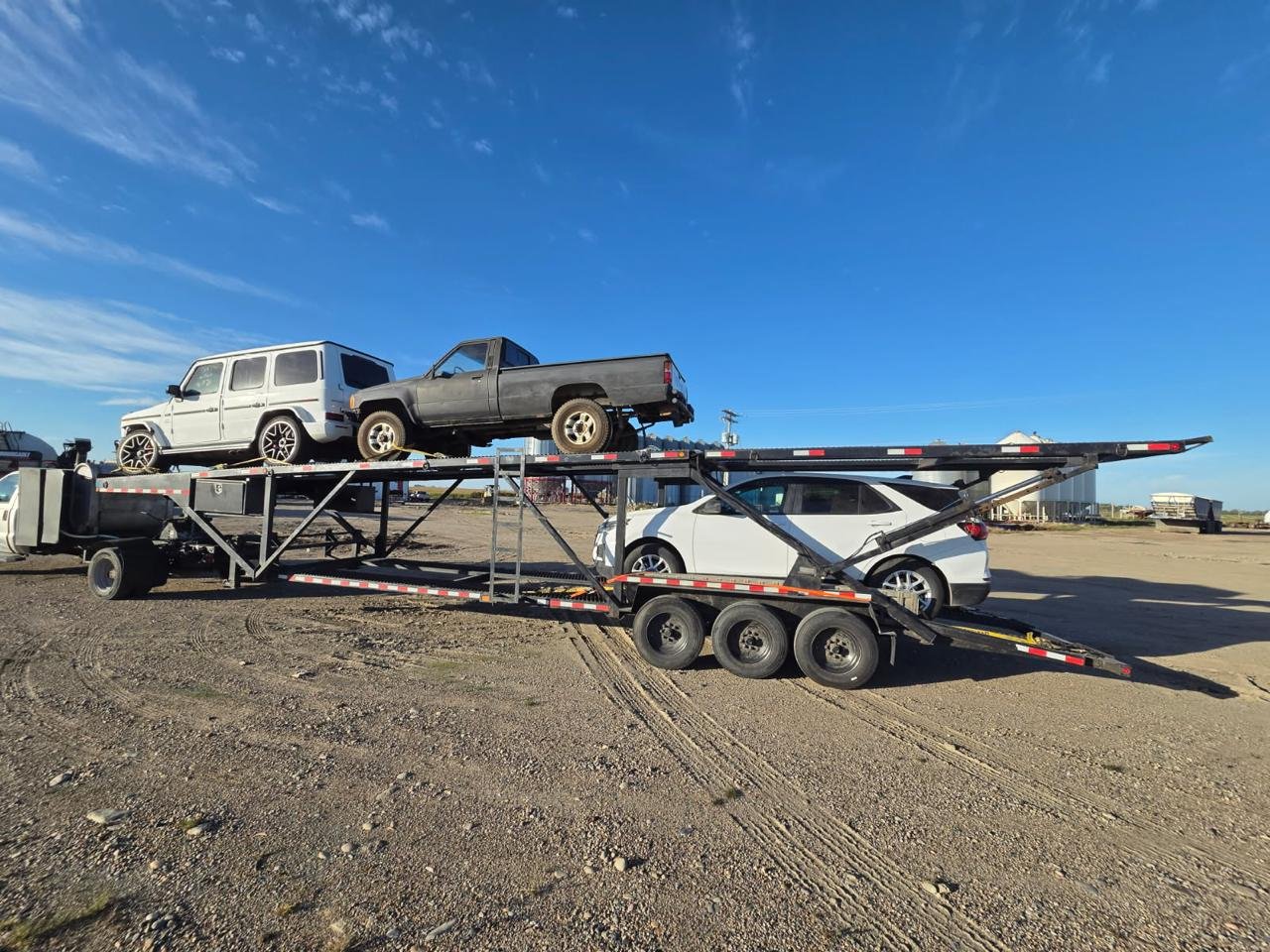
Yes. Commercial carriers operate specialized multi-level configurations that support varied vehicle classes, including compacts, full-size SUVs, and passenger vans. Overall deck space, weight limits, and axle distributions are carefully balanced during trailer dispatch.
All units must have clean exteriors to facilitate thorough inspection reporting, maintain fuel levels between 1/8 and 1/4 tank to comply with transport safety weight limits, have active toll transponders turned off, and include one master key set per vehicle for carrier loading and unloading.
Building an Efficient Fleet Repositioning Strategy
Balancing seasonal fleet supply with geographic demand is a cornerstone of profitable rental fleet operations. By planning cross-border transit early, selecting the right equipment configurations, and partnering with experienced automotive logistics specialists, rental agencies turn seasonal downtime into sustained revenue.
Optixtrace Car Shipping delivers reliable, professionally managed vehicle transport solutions across Canada and along major international transport lanes. Whether you manage commercial rental fleets, dealer groups, or specialized vehicle inventories, our logistics coordinators help keep your assets moving efficiently from terminal to terminal.