
Shipping a vehicle across Canada involves thousands of kilometres of highway, shifting weather conditions, and multiple handoffs between pickup and final delivery. Whether you are relocating from British Columbia to Ontario, purchasing a car from an out-of-province dealership, or managing fleet transfers, a Vehicle Inspection Report is the single most important document protecting your asset during transit.
Also referred to in the transport industry as a vehicle condition report or pre-shipment inspection form, this record establishes an objective, mutually agreed-upon baseline of your car's exterior, interior, and mechanical state before it is ever loaded onto a carrier. At Optixtrace Car Shipping, we coordinate seamless vehicle transportation solutions across Canada and ensure every customer understands how proper condition documentation safeguards both vehicle owners and carriers from start to finish.
What Is a Vehicle Inspection Report in Auto Transport?
A Vehicle Inspection Report is a formal, itemized condition record completed twice during the auto shipping process: once at the point of origin before loading, and a second time at the destination immediately after unloading. Its primary function is to document every existing blemish, mechanical note, fluid leak, and accessory present on the vehicle so that its condition at pickup can be compared directly against its condition upon arrival.
In Canadian commercial auto logistics, the car inspection report is almost always integrated into—or attached directly to—the Bill of Lading (BOL). While the Bill of Lading serves as the legal contract of carriage and receipt of goods, the inspection section provides the physical evidence of the vehicle's condition. Both the shipper (or their authorized representative) and the transport driver walk around the vehicle together, record any pre-existing wear on a standardized vehicle diagram, capture timestamped photographs, and sign off on the findings.
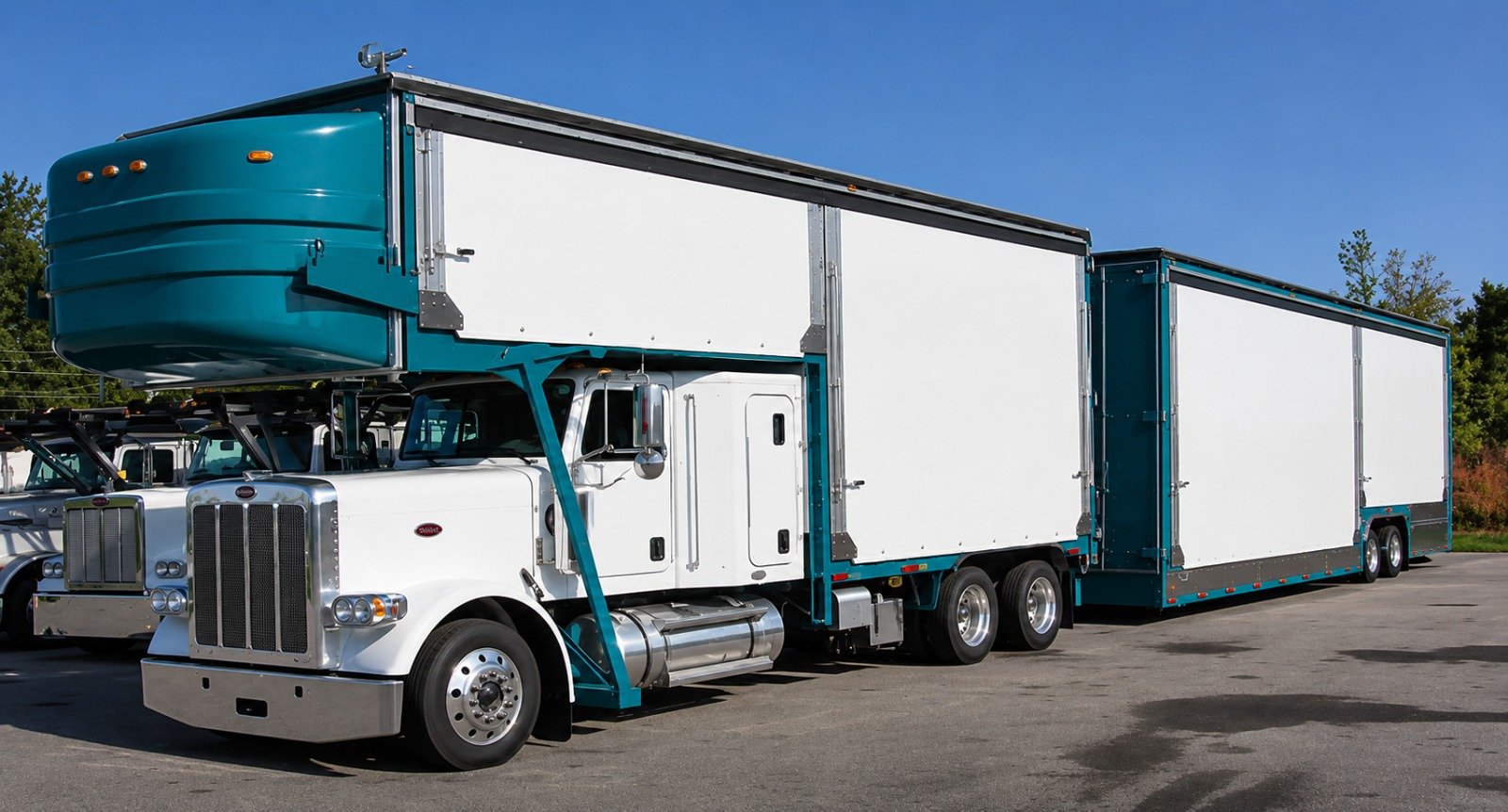
Whether you are booking standard open vehicle transport across Canada for a daily commuter or arranging specialized enclosed auto transport for a collector coupe, the inspection report applies equally. It removes guesswork from the handover process and ensures complete transparency for private individuals, automotive dealerships, and corporate fleet managers alike.
Why Is a Vehicle Inspection Report Important for Canadian Shipments?
Canada presents unique logistical realities for vehicle transportation. Cross-country corridors—such as shipping a vehicle from Vancouver to Toronto or moving a family SUV along the Calgary to Montreal car shipping route—span vast distances across mountain passes, prairie highways, and the Canadian Shield. Understanding why a vehicle inspection report is important comes down to four core protections:
Clear Baseline of Existing Condition
Every driven vehicle accumulates minor stone chips, curb rash, or hairline scratches over time. A pre-transport vehicle inspection separates pre-existing wear from any new transit-related incident.
Essential Evidence for Insurance Claims
In the rare event that transit damage occurs, cargo insurers require a signed pickup inspection and a signed delivery inspection noting the discrepancy before processing a claim.
Accountability Across Multi-Modal Moves
When vehicles travel via Canadian railway vehicle transport combined with local truck drayage, condition logs verify accountability at every transfer point.
Peace of Mind for Remote Purchases
Canadians buying cars sight-unseen from dealerships or auctions in another province rely on the carrier's condition documentation to confirm the vehicle left the lot in the expected state.
As noted by consumer protection resources like the Canadian Automobile Association (CAA) and provincial transportation authorities, thorough written documentation is the foundation of resolving any automotive service dispute. Without a signed inspection record at both ends of the journey, proving when or where a scratch or dent occurred becomes exceedingly difficult.
What Does a Vehicle Inspection Report Include?
A thorough vehicle condition report leaves no major panel or operational component unchecked. While digital inspection apps used by modern carriers allow drivers to attach high-resolution photos directly to electronic forms, every standard report covers five distinct categories of information.
1. Vehicle Identification and Trip Metadata
Before examining the bodywork, the inspector verifies the exact identity of the unit being transported to prevent clerical mix-ups—especially critical at busy dealership lots or regional terminals:
- Vehicle Identification Number (VIN): The 17-character VIN is matched against the dispatch order and dashboard plate.
- Year, Make, Model, and Trim: Confirms body style, ground clearance, and weight class for proper trailer placement.
- Odometer Reading: Recorded at pickup and delivery to verify the vehicle was only driven for standard loading and unloading manoeuvres.
- Exterior Colour and Licence Plate: Provides immediate visual confirmation during terminal sorting.
2. Exterior Body Panels and Glass
The core of the vehicle damage inspection involves walking systematically around the vehicle—typically starting at the driver's door and moving clockwise—to inspect all painted surfaces, trim, and glass:
- Front and Rear Bumpers: Scuffs, cracks, rock chips, and lower valence scrapes.
- Hood, Roof, and Trunk/Tailgate: Hail dimples, dents, clear-coat peeling, or roof-rack attachments.
- Fenders, Doors, and Quarter Panels: Door dings, creases, rust bubbles, and paint transfers.
- Windshield, Windows, and Mirrors: Stone stars, stress cracks, wiper condition, and side-mirror housing integrity.
- Wheels, Tires, and Undercarriage Clearance: Alloy rim curb rash, tire tread condition, and low-hanging spoilers or mud flaps.

3. Operational & Mechanical Readiness
Transport drivers must drive vehicles onto hydraulic ramps and position them tightly on multi-level decks. The inspection report therefore notes whether the vehicle starts reliably, rolls smoothly, steers properly, and holds brake pressure. Any warning lights on the dashboard, dead batteries, or active fluid leaks (oil, coolant, or transmission fluid) are documented prior to loading, as leaking fluids can drip onto vehicles positioned on lower decks. For non-running or oversized commercial units, specialized equipment such as winch-equipped trailers may be required—you can review all available shipping configurations on our vehicle transportation services page.
4. Interior Condition & Loose Accessories
Although transport drivers only enter the cabin briefly to load, secure, and unload the vehicle, basic interior condition is also noted. Inspectors check seat upholstery for existing tears, verify that the emergency brake engages, and record loose items supplied with the vehicle—such as spare keys, key fobs, floor mats, charging cables for electric vehicles, or winter tire sets stored inside. Under Canadian commercial carrier regulations overseen by Transport Canada, carriers are licensed to transport the motor vehicle itself rather than household goods, so personal belongings inside the cabin are generally excluded from cargo liability coverage.
Understanding Standard Auto Transport Damage Codes and the Bill of Lading
If you look closely at a paper or digital car shipping inspection form, you will notice a top-down outline diagram of a vehicle surrounded by a legend of two-letter abbreviations. Rather than writing lengthy sentences on a clipboard in windy or snowy Canadian weather, transport professionals use standardized North American auto logistics codes to mark exact locations and defect types on the vehicle diagram.
| Code | Condition Term | What It Means on Your Report |
|---|---|---|
| S | Scratch | A surface mark or linear abrasion in the clear coat or paint layer. |
| D | Dent | An inward depression in a metal or composite panel without necessarily breaking the paint. |
| CH | Chip | Small localized paint loss, commonly found on front hoods and bumpers from road gravel. |
| SC | Scuff | A superficial rub mark, often on bumper corners or plastic trim, that may buff out. |
| CR | Cracked | A visible split or fracture, typically noted on windshields, taillights, or bumper covers. |
| R | Rust / Corrosion | Existing oxidation or paint bubbling, common on wheel arches and rocker panels in winter climates. |
| M | Missing | An absent component such as a hubcap, antenna, tow hook cover, or emblem. |
| FF | Foreign Fluid | Active oil, coolant, or hydraulic fluid dripping beneath the chassis. |
Because the vehicle condition report is legally bound to the Bill of Lading, your signature on the pickup portion confirms that you agree with the marked codes and that no unlisted damage existed prior to transport. Likewise, the driver's signature confirms they have accepted custody of the vehicle in that exact condition. Insurance frameworks explained by the Insurance Bureau of Canada (IBC) emphasize that clear, contemporaneous documentation at transfer of custody is essential whenever commercial cargo coverage is evaluated.
How to Inspect a Car Before Shipping: Step-by-Step Preparation
While the carrier's driver will conduct an official inspection at pickup, preparing your vehicle ahead of time ensures nothing is overlooked due to dirt, poor lighting, or a rushed schedule. Follow this practical pre-transport vehicle inspection checklist 24 to 48 hours before your scheduled pickup window:
- Wash the Exterior Thoroughly: Road salt, mud, and dust easily hide hairline scratches and small stone chips. Washing your car before pickup allows both you and the driver to see the true condition of the paintwork. If a vehicle arrives coated in heavy winter grime, the driver will note "vehicle dirty — unable to inspect paint surface fully" on the report, which limits your ability to prove new minor scuffs later.
- Take Your Own Timestamped Photos and Walk-Around Video: Walk around the vehicle in bright daylight and take clear, high-resolution photos of all four sides, the roof, each wheel, the windshield, and the odometer. A slow, continuous 60-second smartphone video walking 360 degrees around the car provides unmistakable, timestamped personal proof.
- Document Existing Vehicle Damage Up Close: If your vehicle already has a bumper scuff or door ding, photograph it from two angles: one close-up showing the size of the mark, and one wider shot showing which panel it is on.
- Remove Exterior Accessories and Personal Items: Detach removable roof racks, bike carriers, custom spoilers, or antennas that could vibrate loose in wind currents. Clear out personal belongings from the cabin and trunk, leaving only essential vehicle items like the spare tire and jack.
- Check Fluid Levels, Tire Pressure, and Fuel: Ensure tires are properly inflated, the battery is fully charged, and the fuel tank is roughly one-quarter full—enough for loading and unloading without adding unnecessary weight.
Schedule Pickup During Daylight Hours Whenever Possible: Natural daylight makes subtle dents, swirl marks, and glass chips dramatically easier to spot than streetlights or garage fluorescents. If an early-morning or evening pickup is unavoidable, use a bright LED flashlight held at a shallow angle across body panels to reveal surface imperfections.
Pickup vs. Delivery Inspection: What to Check at Handover
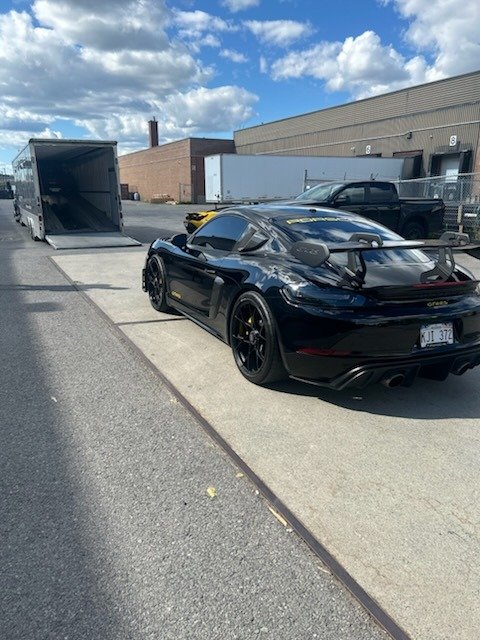
Many vehicle owners pay close attention at pickup but rush through the delivery handover because they are excited to get back behind the wheel. In reality, the post-delivery inspection is equally vital—because once you sign the delivery receipt without noting any exceptions, you are legally confirming that the vehicle arrived in satisfactory condition.
During Pickup (Origin Handover)
- Walk around the vehicle alongside the driver rather than waiting inside your home or office.
- Review every mark the driver places on the vehicle diagram and ask for clarification if a code seems overly broad.
- Verify the odometer reading and confirm you receive a copy (paper or digital email/PDF) of the signed pickup report before the truck departs.
During Delivery (Destination Handover)
- Inspect the vehicle carefully in good lighting before signing the final Bill of Lading release.
- Compare the vehicle panel-by-panel against your pickup copy and your pre-shipment photographs, paying special attention to bumpers, roof edges, side mirrors, and alloy wheels.
- Check the odometer again and verify that the vehicle starts and shifts smoothly.
- If you notice any new scratch, dent, or missing component that was not on the origin report, write a clear description of the issue directly on the delivery copy of the Bill of Lading, take immediate photos while the carrier is still present, and have the driver sign next to the notation.

Whether you choose convenient door-to-door open car transport or drop off at a regional hub via terminal-to-terminal vehicle shipping, having an authorized adult present at both ends—such as a trusted family member, friend, or dealership representative—ensures the inspection is never skipped or delayed. For shipments crossing international borders into Canada, condition records also complement federal entry compliance guidelines outlined by the Canada Border Services Agency (CBSA).
Frequently Asked Questions About Vehicle Inspection Reports
Yes. Reputable auto transport carriers require a documented vehicle condition inspection at both pickup and delivery as part of the Bill of Lading process. It protects you as the vehicle owner by recording your car's exact pre-shipment state, and it protects the carrier by establishing an accurate baseline before transit begins.
Once you sign a clean delivery receipt without noting exceptions, cargo insurance providers generally consider the shipment delivered in good condition, making post-delivery claims very difficult to approve. That is why you should always perform a complete walk-around inspection and note any discrepancies on the report before signing off at delivery.
Yes. If you cannot be present at pickup or delivery, you can designate an adult representative—such as a relative, colleague, or dealership contact—to inspect the vehicle and sign the report on your behalf. Make sure your representative understands how to check the vehicle thoroughly and compare it against your pre-shipment photos.
Yes. Heavy dirt, road salt, or snow can conceal minor scratches and paint chips. If the exterior is too dirty to inspect clearly, the driver will note that visibility was obstructed on the inspection form. Washing your vehicle shortly before pickup ensures an accurate, unobstructed inspection.
Absolutely. Many modern carriers use mobile inspection platforms that pair digital signatures with GPS- and timestamp-verified photographs. Electronic reports are typically emailed directly to you upon completion, eliminating the risk of losing a paper carbon copy during a move.
Key Takeaways for a Smooth Vehicle Handover
A Vehicle Inspection Report is far more than routine transport paperwork—it is your primary safeguard whenever your vehicle is entrusted to a commercial carrier. By washing your car prior to pickup, capturing your own timestamped photos, reviewing the standard damage codes alongside your driver, and completing a careful walk-around before signing at delivery, you ensure complete clarity from origin to destination.
Whether you are moving across provinces or coordinating dealership inventory transfers, working with a transportation coordinator that prioritizes transparent documentation makes all the difference. Explore our Canadian car shipping routes or check our vehicle transport FAQs to learn more about preparing your shipment.