
Moving a vehicle more than 3,400 kilometres across Canada requires careful planning, realistic scheduling, and a clear understanding of how commercial transport carriers operate. Whether you are relocating for work, purchasing a vehicle from an out-of-province dealership, or managing fleet inventory, Toronto to Calgary car shipping offers a practical alternative to putting thousands of highway kilometres on your odometer.
Driving from Southern Ontario to Southern Alberta involves crossing the Canadian Shield, navigating Northern Ontario's single-lane highway stretches, and crossing the Prairies—often in unpredictable weather. By partnering with an experienced Canadian vehicle transportation provider like Optixtrace Car Shipping, individuals and automotive businesses can coordinate safe, reliable transit while focusing on the rest of their move.
Why Choose Car Shipping from Toronto to Calgary?
The highway distance between the Greater Toronto Area and Calgary is roughly 3,400 to 3,500 kilometres depending on whether a route stays entirely within Canada via the Trans-Canada Highway or travels south of the Great Lakes. For most drivers, completing that trip behind the wheel requires at least four to five full days of highway driving, fuel stops, hotel stays, and meals.
Choosing professional car shipping Toronto to Calgary eliminates physical travel fatigue and protects your vehicle's resale value by keeping thousands of kilometres off the odometer. It is particularly advantageous for:
- Interprovincial Relocations: Families and professionals moving from Ontario to Alberta can fly directly to Calgary and coordinate vehicle arrival around their possession date.
- Out-of-Province Vehicle Purchases: Buyers sourcing rare trims, fleet units, or competitively priced inventory from Toronto dealerships can arrange direct Toronto to Calgary vehicle transport without taking a week off work.
- Seasonal & Corporate Transfers: Businesses relocating staff or transferring company vehicles between regional offices benefit from documented chain-of-custody tracking and predictable scheduling.
- Winter Travel Avoidance: Northern Ontario highway corridors around Lake Superior frequently experience heavy snow squalls, black ice, and sudden closures between November and April.
Before finalizing your moving calendar, compare the combined cost of fuel, accommodations, meals, and extra mileage depreciation against formal vehicle transport quotes. In many cross-country scenarios, commercial transport is comparable in total expense while saving nearly a week of travel time.
Best Way to Transport a Car from Toronto to Calgary: Carrier Options
When booking Toronto to Calgary auto transport, the primary decision is selecting the trailer or freight method that best matches your vehicle type, budget, and protection preferences. Optixtrace coordinates multiple vehicle transportation services across Canada so customers can align their shipment with their exact requirements.
Open Car Transport
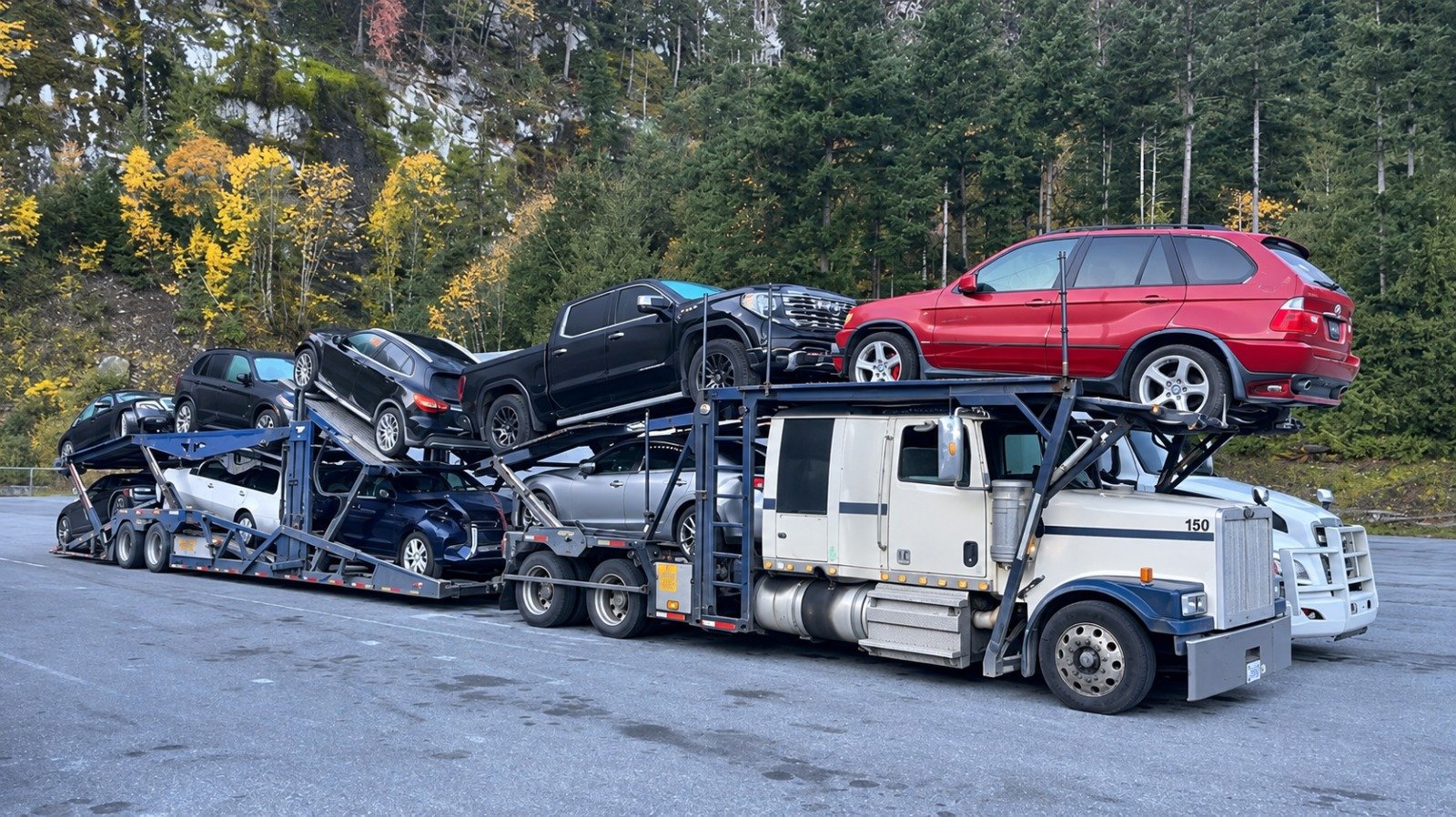
Open car transport is the industry standard for everyday sedans, hatchbacks, minivans, SUVs, and light-duty pickup trucks. Vehicles are secured onto multi-level open-air trailers—the same style used by automotive manufacturers to deliver new inventory to dealerships nationwide. Because multi-car haulers divide fuel and driver expenses across several vehicles at once, open transport is the most widely available and cost-effective option for ship a car from Toronto to Calgary requests.
Enclosed Vehicle Transport
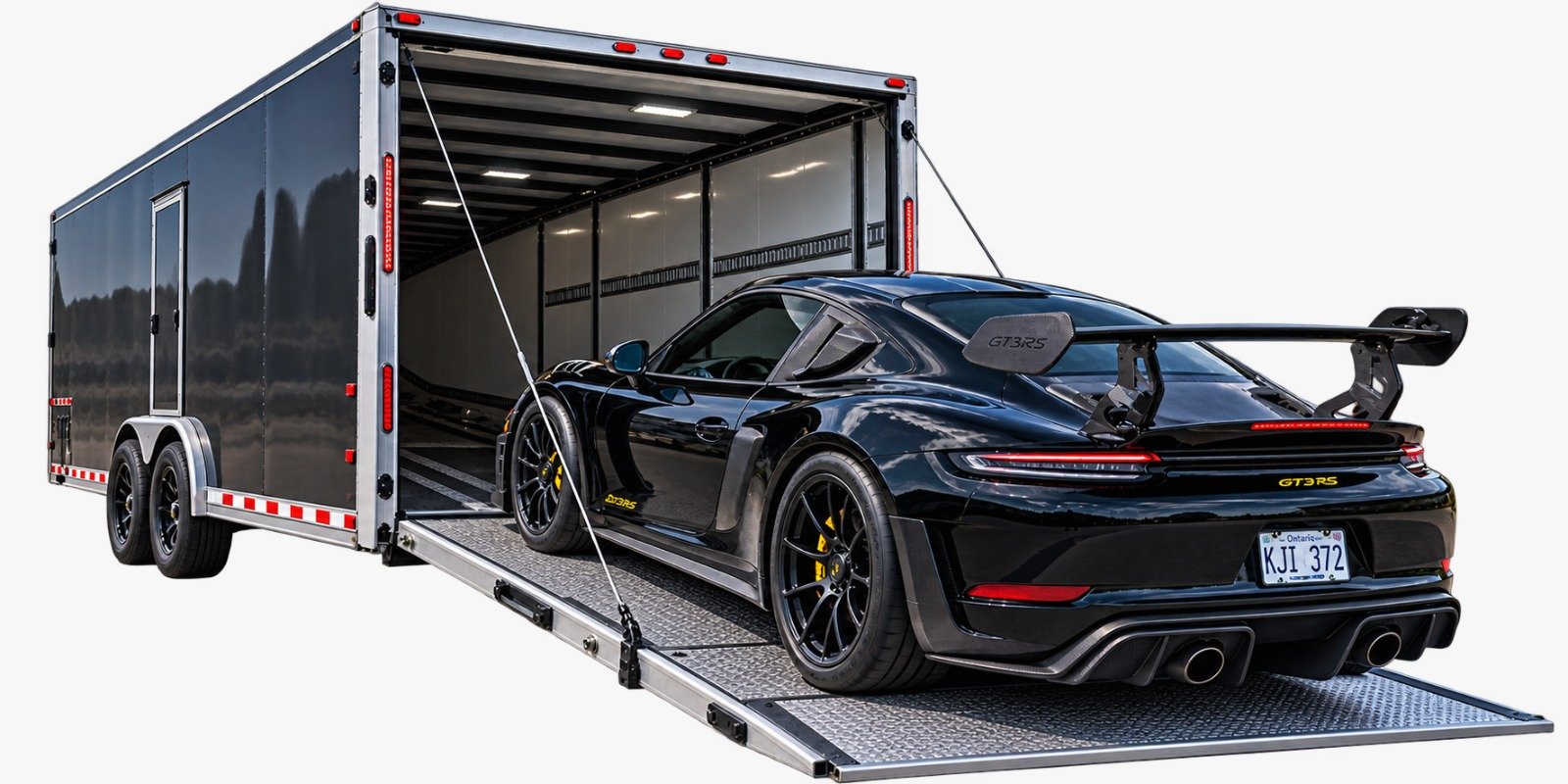
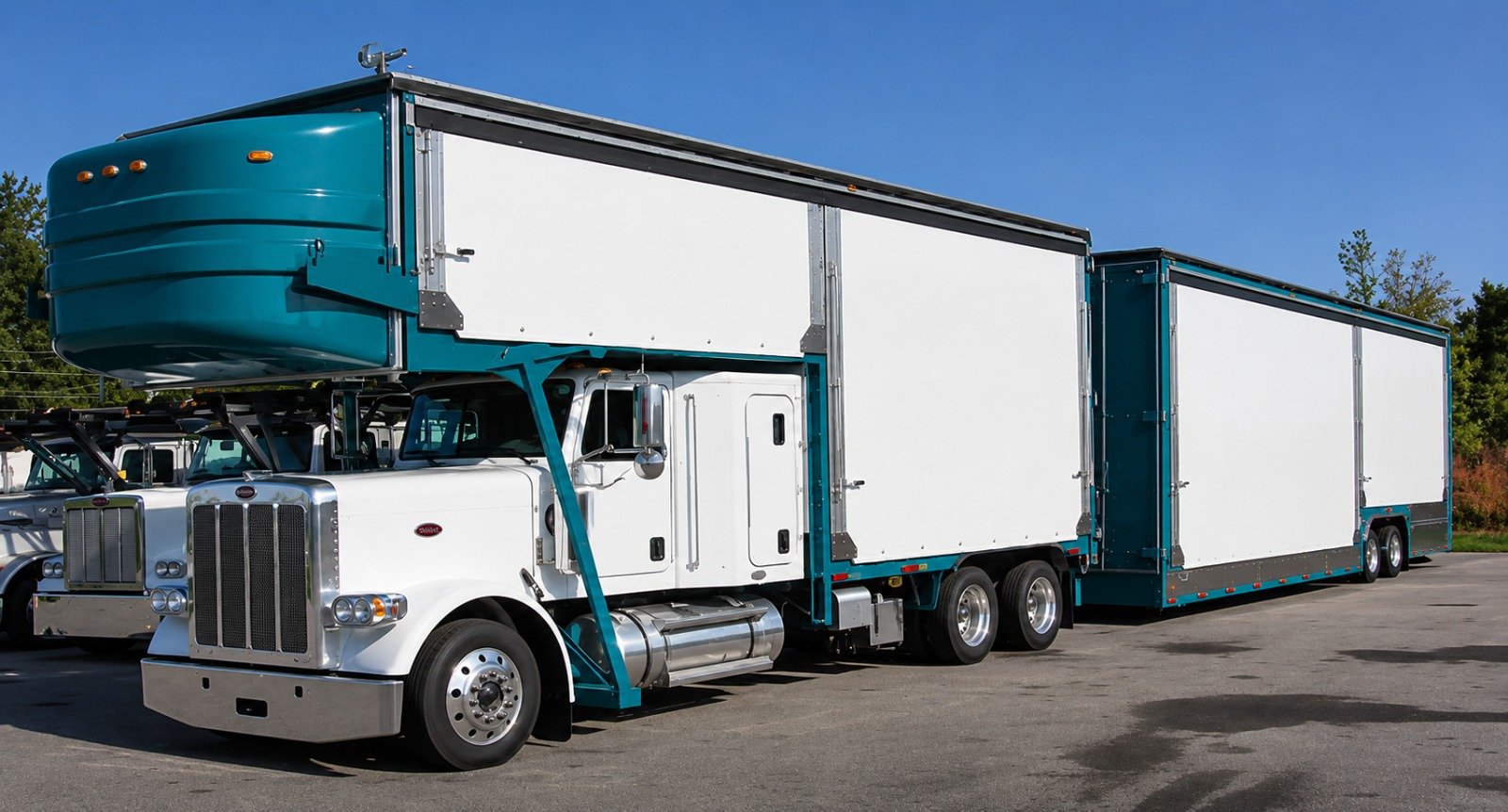
For luxury models, exotic sports cars, restored classics, or custom builds with low ground clearance, enclosed vehicle transport provides full shielding inside a hard-sided or soft-sided trailer. Your vehicle remains protected from highway gravel, road salt, freezing rain, and prairie wind throughout the journey from Ontario to Alberta. Enclosed carriers often feature hydraulic liftgates to load low-profile vehicles safely without steep ramp angles.
Railway Vehicle Transportation
Canada's transcontinental rail network plays a major role in long-haul freight between Central and Western Canada. Rail transport places vehicles inside enclosed multi-level railcars (autoracks) between major metropolitan rail terminals in Toronto and Calgary. This method offers consistent weather protection over long distances and is frequently used for standard passenger vehicles when terminal-to-terminal scheduling fits the customer's timeline.
Open vs. Enclosed vs. Rail Transport Comparison
| Transport Method | Weather & Debris Protection | Ideal Vehicle Types | Relative Cost & Availability |
|---|---|---|---|
| Open Car Transport | Exposed to ambient weather and standard highway conditions | Daily drivers, family SUVs, minivans, standard pickup trucks, fleet units | Most economical; highest carrier frequency along Ontario–Alberta corridors |
| Enclosed Vehicle Transport | Full four-wall and roof protection against gravel, salt, snow, and rain | Luxury vehicles, exotic sports cars, collector classics, modified builds | Higher rate due to specialized equipment and lower trailer capacity |
| Rail Auto Transport | Enclosed inside ventilated steel autorack railcars | Standard passenger cars and mid-size SUVs meeting rail height limits | Competitive for terminal-to-terminal long-haul freight; fixed rail schedules |
Door-to-Door vs. Terminal-to-Terminal Vehicle Shipping
In addition to choosing the trailer style, customers planning vehicle shipping Toronto to Calgary need to select how the vehicle is handed over at origin and received at destination.
Door-to-Door Delivery
With door-to-door car shipping, the transport carrier picks up and delivers your vehicle as close to your specified residential or commercial addresses in Toronto and Calgary as local municipal bylaws and street width allow. If narrow residential streets, low-hanging trees, or cul-de-sacs prevent a full-length transport rig from safely manoeuvring, the driver coordinates a nearby wide retail parking lot or commercial roadway for safe loading.
Terminal-to-Terminal Shipping
Terminal-to-terminal shipping requires dropping off your vehicle at a designated regional compound in the Greater Toronto Area and collecting it from a secure holding facility in the Calgary area. This option works well if your flight schedule does not align with carrier arrival windows or if you live in a dense downtown core with strict commercial truck restrictions.
What Affects the Cost and Transit Time from Ontario to Alberta?
Customers researching how much does it cost to ship a car from Toronto to Calgary and how long does car shipping from Toronto to Calgary take should understand that auto transport operates on dynamic commercial freight logistics rather than flat parcel rates. Several operational variables influence both pricing and transit windows:
- Vehicle Dimensions and Weight: Larger, heavier vehicles such as full-size crew-cab pickups, extended-length SUVs, or commercial cargo vans occupy more deck space and add axle weight compared to compact sedans.
- Operational Condition: Running, drivable vehicles can be driven directly onto carrier ramps. Non-running vehicles require specialized winching equipment and advance dispatch coordination.
- Seasonal Demand Shifts: Cross-country demand surges during spring and summer moving peaks, university term transitions, and autumn snowbird migrations. Winter storms along the Trans-Canada Highway can also extend transit schedules.
- Service Level & Equipment Type: Selecting enclosed transport, liftgate loading, or expedited pickup windows affects carrier allocation and overall pricing.
- Highway & Weather Conditions: Drivers adhere strictly to federal Hours of Service regulations enforced by Transport Canada, ensuring safe rest periods across the multi-day journey between Ontario and Alberta.
You can monitor active highway conditions along the route using provincial traveller systems such as Ontario 511 and 511 Alberta, which report seasonal construction, mountain pass advisories, and winter road closures in real time.
How to Prepare Your Vehicle for Long-Distance Shipping
Proper preparation prevents loading delays, protects your interior, and ensures an accurate condition baseline before your vehicle leaves Ontario. Follow these essential steps before your scheduled pickup date:
- Wash the Exterior Thoroughly: Dirt, road salt, and grime can hide minor paint chips or surface scuffs. A clean exterior allows both you and the driver to document the exact body condition during the pickup inspection.
- Remove All Personal Belongings: Commercial auto transport carriers are licensed to haul motor vehicles, not household goods. Loose items inside the cabin or trunk can shift during transit, damage interior trim, or create regulatory issues at commercial weigh stations.
- Leave Roughly a Quarter Tank of Fuel: Keeping the fuel tank around one-quarter full provides enough fuel for loading, unloading, and terminal movements without adding unnecessary weight to the transport trailer.
- Check Fluid Levels, Battery, and Tire Pressure: Ensure the battery is charged, tires are properly inflated, and there are no active fluid leaks that could drip onto vehicles parked on lower decks.
- Secure or Remove Loose Exterior Accessories: Fold in side mirrors, retract or remove fixed antennas, detach roof racks or bike carriers, and disable aftermarket alarm systems so vibrations do not drain the battery in transit.
- Provide a Complete Set of Keys: Supply ignition, door, and trunk keys (or fobs) to the driver at pickup so the vehicle can be repositioned safely if multi-stop loading is required along the route.
Take timestamped, high-resolution photos of your vehicle from all four corners, the roof, windshield, wheels, and odometer right before loading. Keep these photos alongside your signed Bill of Lading for seamless peace of mind at delivery.
Inspection Reports, Insurance Coverage, and Alberta Registration
Understanding documentation and provincial compliance is an important part of what to know before shipping a car from Ontario to Alberta. Every reputable car transport from Ontario to Alberta follows a structured verification process from origin to destination.
The Bill of Lading & Vehicle Inspection Report
When the carrier arrives in Toronto, the driver conducts a walk-around inspection with you or your designated representative. Existing scratches, dents, glass chips, and odometer readings are recorded on the Bill of Lading (BOL). Both parties sign the document prior to loading. Upon arrival in Calgary, you repeat the walk-around check against the original BOL before signing off on final delivery.
Cargo Insurance & Personal Auto Policies
Commercial transport carriers carry cargo liability insurance covering vehicles while in their care, custody, and control during transit. Before dispatch, confirm the coverage terms, deductible structure, and excluded items (such as personal belongings left inside the cabin). It is also smart practice to notify your personal auto insurer of your move; the Insurance Bureau of Canada (IBC) provides helpful guidance on updating coverage when relocating between provinces.
Out-of-Province Inspection & Registration in Alberta
Once your vehicle arrives in Calgary, Alberta regulations require new residents and out-of-province buyers to complete an Alberta Out-of-Province Vehicle Inspection at a licensed inspection facility before registering the vehicle with an Alberta registry agent (unless the vehicle qualifies for specific new-vehicle or New West Partnership exemptions). Bring your original Ontario vehicle ownership/permit, valid proof of Alberta auto insurance, and government-issued identification to complete the transition smoothly.

Frequently Asked Questions About Toronto to Calgary Auto Shipping
Planning a Smooth Cross-Province Vehicle Move
Coordinating Toronto to Calgary car shipping does not have to be complicated when you understand your carrier choices, pickup models, and preparation steps. By selecting the right balance of open, enclosed, or rail transport, documenting your vehicle's condition on the Bill of Lading, and preparing for Alberta's out-of-province registration rules, you can protect your investment and save days of demanding highway driving. Explore our full Canadian vehicle shipping routes or connect with our logistics team to map out your shipment timeline.
Looking to Ship Your Vehicle Across Canada?
Whether you are relocating from Ontario to Alberta or transporting dealership inventory nationwide, Optixtrace coordinates reliable door-to-door and terminal-to-terminal vehicle shipping tailored to your schedule.
Get a Free Car Shipping Quote