
Moving a vehicle across Western Canada requires navigating more than 1,150 kilometres of diverse highway terrain, from the coastal Lower Mainland through the Rocky Mountains and onto the Alberta prairies. Whether you are relocating for work, purchasing a vehicle from an out-of-province dealership, or managing fleet inventory, professional Vancouver to Edmonton car shipping eliminates the wear, fuel expense, and multi-day fatigue of driving the route yourself.
Understanding how interprovincial vehicle transportation operates helps you plan ahead, prepare the right documentation, and know exactly what to expect from initial quote to final key handover. At Optixtrace Car Shipping, we coordinate dependable vehicle logistics across Canada, connecting drivers, dealerships, and corporate clients with vetted carriers tailored to their specific transport needs.
How Does Vancouver to Edmonton Car Shipping Work?
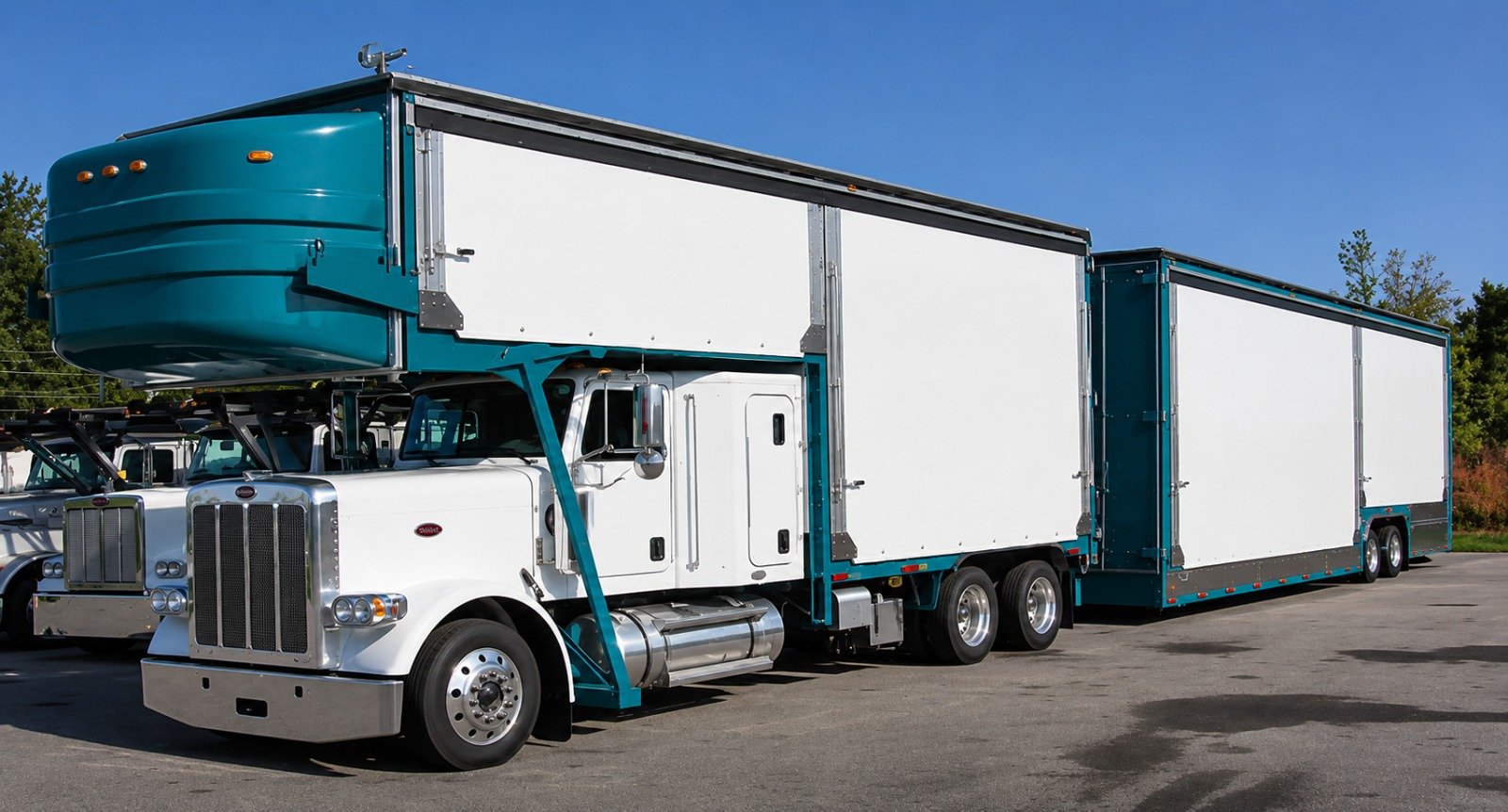
If you have never arranged interprovincial vehicle shipping before, the workflow is structured around clear milestones designed to protect both your vehicle and your schedule. When you book Vancouver to Edmonton auto transport, your shipment moves through four coordinated phases from booking to delivery.
Quote & Transport Selection
You submit your vehicle's year, make, model, operational condition, and preferred pickup and drop-off locations. Based on these details, you receive a tailored transport plan matching your timeline and budget.
Carrier Scheduling & Dispatch
Logistics coordinators assign your booking to an insured carrier running the British Columbia to Alberta corridor. You receive advance confirmation of your pickup window and driver contact details.
Pickup & Condition Inspection
At pickup, the driver performs a detailed walkaround inspection with you, recording existing cosmetic marks on the Bill of Lading (BOL) before loading and securing the vehicle onto the trailer.
Transit & Delivery Handover
Your vehicle travels eastbound into Alberta. Upon arrival in Edmonton, you and the driver complete a final visual check against the original inspection report before signing off and receiving your keys.
Choosing the Right Method for Car Transport from Vancouver to Edmonton
Selecting the right equipment depends on the type of vehicle you are moving, weather conditions along the mountain passes, and how you prefer pickup and delivery to be handled. Exploring our full range of vehicle transportation services across Canada helps clarify which option fits your situation best.
Open Car Carrier Transport
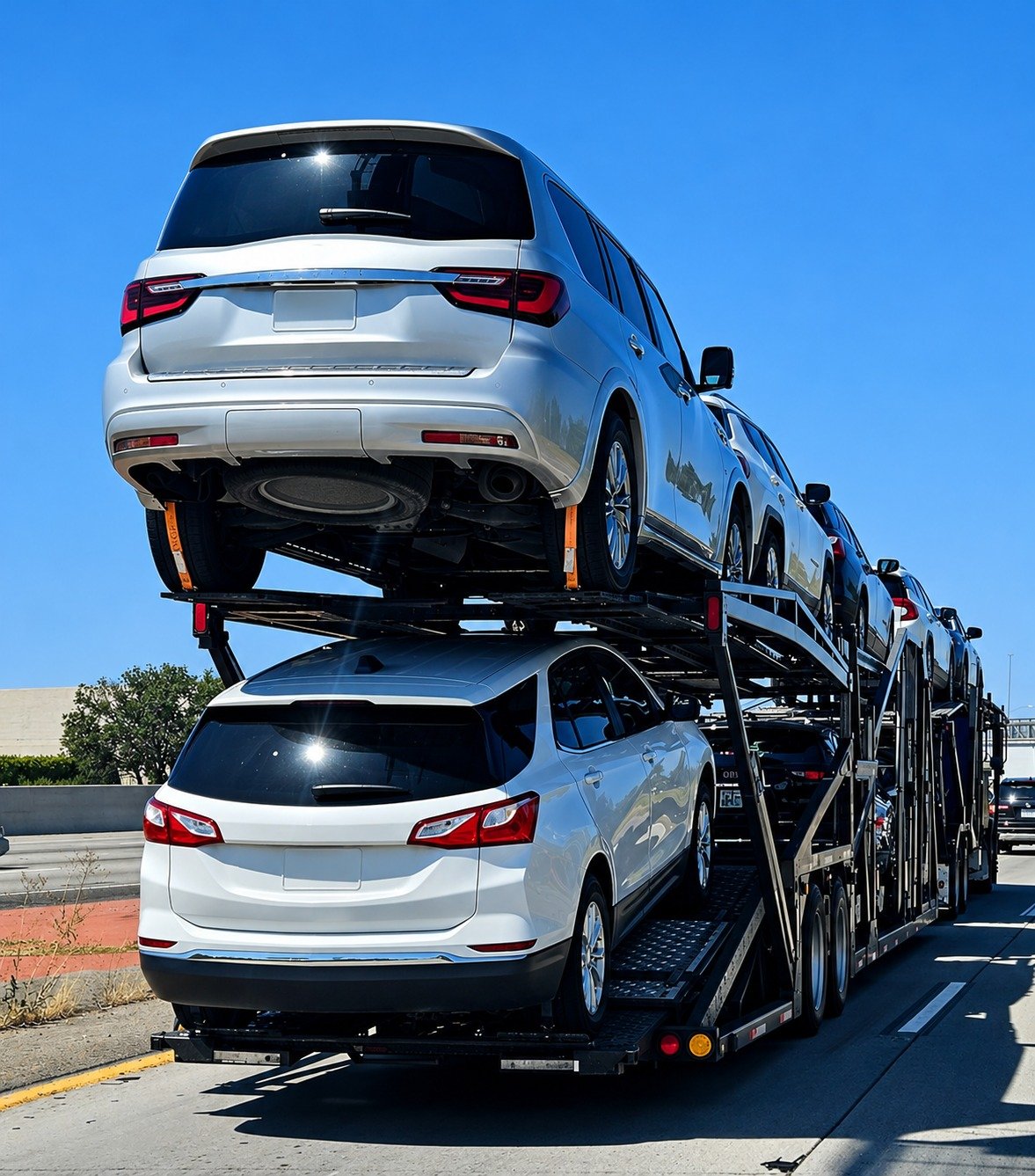
An open car carrier is the industry standard for everyday sedans, crossovers, SUVs, and light-duty pickup trucks. Multi-level open trailers transport several vehicles simultaneously, making this the most economical and frequently dispatched option between Metro Vancouver and Greater Edmonton. While vehicles are exposed to ambient highway weather, they are secured using professional wheel-strap systems designed to prevent suspension stress during mountain climbs and descents.
Enclosed Vehicle Transport
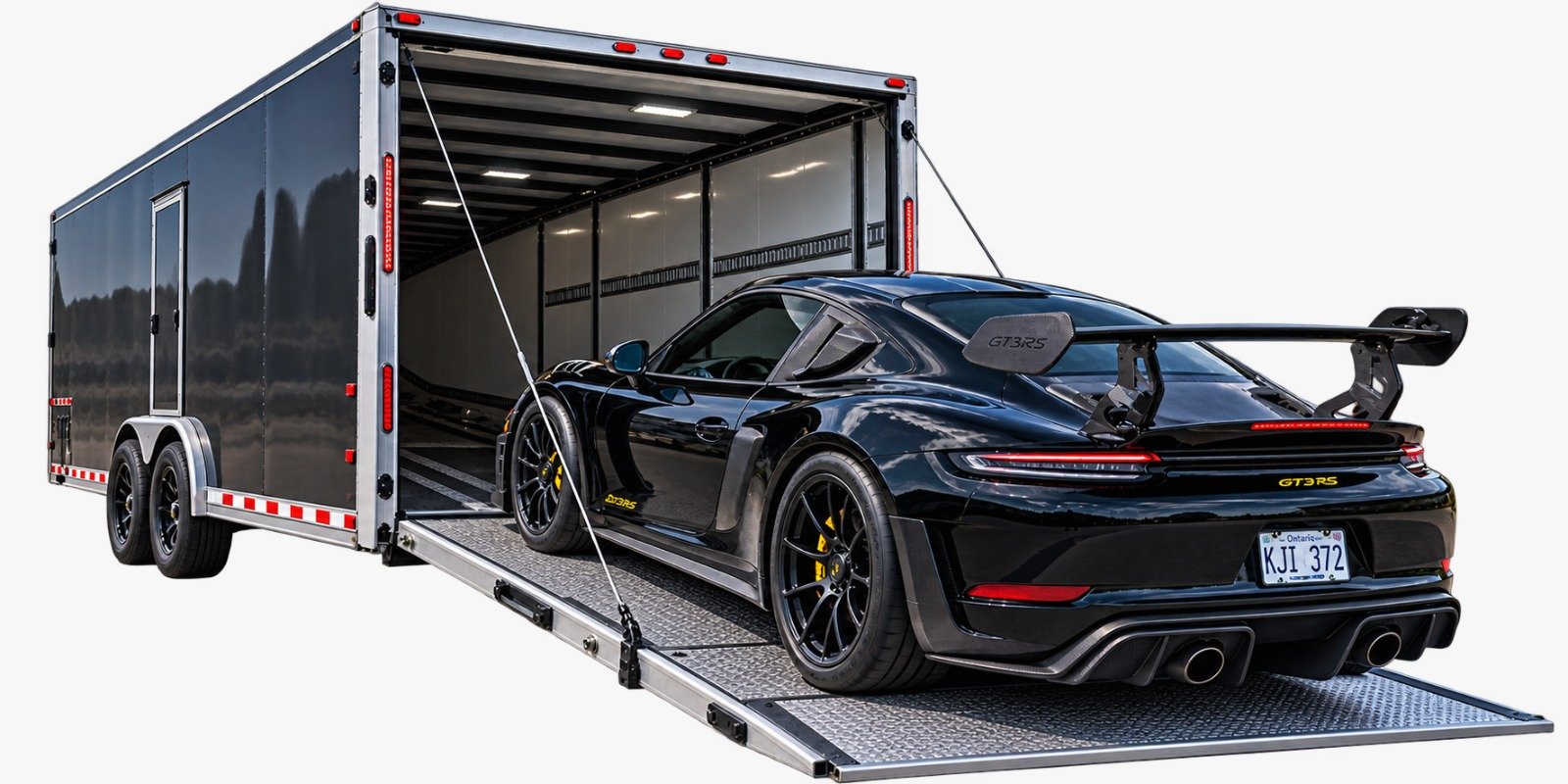
For luxury models, vintage collector cars, exotic sports cars, or low-clearance performance vehicles, enclosed vehicle transport provides full protection inside a hard-sided trailer. Your vehicle is shielded from road gravel, winter de-icing salts, rain, and snow throughout the entire journey across British Columbia and Alberta. Enclosed carriers also utilize hydraulic liftgates or low-angle ramps to load vehicles safely without scraping front splitters or underbodies.
Railway Vehicle Transportation
Because Vancouver and Edmonton are major hubs on Canada's transcontinental rail network, rail transport serves as a reliable terminal-to-terminal alternative. Vehicles are loaded inside fully enclosed rail auto-racks, offering weather protection and predictable yard-to-yard scheduling for customers who can drop off and collect their vehicles at designated rail compounds.
Door-to-Door vs. Terminal-to-Terminal Coordination
In addition to trailer type, customers choose how pickup and drop-off take place:
- Door-to-Door Car Transport: The carrier collects and delivers your vehicle as close to your residential or commercial addresses in Vancouver and Edmonton as municipal bylaws and truck turning radiuses safely permit. If narrow residential streets, low-hanging trees, or local bylaws prevent an 80-foot transport rig from entering your block, the driver coordinates a nearby wide retail parking lot or commercial plaza for safe loading.
- Terminal-to-Terminal Service: You drop off your vehicle at a secure regional storage yard near Vancouver and pick it up at a partner facility in the Edmonton area. This offers added scheduling flexibility if you are flying between provinces before your vehicle arrives.
| Transport Option | Best Suited For | Weather & Debris Protection | Pickup & Delivery Style |
|---|---|---|---|
| Open Car Carrier | Daily drivers, family SUVs, minivans, standard pickup trucks, and dealership stock | Open-air exposure (standard highway conditions) | Door-to-door or regional terminal |
| Enclosed Transport | Luxury vehicles, classic cars, exotics, custom builds, and high-value EVs | Complete enclosure inside hard-sided trailer | Door-to-door with specialized liftgate or ramp loading |
| Rail Transport | Standard passenger vehicles when flexible yard drop-off is convenient | Fully enclosed rail auto-rack protection | Terminal-to-terminal rail compounds |
Understanding the BC to Alberta Car Shipping Corridor
Knowing the geography behind BC to Alberta car shipping explains why professional carrier routing requires careful planning. The primary highway corridor connecting Vancouver to Edmonton spans roughly 1,160 kilometres via the Trans-Canada Highway (Highway 1), the Coquihalla Highway (Highway 5), and the Yellowhead Highway (Highway 16) through Kamloops, Valemount, and Jasper National Park into central Alberta.
This route crosses multiple distinct climate zones and steep mountain grades—including the Coquihalla Summit and the Yellowhead Pass. Between October and April, commercial carriers navigating British Columbia's mountain corridors must comply with provincial winter traction regulations and monitor real-time highway advisories through DriveBC and 511 Alberta. Experienced commercial drivers adjust routing and speeds around winter storms, avalanche control closures, and seasonal road construction to keep cargo secure.
Book Early During Peak Moving Seasons: Demand for vehicle transport between British Columbia and Alberta surges between May and September—coinciding with summer relocations and university moves—as well as during late autumn snowbird migrations. Reserving your spot 2 to 3 weeks ahead gives logistics coordinators maximum flexibility to match your preferred dates.
How Long Does It Take to Transport a Car from Vancouver to Edmonton?
A common question from customers planning a move or vehicle purchase is: how long does it take to transport a car from Vancouver to Edmonton? While a continuous passenger car drive takes roughly 12 to 13 hours without extended stops, commercial auto transport operates under strict federal Hours of Service safety regulations enforced by Transport Canada.
Commercial drivers are legally required to observe mandatory daily driving limits and rest periods, and multi-car haulers frequently coordinate staggered pickups and drop-offs in intermediate communities such as Kelowna, Kamloops, or Red Deer. Because of these operational factors, transit timelines follow realistic scheduling windows rather than single-day express driving times:
- Carrier Dispatch Window: Once your booking is confirmed, carrier assignment and pickup typically occur within a scheduled window of several days, depending on your flexibility and seasonal route volume.
- Highway Transit Duration: Once loaded in the Lower Mainland, over-the-road highway transit to Edmonton generally takes several days under normal weather and road conditions.
- Rail Transit Duration: Rail shipments typically require slightly longer overall lead times to account for terminal cut-off schedules, rail yard staging, and unloading intervals.
What Documents Are Needed to Ship a Car Between BC and Alberta?
Because Vancouver and Edmonton are both within Canada, shipping a vehicle between British Columbia and Alberta does not involve international customs clearance. However, proper ownership and identification records are still essential for carrier verification and subsequent provincial registration.
Required Documentation for Transport
- Proof of Ownership or Purchase: A copy of your current vehicle registration (ICBC Owner's Certificate of Insurance and Vehicle Licence in BC) or a signed Bill of Sale if you recently purchased the vehicle from a private seller or dealership.
- Government-Issued Photo Identification: Valid photo ID for the person releasing the vehicle at pickup and the person receiving it in Edmonton. If a family member, friend, or dealership representative is acting on your behalf, let your coordinator know in advance.
- Lienholder Authorization (If Applicable): If the vehicle is financed or leased, confirm with your lender that relocating the vehicle to another province is permitted under your agreement.
- Signed Bill of Lading (BOL): Issued by the carrier at pickup, this legal transport contract serves as both your receipt of shipment and your official vehicle condition record.
Registering Your Vehicle After Arrival in Edmonton
If you are permanently relocating from British Columbia to Alberta, provincial regulations require you to switch your vehicle registration within 90 days of establishing residency. According to Government of Alberta vehicle registration guidelines, vehicles brought into Alberta from another Canadian province generally require an Out-of-Province Vehicle Inspection at a licensed Alberta inspection facility before an Alberta licence plate can be issued.
Preparing Your Vehicle for Carrier Pickup
Taking 20 minutes to prepare your car before the truck arrives prevents loading delays and ensures an accurate visual inspection:
- Wash the Exterior: Dirt, road grime, and snow can hide minor paint chips or door dings. A clean exterior ensures both you and the driver can document the vehicle's true condition accurately.
- Keep Fuel Around a Quarter Tank: Having roughly one-quarter tank of fuel provides enough range for loading, unloading, and yard transfers without adding unnecessary weight to the carrier.
- Remove Loose Personal Items and Accessories: Transport carriers are licensed to haul motor vehicles rather than household goods. Remove loose items from the cabin, retract or remove external antennas, fold in side mirrors, and secure or remove aftermarket roof racks.
- Check Fluid Leaks, Battery, and Tire Pressure: Ensure the battery holds a solid charge, tires are properly inflated, and there are no active fluid leaks that could drip onto vehicles positioned on lower trailer decks.
- Disable Alarm Systems: Turn off aftermarket anti-theft alarms so highway vibrations do not trigger the siren and drain the battery during transit.
What Happens During Pickup, Inspection, and Delivery in Edmonton?
Transparent vehicle condition documentation protects everyone involved in Vancouver to Edmonton vehicle shipping. Knowing how pickup and delivery inspections work ensures you feel confident at both ends of the journey.
At Pickup in Metro Vancouver
When the carrier arrives at your Vancouver, Burnaby, Surrey, Richmond, or Coquitlam pickup point, the driver conducts a systematic walkaround inspection alongside you or your designated contact. Every panel, bumper, wheel, and glass surface is examined, and any existing scratches, dents, or rock chips are marked on a standardized diagram on the Bill of Lading (BOL). Take time-stamped photos of your vehicle from all four corners before signing the pickup portion of the BOL and retaining your copy.
At Delivery in Greater Edmonton
As the truck approaches Edmonton—whether delivering to central neighbourhoods, St. Albert, Sherwood Park, Leduc, or Spruce Grove—the driver contacts you ahead of time to confirm the exact meeting location and arrival window. Before signing the final delivery receipt:
- Inspect the Exterior in Good Lighting: Walk around the vehicle and compare its current appearance against your pickup photos and the original Bill of Lading diagram.
- Verify Operational Condition: Confirm the vehicle starts normally, check the odometer reading, and verify that all keys and fobs are returned.
- Document Any Discrepancies Immediately: In the rare event that transit-related damage occurred, note it clearly on the delivery copy of the BOL before the driver departs so a formal claim can be processed promptly.

Whether you are coordinating a single household move or managing multi-unit deliveries for a dealership, working with an experienced logistics team keeps communication clear throughout the entire trip. You can learn more about our nationwide coordination standards on our about Optixtrace Car Shipping page or review additional shipping answers in our auto transport FAQs.
Frequently Asked Questions About Vancouver to Edmonton Auto Transport
Carriers are licensed and insured specifically to transport motor vehicles rather than household goods. Loose items inside the cabin can shift during mountain ascents or braking, potentially damaging interior trim or obstructing the driver's visibility during loading. In some cases, a small amount of securely packed items in the trunk may be permitted with prior carrier approval, provided they do not exceed weight limits or block windows—always confirm this when requesting your quote.
Yes. Authorized commercial auto transport carriers carry cargo liability insurance covering vehicles while in their care, custody, and control from pickup inspection through delivery sign-off. The Bill of Lading signed at pickup establishes the baseline condition of your vehicle for insurance verification. We also recommend keeping your personal provincial auto policy active until delivery is completed.
Yes, inoperable vehicles can be transported provided they roll, steer, and brake safely. Because loading a non-running vehicle requires a trailer equipped with a hydraulic winch and specialized loading gear, be sure to specify the exact mechanical condition when booking so the right equipment is dispatched.
Multi-car transport trailers are long commercial combinations that require wide turning clearance and overhead space free of low branches or utility wires. If your street has narrow lanes, cul-de-sacs, or municipal truck restrictions, the driver will coordinate a convenient meeting point nearby—such as a wide shopping centre parking lot or major arterial pull-off—for safe loading and unloading.
Transport quotes are calculated based on vehicle size and weight (such as a compact sedan versus a full-size pickup truck), trailer selection (open carrier versus enclosed transport), operational condition, exact pickup and drop-off postal codes, and seasonal highway demand across the BC–Alberta corridor. Requesting an itemized quote provides exact pricing tailored to your dates.
Planning a Smooth Vancouver to Edmonton Vehicle Shipment
Navigating Vancouver to Edmonton car shipping becomes straightforward when you understand each stage of the logistics workflow—from choosing between open, enclosed, or rail transport to preparing your ownership paperwork and completing the Bill of Lading inspection. By working with an experienced Canadian vehicle transportation coordinator, you avoid unnecessary highway mileage, protect your schedule, and ensure your vehicle arrives in Alberta safely and on plan.
Looking to Ship Your Vehicle Across Canada?
Whether you are relocating between British Columbia and Alberta, purchasing a vehicle out of province, or coordinating commercial fleet transport, Optixtrace Car Shipping provides transparent quotes and reliable nationwide logistics support.
Get a Free Car Shipping Quote