
Moving a vehicle across a country as vast as Canada involves far more than simply loading a car onto a truck and driving down the Trans-Canada Highway. Behind every smooth interprovincial delivery is a carefully synchronized network of specialized equipment, regional terminals, and scheduling teams. Experienced auto transport companies evaluate vehicle specifications, seasonal road conditions, pickup accessibility, and destination infrastructure before selecting the right shipping mode.
Whether you are relocating to a new province, purchasing a vehicle from an out-of-province dealership, or managing fleet transfers for an automotive business, understanding how professional vehicle logistics companies organize deliveries helps you plan with confidence and avoid unexpected delays.

Why Coordinating Multiple Vehicle Shipping Methods Matters in Canada
Canada spans nearly 7,800 kilometres from coast to coast, linking dense urban centres, mountain passes in British Columbia, expansive Prairie highways, Northern Ontario corridors, and Atlantic ferry routes. Because no single trailer or railcar works for every address or vehicle type, professional auto transport companies rely on coordinated transportation networks rather than a one-size-fits-all approach.
In practice, coordinating multiple vehicle shipping methods means combining long-haul efficiency with local pickup and delivery flexibility. For example, a sedan moving along a major corridor such as Toronto to Calgary car shipping may travel part of its journey on a multi-car highway hauler or railway auto-rack before transferring to a smaller regional truck capable of navigating residential streets.
Without strong carrier coordination and shipment scheduling, vehicles risk sitting idle at transfer yards, encountering clearance restrictions in urban neighbourhoods, or facing unnecessary exposure to severe winter weather. Effective vehicle logistics management keeps every handoff timed and documented.
The Four Primary Car Shipping Methods Used by Vehicle Logistics Companies
When evaluating different methods of shipping a car, dispatchers and logistics planners generally work with four core transport modes. Each method serves a distinct operational purpose within auto transportation services.
1. Open Car Transport
Open car transport uses single- or multi-level open-air trailers capable of carrying several passenger vehicles at once. Because capacity is shared across multiple shipments, open carriers offer frequent departures and broad route coverage for everyday sedans, SUVs, and pickup trucks.
2. Enclosed Auto Transport
Enclosed auto transport places vehicles inside fully covered trailers with hard or soft sides. This shields luxury, exotic, vintage, and low-clearance vehicles from gravel, road salt, precipitation, and highway debris during transit.
3. Rail Vehicle Transportation
Rail vehicle transportation moves vehicles inside specialized, fully enclosed multi-level railway auto-racks between major Canadian rail hubs. It is widely used for cross-country routes connecting Eastern and Western provinces.
4. Flatbed Vehicle Transport
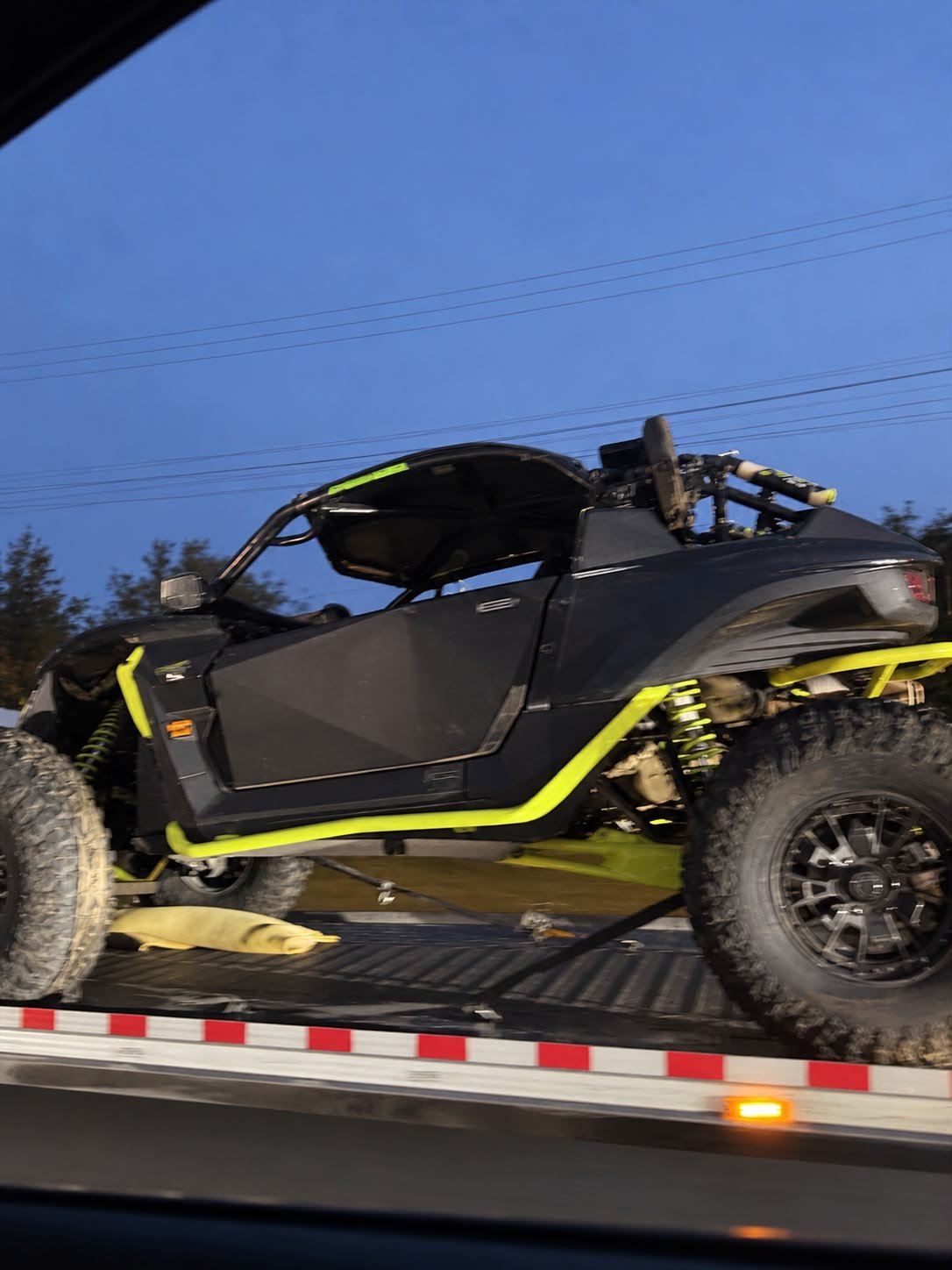
Flatbed and step-deck trailers accommodate commercial vans, lifted trucks, modified off-road vehicles, and non-running units that exceed standard multi-car trailer height, width, or wheelbase limits.

Service Delivery Formats: Door-to-Door, Terminal-to-Terminal, and Partial Door
Alongside choosing the trailer or rail mode, vehicle shipping companies coordinate how the vehicle enters and exits the network:
- Door-to-door vehicle shipping: The carrier picks up and delivers as close as safely and legally permitted to your specified residential or commercial addresses.
- Terminal-to-terminal shipping: Vehicles are dropped off at and collected from designated regional compounds or rail yards, which helps streamline scheduling when personal timelines are flexible.
- Partial door coordination: A hybrid approach where one end of the trip uses a regional terminal (such as a rail hub) while the other end features direct local truck pickup or delivery.
How Professional Car Shipping Companies Choose the Right Method
Understanding how auto transport companies choose shipping methods starts with the intake assessment. Rather than guessing, dispatch coordinators match each shipment against five operational criteria.
1. Vehicle Dimensions, Ground Clearance, and Operability
Standard multi-level car carriers have strict deck height and ramp angle tolerances. A stock compact SUV fits effortlessly on an open or enclosed multi-car trailer, whereas a commercial cargo van, dually pickup, or heavily modified 4x4 may require a flatbed deck. Similarly, vehicles with under 12 centimetres of ground clearance often require hydraulic liftgates found on specialized enclosed haulers.
2. Vehicle Value and Environmental Exposure
Daily drivers shipped during mild spring or summer weather typically travel safely on open carriers. Conversely, freshly restored classics, collector sports cars, or brand-new dealership inventory moving across snowy mountain passes or gravel-treated winter highways benefit from enclosed trailers or enclosed rail auto-racks.
3. Route Distance and Corridor Infrastructure
Short- to medium-distance regional moves—such as between Ontario and Quebec or within Alberta and British Columbia—are almost always handled directly by highway truck carriers. For long cross-country distances, such as Vancouver to Toronto car shipping, logistics planners weigh pure highway trucking against combined rail-and-truck routing based on carrier availability and seasonal lane volume.
4. Pickup and Delivery Accessibility
A 24-metre highway car hauler cannot safely enter narrow cul-de-sacs, underground parkades, or streets lined with low-hanging trees and overhead utility wires. When a customer books door-to-door open car transport in a dense city centre, coordinators either arrange a nearby wide-access meeting point (like a retail plaza lot) or dispatch a smaller local shuttle truck to bridge the first or last kilometres.
Share exact vehicle modifications upfront: Roof racks, aftermarket front splitters, oversized tires, and non-running battery or drivetrain issues directly affect trailer assignment. Providing accurate measurements and operability details during booking prevents last-minute equipment mismatches on pickup day.
Step-by-Step: How Car Transport Logistics Work Behind the Scenes
To understand how auto transport companies coordinate vehicle shipments from booking to final handover, it helps to follow the operational sequence used across professional Canadian vehicle shipping services.
Route Mapping and Carrier Matching
Once shipment details are confirmed, logistics coordinators map the origin and destination postal codes against active shipping routes, evaluating carrier availability, trailer space, and directional freight balance.
Multi-Leg Consolidation (When Applicable)
For intermodal or remote shipments, coordinators schedule first-mile local pickup, reserve space on the primary long-haul carrier or railway terminal, and pre-book final-mile delivery so transitions occur smoothly.
Pre-Loading Condition Inspection
At pickup, the driver and customer—or dealership representative—conduct a walk-around inspection, recording existing exterior marks and odometer readings on the Bill of Lading before loading.
Weight Distribution and Securement
Drivers load vehicles in a calculated order to maintain legal axle weights and low centre-of-gravity stability, securing each vehicle using over-the-tire wheel straps or soft tie-downs rated for automotive transport.
En-Route Monitoring and Delivery Sign-Off
Throughout transit, dispatch teams monitor weather alerts, highway closures, and driver hours-of-service compliance. Upon arrival, a final condition inspection is completed prior to key handover.
Comparing Vehicle Transport Methods Side by Side
Different types of vehicle transportation services balance protection, route reach, and scheduling flexibility in distinct ways. The table below outlines how professional dispatchers compare each option.
| Shipping Method | Best Suited For | Weather & Debris Shielding | Typical Routing Format |
|---|---|---|---|
| Open Car Transport | Standard sedans, SUVs, minivans, stock pickup trucks, and dealership fleet transfers | Exposed to ambient weather; positioned securely on multi-car decks | Door-to-door or terminal-to-terminal across regional and national highways |
| Enclosed Auto Transport | Luxury vehicles, classic cars, exotics, prototypes, and low-clearance sports cars | Full protection inside covered trailers with hydraulic liftgate loading | Door-to-door or dedicated point-to-point transport |
| Rail Vehicle Transport | Standard passenger vehicles moving between major interprovincial metro hubs | Fully enclosed inside multi-level railway auto-rack cars | Terminal-to-terminal between rail yards, often paired with local truck shuttles |
| Flatbed Vehicle Transport | Commercial cargo vans, lifted trucks, oversized vehicles, and non-running units | Open deck with customizable tie-down points and winch loading capability | Direct point-to-point or specialized regional haul |
Canadian Geography, Weather, and Regulatory Factors in Carrier Coordination
Operating a vehicle logistics network in Canada requires constant adaptation to seasonal shifts and provincial transportation rules. Experienced coordinators build these real-world variables directly into shipment planning:
- Mountain and Winter Corridor Management: Routes through British Columbia's Coquihalla Highway, Rogers Pass, and Northern Ontario experience rapid snowstorms and temporary highway closures. Dispatchers actively monitor DriveBC road conditions and Ontario 511 traveller updates to adjust departure windows or route shipments via rail when mountain highways face severe weather.
- Commercial Carrier Safety and Hours of Service: Professional highway car haulers operate under federal and provincial commercial motor vehicle regulations overseen by Transport Canada. Mandatory Electronic Logging Devices (ELDs) and strict hours-of-service limits govern how many hours a driver can operate daily, ensuring safe, well-rested transit across long distances.
- Interprovincial Vehicle Registration and Inspections: When relocating or buying a vehicle from another province, owners must follow destination licensing and safety inspection requirements outlined by the Canadian Council of Motor Transport Administrators (CCMTA). Coordinating transport ahead of your registration appointment helps keep paperwork on track.
- Ferry and Island Connections: Shipments involving Vancouver Island or Newfoundland require synchronized ferry bookings timed to commercial vehicle deck reservations, linking mainland highway carriers with marine crossings.

Frequently Asked Questions About Auto Transport Coordination
Yes. Intermodal coordination is common for long-distance Canadian shipments. A local car carrier can collect your vehicle near your address, deliver it to an origin rail terminal for long-haul transit inside an enclosed auto-rack, and arrange a regional carrier to complete final delivery at your destination city.
Coordinators base this recommendation on vehicle value, ground clearance, paint sensitivity, and seasonal weather along the route. Standard daily drivers generally travel on open multi-car haulers, while luxury, collector, classic, or low-profile vehicles are matched with enclosed liftgate trailers for full weather and debris protection.
Because multi-car transport trucks require wide turning radii and high overhead clearance, narrow residential streets or low tree canopies can prevent direct driveway access. In those situations, coordinators arrange a safe, nearby wide-access meeting location—such as an open commercial parking lot—or dispatch a smaller local shuttle truck.
Yes, provided the vehicle's condition and dimensions are disclosed during booking. Non-running vehicles that still roll, steer, and brake can be loaded onto winch-equipped flatbed or enclosed trailers, while oversized vans or lifted trucks are assigned to flatbed or step-deck equipment with appropriate height clearance.
Wash the exterior so existing scratches or dings are clearly visible during the pre-loading inspection, remove loose personal items and exterior accessories, verify tire inflation and battery charge, and leave roughly a quarter tank of fuel for loading and unloading manoeuvres.
Bringing Every Piece of Canadian Vehicle Logistics Together
Coordinating a vehicle shipment across Canada requires aligning the right equipment with the right route, season, and delivery environment. By combining open carriers, enclosed trailers, railway auto-racks, and specialized flatbeds within a single connected workflow, experienced auto transport companies help individuals, dealerships, and commercial fleets move vehicles safely and predictably across provinces.
At Optixtrace Car Shipping, our coordination team evaluates your vehicle's exact specifications and route requirements to organize dependable transport solutions nationwide. When you are ready to explore shipping options for your route, request a personalized car shipping quote tailored to your vehicle and schedule.