
Shipping a vehicle across Canada spans more than 5,500 kilometres of dramatically shifting geography, from the coastal mountain passes of British Columbia to the open Prairie highways, Northern Ontario corridors, and Atlantic ferry routes. Because climate, highway conditions, and consumer moving patterns fluctuate sharply throughout the year, knowing the best time of year to ship a car in Canada directly impacts what you pay, how quickly a carrier is assigned, and how smoothly your vehicle arrives.
Whether you are relocating to a new province, purchasing a vehicle from an out-of-province dealership, managing corporate fleet transfers, or heading south for the winter, timing your shipment strategically helps you avoid peak-season bottlenecks and unexpected weather delays. At Optixtrace Car Shipping, we coordinate nationwide vehicle logistics year-round—and in this guide, we break down how each season affects pricing, carrier capacity, and transit reliability across Canada.

Why Seasonality Affects Auto Transport Pricing and Schedules
Unlike parcel delivery, cross-country vehicle transportation relies on specialized multi-car haulers, enclosed trailers, and rail networks operating on dynamic supply-and-demand corridors. Seasonal auto transport rates are never static; they respond to three primary operational drivers across Canada:
- Carrier Availability and Freight Volume: When thousands of households relocate simultaneously or dealerships restock seasonal inventory, available space on car carriers tightens. Higher demand pushes auto transport pricing upward and lengthens dispatch windows.
- Canadian Weather and Highway Restrictions: Canada's geography includes mountain corridors such as the Coquihalla Highway in British Columbia, the Icefields Parkway corridor in Alberta, and wind-swept stretches along the Trans-Canada Highway in Northern Ontario. Severe snowstorms, black ice, and spring thaw weight restrictions require carriers to adjust speeds and routing.
- Directional Lane Imbalances: Certain routes experience heavy one-way traffic during specific months—such as snowbird vehicle shipping south in autumn and north in spring, or east-to-west employment relocations—which influences backhaul pricing on return lanes.
Separate "Best Weather" from "Lowest Price": What is the best time of year to ship a car across Canada? If your priority is predictable pickup and delivery schedules with mild road conditions, late spring and early autumn are ideal. If your priority is securing the lowest seasonal car shipping rates, late autumn and mid-winter (outside of holiday peaks) typically offer softer demand.
Breaking Down Car Shipping Seasons in Canada
Understanding how each quarter behaves helps you align your move or vehicle purchase with realistic expectations for transit times, road conditions, and carrier capacity.
Spring (April – May)
Best Overall BalanceAs winter snow clears across most provinces, highway speeds normalize and carrier networks operate efficiently. April and May represent one of the strongest windows for shipping a car across Canada before the summer moving rush begins.
Watch out for: Returning snowbird traffic in April and municipal spring weight restrictions on secondary roads in rural regions.
Summer (June – August)
Peak Demand SeasonSummer moving season brings the highest demand of the year. Families relocate between school years, military and corporate transfers peak, and classic car owners transport vehicles to events across the country.
Watch out for: Tighter carrier availability, higher Canada vehicle shipping costs, and highway construction delays along major corridors.
Autumn (September – November)
Prime Shoulder WindowSeptember and October offer crisp, dry driving conditions across most of Canada while household moving volumes drop sharply after Labour Day. This combination makes early-to-mid autumn a best season for auto transport.
Watch out for: Early mountain snowfall in BC and Alberta starting in October, plus southbound snowbird demand picking up in November.
Winter (December – March)
Lowest Off-Peak DemandOutside of the late-December holiday period, overall relocation volume drops significantly. Carriers actively look to fill trailer decks on major city-to-city corridors, often resulting in more competitive rates.
Watch out for: Blizzards, highway closures, road salt exposure on open trailers, and more flexible pickup and delivery schedules.

Seasonal Car Shipping Rates, Weather & Capacity at a Glance
When evaluating what months are best for shipping a car across Canada, comparing pricing pressure against road reliability clarifies which window fits your timeline and budget.
| Season / Months | Demand & Rate Level | Road & Weather Conditions | Ideal For |
|---|---|---|---|
| Spring (April – May) |
Moderate; steadily rising by late May | Improving; melting snow, occasional spring storms in Rockies & Prairies | Relocations ahead of summer, dealership inventory restocking |
| Summer (June – August) |
High; peak seasonal car shipping rates | Clear, dry highways; longest daylight hours; localized road construction | Fixed-date family moves, summer vehicle purchases, classic car events |
| Early Autumn (September – October) |
Moderate to Low; attractive shoulder rates | Stable, dry weather across most provinces; cool temperatures | Flexible shippers seeking fast transit and strong value |
| Late Autumn & Winter (November – March) |
Low (except late December holidays) | Snow, ice, freezing rain, and periodic highway closures | Budget-conscious shippers with flexible schedules |
When Is the Cheapest Time to Ship a Car in Canada?
Customers frequently ask: "Is it cheaper to ship a car in winter or summer in Canada?" In most cases, late autumn (November) and winter (January through early March) represent the cheapest time to ship a car in Canada, alongside the shoulder window of October.
During summer, residential moving demand surges across major hubs like Toronto, Vancouver, Calgary, Edmonton, and Montreal. Because carrier space is scarce between June and August, shippers compete for limited trailer spots. Conversely, once winter sets in, fewer households relocate. Carriers operating regular interprovincial routes—such as Toronto to Calgary car shipping or Vancouver to Toronto car shipping—have greater open capacity and price lanes competitively to keep trucks moving.
There are two important exceptions to winter discounts:
- The Holiday Rush (Mid-December to Early January): Reduced driver schedules around Christmas and New Year's temporarily tighten capacity, causing a brief spike in rates and dispatch wait times.
- Specialized Enclosed Equipment in Severe Weather: While open-carrier rates dip in winter, demand for enclosed trailers rises among owners protecting luxury or newly purchased vehicles from road salt and slush, keeping enclosed rates steadier year-round.
How Does Winter Weather Affect Vehicle Transportation in Canada?
Canadian winters demand strict safety protocols from professional drivers and dispatchers. Understanding how winter road conditions influence logistics helps prevent frustration if a storm rolls across the Prairies or Northern Ontario during your shipment.
Commercial carriers adhere to federal Hours of Service regulations enforced by Transport Canada, which strictly limit daily driving hours to prevent fatigue. When freezing rain, whiteout conditions, or avalanche control closures occur on routes monitored by DriveBC or Ontario 511, drivers must slow down or pause transit until highways are cleared and safe.

Key Winter Operational Factors to Expect
- Extended Transit Windows: A cross-country journey that takes roughly a week in July can take several extra days in January if storms affect key transcontinental chokepoints like Highway 17 along Lake Superior or Rogers Pass in British Columbia.
- Exposure to Road Salt and De-Icing Agents: Vehicles shipped on standard open trailers are exposed to the same winter spray they would encounter if driven on the highway. Washing your vehicle promptly upon delivery—including the undercarriage—removes corrosive salt residue.
- Battery and Fluid Readiness: Extreme sub-zero temperatures in provinces like Saskatchewan, Manitoba, and Alberta can drain weak batteries. Ensuring your vehicle's battery is healthy, tires are properly inflated, and antifreeze is rated for Canadian winter temperatures ensures smooth loading and unloading.
Choosing the Right Transport Method for the Season
Selecting the appropriate shipping service for the time of year protects your vehicle and aligns with your delivery expectations. Through our nationwide vehicle transportation services, Optixtrace coordinates multiple transport options tailored to seasonal conditions:
Open Car Transport (Best for Everyday Vehicles & Cost Efficiency)
Open car transport is the industry standard for sedans, SUVs, minivans, and pickup trucks across all four seasons. Multi-level open carriers offer the highest frequency of departures and the most economical pricing. In spring, summer, and autumn, open transport is ideal for virtually any daily driver. In winter, it remains a safe, cost-effective choice for standard vehicles, provided you are comfortable with normal outdoor weather exposure.
Enclosed Vehicle Shipping (Best for Winter Protection & High-Value Cars)
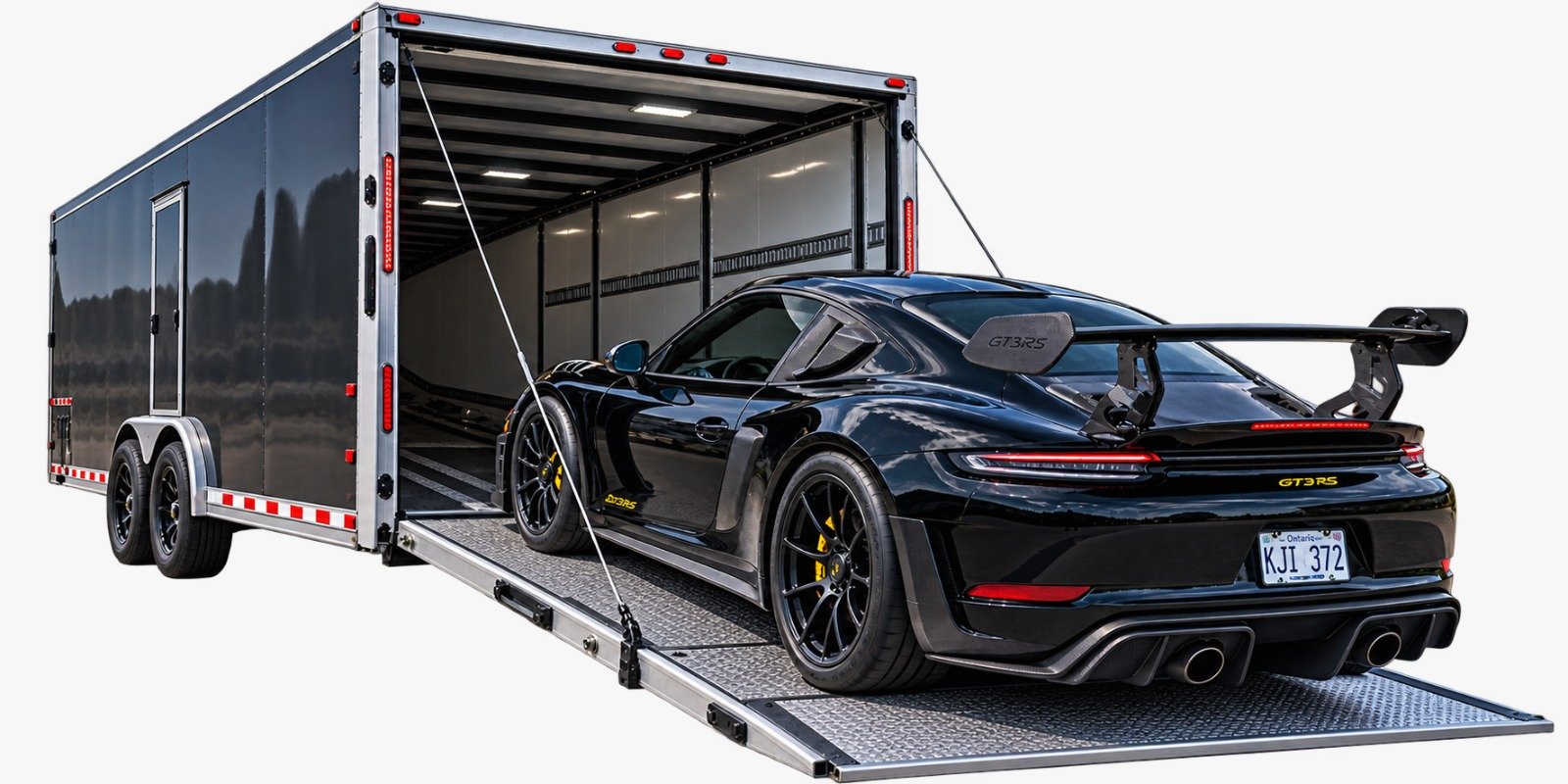
If you are shipping a luxury sports car, collector vehicle, classic automobile, or brand-new dealership purchase during winter or early spring, enclosed vehicle shipping provides complete shielding inside a hard-sided trailer. Your vehicle stays completely protected from snow, road salt, gravel, and freezing rain from pickup to delivery.
Rail Transport (Consistent Cross-Country Capacity)
For long-distance moves between major metropolitan hubs, rail transport utilizes enclosed automotive railcars that are less susceptible to localized highway snowstorms and offer reliable transcontinental scheduling. Pairing terminal drop-off with rail transit can be a smart strategy during peak summer highway congestion or unpredictable mid-winter weather.
Door-to-Door vs. Terminal-to-Terminal Scheduling
Choosing door-to-door car shipping maximizes convenience in any season, especially when winter temperatures make travelling to a regional depot inconvenient. Note that in dense urban neighbourhoods or narrow residential streets with heavy snowbanks, drivers may coordinate a nearby wide commercial parking lot for safe loading and unloading.
When Should You Book Car Transport in Canada?
Knowing how far in advance to schedule cross-country car shipping prevents last-minute stress and helps lock in favourable carrier space. Use these seasonal lead times as a practical benchmark:
- Peak Summer (June – August): Book 2 to 4 weeks in advance. Early booking gives dispatchers ample time to match your vehicle with an established carrier on high-demand routes.
- Shoulder Seasons (April – May & September – October): Book 1 to 2 weeks in advance. Carrier availability is balanced, making scheduling straightforward.
- Winter Months (November – March): Book 1 to 2 weeks in advance—or 3 weeks ahead if shipping around the late-December holiday period—while building a 2-to-4-day weather buffer into your arrival plans.
5 Practical Tips to Get the Best Seasonal Rate
- Keep Pickup Windows Flexible: Offering a 2-to-3-day pickup window allows dispatchers to pair your vehicle with a carrier already scheduled along your corridor, reducing deadhead miles and lowering your quote.
- Avoid Month-End Bottlenecks When Possible: Residential leases across Canada typically turn over on the 1st and last day of the month. Shipping mid-month often yields smoother pickup scheduling.
- Prepare Your Vehicle for Seasonal Conditions: Remove all loose personal items, fold in side mirrors, keep the fuel tank around a quarter full, and document existing vehicle condition with clear photos prior to handover.
- Check Provincial Highway Conditions Ahead of Dispatch: Reviewing provincial travel advisories via Environment and Climate Change Canada helps you anticipate whether severe weather might affect pickup or delivery timing.
- Request an Accurate, Route-Specific Quote: Because distance, vehicle dimensions, transport type, and exact origin/destination postal codes all factor into pricing, requesting a customized estimate through our online car shipping quote tool gives you real-time market clarity.

Frequently Asked Questions
May, September, and October are widely considered the best months to transport a car across Canada. During these shoulder months, highways are largely free of snow and ice, extreme summer heat is absent, and residential moving demand is lower than during the June-to-August peak—giving you reliable transit times and balanced pricing.
Yes, shipping a car in winter is completely safe when coordinated with experienced, licensed carriers. Drivers actively monitor weather systems and highway advisories, pausing travel during severe storms. If you want to prevent exposure to winter road salt and slush, you can choose enclosed vehicle shipping for complete weather protection.
Summer is Canada's peak relocation season. Household moves, corporate transfers, student relocations, and dealership inventory shipments all surge between June and August. Because carrier trailer capacity is finite, higher shipping volume drives up seasonal rates and requires booking further ahead.
Yes. Between October and November, southbound snowbird shipping increases demand out of Ontario, Quebec, British Columbia, and Alberta, while northbound returns surge in March and April. Even if you are shipping strictly within Canada, shared carrier capacity along major feeder routes can tighten during those transition weeks.
Auto transport carriers are licensed to haul motor vehicles rather than household goods, and extra cargo adds weight that affects axle limits and carrier insurance coverage. Depending on the carrier and transport mode, small amounts of secured items in the trunk may be permitted under specific weight limits—always confirm requirements with your Optixtrace coordinator before loading.
Planning Your Cross-Country Shipment Around the Calendar
Ultimately, the best time of year to ship a car in Canada depends on what matters most for your move. If you want mild highway conditions, predictable pickup and delivery schedules, and reasonable pricing, target the spring and autumn shoulder months of April, May, September, or October. If your priority is securing the lowest off-peak rate and your timeline can accommodate occasional winter weather delays, November or January through early March offers strong value.
No matter which month you choose to ship, working with an experienced Canadian vehicle transportation provider ensures your car is matched with reliable equipment, transparent communication, and route-specific planning from coast to coast.
Looking to Ship Your Vehicle Across Canada?
Whether you are relocating this summer, buying a vehicle out of province, or planning an off-peak winter shipment, Optixtrace coordinates dependable open, enclosed, and rail transport across every Canadian province.
Get a Free Car Shipping Quote