
Moving a vehicle across more than 3,400 kilometres of Canadian highway requires careful coordination. Whether you are relocating for work, purchasing a vehicle from an out-of-province dealership, or managing fleet transfers between Alberta and Ontario, Calgary to Toronto car shipping offers a practical alternative to a multi-day cross-country drive.
Driving from the foothills of the Rockies through the Prairies and around the rugged north shore of Lake Superior puts heavy wear on a vehicle while exposing drivers to unpredictable weather and fatigue. Working with an experienced logistics coordinator like Optixtrace Car Shipping streamlines the entire relocation process, connecting your vehicle with vetted commercial carriers and clear scheduling from pickup to drop-off.
Why Choose Professional Calgary to Toronto Auto Transport?
The highway route between Calgary and the Greater Toronto Area spans roughly 3,400 to 3,500 kilometres depending on whether a driver travels through Northern Ontario along Highway 11 or Highway 17. Completing that journey behind the wheel typically takes four to five full days of driving under ideal road conditions.
Booking dedicated Calgary to Toronto car shipping eliminates the hidden costs and operational strains of a personal road trip:
- Reduced Mechanical Wear and Depreciation: Adding 3,400+ kilometres to your odometer accelerates tire wear, oil degradation, and stone-chip exposure, which matters especially for leased vehicles, low-mileage collector cars, or dealership inventory.
- Predictable Travel Logistics: Instead of coordinating fuel stops, highway hotels, meals, and time off work, you can fly between Calgary International Airport (YYC) and Toronto Pearson (YYZ) in roughly four hours while an auto transport carrier handles the highway miles.
- All-Season Corridor Experience: Professional highway carriers operate year-round across the Prairies and Northern Ontario, monitoring provincial road reports through services like 511 Alberta and Ontario 511 to navigate seasonal weather safely.
Best Way to Transport a Vehicle from Calgary to Toronto
Selecting the right equipment depends on your vehicle type, ground clearance, budget, and timeline. When coordinating vehicle transportation services across Canada, customers generally choose between open-air highway haulers, enclosed trailers, or rail transport.
| Transport Method | Best Suited For | Protection Level | Routing & Flexibility |
|---|---|---|---|
| Open Car Carrier Transport | Daily drivers, sedans, SUVs, pickup trucks, dealership stock | Standard highway exposure; vehicles secured on multi-level decks | Most frequent departures; supports door-to-door or terminal service |
| Enclosed Vehicle Transportation | Luxury cars, exotics, classic vehicles, custom builds, low-clearance sports cars | Full shielding from road salt, gravel, snow, and rain inside hard-sided trailers | Specialized scheduling with hydraulic liftgates for low-profile loading |
| Rail Transport | Standard passenger vehicles travelling between major metro rail hubs | Fully enclosed railway auto-rack cars protected from highway debris | Terminal-to-terminal rail yards; ideal for flexible timelines |
Open Car Carrier Transport
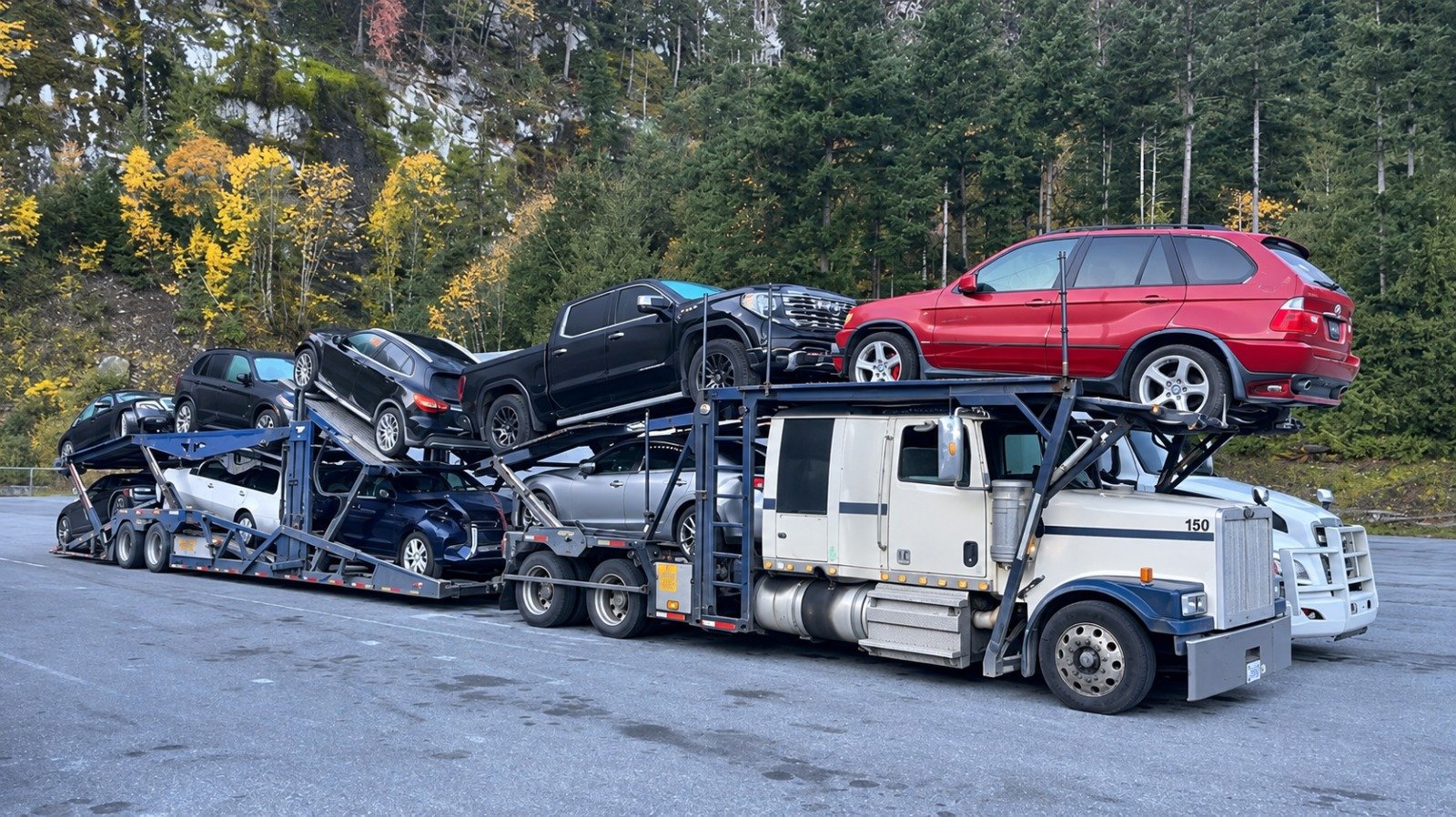
For most individuals and dealerships moving everyday cars, crossovers, or light-duty trucks, open car carrier transport is the industry standard. Multi-level open trailers carry between seven and ten vehicles at once, keeping per-vehicle logistics efficient while maintaining regular weekly departures out of Calgary toward Southern Ontario.
Enclosed Vehicle Transportation
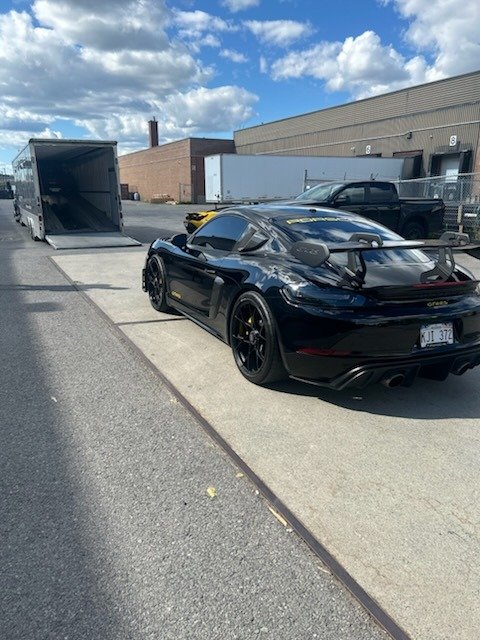
If you are shipping a high-value collector car, exotic sports car, or freshly restored classic during Canadian winter or spring thaw conditions, enclosed vehicle transportation provides full exterior protection. Enclosed carriers use soft-tie wheel straps and hydraulic liftgates so low-clearance bumpers never scrape during loading.
Railway Vehicle Transportation
Canada's transcontinental rail network also moves passenger vehicles between major Western and Eastern terminals. With rail transport services, vehicles are loaded into enclosed railway auto-racks in the Calgary area and unloaded at a designated Ontario rail compound for pickup or local drayage.
Door-to-Door vs. Terminal-to-Terminal Auto Transport
Beyond choosing the trailer style, you will decide how your vehicle is handed over in Calgary and received in the Greater Toronto Area.
Door-to-Door Auto Transport
The carrier picks up and delivers as close to your residential or commercial addresses as municipal bylaws and street width safely allow. In dense Toronto neighbourhoods or cul-de-sacs where a 75-foot transport rig cannot safely turn around, the driver meets you at a nearby wide avenue or commercial plaza.
Terminal-to-Terminal Shipping
You drop your car off at a secure storage compound near Calgary and pick it up at a partner facility in the GTA (such as Brampton, Mississauga, or Vaughan). This option works well if your flight schedule does not align with a driver's residential arrival window.
Step-by-Step Guide to Shipping a Car from Calgary to Toronto
Understanding how to ship a car from Calgary to Toronto removes guesswork from moving day. Here is how a typical cross-country shipment progresses from initial quote to final key handover.
Request Accurate Vehicle Transport Quotes
Submit your vehicle's year, make, model, operating condition (running or non-running), pickup postal code in Calgary, and destination postal code in Toronto. Mention any aftermarket modifications such as roof racks, lift kits, or oversized tires so the dispatcher assigns the proper deck height.
Confirm Booking and Dispatch Scheduling
Once you approve your transport plan, your coordinator schedules your vehicle onto a vetted auto transport carrier running the Alberta-to-Ontario lane. You receive an estimated pickup window—typically spanning two to four days—allowing flexibility for highway traffic and loading sequences.
Origin Vehicle Inspection Report and Bill of Lading (BOL)
At pickup in Calgary, the driver walks around your vehicle with you to document existing scratches, dents, glass chips, and odometer reading on the vehicle inspection report. Both parties sign the Bill of Lading (BOL), which acts as your official transport receipt and condition record.
Cross-Country Transit Across the Trans-Canada Corridor
Your vehicle travels eastward through Saskatchewan, Manitoba, and Northern Ontario toward the Greater Toronto Area. Commercial drivers adhere strictly to federal Transport Canada commercial vehicle hours-of-service regulations, which govern daily driving limits and mandatory rest periods.
Destination Inspection and Delivery Sign-Off
Roughly 24 hours before arrival in Toronto, the driver contacts you to confirm the exact meeting time and location. Upon unloading, compare the vehicle's condition against your origin Bill of Lading before signing the final delivery receipt and collecting your keys.

What to Know Before Shipping: Vehicle Preparation Checklist
Taking thirty minutes to prepare your car before pickup helps prevent loading delays and ensures an accurate exterior inspection.
- Wash the Exterior: Dirt, road grime, or snow can mask small stone chips or surface scuffs. A clean exterior makes the pickup inspection clear and objective for both you and the driver.
- Leave Fuel at Roughly One-Quarter Tank: A quarter tank provides enough fuel for loading, unloading, and terminal shuffling without adding unnecessary weight to the transport trailer.
- Remove Personal Belongings and Loose Items: Commercial auto carriers are licensed to transport motor vehicles rather than household goods. Clear out loose electronics, garage door openers, dash cams, and heavy cargo, and remove roof boxes or bike racks.
- Check Battery Charge, Tire Pressure, and Fluid Leaks: Ensure the battery starts reliably, tires are properly inflated, and there are no active fluid leaks that could drip onto vehicles positioned on lower decks.
- Disable Aftermarket Alarms and Toll Transponders: Deactivate sensitive motion alarms that could trigger from trailer vibration, and remove any Ontario 407 ETR transponders so they do not register accidental charges during transit.
- Provide a Full Set of Keys: Hand over the ignition key, key fob, and any wheel-lock lug keys required to secure the vehicle safely.
Take timestamped photos before the carrier departs Calgary: Snap clear photos of all four corners, the roofline, windshield, wheels, and odometer right after washing your vehicle. Keeping these alongside your signed Bill of Lading gives you complete peace of mind at delivery.
How Much Does It Cost & How Long Does Car Shipping Take?
Because every shipment involves distinct vehicle dimensions, seasonal demand, and routing details, exact rates and schedules are calculated per booking rather than flat-rate brackets. Several core variables determine your final quote and transit window when you request a customized vehicle transport quote:
- Vehicle Size and Curb Weight: Compact sedans take up less deck space and payload capacity than full-size pickup trucks, three-row SUVs, or commercial cargo vans.
- Trailer Selection: Standard open carrier transport is the most economical choice, whereas enclosed trailers and expedited single-vehicle setups carry higher operating costs.
- Seasonal Volume Shifts: Demand on the Alberta-to-Ontario corridor fluctuates around spring/summer moving peaks, university relocation periods, and winter snowbird travel.
- Pickup and Drop-Off Accessibility: Direct residential delivery in central Toronto requires more coordination than dropping off at a suburban hub near major Highway 401 corridors.
- Operable vs. Inoperable Status: Non-running vehicles require specialized winch-equipped trailers and extra loading time at both ends.

Registering an Alberta Vehicle After Arrival in Ontario
If you are permanently relocating from Calgary to Toronto, shipping your vehicle is only part of the transition. Ontario requires new residents to register out-of-province vehicles promptly through ServiceOntario.
Before visiting a ServiceOntario centre, prepare the following documentation:
- Ontario Auto Insurance Policy: Arrange Ontario-compliant insurance coverage before applying for local plates, as your Alberta policy will not satisfy Ontario registration rules long term.
- Safety Standards Certificate (SSC): Have your vehicle inspected by a licensed Ontario Motor Vehicle Inspection Station to obtain a valid Safety Standards Certificate.
- Original Alberta Registration and Proof of Ownership: Bring your existing Alberta vehicle registration permit, bill of sale (if newly purchased), and valid driver's licence.
- Out-of-Province Tax Exemption Eligibility: If you already owned and registered the vehicle in Alberta before moving to Ontario as a new resident, you may qualify for a retail sales tax exemption on the vehicle—verify current rules through official Government of Canada and provincial ServiceOntario portals.
Frequently Asked Questions About Calgary to Toronto Car Shipping
Commercial auto carriers are regulated to haul motor vehicles rather than household goods, and cargo insurance covers the vehicle itself rather than personal belongings. Most carriers require the cabin and trunk to be empty, or only permit minimal lightweight items below the window line upon prior approval. Removing valuables, electronics, and loose boxes avoids overweight issues and inspection delays.
Reputable commercial carriers carry active motor truck cargo liability insurance covering vehicles while in transit on their trailer. Before dispatch, confirm the carrier's cargo coverage details and ensure your origin Bill of Lading accurately documents pre-existing cosmetic marks so any transit-related claim is straightforward.
Multi-car highway haulers can exceed 70 feet in length and face strict municipal parking and turning restrictions in downtown Toronto neighbourhoods. If direct curb access is unsafe or restricted, the driver will coordinate a convenient meeting point nearby—such as a wide arterial road or large retail parking lot—so your vehicle can be unloaded safely.
Yes, inoperable vehicles can be transported as long as the wheels roll, steer, and brake freely. Be sure to disclose that the vehicle is non-running when requesting your quote so dispatch assigns a carrier equipped with a winch or specialized loading ramp.
Booking one to two weeks ahead of your target pickup window gives dispatchers the widest selection of open, enclosed, or rail options on the Calgary-to-Toronto corridor. If you are moving during peak summer months or requesting enclosed transport, reserving two to three weeks early is recommended.
Planning Calgary to Toronto car shipping comes down to choosing the right trailer type for your vehicle, preparing your car properly before pickup, and verifying every detail on your Bill of Lading at both ends of the trip. Whether you are relocating across provinces, buying a car remotely, or coordinating dealership inventory between Alberta and Ontario, working with an experienced transport coordinator keeps your schedule predictable and your vehicle protected.
Looking to Ship Your Vehicle Across Canada?
Coordinate safe, reliable door-to-door or terminal vehicle transport between Calgary, Toronto, and major cities nationwide with Optixtrace Car Shipping.
Get a Free Car Shipping Quote