
Planning a move from Alberta to the West Coast, finalizing a cross-provincial vehicle purchase, or relocating dealership inventory requires careful logistics planning. Choosing professional Calgary to Vancouver car shipping eliminates nearly 1,000 kilometres of mountain highway driving through the Canadian Rockies, saving you fuel expenses, hotel stays, and unnecessary wear on your odometer.
Whether you are coordinating a household move or arranging Calgary to Vancouver vehicle transport for a newly acquired car, understanding how carrier pricing, mountain corridor routing, and delivery windows work helps you book with confidence. At Optixtrace Car Shipping, we coordinate dependable vehicle transport solutions across Canada tailored to individual drivers, relocating families, and commercial partners.
How Much Does It Cost to Ship a Car from Calgary to Vancouver?
When researching how much does it cost to ship a car from Calgary to Vancouver, you will quickly notice that reputable auto transport providers calculate rates dynamically rather than relying on a single flat fee. Because carrier fuel expenses, seasonal demand across the Rockies, and trailer space fluctuate throughout the year, the most accurate way to determine your exact rate is to request a customized auto transport quote based on your vehicle specifications and target dates.
Several core variables influence Calgary to Vancouver vehicle transport prices:
- Vehicle Size, Weight, and Ground Clearance: Compact sedans and hatchbacks occupy standard trailer slots and weigh considerably less than full-size pickup trucks, three-row SUVs, or extended cargo vans. Heavier and taller vehicles reduce the total number of units an auto transport carrier can legally haul, affecting per-vehicle pricing.
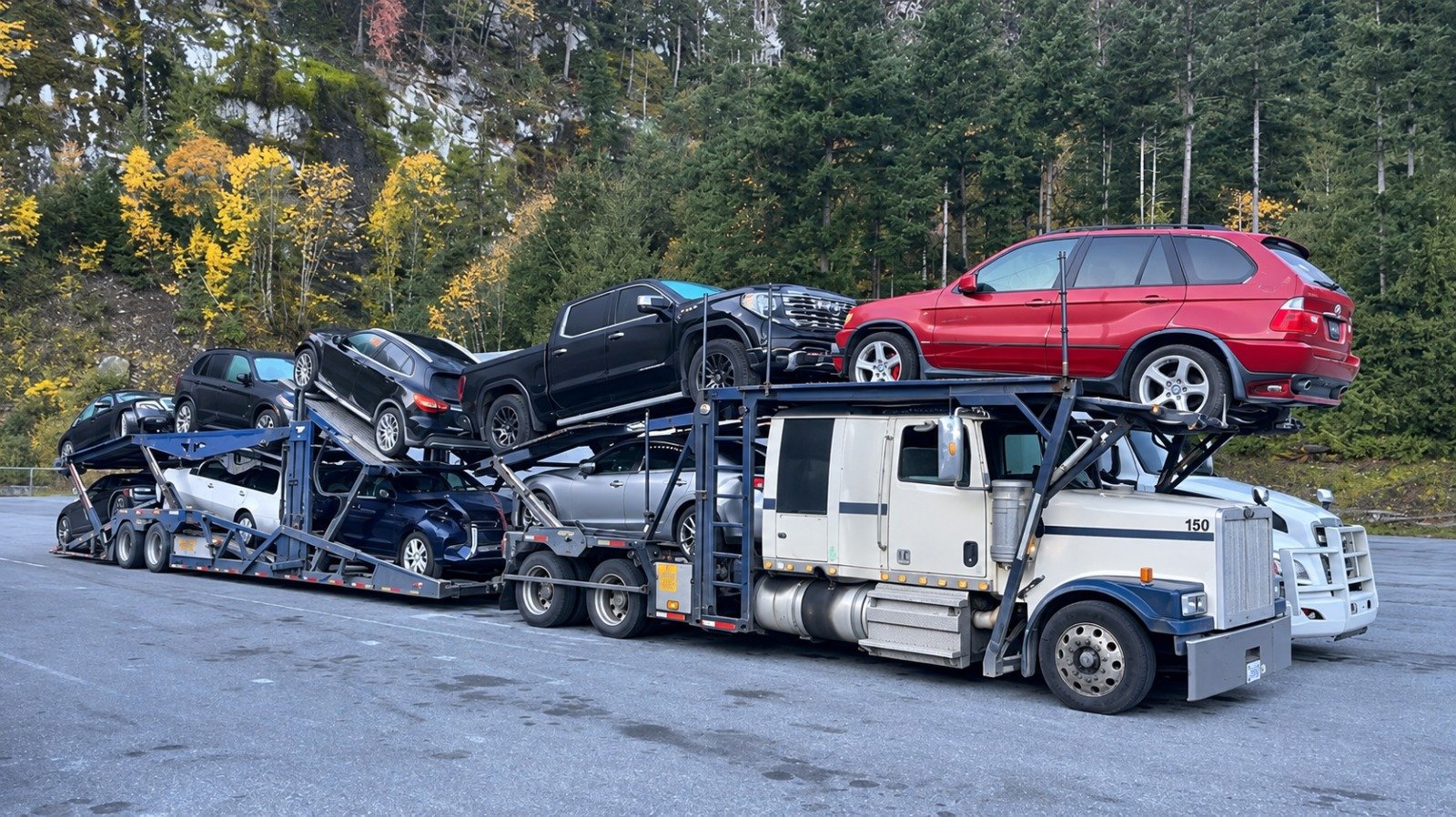
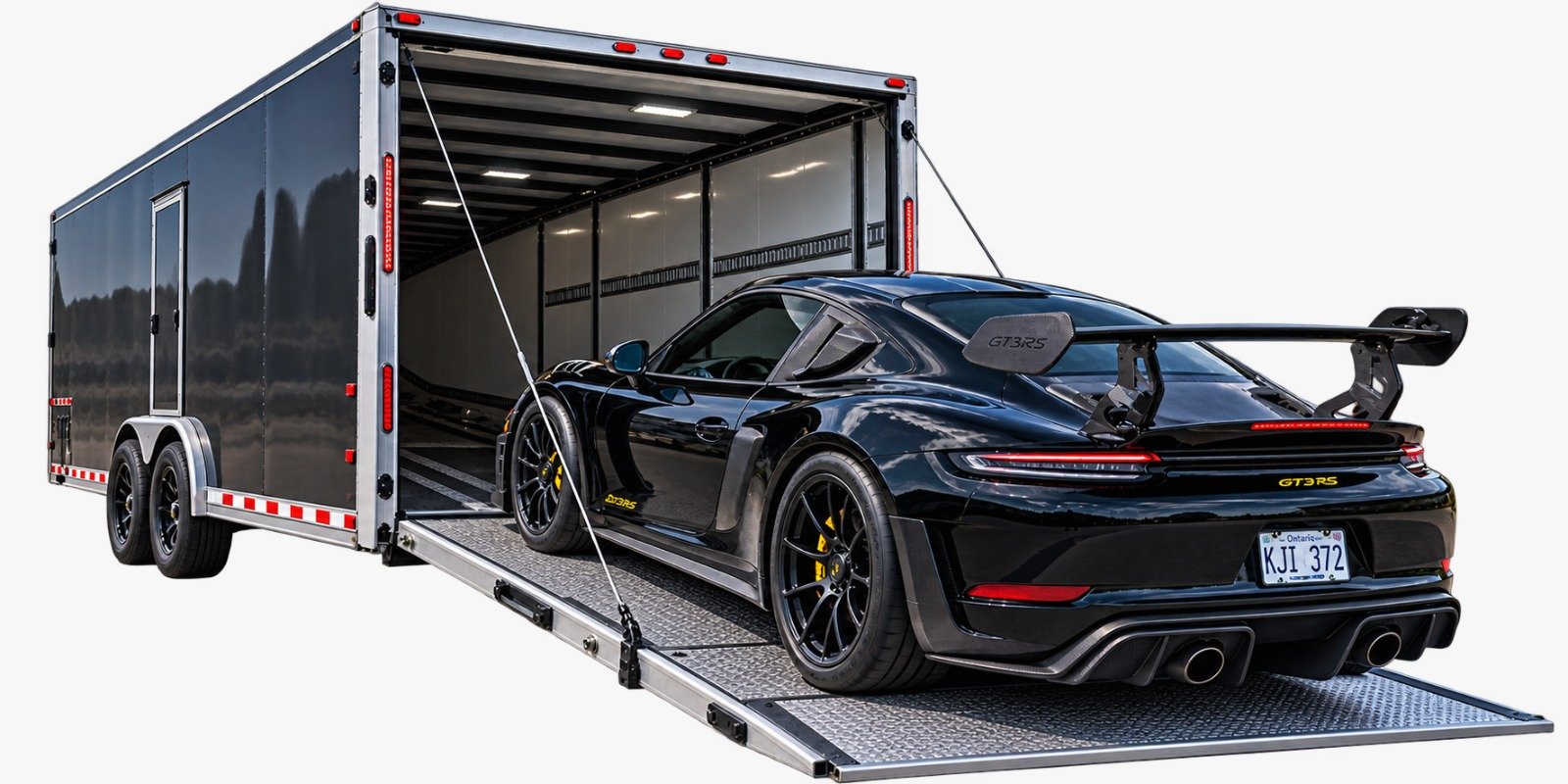
- Carrier Type (Open vs. Enclosed): Standard open car transport is the most economical and widely available choice for everyday vehicles. Choosing an enclosed trailer shields luxury, classic, or low-clearance sports cars inside a fully covered carrier, which commands a higher rate due to specialized equipment and lower trailer capacity.
- Pickup and Delivery Accessibility: Direct door-to-door auto transport offers maximum convenience, whereas dropping off and picking up at regional storage yards can sometimes lower overall expenses if you are looking for the cheapest way to ship a car from Calgary to Vancouver.
- Operational Condition: Vehicles that start, steer, and brake under their own power roll smoothly onto multi-level ramps. Non-running vehicles require specialized winch equipment or flatbed loading, which adds handling labour and equipment requirements.
- Seasonal Demand and Weather Conditions: Interprovincial moving peaks during late spring and summer, while winter snowstorms along British Columbia mountain passes can tighten carrier availability and impact operating costs.
Book Early for Flexible Rates: Scheduling your shipment one to two weeks ahead of your target pickup window gives dispatchers more flexibility to match your vehicle with an outbound carrier already heading west along Highway 1, helping you secure competitive car shipping rates Calgary to Vancouver.
Vehicle Transportation Distance and Alberta to BC Highway Routing
Understanding the vehicle transportation distance between Calgary and Metro Vancouver explains why professional logistics planning matters so much on this lane. By road, the primary route follows the Trans-Canada Highway (Highway 1) west through Banff National Park, Golden, Revelstoke, and Kamloops before connecting to Vancouver via the Coquihalla Highway (Highway 5) or the Fraser Canyon corridor—covering roughly 970 to 1,060 kilometres depending on exact pickup and drop-off postal codes.
While that distance can be covered in roughly 10 to 12 hours of continuous passenger-car driving in ideal summer weather, commercial multi-car carriers operate under strict federal safety frameworks. Under Transport Canada commercial vehicle drivers' hours-of-service regulations, professional drivers follow mandatory driving limits and rest periods to maintain safety across steep mountain grades.
Furthermore, auto transport from Alberta to BC traverses some of the highest-elevation highway passes in the country, including Rogers Pass and the Coquihalla Summit. Between October 1 and April 30, DriveBC enforces mandatory winter tire and chain regulations across British Columbia mountain corridors, and sudden snowfall or avalanche control closures can temporarily pause commercial highway traffic.
How Long Does Car Shipping from Calgary to Vancouver Take?
A common question from relocating residents and dealership buyers is how long does car shipping from Calgary to Vancouver take from initial booking to final key handover. Rather than a single guaranteed minute-by-minute timestamp, professional logistics providers work with a structured pickup window followed by an estimated delivery time in transit.
Because Calgary and Vancouver are major Western Canadian logistics hubs with frequent carrier departures, transit times on this corridor are among the fastest for interprovincial moves in the country. However, several operational stages determine your total timeline:
Carrier Assignment Window
Once your order is confirmed, dispatch coordinates an assigned truck operating on the Alberta-to-BC lane. Standard pickup windows typically span a few business days so carriers can consolidate full multi-vehicle loads efficiently.
Highway Transit Across the Rockies
Once loaded in Calgary, direct highway transit to the Lower Mainland generally takes only a few days under normal road conditions, accounting for mandatory driver rest breaks and scheduled intermediate stops in hubs such as Kelowna or Kamloops.
Keep in mind that winter storms, highway maintenance advisories monitored via 511 Alberta, and urban traffic congestion in Greater Vancouver can shift arrival times slightly. Working with a coordinator who provides proactive status updates ensures you know when your driver is approaching your destination.
Choosing Your Transport Method: Open, Enclosed, or Rail
Every vehicle and budget has different requirements. Whether you are arranging car shipping Calgary to Vancouver for a daily commuter hatchback, a collector coupe, or a commercial fleet unit, you can select from three primary vehicle transportation services across Canada.
| Transport Method | Best Suited For | Protection Level | Cost & Availability |
|---|---|---|---|
| Open Car Transport | Daily drivers, sedans, crossovers, SUVs, and pickup trucks | Standard outdoor exposure; securely strapped on multi-level decks | Most budget-friendly option with frequent weekly departures |
| Enclosed Vehicle Transport | Luxury vehicles, classic cars, exotics, and low-clearance sports cars | Full four-sided shelter from road grit, mountain gravel, snow, and rain | Premium rate due to specialized trailers and limited capacity |
| Rail Transport | Standard passenger vehicles moving between major intermodal hubs | Fully enclosed rail auto-rack cars shielded from highway debris | Competitive terminal-to-terminal option with fixed rail schedules |
Open Car Transport
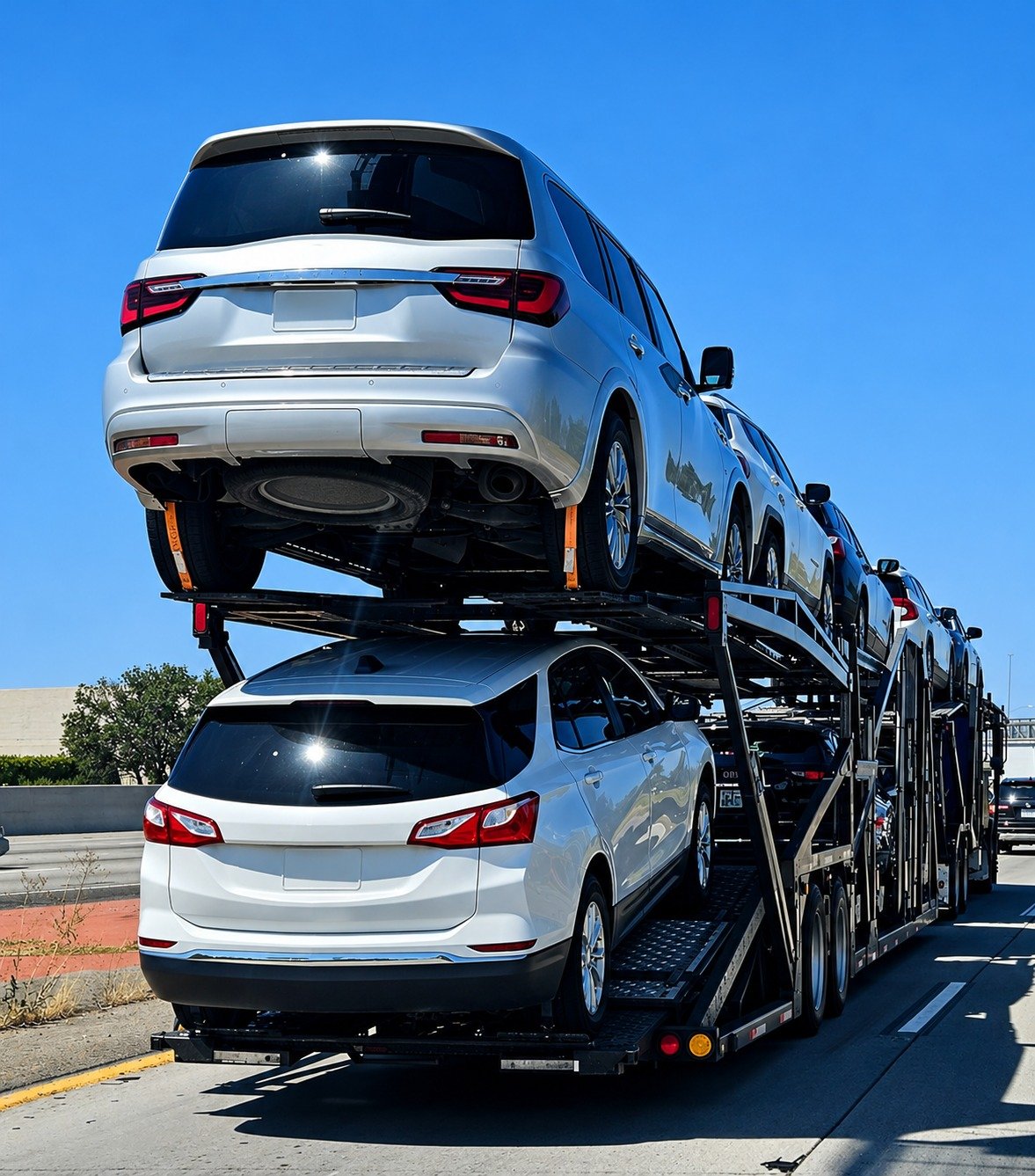
Open multi-vehicle carriers are the backbone of Calgary to Vancouver car transport—the exact same style of trailer automakers use to deliver brand-new inventory to dealerships across Canada. Your vehicle is secured using soft wheel straps on an upper or lower deck, offering reliable scheduling and the lowest cost per kilometre.
Enclosed Vehicle Transport
If you are shipping a high-value collector car, freshly restored classic, or luxury sports model through the Rocky Mountains—especially during autumn, winter, or early spring when gravel and de-icing agents are common on BC highways—enclosed vehicle transport provides complete protection from weather and road debris. Enclosed carriers often feature hydraulic liftgates to load low-ground-clearance vehicles without scraping front splitters.
Railway Vehicle Transportation
Because both Calgary and Metro Vancouver serve as major Western Canadian railway terminals, rail transport is another practical option for standard passenger cars and SUVs. Vehicles are driven into specialized enclosed rail auto-racks at an origin terminal and transported by freight rail to the destination rail yard, combining weather protection with steady intermodal transit.
Door-to-Door Car Shipping vs. Terminal-to-Terminal Delivery
Once you have chosen a carrier style, the next decision is how you want vehicle pickup and delivery handled at either end of the journey. Both options are widely used for shipping a car from Alberta to British Columbia:
- Door-to-Door Auto Transport: The carrier picks up and delivers your vehicle as close to your residential home, office, or dealership lot as municipal bylaws and street width safely allow. Because 75-to-80-foot car haulers cannot safely navigate tight cul-de-sacs, low-hanging tree branches, or narrow downtown Vancouver lanes, drivers commonly coordinate a nearby wide arterial road or spacious retail parking lot just minutes from your address.
- Terminal-to-Terminal Shipping: You drop your vehicle off at a designated storage facility in the Calgary area and collect it at a partner terminal in the Lower Mainland. This model works well if your travel schedule does not line up with a carrier's arrival window or if you want to minimize residential access complications.
If you are also coordinating moves to nearby British Columbia communities—such as Calgary to Kelowna car shipping in the Okanagan Valley—door-to-door or regional hub delivery can often be scheduled along the same westward corridor.
How to Transport a Vehicle from Calgary to Vancouver: Step-by-Step
If you have never arranged interprovincial auto transport before, knowing how to transport a vehicle from Calgary to Vancouver makes the experience straightforward from start to finish.
Request an Accurate Transport Quote
Provide your vehicle's year, make, model, operational condition, preferred transport type (open, enclosed, or rail), and pickup/delivery postal codes. Accurate vehicle dimensions ensure the dispatcher reserves the right deck space.
Confirm Your Booking and Pickup Window
Review your transport agreement, insurance terms, and target pickup dates. Once confirmed, dispatch assigns an vetted auto transport carrier scheduled on the Calgary-to-Vancouver lane and provides advance notice prior to arrival.
Origin Inspection and Bill of Lading
At pickup in Calgary, you (or your designated representative) and the driver walk around the vehicle together to document its existing exterior condition on the Bill of Lading (BOL). Both parties sign the inspection report before loading.
Destination Unloading and Final Sign-Off
Upon arrival in Vancouver, your vehicle is carefully unloaded and inspected again against the original Bill of Lading. Once you confirm everything matches the pickup report, you sign the delivery receipt and receive your keys.

Preparing Your Vehicle, Insurance, and BC Registration
A little preparation prior to carrier arrival prevents delays at loading and ensures smooth car delivery Calgary to Vancouver. Before your truck arrives, complete this quick pre-shipment checklist:
- Wash the Exterior: Clean paintwork makes it easy for both you and the driver to spot and note any pre-existing stone chips, scuffs, or door dings during the origin inspection.
- Remove Personal Belongings: Commercial auto carriers are licensed to transport vehicles rather than household goods, and loose items inside the cabin or trunk are generally not covered by carrier cargo insurance. Remove electronics, tools, and personal valuables ahead of time.
- Leave Roughly a Quarter Tank of Fuel: Keeping the fuel gauge around one-quarter full gives drivers plenty of fuel for loading and unloading without adding unnecessary weight to the trailer.
- Check Battery, Tire Pressure, and Fluid Leaks: Ensure the battery holds a solid charge, tires are properly inflated, and there are no active fluid leaks that could drip onto vehicles parked on lower decks.
- Retract Antennas and Fold Mirrors: Lower or remove extendable antennas, fold in side mirrors, and disable aftermarket alarms so vibration during highway transit does not drain the battery.
Understanding Vehicle Shipping Insurance and Interprovincial Rules
Reputable carriers operating on Canadian interprovincial routes carry commercial cargo liability insurance covering your vehicle while it is in their care, custody, and control during loading, transit, and unloading. Always review the carrier's cargo coverage details and deductibles before dispatch, and keep your own personal provincial auto policy active throughout the move. For general guidance on how Canadian auto insurance works across provincial borders, you can consult resources from the Insurance Bureau of Canada (IBC).
If you are permanently relocating to British Columbia or importing a vehicle bought from an Alberta seller, remember that British Columbia requires out-of-province vehicles to pass a provincial safety inspection before registration and licensing with ICBC, subject to applicable interprovincial exemptions such as the New West Partnership Trade Agreement for eligible private passenger vehicles.
Frequently Asked Questions About Calgary to Vancouver Car Shipping
Commercial auto carriers are regulated to haul motor vehicles rather than household moving boxes. Loose personal items inside the vehicle are typically excluded from cargo insurance, can shift during mountain braking, and add extra axle weight. It is best to ship your vehicle empty aside from standard factory accessories like a spare tire and jack.
Choosing standard open car transport with flexible pickup dates is generally the most cost-effective way to move a running vehicle between Calgary and Vancouver. Being open to meeting the driver at an easily accessible commercial parking lot—or utilizing terminal-to-terminal drop-off—also helps avoid tight residential access surcharges.
Either you or an authorized adult representative (such as a family member, friend, or dealership staff member) must be present at both pickup and delivery. Someone needs to hand over the keys, verify the vehicle's condition on the Bill of Lading, and sign the inspection paperwork.
Yes. Electric vehicles, mid-size and full-size SUVs, pickup trucks, and commercial vans are regularly transported between Alberta and British Columbia. Because EVs and commercial vans have higher curb weights or roof heights, providing accurate model details during quoting ensures proper trailer placement.
Auto carriers operate year-round between Calgary and Vancouver, including throughout winter. However, heavy snowfall, avalanche control closures on Highway 1, or severe storms on the Coquihalla Highway can occasionally delay transit by a day or two to keep drivers and cargo safe. If you are shipping a luxury or classic car in winter, enclosed transport is strongly recommended to shield the finish from road salt and sand.
Planning a Smooth Calgary to Vancouver Vehicle Move
Arranging professional Calgary to Vancouver car shipping takes the stress, winter mountain risk, and extra mileage out of moving a vehicle between Alberta and British Columbia. By choosing the right carrier mode for your vehicle's value, preparing your car ahead of pickup, and booking early enough to give dispatchers optimal routing flexibility, you can enjoy a transparent, predictable delivery experience from start to finish.
Looking to Ship Your Vehicle Across Canada?
Whether you are relocating from Calgary to Vancouver, purchasing a vehicle out of province, or coordinating commercial fleet moves, Optixtrace Car Shipping provides reliable, tailored transport solutions nationwide.
Get a Free Car Shipping Quote