
When your vehicle arrives after a long haul across Canada, taking 10 to 15 unhurried minutes for a structured car delivery inspection is the single most important step you can take before signing off on the shipment. Whether you are relocating from Ontario to British Columbia, receiving dealership inventory, or taking delivery of an out-of-province purchase, your signature on the carrier's paperwork confirms the condition in which the vehicle was handed over.
Knowing exactly what to check when your car is delivered protects both you and the transport carrier. Below is a practical, step-by-step vehicle delivery inspection guide covering exterior checks, mechanical basics, Bill of Lading documentation, and what to do if you spot any issues upon arrival.

Why a Thorough Vehicle Delivery Inspection Matters
Shipping a vehicle across long Canadian corridors—such as a Toronto to Vancouver car shipping route or a regional transfer between Alberta and Saskatchewan—exposes a vehicle to loading ramps, wheel straps, highway dust, and changing seasonal weather. While professional carriers follow strict securement standards outlined by bodies such as the Canadian Council of Motor Transport Administrators (CCMTA), verifying the vehicle's condition at drop-off remains essential.
At pickup, the driver and shipper complete a pre-shipment inspection and record existing marks on the Bill of Lading (BOL). When the vehicle reaches its destination, the post-delivery inspection compares the car's arrival state against that baseline report. Once you sign the delivery confirmation without noting discrepancies, proving that a mark occurred in transit becomes significantly harder.
- Establishes Clear Accountability: Comparing pre-shipment notes with post-delivery findings separates pre-existing wear from new transport damage.
- Protects Insurance & Claim Eligibility: Carriers and cargo insurers rely directly on annotated BOL records and timestamped photos taken at the time of delivery.
- Prevents Missed Details for Dealerships & Buyers: For dealerships receiving multi-unit loads or private buyers importing a car from another province, catching minor cosmetic or glass issues immediately keeps handover records clean.
What to Do When Your Shipped Car Arrives: Immediate Steps
Before you start walking around the car with a checklist, set up the right environment for an accurate visual review. Rushing through an inspection in dim lighting or while the car is still on the trailer deck is the most common reason small scuffs are overlooked.
- Have Your Pre-Shipment Documentation Ready: Bring a copy of your origin Bill of Lading and the timestamped photos you took before pickup so you can compare panel by panel.
- Wait Until the Vehicle Is Fully Unloaded: Never sign off while the car is still secured on the upper or lower deck. Wait until the driver safely unloads the vehicle onto flat, accessible ground.
- Move to Well-Lit, Open Space: If delivery occurs at dusk, indoors, or in a shaded terminal yard, ask to inspect the vehicle in daylight or use a bright LED flashlight held at a shallow angle across painted panels.
- Account for Road Dust and Weather Film: Vehicles shipped on open carriers across provinces often arrive with road grime, winter salt residue, or light dust. Gently wipe suspicious marks with a clean microfibre cloth and water if needed to distinguish surface dirt from an actual scratch.
Check current road and weather conditions ahead of delivery day: When receiving a vehicle during Canadian winter or spring thaw, checking provincial advisories like DriveBC or Ontario 511 helps you anticipate road spray on arrival and have microfibre towels and a flashlight ready at drop-off.
Complete Car Delivery Inspection Checklist: Exterior Walk-Around
A reliable car delivery checklist follows a consistent clockwise path around the vehicle so no panel or lower component is skipped. Pay special attention to high-contact zones near the bumpers, wheel wells, roof edges, and rocker panels where tie-downs and loading ramps sit closest to the bodywork.
Exterior Scratches, Dents & Trim
- Inspect front and rear bumpers, including lower valances and lip spoilers, for scrapes from loading angles.
- Check all four doors, fenders, and quarter panels for door dings, swirl marks, or fresh paint chips.
- Look along the hood and roof edges for overhead clearance contact or debris marks.
- Verify side mirrors, door handles, badges, and exterior trim mouldings are intact and firmly attached.
Windshield, Windows & Lenses
- Examine the windshield closely for stone chips, bullseyes, or hairline cracks that can spread in cold weather.
- Inspect side windows, rear glass, and panoramic sunroof panels for chips or seal displacement.
- Check headlight housings, daytime running lights, fog lights, and tail light lenses for cracks or moisture.
- Test turn signals, brake lights, and hazard lights before the driver departs.
Rims, Tire Sidewalls & Undercarriage
- Inspect alloy rims and hubcaps for fresh gouges or scuffs caused by over-the-wheel tie-down straps.
- Check tire treads and sidewalls for cuts, bulges, or visibly low air pressure.
- Look beneath the front bumper, side skirts, and exhaust tips for scraping or bent brackets.
- Check the ground under the vehicle for fresh drips of oil, coolant, or transmission fluid.
Antennas, Wipers & Removable Items
- Confirm roof racks, antennas, spoilers, and mud flaps remain tight and undamaged.
- Check windshield wiper arms and blades to ensure they sit properly against the glass.
- Verify front licence plate brackets and tow-hook covers are still in place.
- Confirm any loose parts removed prior to transit (such as custom splitters) are accounted for.

Interior, Odometer, and Mechanical Checks After Shipping
Once your exterior vehicle condition inspection is complete, open the doors and check the cabin and basic mechanical functions. Even though drivers only start and move vehicles during loading and unloading, verifying interior cleanliness and dashboard status ensures everything operates just as it did at pickup.
Cabin and Personal Belongings
- Upholstery and Trim: Check seats, door panels, steering wheel, and centre console for grease smudges, scuffs, or tears.
- Glass and Mirrors Inside: Confirm the rearview mirror is properly adjusted and interior sun visors or overhead consoles are intact.
- Approved Trunk Items: If you arranged to ship approved personal items inside the trunk or cargo area, verify those items are present and undisturbed.
Odometer Reading and Functional Systems
- Odometer Reading: Compare the current odometer reading against the mileage recorded on your origin Bill of Lading. A few kilometres of variance is normal for terminal staging and loading, whereas unexpected mileage should be noted immediately.
- Warning Lights and Ignition: Start the engine and verify that no new check-engine, ABS, airbag, or tire-pressure warning lights remain illuminated on the instrument cluster.
- Brakes, Steering, and Transmission: Gently test the parking brake, shift through gears, and confirm the steering wheel feels aligned when rolling forward a short distance.
- Keys and Remotes: Verify that all key fobs, spare keys, or valet keys handed over at origin are returned to you.
Inspection Focus by Transport Method: Open, Enclosed, Flatbed & Rail
Different shipping methods protect vehicles in different ways across Canadian routes. Tailoring your car shipping inspection to the trailer or rail mode used helps you focus on the areas most relevant to that service.
| Transport Method | Typical Vehicle Profile | Primary Delivery Inspection Focus |
|---|---|---|
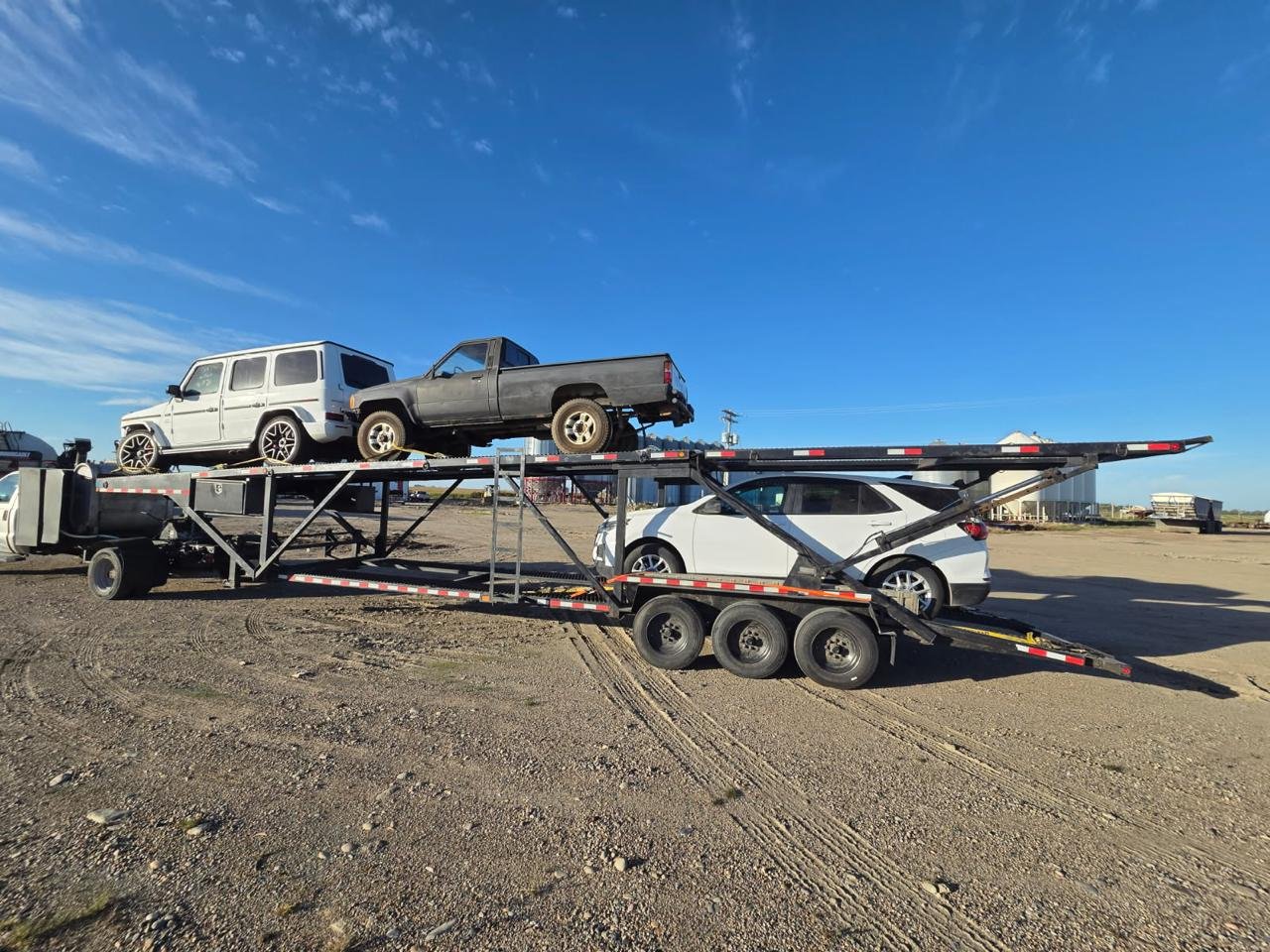
| Open Auto Transport | Daily drivers, family SUVs, pickup trucks, fleet & dealership units | Road dust vs. paint chips on hood/windshield, wheel strap marks on rims, and lower bumper clearance after ramp unloading. |
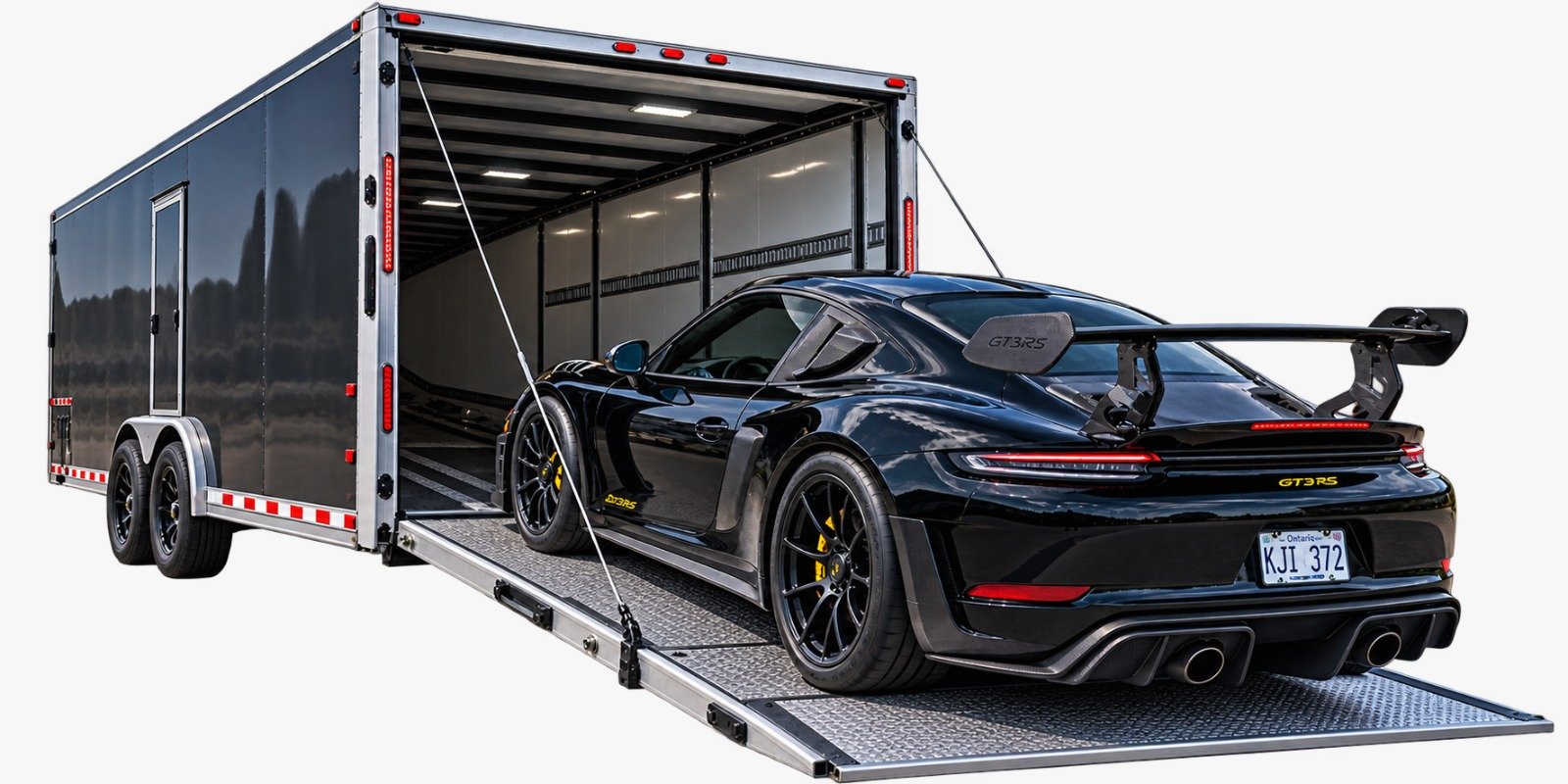
| Enclosed Car Transport | Luxury, classic, exotic, collector, and low-clearance sports cars | Pristine paint surfaces, low front splitters/diffusers, interior cleanliness, and liftgate unloading alignment. |
| Rail Vehicle Transport | Long-distance interprovincial shipments between major Canadian hubs | Terminal handoff documentation, battery charge after multi-day rail transit, and exterior panels from ramp transfers. |
| Flatbed & Specialized Carrier | Commercial vans, oversized trucks, modified or non-running vehicles | Winch attachment points, underbody frame rails, axle tie-down zones, and securement around heavy-duty tires. |
Whether you coordinate standard door-to-door open transport to your residential street or pick up a vehicle at a regional yard via terminal-to-terminal rail transport, the same rule applies: complete your full walk-around before signing the final delivery receipt.
How to Document Vehicle Damage After Shipping
In the rare event that you notice a new scratch, dent, cracked windshield, or missing component during your vehicle damage inspection, stay calm and follow a clear documentation process while the driver is still present. Professional carriers take damage reporting seriously, and accurate documentation at drop-off makes resolution straightforward.
- Point Out the Issue to the Driver Immediately: Walk the driver directly to the affected area and compare it side by side with the pre-shipment condition diagram on the Bill of Lading.
- Write Specific Notes on the Bill of Lading: Clearly describe the exact location and type of damage on both the driver's copy and your copy of the BOL (for example: "New 4 cm scratch on rear passenger door above handle — not present at pickup"). Never sign a blank or "received in good condition" line if new damage exists.
- Ensure Both Parties Sign the Annotated Report: Ask the driver to initial or sign next to the newly noted exception on the delivery receipt so there is mutual acknowledgment of the notation.
- Take High-Resolution Photos and Video: Capture both wide-angle shots showing the whole side of the car and close-up photos with clear lighting, alongside a short video showing the vehicle near the transport truck at the delivery location.
- Notify Your Transport Coordinator Promptly: Contact Optixtrace Car Shipping right away with your order number, annotated BOL copy, and photos so our logistics team can guide the next steps with the carrier.
Do not authorize repairs before reporting the claim: Keep the vehicle in its arrival condition until the carrier and cargo insurer review your annotated Bill of Lading and photos. Repairing a panel before documentation is submitted can complicate claim verification.
Frequently Asked Questions About Inspecting a Car After Shipping
Answers to common questions from individuals, dealerships, and commercial shippers receiving vehicles across Canada.
Yes, and you should never skip the inspection because of darkness, rain, or snow. Use a bright flashlight or smartphone light to inspect painted surfaces, glass, and wheels, and note on the Bill of Lading if poor lighting or heavy weather prevented a full daytime visual check of wet or snow-covered panels. Follow up with daytime photos as soon as possible.
You can designate a trusted friend, family member, dealership representative, or receiving agent to accept the vehicle on your behalf. Share your pre-shipment photos and this car delivery inspection checklist with them ahead of time so they know to inspect the vehicle thoroughly before signing the Bill of Lading.
If you sign a clean Bill of Lading without noting damage, proving that the issue happened during transport becomes much more difficult because the signed BOL serves as legal proof of condition at handover. If something was genuinely hidden by weather or darkness and noted as "subject to further inspection," contact your shipping coordinator immediately with timestamped photos.
No. When shipping via open transport across Canadian highways, exposure to dust, rain, or seasonal road spray is normal and does not constitute damage. However, if heavy dirt prevents you from seeing the paint clearly underneath, gently wipe the panel with water and a clean microfibre cloth before signing off, or note on the BOL that the vehicle arrived heavily soiled.
Yes. While domestic shipments between Canadian provinces only require the carrier's condition inspection, vehicles imported into Canada from the United States must also clear customs with the Canada Border Services Agency (CBSA) and complete federal compliance steps through the Registrar of Imported Vehicles (RIV) in addition to your physical delivery walk-around.
Final Thoughts on Your Car Delivery Inspection
A careful car delivery inspection brings peace of mind at the finish line of any vehicle shipment. By waiting until the vehicle is unloaded, walking through exterior panels, glass, wheels, and interior gauges against your origin photos, and recording any discrepancies on the Bill of Lading before signing, you ensure complete transparency from pickup to drop-off.
Whether you are coordinating a single household move or managing multi-vehicle transport across Canada, Optixtrace's vehicle shipping services are structured around clear communication, reliable carrier coordination, and thorough condition reporting at every stage of transit.