
Moving a vehicle across Canada involves far more than mapping out highway kilometres. Spanning six time zones, towering mountain passes, expansive Prairie highways, and rugged Northern Shield corridors, car shipping between provinces requires careful coordination of carrier equipment, seasonal road schedules, and provincial documentation.
Whether you are relocating for work, purchasing a vehicle from an out-of-province dealership, managing corporate fleet transfers, or heading south for the winter, understanding how Canadian car shipping services operate helps you avoid unexpected delays and unnecessary wear on your vehicle. At Optixtrace Car Shipping, we coordinate dependable vehicle transportation across Canada for individuals, dealerships, and commercial organizations alike.
Why Choose Interprovincial Car Shipping Over Driving?
When planning a long-distance move or an out-of-province vehicle purchase, many Canadians initially consider driving the car themselves. However, once you calculate fuel across thousands of kilometres, overnight hotel stays, meals, unpaid time off work, and severe weather risks, professional interprovincial car shipping frequently emerges as the more practical choice.
Driving from Eastern Canada to Western Canada adds thousands of kilometres to your odometer in just a few days—accelerating depreciation, tire wear, and routine maintenance intervals. Stone chips on the Trans-Canada Highway, sudden mountain snowstorms in British Columbia, or winter black ice through Northern Ontario can turn a personal road trip into a stressful ordeal. By arranging auto transport between provinces, your vehicle travels securely on commercial equipment while you fly directly to your destination.
- Relocating Households: Families moving between provinces can coordinate household movers alongside vehicle pickup and delivery so both arrive on schedule.
- Out-of-Province Vehicle Purchases: Buyers who find a better price or rare trim level in another province can arrange seamless vehicle transportation services directly from the seller or dealership.
- Dealerships & Commercial Fleets: Automotive groups, leasing companies, and corporate fleets rely on scheduled province to province car transport to balance inventory across regional branches.
- Seasonal Snowbirds & Students: Post-secondary students attending university out of province and seasonal travellers avoid gruelling multi-day drives at the start and end of each term.
Choosing the Best Way to Transport a Car Across Canada
Finding the best way to transport a car across Canada depends on your vehicle type, budget, timeline, and preferred pickup location. Commercial vehicle logistics in Canada generally rely on three primary carrier methods, paired with flexible pickup and drop-off models.
Open Car Transport
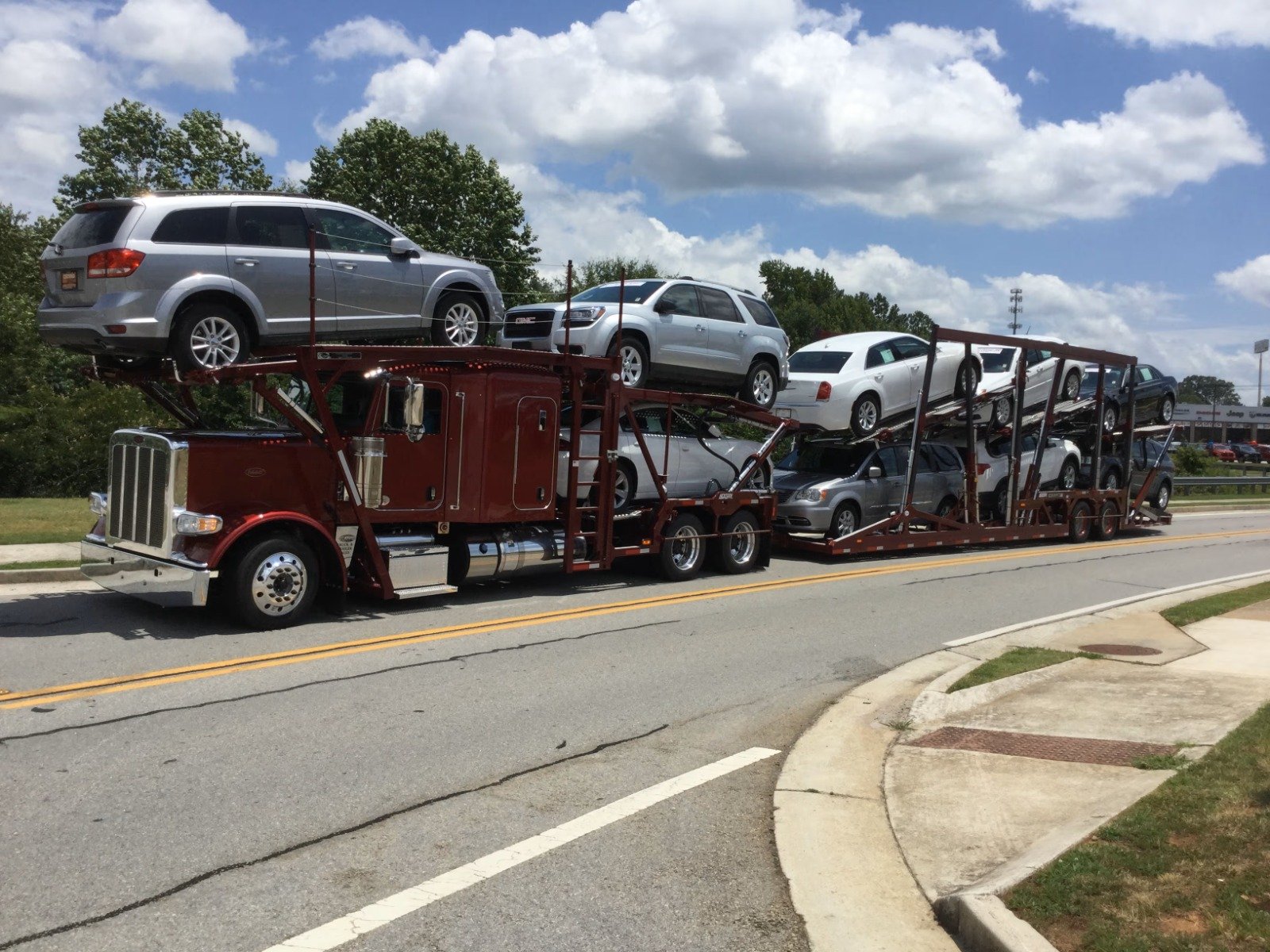
Open car transport uses multi-level open-air car haulers—the same industry-standard trailers used by manufacturers to deliver new vehicles to dealerships. It offers the widest carrier availability and represents the cheapest way to ship a car between provinces in Canada for everyday sedans, hatchbacks, minivans, and SUVs.
Enclosed Vehicle Transport
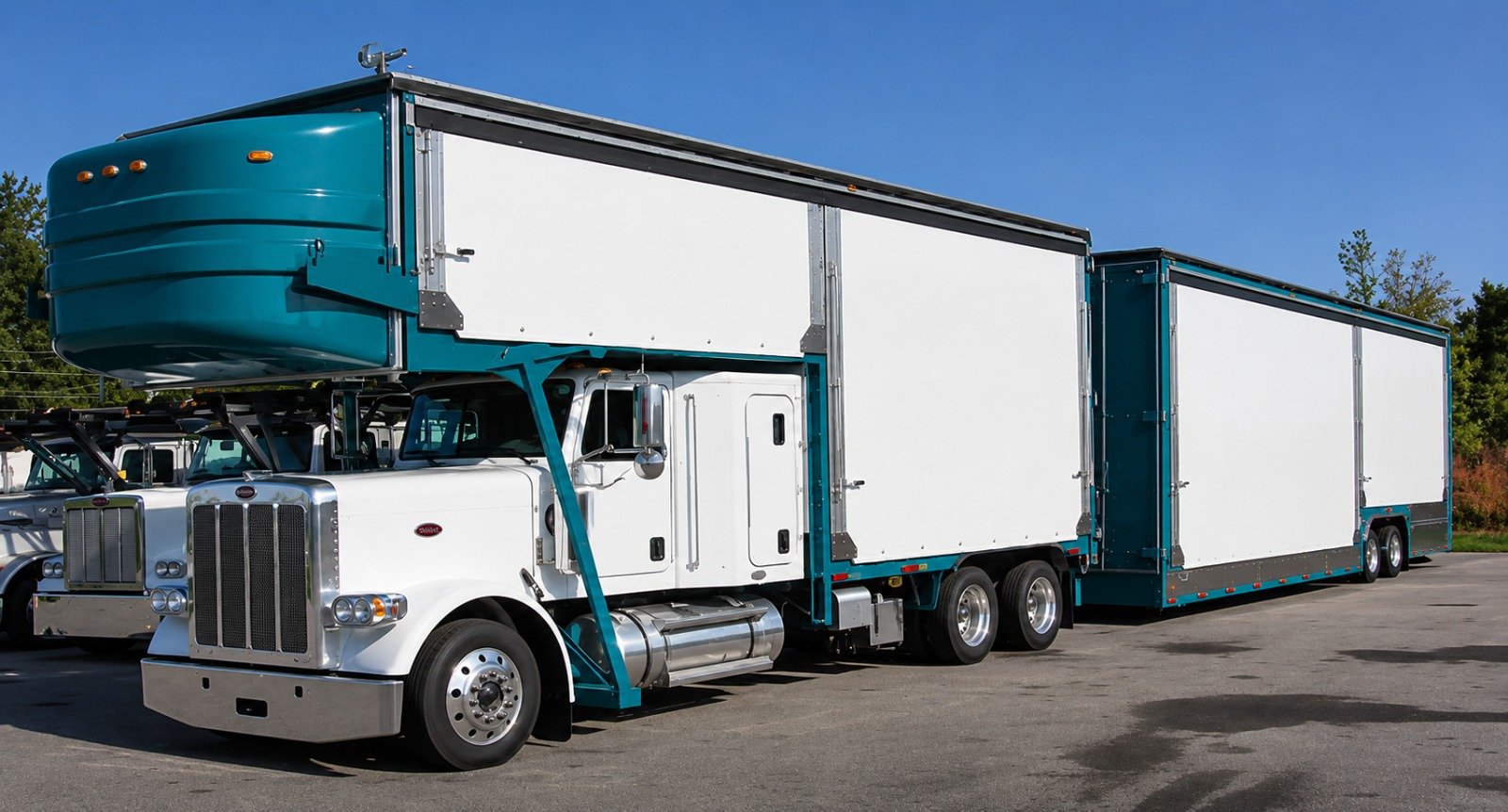
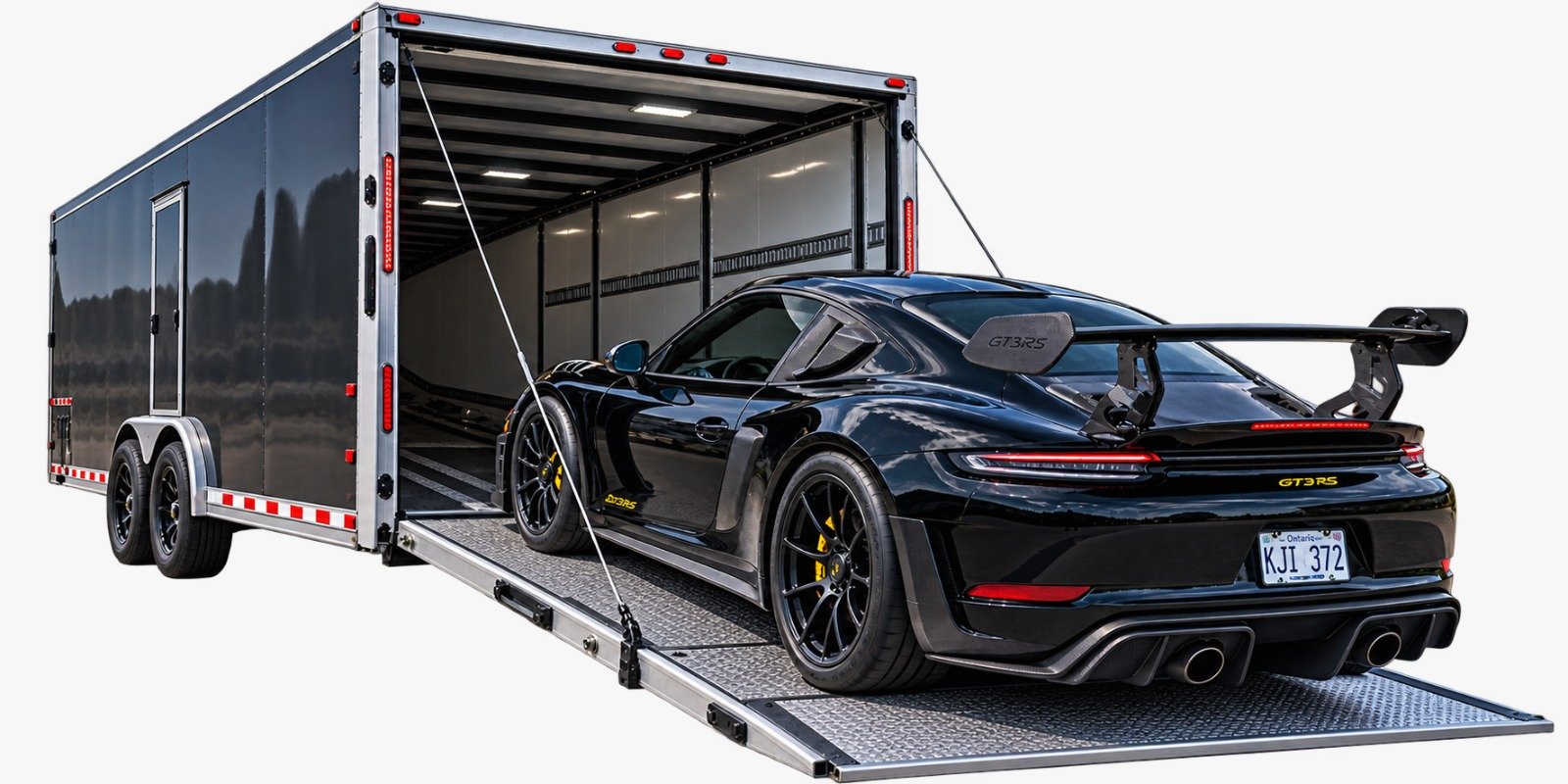
Enclosed vehicle transport places your car inside a fully covered trailer, shielding it from road salt, gravel, rain, snow, and airborne debris. This option is ideal for luxury vehicles, collector classics, exotic sports cars, and low-clearance automobiles requiring hydraulic lift-gate loading.
Rail Vehicle Transport
For major cross-country corridors linking Central Canada with Western hubs, rail transport moves vehicles inside enclosed automotive railcars between designated rail compounds, combining predictable long-haul transit with full weather protection.
Door-to-Door vs. Terminal-to-Terminal Shipping
Beyond trailer type, you can tailor how your vehicle is collected and delivered:
- Door-to-Door Car Shipping: The carrier picks up and delivers your vehicle as close to your specified residential or commercial addresses as municipal bylaws and street width safely allow. If narrow residential streets or low-hanging trees restrict a full-sized transport truck, the driver coordinates a nearby wide-access meeting point such as a shopping plaza parking lot.
- Terminal-to-Terminal Shipping: You drop off your vehicle at a designated regional holding yard and retrieve it from a destination terminal. This option eliminates the need to wait at home for a delivery window and works well when schedules are flexible.
Major Interprovincial Transportation Routes and Delivery Times
Canada's geography dictates how long car shipping within Canada takes. Commercial drivers must adhere strictly to federal Hours of Service regulations enforced under Transport Canada standards, which limit daily driving hours to maintain highway safety. Consequently, transportation distance and delivery time depend on highway mileage, mountain terrain, ferry connections (for Newfoundland and Labrador or Vancouver Island), and seasonal weather.
If you are researching how long does it take to ship a car between provinces, the table below outlines typical corridor characteristics across Optixtrace's nationwide network:
| Interprovincial Corridor | Primary Highway / Rail Artery | Key Route Considerations |
|---|---|---|
| Ontario to Alberta Toronto to Calgary & Edmonton |
Trans-Canada Hwy (ON-17 / MB-1 / SK-1 / AB-1) & National Rail | High carrier frequency; winter weather around Lake Superior and Prairie crosswinds can influence seasonal pacing. |
| British Columbia to Ontario Vancouver to Toronto |
BC-1 / Coquihalla Hwy through Rockies & Prairies | Full cross-country haul; Rocky Mountain elevation changes and winter chain-up advisories require experienced mountain drivers. |
| British Columbia to Alberta Vancouver to Calgary / Edmonton |
Hwy 1 (Trans-Canada) & Hwy 5 (Coquihalla) | Short regional mountain corridor with frequent weekly departures; highway closures due to heavy snowfall can occur in winter. |
| Quebec & Ontario to Atlantic Canada Montreal to Halifax / Moncton |
Autoroute 20 / NB-2 / NS-104 | Consistent Maritime dispatch schedule; shipments continuing to St. John's require Marine Atlantic ferry coordination. |
| Prairies to Central Canada Winnipeg / Saskatoon to Ottawa & Toronto |
Hwy 11 / Hwy 17 through Northern Ontario | Two-lane highway stretches north of Lake Superior require careful weather monitoring from November through April. |
Whether you are shipping a car from Ontario to Alberta or shipping a car from British Columbia to Ontario, booking your carrier slot two to three weeks ahead of your target move date provides the greatest scheduling flexibility. You can explore additional city-to-city corridors on our interprovincial routes directory.
How Much Does It Cost to Ship a Car Between Provinces?
One of the first questions vehicle owners ask is: how much does it cost to ship a car between provinces? Because no two shipments share identical logistics, carriers calculate car shipping costs from one province to another dynamically rather than using a single flat rate.
Six primary variables determine your final quote:
- Distance & Route Popularity: Major metropolitan corridors (such as Toronto to Calgary or Vancouver to Montreal) benefit from high freight volume and backhaul availability, making them more economical per kilometre than remote rural deliveries.
- Vehicle Size, Weight & Ground Clearance: Compact sedans take up less deck space and payload capacity than full-size pickup trucks, lifted SUVs, or commercial cargo vans.
- Trailer Selection: Standard open carriers cost less than enclosed trailers or specialized flatbed equipment.
- Operable vs. Inoperable Condition: Non-running vehicles require carriers equipped with winches and additional loading time, which affects pricing and truck assignment.
- Pickup & Delivery Accessibility: Terminal-to-terminal drop-offs or major highway meet-up points can reduce last-mile detour expenses compared to remote residential addresses.
- Seasonal Car Shipping Rates: Demand spikes during spring and summer moving seasons as well as autumn snowbird migrations, whereas mid-winter shipments on less congested lanes may offer different availability dynamics.
Lock In Flexibility for Better Carrier Matching: Providing a 2- to 4-day pickup window rather than a single rigid hour allows dispatchers to pair your vehicle with an outbound multi-car carrier already scheduled along your corridor—often lowering your rate and speeding up dispatch.
How to Ship a Car Between Provinces in Canada: Step-by-Step
Knowing how to ship a car between provinces in Canada ensures a smooth handoff from initial booking to final key handover. Follow this straightforward preparation process before your carrier arrives:
- Request an Accurate Quote: Share your exact origin and destination postal codes, vehicle year, make, model, running condition, and preferred transport method when requesting car shipping quotes.
- Wash the Exterior & Document Condition: Clean dirt and road grime off the body so the driver can perform an accurate visual inspection. Take clear, timestamped photos of all four sides, the roof, wheels, and windshield prior to loading.
- Remove Personal Belongings & Loose Accessories: Transport carriers are licensed to haul motor vehicles, not household goods. Remove electronics, toll transponders, roof racks, bike carriers, and loose items inside the cabin or trunk, as personal items are generally excluded from carrier cargo coverage.
- Check Fluid Levels, Battery & Tire Pressure: Ensure the battery is fully charged, tires are properly inflated, and there are no active fluid leaks. Keep the fuel tank around one-quarter full—enough for loading and unloading without adding unnecessary weight.
- Verify Winter Readiness (Seasonal): If shipping between November and April, ensure engine coolant and windshield washer fluid are rated for sub-zero Canadian temperatures (down to -40°C) so fluids do not freeze in transit.
- Complete the Bill of Lading at Pickup & Delivery: At pickup, review the driver's condition report (Bill of Lading) together and sign before dispatch. Upon arrival, inspect the vehicle thoroughly in daylight before signing the final delivery receipt.

Vehicle Shipping Insurance, Registration, and Provincial Rules
Cross-province moves also involve administrative rules that differ from international border crossings. Because you are moving within Canada, your vehicle does not pass through Canada Border Services Agency (CBSA) customs clearance, nor is it subject to federal import tariffs.
However, you should keep three regulatory details in mind:
- Carrier Cargo Insurance vs. Personal Auto Policy: Reputable vehicle transport carriers carry commercial cargo liability insurance covering damage caused during loading, transit, and unloading. Confirm the carrier's coverage limits and deductible terms before dispatch, and check with your personal insurer—guidance from the Insurance Bureau of Canada (IBC) notes that your existing policy may still apply for comprehensive risks depending on your province and coverage endorsements.
- Out-of-Province Safety Inspections (OPI): When relocating permanently to a new province, most provincial licensing authorities—coordinated nationwide through frameworks tracked by the Canadian Council of Motor Transport Administrators (CCMTA)—require an Out-of-Province Vehicle Inspection within a set grace period (commonly 30 to 90 days) before issuing local plates and registration.
- Seasonal Road Conditions & Advisories: During winter months, provincial highway authorities such as DriveBC and Ontario 511 actively manage mountain pass closures and commercial chain-up corridors, which professional dispatchers monitor daily to keep shipments moving safely.
Frequently Asked Questions About Interprovincial Car Shipping
Commercial auto carriers are strictly regulated by axle weight limits and cargo insurance policies that cover the vehicle itself rather than household goods. For safety and liability compliance, vehicles should be emptied of personal luggage, boxes, and valuables before pickup. If you require exceptions for minimal items, confirm carrier guidelines with your coordinator prior to booking.
Standard daily drivers routinely travel safely on open car transport carriers throughout the winter and only require a thorough wash upon arrival to remove road salt. However, if you are shipping a luxury model, collector vehicle, freshly restored classic, or electric sports car during winter months, enclosed vehicle transport eliminates exposure to slush, gravel, and de-icing chemicals.
Yes. Either you or an authorized representative aged 18 or older—such as a family member, friend, or dealership representative—must be present at both pickup and delivery to hand over the keys, inspect the vehicle with the driver, and sign the Bill of Lading.
Booking 2 to 3 weeks ahead of your desired pickup window is ideal, particularly during peak moving months between May and September or during autumn snowbird season. If you need urgent transport, reach out directly through our contact page so our dispatch team can check immediate carrier availability on your route.
Yes, inoperable vehicles can be transported across provinces provided the wheels roll, steer, and brake properly. Be sure to disclose the vehicle's non-running status upfront so we can assign a carrier equipped with a hydraulic winch or specialized loading ramp.
Planning Your Next Cross-Canada Vehicle Move
Organizing car shipping between provinces becomes straightforward once you match your vehicle's needs with the right trailer type, prepare your car properly before pickup, and book early enough to secure optimal carrier scheduling. Whether you are moving a single family SUV from Ontario to Alberta, transferring dealership inventory across Western Canada, or protecting a luxury vehicle in an enclosed trailer, working with an experienced logistics coordinator saves time, reduces mileage, and protects your investment.
Looking to Ship Your Vehicle Across Canada?
Get transparent, route-specific pricing tailored to your vehicle type, pickup location, and preferred delivery schedule. Our Canadian vehicle logistics specialists are ready to coordinate your shipment from start to finish.
Get a Free Car Shipping Quote