
Waiting for a vehicle to arrive—whether you are relocating to a new province, coordinating inventory for an automotive dealership, or expecting a newly purchased car from across the country—requires careful planning. When your estimated arrival window passes without a clear update, car shipping delays can quickly disrupt travel arrangements, work schedules, and handover plans.
Because long-distance vehicle transport logistics span thousands of kilometres across diverse Canadian highways and rail corridors, delivery windows are estimates rather than fixed courier appointments. Understanding why vehicle transportation delays happen, how long they typically last, and what practical steps you can take right away will help you stay in control and protect your schedule.

Why Is My Car Delivery Delayed? Common Reasons in Canada
If you are wondering why your vehicle shipment is behind schedule, it helps to look at how cross-country auto transport operates. Unlike parcel delivery networks that sort small boxes through automated hubs, vehicle pickup and delivery involves specialized multi-car equipment, federally regulated driving hours, and shared route planning.
Even when a route is well planned by an experienced coordinator such as Optixtrace Car Shipping, several external variables can shift a carrier's transportation schedule:
- Car shipping delays due to weather in Canada: Severe snowstorms, freezing rain, mountain pass closures through the Rockies, and dense fog in Atlantic Canada regularly force commercial drivers to slow down or pause transit until roads are cleared.
- Highway closures and seasonal construction: Along the Trans-Canada Highway and major provincial corridors, summer infrastructure work, wildfire evacuations, or multi-vehicle collisions can close single-lane stretches for hours or days.
- Upstream loading and unloading bottlenecks: Multi-vehicle trailers carry several customers' vehicles at once. If one customer or dealership along the route is unavailable at an agreed handoff time, every subsequent stop on that carrier's manifest shifts backward.
- Mandatory Hours of Service (HOS) rules: Commercial drivers in Canada must follow strict federal fatigue-management regulations enforced under Transport Canada commercial vehicle safety rules. If traffic slows a driver down, they cannot legally exceed their daily driving limit to make up lost time.
- Mechanical issues and roadside inspections: Commercial haulers undergo routine Commercial Vehicle Safety Alliance (CVSA) inspections and preventative maintenance. An unexpected tire blowout, hydraulic ramp issue, or mandatory inspection delay prioritizes cargo safety over speed.
- Terminal congestion during peak seasons: Spring snowbird returns, summer relocation waves, and year-end dealership inventory transfers increase demand across major hubs, lengthening staging times.

What to Do If Your Car Shipping Is Delayed: Step-by-Step Action Plan
When your estimated delivery date arrives and your vehicle is not yet at your door or terminal, taking a structured approach gets you accurate answers faster than repeated unscheduled calls. Follow these five practical steps when a vehicle delivery is late.
Review Your Dispatch Confirmation
Check your order paperwork to confirm whether the date listed was a target estimate or a multi-day delivery window, and verify the exact drop-off address and contact phone numbers on file.
Contact Your Transport Coordinator
Reach out to your logistics coordinator or dispatch desk with your order reference number. Ask for the carrier's current geographic location, the specific cause of the hold-up, and a revised arrival window.
Check Provincial Highway & Weather Advisories
Verify road conditions along your route—such as British Columbia mountain passes or Northern Ontario corridors—so you understand whether weather or highway closures are affecting transit.
Keep Your Phone Accessible for Driver Calls
Auto transport carriers typically call 12 to 24 hours—and again 1 to 2 hours—before arrival to coordinate safe unloading access. Missed calls can accidentally add another day to your delivery.
If you need to adjust who will receive the car because of a schedule shift, notify your coordinator in writing right away. Most carriers allow you to designate a trusted family member, colleague, or dealership representative to sign the Bill of Lading and complete the arrival inspection on your behalf.
Check official provincial road feeds before booking short-term rentals: Before extending a rental car or changing flight plans, consult real-time government road conditions such as DriveBC for British Columbia corridors, Ontario 511, or Environment and Climate Change Canada forecasts. Knowing whether a highway closure has just reopened helps you time your backup transportation accurately.
How Long Can Car Transportation Be Delayed?
One of the first questions customers ask is what happens if a car transport company is late and how many extra days they should realistically expect. While minor schedule adjustments are common in long-haul logistics, prolonged disruptions are much rarer and usually tied to major regional events.
The table below outlines typical vehicle shipping delays across Canada based on the underlying operational cause:
| Cause of Delay | Typical Delay Window | Operational Impact | Recommended Customer Action |
|---|---|---|---|
| Route Traffic & Upstream Stops | 1 – 2 Days | Minor shift in carrier arrival sequence along the corridor. | Confirm delivery availability and keep ringer on for driver updates. |
| Mandatory Driver Rest (HOS) | 12 – 36 Hours | Driver pauses transit to meet federal off-duty requirements. | Request updated ETA after the driver's scheduled rest reset. |
| Severe Winter Weather or Pass Closures | 2 – 5 Days | Highway closures through Rockies, Prairies, or Northern Ontario. | Monitor provincial road alerts and arrange short-term local transit. |
| Equipment Maintenance or Inspection | 1 – 4 Days | Carrier completes mechanical repair or transfers load to relief unit. | Ask coordinator whether the original truck or a transfer carrier will deliver. |
| Rail Yard Staging & Terminal Congestion | 3 – 7 Days | Intermodal train scheduling or high-volume seasonal yard backlog. | Confirm terminal release status before scheduling final pickup. |
When reviewing car shipping delivery time estimates, remember that long-haul transit across Canada covers vast distances—for example, shipping a vehicle along the Vancouver to Toronto car shipping route spans more than 4,300 kilometres across five provinces. On cross-country corridors of that scale, a 24- to 48-hour variance is considered a normal logistical buffer rather than a lost shipment.
How Different Transport Methods Affect Delivery Timing
The type of equipment moving your vehicle also influences how resilient your transportation schedule is when unexpected disruptions occur. Each vehicle transportation service balances capacity, route flexibility, and environmental protection differently.
Open Multi-Vehicle Carriers
Open car transport is the most widely used option for standard sedans, SUVs, and pickup trucks across Canada. Because open carriers operate on high-frequency regional and national lanes, dispatchers have the largest pool of available trucks if a backup carrier is ever needed. However, because a single trailer carries up to eight or ten vehicles, loading delays at earlier stops can ripple down the route.
Enclosed Auto Transport
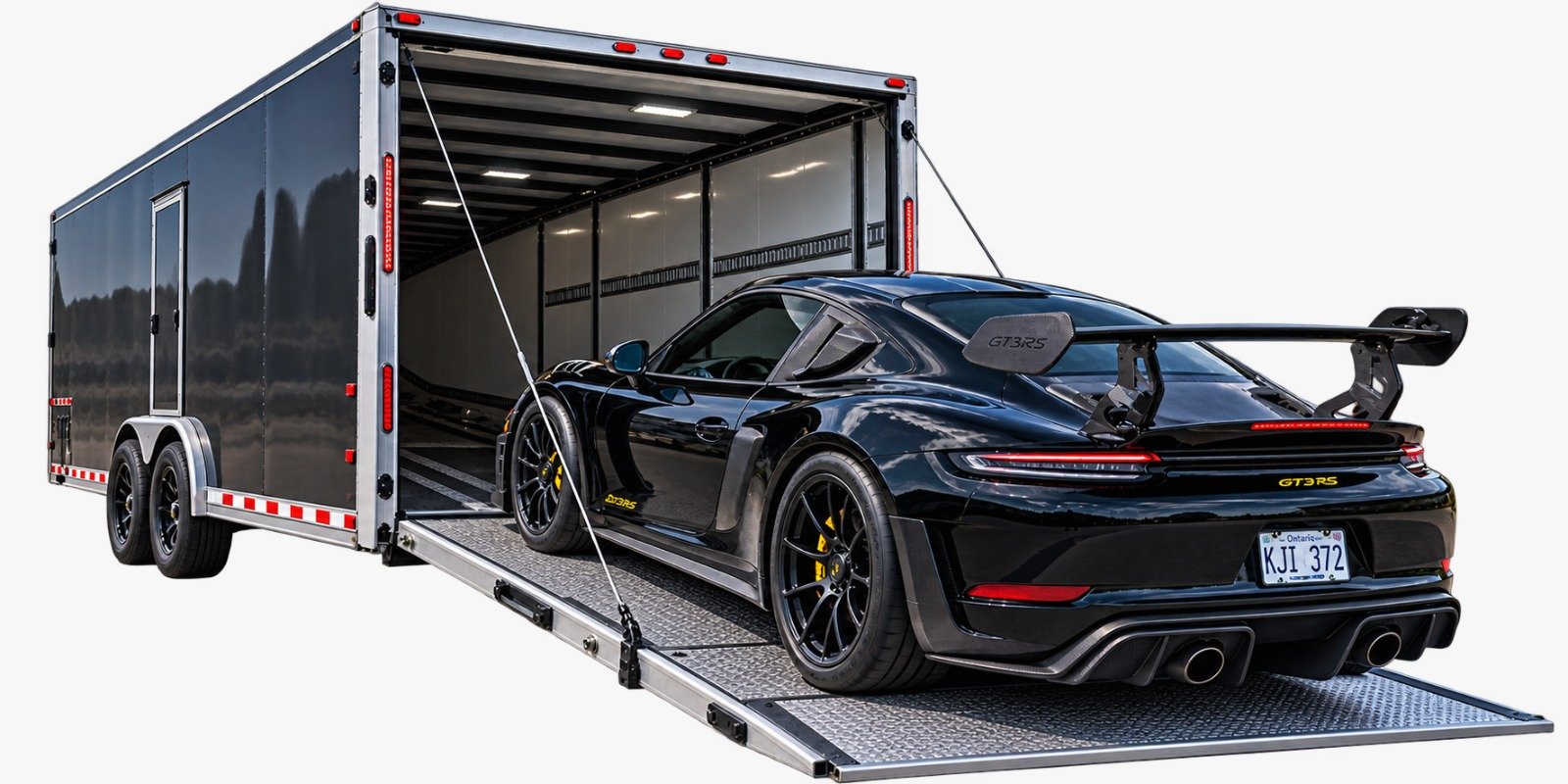
Owners of collector cars, luxury sports vehicles, and low-clearance exotics typically choose enclosed vehicle transport to shield their car from road salt, gravel, and harsh weather. While enclosed trailers carry fewer vehicles—often resulting in fewer intermediate stops—specialized enclosed equipment operates on narrower dispatch schedules, meaning mechanical or weather hold-ups can take slightly longer to re-route.
Rail Vehicle Transportation
For coast-to-coast shipments between major Canadian hubs, rail auto transport moves vehicles inside fully enclosed multi-level railcars. Trains are generally unaffected by minor highway traffic, though freight rail schedules can still experience yard staging queues or track maintenance pauses during extreme cold snaps.
How to Minimize Car Delivery Problems Before You Ship
While no logistics provider can control blizzards or highway accidents, proactive planning dramatically reduces the likelihood of avoidable vehicle transportation delays and helps you track a delayed car shipment smoothly if schedules shift.
- Book well ahead of fixed moving dates: Reserve your shipment two to three weeks before your desired pickup window—especially during peak spring and summer relocation seasons or ahead of winter storms.
- Build a 3- to 5-day buffer into travel plans: Avoid scheduling non-refundable flights, dealership handovers, or lease returns on the exact first day of your estimated arrival window.
- Confirm street accessibility in advance: Large multi-car haulers cannot safely navigate narrow residential cul-de-sacs, low tree branches, or tight urban streets. Arranging a nearby wide-lot meeting point—or selecting a structured door-to-door car shipping service with pre-vetted access—prevents last-minute unloading delays.
- Prepare your vehicle properly before pickup: Ensure the battery is fully charged, tires are properly inflated, alarm systems are disabled, and personal items are removed. Non-running vehicles require specialized winch equipment, and undisclosed mechanical issues can delay loading at pickup.
- Inspect thoroughly upon arrival, even if late: Never rush the final walk-around because a shipment arrived behind schedule. Compare the vehicle's condition against your pickup Bill of Lading before signing off on delivery.

Frequently Asked Questions About Car Shipping Delays
In standard Canadian auto transport, pickup and delivery dates are provided as estimated windows rather than guaranteed arrival times. Because commercial carriers share highways across vast distances and must comply with federal driving-hour limits and weather advisories, reputable providers give realistic transit windows and update you as the truck progresses.
Contact your assigned transport coordinator directly with your booking reference number. Dispatch teams maintain direct communication with drivers and rail terminals to confirm current checkpoint locations, identify why a route has slowed, and provide a revised delivery window.
If a delay pushes delivery to a day when you are unavailable, let your coordinator know immediately. You can authorize a trusted adult—such as a relative, neighbour, or dealership staff member—to inspect the vehicle, sign the Bill of Lading, and accept the keys on your behalf, or discuss temporary terminal holding options.
Yes, winter conditions frequently impact major corridors including the Coquihalla and Rogers Pass in British Columbia, Prairie highways during blowing snow, Northern Ontario along Lake Superior, and Atlantic highway routes. Carriers prioritize safe road conditions over rushing through storm advisories.
Yes. Standard cargo protection remains active throughout the entire transit period from initial pickup inspection until the Bill of Lading is signed at final delivery, regardless of weather or traffic delays along the route.
Staying Prepared When Vehicle Shipping Schedules Shift
Experiencing car shipping delays can be frustrating, especially when you are coordinating a cross-province move, awaiting a newly purchased car, or managing dealership inventory. In most cases, however, a late arrival reflects prudent safety decisions—such as waiting out severe Canadian winter weather, navigating highway closures, or following mandatory driver rest regulations—rather than a problem with your vehicle.
By confirming your delivery window early, staying in touch with your dispatch coordinator, designating a backup receiver if needed, and building a modest buffer into your schedule, you can handle unexpected transit shifts calmly and ensure a smooth handover when your vehicle arrives.
Looking to Ship Your Vehicle Across Canada?
Get transparent scheduling guidance, dedicated coordination, and reliable door-to-door or terminal transport across every Canadian province with Optixtrace Car Shipping.
Get a Free Car Shipping Quote