
Yes, you can ship a vehicle using a flatbed trailer, and in many situations across Canada, it is the safest and most practical transport method available. While standard multi-vehicle haulers handle most everyday passenger cars, flatbed car shipping offers unmatched flexibility when moving low-clearance sports cars, inoperable vehicles, oversized commercial vans, or off-road utility builds.
Whether you are relocating to a new province, purchasing a specialty vehicle out of town, or coordinating dealership inventory transfers, understanding how flatbed vehicle transport works helps you protect your investment and avoid unexpected loading delays. At Optixtrace Car Shipping, we coordinate reliable auto transport solutions across Canada tailored to the exact dimensions, mechanical condition, and ground clearance of your vehicle.
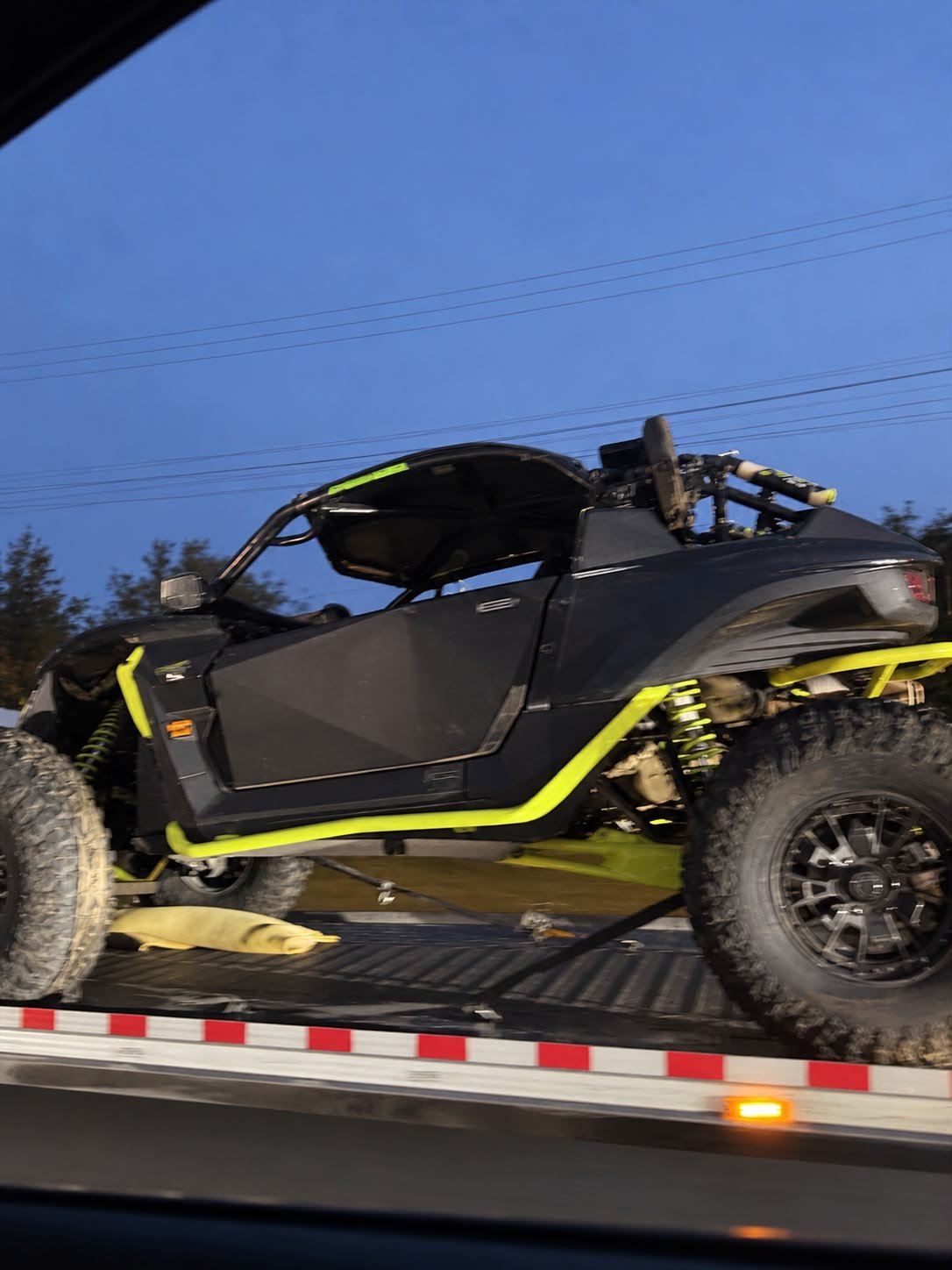
What Is Flatbed Car Shipping and How Does It Differ from Standard Carriers?
Flatbed vehicle transport involves hauling one or more vehicles on a flat, open-deck trailer with no upper racks, side walls, or roof enclosure. Unlike traditional two-tier car carriers that stack seven to ten vehicles using hydraulic ramps, a flatbed trailer provides a single, level platform designed to carry cargo of varying heights, widths, and wheelbases.
In Canadian automotive logistics, carriers use several variations of flatbed equipment depending on the distance and vehicle type:
- Rollback Flatbed Trucks: Commonly used for local or short-haul regional moves, featuring a hydraulic bed that slides back and tilts down to ground level for gentle loading.
- Step-Deck (Drop-Deck) Flatbed Trailers: Designed with a lower rear deck to accommodate taller vehicles, commercial vans, or lifted trucks without exceeding provincial height limits.
- Hotshot Flatbed Trailers: Heavy-duty pickup trucks paired with gooseneck or bumper-pull flatbed trailers, ideal for agile regional deliveries or transporting two to three vehicles efficiently.
- Lowboy Trailers: Ultra-low-profile trailers engineered for heavy machinery, oversized commercial equipment, or custom vehicles with extreme height restrictions.
When requesting a quote for car shipping on a flatbed, always provide accurate aftermarket measurements. Roof racks, oversized off-road tires, winches, and front splitters can alter your vehicle's height and approach angle, helping dispatchers assign the right trailer deck height on the first attempt.
When Should You Use a Flatbed to Ship a Vehicle?
While standard multi-level carriers are great for everyday sedans and crossovers, certain vehicles require the unobstructed deck space and specialized loading capabilities of a vehicle transport trailer. You should consider flatbed auto transport in the following scenarios:
If a vehicle has a dead battery, engine failure, seized brakes, or transmission damage, it cannot be driven up the steep ramps of a standard hauler. Flatbed carriers use integrated winches to safely pull non-running vehicles onto the deck.
Buying a project car or salvage vehicle from an out-of-province auction? A flatbed trailer easily accommodates vehicles with deployed airbags, missing wheels, or compromised steering geometry.
Performance vehicles with low front bumpers or side skirts risk scraping on standard carrier break-over angles. Hydraulic tilt beds and extended loading ramps create a shallow incline that protects undercarriage components.
Lifted pickup trucks, duallys, sprinter vans, and service vehicles often exceed the height or weight limits of upper and lower multi-car racks. Flatbeds eliminate overhead clearance restrictions.
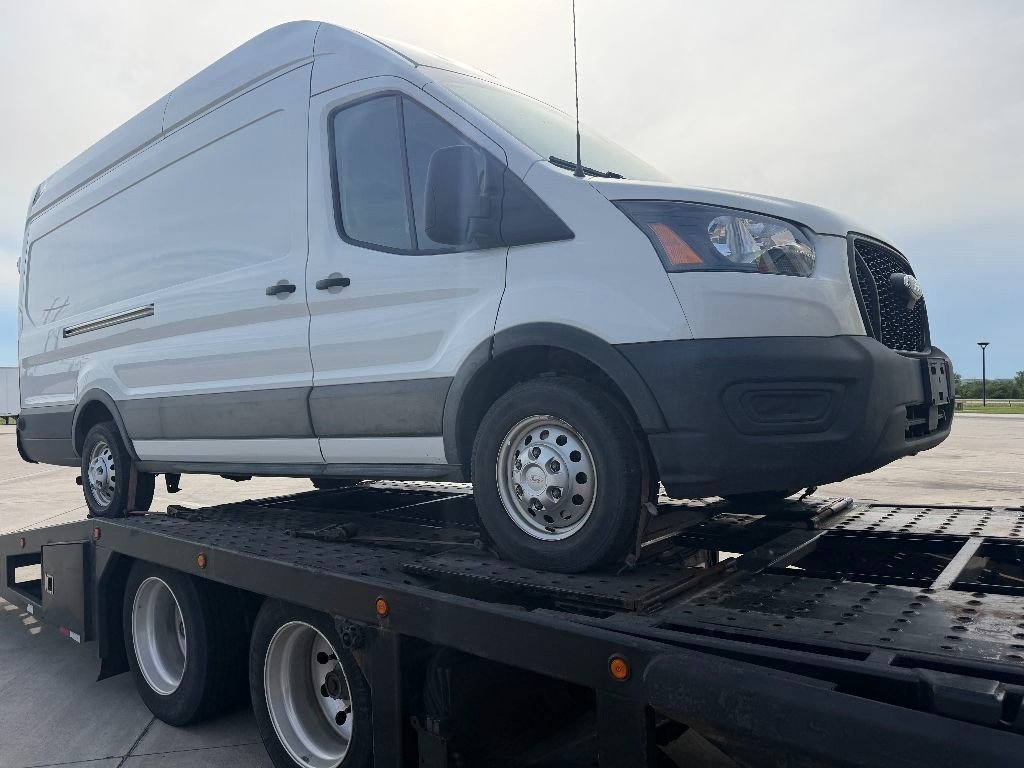
If you are coordinating multi-vehicle deliveries or commercial fleet transfers, exploring our complete range of Canadian vehicle transportation services ensures every unit is matched with the proper trailer configuration.
How Does Flatbed Car Shipping Work from Pickup to Delivery?
Shipping a car via flatbed truck transportation follows a structured logistics workflow designed to minimize handling and keep your vehicle secure across provincial highways:
Vehicle Assessment & Carrier Dispatch
You share your vehicle's year, make, model, operational status, and pickup/delivery postal codes. Logistics coordinators match your shipment with a vetted flatbed carrier licensed for your specific corridor—whether it is a regional move or cross-country transit like Vancouver to Calgary car shipping.
Pre-Loading Inspection & Bill of Lading
At pickup, the driver conducts a thorough walk-around inspection, documenting existing scratches, dents, glass condition, and odometer readings on the Bill of Lading (BOL). Both you and the driver sign this report before loading begins.
Controlled Drive-On or Winch Loading
Operable vehicles are driven carefully onto the lowered deck. For inoperable units, the operator attaches a heavy-duty winch cable to designated frame recovery points, guiding the vehicle smoothly onto the trailer without stressing suspension components.
Four-Point Cargo Securement
Once positioned for optimal axle weight distribution, the vehicle is locked down using four-point wheel straps or frame tie-downs, keeping the suspension free to absorb road vibrations naturally during transit.
Destination Unloading & Final Sign-Off
Upon arrival, the carrier unloads your vehicle onto a safe, level surface. You perform a final visual inspection against the original Bill of Lading before signing off on delivery.
Flatbed vs. Open Multi-Car and Enclosed Auto Transport
Choosing the right shipping method depends on balancing budget, vehicle value, weather exposure, and mechanical condition. While flatbed auto transport excels at handling specialty dimensions and non-running vehicles, it is not the only option available across Canada.
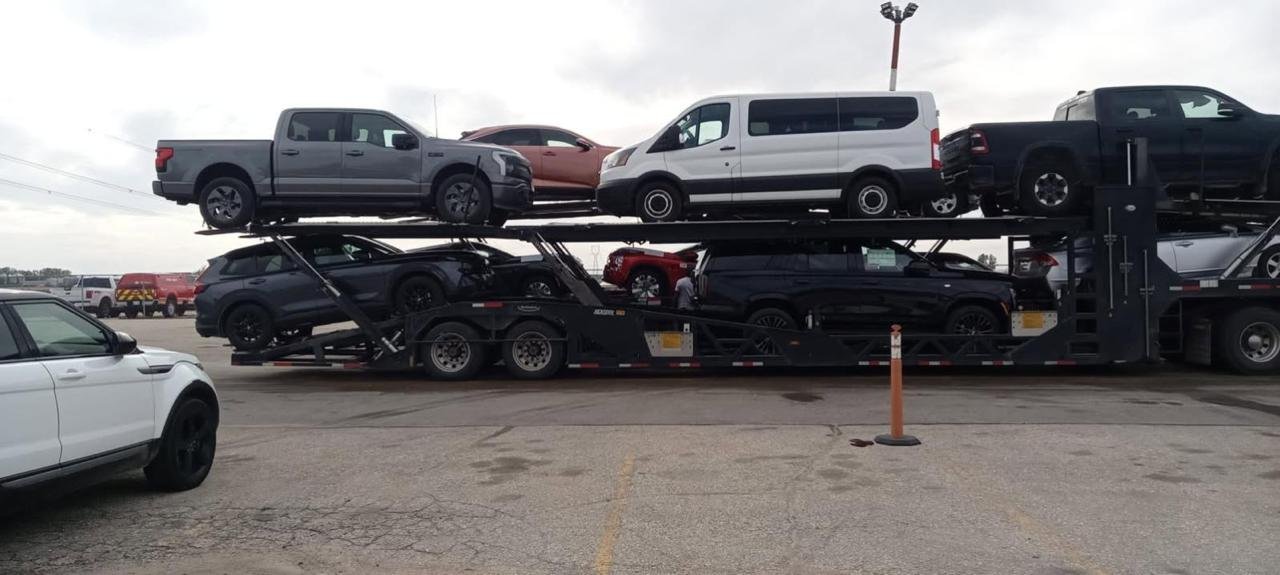
For standard, running daily drivers, open car transport on a multi-level carrier is typically the most economical choice because carriers distribute fuel and driver costs across seven to ten vehicles simultaneously. Conversely, if you are transporting a rare collector car, vintage restoration, or high-end exotic through harsh Canadian winter conditions, enclosed vehicle transport shields your vehicle inside a fully covered trailer away from road salt, gravel, and freezing rain. For long-haul coast-to-coast corridors, railway vehicle transportation also provides a reliable terminal-to-terminal alternative.
| Feature / Factor | Flatbed Car Shipping | Open Multi-Car Carrier | Enclosed Transport |
|---|---|---|---|
| Best Suited For | Non-running cars, low-clearance vehicles, oversized vans & trucks | Standard running sedans, SUVs, and minivans | Luxury, classic, exotic, and collector vehicles |
| Weather Exposure | Exposed to open air and highway elements | Exposed to open air and highway elements | 100% protected from weather, road salt, and debris |
| Inoperable Vehicle Capability | High (standard winch-equipped decks) | Limited (requires specialized winch-equipped racks) | Moderate (uses hydraulic liftgates and winches) |
| Loading Angle | Low, gradual tilt or extended ramps | Multi-tier ramps with steeper break-over angles | Horizontal hydraulic liftgate or low-angle ramps |
| Relative Cost | Moderate to Higher (fewer vehicles per load) | Most Economical (shared trailer capacity) | Premium (specialized equipment & lower capacity) |
Is Flatbed Transport Safe for Cars? Canadian Securement Standards
Yes—when operated by trained professionals, flatbed transport is one of the safest methods for moving a vehicle. Because your car sits on a solid, flat deck without another vehicle positioned directly above it, there is zero risk of fluid drips from an upper-tier car or accidental contact with overhead hydraulic racks.
Across Canada, commercial carriers must comply with strict national cargo securement rules established under the Canadian Council of Motor Transport Administrators (CCMTA) National Safety Code Standard 10, alongside federal oversight from Transport Canada. These regulations mandate specific working load limits, tie-down counts, and inspection intervals throughout a trip.
- Over-the-Tire Wheel Straps: Modern carriers use soft-webbing wheel nets and over-the-tire straps that secure the rubber tires directly to the trailer deck. This prevents metal-on-metal contact and avoids scratching alloy rims or bending alignment components.
- Suspension Freedom: Securing the wheels rather than compressing the chassis allows the vehicle's own shock absorbers and springs to flex naturally over highway bumps, reducing stress on struts and control arms.
- En-Route Tension Checks: Commercial drivers are required to inspect tie-down tension within the first 80 kilometres of departure and at regular intervals during long interprovincial journeys.
How Much Does Flatbed Vehicle Transport Cost in Canada?
Because every shipment involves unique equipment requirements and regional logistics, vehicle shipping costs for flatbed transport are calculated dynamically rather than through a flat rate. Understanding the variables behind your quote helps you plan your budget effectively:
- Distance & Corridor Demand: Shipping between major metropolitan hubs—such as Toronto to Montreal car shipping—typically costs less per kilometre than remote northern deliveries where backhaul cargo is scarce.
- Vehicle Weight & Dimensions: Heavier vehicles, extended-wheelbase cargo vans, and lifted trucks consume more deck space and fuel, affecting overall carrier capacity.
- Operable vs. Inoperable Status: Vehicles that roll, steer, and brake normally require less loading time than seized or collision-damaged vehicles that require specialized winching or skate dollies.
- Seasonal Weather & Road Conditions: Canadian winter storms, mountain pass restrictions in British Columbia, and spring thaw weight limits can influence transit routing and seasonal pricing.
- Pickup & Delivery Accessibility: Door-to-door service in dense urban neighbourhoods with narrow streets or low-hanging wires may require meeting the flatbed at a nearby wide commercial parking lot.

For provincial road advisories and seasonal highway conditions that can impact long-haul schedules, carriers regularly monitor updates through DriveBC and Ontario 511. To see current options for your specific origin and destination, explore our Canadian car shipping routes.
How to Prepare Your Vehicle for Flatbed Auto Transport
Taking a few simple precautions before the carrier arrives ensures smooth loading and protects your vehicle during transit:
- Wash the Exterior: Clean dirt and road grime off your vehicle so existing paint chips, dents, or windshield cracks are clearly visible during the pickup inspection.
- Remove Personal Belongings & Loose Accessories: Remove toll transponders, dash cams, GPS units, bike racks, and loose interior items. Personal cargo inside the cabin is generally not covered under carrier cargo policies and can shift during transit.
- Check Fluid Levels & Battery Charge: Ensure the battery is charged (if the vehicle is operable) and check for active fluid leaks. Keep the fuel tank around one-quarter full to reduce unnecessary curb weight while leaving enough fuel for loading and unloading.
- Document Condition with Photos: Take clear, timestamped photos of all four sides, the roof, wheels, and odometer prior to loading for your personal records.
- Disclose Mechanical Quirks: Inform the driver of any starting procedures, aftermarket alarm systems, air suspension lock modes, or brake issues before they begin loading.
Frequently Asked Questions About Flatbed Car Shipping
Yes. Flatbed trailers are the preferred method for shipping non-running, salvage, or collision-damaged vehicles. Most flatbed carriers are equipped with heavy-duty winches capable of pulling inoperable vehicles onto the deck safely, provided the wheels can still roll. If a wheel is locked or missing, let your coordinator know in advance so the carrier can bring specialized wheel skates or forklift loading equipment.
Neither option is universally "better"—it depends on your vehicle. For standard, running passenger cars, an open multi-car carrier is usually more cost-effective for cross-Canada distances. Flatbed transport becomes the superior choice when your vehicle has very low ground clearance, exceeds standard rack height or weight limits, or cannot be driven onto a trailer under its own power.
A standard flatbed trailer has an open deck, meaning your vehicle is exposed to rain, snow, sun, and highway spray just as it would be when driven on the road. If complete protection from winter road salt, hail, or gravel is a priority—such as for a luxury, exotic, or classic vehicle—enclosed auto transport is recommended instead.
Professional carriers use soft nylon over-the-tire straps or wheel nets that wrap directly around the rubber tread of all four tires and anchor into deck tracks. Because the straps contact only the tires, they prevent rim scuffs and allow the vehicle's suspension to absorb road bumps naturally without straining axles or control arms.
In most suburban and rural locations, yes. However, large commercial flatbed rigs require wide turning radii and overhead clearance free of low tree branches or utility lines. If municipal bylaws or narrow residential streets restrict large trucks, your driver will coordinate a safe, convenient meeting point nearby, such as a wide retail plaza or commercial parking lot.
Choosing the Right Transport Solution for Your Vehicle
Flatbed car shipping bridges the gap between standard multi-vehicle hauling and specialized heavy transport. Whether you are moving a low-clearance performance car, relocating a commercial cargo van, or transporting an inoperable vehicle across provincial lines, a flatbed trailer offers gentle loading angles, unobstructed deck clearance, and four-point wheel securement.
By matching your vehicle's exact dimensions and condition to the right equipment—and preparing your car properly before pickup—you can ensure a smooth, stress-free delivery anywhere in Canada.
Looking to Ship Your Vehicle Across Canada?
Whether you need specialized flatbed transport, standard open carrier shipping, or enclosed protection, Optixtrace Car Shipping coordinates dependable door-to-door and terminal logistics tailored to your vehicle and schedule.
Get a Free Car Shipping Quote