
When preparing a vehicle for interprovincial or cross-country relocation, one of the most common questions owners, dealerships, and fleet managers ask is how much gas to leave in a car when shipping. Should you drain the tank completely, top it off before pickup, or aim for a specific fuel gauge reading?
The short answer is straightforward: do not empty your gas tank, and do not fill it to the brim. Industry-standard fuel requirements for car shipping call for leaving your tank roughly one-quarter full (around 25% capacity). Getting the gas tank level right keeps your vehicle safe, ensures smooth loading and unloading onto the auto transport carrier, and prevents costly delays anywhere in Canada.
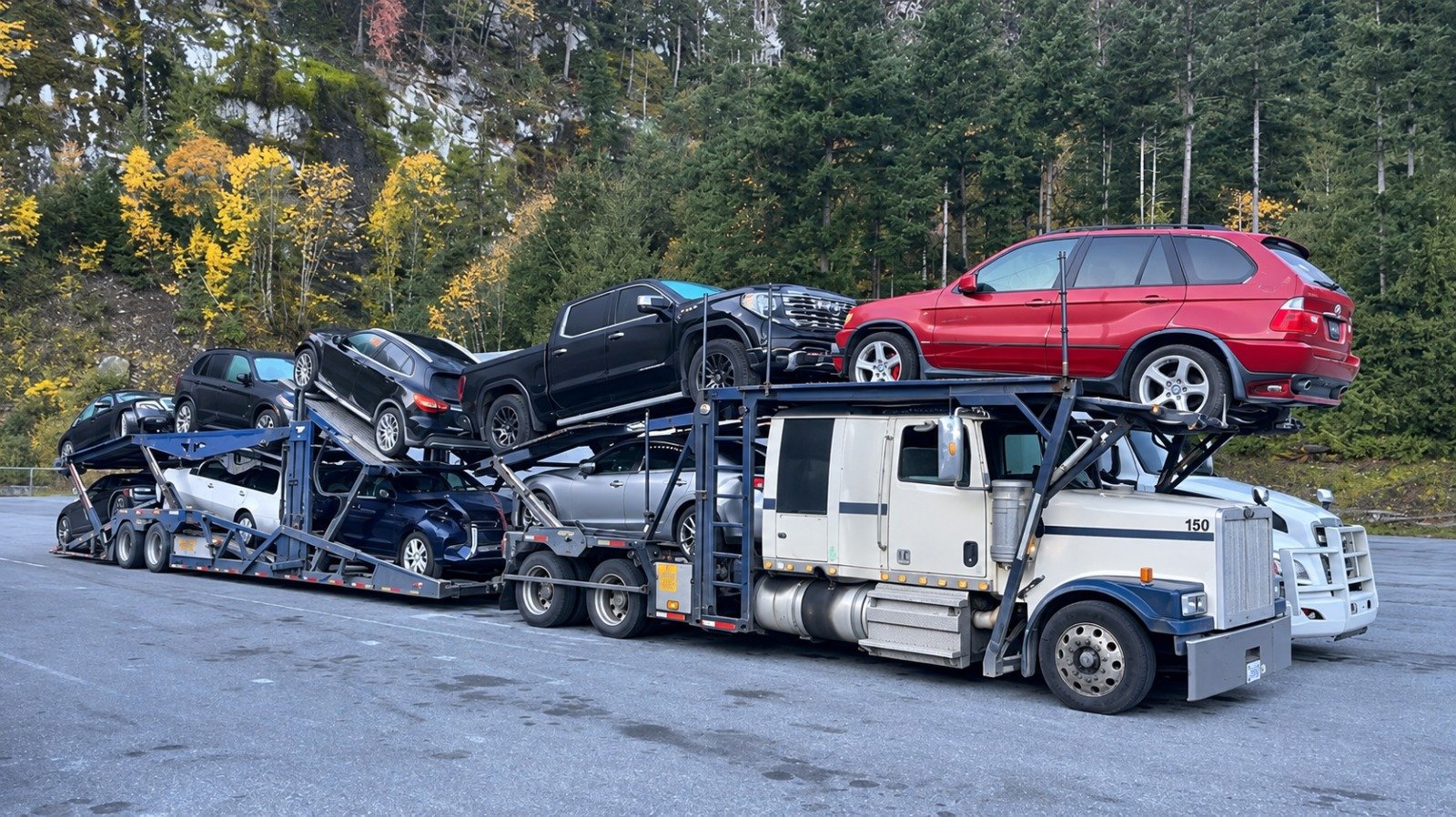
What Is the Ideal Gas Tank Level When Shipping a Car?
Across the Canadian automotive logistics industry, the standard guideline for gas tank level when shipping a car is approximately one-quarter of a tank (or roughly 10 to 15 litres for a standard passenger sedan or crossover). Whether you are coordinating auto transport services across Canada for a single personal vehicle or managing inventory transfers for an automotive dealership, a quarter tank strikes the exact operational balance carriers require.
Leaving a quarter tank gives drivers enough fuel to start the engine, manoeuvre the vehicle up steep hydraulic ramps, position it accurately on upper or lower carrier decks, and drive it off at delivery without running the fuel pump dry. At the same time, it eliminates unnecessary liquid weight and leaves room inside the tank for fuel expansion caused by elevation and temperature changes.
| Fuel Gauge Level | Transport Status | Operational Impact on Auto Transport |
|---|---|---|
| Empty or Near-Empty (Under 1/8) | Not Recommended | Risk of stalling on loading ramps, fuel pump starvation, or extra winching fees if the vehicle cannot start at terminals. |
| Quarter Tank (Approx. 1/4) | Ideal Standard | Provides sufficient range for loading, terminal vehicle handling, and unloading while keeping curb weight low. |
| Half Tank (1/2) | Acceptable Backup | Generally tolerated for single-car moves, though it adds unnecessary weight compared to a quarter tank. |
| Full Tank (3/4 to Full) | Avoid Before Pickup | Adds significant fuel weight, increases gross vehicle weight ratings across multi-car haulers, and raises expansion/leak risks. |
Why Does a Car Need Gas When Being Transported?
A common misconception among first-time shippers is that because the vehicle rides on the back of a transport trailer or railcar, the engine never needs to run. In reality, operable vehicles are driven under their own power multiple times between pickup and final drop-off.
1. Precision Vehicle Loading and Unloading
Multi-level car haulers have tight clearances between wheel tracks, hydraulic lift decks, and adjacent vehicles. Drivers must smoothly drive each vehicle onto narrow ramps and position it within centimetres of wheel chocks.
2. Terminal Vehicle Handling & Transfers
On long-haul routes—such as shipping from Vancouver to Toronto—vehicles frequently transfer between local pickup trucks, regional staging yards, and cross-country linehaul carriers.
3. Avoiding Non-Running Vehicle Surcharges
If a vehicle runs out of fuel mid-route, the carrier must treat it as an inoperable unit. Loading a non-running car requires specialized winches and extra labour, which often results in additional handling charges.
4. Protecting the Fuel Pump
Modern vehicles use electric in-tank fuel pumps that rely on surrounding gasoline for cooling and lubrication. Repeatedly starting an engine on an empty tank—especially on angled ramps—can draw air into the fuel lines.
Can You Ship a Car With a Full Tank of Gas?
If you cannot ship an empty tank, you might wonder: can you ship a car with a full tank of gas just to save a trip to the station after delivery? While a single full tank may seem harmless, shipping a vehicle with too much fuel creates three distinct challenges in commercial auto transport.
1. Fuel Weight and Commercial Axle Limits
Gasoline weighs approximately 0.75 kilograms per litre. In a mid-size SUV or pickup truck with an 80-litre tank, a full tank adds roughly 60 kilograms (about 132 pounds) of weight compared to nearly empty, or 45 kilograms more than a quarter tank. Multiply that excess fuel across seven to nine vehicles on an open car transport trailer, and the carrier easily takes on an extra 350 to 450 kilograms.
Commercial transport trucks operating on Canadian highways must comply with strict federal and provincial axle-weight regulations enforced at roadside inspection stations across the country, including standards overseen by Transport Canada and provincial Ministries of Transportation. Keeping individual vehicle weights predictable helps dispatchers balance axle loads safely and legally.
2. Thermal Expansion and Pressure Build-Up
Cross-country transport often exposes vehicles to dramatic shifts in ambient temperature and altitude—for instance, climbing through the Rocky Mountains in British Columbia and Alberta before descending into the Prairies. As temperatures rise or atmospheric pressure drops, fuel inside a completely full tank expands, placing extra pressure on vapour recovery valves and fuel caps.
3. Fire Safety and Leakage Precautions
Limiting onboard flammable liquids is a fundamental rule of car shipping safety precautions. Lower fuel volume reduces the risk of fuel sloshing into the filler neck on steep grades and minimizes potential hazards in the rare event of a mechanical fuel line leak during transit.
What happens if my car has too much gas before shipping? Do not attempt to siphon fuel yourself, as modern vehicles contain anti-siphon roll-over valves inside the filler neck that can be damaged by hoses. Instead, plan your errands or daily commute during the week before pickup so your fuel gauge naturally reaches the one-quarter mark.
Gas Tank Requirements Across Open, Enclosed, and Rail Transport
While the one-quarter tank rule is the universal benchmark for gas tank requirements for auto transport, specific operational nuances apply depending on the shipping method you select.
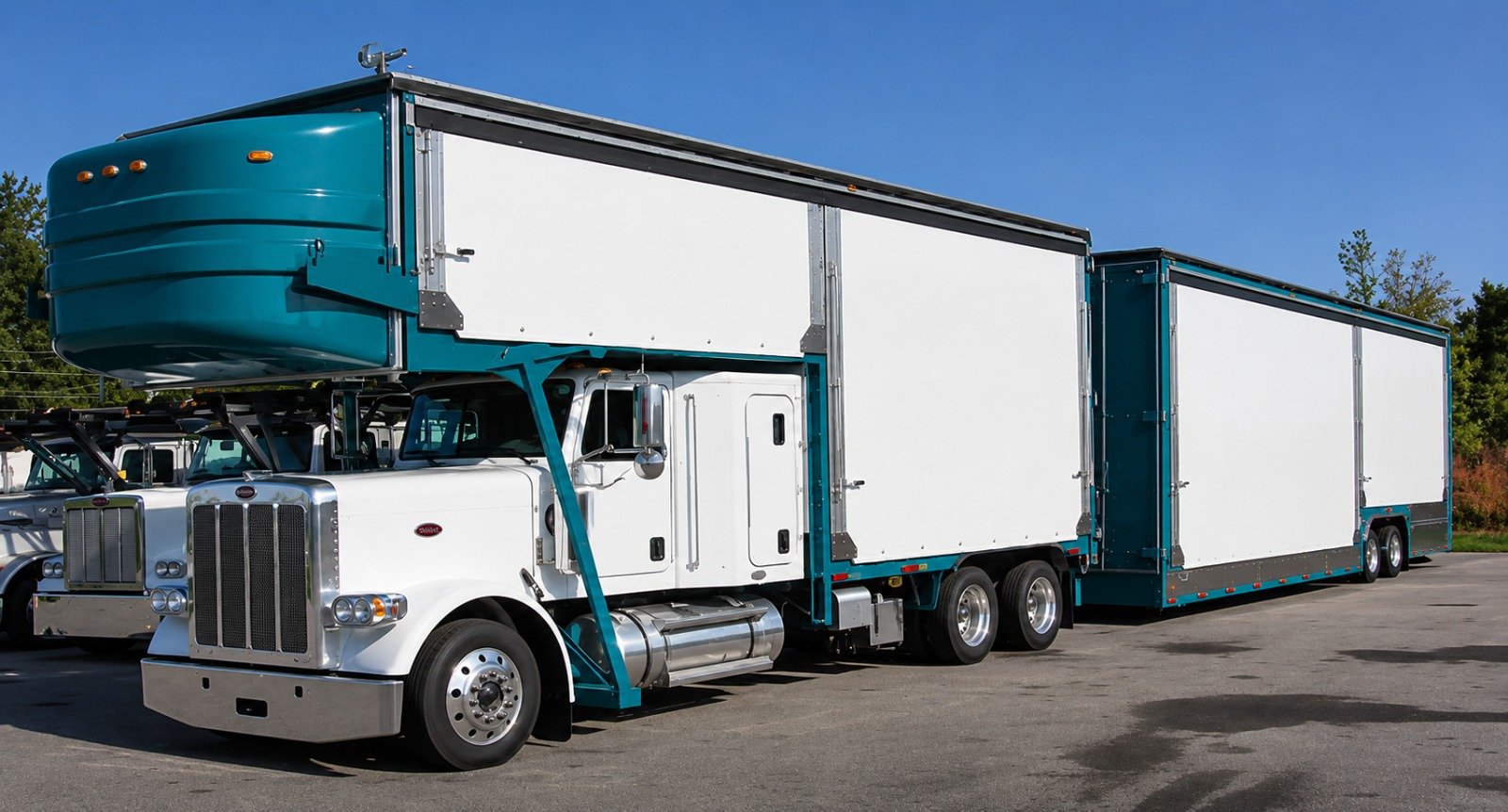
- Open Car Transport: The most economical and widely used option for standard daily drivers, SUVs, and dealership transfers. Keeping fuel at one-quarter ensures rapid loading on multi-vehicle trailers and keeps total rig weight within provincial highway limits.
- Enclosed Vehicle Shipping: Used for luxury, exotic, classic, and collector automobiles. When booking enclosed vehicle shipping, maintaining a quarter tank is equally critical—especially for classic carbureted vehicles whose floats are more sensitive to steep ramp angles and temperature fluctuations inside sealed trailers.
- Railway Vehicle Transportation: For long-distance corridors across Canada, rail transport services involve staging vehicles at secure automotive rail yards before loading them into multi-level railcars. Rail terminals enforce strict safety rules regarding fuel levels and leak-free fuel systems before accepting any vehicle onto rail property.
- Electric Vehicles (EVs) & Plug-In Hybrids: If you are shipping a battery-electric vehicle instead of an internal combustion car, the equivalent guideline applies to battery state of charge: aim for a 30% to 50% charge at pickup rather than a 100% full battery or a near-dead pack.
How to Prepare Your Gas Tank for Vehicle Transport
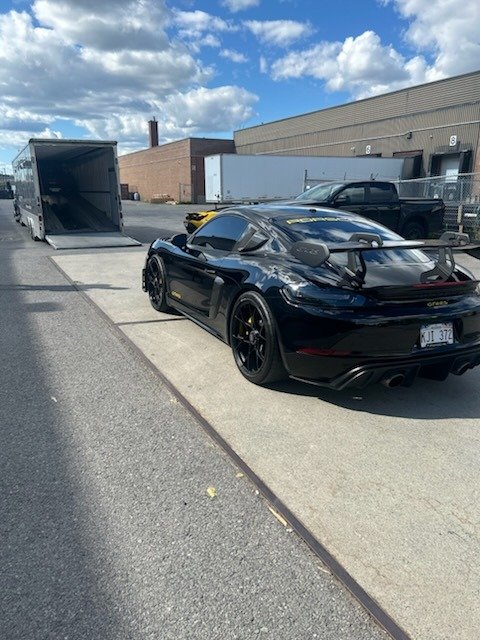
Properly managing your fuel level is one of the easiest parts of your vehicle shipping checklist when planned a few days ahead of schedule. Follow these four practical steps to prepare your vehicle without last-minute stress:
Plan Your Refuelling 5 to 7 Days Out
Avoid filling your tank completely during the week leading up to your scheduled pickup window. If your gauge drops low, add only 10 to 15 litres at a time so you can dial in the quarter-tank mark accurately.
Inspect the Fuel Cap and Underbody for Leaks
Confirm that your gas cap clicks securely into place and that no check-engine warning lights related to evaporative emissions are active. Check the pavement beneath your parked car to ensure there are no fuel or fluid drips.
Never Pack Extra Jerry Cans Inside the Vehicle
Portable gasoline containers, propane cylinders, and other flammable liquids are strictly prohibited inside transported vehicles under Canadian dangerous goods transport rules, as detailed by Natural Resources Canada and federal transport safety frameworks.
Document the Fuel Gauge on the Bill of Lading
During the vehicle inspection before pickup, walk around the vehicle with the driver, take a clear timestamped photo of your dashboard showing the odometer and fuel gauge, and verify that the fuel level is noted on the condition report.

Preparing a Car for Shipping in Canadian Weather Conditions
Shipping a vehicle across Canada—whether between Calgary and Vancouver or from Ontario to Atlantic Canada—means accounting for sharp seasonal temperature swings. Between November and April, sub-zero temperatures can affect how your fuel system behaves during multi-day transit.
In cold winter conditions, leaving a quarter tank of fresh fuel helps minimize empty air space inside the tank where moisture condensation can form, while keeping enough fuel on hand if the driver needs to idle the engine briefly to warm the fluids before unloading. Before winter transport, organizations like the Canadian Automobile Association (CAA) also recommend verifying that your battery is healthy and your engine coolant is rated for freezing temperatures, since cold snaps can make starting a weak battery difficult at delivery terminals.
If your vehicle has been sitting in storage for several months before shipping, consider adding a standard fuel stabilizer before driving it to the pickup location so fresh, stabilized fuel circulates through the injectors.
Frequently Asked Questions About Fuel Requirements for Car Shipping
No, you should never empty your gas tank completely before auto transport. Your vehicle must be driven onto the transport trailer, repositioned during any terminal transfers, and driven off at your destination. Leave approximately a quarter tank of fuel so the driver can safely load and unload your vehicle without running the fuel pump dry.
Yes. A quarter tank (roughly 25% of total tank capacity) is the safest and most widely accepted fuel level across Canadian auto transport carriers. It gives drivers ample fuel for loading, unloading, and short terminal movements while keeping vehicle weight low and leaving room inside the tank for thermal expansion.
For single-vehicle open or enclosed shipments, having slightly more than a quarter tank (such as one-third or half a tank) usually will not prevent pickup, provided the trailer remains within legal axle weight limits. However, full tanks add unnecessary weight and may cause delays on tightly weight-balanced multi-car loads or at strict rail terminals.
Canadian automotive rail yards typically require vehicles to arrive with approximately one-quarter of a tank of fuel and zero active fuel leaks. Vehicles arriving with empty tanks or overflowing fuel caps risk being held at the origin terminal until corrected.
If your vehicle does not run due to a mechanical or electrical issue, inform your transport coordinator when booking so they can dispatch a carrier equipped with a winch. Even for non-running vehicles, ensure the fuel tank has no leaks, the gas cap is secure, and the tank is not overfilled.
Key Takeaways for Preparing Your Vehicle's Fuel Level
Knowing how much gas to leave in a car when shipping comes down to one simple rule of thumb: aim for one-quarter of a tank. Leaving your tank empty risks stalling on steep carrier ramps and incurring inoperable vehicle fees, while shipping with a full tank adds unnecessary weight and thermal expansion pressure.
By planning your refuelling a few days ahead, checking that your fuel cap and lines are leak-free, and recording the gauge reading on your pickup inspection report, you set the stage for a smooth, predictable vehicle delivery anywhere in Canada.
Looking to Ship Your Vehicle Across Canada?
Whether you are relocating between provinces, buying a vehicle out of province, or moving dealership inventory, Optixtrace coordinates reliable open, enclosed, and rail vehicle transport nationwide.
Get a Free Car Shipping Quote