
Shipping a vehicle across Canada involves more than simply choosing a pickup date and destination. One of the earliest decisions individuals, dealerships, and commercial fleet managers face is comparing single car vs multi car transport. While both methods safely move vehicles from one province to another, they rely on very different trailer configurations, dispatch schedules, and cost structures.
Understanding the difference between single-car and multi-car transport helps you align your shipment with your timeline, vehicle type, and budget—whether you are relocating from British Columbia to Ontario, buying a car from an out-of-province seller, or coordinating inventory transfers between dealership lots.
How Single-Car and Multi-Car Auto Transport Work
In automotive logistics, the distinction between single-vehicle shipping and multiple vehicle shipping comes down to trailer capacity and load consolidation. At Optixtrace Car Shipping, shipments are matched with equipment suited to the route, vehicle dimensions, and customer requirements across Canada.
Single-Car Auto Transport
Single-car auto transport dedicates an entire trailer or truck bed to one vehicle. Commonly performed using a flatbed tow unit, a hotshot single-car wedge trailer, or a single-vehicle enclosed box trailer, this approach moves directly from your pickup point to your drop-off address without waiting to consolidate other customer orders.
Multi-Car Auto Transport
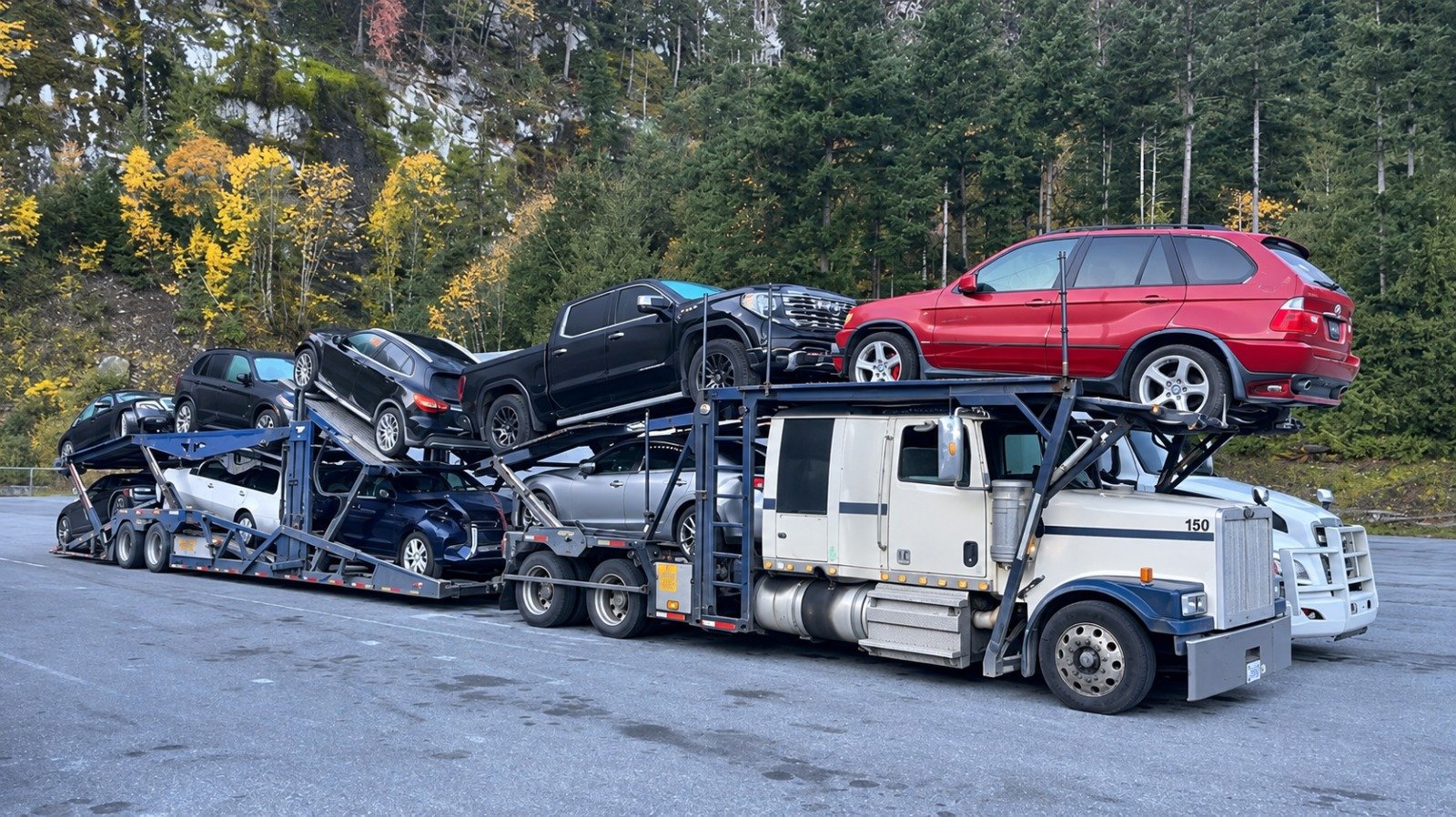
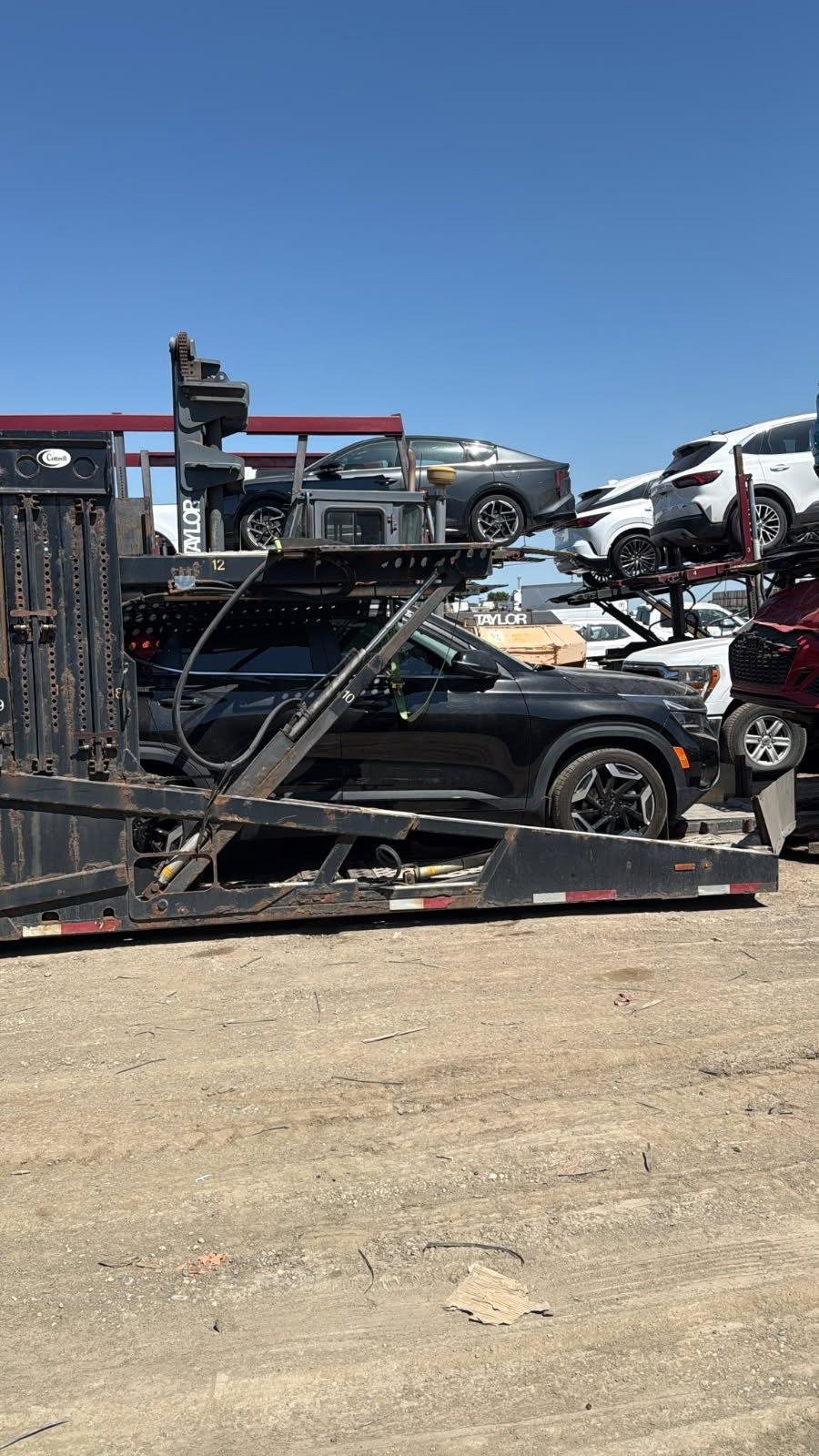
Multi-car auto transport uses a multi-vehicle car hauler equipped with upper and lower hydraulic decks. Depending on axle weight limits and vehicle sizes, these auto transport trailers carry anywhere from three to nine or more vehicles simultaneously along major Canadian highway corridors such as the Trans-Canada Highway.
Because a multi-vehicle car hauler groups vehicles travelling in the same general direction, the driver follows an optimized route with scheduled pickups and deliveries along the corridor. Conversely, a single-vehicle carrier operates on a point-to-point schedule tailored exclusively to one shipment.

Single-Car vs Multi-Car Auto Transport: Side-by-Side Comparison
Evaluating single-car vs multi-car auto transport becomes straightforward when you compare how each option performs across price, speed, equipment availability, and residential accessibility.
| Feature | Single-Car Transport | Multi-Car Transport |
|---|---|---|
| Trailer Capacity | 1 vehicle per trailer (flatbed, single wedge, or compact enclosed) | 3 to 9+ vehicles on a multi-level auto transport trailer |
| Cost Per Vehicle | Higher, because one customer covers fuel, driver time, and equipment | Lower, as operating expenses are shared across multiple vehicles |
| Pickup & Delivery Speed | Direct routing with fewer stops; faster scheduling on regional lanes | Scheduled around multi-stop consolidation windows along major corridors |
| Residential Street Access | Smaller footprint navigates narrow urban or suburban streets easily | Long tractor-trailers may require meeting at a nearby wide parking lot |
| Best Use Cases | Urgent regional moves, oversized/modified trucks, exotic cars, non-running units | Cross-country car shipping, snowbird moves, household multi-car moves, dealerships |
| Long-Distance Availability | Limited for cross-country routes due to high per-kilometre overhead | Widely available across major interprovincial routes year-round |
Vehicle Shipping Costs: Is Single-Car Transport More Expensive?
A common question customers ask when researching car transport options is: is single-car transport more expensive? On a per-vehicle basis, yes. Commercial trucking involves fixed operating expenses—including diesel fuel, driver wages, commercial insurance, maintenance, and provincial highway permits. When a multi-vehicle car hauler transports seven vehicles between Calgary and Toronto, those fixed costs are divided seven ways. On a single-vehicle carrier, one shipment absorbs the entire trip expense.
However, several operational variables influence overall vehicle shipping costs in Canada:
- Distance and Corridor Density: High-volume lanes—such as car shipping from Toronto to Vancouver or vehicle transport from Calgary to Toronto—benefit from frequent multi-car carrier departures, keeping per-vehicle rates competitive.
- Vehicle Weight and Dimensions: Heavy pickup trucks, full-size SUVs, and electric vehicles take up more deck space and axle capacity on a multi-car trailer, which affects pricing compared to compact sedans. Commercial vehicle weights and dimensions in Canada are governed by federal and provincial standards outlined by Transport Canada and the Canadian Council of Motor Transport Administrators (CCMTA).
- Seasonal Weather Conditions: Winter driving across the Canadian Rockies, Northern Ontario, or the Prairies can extend transit windows and affect carrier availability. Checking conditions through Environment and Climate Change Canada helps customers plan realistic winter shipping timelines.
- Operable vs. Inoperable Condition: A vehicle that starts, steers, and brakes can drive straight onto a multi-level ramp. Inoperable vehicles require winching equipment, which is often easier to arrange on a dedicated flatbed or specialized single-car trailer.
Shipping two or more family cars together? Even if you are a private household moving two vehicles between provinces, booking them onto the same multi-car transport carrier often lowers the combined per-vehicle rate and simplifies pickup and delivery coordination.
Matching Car Carrier Capacity with Open, Enclosed, and Rail Services
Choosing between single-car and multi-car shipping also intersects with the type of protection your vehicle needs. When exploring auto transport services across Canada, customers typically select from three primary equipment styles:
1. Open Car Transport
Open car transport is the standard method used by manufacturers, dealerships, and everyday drivers across Canada. Most open shipments travel on multi-level car haulers exposed to outside air, though single-vehicle open flatbeds are also used for short-haul deliveries or tall commercial vans. Open transport offers the broadest carrier network and lowest cost per kilometre.
2. Enclosed Auto Transport
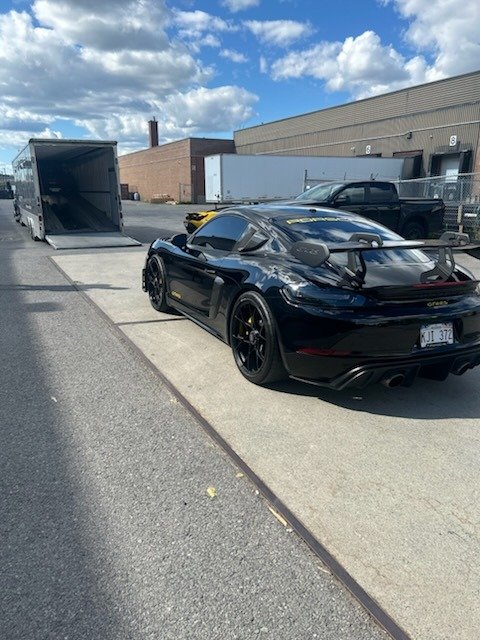
For luxury automobiles, classic collector cars, exotic sports cars, or freshly restored vehicles, enclosed auto transport shields the vehicle from road salt, gravel, rain, and snow inside a fully covered trailer. Enclosed trailers are available in both single-car configurations—for white-glove, direct delivery—and multi-car enclosed haulers capable of carrying two to six high-value vehicles with soft-strap wheel tie-downs and hydraulic liftgates.
3. Rail Transport for Long-Distance Multi-Vehicle Moves
Across Canada's vast east-west geography, rail transport for vehicles provides another high-capacity multi-vehicle shipping option. Fully enclosed tri-level and bi-level autorack railcars carry multiple vehicles between major regional terminals (such as Vancouver, Calgary, Edmonton, Winnipeg, Toronto, and Montreal), often paired with local truck transport for first- and last-mile delivery.
Single-Car or Multi-Car Shipping for Individuals vs. Dealerships
Different shippers have distinct logistical priorities. Whether you are moving one personal sedan or managing commercial inventory, understanding how carriers plan vehicle transport scheduling helps avoid delays.
Private Individuals and Relocating Families
If you are relocating for work, heading south for the winter, or buying a used car online from another province, multi-car open transport is usually the most practical and budget-friendly choice. Your car travels safely alongside other consumer vehicles on an established corridor. However, if you live on a tight downtown street with low tree branches or weight restrictions, a large 75-foot multi-car hauler cannot safely turn onto your block. In those cases, carriers coordinate a nearby wide-access meeting spot—such as a shopping plaza—or dispatch a smaller single-vehicle carrier for final local delivery.
Car Dealerships, Auctions, and Commercial Fleets
When evaluating single-car or multi-car shipping for dealerships, volume and turnaround speed determine the best fit:
- Multi-Car Load Consolidation: Dealership groups moving auction purchases, off-lease returns, or seasonal stock between provinces rely on multi-car carriers to keep unit acquisition costs predictable. According to industry data from organizations like the Canadian Automobile Dealers Association (CADA), efficient logistics and inventory turnover remain essential to dealership operations across Canada.
- Single-Car Expedited Transfers: When a dealership needs a specific sold unit transferred quickly from a sister store 300 kilometres away to close a retail sale, a dedicated single-car carrier eliminates consolidation wait times.
How to Choose the Best Vehicle Transportation Method
Before booking car shipping services across Canada, review these five practical questions to determine whether single-car or multi-car transport aligns with your shipment:
- How flexible is your pickup window? If you can offer a 2-to-5-day pickup window, multi-car transport gives dispatchers flexibility to place your vehicle on an active route at a lower rate. If your vehicle must leave on a specific hour or day, single-car transport offers tighter scheduling control.
- How far is the vehicle travelling? For journeys exceeding 800 kilometres—especially cross-country moves—multi-car transport is overwhelmingly the standard choice. Single-car transport is most economical on regional trips under 500 to 800 kilometres.
- Is the vehicle modified or oversized? Lifted pickup trucks, extended cargo vans, dually trucks, or vehicles with very low ground clearance may not fit standard multi-level deck heights, making a flatbed single-vehicle carrier the safest option.
- What level of weather protection is required? Standard daily drivers travel reliably on open multi-car haulers, while collector, exotic, or luxury models benefit from enclosed single-car or enclosed multi-car trailers.
- Are you shipping more than one vehicle? Moving two or three vehicles at once makes multi-car transport even more efficient, as a single carrier can often load all your vehicles together.

Frequently Asked Questions
Once your booking is confirmed, your vehicle is assigned to a multi-level car hauler travelling along your route corridor. At pickup, the driver inspects the vehicle with you and documents its condition on the Bill of Lading before loading and securing it with wheel straps. The driver then completes scheduled pickups and drop-offs along the highway corridor until reaching your destination, where a final walk-around inspection is completed.
Yes. Modern multi-vehicle car haulers are engineered specifically for automotive logistics, using over-the-tire soft strapping systems that secure vehicles by the wheels without stressing suspension components. Vehicles are spaced to prevent contact during transit, and commercial carriers operating in Canada must adhere to strict federal and provincial safety and cargo securement regulations enforced by bodies such as the Commercial Vehicle Safety Alliance (CVSA).
Total pricing depends on total distance, origin and destination cities, vehicle sizes, season, and whether you choose open or enclosed equipment. Shipping multiple cars together on the same route generally reduces administrative and dispatch overhead compared to booking separate single-car shipments. You can request an accurate, no-obligation rate tailored to your exact vehicles on our online quote page.
For families relocating with two or three vehicles, open multi-car transport is typically the best way to transport multiple vehicles. Booking all vehicles under one coordinated order allows dispatchers to load them onto the same carrier whenever deck space permits, ensuring they arrive together without adding wear and tear or extra kilometres to your odometers.
In suburban neighbourhoods with wide streets and no low-hanging utility lines or municipal truck bans, multi-car haulers can often load and unload right outside your residence. In dense urban cores, cul-de-sacs, or areas with strict bylaws, the driver will arrange a safe, accessible meeting spot nearby—such as a large retail parking lot—so your vehicle can be loaded or unloaded without risk.
Making the Right Choice for Your Shipment
When weighing single car vs multi car transport, the right decision depends on balancing cost efficiency against scheduling exclusivity. Multi-car transport remains the cornerstone of interprovincial and cross-country auto shipping in Canada, offering reliable, economical service for everyday drivers, relocating families, and high-volume dealerships. Meanwhile, single-car transport provides targeted, direct-route convenience for urgent regional transfers, oversized vehicles, and specialty shipments requiring dedicated trailer space.
By matching your vehicle specifications, timeline, and budget to the appropriate carrier equipment, you can ensure a smooth, predictable transport experience anywhere in Canada.
Looking to Ship Your Vehicle Across Canada?
Whether you are moving one personal car or coordinating multi-vehicle transport for your household or dealership, Optixtrace Car Shipping connects you with dependable, nationwide vehicle transportation tailored to your route and schedule.
Get a Free Car Shipping Quote