
Yes — in almost every situation across Canada, you can have someone else arrange car pickup or meet the transport driver on your behalf. Whether you have already flown ahead to start a new job in another province, purchased a vehicle remotely from a private seller, or are coordinating a fleet transfer through a dealership, vehicle shipping does not strictly require the registered owner to stand at the curb with the keys.
That said, commercial auto carriers operate under strict chain-of-custody and insurance verification protocols. Having a friend, family member, neighbour, or dealership representative act as your authorized contact works smoothly only when the proper paperwork, communication channels, and inspection procedures are established before the truck arrives. Below is everything Canadian vehicle owners, buyers, and automotive businesses need to know to authorize a third party safely and avoid costly pickup or delivery delays.
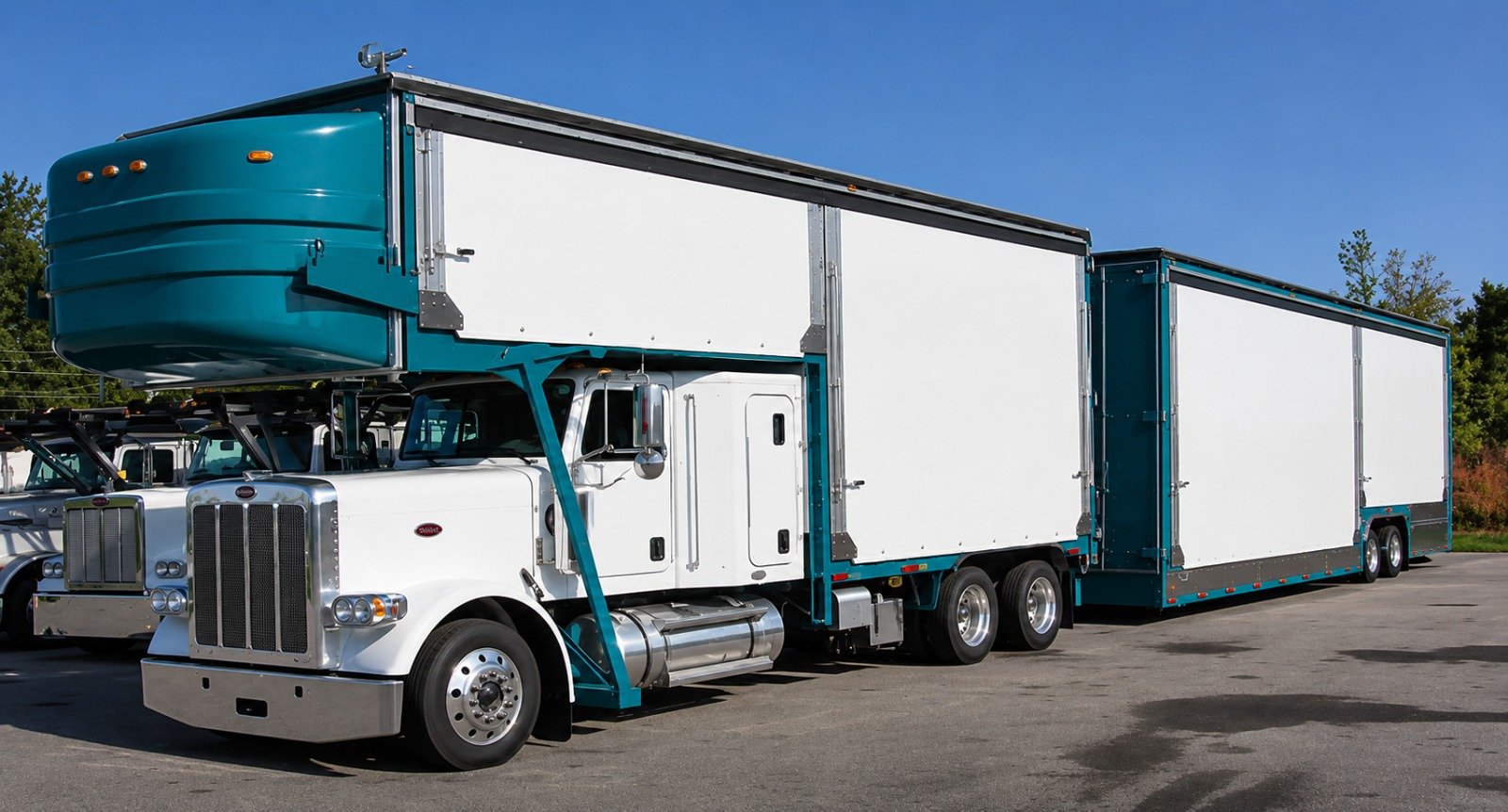
Who Can Act as an Authorized Person for Vehicle Pickup or Delivery?
Carriers do not require your designated representative to share your last name or hold a formal power of attorney for standard domestic shipments. However, an authorized person for vehicle pickup or delivery must be a responsible adult (at least 18 or 19 years old, depending on the province or territory of handover) who holds a valid driver's licence and is reachable by phone on the day of transport.
Across Canada, vehicle owners commonly designate one of the following contacts when scheduling nationwide car shipping services:
Family Members & Trusted Friends
Parents, spouses, siblings, or close neighbours frequently handle vehicle handovers when the owner has already relocated for work, school, or military posting.
Dealership & Auction Staff
When buying a vehicle from an out-of-province dealer or automotive auction, the lot manager, fleet coordinator, or salesperson routinely acts as the pickup contact person.
Private Sellers & Mechanics
If you purchase a car privately or have it inspected at a repair facility prior to shipping, the seller or service advisor can release the vehicle once payment and paperwork clear.
Corporate & Property Contacts
Relocation coordinators, workplace colleagues, or residential building managers can assist with vehicle pickup arrangements when commercial parking access is required.
The single most important qualification is availability and attention to detail. Because long-haul car carriers navigate highway weather, mountain passes, and commercial weigh stations across provinces, pickup and delivery windows are typically confirmed 24 to 48 hours in advance. Your representative must be able to answer carrier calls promptly and inspect the vehicle carefully before signing any paperwork.
How to Arrange Vehicle Pickup on Someone Else's Behalf
There is an important operational distinction between booking a shipment for another person and simply naming a vehicle pickup contact for your own order. Whether you are a parent shipping a university student's car from Ontario to British Columbia or an executive assistant coordinating a corporate transfer, following a clear sequence prevents confusion at dispatch.
- Confirm Ownership and Consent First: Before submitting a booking, verify that the registered owner has explicitly approved the shipment, transport method, pickup window, and destination address. Carriers and coordinators like Optixtrace Car Shipping cannot move a vehicle without clear owner consent.
- Gather Complete Vehicle & Route Details: Collect the exact year, make, model, trim, colour, licence plate number, and Vehicle Identification Number (VIN). Note any mechanical modifications, oversized tires, low ground clearance, or non-running conditions that affect trailer loading.
- Designate Separate Pickup and Delivery Contacts: Provide the full legal name, primary mobile number, backup phone number, and email address for both the origin representative and the destination representative.
- Prepare Written Vehicle Release Authorization: Draft a concise, signed authorization note from the vehicle owner naming the third party permitted to release or receive the vehicle, along with a copy of the vehicle registration and proof of insurance.
- Coordinate Pre-Trip Preparation With the Representative: Ensure your representative knows to remove loose personal items, keep the fuel tank around one-quarter full, disable aftermarket alarms, and provide a working set of keys.
Never give the transport driver your only set of keys. When someone else arranges car pickup for you, have them hand over one complete set of operational keys (including any wheel-lock lug nut keys or key fobs) to the driver, while keeping your spare set with you or shipping it separately via tracked courier.
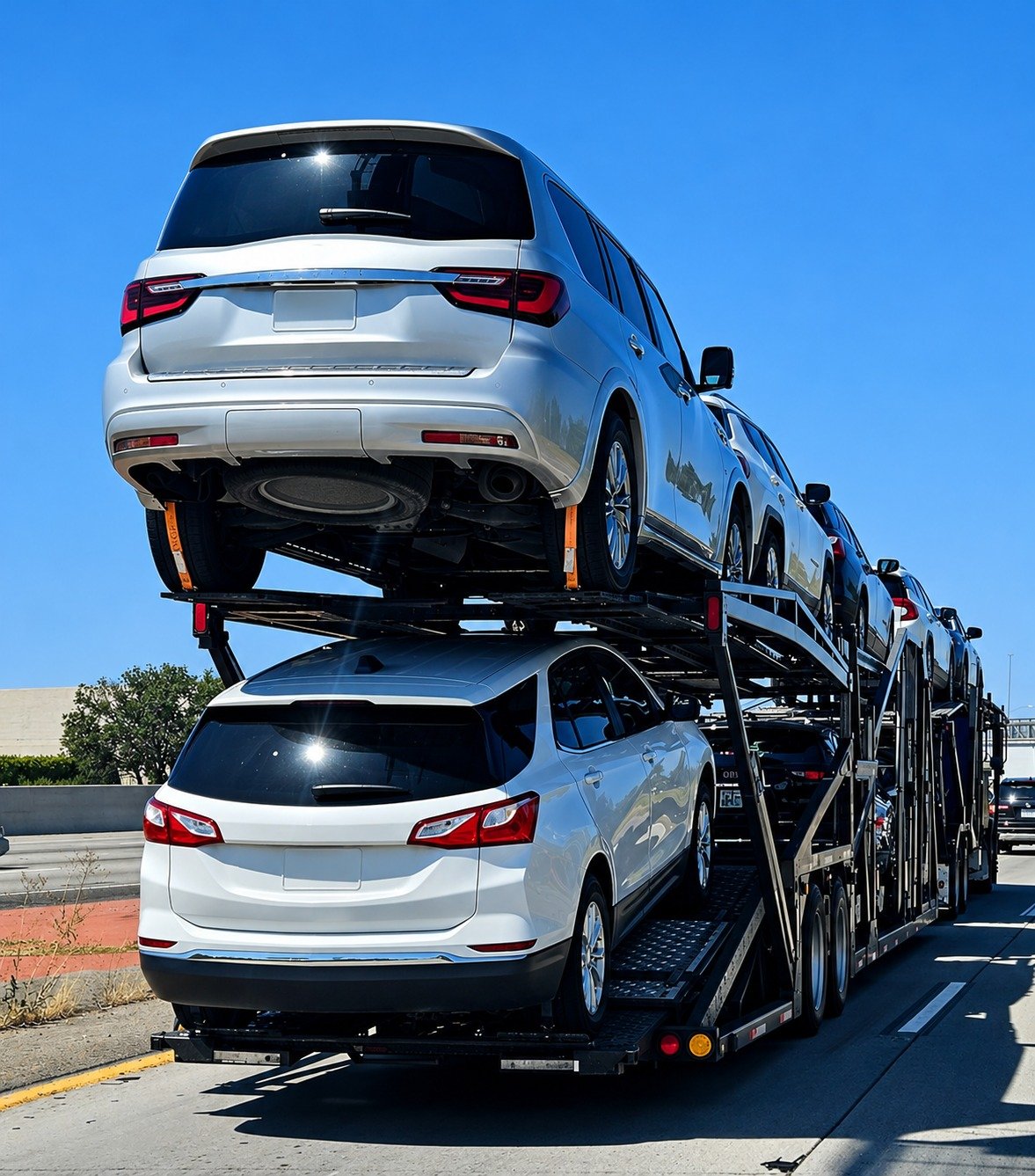
Car Transport Pickup Requirements & Third-Party Authorization
Understanding car transport pickup requirements protects both the vehicle owner and the carrier against fraud, unauthorized release, and disputed damage claims. In accordance with Canadian commercial motor carrier practices and guidance from organizations such as Transport Canada and the Canadian Council of Motor Transport Administrators (CCMTA), every commercial vehicle shipment relies on documented chain-of-custody verification.
Essential Documents for Authorized Vehicle Release
When your representative meets the carrier at pickup, they should have the following items ready for review:
- Government-Issued Photo Identification: A valid Canadian driver's licence or passport matching the exact name listed on the dispatch order as the authorized pickup contact.
- Signed Vehicle Release Authorization Letter: A brief written statement signed by the registered owner authorizing the named individual to release the vehicle (identified by year, make, model, and VIN) to the carrier.
- Copy of Vehicle Registration & Insurance: A photocopy or clear digital copy of the provincial vehicle registration and active insurance card confirming legal ownership and coverage status.
- Bill of Sale (For Recent Purchases): If you just bought the vehicle from a private seller or out-of-province dealership, a copy of the signed bill of sale establishes your legal interest in the vehicle.
- Terminal Gate Pass or Booking Reference (If Applicable): For shipments departing from a regional yard via terminal-to-terminal open transport, the representative will need the carrier booking number and terminal release authorization.
The Bill of Lading (BOL) Inspection at Pickup
The single most critical step during pickup is completing the Bill of Lading (BOL). The BOL serves simultaneously as a receipt for your vehicle, a contract of carriage, and an official condition report.
Before loading, the transport driver and your authorized representative walk around the vehicle together to note existing scratches, dents, stone chips, windshield cracks, or curb rash on a standardized vehicle diagram. Because your representative signs the BOL on your behalf to verify the vehicle's condition at origin, instruct them to:
- Ensure the vehicle is washed beforehand so pre-existing blemishes are clearly visible in daylight.
- Take timestamped, high-resolution photos and a slow walk-around video of all four sides, the roof, wheels, and interior before the car is driven onto the trailer.
- Read every line of the inspection notes before signing and obtain a copy (paper or digital) of the signed origin BOL to send to you immediately.
Can Someone Else Receive My Car Delivery?
Yes. Having someone else receive car delivery is just as common as using a third party at pickup. If you are travelling, stuck in a closing meeting on a new home, or still en route to your new city—for example, relocating along popular corridors like Vancouver to Toronto car shipping or Calgary to Halifax car shipping—your designated delivery contact person can accept the vehicle once all transport balances are settled.

What Your Delivery Representative Must Do Before Signing
Once a recipient signs the destination Bill of Lading without noting exceptions, it becomes significantly harder to substantiate a transit damage claim with a carrier's cargo insurer, as noted in consumer guidance from the Insurance Bureau of Canada (IBC). Make sure your delivery contact follows these four steps:
- Compare Against Origin Photos: Have your representative open the origin inspection photos you forwarded them and compare every panel, bumper, wheel, and glass surface in bright light.
- Check Odometer & Warning Lights: Verify that the odometer reflects only standard loading and unloading mileage and check that no new dashboard warning lights have appeared.
- Note Any Discrepancies Immediately on the BOL: If new damage is visible, it must be written clearly on the driver's copy and the recipient's copy of the BOL before the driver leaves.
- Confirm Safe Parking Access: Multi-car haulers are long commercial vehicles that cannot safely enter narrow residential cul-de-sacs, low-hanging tree streets, or underground parkades. Your representative should be ready to meet the driver at a nearby wide boulevard or commercial plaza parking lot if street access is restricted.
Interprovincial Registration & Cross-Border Considerations
When someone else receives your vehicle in a new province, keep provincial licensing rules in mind. While a designated friend or family member can accept delivery from the transport truck and park the vehicle in your driveway, driving an newly imported or relocated vehicle on public roads requires valid insurance and adherence to provincial registration timelines. Additionally, if a vehicle is entering Canada from the United States rather than moving domestically, customs clearance through the Canada Border Services Agency (CBSA) and the Registrar of Imported Vehicles (RIV) involves strict importer-of-record rules that differ from intra-Canadian shipments.
Can a Dealership or Commercial Seller Arrange Vehicle Pickup for a Customer?
Yes—dealerships, leasing companies, fleet managers, and commercial remarketers arrange third-party vehicle pickups every day across Canada. When you purchase a new or pre-owned vehicle from a dealership in another province, the dealership's fleet or business office typically coordinates directly with Optixtrace or acts as the authorized release party on your behalf.
To prevent release delays at commercial dealerships, confirm these three details with your salesperson or delivery coordinator:
- Cleared Funds & Accounting Release: Dealership accounting departments will not release a vehicle to a transport driver until wire transfers, bank drafts, or financing documents have fully cleared.
- Gate Pass & Stock Number: Ask the dealership to place a physical release note or gate pass on file under the vehicle's stock number and VIN, naming the transport carrier authorized to load the vehicle.
- Dealer Lot Operating Hours: Commercial haulers operate on tight regional schedules. Confirm the exact hours the dealership's shipping/receiving bay or sales lot is staffed, as many dealerships close earlier on Fridays and Saturdays.
For automotive groups and corporate clients managing multiple units, Optixtrace vehicle transportation services streamline dispatch communication by coordinating directly with lot managers, auction yards, and receiving branches nationwide.
How Third-Party Handovers Work Across Different Transport Services
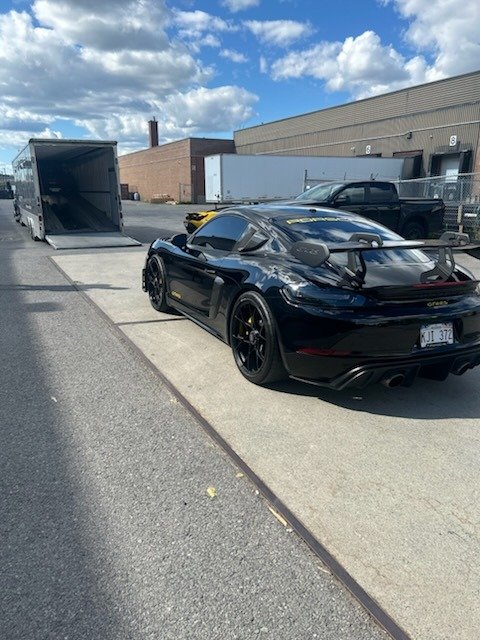
The logistics of having an authorized representative handle pickup or delivery vary slightly depending on the transport method you select. Whether you choose standard open car transport, white-glove enclosed vehicle transport, or cross-country rail vehicle transport, matching your representative's availability to the service format ensures a smooth handover.
| Transport Service Type | Third-Party Pickup & Delivery Rules | Key Requirement for Your Representative |
|---|---|---|
| Open Door-to-Door Transport | Allowed at both pickup and delivery at any truck-accessible residential or commercial address. | Must be flexible with scheduled arrival windows and able to meet at a nearby wide street if needed. |
| Enclosed Vehicle Transport | Allowed; popular for collector cars, luxury vehicles, and exotic dealership deliveries. | Should understand special starting/immobilizer procedures and verify soft-strap tie-down clearance. |
| Rail Transport (Terminal-to-Terminal) | Allowed, provided the representative is pre-registered on the rail terminal release manifest. | Must bring government photo ID and exact rail booking credentials; strict terminal gate hours apply. |
| Flatbed / Specialty Transport | Allowed for commercial vans, oversized trucks, or inoperable vehicles requiring winch loading. | Must confirm keys are accessible (neutral gear/steering unlocked) if the vehicle cannot start on its own. |
Frequently Asked Questions About Third-Party Vehicle Pickup & Delivery
Still unsure about a specific detail regarding vehicle release authorization or carrier communication? Here are direct answers to the questions Canadian drivers ask most frequently.
No, you do not need to be physically present. You can designate any trusted adult—such as a family member, friend, neighbour, mechanic, or dealership representative—to meet the carrier, witness the vehicle inspection, hand over or receive the keys, and sign the Bill of Lading on your behalf.
For standard domestic car shipping within Canada, a notarized power of attorney is not required. Carriers require your representative to be listed as the official pickup or delivery contact on the dispatch order, carry valid government photo ID, and hold a signed authorization letter plus copies of the registration and insurance.
Yes. If your plans change, notify your Optixtrace transport coordinator as soon as possible—ideally at least 24 hours before scheduled pickup or delivery—so we can update the dispatch manifest and share the new contact's phone number with the assigned driver.
Commercial car haulers cannot leave a vehicle unattended without a signed Bill of Lading, nor can they wait indefinitely due to federal Hours of Service regulations. If your primary contact cannot be reached, the carrier may have to reschedule the stop or place the vehicle in a secure storage yard, which can incur dry-run or storage fees. Always provide a reliable backup phone number.
Yes, provided the payment method matches what was agreed upon during booking, or you settle the balance directly with Optixtrace prior to unloading. Confirming payment arrangements ahead of time ensures your delivery contact can focus purely on the vehicle inspection.
Smooth Vehicle Handovers Anywhere in Canada
Having someone else arrange car pickup or meet the transport carrier at delivery is a practical, routine part of modern vehicle logistics. Whether you are coordinating a cross-country move, buying a car from an out-of-province dealership, or helping a family member relocate, clear authorization makes all the difference.
By naming a reliable adult contact, preparing a signed vehicle release authorization with supporting ownership documents, and ensuring your representative conducts a thorough photo-documented Bill of Lading inspection, you can ship your vehicle across Canada with complete peace of mind.
Looking to Ship Your Vehicle Across Canada?
Whether you are handing over the keys yourself or designating an authorized representative, Optixtrace coordinates reliable, transparent vehicle transportation from coast to coast.
Get a Free Car Shipping Quote