
Warm weather, clear highways, and extended daylight hours make summer car shipping the busiest period of the year across Canada. Between May and September, household relocations surge, university students move for fall terms, dealerships replenish seasonal inventory, and private buyers purchase vehicles from neighbouring provinces.
Whether you are coordinating a cross-country move from British Columbia to Ontario or arranging dealership transfers in the Prairies, understanding how peak moving season affects carrier availability, pricing, and transit schedules helps you plan with confidence. Working with an experienced provider of vehicle transportation services across Canada ensures your shipment is scheduled smoothly and handled professionally from pickup to delivery.
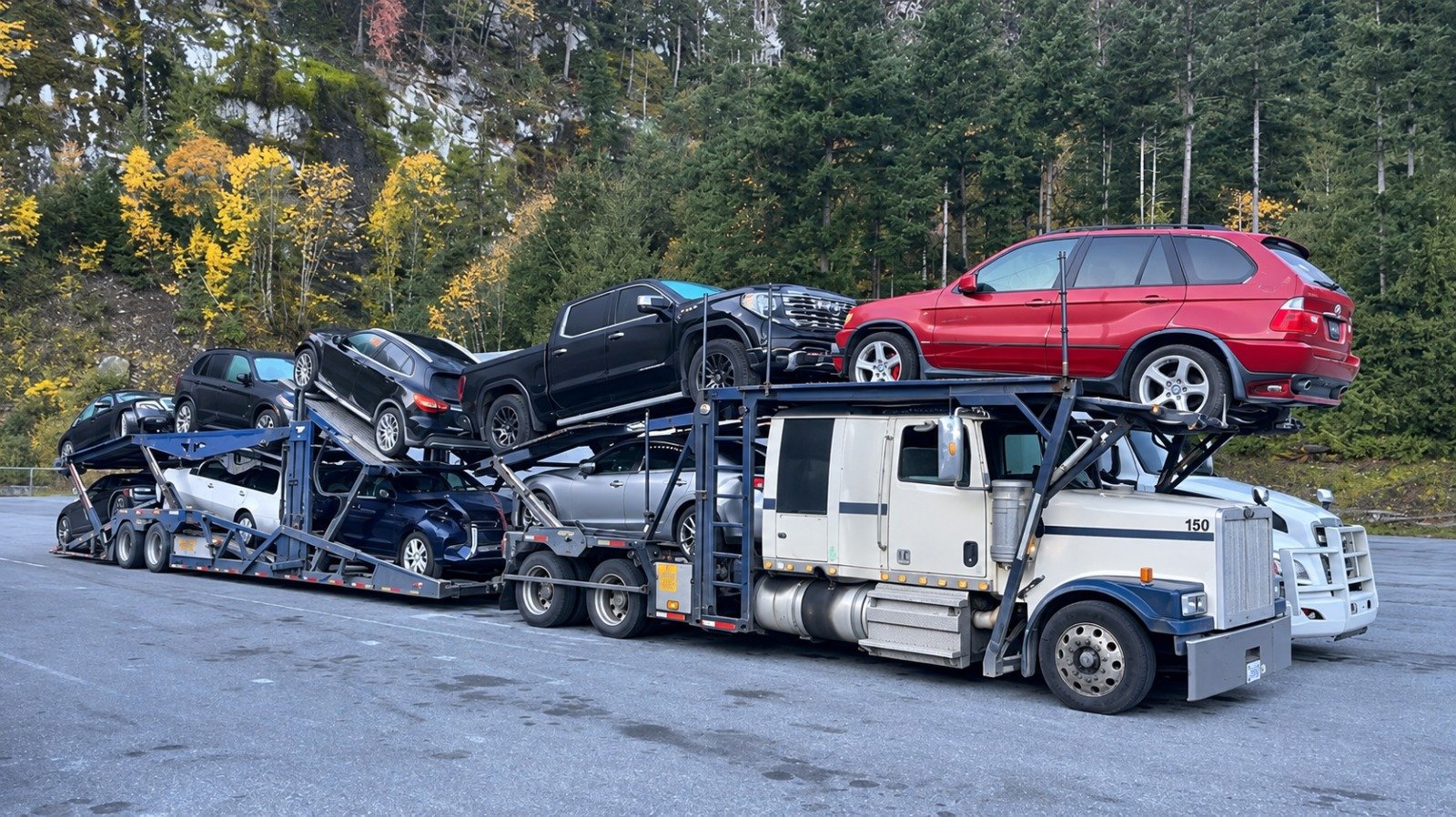
Why Summer Is Peak Season for Car Shipping in Canada
In Canadian automotive logistics, summer represents the highest-volume window for both residential and commercial vehicle shipments. Unlike winter—when snowstorms, mountain pass closures, and freezing temperatures slow down freight—summer offers reliable driving conditions along the Trans-Canada Highway and regional routes.
Several overlapping trends drive demand for summer auto transport across every province:
Interprovincial Moves
Families frequently time long-distance relocations around the end of the school year, creating heavy corridor demand between major urban centres such as Vancouver, Calgary, Toronto, Ottawa, and Montreal.
Dealership & Fleet Transfers
Car dealerships, leasing companies, and corporate fleets actively balance summer inventory, moving SUVs, trucks, and passenger cars between regional auctions and retail showrooms.
Private & Online Vehicle Sales
Buyers shopping online for specific trims, collector models, or rust-free vehicles from drier provinces rely on summer vehicle shipping rather than putting thousands of kilometres on a newly purchased car.
Because so many shippers compete for space on the same outbound lanes, understanding what to know before shipping a car in summer begins with recognizing how capacity works. Multi-vehicle carriers operate on fixed deck space, meaning popular routes book out well ahead of departure dates.
Does Summer Affect Car Shipping Prices and Transit Times?
Yes—seasonal demand directly influences both rates and scheduling windows. When evaluating how long summer car shipping takes and how rates are calculated, several operational factors come into play.
What Drives Summer Auto Transport Pricing
- Carrier Availability on Specific Lanes: High-traffic corridors like Toronto to Calgary car shipping see frequent carrier departures, while remote northern or Atlantic communities may require coordinated feeder routing.
- Vehicle Size and Weight: Full-size pickup trucks, three-row SUVs, and electric vehicles occupy more deck space and add axle weight compared to compact sedans, affecting load balancing.
- Service Type and Flexibility: Choosing between terminal drop-offs and direct residential delivery—or offering a flexible pickup window—can influence overall cost.
- Fuel Surcharges and Operating Costs: Commercial diesel prices and federal hours-of-service regulations for commercial drivers set the baseline operating costs across Canada, as outlined by Transport Canada.
Best Time to Book Summer Car Shipping
For shipping a vehicle across Canada in summer, booking two to four weeks before your desired pickup date is ideal. Early booking gives dispatch coordinators sufficient lead time to match your vehicle with an insured, vetted carrier heading along your exact route—especially around month-end dates when residential leases turn over.
Avoid Month-End Bottlenecks When Possible: The final four days and first four days of June, July, and August are the busiest dispatch dates in Canada. If your schedule allows you to ship mid-month, you will typically enjoy broader carrier availability and smoother pickup scheduling.
Choosing the Right Summer Vehicle Shipping Method
Selecting the appropriate transport mode depends on your vehicle's value, ground clearance, schedule, and budget. Optixtrace coordinates multiple transport options tailored to individual owners, dealerships, and commercial shippers across Canada.
| Transport Method | Best Suited For | Key Summer Advantage | Considerations |
|---|---|---|---|
| Open Car Transport | Daily drivers, family SUVs, pickup trucks, dealership stock | Most economical and widely available option across all major Canadian routes | Vehicle travels on an open-air multi-car trailer exposed to road dust and summer rain |
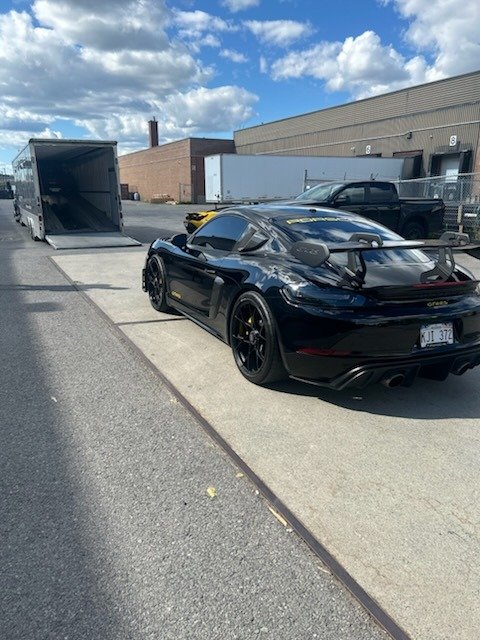
| Enclosed Car Transport | Luxury vehicles, classic cars, exotics, low-clearance sports cars | Complete shielding from UV glare, highway gravel, insects, and summer hailstorms | Limited trailer capacity requires earlier summer booking |
| Rail Transport | Long-distance cross-country shipments between major Canadian hubs | Cost-effective, weather-shielded railcars ideal for coast-to-coast distances | Operates between designated rail terminals rather than direct residential streets |
Open vs. Enclosed vs. Rail Transport in Summer
For most everyday sedans, crossovers, and pickup trucks, open car transport remains the industry standard. Multi-level open haulers move quickly along major highways and offer the highest frequency of departures throughout the summer months.
However, if you are transporting a collector convertible, custom build, or high-value luxury model, enclosed car transport eliminates exposure to summer construction debris, highway stones, and sudden prairie hailstorms. Meanwhile, shippers moving standard vehicles across vast distances between major metropolitan centres can also explore rail vehicle transport for reliable terminal-to-terminal cross-country logistics.
How to Prepare Your Car for Summer Shipping
Proper preparation prevents delays during loading, ensures an accurate condition inspection, and protects your vehicle in warm weather. Follow this practical vehicle preparation checklist before the carrier arrives:
Canadian Highway Corridors and Summer Weather Considerations
While summer eliminates winter ice and snowstorms, shipping a car across Canada between June and September still involves unique regional logistics. Canada's highway network spans thousands of kilometres across diverse terrain, and seasonal roadwork or weather events can occasionally influence routing.
Key factors dispatchers and drivers monitor during summer transport include:
- Summer Highway Construction Zones: Provincial transportation ministries perform major paving and bridge rehabilitation during warm months. Single-lane detours on highways in Northern Ontario or the Rockies can add minor transit buffers.
- Wildfire Smoke and Detours: In British Columbia, Alberta, and Northern regions, late-summer wildfire activity occasionally prompts temporary highway closures. Drivers monitor provincial updates such as DriveBC and Ontario 511 to adjust routes safely.
- Severe Summer Thunderstorms and Hail: The Canadian Prairies regularly experience fast-moving summer convective storms. Checking regional forecasts via Environment and Climate Change Canada helps drivers time rest stops safely.
- Urban Street Access: Commercial car haulers can exceed 22 metres in length. Tree-lined residential streets with low summer foliage or street-parked cars may require meeting the driver at a nearby wide commercial plaza for safe loading.

Whether you are coordinating Vancouver to Toronto car shipping or a shorter regional transfer, working with a logistics coordinator that actively tracks highway conditions keeps your delivery timeline realistic and transparent.
Pickup, Inspection, and Delivery Scheduling
Knowing what happens on pickup and delivery day removes guesswork from the shipping process. A structured handover protects both the vehicle owner and the transport carrier.
Step-by-Step Handover Process
- Pre-Pickup Confirmation: Your carrier contacts you in advance to confirm the arrival window and verify whether your street accommodates a full-size auto hauler or if a nearby wide lot works best.
- Origin Vehicle Inspection: Together with the driver, you walk around the vehicle to note existing cosmetic marks on the inspection report (Bill of Lading). Both parties sign the document, and you keep a copy.
- Secure Loading and Transit: The driver loads the vehicle onto the trailer using wheel straps or soft tie-downs designed to secure tires without stressing suspension components.
- Destination Inspection and Key Handover: Upon arrival, inspect the vehicle in good lighting against your origin report before signing the final delivery receipt and receiving your keys.

If your schedule makes meeting a driver at a specific residential address difficult, door-to-door vehicle shipping can also be paired with designated representative handovers—allowing a trusted family member, dealership manager, or colleague to release or accept the vehicle on your behalf.
Frequently Asked Questions About Summer Car Shipping
Booking 2 to 4 weeks ahead of your target pickup date is recommended during peak summer months (May through September). If you need enclosed transport or are shipping near the end of June, July, or August, reserving even earlier helps secure your preferred window.
Transit duration depends on distance, route popularity, and transport mode. Short regional trips between neighbouring provinces often take a few days, whereas coast-to-coast shipments between British Columbia and Ontario or Atlantic Canada typically span one to two weeks due to commercial driver hours-of-service rules and multi-stop routing.
It is best to ship your vehicle completely empty. Commercial auto transport insurance covers the vehicle itself rather than personal household belongings, and excess cargo weight can affect trailer axle limits or shift during highway travel.
Yes. Legitimate auto transport carriers maintain cargo liability coverage for vehicles in their care, custody, and control during transit. Always confirm coverage terms before dispatch and complete a thorough inspection on the Bill of Lading at both pickup and delivery.
Open transport is ideal and cost-effective for everyday cars, SUVs, and pickup trucks. Enclosed transport is recommended if you are shipping a luxury vehicle, vintage collectible, exotic sports car, or custom vehicle that benefits from complete protection against highway gravel, insects, and summer storms.
Planning a Smooth Summer Vehicle Shipment
Successful summer car shipping comes down to early scheduling, choosing the right trailer type for your vehicle, and preparing your car properly before pickup. While peak moving season brings higher demand across Canadian highways, booking ahead and working with an experienced logistics coordinator ensures reliable pickup windows, clear inspection documentation, and safe delivery across any province. To learn more about our nationwide network, visit Optixtrace Car Shipping.
Looking to Ship Your Vehicle Across Canada?
Whether you are relocating to a new province, transferring dealership inventory, or moving a seasonal vehicle this summer, Optixtrace coordinates dependable, transparent auto transport across Canada.
Get a Free Car Shipping Quote