
Whether you are relocating across provinces, buying a vehicle out of province, or coordinating commercial fleet movements, knowing the exact things to remove from car before shipping protects your vehicle, prevents unexpected delays, and keeps your shipment compliant with Canadian transport regulations. Many vehicle owners assume they can pack their trunk or back seat like a moving van, only to discover at pickup that loose items create safety hazards, void carrier liability coverage, or violate commercial weight rules.
At Optixtrace Car Shipping, we coordinate reliable vehicle transportation across Canada for private individuals, dealerships, and corporate clients. Below, our logistics specialists break down what to remove from a car before transport, why carrier rules exist, and how to complete a thorough car shipping preparation checklist before pickup day.
Why Clearing Your Vehicle Before Auto Transport Matters
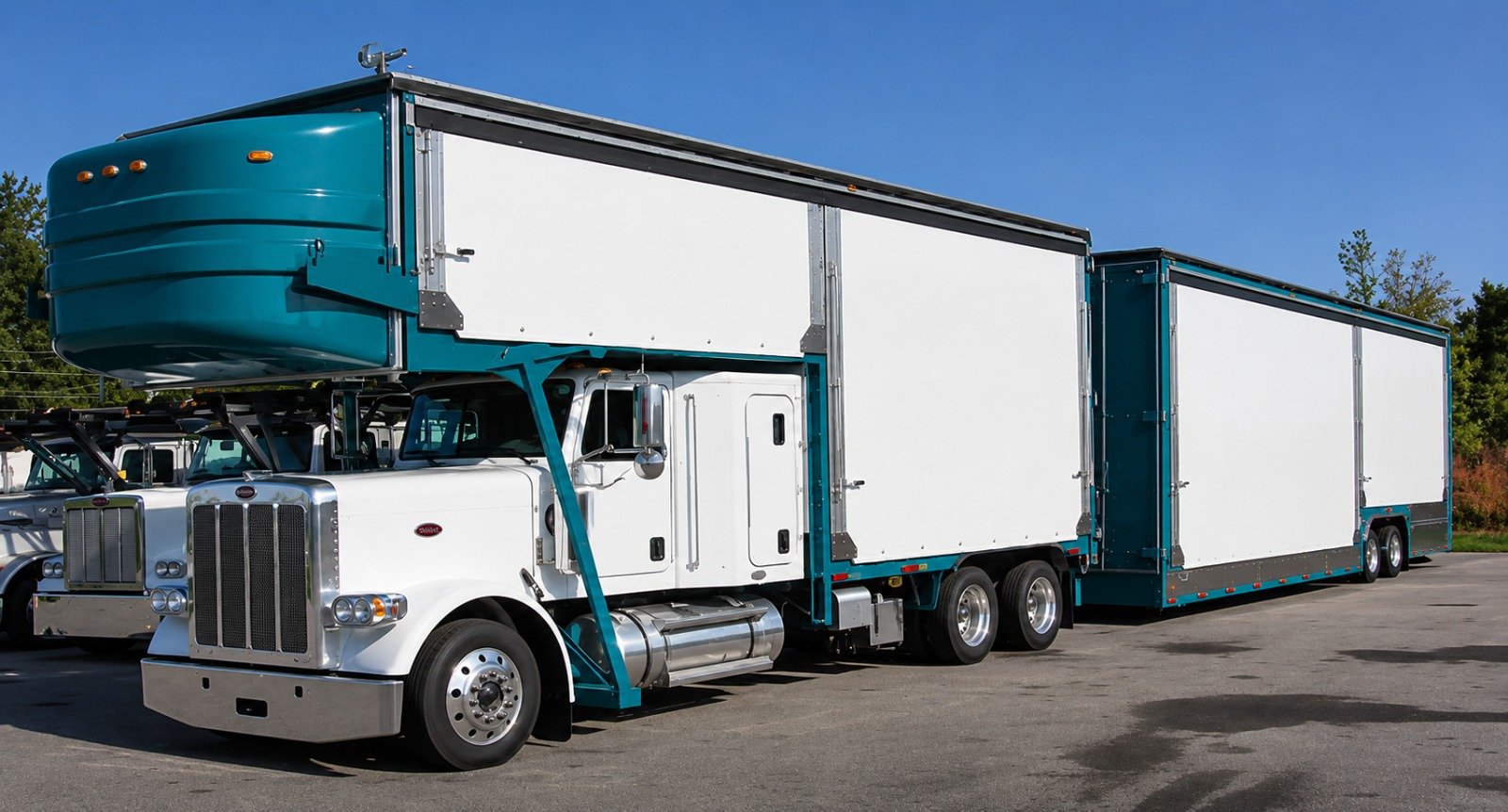
Understanding what to remove from a car before transport comes down to three practical realities in Canadian commercial trucking and railway logistics: physical safety, cargo insurance exclusions, and regulatory compliance.
During a long-haul trip—such as a Toronto to Vancouver car shipping corridor through the Canadian Shield and the Rocky Mountains—a transport trailer encounters steep grades, braking forces, and road vibrations. Any unsecured object inside the car interior or trunk storage area can shift, slide, or become airborne, scratching leather upholstery, cracking infotainment screens, or shattering interior glass from the inside.
Furthermore, auto transport carriers operate under commercial motor vehicle regulations enforced by provincial ministries and Transport Canada. Commercial carriers are licensed to haul motor vehicles—not household goods. Unreported boxes or heavy personal items add uncalculated weight to the trailer, which can trigger axle weight violations at provincial weigh scales and delay every vehicle on the load.
Insurance Coverage & Liability: Standard carrier cargo insurance policies cover the vehicle itself against transit-related damage, not personal belongings left inside the cabin or boot. According to guidance from the Insurance Bureau of Canada (IBC), personal contents inside a vehicle typically fall under separate home or tenant policies rather than auto policies—meaning items left inside during commercial transport are shipped entirely at the owner's risk.
12 Things to Remove From Your Car Before Shipping It
If you are wondering "what should I remove from my car before shipping it?", work through the twelve categories below before your scheduled pickup window. Clearing these items protects both your property and your vehicle's exterior and interior condition.
Loose Personal Belongings and Luggage
Suitcases, duffel bags, cardboard moving boxes, sports gear, and loose clothing should never remain on seats or floorboards. Even packed bags can shift during loading ramps or sudden highway braking, damaging interior trim or obstructing the driver's visibility when moving the car onto the carrier.
High-Value Electronics and Portable Tech
Remove laptops, tablets, dashcams, aftermarket GPS units, radar detectors, and charging cables. Aside from theft deterrence during terminal layovers, lithium-ion batteries inside portable electronics are sensitive to extreme Canadian summer heat and winter sub-zero temperatures inside unheated trailers.
Valuables, Cash, and Jewellery
Should you remove valuables before shipping your car? Always. Take out cash, gift cards, sunglasses, watches, jewellery, and collectibles from the centre console, cup holders, and overhead compartments. Never assume a locked glove compartment protects small valuables during multi-stop transit.
Toll Transponders and Parking Passes
Detach electronic toll transponders—such as Ontario's Highway 407 ETR transponder or regional bridge passes—before pickup. If left mounted on the windshield, overhead gantry readers along the route can register your vehicle on the transport truck and bill your account for tolls you did not drive.
Garage Door Openers and Home Gate Remotes
Clip-on garage remotes, condo fob openers, and spare house keys are among the most commonly forgotten items on visors. Because your Bill of Lading displays your pickup or delivery address, leaving a garage opener inside creates an avoidable home security vulnerability.
Sensitive Personal and Financial Documents
Clear out bank statements, tax paperwork, medical records, passports, and spare vehicle titles from the glove compartment. Keep only the mandatory vehicle registration copy and proof of valid insurance required for the transport carrier's paperwork.
Removable Aftermarket Exterior Accessories
Detach roof racks, ski and snowboard carriers, bike mounts, cargo boxes, custom spoilers, and non-retractable antennas. Exterior add-ons alter your vehicle's height clearance on multi-level trailers and can catch wind shear or overhead deck beams during open-air transit.
Flammable Liquids, Fuels, and Pressurized Cans
Transport regulations strictly prohibit hazardous materials inside shipped vehicles. Remove jerrycans, propane cylinders, aerosol spray cans, paint thinners, lighter fluid, and fireworks. Under temperature swings, pressurized canisters can rupture or leak inside the cabin or trunk.
Perishable Food, Beverages, and Liquids
Check under seats and inside door pockets for forgotten water bottles, canned drinks, snacks, or groceries. Freezing winter temperatures across the Prairies or Northern Ontario can cause liquid bottles to burst, staining carpets and creating mould or odours before delivery.
Loose Trunk Tools, Fluid Jugs, and Heavy Parts
While your factory spare tire and OEM jack kit can stay secured in their designated wheel well, remove loose toolboxes, hydraulic floor jacks, extra jugs of windshield washer fluid or motor oil, and unmounted winter tires unless pre-approved in writing on your shipping order.
Child Car Seats and Booster Seats
Unless securely latched into factory ISOFIX/UAS anchors and approved by your carrier, remove infant carriers and loose booster seats. Unlatched seats take up substantial cabin space and can shift forward against front seatbacks during loading and unloading.
Custom Audio Subwoofers and Loose Interior Trim
Unbolted subwoofer enclosures, portable jump-starters, and aftermarket phone mounts suction-cupped to the glass should be packed separately. Suction mounts frequently detach during temperature drops and fall onto dashboards or gear selectors.
Personal Belongings in Shipped Vehicles: What Can Stay vs. What Must Go
Customers frequently ask: "Can I leave personal belongings in my car when shipping, and what items are not allowed in a car during transport?" Knowing the exact boundary between standard vehicle equipment and prohibited cargo prevents last-minute repacking on pickup day.
| Item Category | Transport Status | Logistics & Safety Reason |
|---|---|---|
| Factory Spare Tire, OEM Jack & Lug Wrench | Allowed (Secured) | Part of standard vehicle equipment; must remain bolted or latched inside the trunk compartment. |
| Registration & Valid Insurance Slip | Required | Needed for carrier compliance, terminal handoffs, and roadside inspections across provinces. |
| Fitted All-Weather Floor Mats | Allowed (Anchored) | Safe when clipped into factory floor retainers; loose unanchored mats should be laid flat. |
| Boxes, Suitcases & Household Goods | Remove | Not covered by carrier cargo insurance; adds unverified weight and risks interior damage. |
| Hazardous Materials, Fuel Cans & Aerosols | Strictly Prohibited | Illegal to transport inside passenger vehicles on commercial carriers under safety regulations. |
| Electronics, Cash, Passports & Toll Tags | Remove | Prevents accidental toll billing, theft exposure, and cold/heat battery damage. |
| Unmounted Tires, Rims & Heavy Auto Parts | Remove Unless Approved | Requires advance carrier disclosure due to axle weight limits and securement constraints. |
If you are shipping a vehicle across an international border—such as importing a vehicle into Canada—additional rules apply. The Canada Border Services Agency (CBSA) requires vehicles to be completely empty of personal household effects unless accompanied by formal customs declaration manifests, and commercial auto carriers typically prohibit cross-border personal goods altogether to avoid border holds.
How Transport Method Affects Your Vehicle Shipping Requirements
Different transport methods across Canada have slightly different handling procedures. Choosing the right service through Optixtrace helps you tailor your preparation accurately.
Open Carrier Auto Transport
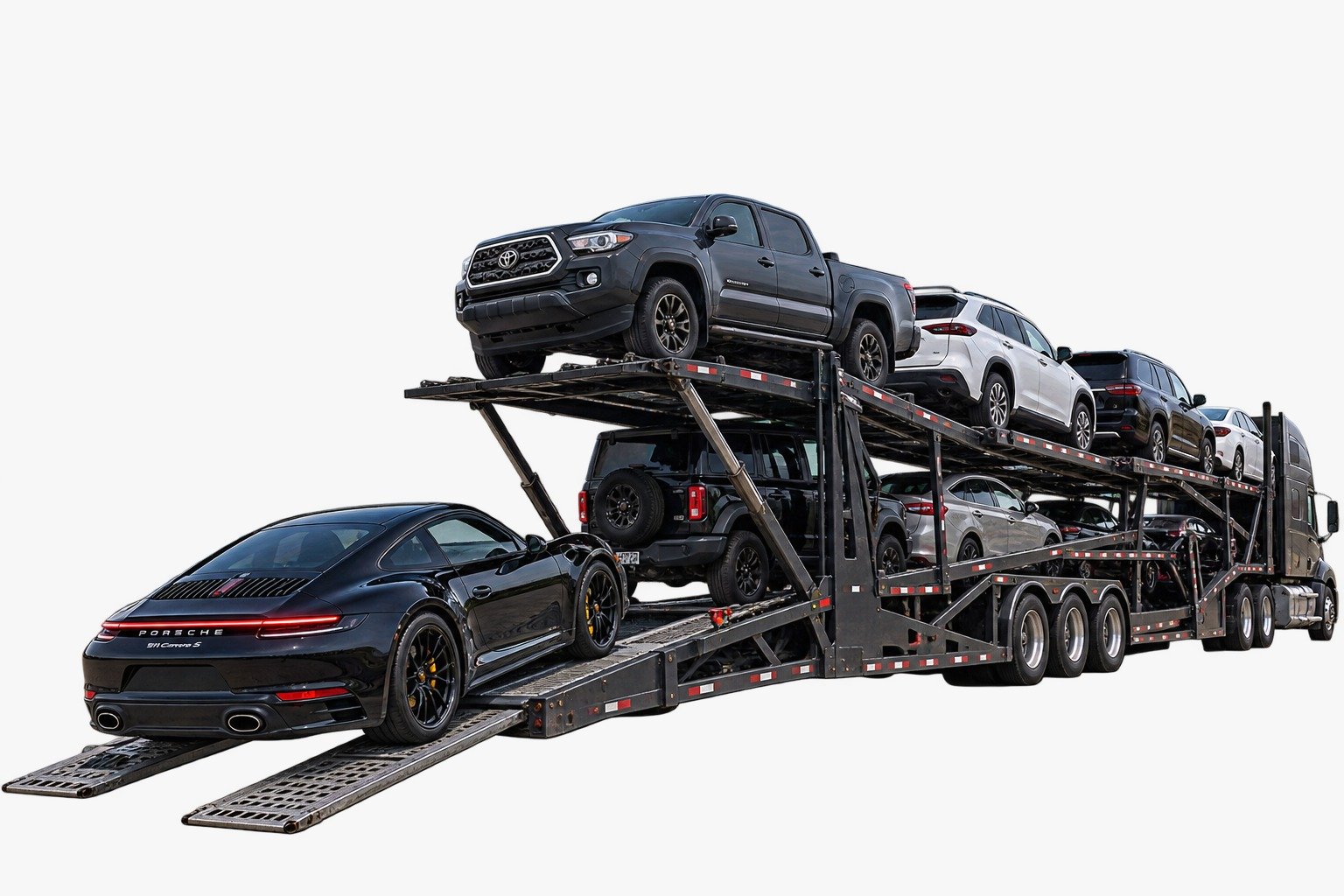
Standard open transport is the most popular and cost-effective option for everyday sedans, SUVs, minivans, and pickup trucks. Because vehicles travel on open-air multi-level trailers, removing exterior attachments—such as roof racks, bug deflectors that are loose, or custom mud flaps—is especially important to prevent wind vibration over thousands of kilometres.
Enclosed Vehicle Transport
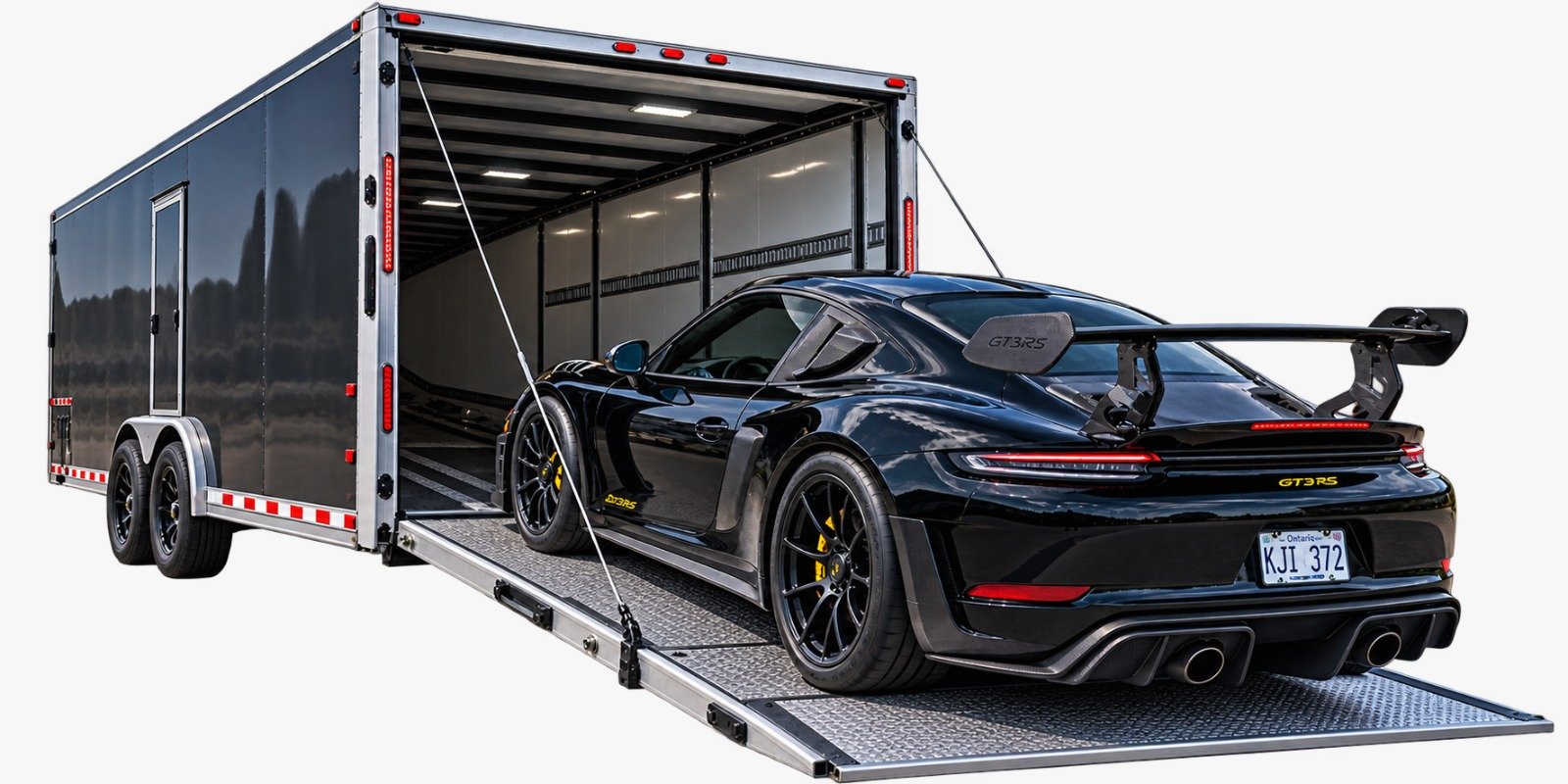
When shipping luxury models, collector classics, exotic sports cars, or freshly restored vehicles, enclosed transport shields your car from road gravel, salt spray, and inclement Canadian weather. Even inside a fully enclosed trailer, interiors must remain completely free of loose items, car covers (unless properly fitted and strapped), and unfastened spare parts so nothing shifts against delicate cabin finishes.
Railway Vehicle Transportation
For long-distance corridors between major Canadian hubs—such as Calgary to Toronto car shipping—rail transport utilizes enclosed multi-level auto-rack railcars. Rail terminals enforce strict zero-personal-belongings policies: terminal inspectors will refuse any vehicle containing luggage, boxes, or loose trunk items at drop-off because rail yards cannot assume liability for personal property during yard switching.
Car Shipping Preparation Checklist for Canadian Vehicle Owners
Once you have completed the list of items to remove before shipping a car, follow this practical checklist for preparing a car for shipping in Canada during the 24 to 48 hours before pickup:
- Wash the Exterior Thoroughly: Dirt, road salt, and winter slush hide minor paint chips or door dings. A clean exterior allows both you and the driver to record an accurate condition report on the Bill of Lading at pickup.
- Photograph Every Angle: Take clear, timestamped photos of all four sides, the roof, bumpers, wheels, windshield, and odometer reading before loading. Keep these photos saved until delivery inspection is complete.
- Leave Approximately a Quarter Tank of Fuel: Keep the fuel gauge around one-quarter full. This provides enough fuel for loading, unloading, and terminal positioning without adding unnecessary fuel weight to the carrier.
- Verify Battery Charge, Tire Pressure, and Fluid Leaks: Confirm your battery holds a strong charge—especially in colder months—inflate tires to manufacturer specifications, and check beneath the vehicle for active oil or coolant leaks. Guidance from the Canadian Automobile Association (CAA) highlights how cold-weather battery health directly impacts starting reliability during seasonal moves.
- Disable Aftermarket Alarms and Fold Side Mirrors: Turn off motion-sensitive aftermarket alarm systems so highway vibrations do not drain your battery mid-transit. Fold in power or manual side mirrors and retract antennas.
- Provide a Full Set of Keys: Hand over one complete set of ignition keys, key fobs, and any wheel-lock lug keys required for the vehicle. Keep your spare key set with you.

Frequently Asked Questions About Preparing a Car for Shipping
Final Thoughts on Preparing Your Vehicle for Transport
Taking thirty minutes to go through the things to remove from car before shipping is one of the smartest steps you can take before handing over your keys. By clearing out loose personal belongings, electronics, toll transponders, garage openers, hazardous materials, and removable exterior accessories, you protect your vehicle's cabin and bodywork while ensuring smooth, compliant transit anywhere in Canada.
Whether you are shipping a family SUV, a dealership inventory unit, or a collector vehicle, proper preparation sets the stage for a stress-free pickup and delivery experience.
Looking to Ship Your Vehicle Across Canada?
Coordinate safe, reliable open, enclosed, or rail vehicle transportation with Optixtrace Car Shipping. Reach out to our Canadian auto logistics specialists today for transparent guidance and a tailored transport plan.
Get a Free Car Shipping Quote