
Relocating across provinces, purchasing an out-of-province vehicle, or coordinating dealership inventory between Ontario and Manitoba involves more than mapping out a highway route. Spanning roughly 2,100 kilometres along the Trans-Canada corridor through Northern Ontario, Toronto to Winnipeg car shipping offers a practical alternative to putting days of highway wear, fuel expenses, and winter weather risk onto your vehicle.
Whether you are a household moving west, a snowbird returning home, or an automotive business managing fleet transfers, understanding how Toronto to Winnipeg vehicle shipping operates helps you choose the right carrier method, prepare your vehicle properly, and avoid unexpected scheduling delays. At Optixtrace Car Shipping, we coordinate dependable cross-province vehicle transportation across Canada so your car arrives safely and predictably.
Why Choose Car Shipping From Toronto to Winnipeg Over Driving?
At first glance, driving from the Greater Toronto Area to Winnipeg appears straightforward: head north on Highway 400 and Highway 69 toward Sudbury, follow Highway 17 along the north shore of Lake Superior through Sault Ste. Marie and Thunder Bay, and continue west through Kenora into Manitoba. In reality, that single-province stretch through Northern Ontario accounts for the bulk of the journey and presents unique logistical hurdles.
Long stretches of two-lane highway, limited overnight accommodations during peak travel seasons, wildlife crossings, and rapid lake-effect weather shifts around Lake Superior make the drive demanding. Before committing to a multi-day road trip, motorists and fleet managers routinely weigh the real-world trade-offs of professional car shipping from Toronto to Winnipeg:
- Reduced Mechanical Wear and Depreciation: Avoiding more than 2,100 kilometres of continuous highway driving preserves tyre tread, brake components, windshield glass, and odometer value—an especially important factor for leased vehicles and late-model purchases.
- Predictable Travel Logistics: Instead of coordinating fuel stops, hotels, meals, and time off work across three full days of driving, you can fly directly between Toronto Pearson (YYZ) and Winnipeg Richardson (YWG) in under three hours while auto transport carriers handle the highway miles.
- Safer Winter and Shoulder-Season Transit: Between October and April, Northern Ontario highways frequently experience black ice, blowing snow, and sudden closures. Tracking highway conditions on Ontario 511 and Manitoba 511 underscores how quickly conditions change along the Canadian Shield, making commercial transport a safer choice for drivers unfamiliar with winter northern routes.
- Scalable Solutions for Dealerships and Businesses: Automotive retailers, auction buyers, and corporate relocation coordinators can move single units or multi-vehicle batches on consolidated schedules without pulling staff away from daily operations.
Best Way to Transport a Car From Toronto to Winnipeg: Comparing Carrier Options
Selecting the best way to transport a car from Toronto to Winnipeg depends on your vehicle type, budget, clearance height, and sensitivity to road exposure. Professional vehicle transportation services across Canada generally rely on three primary transit modes.
Open Car Transport
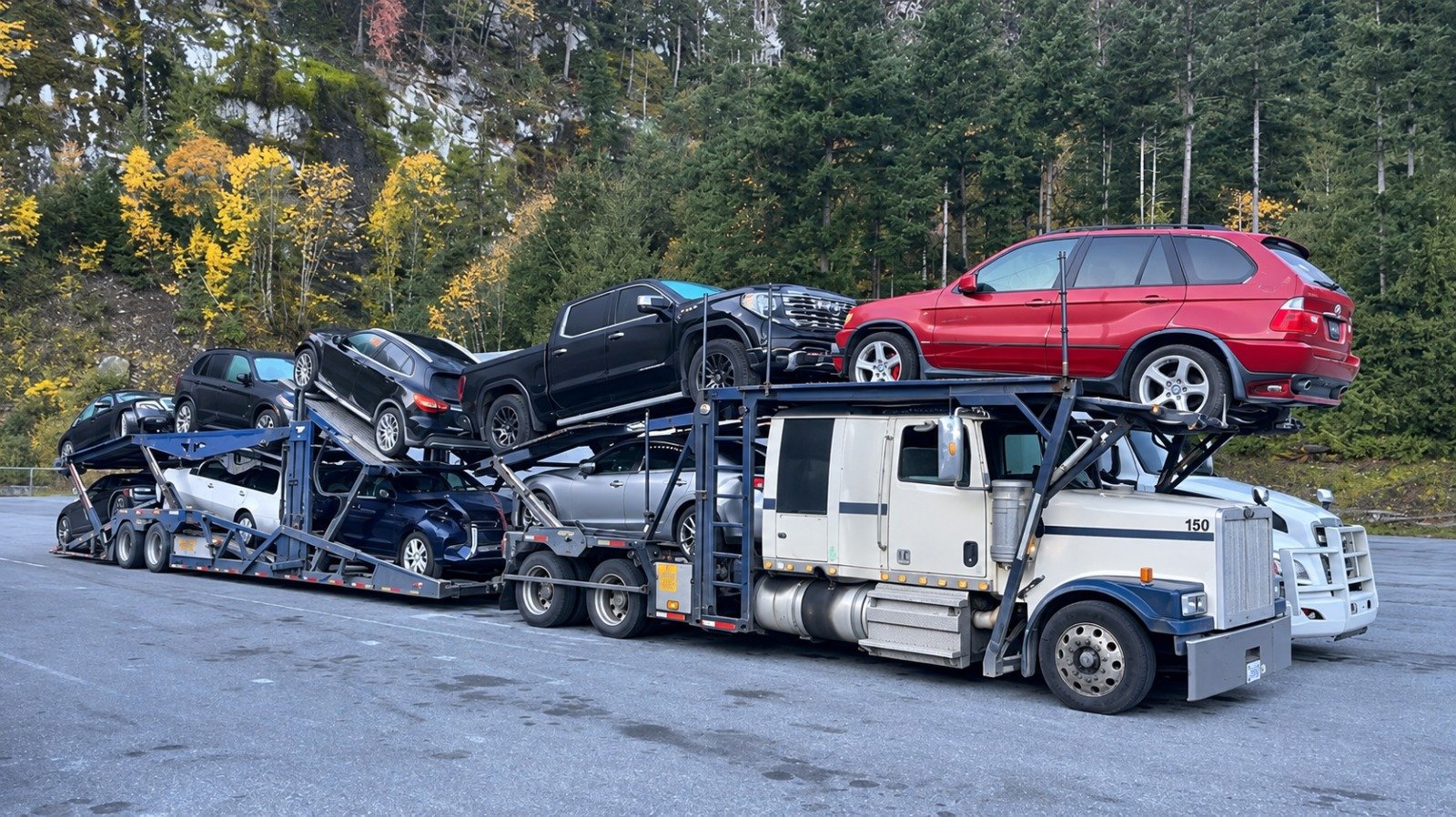
Standard open car transport uses multi-level open-air trailers capable of carrying several sedans, SUVs, crossovers, or light-duty pickup trucks at once. It offers the widest carrier availability between Southern Ontario and Manitoba and delivers the most cost-effective pricing for everyday personal vehicles and dealership inventory.
Enclosed Vehicle Transport
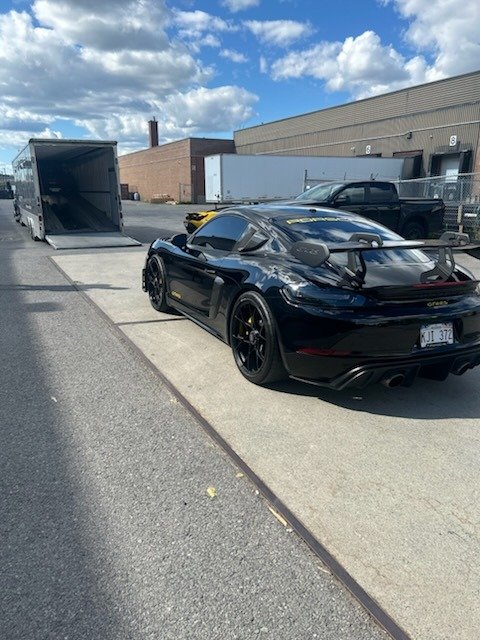
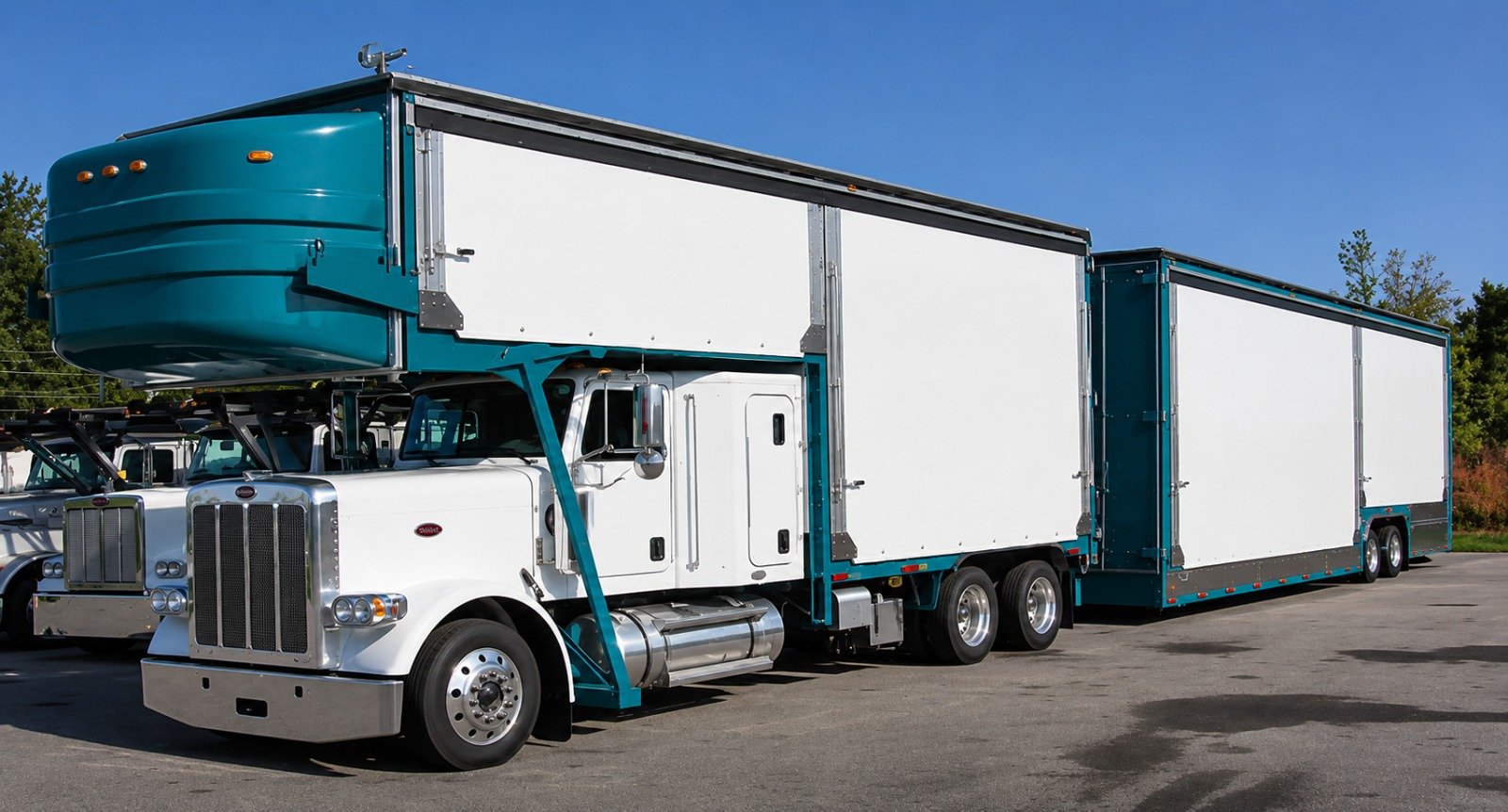
For luxury sports cars, collector classics, exotic imports, or freshly restored builds, enclosed vehicle transport shields your vehicle inside a fully covered hard-sided or soft-sided trailer. Hydraulic liftgates accommodate low ground clearance while protecting paintwork from gravel, road salt, and precipitation.
Rail Vehicle Transport
Canada’s transcontinental rail network links major intermodal yards in the Greater Toronto Area with Winnipeg. Rail transport places vehicles inside secured multi-level auto racks, minimizing highway exposure over long distances and pairing well with terminal drop-offs or local truck shuttle connections.
| Transport Method | Best Suited For | Weather & Road Exposure | Scheduling & Cost Profile |
|---|---|---|---|
| Open Car Transport | Daily drivers, family SUVs, minivans, standard pickup trucks, and dealer stock | Exposed to ambient weather and road conditions, similar to normal driving | Most frequent departures; most economical option for Toronto to Winnipeg auto transport |
| Enclosed Vehicle Transport | Luxury vehicles, classic cars, exotics, prototypes, and low-clearance sports cars | Fully shielded inside hard-walled trailers; zero exposure to salt, gravel, or snow | Specialized equipment and smaller capacity; higher rate with white-glove handling |
| Rail Transport | Standard passenger cars and crossovers moving between major metro hubs | Fully enclosed inside secured railway auto-rack containers during rail transit | Fixed rail terminal schedules; strong value for terminal-based interprovincial moves |
Door-to-Door Car Shipping vs. Terminal-to-Terminal Service
Once you choose between open, enclosed, or rail equipment, the next decision is how your vehicle will be handed off at both ends of the route. Understanding pickup and delivery logistics helps prevent last-minute surprises on narrow residential streets.
Door-to-Door Car Shipping Toronto to Winnipeg
With door-to-door car shipping, the transport carrier picks up and delivers your vehicle as close to your specified residential or commercial addresses in the GTA and Winnipeg as safely and legally permitted. Because full-size highway car haulers are roughly 23 metres long and require wide turning radii and overhead clearance, drivers sometimes coordinate a nearby wide avenue, shopping plaza, or industrial lot if a residential street has low tree branches, tight cul-de-sacs, or municipal truck restrictions.
Terminal-to-Terminal Shipping
Terminal-to-terminal shipping allows you to drop off your vehicle at a designated regional compound in the Toronto area and retrieve it at a secure facility in Winnipeg. This option works well if your moving dates do not align neatly with a driver’s arrival window, if you live in a downtown condo district with strict commercial vehicle limits, or if you want to pair highway shipping with flexible personal travel plans.
Check municipal street access ahead of pickup day: In dense Toronto neighbourhoods such as Downtown, High Park, or The Beaches, as well as older tree-lined streets in Winnipeg’s River Heights or Exchange District, transport drivers appreciate knowing in advance if a nearby plaza parking lot is available for safe loading and unloading.
What Affects Toronto to Winnipeg Car Transport Cost and Transit Time?
Customers researching how much it costs to ship a car from Toronto to Winnipeg and how long car shipping from Toronto to Winnipeg takes should know that carriers calculate quotes and schedules dynamically based on real-time corridor conditions rather than a single flat rate.
Key Pricing Variables
- Vehicle Size, Weight, and Modifications: Compact sedans take up less deck space and axle weight than full-size crew-cab trucks, three-row SUVs, or commercial vans. Aftermarket roof racks, lift kits, oversized tyres, or non-running conditions require special positioning or winching equipment.
- Carrier Type and Service Level: Open carriers distribute fuel and driver costs across multiple vehicles, whereas enclosed trailers carry fewer units and use specialized liftgates.
- Seasonal Demand and Fuel Fluctuations: Spring and late summer bring peak household relocations across Canada, while winter snowbird traffic shifts carrier capacity north and south. Diesel prices and regional backhaul demand between Manitoba and Ontario also influence market rates.
- Pickup and Delivery Accessibility: Direct metro-to-metro routes between central Toronto and Winnipeg are typically easier to schedule than remote rural pickups outside the Perimeter Highway or Greater Golden Horseshoe.
Realistic Transit Windows Along the Ontario–Manitoba Corridor
Commercial transport drivers operate under strict federal Hours of Service regulations enforced by Transport Canada, which cap daily driving hours and mandate rest periods to keep highways safe. While a solo passenger car might cover 2,100 kilometres in two to three long days, multi-stop auto transport carriers also account for loading sequences, scale inspections, and weather advisories across Northern Ontario.
Planning ahead—ideally requesting vehicle shipping quotes two to three weeks before your target move date—gives dispatchers ample lead time to match your vehicle with a verified carrier heading west on your preferred schedule.
What to Know Before Shipping a Car From Toronto to Winnipeg: Step-by-Step Prep
Knowing what to know before shipping a car from Toronto to Winnipeg protects both you and the carrier throughout the handover process. Following a structured preparation checklist prevents inspection delays and ensures accurate documentation from origin to destination.
- Wash the Exterior Thoroughly Clean dirt, road film, and winter salt off the bodywork 24 to 48 hours before pickup. A clean surface allows both you and the driver to spot existing stone chips, door dings, or scratches during the pre-trip walkaround.
- Remove Personal Belongings and Loose Accessories Auto transport carriers are licensed to haul motor vehicles rather than household goods, and loose items can shift during transit or affect axle weight compliance. Remove child car seats, electronics, toll transponders (such as 407 ETR tags), detachable roof boxes, and loose trunk cargo.
- Leave Roughly One-Quarter Tank of Fuel A quarter tank provides enough fuel to drive the vehicle on and off the transport ramps and through terminal yards without adding unnecessary weight to the trailer. For electric vehicles, aim for a battery state of charge between 30% and 50%.
- Verify Mechanical Operability and Fluid Levels Confirm that the battery holds a charge, tyres are properly inflated, the emergency brake engages cleanly, and there are no active fluid leaks. If a vehicle is inoperable or has modified suspension, disclose that upfront so the dispatcher assigns a winch-equipped carrier.
- Document Condition on the Bill of Lading At pickup, walk around the vehicle with the driver to complete the vehicle inspection report (Bill of Lading). Take clear, timestamped photos from all four corners, the roof, and the odometer, and verify that every existing mark is noted before signing. Repeat the exact same check upon delivery in Winnipeg before signing off.
Interprovincial Registration, Safety Inspections, and Insurance Rules
Moving a vehicle permanently from Ontario to Manitoba involves provincial licensing and insurance steps separate from the physical transport itself. Preparing your paperwork early makes transitioning onto Manitoba roads seamless once your car arrives.
- Carrier Cargo Coverage vs. Personal Auto Policy: Reputable auto transport carriers maintain commercial cargo insurance covering the vehicle while it is loaded and in transit. Before shipping, review your carrier’s certificate of insurance and check with your personal insurer—or review guidance from the Insurance Bureau of Canada—to confirm how your existing policy applies during interprovincial transit.
- Manitoba Public Insurance (MPI) Registration: When relocating to Manitoba, new residents must register and insure their vehicle through Manitoba Public Insurance (MPI). Bring your Ontario vehicle ownership (permit), proof of purchase or transfer documents, valid identification, and proof of previous coverage.
- Certificate of Inspection (COI): Vehicles entering Manitoba from another province generally require a Manitoba Certificate of Inspection (COI) from an authorized inspection station before full registration is completed, unless an interprovincial reciprocity exemption applies (such as qualifying newer vehicles under the New West Partnership Trade Agreement). Check current provincial driver and vehicle guidelines via the Canadian Council of Motor Transport Administrators or MPI before scheduling your inspection.
- Winter Readiness Upon Arrival: If your vehicle arrives in Winnipeg between November and March, confirm that your windshield washer fluid is rated to at least -40°C, your battery cold-cranking amps are strong, and your block heater cord is accessible.

Frequently Asked Questions About Toronto to Winnipeg Auto Transport
Start by requesting a tailored quote with your vehicle’s year, make, model, operational status, preferred pickup window, and whether you prefer open, enclosed, or rail transport. Once you confirm your booking, Optixtrace coordinates carrier dispatch, shares pickup scheduling updates, and guides you through the Bill of Lading inspection at both pickup and delivery.
Transport carriers are regulated for vehicle hauling rather than household moving, and carrier cargo insurance strictly covers the vehicle itself—not personal goods inside the cabin or trunk. Keep the interior empty of loose items, electronics, and valuables, leaving only factory emergency equipment such as the spare tyre and jack securely stowed.
Open car transport is the most common and economical option for standard daily drivers, family SUVs, and dealership stock. If you are shipping a high-value luxury vehicle, classic collector car, exotic sports car, or low-clearance vehicle—especially during winter salt and gravel season—enclosed transport offers complete protection from road debris and weather.
Either you or an authorized adult representative (such as a family member, friend, or dealership contact) must be present at both ends to hand over or receive the keys, walk through the vehicle inspection report with the driver, and sign the Bill of Lading.
Yes. Beyond Toronto to Winnipeg car shipping, Optixtrace coordinates vehicle moves across all major Canadian corridors, including Toronto to Calgary, Toronto to Vancouver, and return routes from Winnipeg to Toronto. You can explore all available corridors on our Canadian shipping routes directory.
Planning Your Ontario to Manitoba Vehicle Move With Confidence
Coordinating Toronto to Winnipeg car shipping removes the stress, fatigue, and mechanical wear of a 2,100-kilometre trek across Northern Ontario. By matching your vehicle to the right equipment—whether economical open transport, protective enclosed trailers, or intermodal rail—and preparing your paperwork and condition checklist ahead of pickup, you can keep your relocation or vehicle purchase running smoothly from start to finish.
Looking to Ship Your Vehicle Across Canada?
Whether you are relocating between provinces, buying a vehicle out of province, or coordinating dealership transport, Optixtrace Car Shipping provides transparent scheduling and dependable door-to-door or terminal options nationwide.
Get a Free Car Shipping Quote