
Handing over the keys to your car, SUV, or commercial fleet vehicle for a cross-country journey requires trust—and clear, indisputable paperwork. A vehicle inspection report for car shipping serves as the official, timestamped baseline of your vehicle's physical condition at the exact moment it enters carrier custody and again when it arrives at its destination.
Whether you are relocating between provinces, buying a vehicle from an out-of-province dealership, or managing commercial transfers across Canada, understanding how car transport documentation works protects your investment from unexpected disputes and streamlines any transit claims.
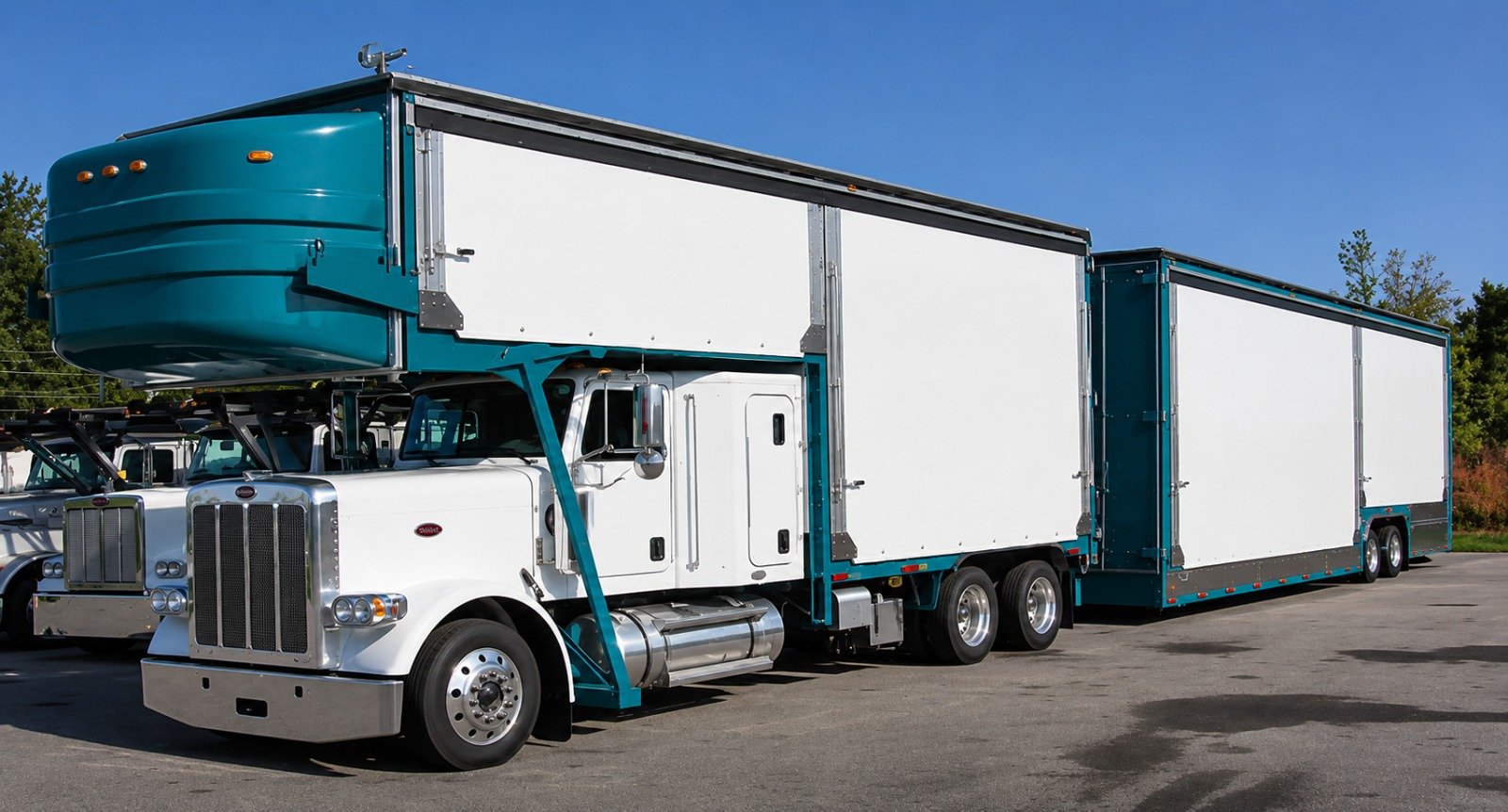
What Is a Vehicle Inspection Report for Car Shipping?
A vehicle inspection report for car shipping—frequently referred to as a vehicle condition report—is a standardized record completed jointly by the transport driver and the shipper (or their authorized representative) at pickup and delivery. It maps out the exact cosmetic and mechanical state of the automobile before it is loaded onto a carrier.
In the Canadian automotive logistics industry, this inspection is typically integrated directly into the Bill of Lading (BOL). While the Bill of Lading acts as the legally binding contract of carriage and receipt of goods between you and the carrier, the condition diagram and checklist section serve as the factual evidence of how the vehicle looked before transit began.
At delivery, the exact same document is reviewed again to verify that the vehicle arrived in the same condition. Once signed by the receiving party without new damage notations, the completed document functions as the Proof of Delivery (POD).
Why Is a Vehicle Inspection Report Important?
Shipping a vehicle across Canada often involves thousands of kilometres of highway, changing elevations through the Rockies, seasonal weather fluctuations, and multi-stop logistics. Whether you book open car transport services for a daily commuter or choose enclosed vehicle transport for a collector coupe, accurate documentation protects everyone involved.
Protects Customers Against Unexplained Wear
By recording pre-existing stone chips, door dings, and curb rash before departure, any new mark that occurs in transit stands out immediately against the signed origin record.
Establishes Clear Carrier Accountability
Carriers and commercial cargo insurers rely on signed origin and destination reports to verify liability. Without a written baseline, proving when a scratch occurred becomes nearly impossible.
Supports Dealership & Fleet Transfers
For automotive dealerships, auction buyers, and corporate fleets moving inventory between provinces, standardized condition reports keep accounting, warranty, and reconditioning records accurate.
Prevents Disputes Over Pre-Existing Damage
An honest, detailed walk-around prevents misunderstandings at the destination, ensuring neither the vehicle owner nor the transport operator is held responsible for prior blemishes.
In Canada, commercial motor carriers operating interprovincially are subject to federal and provincial safety frameworks overseen by Transport Canada and provincial transportation ministries. Proper cargo documentation is a cornerstone of compliant, accountable freight and auto transport operations.
What Does a Car Shipping Inspection Report Include?
While paper carbon-copy forms and digital tablet apps vary slightly in layout between carriers, every thorough auto transport inspection captures the same core data points. Reviewing these fields beforehand helps you know what to verify during your walk-around.
- Vehicle Identification Details: Year, make, model, body style, colour, licence plate number, and the full 17-character Vehicle Identification Number (VIN) to confirm the exact unit being transported.
- Odometer Reading & Fuel Level: Current mileage at pickup and delivery (to verify the vehicle was only driven for loading and unloading) along with fuel gauge status, typically kept near a quarter tank to reduce weight.
- Exterior Condition Diagram: Top-down and side-profile schematics of the vehicle where the driver marks specific body panels using standardized damage codes.
- Glass, Lights & Mirrors: Notes on windshield stone chips, star cracks, wiper blades, headlight lenses, taillights, and side-view mirror housings.
- Wheels, Tires & Undercarriage Clearance: Condition of alloy rims, hubcaps, tire tread/inflation, and low-hanging front splitters or mud flaps.
- Accessories & Loose Equipment: Confirmation of keys/fobs handed over, removable antennas, roof racks, tonneau covers, charging cables (for EVs), and spare tires.
- Timestamps & Signatures: Printed names, dates, and signatures from both the releasing party and driver at origin, followed by the receiving party and driver at destination.
Standard Damage Abbreviation Codes Used on a Bill of Lading
Drivers use shorthand letters on the vehicle diagram to pinpoint the type of blemish on each panel. Familiarizing yourself with these abbreviations ensures you understand every mark on your bill of lading vehicle inspection:
| Code | Condition Term | What It Describes During Inspection |
|---|---|---|
| S | Scratch | Surface clear-coat scuff or deeper paint scratch along a panel or bumper. |
| D | Dent | Noticeable inward depression in sheet metal or composite bodywork. |
| DD | Ding / Minor Dent | Small localized impact mark, commonly caused by adjacent car doors. |
| CH | Chip | Small missing fleck of paint or glass, typical on hoods, grilles, and windshields. |
| CR | Cracked | Fractured glass, bumper cover, grille slat, or light housing. |
| SC | Scuff | Abrasion or rubber/paint transfer mark that has not punctured the surface. |
| R | Rust / Corrosion | Visible surface oxidation, bubbling paint, or undercarriage rust. |
| M | Missing | Absent trim piece, centre cap, antenna, tow hook cover, or emblem. |
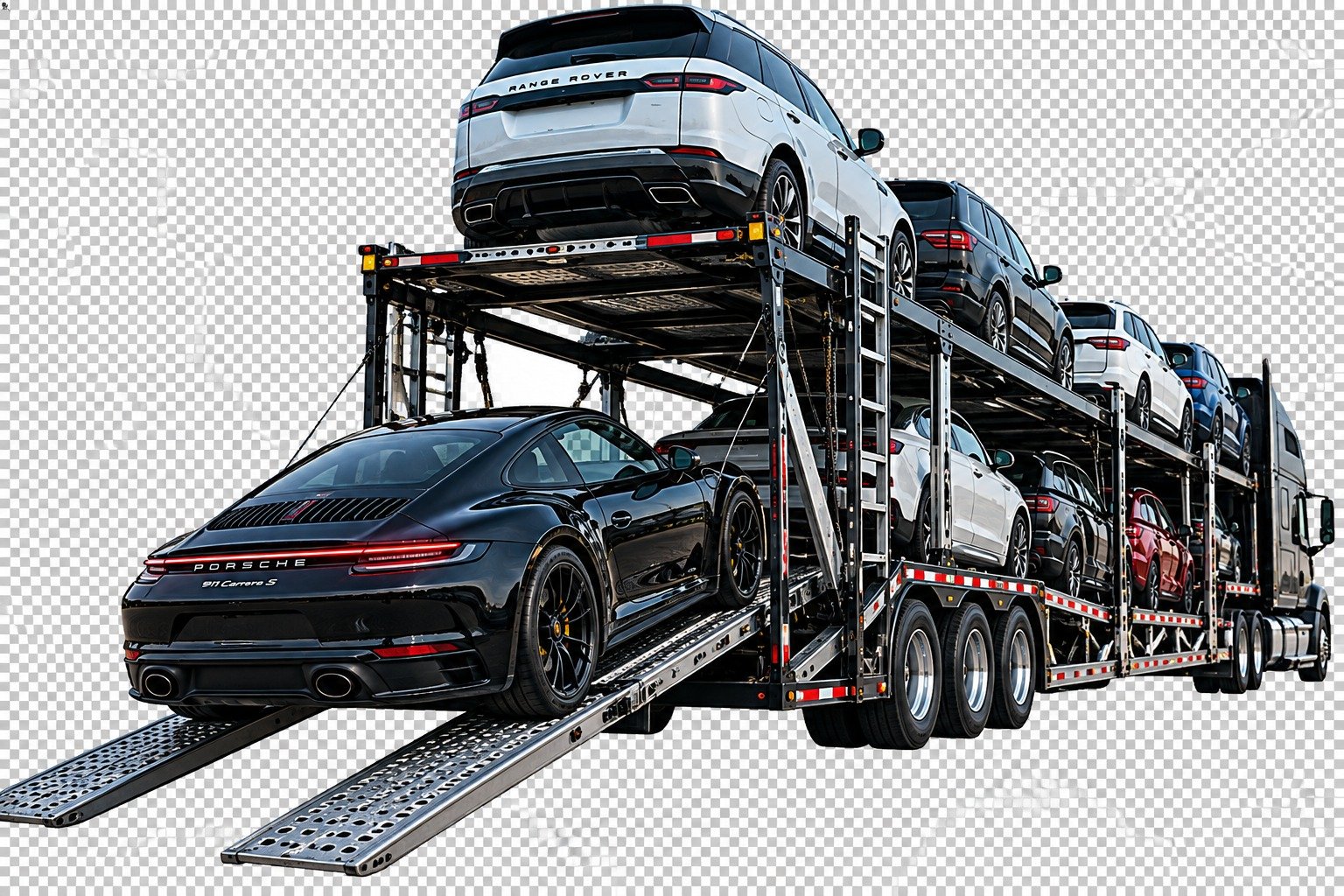
How to Inspect a Car Before Shipping: Step-by-Step Guide
Knowing how to inspect a car before shipping empowers you to catch subtle blemishes before the carrier arrives. Completing your own pre-shipment check takes roughly 15 minutes and prevents rushing when the truck pulls up.
- Wash the Exterior Thoroughly: Road salt, prairie dust, and dried mud easily hide fine hairline scratches and paint chips. Wash and dry your vehicle 24 to 48 hours before pickup so every surface is clearly visible in natural daylight.
- Remove Personal Items & Loose Exterior Gear: Clear out personal belongings from the cabin and trunk, and remove aftermarket accessories such as bike racks, ski boxes, or magnetic decals. Loose items are not covered by carrier cargo policies and can shift during transit.
- Capture High-Resolution Timestamped Photos: Take clear, well-lit photos from all four corners, straight-on views of each side, the roof, hood, trunk, windshield, all four wheels, and close-ups of any pre-existing vehicle damage. Include a photo of the odometer and dashboard warning lights.
- Check Mechanical Operability & Fluid Leaks: Verify that the battery holds a strong charge, tires are inflated to factory specs, the parking brake engages properly, and there are no active oil or coolant leaks that could drip onto lower-deck vehicles.
- Walk Around With the Driver at Pickup: Accompany the driver during the official vehicle pickup inspection. Point out existing marks, review the marked diagram together, and confirm that dirty or snow-covered conditions are not noted as an excuse to skip panel checks.
- Keep Your Signed Copy of the Bill of Lading: Before the truck departs, ensure you receive a legible paper copy or immediate digital PDF/email confirmation containing both signatures.
Avoid Nighttime or Indoor Dim Inspections When Possible: Overhead streetlamps and garage shadows distort reflections on glossy paintwork. If pickup or delivery must happen after dusk—common during Canadian winter months—use a bright LED flashlight held at a shallow angle across each panel to reveal dents and scratches clearly.
Pickup vs. Delivery Inspection: What Happens at Each Stage?
Whether you are shipping along major corridors like Toronto to Vancouver car shipping routes or coordinating regional transfers via Canadian rail auto transport, the inspection process happens in two distinct phases. Understanding the differences between origin and destination checks ensures nothing gets overlooked.
| Inspection Stage | Vehicle Inspection Before Shipping (Pickup) | Vehicle Inspection at Delivery (Drop-Off) |
|---|---|---|
| Primary Objective | Establish the baseline condition and confirm vehicle operability before loading. | Verify the vehicle arrived in the exact same condition recorded at origin. |
| Key Document Role | Origin Bill of Lading (BOL) condition report. | Destination Proof of Delivery (POD) comparison check. |
| What to Focus On | Existing chips, dents, glass cracks, odometer reading, keys, and loose accessories. | New scratches, wheel rash, roof/bumper clearances, undercarriage, and odometer change. |
| Signing Protocol | Sign only after confirming all pre-existing blemishes are accurately marked. | Never sign a "clean" delivery receipt until you have inspected the entire vehicle. |
What Happens During a Vehicle Inspection at Delivery?
When your vehicle arrives at your home, office, or terminal, resist the excitement of immediately driving away. Compare the vehicle panel by panel against your origin copy of the Bill of Lading while the driver is still present:
- Inspect Roof & Lower Bumpers: Multi-level haulers have tight vertical clearances and loading ramps. Check the roof panel, side mirrors, front air dam, and rear diffuser carefully.
- Compare Odometer Mileage: Confirm only minimal kilometres were added for terminal maneuvering or carrier loading.
- Note Any Discrepancies Immediately: If you spot new transit damage, write a clear, factual description directly on the delivery section of the Bill of Lading before signing, and ask the driver to co-sign the notation.
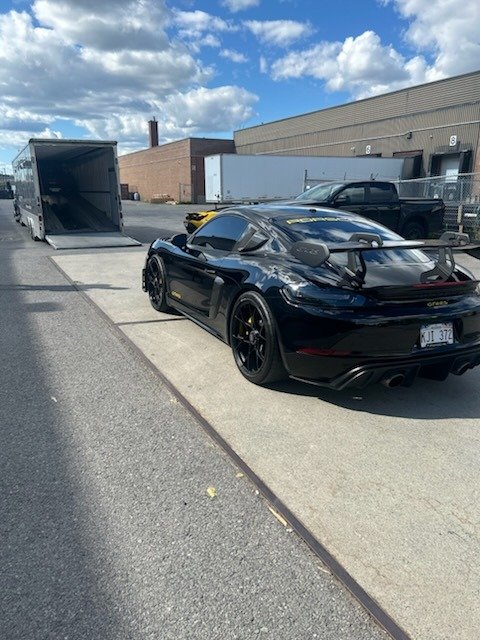
How to Report Vehicle Damage After Car Transport
While professional vehicle logistics companies handle tens of thousands of moves safely each year, road hazards and loading incidents can occasionally happen. Knowing how to report vehicle damage after car transport ensures your claim is processed fairly and without administrative delays.
- Document the Issue on the Proof of Delivery Before Signing: Under standard North American motor carrier rules, signing a delivery receipt without noting exceptions indicates the vehicle was received in good order. Write down the exact location and nature of any new damage on the driver's copy and your own copy.
- Photograph the Damage Immediately: Take wide-angle shots showing the whole panel for context, followed by close-up photos alongside a ruler or coin for scale. Ensure your phone's date and time metadata are enabled.
- Notify Your Transport Coordinator Promptly: Contact Optixtrace Car Shipping and the assigned carrier right away—ideally the same day and within 24 to 48 hours of delivery—so the claim file can be opened while driver logs and inspection records are fresh.
- Gather Supporting Estimates: Obtain one or two written repair estimates from licensed Canadian auto body shops. Keep copies of your origin BOL, destination POD, before-and-after photos, and repair quotes organized in one file.
For broader guidance on how automotive insurance and physical damage claims operate across Canadian provinces, organizations like the Insurance Bureau of Canada (IBC) and the Canadian Automobile Association (CAA) offer helpful consumer resources on vehicle protection and repair standards.

Frequently Asked Questions About Vehicle Inspection Reports
Final Thoughts on Car Shipping Inspection Documentation
Taking a few extra minutes to review and sign an accurate vehicle inspection report for car shipping is the single most effective step you can take to protect your vehicle during interprovincial or cross-Canada transport. By preparing your car ahead of time, photographing every angle in good lighting, and comparing the origin Bill of Lading against your vehicle at delivery, you ensure complete transparency from pickup to key handover.
At Optixtrace Car Shipping, we coordinate reliable nationwide vehicle transportation services across every province—ensuring clear communication, structured inspection protocols, and dependable carrier support from start to finish. Have additional questions about preparing your vehicle? Explore our car shipping FAQs or request a tailored quote today.