
Scheduling a cross-province relocation, managing dealership inventory transfers, or waiting on a newly purchased vehicle involves dozens of moving parts. When unexpected delays happen and you find yourself with a vehicle not ready for pickup, knowing how auto transport logistics work can save you from costly fees and disrupted schedules.
Commercial car haulers operate on tightly coordinated dispatch routes across Canada's highways and rail corridors. When an auto transport carrier arrives at the pickup location only to find the vehicle inaccessible, mechanically inoperable without prior notice, or missing essential keys and paperwork, the driver cannot simply wait indefinitely without impacting every other customer on that load. Below, we explain exactly what happens when a car shipping pickup delay occurs, how rescheduling works, what fees may apply, and how to prepare your vehicle for a smooth handoff.

What Happens If the Transport Driver Arrives and Your Car Is Not Ready?
When a commercial driver reaches your designated pickup address—or a nearby staging point such as a wide commercial parking lot—their first step is to contact you or your appointed representative. If your car is not ready for pickup at that moment, the carrier follows a structured sequence to protect both their route schedule and your shipment.
- Initial Contact and Grace Period: Drivers typically call ahead 30 to 60 minutes before arriving. Once on-site, most carriers allow a brief grace window for you or your contact person to bring out the keys, move a blocking car, or finish signing the Bill of Lading inspection report.
- Assessment of Loading Feasibility: If the vehicle cannot be accessed or driven onto the trailer within that short window, the driver evaluates whether the issue can be resolved quickly or if it violates the agreed carrier pickup requirements—such as an undisclosed non-running condition that requires specialized winch equipment.
- Dispatch Notification and Load Adjustment: Commercial drivers are bound by strict federal hours-of-service regulations enforced under Transport Canada commercial vehicle safety rules. Because a multi-car hauler often carries six to nine vehicles bound for multiple provinces, the driver must notify dispatch immediately if a load cannot be completed so the trailer's weight distribution and route timing can be recalculated.
- Leaving the Location (Dry Run) or Re-Queuing: If the vehicle cannot be loaded, the driver must depart to stay on schedule for subsequent pickups and deliveries. Your order is then placed back into dispatch coordination for the next available carrier along that corridor.
If you cannot be present during the scheduled pickup window, appoint a trusted friend, family member, neighbour, or dealership representative who is at least 18 years old. Ensure they have the vehicle keys, clear access to the car, and authority to review and sign the pre-transport condition inspection.
Common Reasons for a Car Shipping Pickup Delay
Whether you are coordinating a household move or arranging vehicle transportation services across Canada for a dealership fleet, most missed vehicle pickup situations stem from preventable logistical oversights. Understanding these common triggers helps you eliminate them before dispatch day.
Unavailable Contact or Missing Keys
The vehicle is parked inside a locked garage, gated residential complex, or impounded lot without an authorized person on-site to hand over the keys and sign the Bill of Lading.
Undisclosed Non-Running Vehicle
The car has a dead battery, flat tires, seized brakes, or transmission failure. Standard open or enclosed trailers without a winch cannot safely load a vehicle that does not roll, steer, and brake.
Prohibited Personal Cargo
Heavy boxes, loose household goods, or hazardous items packed inside the cabin or trunk exceed carrier weight limits and violate commercial freight safety rules, preventing the driver from loading the car.
Blocked Driveways or Narrow Roads
Low-hanging trees, cul-de-sacs, tight urban streets, or vehicles parked behind the shipment car prevent a 75-foot commercial car hauler from safely positioning its ramps.
Special Considerations by Transport Method
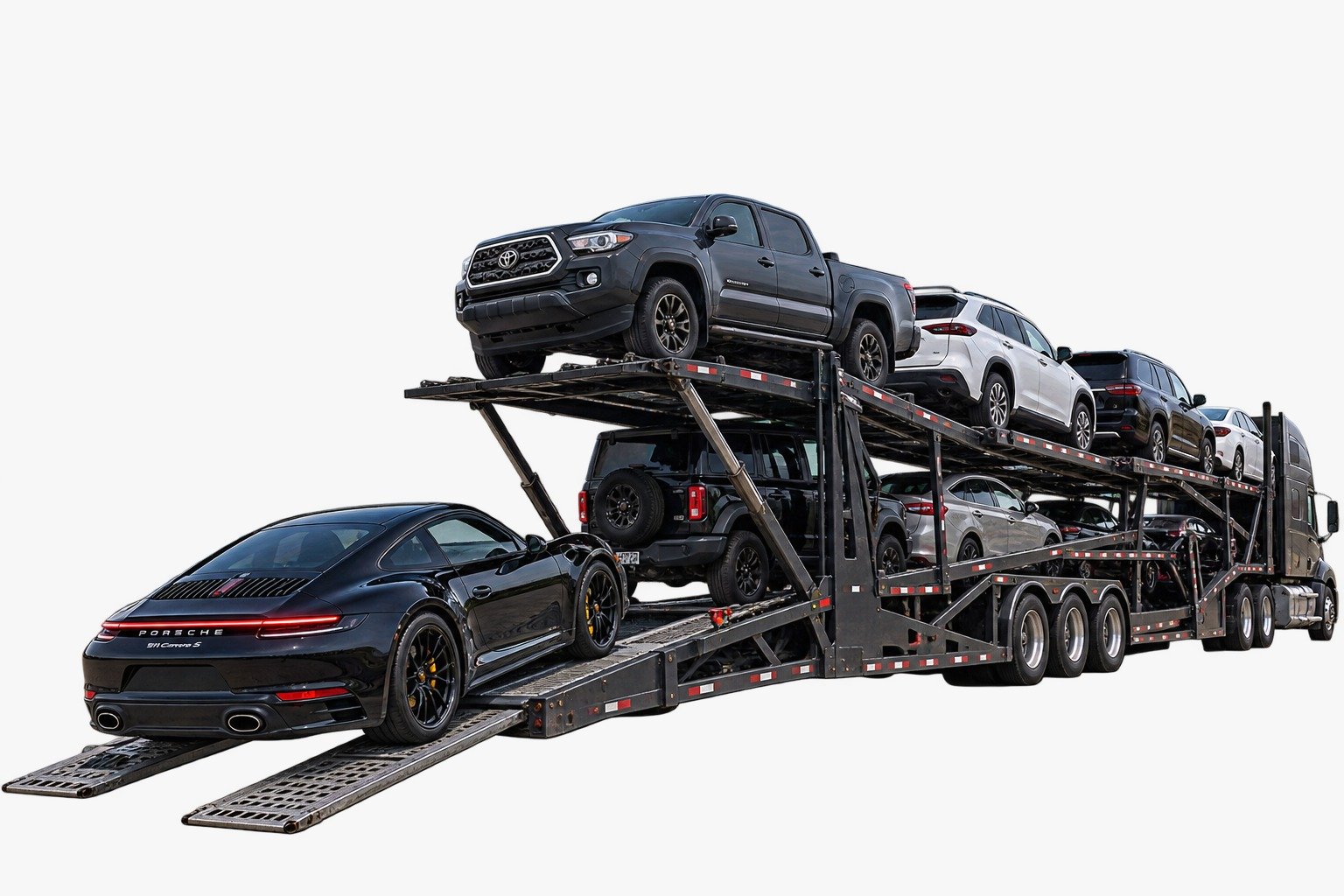
Different shipping methods carry distinct operational requirements. For standard daily drivers booked on open car transport, vehicles must generally drive onto multi-level hydraulic ramps under their own power unless winch loading was arranged in advance. If you are shipping a collector car or exotic model via enclosed vehicle transport, lift-gate trailers require level ground and adequate clearance behind the truck to operate safely.
Similarly, shipments moving through major cross-country corridors—such as Vancouver to Toronto car shipping—often utilize rail vehicle transport terminals, where strict terminal gate hours and documentation rules apply. Missing a terminal drop-off cutoff or arriving with incomplete release authorization can delay departure until the next scheduled rail consist.
Will You Pay Extra If You Miss Your Car Pickup?
A common concern among customers is whether a transport company can charge a missed pickup fee when plans fall through. Because commercial carriers invest fuel, driver hours, and trailer deck space for every dispatched order, an unfulfilled pickup can trigger specific ancillary charges depending on how much notice was given.
| Scenario | Operational Impact on Carrier | Potential Financial & Schedule Outcome |
|---|---|---|
| Advance Notice (24–48+ Hours Prior) | Dispatch has time to adjust routing or assign another vehicle to that trailer slot before the truck is en route. | Typically rescheduled without a dry run penalty; your pickup window shifts to the next available dispatch cycle. |
| Same-Day Notice (Before Arrival) | The driver may already be in the metro area with limited flexibility to backfill the empty deck space. | May incur a dispatch re-routing fee or require waiting until another carrier passes through your region. |
| Driver Arrives On-Site (Dry Run) | Fuel, driver hours, and terminal/street staging time are spent with no load completed. | A standard dry run fee typically applies to compensate the carrier for the wasted trip, plus rescheduling delays. |
| Undisclosed Inoperable Vehicle | Standard carrier lacks a winch; truck must leave or dispatch specialized recovery equipment. | Requires rebooking onto a winch-equipped carrier at an updated rate reflecting specialized loading equipment. |
Additionally, if you are purchasing a vehicle from a dealership, auction house, or private seller in another province, a missed pickup can create secondary costs on their end. Auctions and storage yards frequently charge daily storage fees once a vehicle's complimentary release window expires. Clear communication with your logistics coordinator at Optixtrace Car Shipping ensures both the releasing facility and the assigned carrier remain aligned.
How to Reschedule an Auto Transport Pickup Smoothly
Life happens—closing dates on a new home shift, dealership mechanical inspections take an extra day, or severe weather closes mountain passes. If you realize your vehicle will not be ready on time, taking proactive steps immediately minimizes disruption and protects your budget.
- Notify Your Coordinator Immediately: Contact your transport specialist as soon as you suspect a delay—ideally at least 48 hours before your scheduled pickup window opens. Early notice lets dispatch pause carrier assignment before a truck is committed to your address.
- Provide a Realistic New Readiness Date: Avoid guessing or pushing the date forward day by day. Confirm the exact date when repairs, provincial safety paperwork, or seller release forms will be finalized so dispatch can lock in a reliable carrier.
- Verify Winter Weather and Highway Conditions: Across Canada, seasonal storms and highway closures regularly affect carrier ETAs. Checking provincial advisories through DriveBC or Ontario 511 helps you anticipate regional transit bottlenecks when selecting a new pickup window.
- Explore Flexible Handoff Options: If you must leave town before the rescheduled pickup, ask about door-to-door auto transport with a designated local representative, or inquire whether dropping the vehicle at a secure regional terminal is available along your route.

How to Prepare a Vehicle for Transport Pickup
Following a structured car transport preparation routine eliminates almost every cause of on-site loading delays. Whether you are preparing a single family SUV or coordinating multiple commercial units across Canadian auto shipping routes, complete these steps at least 24 hours before your appointment.
Pre-Pickup Readiness Checklist
If your vehicle is being imported into Canada or requires interprovincial registration compliance, confirm that all customs clearance or Registrar of Imported Vehicles (RIV) documentation is complete prior to dispatch. Commercial carriers cannot transport vehicles across provincial or international checkpoints without valid ownership and release records.

Frequently Asked Questions About Missed Vehicle Pickups
Yes, you can reschedule a car shipment after booking. Notifying your transport coordinator at least 24 to 48 hours before your scheduled pickup window allows dispatch to adjust your carrier assignment smoothly, usually without incurring dry run penalties.
A dry run fee is a charge assessed when an auto transport carrier travels to the scheduled pickup location but cannot load the vehicle because it is unavailable, inaccessible, missing keys, or has an undisclosed mechanical issue. It compensates the driver for fuel, time, and lost trailer capacity.
Large multi-vehicle car haulers require wide turning radii and overhead clearance. If residential bylaws, parked cars, or low tree branches prevent the truck from reaching your driveway, the driver will coordinate with you to meet at a nearby wide commercial parking lot or retail plaza to complete loading safely.
Yes. Any adult (18 years or older) whom you authorize can hand over the keys, walk around the vehicle with the driver during the condition inspection, and sign the Bill of Lading. Simply share their name and mobile number with your coordinator beforehand.
Contact your transport coordinator right away so they can update the dispatch status. If the vehicle can still roll, steer, and brake, we can arrange a carrier equipped with a winch. If the wheels are locked or the vehicle cannot roll safely, we can pause the shipment until repairs are completed.
Key Takeaways for a Smooth Vehicle Pickup
Dealing with a vehicle not ready for pickup does not have to derail your relocation or dealership timeline, provided you communicate early and prepare thoroughly. Auto transport carriers operate on interconnected schedules across Canada, so giving advance notice whenever plans shift protects you from dry run fees and keeps your shipment moving efficiently. By confirming mechanical readiness, clearing personal belongings, verifying street access, and keeping keys and paperwork in hand, you set the stage for a straightforward, stress-free pickup experience.