
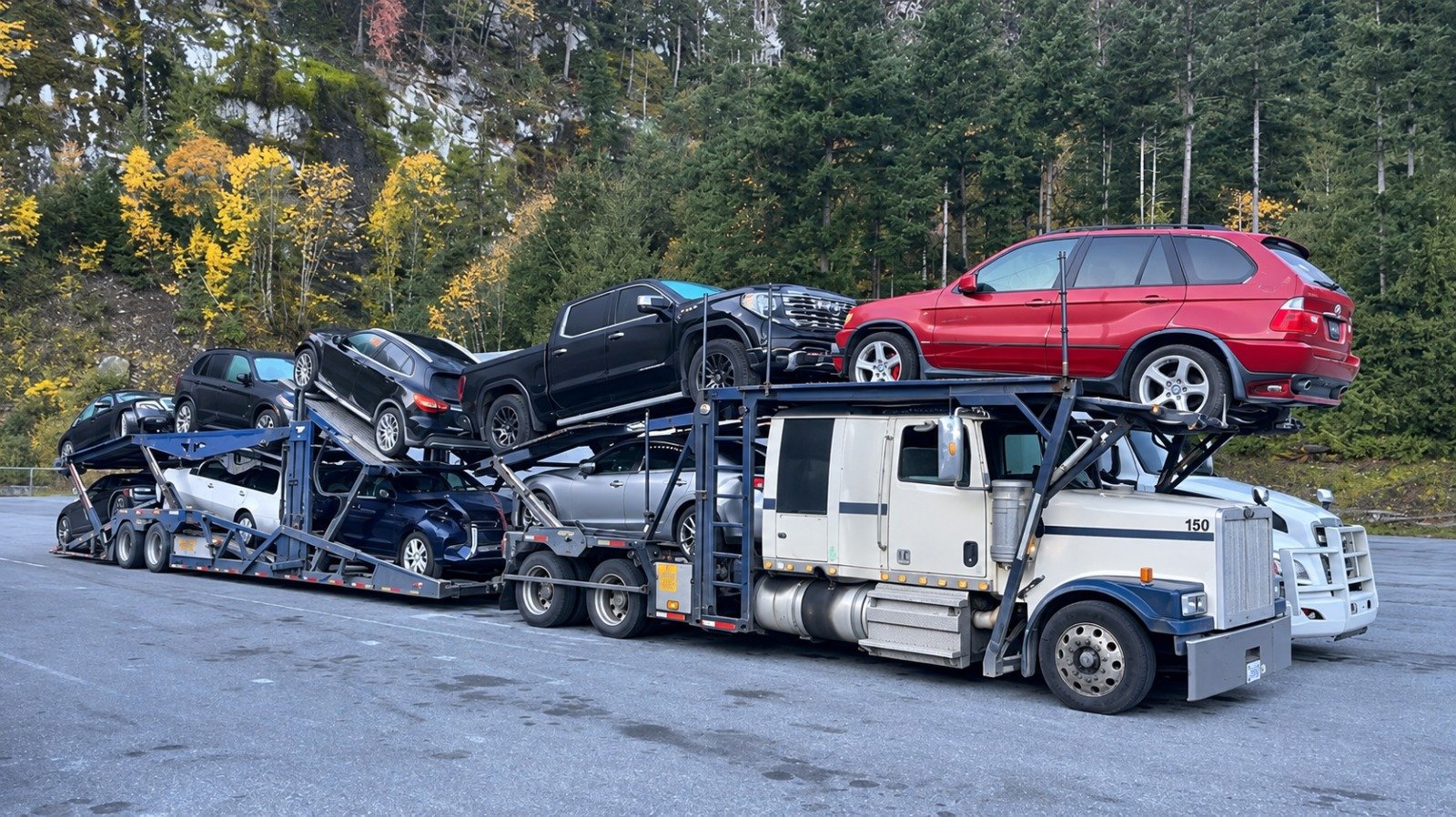
Why You Should Wash Your Car Before Car Transport
When customers ask "should you wash your car before shipping it?", they often assume the reason is purely cosmetic. In reality, exterior vehicle cleaning serves a practical, protective function during commercial auto logistics. A layer of dried mud, pollen, or winter road film acts like camouflage over clear-coat scuffs, stone chips, and door dings.
During a transport pickup inspection, the carrier driver walks around your vehicle to record its existing condition. If the body panels are covered in grime, neither you nor the driver can accurately distinguish old blemishes from anything that might occur in transit. Cleaning the vehicle beforehand removes ambiguity and protects both parties.
- Clear Visibility of Surface Blemishes: Washed paintwork makes hairline scratches, bumper scrapes, hail marks, and windshield chips immediately visible in daylight.
- Faster Pickup Appointments: Drivers do not have to guess around dirt patches or note "vehicle dirty — unable to inspect surface" on your paperwork.
- Prevention of Abrasive Micro-Scratches: Heavy grit left on wheel arches or lower rocker panels can shift if soft tie-down straps or wheel nets brush near dirty surfaces.
- Smoother Delivery Sign-Off: When the car arrives clean (or lightly dusted from highway travel), comparing its arrival state against your pickup photos takes minutes rather than causing disputes.
Avoid heavy wax or ceramic detail sprays right before pickup. Standard soap-and-water washing is ideal. Freshly applied oily tire dressings or thick paste waxes can make surfaces slippery around wheel chocks or attract dust onto dark paint during transit.
How Exterior Vehicle Cleaning Protects Your Bill of Lading
Every legitimate vehicle shipment in Canada relies on a Bill of Lading (BOL)—the legally binding receipt and vehicle condition report completed at pickup and signed again at delivery. Understanding how cleanliness connects to this document is central to preparing a car for transport.
At pickup, the driver marks every existing dent, scratch, chip, or crack on a vehicle diagram using standardized condition codes. If a vehicle is unwashed, carriers commonly note that the exterior is dirty, which limits your ability to prove later that a newly spotted scratch was not already hiding beneath road grime.

What Happens If Your Car Is Dirty at Pickup?
Carriers will not refuse to transport an unwashed commuter car, SUV, or pickup truck unless it is caked in excessive mud that poses a road-debris hazard. However, shipping a dirty vehicle shifts unnecessary risk onto you as the owner:
- Unrecorded Pre-Existing Damage: Small rock chips on the hood or lower doors stay hidden until the vehicle is washed at its destination.
- Disputed Transit Claims: Without clear before-and-after photos on clean paint, verifying when a blemish occurred becomes much harder.
- Dealership and Fleet Delays: Dealerships receiving interprovincial inventory expect clean condition reports so vehicles can move straight into reconditioning or showroom prep.
Canadian Weather, Road Salt, and Interprovincial Shipping
In Canada, road salt and dirt removal is especially important between October and April. Municipalities across Ontario, Quebec, the Prairies, and Atlantic Canada apply sodium chloride, magnesium chloride, and sand to keep winter highways safe—as documented by the Transportation Association of Canada (TAC) in its winter road maintenance resources.
When you ship a vehicle from a winter-salt region—such as shipping a car from Toronto to Vancouver or moving a vehicle from Calgary to Toronto—leaving dried brine and slush packed inside the wheel wells and rocker panels creates two problems:
- Accelerated Corrosion During Multi-Day Transit: Moisture trapped inside salt crust continues reacting with exposed metal edges and undercarriage fasteners throughout a cross-country haul.
- Chalky White Residue Masking Paint: Dried winter salt film turns dark vehicles matte grey, making fine scratches nearly impossible to spot during a walk-around inspection.
If temperatures are below freezing on pickup day, visit a touchless wash bay with a heated drying blower or wipe down door jambs and weatherstripping with a microfibre towel afterward so doors and locks do not freeze shut before loading. Checking highway conditions via Environment and Climate Change Canada a day or two ahead also helps you time your wash right after local slush clears.
Do You Need to Clean Your Car Differently for Open vs. Enclosed Transport?
While the core rule—wash the vehicle before pickup—applies to every shipment, the level of preparation varies slightly depending on which transport method you book across Optixtrace's Canada-wide auto transport network.
Open Car Transport
With open car transport, your vehicle travels on an open multi-car carrier exposed to weather and highway air.
- Before Pickup: A standard exterior wash and wheel rinse is completely sufficient for inspection clarity.
- During Transit: Expect normal highway dust or rain spots upon arrival, especially on long trans-provincial corridors.
- After Delivery: Plan a quick rinse after unloading so you can complete your final vehicle delivery inspection.
Enclosed Vehicle Transport
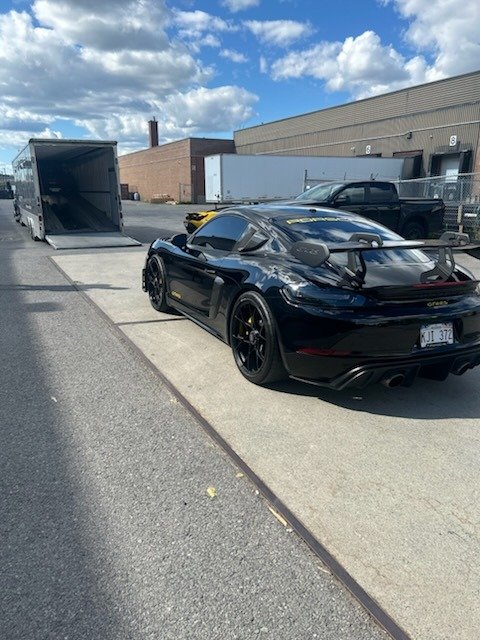
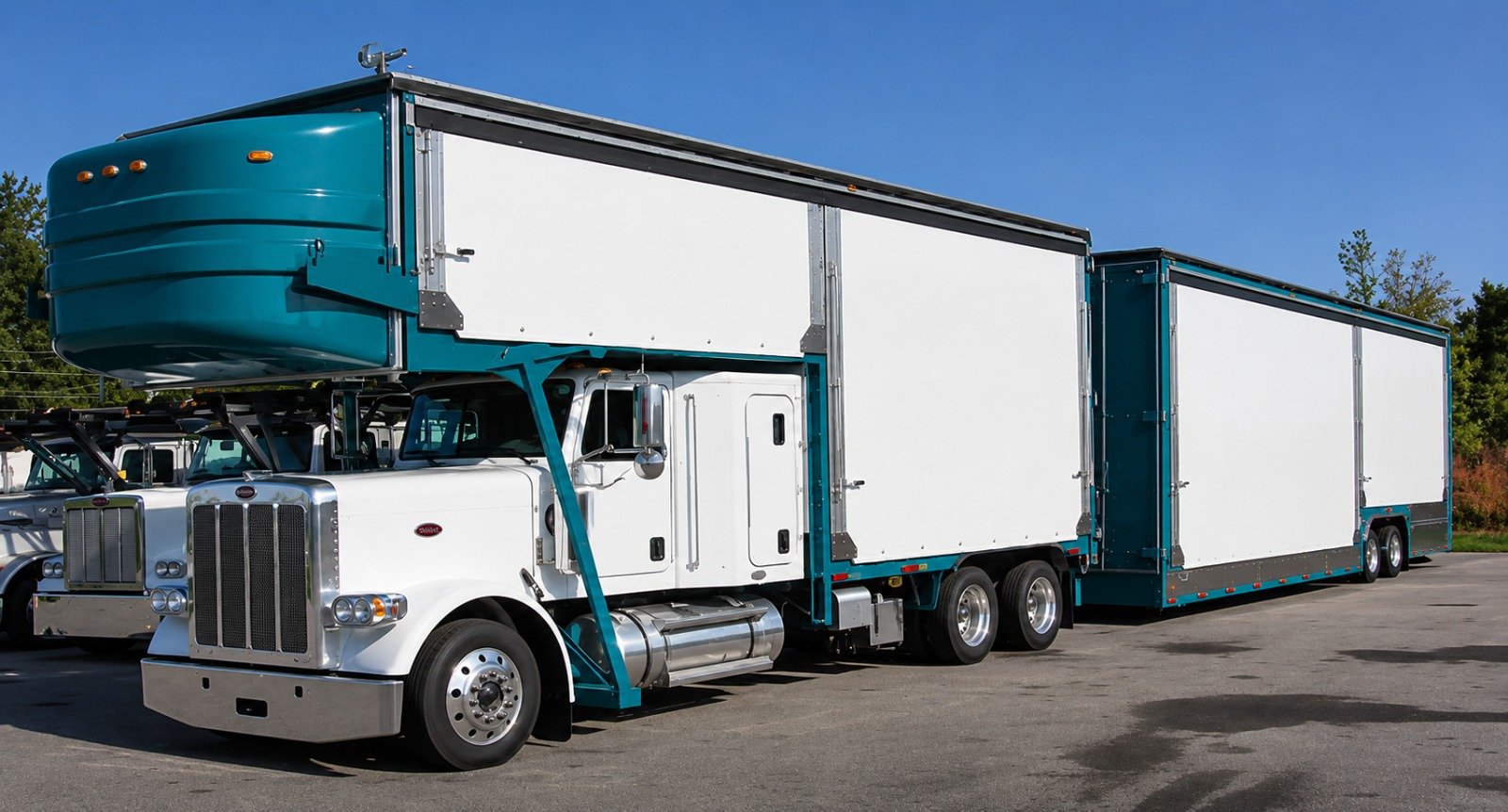
With enclosed vehicle transport, luxury, classic, collector, or low-clearance vehicles ride inside a fully shielded trailer.
- Before Pickup: Wash and dry thoroughly—an enclosed trailer keeps the car protected, so it arrives almost as clean as it left.
- Interior Care: Vacuum floor mats and wipe leather or trim so dust does not settle inside during long-distance transit.
- High-Value Accuracy: Clean, dry paint allows detailed close-up photos of bumpers, carbon splitters, and alloy wheels.
The same inspection standard applies if you are shipping by rail car transport across Canada, where vehicles pass through multiple terminal handoffs and require crystal-clear condition documentation at origin.
How to Document Car Damage Before Shipping (Step-by-Step)
Knowing how to document car damage before shipping turns a simple car wash into complete peace of mind. Once your vehicle is clean and dry, take five minutes in bright, even daylight—avoiding harsh direct glare or dark garages—to create your own timestamped visual record.
Capture All Four Corners
Stand 2 to 3 metres back and photograph the front-left, front-right, rear-left, and rear-right angles so every panel and wheel appears in full frame.
Photograph Roof, Hood & Glass
Take clear overhead-angle shots of the hood, roof panel, trunk lid, windshield, and rear glass to confirm there are no hidden hail dings or stone cracks.
Close-Ups of Existing Blemishes
Zoom in on any existing curb rash, bumper scuffs, or door dings. Compare these directly with what the driver marks on the Bill of Lading.
Record Odometer & Interior
Snap a photo of the dashboard odometer reading, fuel gauge, and clean front cabin before handing over the keys.
Complete Car Shipping Preparation Checklist for Canadian Drivers
Washing your exterior is step one of the best way to prepare a vehicle for shipping in Canada. Before your carrier arrives, work through the remaining items in this car shipping checklist so pickup day runs without delays or extra fees. For general road safety and vehicle compliance guidance in Canada, you can also review resources from Transport Canada and the Canadian Automobile Association (CAA).
| Preparation Task | Recommended Action | Why It Matters |
|---|---|---|
| Exterior Wash | Wash bodywork, wheels, and undercarriage 24–48 hours prior; dry thoroughly. | Exposes pre-existing scratches and dents for an accurate Bill of Lading. |
| Interior Cleanout | Remove all loose personal items, electronics, and loose trunk cargo. | Carriers are licensed for vehicle transport, not household goods; loose items can shift in transit. |
| Fuel Level | Leave the fuel tank roughly one-quarter (1/4) full. | Keeps total carrier weight lower while providing enough fuel for loading and unloading. |
| Fluid & Battery Check | Check tire pressure, ensure battery is charged, and confirm no active fluid leaks. | Leaking fluids can drip onto vehicles on lower carrier decks; dead batteries require winch fees. |
| Exterior Accessories | Fold side mirrors, retract or remove antennas, and detach roof racks or bike carriers. | Prevents wind snagging and ensures accurate height clearance on multi-level trailers. |
| Alarms & Toll Tags | Disable aftermarket anti-theft alarms and remove highway transponders (e.g., 407 ETR). | Stops vibration-triggered alarms during highway transit and prevents unintended toll charges. |
| Keys & Paperwork | Provide one full set of working keys (ignition, trunk, wheel locks) and verify registration/insurance. | Drivers need full access to load, secure, and reposition the vehicle safely. |
Frequently Asked Questions About Washing Your Car Before Shipping
Still unsure about timing, winter weather, or interior cleaning? Here are clear answers to the most common car shipping tips and preparation questions Canadian customers ask.
In most cases, no—a carrier will still load a vehicle with normal everyday dust. However, if a car or off-road truck is caked in heavy mud that could fall onto the highway or obscure vehicle panels completely, the driver may ask you to rinse it first. More importantly, skipping a wash means dirt can hide existing scratches on your pickup inspection report.
Aim to wash your vehicle 24 to 48 hours before your scheduled pickup window. This gives the exterior and door seals plenty of time to dry completely—which is particularly helpful during cooler Canadian spring, autumn, and winter weather—while keeping the paint clean enough for clear inspection photos.
You do not need a full interior showroom detail, unless you simply prefer it for your own comfort. What matters most inside is removing all loose personal belongings, garbage, loose change, and unsecured accessories so nothing slides around or creates clutter when the driver enters the cabin to load and unload the vehicle.
Yes, especially in winter, because road salt and sand hide paint blemishes and promote corrosion. Use an automatic wash with heated dryers or hand-dry the door frames, trunk seal, and fuel door right afterward so moisture does not freeze latches shut before pickup.
Before signing the final delivery receipt, walk around the vehicle in good lighting and compare its condition against your pickup photos and original Bill of Lading. If your vehicle travelled on an open carrier through rain or highway dust, note any surface dirt and give it a gentle wash soon after delivery to inspect the clear coat thoroughly.
Final Takeaway: A Clean Car Makes for Stress-Free Shipping
Taking a little time to wash your car before shipping is one of the highest-value steps in your entire vehicle transport preparation checklist. A clean exterior strips away road salt, mud, and highway film so both you and your driver can document every panel accurately on the Bill of Lading—protecting your vehicle from pickup to final delivery anywhere in Canada.
Once your vehicle is washed, photographed, and cleared of personal items, Optixtrace's vehicle transportation services make coordinating open, enclosed, or rail transport across Canadian provinces straightforward and reliable.
Looking to Ship Your Vehicle Across Canada?
Whether you are relocating between provinces, purchasing a vehicle out of town, or coordinating dealership transport, Optixtrace connects you with dependable Canadian auto shipping solutions tailored to your route and schedule.
Get a Free Car Shipping Quote