Whether you are relocating a beloved restoration project, purchasing a salvage vehicle at auction, or moving a car that simply gave up the ghost mid-winter, coordinating non-running vehicle transport Canada is a specialized logistical task. Unlike standard vehicle shipping where a car can be driven onto a trailer under its own power, disabled vehicle transport requires precision equipment, specialized car carriers, and experienced logistics professionals to guarantee a safe loading and unloading process.
At Optixtrace Car Shipping, we understand that an inoperable vehicle demands a bespoke transportation approach. This comprehensive guide details everything you need to know about non-running car shipping, from understanding equipment requirements and accurately assessing your vehicle's condition, to pricing factors and cross-country logistics. Your project car, classic restoration, or damaged vehicle is in capable hands.
Understanding Non-Running Car Shipping in Canada
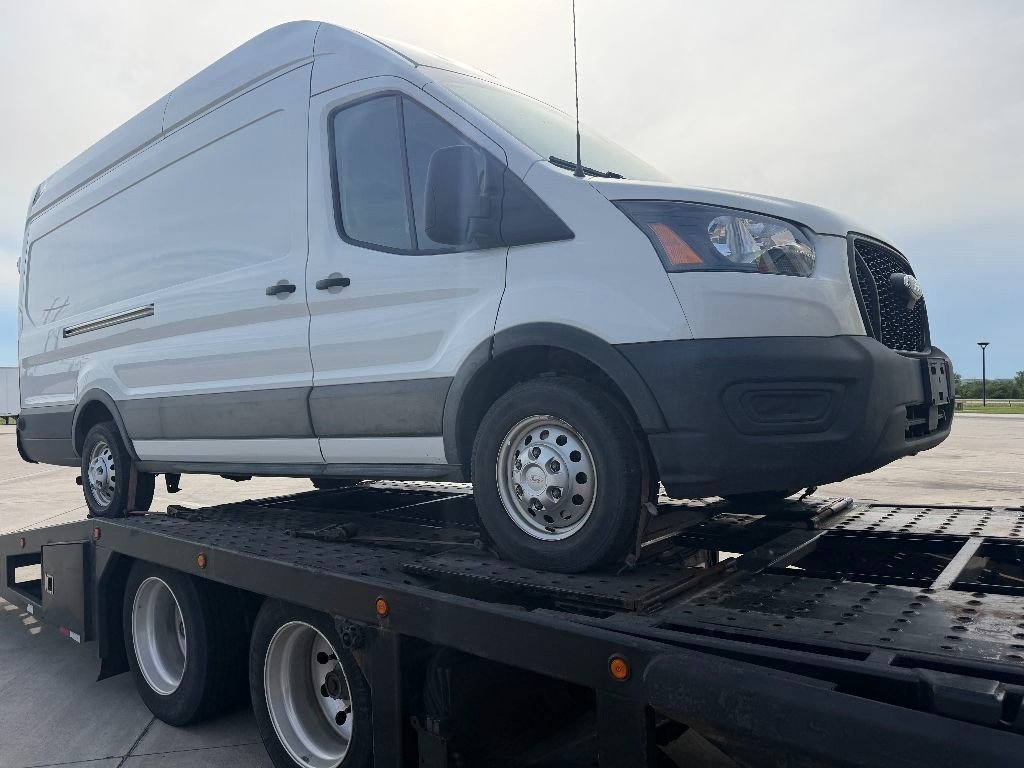
In the automotive logistics industry, the term "non-running" or "inoperable" applies to any vehicle that cannot be safely driven onto a transport trailer under its own power. However, the severity of the vehicle's condition dictates the exact type of equipment required for transportation. Inoperable car shipping Canada typically falls into two distinct categories that carriers need to know before dispatching a truck.
First, there are vehicles that roll, brake, and steer. These cars might have a dead battery, a blown engine, or a faulty transmission, but their wheels are intact, the steering column is unlocked, and the brakes function. These are the easiest non-running vehicles to transport because they can be safely winched onto a standard carrier.
Second, there are severely disabled vehicles that do not roll, steer, or brake. This includes vehicles with extensive collision damage, seized brakes, missing wheels, or compromised axles. Transporting a car that doesn't run in this condition requires specialized loading equipment such as a forklift or a dedicated flatbed tow truck to physically lift the vehicle onto the main transport trailer. Misrepresenting a vehicle's condition can lead to delays, as a standard transport truck cannot load a vehicle that won't roll.
Common Reasons for Transporting a Car That Doesn't Run
Canadians require non-operational vehicle shipping for a variety of personal and commercial reasons. Understanding these scenarios helps set the right expectations for the shipping process.
- Classic Car Restorations: Enthusiasts frequently purchase "barn finds" or unfinished project cars from other provinces. A buyer might arrange a Toronto to Vancouver car shipping route for a vintage chassis that requires a complete engine rebuild.
- Dealership Trade-Ins and Auctions: Automotive businesses regularly utilize auction vehicle pickup services. Dealerships buy and sell inventory across provincial lines, occasionally dealing in vehicles with engine failure and transmission damage.
- Salvage and Collision Vehicles: After a severe accident, damaged vehicle shipping Canada services are required to move vehicles between insurance lots, collision centres, and salvage yards.
- Extreme Weather Casualties: Canadian winters are notoriously harsh. A dead battery vehicle shipping request is incredibly common when extreme sub-zero temperatures permanently incapacitate a vehicle right before a scheduled cross-country relocation.
Specialized Auto Transport Equipment Used
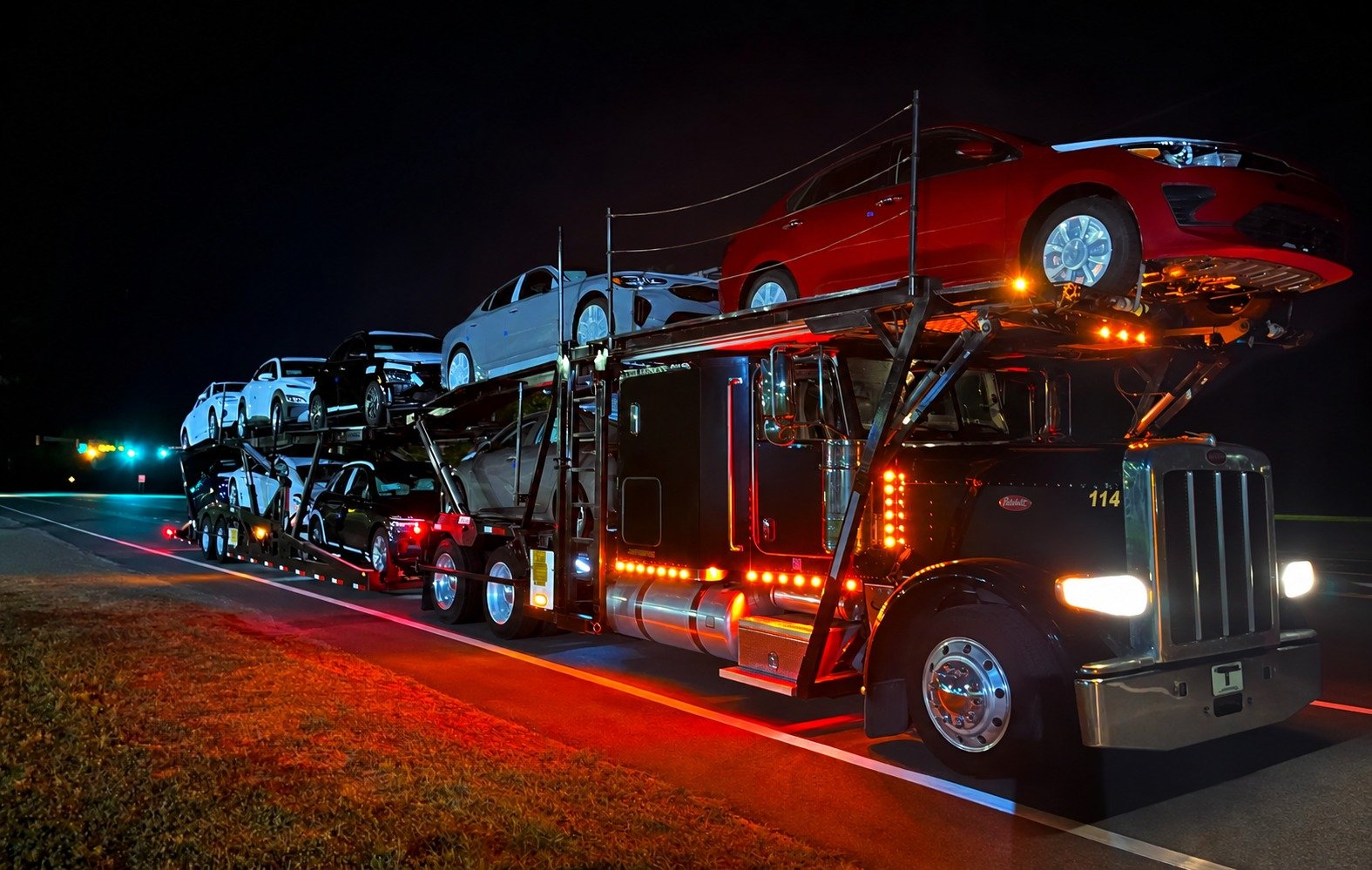
You cannot use a standard auto carrier setup for a vehicle that won't start. Professional transport companies employ specific tools to ensure safe vehicle loading and unloading.
Winch-Equipped Car Carriers
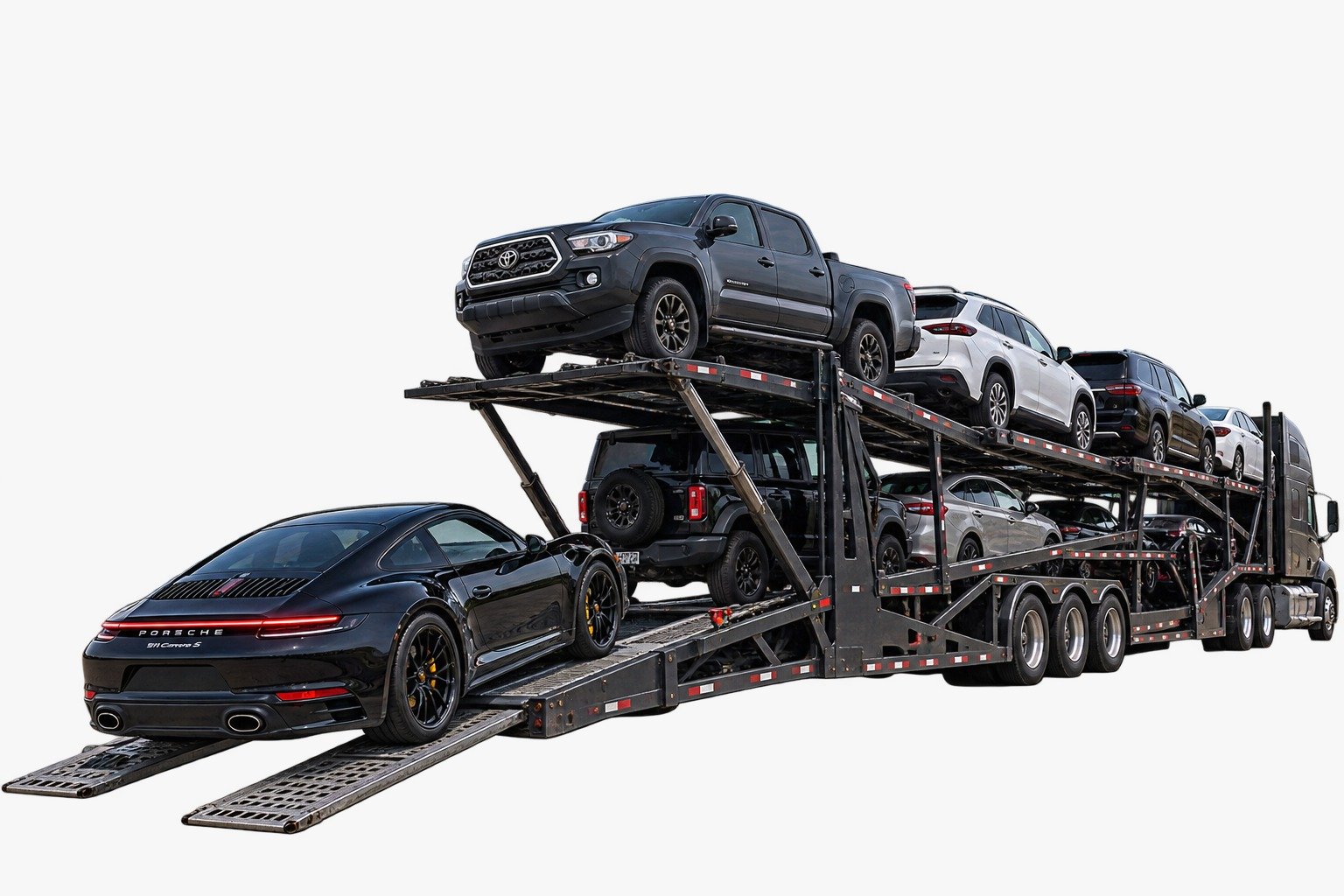
For vehicles that roll, brake, and steer, carriers use a heavy-duty mechanical or hydraulic winch. A steel cable or synthetic rope is attached to the vehicle's structural frame (using specific factory tie-down points to avoid damage), and the car is slowly pulled up the carrier ramps. This requires exceptional skill from the driver to steer the disabled vehicle accurately while operating the winch controls.
Flatbed Vehicle Transport
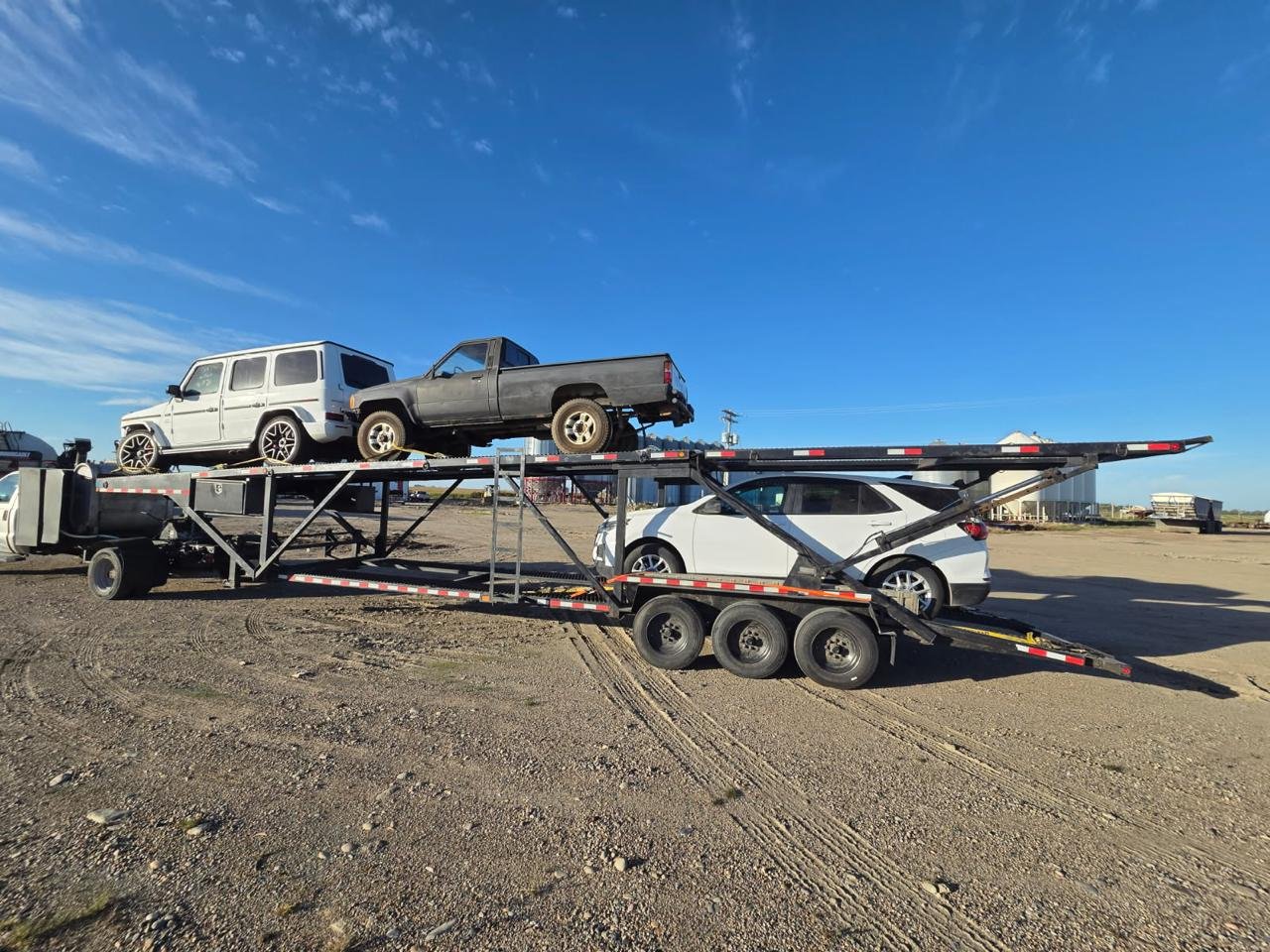
For localized transport or severely damaged salvage vehicles, a flatbed tow truck is often used. The entire bed tilts hydraulically to form a ramp, allowing a damaged car to be winched or lifted directly onto the platform. Sometimes, a flatbed is used as a shuttle to move an inoperable car from a residential driveway to a larger, cross-country multi-vehicle transport trailer waiting in a commercial staging area.
Forklifts
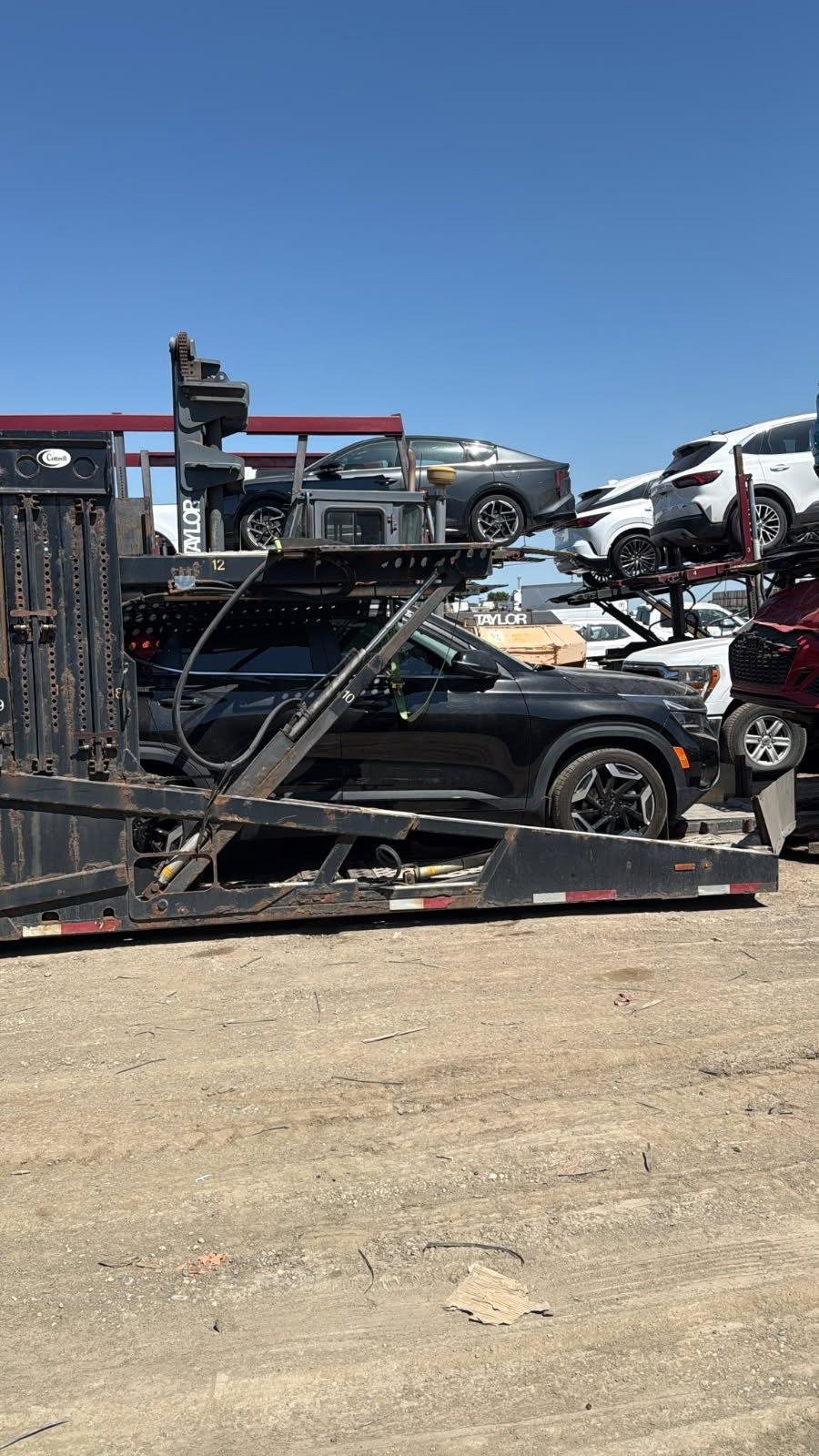
At commercial auction houses and terminal yards, specialized industrial forklifts with extended forks are used to physically lift severely damaged, non-rolling vehicles onto transport trailers. This is exclusively used for salvage or heavily damaged vehicles, as forklifts can potentially damage the undercarriage of a pristine classic car.
Unlock the Steering Wheel
If your vehicle doesn't start, ensure you provide the keys to the transport driver. The keys are required to unlock the steering column and shift the vehicle into neutral, which is absolutely critical for winching the car onto the trailer.
How to Ship a Non-Running Vehicle in Canada (Step-by-Step)
Organizing a non-running vehicle pickup and delivery service requires slightly more preparation than standard auto transport. Follow this step-by-step process to ensure a seamless experience.
1. Perform a Vehicle Condition Assessment
Before requesting a quote, document the exact state of the vehicle. Does the engine turn over? Are the tires inflated? Do the brakes work? Is the steering wheel unlocked? Are there loose or dragging parts? Accurate vehicle condition assessment prevents unexpected delays on pickup day.
2. Choose Door-to-Door Transportation
Many transport terminals do not accept non-running vehicles because they lack the equipment to move them around the yard. Therefore, booking a direct, door-to-door vehicle shipping service is highly recommended. The truck will arrive as close to your specified addresses as legally and safely possible to load and unload the vehicle.
3. Request an Accurate Quote
Reach out to your transportation provider and explicitly state that the car is inoperable. At Optixtrace, we make this easy. You can navigate to our Get a Quote page to receive a transparent pricing estimate that includes all necessary winch and handling fees.
4. Prepare the Vehicle for Transport
Remove all loose interior items, personal belongings, and aftermarket accessories that could detach during transit. If the vehicle was in a collision, secure any loose body panels, bumpers, or shattered glass with automotive-grade tape or strapping to prevent hazards on the highway.
5. Carrier Pickup Scheduling
Coordinate a pickup window with the carrier. Ensure there is ample space at the pickup location for a large transport truck to maneuver, deploy its ramps, and operate its winch system safely.
Inoperable Vehicle Transport Methods
When shipping a damaged car across Canada, you must choose between standard and premium transport methods based on the value and condition of the vehicle.
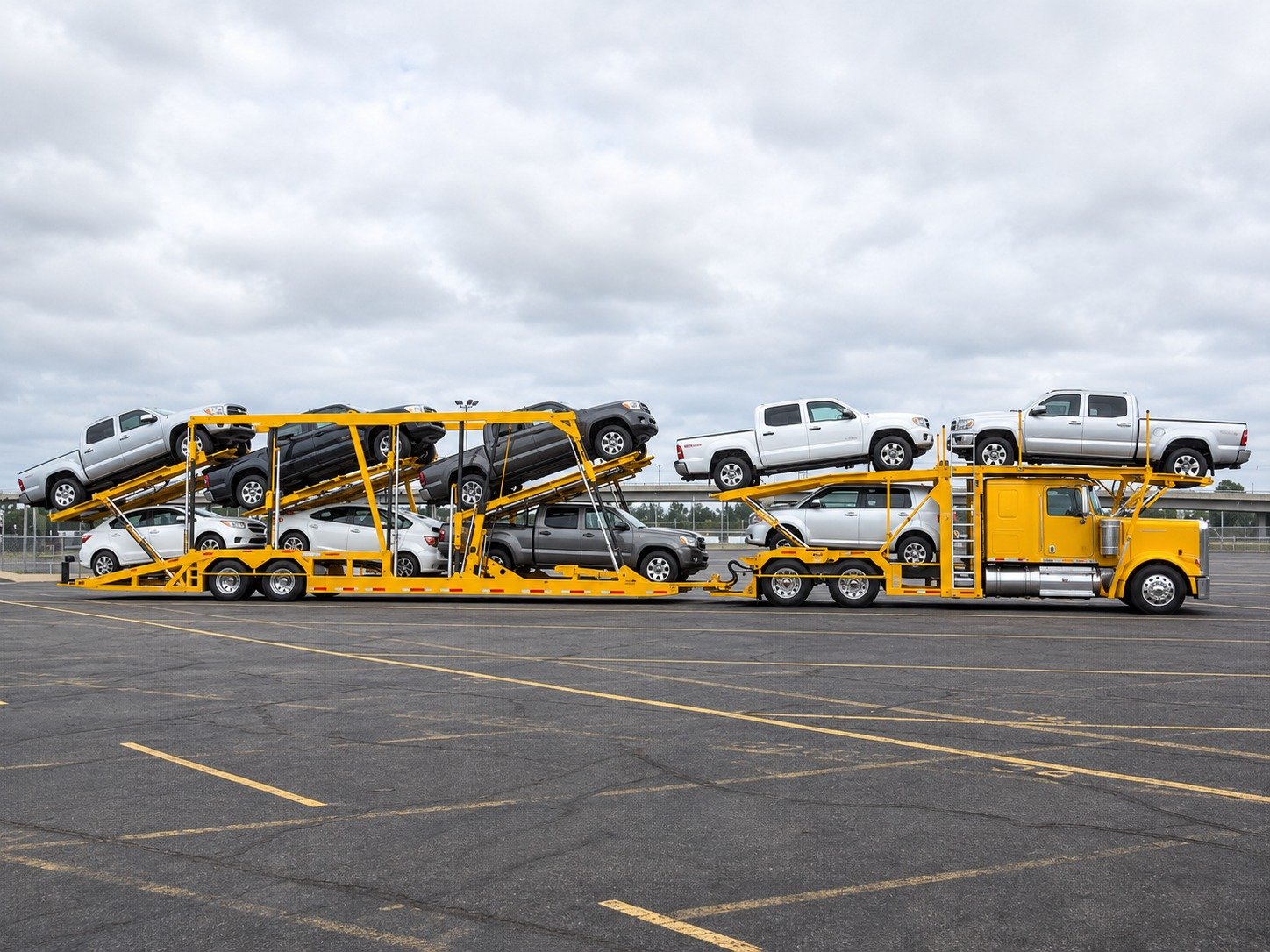
Open Carrier Auto Transport
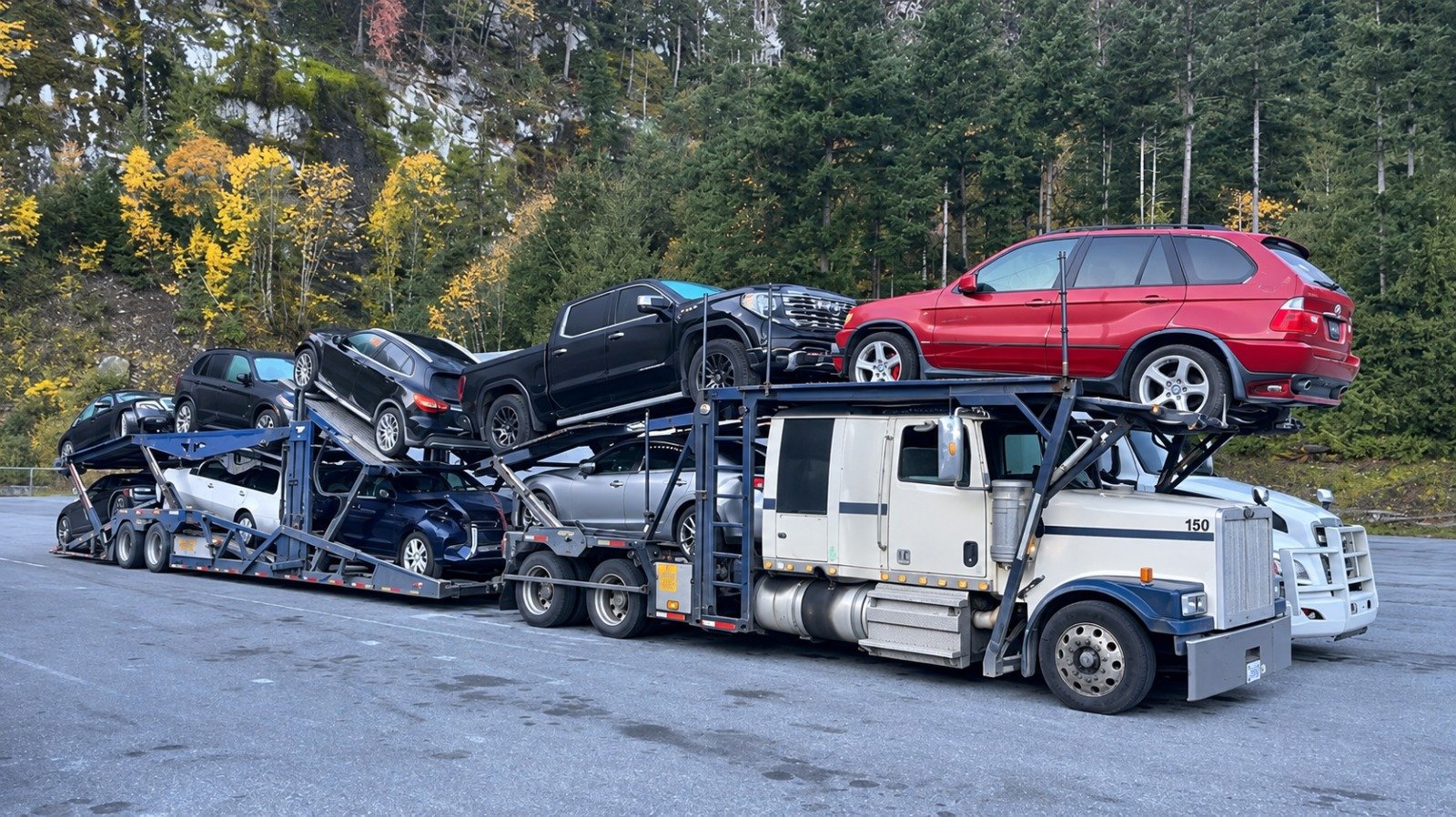
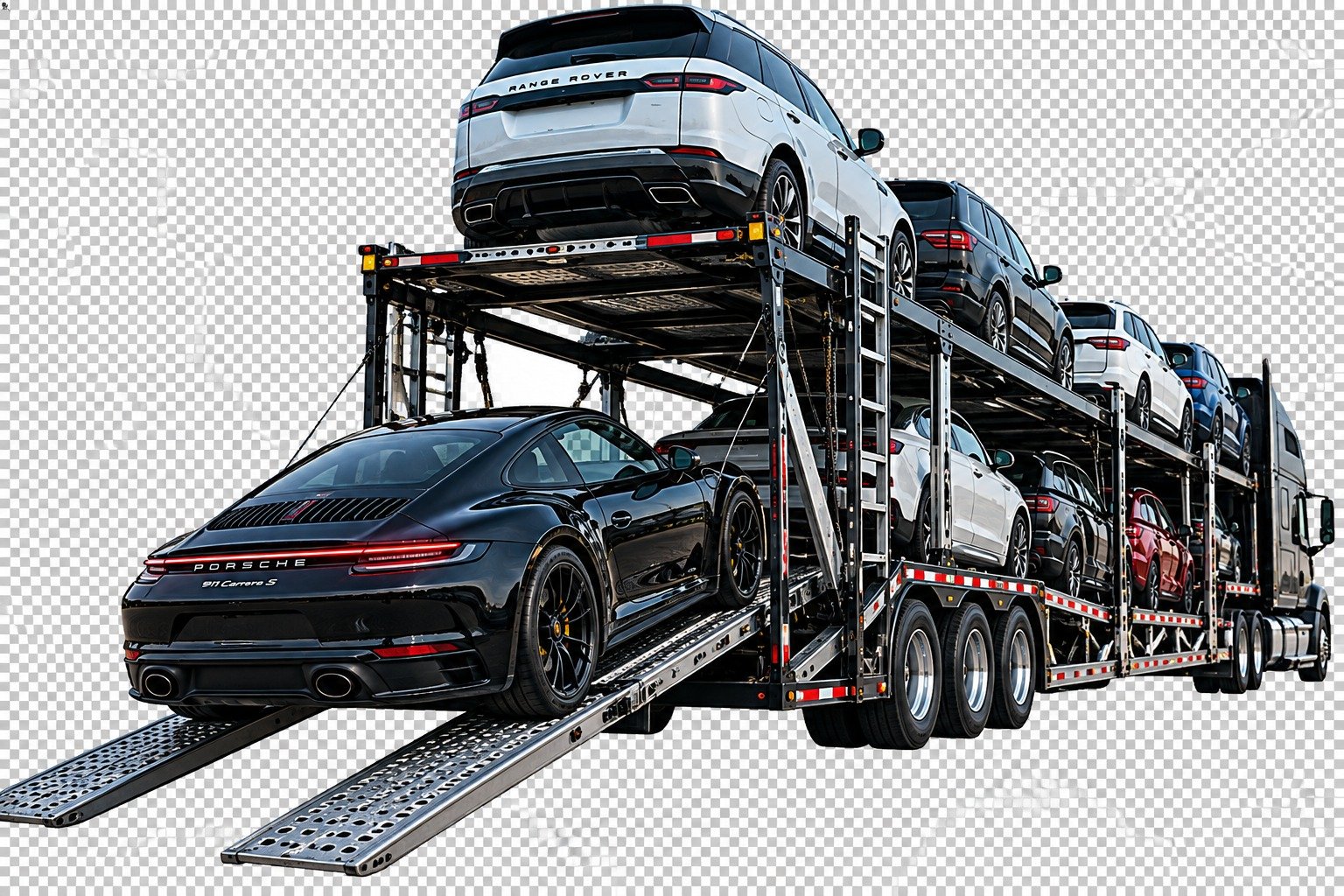
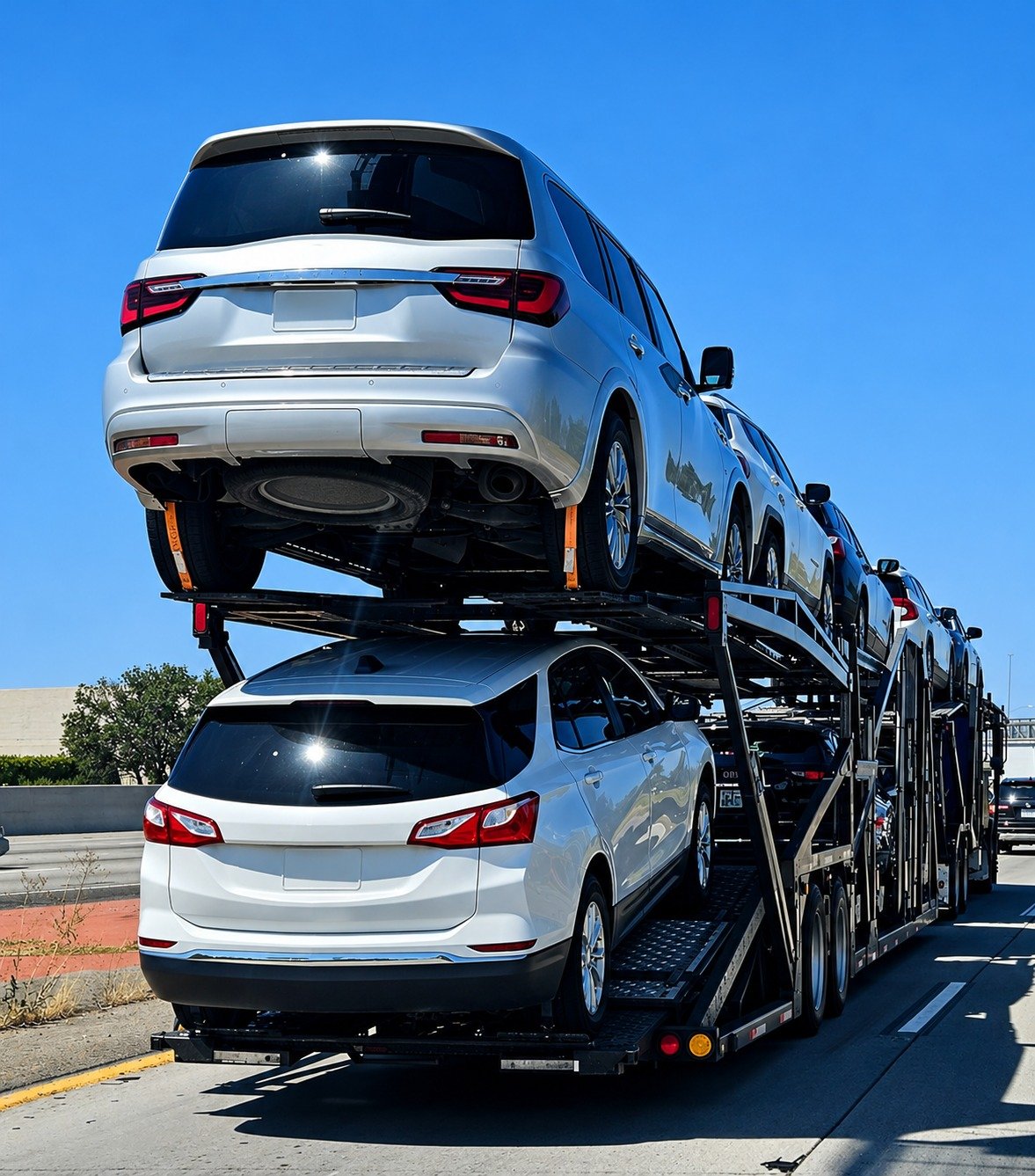
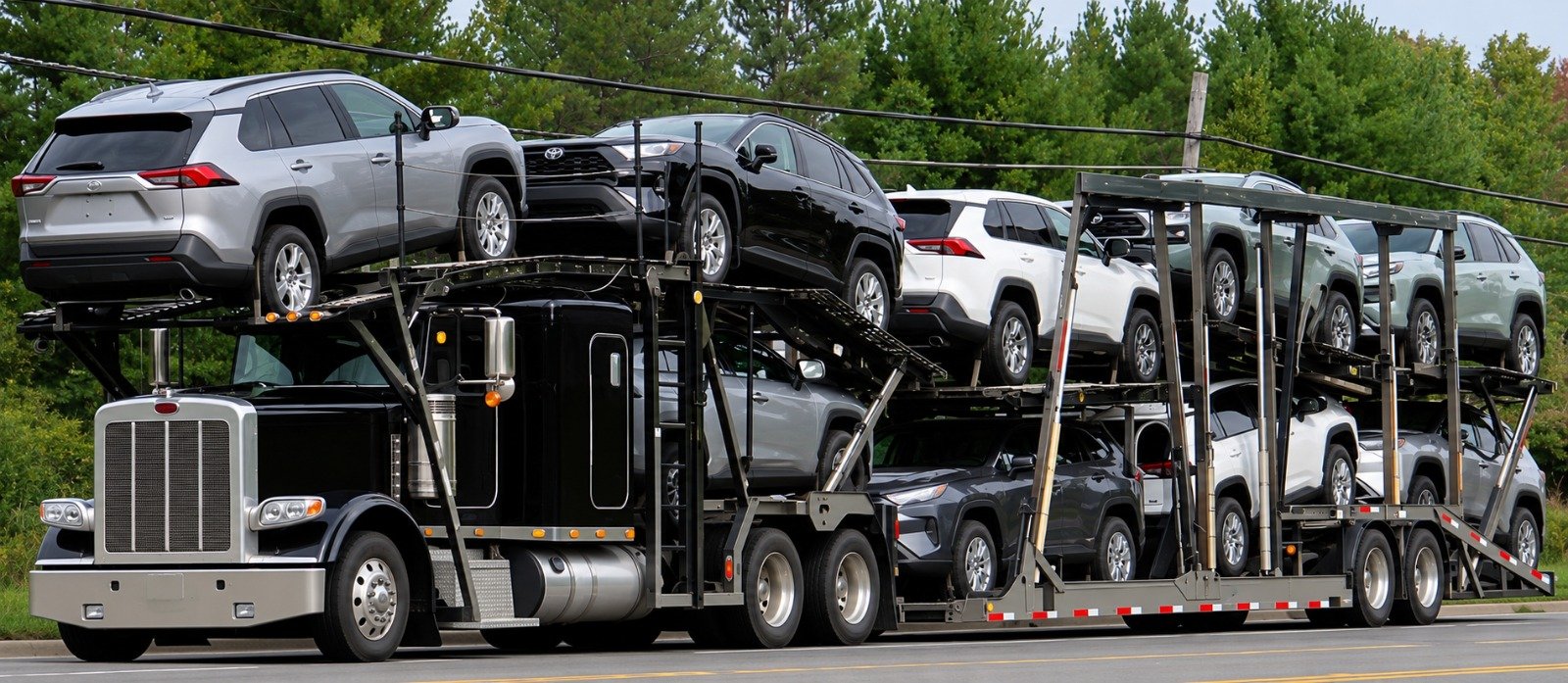
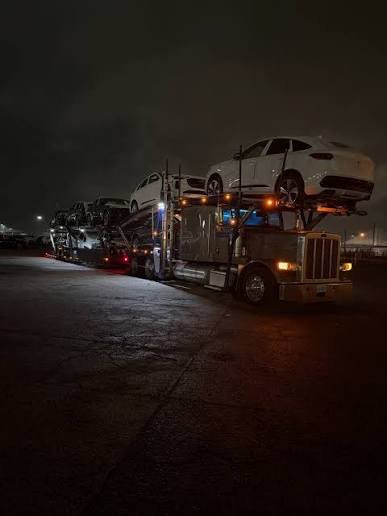
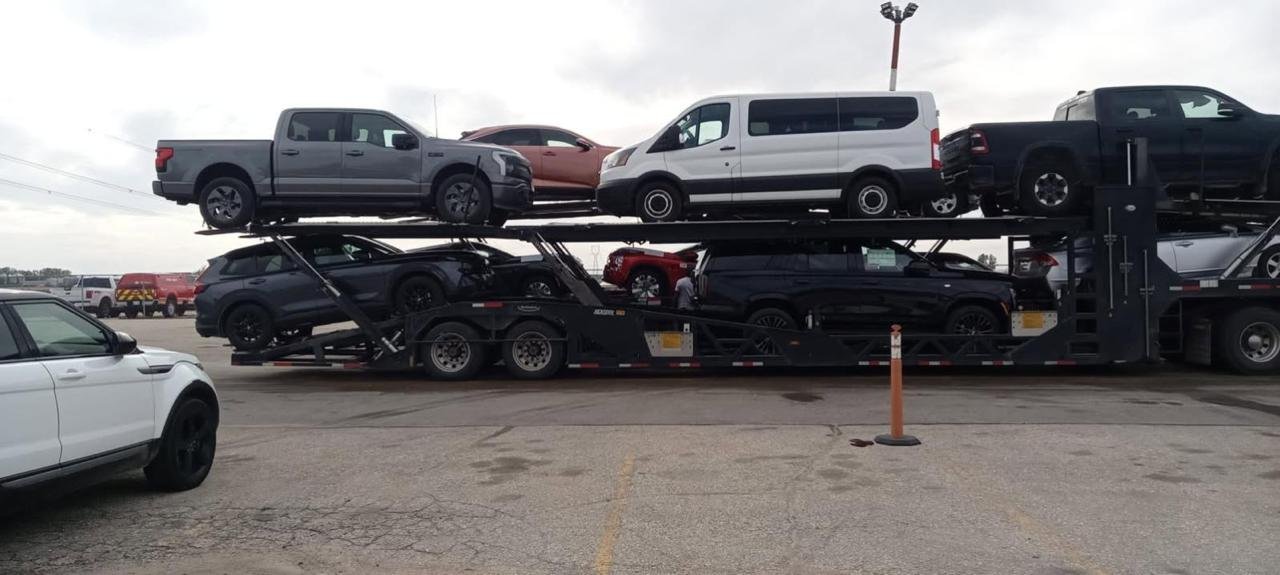
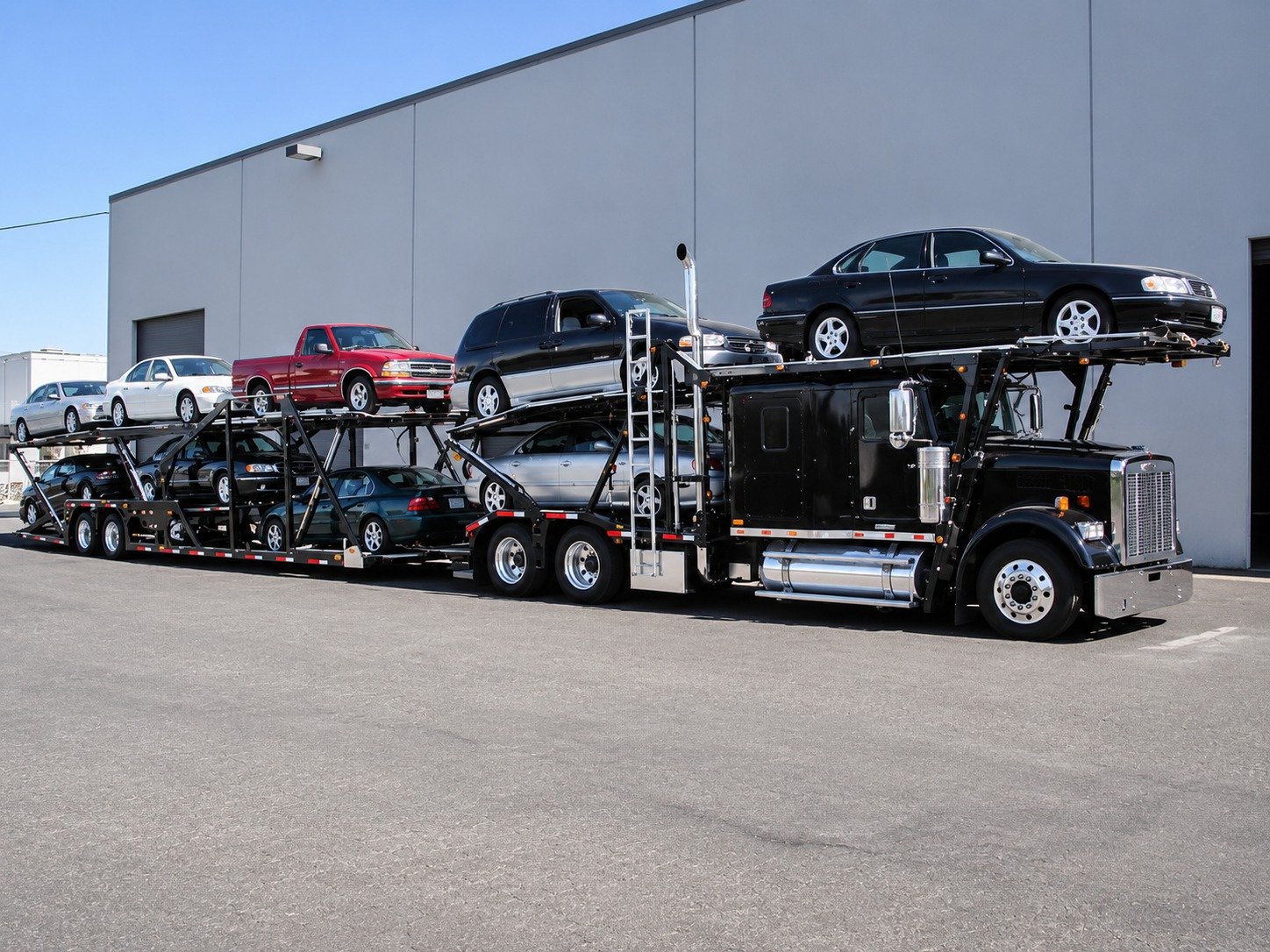
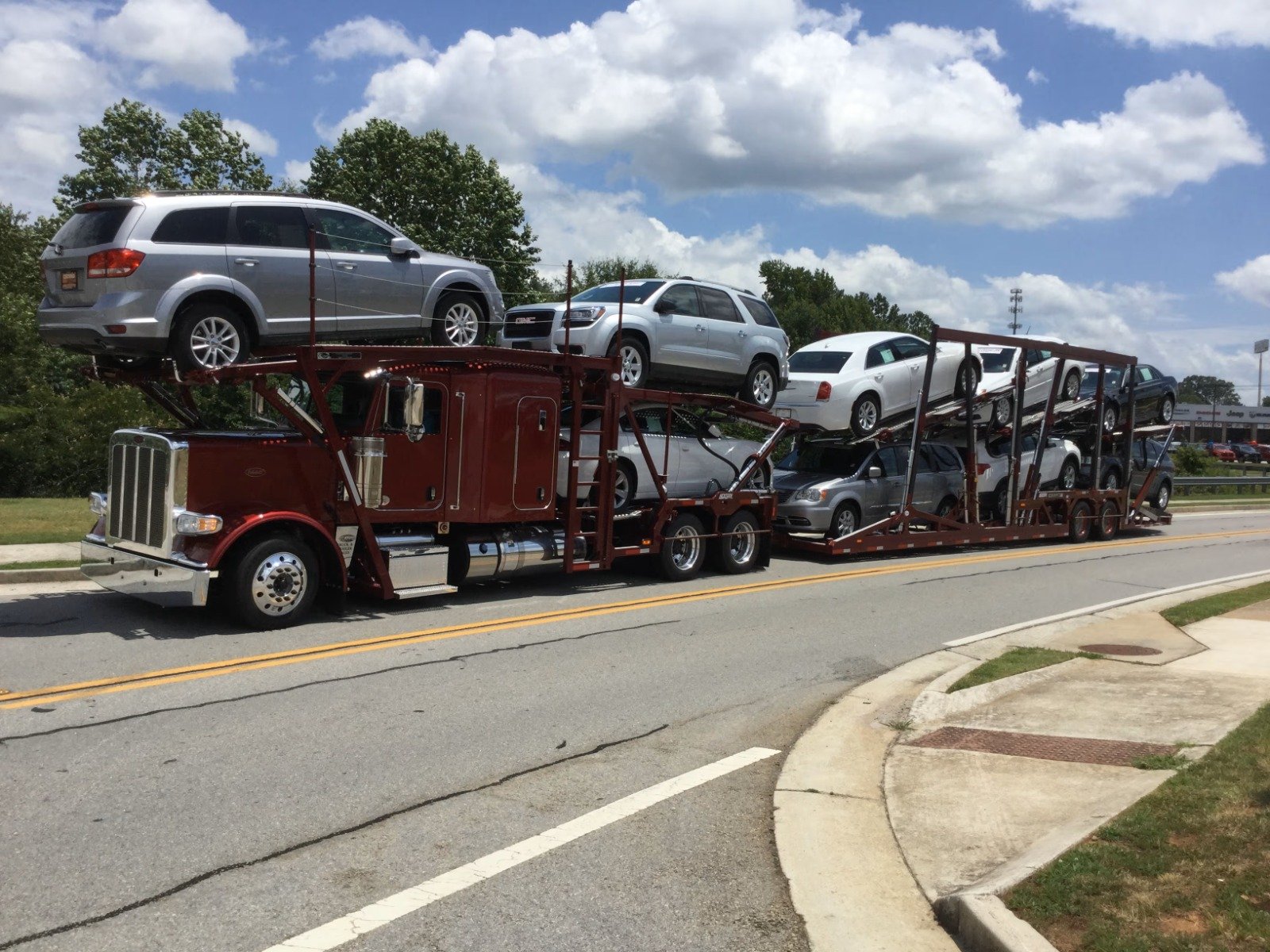
For standard consumer vehicles, project cars, and salvage models, open transport is the most cost-effective and popular method. Vehicles are loaded onto an exposed multi-level car carrier. While the vehicle is exposed to Canadian weather and road conditions (rain, snow, dust), this method is highly efficient and perfectly suitable for most inoperable cars.
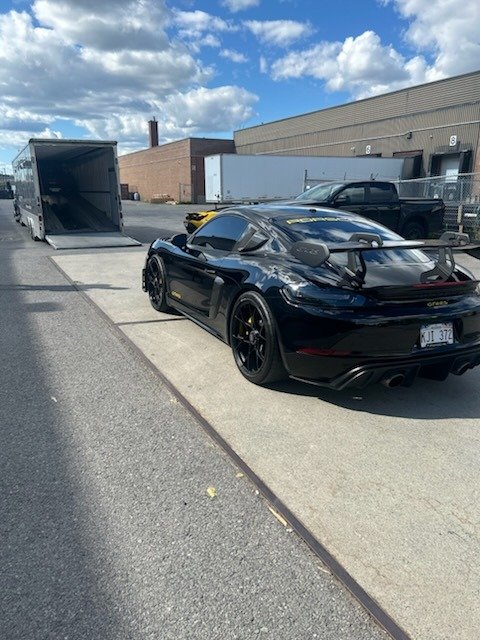
Enclosed Auto Transport
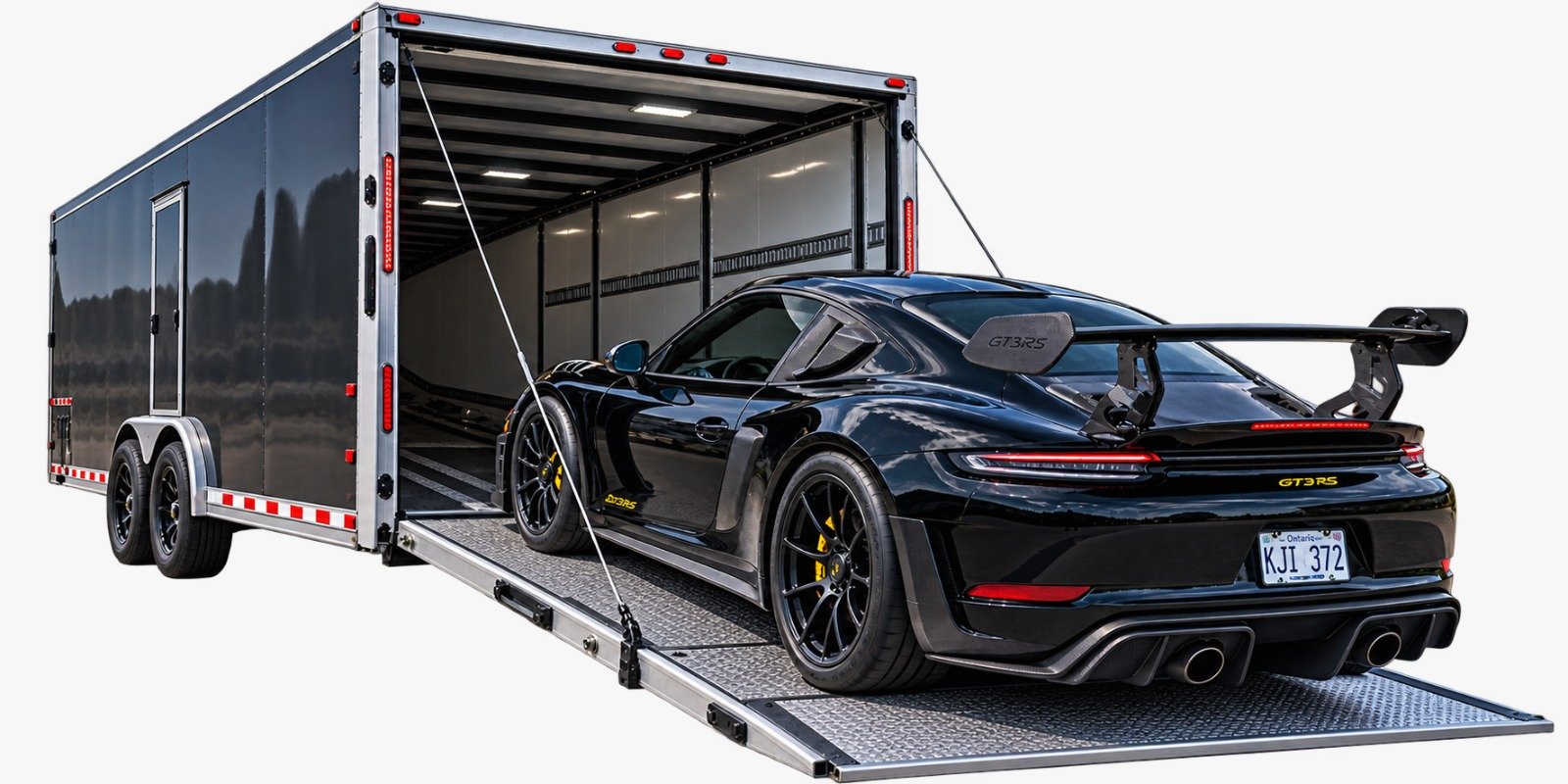
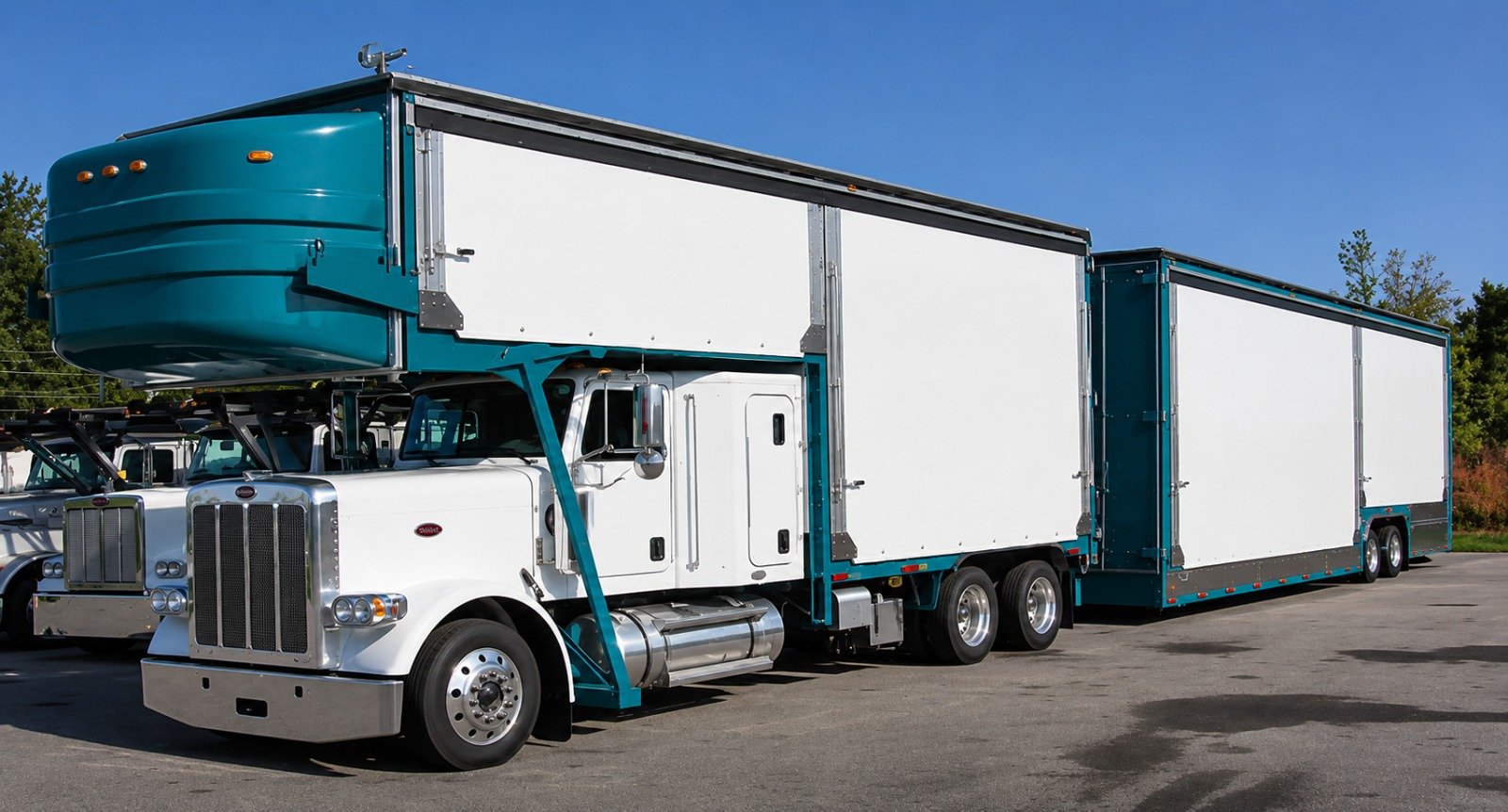
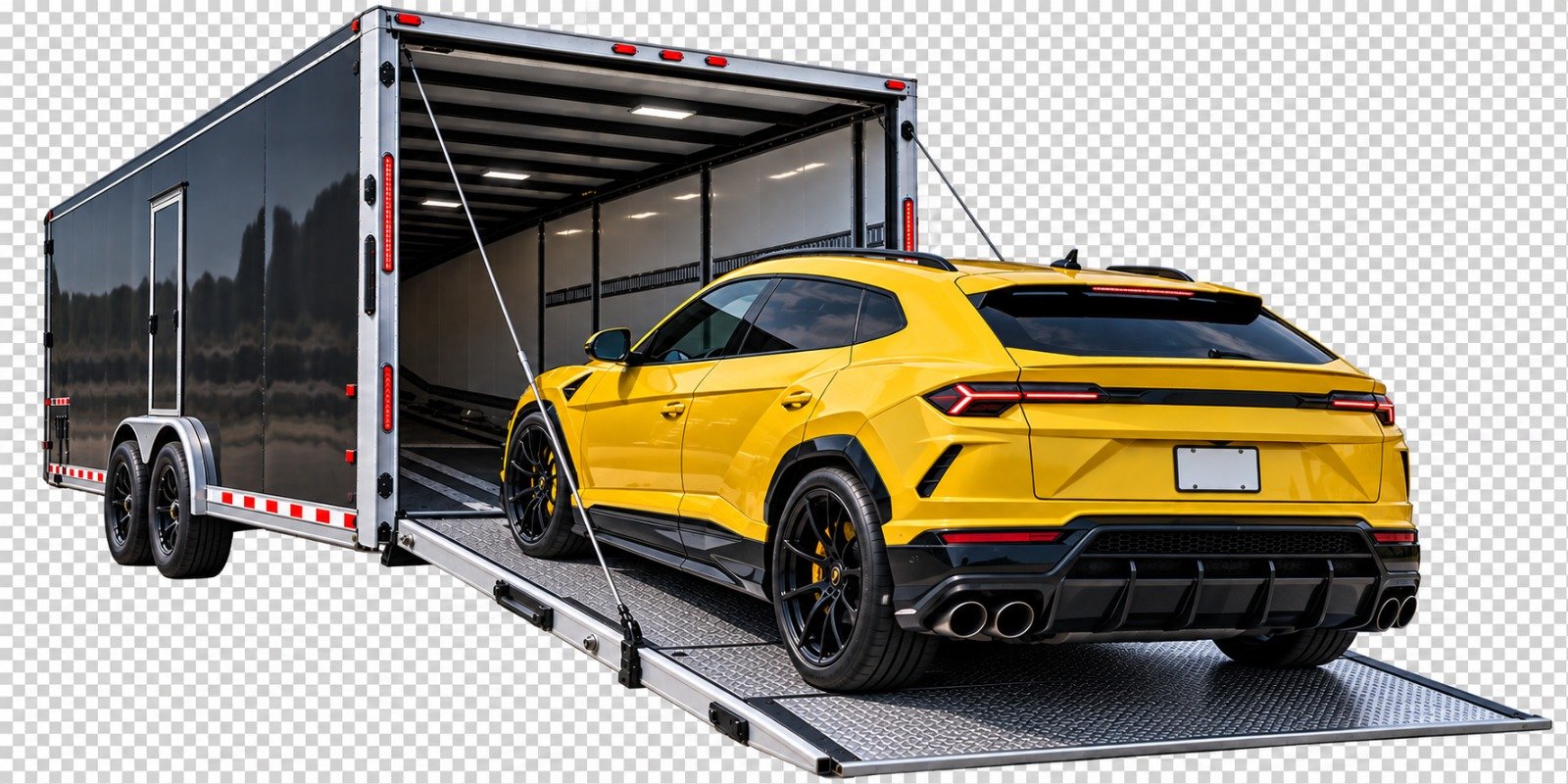
If your non-running vehicle is a high-value classic car, an unfinished multi-thousand-dollar restoration, or a luxury vehicle with an electrical fault, enclosed transport is strongly recommended. Enclosed trailers feature solid walls and roofs, protecting the vehicle from all external elements. Furthermore, enclosed trailers often feature specialized lift-gates (hydraulic platforms that remain completely flat) which are incredibly beneficial for low-clearance, non-running exotic cars.
How Much Does It Cost to Ship a Non-Running Car?
One of the most frequent questions we receive is, "how much does it cost to ship a non-running car compared to a drivable one?" Transporting an inoperable vehicle to Canada or across provinces incurs a higher cost due to the specialized equipment, additional labor, and time required to load and secure the vehicle.
Expect to pay a winch fee on top of the standard shipping rate. This fee generally ranges from $100 to $300, depending on the severity of the vehicle's condition and the equipment required.
| Vehicle Condition | Transport Requirements | Relative Cost Impact |
|---|---|---|
| Running & Drivable | Standard loading under own power. | Base Rate |
| Rolls, Steers, & Brakes (e.g. Dead Battery) | Requires winch-equipped carrier. Driver must manually steer while winching. | Base Rate + Standard Winch Fee |
| No Brakes / Locked Steering | Requires specialized dragging or flatbed shuttle service to main trailer. | Base Rate + High Handling Fee |
| Severe Collision Damage / Missing Wheels | Requires forklift loading (auctions) or dedicated heavy-duty flatbed transport. | Custom Quote Required |
Other cost factors include the total distance of the route, the size and weight of the vehicle (an inoperable SUV costs more to ship than a compact sedan), and the accessibility of the pickup and drop-off locations.
Important Customs and Regulatory Considerations
When dealing with non-running car transport Canada, especially if purchasing a salvage vehicle from across the border or moving vehicles inter-provincially, there are regulatory factors to keep in mind.
If you are importing a damaged or non-running vehicle into Canada from the United States, you must ensure the vehicle is admissible under Transport Canada regulations and the Registrar of Imported Vehicles (RIV) program. Salvage-titled vehicles have specific import restrictions and inspection requirements before they can legally be registered or driven on Canadian roads.
Furthermore, all paperwork, including the bill of sale and title, must be cleared through the Canada Border Services Agency (CBSA). Optixtrace coordinates with reliable carriers who understand the complexities of cross-border and cross-country logistics. Note that for immediate, short-distance local towing of a broken-down car, organizations like the CAA are excellent resources, whereas Optixtrace specializes in long-haul, province-to-province logistical transport.
Frequently Asked Questions
Yes, absolutely. We regularly arrange transportation for vehicles that cannot be driven. Whether the car has a dead battery, a blown engine, or collision damage, it can be securely transported using specialized winch-equipped car carriers or flatbed trucks.
Yes, either you or a designated representative must be present during pickup. You will need to hand over the keys (so the steering column can be unlocked), assist the driver with identifying any specific quirks of the disabled vehicle, and sign the Bill of Lading detailing the vehicle's initial condition.
It is generally advised not to pack personal items in any transported vehicle, but it is especially restricted for inoperable cars. Extra weight complicates the winching process, and loose items can become dangerous hazards if the vehicle has compromised windows or doors.
Generally, no. Rail transport heavily relies on terminal-to-terminal logistics where yard workers must quickly drive vehicles onto the train cars. Because train operators do not use winches to load individual passenger vehicles, cars shipped via rail must be in full running and driving condition.
Flat tires severely hinder the winching process and can damage the wheels or the carrier's ramps. If possible, inflate the tires prior to pickup, or inform your shipping coordinator immediately so they can dispatch a carrier equipped with a forklift or flatbed tow truck instead.
A Smooth Ride for Vehicles That Won't Start
Arranging non-running vehicle transport Canada doesn't have to be a stressful logistical nightmare. By accurately assessing your vehicle's condition, selecting the appropriate specialized auto transport equipment, and working with experienced logistics coordinators, your damaged, classic, or disabled vehicle will arrive safely at its final destination.
Whether you need an open carrier to move a salvage purchase across the province, or a fully enclosed trailer to protect a priceless classic car restoration mid-build, Optixtrace Car Shipping provides the dedicated vehicle transportation services required to get the job done right.