The Complexities of Electric Vehicle Fleet Transportation
Unlike internal combustion engine (ICE) vehicles, electric car shipping to the USA demands specialized operational knowledge. The cornerstone of electric vehicle logistics is weight management. An average EV weighs approximately 20% to 30% more than a comparable gas-powered vehicle due to the dense lithium-ion battery pack integrated into its chassis. When organizing corporate vehicle shipping for an entire fleet, this aggregate weight significantly impacts transport load limits, carrier selection, and route planning.
Furthermore, EV transport services must account for strict battery handling regulations. Transport authorities categorize large lithium-ion batteries as hazardous materials under certain transit conditions. Ensuring that your fleet complies with safety regulations outlined by agencies like Transport Canada and the US Department of Transportation is paramount to a seamless cross-border operation.
For fleet managers, this means coordinating with logistics providers who possess specialized knowledge in EV battery safety, weight distribution on transport trailers, and real-time monitoring. Failure to account for these variables can lead to costly delays at weigh stations or border crossings.
Choosing the Right Corporate Vehicle Shipping Method
When executing a corporate fleet relocation, determining the appropriate transportation method is a critical budgetary and logistical decision. The two primary modes of over-the-road transport for businesses are enclosed transport and open transport.
Open Transport for Commercial Fleets
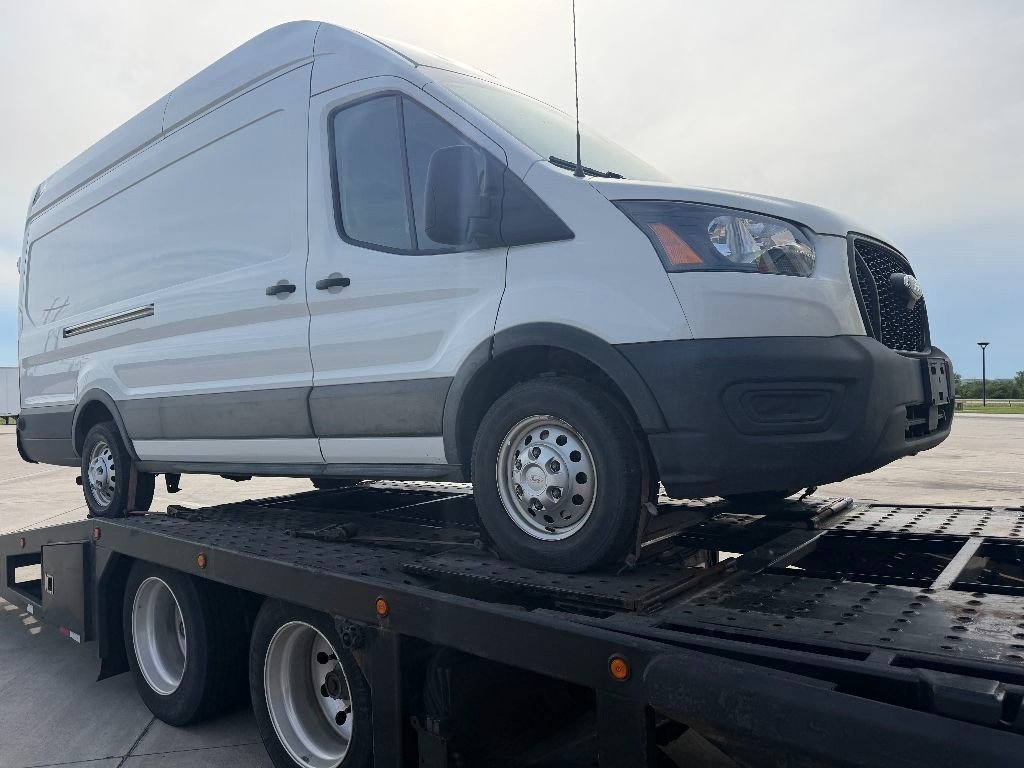
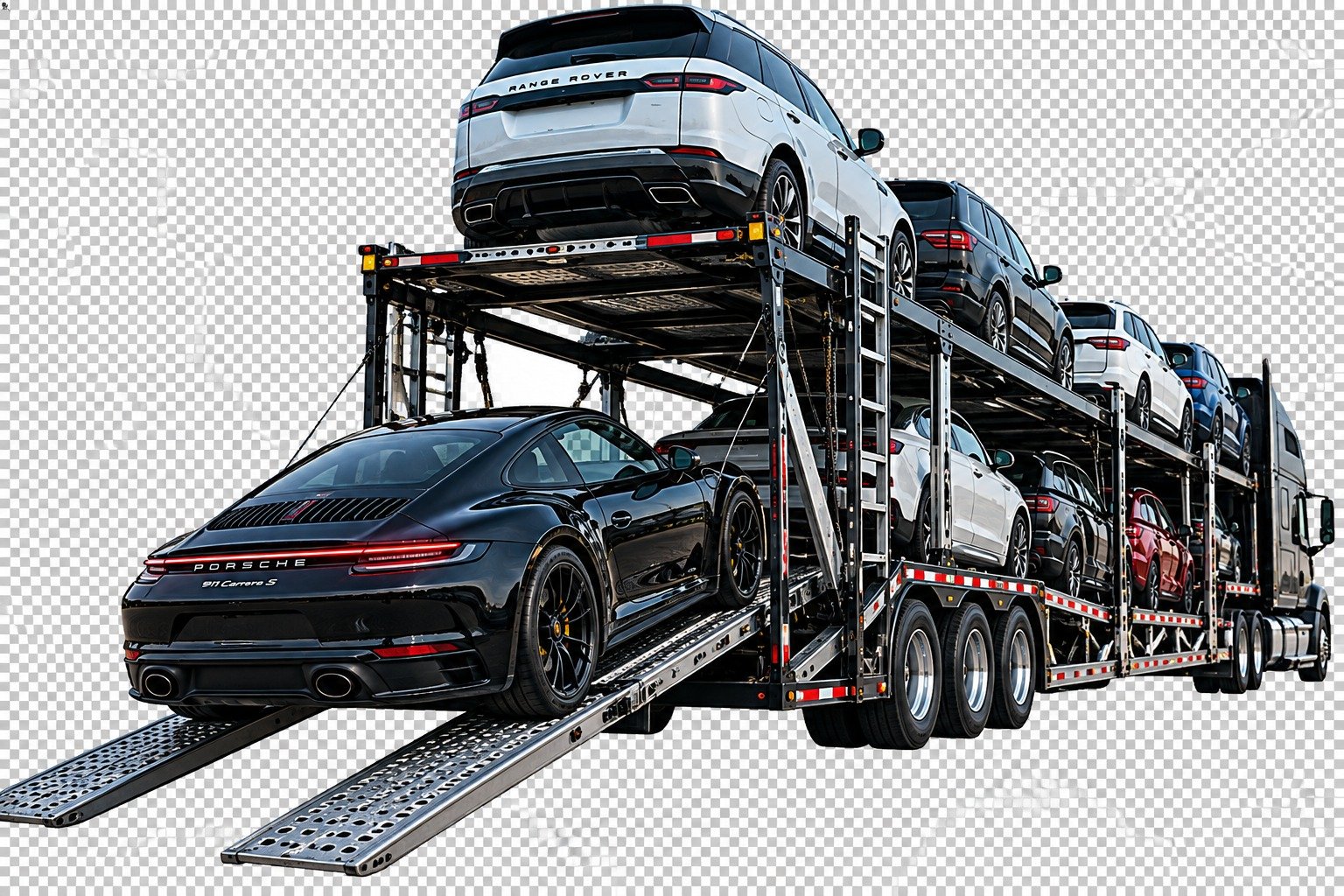
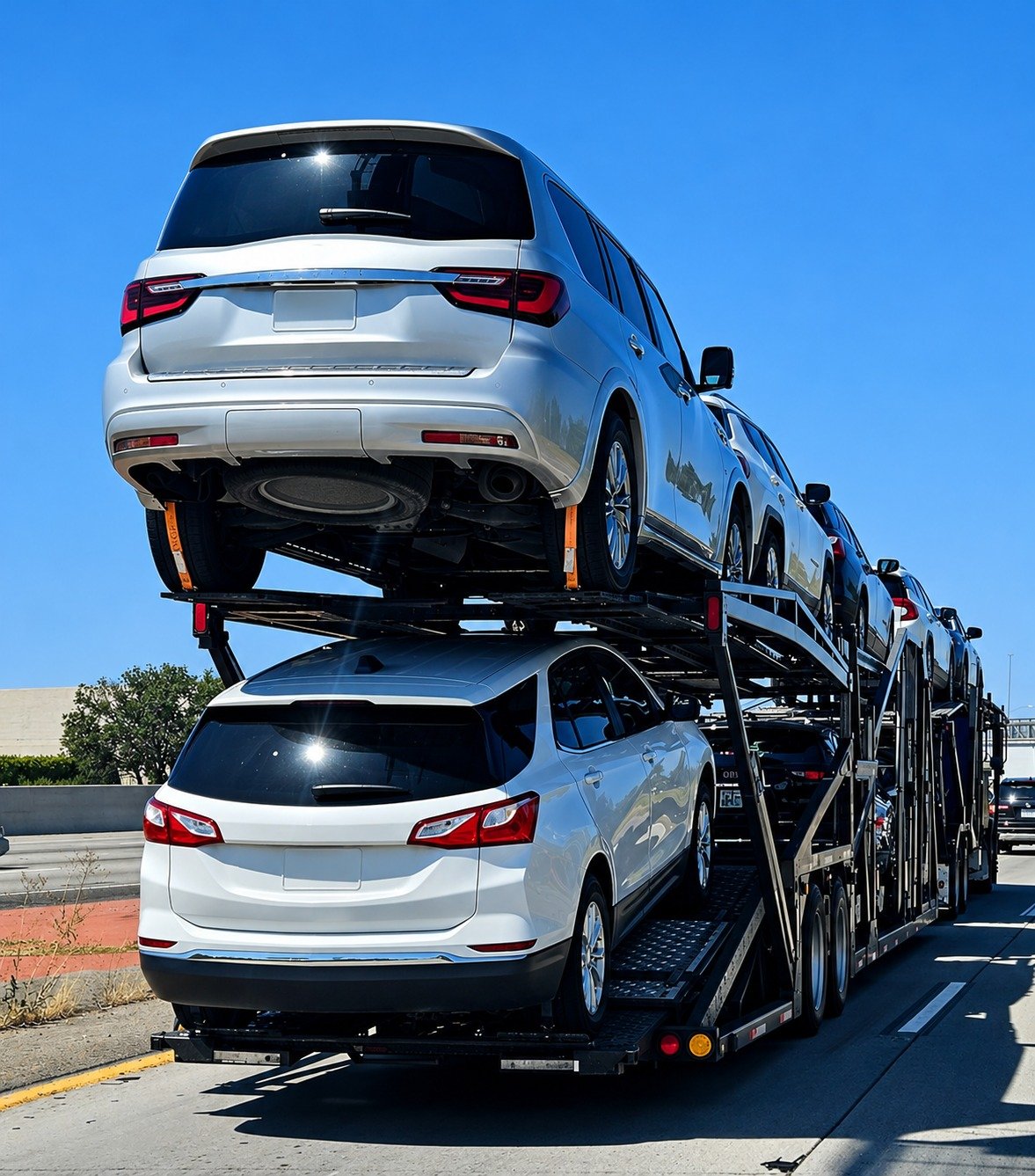
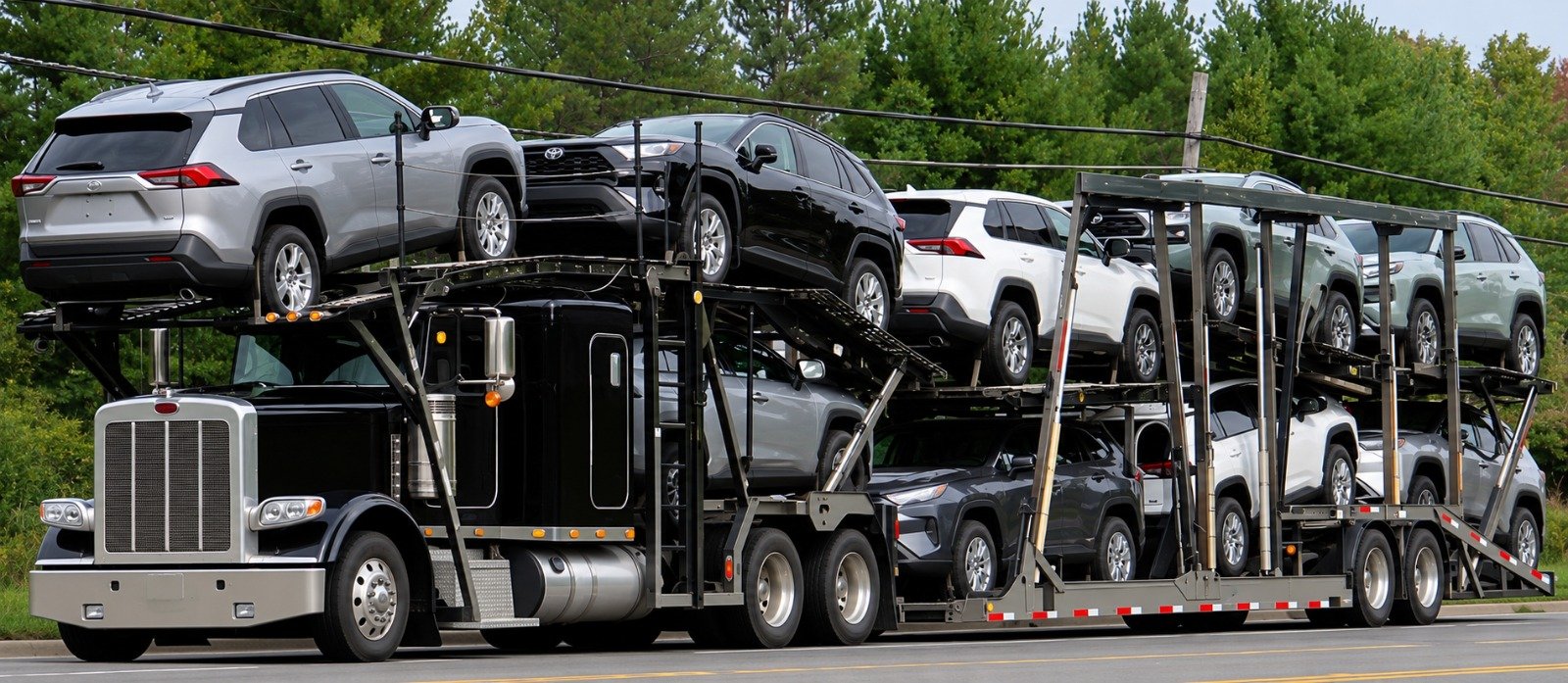
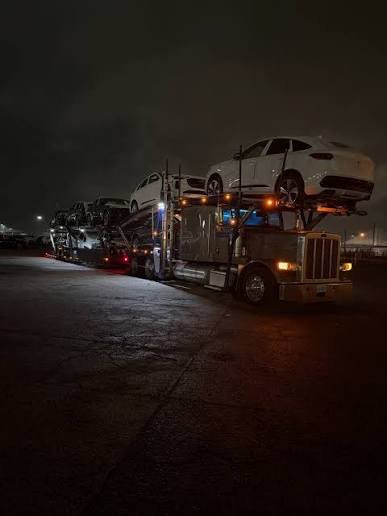
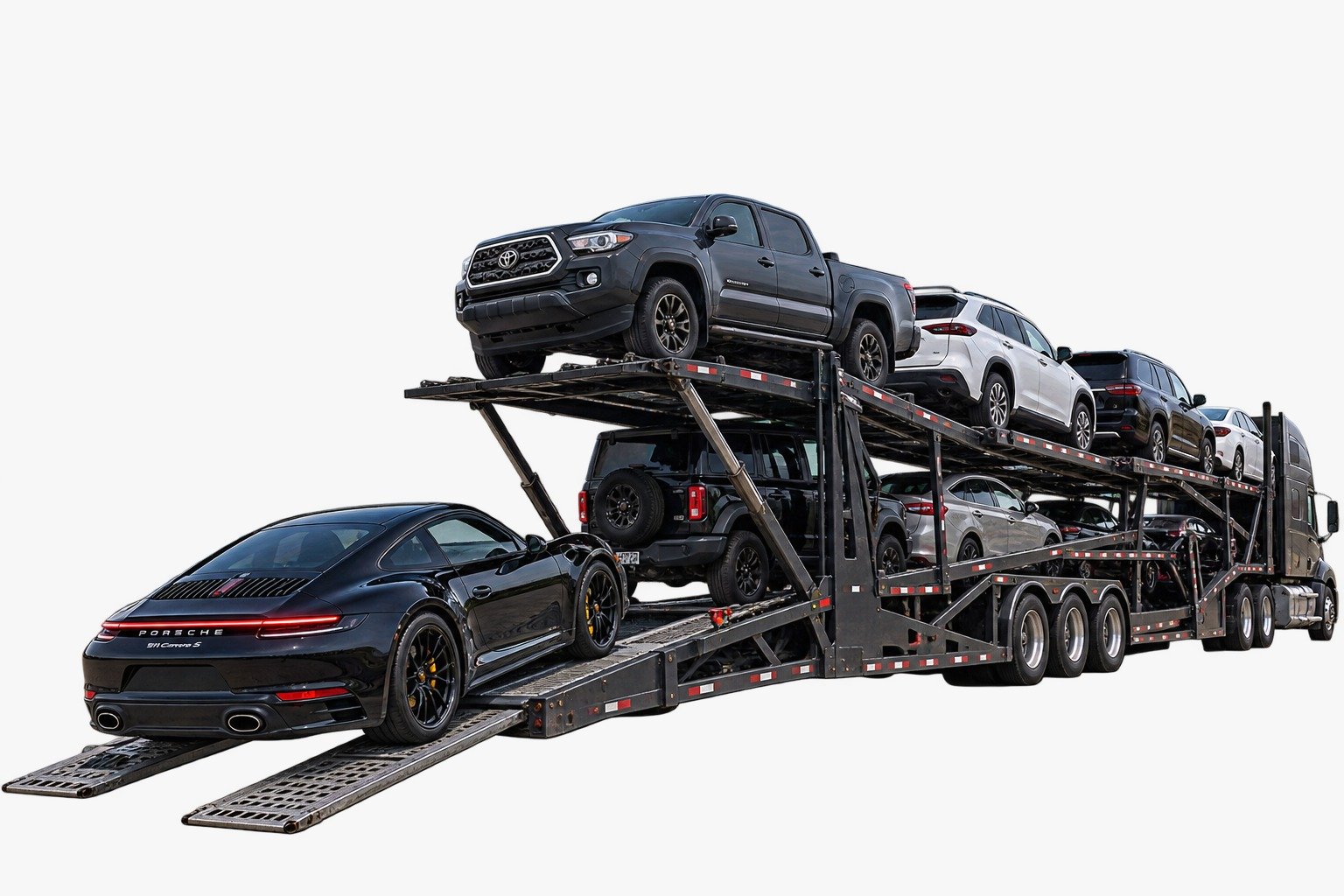
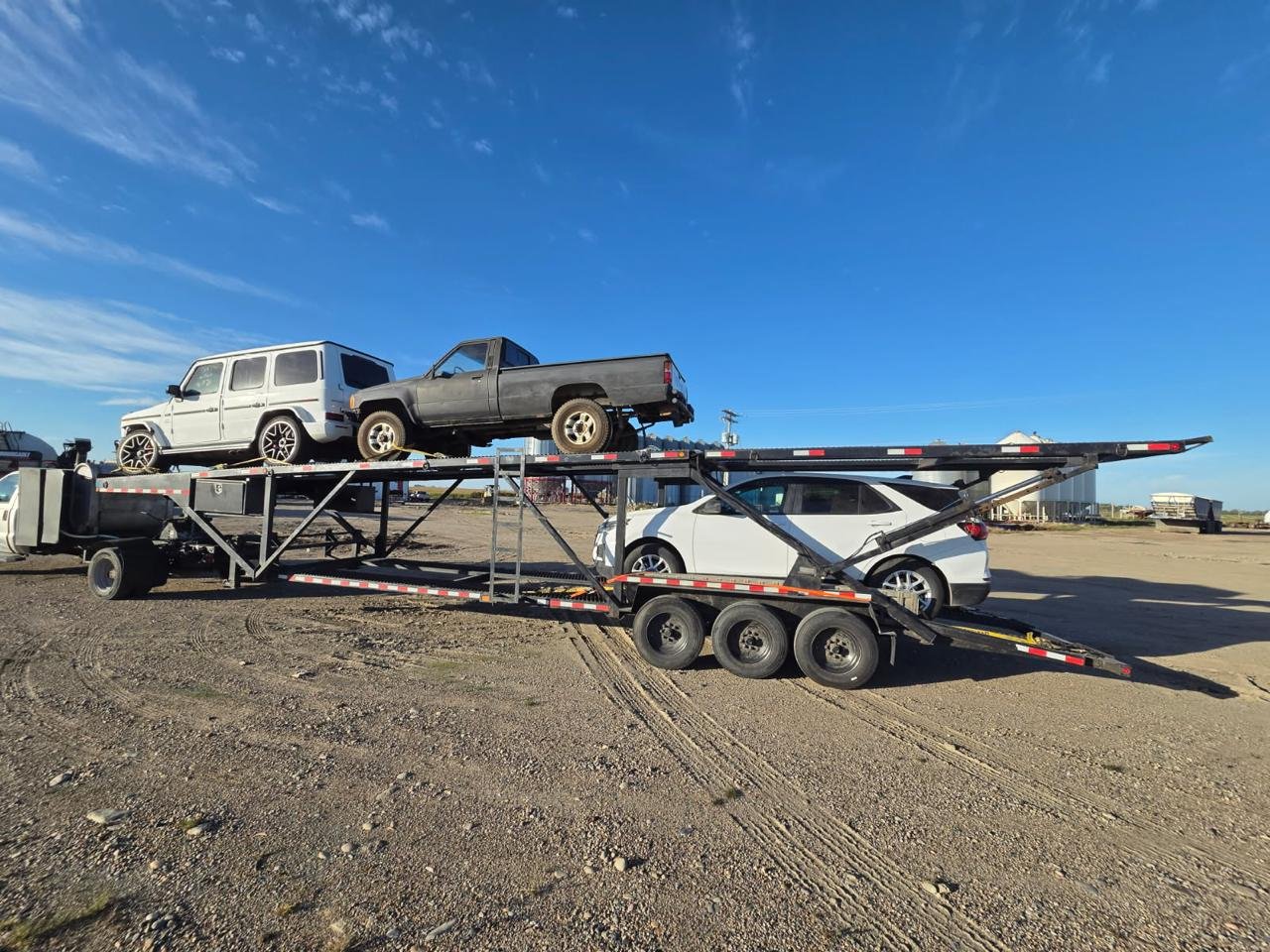
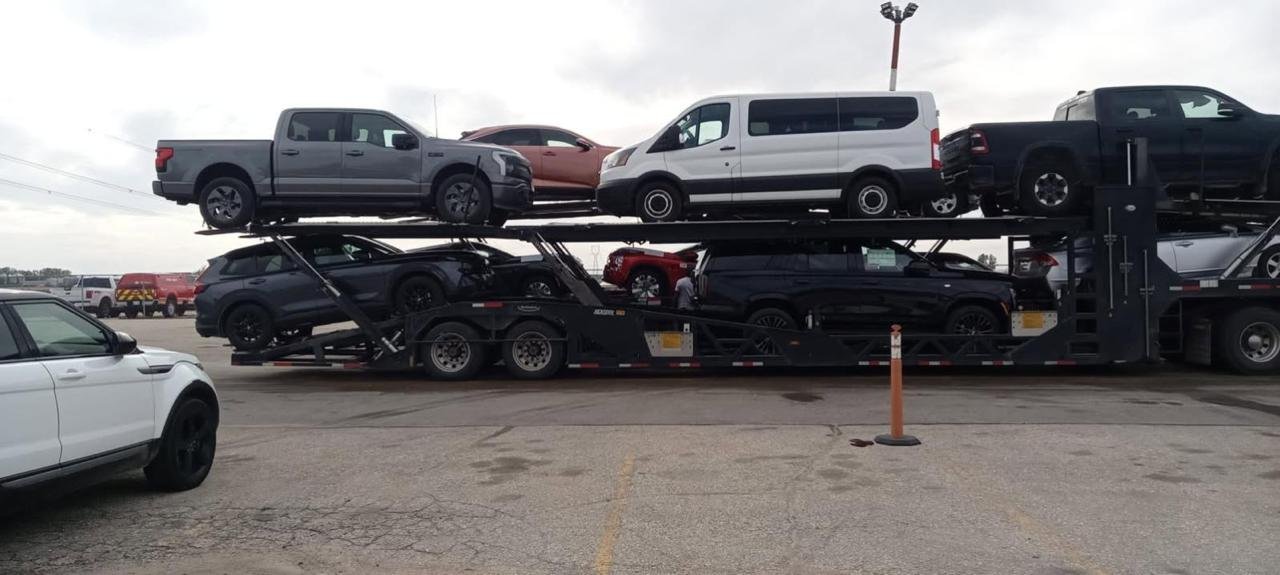
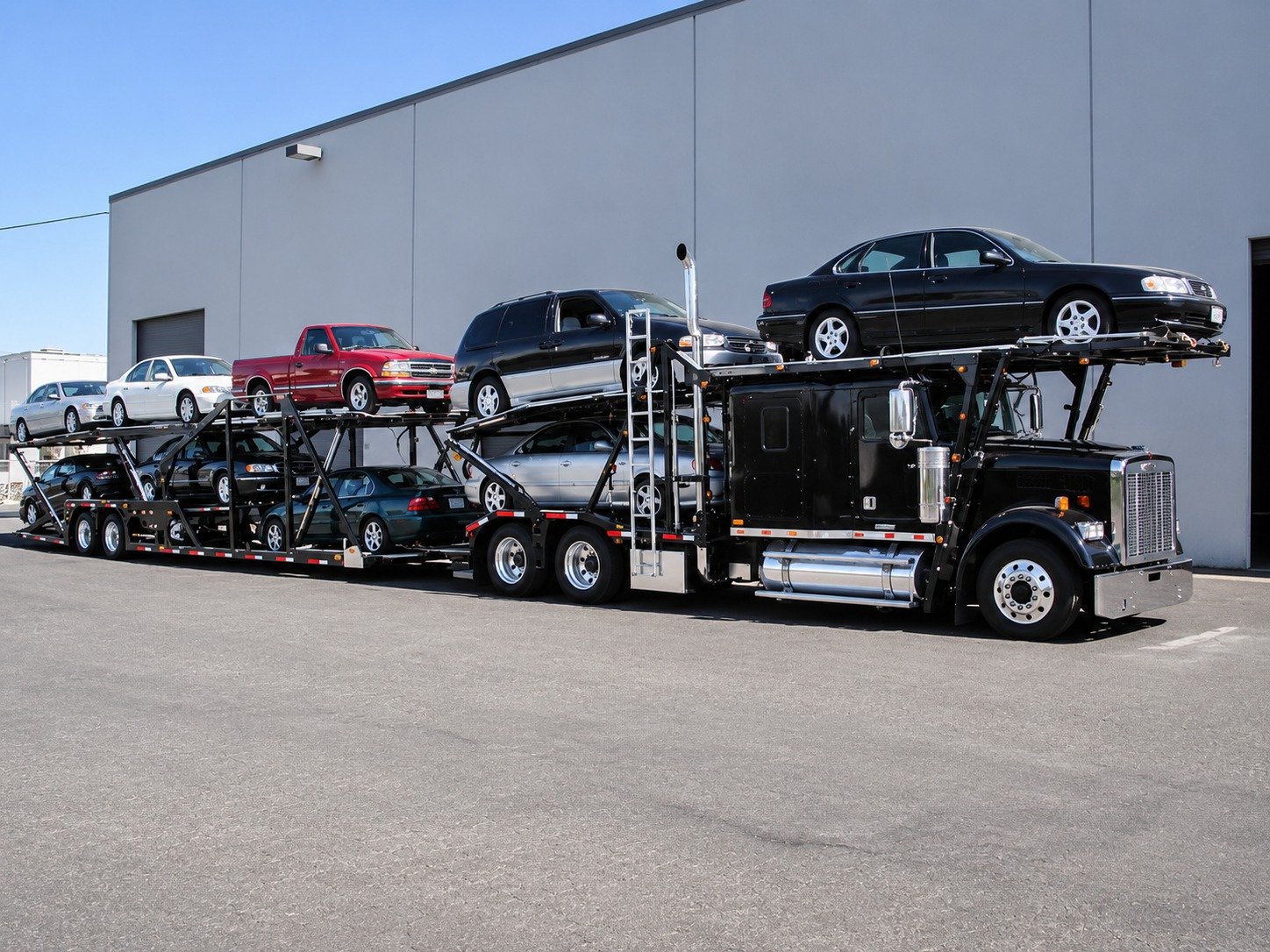
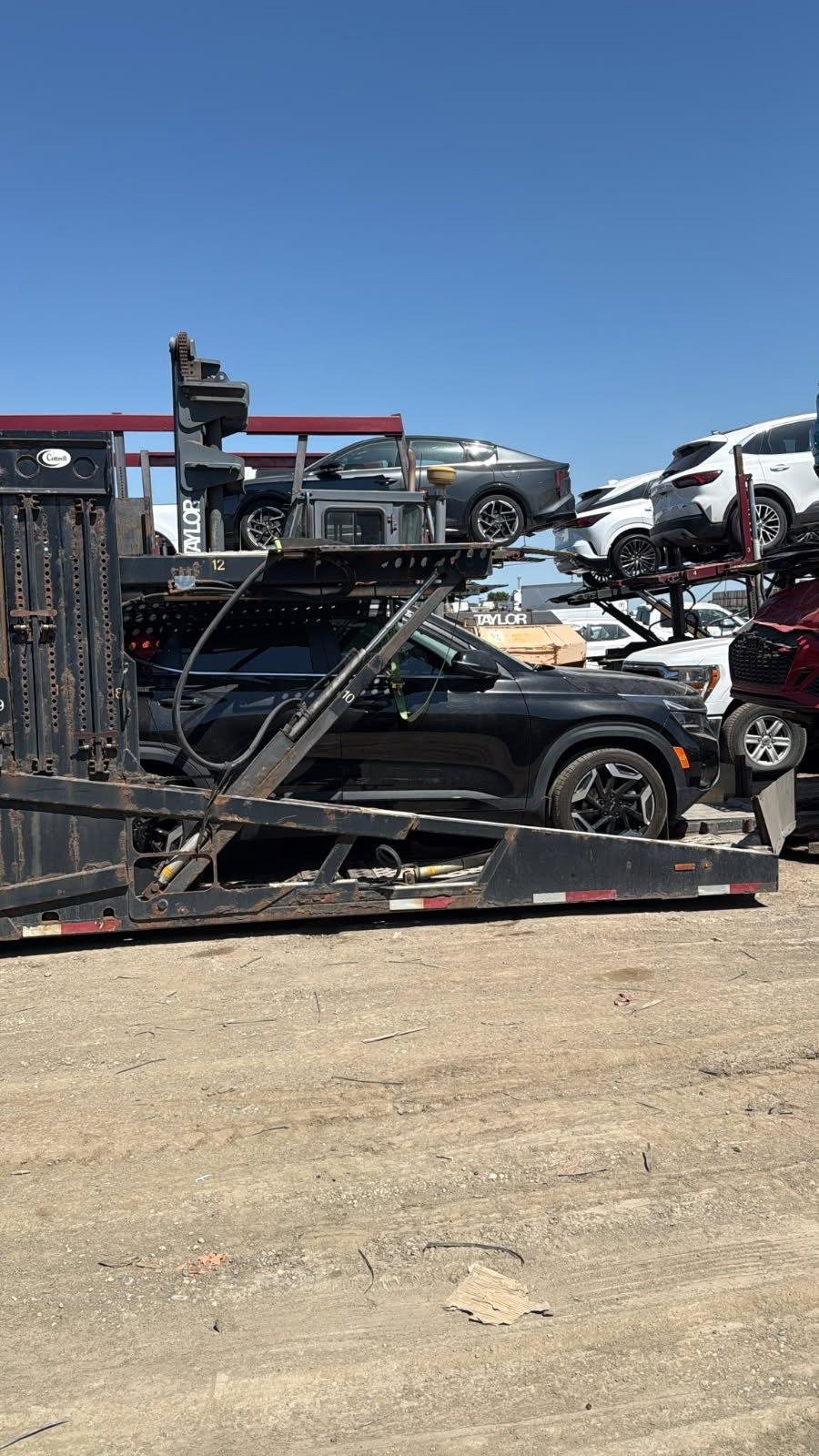
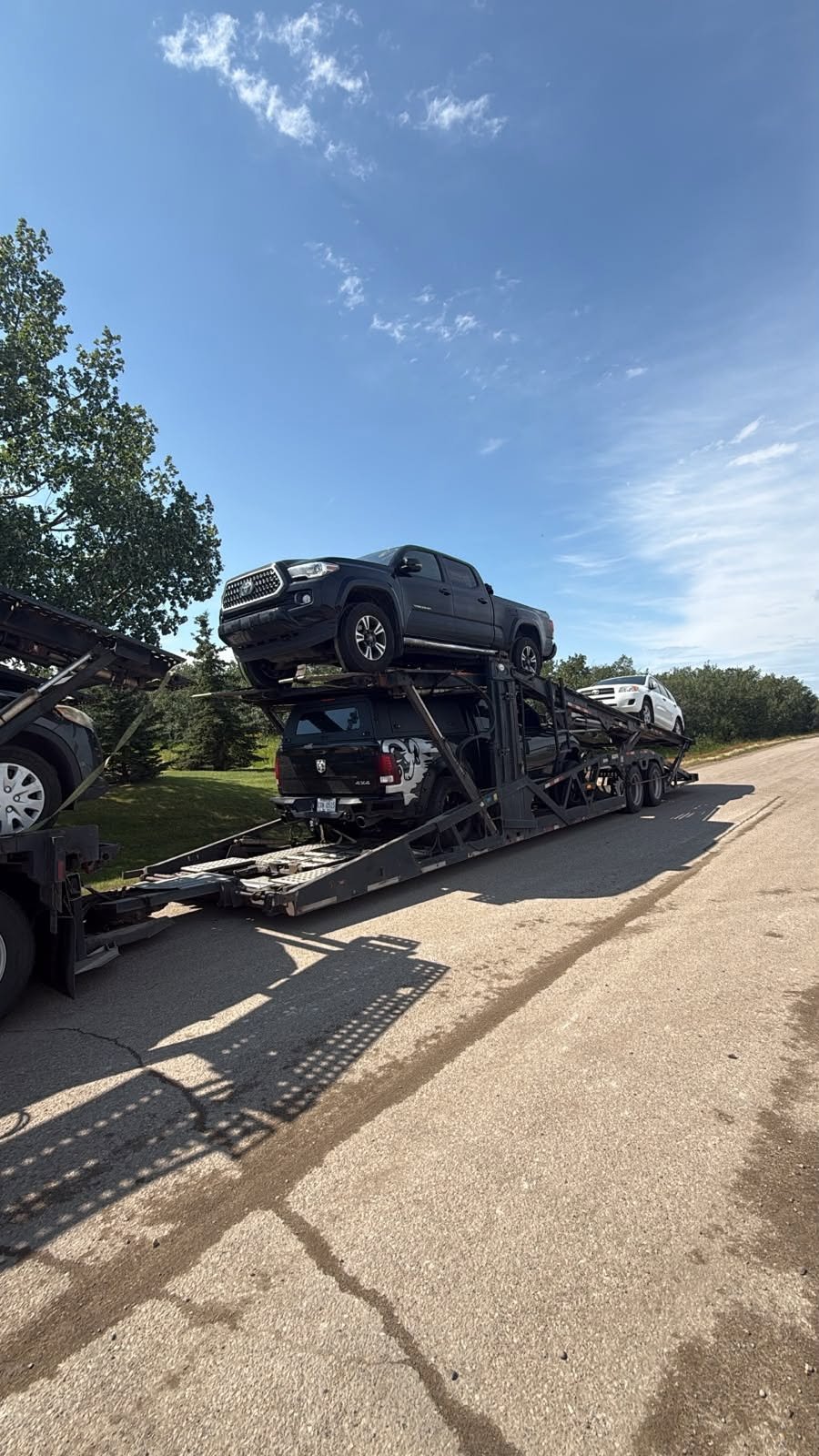
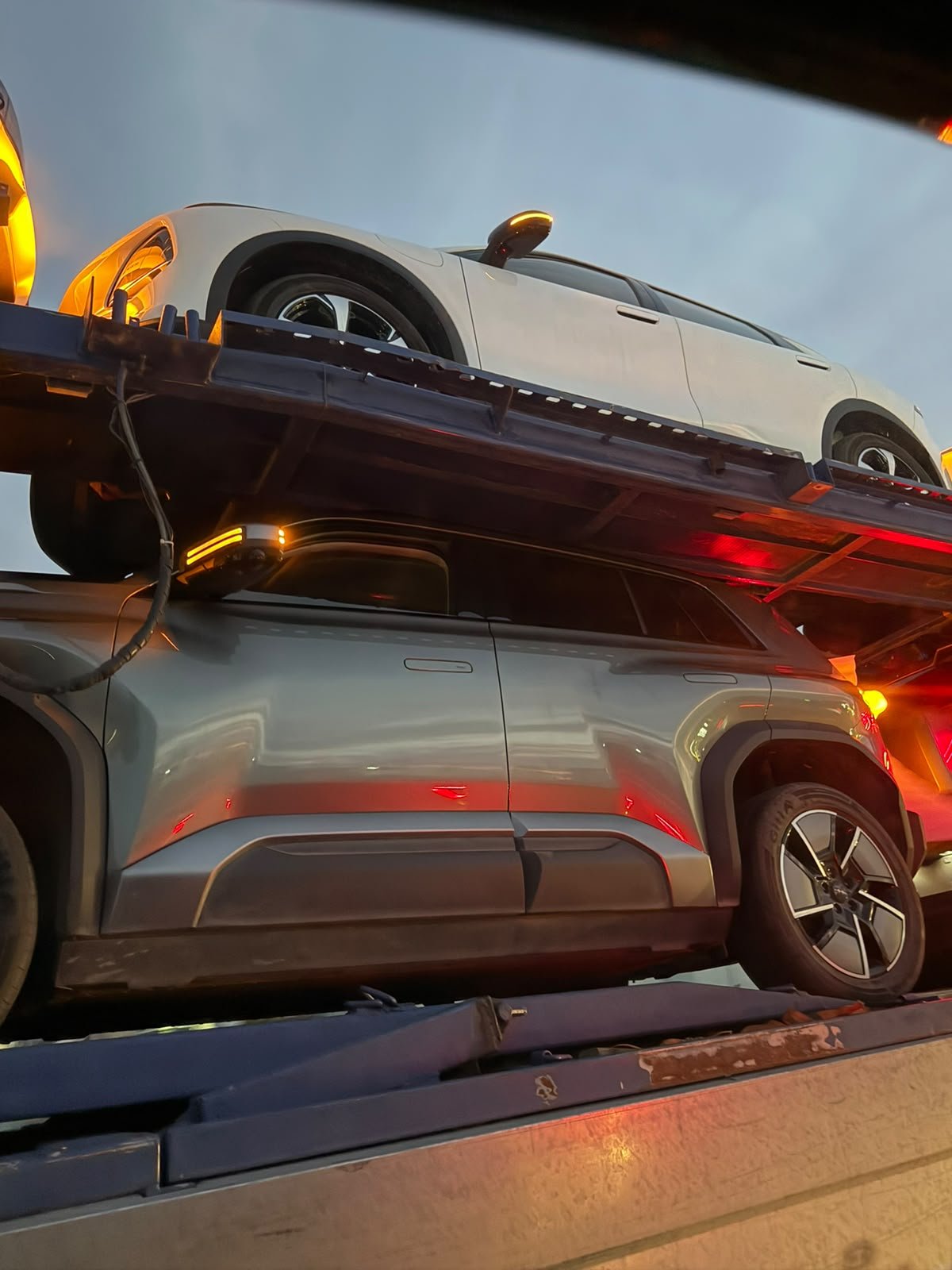
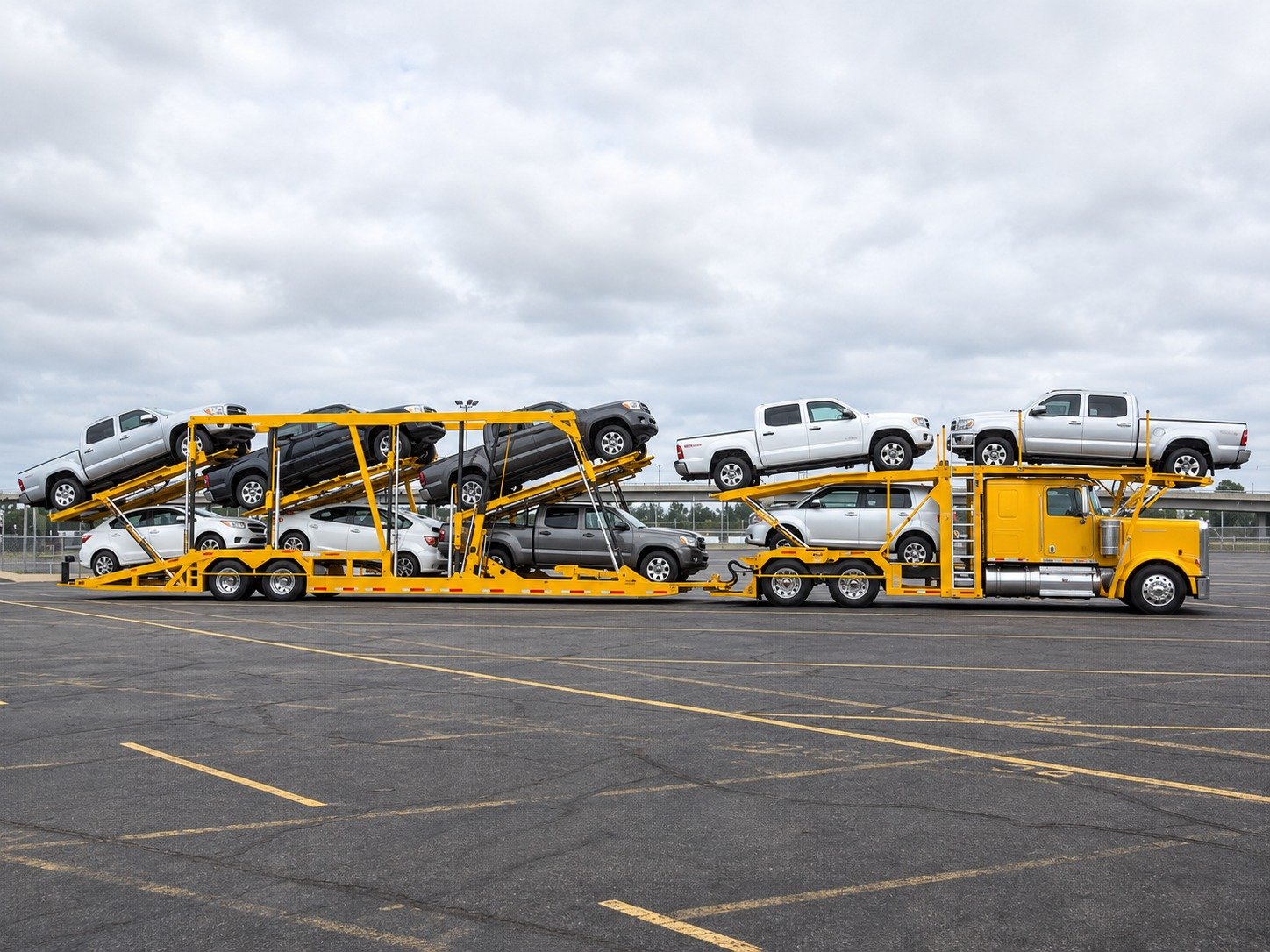
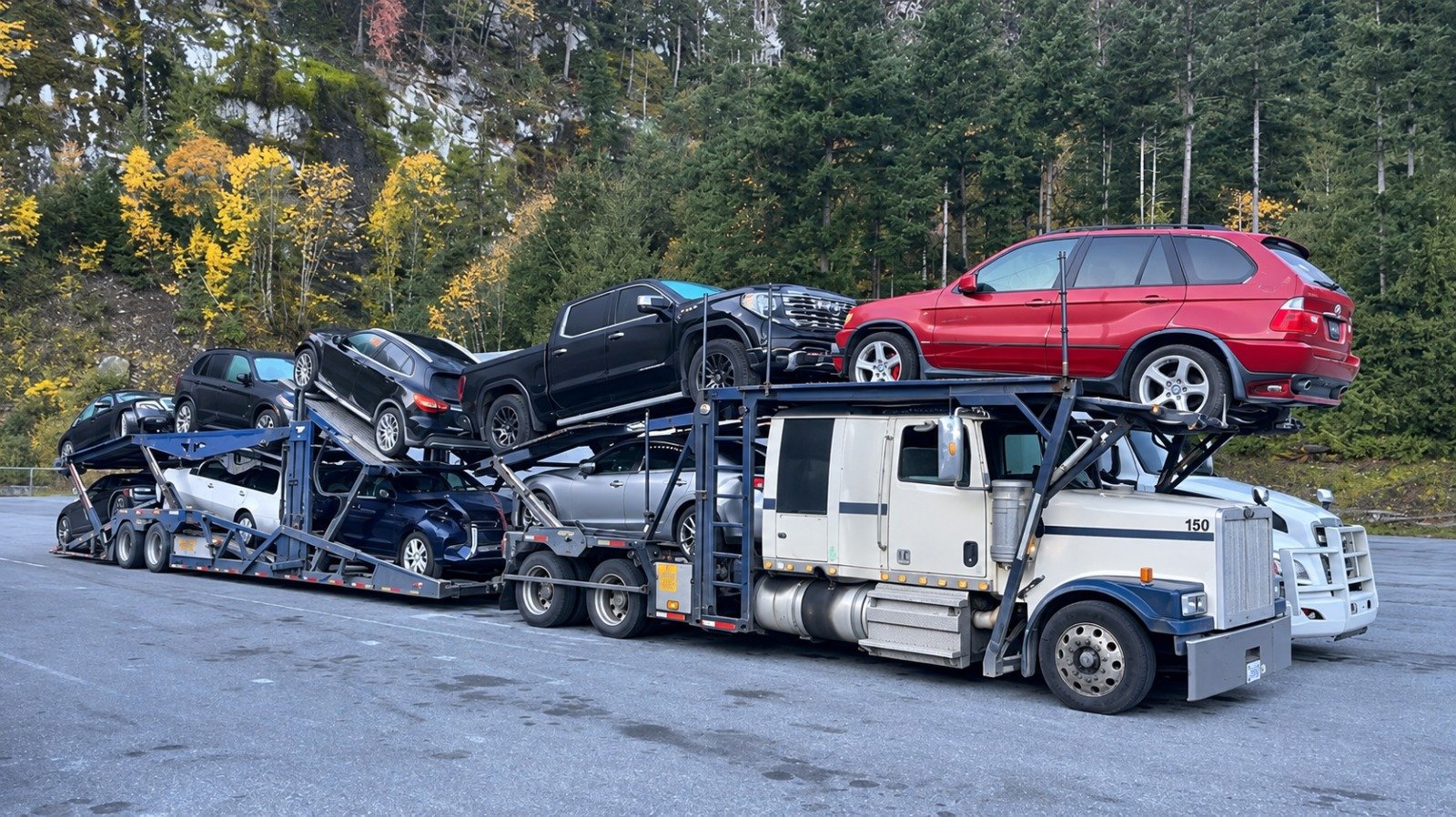
For standard corporate fleets—such as company sedans, crossover SUVs, or sales team vehicles—open transport is generally the most cost-effective and efficient method. Multi-level car haulers can securely accommodate up to 9 or 10 vehicles at a time, making it highly suitable for transporting multiple electric vehicles from Canada to the USA in centralized, consolidated shipments.
Enclosed Transport for Luxury and Executive EVs
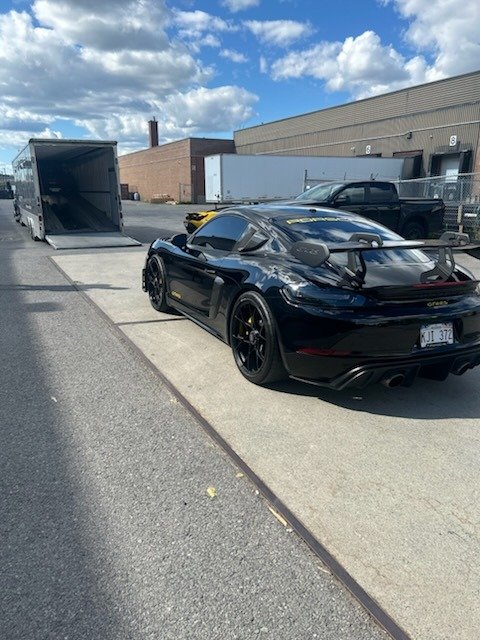
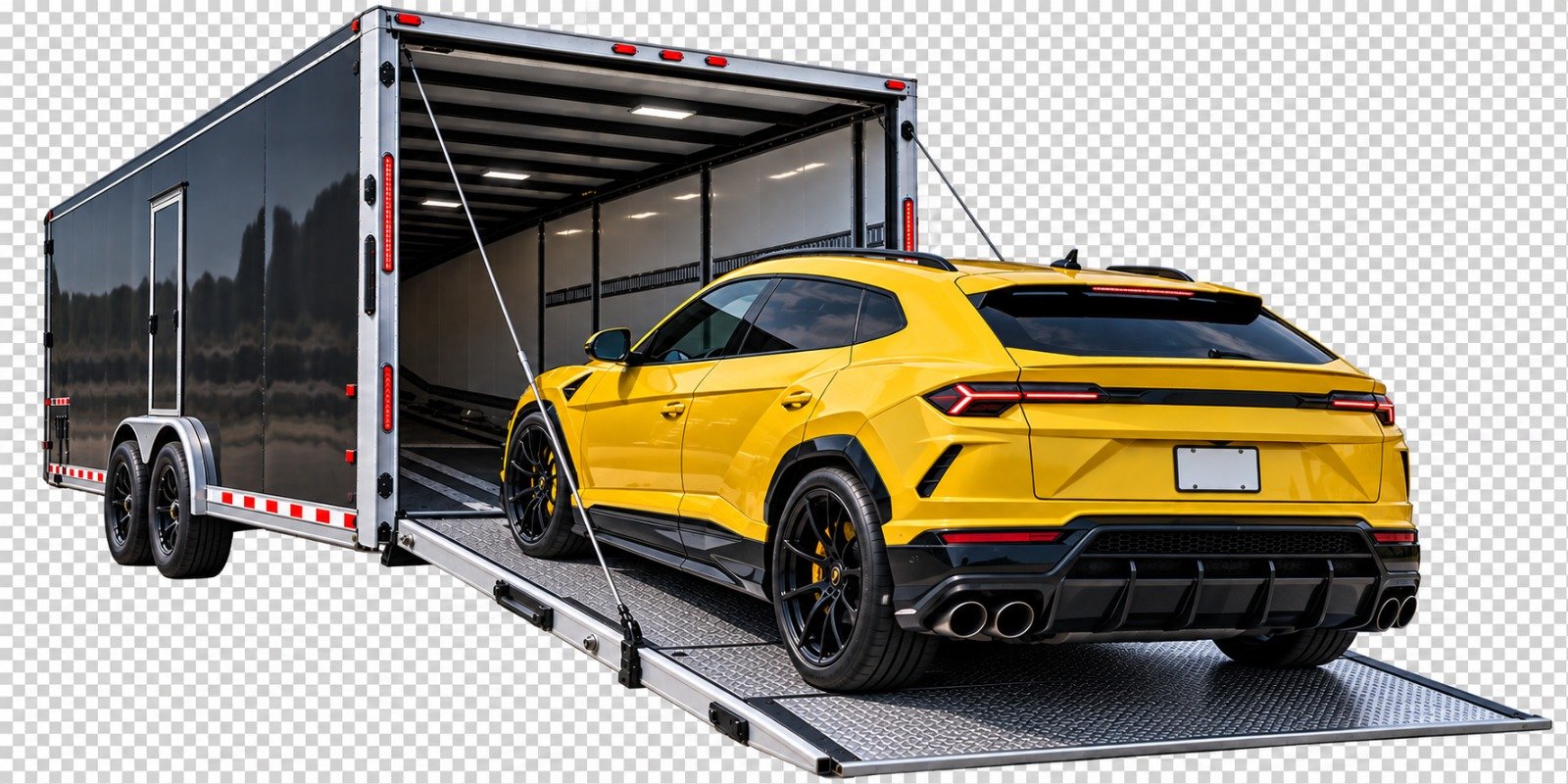
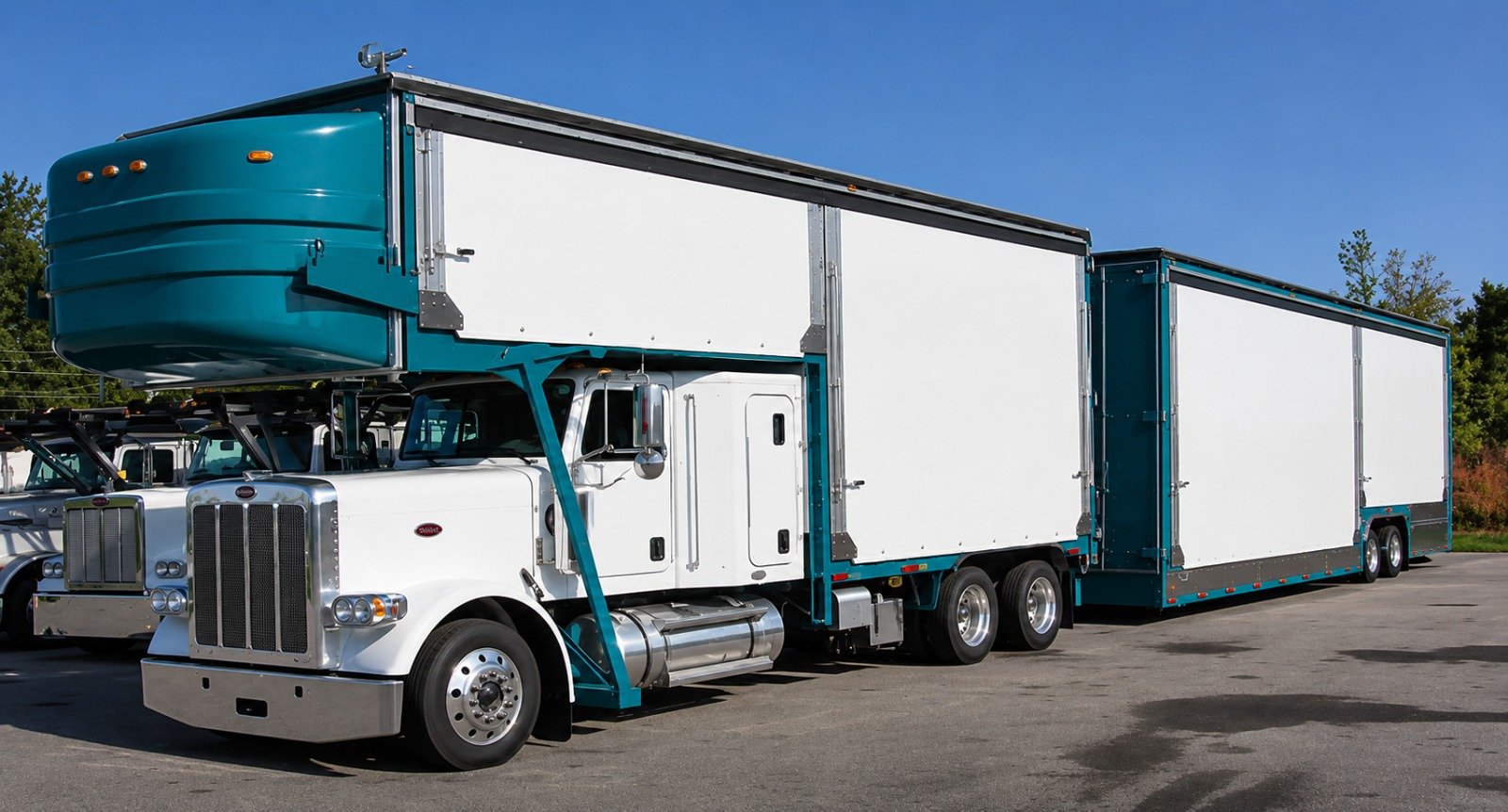
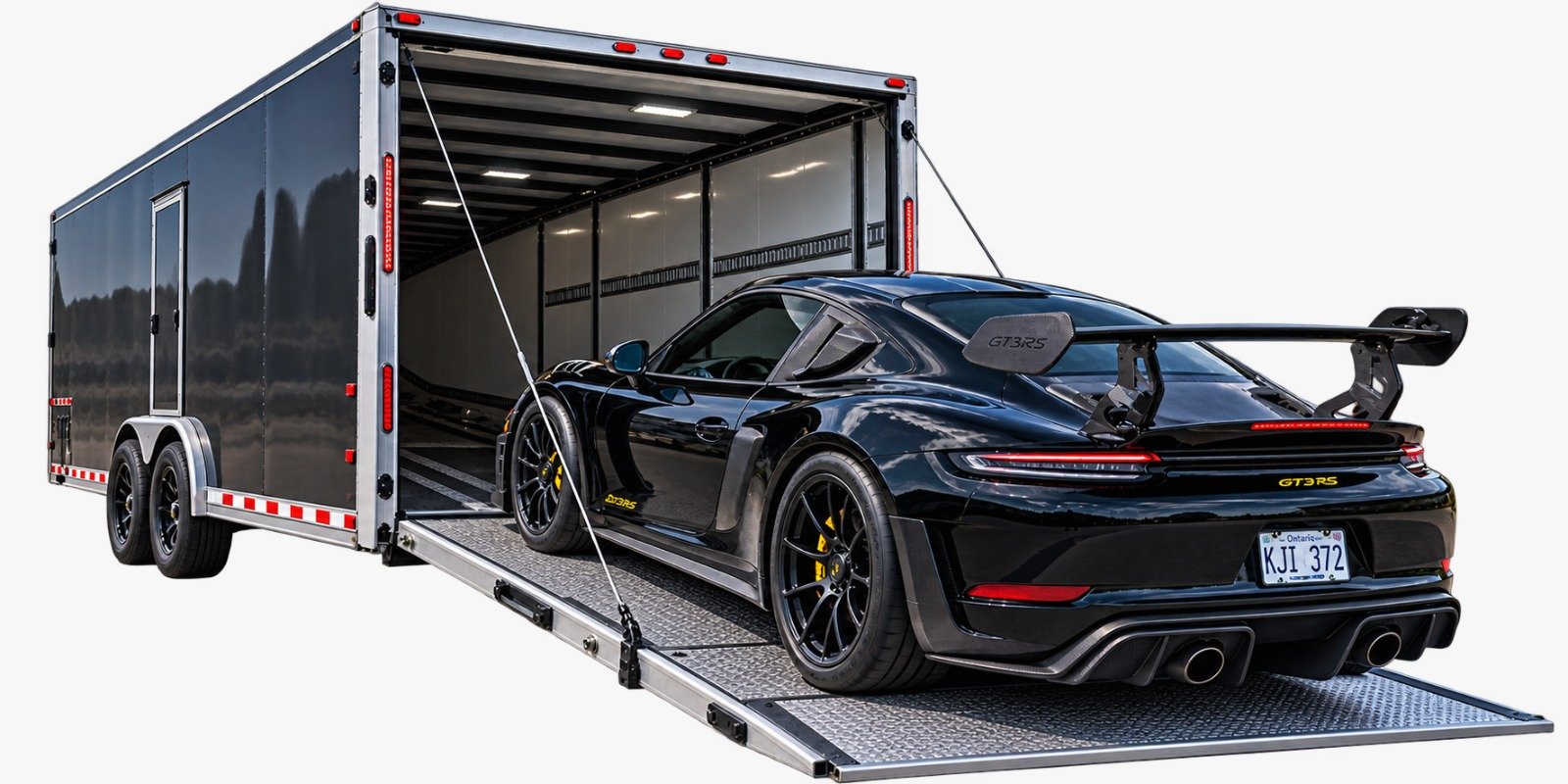
If your Toronto to Texas corporate relocation includes high-value executive EVs, luxury prototypes, or specialized commercial assets, enclosed transport is highly recommended. Enclosed carriers shield the vehicles from weather elements, road debris, and physical exposure during the long-haul transit across the continent.
Optimize Your Fleet Shipment: You do not have to choose a single transport method for your entire fleet. Optixtrace can coordinate a hybrid logistics strategy, utilizing open transport for standard corporate vehicles while reserving dedicated enclosed carriers for high-value executive models.
Cross-Border Logistics and US Customs Clearance
Navigating cross-border EV fleet transportation services from Ontario to Texas requires meticulous adherence to both Canadian export regulations and strict US import laws. A single missing document can halt an entire commercial transport trailer at the border.
When facilitating Canada to USA auto transport for business purposes, the customs clearance process hinges on proving that the vehicles meet US safety and environmental standards. Resources from the Canada Border Services Agency (CBSA) and the US Customs and Border Protection (CBP) detail the rigorous documentation required.
Essential Customs Documentation
| Document | Purpose in Cross-Border Logistics |
|---|---|
| DOT Form HS-7 | Declares that the electric vehicles conform to US Department of Transportation and federal motor vehicle safety standards. |
| EPA Form 3520-1 | Verifies that the EVs meet the Environmental Protection Agency’s emissions requirements (even as zero-emission vehicles). |
| Commercial Invoice | Provides proof of ownership, vehicle value, and corporate entity information for tax and duty assessment. |
| Letter of Authorization | A formal corporate letter authorizing the designated auto transport carrier to move the business vehicles across the US border. |
By partnering with experienced transport coordinators who understand vehicle export documentation, corporate entities can avoid costly administrative bottlenecks.
Managing Toronto to Texas Commercial Vehicle Shipping
The route from Toronto, Ontario, to Texas (notably cities like Austin, Dallas, and Houston) is becoming one of the most highly trafficked corridors for North American corporate relocations. As technology companies, manufacturing firms, and corporate headquarters expand their footprints into Texas's business-friendly climate, the demand for Toronto to Texas commercial vehicle shipping has surged.
This journey spans over 2,400 kilometres, exposing vehicles to varying climates, from unpredictable Canadian weather to the intense heat of the American South. Coordinated vehicle transportation across Canada and into the United States requires carriers that utilize strategic routing, taking into account weigh station locations, highway restrictions for heavy EV loads, and secure overnight staging areas for commercial fleets.
Safety Protocols for Lithium-Ion Battery Transportation
One of the most critical aspects of electric vehicle logistics is managing the safety of lithium-ion batteries. Thermal runaway—a rare but severe event where battery cells overheat uncontrollably—is a primary concern during transit. Industry organizations, including the Canadian Vehicle Manufacturers' Association (CVMA) and the National Research Council Canada (NRC), continually emphasize strict adherence to battery transport protocols.
State of Charge (SoC) Requirements
To mitigate the risk of thermal incidents during transport, it is an industry standard that all EVs being shipped must have their battery State of Charge (SoC) reduced. Most transport carriers mandate that EVs maintain a charge level between 20% and 30%. This low charge is sufficient to load and unload the vehicle from the transport trailer but low enough to significantly reduce the risk of thermal energy release.
Disabling Automated Systems
Modern EVs are essentially rolling computers equipped with advanced automated systems. Before shipping, corporate fleet managers must ensure that all autonomous features, active alarm systems, and passive climate control systems (which can drain the battery or activate unexpectedly on a moving trailer) are completely disabled.
Why Partner with Specialized EV Transport Services?
Relocating an entire fleet is fundamentally different from shipping a single personal car. It requires robust infrastructure, seasoned logistics coordinators, and an intricate understanding of fleet management and relocation timelines. At Optixtrace Car Shipping, we take pride in coordinating seamless auto transport solutions tailored to the corporate sector.
Our dedicated team works directly with business administrators to synchronize pickup schedules, manage cross-border paperwork, and arrange delivery timelines that align with your corporate relocation schedule. Whether you require standard open carriers for a large fleet or specialized enclosed transport for luxury assets, learning more about our operational standards can provide your business with the peace of mind necessary during a major corporate transition.

Frequently Asked Questions: EV Fleet Shipping
Typically, auto transport from Toronto, Ontario, to destinations in Texas (like Austin or Dallas) takes between 5 to 9 days, depending on weather conditions, customs clearance times at the US border, and the specific delivery location. Shipping a large corporate fleet may require staggered deliveries if multiple transport trucks are utilized.
Yes. For optimal safety and compliance with lithium-ion battery transportation protocols, EVs should have a battery state of charge (SoC) between 20% and 30%. This minimizes thermal risks while providing enough power to safely drive the vehicle onto and off the transport carrier.
Yes, importing commercial vehicles into the United States for business purposes generally subjects them to duties and potential taxes. The exact rates depend on the vehicle's country of manufacture (under USMCA/CUSMA agreements) and its classification. We strongly recommend consulting with a licensed customs broker prior to your corporate relocation.
While not strictly necessary for standard vehicles, enclosed transport is highly recommended for high-value executive EVs, luxury models, or specialized prototypes. For standard sales or service fleets, open transport is highly efficient, secure, and more cost-effective for high-volume shipping.
Depending on the route and logistics constraints, specialized transport solutions can be customized. However, traditional truck-based carriers offer superior flexibility, faster transit times, and direct delivery to corporate facilities in Texas, making over-the-road transport the preferred choice for cross-border fleet relocation.
Executing a Flawless EV Fleet Relocation
Relocating your business operations from Toronto to Texas represents a massive milestone for any enterprise. Managing the EV fleet shipping component of that transition shouldn't be a source of stress. By understanding the rigorous demands of electric vehicle logistics, prioritizing EV battery safety, and preparing meticulous cross-border customs documentation, corporate managers can ensure their valuable assets arrive safely. Partnering with a professional auto transportation coordinator guarantees that your fleet is in the hands of seasoned experts, allowing your team to focus on settling into your new corporate headquarters.