Whether you are relocating across provinces for work, acquiring an automobile from an out-of-province dealership, or coordinating fleet deliveries for an enterprise, one fundamental question immediately arises: how does car shipping work across Canada’s massive geographic expanse?
Moving a vehicle across 5,000 kilometres of varied highway corridors, winter terrain, and regional jurisdictions requires more than just booking a truck. Professional vehicle logistics coordinates precise route scheduling, regulated carriers, comprehensive terminal hubs, and rigorous insurance protocols. At Optixtrace Car Shipping, we coordinate dependable vehicle shipping solutions nationwide. This comprehensive guide walks you through every stage of the car shipping process, explaining how vehicle pickup and delivery operates, how to prepare your automobile, and what to anticipate from start to finish.
Article Navigation: What We Cover
How Car Shipping Works in Canada: The Core Logistics
At its foundation, understanding how car shipping works begins with recognizing the operational scale of Canadian vehicle logistics. Moving a motorized vehicle thousands of kilometres between provinces is substantially different from ordinary freight shipping. Vehicles are rolling, high-value assets requiring specialized hydraulic multi-car haulers, calibrated tie-down networks, and seasoned professional transport drivers who understand seasonal roadway conditions.
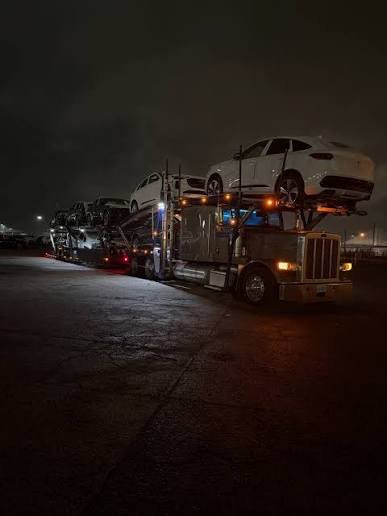
When you arrange vehicle transport through an established logistics provider like Optixtrace, you eliminate the wear and tear, high fuel bills, hotel stays, and mechanical hazards of a cross-country road trip. Instead, your automobile is placed on a dedicated vehicle carrier alongside other units traveling along synchronized regional corridors, such as the Trans-Canada Highway network connecting British Columbia, the Prairies, Ontario, Quebec, and the Atlantic provinces.
Regulated Carrier Networks
Commercial carriers operate under strict federal and provincial transportation standards, including National Safety Code (NSC) certifications, driver hours-of-service compliance, and standardized weight capacities.
Multi-Level Dispatch Coordination
Advanced logistics mapping matches individual origin and destination points with carrier line-hauls, reducing deadhead miles and safeguarding scheduled delivery windows.
Primary Vehicle Shipping Methods Across Canada
Selecting the right equipment type is a pivotal step in the vehicle shipping process. Depending on your vehicle’s market value, ground clearance, operational condition, and exposure sensitivity, transportation is organized across three primary configurations:
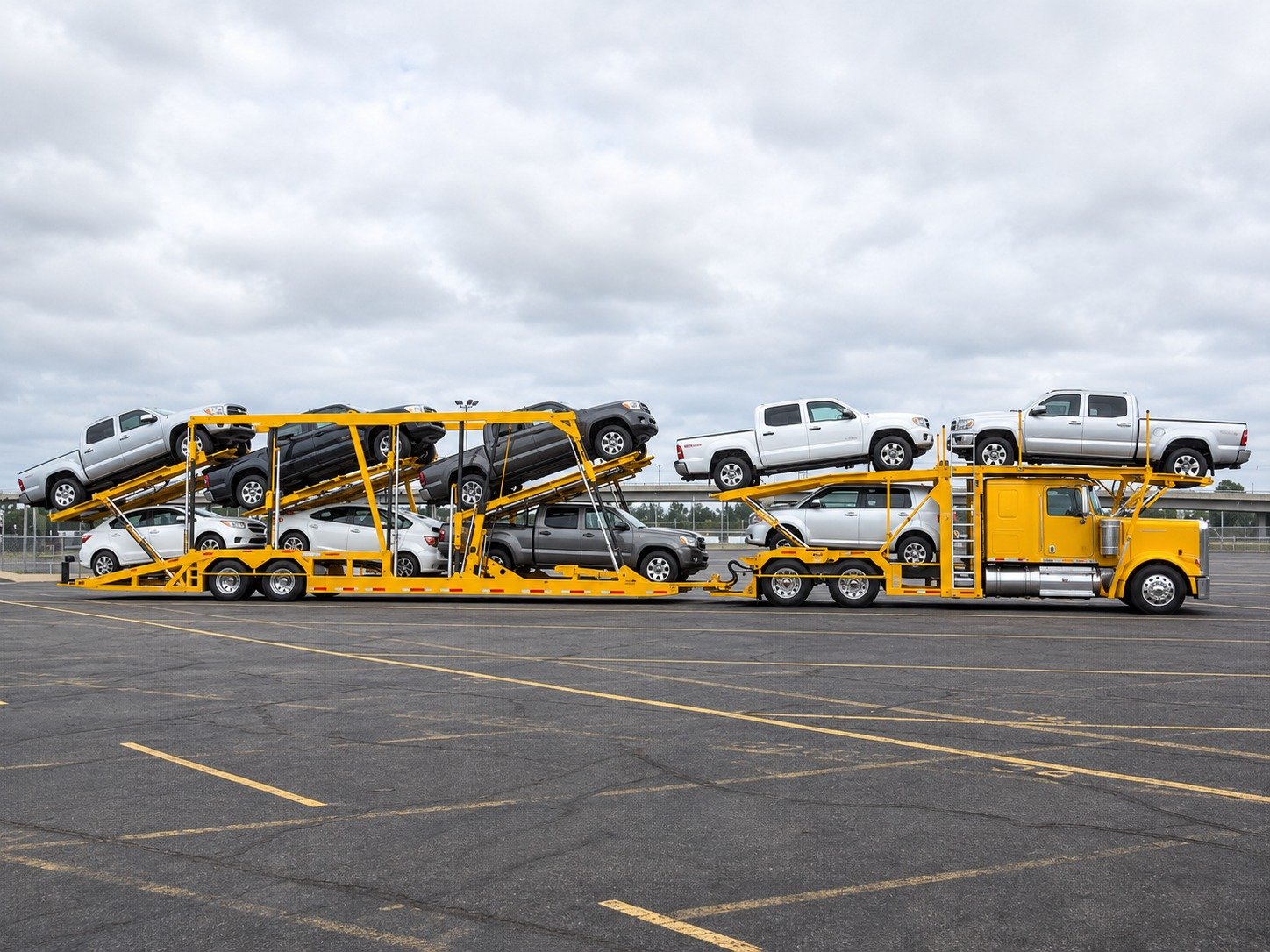
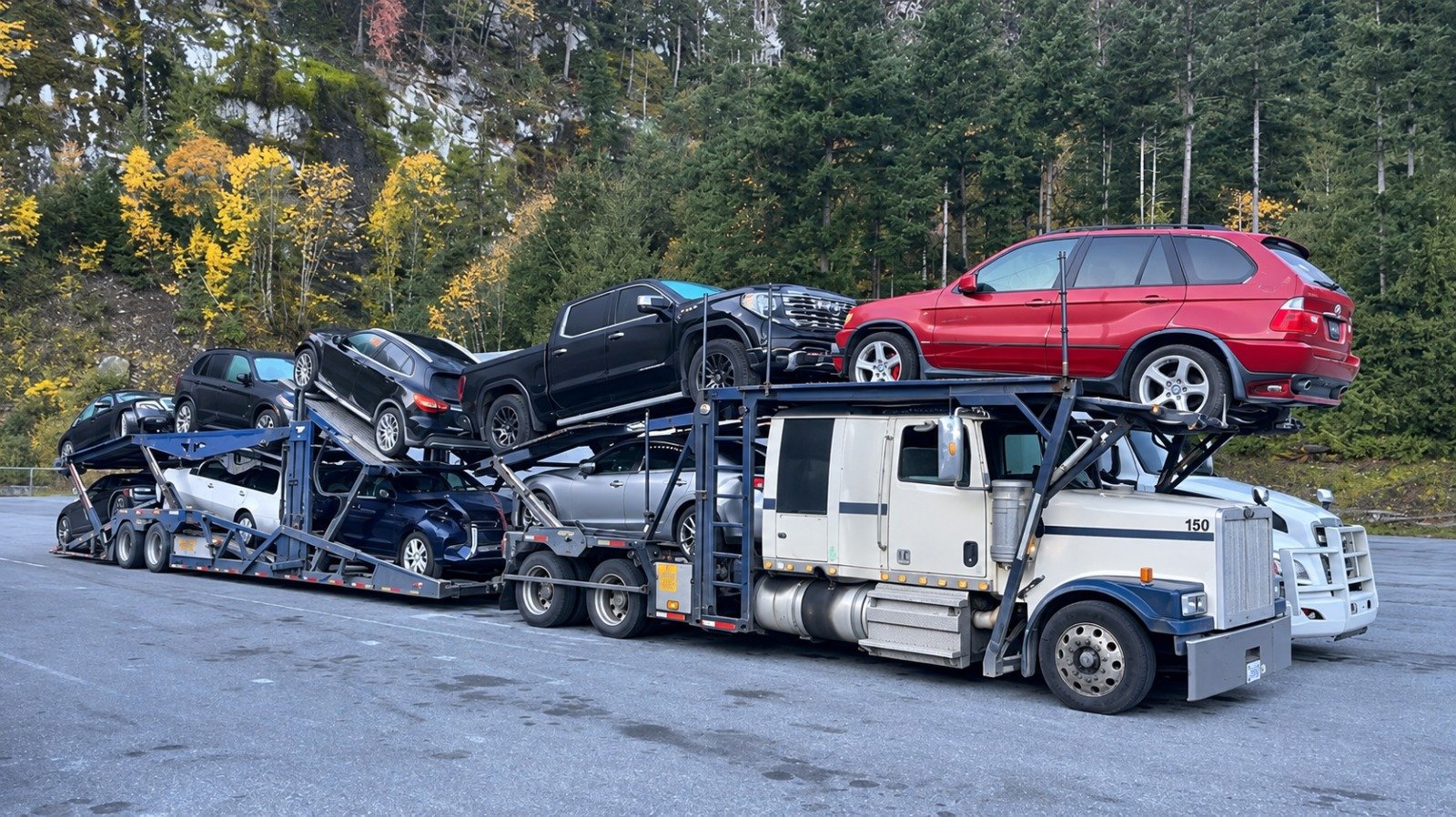
1. Open Car Transport
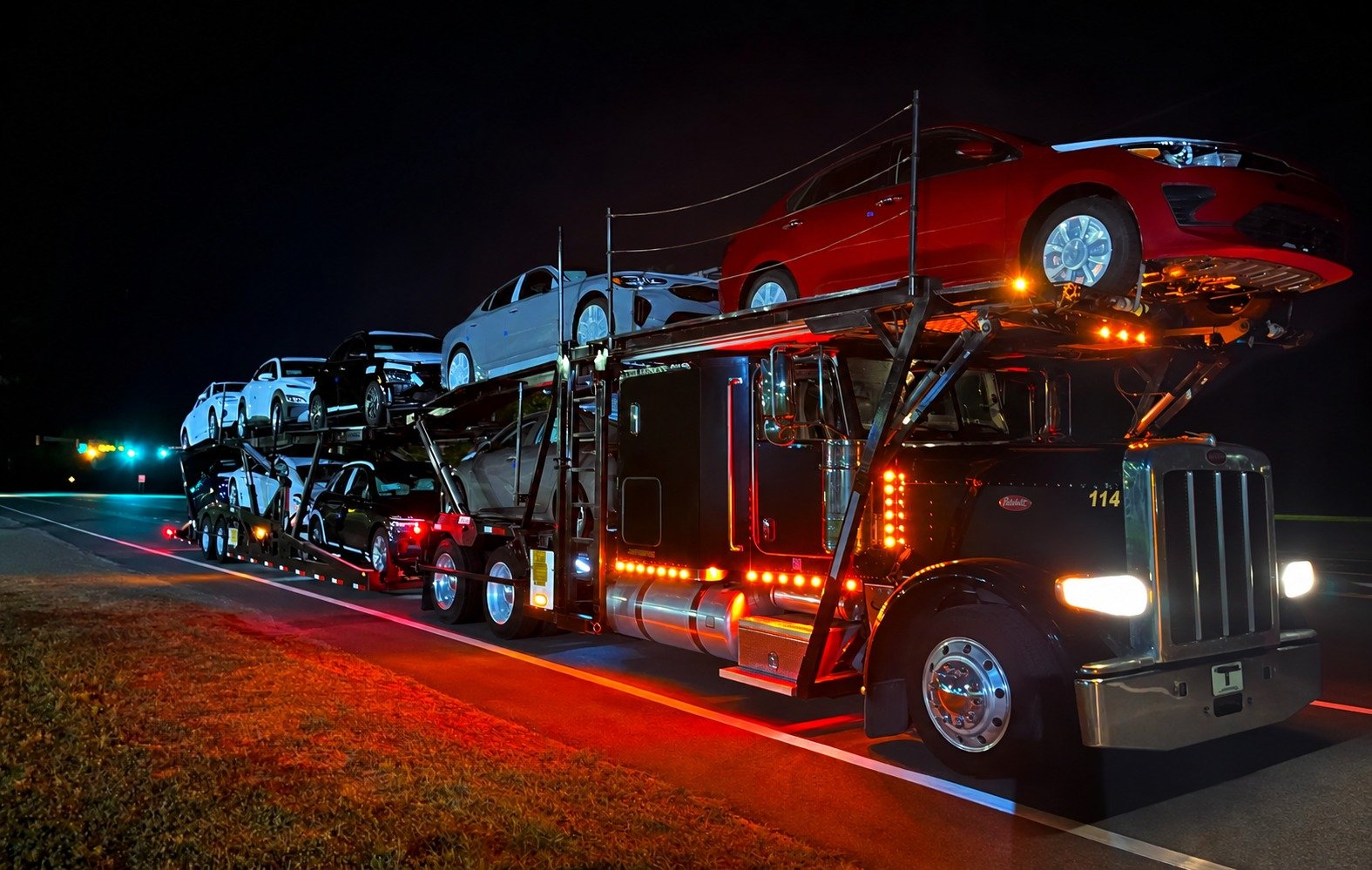
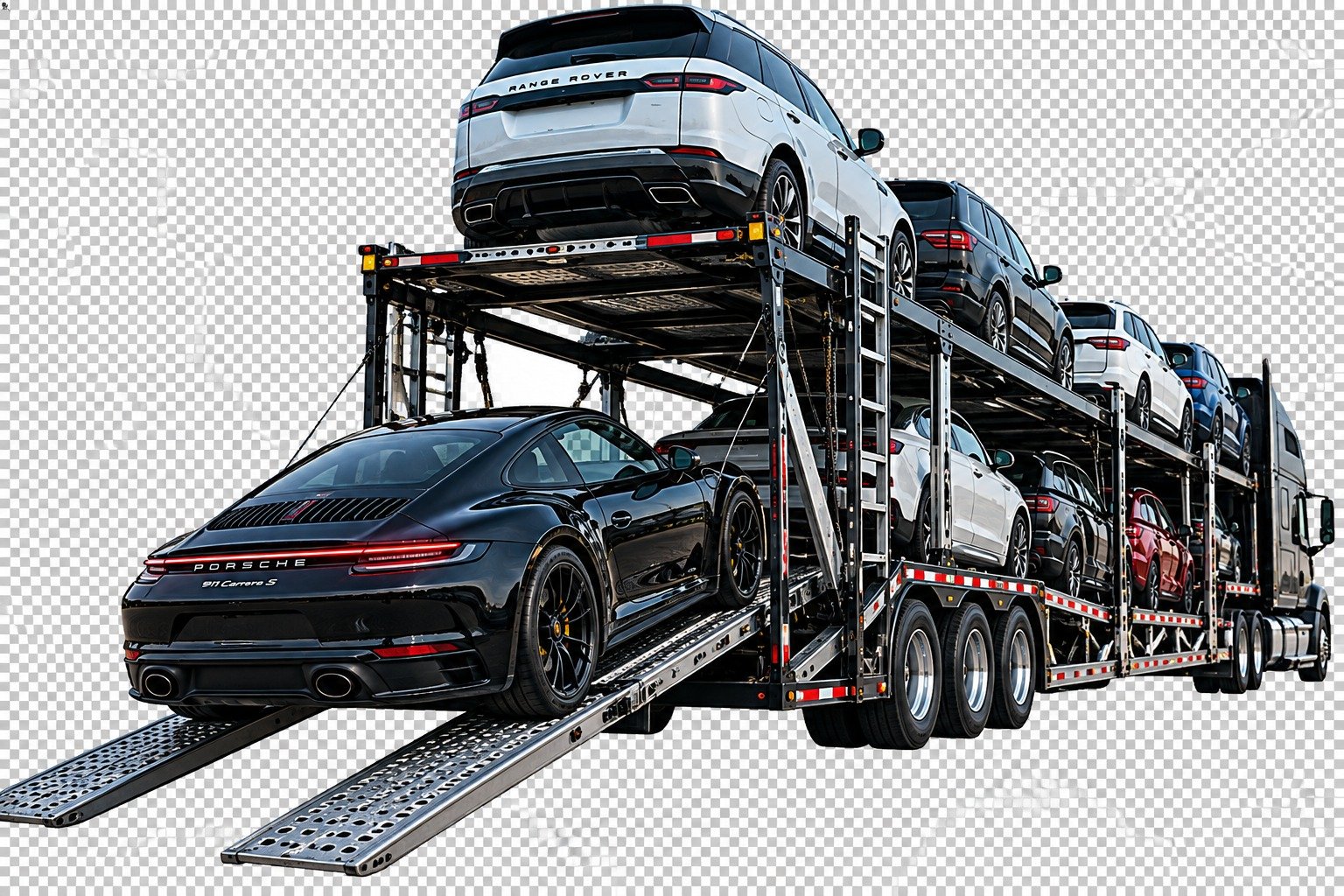
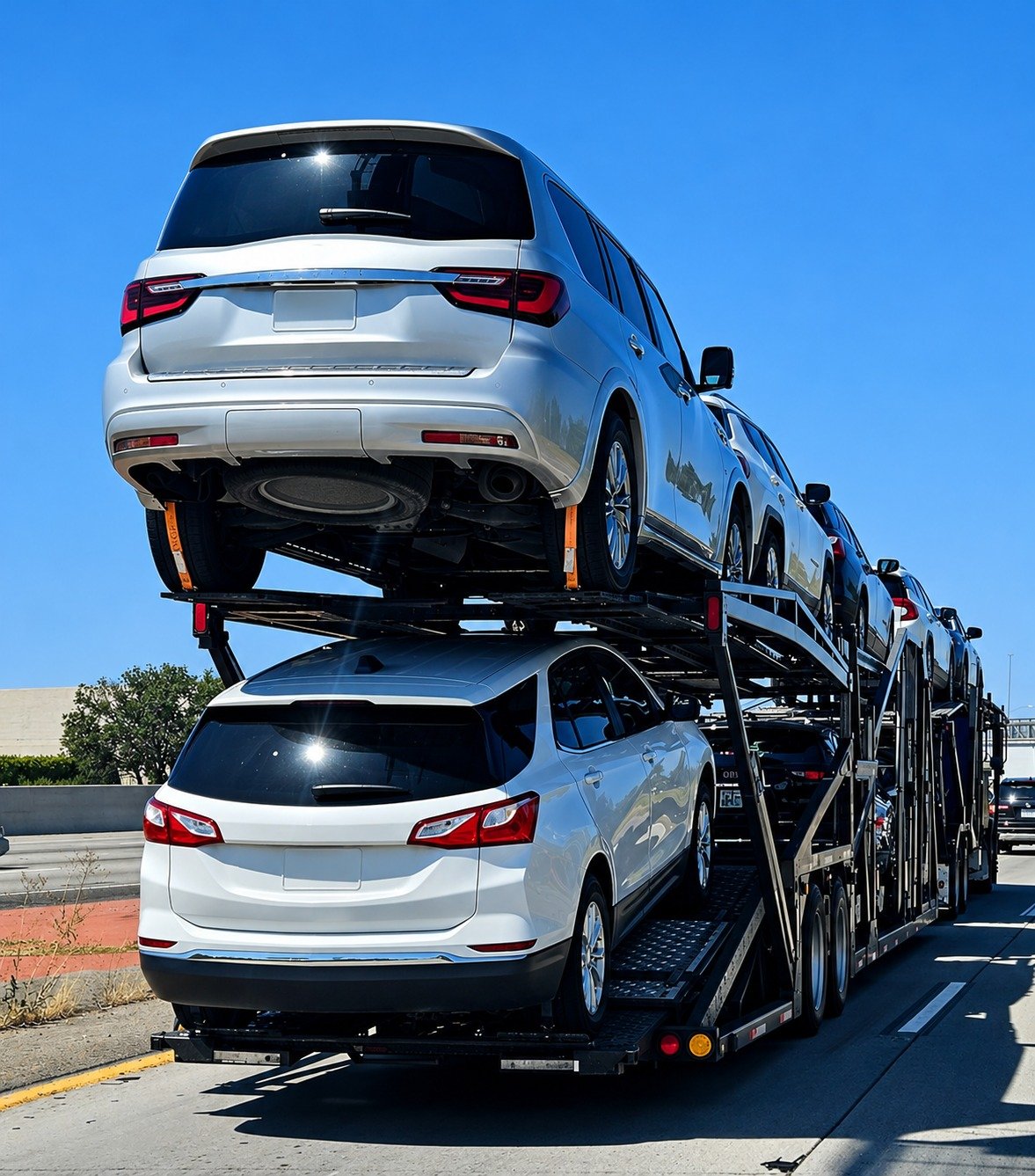
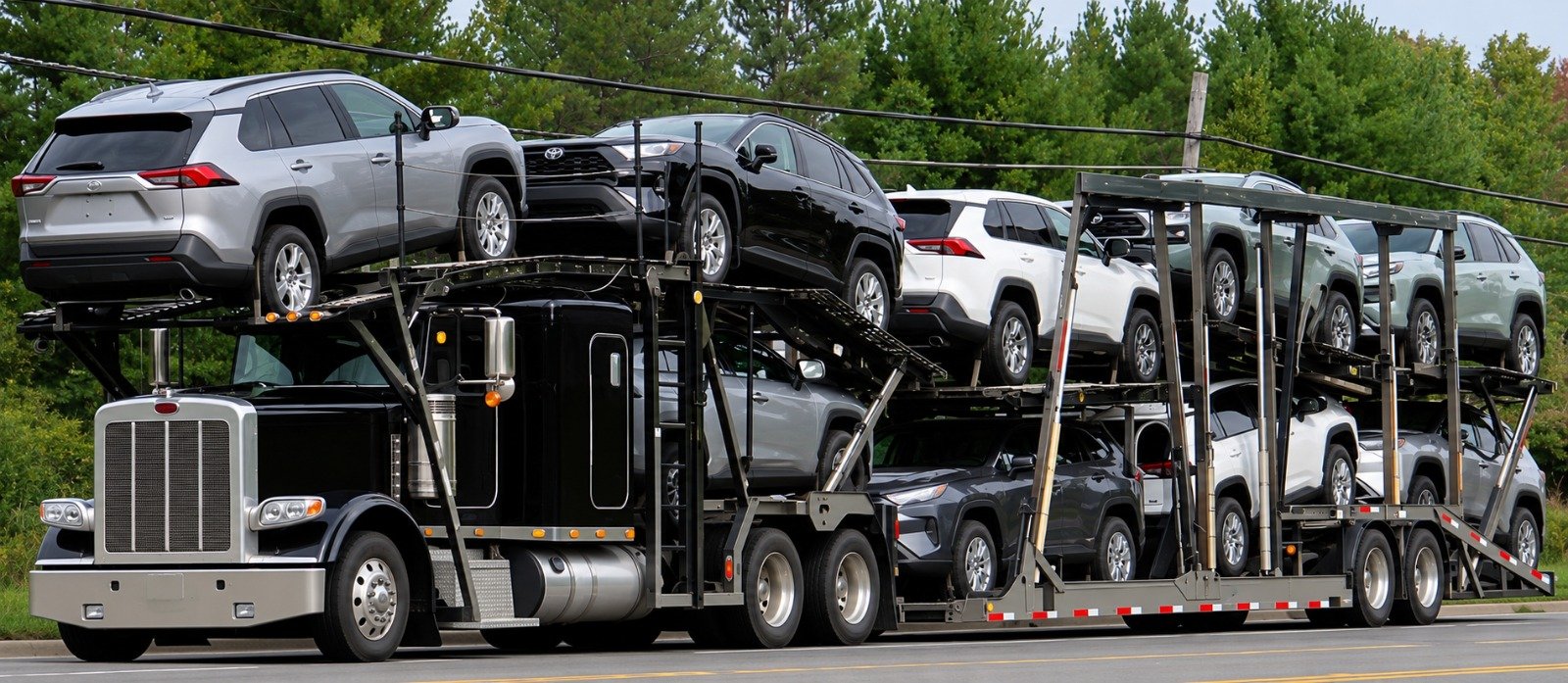
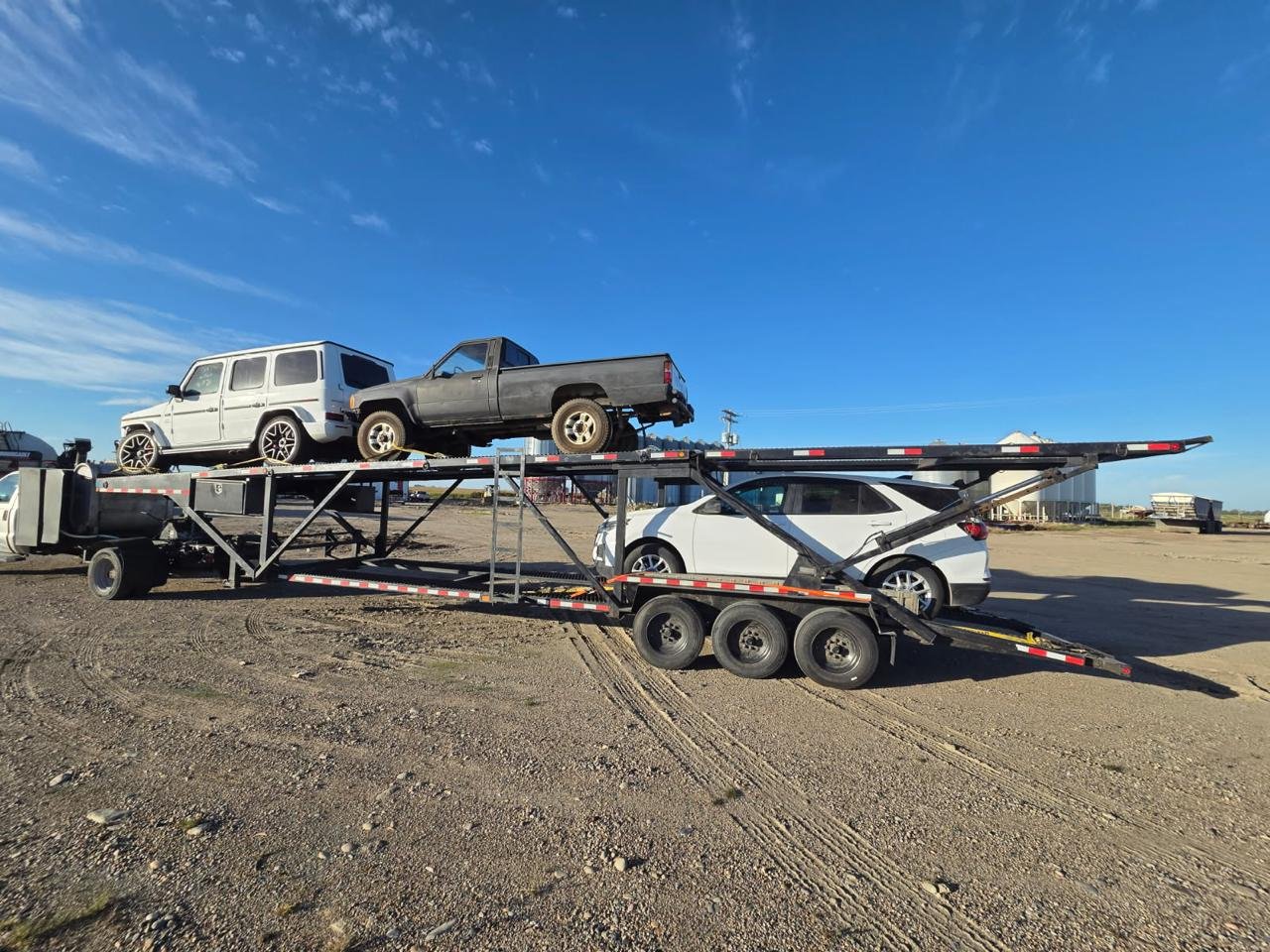
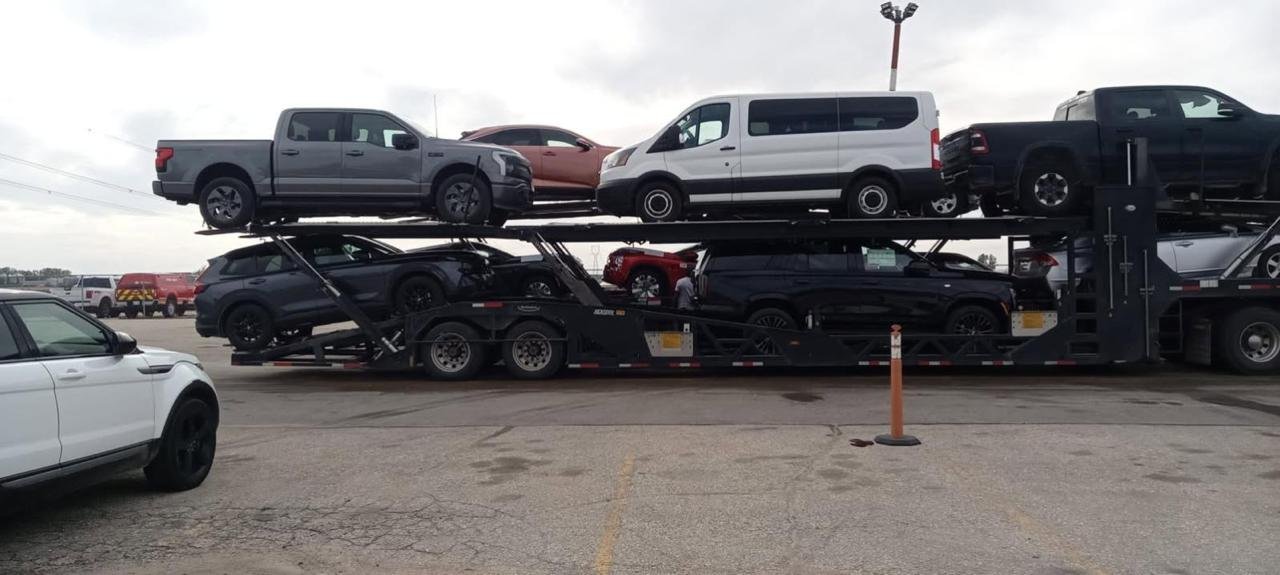
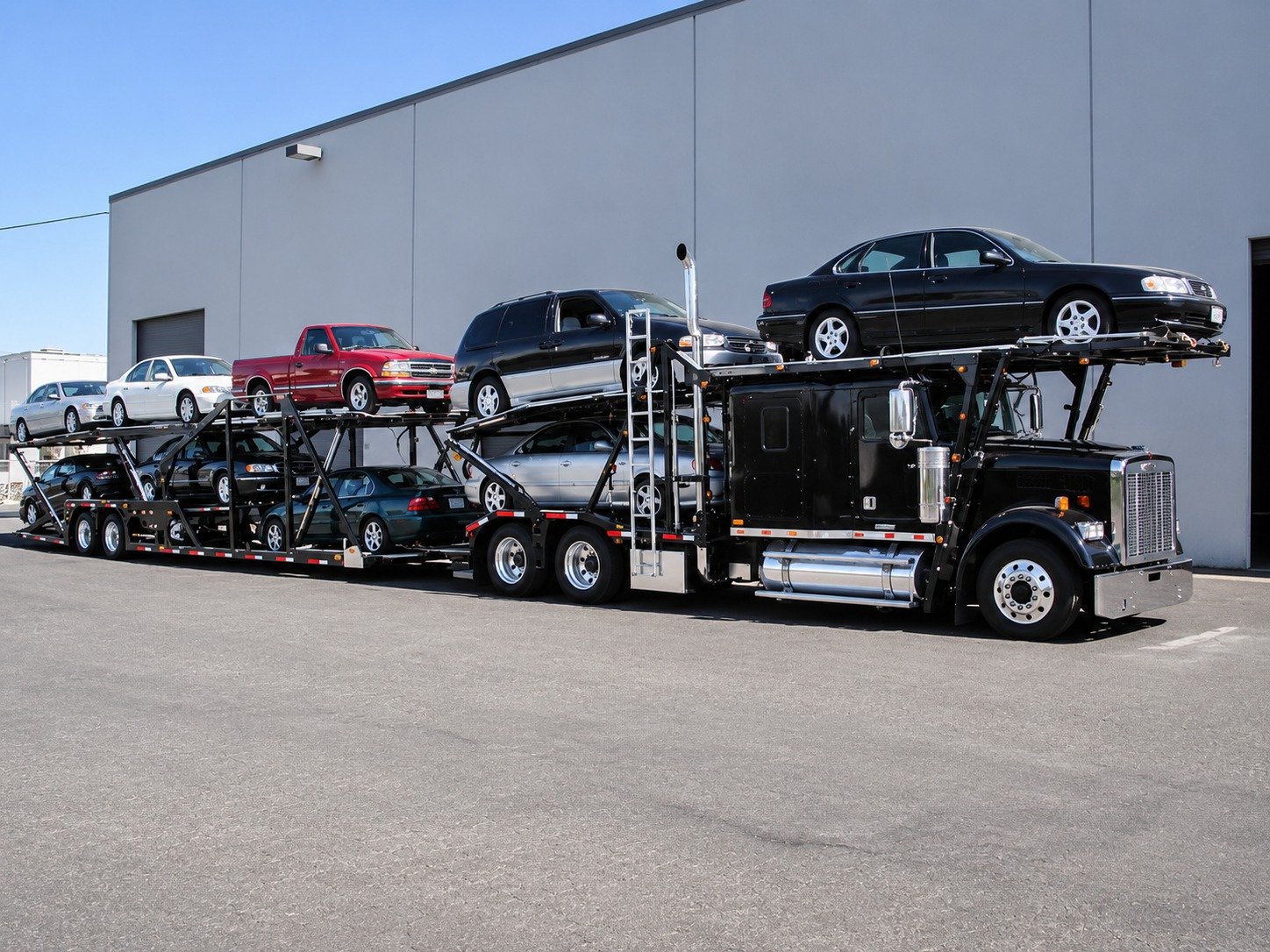
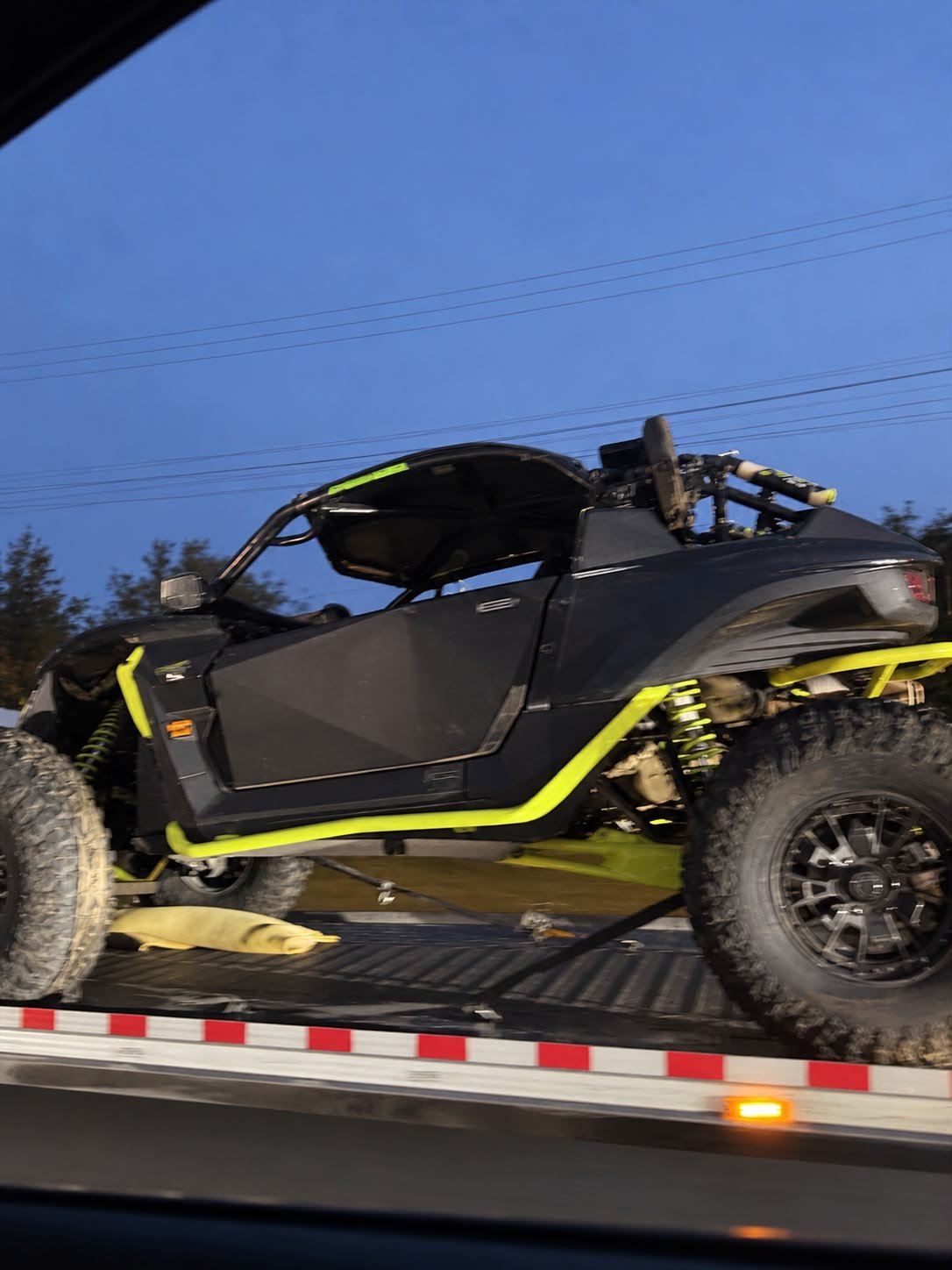
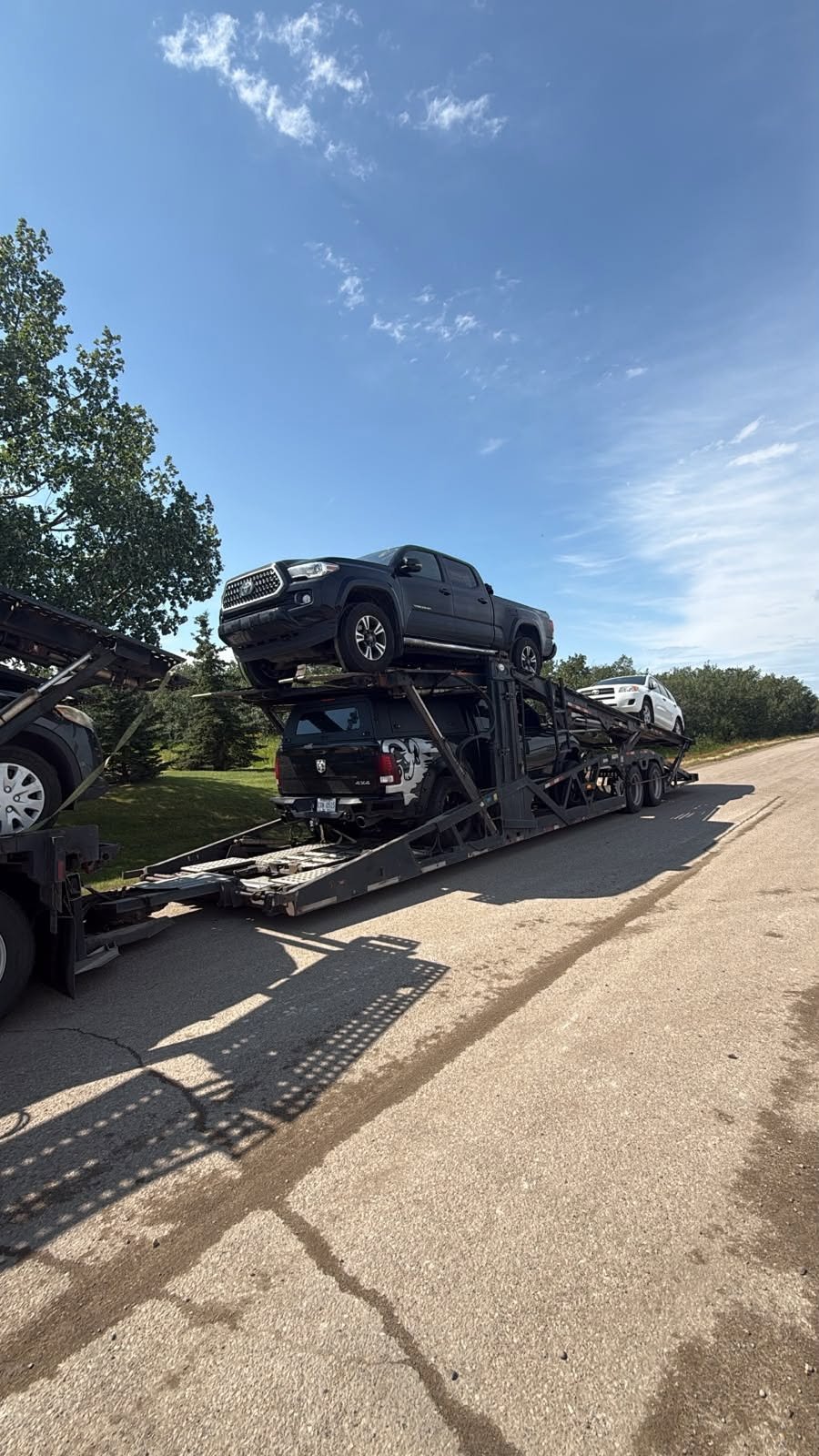
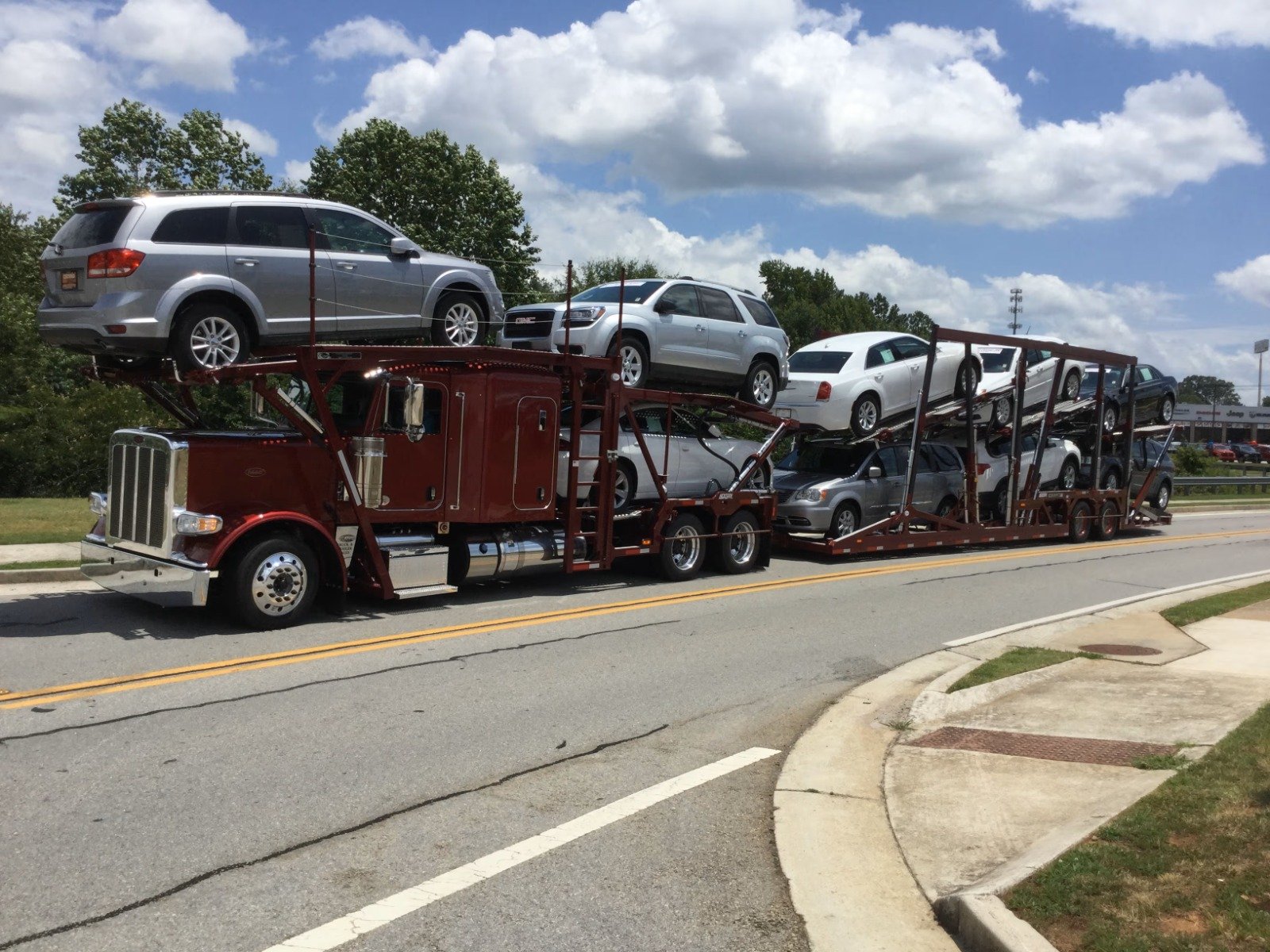
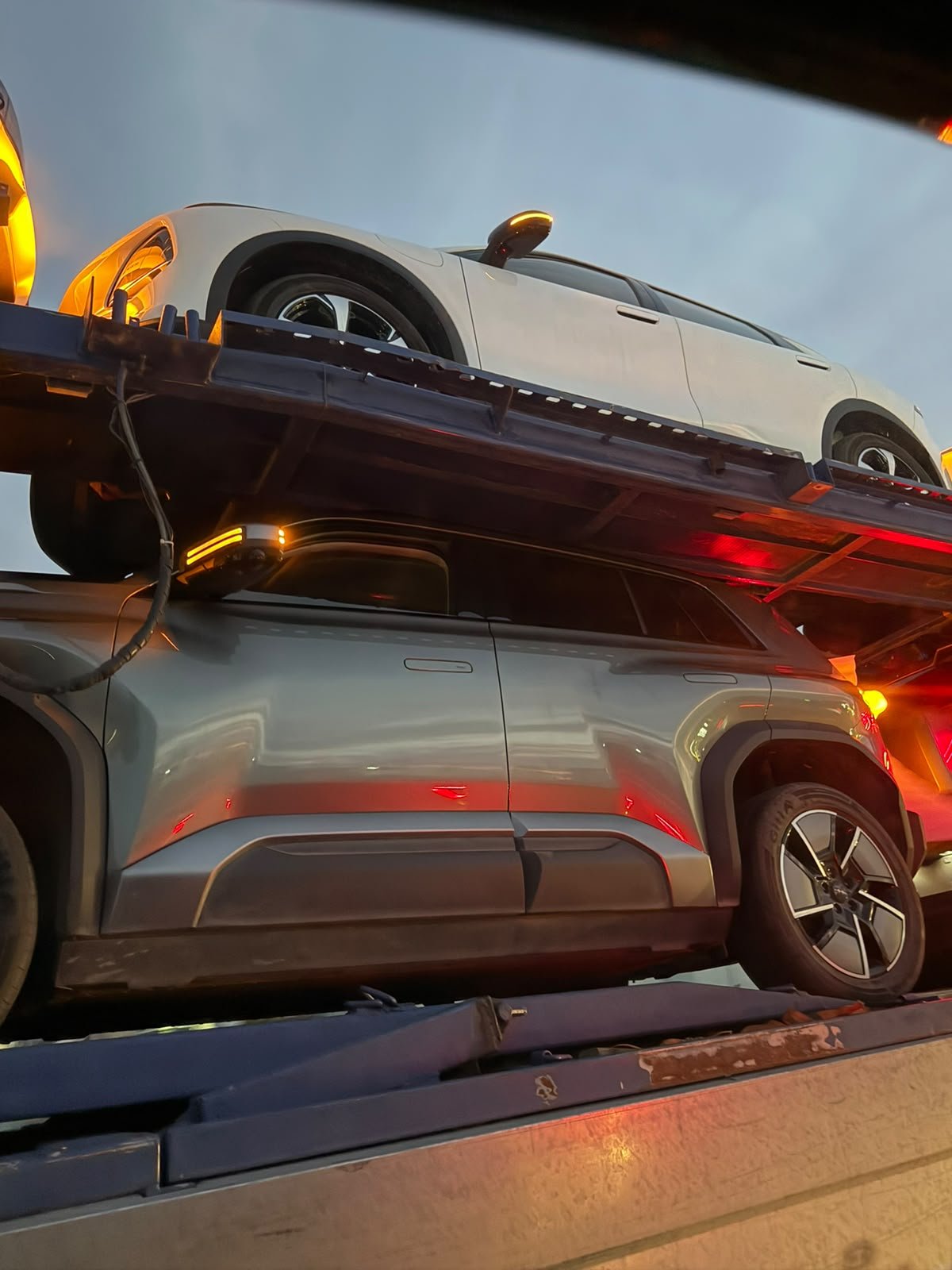
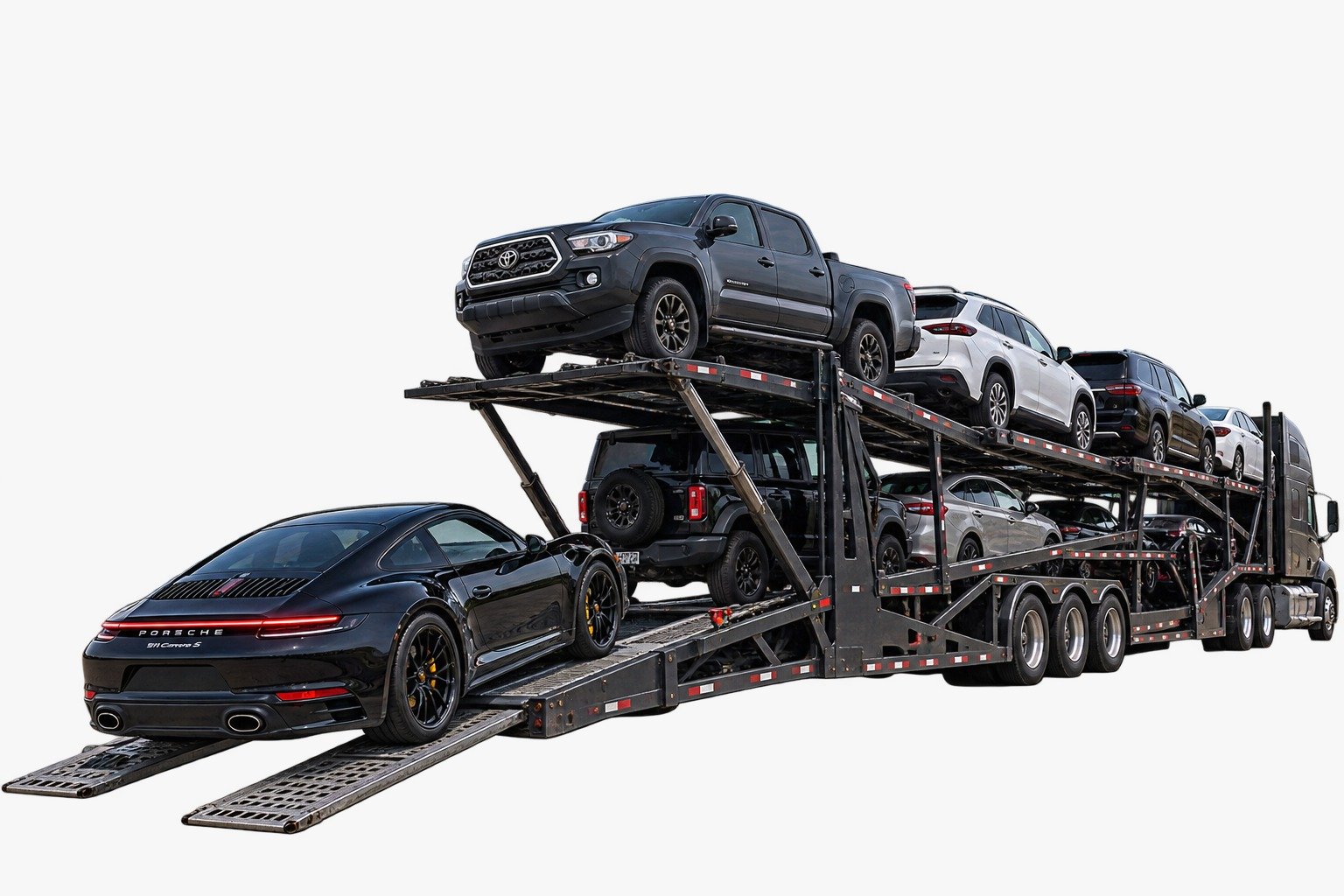
Accounting for the vast majority of consumer and commercial vehicle movements, open car transport involves specialized double-decker open-air trailers carrying between 6 and 10 vehicles. It represents the most economical and flexible transportation mode for daily drivers, standard sedans, crossover SUVs, and light trucks. Because trailers are open to the environment, vehicles experience normal exterior dust and road weather just as they would during standard highway driving, while safely elevated on steel racks.
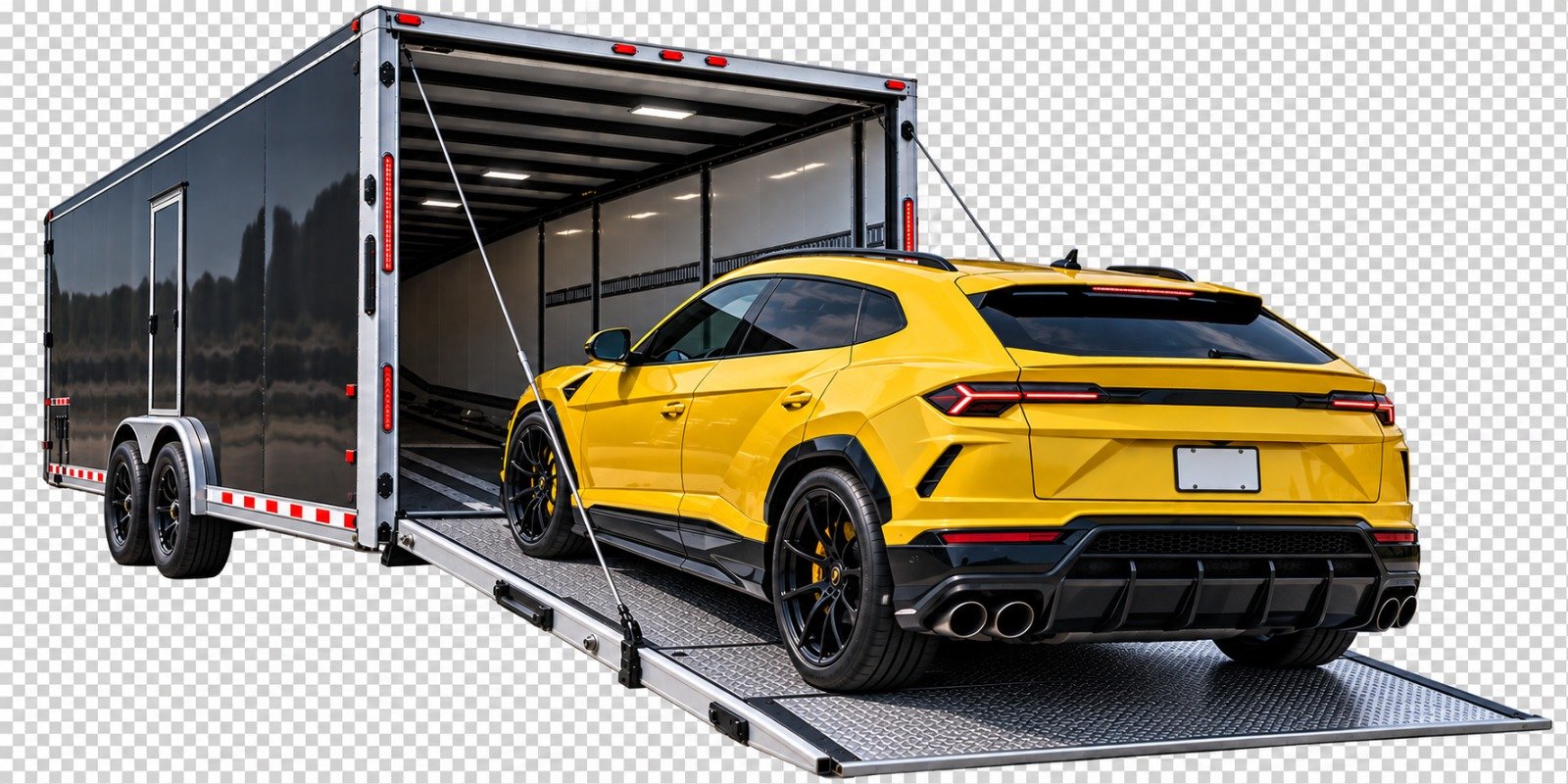
2. Enclosed Vehicle Transport
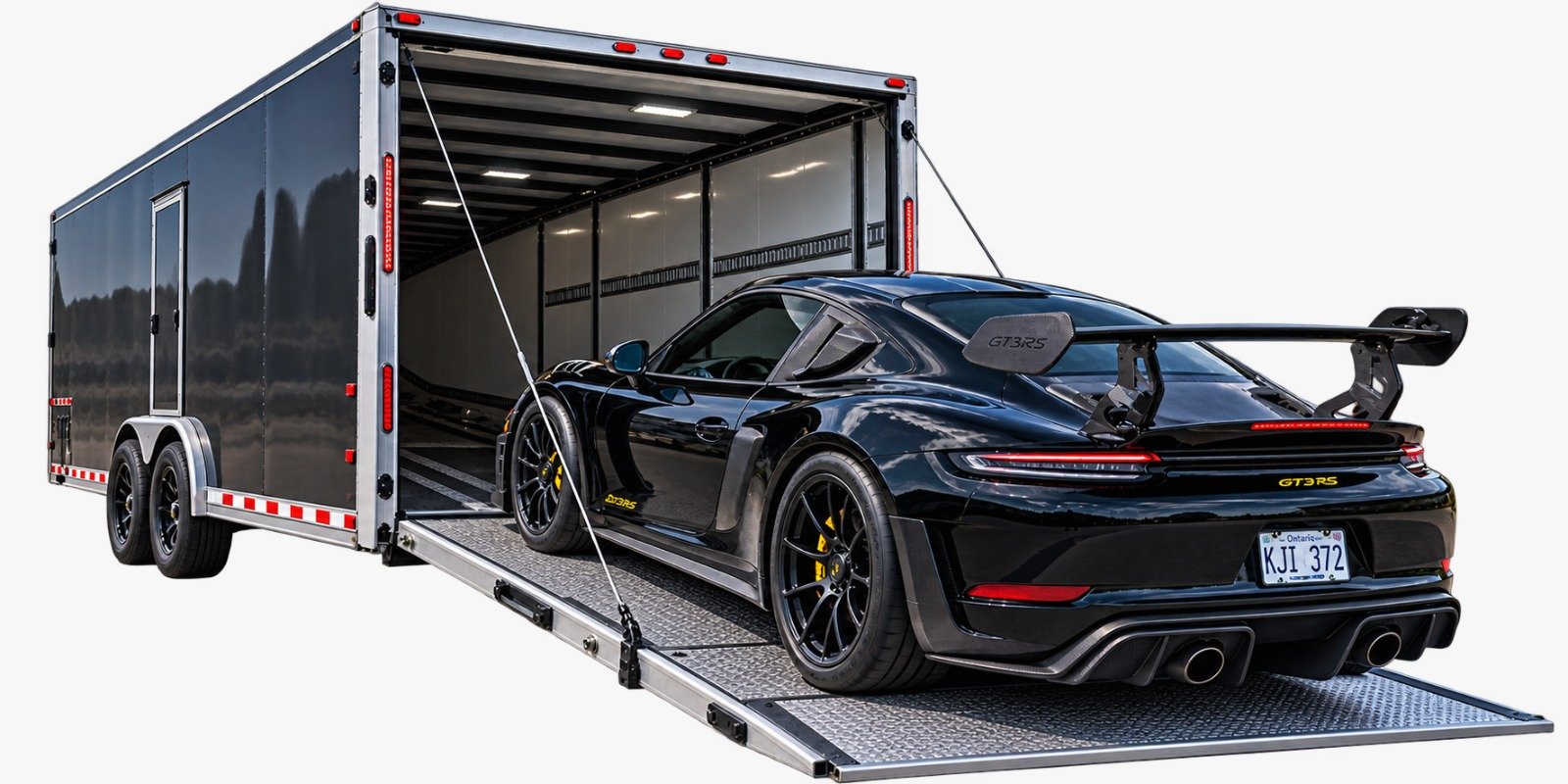
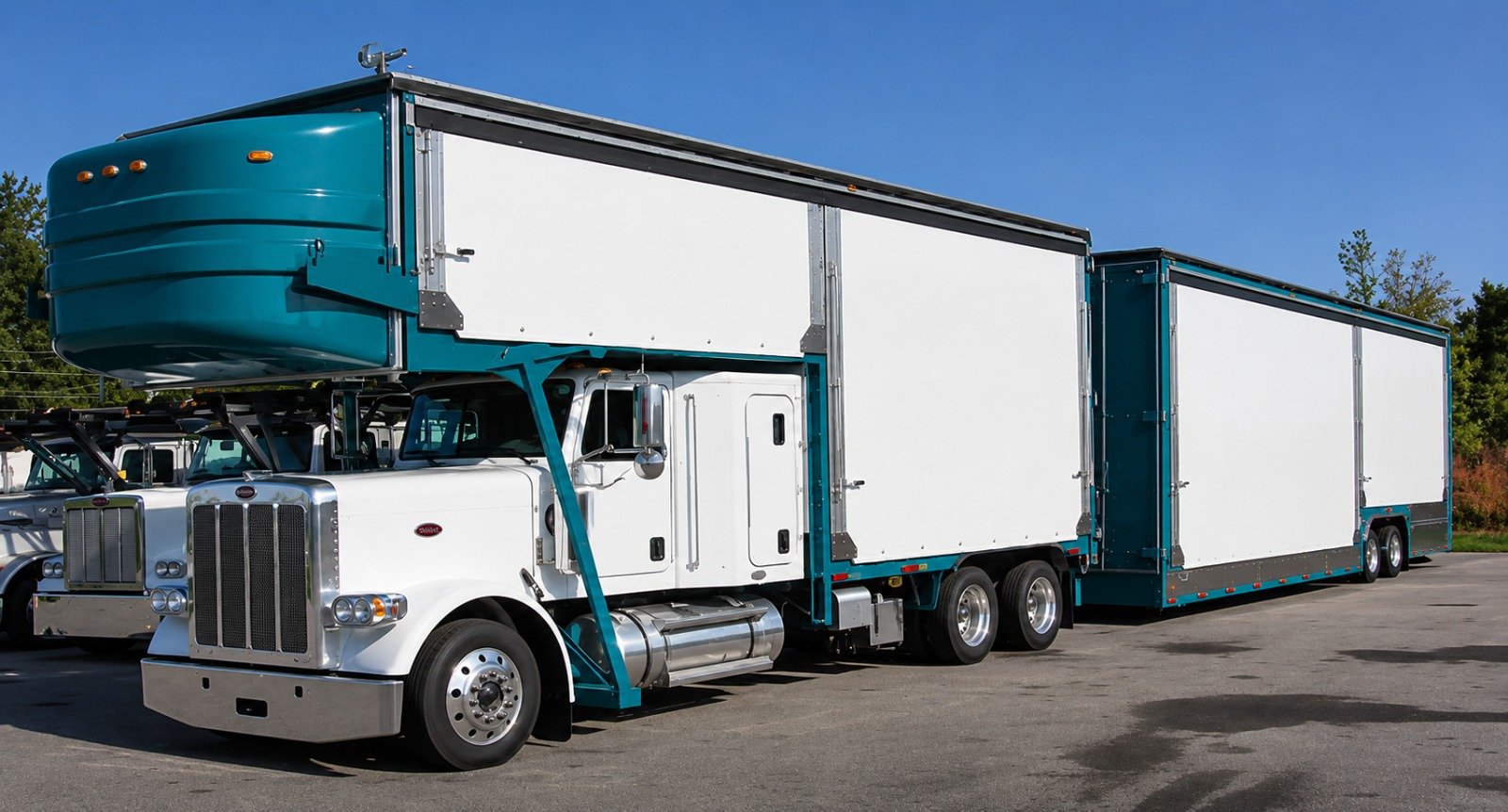
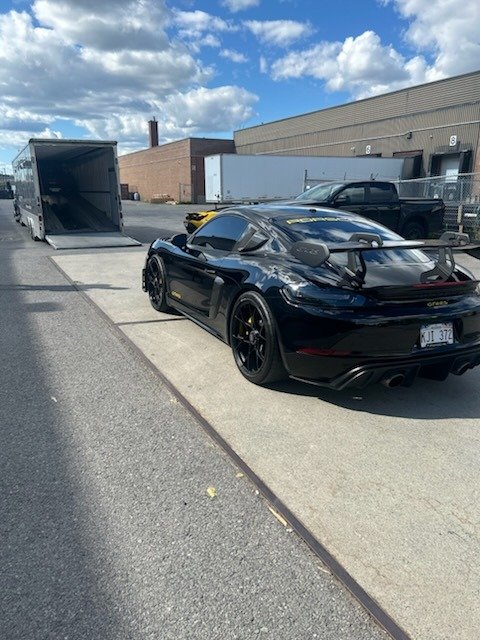
For exotic sports cars, collector classics, luxury sedans, or vehicles with ultra-low clearance, enclosed vehicle transport offers complete protection. These trailers feature hard-sided, weather-sealed walls, hydraulic lift gates that load cars completely flat without scrape hazards, and specialized interior tie-downs. Enclosed transit keeps high-value automobiles insulated against gravel, road salt, harsh winter slush, and environmental debris throughout interprovincial journeys.
3. Rail Vehicle Transport
When shipping a car across Canada between major metropolitan hubs—such as moving vehicles from British Columbia to Ontario or Quebec—intermodal rail transport offers high-volume efficiency. Vehicles are secured inside bi-level or tri-level enclosed railcars (autoracks), shielding them from road traffic and weather while traveling on mainline transcontinental tracks before final distribution at designated regional yards.
| Transport Method | Best Suited For | Protection Level | Cost Profile |
|---|---|---|---|
| Open Carrier | Daily drivers, standard SUVs, pickups, dealership stock | Standard (exposed to highway weather & dust) | Most cost-efficient |
| Enclosed Carrier | Classic, exotic, antique, and high-value luxury models | Maximum (100% weather-sealed, shielded from debris) | Premium investment |
| Rail Logistics | Long-distance transcontinental routes between major rail hubs | High (contained inside enclosed railcars) | Balanced rate on major cross-country lanes |
Service Delivery Models: Door-to-Door vs. Terminal-to-Terminal
Another critical decision when learning how to ship a car in Canada is determining where your vehicle will be handed over to the carrier and where it will be retrieved at its destination. Logistics providers offer distinct delivery models based on your location and convenience preferences.
Door-to-Door Auto Transport
The carrier arrives as close to your residential address or business location as safely and legally possible. Because 80-foot commercial car haulers cannot navigate narrow residential crescents, low-hanging utility wires, or tree-lined cul-de-sacs, drivers will arrange an accessible nearby handover point, such as a wide commercial plaza or wide street.
Terminal-to-Terminal Transport
You drop your vehicle off at a secure, licensed logistics terminal near your origin city and collect it from an affiliated terminal in your destination province. This approach grants scheduling flexibility if your travel dates do not align directly with driver pickup appointments or if you are relocating on an staggered timeline.
The Auto Transport Process: Step-by-Step Breakdown
What actually happens behind the scenes from the moment you make initial contact to the final key exchange? Here are the precise steps to ship a vehicle across Canada with an experienced logistics provider.
Requesting Your Car Shipping Quote
The journey begins by gathering accurate details regarding your vehicle’s year, make, model, operational status (operable or inoperable), pickup origin, and delivery destination. When you request a car shipping quote, logistics dispatchers calculate mileage, regional route density, seasonal pass conditions (such as the Coquihalla Highway or Rocky Mountain corridors), and vehicle dimensions to establish transparent pricing.
Booking & Route Scheduling
Once you confirm your booking, logistics coordinators assign your vehicle to an accredited carrier operating along your specified route. You are provided with an estimated pickup window, allowing you to prepare your schedule and ready the automobile for dispatch.
The Pre-Trip Inspection & Bill of Lading (BOL)
When the carrier arrives for vehicle pickup, you and the transport driver conduct a comprehensive physical walk-around inspection. The driver records any pre-existing cosmetic details—such as stone chips, scratches, small dings, or glass blemishes—on the official Bill of Lading (BOL) and vehicle inspection report. Both parties sign this document, and you receive an electronic or physical copy. The BOL serves as your receipt, contract of carriage, and baseline condition record.
Transit & Highway Line-Haul
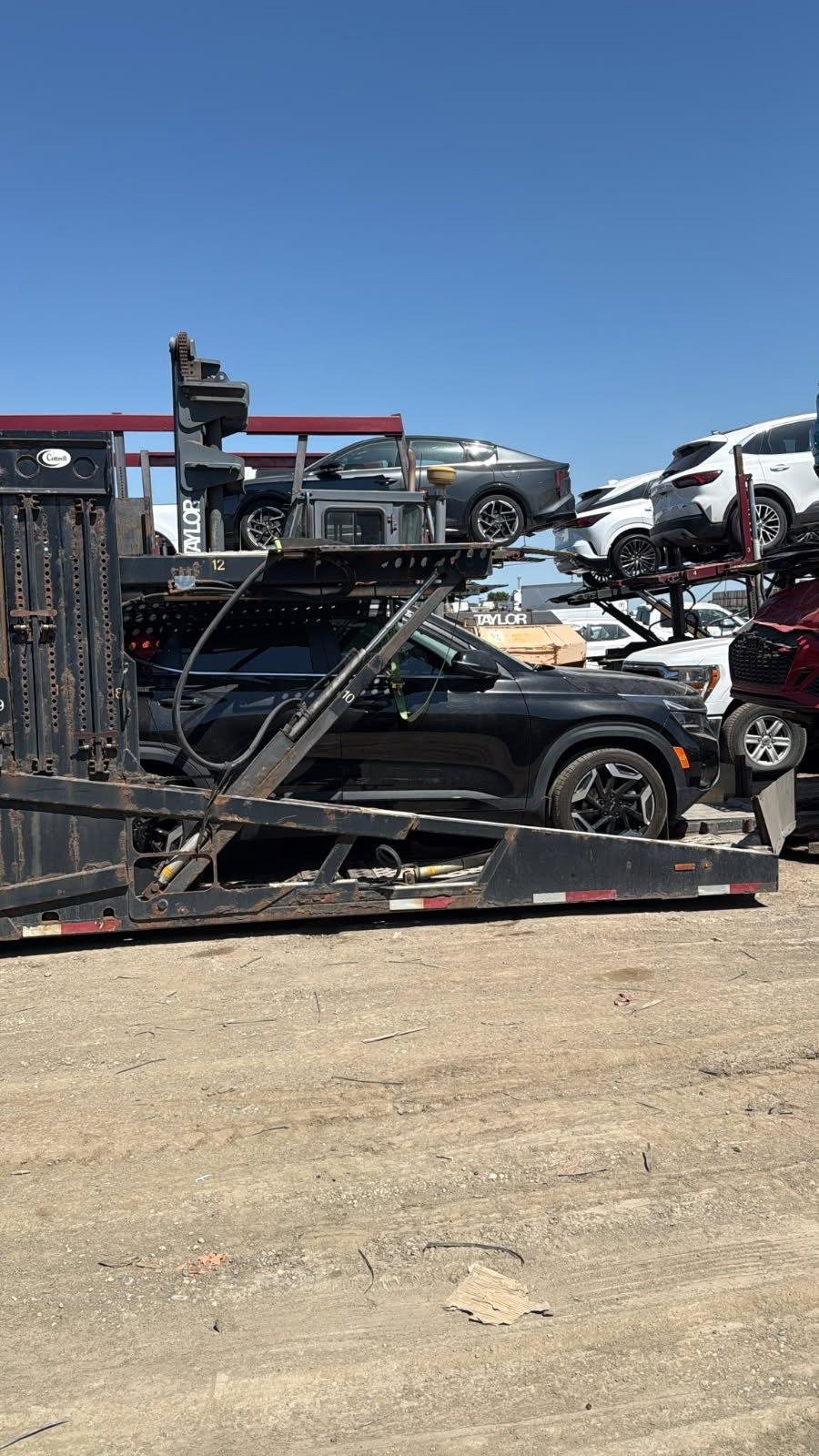
Your vehicle is carefully driven onto the transport ramp, positioned for optimal trailer balance, and secured using commercial soft-tie wheel straps over each tire. The carrier then commences transit across scheduled regional corridors. During transit, vehicle logistics coordinators monitor highway updates, commercial scale inspections, and weather advisories to ensure steady, safe progress.
Vehicle Delivery & Final Condition Sign-Off
As the carrier nears your delivery city, the driver or dispatch office contacts you roughly 24 hours and a few hours ahead of arrival to coordinate the exact handover timeframe. Upon unloading:
- You will review the vehicle thoroughly against the original Bill of Lading condition report.
- Inspect the roofline, bumpers, side panels, and windshield in daylight.
- Once satisfied that the car matches its pre-trip condition, you sign the final delivery section of the BOL.
- The keys are returned, completing the car transportation process.

What Do I Need to Prepare Before Shipping My Car?
Proper vehicle preparation is essential to prevent delays, protect your vehicle's interior and exterior, and maintain compliance with Canadian transport safety regulations. Review this checklist before your driver arrives:
- Wash the Exterior: A clean vehicle makes scratches, chips, and small paint blemishes immediately noticeable during the pre-trip inspection, preventing discrepancies on the inspection report.
- Remove Personal Belongings: Transport trucks have strict gross vehicle weight ratings (GVWR) regulated at highway weigh scales. Carriers are licensed to transport automobiles, not household goods. Remove sports gear, luggage, electronics, and valuable personal property.
- Maintain Approximately 1/4 Tank of Fuel: Keep just enough fuel for the driver to load and unload your vehicle safely. Excessive fuel adds unnecessary dead weight to the multi-car hauler, while an empty tank risks stalling during loading.
- Disable Security Alarms & Toll Transponders: Deactivate anti-theft systems or furnish the driver with explicit shut-off instructions. Remove or shield electronic 407 ETR or regional bridge transponders to avoid accidental automated toll charges while on the trailer.
- Check Tire Pressure, Fluids & Battery: Ensure your battery is charged and the car starts reliably. Report any mechanical fluid leaks beforehand, as leaking fluids can damage vehicles parked on lower trailer decks.
- Retract or Remove Protruding Accessories: Retract antennae, fold in side mirrors, and remove bike racks, ski boxes, or low custom front splitters if they affect loading angles.
How Long Does the Car Shipping Process Take in Canada?
Transit duration for shipping a car across Canada is dictated by total highway distance, geography, driver hours-of-service regulations, and seasonal climate patterns. Commercial transport drivers adhere to strictly enforced statutory driving hour caps under Transport Canada regulations to guarantee safety.
| Route Corridor | Approximate Distance | Typical Transit Time Window |
|---|---|---|
| Intra-Provincial (e.g., Calgary to Edmonton) | 300 – 400 km | 1 to 3 Business Days |
| Western Interprovincial (e.g., Vancouver to Calgary) | 975 – 1,050 km | 3 to 5 Business Days |
| Central Corridor (e.g., Winnipeg to Toronto) | 2,000 – 2,200 km | 5 to 8 Business Days |
| Transcontinental (e.g., Vancouver to Toronto or Montreal) | 4,400 – 4,900 km | 8 to 14 Business Days |
| Coast-to-Coast (e.g., Vancouver to Halifax or St. John's) | 5,800 – 7,000+ km | 12 to 18 Business Days |
Key Factors That Influence Shipping Timelines
Several dynamic elements can cause transit schedules to adjust along interprovincial transport lanes:
- Seasonal Winter Weather: Freezing rain in Northern Ontario, heavy snow accumulation on the Coquihalla Highway, and whiteouts across the Prairies require drivers to reduce speeds or wait out closures.
- Origin and Destination Accessibility: High-density corridors (such as our frequent Vancouver to Toronto car shipping route or Toronto to Calgary car shipping route) enjoy frequent departures, whereas remote northern communities require specialized consolidation staging.
- Mechanical & Safety Inspections: Commercial carriers undergo mandatory provincial Ministry of Transportation safety checks and scale weigh-ins along arterial highways.
Frequently Asked Questions About Vehicle Shipping
Here are the practical questions most Canadian drivers and businesses ask when evaluating vehicle transportation services:
Yes. Professional auto transport carriers carry commercial cargo transport insurance coverage. Before transit begins, your vehicle's physical condition is documented on the Bill of Lading inspection sheet. In the rare event of transit damage caused by carrier negligence or transit incidents, claims are resolved against the carrier's primary cargo policy. We always recommend reviewing your personal policy and clarifying coverage parameters with your transport coordinator before pickup.
As a general rule, commercial vehicle carriers prefer cars to be completely empty of personal cargo. Federal and provincial transport regulations govern commercial weight thresholds at transport weigh stations. Loose boxes or heavy cargo can shift during steep elevation changes, damaging interior upholstery or trim. A limited amount of securely stored items (typically under 100 lbs stored discreetly below window level in the trunk) may be permitted by specific carriers upon prior agreement, but these items are carried at owner risk and are not covered under automotive cargo policies.
The logistics carrier handles the physical transportation of your vehicle across provincial boundaries; however, interprovincial vehicle registration remains the owner's responsibility. Once your car arrives in its new province, you typically have between 30 and 90 days (depending on provincial bodies like ICBC in British Columbia, SGI in Saskatchewan, or ServiceOntario) to obtain an out-of-province safety inspection, update your insurance, and secure local license plates.
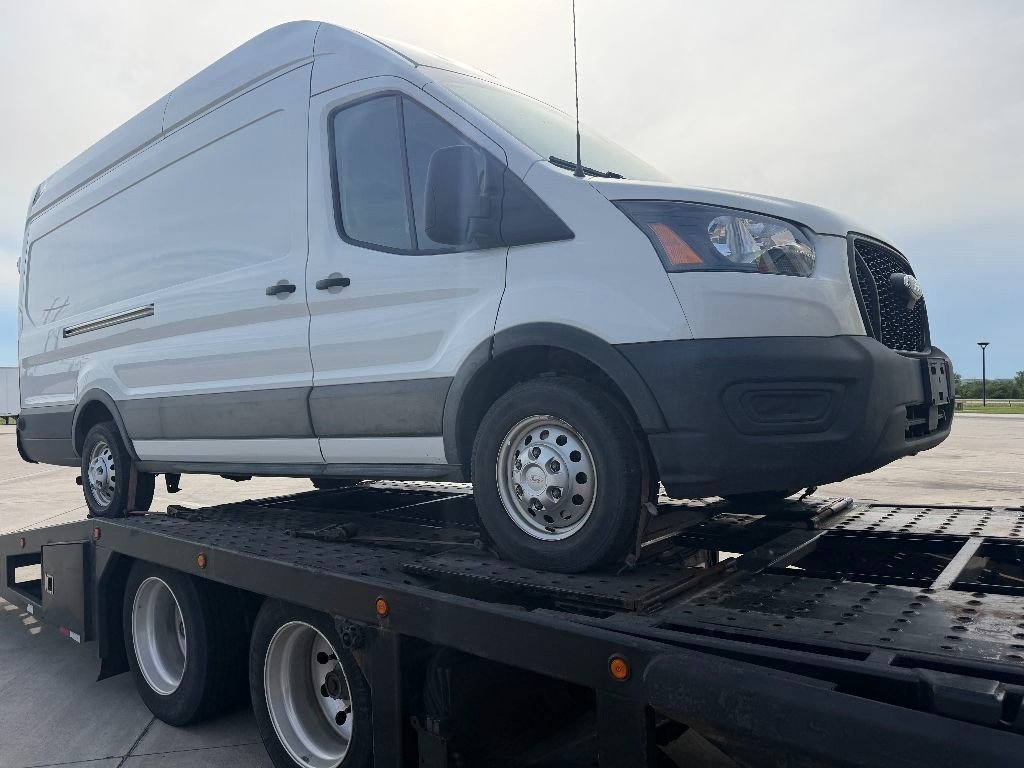
Yes, inoperable vehicles can be transported; however, this must be disclosed when requesting your initial quote. Non-running cars require specialized carriers equipped with heavy-duty winches, auxiliary ramps, and specialized rigging equipment to pull the vehicle safely onto the trailer deck without engine power. The vehicle must still roll, brake, and steer properly.
You or an authorized representative (over the age of 18) must be present at both pickup and delivery. This is essential because someone must review and sign the vehicle inspection report on the Bill of Lading, inspect vehicle condition in person, and officially hand over or receive the keys. If you cannot attend personally, you can designate a trusted friend, family member, or dealership agent to act on your behalf.
Navigating Your Vehicle Shipping Journey with Confidence
Understanding how does car shipping work transforms an intimidating logistical hurdle into a smooth, straightforward experience. By selecting the appropriate transport method for your automobile's profile, completing basic pre-trip preparation, and collaborating with a reputable logistics coordination team, you can relocate your vehicle across any Canadian province safely and economically.
Whether you are moving across town or coast-to-coast, Optixtrace Car Shipping provides the carrier networks, dedicated support, and route expertise required to deliver your vehicle securely to its destination.