Whether you are relocating for a career change, buying a vehicle from another province, or coordinating multi-unit inventory transfers for a dealership, calculating the exact cost to ship a car across Canada in 2027 involves multiple logistics factors. Spanning over 7,500 kilometres from Victoria to St. John’s, our country's vast geography, dynamic fuel pricing, and extreme winter weather conditions create unique cross-country vehicle transportation pricing patterns.
Planning an interprovincial move comes with plenty of moving parts. Driving your vehicle cross-country can quickly rack up thousands in hotels, meals, fuel, and mechanical wear and tear, leading many vehicle owners to choose professional auto transport. In this comprehensive breakdown, our logistics team at Optixtrace Car Shipping provides an honest, data-backed analysis of realistic Canadian car transport prices, key freight variables, seasonal trends, and route-specific rates so you can budget accurately for your vehicle delivery.
Average Cost to Ship a Car Across Canada in 2027
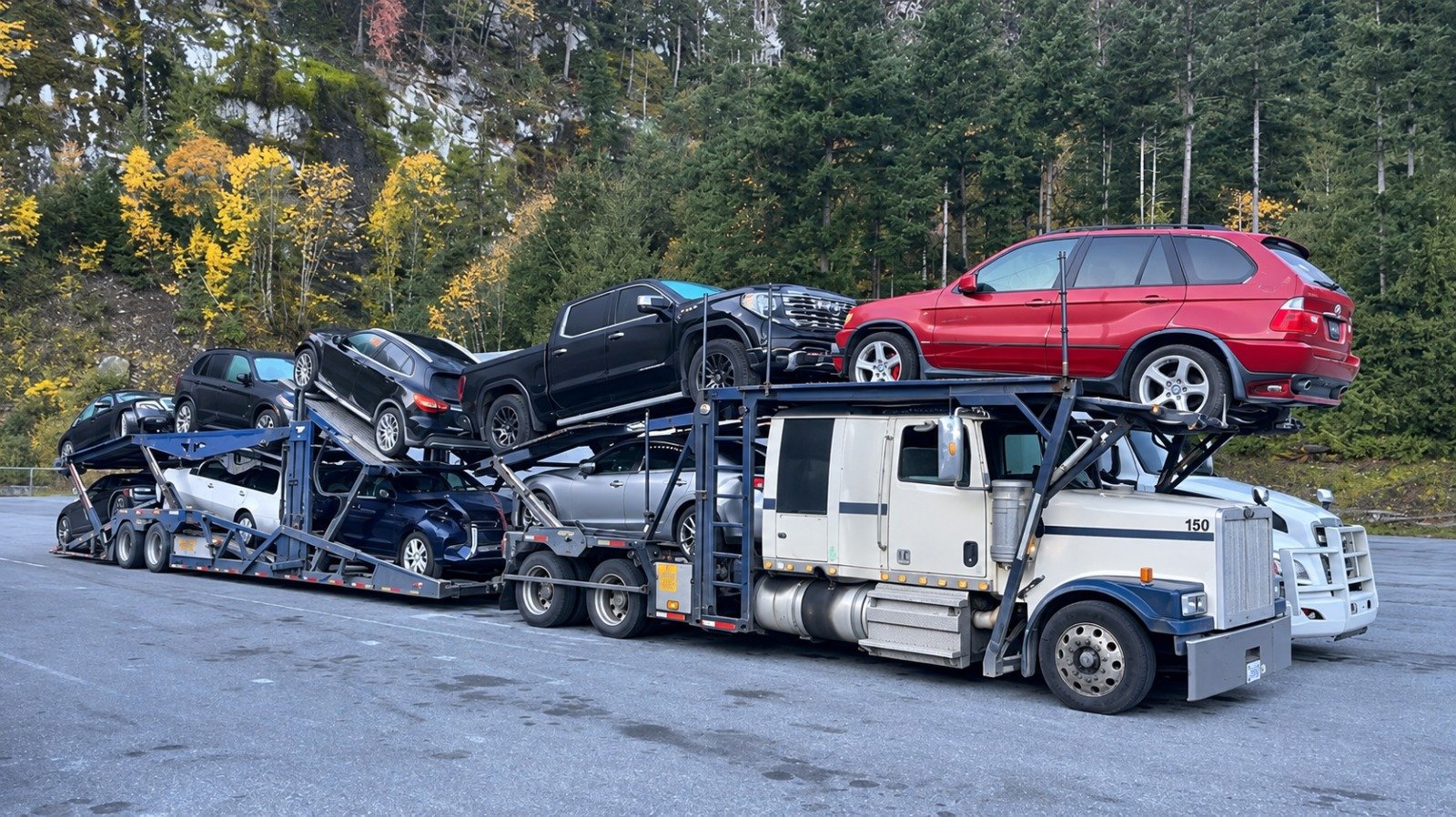
On average, the cost to ship a car across Canada in 2027 ranges between $1,250 and $3,450 CAD for standard passenger sedans using standard open transport. Shorter interprovincial hops (such as Calgary to Vancouver or Montreal to Toronto) generally fall between $750 and $1,400 CAD, whereas long-haul routes spanning the Prairies to Atlantic Canada can exceed $2,800 to $3,900 CAD depending on vehicle size and pickup accessibility.
Every transport arrangement is calculated individually based on baseline mileage, trailer space, and local logistics, but the following pricing tiers reflect standard Canadian interprovincial auto transport rates for standard-sized vehicles:
Regional (Under 1,000 km)
$700 – $1,350 CAD
Examples: Toronto to Montreal, Calgary to Edmonton, Vancouver to Kelowna. Quick transit times and high carrier availability.
Mid-Distance (1,000 – 2,500 km)
$1,250 – $2,100 CAD
Examples: Vancouver to Calgary, Toronto to Winnipeg, Regina to Thunder Bay. Major highway corridor connections.
Cross-Country (3,000+ km)
$2,100 – $3,650 CAD
Examples: Toronto to Vancouver, Montreal to Edmonton, Halifax to Calgary. High mileage involving multi-day scheduling.
Car Shipping Prices by Route Across Canadian Provinces
The car shipping prices by route vary depending on whether your car is moving along high-volume freight corridors like the Trans-Canada Highway or requires secondary routing into northern, rural, or maritime destinations. Freight carriers routinely schedule transports along major metropolitan hubs, which keeps high-volume lanes more competitive than remote drop-offs.
The table below provides realistic cost estimates across some of Canada’s most heavily requested interprovincial shipping corridors for standard sedans and compact SUVs:
| Origin to Destination | Approximate Distance | Open Transport Estimate | Enclosed Transport Estimate |
|---|---|---|---|
| Toronto, ON to Vancouver, BC | 4,350 km | $2,100 – $2,750 CAD | $3,350 – $4,400 CAD |
| Vancouver, BC to Calgary, AB | 970 km | $950 – $1,450 CAD | $1,700 – $2,300 CAD |
| Montreal, QC to Toronto, ON | 540 km | $650 – $950 CAD | $1,200 – $1,650 CAD |
| Edmonton, AB to Toronto, ON | 3,400 km | $1,850 – $2,450 CAD | $2,950 – $3,800 CAD |
| Calgary, AB to Winnipeg, MB | 1,330 km | $1,150 – $1,600 CAD | $1,950 – $2,600 CAD |
| Toronto, ON to Halifax, NS | 1,790 km | $1,450 – $2,100 CAD | $2,300 – $3,100 CAD |
| Vancouver, BC to St. John’s, NL | 7,200 km (inc. ferry) | $3,400 – $4,600 CAD | $4,900 – $6,500 CAD |
If you are moving between other Canadian cities or need direct service to northern hubs like Prince George or Grande Prairie, you can inspect our comprehensive vehicle shipping routes to see dedicated intercity service schedules across all provinces.
High-Volume Lanes Save Money: When booking interprovincial car shipping, arranging pickup or drop-off near primary highway corridors (like the 401 in Ontario, the Trans-Canada in the Prairies, or Highway 1 in British Columbia) helps avoid expensive remote detour charges.
Open vs. Enclosed vs. Rail Car Transport: Comparing Methods and Pricing
The specific method chosen to move your vehicle represents one of the largest single determinants of your final invoice. In Canada, auto transportation falls into three primary categories: open road transport, enclosed road transport, and intermodal railway transport.
1. Open Car Carrier Transport
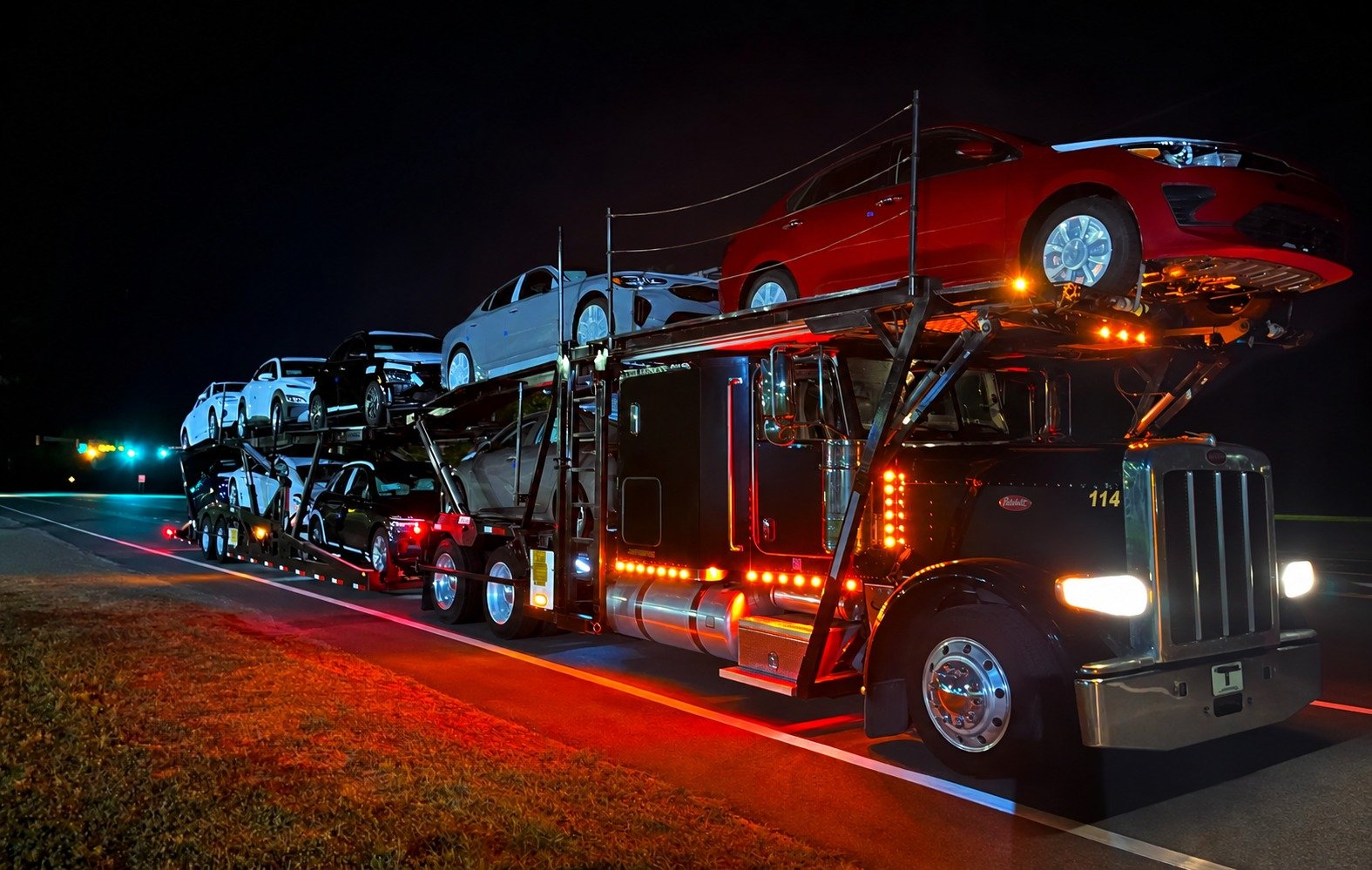
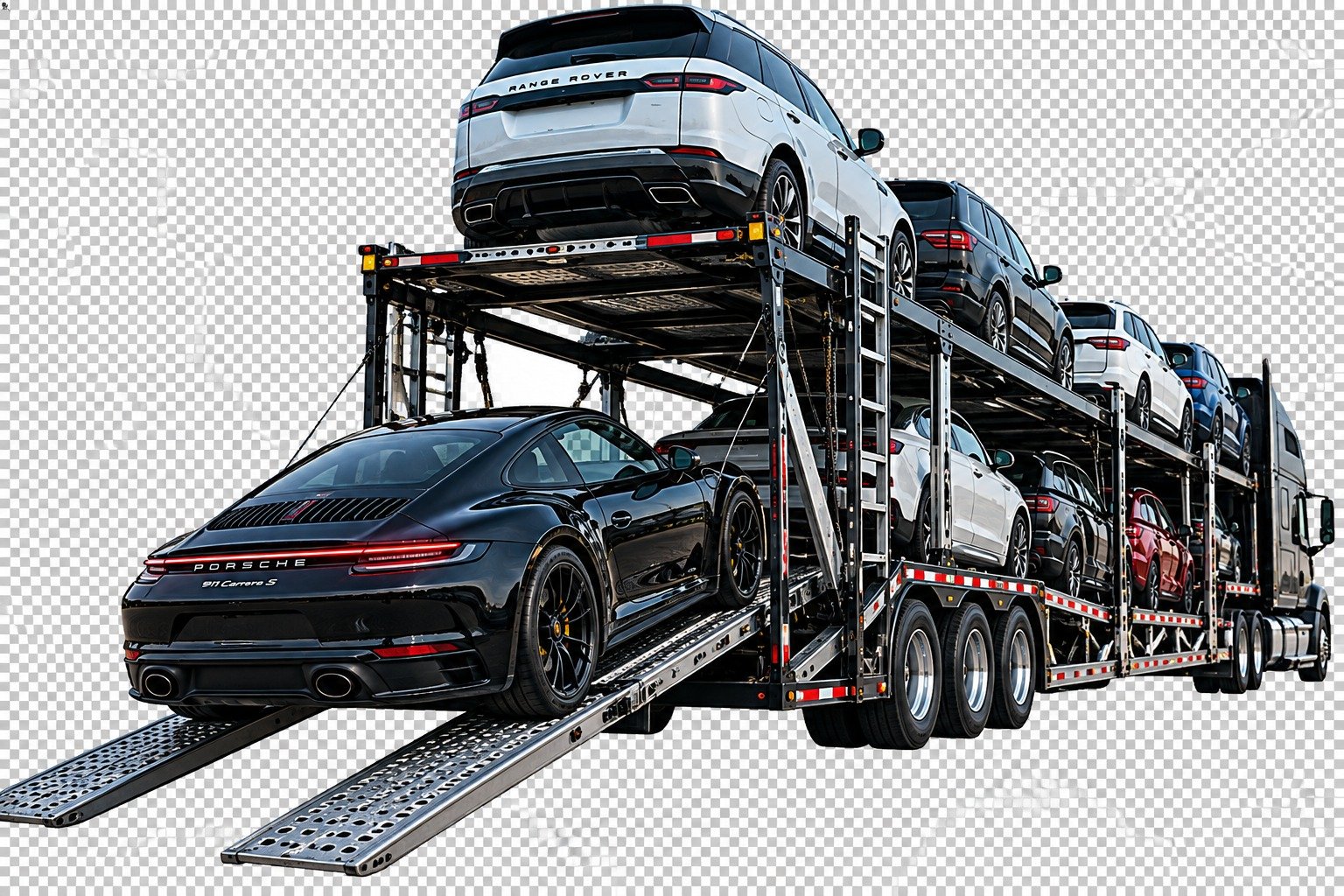
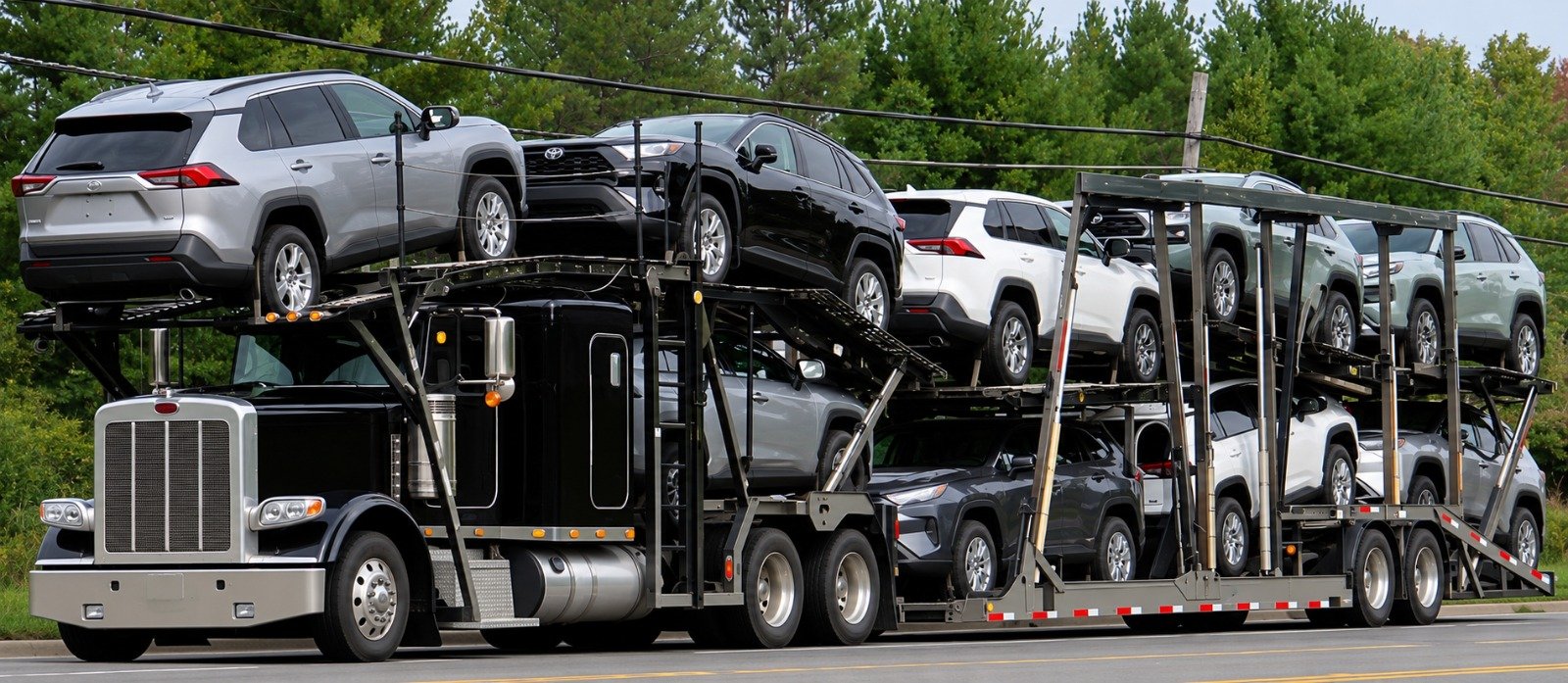
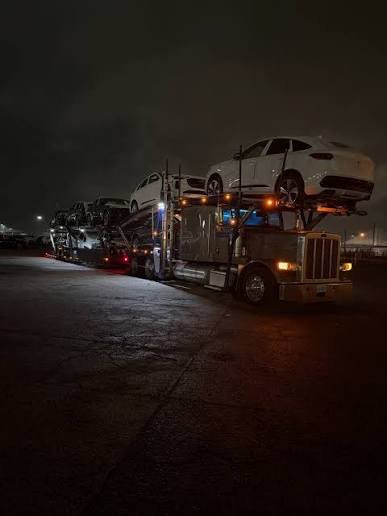
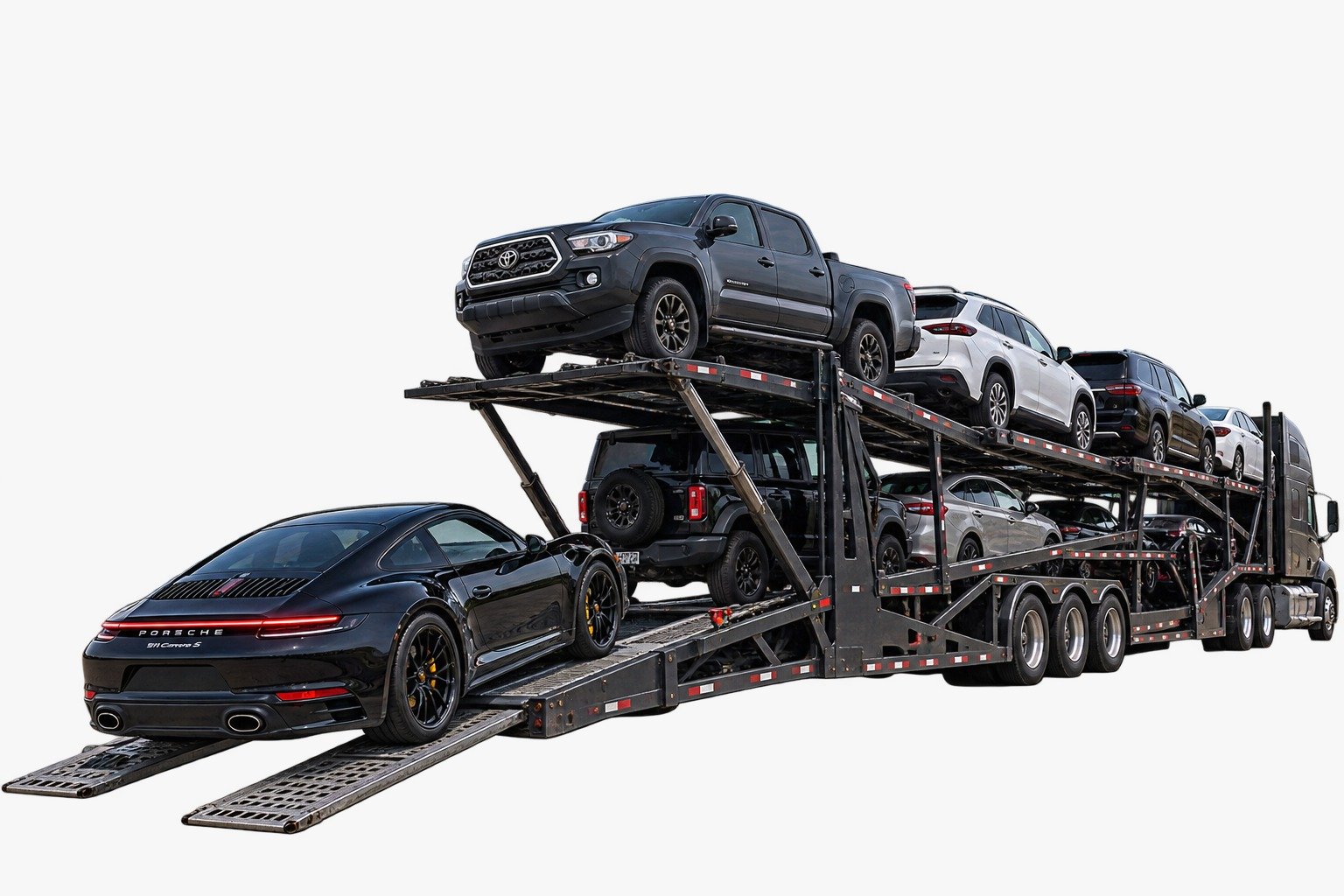
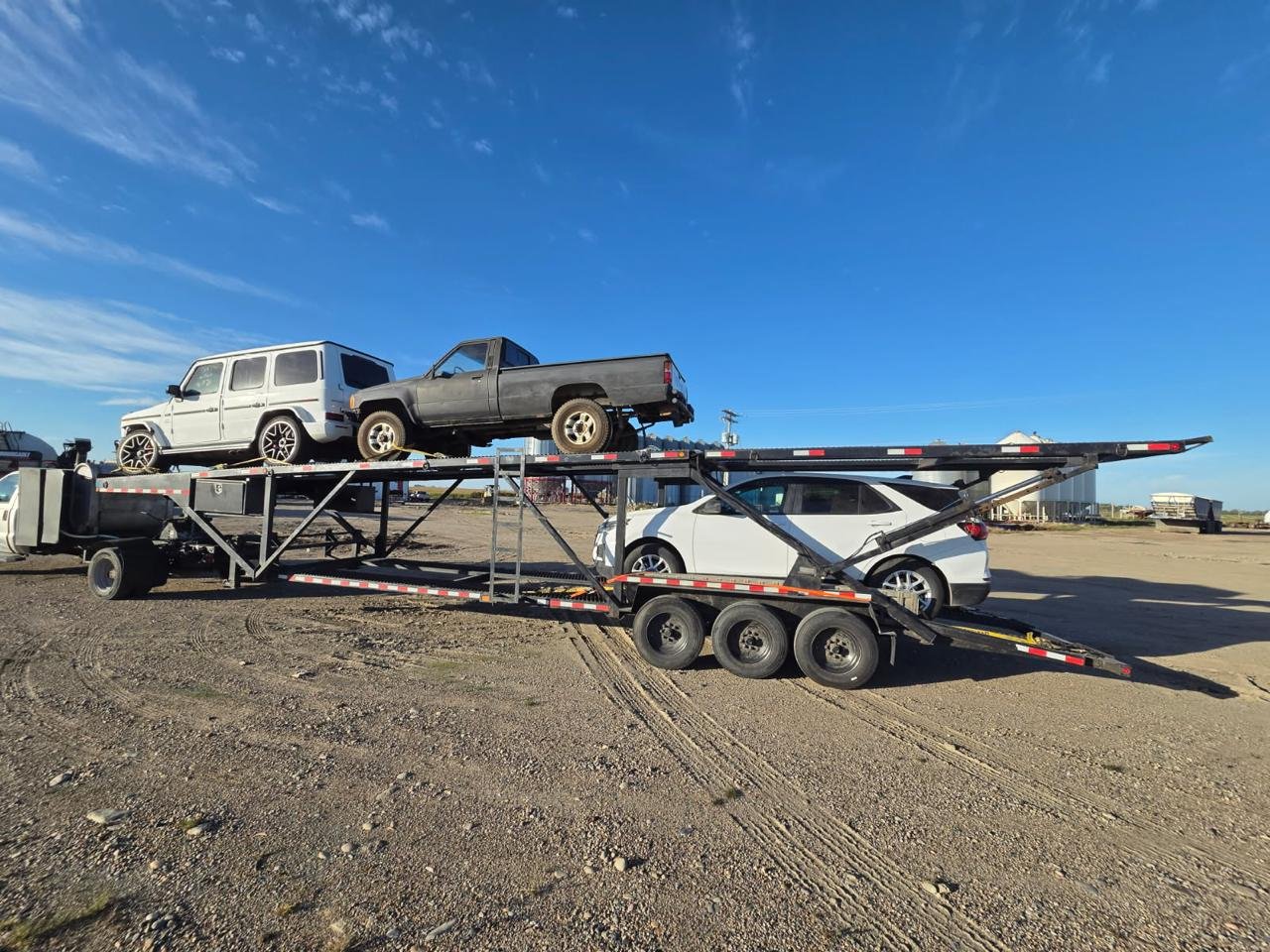
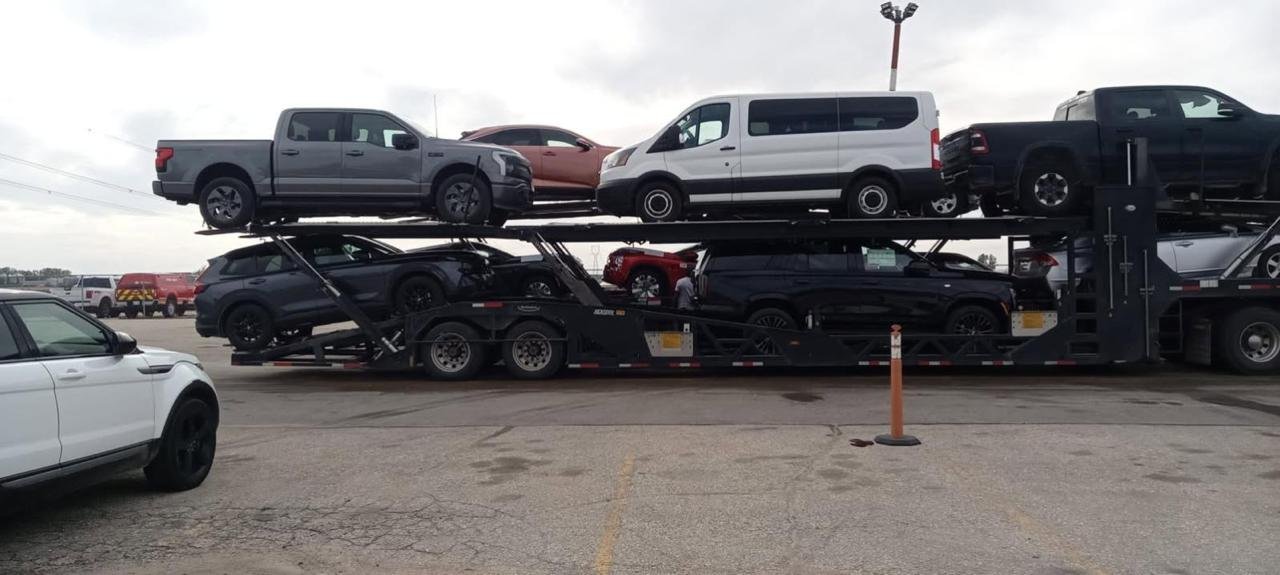
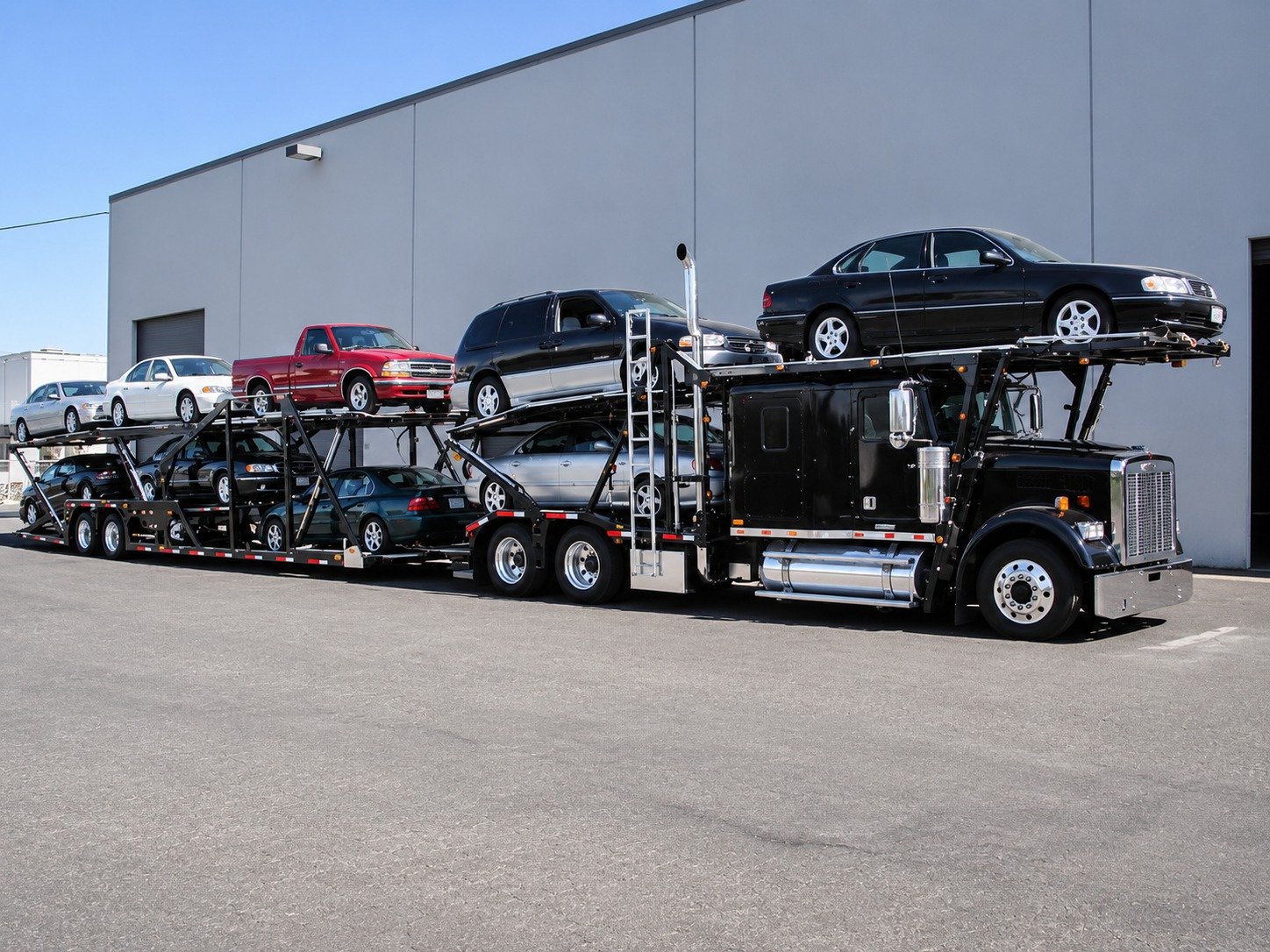
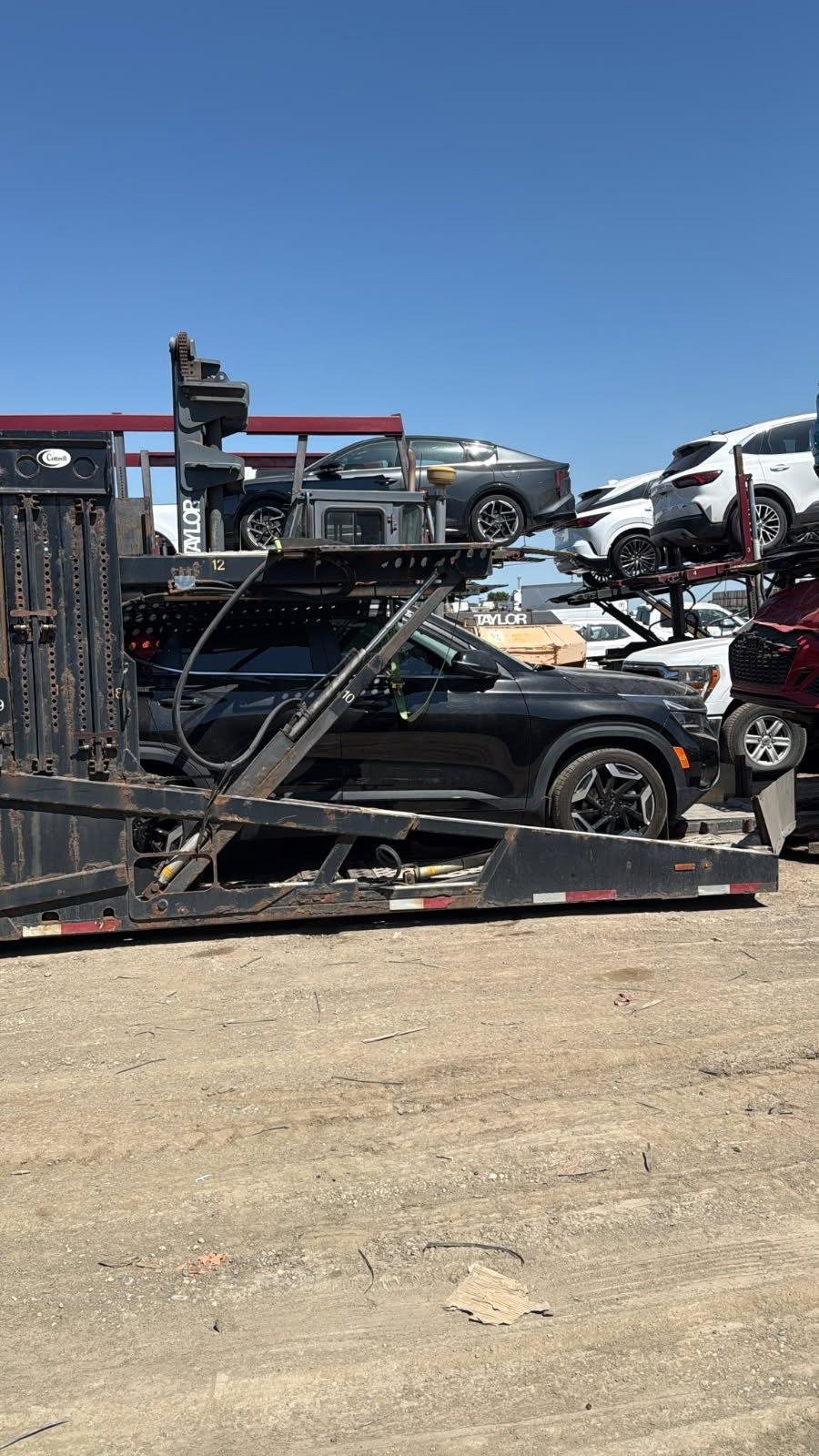
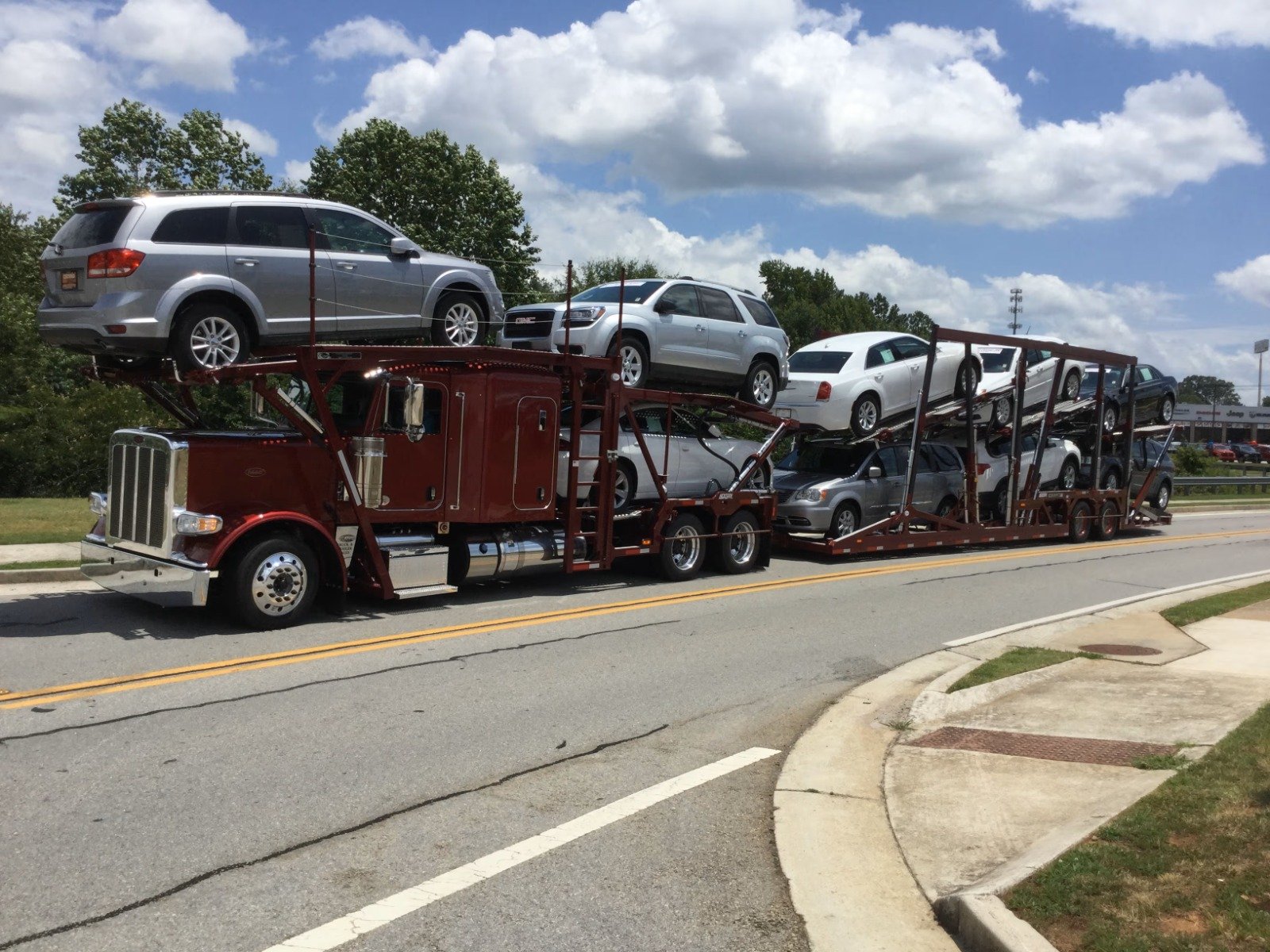
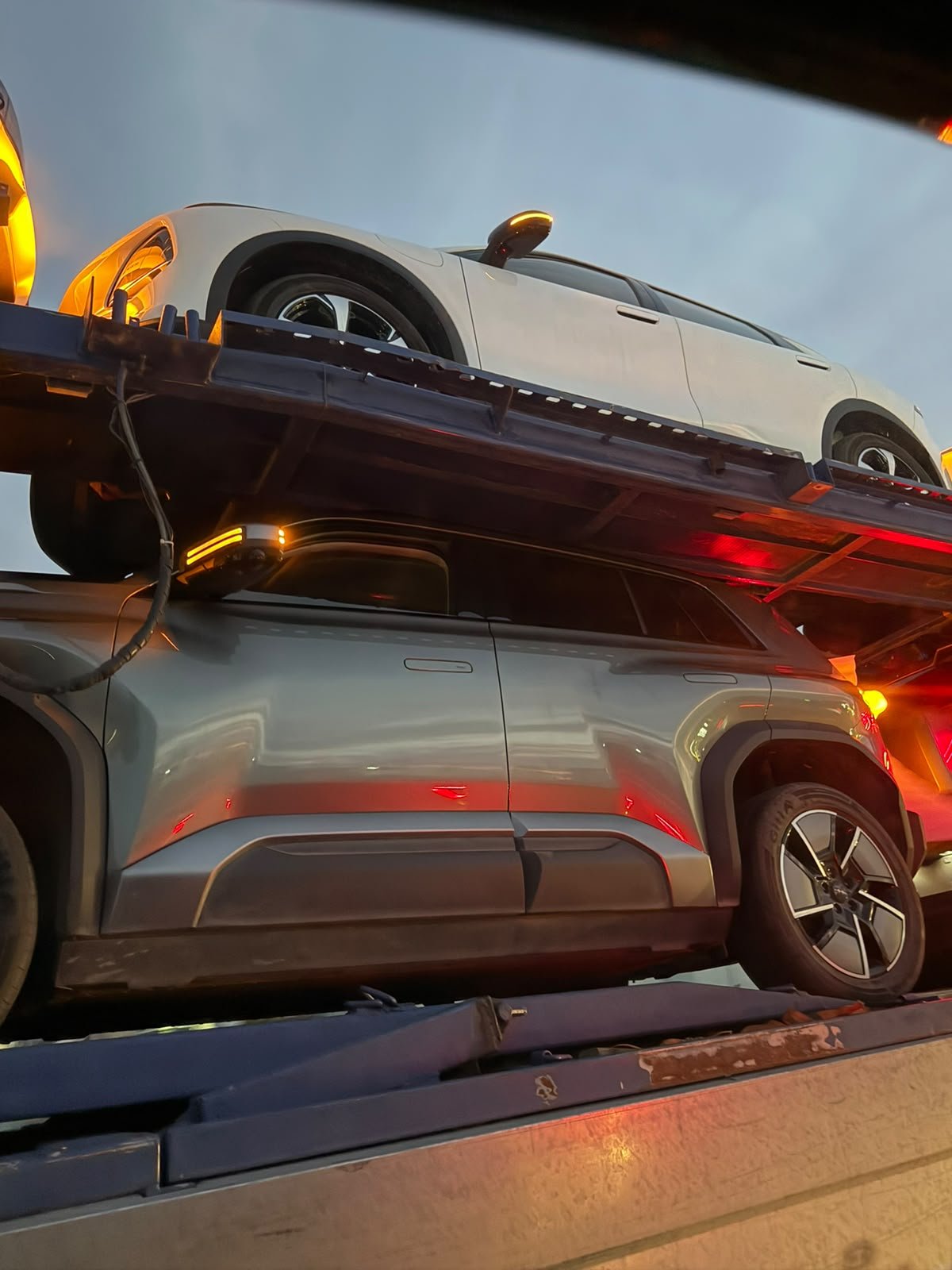
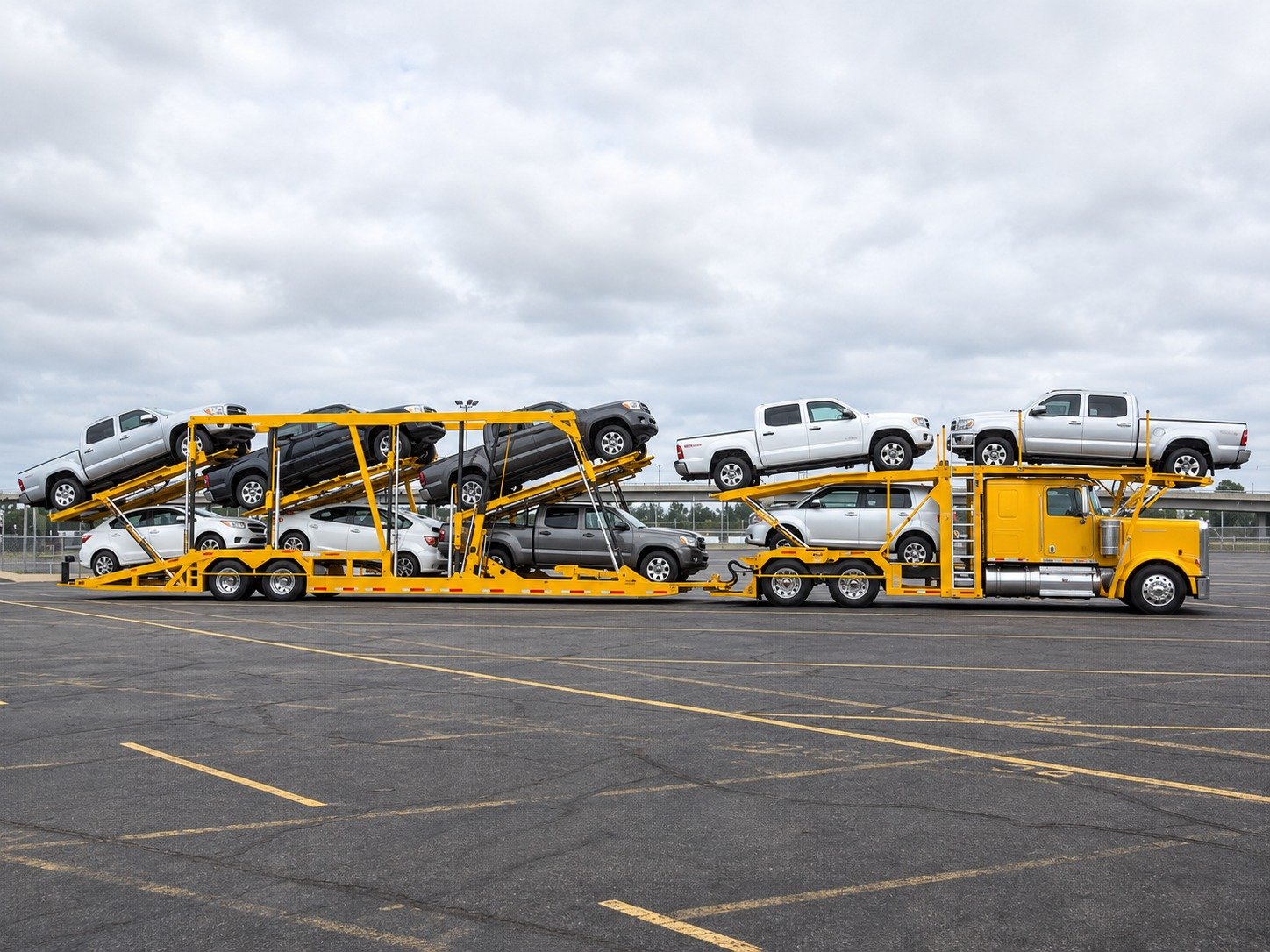
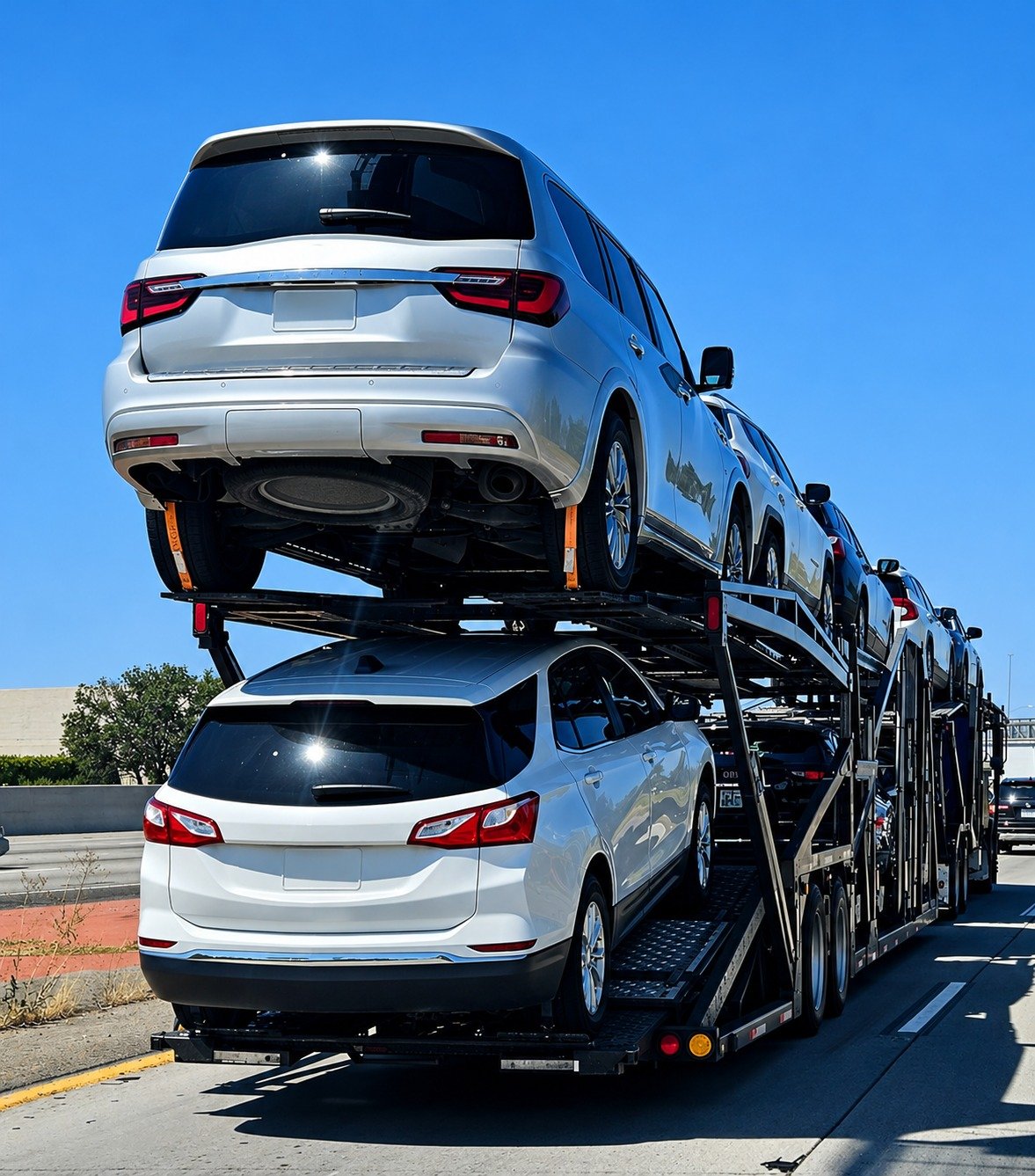
Open auto transport is the industry standard across North America, carrying roughly 85% to 90% of all transported cars. Vehicles are secured onto a large multi-level trailer exposed to external weather and highway air. This method is the cheapest way to ship a car across Canada because haulers can accommodate up to 9 or 10 vehicles at once, distributing operating fuel and driver costs evenly among multiple customers. Learn more about our dedicated open car carrier transport solutions.
2. Enclosed Vehicle Transport
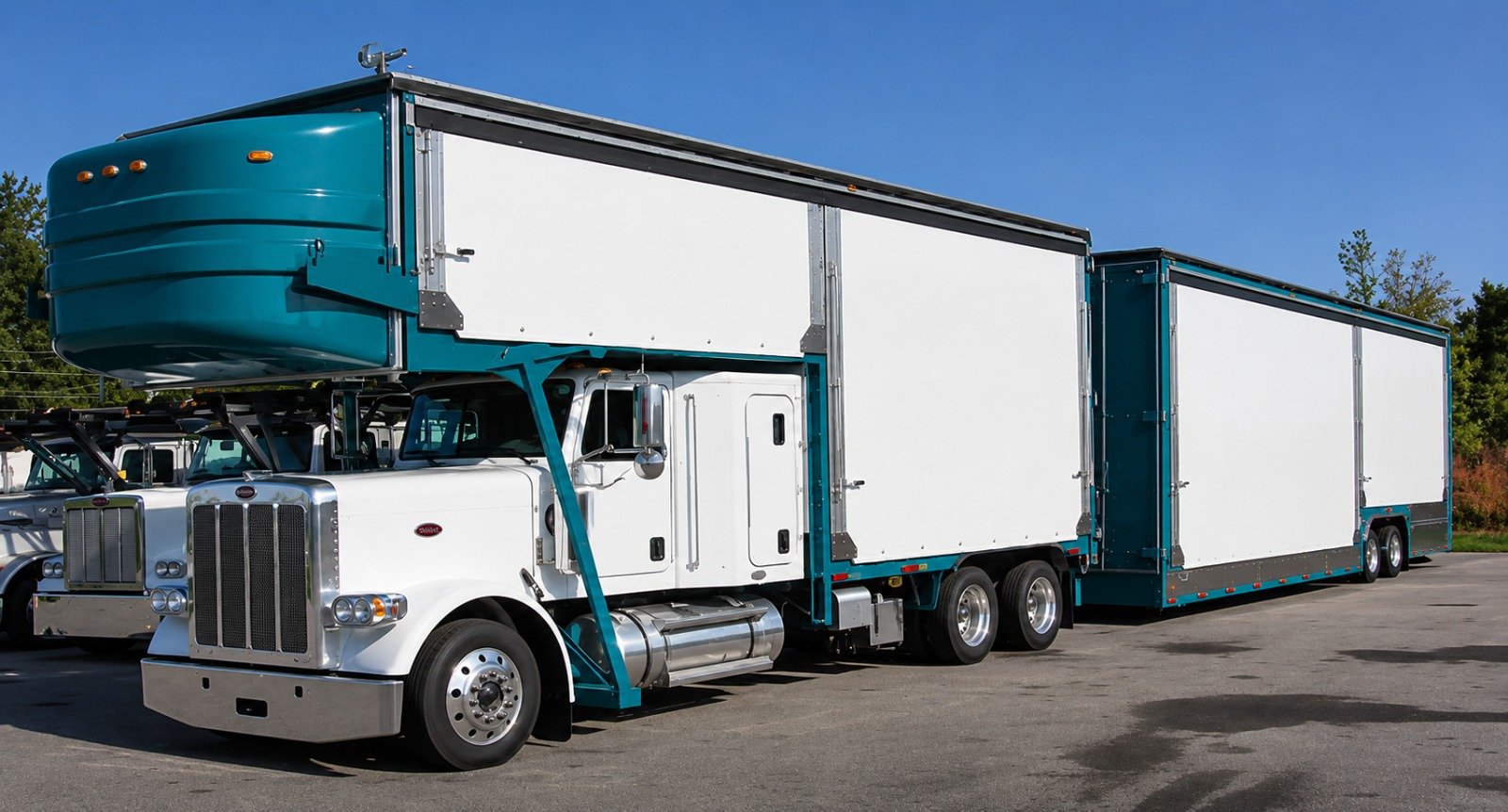
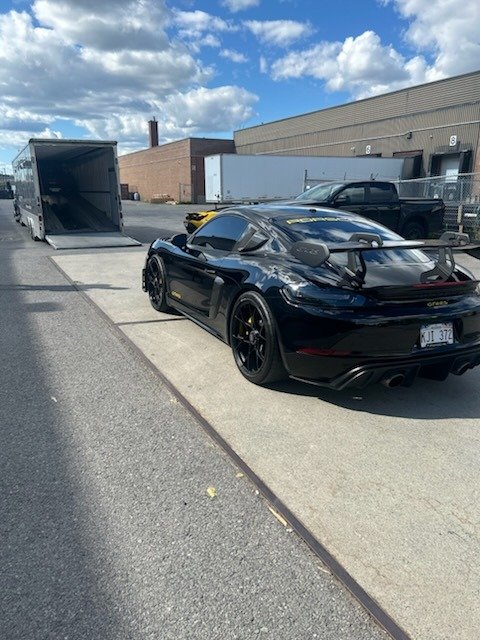
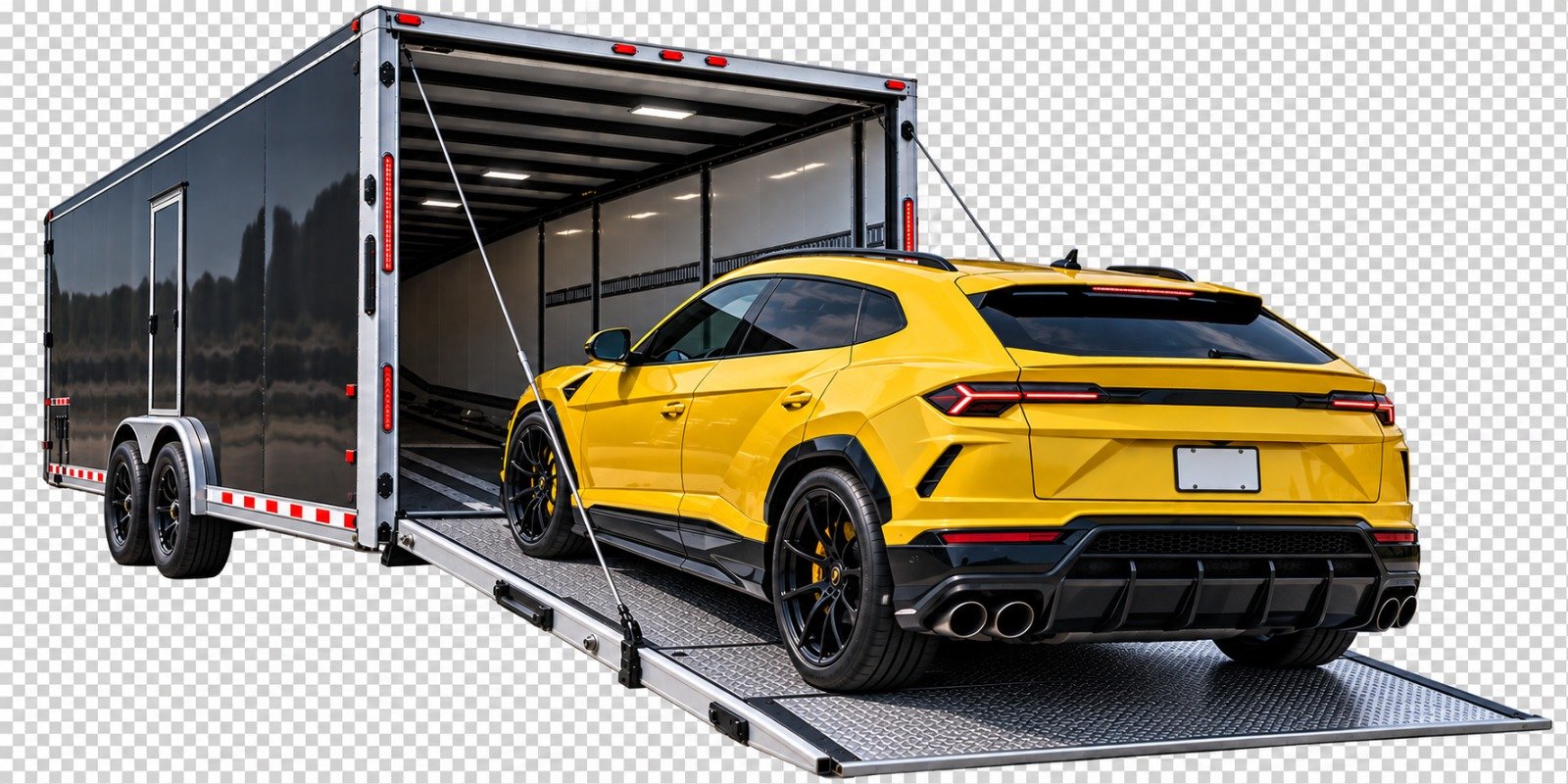
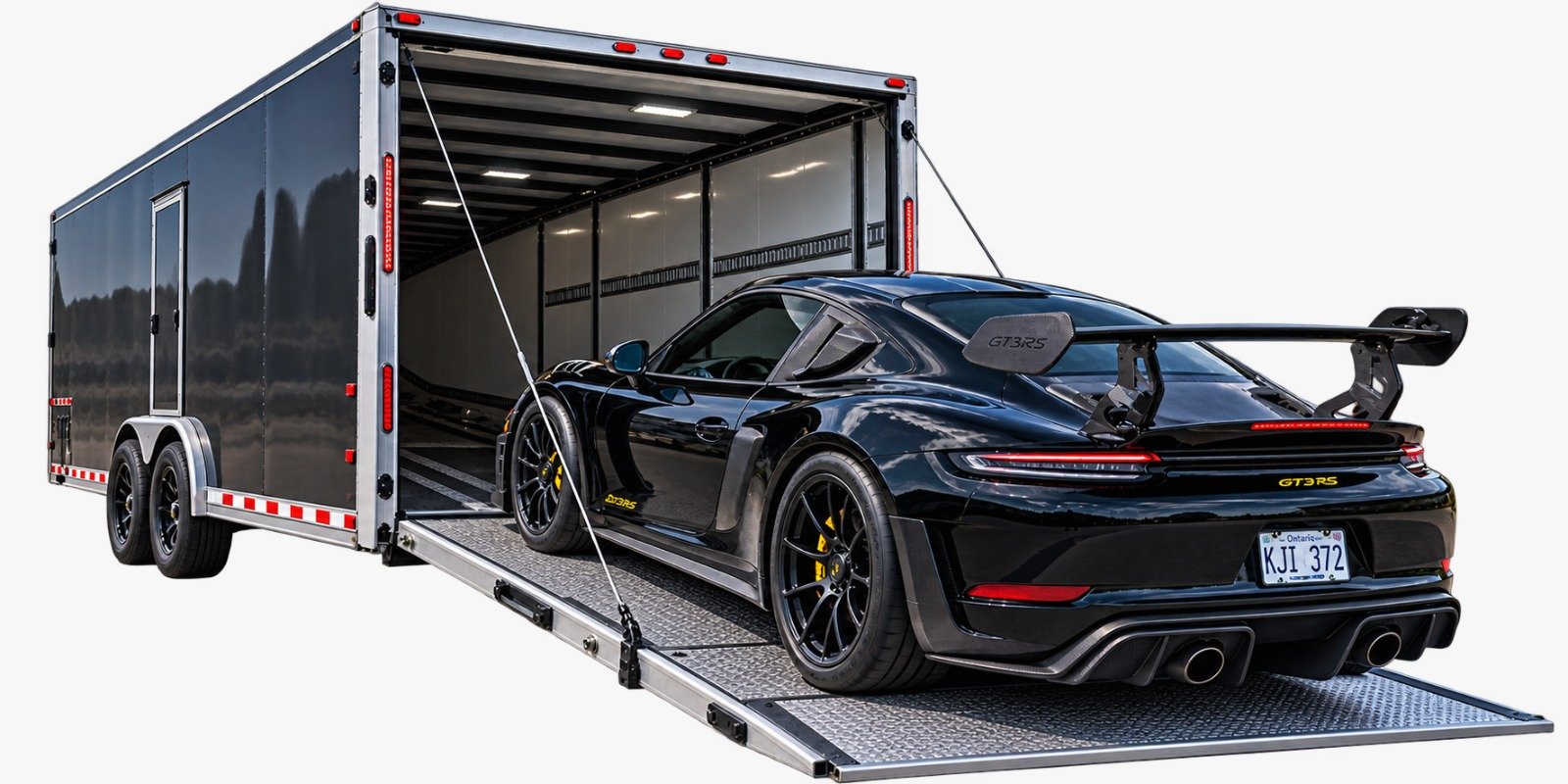
For vintage collectibles, exotic supercars, luxury performance sedans, or newly restored classics, enclosed vehicle transport is the premier choice. Enclosed trailers feature solid hard-sided walls and hydraulic lift gates that protect vehicles completely from flying road debris, gravel, rock salt, and Canadian winter road grit.
Because enclosed trailers carry fewer cars (typically 2 to 6 vehicles) and use specialized loading equipment, enclosed car transport generally commands a 40% to 65% premium over standard open carriers.
3. Intermodal Rail Vehicle Transport
Canada’s historic transcontinental railway network provides another alternative for high-mileage moves between metropolitan yards. Rail shipping places vehicles inside secure multi-level rail auto racks operating across transcontinental rail yards. While rail transport can sometimes offer cost savings over long cross-country distances, it strictly follows fixed rail timetables and requires terminal drop-off and pickup. Explore our rail transport services for high-mileage intermodal options.
Key Factors That Influence Vehicle Shipping Costs
When an auto logistics specialist prepares a customized rate for moving a vehicle across Canada, several dynamic variables determine the bottom line:
- Shipping Distance in Kilometres: Total travel distance forms your base rate. While longer trips cost more overall, the average cost per kilometre actually drops as total mileage increases.
- Vehicle Size, Weight, and Modifications: A compact sedan takes up less trailer space and weighs less than a full-size pickup truck or 7-passenger SUV. Overweight vehicles increase carrier fuel consumption and count toward federal commercial road-weight restrictions.
- Vehicle Condition (Operable vs. Inoperable): An inoperable vehicle that cannot roll, steer, or brake under its own engine power requires specialized winches and manual handling at pickup and delivery, incurring an additional non-running surcharge (typically $150 – $350 CAD).
- Carrier Availability and Route Demand: Popular lanes with frequent carrier traffic enjoy lower rates. Rural pickup locations off the main freight lanes require dedicated carrier detours that affect final pricing.
- Dynamic Fuel Surcharges: Commercial diesel fuel fluctuates across Canadian regions. Surcharges are updated in real time to reflect wholesale commercial fuel expenses.
Door-to-Door vs. Terminal-to-Terminal Shipping Prices in Canada
Another key decision affecting the cost of vehicle transportation is choosing between terminal-to-terminal transport and door-to-door auto delivery:
Door-to-Door Car Shipping
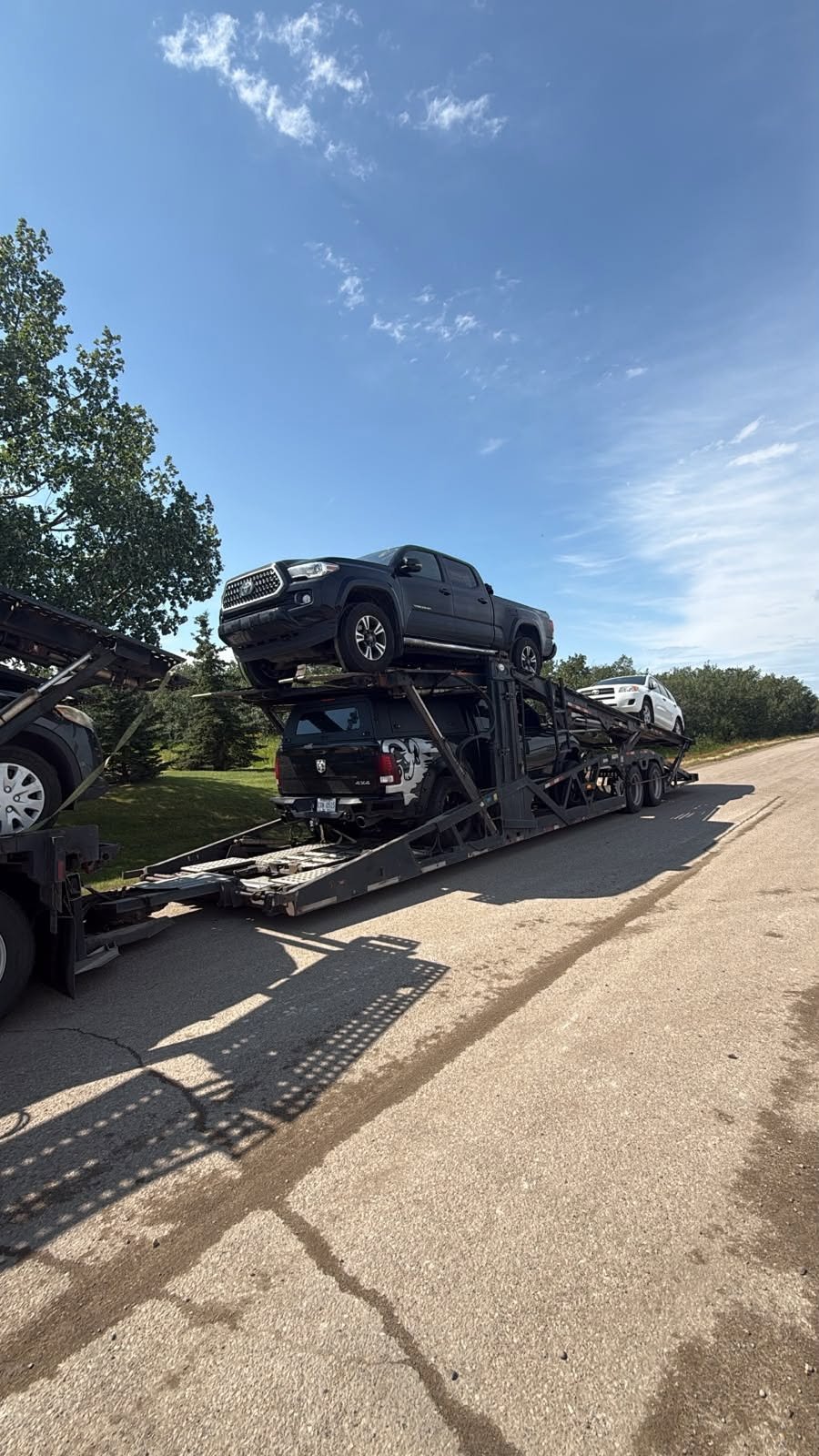
The carrier collects and delivers your vehicle directly at your home, office, or dealership address—provided the street safely accommodates a large 80-foot commercial car hauler. If access is limited by overhead wires or narrow residential lanes, the driver coordinates with you at a nearby open parking lot.
Convenience: Highest
Typical Cost: Standard quote baseline
Terminal-to-Terminal Shipping
You drop off your vehicle at a designated regional carrier facility or freight terminal and pick it up at the corresponding destination terminal. This can be cost-effective if you live close to major logistics hubs in cities like Toronto, Calgary, Montreal, or Vancouver.
Convenience: Requires local transit
Typical Cost: $150 – $300 lower than door delivery
Discover how our tailored door-to-door open transport options combine convenience and scheduling flexibility across Canadian cities.
Winter Highway Pass Precautions: Transporting vehicles across the Rocky Mountains (Coquihalla Highway, Rogers Pass) between November and April requires specialized winter logistics. Carriers routinely navigate extreme cold, mandatory snow chain regulations, and mountain closures, which can occasionally extend transit times.
Seasonal Transport Rates: Timing Your Auto Shipment
Automotive logistics across Canada is heavily seasonal. Understanding these seasonal shifts helps you choose the best shipping dates:
- Summer (June through August): Peak relocation season. Demand peaks as families relocate before school starts and dealerships restock seasonal inventory. Capacity fills quickly, so early booking is recommended.
- Fall "Snowbird" Migration (October through November): Many seasonal residents migrate south or relocate vehicles toward west coast ports, tightening trailer space on east-to-west and north-to-south lanes.
- Winter (December through February): Freezing conditions and storms slow highway travel speeds. While demand on select lanes drops, operating expenses increase due to winterized equipment and mountain pass protocols.
- Spring (March through May): As winter conditions subside and highway weight restrictions ease, trailer availability normalizes, making spring an ideal window for competitive shipping rates.
Shipping vs. Driving Your Car Across Canada: Real Cost Comparison
Many vehicle owners initially consider driving their car across Canada to avoid transport fees. However, when you tally the real expenses of a cross-country drive from Toronto to Vancouver (approximately 4,350 kilometres), self-driving often costs just as much—or more—than booking commercial vehicle transport:
| Expense Category | Self-Driving Estimates (4–6 Days) | Professional Auto Transport |
|---|---|---|
| Fuel & Diesel | $650 – $900 CAD | Included in transport quote |
| Hotel Accommodations (4–5 Nights) | $600 – $950 CAD | $0 (No accommodation required) |
| Meals & Food on the Road | $300 – $500 CAD | $0 |
| Vehicle Depreciation & Tire Wear | ~$400 – $650 CAD (4,300+ km) | Zero kilometres added |
| Missed Work & Personal Time | 4 to 6 full travel days | Zero travel days required |
| Total Investment | $1,950 – $3,000+ CAD + 5 days travel | $2,100 – $2,750 CAD total |

Frequently Asked Questions About Canadian Car Shipping Costs
Summary: Budgeting for Your Canadian Vehicle Transportation
Budgeting for the cost to ship a car across Canada requires balancing your schedule, vehicle specifications, and preferred level of protection. While open transport remains the most popular and affordable choice for personal sedans and family crossovers, enclosed carriage provides premium protection for rare, exotic, and luxury investments.
Rather than enduring the stress, hotel costs, and thousands of kilometres of physical wear associated with driving cross-country yourself, professional auto transport provides a safe, reliable, and predictable solution. For additional information regarding our operational network and transport options, consult our comprehensive auto shipping FAQ resource.