What You Will Learn
How Does Car Shipping Work in Canada?
If you have never utilized professional car shipping services, the process might seem overwhelming. However, a reliable vehicle transportation company simplifies the logistics into a few clear steps. When you decide on shipping a car across Canada, the journey typically follows a standardized workflow designed to protect your vehicle and provide peace of mind.
First, you request a detailed estimate from your chosen logistics provider. Once the terms are agreed upon, you schedule your pickup date. Depending on the service level you choose, the carrier will either collect the vehicle directly from your home (known as door-to-door car shipping) or require you to drop it off at a designated secure facility (known as terminal-to-terminal shipping).
Upon arrival, a professional driver conducts a thorough vehicle inspection report. This document, often referred to as a Bill of Lading, records the current condition of your vehicle, noting any pre-existing scratches, dents, or mechanical issues. Once the inspection is signed by both parties, the vehicle is carefully loaded onto the carrier. From there, your vehicle is transported across the country and delivered to your destination, where a final inspection is completed before the keys are handed over.
Types of Car Transportation Services
Not all vehicle shipping Canada services are the same. The best way to transport a car across Canada depends heavily on your budget, your timeline, and the type of vehicle you are moving. The industry primarily relies on three main transportation methods.
Open Car Transport
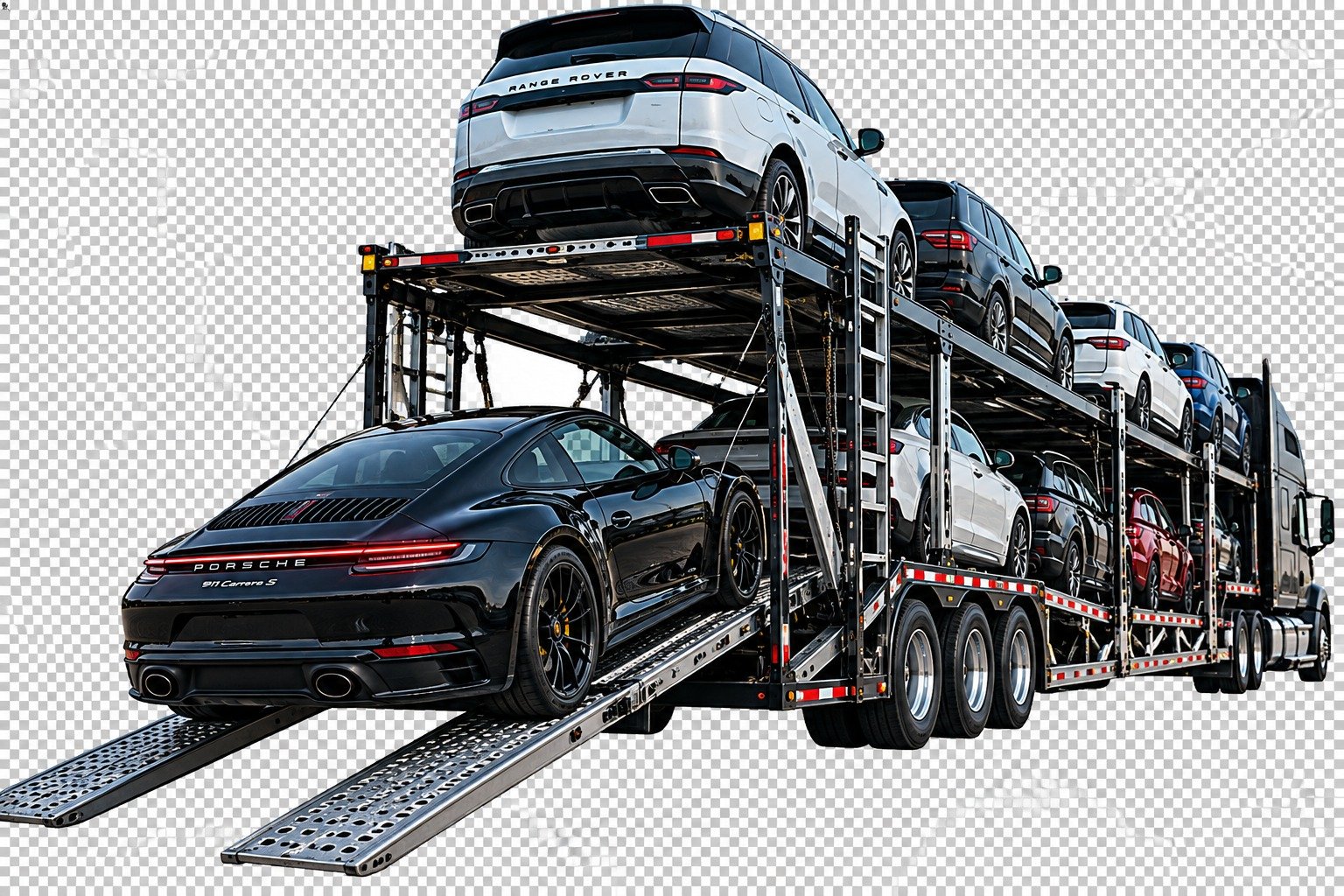
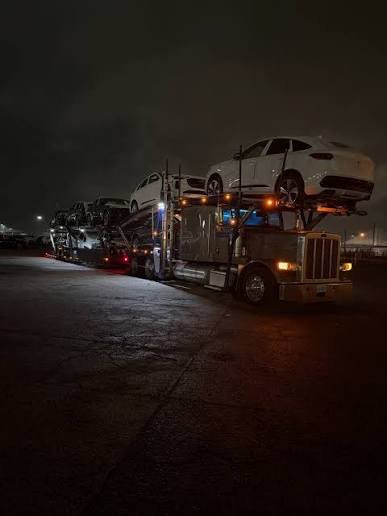
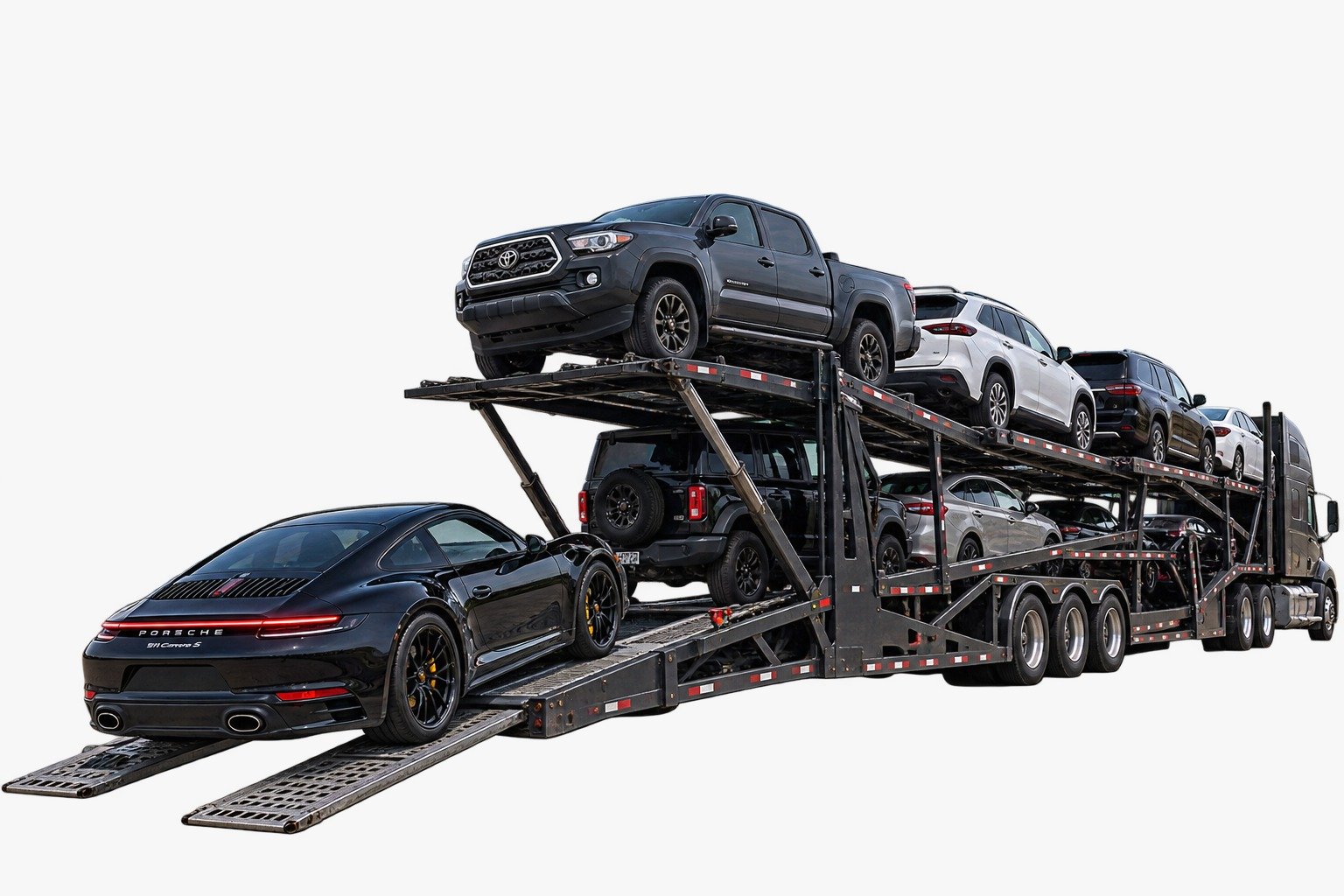
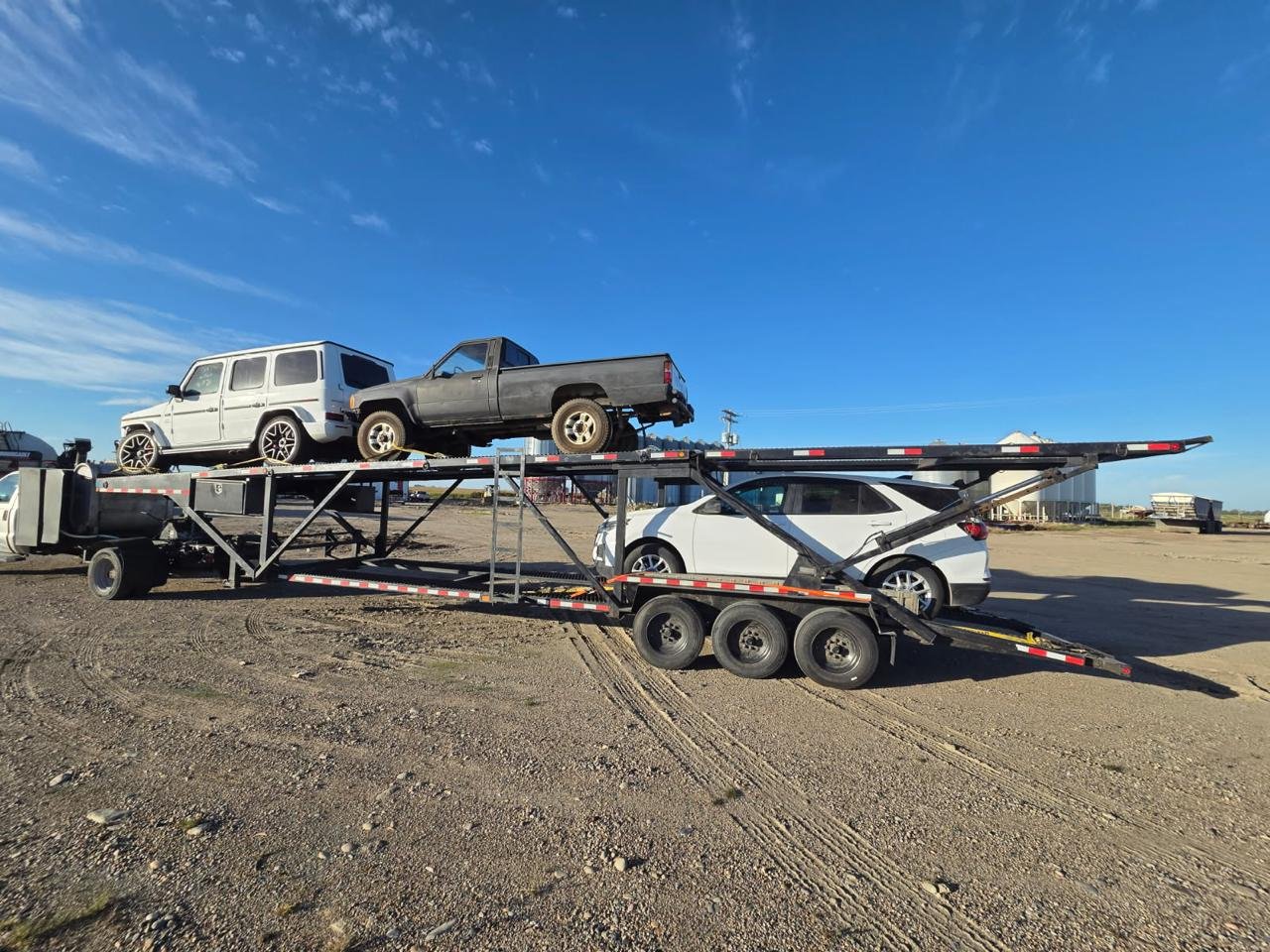
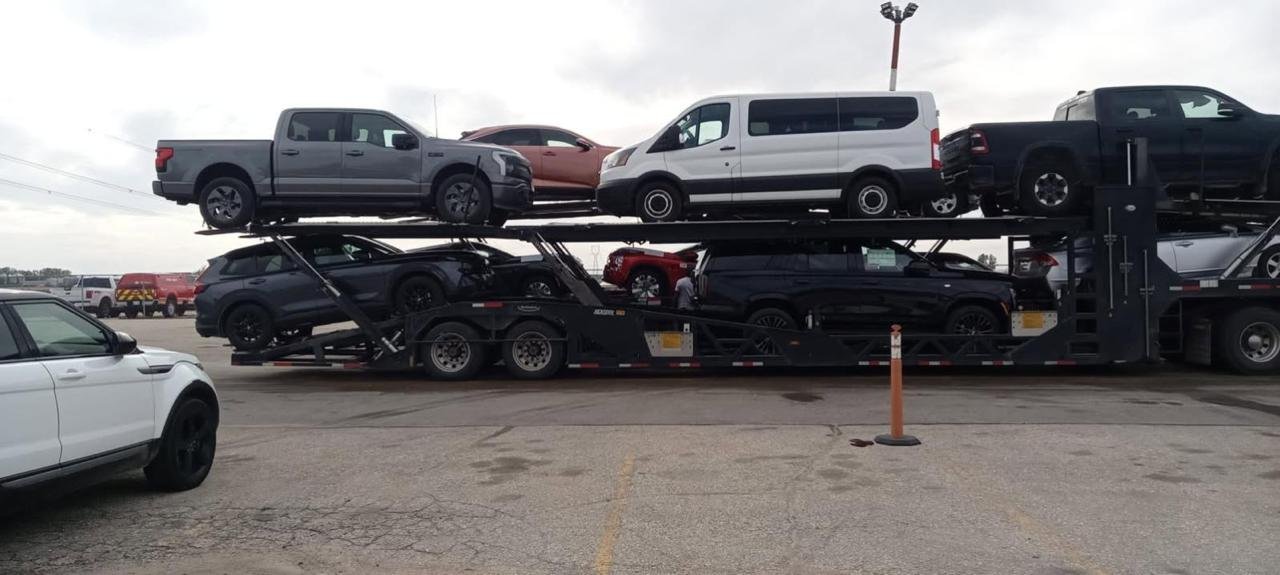
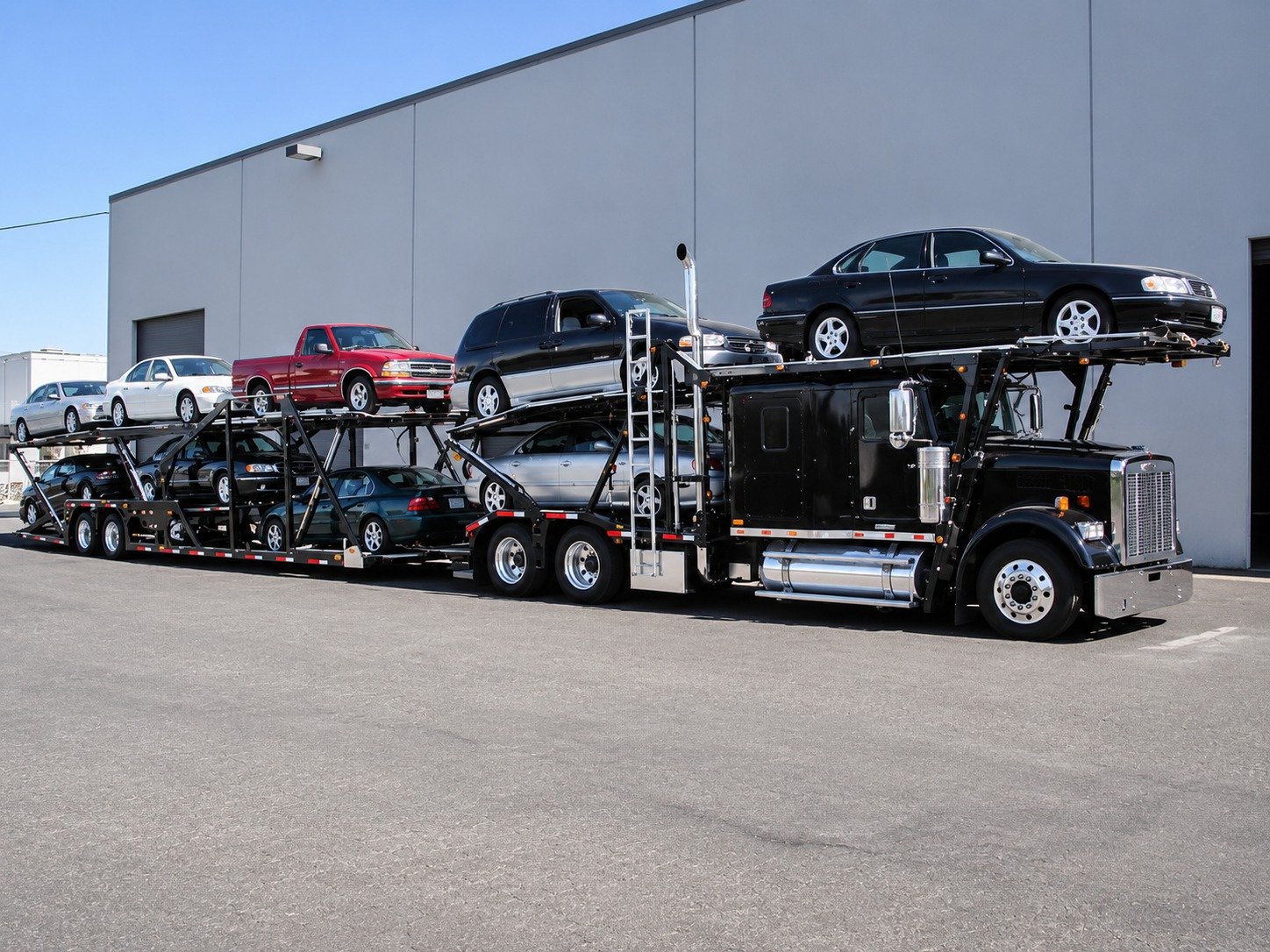
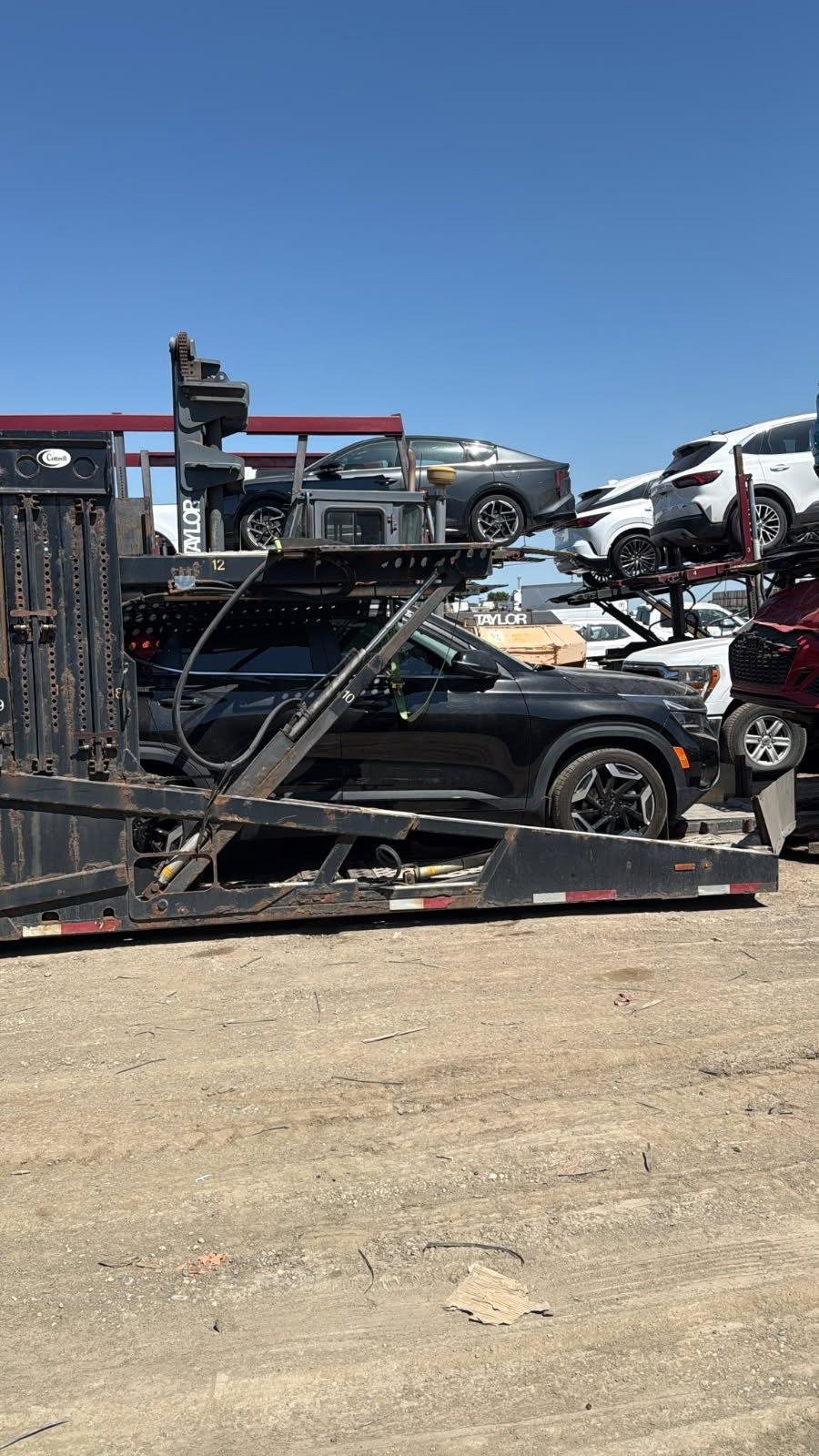
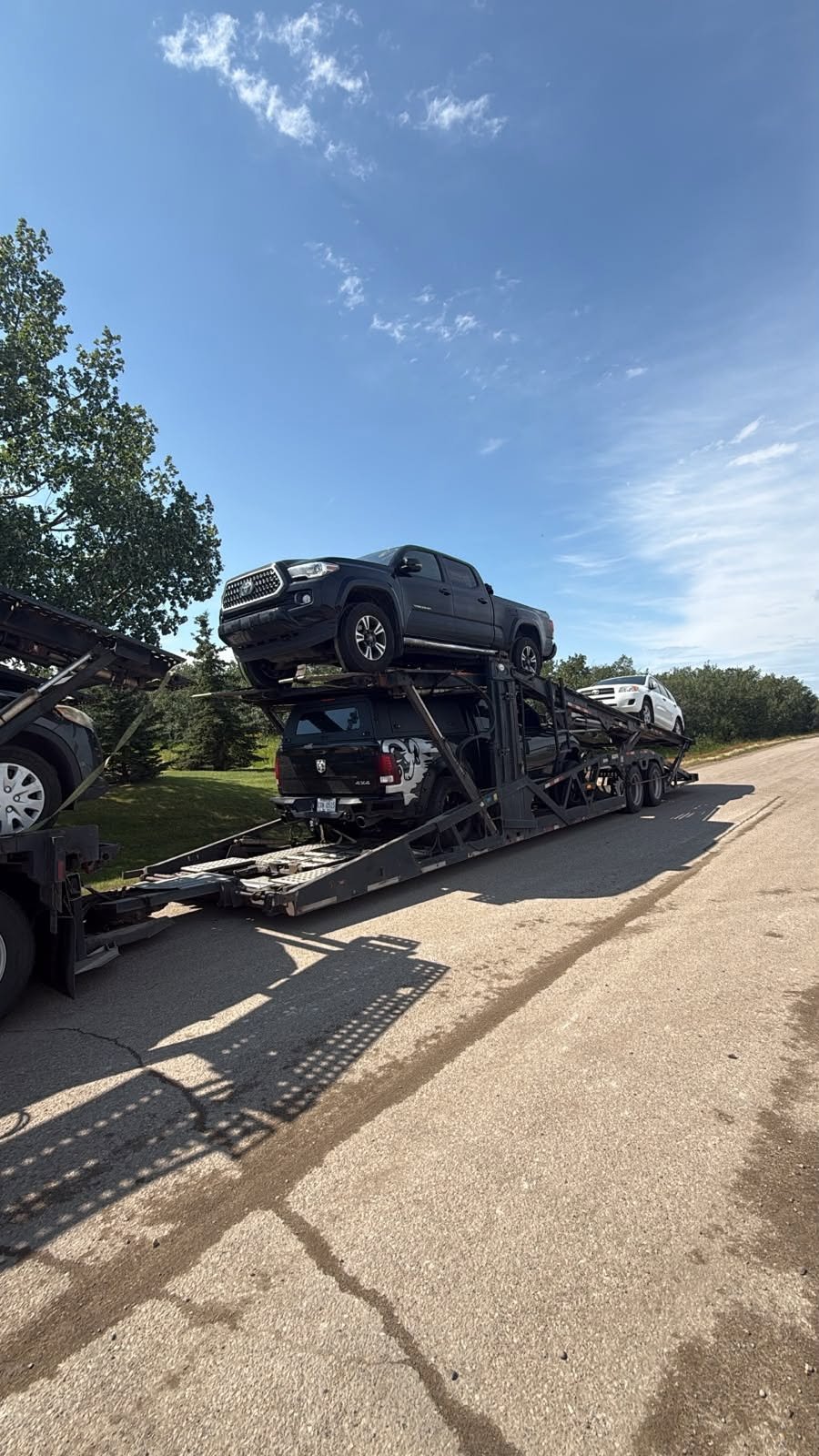
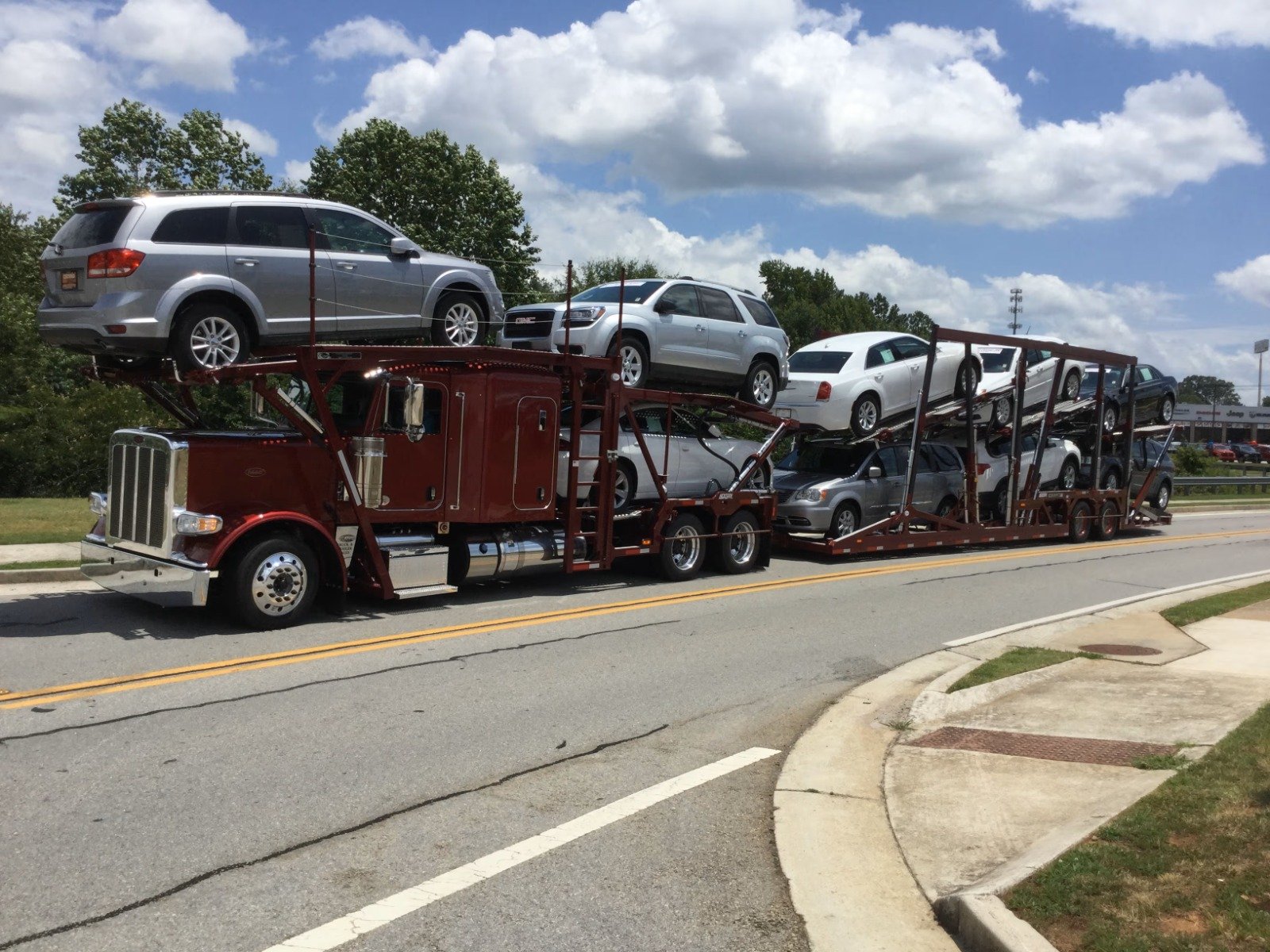
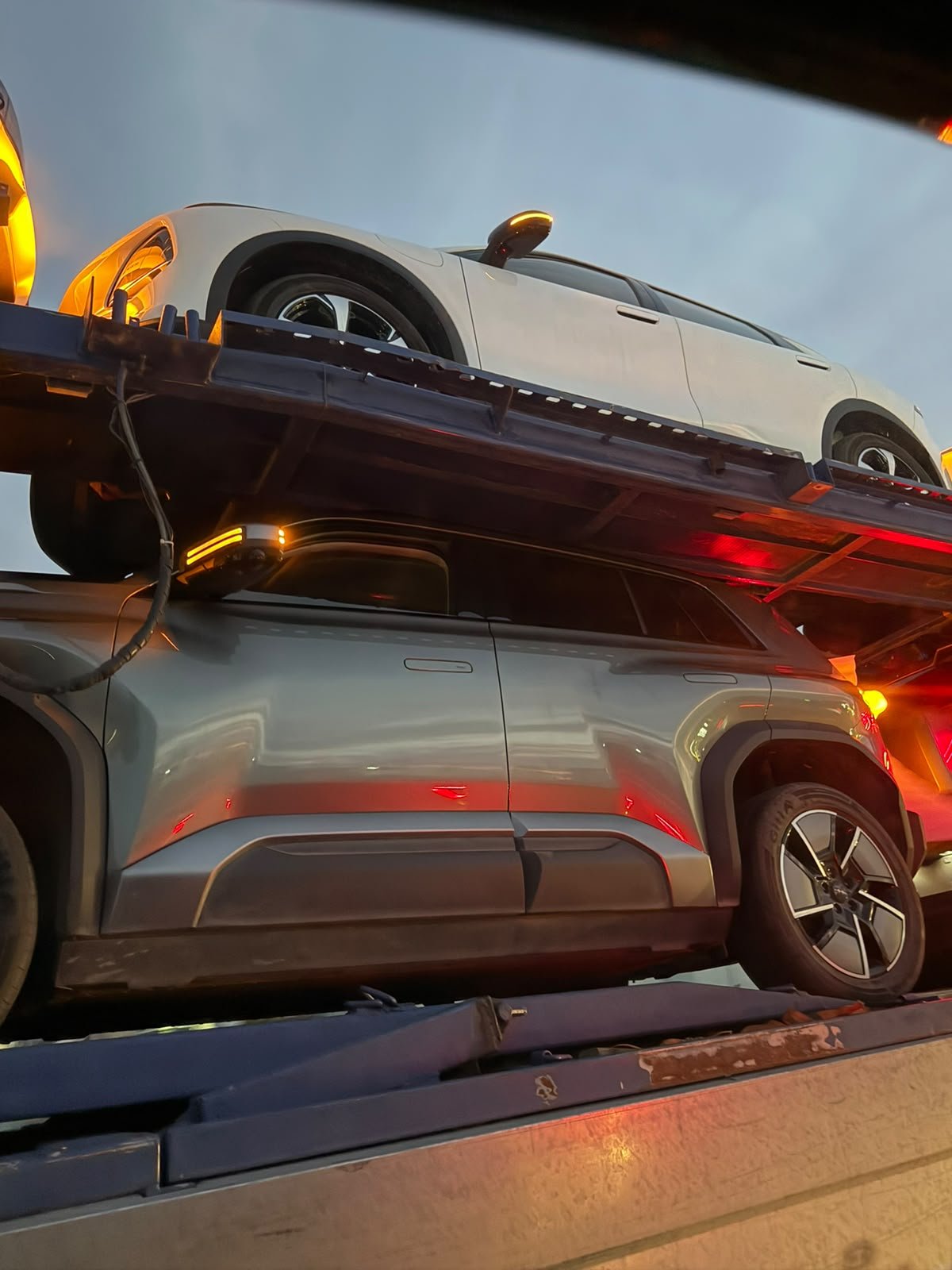
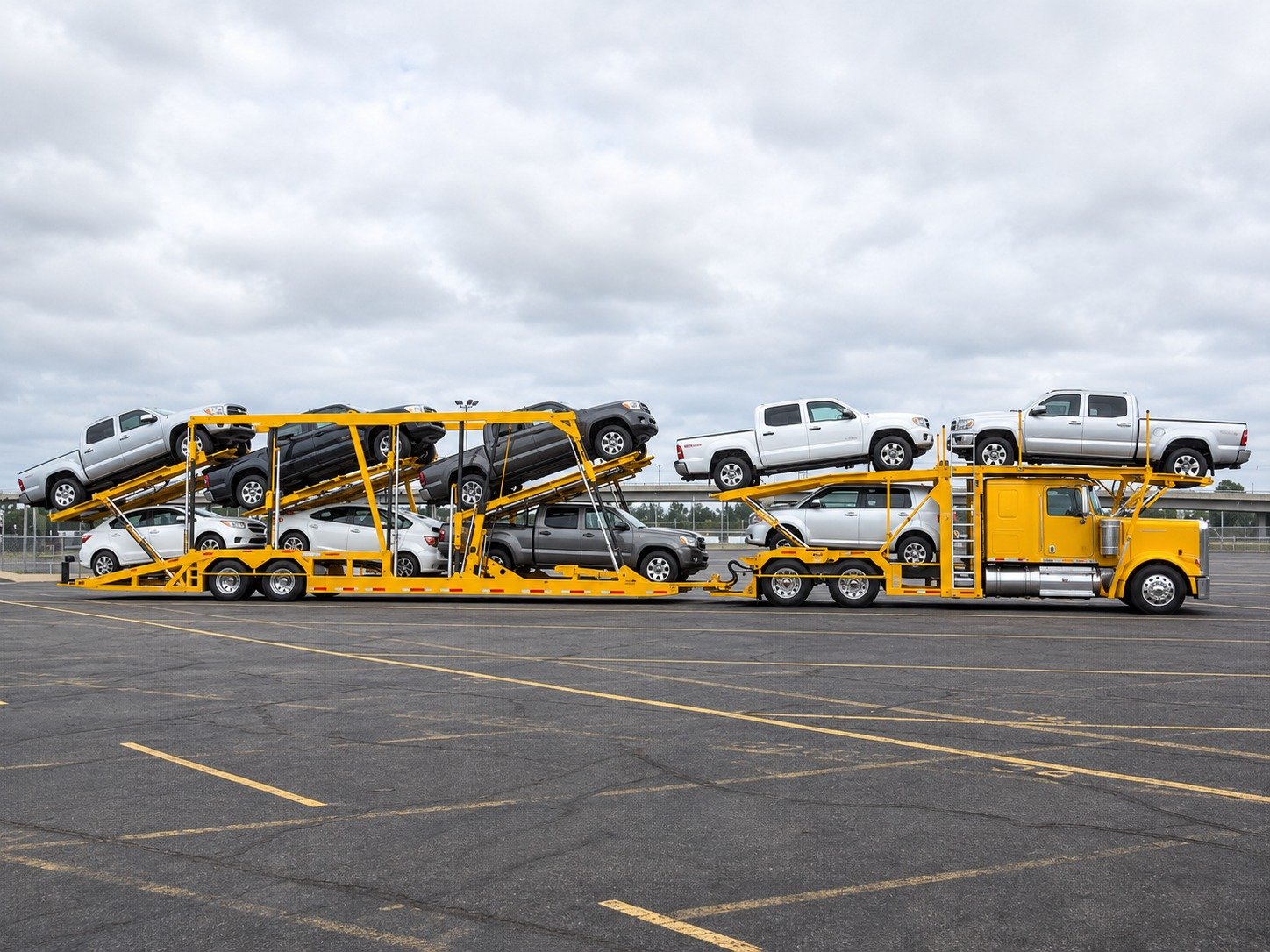
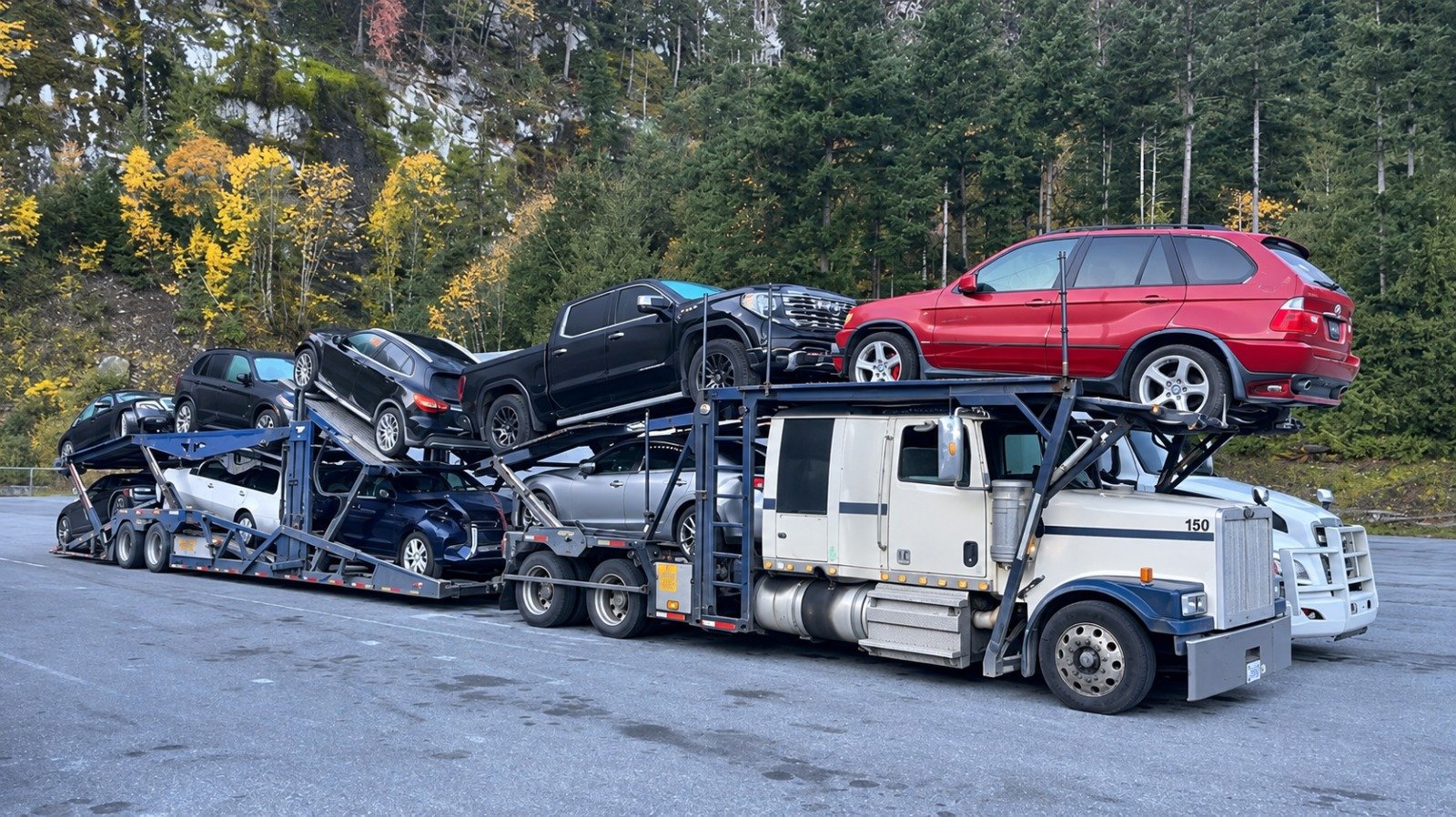
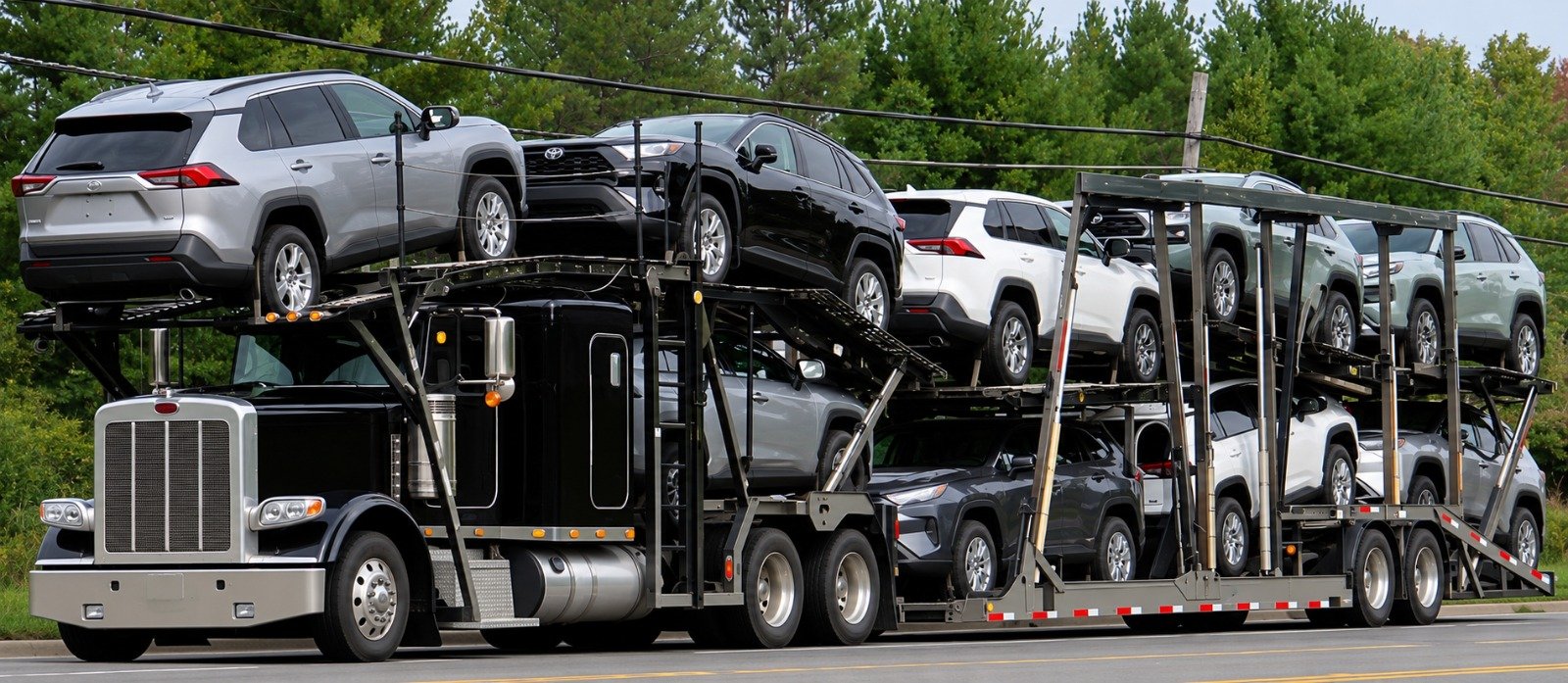
The most common and cost-effective method is open car transport. If you have ever driven on a Canadian highway and seen a massive double-decker trailer loaded with cars, you have witnessed open transport. Because these trailers can carry up to ten vehicles simultaneously, the cost is shared among multiple customers, making it highly affordable. While the vehicle is exposed to the weather and road debris—much like it would be if you were driving it yourself—it remains the industry standard for dealerships, daily drivers, and standard sedans.
Enclosed Vehicle Transport
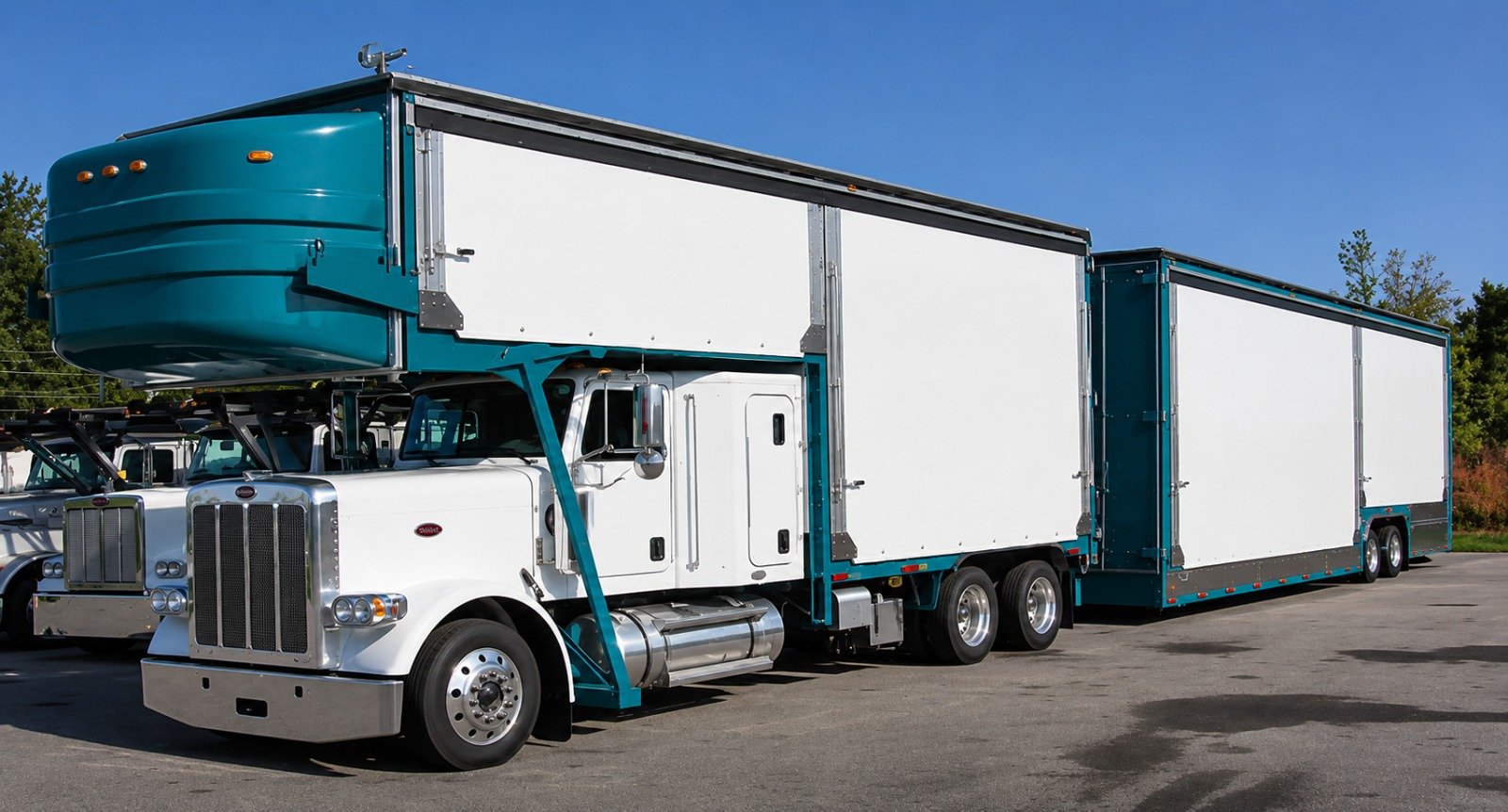
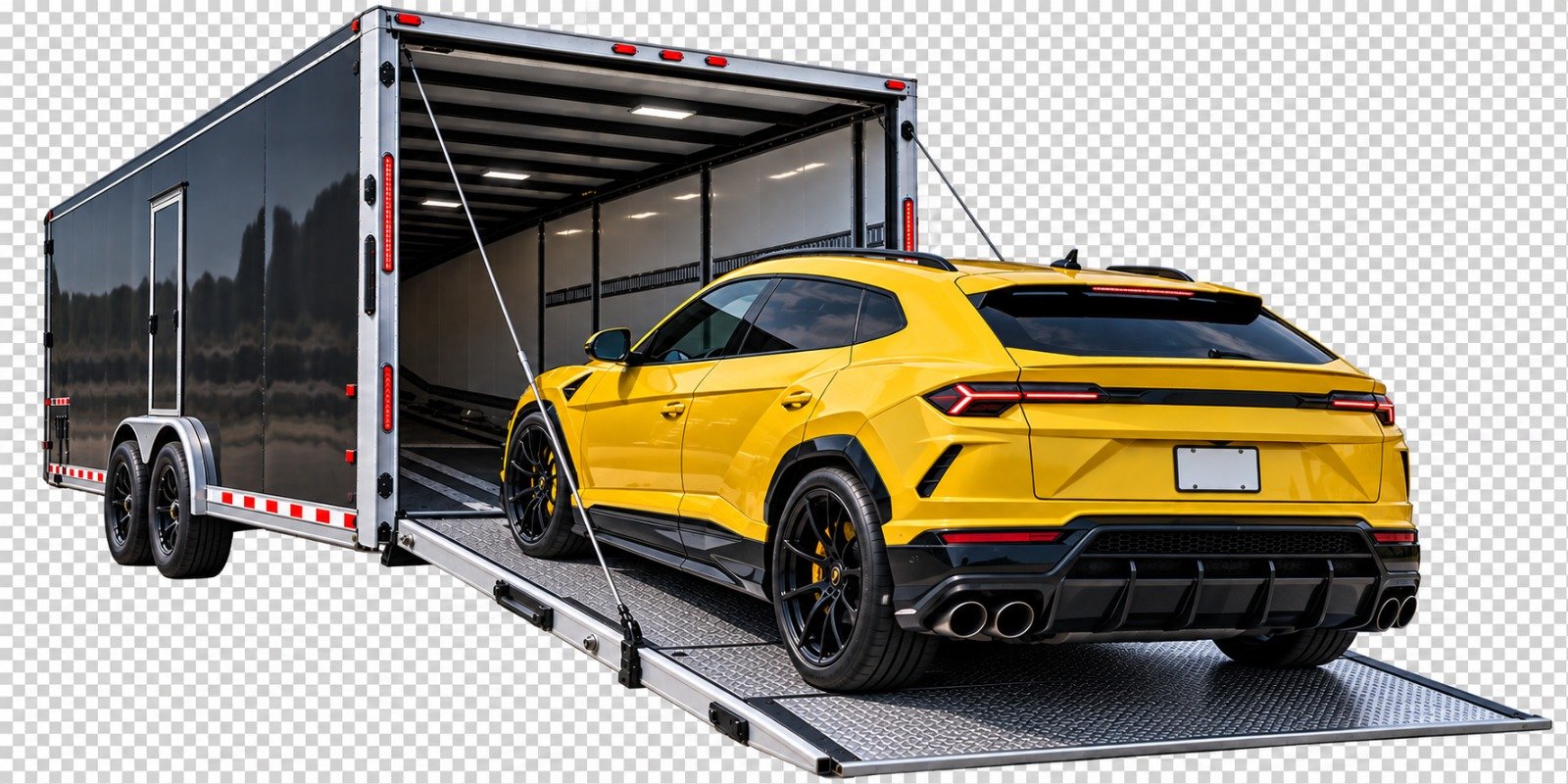
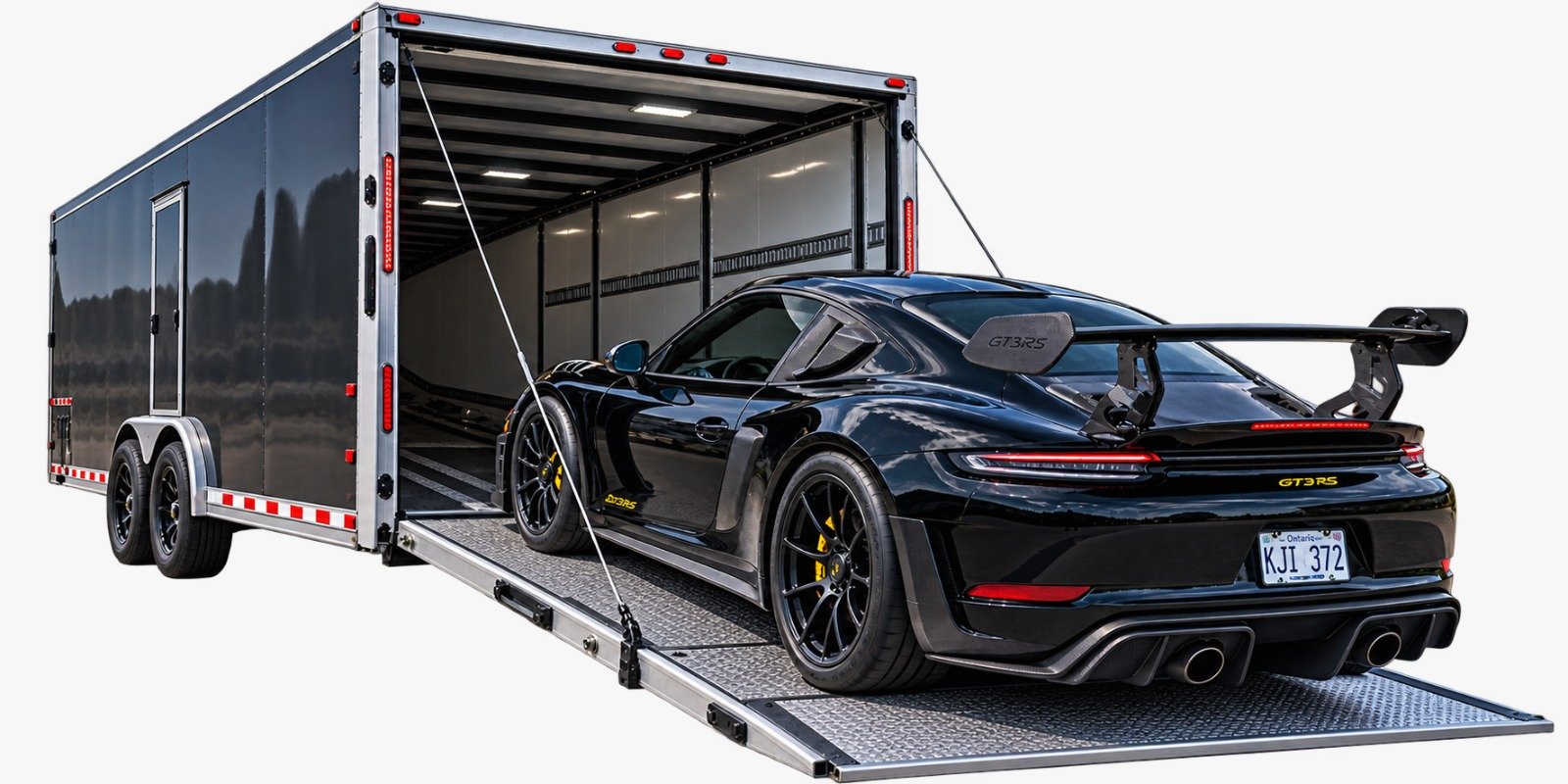
If you are shipping a high-value, exotic, vintage, or classic car, enclosed vehicle transport is the premier choice. These specialized trailers have solid walls and a roof, completely protecting your vehicle from rain, snow, road salt, and debris. Enclosed carriers also utilize advanced hydraulic lift gates, ensuring that low-clearance sports cars can be loaded without scraping the undercarriage. While this premium service costs more than open transport, the absolute protection it offers is invaluable for luxury vehicle owners.
Rail Transport
For cross-country vehicle transportation—such as moving a vehicle from Vancouver to Toronto or Halifax—rail transport offers a unique alternative. Trains are highly efficient over immense distances and are less susceptible to highway weather delays. While rail transportation is eco-friendly and reliable, it almost exclusively operates on a terminal-to-terminal basis, meaning you will need to arrange for vehicle pickup and delivery at the rail yards at both ends of the journey.
What to Know Before Shipping a Car in Canada
Proper vehicle transport preparation is essential for a smooth experience. Canada car shipping companies require vehicles to meet specific safety and logistical standards before they can be loaded onto a transport truck. Failing to prepare your vehicle can lead to delays or additional fees.
Wash your car before pickup. A clean exterior is mandatory for an accurate vehicle inspection report. If your car is covered in mud or snow, the driver cannot properly document the pre-existing condition, which could complicate any potential insurance claims later.
- Remove personal belongings: Transport Canada strictly regulates weight limits for commercial auto transport carriers. Furthermore, personal items left inside the vehicle are generally not covered by the carrier's cargo insurance.
- Check your fluids and battery: Ensure your battery is fully charged and securely mounted. Check for any fluid leaks, as a leaking vehicle can damage cars parked below it on a multi-level carrier. In the winter, ensure your antifreeze levels are appropriate for freezing Canadian temperatures.
- Leave a quarter tank of gas: Your vehicle needs enough fuel to be driven onto and off the trailer, but a full tank adds unnecessary weight and poses a slight safety risk. A quarter tank is the industry standard.
- Understand the Insurance: By law, legitimate carriers must carry cargo insurance. However, it is highly recommended to speak with the Insurance Bureau of Canada or your personal auto insurance provider to understand how your own policy overlaps with the carrier's liability coverage during transit.
How Much Does it Cost to Ship a Car in Canada?
When researching how to ship a car across Canada, the first question is usually regarding price. There is no single flat rate for vehicle shipping; instead, the cost is calculated based on a variety of dynamic factors.
To get an accurate figure, you should always request personalized car shipping quotes. Prices fluctuate based on the total distance, the specific route (shipping between major hubs like Vancouver and Toronto is often cheaper per kilometer than shipping to remote northern towns), and the dimensions of your vehicle. A heavy-duty pickup truck takes up more space and weight than a compact sedan, thereby increasing the price.
| Transport Method | Cost Profile | Best Suited For | Protection Level |
|---|---|---|---|
| Open Transport | Most Affordable ($) | Standard daily drivers, SUVs, dealership fleets | Exposed to weather & road elements |
| Enclosed Transport | Premium ($$$) | Luxury, exotic, classic, and high-value cars | 100% protected from elements |
| Rail Transport | Moderate ($$) | Long-distance, cross-country moves | Secure inside train cars, but terminal-dependent |
Additionally, seasonality plays a major role. Winter weather conditions, regulated by provincial bodies and Transport Canada, often slow down transit times and can slightly increase seasonal pricing due to high demand and difficult driving conditions.
How Long Does Car Shipping Take in Canada?
Patience is required when coordinating cross-country vehicle transportation. Unlike parcel delivery, moving heavy freight across one of the largest countries in the world takes time. A carrier cannot simply drive non-stop; drivers are strictly bound by federal hours-of-service regulations to prevent fatigue.
As a general guideline, shipping a vehicle locally within the same province might take 1 to 3 days. Regional shipping (e.g., Alberta to British Columbia) typically takes 3 to 7 days. However, shipping a car coast-to-coast (e.g., British Columbia to Nova Scotia) can take anywhere from 10 to 21 days depending on weather, the route, and terminal consolidation times. Before booking, check current road and weather conditions via the Government of Canada Weather portal to set realistic expectations for your delivery window.
What to Look for When Choosing a Car Shipping Company
The auto transport industry contains everything from reputable logistics firms to unreliable brokers. To ensure you are hiring professional car shipping services, you must do your due diligence.
First, verify their reputation. Look for companies with a proven track record in the Canadian market. A trustworthy company will be transparent about whether they are a direct carrier or a broker coordinating with a network of vetted drivers. They should provide clear, written car shipping quotes without hidden fees. Furthermore, a professional company will gladly share their insurance certificate and walk you through their claims process.
At Optixtrace Car Shipping, we pride ourselves on transparent communication, exceptional customer service, and utilizing a professional network of transport solutions designed specifically for the unique demands of Canadian geography.

Frequently Asked Questions
Generally, no. Most auto transport carriers are not licensed to carry household goods, and their cargo insurance only covers the vehicle itself. A few carriers may allow up to 100 lbs of soft goods in the trunk, but this must be explicitly approved in writing beforehand. It is always safer to ship your vehicle completely empty.
Yes, shipping a non-running vehicle is entirely possible. However, you must inform the shipping company upfront. Non-running vehicles require specialized equipment, such as a winch, to load and unload the car safely. Because of the extra labor and equipment required, this service usually incurs an additional fee.
It is highly recommended to book your transportation at least 2 to 4 weeks in advance. During peak moving seasons (spring and summer) or before the winter "snowbird" migration, availability drops rapidly. Booking early ensures you secure a spot on a carrier that fits your preferred timeline.
Yes. Reputable vehicle shipping Canada companies provide cargo insurance that covers your vehicle from the moment it is loaded until it is signed off at delivery. The mandatory vehicle inspection report completed at pickup serves as the baseline for this coverage. Always ask for a copy of the carrier’s insurance policy for your records.
Conclusion
Navigating the logistics of car shipping Canada doesn't have to be stressful. By understanding the differences between open, enclosed, and rail transport, properly preparing your vehicle, and partnering with a reputable logistics provider, you can ensure a seamless relocation for your car. Whether you are moving a standard sedan across the province or an exotic sports car across the country, prioritizing clear communication and professional expertise is the ultimate key to a successful transport experience.