Relocating to a new province, purchasing a vehicle from out of town, or sending a car to a family member often leaves Canadians facing a major logistical decision. When coordinating a cross-country move, one of the most common questions people ask is whether to drive or ship your car across Canada. It may initially seem like taking a classic Canadian road trip is the obvious and cheapest choice, but digging into the hidden logistics often reveals a different reality.
In this comprehensive guide, we break down the real costs of driving versus shipping a car, how long each option takes, and the hidden factors like vehicle depreciation and road safety that you need to consider before getting behind the wheel. Whether you're moving from Toronto to Vancouver or navigating the maritime provinces, this breakdown will help you determine the most efficient and cost-effective way to transport your vehicle.
The Hidden Costs of Driving Across Canada
When comparing driving vs shipping a car, many people simply pull up a map, calculate the distance, and multiply it by the current cost of fuel. Unfortunately, this heavily underestimates the actual cost of a long-distance road trip. Driving across Canada costs significantly more when you factor in the essential travel expenses required to sustain you on the road.
Fuel Expenses
The distance between major hubs, such as Toronto and Vancouver, is roughly 4,400 kilometres. Depending on the fuel efficiency of your vehicle and fluctuating gas prices across different provinces, fuel alone can easily cost between $500 and $900.
Accommodations and Meals
Driving 4,400 kilometres safely requires approximately 45 to 50 hours of actual driving time. Spaced out safely, this translates to 5 to 7 days on the road. You will need to budget for hotels, motels, or Airbnbs. At an average of $150 per night for a modest hotel, that adds $750 to your trip. When you factor in three meals a day, snacks, and coffee, expect to spend another $50 to $80 per person, per day.
How Much Does it Cost to Ship a Car Across Canada?
When evaluating car shipping vs driving costs, getting a professional vehicle transportation quote provides a guaranteed, flat-rate expense. The exact cost of shipping a car in Canada varies based on several distinct factors, including:
- Distance and Location: Shipping between major metropolitan hubs (like Calgary to Montreal) is generally more affordable than shipping to remote, rural locations due to established trucking routes.
- Vehicle Size and Weight: Larger vehicles like pickup trucks and heavy SUVs take up more space and weight on a car carrier than standard sedans, leading to slightly higher transportation quotes.
- Seasonality: The demand for long-distance auto transport spikes during the spring and fall (the "snowbird" seasons) and during peak summer moving months.
- Type of Transport: Choosing between open transport (the industry standard) and enclosed transport will affect your final price.
In many cases, the total cost of professional auto transport is remarkably comparable to—or even cheaper than—the combined expenses of gas, hotels, food, and potential road emergencies.

Time, Convenience, and the Stress Factor
One of the most overlooked aspects of shipping a vehicle when moving is the value of your own time. Driving across the country requires taking at least a week off work. If your time is valuable, sacrificing 5 to 7 days of income or vacation time is a significant hidden cost.
Opting for a professional car transport service in Canada allows you to fly to your destination in a few hours. You can spend your time settling into your new home, managing your relocation, and avoiding the exhausting physical toll of staring at a highway for 50 hours.
Vehicle Depreciation and Mileage Wear
Every kilometre you drive reduces the resale value of your vehicle. Driving across Canada adds an immediate 4,000 to 5,000 kilometres to your odometer. This isn't just a number on a dashboard; it represents real wear and tear on your tires, brakes, engine, and transmission.
By shipping your car, the vehicle rests securely on a trailer. It accumulates zero mileage and avoids the grit, gravel, and potential road debris that can cause windshield chips or paint damage. If you are relocating a high-value or leased vehicle where mileage directly impacts your contract, long-distance car transportation is undoubtedly the smarter financial decision.
Navigating Weather and Road Safety
Canada is famous for its unpredictable and extreme weather. The Trans-Canada Highway presents unique challenges, from the steep, winding mountain passes of the Rockies in British Columbia and Alberta to the heavy snow squalls around the Great Lakes.
Driving these routes, particularly between October and April, can be dangerous for drivers unaccustomed to severe winter conditions. Professional truck drivers are highly trained, experienced in navigating Canadian winters, and operate heavy-duty machinery designed to handle adverse weather. By shipping your vehicle, you eliminate the personal risk of winter road trips. Always check Environment Canada before attempting a cross-country drive.
Types of Auto Transport Services
If you decide that shipping is the best way to move a car across Canada, you have several service options tailored to your specific vehicle and budget:
Open Carrier Transport
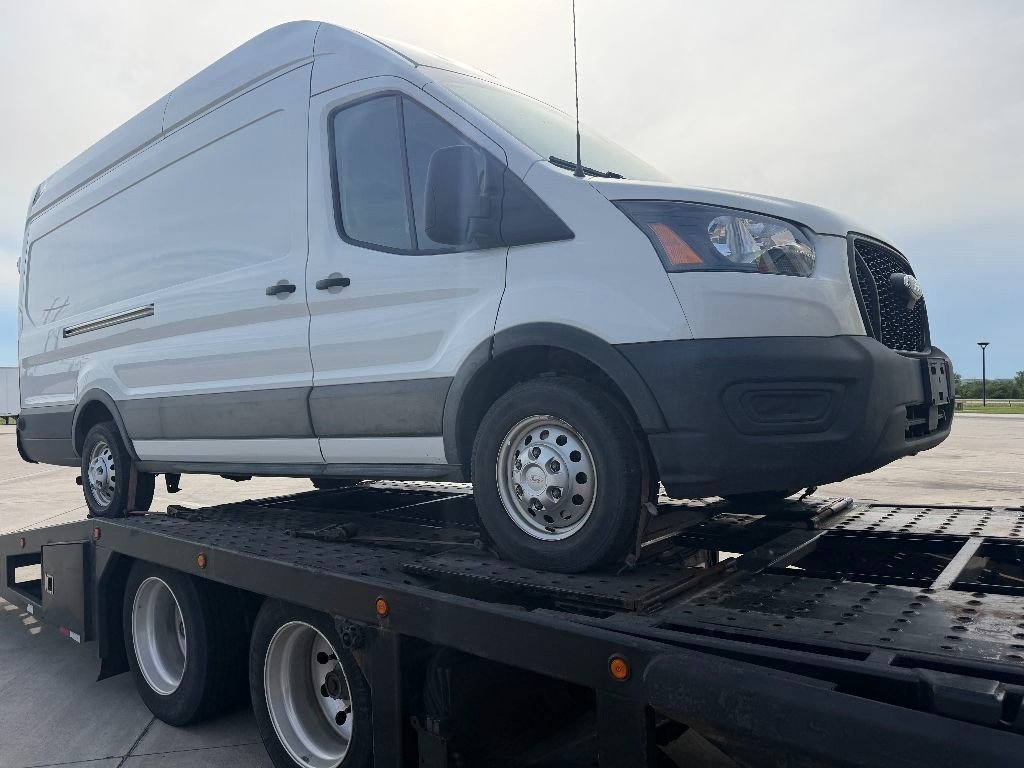
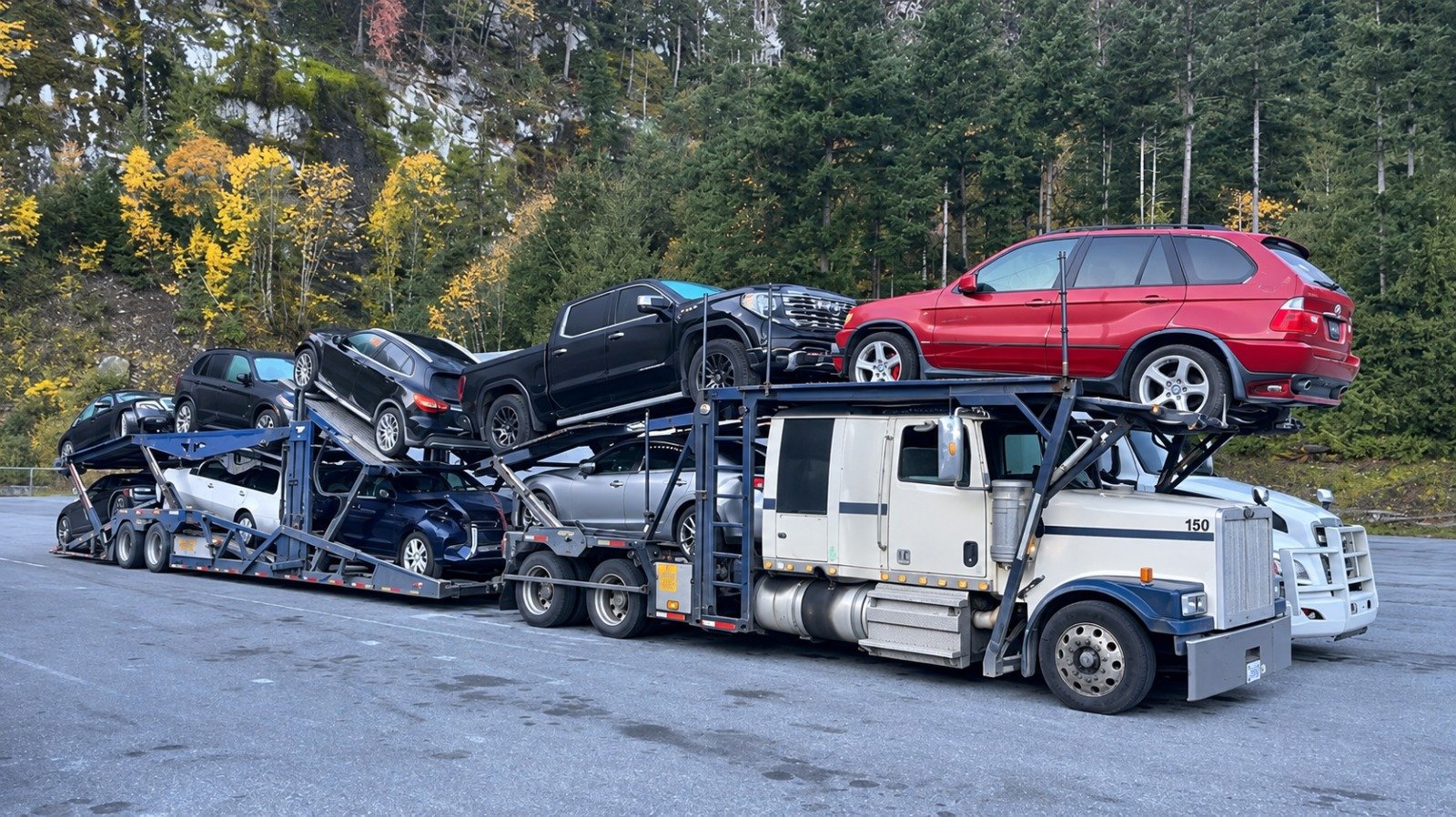
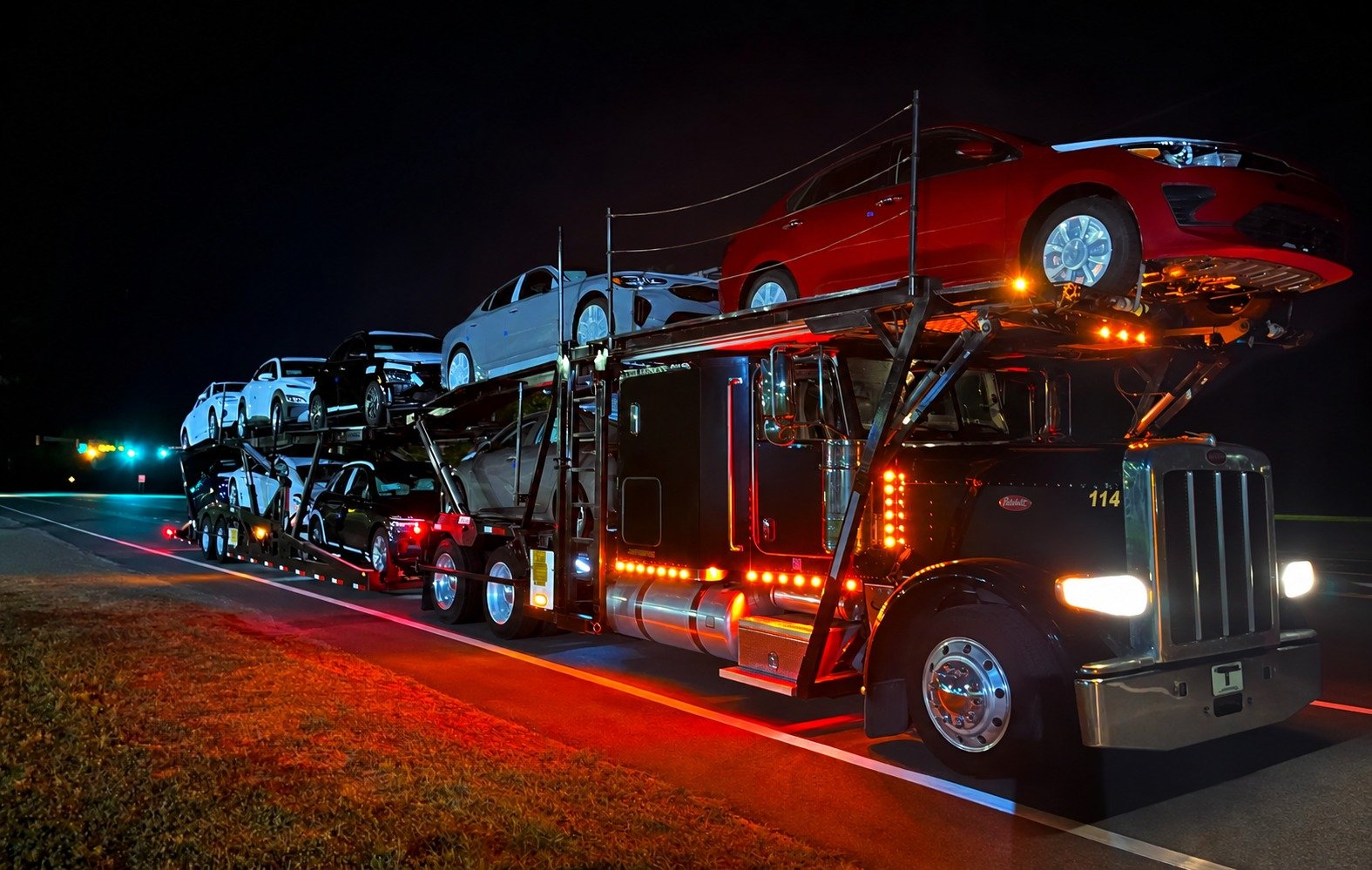
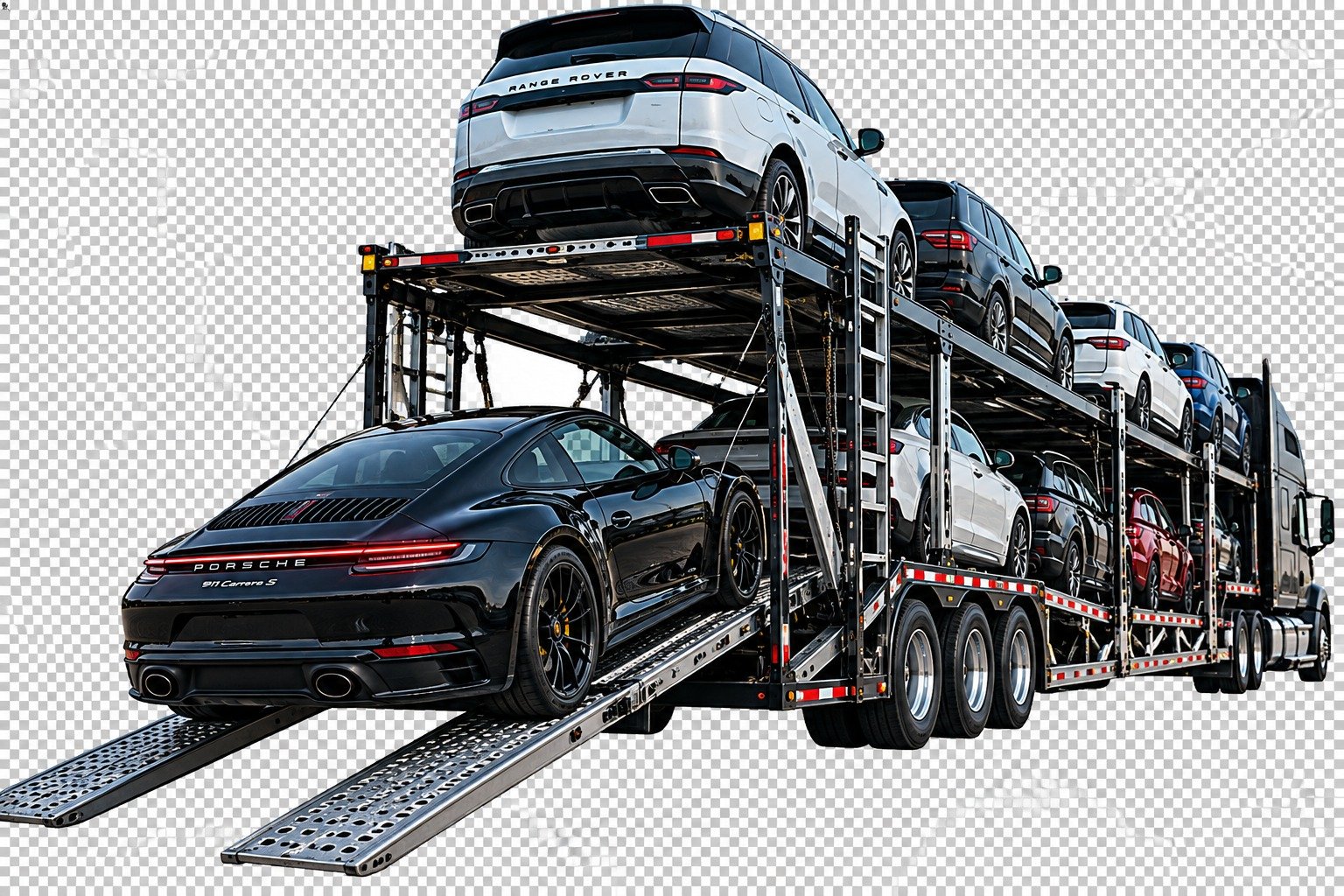
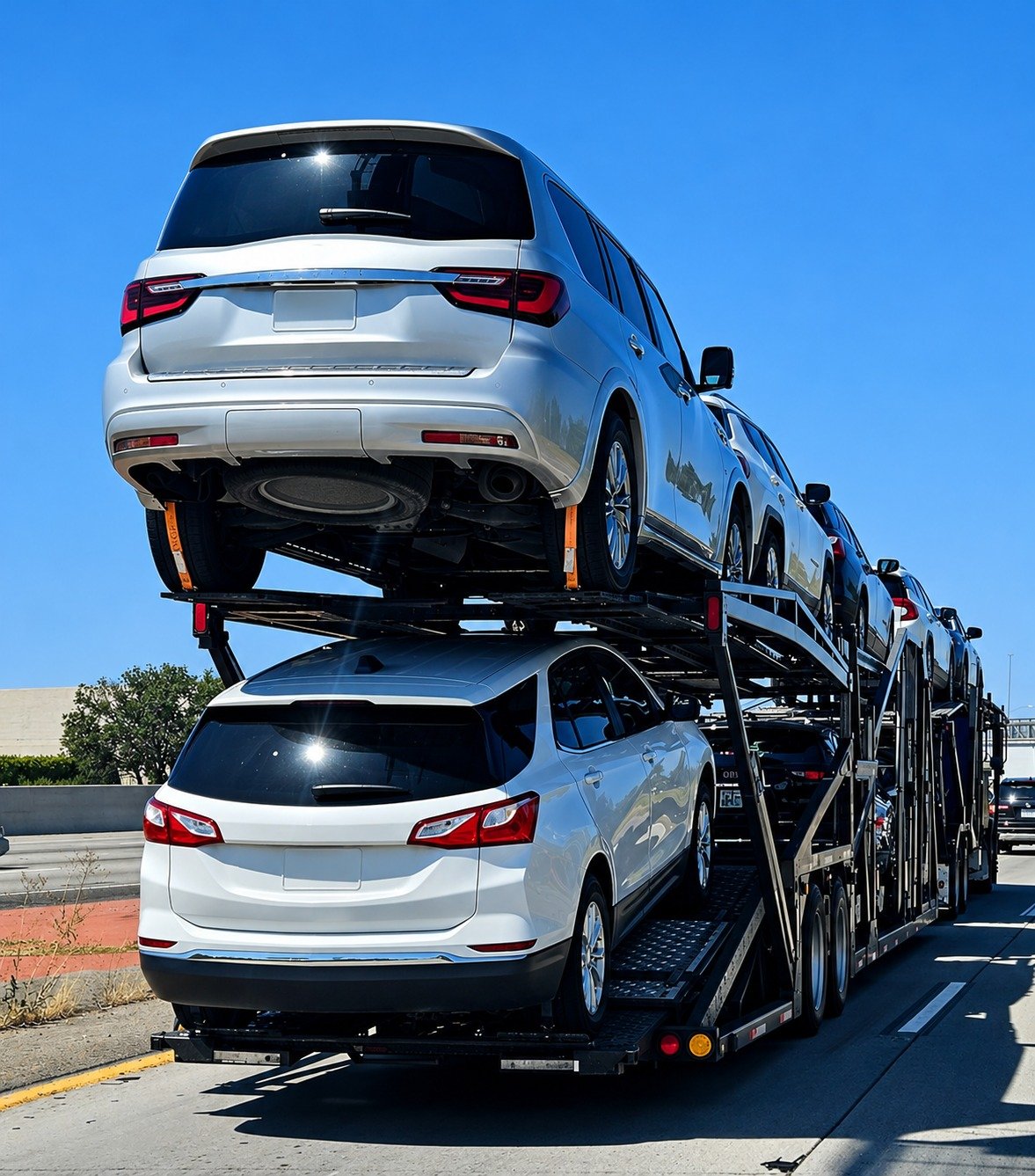
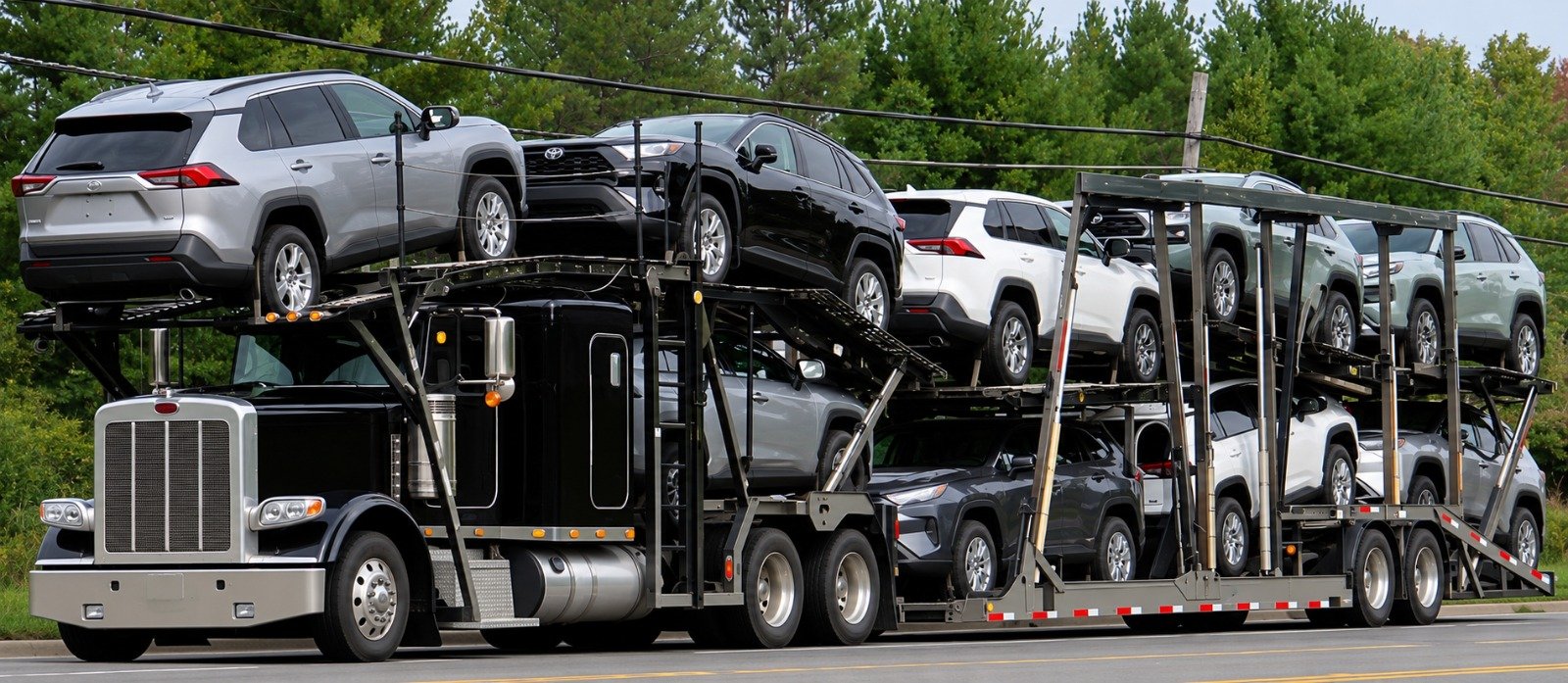
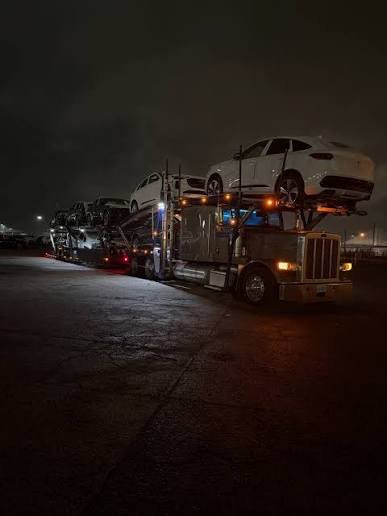
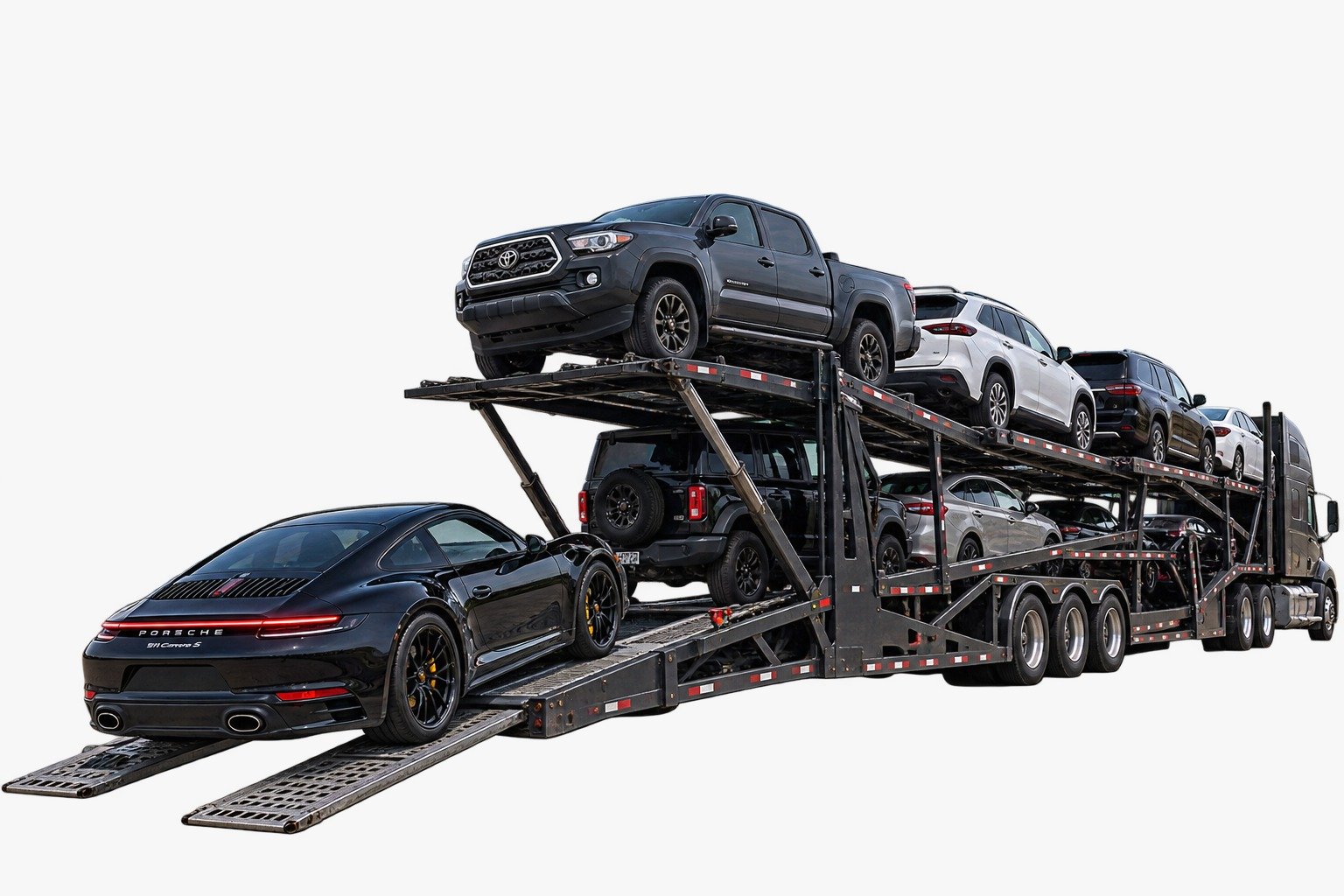
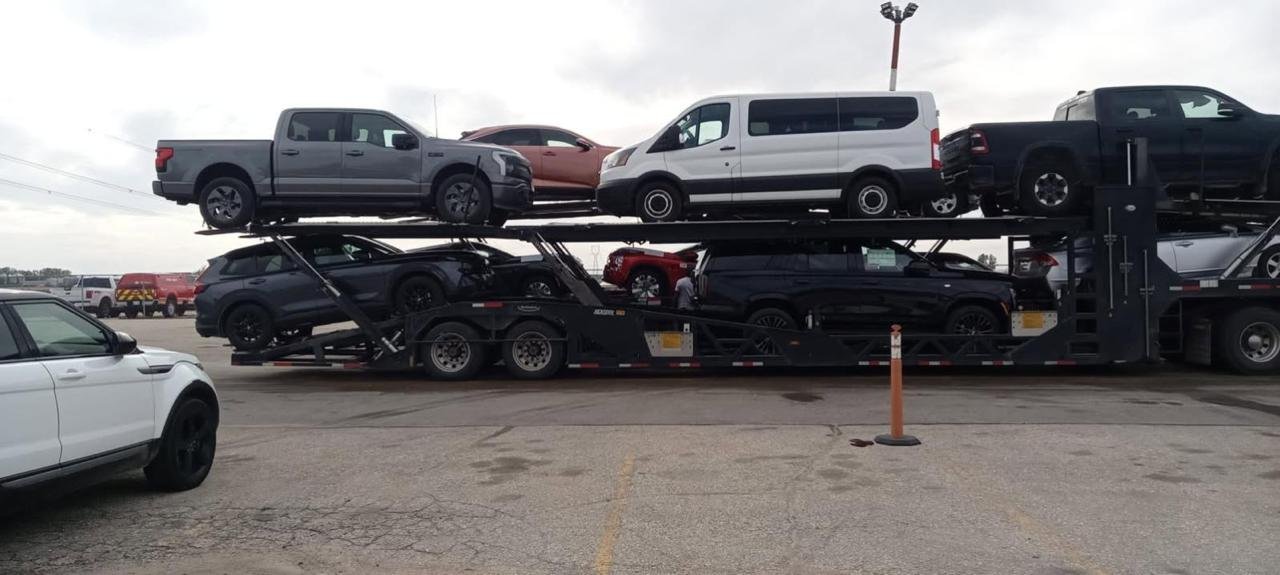
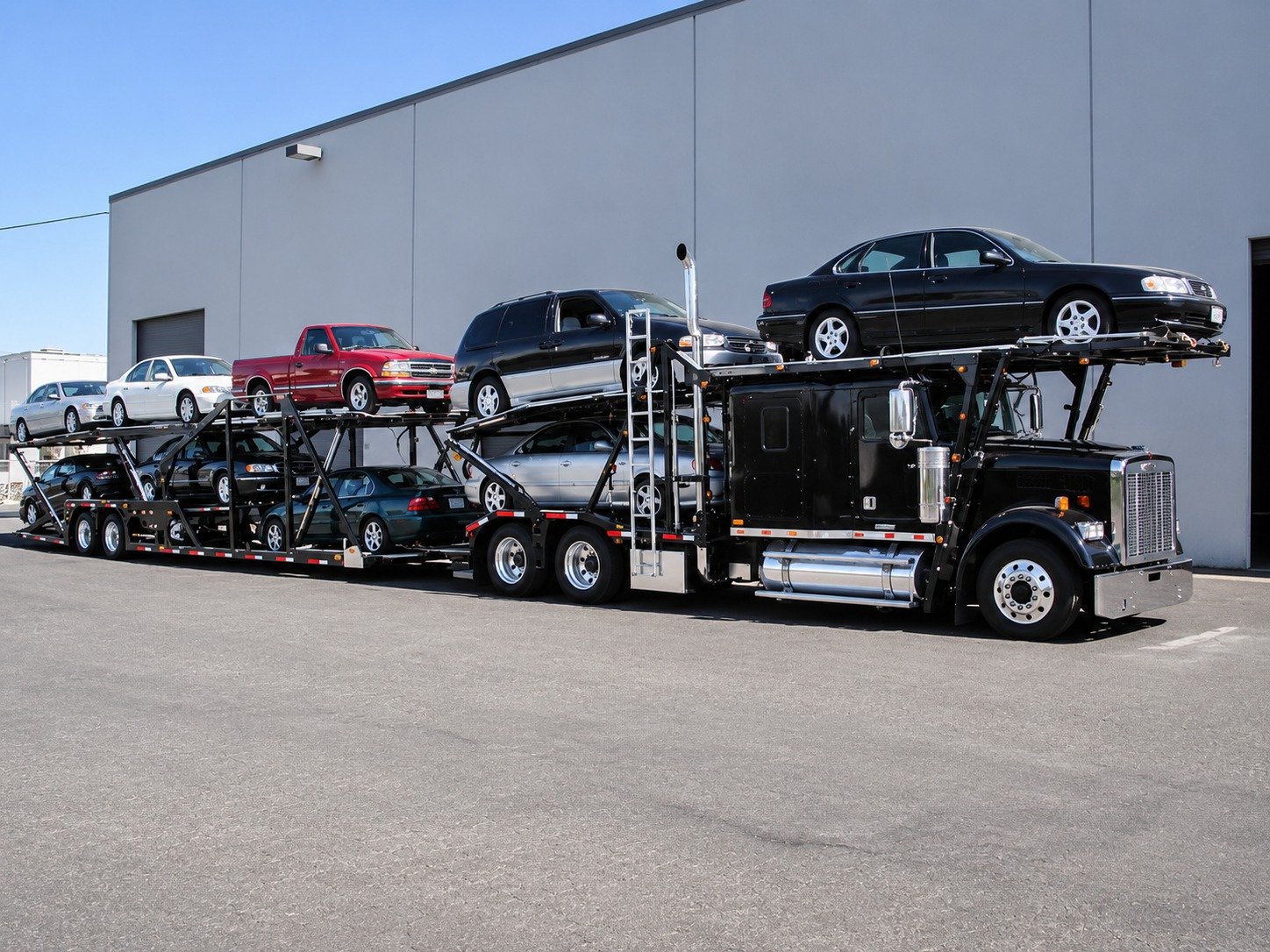
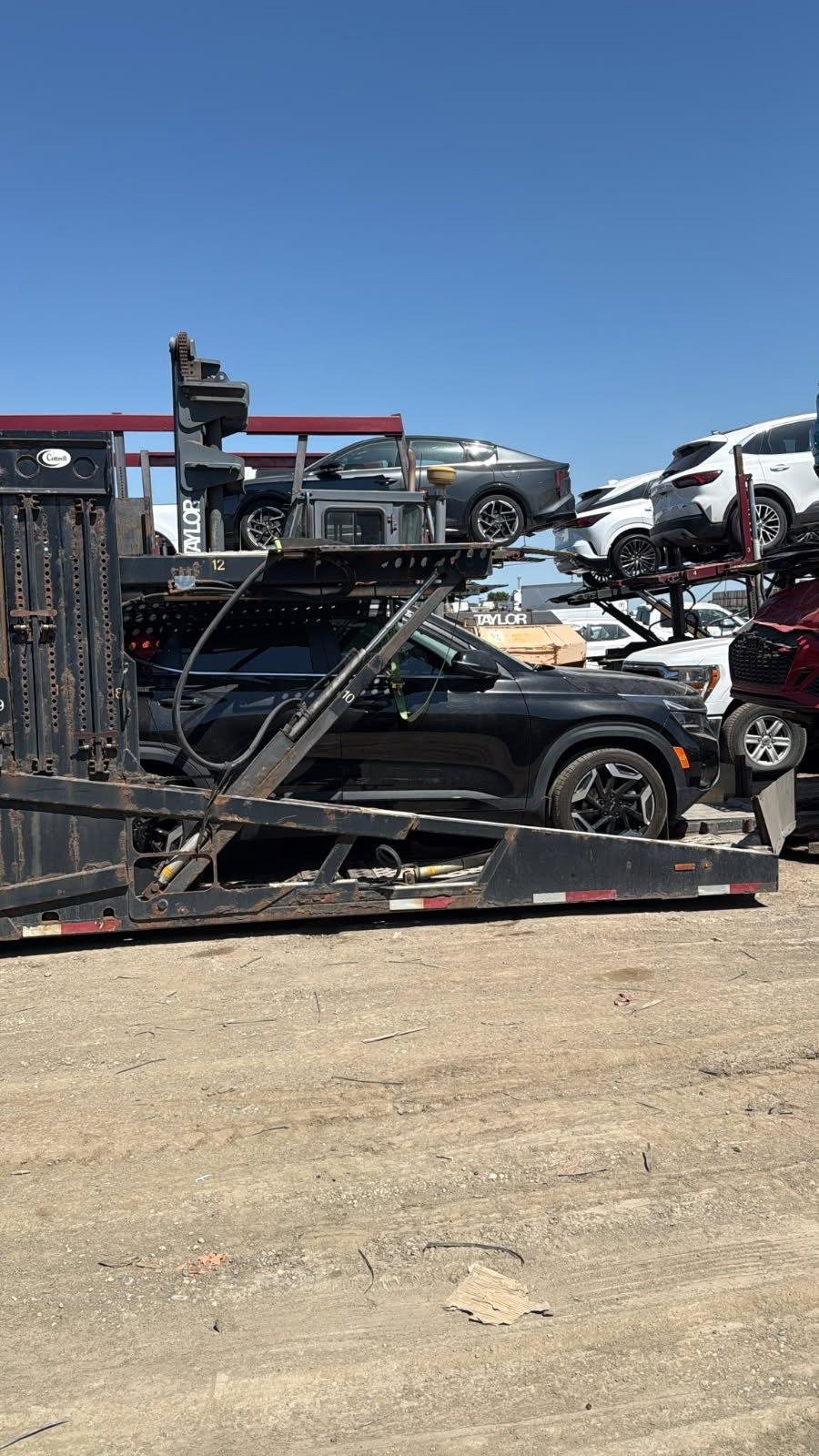
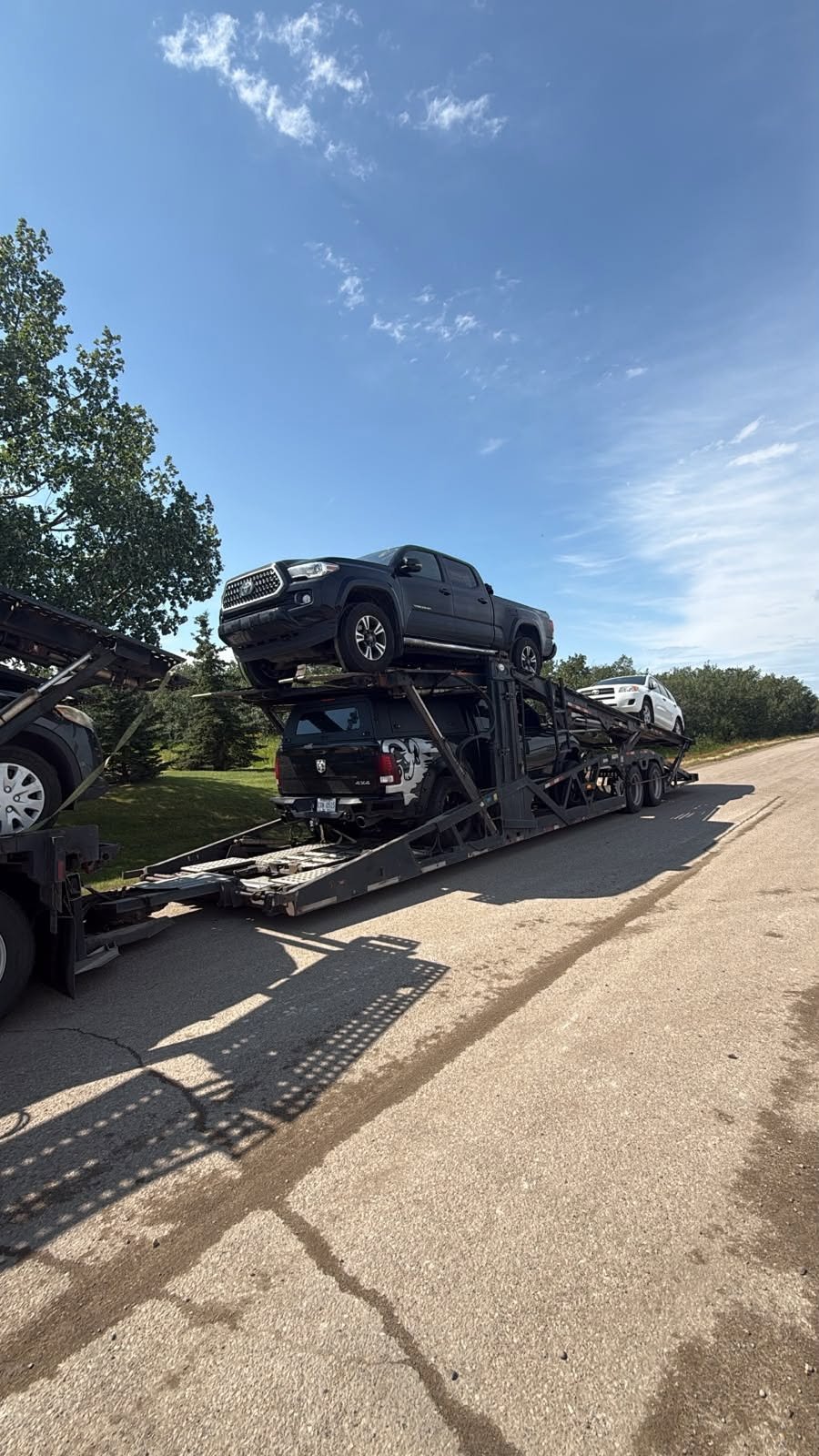
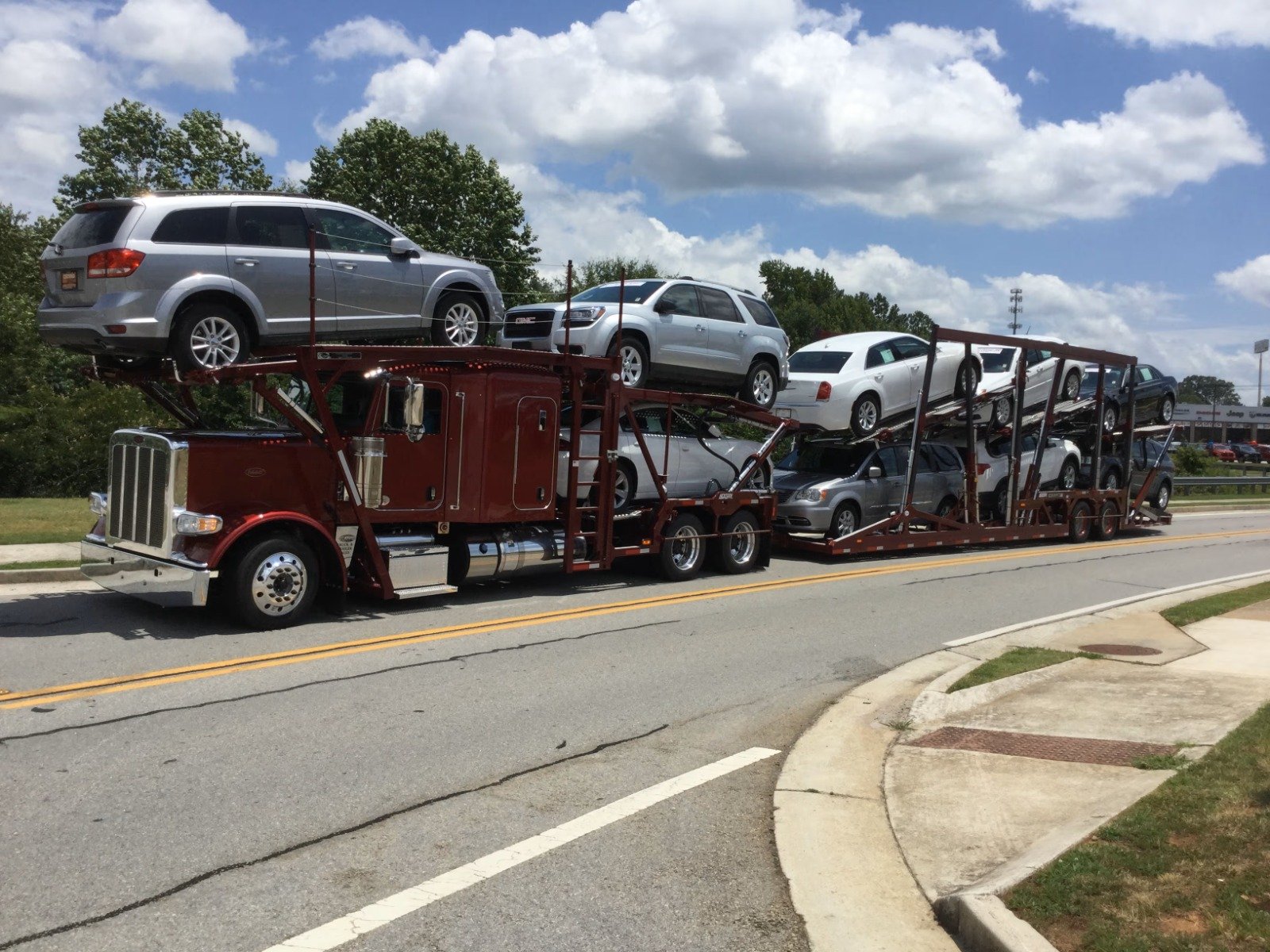
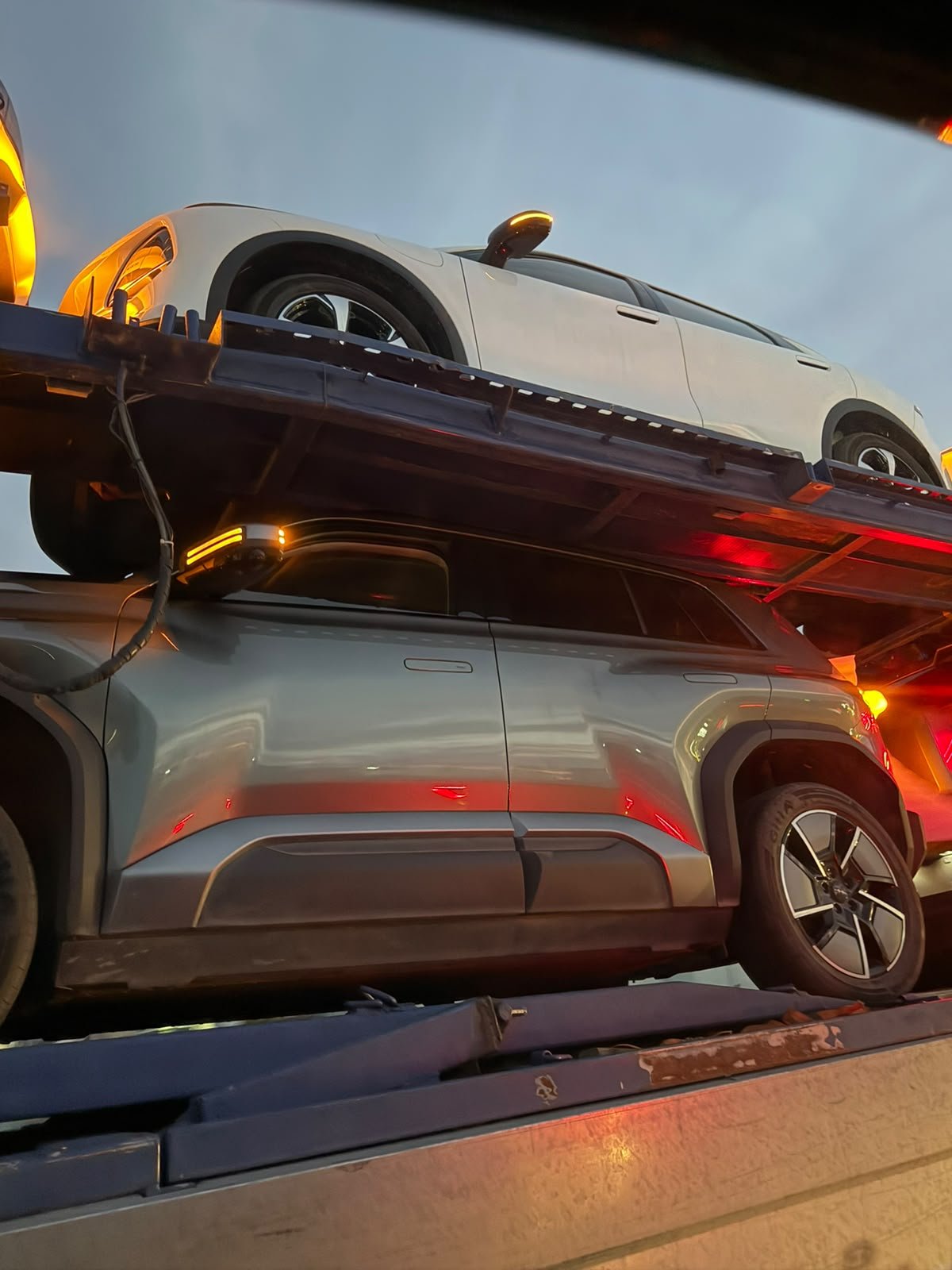
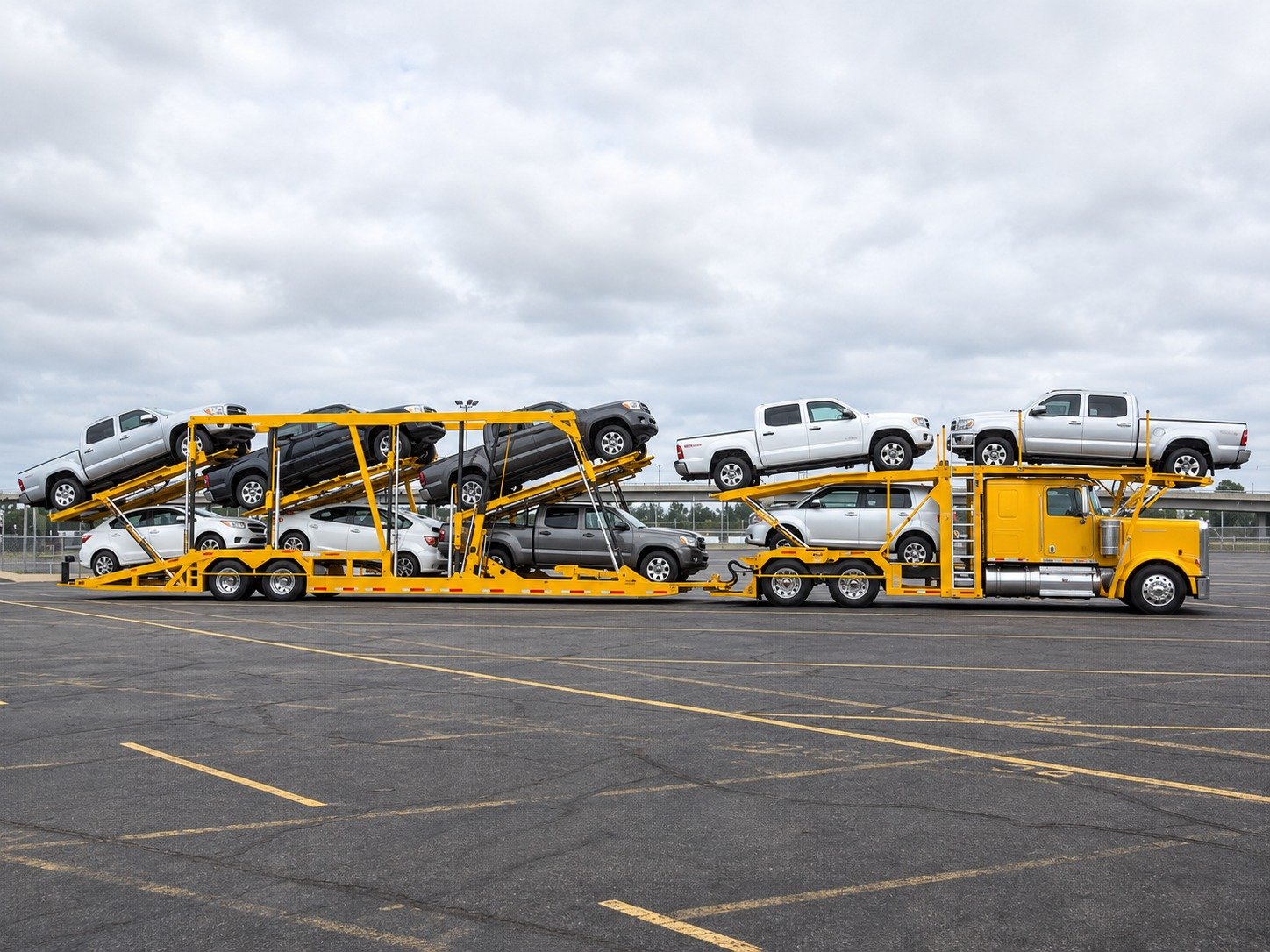
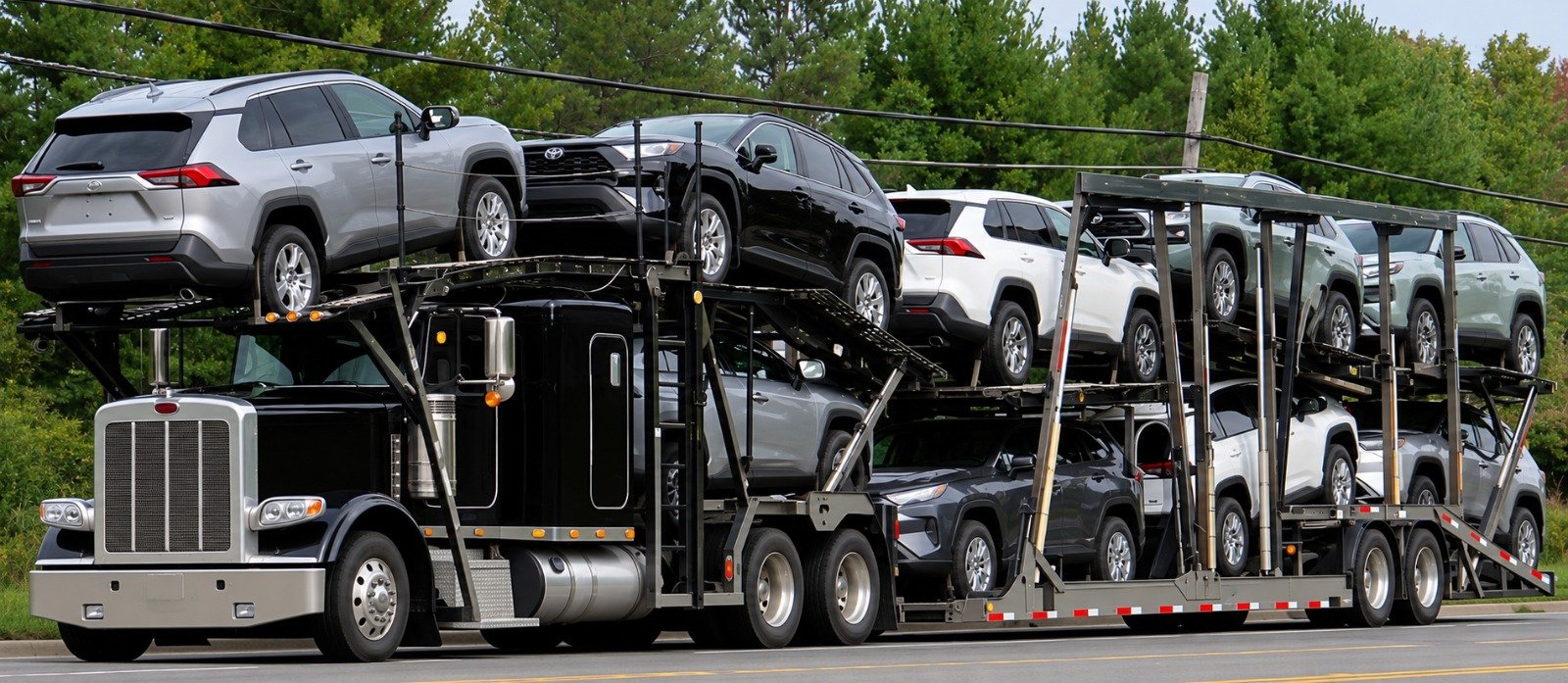
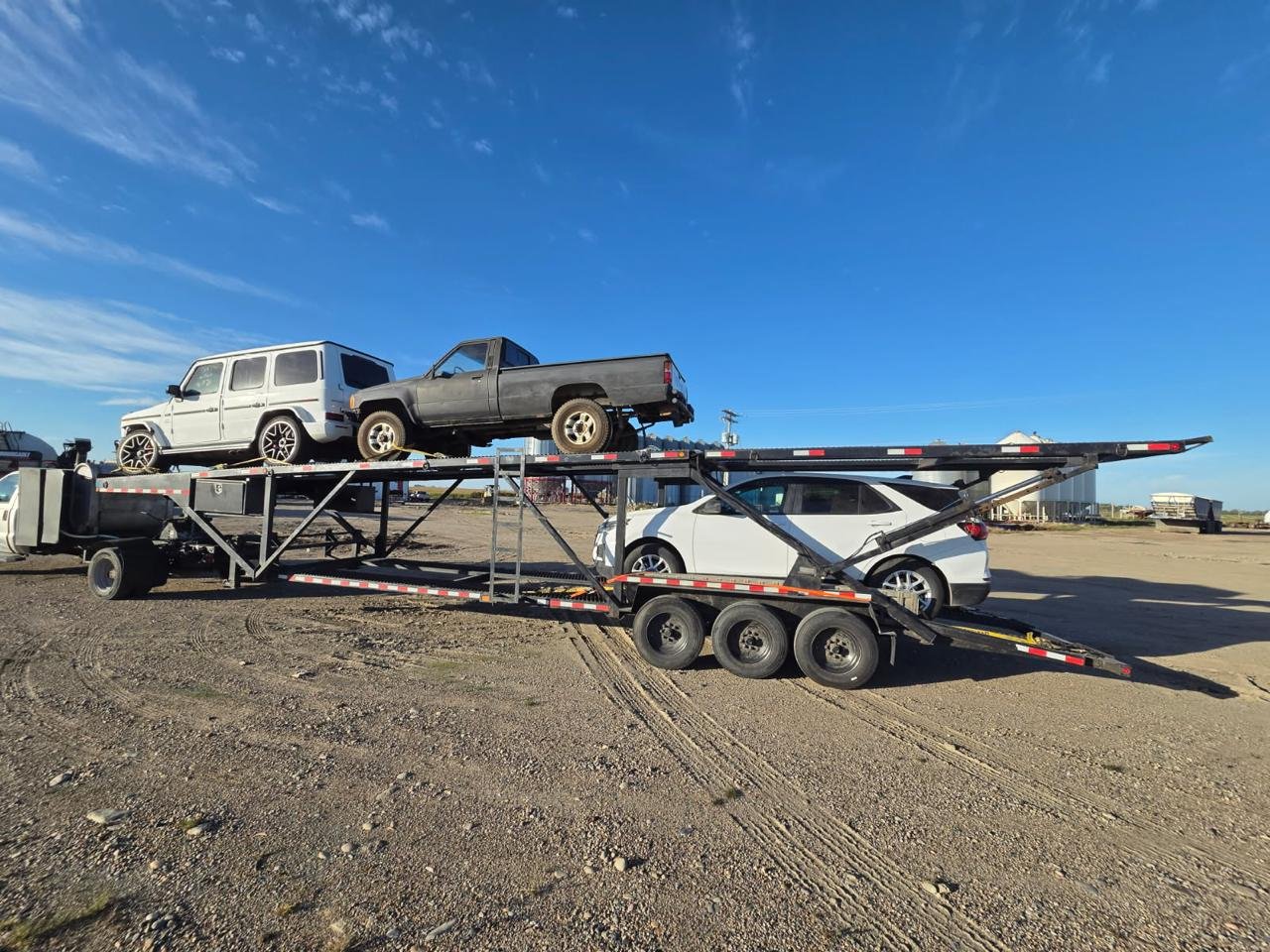
This is the most common and cost-effective method of long-distance auto transport. Your vehicle is securely loaded onto a multi-level trailer, similar to how new cars are delivered to dealerships. It exposes the vehicle to the weather, but it is highly efficient.
Enclosed Vehicle Shipping
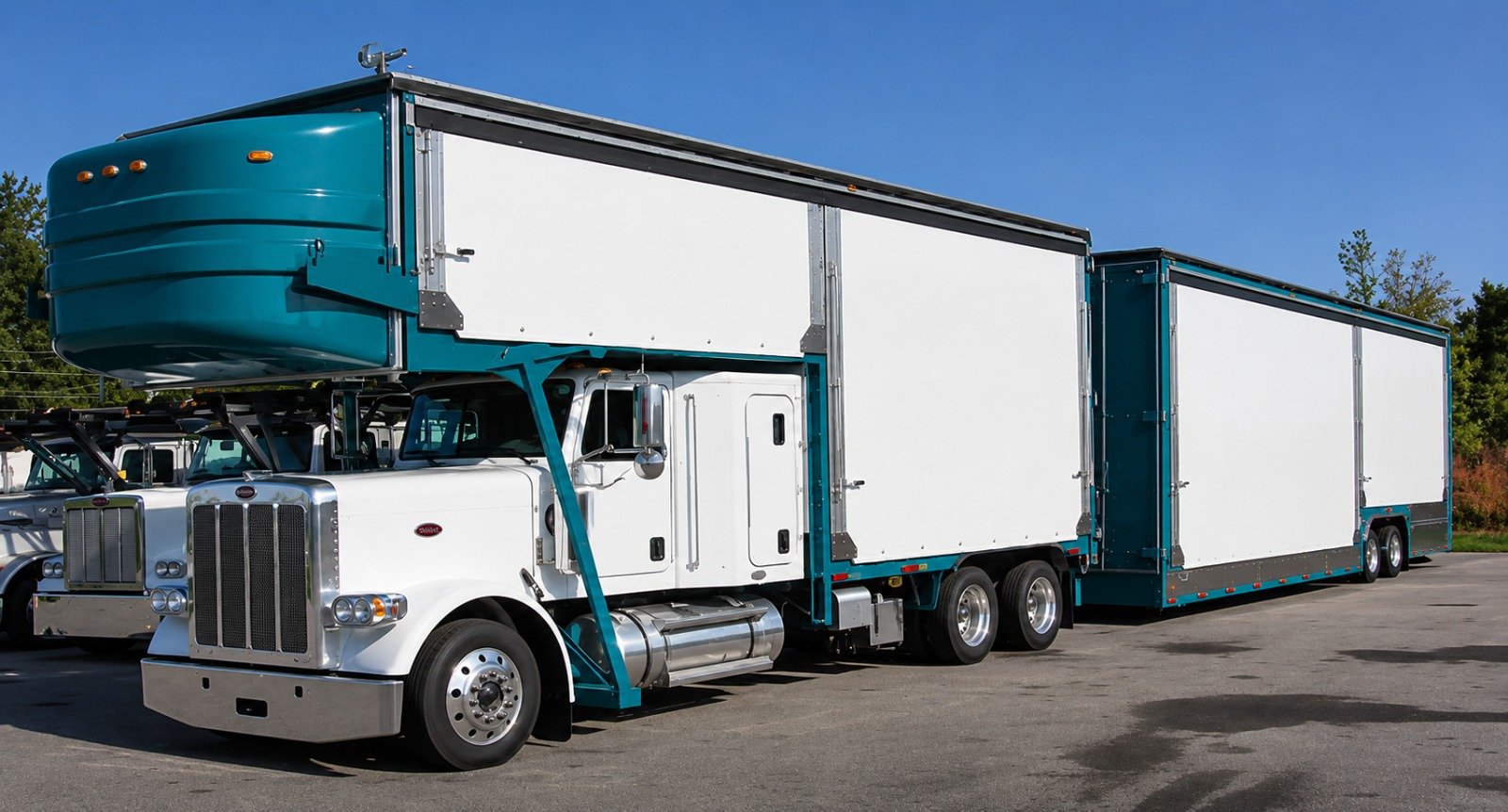
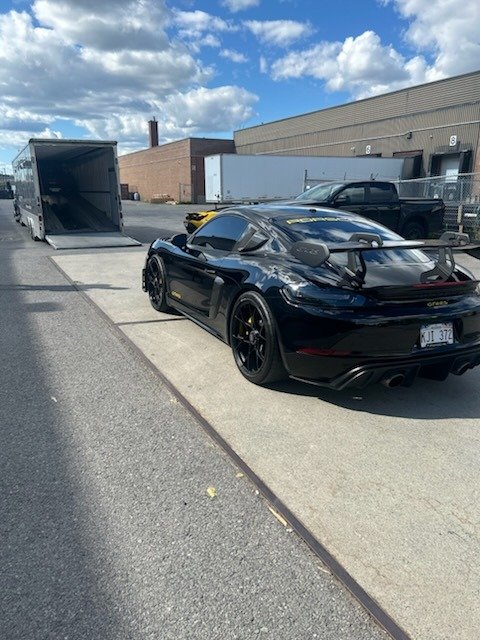
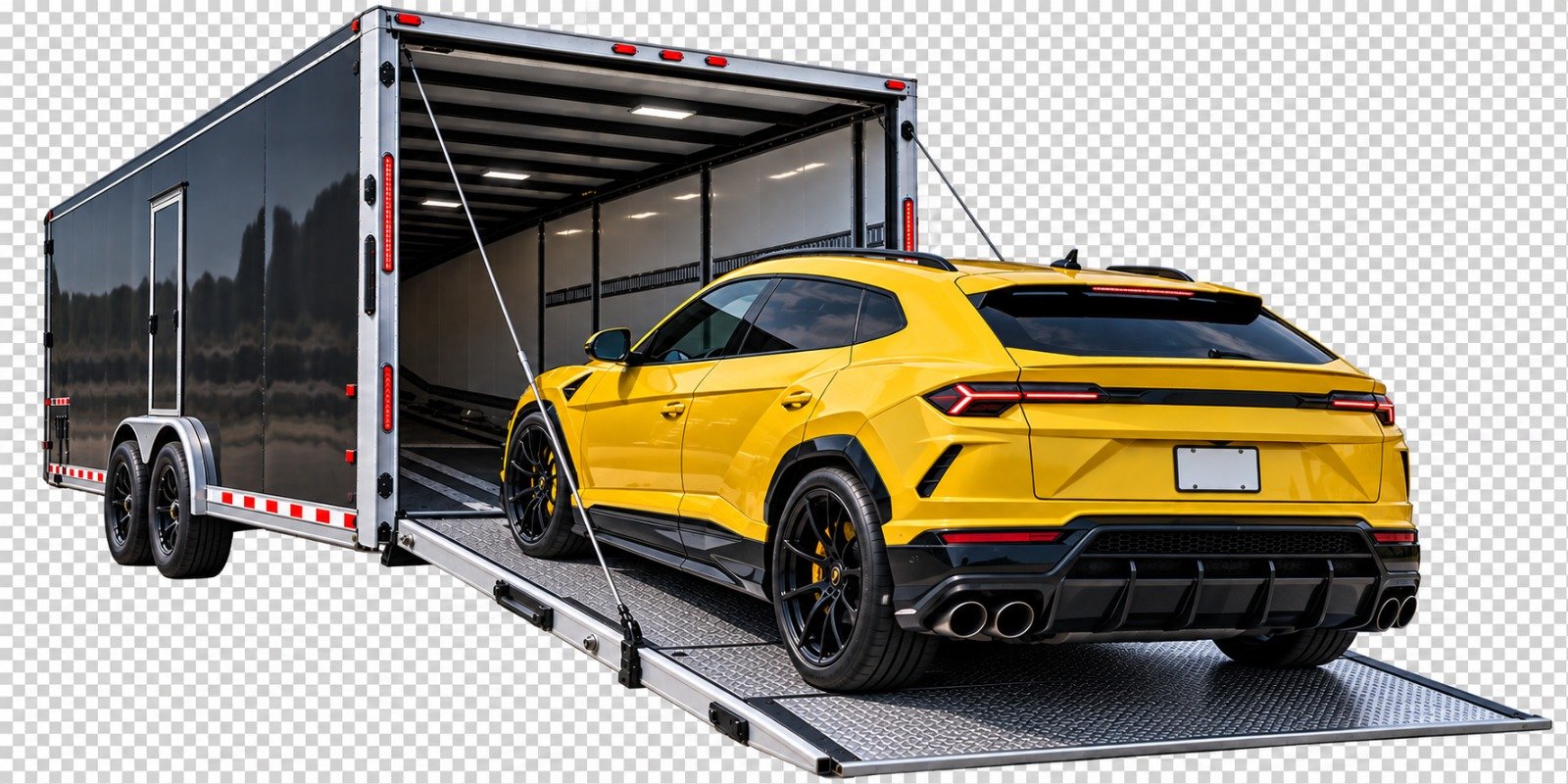
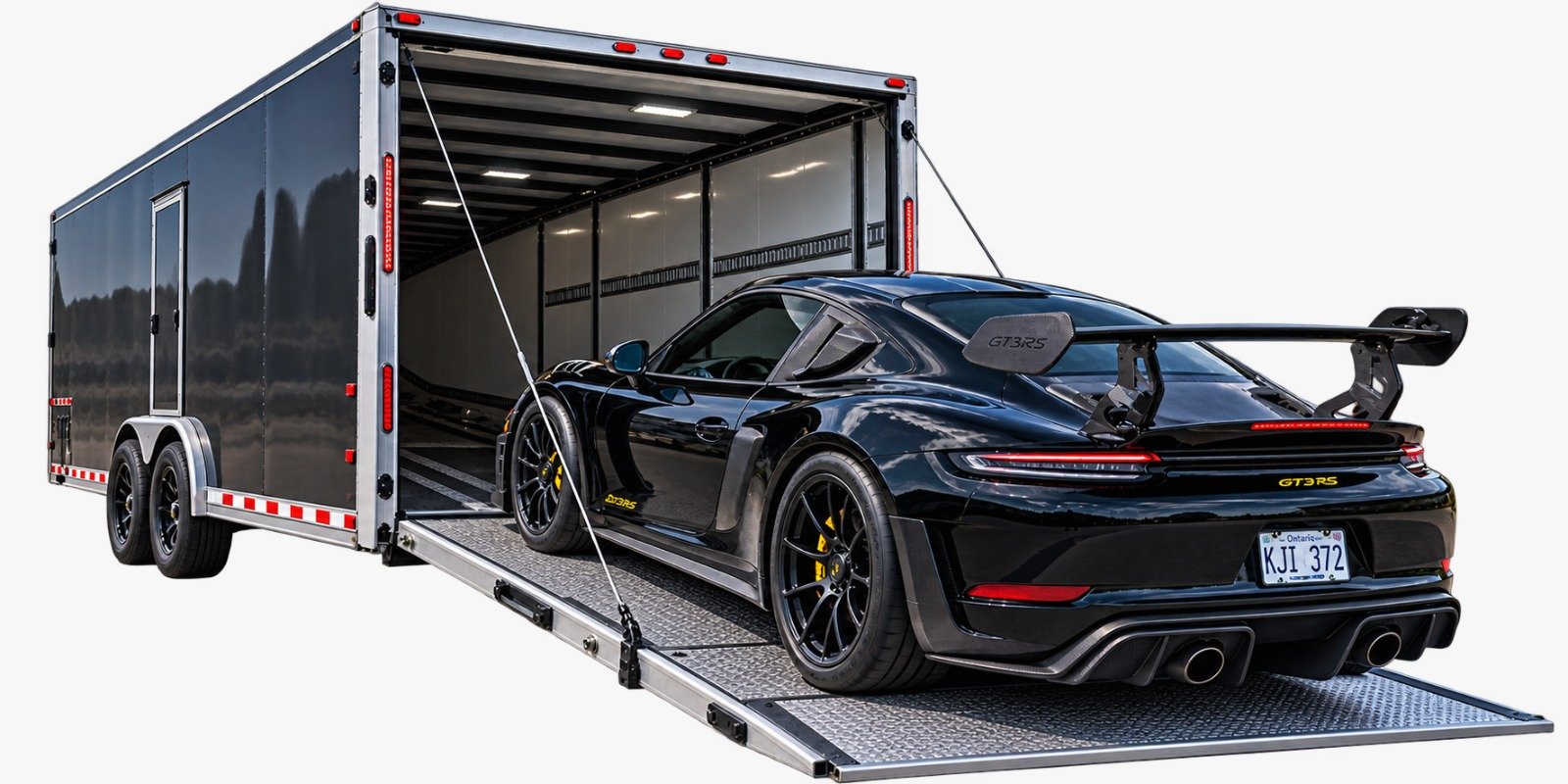
If you are shipping a luxury, classic, exotic, or highly sentimental vehicle, enclosed transport is highly recommended. The vehicle is shipped inside a fully walled trailer, protecting it entirely from rain, snow, dust, and road debris.
Railway Transportation
For cross-country moves, rail transport is an incredibly reliable option. Trains are less affected by road traffic and bad weather, making them a steady and environmentally friendly way to transport vehicles over long distances.
Side-by-Side Comparison: Driving vs Shipping
To help you calculate the cost of driving versus shipping a car, here is a quick breakdown of what you can expect from each choice:
| Factor | Driving Yourself | Professional Shipping |
|---|---|---|
| Time Commitment | 5 to 7 days of driving time | 1 to 2 hours (drop-off/pickup) |
| Hidden Costs | High (Hotels, food, gas, emergencies) | None (Flat-rate quote) |
| Vehicle Wear & Tear | Adds 4,000+ km and mechanical wear | Zero mileage added |
| Personal Safety Risk | High (Driver fatigue, weather, wildlife) | Minimal (Handled by professionals) |
| Convenience | Exhausting, requires planning | Door-to-door or terminal options |
Conclusion: What is the Cheapest Way to Move a Car Across Canada?
The phrase "cheapest way" is subjective. If you only look at the price of fuel versus the price of a transport quote, driving might seem slightly cheaper on paper. However, when you factor in vehicle depreciation, hotels, meals, the value of your time, and the potential risks of the road, shipping a car is worth it for long distances.
For most individuals relocating across the country, using a professional vehicle transportation provider like Optixtrace Car Shipping offers peace of mind, preserves vehicle value, and completely eliminates the stress of a multi-day highway haul.
Frequently Asked Questions
While fuel costs might be slightly lower than a shipping quote, driving becomes more expensive once you add hotels, meals, time taken off work, and vehicle depreciation. For trips longer than 1,000 kilometres, shipping is generally the more economical and safer choice.
Transit times vary depending on the distance, route, and time of year. A coast-to-coast transport (such as Halifax to Vancouver) typically takes between 10 to 14 days, whereas shorter regional routes may only take 3 to 7 days. Weather conditions managed under Transport Canada regulations can occasionally impact these timelines.
Generally, it is strongly advised not to pack personal items in your vehicle. Auto transport companies are licensed to haul vehicles, not household goods. Additional weight can alter the truck's dynamics, and personal items are not covered under the carrier's cargo insurance.
Open transport is the standard industry method where vehicles are shipped on an open-air trailer, leaving them exposed to weather—much like driving. Enclosed transport ships the vehicle inside a walled trailer, offering premium protection for luxury, classic, or high-value cars.