Relocating to a new province, purchasing a vehicle out of town, or managing inventory for an automotive dealership involves complex logistics. One of the most critical decisions you will make during this process is how to transport your vehicle safely without breaking the bank. So, what exactly is the cheapest way to ship a car across Canada?
Navigating the various shipping methods, understanding carrier networks, and recognizing seasonal price fluctuations can feel overwhelming. However, by choosing the right service type—such as open transport over enclosed shipping, or terminal-to-terminal over door-to-door delivery—you can drastically reduce your long-distance auto transport expenses while ensuring a secure and reliable transit process.
Understanding Car Shipping Costs in Canada
The Canadian geography presents unique challenges for vehicle logistics. Spanning over 5,000 kilometres from British Columbia to the Atlantic provinces, the sheer distance alone means that cross-country car shipping requires substantial fuel, driver time, and coordination. When determining the affordable car shipping Canada rates, the logistics industry relies on several foundational pricing pillars.
The standard car shipping cost Canada residents pay typically ranges between $800 and $2,500. This wide gap exists because no two shipments are identical. A compact sedan travelling from Vancouver to Calgary will cost significantly less than an oversized SUV being transported all the way to Halifax.
To secure the cheapest car transport option, you need to dissect how auto logistics companies structure their vehicle transportation costs. Carriers optimize their routes based on high-traffic corridors (like the Trans-Canada Highway) and volume. Opting for services that align with a carrier's most efficient operational flow is the key to unlocking the lowest vehicle shipping rates.
The Cheapest Way to Ship a Car Across Canada
If your primary objective is to save money, the industry consensus is clear. The combination of open carrier vehicle transport and terminal-to-terminal transportation represents the most affordable car shipping service available in Canada today.
Open Car Transport Canada Explained
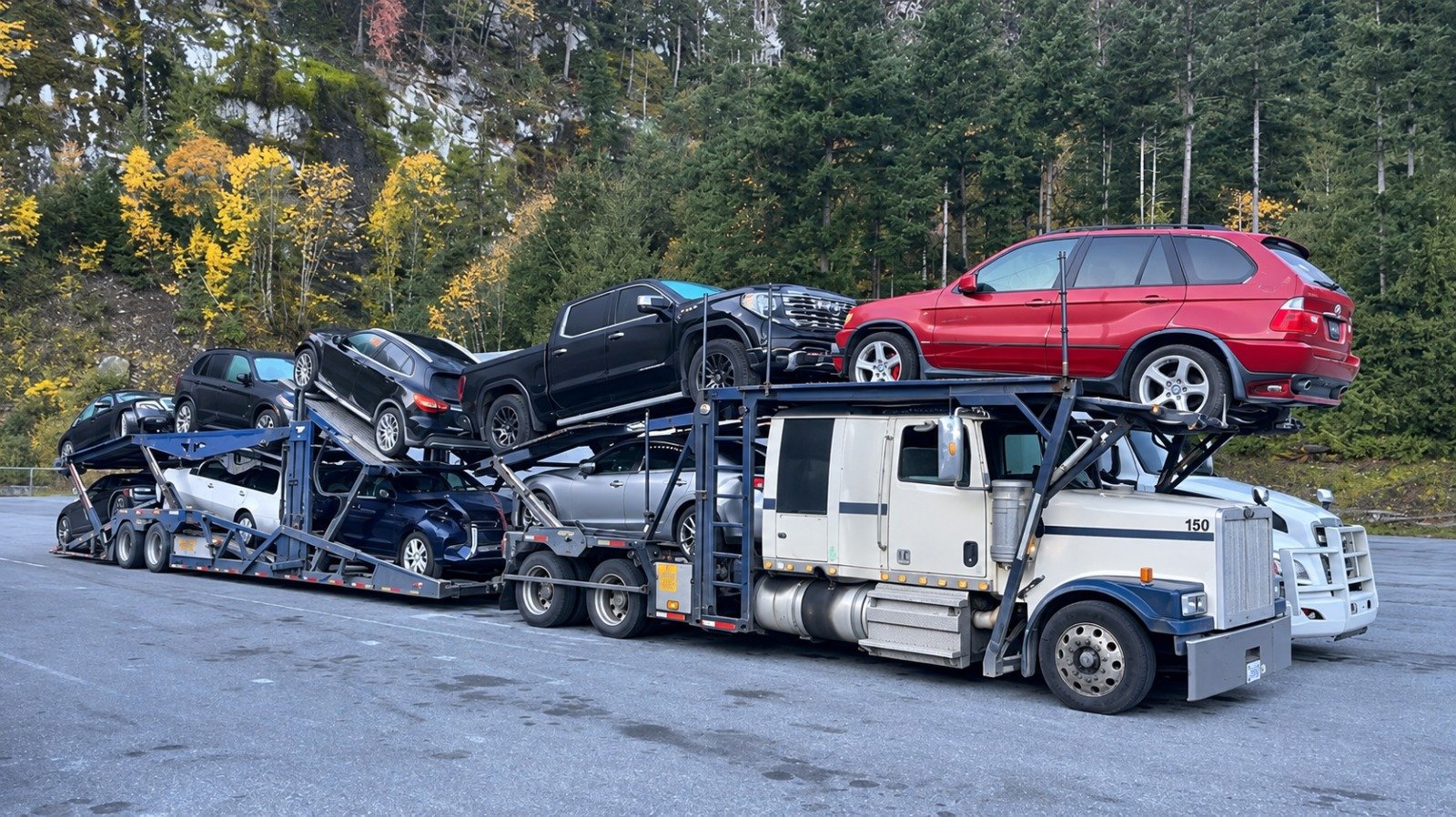
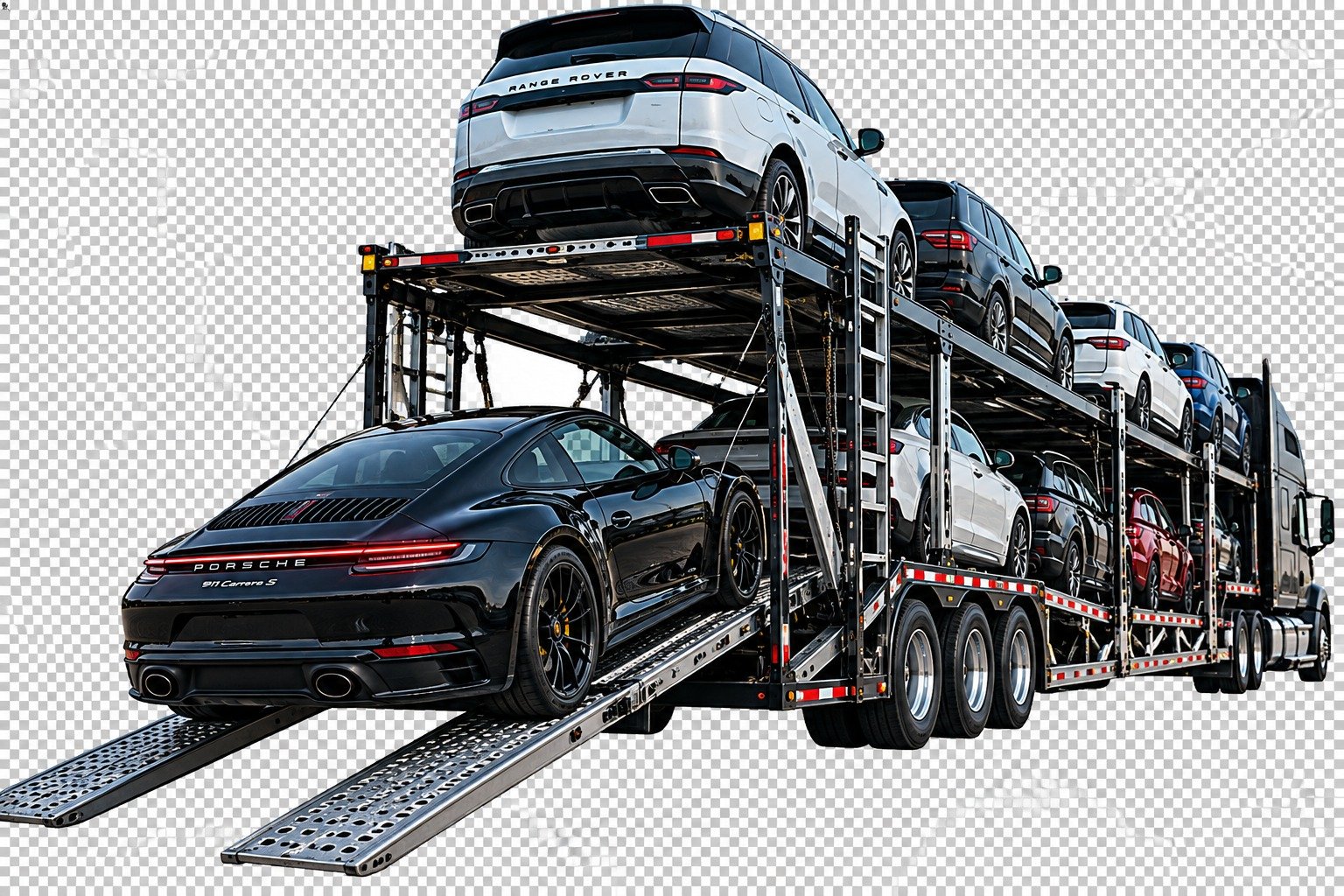
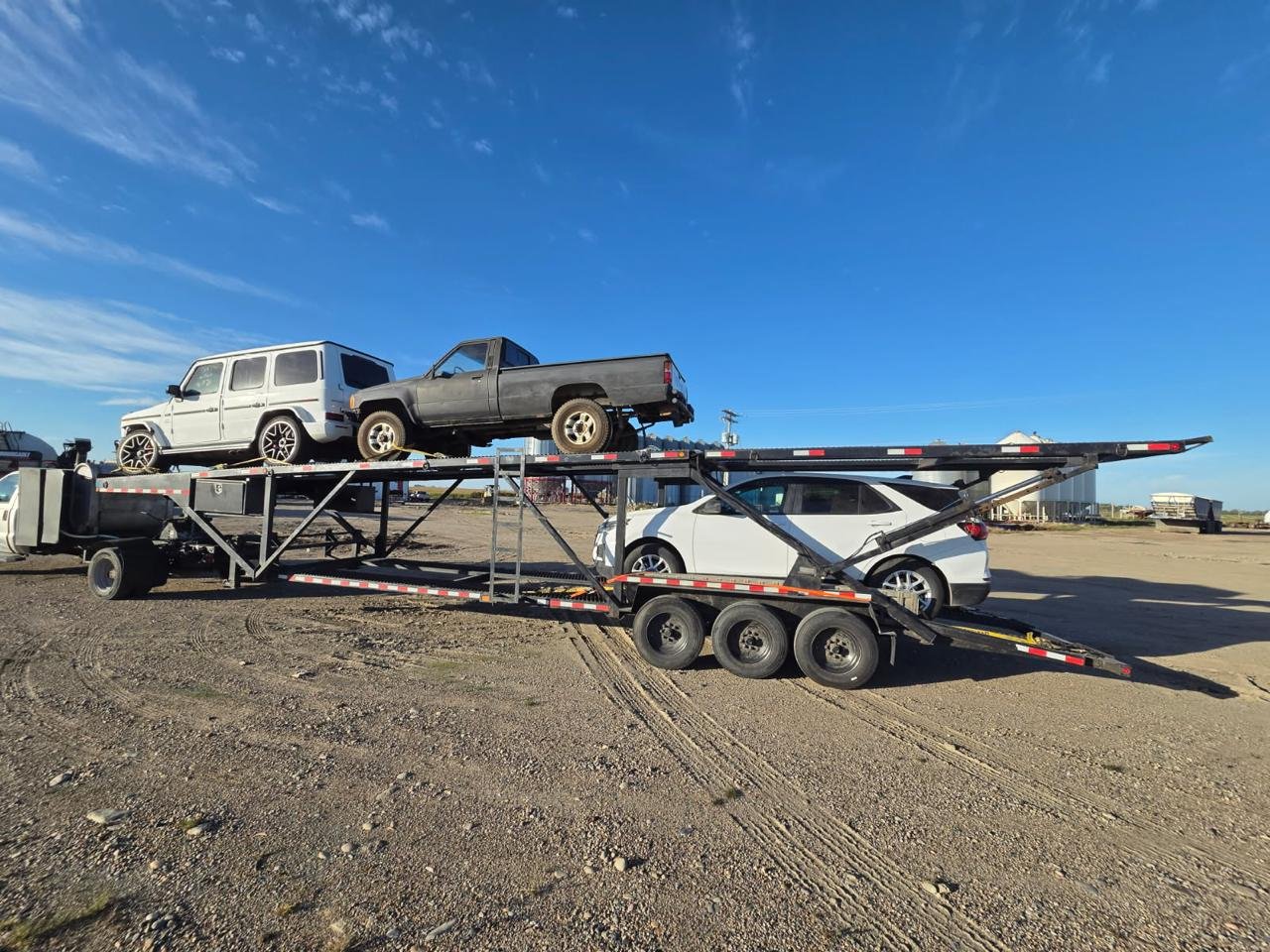
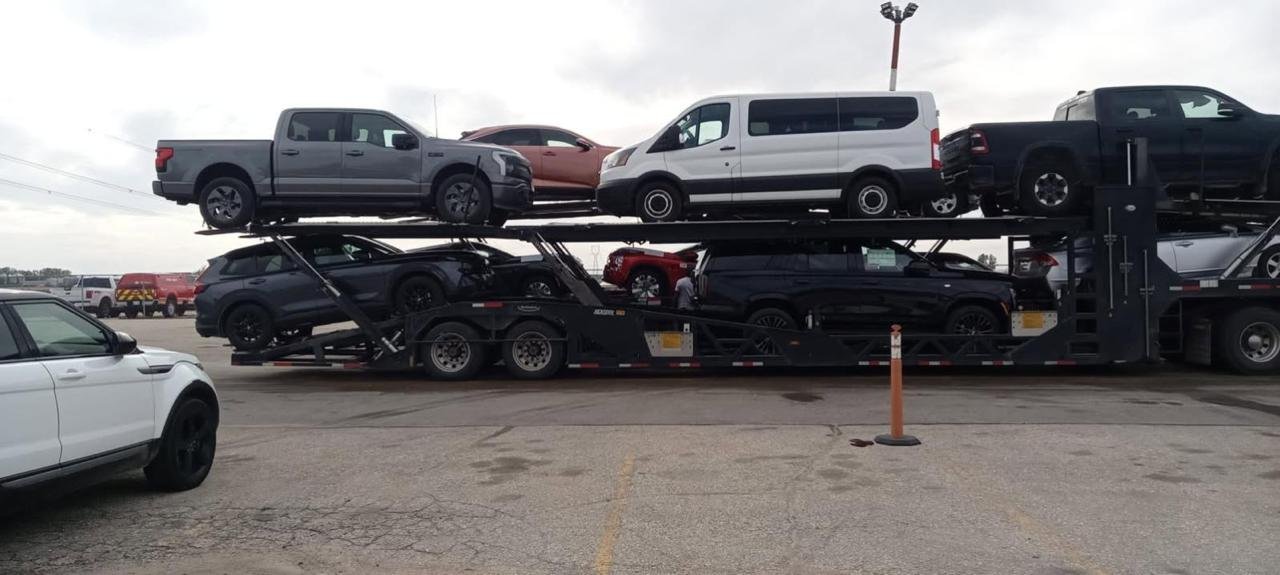
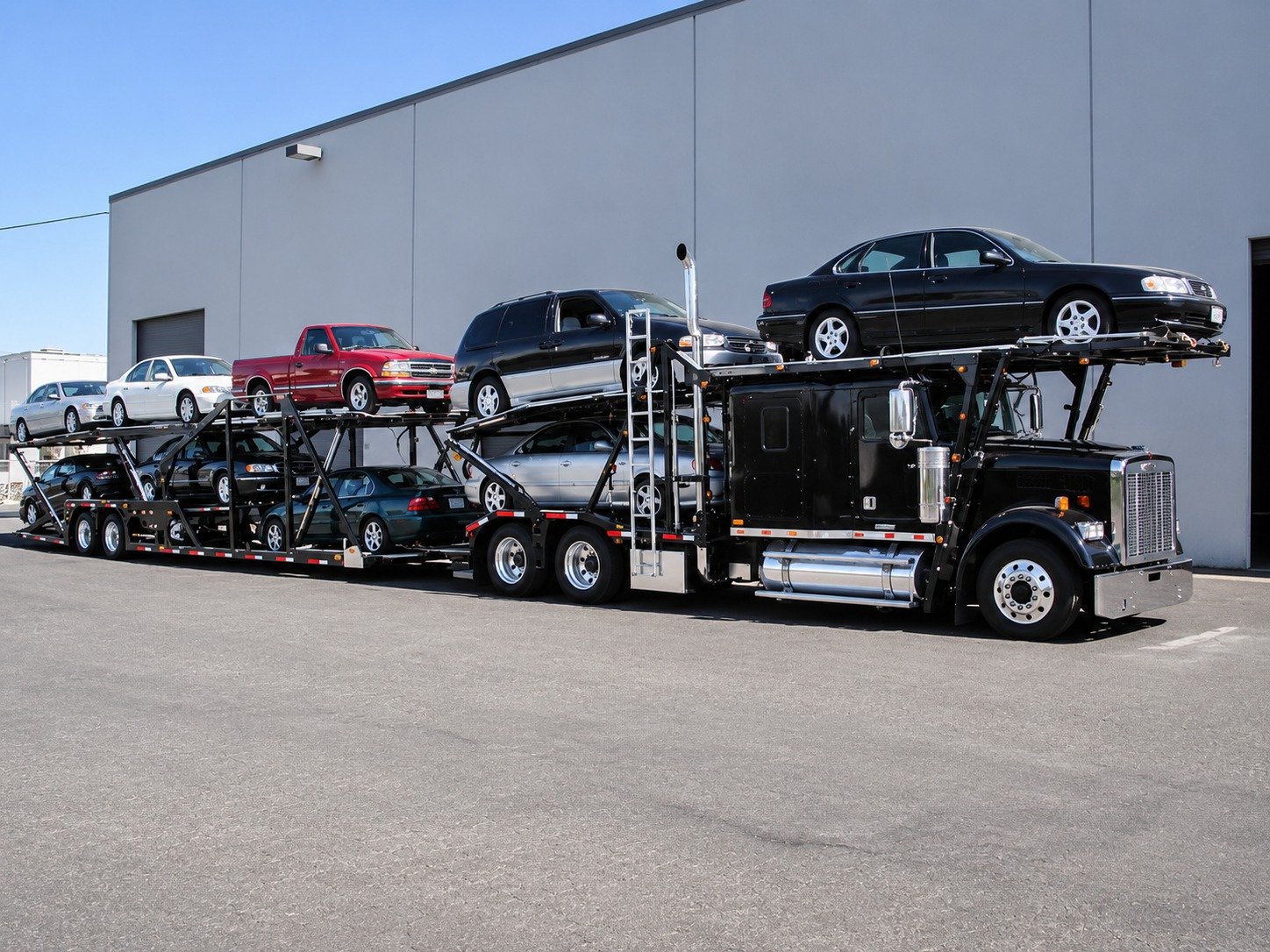
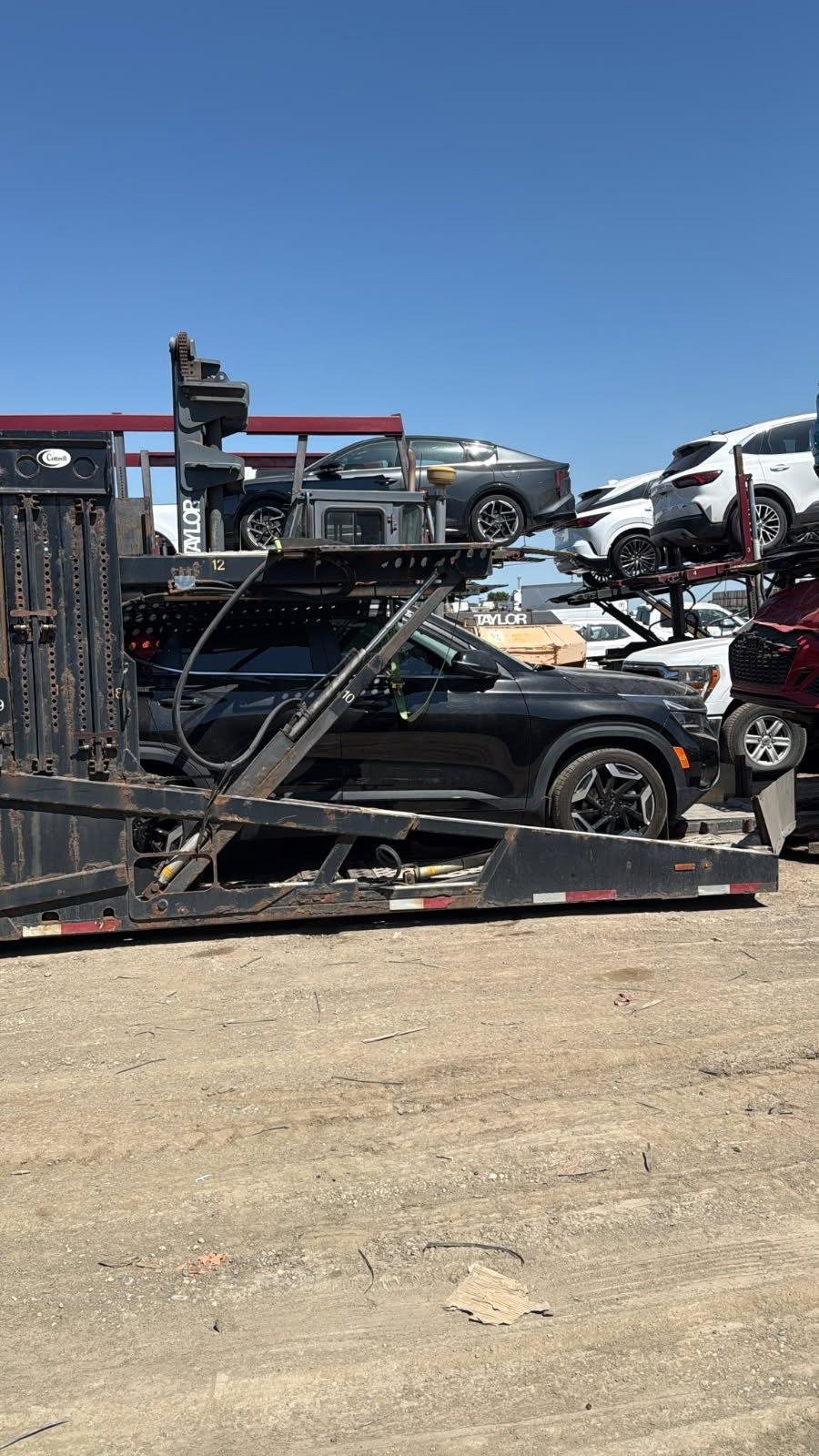
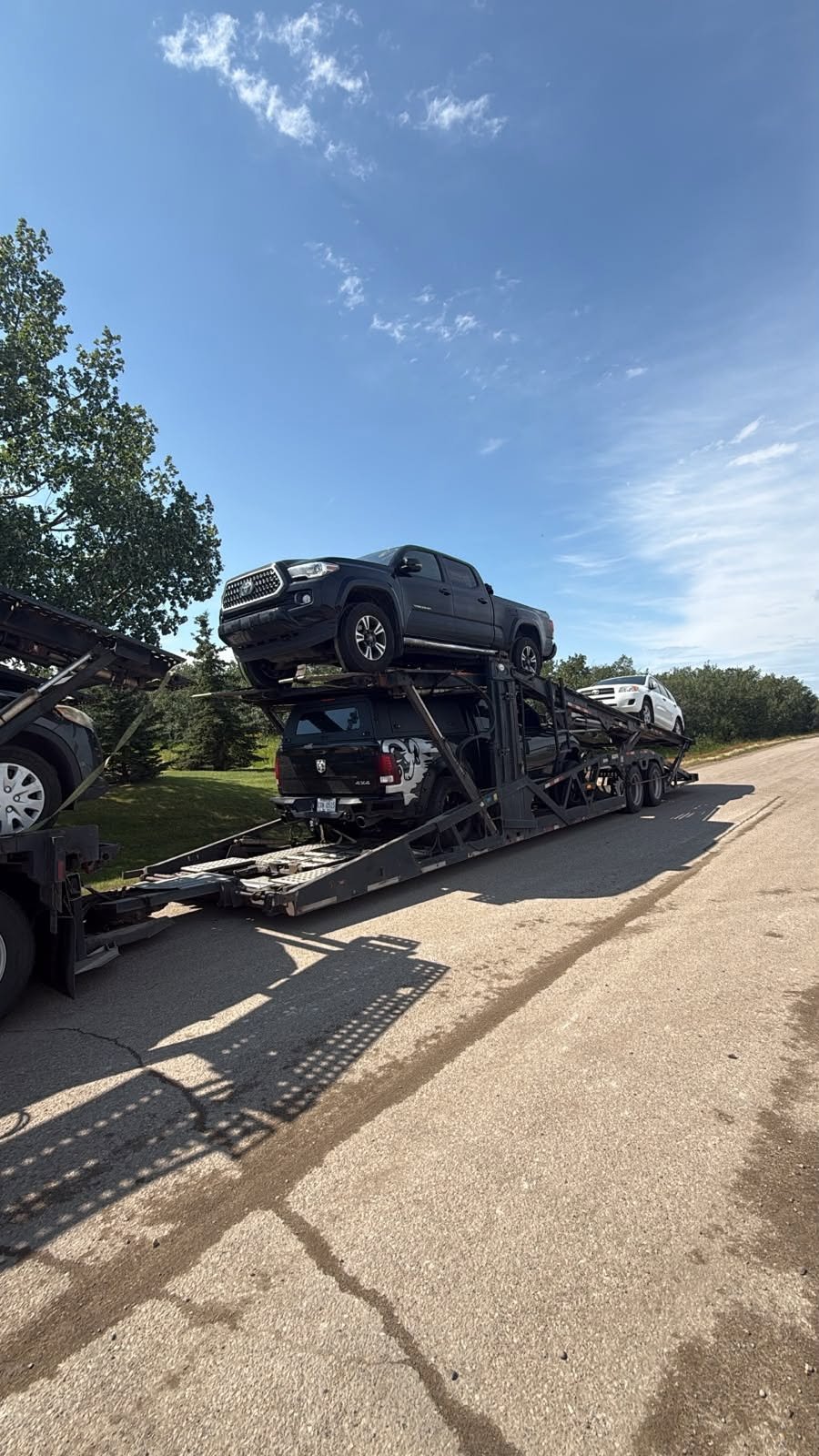
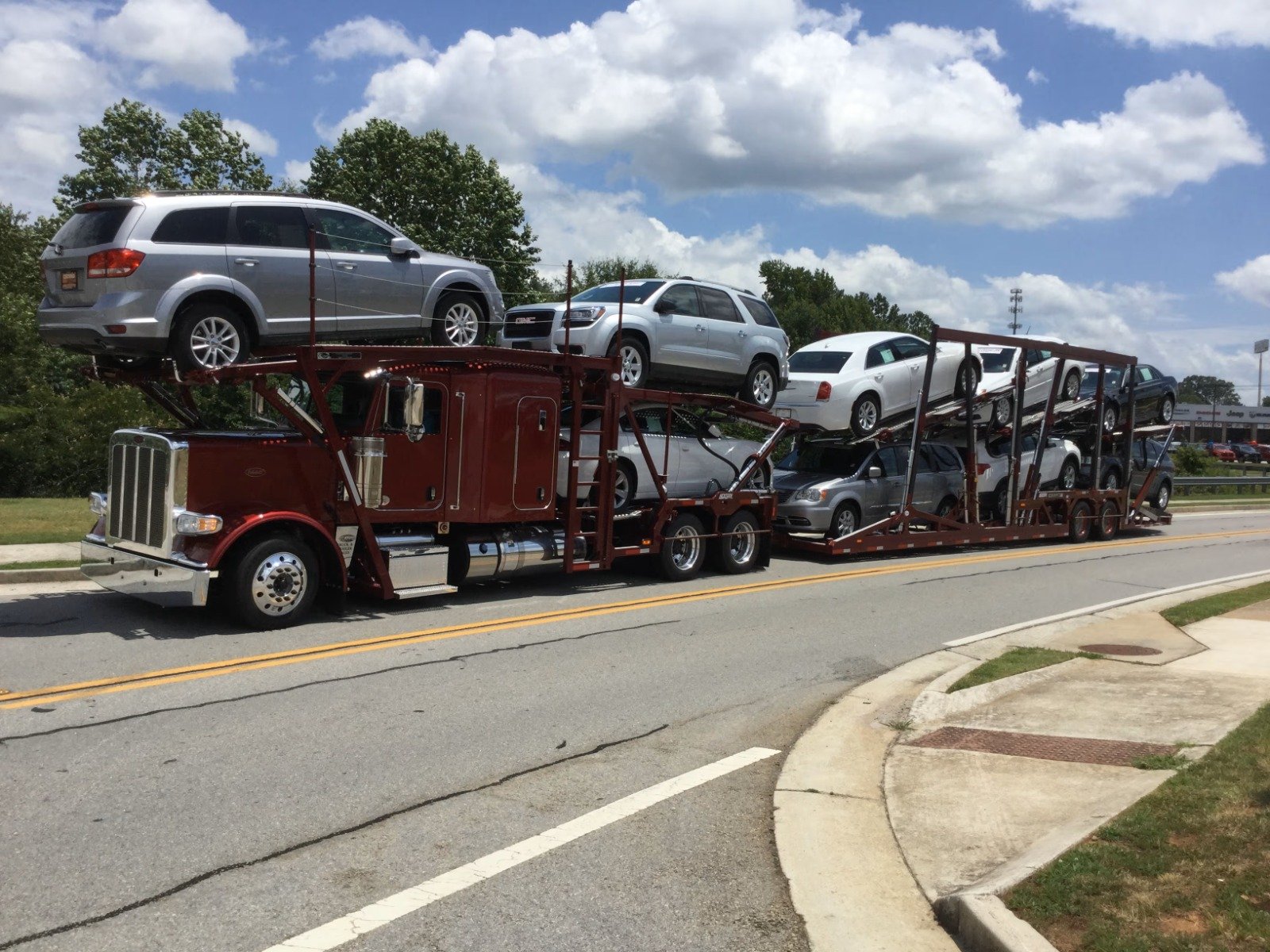
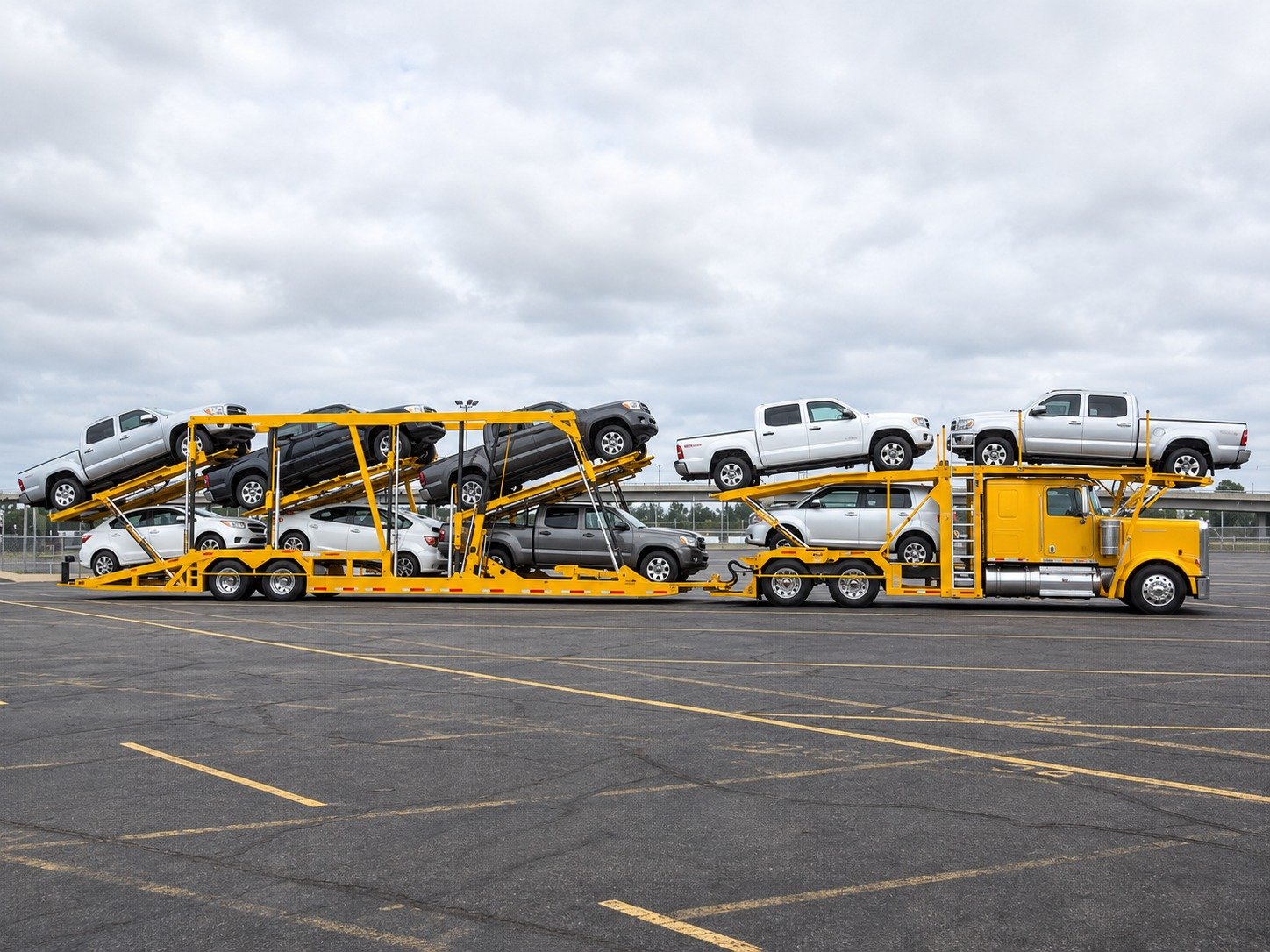
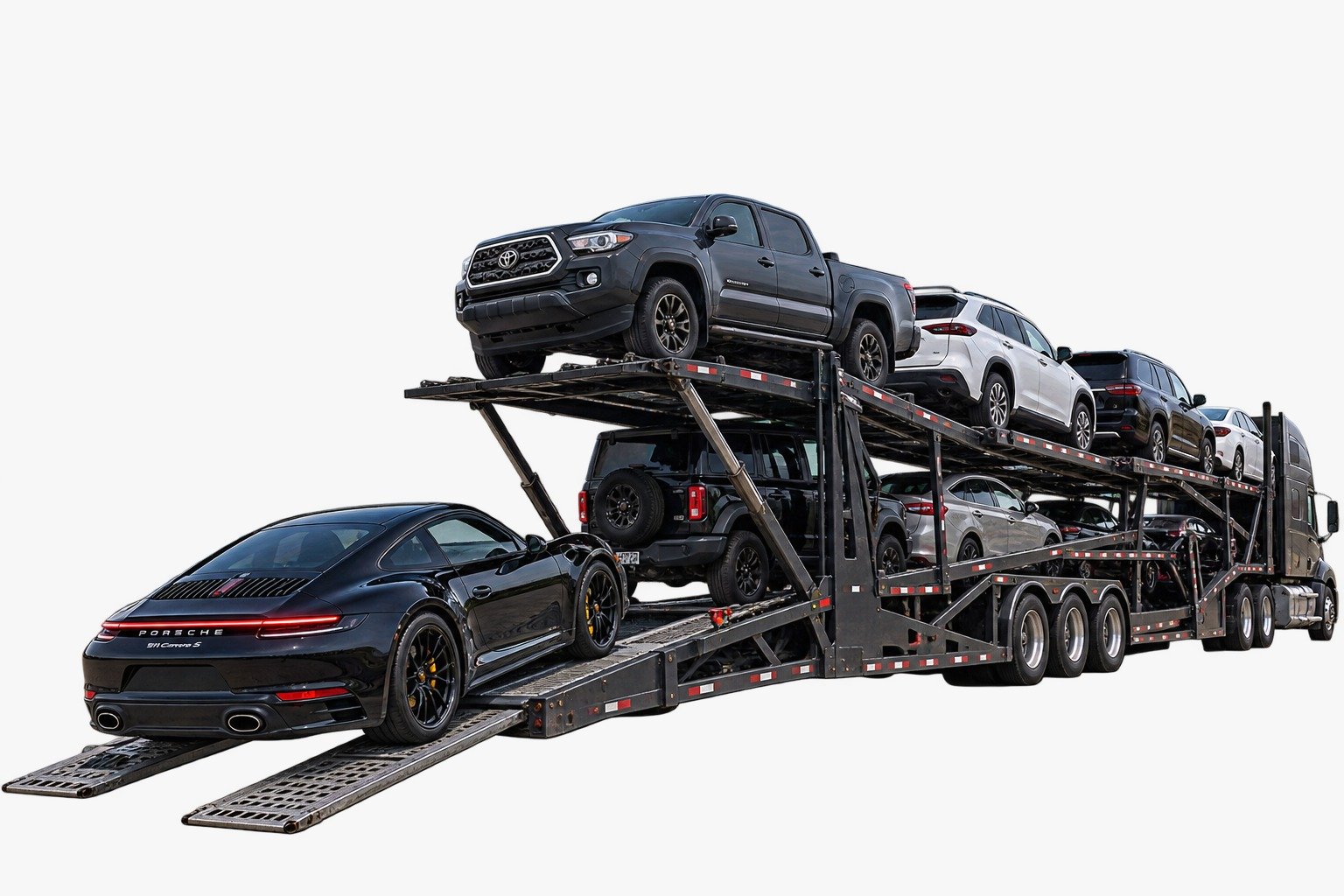
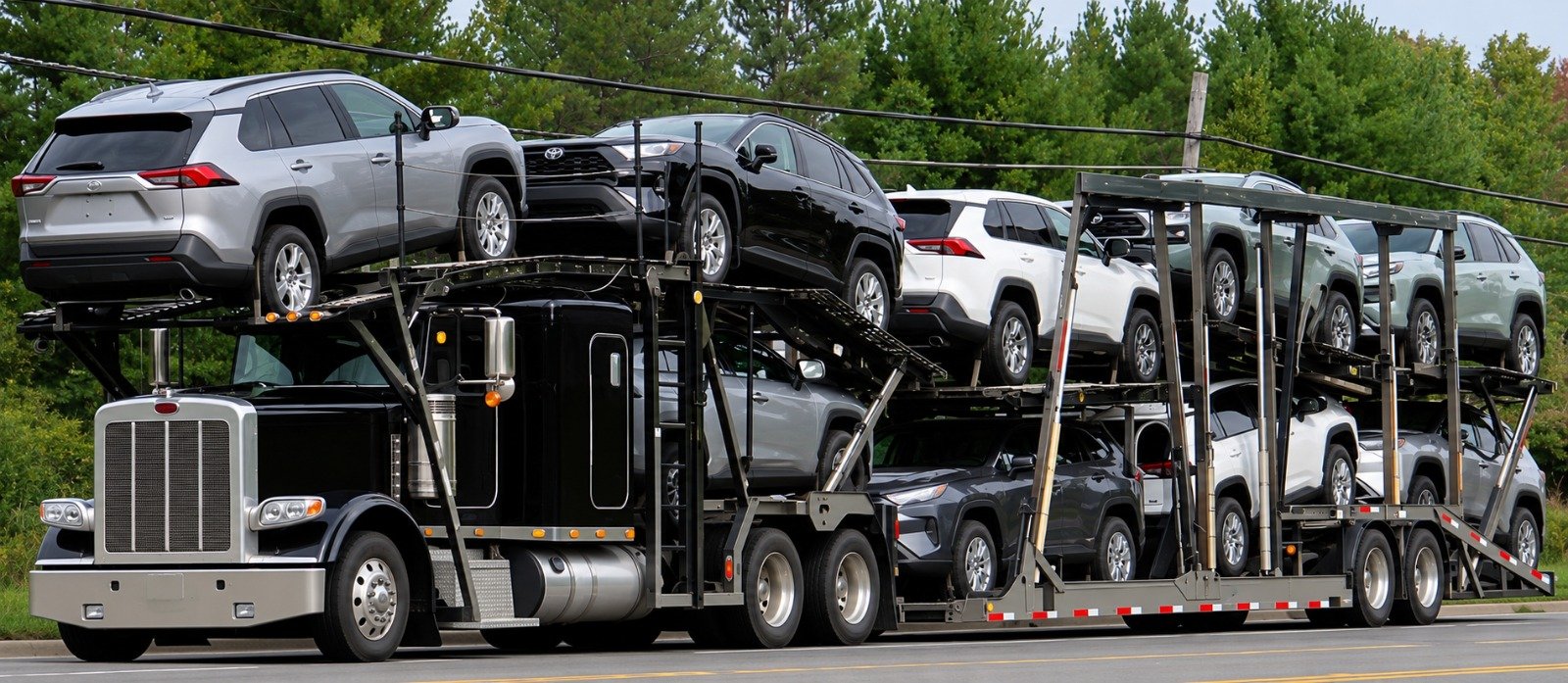
When you see large, multi-level haulers on the highway carrying seven to ten vehicles simultaneously, you are looking at an open transport trailer. Because carriers can transport multiple vehicles in a single trip, the operational costs—including fuel, tolls, and driver compensation—are distributed evenly among all the vehicles on board. This makes open transport the cornerstone of cheap car shipping Canada.
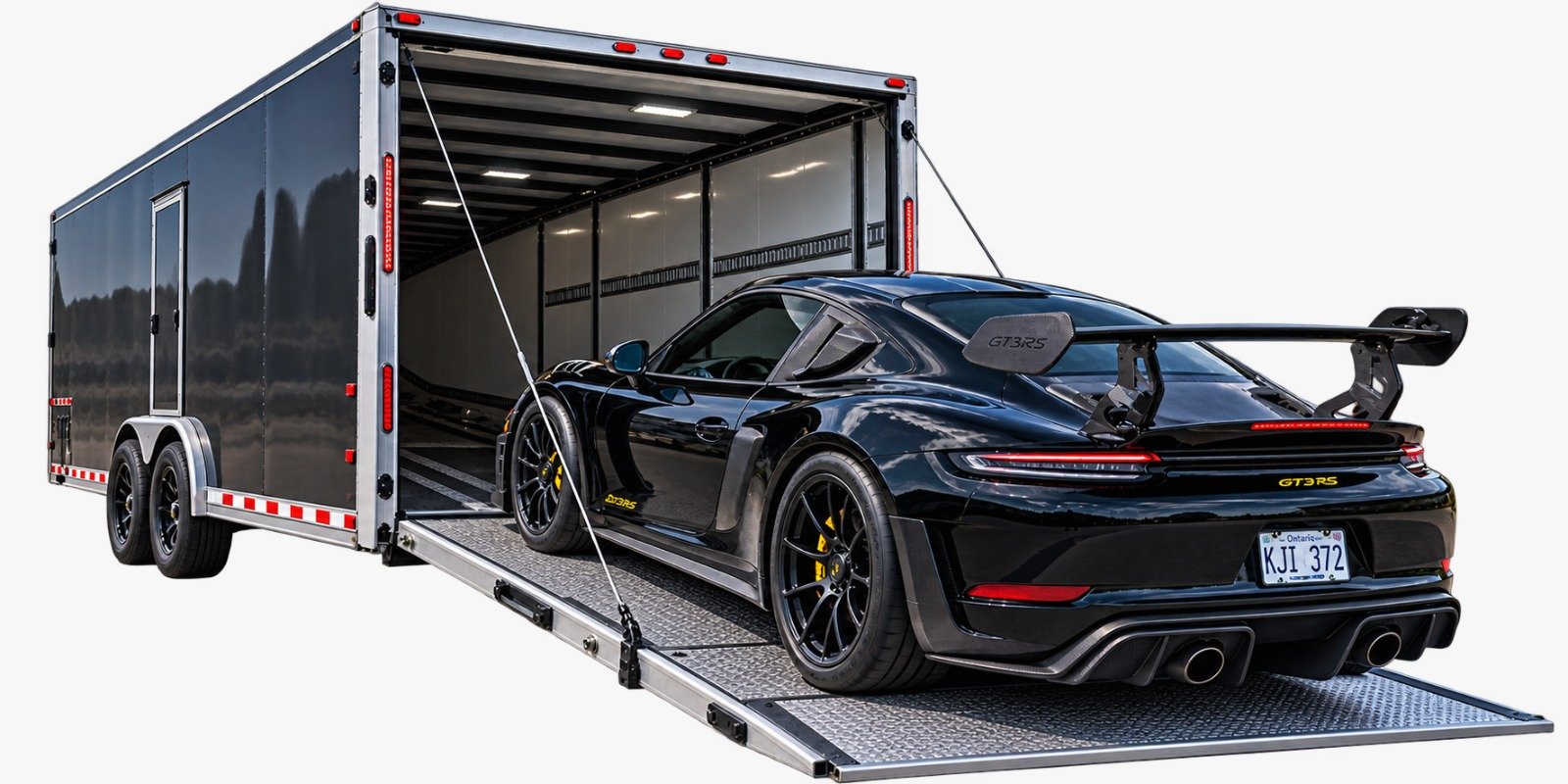
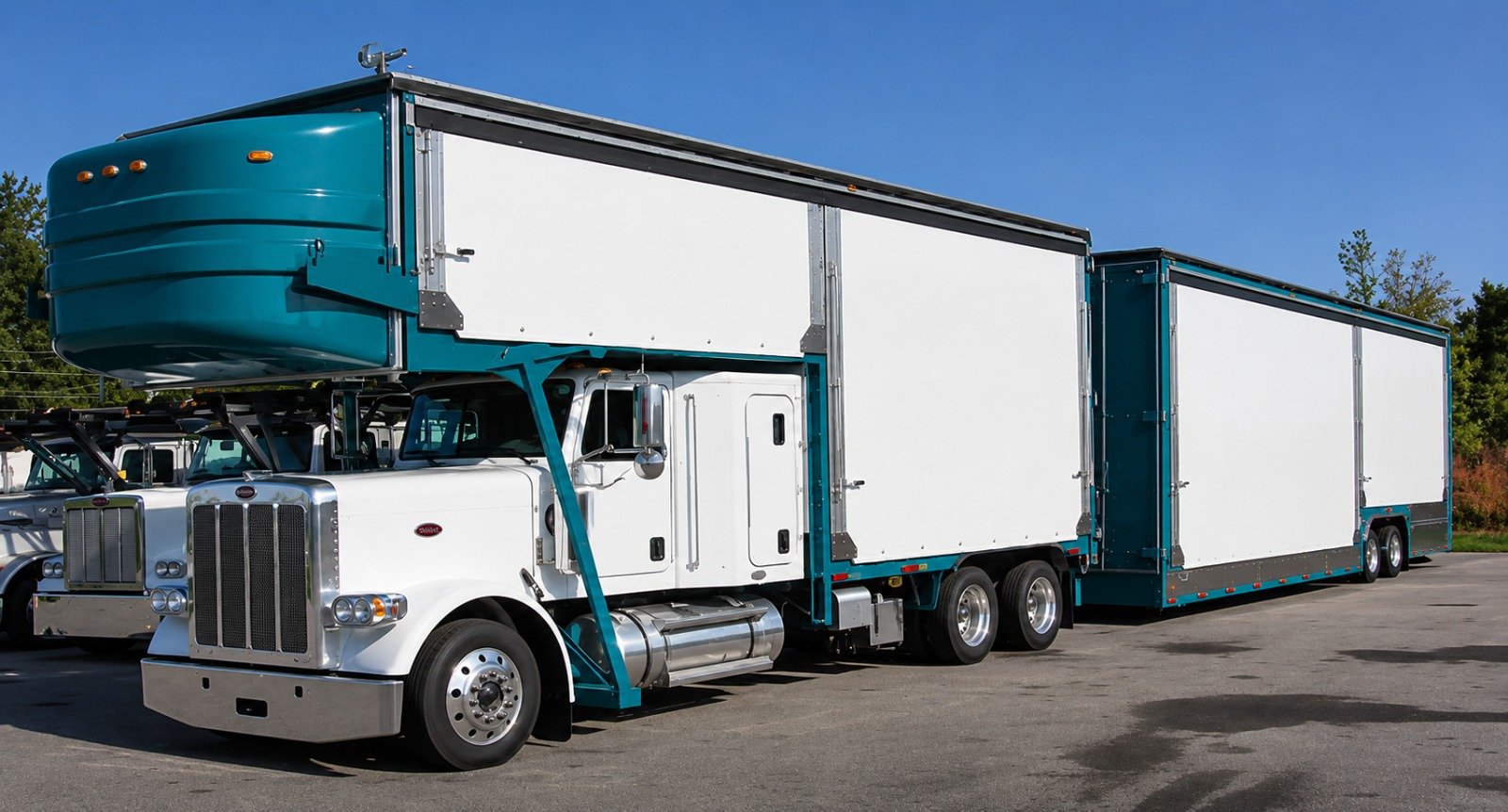
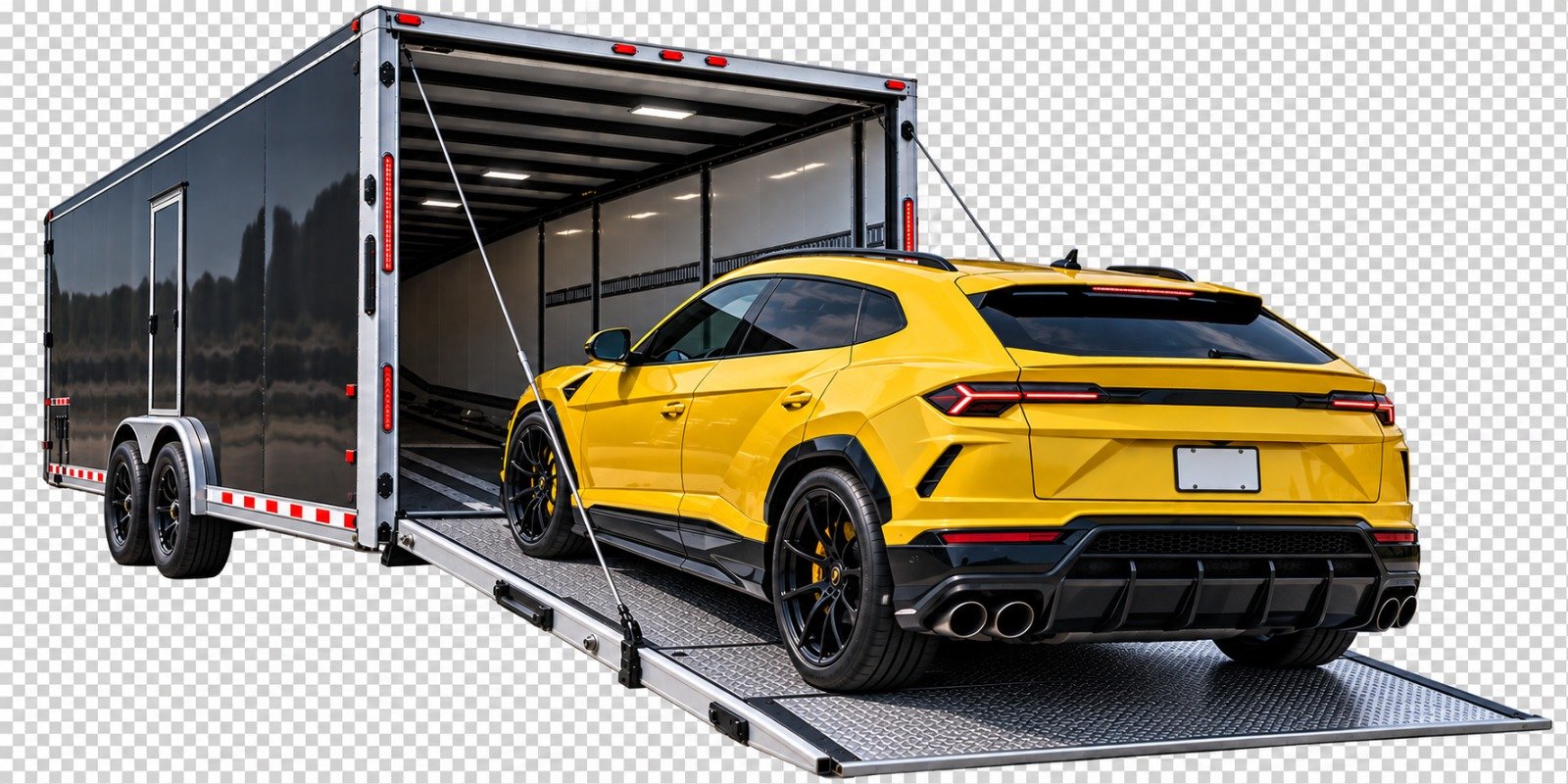
While this method exposes your vehicle to the elements, such as rain, snow, or road dust, it is the exact same method automotive manufacturers use to deliver brand-new inventory to dealerships. For standard daily drivers, the savings far outweigh the necessity for enclosed vehicle transportation, which is typically reserved for luxury, high-value, or classic cars.
If you are shipping a standard sedan, SUV, or pickup truck, always request a quote for open transport. Choosing an enclosed carrier can increase your final bill by 40% to 60% due to the limited capacity and specialized equipment required.
Terminal-to-Terminal vs. Door-to-Door Delivery
Another major factor determining the cheapest way to transport a vehicle between provinces is the pickup and delivery location. Auto transport providers offer two main logistical frameworks:
- Door-to-door delivery: The truck arrives directly at your residence (or as close as legally permitted) to load the vehicle. This is highly convenient but requires the carrier to navigate residential streets, consuming extra time and fuel.
- Terminal-to-terminal transportation: You drop off and pick up your vehicle at a designated logistics hub or compounding yard.
Because heavy-duty multi-car carriers struggle to navigate narrow residential areas safely, terminal-to-terminal car shipping is substantially cheaper. It allows the transport company to consolidate shipments efficiently at a central yard, preventing costly detours.
Rail Car Shipping Canada: Is it a Budget-Friendly Option?
Many Canadians ask, "Is it cheaper to ship a car by truck or train in Canada?" The answer depends heavily on your location and the total distance of the journey.
Rail vehicle transportation is generally highly cost-effective for long-distance auto transport spanning multiple provinces, such as a shipment from Toronto to Vancouver. Trains are incredibly fuel-efficient over long distances, which can translate to lower costs for consumers.
However, rail shipping comes with distinct trade-offs:
- Strict Schedules: Trains depart on rigid schedules. Unlike trucks, which offer flexible pickup dates, rail transport requires your vehicle to be at the rail yard at a very specific time.
- Accessibility: Rail shipping is exclusively a terminal-to-terminal service. If you do not live near a major rail hub, you will have to pay for a truck carrier to deliver the vehicle to the train yard, negating the potential savings.
- Transit Times: Railway transportation often involves offloading and transferring railcars at switching yards, which can extend the overall delivery timeline.
For shorter distances or routes that lack direct rail infrastructure, truck transport remains both faster and more affordable.
Key Factors That Influence Your Car Shipping Cost Canada
To accurately predict how much it costs to ship a car across Canada, you must account for the logistical variables that impact carrier availability and pricing.
1. Total Distance and Route Popularity
Distance is the most obvious pricing metric, but route popularity plays an equally critical role. Shipping a car on high-volume routes, such as Vancouver to Toronto, benefits from high carrier availability. Carriers frequently run these corridors, allowing for competitive pricing. Conversely, shipping a vehicle to a remote, rural location requires specialized detours, increasing the rate.
2. Vehicle Size and Weight
Carriers are bound by strict weight regulations enforced by Transport Canada. A large, heavy pickup truck takes up more physical space on a trailer and consumes a larger portion of the truck's maximum payload capacity than a standard Honda Civic. Consequently, larger vehicles cost more to ship.
3. Seasonality and Weather Conditions
Canada’s distinct seasons drastically impact auto logistics. During the winter months, severe weather warnings from sources like Environment Canada and road condition alerts from DriveBC or 511 Alberta can slow down transit times. Snow, ice, and road closures limit carrier availability, driving up prices. The most affordable time to ship a vehicle is typically during the late spring or early autumn, avoiding the summer moving rush and the harsh winter slowdowns.
Pro Tips: How Can I Save Money on Car Shipping in Canada?
If you are looking for actionable ways to reduce your vehicle transportation costs, follow these proven strategies before requesting your car shipping quotes Canada.
- Maintain Flexible Pickup Dates: If you demand an exact, guaranteed pickup date, you will pay a premium for expedited service. By offering the transport company a pickup window of 3 to 5 days, carriers can optimize their loads and pass the savings on to you.
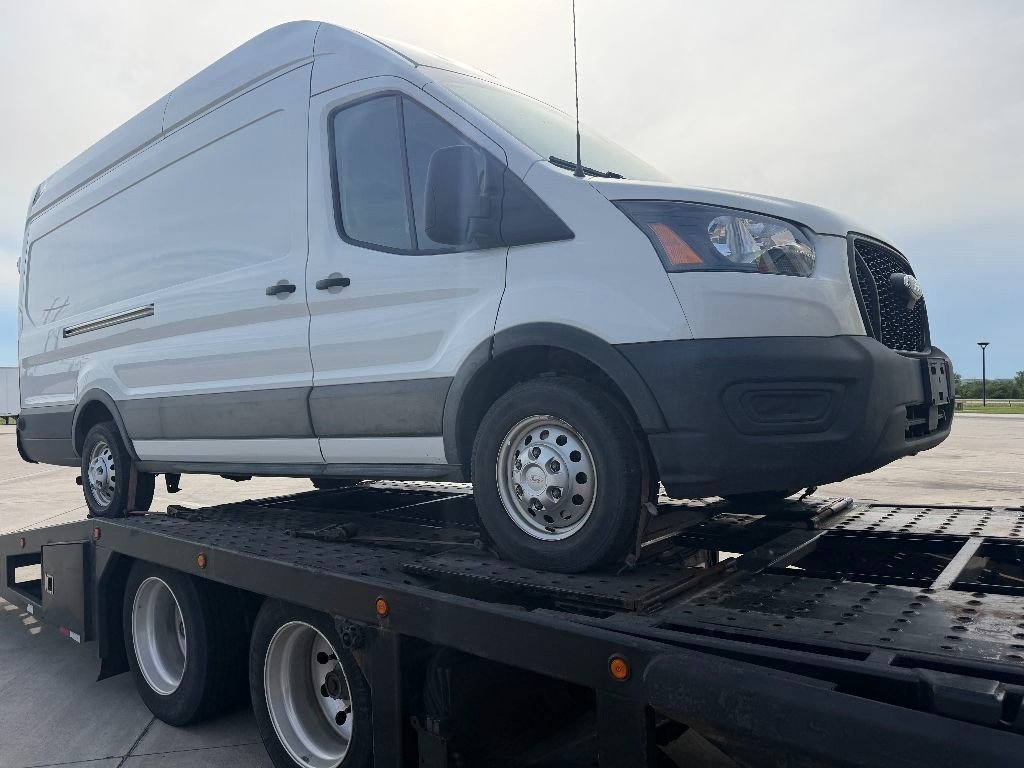
- Ensure the Vehicle is Operable: Vehicles that cannot be driven onto a trailer require specialized winching equipment or flatbed tow trucks to load. Ensuring your battery is charged, tires are inflated, and the engine runs will save you costly inoperable vehicle fees.
- Book Well in Advance: Just like booking a flight, arranging your long-distance auto transport several weeks in advance gives dispatchers time to find a spot on an active route, securing a lower rate.
- Empty Your Car: Aside from standard spare tires and jacks, do not pack personal belongings in your vehicle. Added weight increases fuel consumption, and carriers are subject to strict border and provincial weight regulations.
Comparing the Most Affordable Car Shipping Services
To help you visualize how different logistical choices affect your budget, review this standard service comparison table.
| Transportation Method | Relative Cost Level | Best Suited For |
|---|---|---|
| Open Transport + Terminal-to-Terminal | Most Affordable ($) | Budget-conscious individuals, standard daily vehicles, flexible timelines. |
| Rail Transport (Terminal-to-Terminal) | Affordable ($$) | Cross-country journeys (e.g., BC to Ontario), long-distance relocations. |
| Open Transport + Door-to-Door | Moderate ($$$) | Customers seeking convenience without paying for specialized trailers. |
| Enclosed Transport + Door-to-Door | Premium ($$$$) | Luxury vehicles, classic cars, high-value sports cars needing weather protection. |
For individuals balancing price with convenience, choosing an open transport door-to-door service is a fantastic middle ground. However, if strict budget adherence is the goal, stick to terminal drop-offs.
Frequently Asked Questions
The cost typically ranges from $800 to $2,500 depending on the distance, vehicle size, transportation method (open vs. enclosed), and seasonality. For the most accurate pricing, it is highly recommended to request a personalized vehicle transport quote based on your specific origin and destination.
Yes, terminal-to-terminal shipping is significantly cheaper than door-to-door delivery. By dropping off and picking up your vehicle at a designated logistics hub, you save the carrier time and fuel they would otherwise spend navigating residential streets, resulting in lower vehicle shipping rates.
It is strongly advised against. Most auto transport companies do not permit personal belongings inside the vehicle during transit due to strict weight scale regulations and insurance liabilities. Adding extra weight can also increase your final shipping cost.
The absolute cheapest method is utilizing open carrier vehicle transport combined with terminal-to-terminal delivery. This maximizes carrier efficiency and passes the logistical savings directly to you.
Conclusion
Ultimately, determining the cheapest way to ship a car across Canada requires a strategic balance between your budget, timeline, and convenience needs. By leveraging open carrier vehicle transport and opting for terminal-to-terminal drops, you can easily secure the lowest possible rate.
Remember that planning ahead, remaining flexible with your pickup dates, and understanding the logistical factors—such as distance and vehicle size—will give you the upper hand when securing vehicle transport quotes. Whether you are shipping a standard sedan or a heavy-duty truck, making informed choices ensures a smooth, cost-effective cross-country transportation experience.