1. Distance and Geographical Location
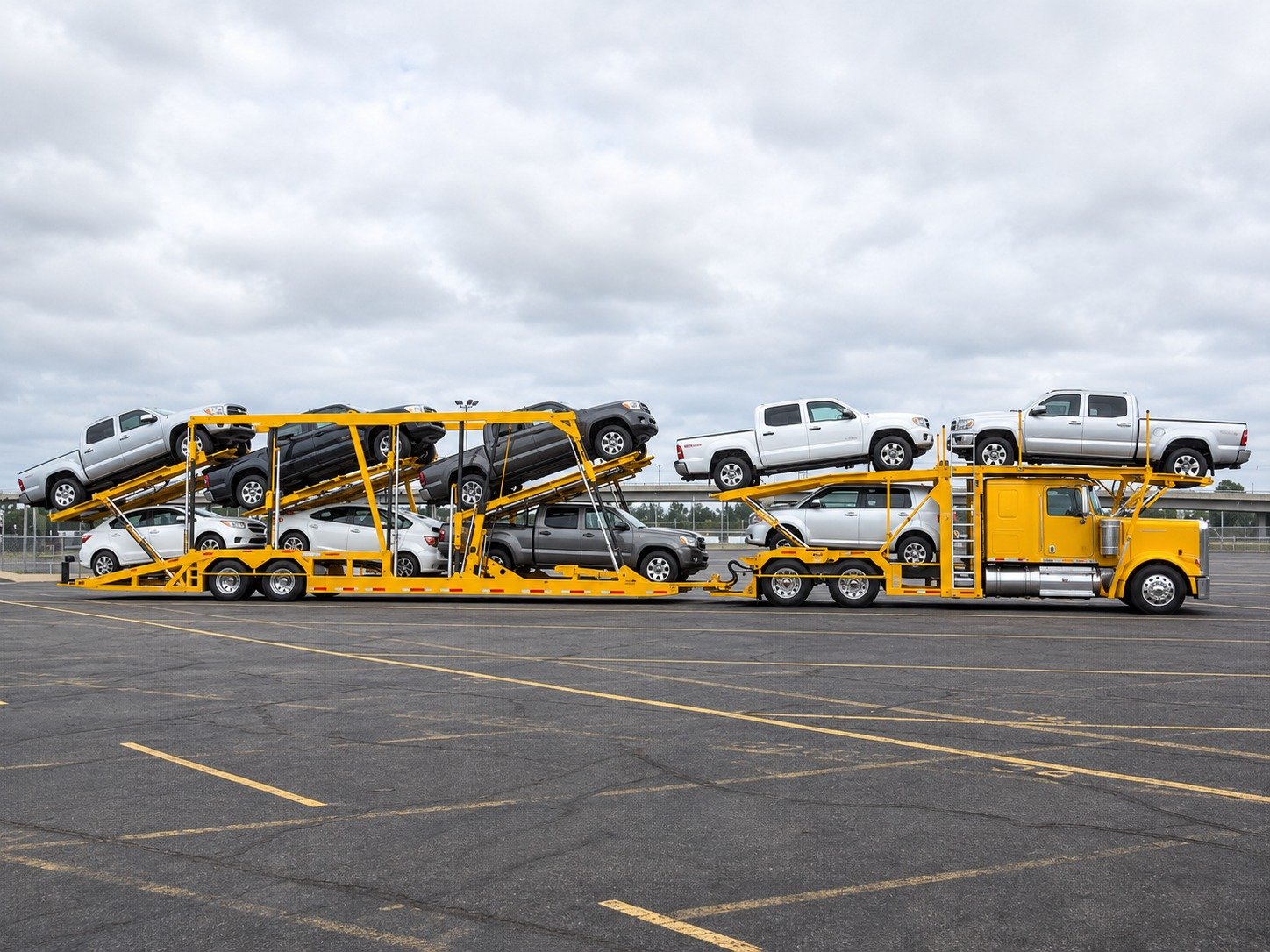
Unsurprisingly, the total distance your vehicle needs to travel is the foundation of your auto transport costs. Transporting a sedan from Vancouver to Calgary will inherently cost less than shipping that same sedan from Vancouver to Halifax. However, the calculation involves more than just reading the odometer.
Car transport rates are heavily influenced by the specific route. Major metropolitan areas like Toronto, Montreal, and Vancouver sit along heavily travelled shipping corridors. Because carriers run these routes frequently, they can consolidate loads efficiently, which often lowers the cost per vehicle. Conversely, if your pickup or delivery location is situated far from major highways—a common reality given the Canadian population distribution—the carrier must detour from their main route, increasing the price.
Remote locations require more time, burn more fuel, and limit the carrier's ability to pick up additional vehicles along the way. Navigating remote highway networks often requires specialized logistical planning, which is reflected in your final quote.
2. Vehicle Dimensions and Weight
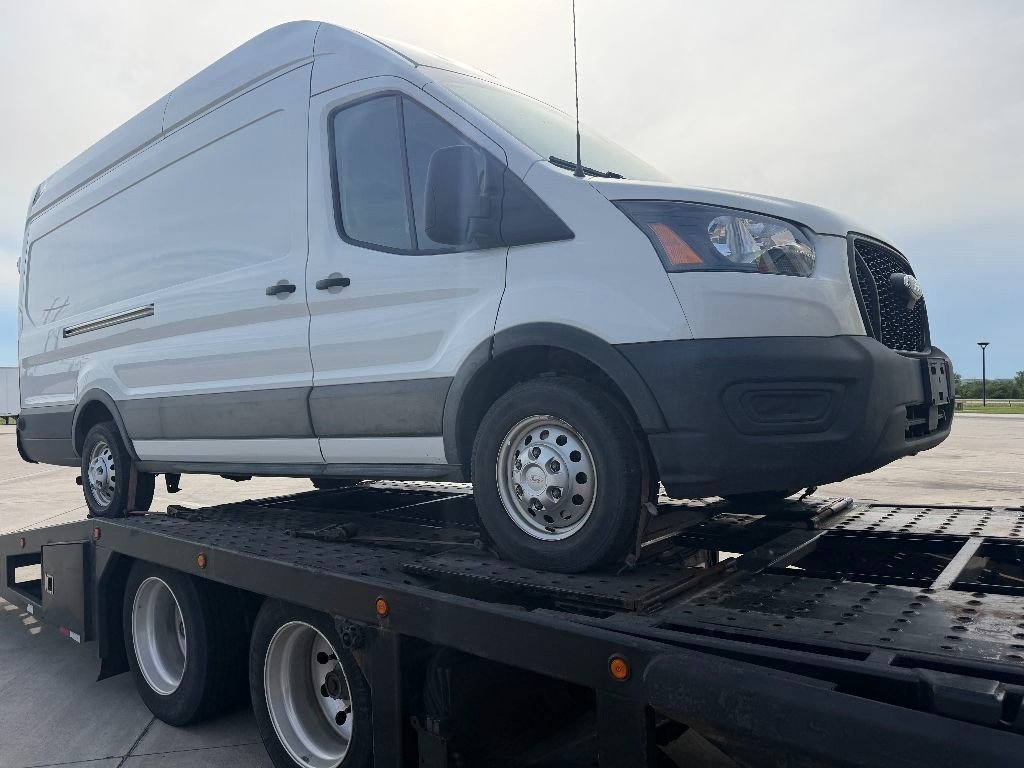
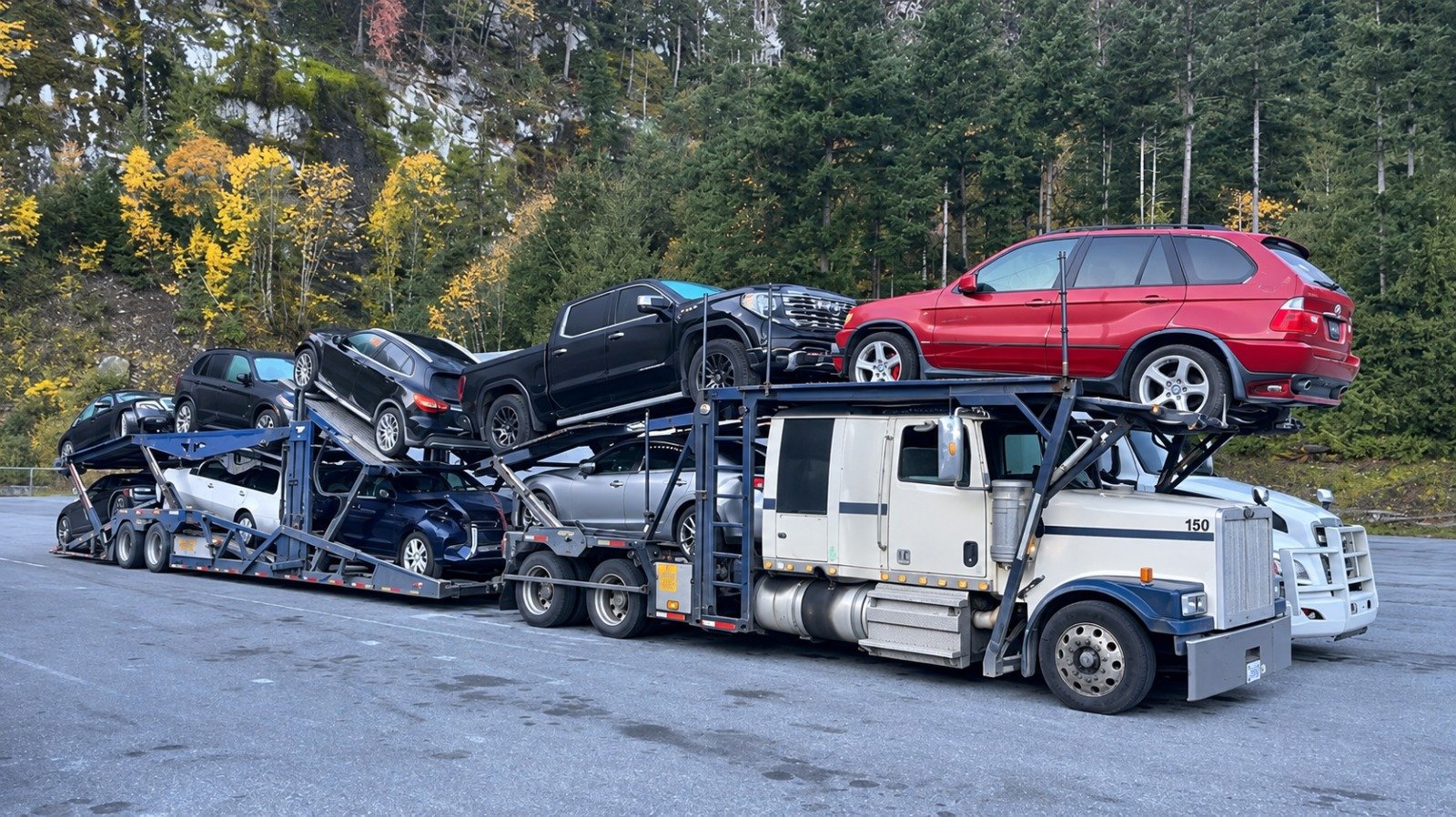
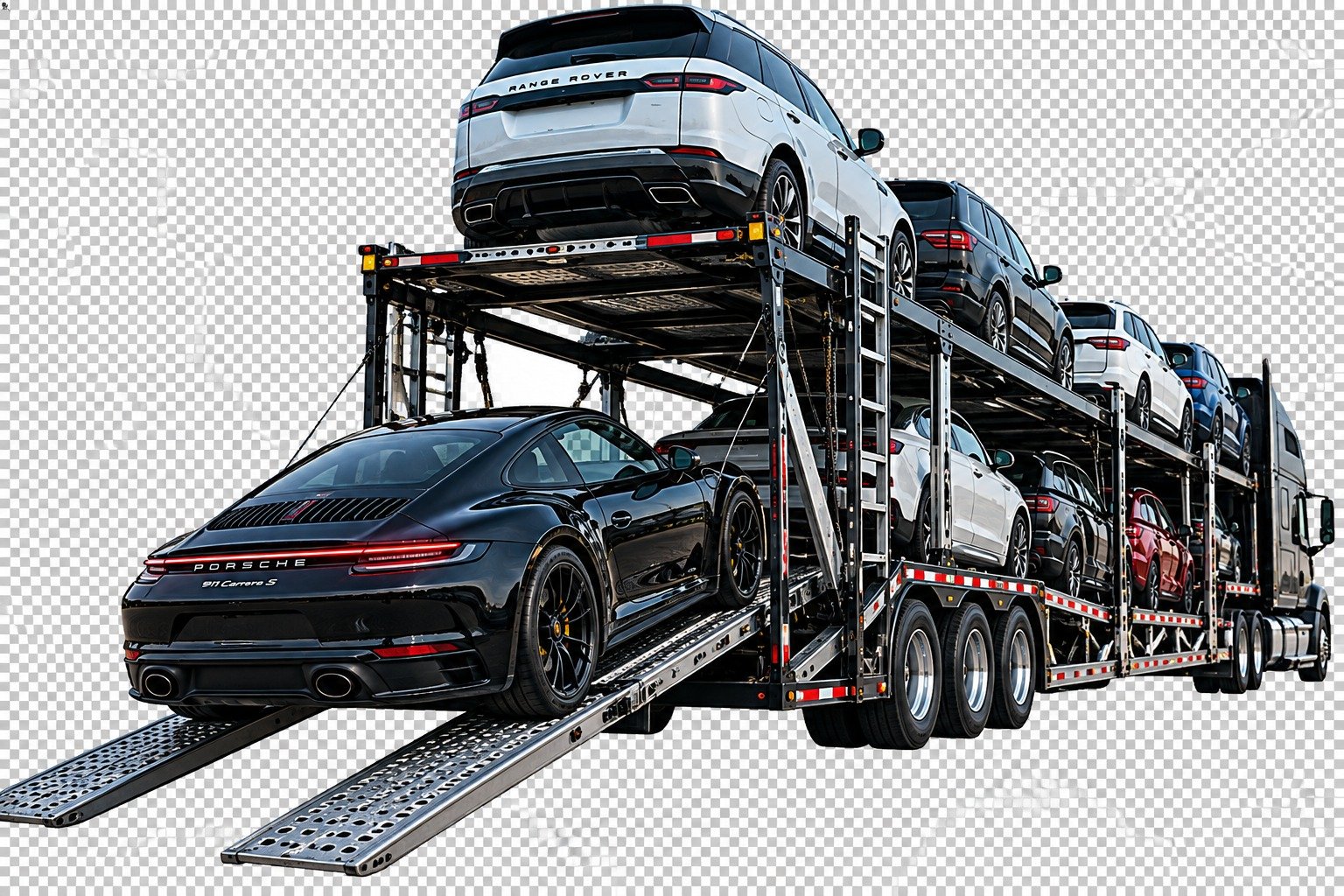
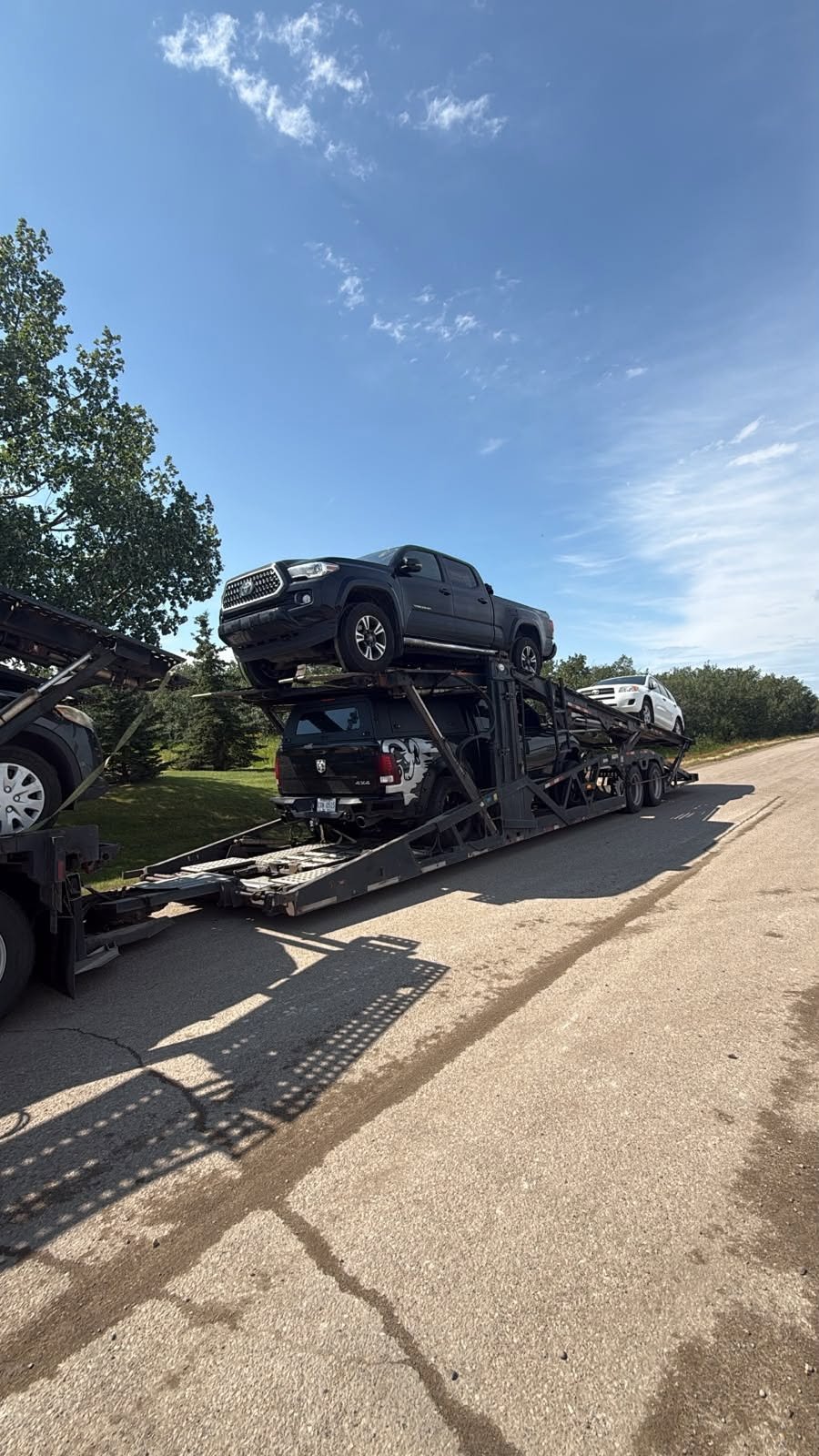
Does vehicle size affect car shipping costs? Absolutely. Auto transport carriers have strict legal weight limits and physical space constraints. A standard multi-level car carrier is designed to maximize the number of vehicles it can safely transport.
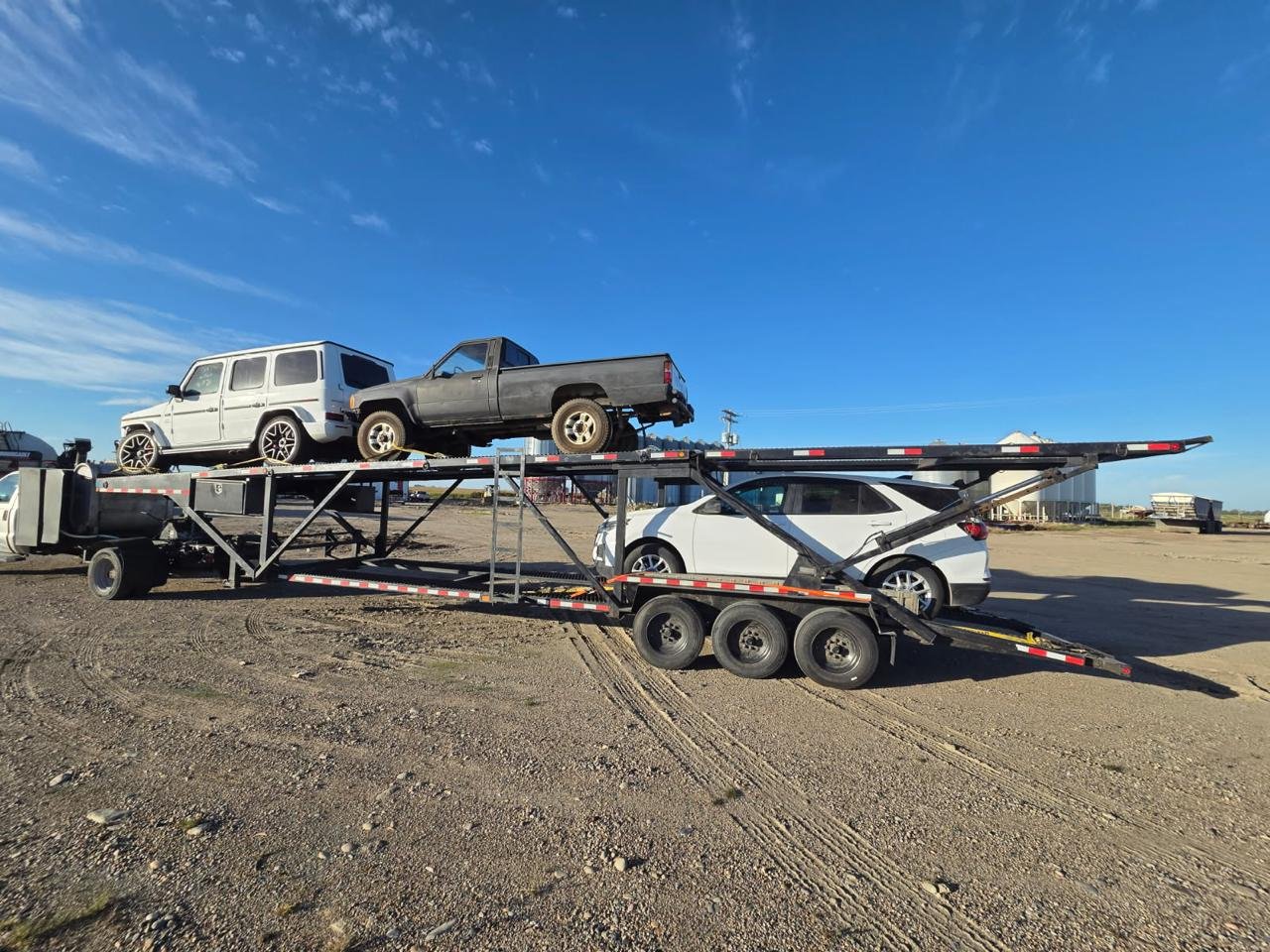
When calculating the cost to ship a car in Canada, logistics companies consider the exact make and model of your vehicle. A compact car like a Honda Civic takes up a standard slot on a trailer. In contrast, a heavy-duty pickup truck or a large SUV requires more vertical and horizontal clearance. This extra size might mean the carrier has to transport one fewer vehicle overall to accommodate your truck. Additionally, heavier vehicles reduce the total remaining weight capacity of the trailer, leading to a higher shipping price.
3. Transport Method: Open vs. Enclosed
The type of trailer you select is one of the most significant variables in determining vehicle transportation costs. Shippers generally choose between open transport, enclosed transport, or rail transit depending on their vehicle’s value, their budget, and their timeline.
Open Car Transport
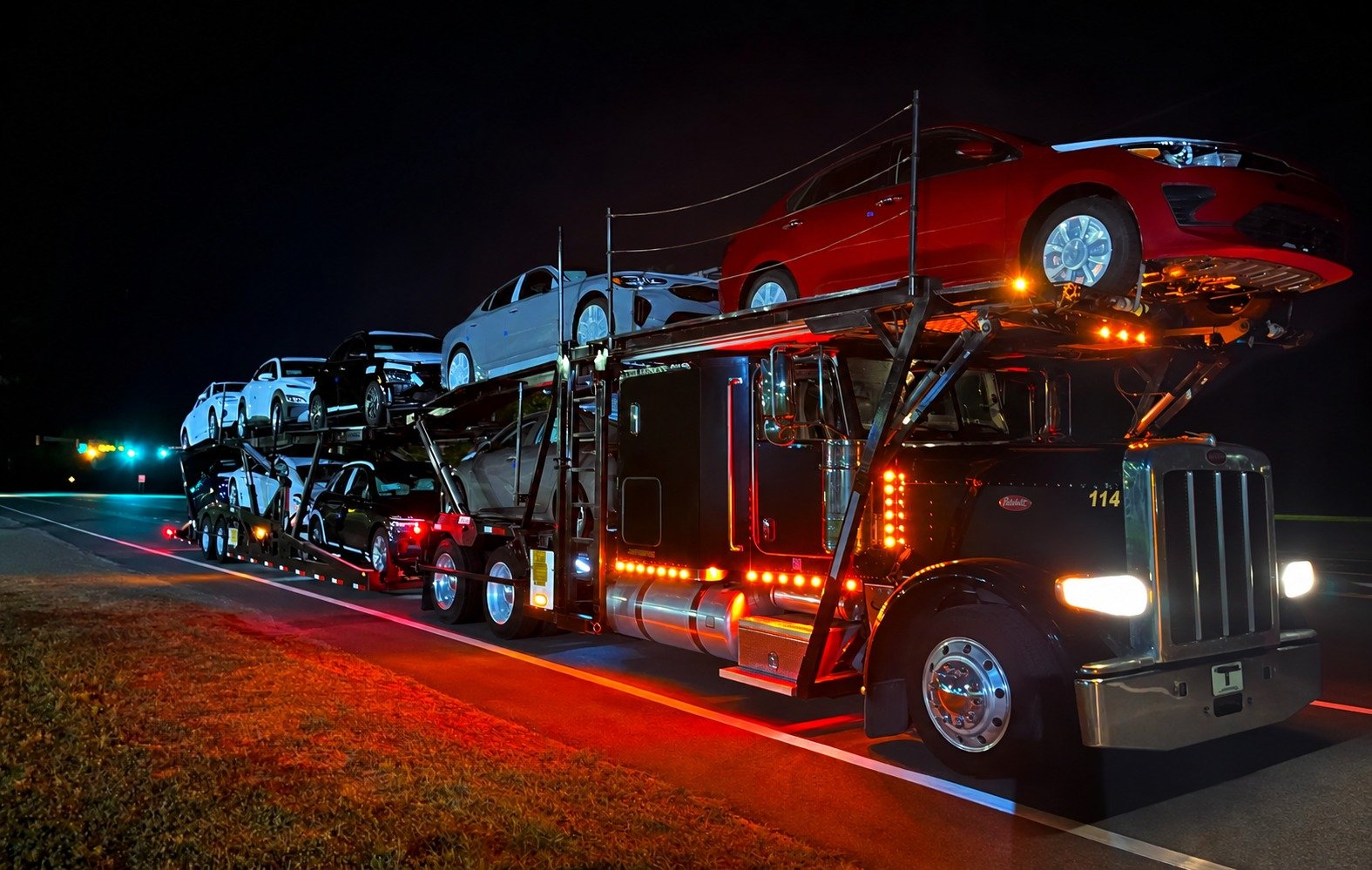
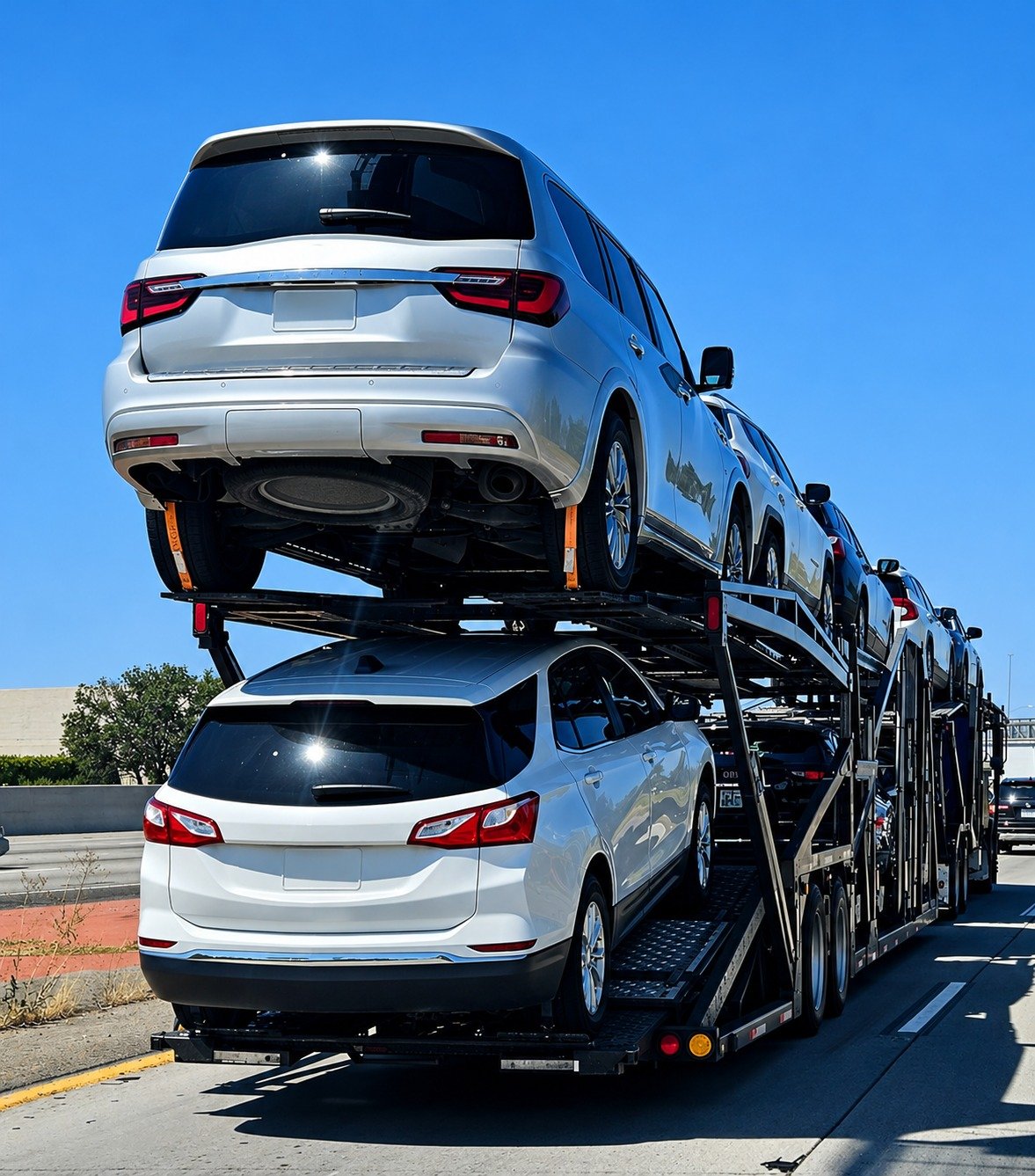
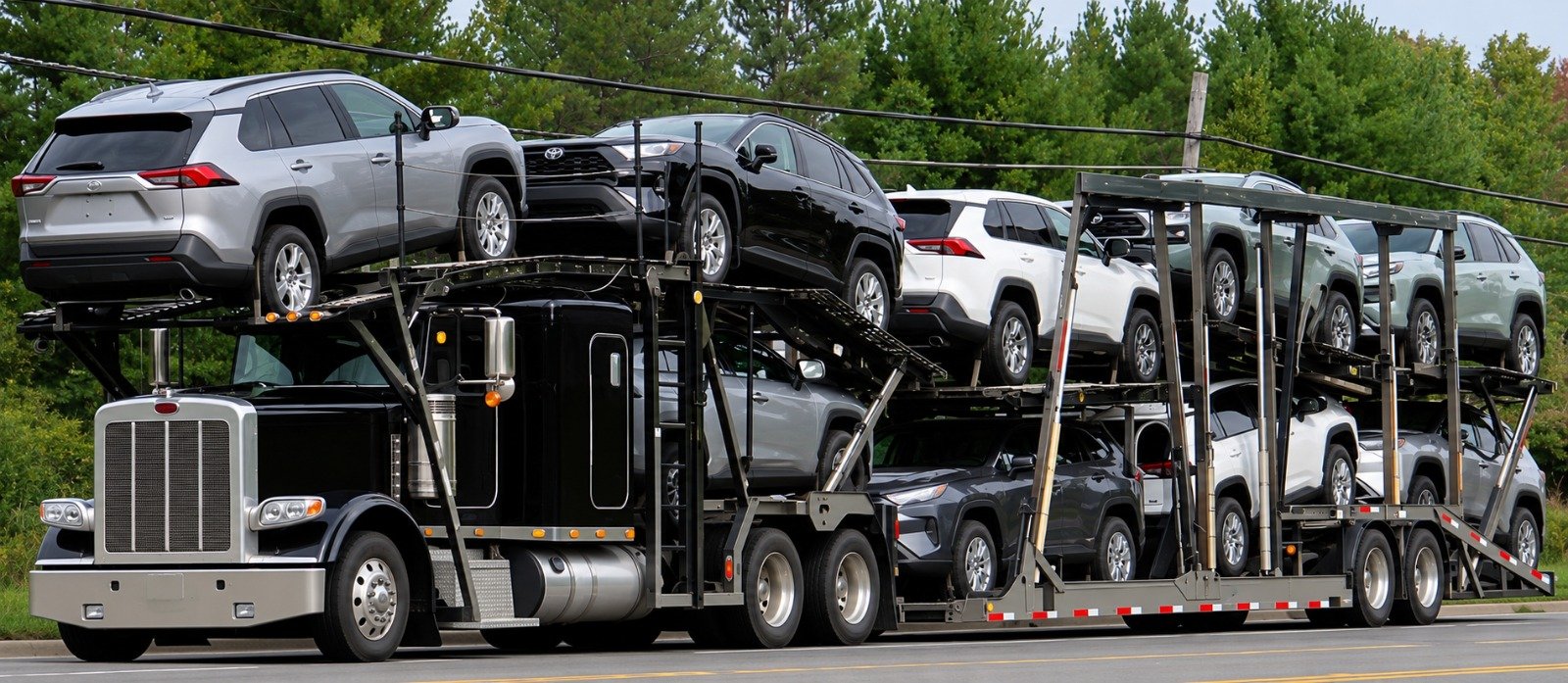
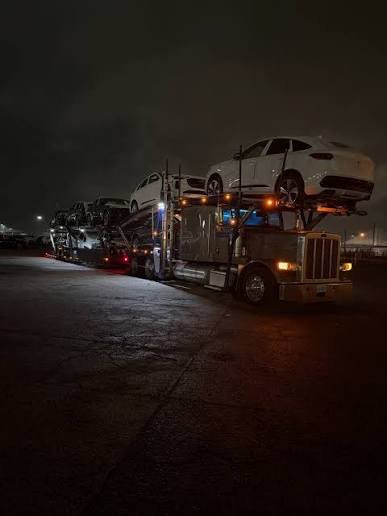
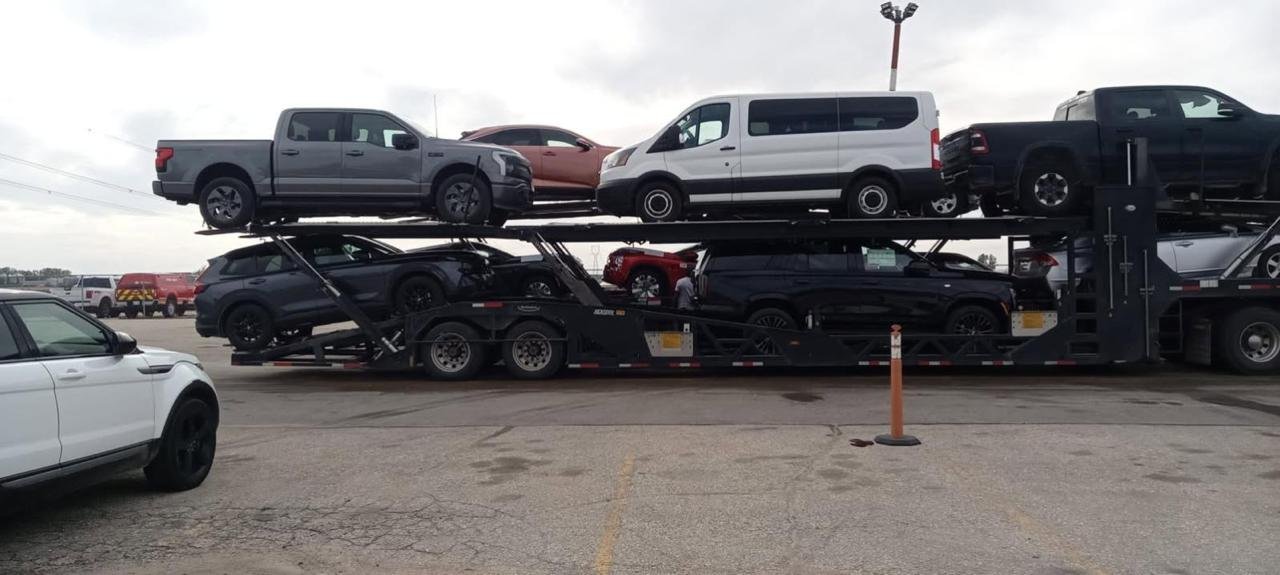
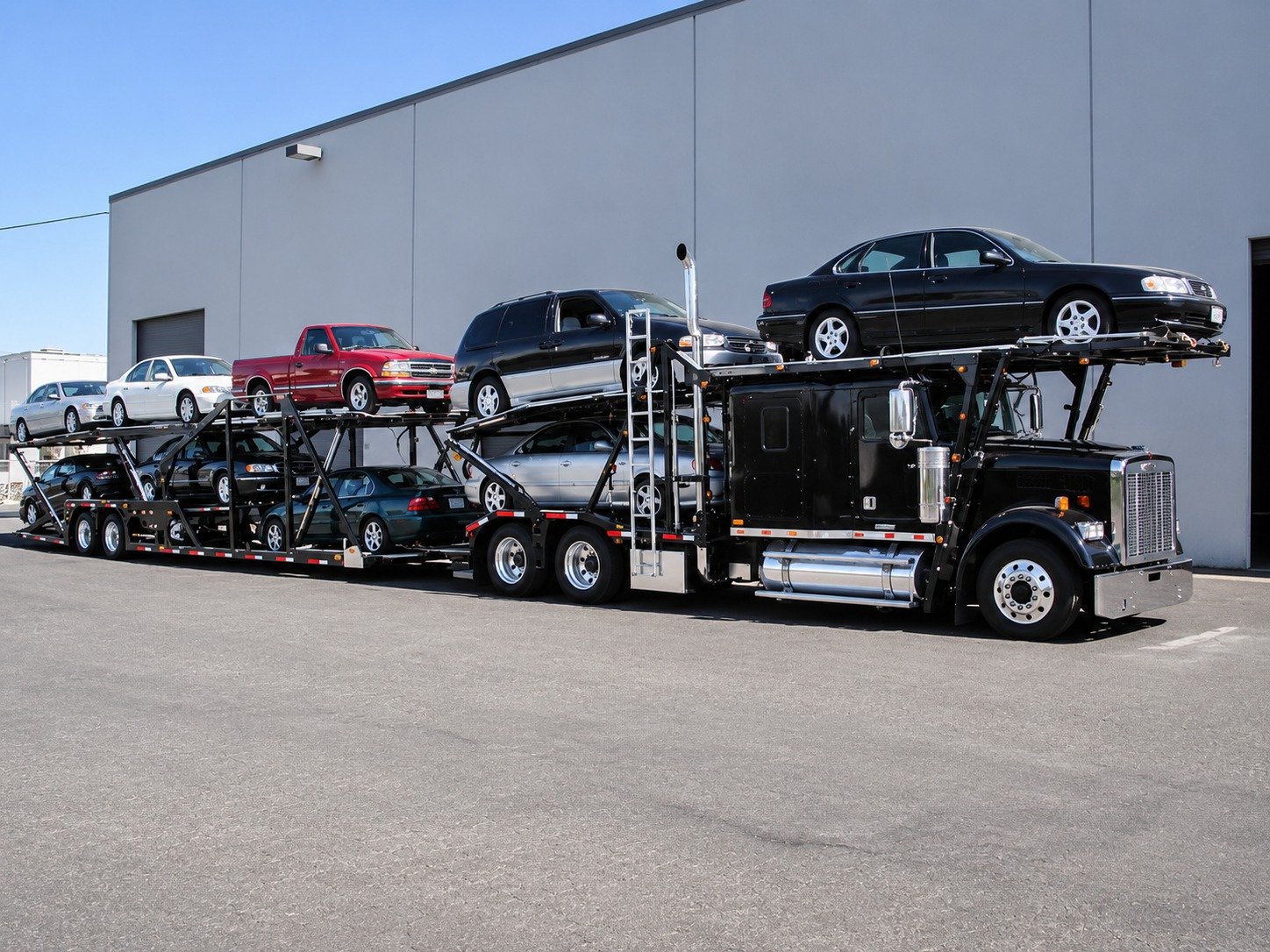
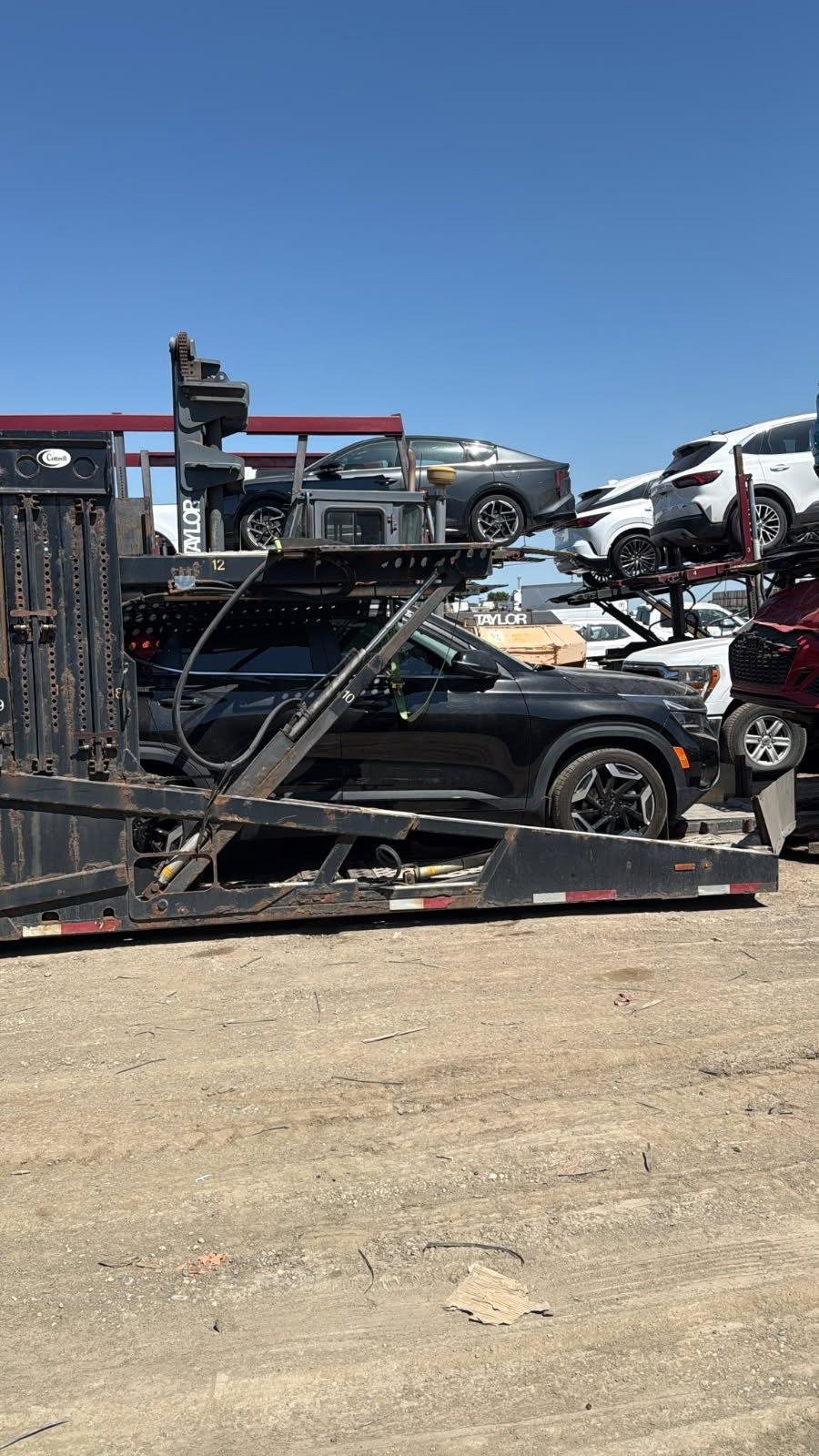
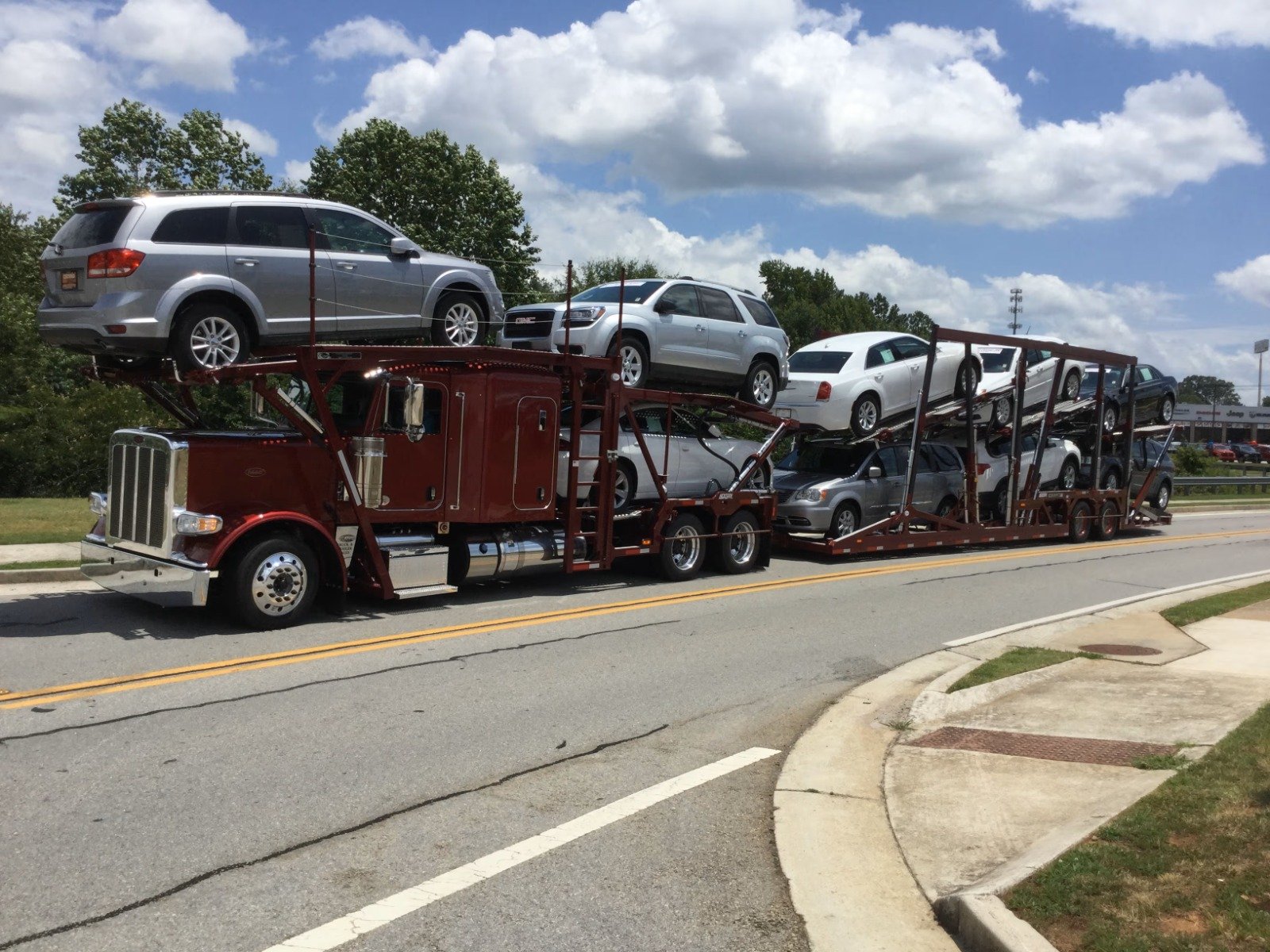
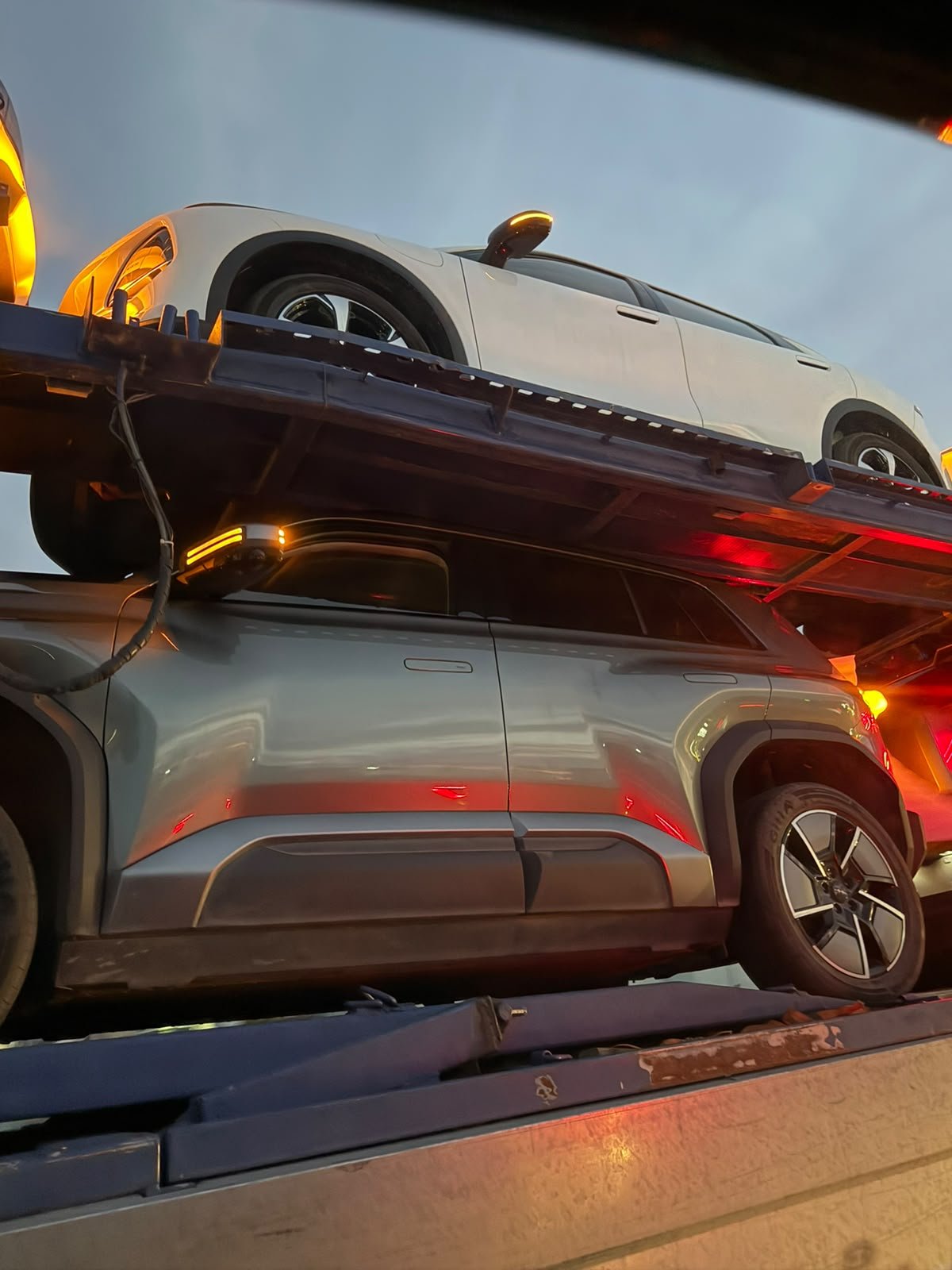
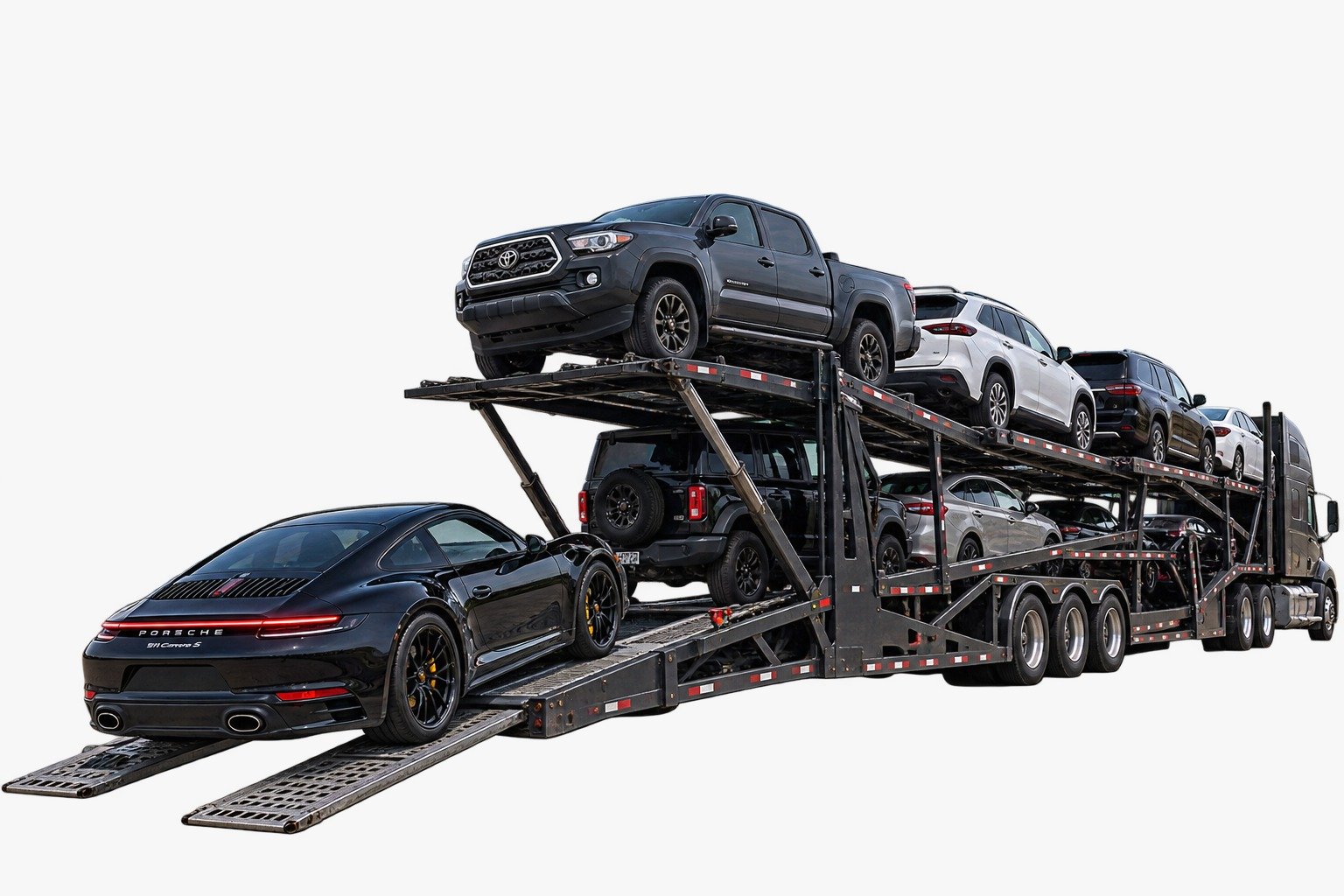
This is the most common and cost-effective method of vehicle shipping. With open car transport, your vehicle is loaded onto a multi-level trailer alongside several other vehicles. While highly secure and heavily utilized by dealerships, it does expose your car to the elements, such as dust, rain, and road debris. For standard daily drivers, open transport is the industry standard.
Enclosed Car Transport
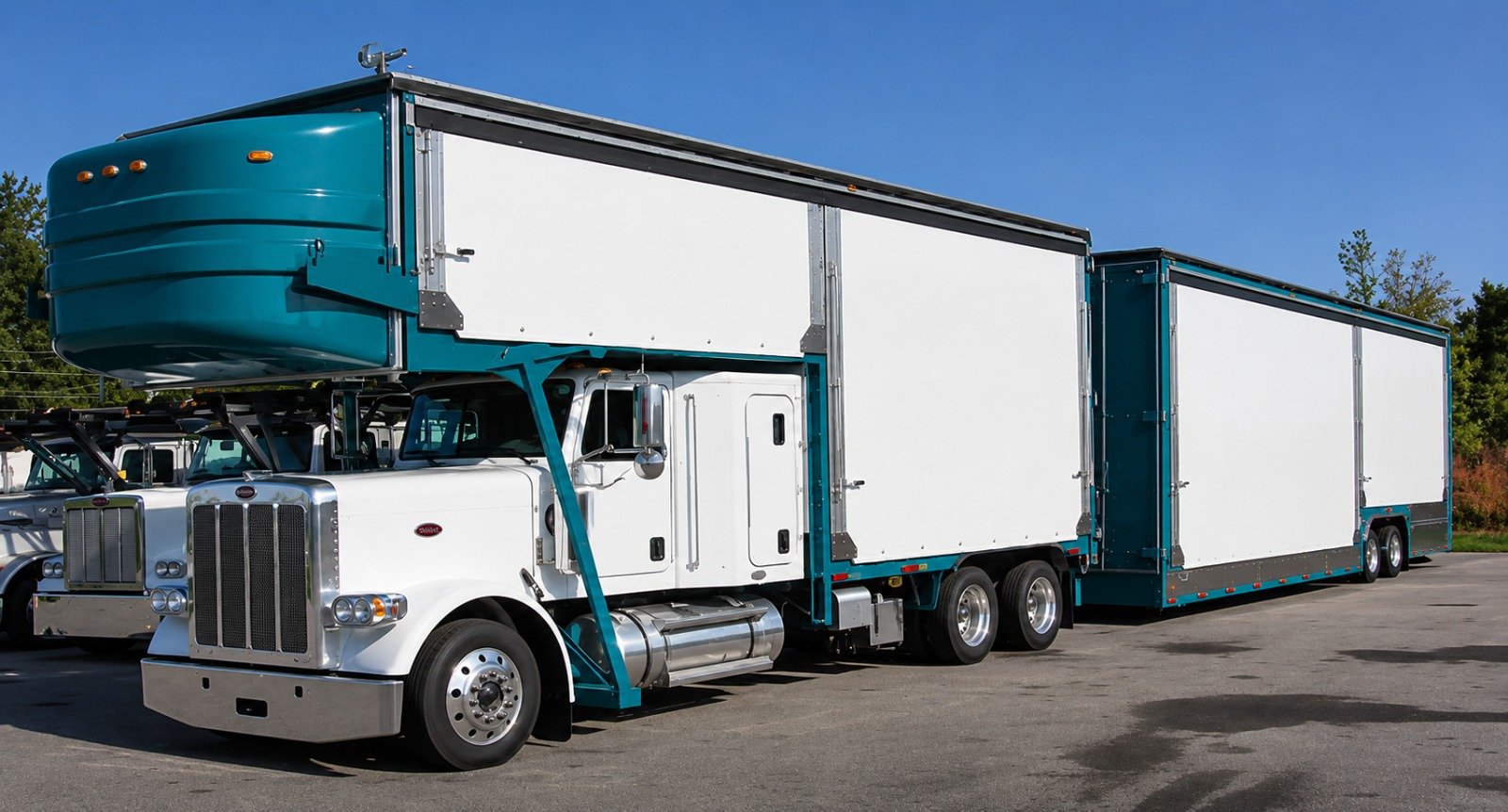
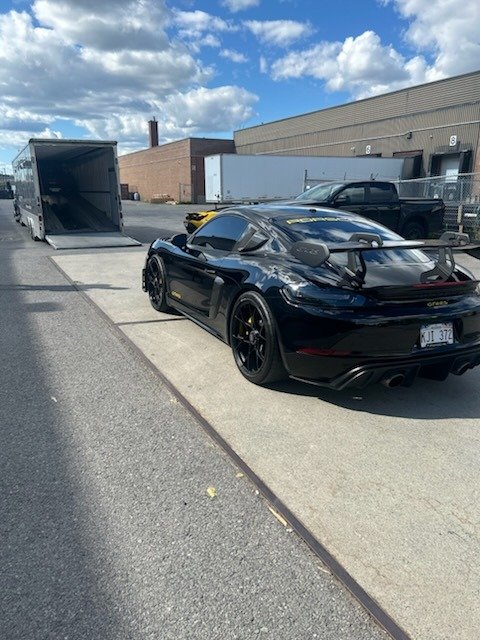
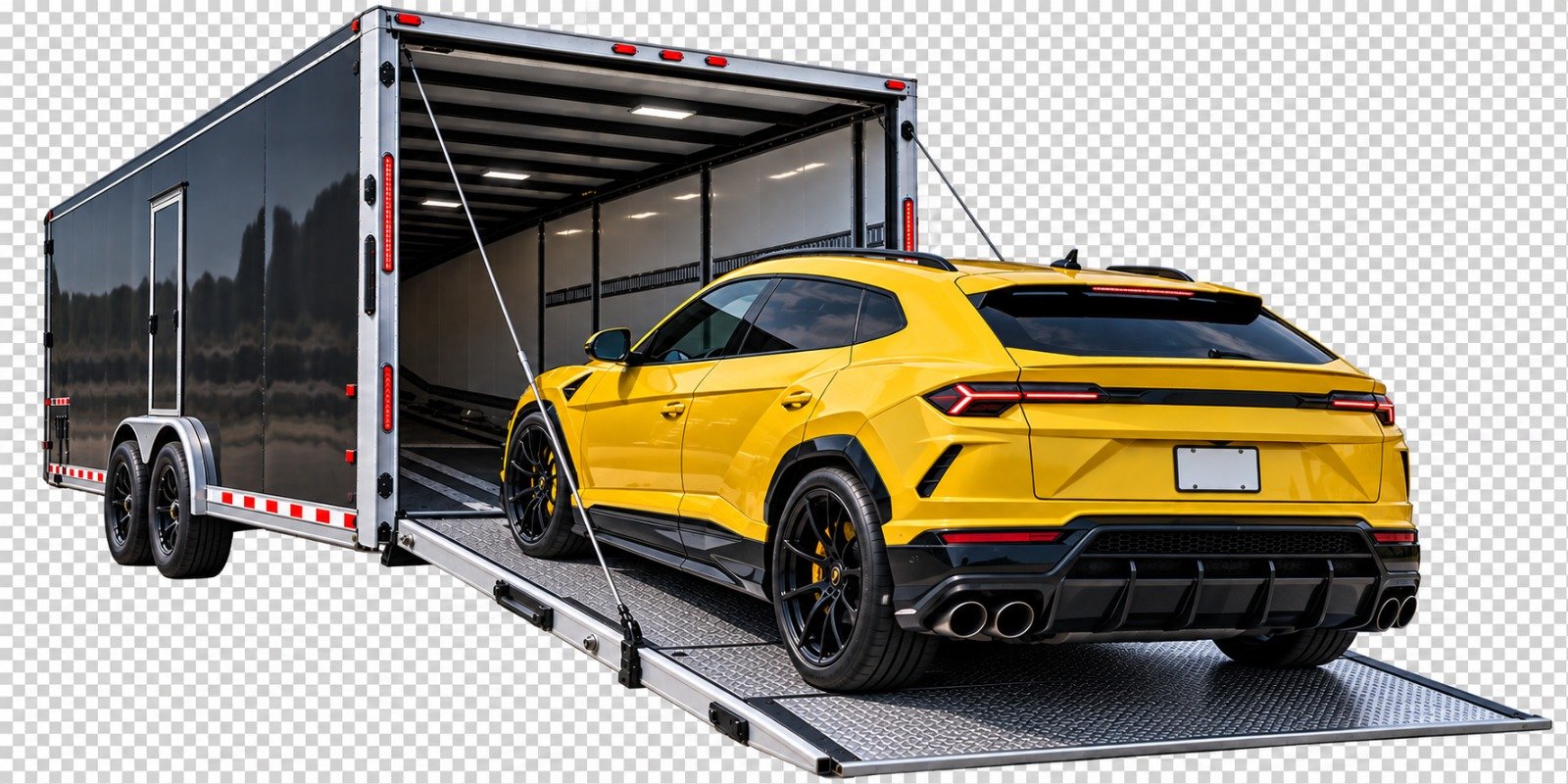
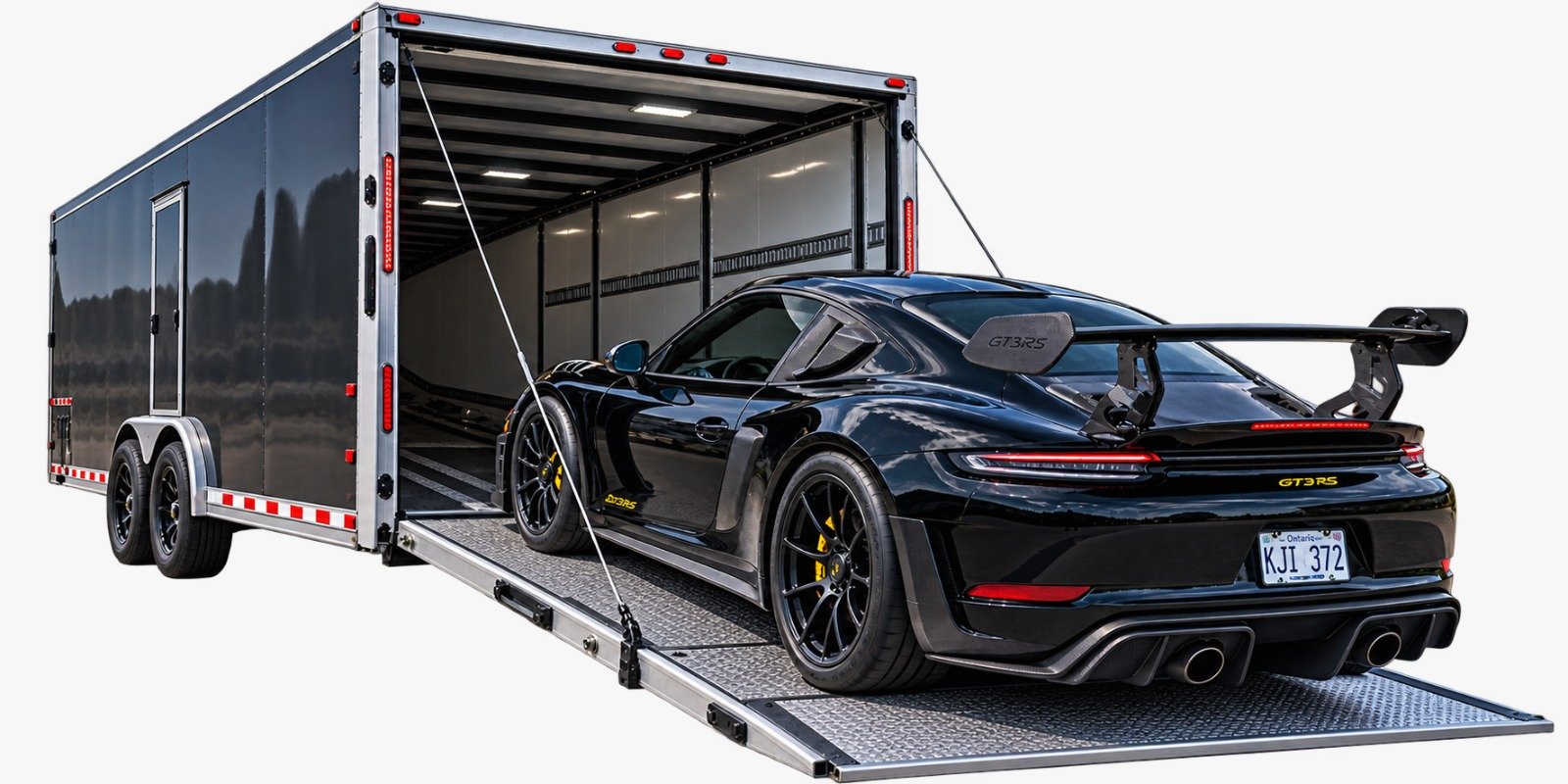
If you are shipping a luxury, classic, exotic, or highly sentimental vehicle, you will likely prefer enclosed transport. These trailers have fully covered sides and roofs, protecting the cargo from weather and road hazards. Because enclosed trailers hold fewer vehicles and require specialized equipment (such as hydraulic lift gates for low-clearance sports cars), the car transport rates for enclosed shipping are noticeably higher.
Railway Transportation
In Canada, moving vehicles via railway is a highly efficient option for coast-to-coast transit. Utilizing rail transport can sometimes be more economical for long inter-provincial moves, though transit times may be longer compared to expedited trucking services.
| Transport Method | Best Suited For | Cost Profile | Exposure to Elements |
|---|---|---|---|
| Open Transport | Daily drivers, standard SUVs, dealership inventory | Most Economical | Yes (Rain, snow, dust) |
| Enclosed Transport | Luxury cars, classic cars, high-value vehicles | Premium Pricing | None (Fully protected) |
| Rail Transport | Long-distance inter-provincial shipping | Moderate / Varies | Enclosed rail cars available |
4. Seasonality and Weather Conditions
Why do car shipping prices vary throughout the year? The answer largely lies in supply, demand, and Canadian weather. The auto transport industry is highly seasonal.
During the late fall, many "snowbirds" ship their vehicles from cooler Canadian provinces down south or to milder climates like British Columbia. This sudden spike in seasonal transportation demand limits carrier availability and pushes prices upward. Conversely, late spring sees a reversal of this trend.
Furthermore, severe winter weather conditions directly affect how car shipping prices are calculated in Canada. Heavy snowfall, icy mountain passes (such as the Coquihalla Highway in BC), and freezing temperatures force carriers to drive slower, alter their routes, and consume more fuel. The added risk and increased transit time during winter months naturally influence the final cost to ship a car in Canada.
Plan Ahead to Save: If your schedule is flexible, avoid booking your transport during the peak snowbird migration months (October/November and April/May). Booking your shipment 3 to 4 weeks in advance ensures better carrier availability and often secures a much more competitive rate.
5. Door-to-Door vs. Terminal-to-Terminal
The level of convenience you select will also alter your Canada car transport pricing. There are two primary delivery models:
- Door-to-Door Shipping: With door-to-door vehicle shipping, the carrier attempts to pick up and drop off the vehicle as close to your specified residential or business addresses as legally and safely possible. This premium service is highly convenient but costs more due to the localized routing required.
- Terminal-to-Terminal Shipping: Under this model, you drop your vehicle off at a designated transport hub, and pick it up at another hub in the destination city. Because the carrier does not have to navigate residential streets, this option can reduce auto transport costs.
6. Fuel Costs and Carrier Availability
The automotive logistics industry is heavily dependent on diesel fuel. When national fuel cost trends spike, transportation companies must adjust their pricing to absorb the increased overhead. These fluctuations are often reflected as fuel surcharges in your auto transport quote.
Additionally, carrier availability plays a crucial role. If you are shipping a vehicle on a highly active route where many trucks are operating, competition keeps prices stable. If you require shipping on a less common route with fewer active trucks, you may have to pay a premium to entice a carrier to accept the load.

Frequently Asked Questions
To get an accurate quote, you need to provide the logistics coordinator with precise details: the exact pickup and delivery postal codes, the make, model, and year of the vehicle, its operability status (whether it runs and drives), and your preferred timeline. You can request a precise estimate by using a professional get a quote tool.
Yes. If a vehicle cannot be driven onto the transport trailer safely (due to engine failure, missing brakes, or structural damage), the carrier must use a winch or specialized forklift equipment to load and unload it. This requires extra time, effort, and specific trailer capabilities, resulting in a higher shipping fee.
While base rates are generally fixed based on distance, fuel, and carrier availability, you can often lower your costs by being flexible with your pickup and delivery dates, opting for terminal-to-terminal shipping, or booking well in advance.
Reputable logistics providers will give you an all-inclusive quote. However, it is essential to read the terms and conditions. Factors that could incur additional charges later include misrepresenting the vehicle's size, failing to disclose that the vehicle is inoperable, or having personal items packed inside the car which adds unapproved weight.
Conclusion
Understanding the factors that affect car shipping prices in Canada empowers you to make informed decisions when transporting your vehicle. While distance and vehicle size form the baseline of the cost, variables like transport method, seasonal weather challenges, and local carrier availability all play a crucial role in the final calculation.
At Optixtrace Car Shipping, we believe in transparent pricing and professional execution. By understanding your specific logistical needs—whether you require a standard open carrier across the prairies or a fully enclosed transport for a luxury vehicle in winter—we connect you with the right transportation solutions.