Relocating across the second-largest country in the world is a monumental undertaking. Whether you are moving from the temperate coast of British Columbia to the bustling heart of Ontario, relocating for work, purchasing a vehicle out of province, or managing corporate logistics, one major question always arises: how to ship a car from one province to another?
Driving a vehicle thousands of kilometres across Canada isn't just exhausting; it adds significant wear and tear, exposes your vehicle to unpredictable weather conditions, and costs precious time and money in fuel, hotels, and food. Understanding the ins and outs of interprovincial car shipping is essential to ensure your vehicle arrives safely, legally, and cost-effectively.
In this comprehensive guide, we will break down the entire process of car shipping between provinces, explore your transport options, and explain what you need to prepare before your vehicle hits the highway.
The Basics of Interprovincial Car Shipping
At its core, shipping a vehicle between provinces involves coordinating with a professional logistics provider to safely transport an automobile from a designated origin point to a specific destination via commercial carrier. Canada's vast geography—stretching over 7,000 kilometres from the Pacific to the Atlantic—presents unique logistical challenges. The Rocky Mountains, sweeping prairies, and the rugged Canadian Shield all dictate specific routes and transportation requirements.
When researching how to transport a car between provinces in Canada, you will typically encounter two primary service models:
- Door-to-Door Service: The transport truck picks up and delivers the vehicle as close to your home or business as legally and safely possible. You can learn more about door-to-door transportation here.
- Terminal-to-Terminal Service: You drop your vehicle off at a designated logistics hub (terminal) in your origin province, and pick it up at a terminal in your destination province. This is often slightly more cost-effective but requires you to manage the local logistics.
Navigating provincial boundaries also means adhering to varying regulations governing commercial vehicles. Federal guidelines set by Transport Canada ensure that carriers follow strict safety and hours-of-service protocols, which directly impact how quickly your vehicle can travel across the country.
What is the Process of Shipping a Car Between Provinces?
Many customers worry that car transportation across Canada is a complex logistical maze. However, when working with a reputable company, the process is streamlined into five clear steps.
1. Requesting a Quote and Booking
The first step is obtaining an accurate car shipping quote. To get a precise number, you will need to provide the year, make, and model of your vehicle, along with the origin and destination postal codes, and your preferred dates. Once you accept a quote, the carrier will reserve a spot for your vehicle on the appropriate transport trailer.
2. Vehicle Preparation
Before the truck arrives, your car needs to be ready. This means cleaning the exterior so inspections can be done accurately, removing toll transponders, and clearing out personal items. Carriers are not licensed to transport household goods, and personal items are generally not covered by carrier insurance coverage.

3. Vehicle Pickup and The Bill of Lading
When the driver arrives, they will perform a comprehensive vehicle inspection alongside you. Any existing scratches, dents, or mechanical quirks will be documented on a vital legal document known as the Bill of Lading. You will sign this document, and the driver will carefully load your vehicle onto the transport trailer.
4. Cross-Country Transit
Once loaded, your vehicle begins its journey. Professional auto transport involves carefully mapped routes optimized for safety and efficiency. During winter months, specialized routing may be required to avoid severe weather systems across the Prairies or Northern Ontario.
5. Delivery and Final Inspection
Upon arrival at the destination terminal or your new address, you will conduct a final inspection with the driver. You will compare the car's condition to the initial Bill of Lading to ensure it arrived in the exact condition it left. Once signed off, the keys are handed over, and the process is complete.
If you are shipping a vehicle when moving to another province, schedule your vehicle transport at least 2 to 4 weeks in advance of your desired shipping date to secure the best rates and carrier availability.
Choosing the Right Auto Transport Between Provinces
The best way to transport a vehicle across Canada depends heavily on the type of vehicle you own, your budget, and your specific timeline. Here are the three main options available to Canadian consumers.
Open Car Carrier Transport
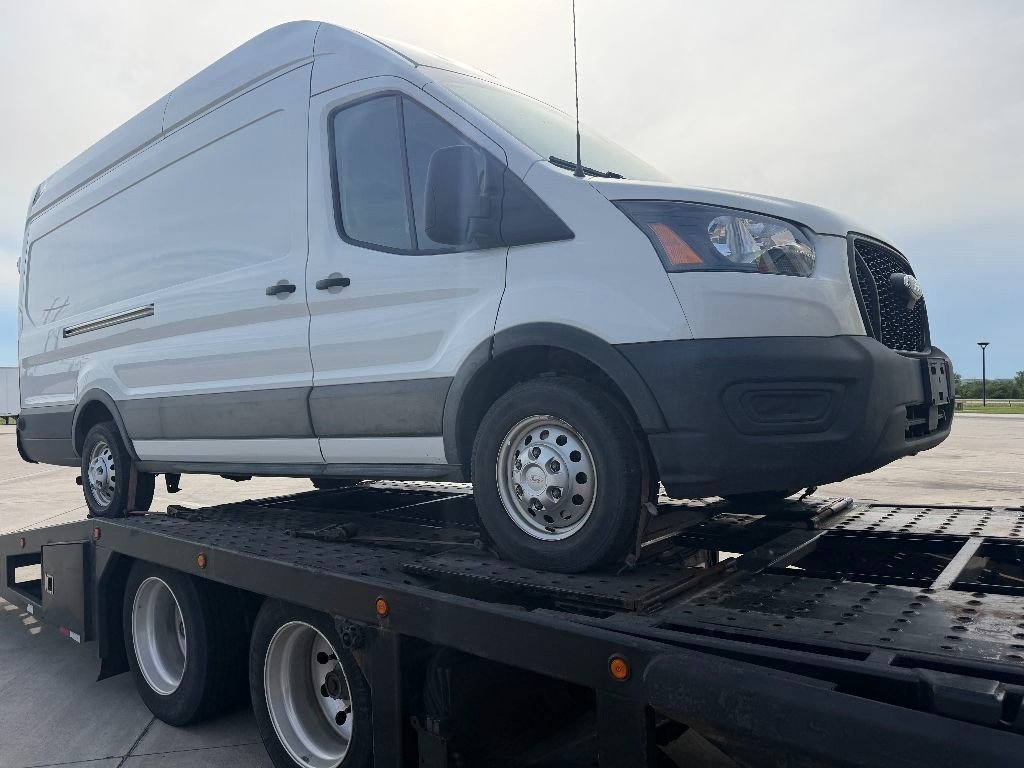
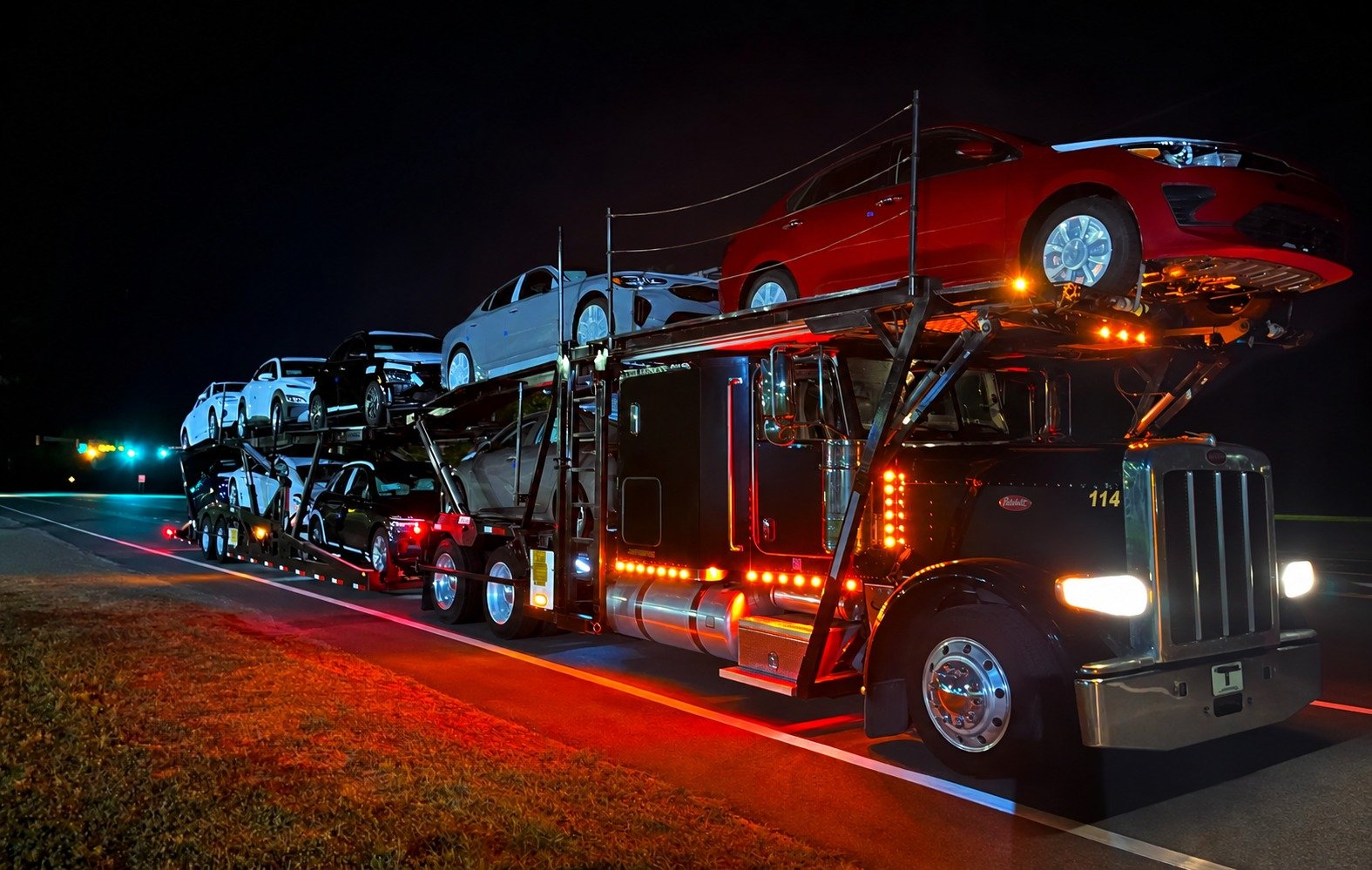
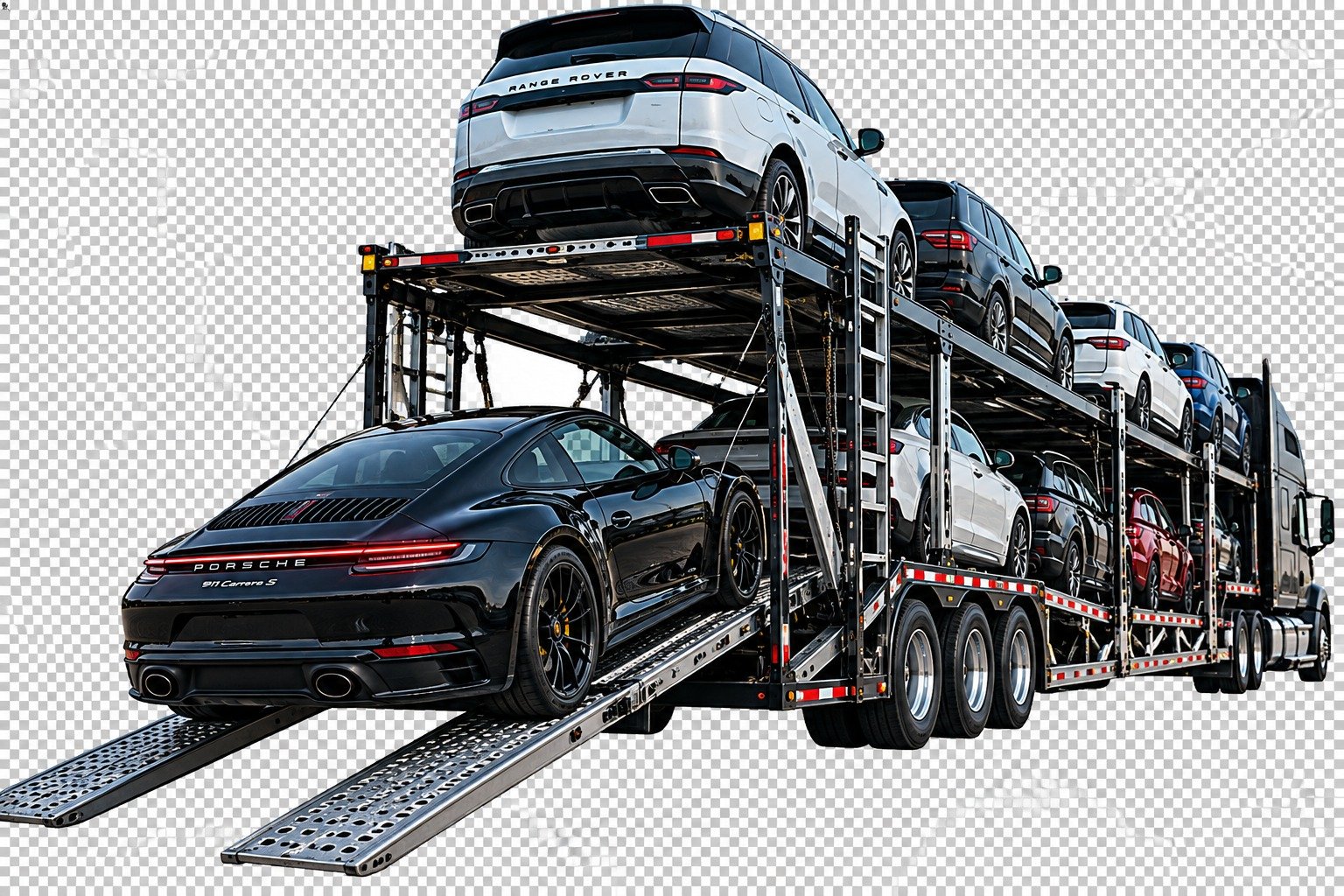
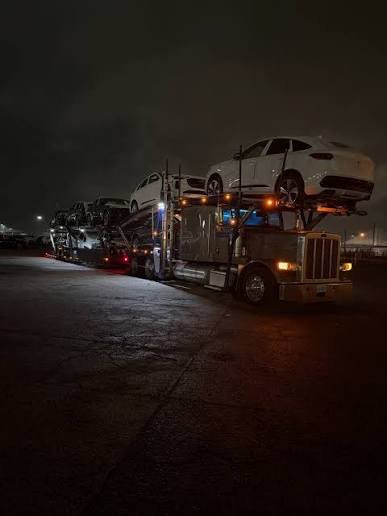
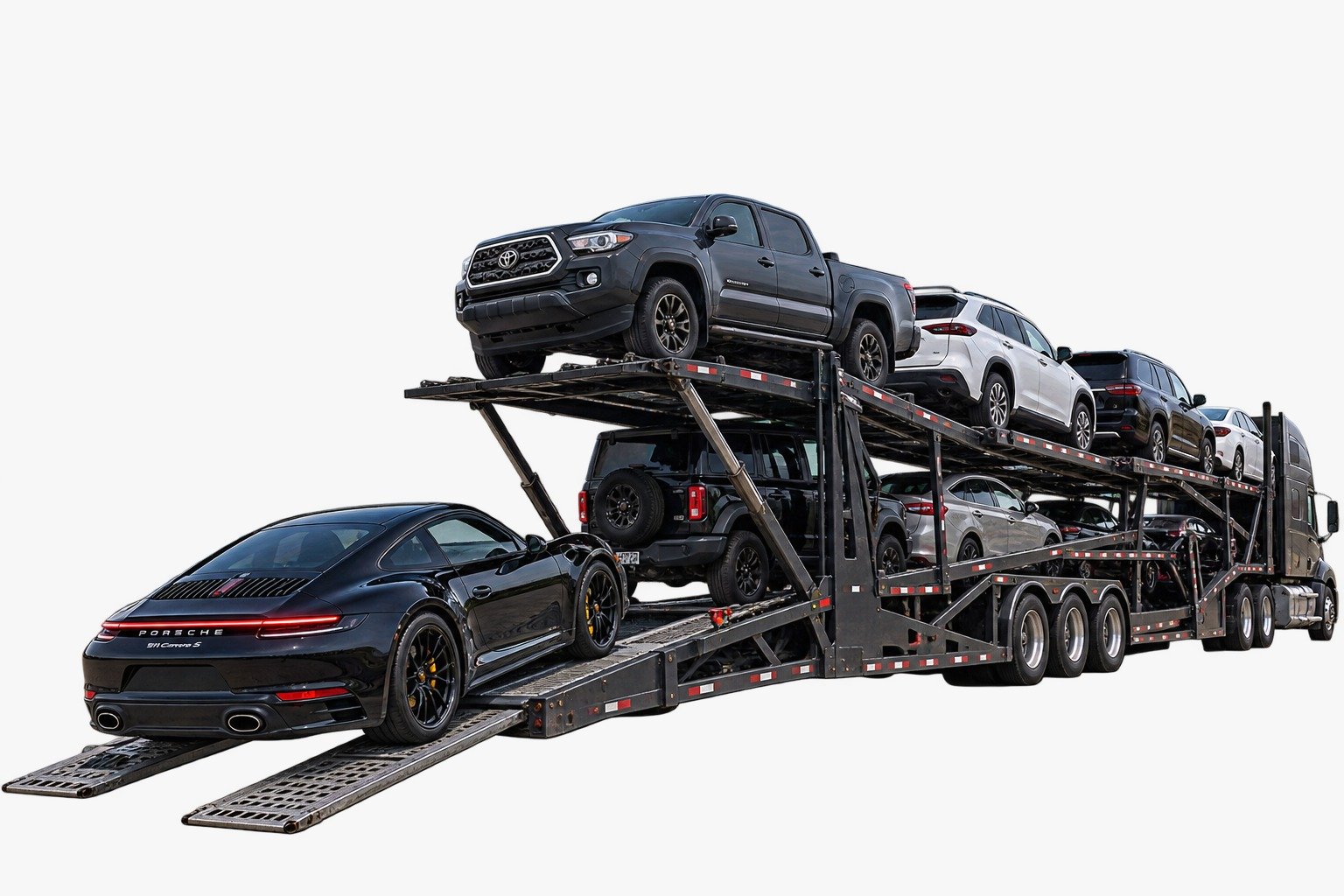
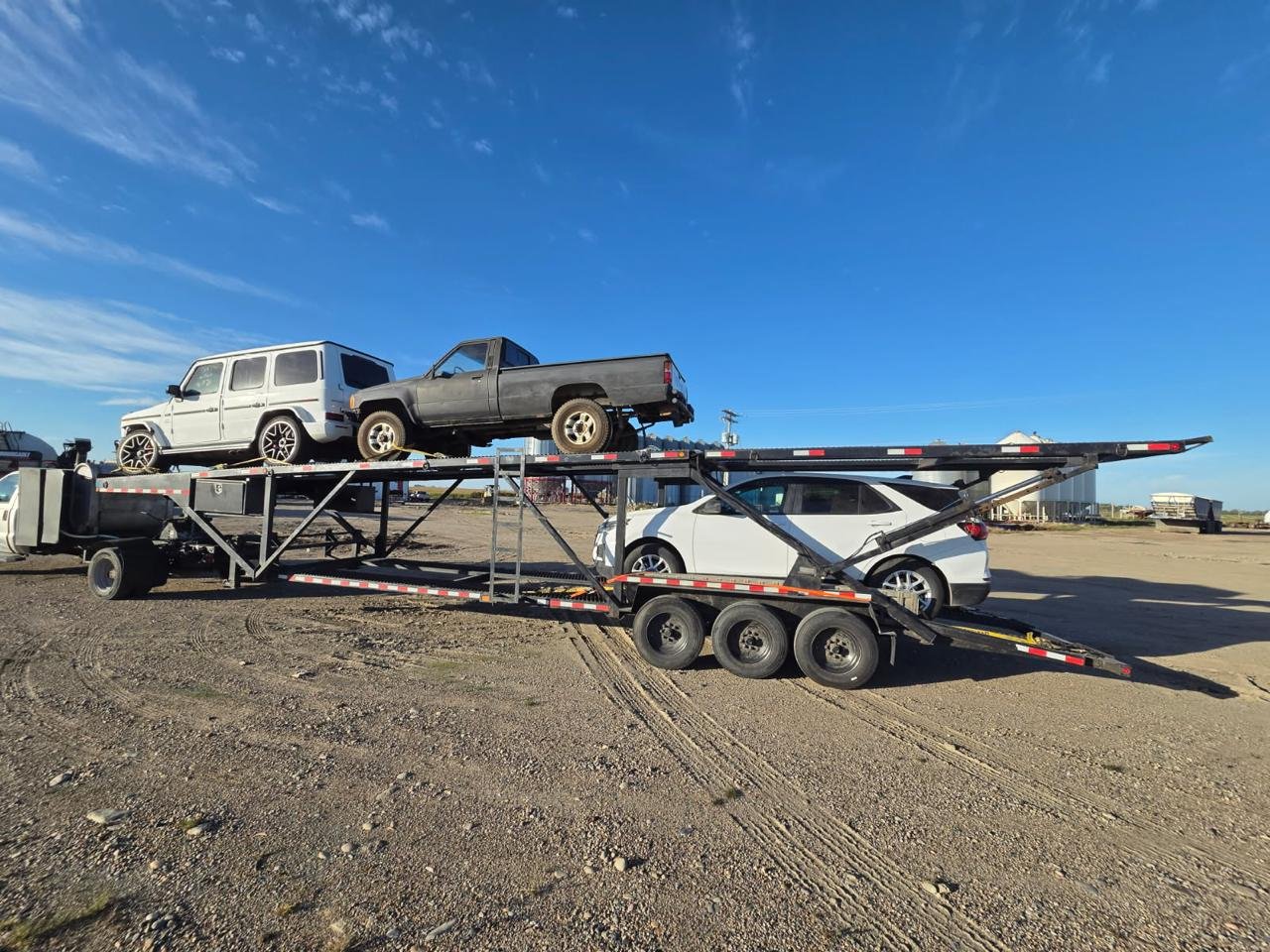
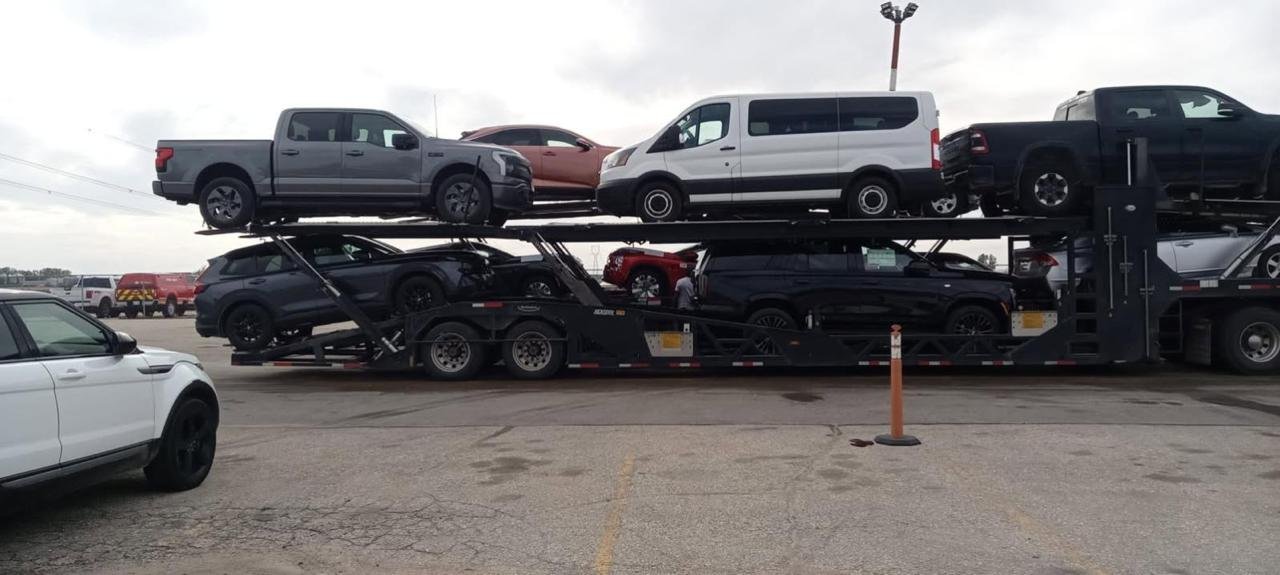
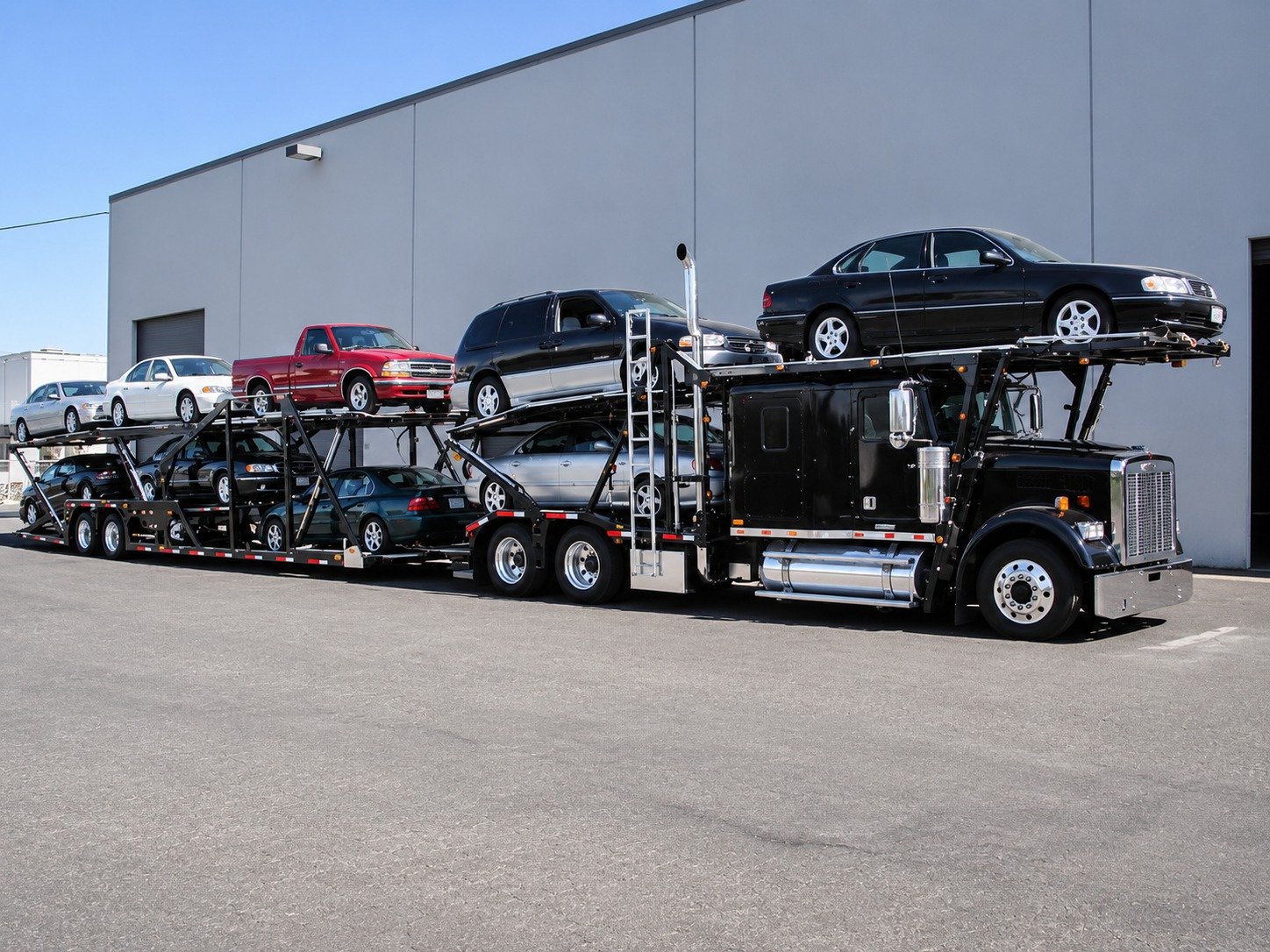
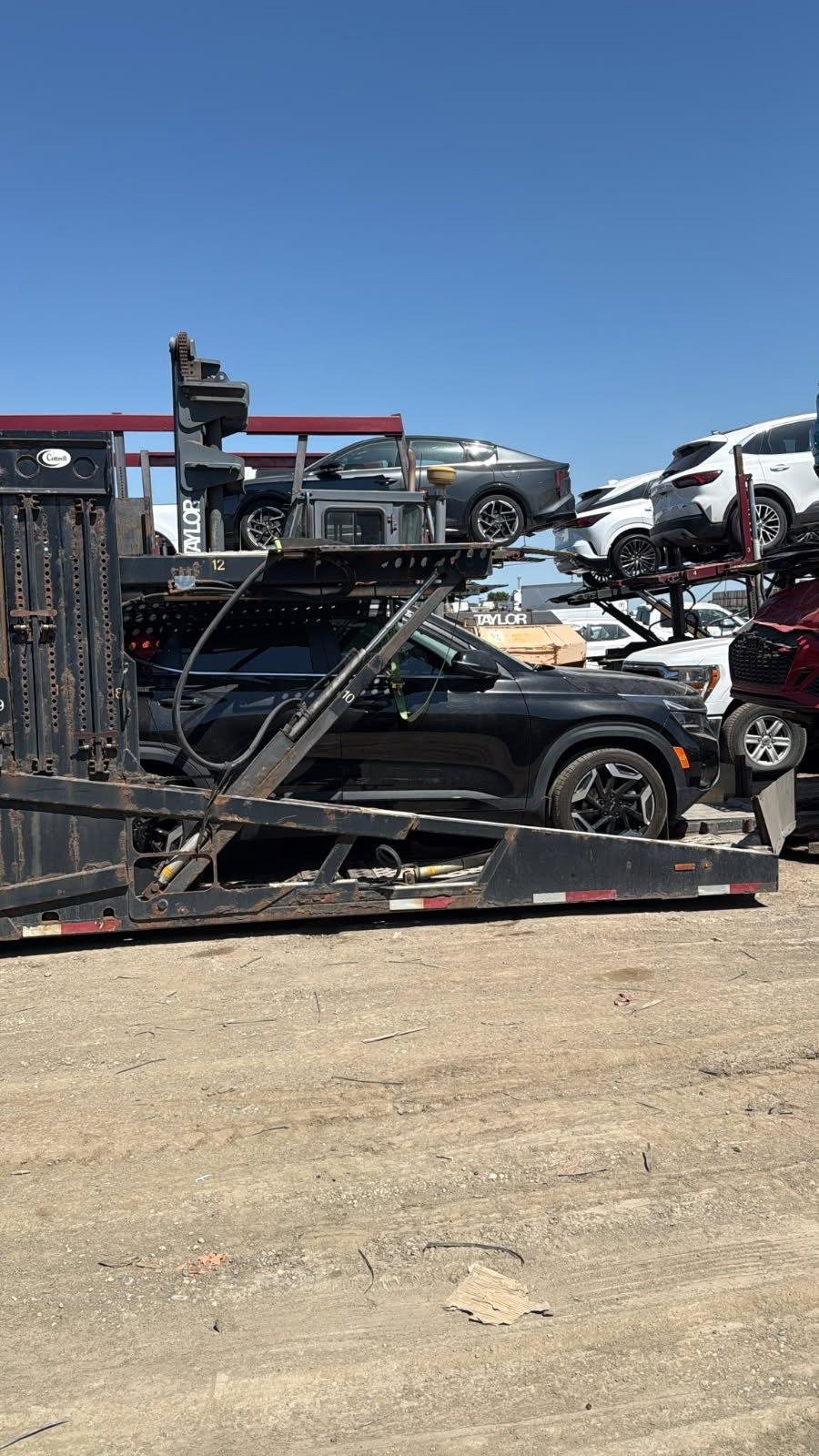
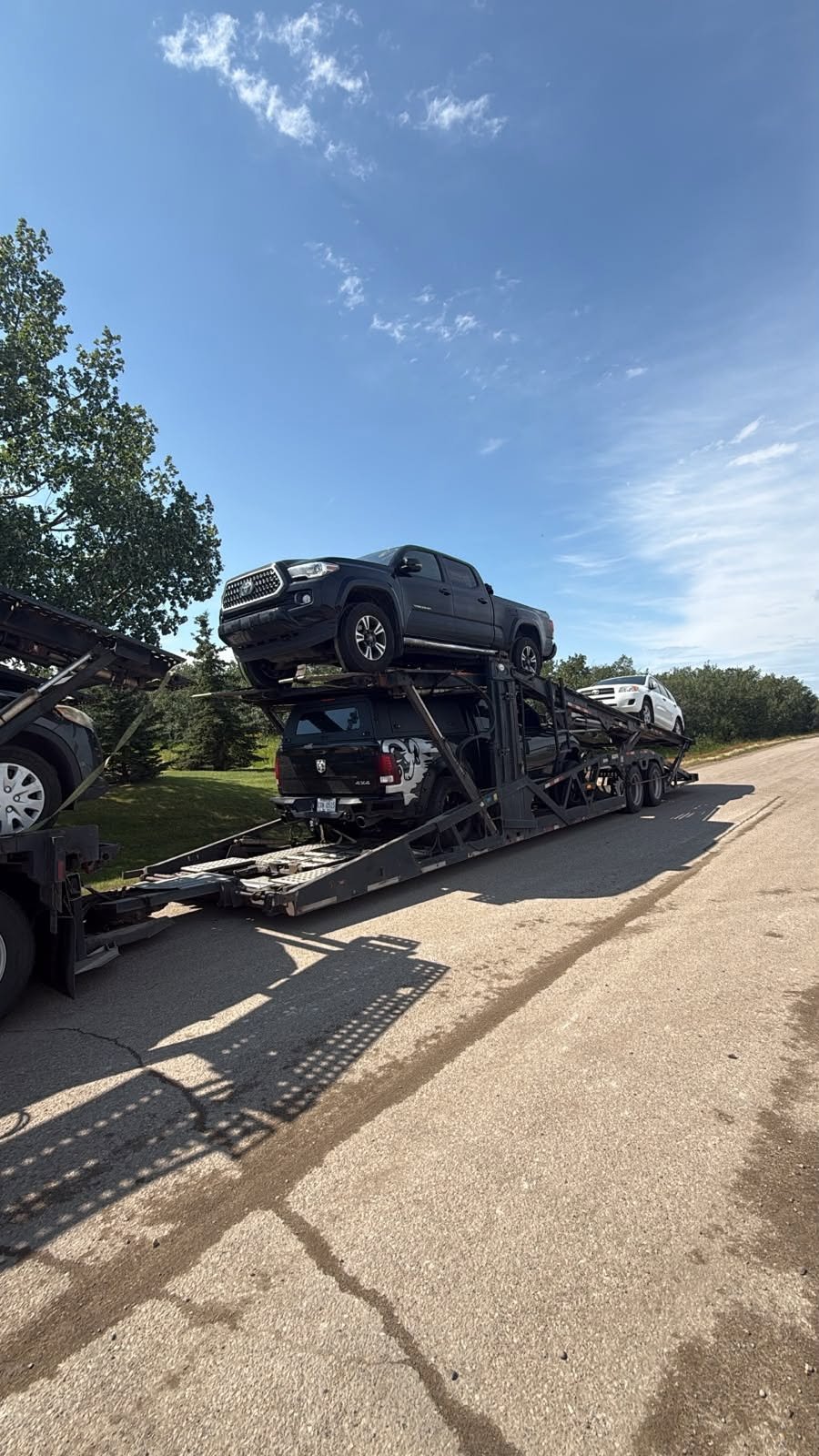
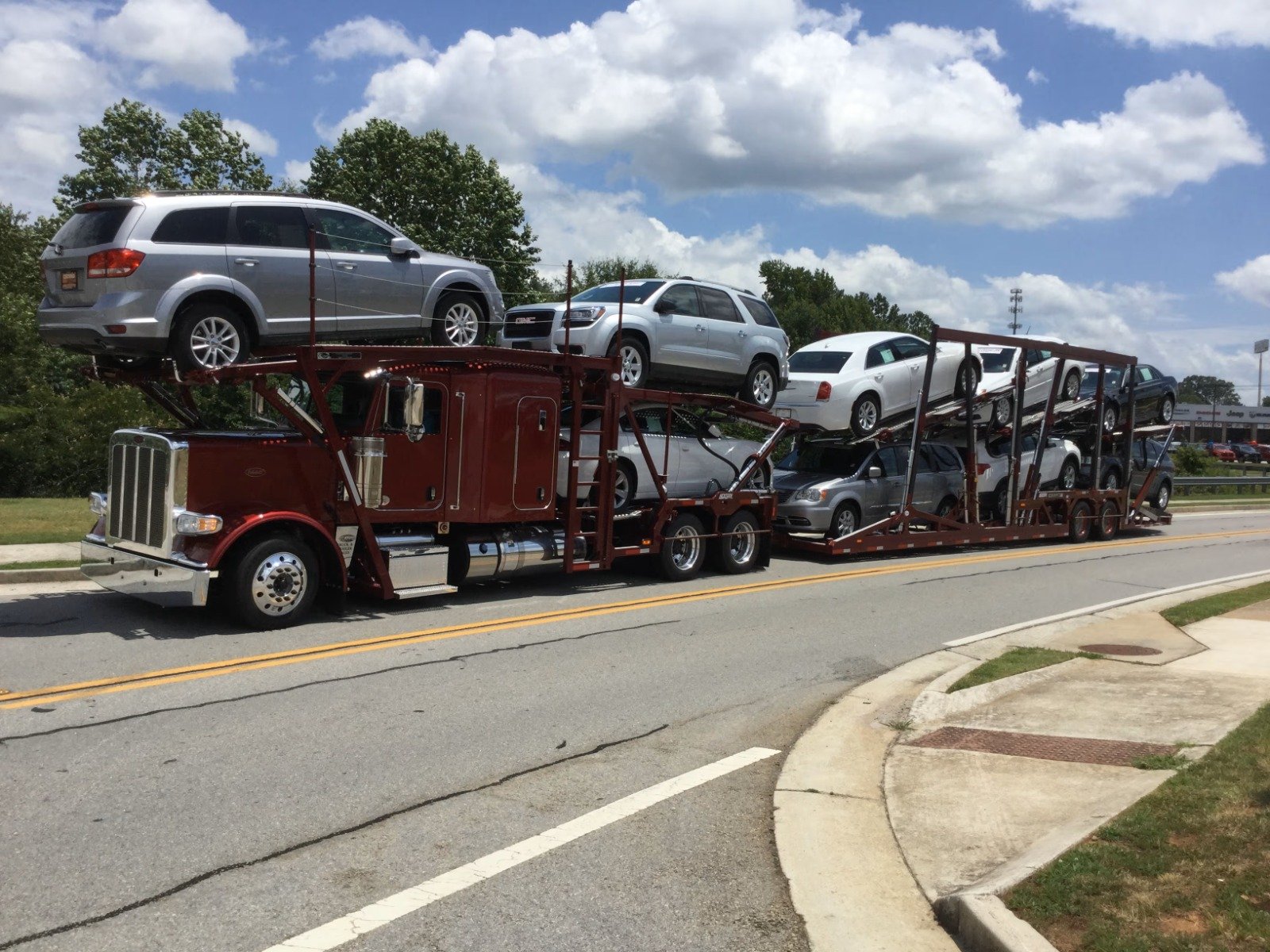
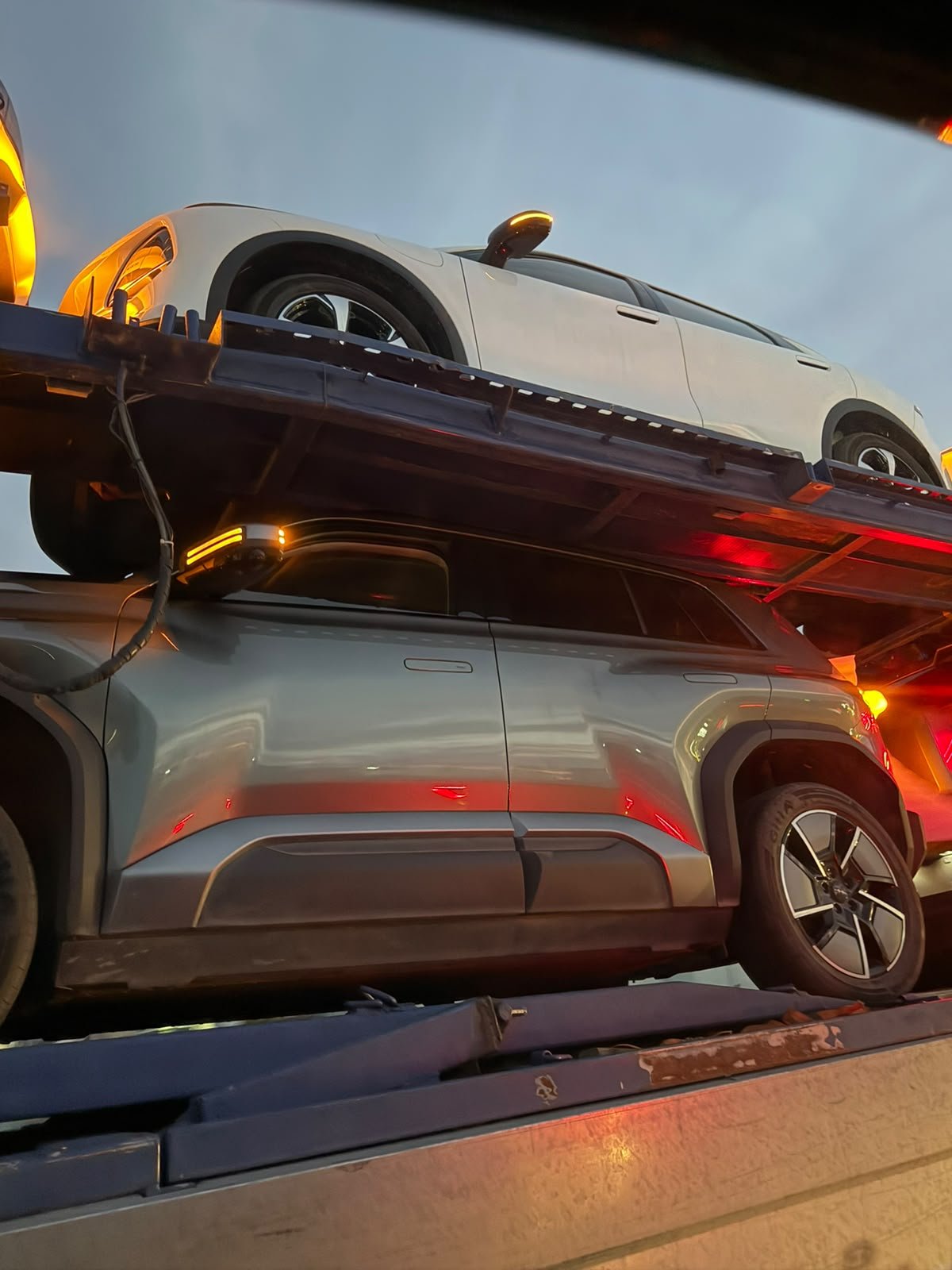
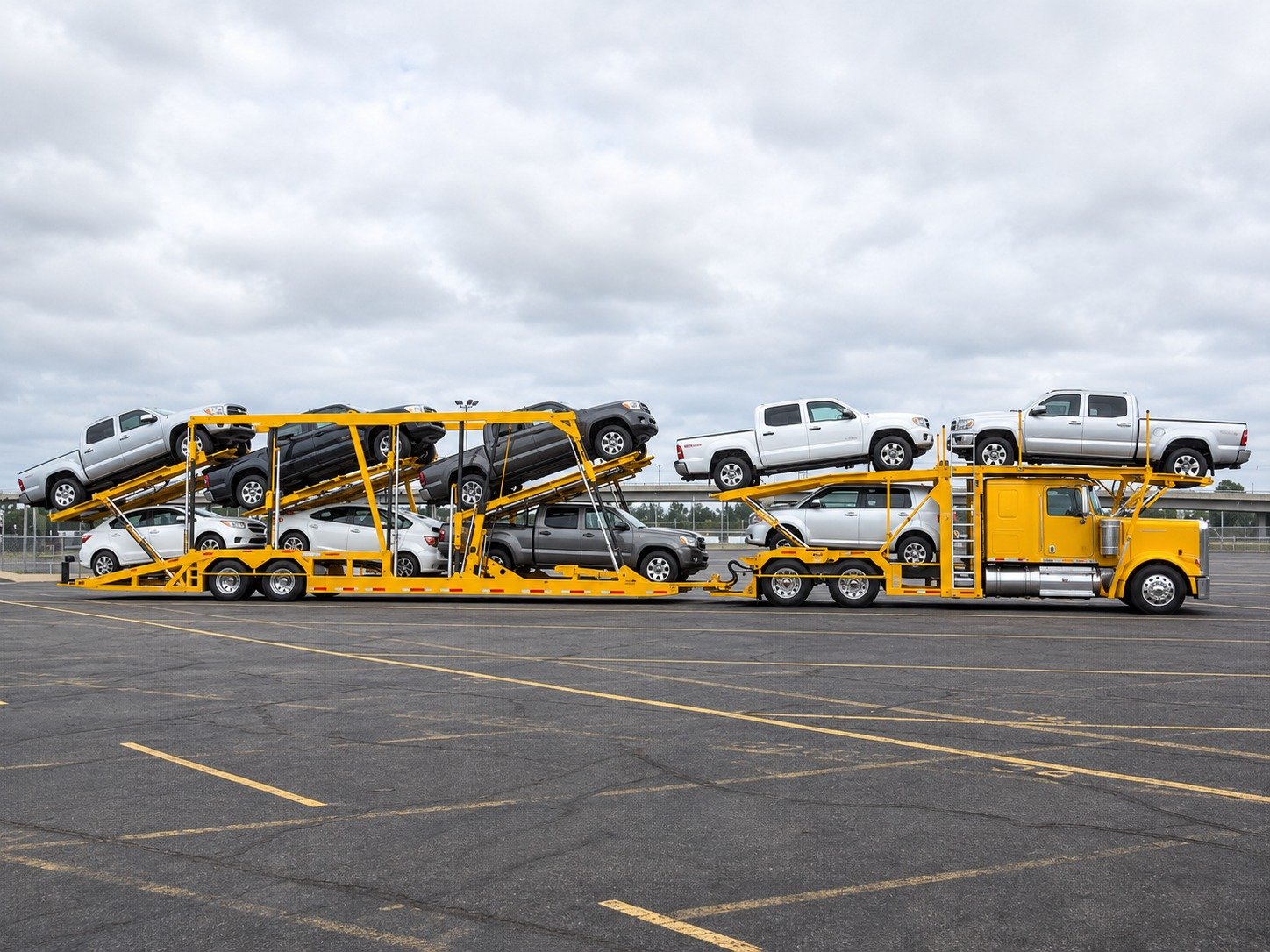
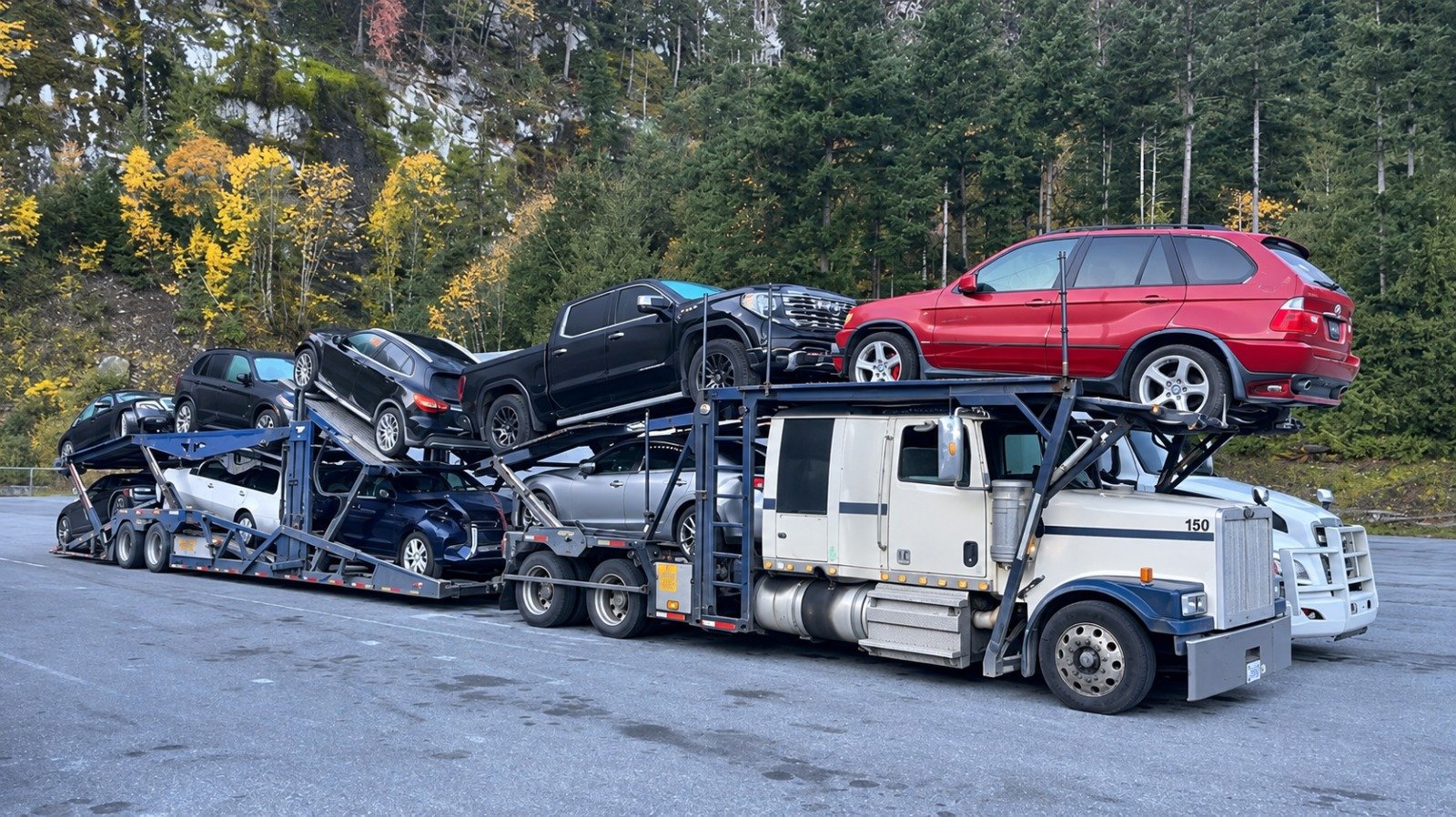
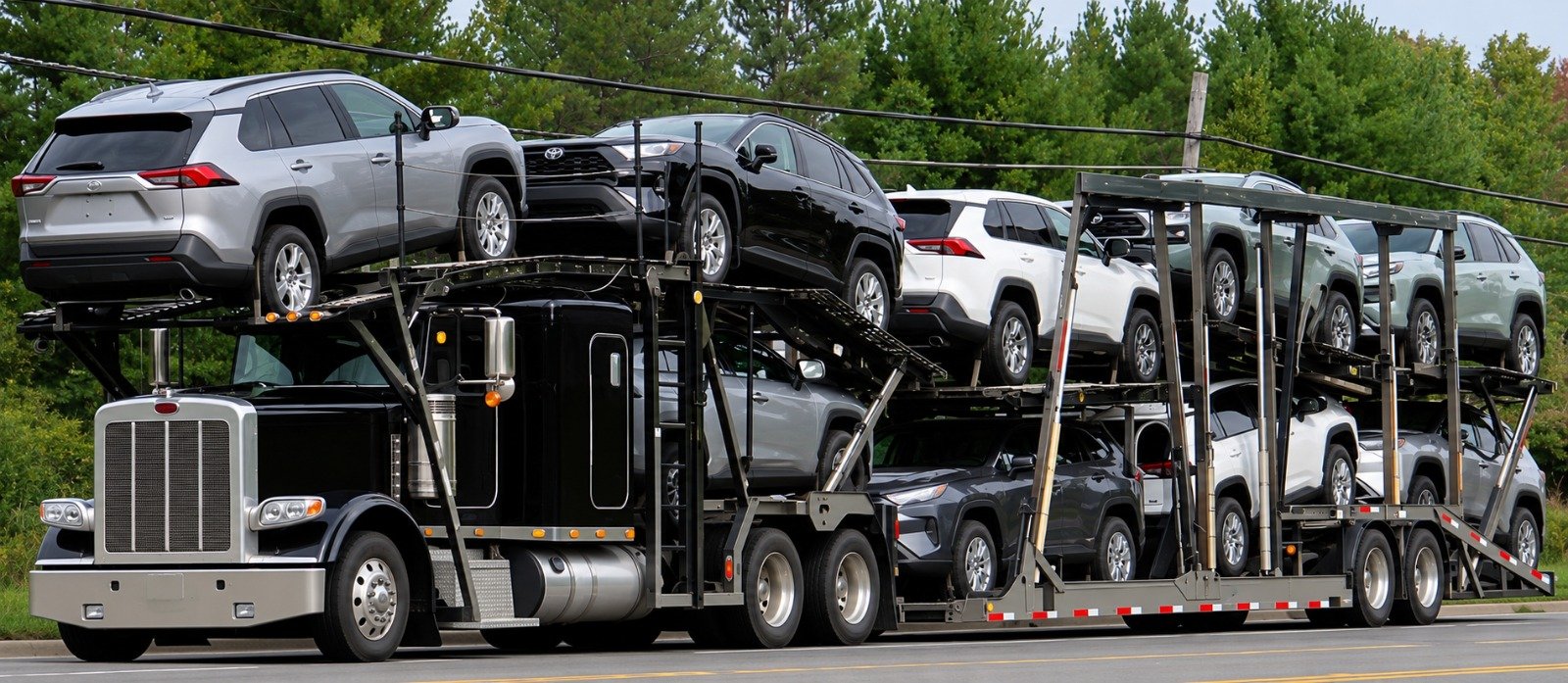
Open transport is the industry standard for provincial car transport. If you have ever seen a large, multi-level truck carrying seven to ten cars down the highway, you have seen open transport. It is the most cost-effective and readily available shipping method. Because open carriers can haul multiple vehicles simultaneously, the overall shipping cost is shared among several customers. Your vehicle will be exposed to the elements—much like if you were driving it yourself—but it remains highly secure.
Enclosed Vehicle Shipping
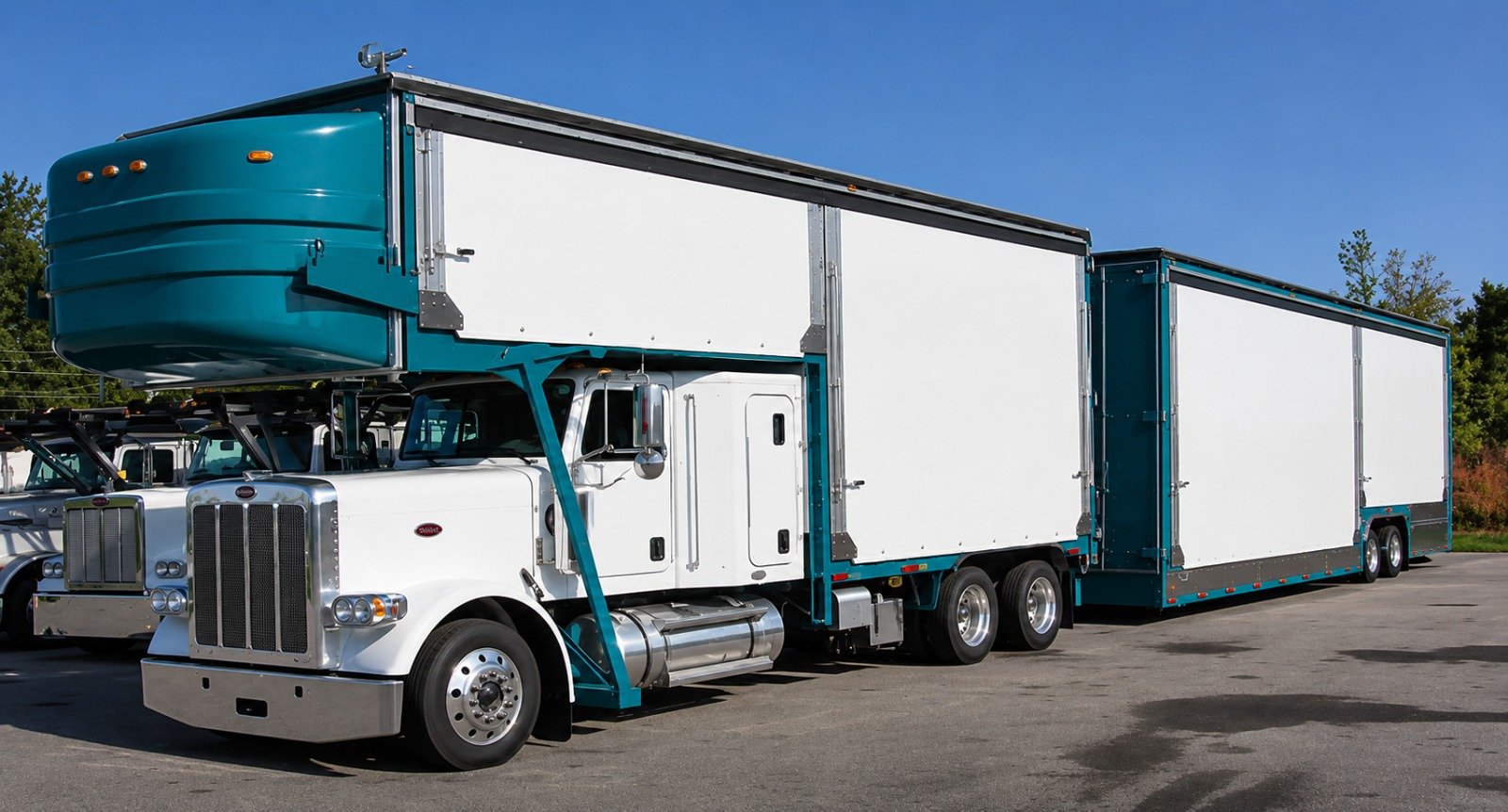
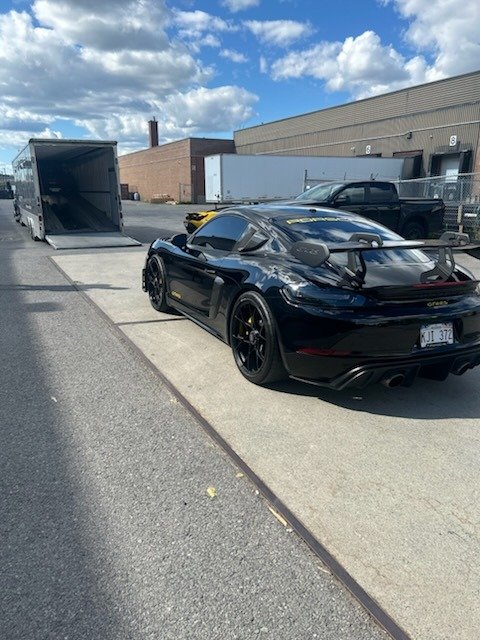
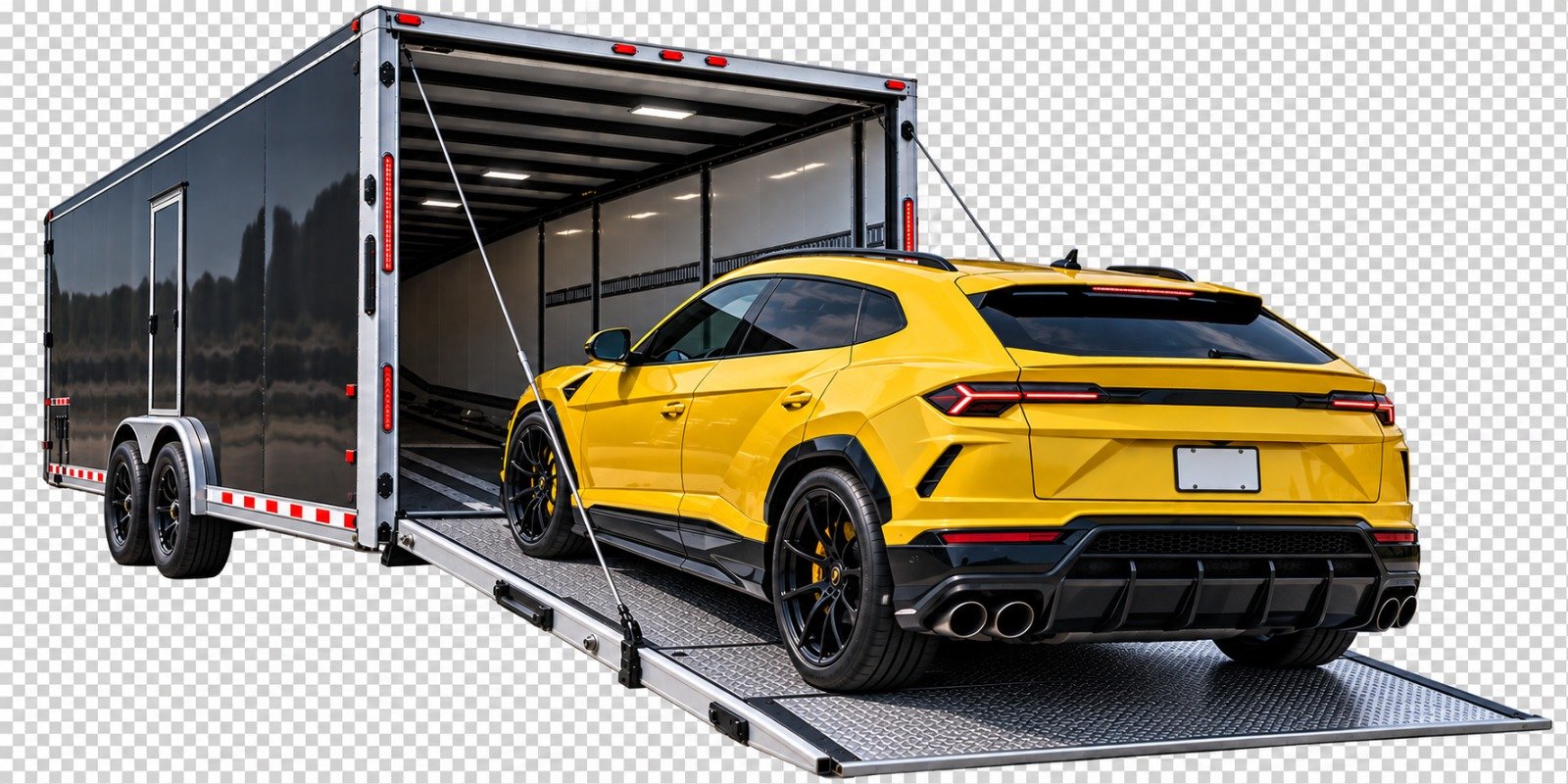
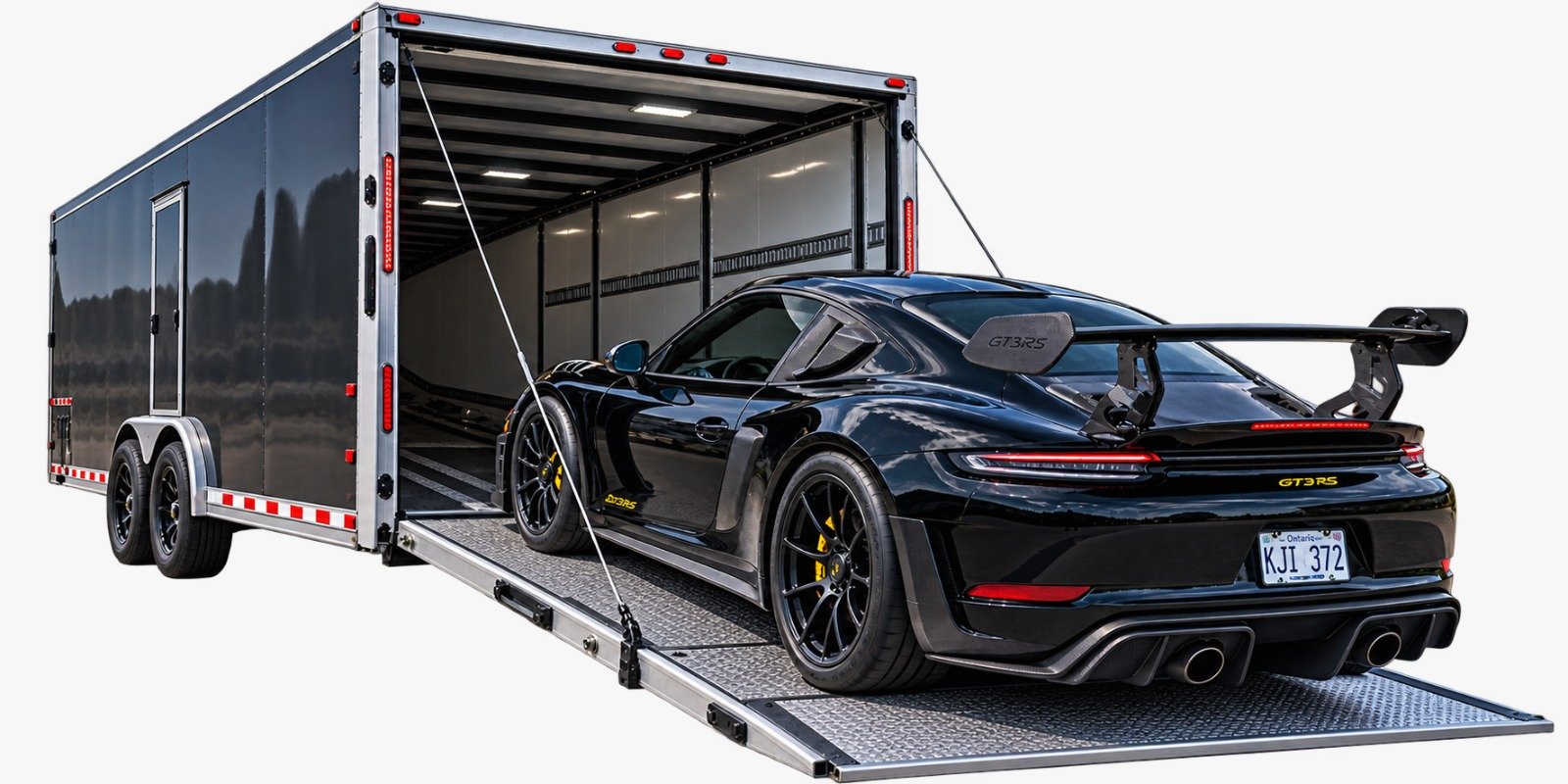
For individuals relocating luxury, classic, vintage, or high-value sports cars, enclosed vehicle shipping is the premier choice. Enclosed carriers look like standard large transport trucks, completely shielding your vehicle from rain, snow, road debris, and dust. They also feature specialized lift gates to safely load low-clearance vehicles without scraping the undercarriage.
Rail Transport
Canada’s extensive railway network offers another reliable alternative. Rail transport is incredibly efficient for moving vehicles across massive distances, such as from Vancouver to Toronto. Vehicles are driven into specialized enclosed rail cars, offering great protection from the elements. While rail is highly secure and environmentally friendly, it is strictly a terminal-to-terminal service, meaning you must arrange the drop-off and pick-up at the rail yards.
How Much Does It Cost and How Long Does It Take?
Two of the most common questions we receive are: "How much does it cost to ship a car between provinces?" and "How long does it take to ship a car to another province?"
There is no flat rate for vehicle shipping services in Canada. Several dynamic factors influence your final car shipping quote:
- Distance: Naturally, shipping a car from Calgary to Edmonton is significantly cheaper than shipping a car from Vancouver to Toronto.
- Vehicle Size and Weight: Carriers have strict weight limits. Transporting a compact sedan takes up less space and weight than a large, heavy-duty pickup truck or a modified SUV.
- Transport Method: Enclosed transport generally costs 30% to 50% more than standard open carrier transport.
- Seasonality: Winter shipping often incurs seasonal adjustments due to slower travel times and the need for specialized equipment to navigate snow and ice.
- Fuel Surcharges: Fluctuating diesel prices impact the logistics industry directly.
| Route Type | Average Distance | Estimated Transit Time |
|---|---|---|
| Neighbouring Provinces (e.g., AB to BC) | 800 km - 1,200 km | 2 to 5 Days |
| Mid-Range (e.g., MB to ON) | 1,500 km - 2,500 km | 5 to 9 Days |
| Cross-Country (e.g., BC to NS) | 4,500 km+ | 10 to 21 Days |
Keep in mind that commercial truck drivers are mandated by federal law to adhere to strict resting schedules. They cannot drive 24 hours a day. Furthermore, highway closures in the Rockies or winter storms across the Prairies can cause delays. You can check current highway conditions that may affect carrier transit times via DriveBC or other provincial 511 services.
How to Prepare Your Vehicle for Cross-Country Transportation
Proper preparation ensures a smooth handover and prevents delays. Before handing your keys to the driver, take the following steps:
- Wash the exterior: A clean car allows for a quick and highly accurate visual inspection, protecting you in the rare event of transit damage.
- Remove personal belongings: Do not use your car as a moving box. Extra weight can result in carrier fines at weigh stations, and personal items are not covered by transport insurance. Refer to guidelines from the Insurance Bureau of Canada regarding vehicle contents.
- Check the fuel gauge: Leave approximately a quarter tank (1/4) of fuel. This provides enough gas for the driver to load and unload the vehicle without adding unnecessary weight to the transport trailer.
- Perform basic maintenance: Ensure the battery is fully charged, the tires are properly inflated, and there are no active fluid leaks. If the vehicle is inoperable, you must notify the shipping company in advance so a truck equipped with a winch can be dispatched.
- Disable toll transponders and alarms: Turn off any automatic toll passes so you aren't charged as the transport truck passes under toll cameras.
Frequently Asked Questions
Yes, you can ship an inoperable vehicle, provided that it still rolls, steers, and brakes. However, you must inform the logistics provider at the time of booking. The carrier will need to use a specialized truck with a winch to safely pull the vehicle onto the trailer, which typically incurs an additional fee.
Yes. Reputable professional auto transport companies carry specific cargo and liability insurance policies to cover damages that occur directly as a result of carrier negligence during transit. However, this coverage applies to the vehicle itself, not to any personal items left inside the cabin or trunk.
Generally, you only need to provide basic vehicle information to book the transport. At the time of pickup, you will need to review and sign the Bill of Lading. Depending on the province you are moving to, you will likely need your original vehicle registration and proof of insurance to register the car in the new province after delivery.
Ideally, yes. You should be present to hand over the keys and sign the Bill of Lading. If you cannot be there personally, you can designate a trusted adult (like a friend, family member, or colleague) to act on your behalf. They will need to carefully handle the inspection and paperwork for you.

Conclusion: Simplifying Your Interprovincial Move
Figuring out how to arrange car shipping from one province to another doesn't have to be a stressful part of your relocation. By understanding the differences between open and enclosed transport, properly preparing your vehicle, and partnering with a professional logistics coordinator, you can ensure a seamless transition.
Ultimately, professional vehicle shipping services in Canada exist to protect your asset, save you time, and remove the physical toll of driving thousands of kilometres. Focus on settling into your new home, and let the experts handle the heavy lifting on the highway.