Table of Contents
1. The Car Shipping Booking Confirmation
The immediate step after you officially reserve your transport is receiving the car shipping booking confirmation. This crucial document acts as the blueprint for your vehicle pickup and delivery process.
Typically delivered via email, your booking confirmation will contain your unique order number, the exact addresses for pickup and delivery, the agreed-upon price, and an estimated timeframe for when the carrier will be dispatched. It will also specify the service type you selected—such as open transport or enclosed shipping—and whether you chose terminal-to-terminal or door-to-door service.
Always review your booking confirmation immediately. Check that the vehicle make, model, and condition (operable vs. inoperable) are accurate. Ensure the contact phone numbers listed are mobile devices that will be active and reachable on the days of pickup and delivery.
2. Carrier Assignment and Dispatch Scheduling
Many first-time shippers assume that the moment they book, a truck is immediately waiting outside their door. However, the auto transport steps involve a highly coordinated logistical puzzle. The next phase is carrier assignment.
During this stage, logistics coordinators work to secure a spot for your vehicle on a transport truck operating along your specific route. For instance, if you booked Vancouver to Toronto car shipping, dispatchers will align your vehicle with a cross-country hauler finalizing its load heading east.
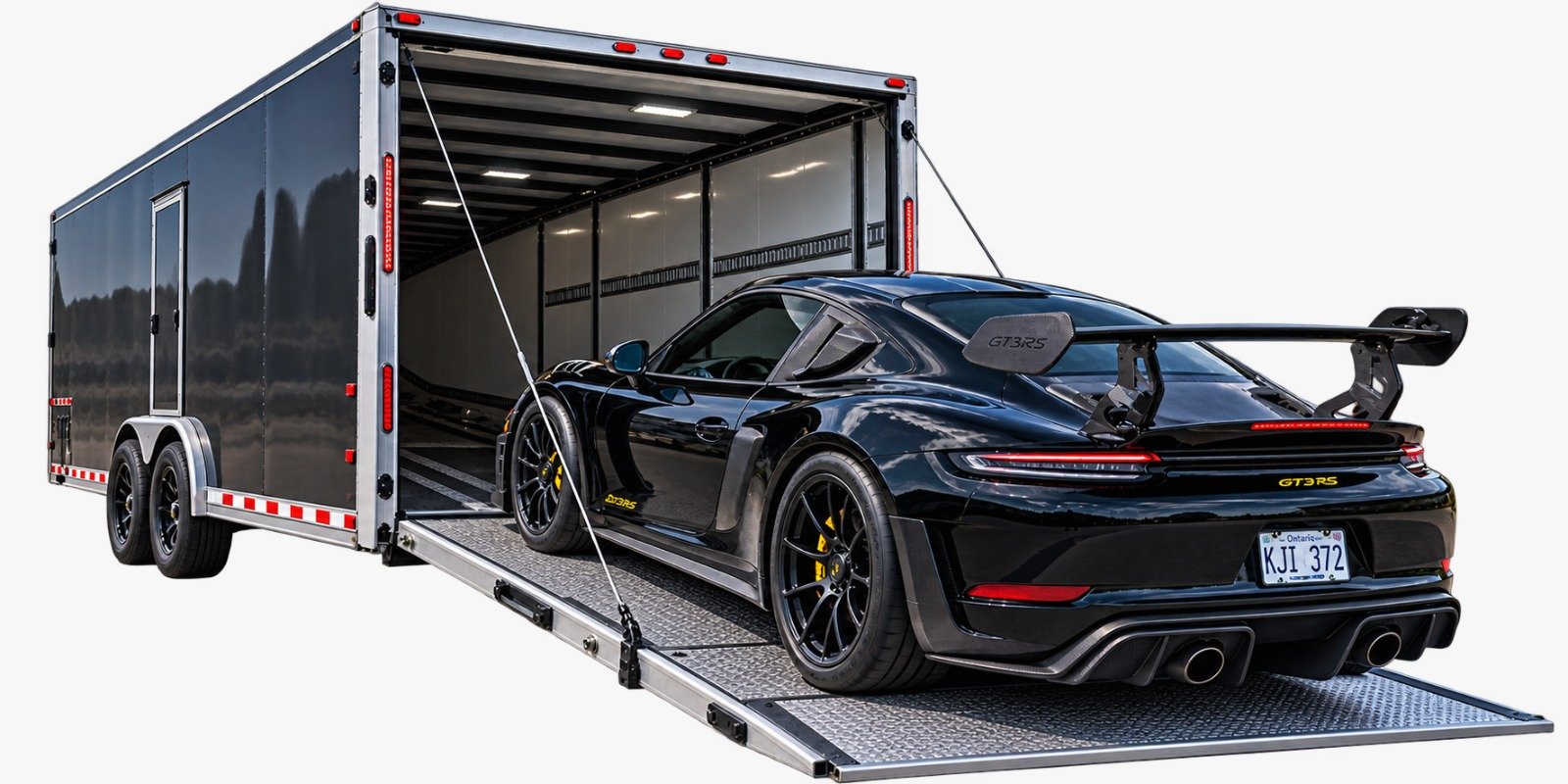
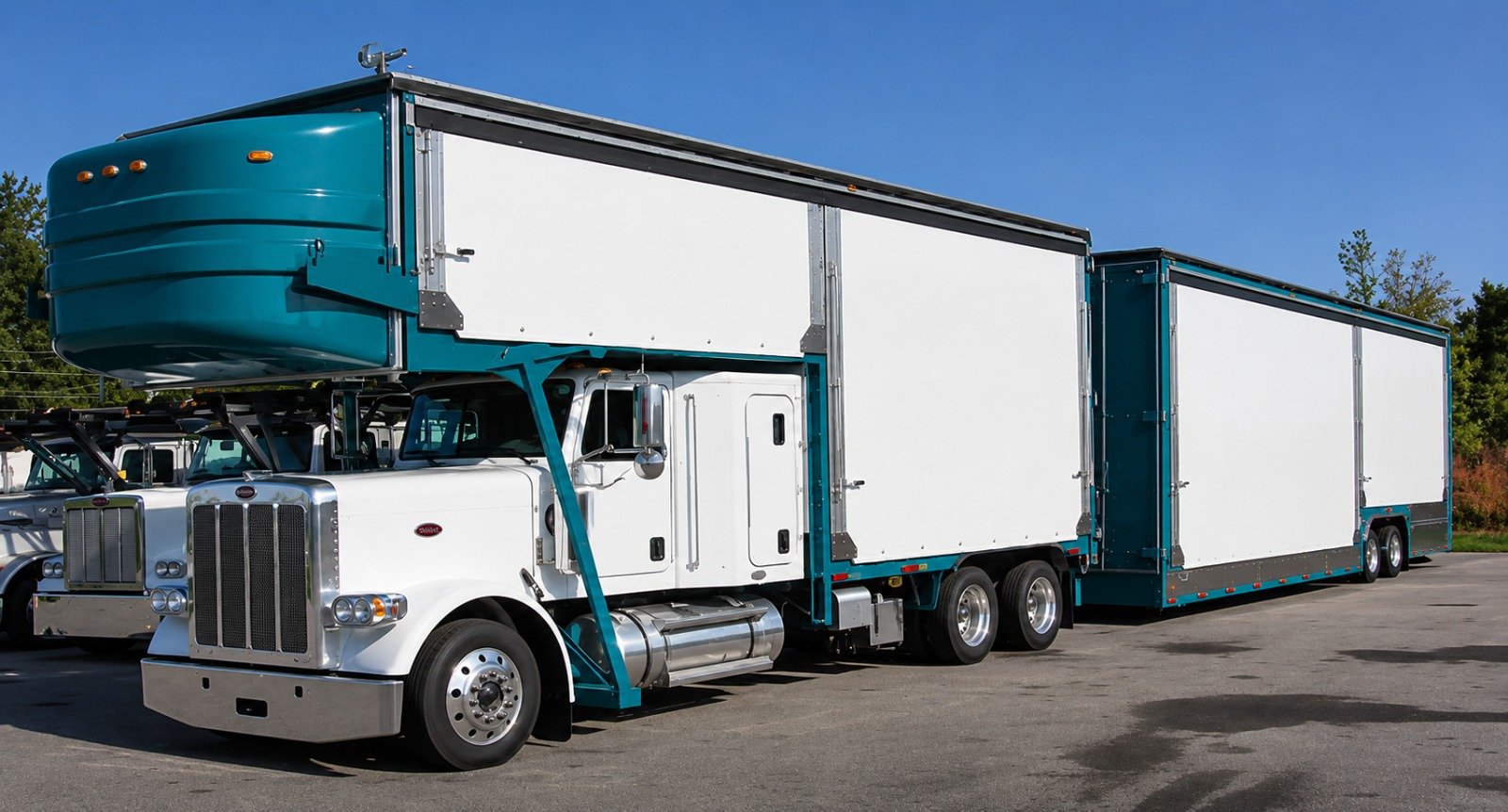
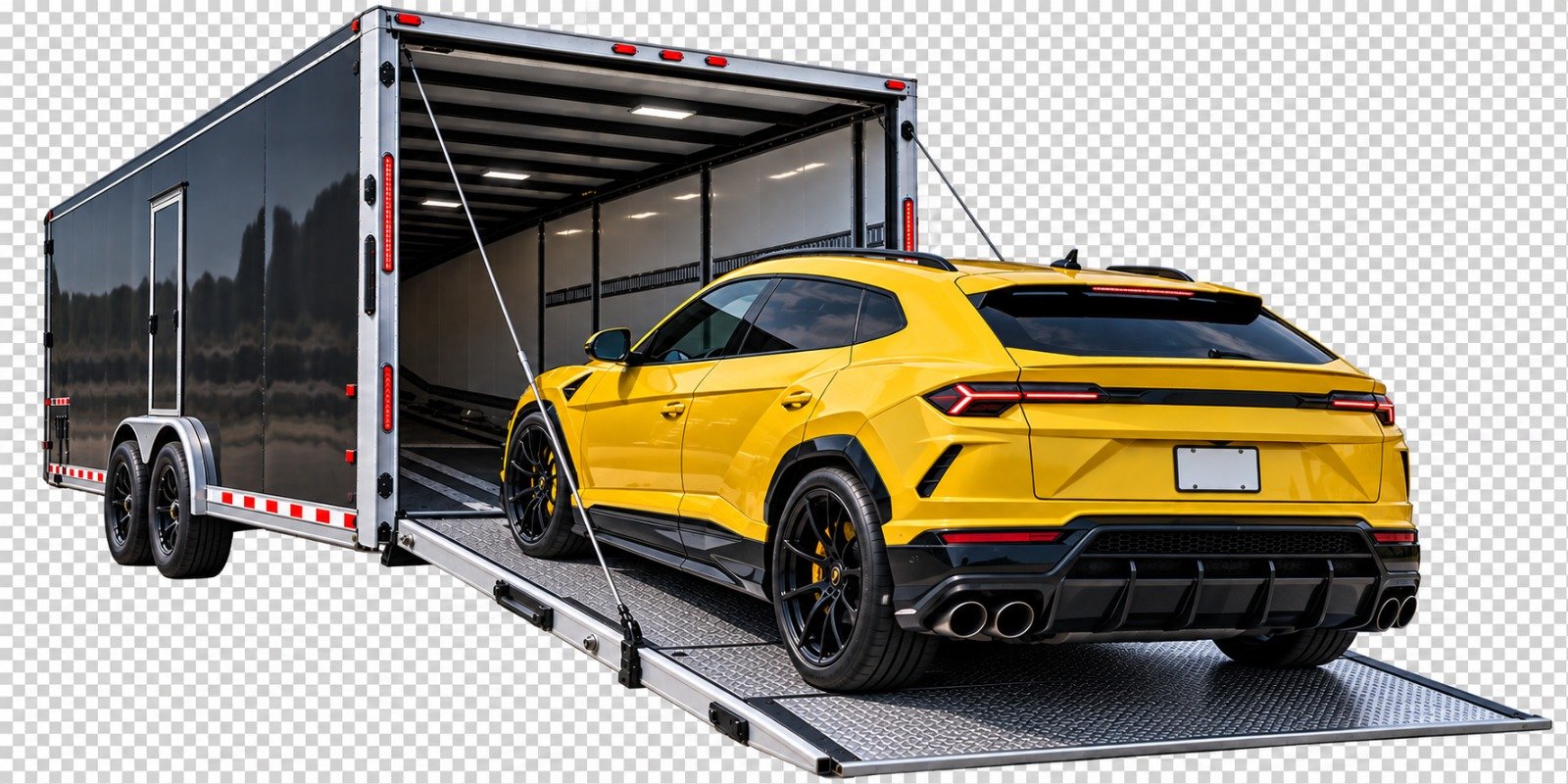
The timeline for carrier assignment varies based on your location, the time of year, and the transport method. Standard open carriers are plentiful and are often scheduled within a few days. Conversely, if you are moving a high-value classic car, coordinating enclosed vehicle transport may take slightly longer, as fewer specialized trailers are on the road.
3. Preparing Your Vehicle for Transport
What happens between the booking and the pickup? This is your window of responsibility. Getting your car ready is a vital part of the vehicle shipping process. Proper preparation ensures compliance with safety regulations set by authorities like Transport Canada and guarantees a smooth inspection.
| Preparation Step | Why It's Important |
|---|---|
| Wash the Exterior | A clean car allows the driver to accurately document existing scratches, dents, or paint chips during the pickup inspection. |
| Remove Personal Items | Carriers are strictly regulated regarding cargo weight. Household goods are generally not permitted, and items left inside are not covered by transport insurance. |
| Lower the Fuel Level | Keep the gas tank between 1/4 and 1/8 full. This reduces excess weight on the carrier while leaving enough fuel to drive the car on and off the trailer. |
| Disable Toll Tags & Alarms | Prevents your toll transponder from registering charges as the truck drives through tolls, and stops the alarm from draining the battery in transit. |
4. The Vehicle Pickup and Initial Inspection Process
When the carrier assignment is complete and the driver is en route, you will receive a phone call—usually 12 to 24 hours in advance—to coordinate the exact vehicle pickup time and location.
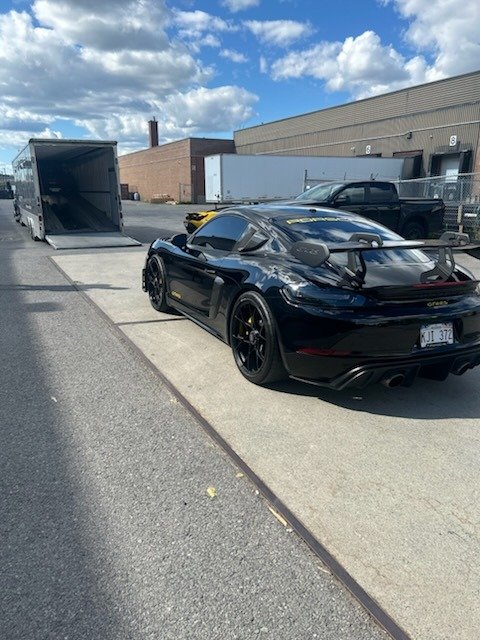
Upon arrival, the most critical step in the entire auto transport process occurs: the generation of the Bill of Lading (BOL). This document is a legal receipt and a comprehensive vehicle condition report. You and the driver will walk around the vehicle, documenting every existing scratch, dent, and mechanical issue. Once you agree on the vehicle's condition, you will sign the BOL and hand over the keys.
5. What Happens While Your Car is in Transit?
With the keys handed over and your vehicle loaded onto the trailer, the transit phase begins. So, what to expect when your car is being transported across Canada?
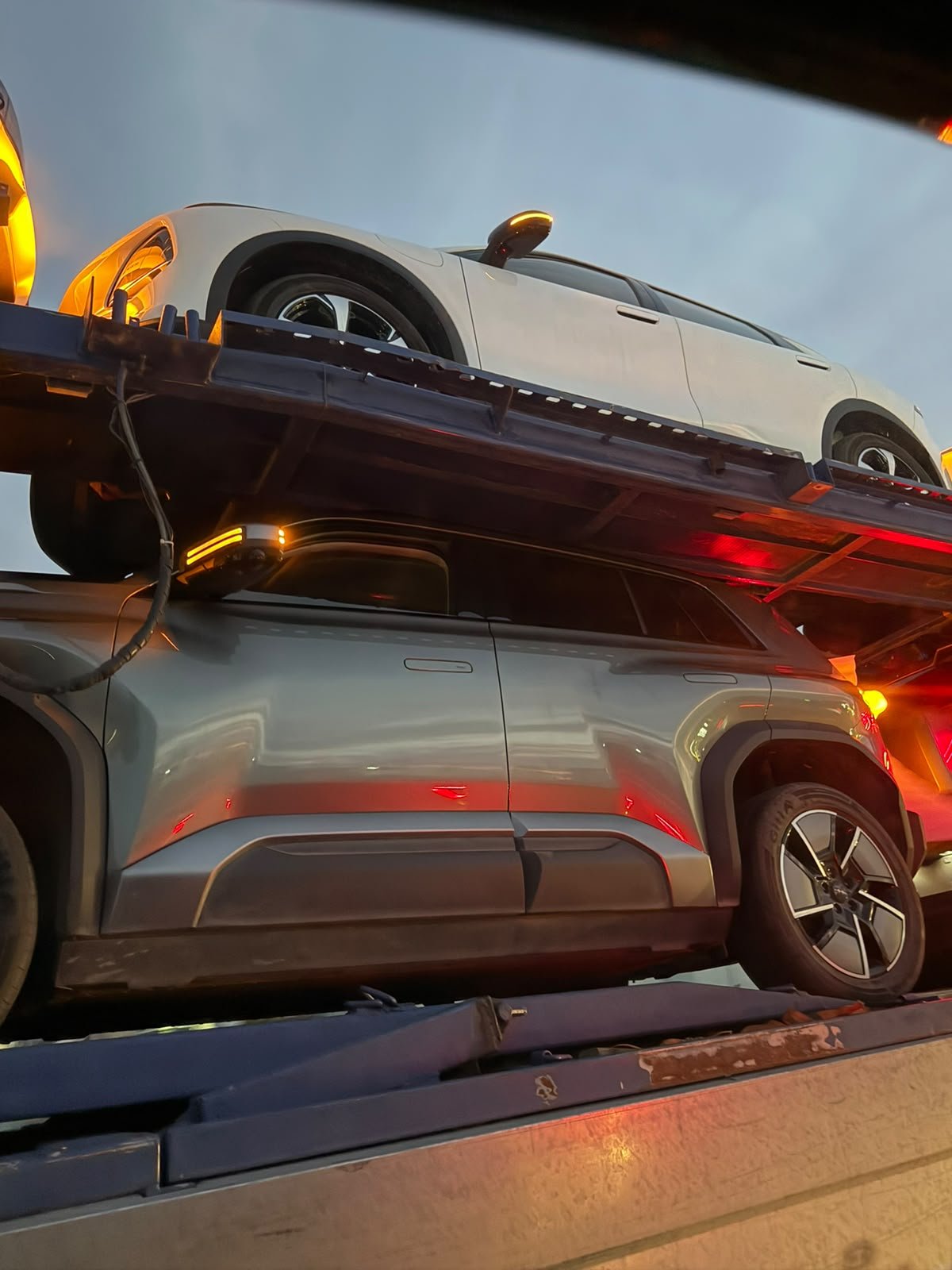
Professional drivers manage long-haul routes while strictly adhering to safety regulations, mandatory weigh station checks, and legally mandated rest periods. Depending on the distance, the car shipping timeline can range from a few days for neighboring provinces to several weeks for coast-to-coast relocations.
During winter months, carriers actively monitor resources like Environment Canada and provincial highway systems to navigate severe snowstorms and icy conditions safely. Weather-related route diversions are common in regions like the Rocky Mountains, prioritizing the safety of the cargo over rigid adherence to the clock.
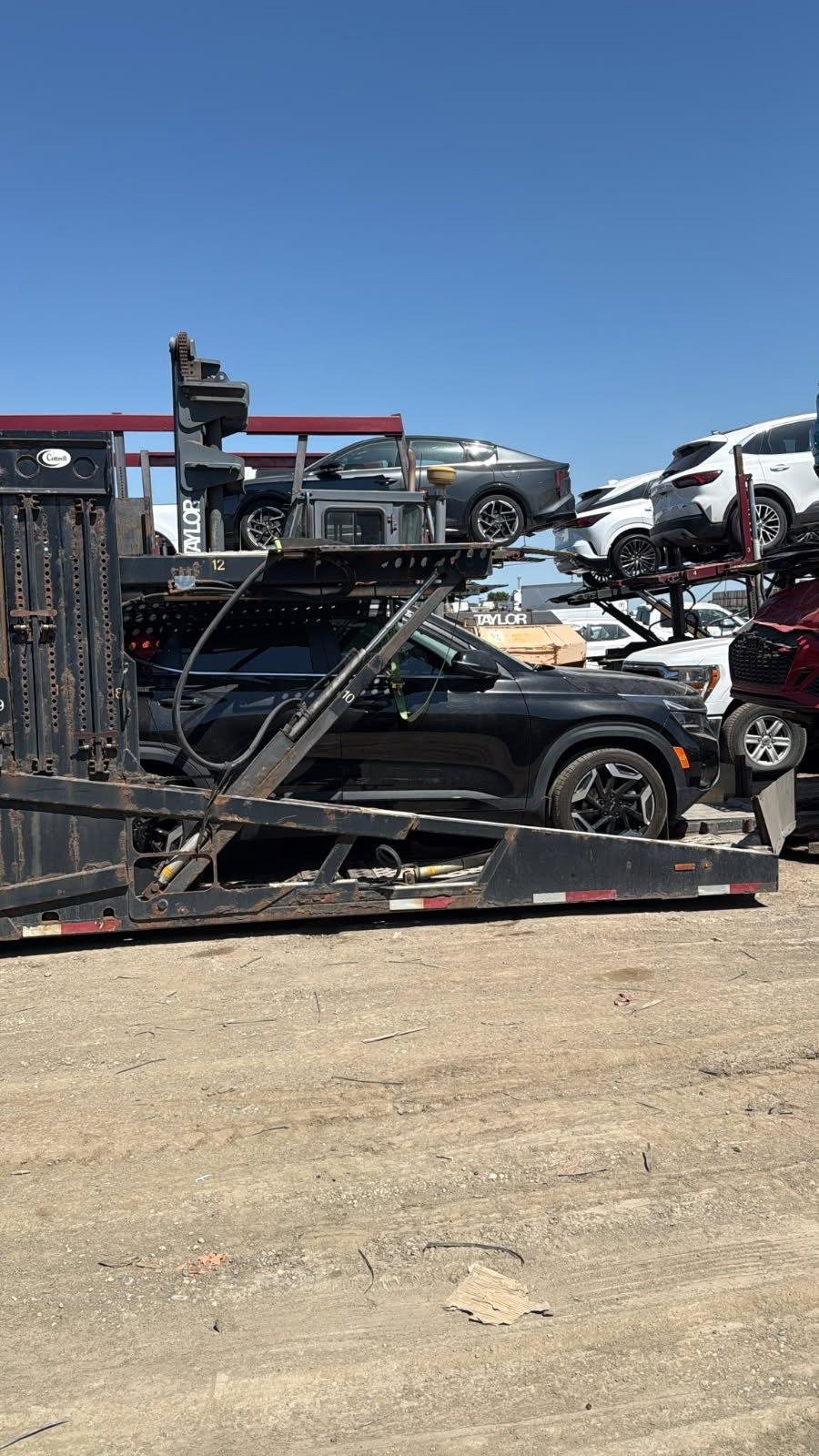
If you opted for standard over-the-road trucking, your vehicle might be shuffled at secure terminals to optimize delivery routes. Alternatively, if you selected rail transport, your vehicle will be loaded onto specialized auto-rack train cars for a smooth, fuel-efficient cross-country journey before a local truck handles the final delivery mile.
6. The Estimated Delivery Date and Scheduling Drop-off
As the carrier nears your destination, the driver will contact you—or your designated receiving contact—to provide a highly accurate estimated delivery date and time. It is vital to remain flexible, as traffic, weather, and the unloading of other vehicles can slightly alter arrival times.
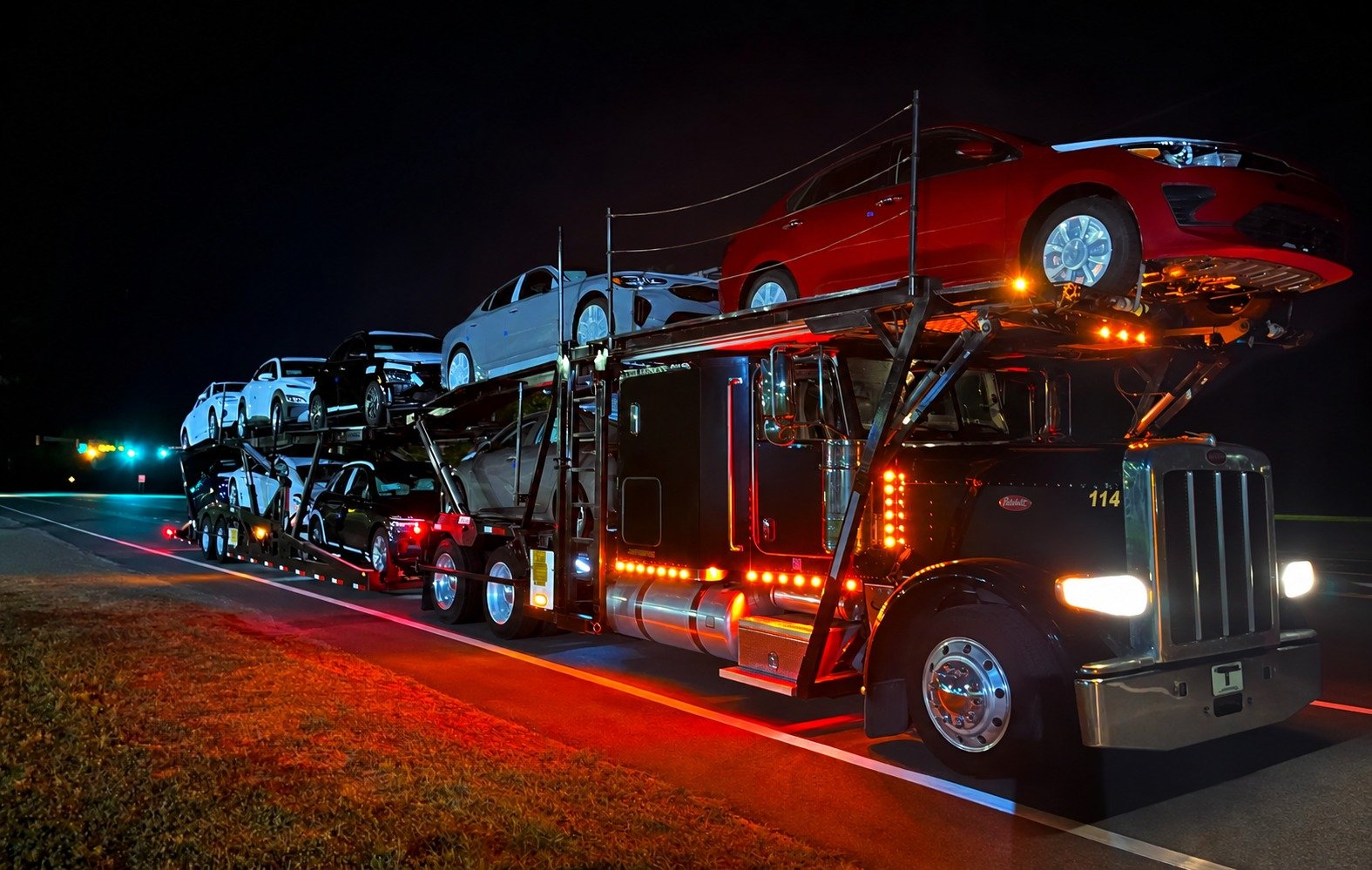
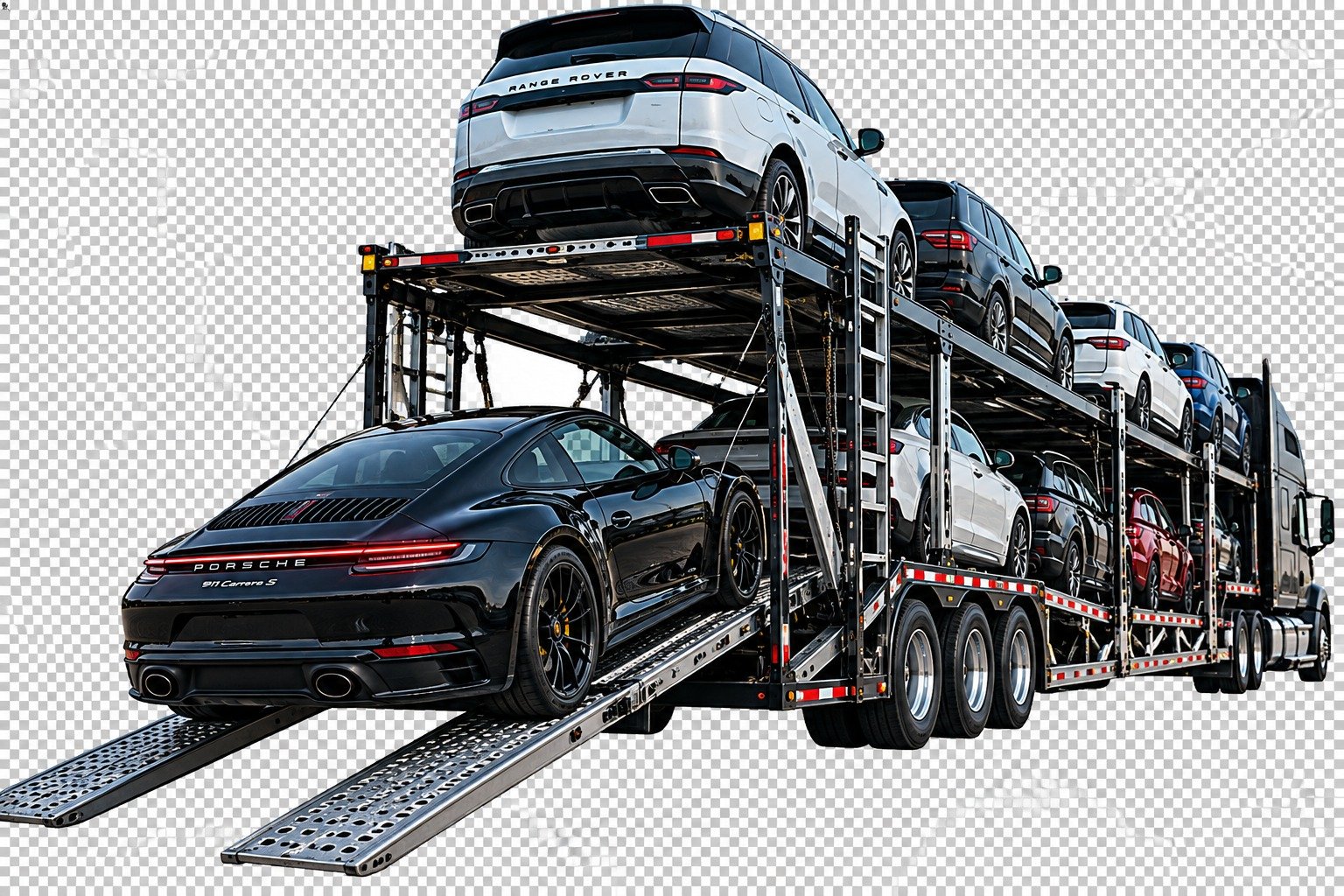
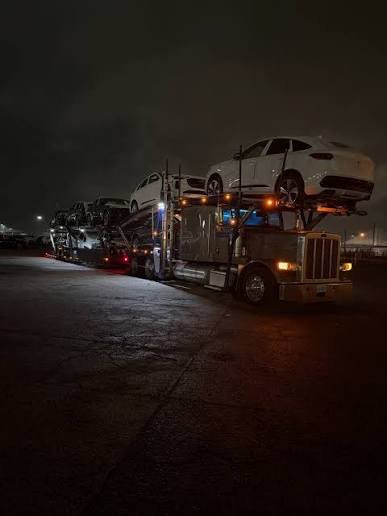
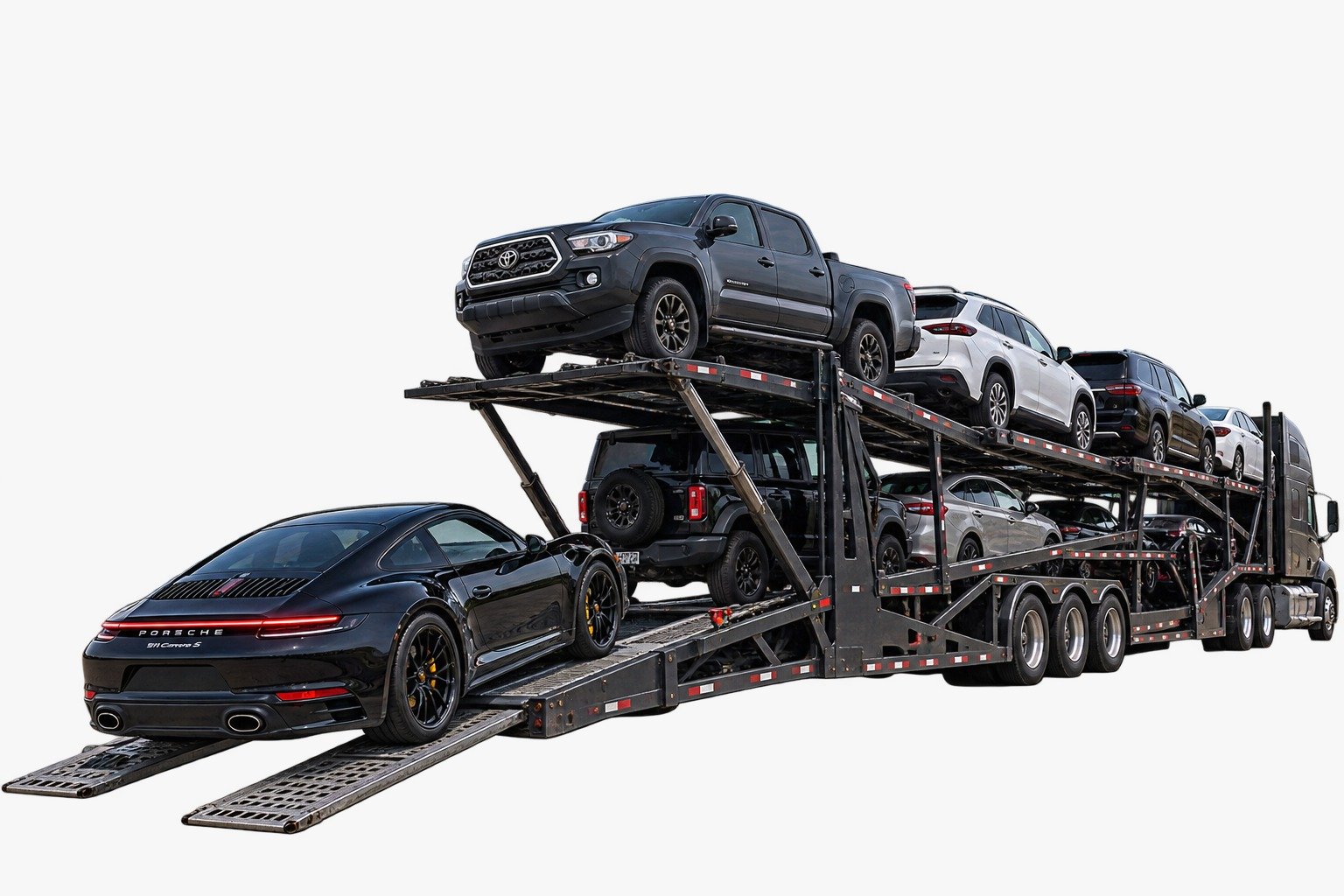
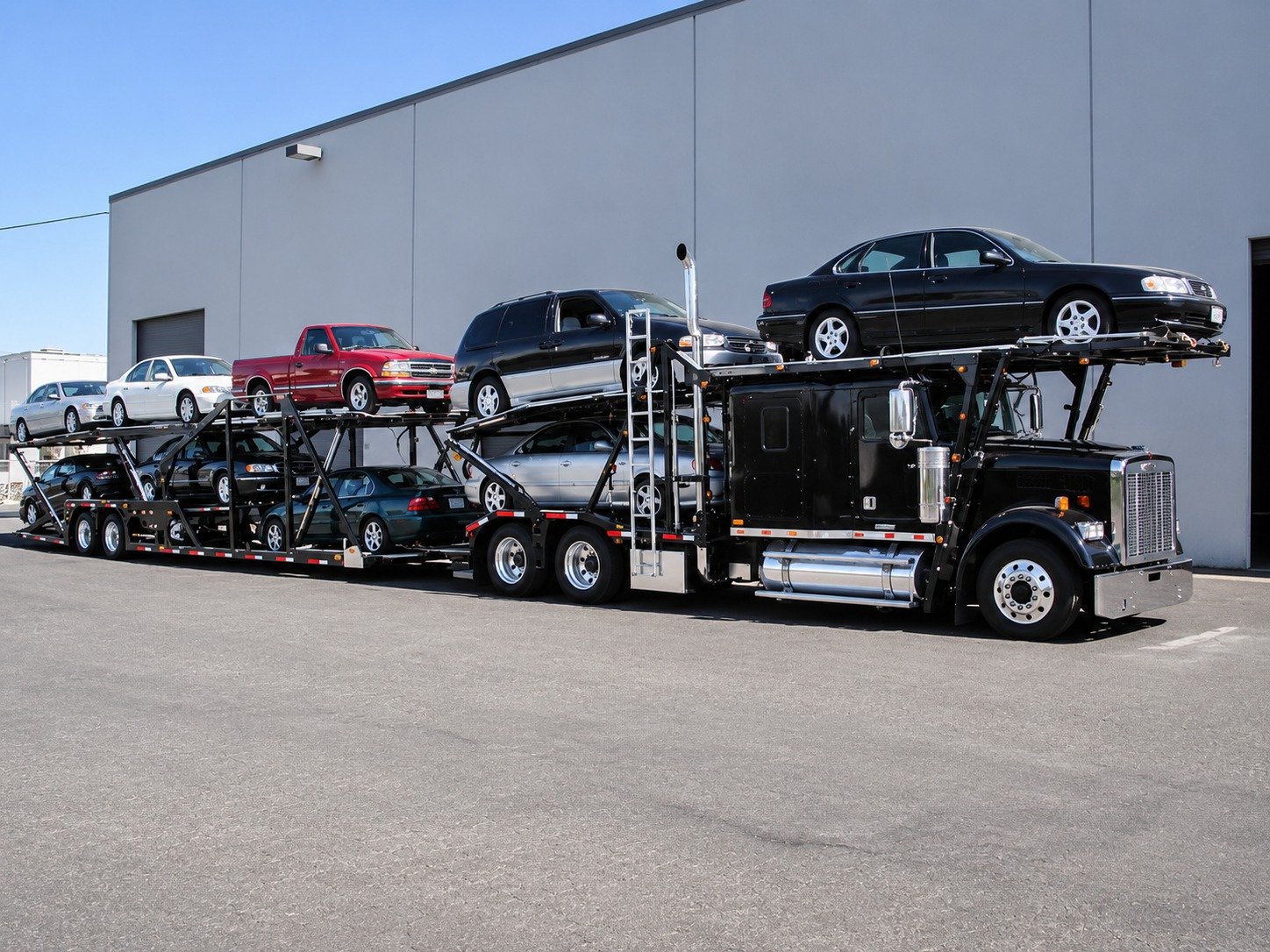
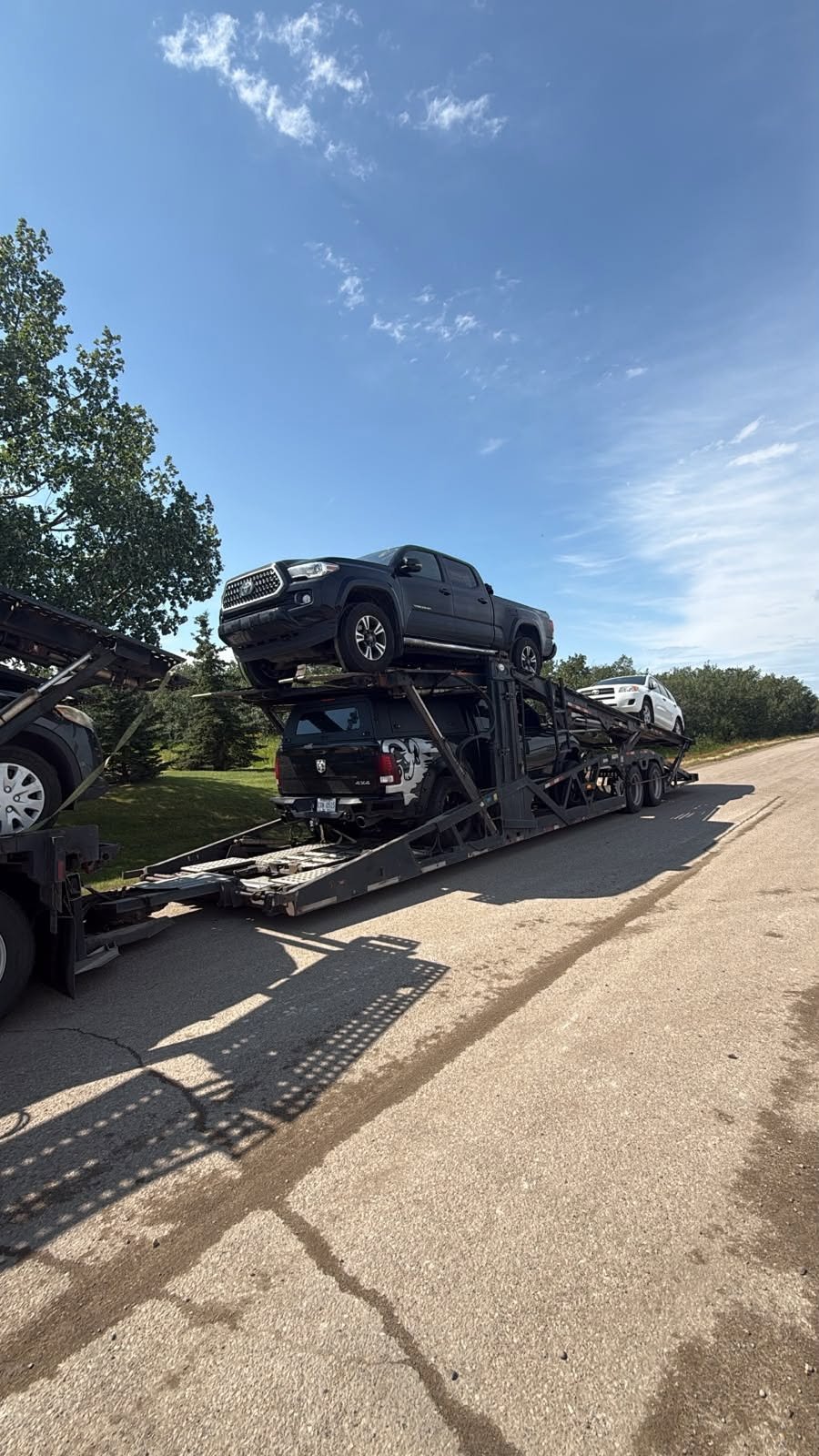
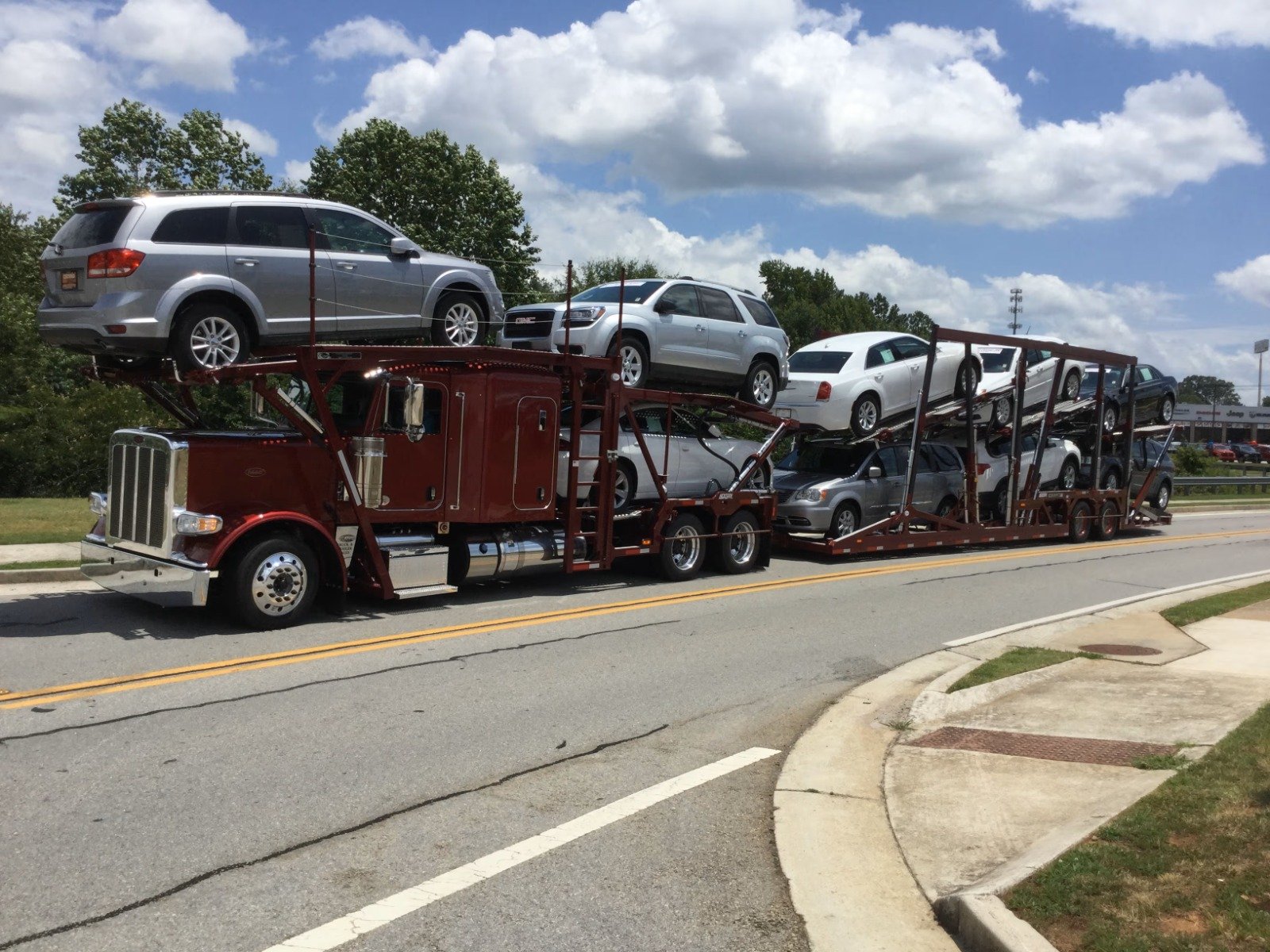
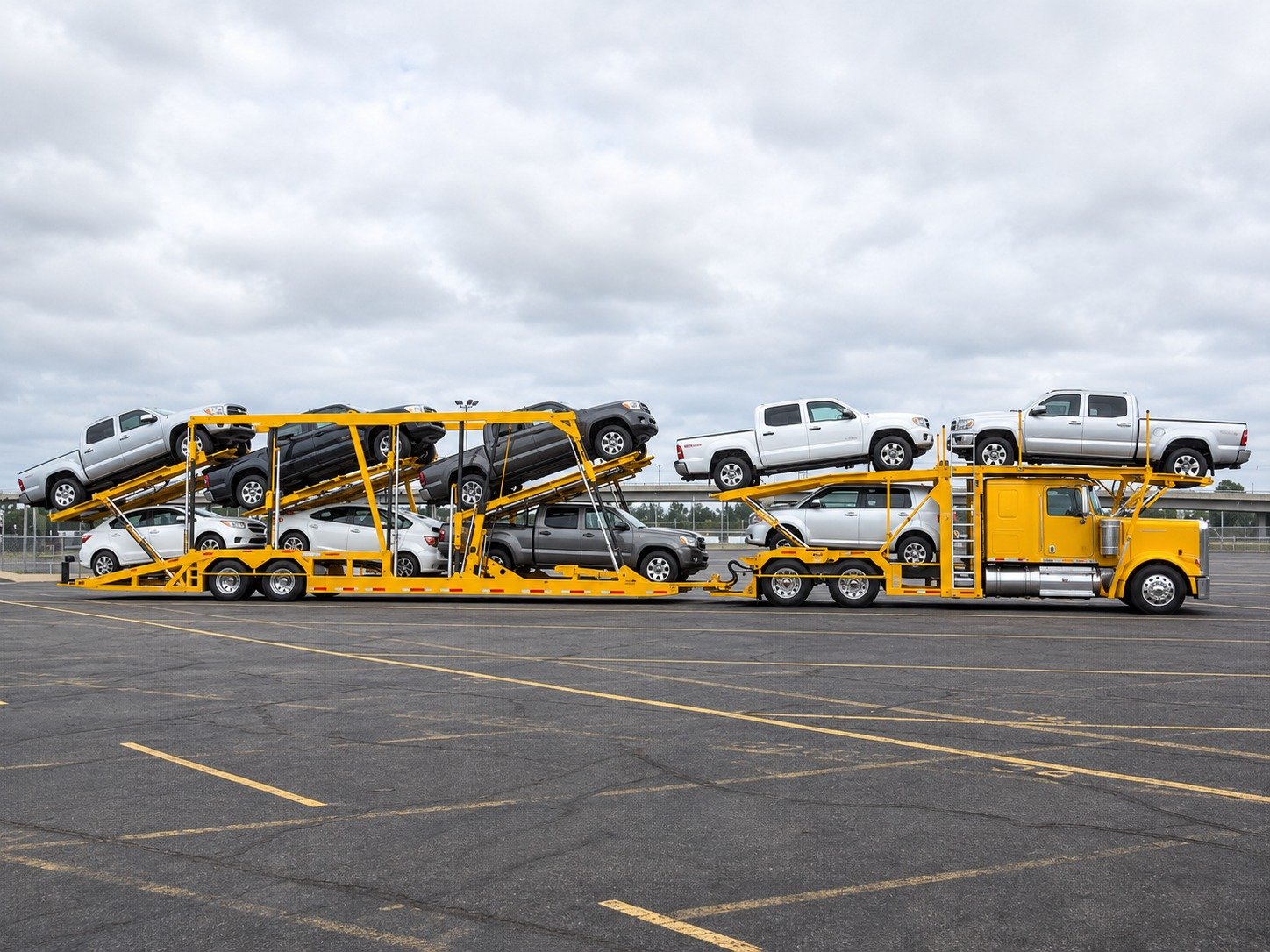
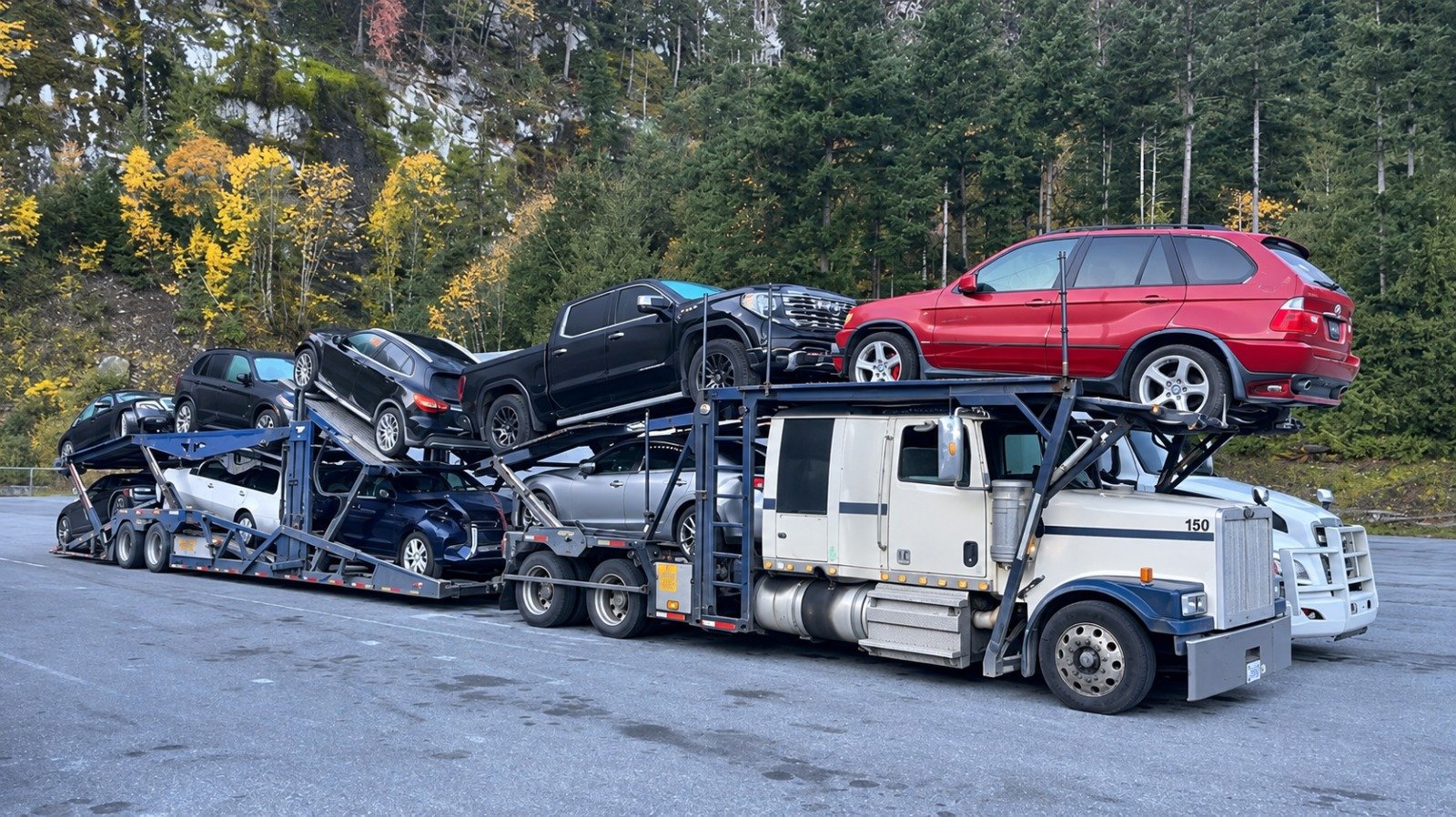
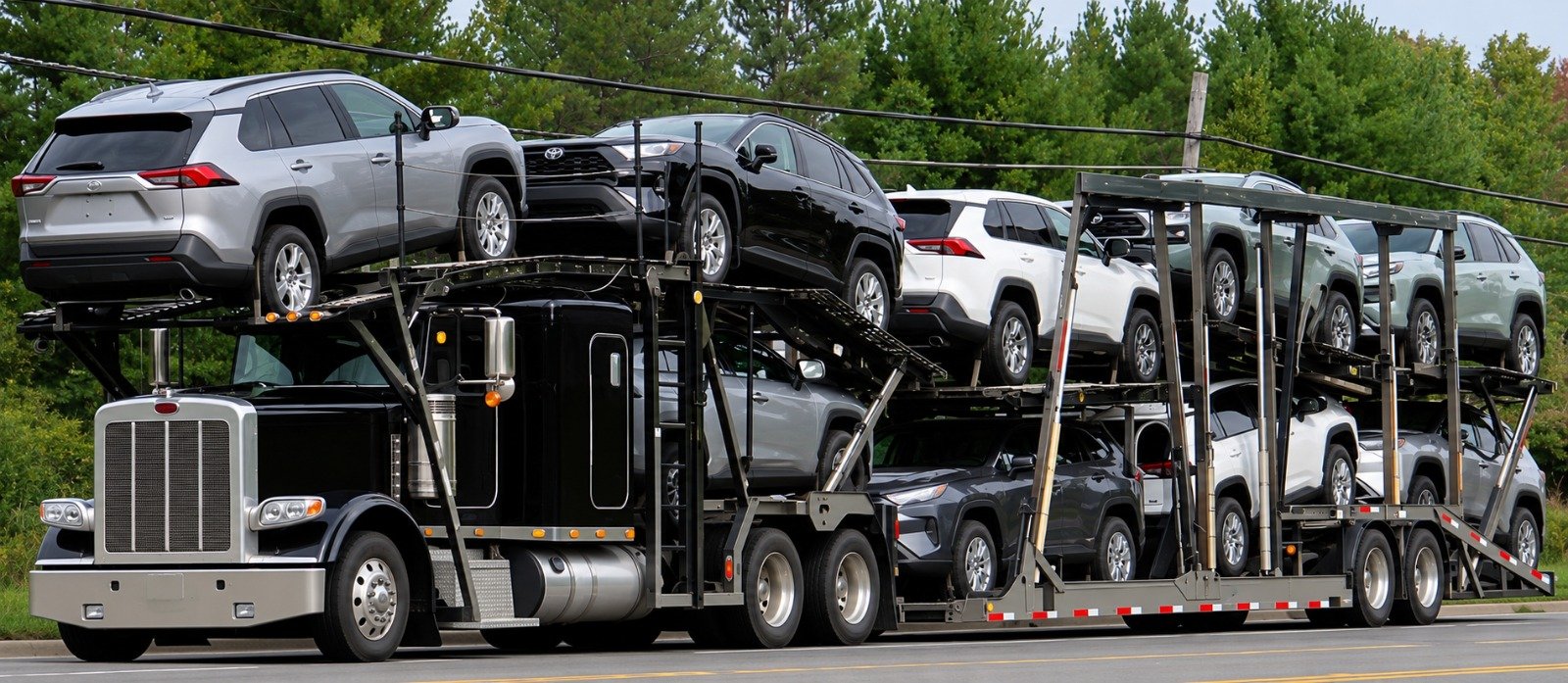
Because multi-level transport trucks are exceptionally large (often up to 80 feet long), they cannot safely navigate narrow residential streets or tight cul-de-sacs. If you booked door-to-door delivery, the driver may ask you to meet at a nearby large parking lot, such as a grocery store or shopping plaza, to safely unload your vehicle.
7. The Vehicle Delivery Inspection and Handover
The final stage in the car transport process is the delivery inspection. When your vehicle is safely unloaded, you will present your ID and receive the keys.
Do not simply drive away. You must perform a careful walkthrough of the vehicle, comparing its current condition against the original Bill of Lading provided at pickup. In the highly unlikely event that a new scratch or damage occurred during transit, it must be noted on the delivery BOL before you sign it. This documentation is required by the Insurance Bureau of Canada and standard carrier insurance policies to process any claims.
Once you sign the final paperwork, the transaction is complete, and your vehicle is officially home.
Frequently Asked Questions
Typically, a vehicle is scheduled for pickup within 1 to 5 business days after your car shipping booking confirmation, depending on carrier availability and your location. Remote areas or specialized enclosed trailers may require a slightly longer dispatch window.
No. Standard transport regulations prohibit the shipping of personal household items inside the vehicle. The interior must remain empty to comply with strict weight limits, border/provincial checks, and insurance policies that only cover the vehicle itself.
Either you or an authorized representative (over the age of 18) must be present. This individual is responsible for walking around the vehicle with the driver, inspecting the condition, handing over the keys, and legally signing the Bill of Lading.
Yes. After your booking confirmation, our dispatch team provides shipment tracking updates. You will be notified when a carrier is assigned, when the vehicle is picked up, and the driver will maintain communication as they approach the final delivery destination.
Conclusion: A Smooth Auto Transport Experience
Figuring out what happens after booking car shipping doesn’t have to be a guessing game. By familiarizing yourself with the core auto transport steps—from reading your shipping confirmation and preparing your car to signing the final Bill of Lading—you take control of your relocation. At Optixtrace Car Shipping, we prioritize transparency and professional communication so you always know exactly what to expect when shipping a car across Canada.
If you still have questions about your specific route or require more details, browse the Optixtrace FAQs for in-depth guidance.