Oil Sands Relocation: Why Resource Pros Opt for Professional Transport
The Athabasca oil sands region functions on dynamic scheduling. Thousands of rotational tradespeople fly in and drive out across facilities stretching from Fort McKay down to Anzac and downtown Fort McMurray. When personnel reassign to industrial fabrication facilities in Nisku, Sherwood Park, or Acheson, deciding how to ship a truck from Fort McMurray to Edmonton requires balancing personal recovery time against logistics expense.
Modern energy sector vehicles are heavily invested capital assets. From half-ton commuter pickups to three-quarter and one-ton models equipped with dual rear wheels, heavy-duty suspension packages, slip tanks, and auxiliary slip-in tool compartments, these vehicles require deliberate loading plans. Rather than clocking five to six hours behind the wheel after a fortnight of 12-hour shifts, professional vehicle relocation services Alberta provide a safe, dependable handover protocol managed by verified transport carriers.
Coordinated through Optixtrace Car Shipping, vehicle shipments are routed systematically across established regional lanes. Coordinating automotive logistics eliminates redundant personal travel expenses while guaranteeing that secondary-market vehicle purchases, company utility fleet redistributions, or worker personal vehicles arrive on schedule in the Edmonton Capital Region.
The Real Cost of Driving Highway 63 vs. Booking Transport
Historically known as the gateway to the north, Highway 63 has seen significant infrastructure upgrades with full twinning. However, northern Alberta driving realities remain unforgiving. Between unexpected wildlife crossings near Wandering River, sudden gravel and aggregate strikes from industrial freight haulers, and severe sub-zero blizzard patterns, driving a personal vehicle south carries hidden liabilities.
| Expense & Risk Factor | Self-Driving Highway 63 | Professional Carrier Hauling |
|---|---|---|
| Fuel & Fluid Consumption | High; heavily loaded diesel rigs burn substantial fuel over 435+ km. | Zero personal fuel expenditure; transport cost consolidated. |
| Windshield & Body Wear | Frequent rock chips, pitted windshields, paint erosion from road sand. | Elevated clearance and positioned placement away from direct road blast. |
| Driver Fatigue & Safety | High risk following long night shifts or intensive turnaround rotations. | Zero driver fatigue; travel down via scheduled regional flights or rest. |
| Odometer Mileage | Direct highway depreciation added to engine and tire life. | Zero added odometer kilometres during the entire transit route. |
When evaluating the true expense of commercial van or pickup repositioning, factoring lost rest hours, flight adjustments, and maintenance upkeep proves that booking qualified Fort McMurray to Edmonton car shipping often generates superior bottom-line efficiency.
Planning Shift Turnarounds: Carrier capacity between Fort McMurray and Edmonton experiences surges during spring breakup, major refinery turnarounds, and late-autumn maintenance cycles. Booking your carrier slot two to three weeks before your scheduled shift rotation ensures guaranteed placement on preferred pickup windows without premium expediting surcharges.

Choosing the Right Transport Method: Open, Enclosed, or Specialized Flatbed
Different vehicles operating in the Wood Buffalo region require distinct shipping approaches. Standard work trucks, elevated fleet units, and executive commuter SUVs each align with specific transportation configurations depending on protection requirements and overall dimensions.
Open Car Carrier
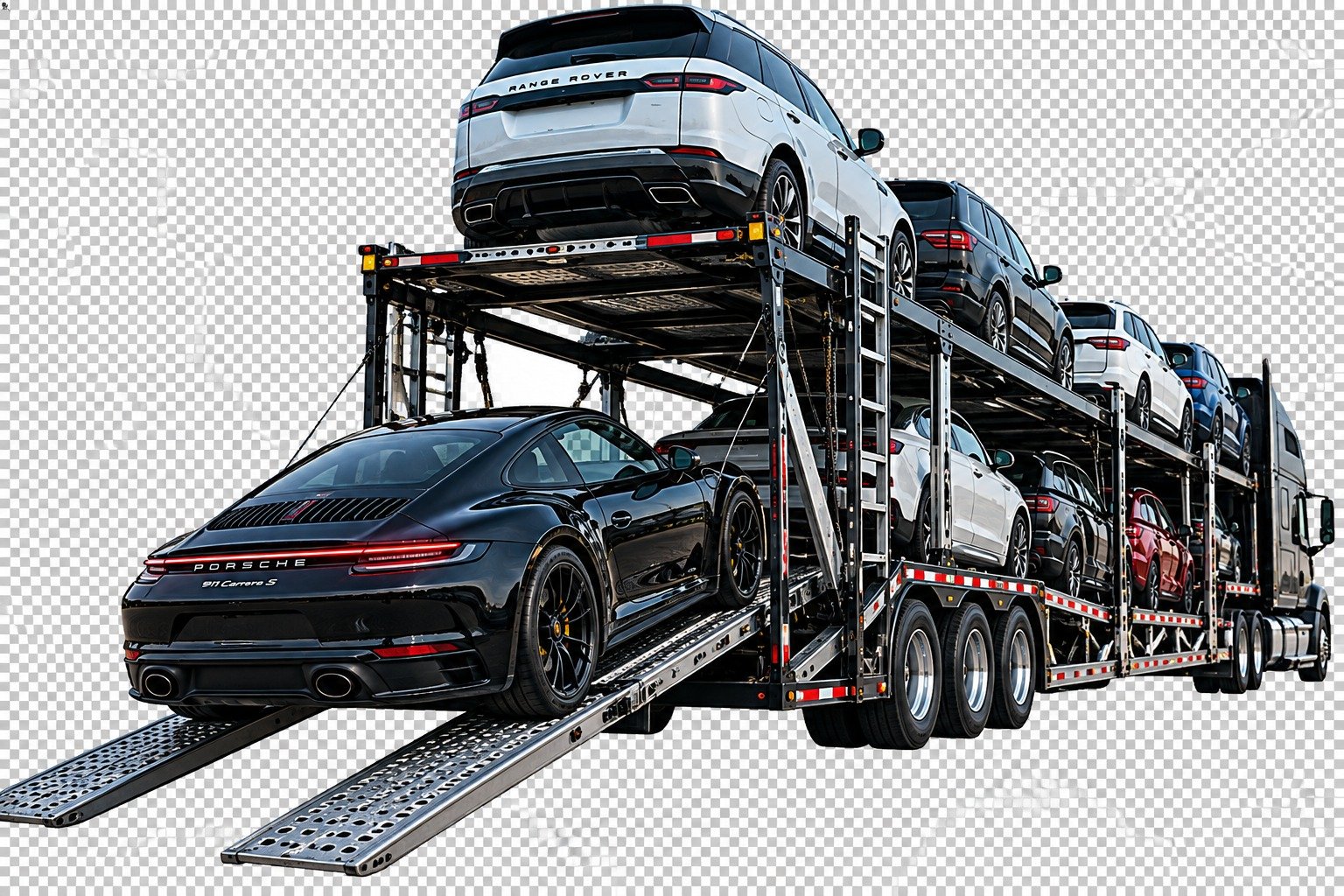
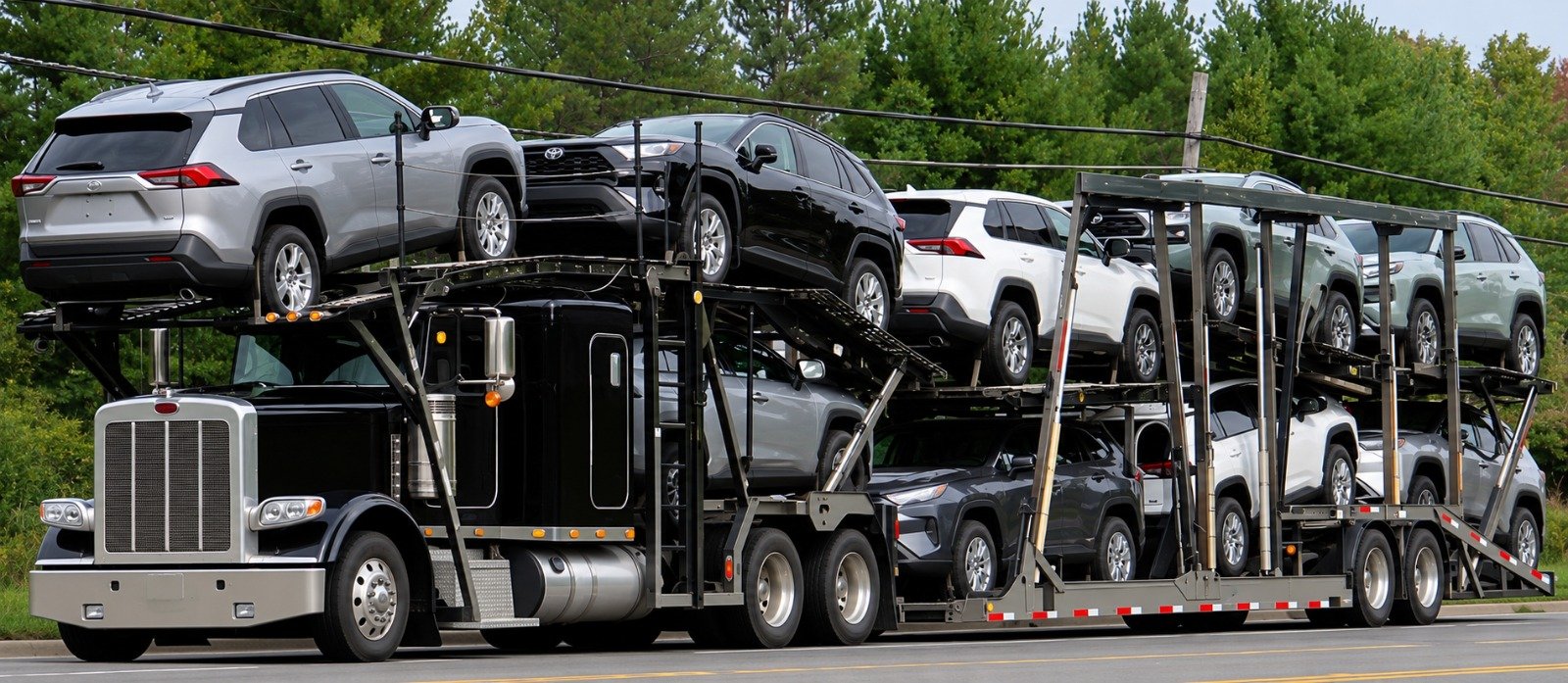
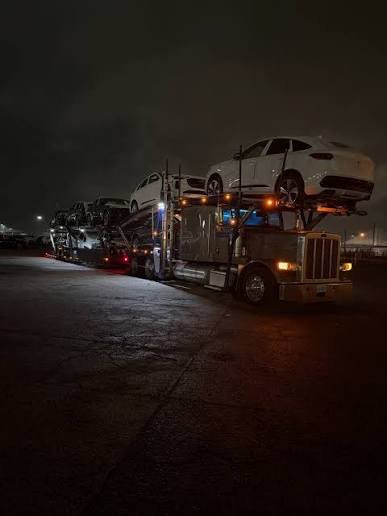
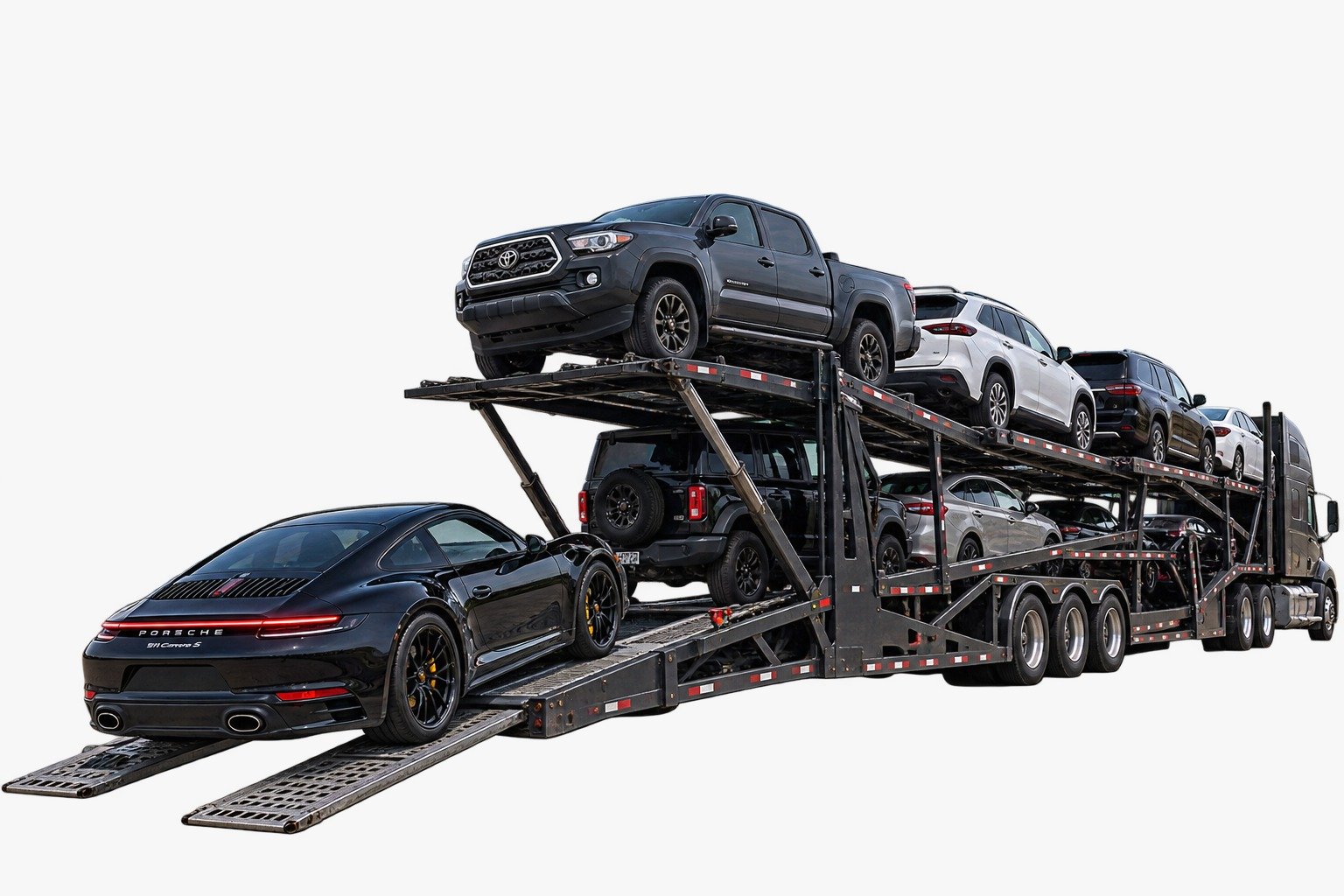
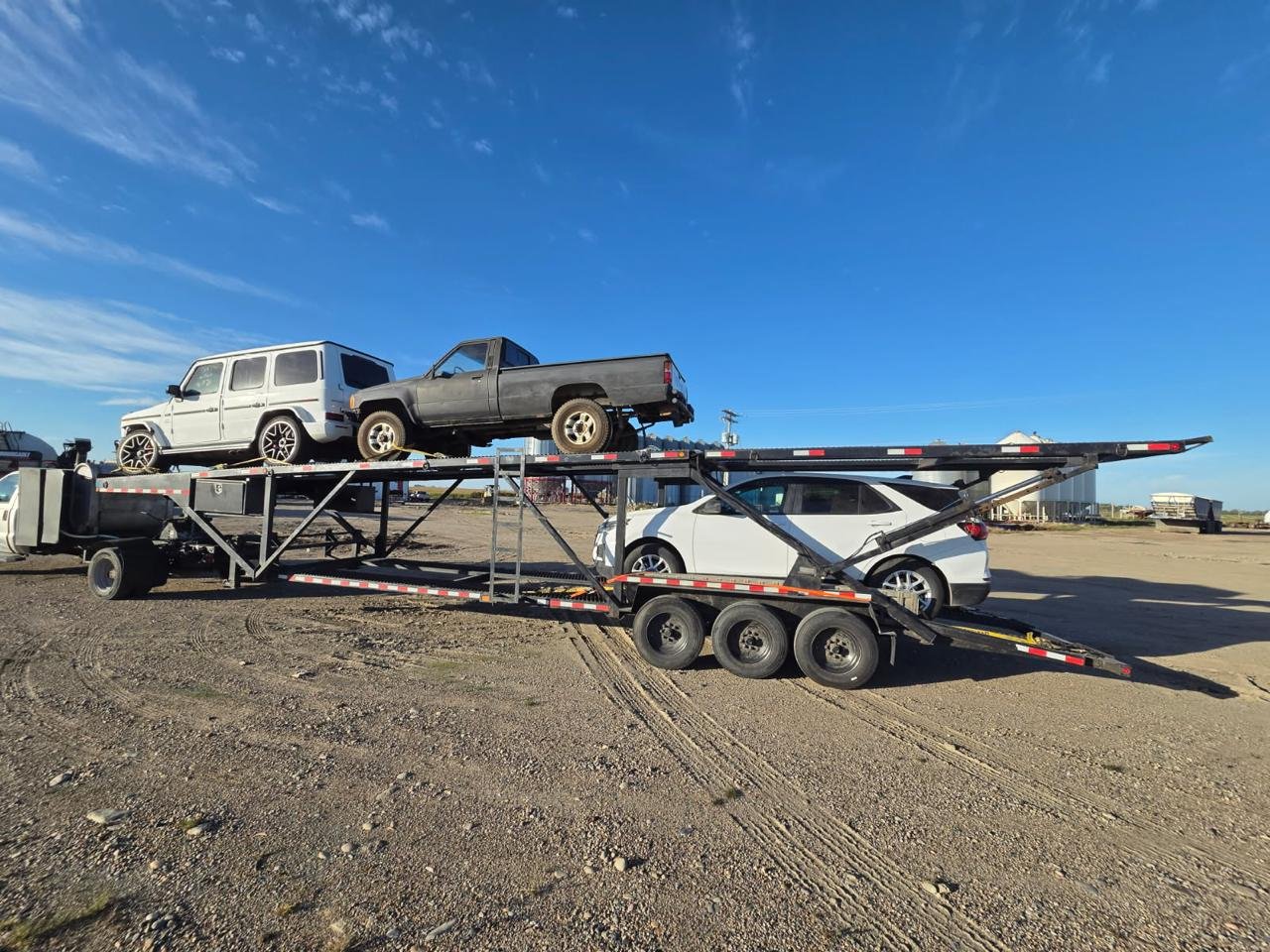
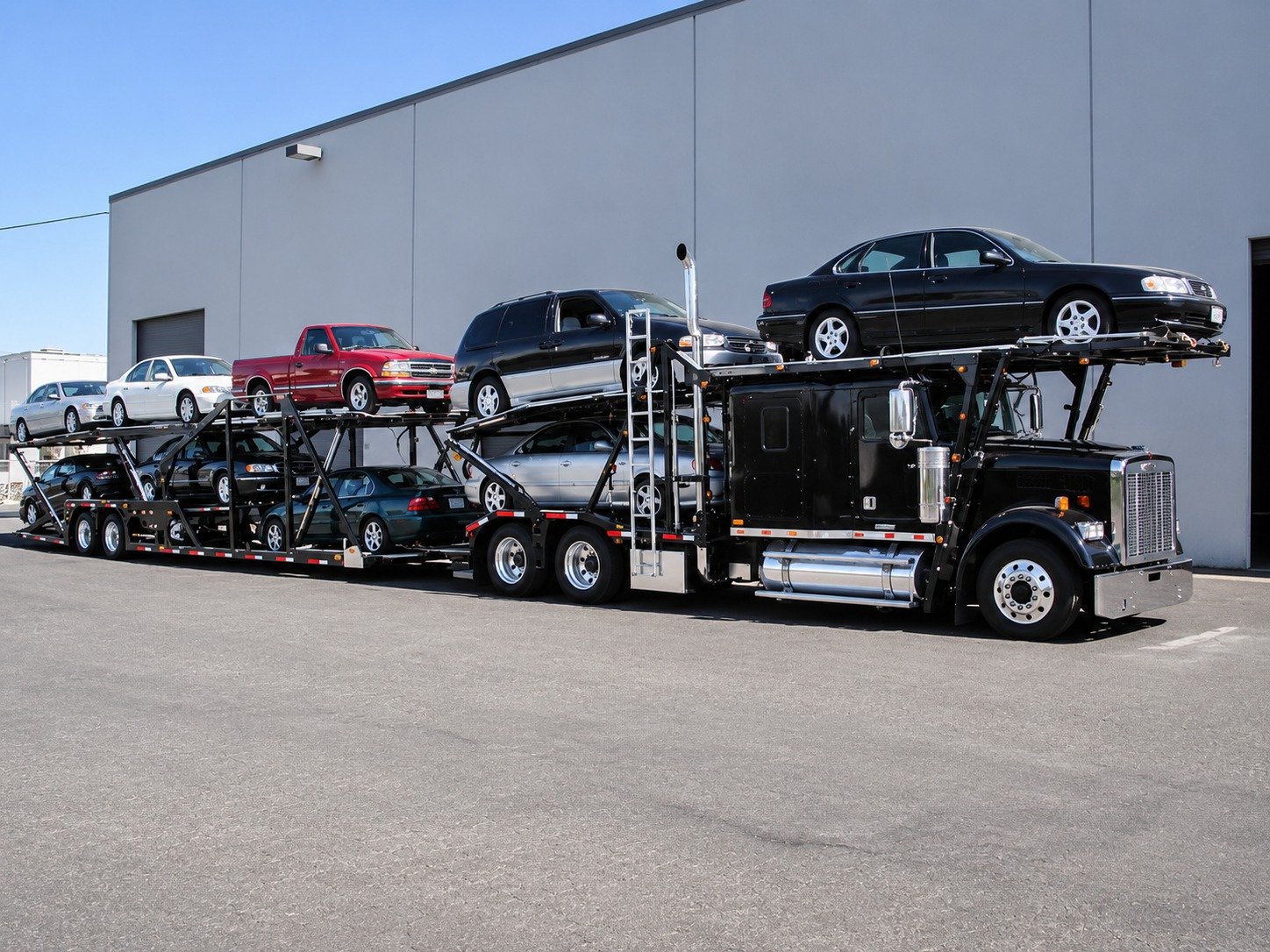
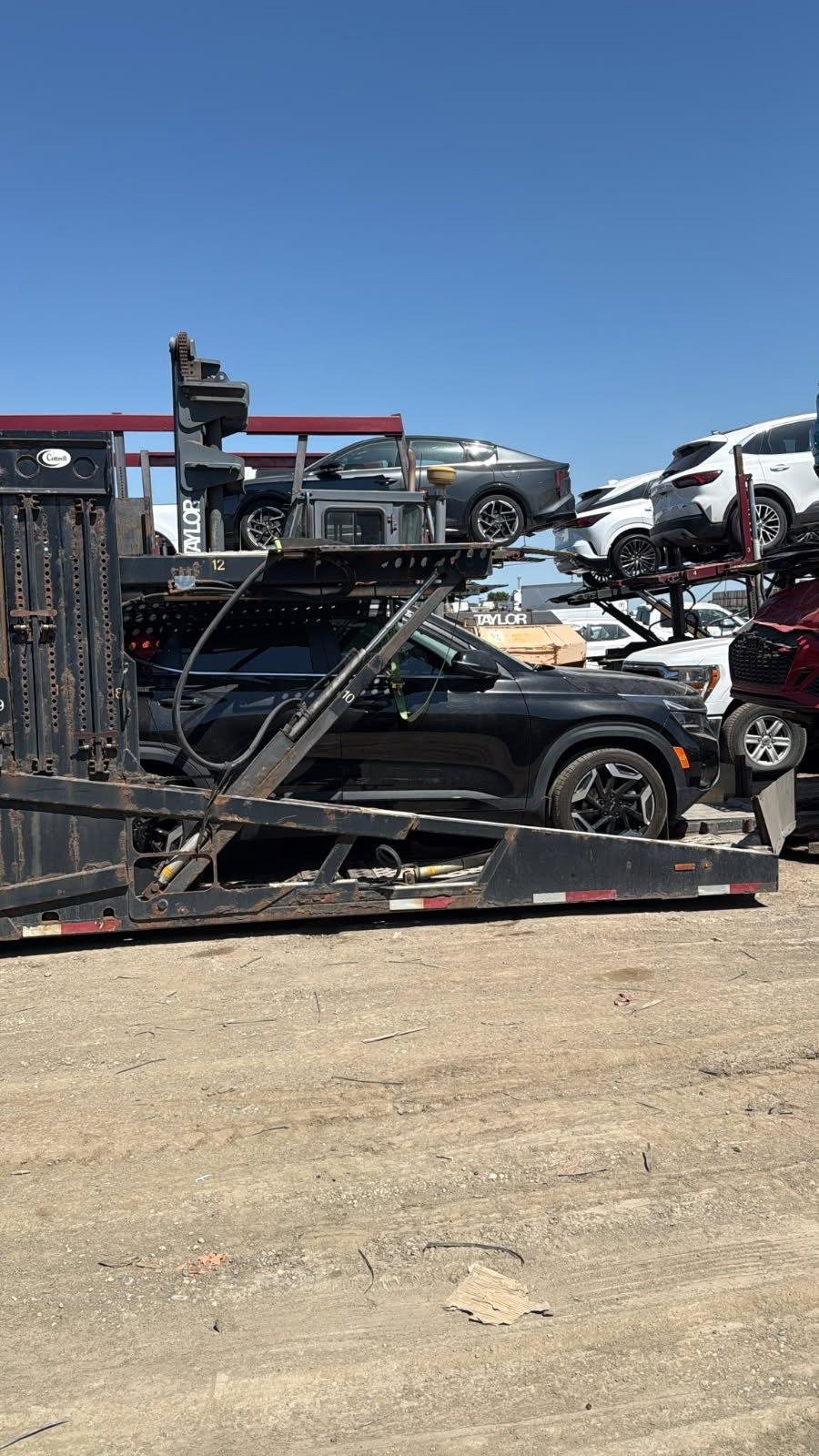
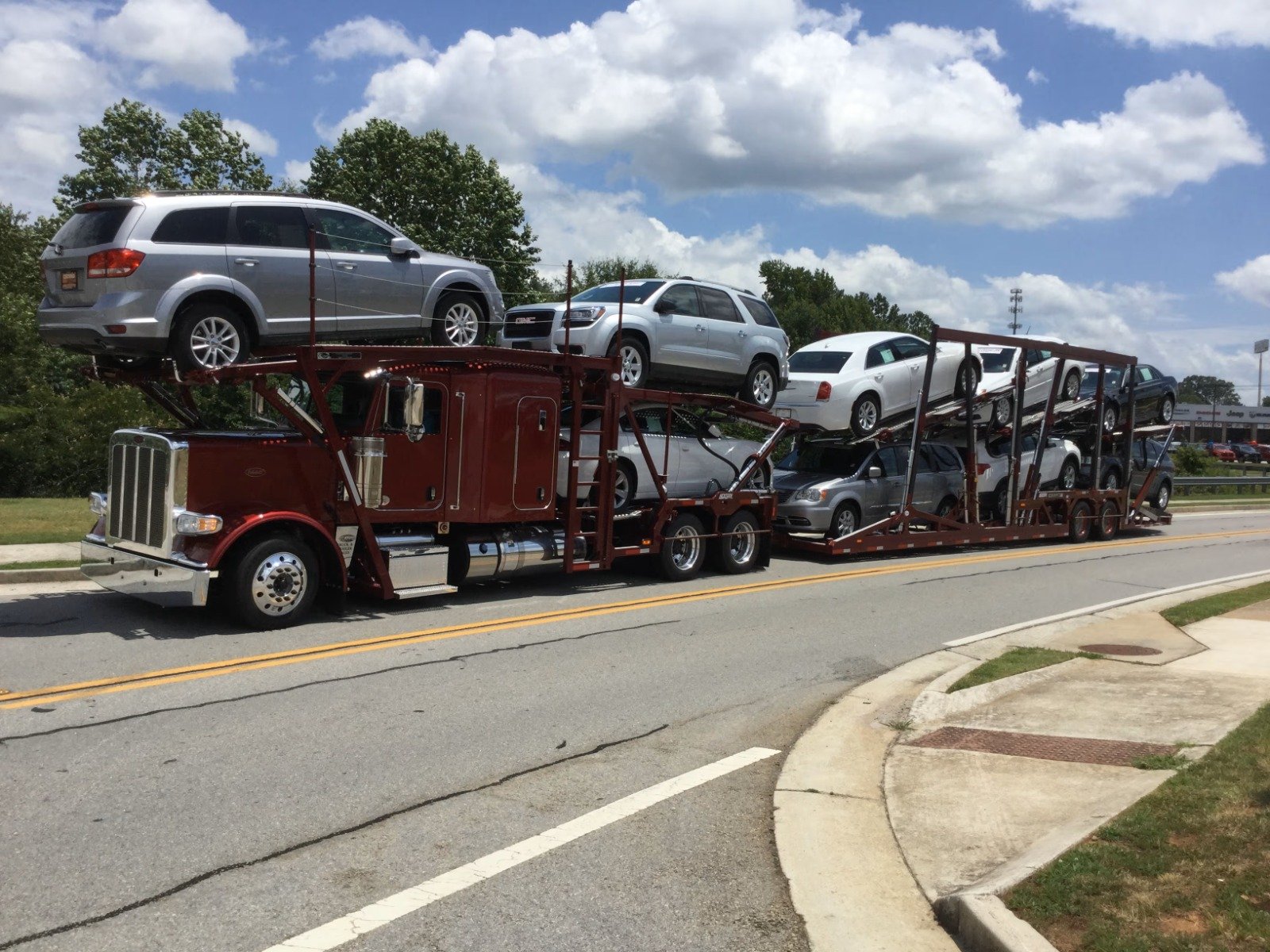
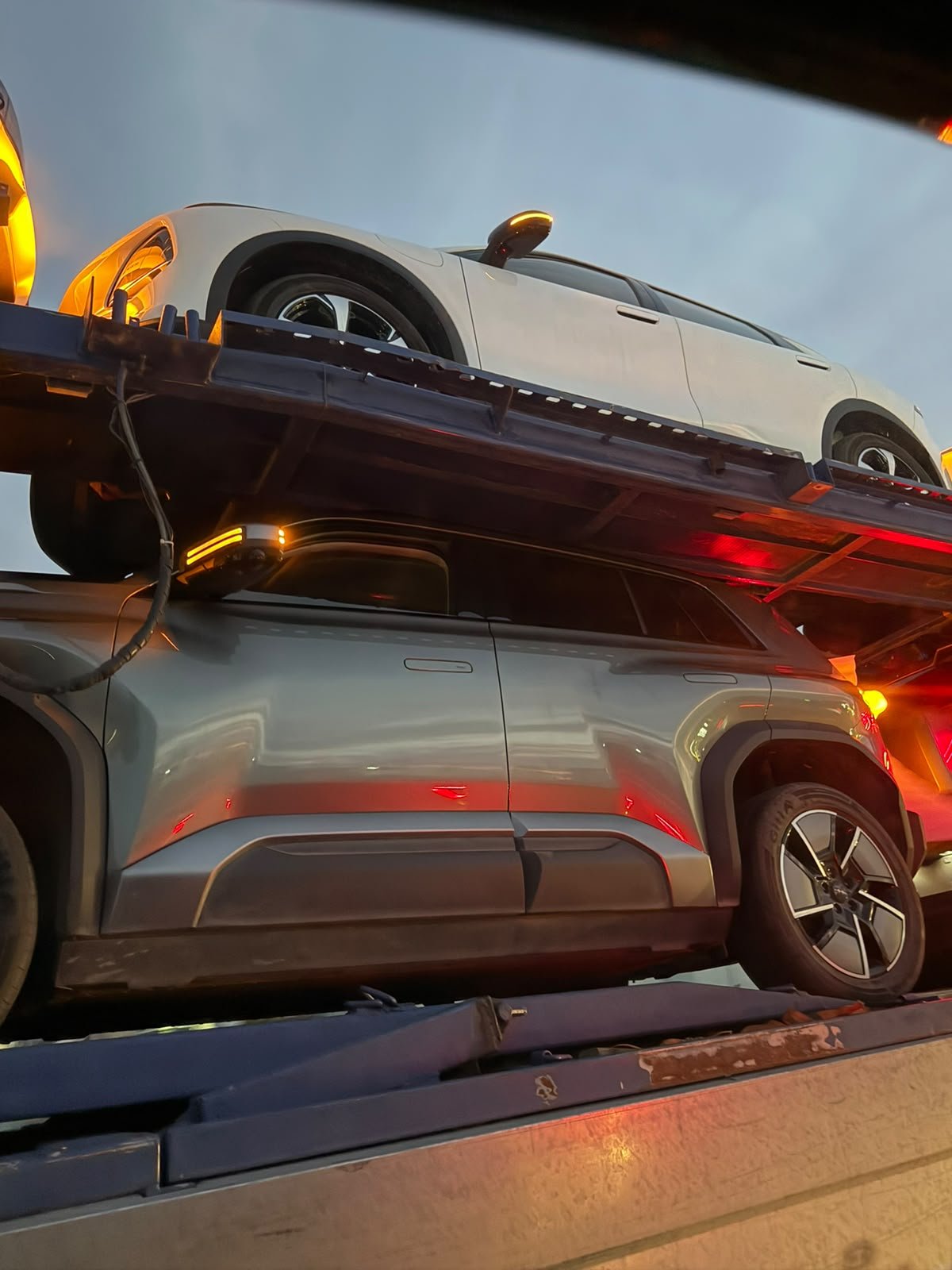
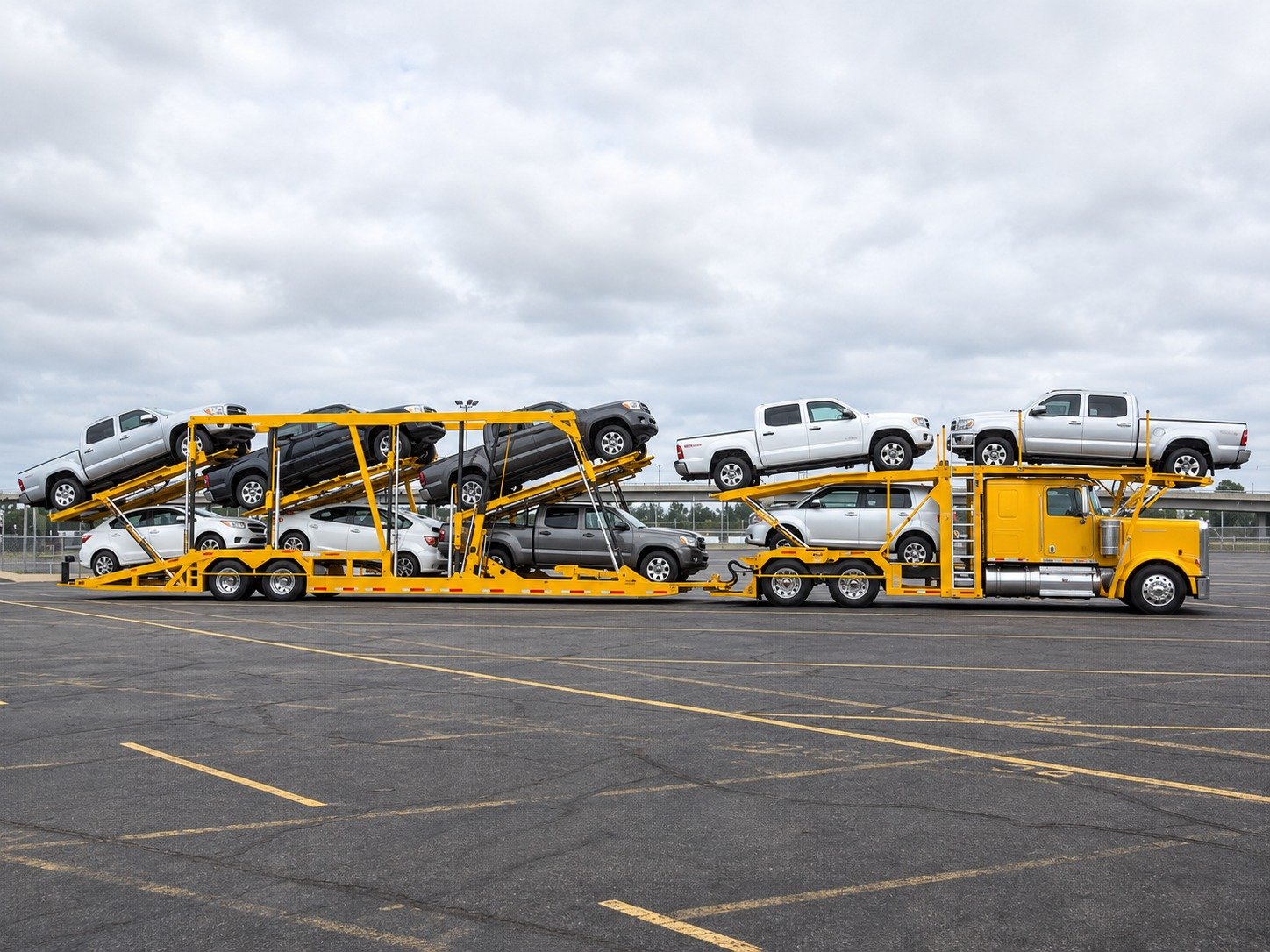
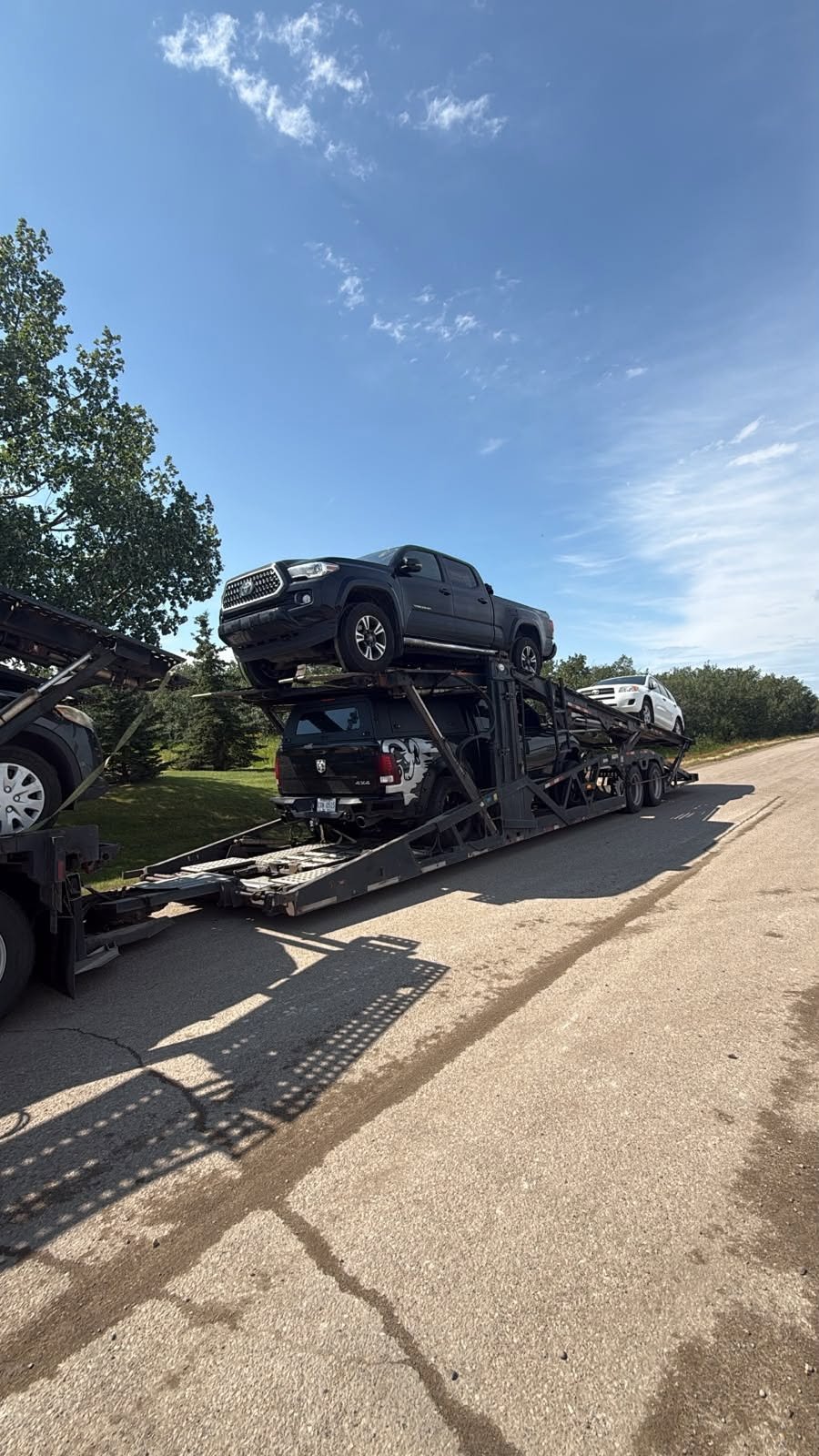
The most prevalent and cost-effective option for everyday trucks and SUVs. Vehicles travel on specialized multi-level hydraulic car carriers. Utilizing open car transport provides excellent scheduling frequency and optimal pricing for standard production half-ton and three-quarter-ton pickups.
Enclosed Carrier
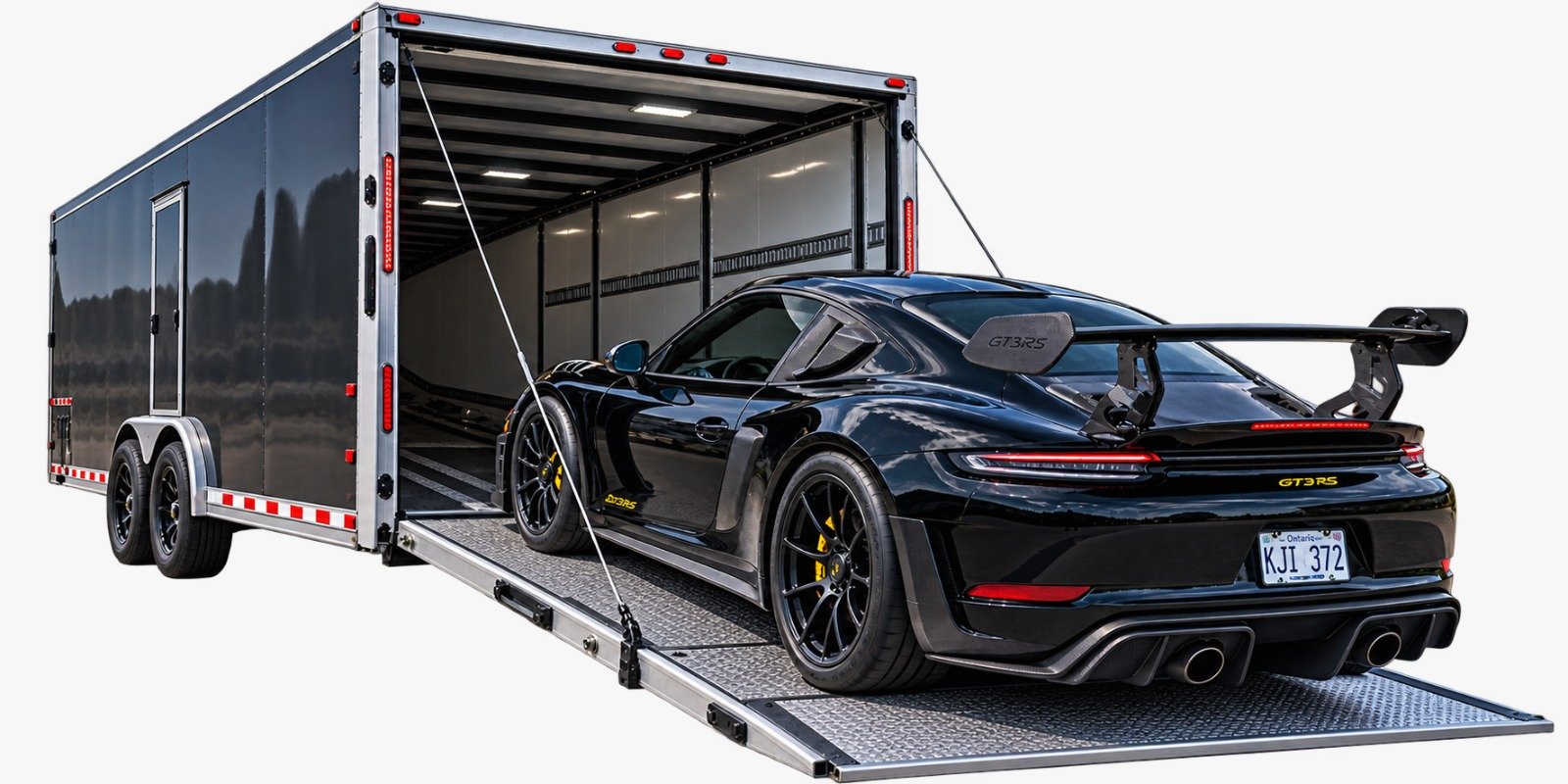
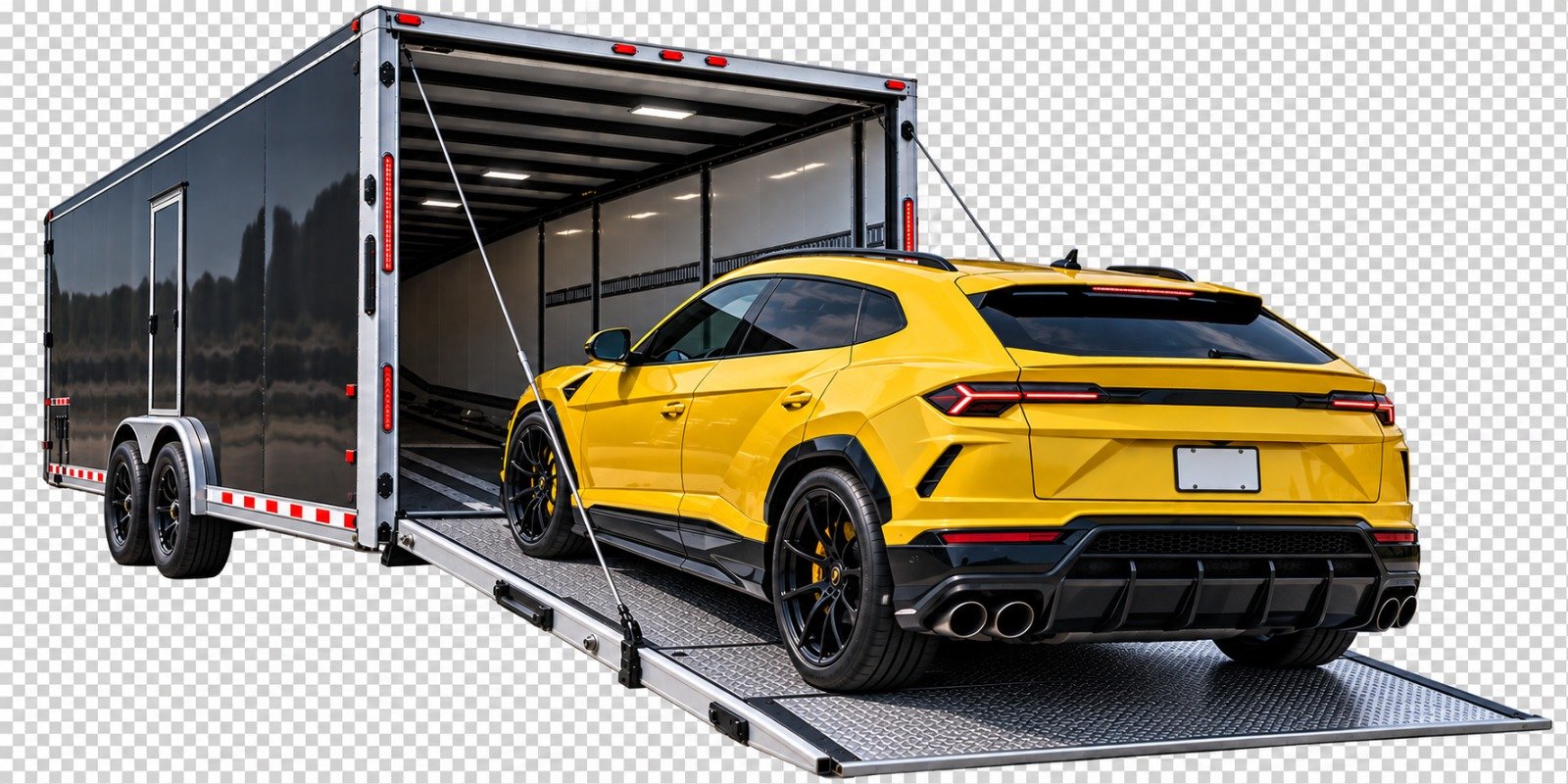
Designed for specialty show trucks, high-end collector sports cars, or high-value personal assets requiring total shielding against weather, road grime, and particulate matter. Opting for enclosed vehicle transport offers climate-controlled, covered containment on dedicated air-ride trailers.
Specialized Flatbed Hauling
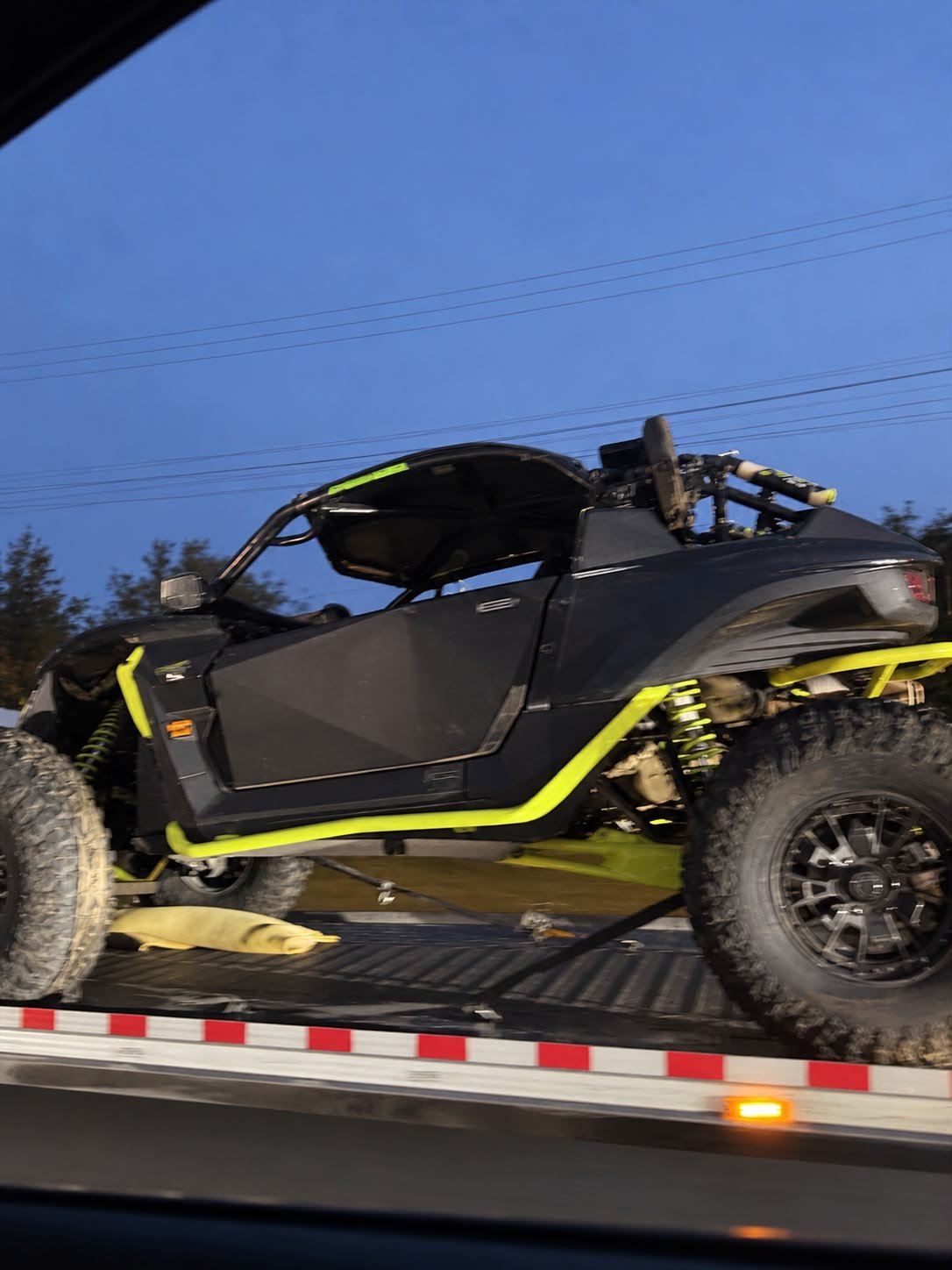
Work rigs customized with oversized suspension lifts, commercial utility service bodies, welding decks, or heavy auxiliary crane packages often exceed standard trailer envelope dimensions. These units require low-profile flatbeds or single-vehicle haulers to maintain legal provincial highway clearances.
Whether you need to ship a Ford F-250 from Fort McMurray to Edmonton, transport a specialized Dodge Ram 3500 dually, or relocate a corporate SUV fleet, selecting the correct trailer layout ensures compliance with Alberta transport weight distributions and clearance regulations.
Preparing a Rig or Work Truck for Alberta Vehicle Transport
Industrial work trucks frequently accumulate mud, bitumen residue, and heavy tool loads during daily field operations. Preparing your vehicle correctly guarantees accurate initial condition reports and prevents transit complications:
- Underbody and Exterior Washing: Oil sands clay and heavy mud crusts conceal pre-existing paint scratches, rock dings, or bumper scrapes. Thoroughly pressure-washing the exterior and undercarriage allows the carrier operator to conduct a precise pre-shipment condition inspection.
- Auxiliary Equipment and Tool Storage: Cabin interiors and exterior truck beds should be cleared of loose power tools, hand tools, unbolted compressor components, and site materials. While bolted toolboxes and installed job-site caps are acceptable, loose cargo can shift and cause internal cab damage during braking.
- Fuel Tank Management: For weight optimization and transport safety compliance, maintain approximately one-quarter (1/4) tank of diesel or gasoline. Auxiliary slip tanks must be drained or verified empty unless pre-cleared for hazardous goods containment.
- Exterior Projections and Aerials: Retract or remove whip antennas, high-visibility site warning flags, aftermarket light bar mounts that exceed cab heights, and wide tow mirror extensions to ensure legal carrier envelope dimensions.
- Mechanical Checks & Battery Condition: Ensure the truck starts promptly, holds fluid pressure without active oil leaks, and maintains functional park brakes. Non-operational units require dedicated winch recovery equipment.
How Much Does It Cost to Ship a Truck to Edmonton from Fort McMurray?
Pricing for Edmonton truck transportation varies based on seasonal factors, equipment specifications, and requested pickup speeds. Rather than relying on rigid flat-rate estimates that fail to account for unique field conditions, rates are determined by several primary parameters:
1. Vehicle Dimensions and Curb Weight: A stock Ford F-150 SuperCab takes up standard deck space on a hauler. In contrast, an extended-wheelbase GMC Sierra 3500 dually with a utility service bed occupies significantly more deck footprint and payload margin, requiring specialized weight distribution across carrier axles.
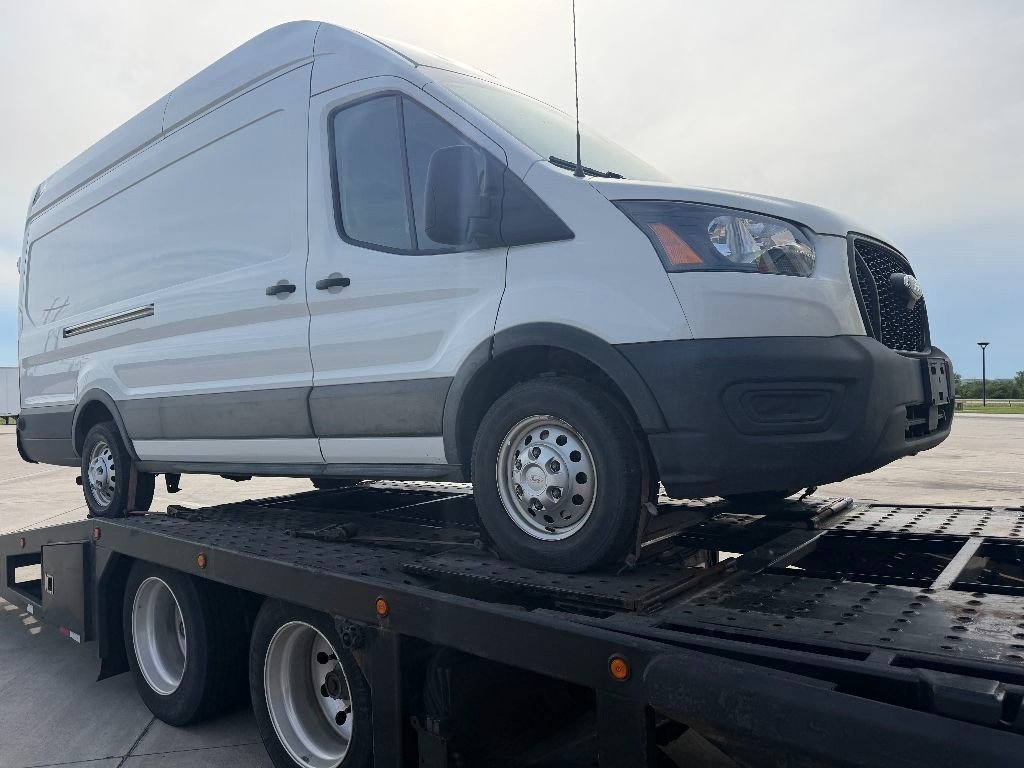
2. Operational State: Vehicles running under their own engine power load efficiently via hydraulic ramps. If an engine has sustained mechanical failure on site and will not roll, steer, or brake under power, carrier winching procedures apply.
3. Seasonality and Weather Extremes: Winter transit along Highway 63 necessitates chained tires, specialized cold-weather protocols, and reduced operating speeds to navigate icy grades. Summer periods offer rapid turnaround, though spring breakup creates localized roadway weight restrictions that carriers must navigate carefully.
To receive an exact, transparent price calculation based on your truck's specific model year, dimensions, and preferred dispatch date, customers can directly access our dedicated online vehicle shipping quote tool.
Door-to-Door vs. Terminal-to-Terminal Delivery in Edmonton
Coordinating vehicle transport between Wood Buffalo and Edmonton offers flexible logistics handoff arrangements to accommodate shifting contractor work schedules:
Door-to-Door Delivery: For contractors living in suburbs such as Thickwood or Timberlea in Fort McMurray and relocating directly to residences or company yards in St. Albert, Leduc, Sherwood Park, or Edmonton proper, door-to-door open transport maximizes convenience. The multi-car carrier approaches as close to your designated address as legal street widths and overhead utility cables allow for loading.
Terminal Distribution Pickups: For professionals flying immediately between Edmonton International Airport (YEG) and Fort McMurray International Airport (YMM), utilizing dedicated terminal drop-off points provides convenient flexibility. Vehicles can be left at secure facility compounds in advance and retrieved following shift completion, bypassing the need to coordinate direct personal handovers with the carrier driver.

Frequently Asked Questions About Shipping Work Trucks
Reliable Alberta Vehicle Relocation Built for Industry Pros
Balancing demanding shift commitments in northern Alberta's energy sector requires reliable logistics partners who respect your time and high-value machinery. Rather than taking on the fatigue, highway rock chips, and fluid wear of long winter drives down Highway 63, organizing dependable truck shipping Fort McMurray to Edmonton safeguards your vehicle and frees you to concentrate on what matters most.
Whether you are moving a single personal pickup, returning a secondary fleet unit down to an equipment dealership, or orchestrating widespread multi-vehicle relocation across western Canada, coordinating your transport with verified professionals ensures safe, timely, and fully insured delivery.