Whether you are relocating between Canadian provinces, buying a custom pickup truck from out of province, or managing vehicle logistics for an entire automotive dealership, finding reliable transportation is just the first step. The immediate next question on almost everyone's mind is pricing. The relationship between vehicle size and car shipping cost is one of the most critical elements in the automotive logistics industry.
If you're asking yourself, does vehicle size affect car shipping prices?—the short answer is a definitive yes. Because vehicle transport operates entirely on spatial logistics, weight limits, and carrier fuel efficiency, shipping a standard sedan will always command a different rate than transporting an oversized SUV or a heavy-duty pickup truck. In this comprehensive guide, Optixtrace Car Shipping breaks down exactly how dimensions, weight, and vehicle category dictate your final transport quote across Canada.
1. The Core Factors: Why Does Vehicle Size Affect Car Shipping Prices?
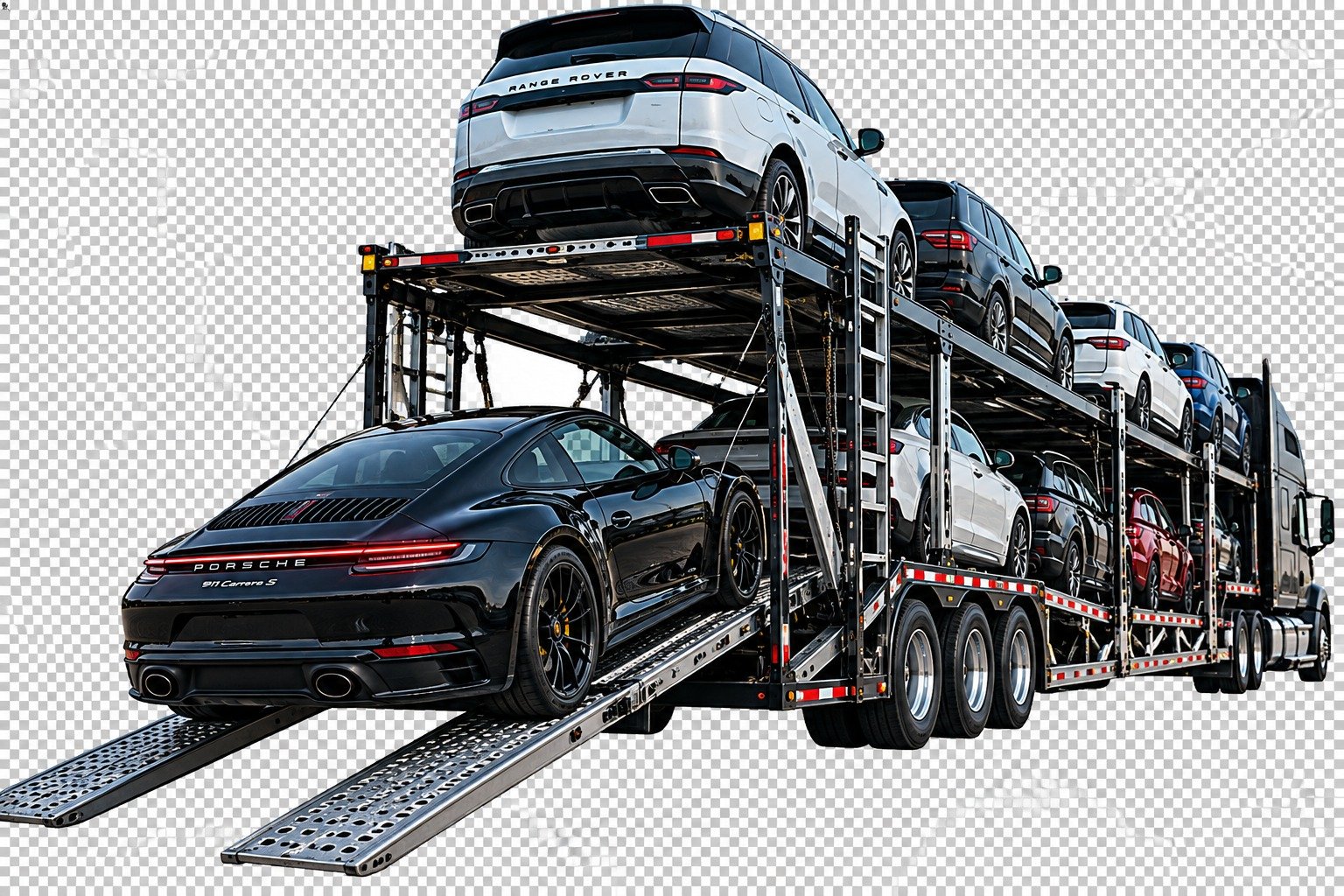
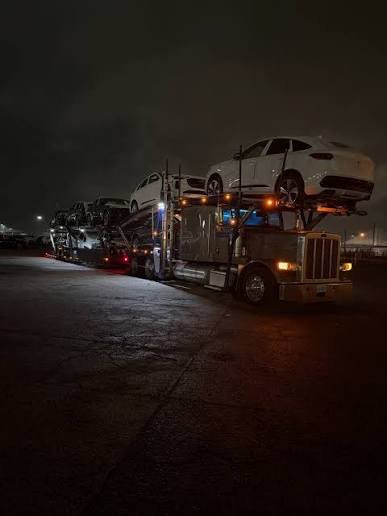
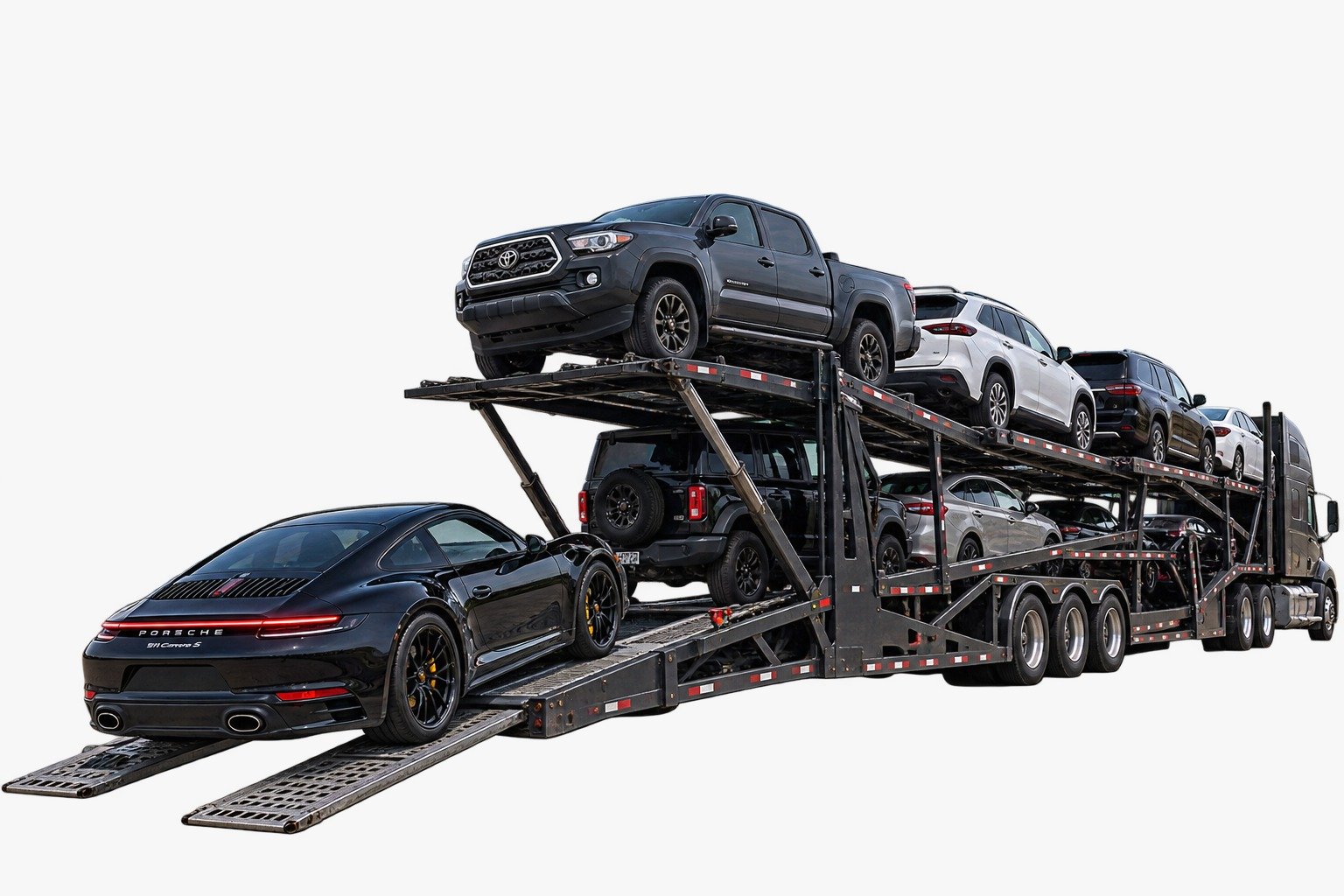
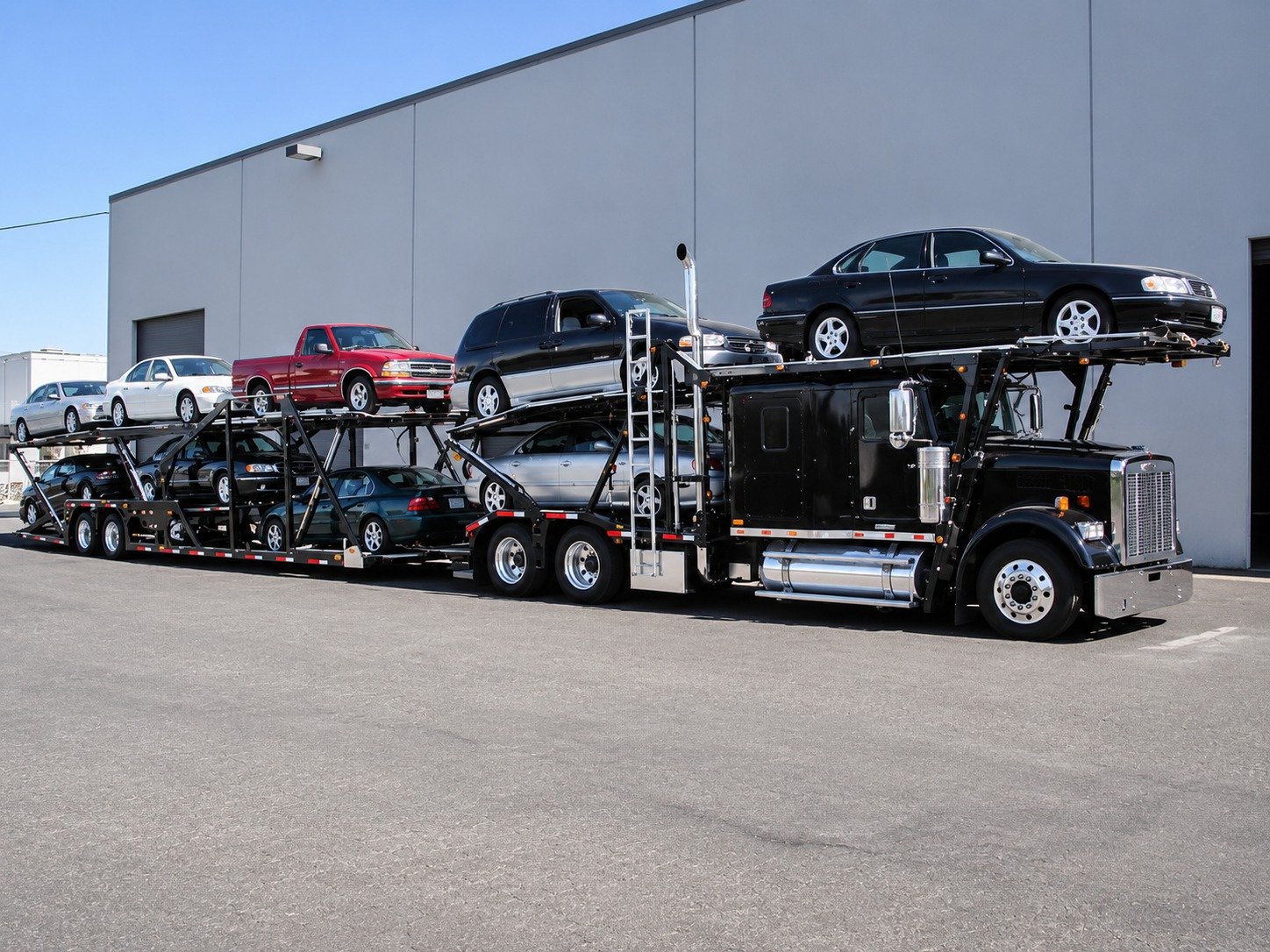
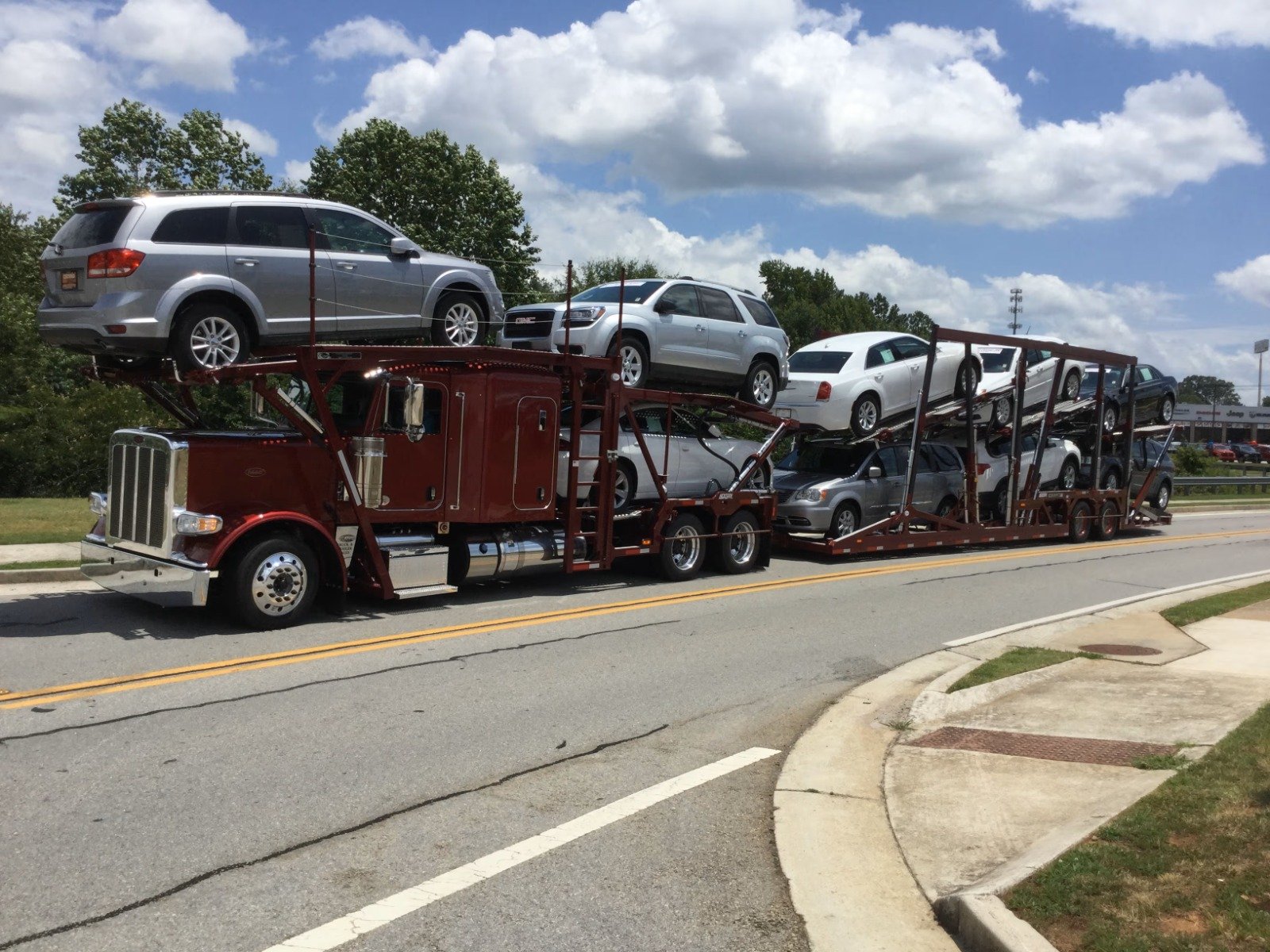
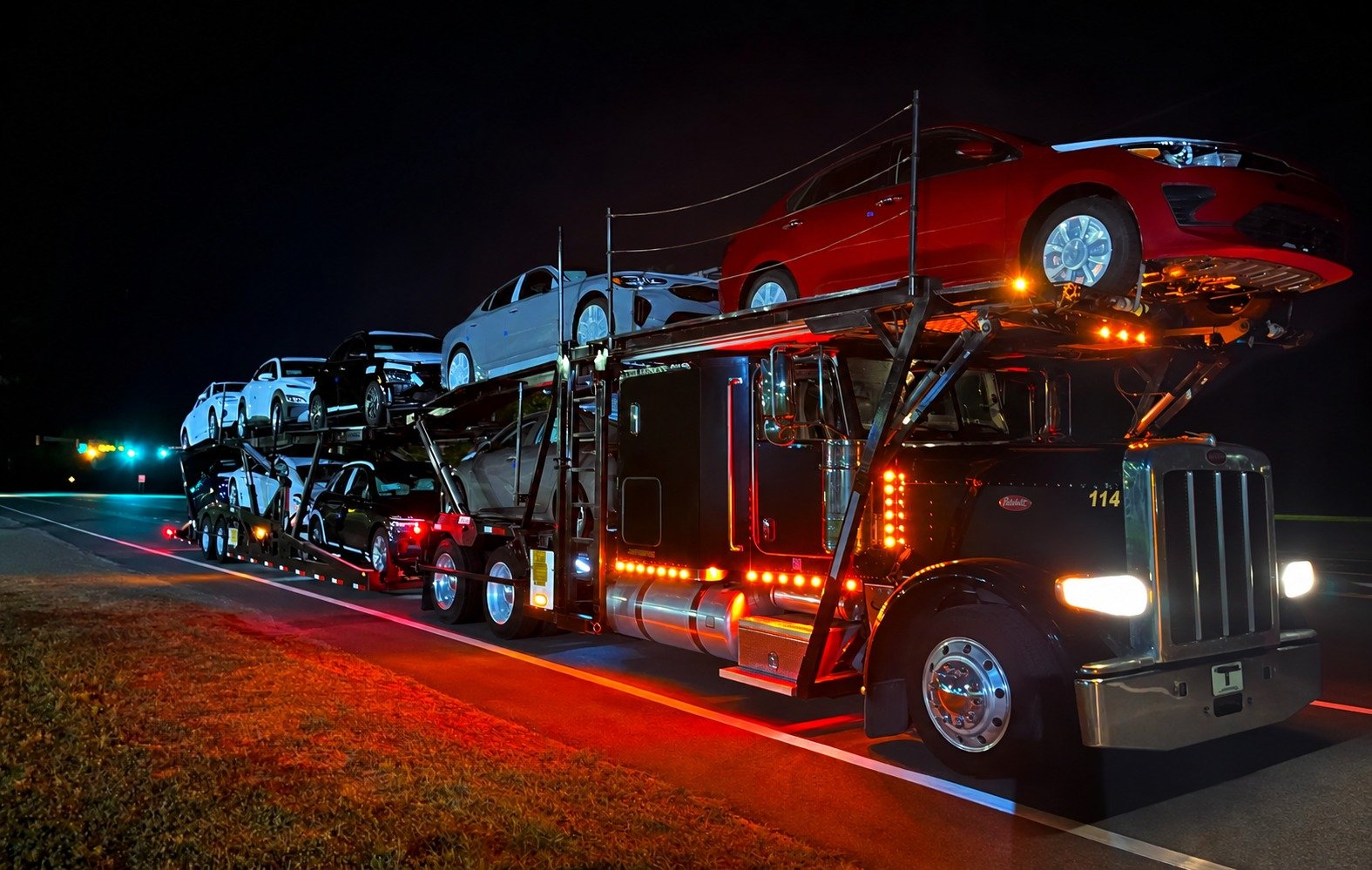
To understand the variations in car transport costs, you have to look at the process from the perspective of a transport carrier. A multi-level car hauler is essentially a mobile puzzle. Carriers have finite resources: space on the trailer, allowable height clearances, and legal weight limits.
Space and Dimensions
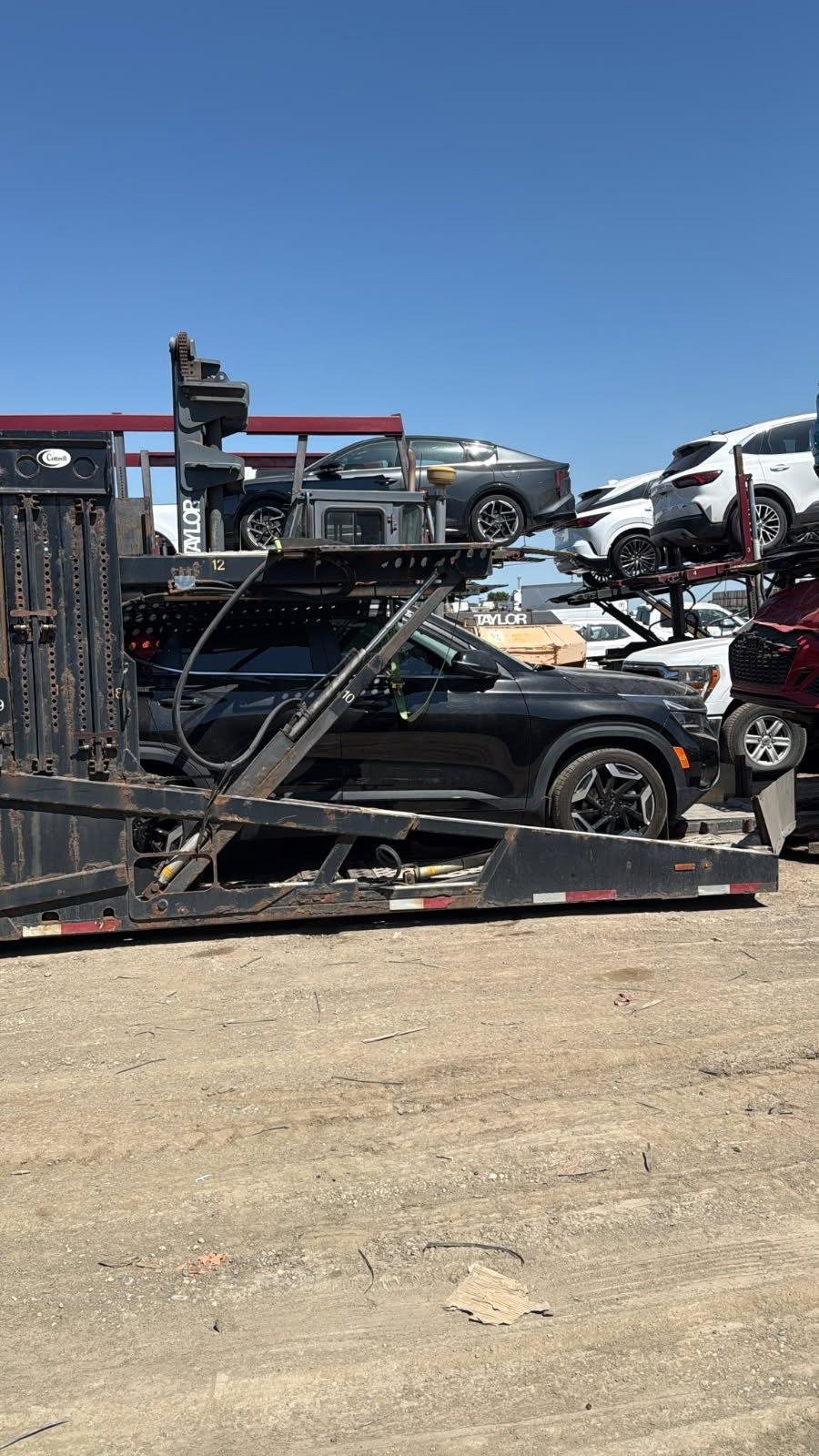
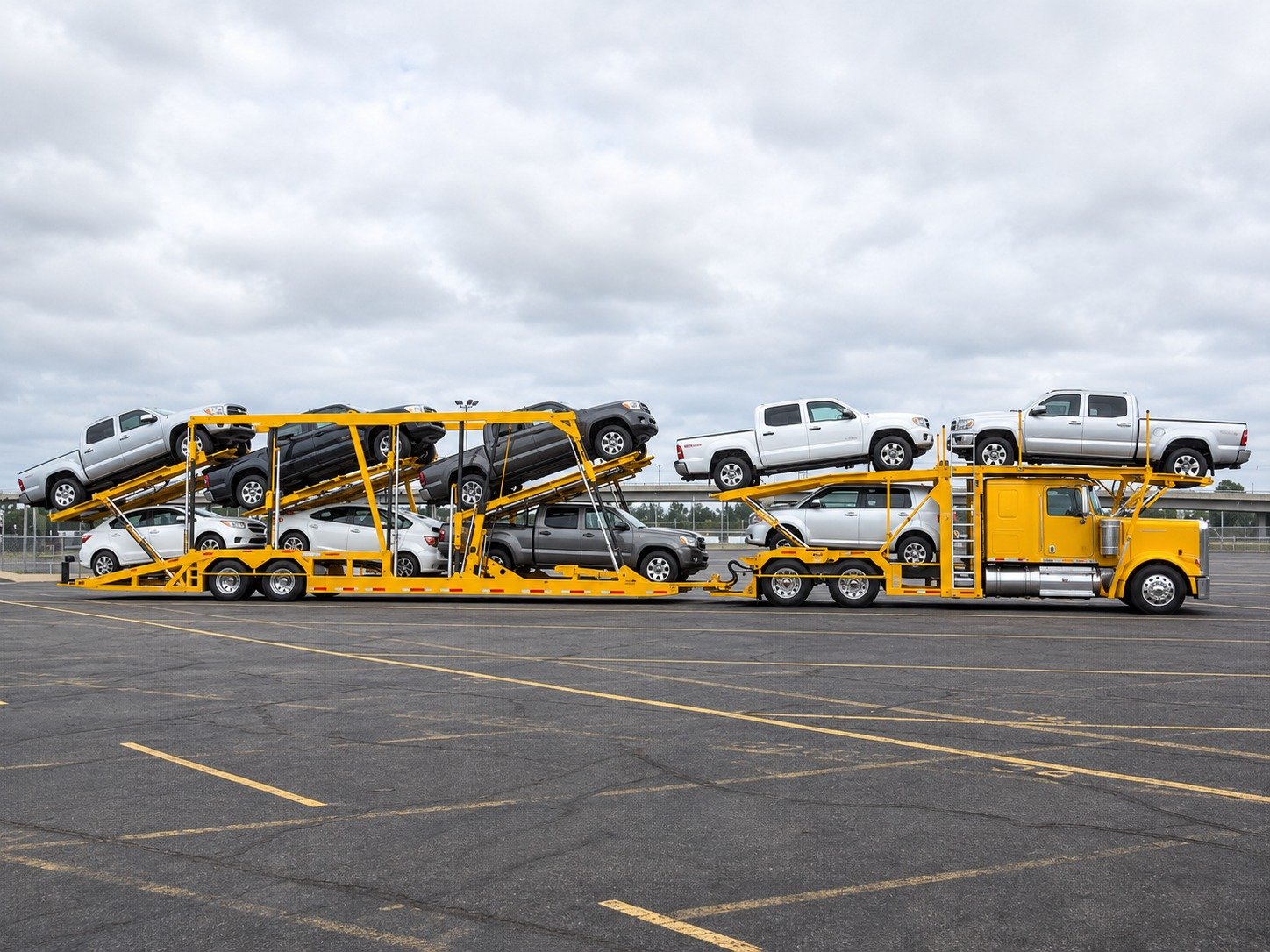
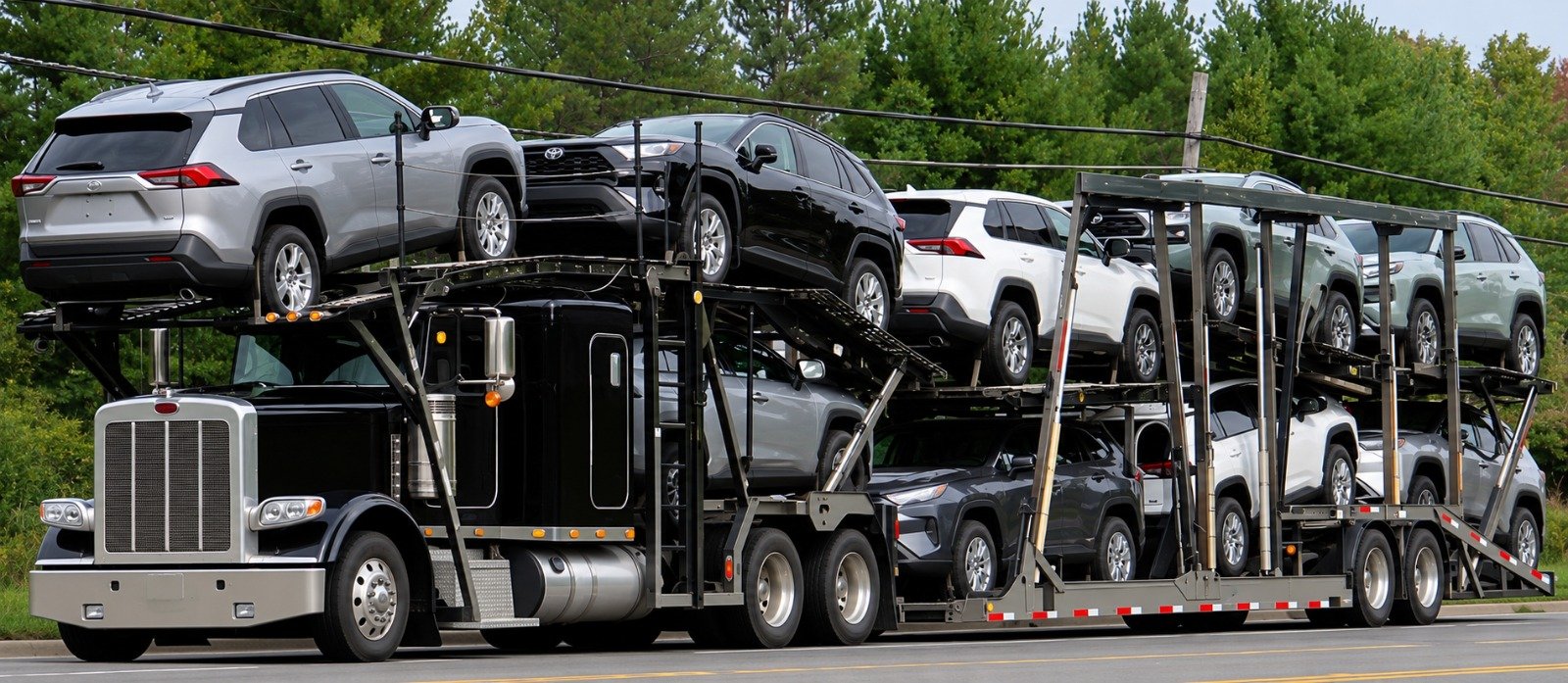
A standard open transport trailer can hold between 7 and 10 vehicles depending on their exact dimensions. If an auto transporter fills their trailer with compact cars like the Honda Civic or Toyota Corolla, they can comfortably fit the maximum number of vehicles, thereby distributing the cost of the trip across 10 different customers.
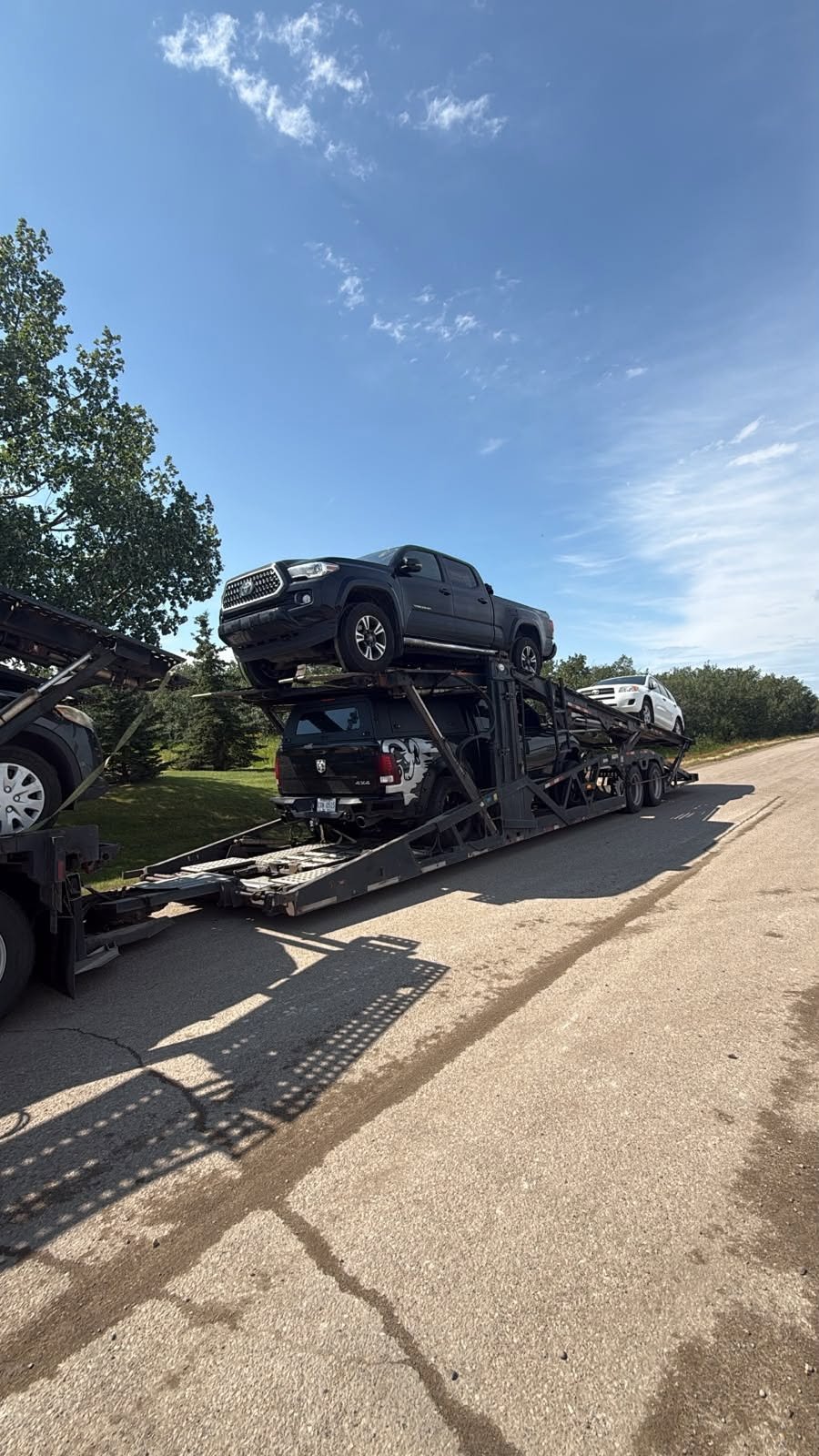
However, if the manifest includes longer, taller, or wider vehicles, the carrier must adjust the hydraulic ramps to accommodate the vehicle clearance. A single Ford F-150 SuperCrew or a Chevrolet Tahoe might take up the spatial equivalent of 1.5 to 2 standard sedans. Consequently, the carrier can only haul 5 to 7 vehicles on that trip. To maintain profitability on the route, the lost revenue from the displaced cars is calculated into the vehicle size shipping rates for the larger vehicles.
Know your exact dimensions before booking. Vehicle modifications like roof racks, lifted suspensions, off-road tires, and camper shells change your vehicle's factory footprint. Always provide your logistics coordinator with the modified dimensions to ensure accurate quoting and avoid delays at the loading terminal.
2. Car Shipping Prices by Vehicle Size: A Detailed Breakdown
According to data from Statistics Canada, the market share for light trucks and SUVs has surged over the past decade, dramatically changing the makeup of the vehicles traversing Canadian highways. Here is how different categories influence the baseline price.
Sedans and Compact Cars
These represent the baseline for all auto transport pricing factors. Vehicles like the Mazda3, Hyundai Elantra, or a standard BMW 3-Series fit seamlessly into almost any position on a multi-level trailer, including the tight lower decks. Because they maximize the carrier's loading capacity, sedans usually secure the most competitive rates.
SUVs and Crossovers
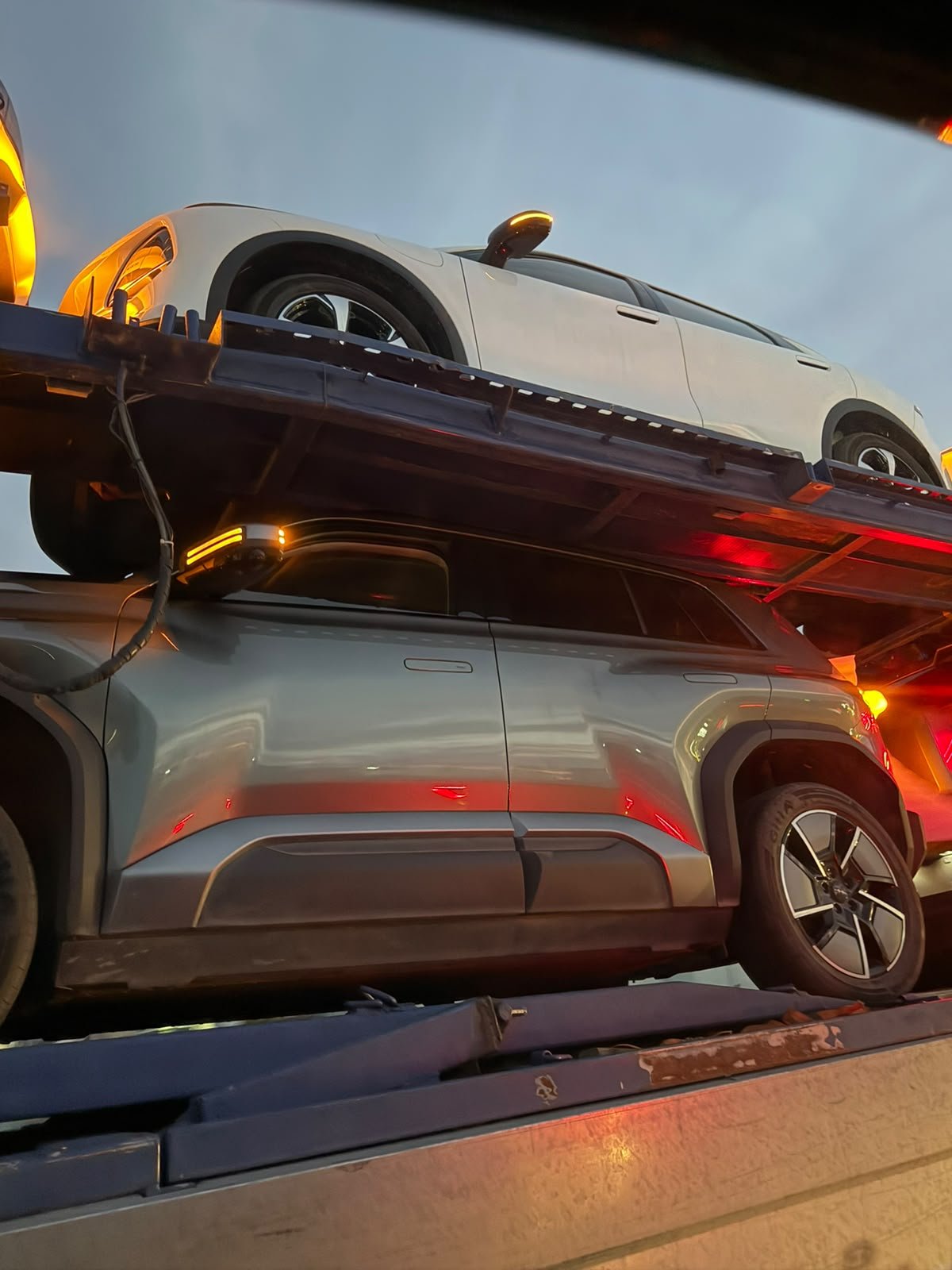
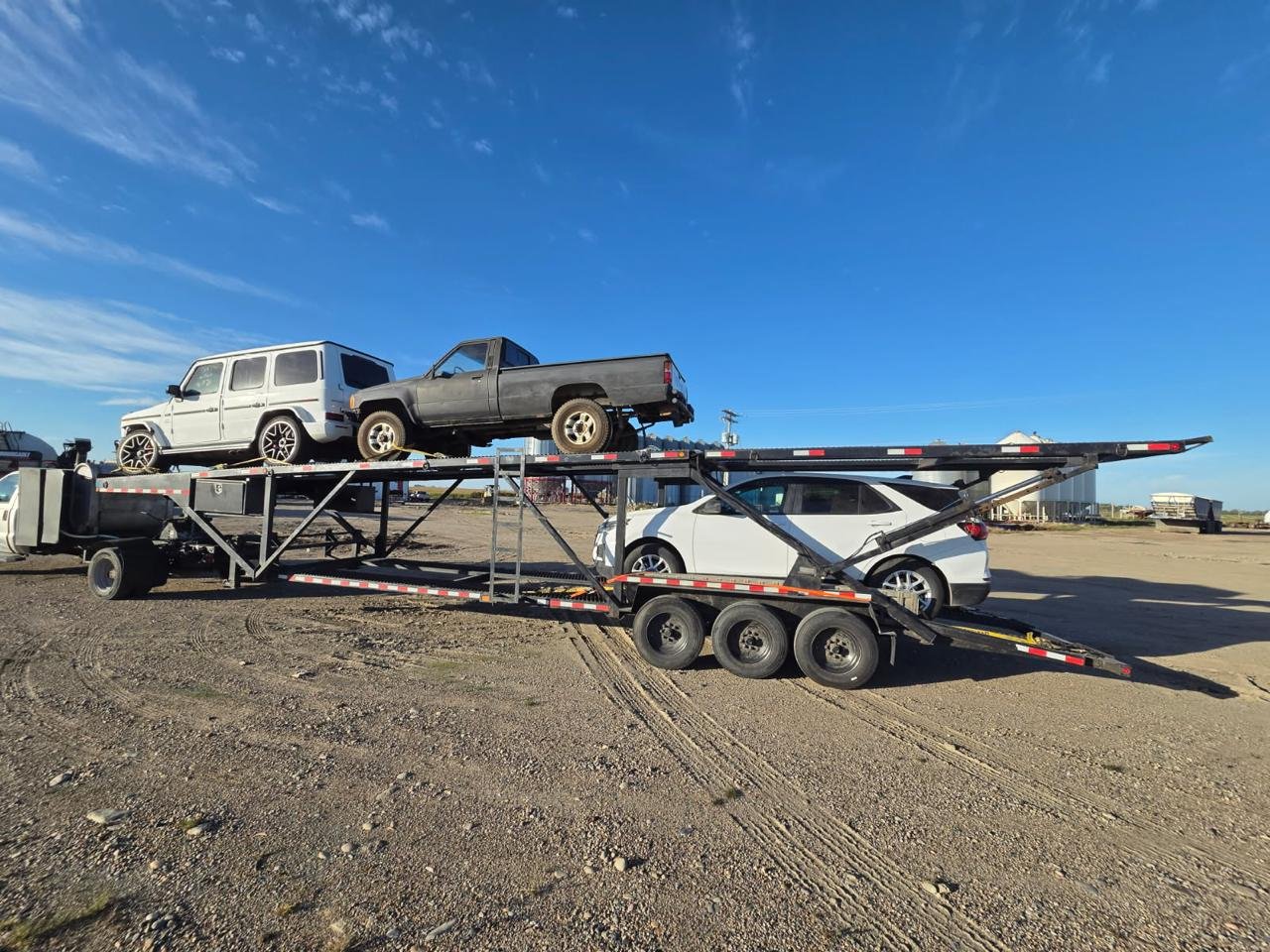
The SUV shipping cost is slightly higher than a sedan, usually categorized into mid-size (e.g., Ford Escape, Toyota RAV4) and full-size (e.g., GMC Yukon, Cadillac Escalade). Full-size SUVs not only take up more horizontal deck space but require strategic placement on the trailer due to their height. They are often placed on the top deck to avoid crushing vehicles below or to bypass internal clearance limits, reducing the driver's flexibility in loading.
Pickup Trucks and Cargo Vans
When calculating the truck shipping cost, dimensions take center stage. Pickup trucks feature extended wheelbases, and commercial cargo vans feature extended rooflines. A dually (dual rear-wheel) truck may even be too wide for a standard open auto transport trailer, requiring specialized flatbed service. Shipping a truck will definitively cost more than a standard car, reflecting the premium space it commands.
| Vehicle Category | Average Curb Weight | Impact on Trailer Capacity | Relative Cost Modifier |
|---|---|---|---|
| Compact / Sedan | 2,800 - 3,500 lbs | Minimal (Base capacity) | Baseline Standard |
| Mid-Size SUV | 3,800 - 4,500 lbs | Moderate | + 10% to 15% |
| Full-Size Truck/SUV | 5,000 - 6,500 lbs | High (Takes 1.5 spots) | + 20% to 35% |
| Oversized / Dually / Lifted | 6,500+ lbs | Severe (May require flatbed) | Custom Quote Required |
3. How Vehicle Weight and Shipping Costs Intersect
While physical dimensions determine how a vehicle fits on a trailer, the curb weight determines how the carrier operates legally and economically. The relationship between vehicle weight and shipping costs is governed strictly by federal and provincial regulations.
Agencies like Transport Canada and provincial transport ministries mandate strict maximum gross vehicle weight ratings (GVWR) for commercial transport trucks to protect highway infrastructure. Weigh stations across the Trans-Canada Highway routinely inspect carriers.
If a car carrier is hauling heavy electric vehicles (EVs)—which carry massive battery packs making them significantly heavier than their gas-powered counterparts—or heavy-duty pickup trucks, they hit their maximum legal weight limit long before they run out of physical space on the trailer. A trailer that could physically fit 9 vehicles might legally only be allowed to haul 6 due to weight caps. Furthermore, heavier loads decrease the transport truck's fuel efficiency, and these operational costs are factored into the final transportation quote.
4. Specialized Logistics: Oversized Vehicle Transport
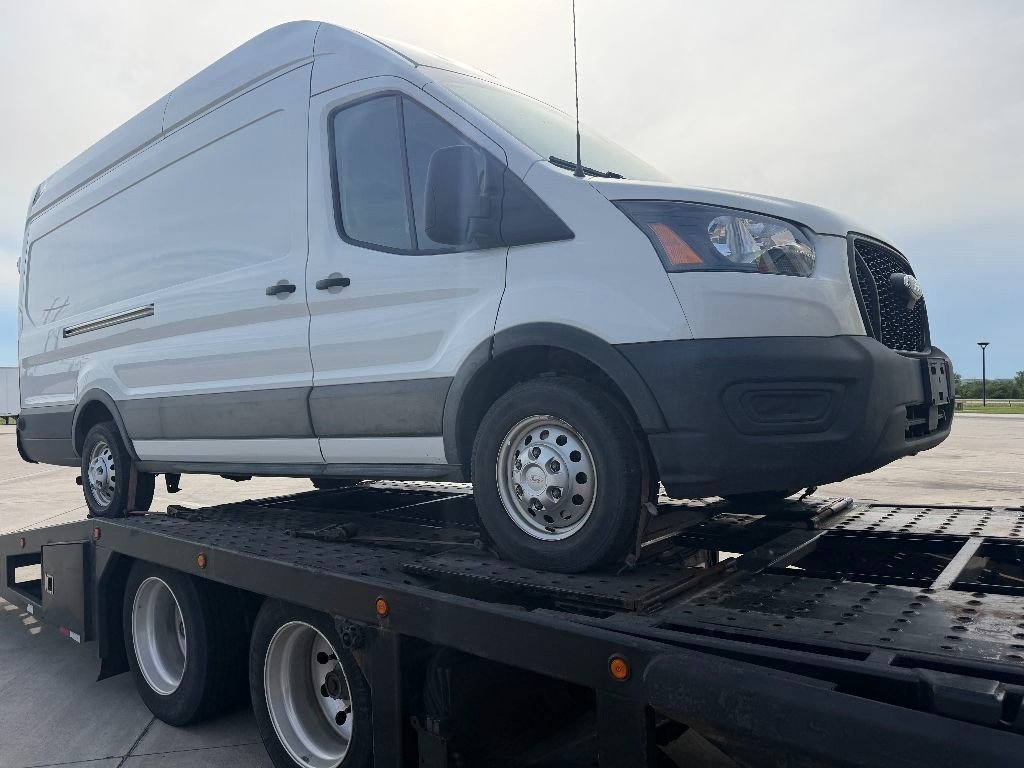
Standard sedans and SUVs are handled through highly routine logistical pathways. However, oversized vehicle transport requires specialized planning. What qualifies as an oversized vehicle? Generally, any vehicle that exceeds standard height (often above 7 feet), width, or weight parameters.
Examples include:
- Lifted 4x4 pickup trucks.
- Sprinter vans and high-roof commercial cargo vehicles.
- Heavy-duty utility trucks.
- Campers and Class B motorhomes.
These vehicles often cannot be loaded onto standard multi-level car haulers because they exceed overhead clearance limits—a major safety hazard when navigating underpasses on Canadian highways. In these scenarios, companies utilize specialized step-deck trailers or dedicated flatbed transport. Because these specialized trailers haul fewer vehicles (sometimes only 1 to 3 at a time), the cost to transport a large vehicle across Canada is inherently higher.
5. Choosing the Right Method: Open, Enclosed, or Rail
The size and value of your vehicle will often dictate the best method of transportation. At Optixtrace Car Shipping, we provide diverse logistics solutions tailored to the specific dimensions of your fleet or personal vehicle.
Open Auto Transport
This is the industry standard and the most cost-effective method for shipping SUVs, trucks, and sedans. If you are relocating from Vancouver to Toronto, open transport balances speed and affordability.
Enclosed Vehicle Transportation
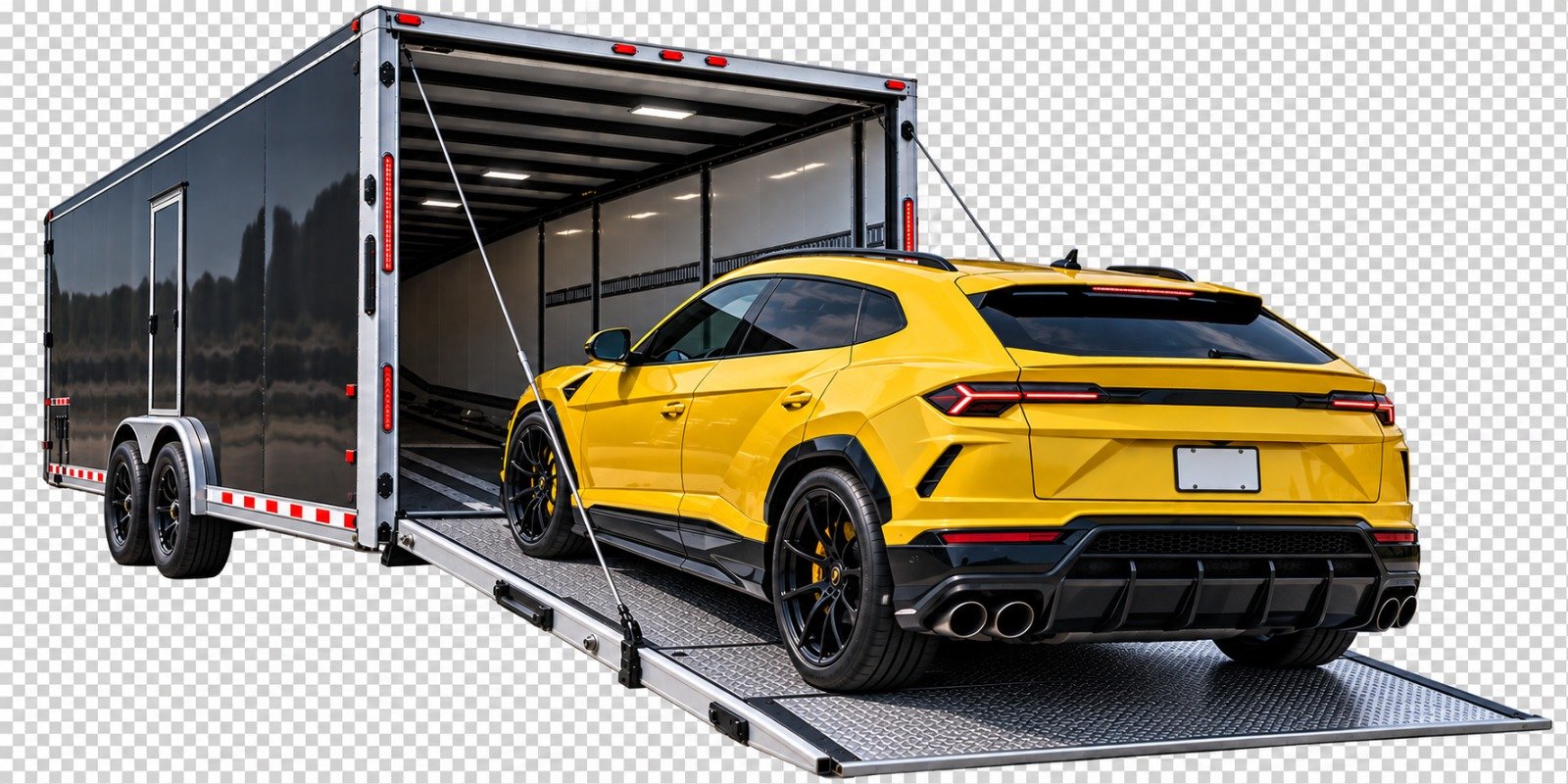
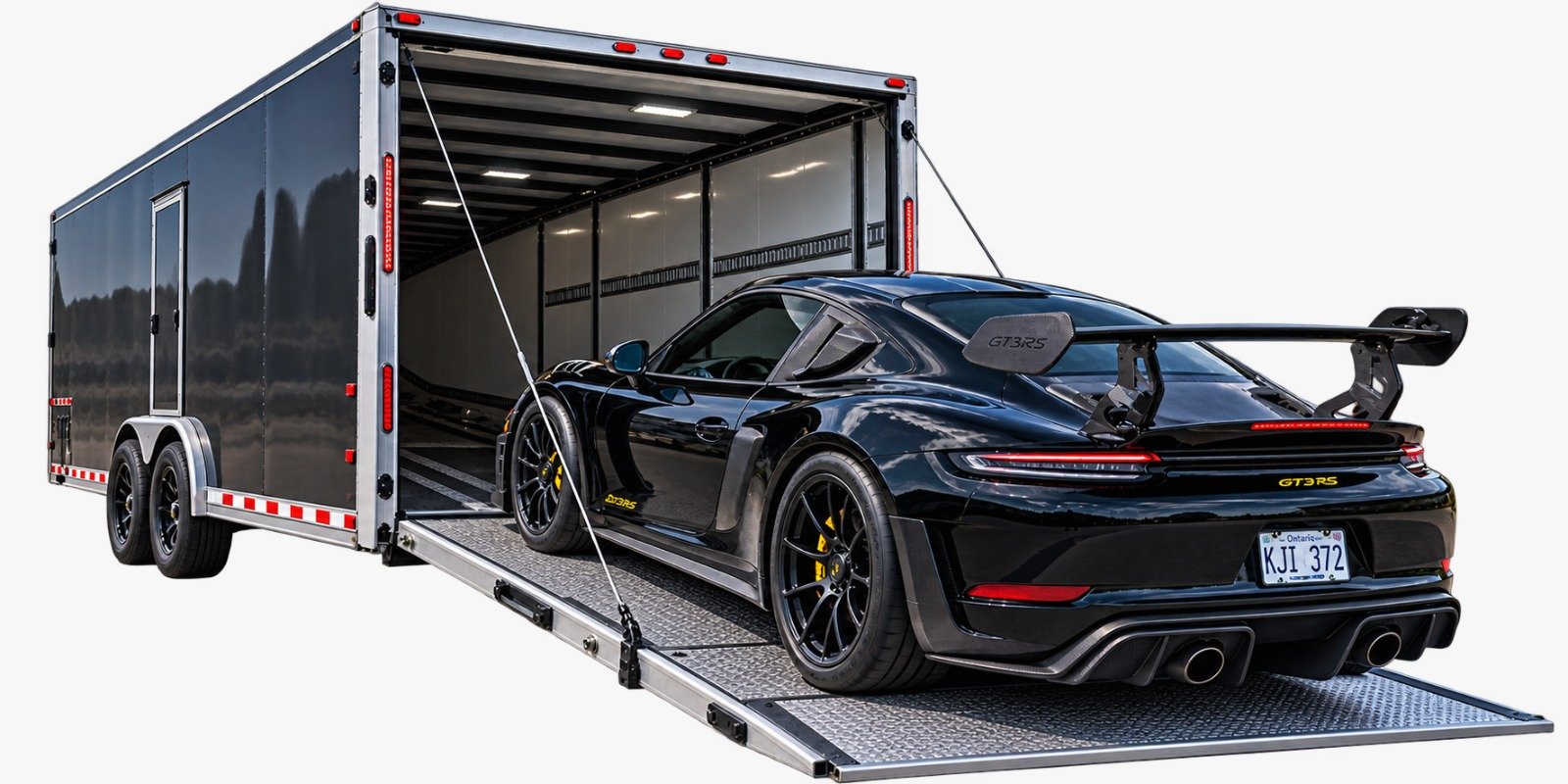
If you are shipping a high-value, classic, or luxury SUV (like a Mercedes-Benz G-Class or Lamborghini Urus), enclosed vehicle transportation offers premium protection from weather, road debris, and the elements. Enclosed trailers have specialized lift gates designed for vehicles with low ground clearance, though they generally accommodate fewer vehicles, resulting in a premium rate.
Railway Transportation
For cross-country moves, railway transportation is an excellent option. Trains are less susceptible to the weight variations that heavily impact truck fuel efficiency, making rail a highly economical choice when shipping heavier SUVs and trucks coast-to-coast.
6. Practical Tips for Managing Auto Transport Pricing Factors
While you cannot change the physical size of your SUV or truck, understanding auto transport pricing factors allows you to make strategic decisions that can reduce your final rate.
- Choose Terminal-to-Terminal over Door-to-Door: Large transport trucks struggle to navigate dense residential neighborhoods. Opting to drop off and pick up your oversized vehicle at a designated logistics terminal can reduce costs.
- Be Flexible with Dates: Allow a wider window for pickup and delivery. This gives logistics coordinators the time to perfectly match your large vehicle with an under-capacity transport truck, often resulting in a better rate.
- Empty the Vehicle: According to guidelines supported by organizations like the Canadian Automobile Association (CAA), you should never use your car as a moving box. Adding 200 lbs of personal items inside your SUV increases the gross weight and can violate carrier insurance policies.
7. Frequently Asked Questions
Customers frequently contact us with specific questions regarding their vehicle dimensions. We’ve compiled the most common inquiries regarding size and pricing.
Yes, significantly. Vehicle transport pricing is based on the space your vehicle occupies on a trailer and its total curb weight. A larger vehicle displaces space that could otherwise be used for another paying vehicle, which naturally increases the transportation cost.
The SUV shipping cost varies heavily depending on the specific route and the exact model of the SUV. Generally, you can expect to pay 10% to 20% more to ship an SUV compared to a standard sedan due to the added height and weight.
Yes. Pickup trucks (especially crew cabs or those with extended beds) take up substantially more length, width, and weight on a car carrier. Lifted trucks or dually trucks may even require specialized flatbed transport, which further increases the final price.
Yes, oversized vehicles command a premium rate. Because they exceed standard height, width, or weight constraints, they cannot travel on a standard multi-level open car hauler. Transporting them requires specialty trailers and expert routing to avoid low bridges, ensuring safe delivery.
It can. Roof racks, cargo boxes, and aftermarket modifications increase the overall height of the vehicle. If the modification pushes the vehicle over the clearance threshold for a standard transport deck, the rate will increase. We recommend removing detachable cargo boxes prior to transport.
Conclusion
Navigating the logistics of moving a vehicle across Canada requires precision and expertise. While it is true that vehicle size and car shipping cost are intrinsically linked, understanding the variables—from trailer spatial limits to provincial weight regulations—empowers you to make the best decisions for your logistics needs. Whether you are shipping a compact commuter car, a heavy-duty pickup truck, or an oversized utility van, working with a professional transportation provider ensures your vehicle arrives safely and at a fair market rate.
Looking to Ship Your Vehicle Across Canada?
No matter the size, make, or model of your vehicle, Optixtrace Car Shipping has the professional expertise, industry connections, and specialized equipment to handle your transport safely and efficiently.
Get a Free Car Shipping Quote